
Scalp and Nervous System: Why the Scalp Burns, Tingles, Feels Tight or Goes Numb

4.9 - 11,000+ Reviews on Google

150,000+ Happy Patients Worldwide

free & without obligation
 4.9 out of 5 stars on Google
More than 150,000 treatments
at our specialist clinic, certified to ISO 9001:2015
by TÜV Thüringen.

 Elithair Blog
Our hair transplant and hair loss blog offers clear, practical information on everything from the first signs of hair loss to treatment options, transplant techniques, recovery and aftercare.
Explore the articles at your own pace and start with the questions most relevant to you.
 All posts
Scalp and Nervous System: Why the Scalp Burns, Tingles, Feels Tight or Goes Numb

Plantur 21 Reviews: What the Caffeine Shampoo Really Does

Hair Loss From Hairspray: What Really Happens, and What Doesn’t

Ketoconazole for Hair Loss: What the Ingredient Can and Cannot Do

Turkish Hairlines: What’s Really Behind the Istanbul Hair Transplant Trend

How Many Grafts Do I Need? Benchmarks by Zone, Density and Prices

Hair Loss from Hair Dye: What Really Happens and When to Act

Hair Loss After Radiotherapy: When It Starts and When the Hair Comes Back

MSM for Hair: What the Evidence Really Shows About Sulphur and Hair Loss

Hair Loss From the Pill: Causes, Coming Off It, Switching Pills and What Actually Helps

Alcohol and Hair Loss: How Much Really Does Damage, and Is It Reversible?

Diabetes and Hair Loss: Causes, Insulin Resistance and What Actually Helps

Blood Test for Hair Loss: Which Values Actually Tell You Something
Hair Loss on the Back of the Head: Whorl, Bald Patch or Another Cause?

Hair Loss After a Hair Transplant: Shock Loss, Shedding and the Road to the Final Result

Hair Loss During the Menopause: Causes, Diagnosis and What Really Helps

Rosemary Oil for Hair: What It Can Do, What It Cannot and How to Use It Properly

Hard Water and Your Hair: What Limescale Really Does to Hair and Scalp
Shampoo for Hair Loss: Which Ingredients Actually Do Something

Diffuse Hair Loss: Causes, Forms and How It Progresses
Hair loss: which doctor should you see? GP, dermatologist and specialists
Hair Loss Category
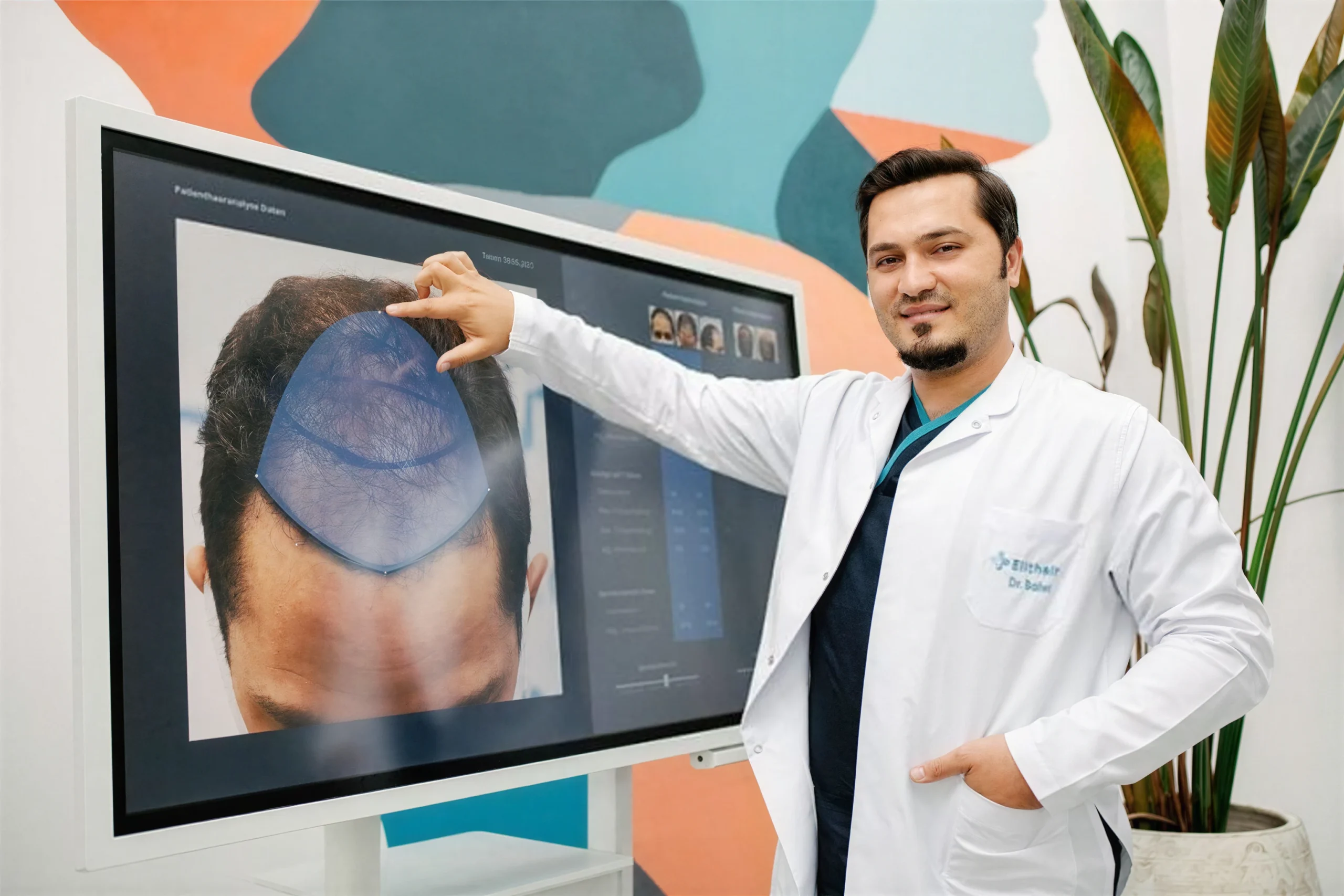
Why is your hair falling out, and which treatments may help?
Worsening hair loss can have many causes, including genetic and hormonal factors, nutrient deficiencies, thyroid disease, stress and intolerances (Guo et al. 2017).
We explain common causes, which medical specialists may be able to help and how different types of hair loss are treated. We cover established therapies, newer medical approaches and the limited situations in which supplements may be useful, with a focus on what the evidence actually supports.
Established scales can help describe the pattern and severity of certain types of hair loss. They are useful for tracking progression and discussing treatment options.

If you're considering a hair transplant, you'll probably have plenty of questions. How many grafts might you need? How much does treatment cost? What should you look for in a clinic? Our articles cover the process from the first assessment and treatment planning through to recovery and long-term results.
Our articles cover treatment planning and recovery: why transplanted hairs may shed temporarily in the first few weeks after treatment (known as shock loss, though not everyone experiences it), how to care for scabs and when you can usually return to activities such as exercise.
Medical research, including work by Dr Abdulaziz Balwi, and the first-hand experiences of public figures give you reliable guidance along the way.
Latest posts in the Hair Transplant category:
Scalp and Nervous System: Why the Scalp Burns, Tingles, Feels Tight or Goes Numb
Turkish Hairlines: What's Really Behind the Istanbul Hair Transplant Trend
How Many Grafts Do I Need? Benchmarks by Zone, Density and Prices




















Your daily routine can affect the condition and appearance of your hair. Washing, drying and styling it gently can help prevent damage to the hair shafts, while the right haircut can make thinning areas less noticeable. Small changes can also make it easier to care for your hair and scalp.
Alongside practical advice on styling and hair care, we cover developments in hair research and clinical practice, from analysing treatment data to new work in cell biology, growth signalling and medical ethics.
Latest posts in the Tips & Tricks category:
Big Data in Hair Medicine: What Thousands of Treatments Can Teach Us
Ethics in Hair Medicine: What We Could Do vs What We Should Do
The Transparent Head: Will We Soon Be Able to Read Mental States Through the Scalp?

More than 150,000 treatments
Deciding whether to have a hair transplant is a personal choice, and hearing about other patients' experiences can help. Their stories describe the process, from their first questions and the day of treatment to recovery and hair growth over the following months.
Google4.9over 11,000 reviews Trustpilot4.7over 3,700 reviews
 ProvenExpert4.84over 2,500 reviews
 ausgezeichnet.org4.92over 570 reviews
This section also looks at hair care products that often come up in discussion, such as caffeine shampoos, and distinguishes between marketing claims and what the available evidence shows.
These articles, along with independent reviews and practical guidance on comparing clinics, can give you a more balanced picture before you make a decision.
Latest posts in the Reviews category:

“Everything was extremely professional and extremely hygienic. I'm just really, really happy that I decided to do it.”
Max Coga · Aged 34 · 3,250 grafts

"I can't put into words how happy I am with the result. Definitely the best decision of my life."
Nico G. · Aged 27 · 2,800 grafts

“I'm just happy I had a hair transplant… and yes… I'm just happy – that's what matters.”
Melissa Z. · Aged 22 · 2,700 grafts

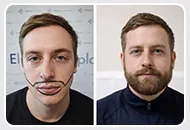


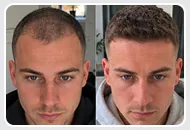
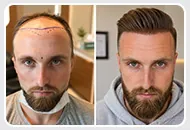
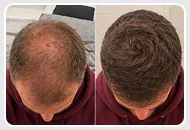


 Guide
Everyone's experience of hair loss is different. Use the guide below to find articles that address your symptoms or help you with the decisions you're facing.

Our blog explains hair loss, treatment options and recovery in clear, straightforward language. If you're considering treatment with Elithair, the pages below offer more detail on the procedure, current costs, techniques, recovery and what to expect during your stay in Istanbul.
Hair Transplant: how treatment works and why your diagnosis guides your care. Hair Transplant Cost: all-inclusive pricing by graft tier and what the package includes. Techniques: extraction, implantation and anaesthesia, step by step. Hair Transplant Procedure: the four days in Istanbul.
Healing Phase: how recovery progresses from the procedure to the final result. Before and After: documented results for each treatment area. Hair Transplant FAQ: the 50 most frequently asked questions in eight categories.
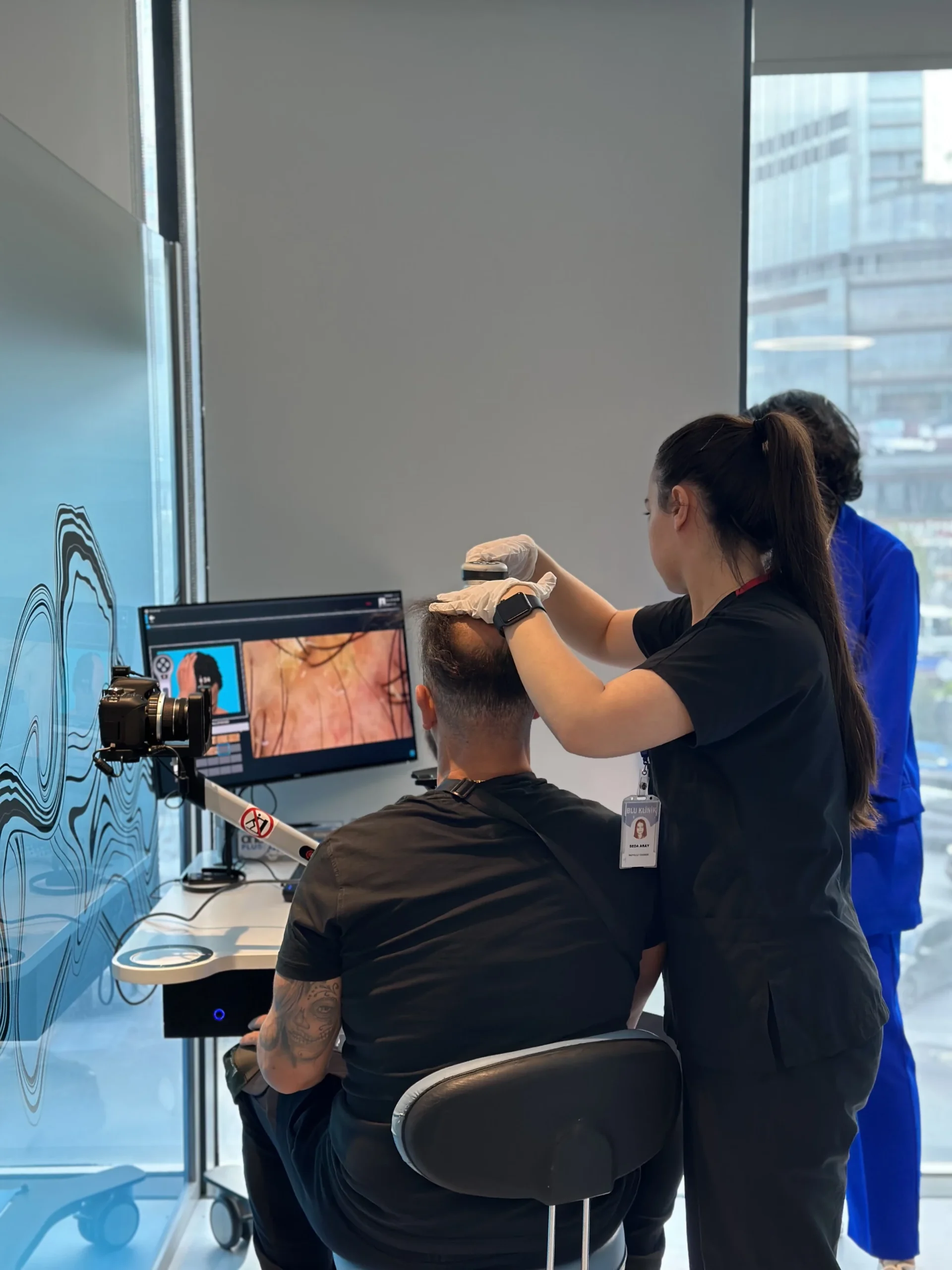
General information can help you understand your options, but the right approach depends on your individual circumstances. Your diagnosis, the pattern of your hair loss and how stable it is, the density of hair in your donor area and the health of your scalp all affect whether a transplant is suitable for you.
A free hair analysis based on your photos can give you an initial indication of whether a transplant may be suitable, along with an estimate of how many grafts you may need and the likely price.
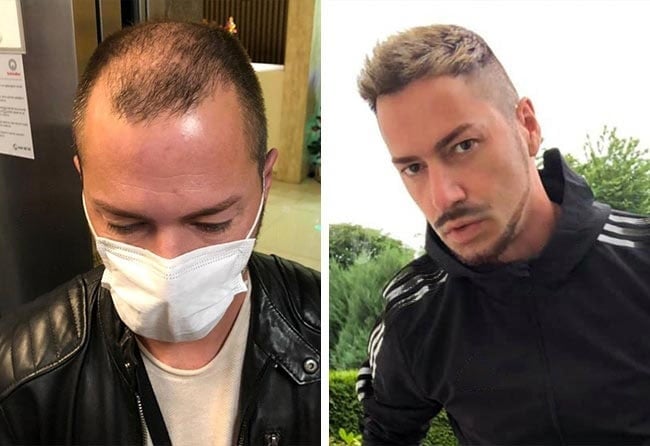
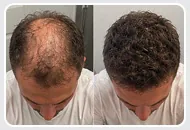
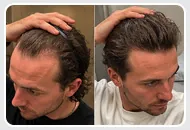
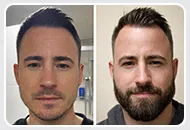
Andre O. – 5,200 grafts
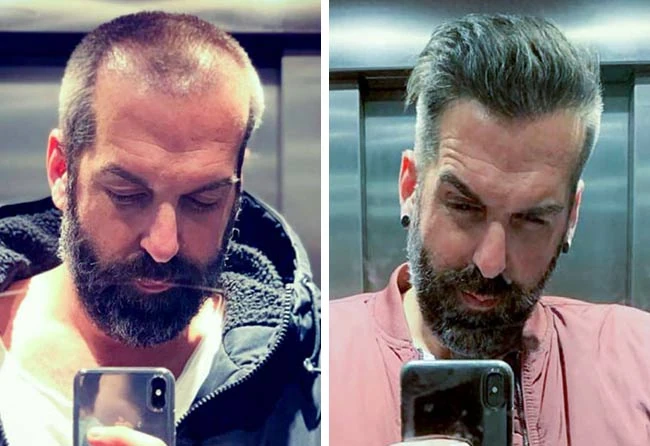
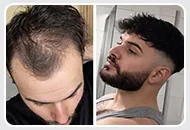
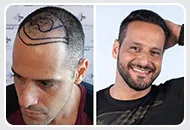
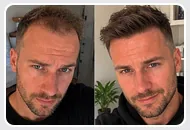
Juergen T. – 3,400 grafts

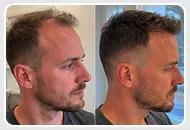
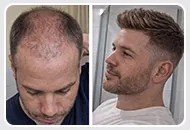
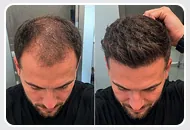
Danny Liedtke - 2,700 grafts
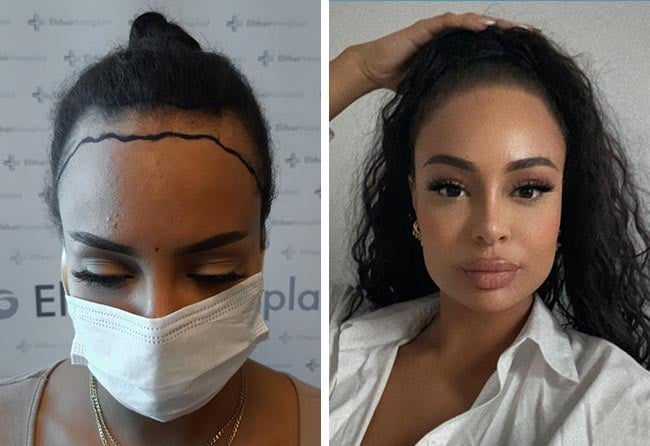
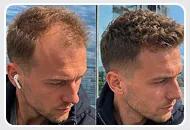
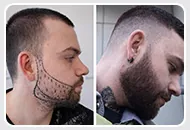
Jahy C. – 3,200 grafts
Around 40% of treatment enquiries are declined when the donor area, hair-loss pattern or another medical factor makes a transplant unsuitable. The aim is to identify any such issues before you travel or commit to treatment.
More than 300 posts in four categories: Hair Loss, with articles on causes, diagnosis and treatments; Hair Transplant, from planning through recovery; Tips & Tricks, covering care, styling and research; and Reviews, featuring patient experiences.
No. Blog articles can help you understand possible causes and prepare useful questions, but they cannot diagnose the reason for your hair loss. A GP, dermatologist or other appropriate clinician may need to examine you and arrange tests. The article Hair loss: which doctor should you see? explains where to start.
For androgenetic alopecia, minoxidil is one of the most widely studied treatments. There is also strong evidence for finasteride in men for whom it is suitable. Our articles explain how each option works and the side effects to consider.
You can find recovery guidance in the Hair Transplant category and in the article Aftercare after a hair transplant. After your own procedure, follow the individual instructions provided by the clinic and the reminders in the Elithair App.
Every post shows the date it was last revised. We regularly review older posts in light of new studies, clinical guidance and changes to our treatment protocols, and update them where needed.
That depends on the cause and stability of your hair loss, your donor area and your goals. The free hair analysis based on your photos gives you an initial indication of whether a transplant may be suitable, how many grafts you may need and the likely price, with no obligation.