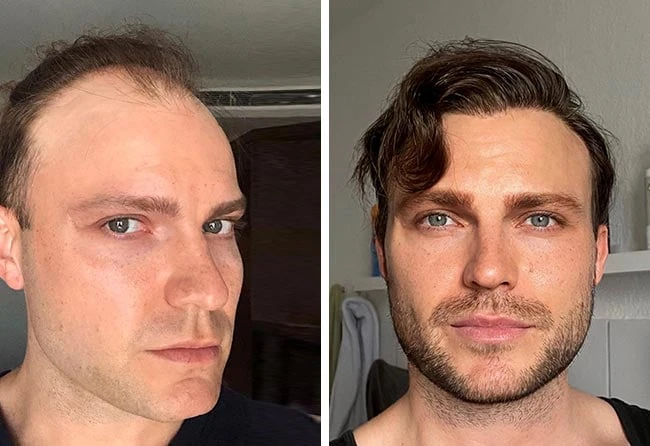
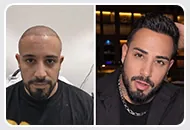
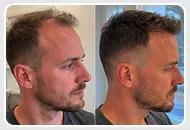
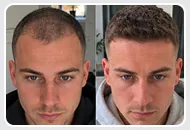
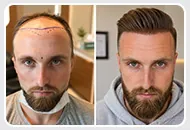
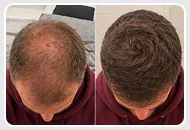
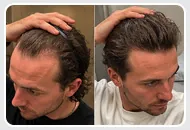
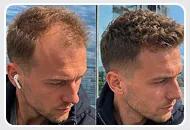
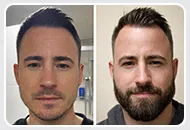
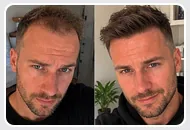
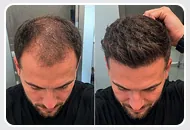
Before
After
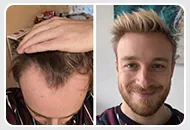
Edgars N. – 3,700 grafts

4.9 - 11,000+ Reviews on Google

150,000+ Happy Patients Worldwide
free & without obligation
 4.9 out of 5 stars on Google
More than 150,000 treatments
at our specialist clinic, certified to ISO 9001:2015
by TÜV Thüringen.

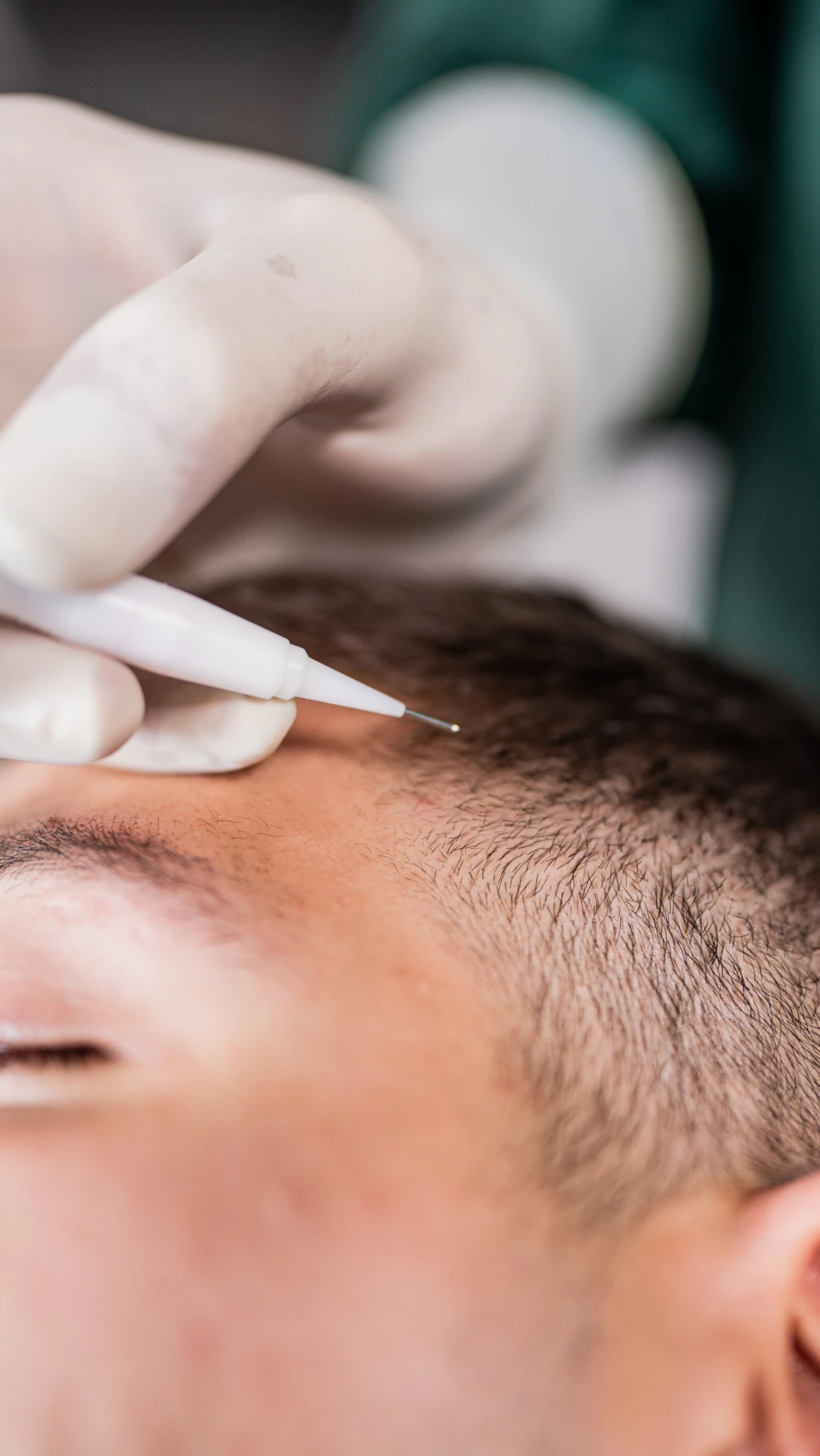
A DHI hair transplant combines creating the opening in the scalp and placing the graft in a single step.
The CHOI Implanter Pen guides the protected hair root into the scalp, avoiding direct pressure on the follicle. This also protects the delicate follicles from drying out and from mechanical stress, and allows grafts to be placed densely along your natural growth pattern.
The depth, angle and direction of each graft can be adjusted during implantation to suit your existing hair.
Good to know: The grafts are extracted using FUE, and the DHI technique handles their precise implantation. At Elithair, DHI is included at no extra cost in every treatment package, starting at £2,849.
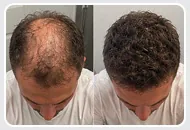
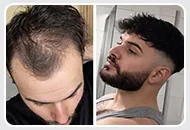
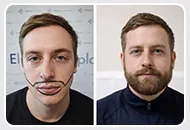
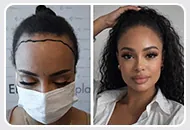
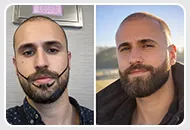
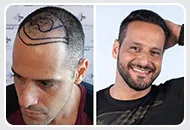
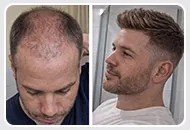
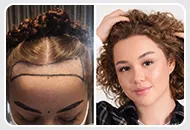
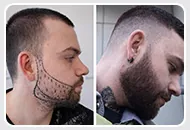
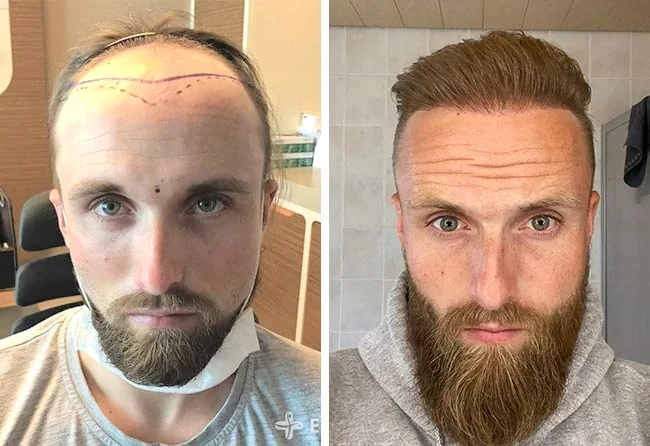
The following DHI hair transplant before-and-after comparisons offer a look at treatments performed at our hair transplant clinic.
Edgars N. – 3,700 grafts
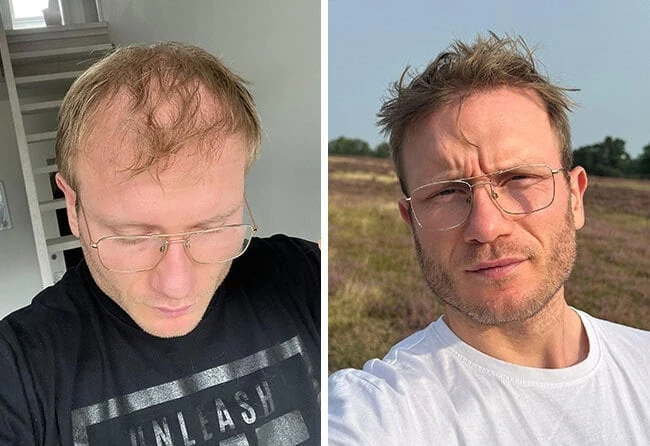
Holle21614 - 3,700 grafts
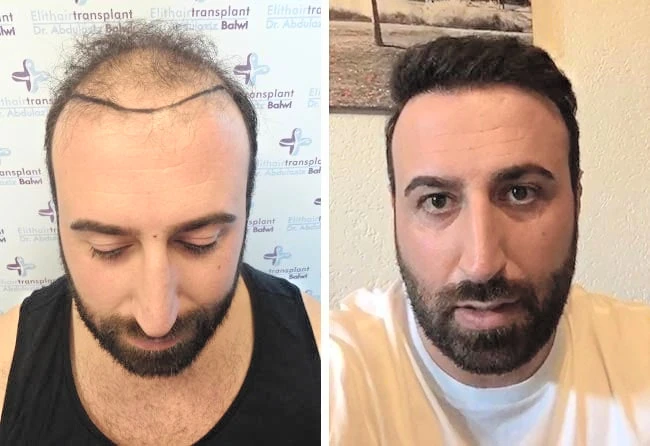
Artin A. – 3,500 grafts
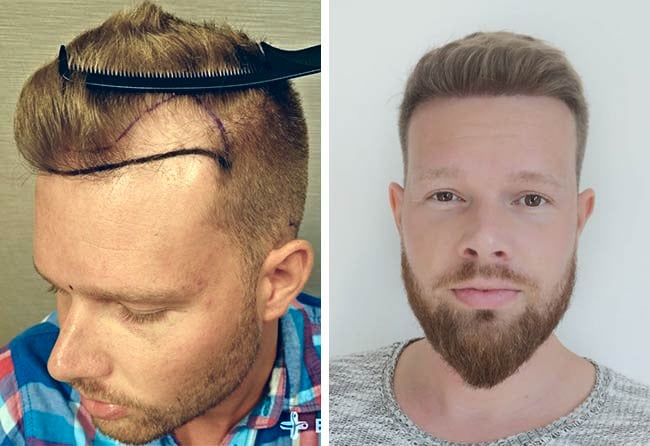
Alexander K. – 2,800 grafts
A natural overall look depends on a gradual transition at the front hairline, the exact angle of each graft and a smooth transition in density to your existing hair (Shapiro et al. 2013).
Your starting point is specific to you. A free hair analysis provides an initial assessment of your options.
So the difference isn't whether an opening is created, but when.
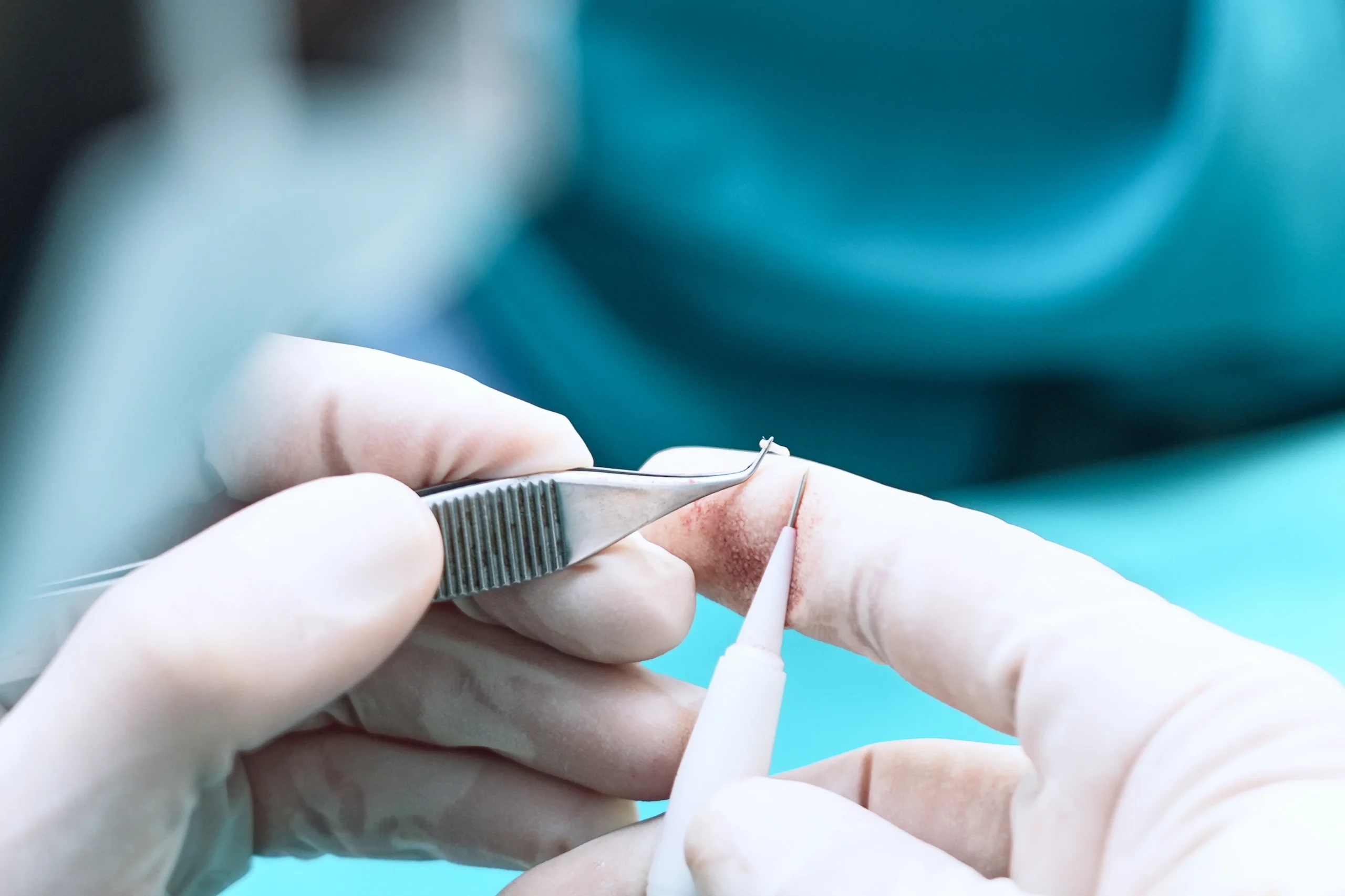
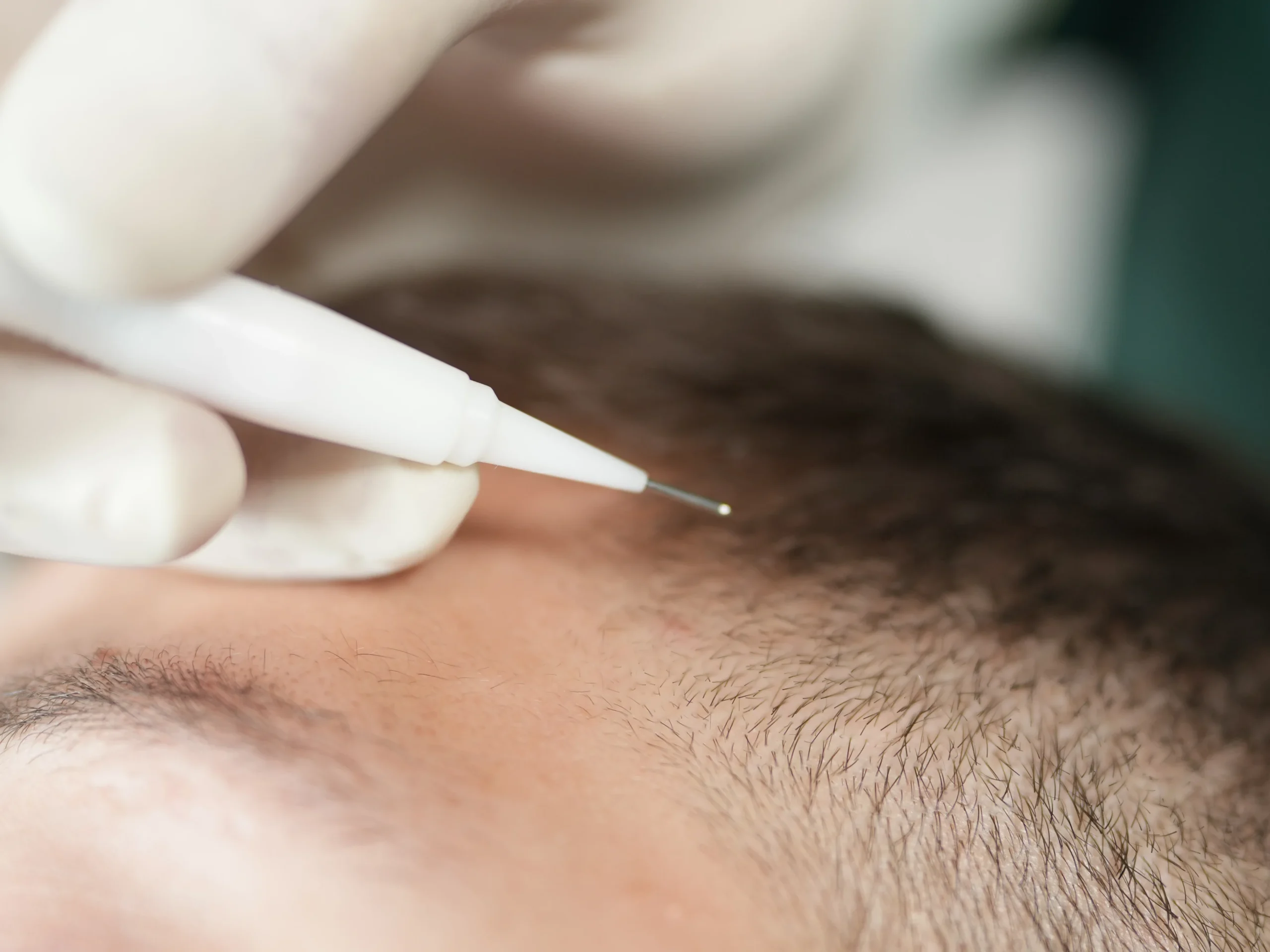
In a DHI hair transplant, the recipient channel is opened and the hair root is placed in a single step. Our medical specialists use the CHOI Implanter Pen for this: a fine hollow needle with a plunger inside. The graft is already inside the needle as it makes an opening in the scalp and is released in the same motion.
With the now outdated Sapphire technique, these are two separate steps. First, all channels are opened with a sapphire blade, and then the team places the grafts with forceps. So the difference is not whether an opening is created, but when.
The method is not new. Choi and Kim first described the instrument in 1992 (J Dermatol Surg Oncol 1992, PMID 1430550), and it was then refined further at Kyungpook National University in South Korea.
It has been in clinical use for more than three decades, first in Asia, where thicker, stronger hair makes it easier to handle. Today there are versions made specifically for finer European hair.
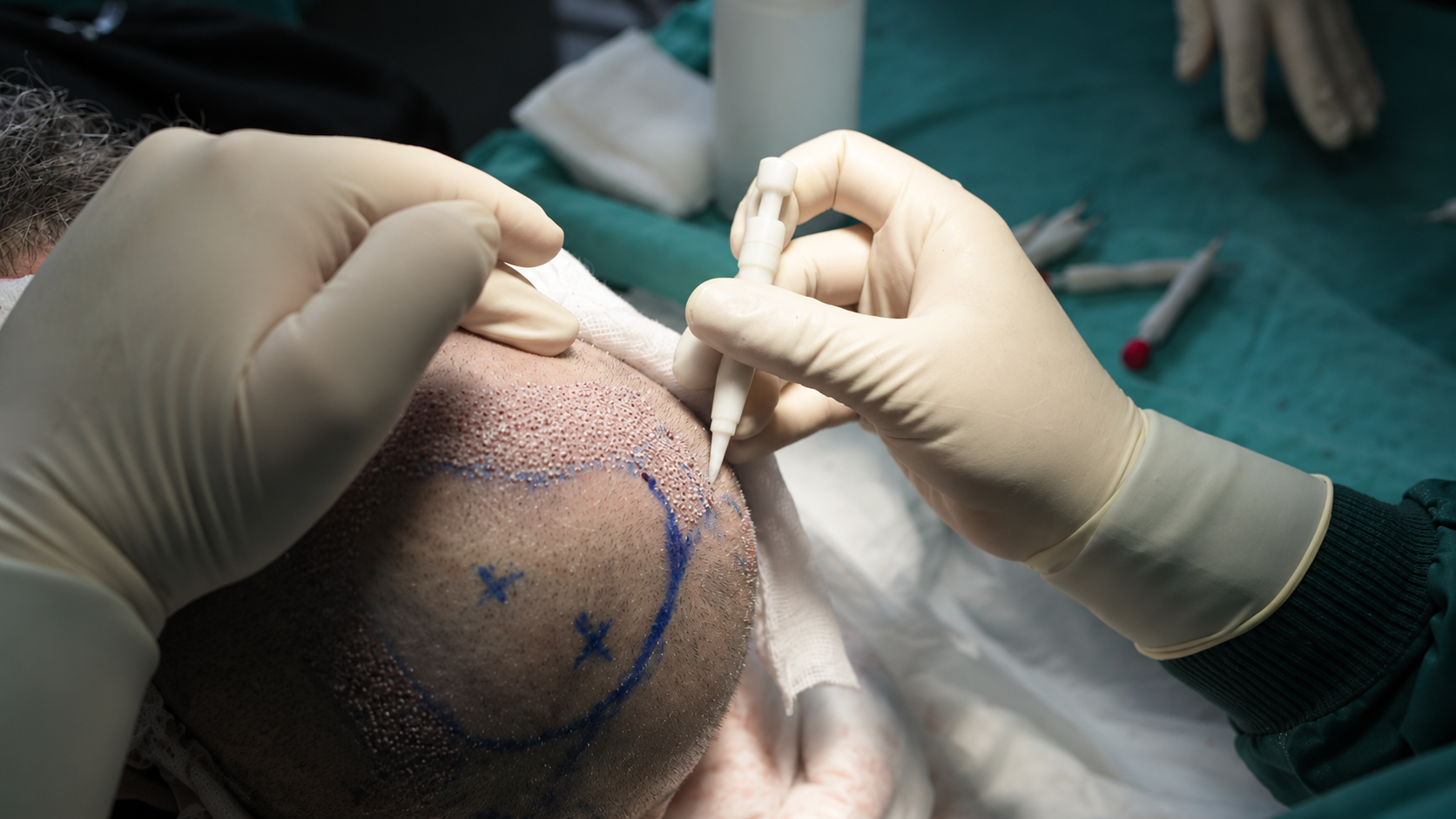
The International Society of Hair Restoration Surgery (ISHRS) classifies DHI as a specific instrument-based technique: implantation using a sharp hollow needle.
The CHOI Implanter Pen creates the opening and places the graft directly in one motion. This eliminates the need to grip the hair root with forceps, which protects the follicle during placement.
What this means for you: DHI is a specific way of placing the grafts, and what it achieves can be described precisely.
 Fact sheet
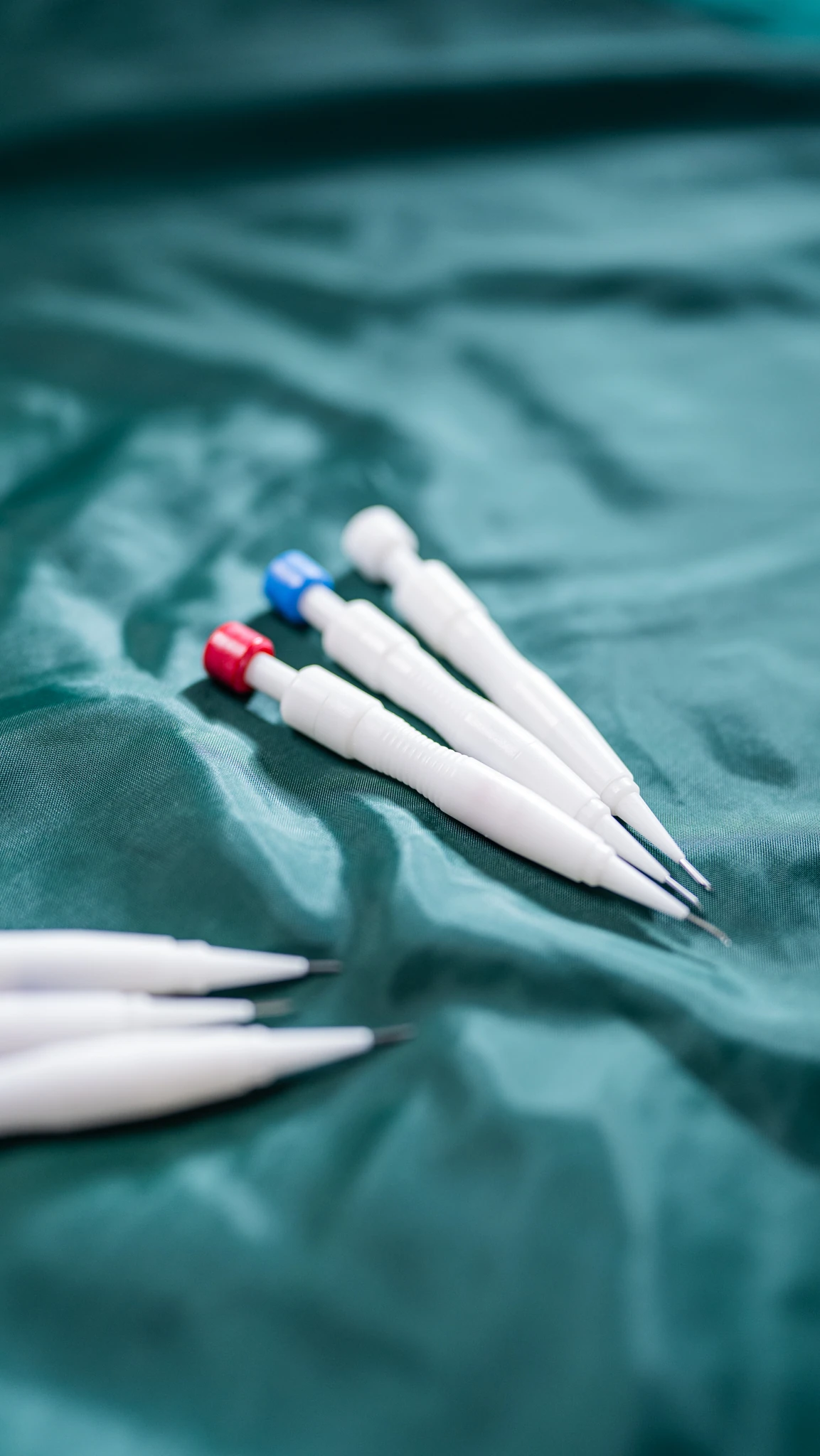
Placing the hair roots is the core of a hair transplant. With the Sapphire technique, the channels are opened first and the grafts are then placed. With DHI, the CHOI Implanter Pen guides each protected graft into a freshly opened site. Combining these steps avoids putting direct pressure on the follicles, shortens their time outside the skin and allows particularly high density in the recipient area.
IMPORTANT: The sapphire blade is used only to prepare the channels in advance. It therefore is not a direct counterpart to the CHOI Implanter Pen: it performs one step that the implanter incorporates into placement. Working in two separate passes no longer meets our standard for treatment that is gentle on tissue. That is why we use the CHOI Implanter Pen throughout, both for precise work along the hairline and when adding density across large areas.
| Feature | DHI with the CHOI Implanter Pen | Sapphire blade and forceps |
|---|---|---|
| Procedure | Channel opening and graft placement in a single step | Channels created first, grafts placed afterwards |
| Angle and depth | Adjusted individually as each graft is placed | Set in advance for the entire area when the channels are opened |
| Time outside the body | Minimal; grafts are placed promptly | Longer, because grafts have to wait until the channels in the recipient area are opened |
| Adding density between existing hairs | Precise placement between existing hairs without blindly cutting recipient channels in advance | Risk to neighbouring roots from pre-cutting |
| Shaving the recipient area | Usually required | Usually required |
| Time required | Longer, because grafts are loaded and placed individually | Shorter, thanks to separate phases |
| At Elithair | Standard in every treatment | No longer used |








 Four factors
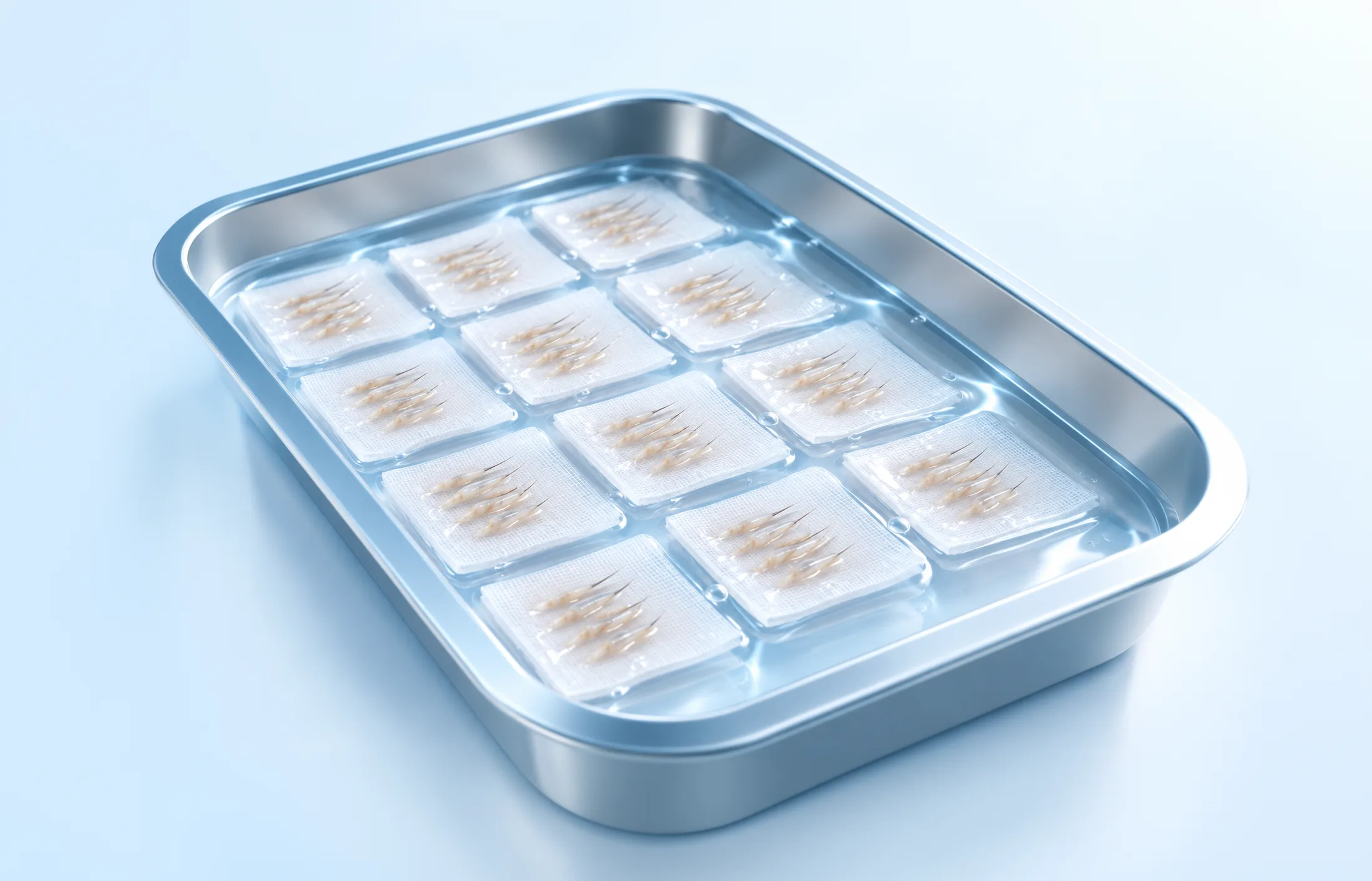
Hair follicles are extremely sensitive to drying out once their blood supply is cut off. Continuous hydration with special nutrient solutions protects the roots' cell structure from irreversible damage while the grafts are stored. A smooth transfer into the CHOI Implanter Pen keeps the grafts optimally moist until the moment they are placed, so they retain their full vitality.
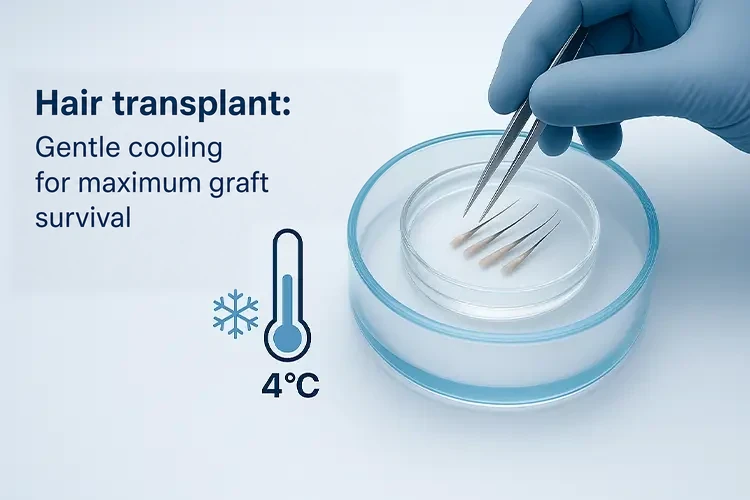
Besides time outside the body, the surrounding temperature is crucial for the survival of the hair roots. Controlled cooling in the nutrient solution slows the grafts' metabolism, which significantly lowers the cells' need for oxygen and nutrients during the period of ischaemia. This temperature-controlled process protects the delicate tissue and creates ideal conditions for the grafts to take hold after implantation.
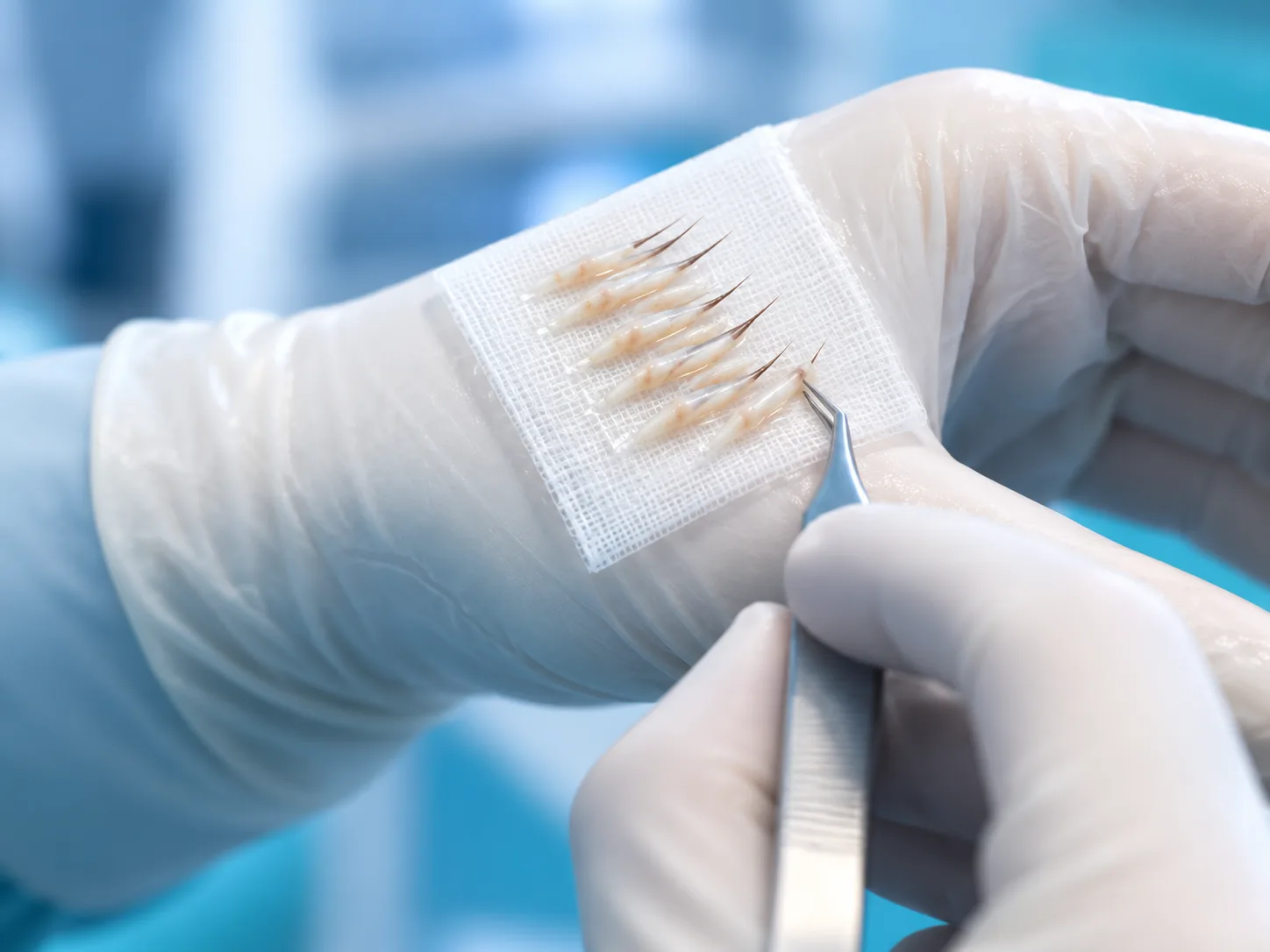
Every graft is living tissue whose blood supply is cut off when it is extracted. Alongside moisture and temperature, the medical literature considers the length of this interruption a key factor in later graft survival (Parsley and Perez-Meza, J Cutan Aesthet Surg 2010, PMC2956960). The guideline of the German Association of Hair Surgeons (VDHC) also identifies minimising time outside the scalp as a key criterion. While the step-by-step method requires all channels to be created before placement can begin, DHI allows grafts to be implanted promptly after extraction.
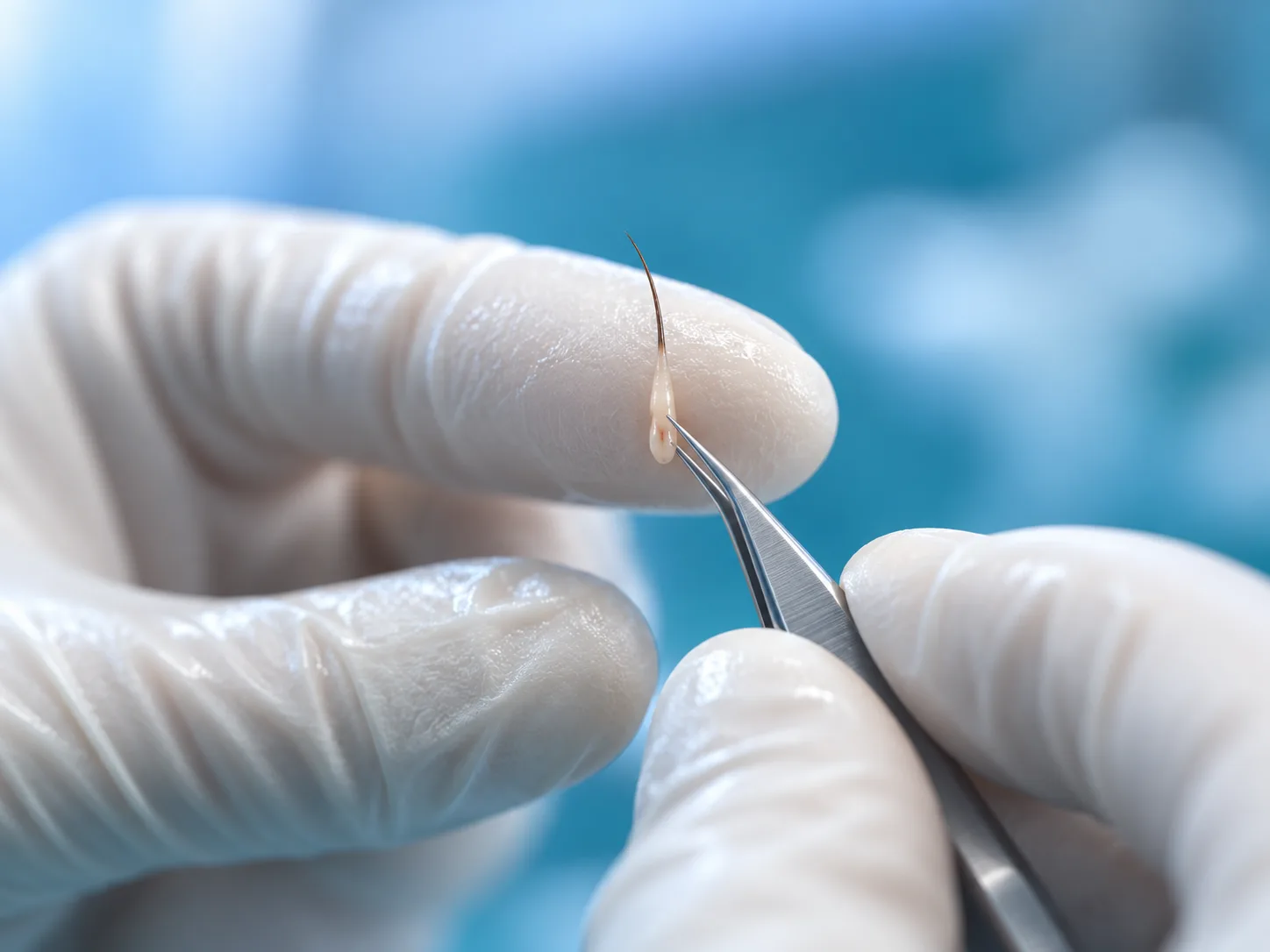
The look of a hairline depends largely on the angle, insertion depth and growth direction. When recipient channels are created across an area in advance, the pattern for that zone is fixed before the individual root is placed. The CHOI Implanter Pen allows the direction and depth of each follicle to be adjusted individually at the moment of placement. This allows new hair to fill existing gaps and blend seamlessly with existing hair, precisely recreating the subtle transition at the frontal hairline.
At Elithair, the graft survival rate is approximately 98%. The insertion depth determined individually in the Pre-Test System and the NEO FUE® protocol both contribute to this. In the first weeks after treatment, the transplanted hairs may shed temporarily (shock loss). Not every patient experiences shock loss. If it does occur, it is a normal part of the process and no cause for concern.
Above all, research shows how important it is to follow the treatment parameters exactly: a shallow exit angle of 10 to 20 degrees at the hairline and protection from mechanical stress help the follicles survive (Park JH et al., Clin Cosmet Investig Dermatol 2023, PMC10349607).
The CHOI Implanter Pen allows precise control of these parameters, but the result still depends on the clinical team's experience.
Follicular units vary in size depending on whether they contain one, two or more hairs.
A needle that is too narrow would crush the follicle during placement, while a needle that is too large leaves unnecessarily large channels and can loosen grafts that are already in place. To minimise tissue trauma during healing, the needle diameter must therefore match the size of each graft exactly (Park JH et al. 2023).
Needle diameter: 0.6 to 0.8 mm · Area: frontal hairline and transition areas · Implanter colour at Elithair*: white
Needle diameter: 0.9 to 1.0 mm · Area: zone behind the hairline, adding density · Implanter colour at Elithair*: blue
Needle diameter: 1.0 to 1.2 mm · Area: top of the head and crown for maximum density · Implanter colour at Elithair*: red
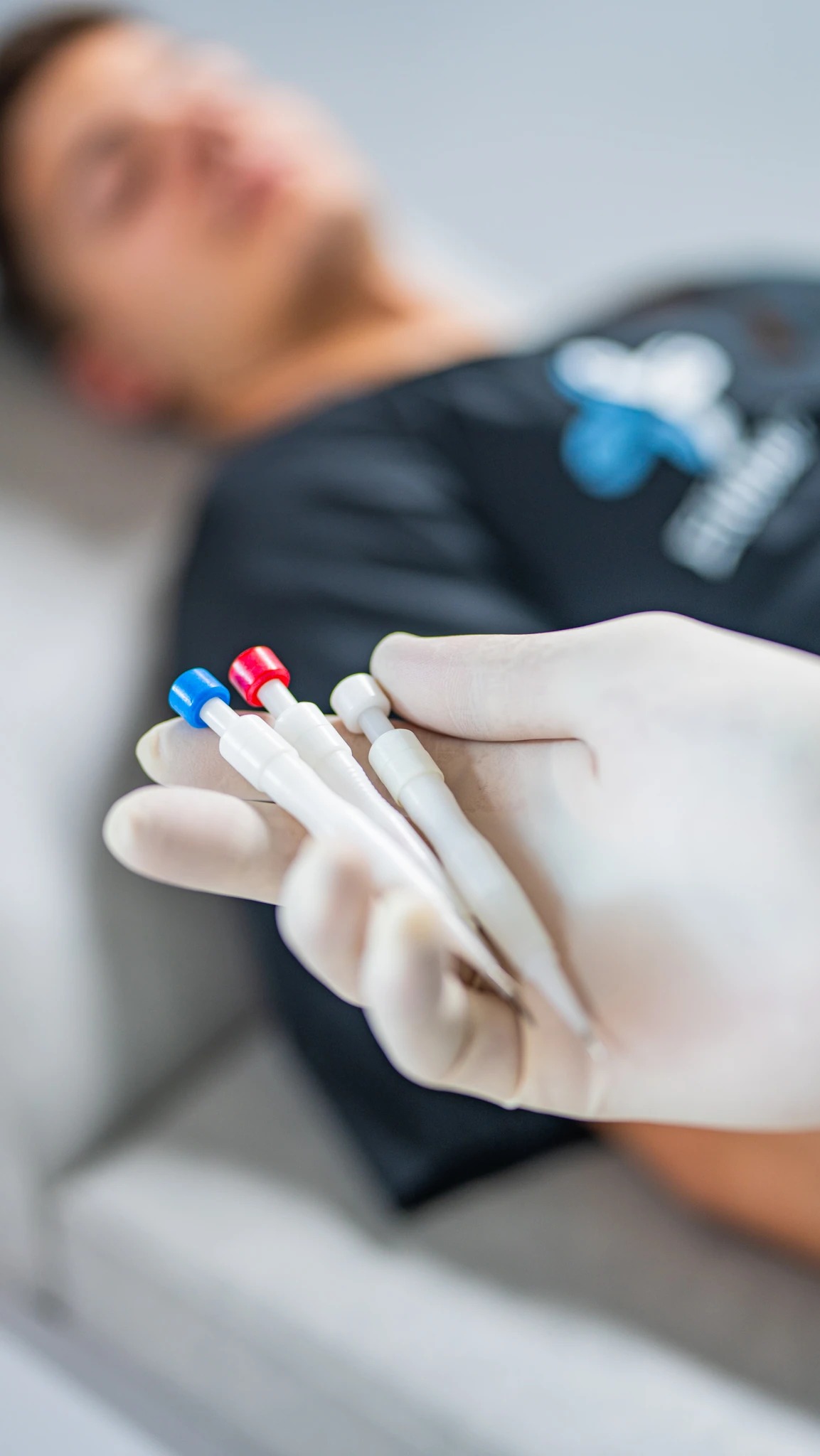
*The colour-coding system clearly identifies the right implanter pen at every step. This ensures precise placement within the medically recommended size range.
The natural, aesthetic result of a DHI hair transplant is based on four key medical parameters. These are established through our Pre-Test System, whose results are used to create your individual treatment plan.
The exit angle At the front hairline, hair emerges at a very shallow angle (10 to 20°), while the angle rises to 30 to 40° in the mid-scalp. A shallower insertion also protects the deeper blood vessels (Atodaria PR et al., Indian J Plast Surg 2021, PMC8719949).
The insertion depth Grafts placed too superficially have a significantly lower survival rate. To determine the ideal depth precisely, our Pre-Test System measures your skin thickness by ultrasound and your blood circulation by Doppler ultrasound. Together, these two values determine the insertion depth in your individual treatment plan.
The growth direction Hair follows natural growth patterns and whorls. The CHOI Implanter Pen allows the direction of every follicle to be adjusted precisely at the moment of placement.
Transplant density Higher graft counts do not automatically mean better results. Experience shows that the survival rate drops above roughly 25 to 30 units per cm² (Lee W et al., Dermatol Surg 2006, PMID 16792647), so the target density is carefully chosen to balance visual coverage with follicle health.
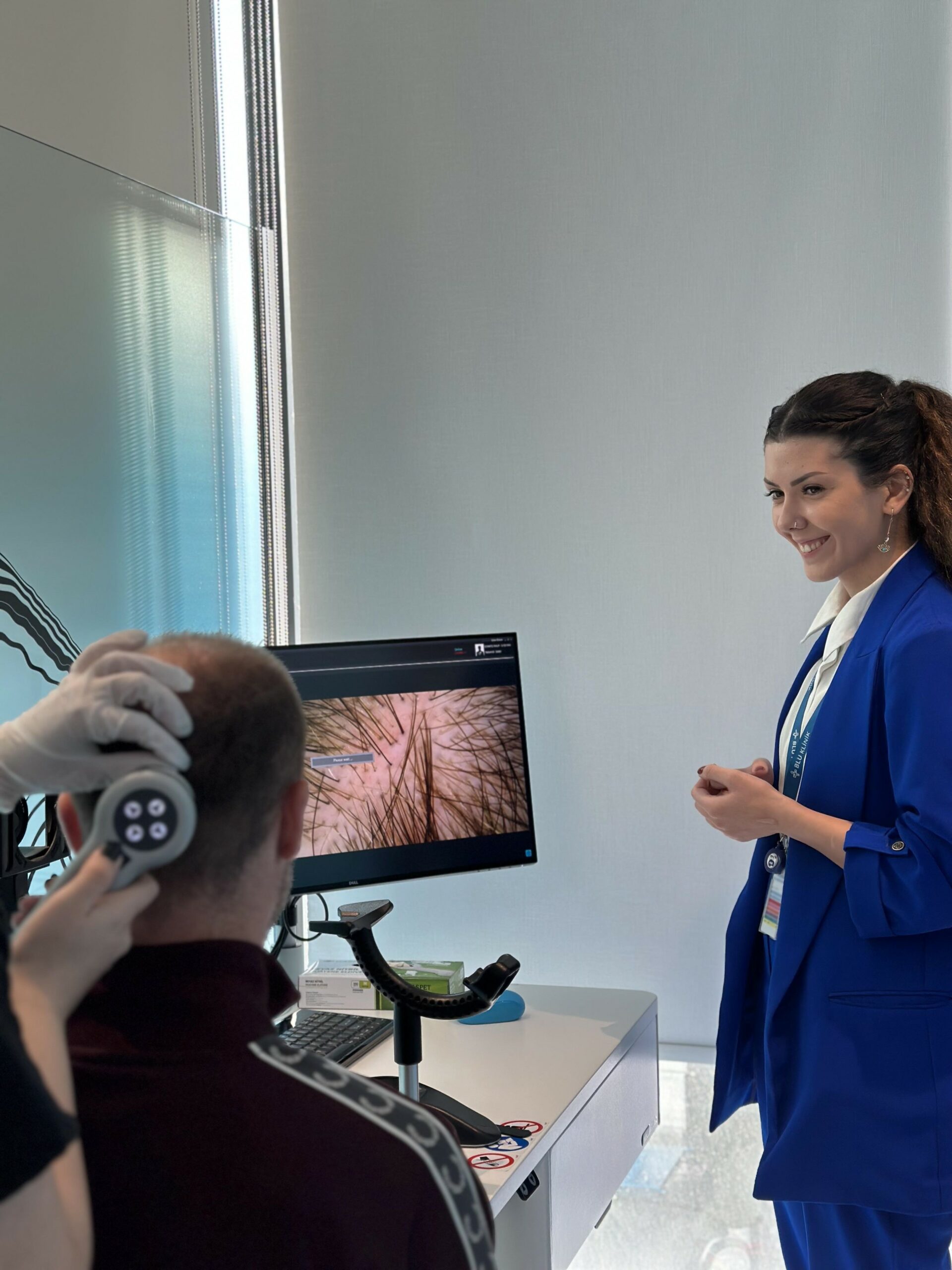
Thanks to a clear division of labour within the surgical team and several CHOI Implanter Pens in use at once, we can efficiently implant even large numbers of grafts in a single session without unnecessarily extending the time the follicles spend outside the body.
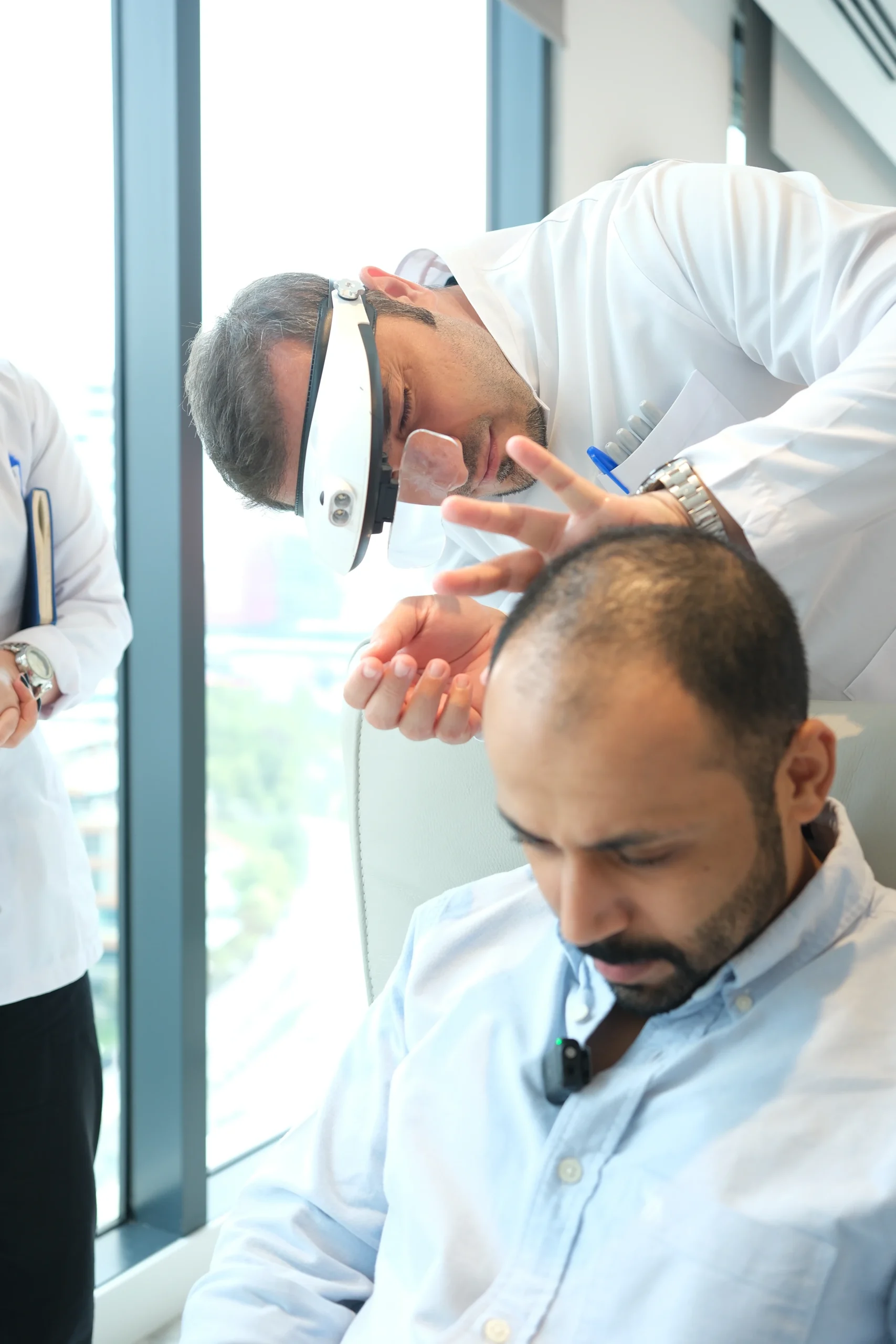
The number of grafts that can be treated safely depends on the natural capacity of your donor area. To protect this limited reserve, our doctors set the final graft number in your individual treatment plan using the results of the Pre-Test System, including the TrichoLAB hair analysis.
This preserves the appearance of the donor area. For an initial estimate of what you need, try our graft calculator.
Every successful DHI hair transplant requires intact, well-prepared grafts. The patented NEO FUE® Serum is part of your package: at our clinic in Istanbul, you receive the set containing a dermaroller and two serum ampoules, and you apply the serum to the donor and recipient areas on day 14 and day 28 after the procedure. It supports healing and contributes to our approximately 98% graft survival rate.
During FUE extraction, we remove the follicles individually with a fine hollow needle, without a scalpel or stitches. Thanks to our Sleep-Deep method, you stay relaxed during extraction, with 0% pain.
To protect the roots for placement with the CHOI Implanter Pen, we run our instruments at a reduced speed. Fully manual extraction with Manual FUE is available as an alternative at an extra cost, which your adviser will explain during your consultation.

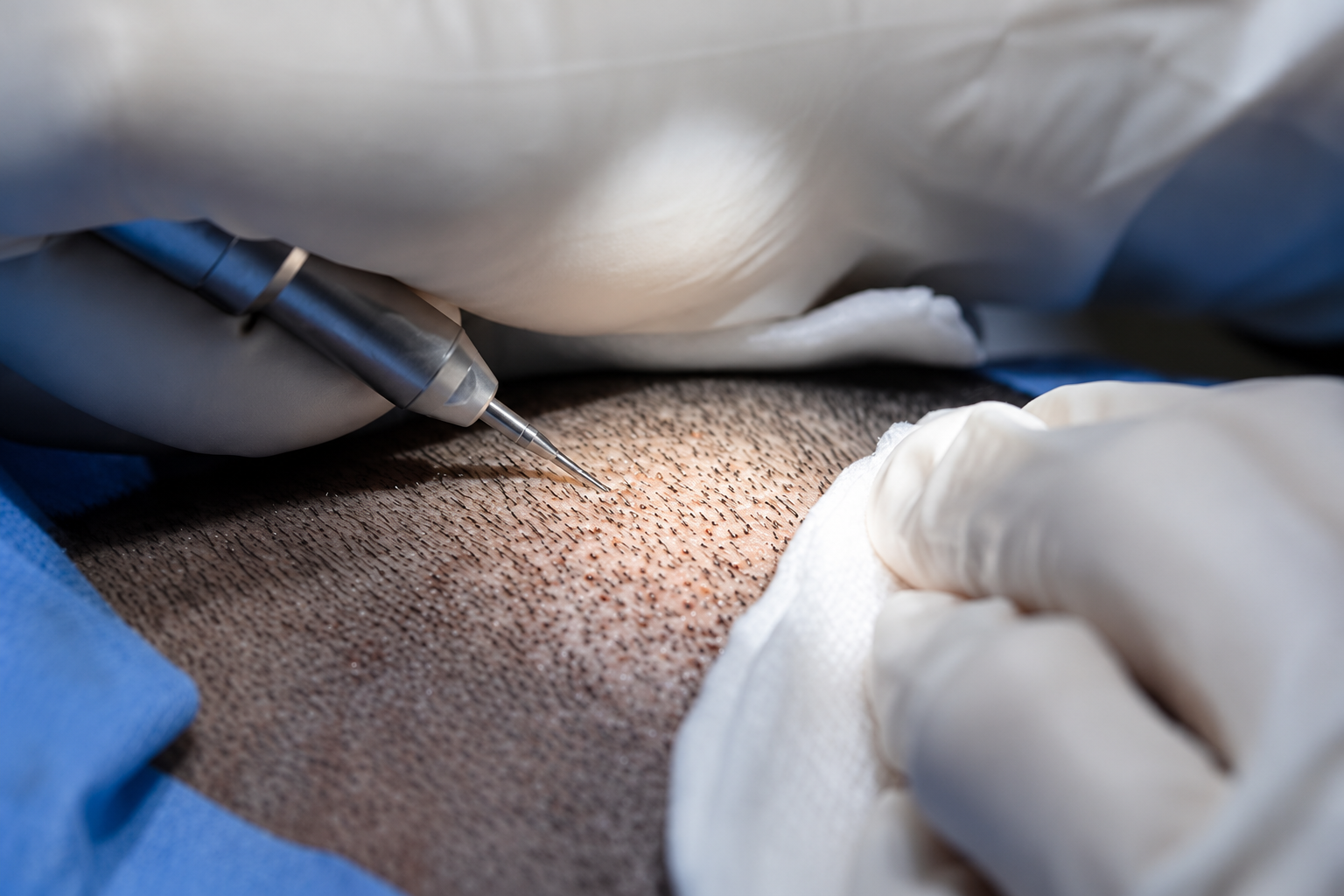 Implantation process
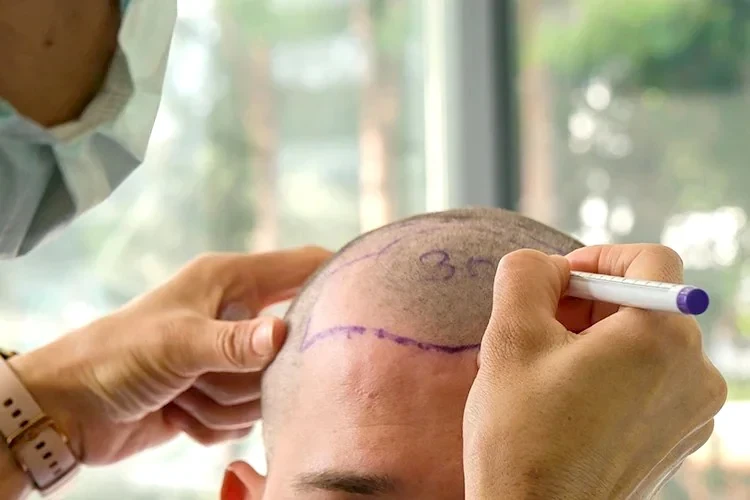
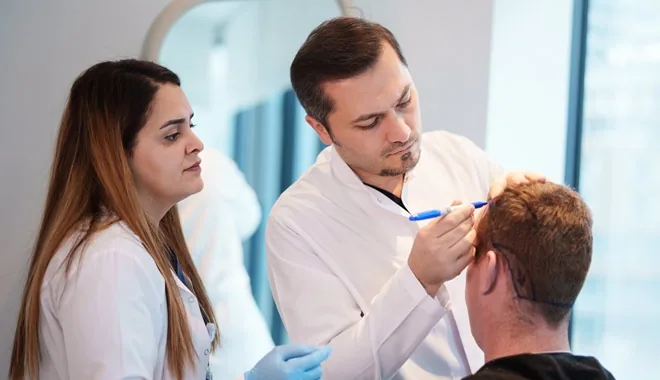
Planning comes before the first graft. The doctor draws your hairline to suit your facial proportions. The insertion depth is based on the results of our Pre-Test System, which are used to create your individual treatment plan. That is why two patients with the same graft count never receive the same treatment at Elithair.
After extraction, the grafts are stored in an enriched nutrient solution so they do not dry out. For implantation, they are placed on a covered pad that keeps them protected until placement and prevents body heat from warming them.
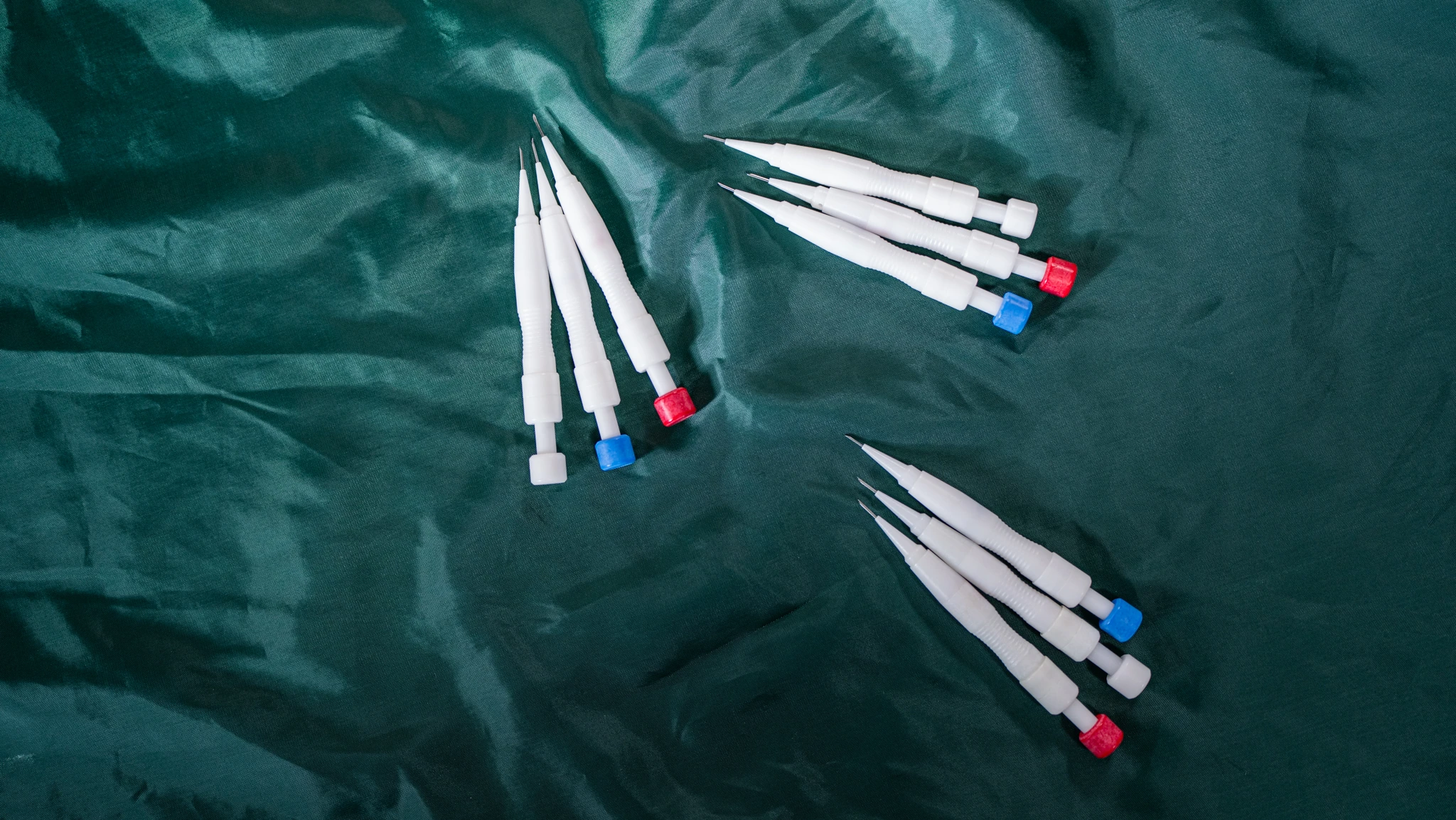
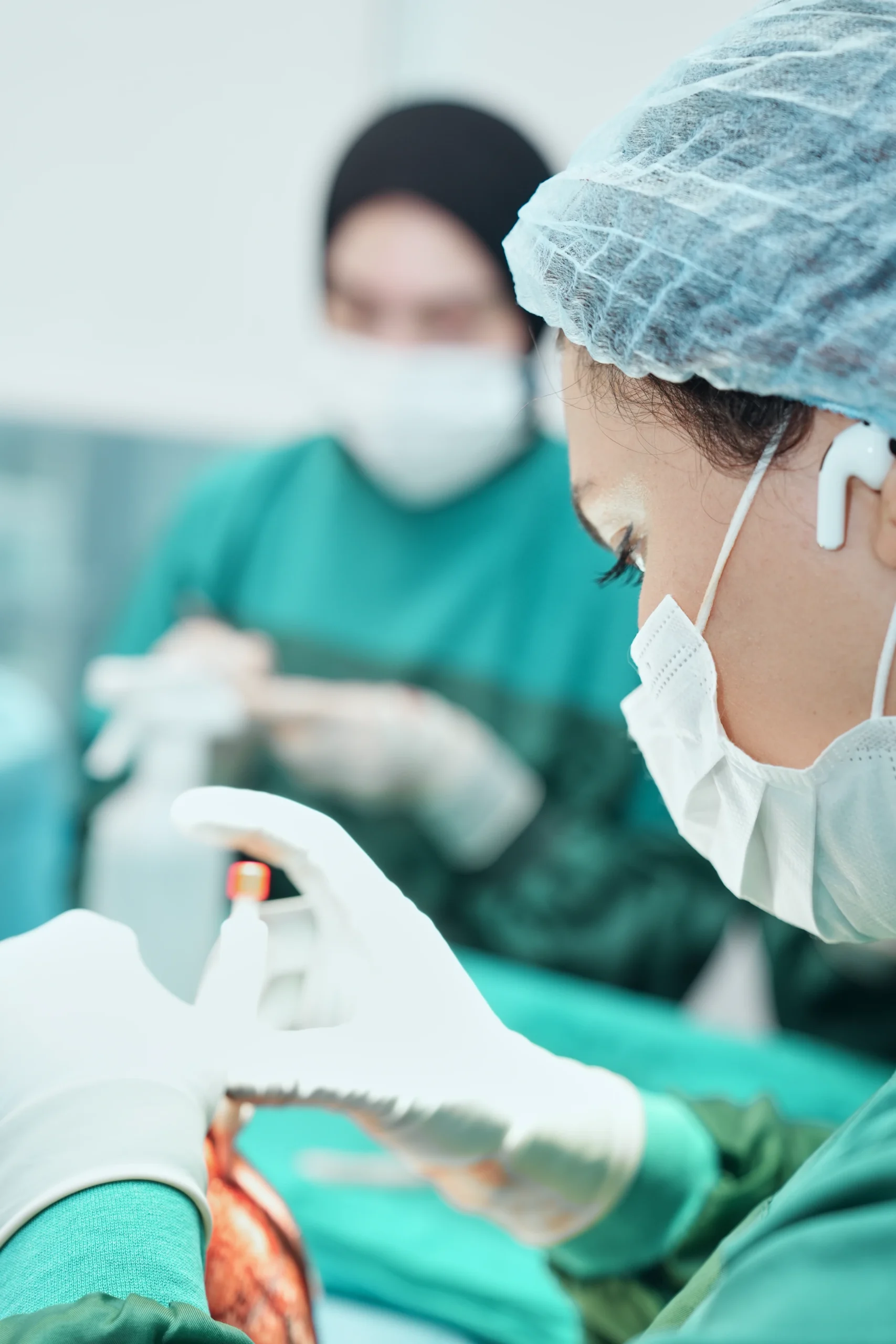
Each CHOI Implanter Pen holds exactly one graft, with a needle diameter matched to the graft: white for single grafts, blue for double grafts, red for multi-grafts. While grafts are being placed, the next implanter pens are already being loaded, so no graft has to wait for an entire area to be prepared.
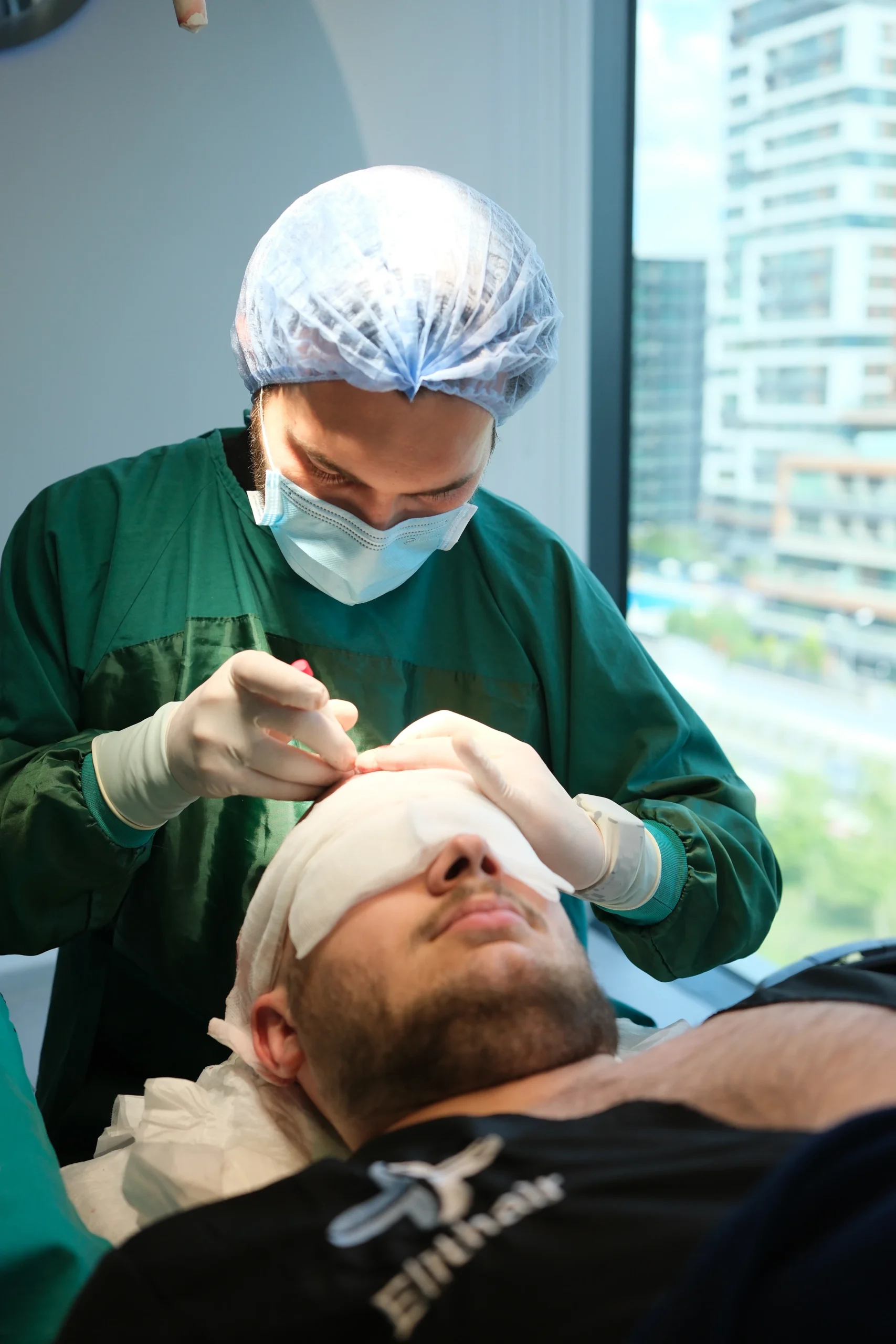
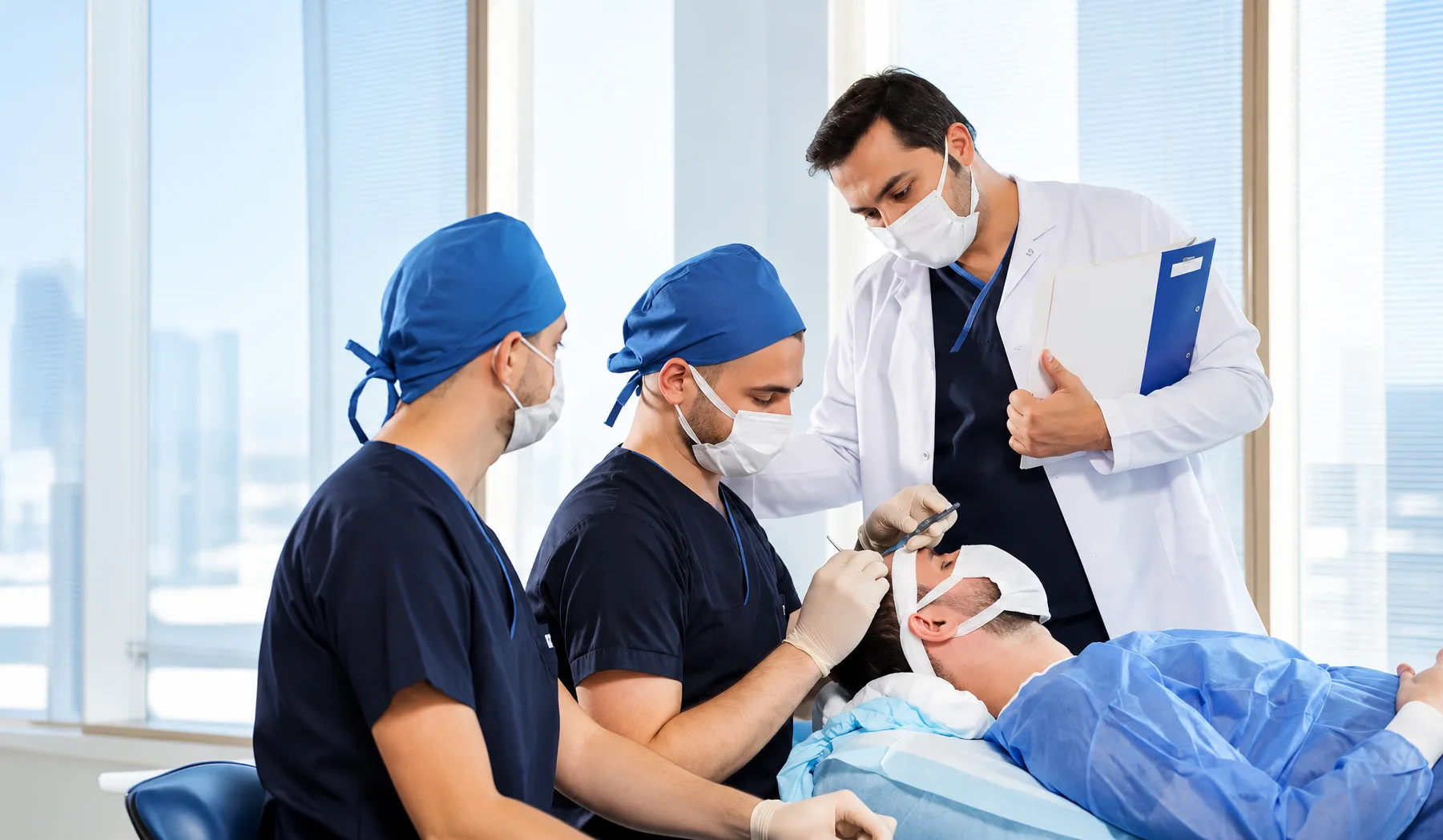
The CHOI Implanter Pen positions the follicle at the planned angle, opens the scalp and places the graft at the predetermined depth, all at the same time. This allows precise control of the angle, depth and direction of growth for each follicle during placement. Sleep-Deep sedation is given before the local anaesthetic, so implantation is completely pain-free for you.
Your stay spans four carefully planned days. From arrival to departure, your medical care and travel arrangements are seamlessly coordinated. You choose the right treatment dates with your personal hair transplant adviser during your consultation.
At Elithair, your treatment costs are based on clearly defined graft tiers. Your procedure is always performed using the modern DHI method. After your free hair analysis, you will receive a no-obligation cost estimate.
| Grafts | Your all-inclusive price | UK comparison price | Your saving |
|---|---|---|---|
| up to 2,000 | £2,849 | £5,100 | around 44% |
| up to 2,500 | £2,949 | £6,400 | around 54% |
| up to 3,000 | £3,049 | £7,600 | around 60% |
| up to 3,500 | £3,149 | £8,900 | around 65% |
| up to 4,000 | £3,249 | £10,100 | around 68% |
| up to 4,500 | £3,349 | £11,400 | around 71% |
| 5,000+ | £3,449 | £12,700 | around 73% |
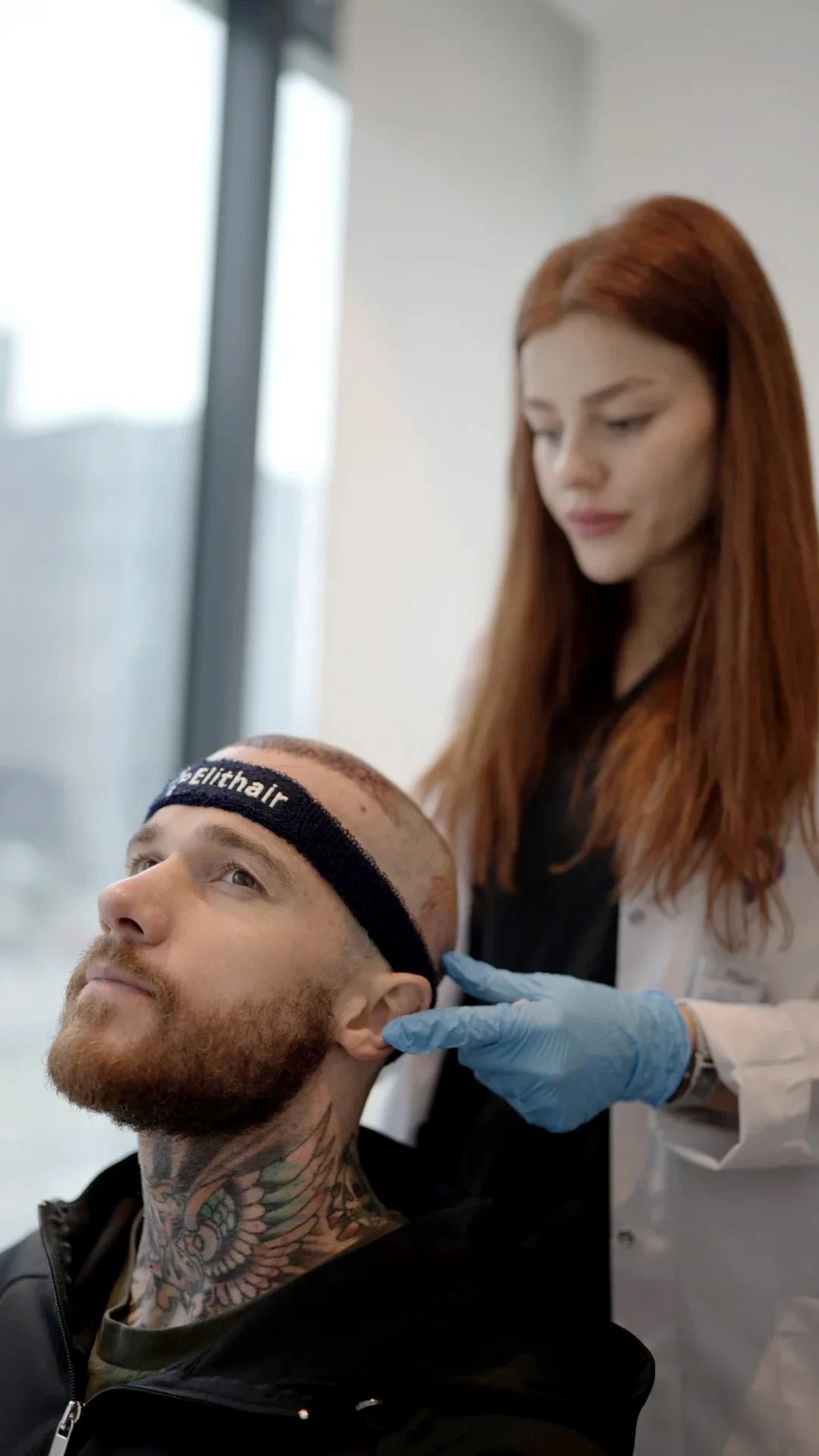
Our all-inclusive package covers your treatment, preparation and aftercare:

Transparency About Extras & the Guarantee
Your flight is not included and costs around £90 to £220; we are happy to help you book. Optional extras include Zero Shave FUE for an additional £450 and Manual FUE, with the additional cost explained during your consultation.
The included PRP treatment takes place at the clinic on the day of your procedure. Because follicles from the back of the head are genetically resistant to hormonal hair loss (DHT), we give you a 20-year guarantee on the transplanted hair, provided you follow the care instructions.
Areas of useWhether you have receding temples or extensive hair loss, the DHI technique can be adapted to your needs.
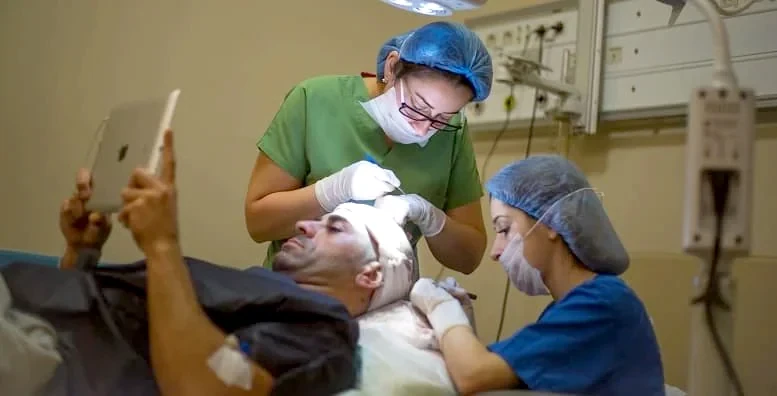
DHI requires the utmost care: placing grafts too densely puts the survival rate at risk, while improper pressure can dislodge neighbouring grafts (Park JH et al. 2023). To rule out errors such as incorrect insertion angles or wrong needle sizes, only teams of highly trained medical specialists perform your graft implantation at Elithair.
What mattersA successful DHI hair transplant depends on careful timing, optimal graft density and skilled technique. Here is what matters.
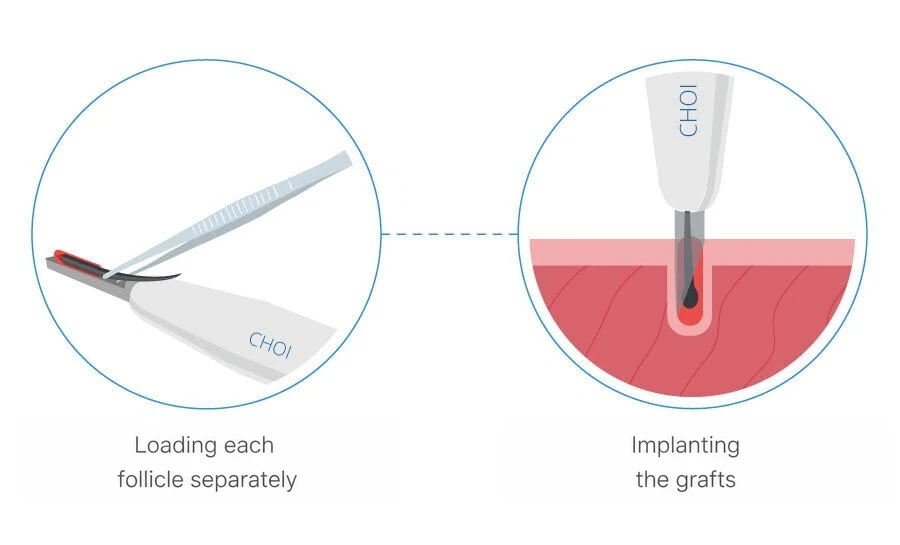
Placement with the CHOI Implanter Pen is precise but takes more time. With well-coordinated teams and several instruments in use at once, we keep the time grafts spend outside the scalp to a minimum to maximise follicle vitality.
Hairs placed too densely compete for the scalp's nutrient supply. We pay close attention to exact spacing, since overly dense placement can lower the survival rate.
When neighbouring grafts slip out (popping), this is entirely due to technique, for example incorrect needle angles or rushed handling (Park JH et al. 2023). Our medical specialists have years of experience preventing exactly that.
Filling in thinning areas requires greater precision than filling in bald areas such as receding temples. The CHOI Implanter Pen creates the channels only as the follicles are placed, which gives the surrounding hair the best possible protection.
Important for the first few months: When adding density, microtrauma to the scalp can cause weakened existing hair to shed temporarily (shock loss). Not every patient experiences shock loss.
Because the follicles remain intact, the hair grows back within a few months. Studies show that this effect occurs more often with hair transplants for women (Okochi H et al., Aesthetic Plast Surg 2024, PMID 37816944). We explain this to you in advance so you can move through the growth phase with confidence.
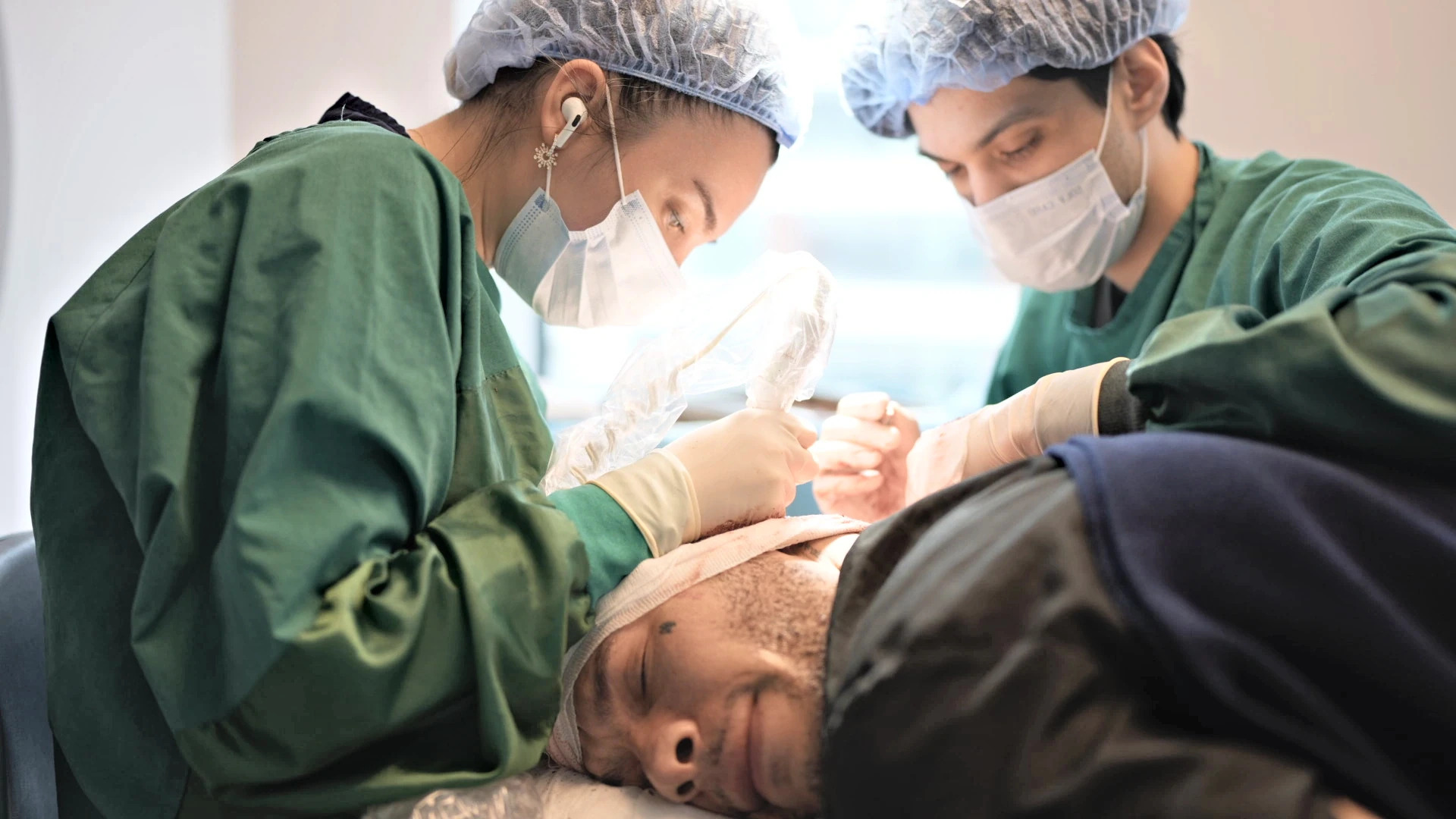
A DHI hair transplant normally requires trimming the donor and recipient areas so follicles can be extracted and placed precisely.
Trimming is done at the clinic on the day of treatment, so please leave your hair and beard uncut for the 14 days before your treatment.
Treatment with no visible shaving is possible with optional Zero Shave FUE for fewer than 3,500 grafts, at an additional cost of £450. It is suitable for women and men, including those with medium-length or long hair; long hair is not a requirement. We check whether this procedure is right for you as part of your free hair analysis.
Healing follows the natural hair cycle rather than the implantation technique. Days are counted from the procedure, so day 1 is the day after your treatment. You will receive the complete plan in writing before your trip.
| Time frame | What happens | What you do |
|---|---|---|
| Days 1 to 3 | Grafts become anchored; swelling is possible | Sleep on your back with a neck pillow; wear the headband |
| Days 2 to 8 | Gentle hair washing | Only dab on the lotion, never rub |
| Days 10 and 11 | Scabs are gently removed | Gently remove scabs with the lotion; normal shampoo from day 12 |
| Up to month 3 | Transplanted hair shafts may shed temporarily, although not every patient experiences this | A normal interim phase; the roots stay intact |
| From month 4 | New growth begins (about +10% per month) | |
| Months 10 to 12 | Final result visible at the front | Assess final density |
| Months 15 to 18 | Final result visible at the crown | Treatment completed in the crown area |
Medical note: Typical side effects fade over time: redness subsides in two weeks to three months, and itching subsides within three months. According to international standards (e.g. the German S3 guideline and the NHS), final results take 10 to 18 months, depending on the area treated; the crown takes 15 to 18 months.
| Activity / measure | Donor Area | Recipient area |
|---|---|---|
| Cutting hair (scissors / clippers) | after 1 week / 2 weeks | after 2 weeks / 1 month |
| Wet shaving | after 2 weeks | after 3 months |
| Styling & colouring hair | after 1 month | after 6 months (colouring after 1 month) |
| Headwear | wear only the hat provided by the clinic for the first 14 days | wear it for 14 days at 24 to 39 °C and for 1 month at 40 °C and above, as well as in direct sunlight and dusty conditions; not needed at temperatures up to 23 °C |
| Exercise (light / moderate / strength training) | after 2 / 4 / 6 weeks | after 2 / 4 / 6 weeks |
| Sauna, sunbed, swimming with your head underwater | after 6 weeks | after 6 weeks |
| Bathing and swimming without submerging your scalp | after 2 weeks | after 2 weeks |
| Second treatment / adding density | After 6 months | After 6 months |
5-Doctor Standard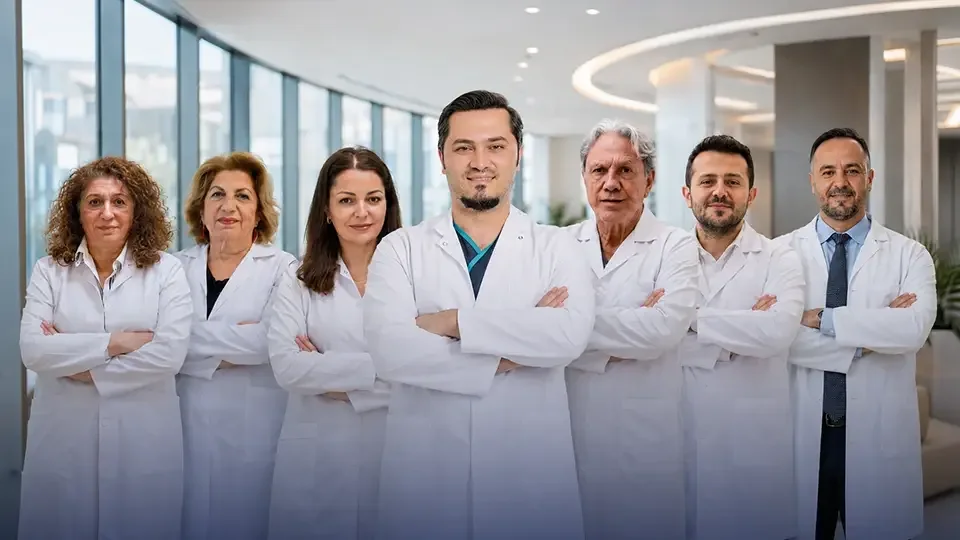
To ensure your grafts take hold as well as possible, we rely on specialised medical teams under a doctor's supervision. Under our 5-Doctor Standard, our doctors oversee and take responsibility for your treatment at five key points: from the initial hair analysis and the evaluation of the Pre-Test System, whose results are used to create your individual treatment plan, through to the follow-up examination. This is possible because more than 20 doctors work at our clinic.
Graft extraction and implantation are performed by trained medical specialists with at least seven years of experience in their respective stages of the procedure. Continuous care from a dedicated team ensures a smooth process with consistently high attention to detail.
The key advantage for you: The quality of a DHI hair transplant depends on the team's experience. Years of daily practice under medical supervision reliably rule out placement errors.
5-Doctor Standard
Graft extraction and implantation: performed by medical specialists who each specialise in a particular stage of the procedure and work under medical supervision.
More about the 5-Doctor StandardIndependent inspections ensure that the highest medical standards are met. The Turkish Ministry of Health carries out unannounced inspections of our clinic once or twice a month, covering areas such as hygiene, sterilisation and treatment processes.
Because of these consistently high quality standards, Elithair has been officially authorised as a hair transplantation training centre: more than 70 doctors have already completed this training.
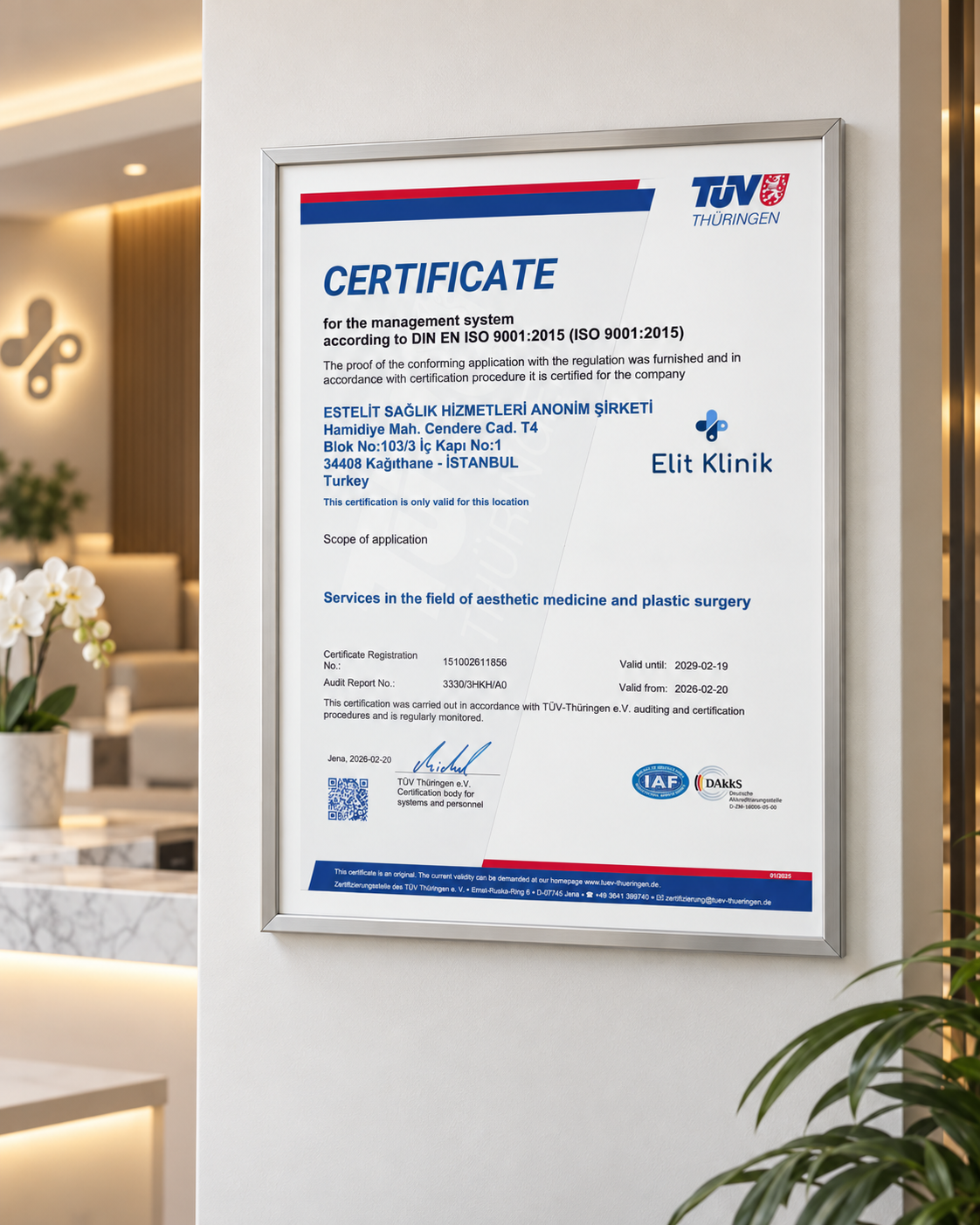
Our processes are also certified to ISO 9001:2015. Compliance with this international quality standard is regularly reviewed by TÜV Thüringen (certificate number: 151002611856, valid until 19 February 2029). This ensures that your treatment follows fixed, externally validated standards.
Waiting has two costs. As hair loss progresses, the ratio of available donor hair to the area that needs coverage decreases. You also lose valuable months during which your hair could already be growing after treatment (10 to 12 months until the final result at the front, or 15 to 18 months at the crown).
Frederik G. – 4,700 grafts
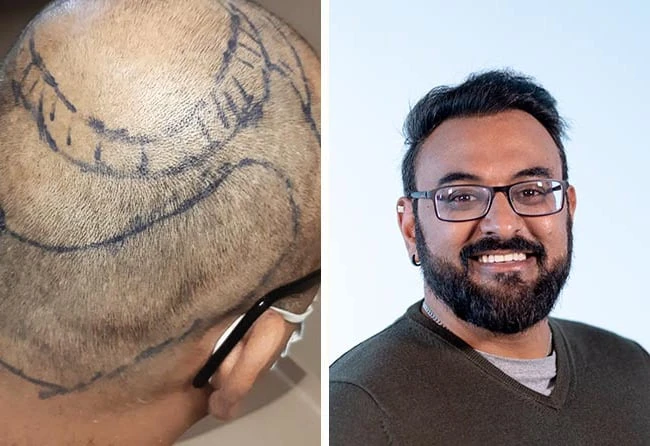
Shahid A. – 4,000 grafts
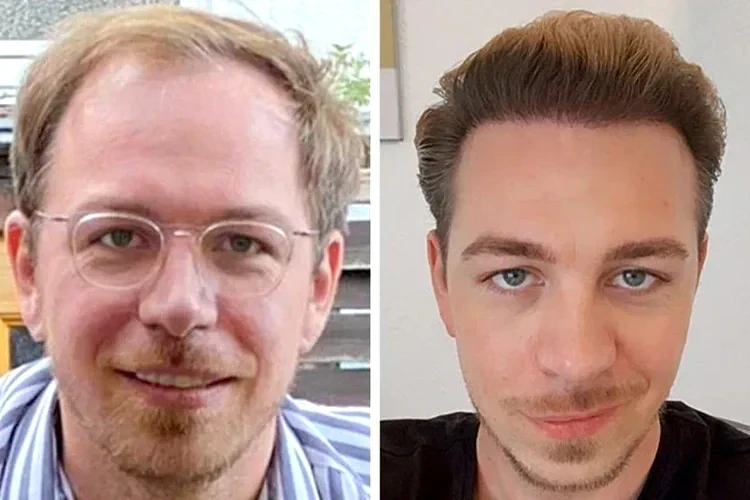
Tobias P. – 4,500 grafts
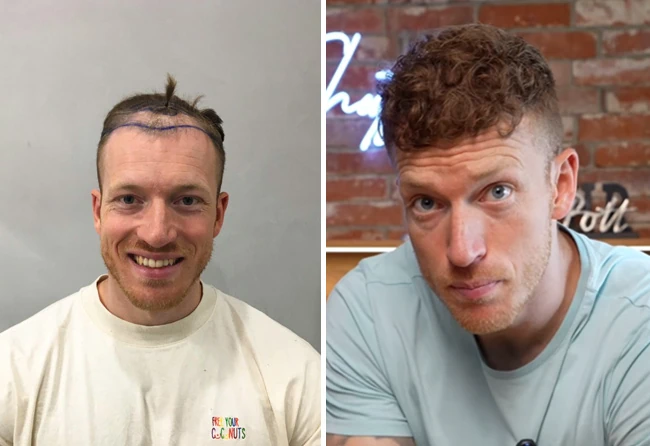
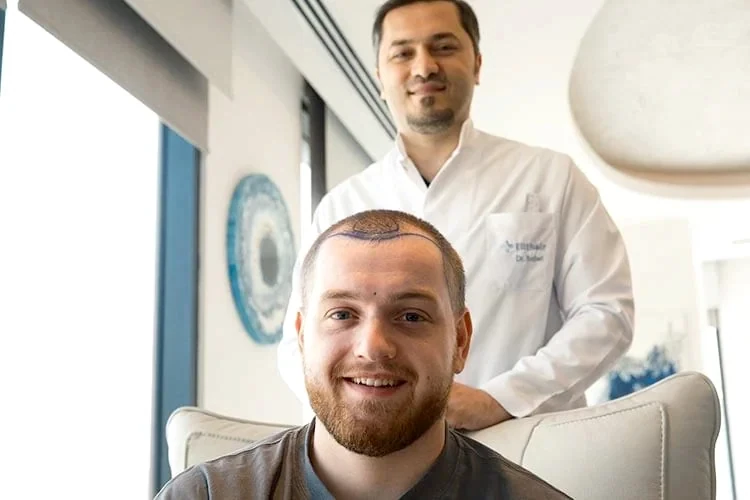
Schmale Schulter - 4,200 grafts
The earlier you have the procedure, the more follicles are available for maximum density. Find out in a few steps how much donor hair you currently have available.
The results of your individual assessment determine whether a DHI hair transplant is the best solution for you. Based on your photos, our doctors assess the capacity of your donor area, determine how many grafts you need and prepare a no-obligation cost estimate.
Around 40% of enquiries are declined because the donor area, hair-loss pattern or another medical factor makes a transplant unsuitable.
More than 150,000 treatments and top ratings (4.9 on Google with more than 11,000 reviews; 4.7 on Trustpilot) reflect this honesty.
Start your Free Hair Analysis

DHI stands for Direct Hair Implantation and describes graft placement using the CHOI Implanter Pen. The graft is loaded into the hollow needle, and the recipient site is created as the graft is inserted. Separate pre-incisions with a blade are not required. At Elithair, the grafts are extracted beforehand using FUE.
DHI and FUE describe different stages of a hair transplant: FUE is extraction and DHI is implantation. At Elithair, FUE extraction is followed by DHI implantation in every treatment. A more meaningful comparison is DHI versus implantation into recipient sites created separately with a sapphire blade.
With the Sapphire technique, all channels are first created with a sapphire blade, and the grafts are then placed with forceps. With DHI, the CHOI Implanter Pen does both in one motion. As a result, the angle, depth and direction are determined individually for each graft, and the grafts spend less time outside the body. Elithair works exclusively with DHI.
No. DHI is included in the all-inclusive price for your graft tier, from £2,849 for up to 2,000 grafts to £3,449 for 5,000 grafts or more. Everything is included except your flight. Other clinics often charge extra for it. The only additional charges at Elithair are for optional Zero Shave, which costs an extra £450, and Manual FUE, with the additional cost explained during your consultation.
The number depends on your donor area rather than the technique. Some clinics limit DHI to 2,000 to 3,000 grafts because of how they organise the work: when the same team members extract, load and implant the grafts, each additional graft increases the time the others spend outside the body. At Elithair, the tasks are divided, and several implanters are in use at once. Our doctors set your graft count in your individual treatment plan, which is based on the results of the Pre-Test System.
The recipient and donor areas are usually shaved. For women and men, optional Zero Shave FUE allows treatment without shaving for fewer than 3,500 grafts, at an additional cost of £450. It is suitable for medium-length or long hair, but long hair is not a requirement.
0.6 to 0.8 millimetres for single-hair units, 0.9 to 1.0 millimetres for two-hair units and 1.0 to 1.2 millimetres for three- and four-hair units. At Elithair, the implanters are colour-coded accordingly. A needle that is too narrow crushes the tissue, while one that is too wide makes it easier for neighbouring grafts to slip out.
No. Thanks to the Sleep-Deep method, you have 0% pain during treatment. The only uncomfortable part, when the local anaesthetic is administered, takes place while you are in twilight sleep, induced and monitored by a specialist anaesthetist. During implantation, you only feel touch and pressure. Your scalp may feel tight for a few days afterwards, and you will receive medication for that.
No. DHI combined with FUE leaves no scars in either the recipient or the donor area.
Yes, because diffuse hair loss calls for adding density between existing hair rather than filling a bald area, and that is exactly what the CHOI Implanter Pen is designed for. Good to know: when adding density, existing hair may shed temporarily (shock loss). Not every patient experiences shock loss. According to an analysis of 621 patients, women are affected significantly more often than men.
In the first weeks after treatment, the transplanted hairs may shed temporarily (shock loss), while the roots remain intact. Not every patient experiences shock loss. By month 3, about 10 per cent of the result is visible. From month 4 at the latest, an additional 10 per cent becomes visible each month. An initial result is visible after six months. Final results are visible at the front after 10 to 12 months and at the crown after 15 to 18 months.
No. Research shows that the survival rate drops when grafts are placed too densely, and the VDHC guideline sets a limit of 25 to 30 units per square centimetre. How densely grafts are placed in your case is a medical decision that balances visual coverage against the likelihood of survival.
Popping means that a unit already in place slips out while the next one is being placed. The causes are related to technique: an angled needle, the wrong tip size, an overly firm grip and too little time between anaesthesia and implantation. That is why, at Elithair, only medical specialists with at least seven years of experience in this step place the grafts, under medical supervision.
Transplanted follicles are usually taken from donor areas that are relatively resistant to androgen-related miniaturisation. They generally retain these characteristics after transplantation, which is why transplanted hair can last for the long term. Elithair provides a 20-year written guarantee on the transplanted hair, subject to the guarantee terms and aftercare requirements. Untreated native hair can continue to thin over time.


