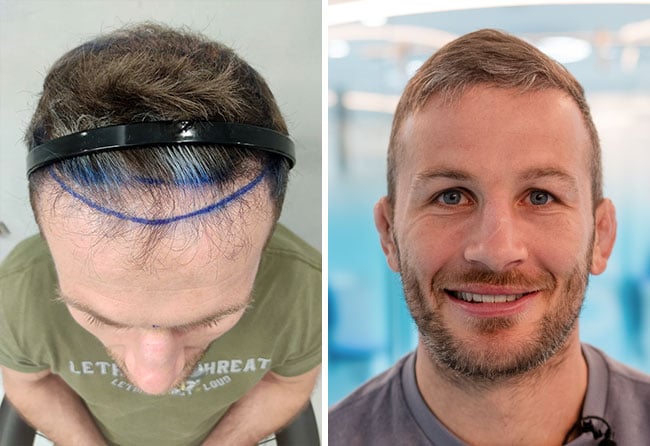
Beard Transplant Before and After Photos: Your Path to a Full, Dense Beard
Patchy beard growth or scars often stop you getting the look you want. Our modern DHI method delivers lasting density for a proper beard transplant before and after result: 1,000 to 3,000 grafts, placed precisely at the natural growth angle. The outcome is a defined, gap-free beard that blends naturally into your features.
What Sets Our Beard Transplant Before and After Results Apart
Beard Transplant Before and After Gallery
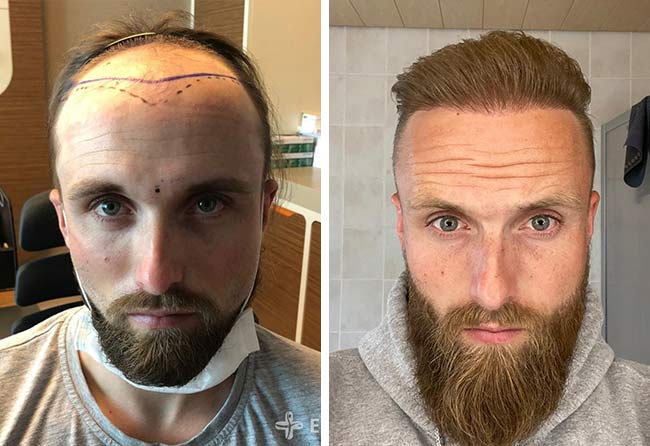
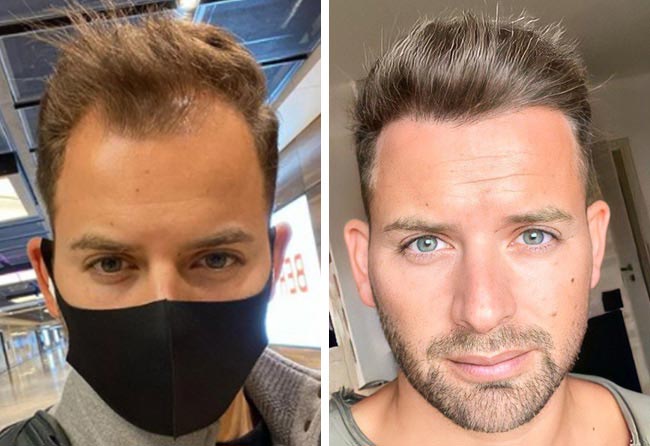
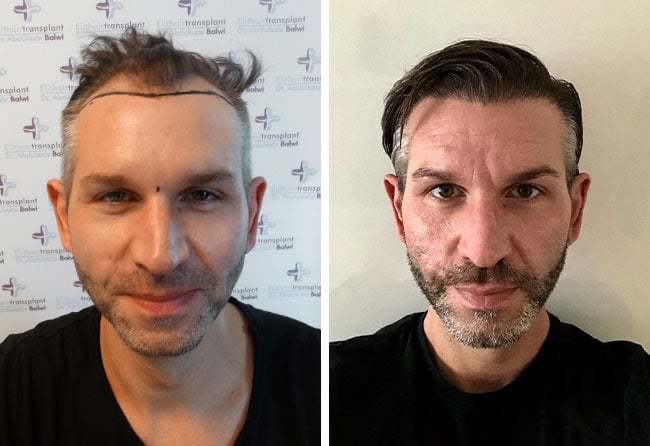
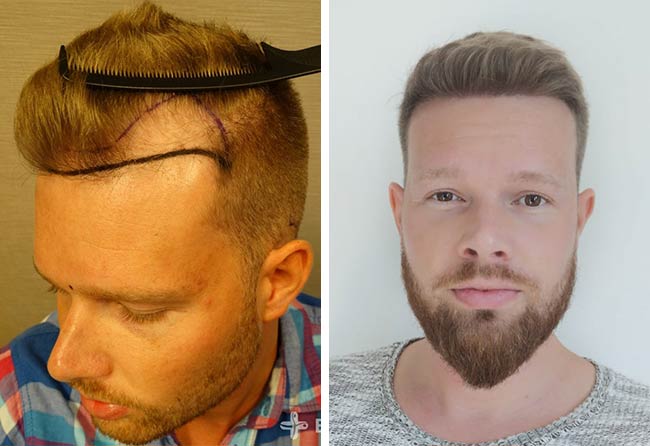
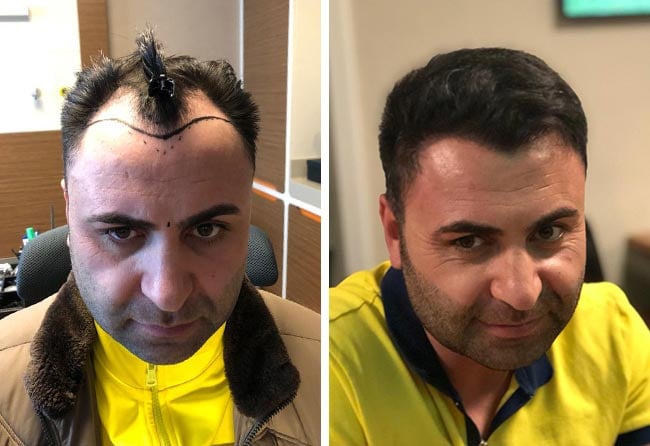
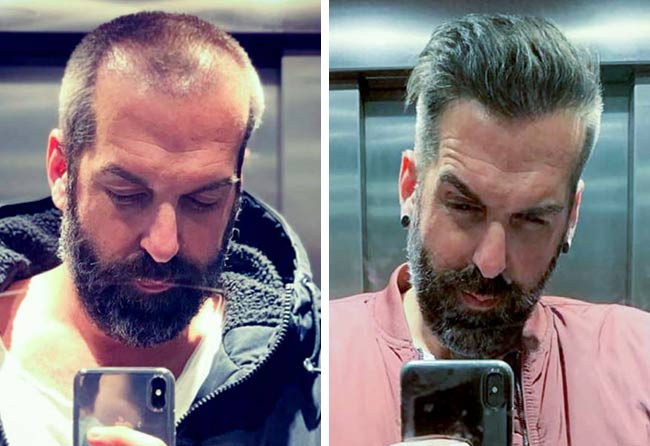
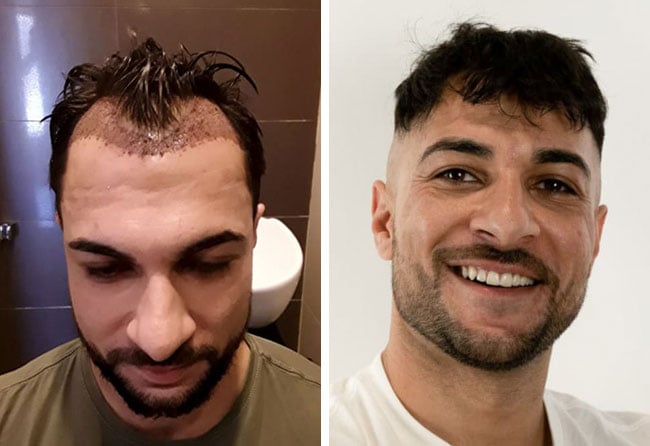
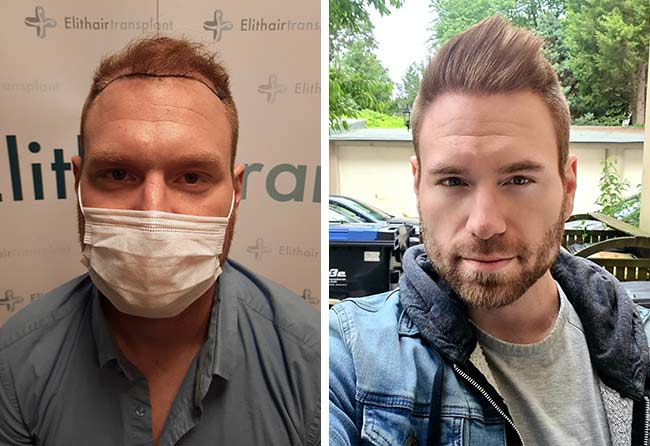
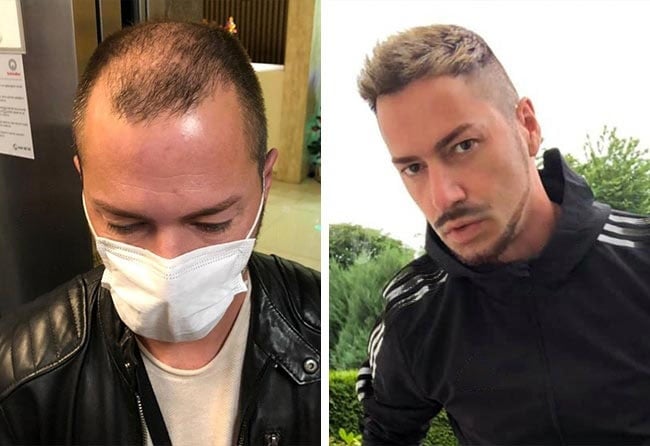
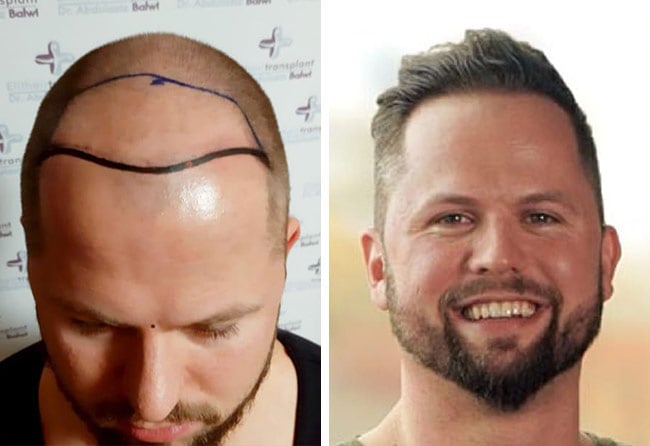
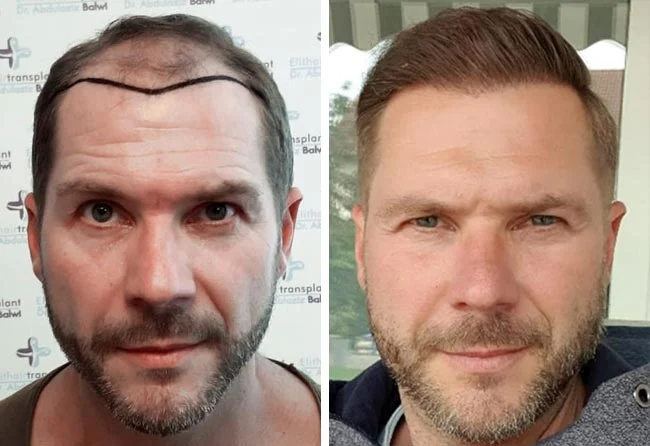
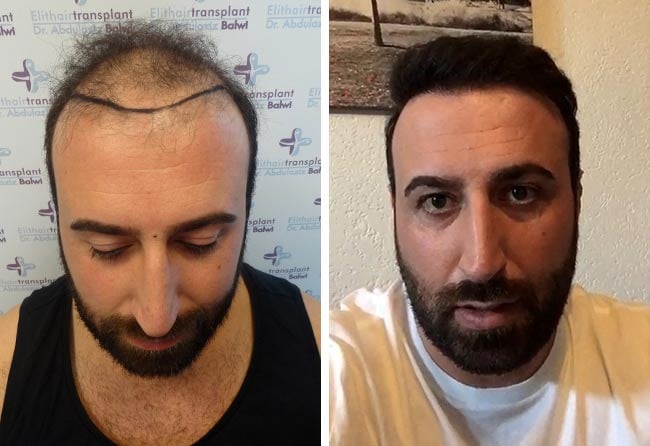
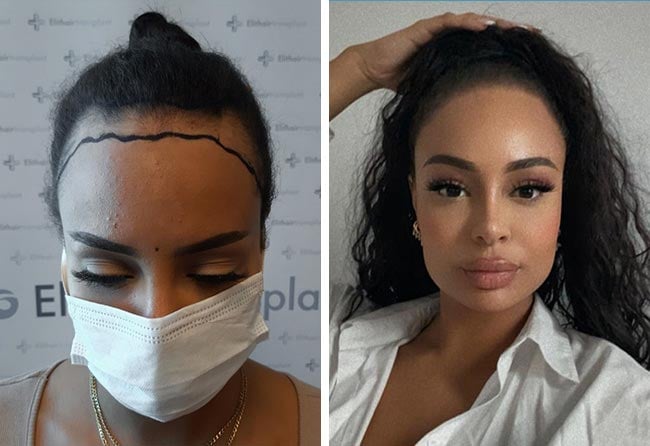
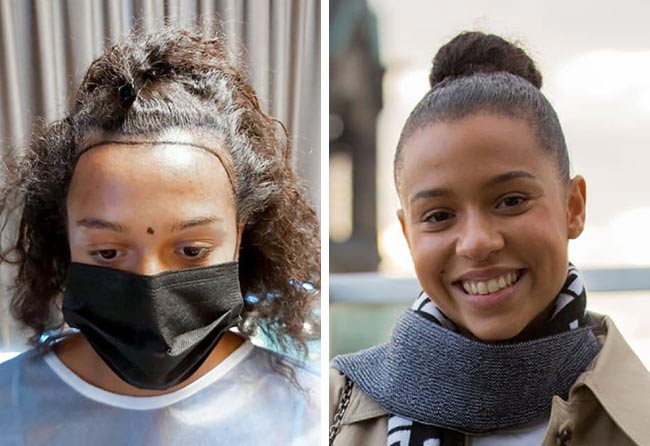
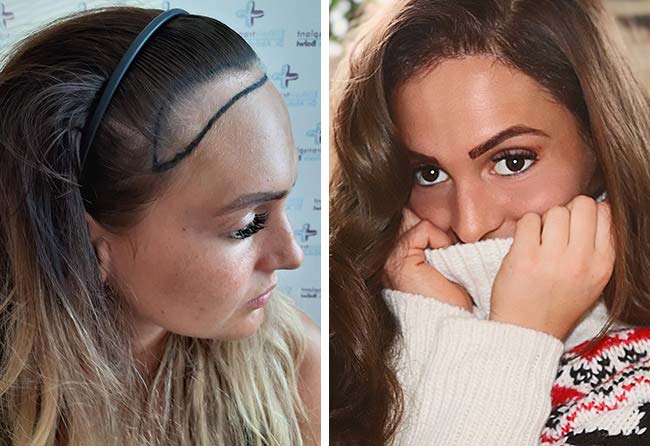
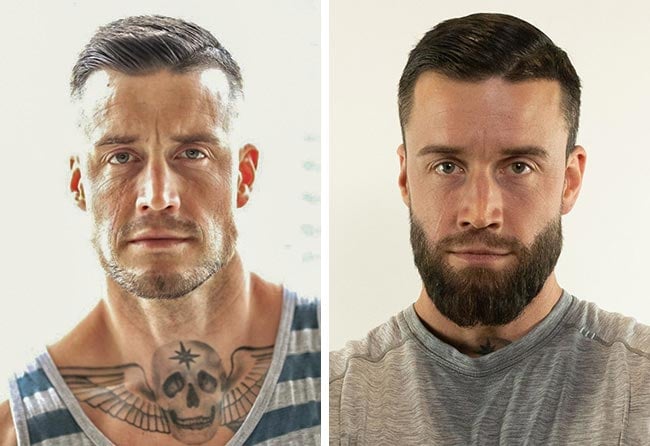
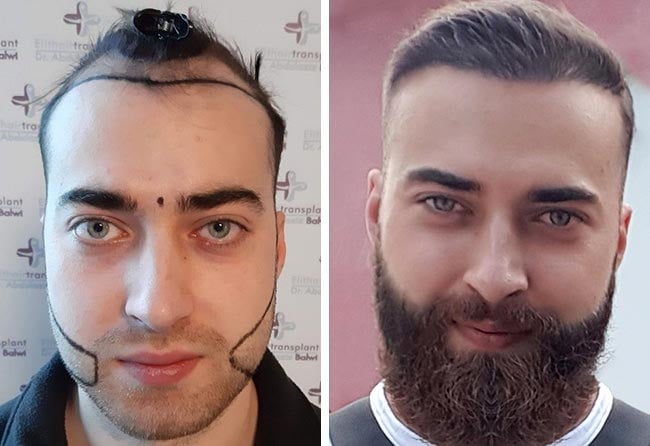
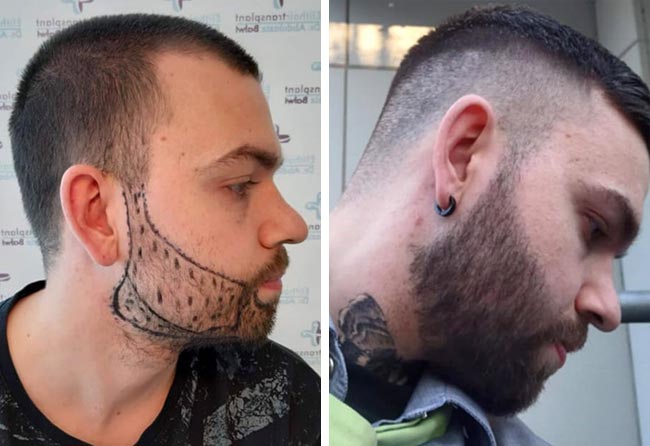
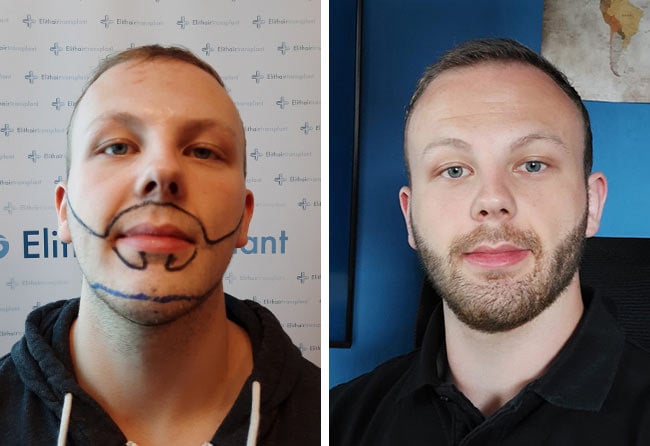
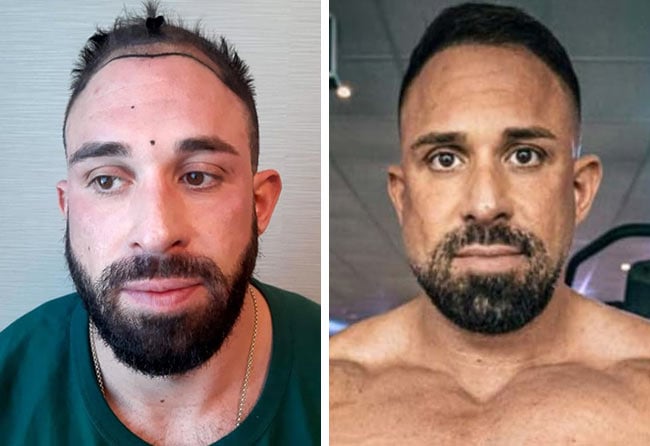
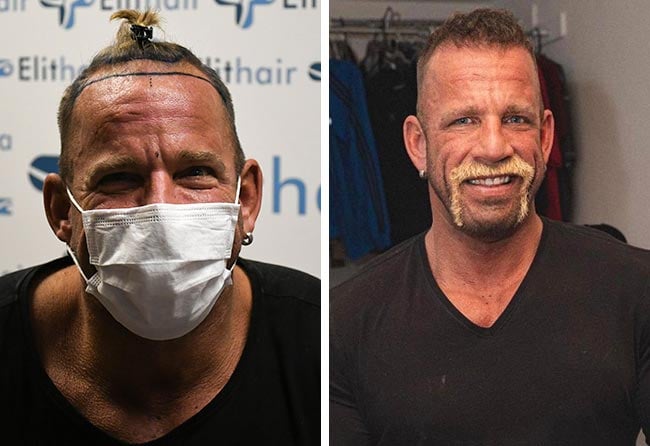
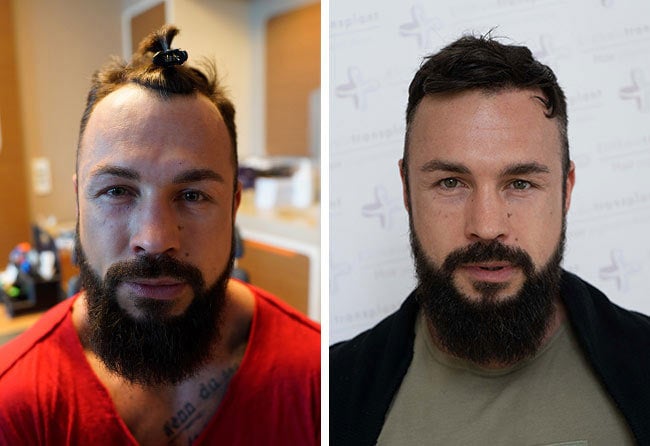
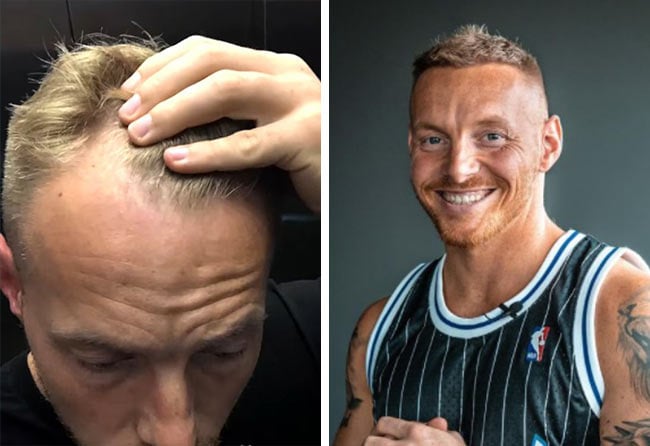
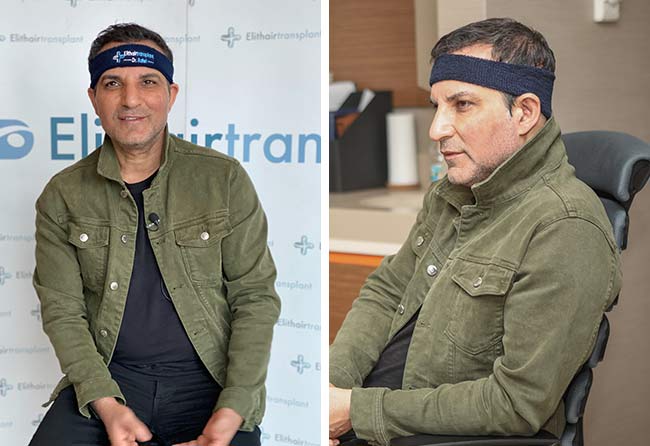
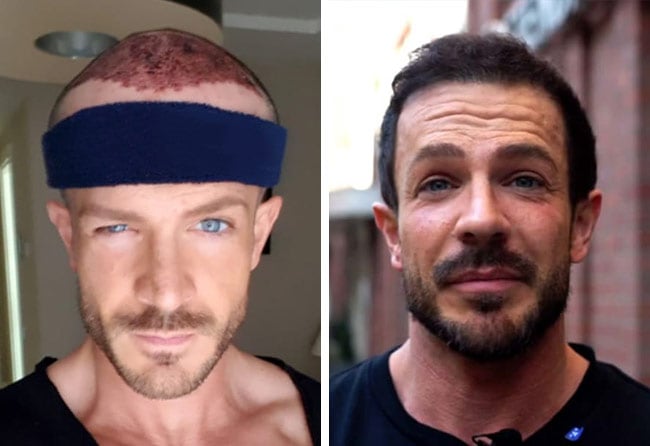
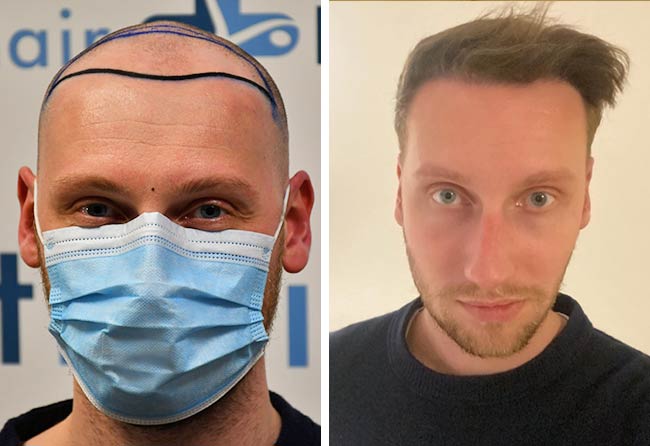
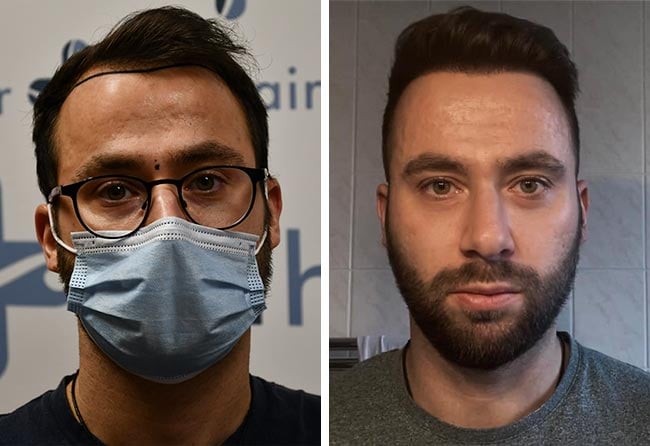
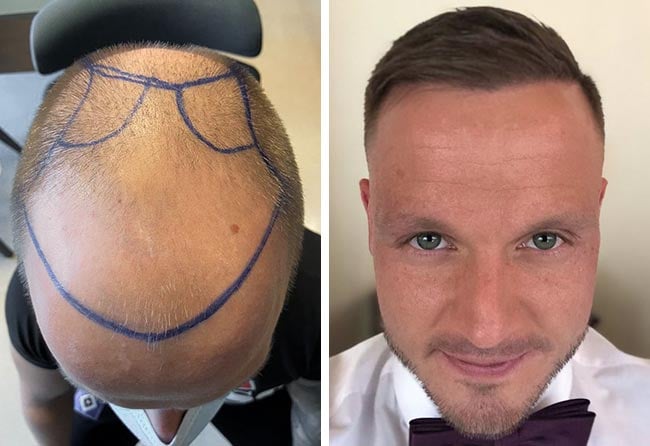
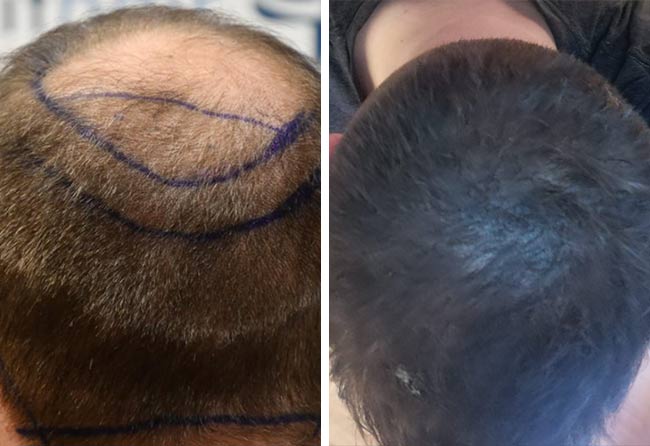
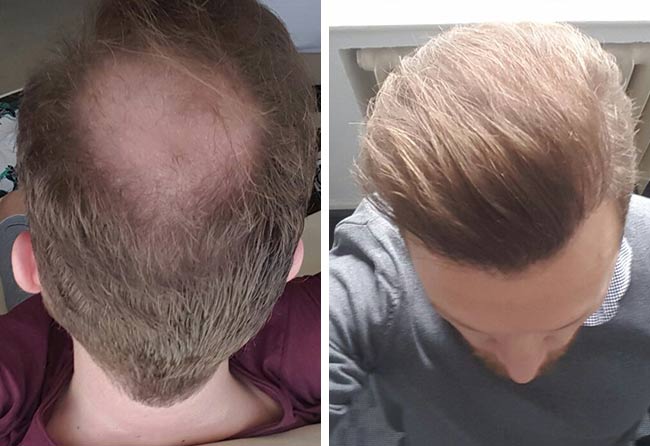
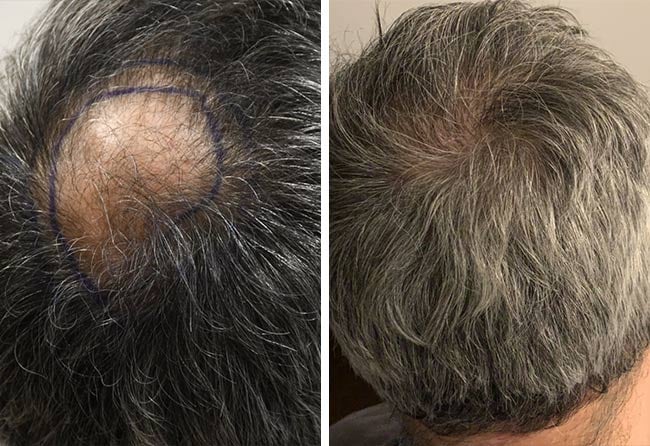
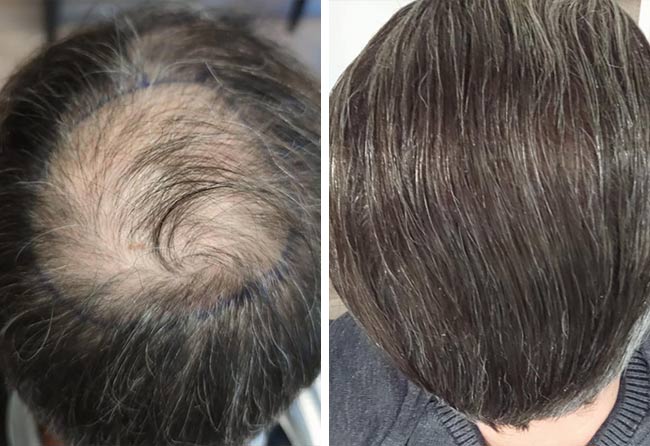
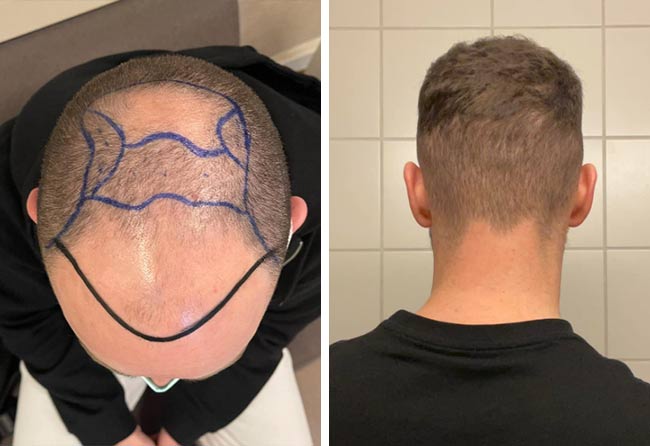
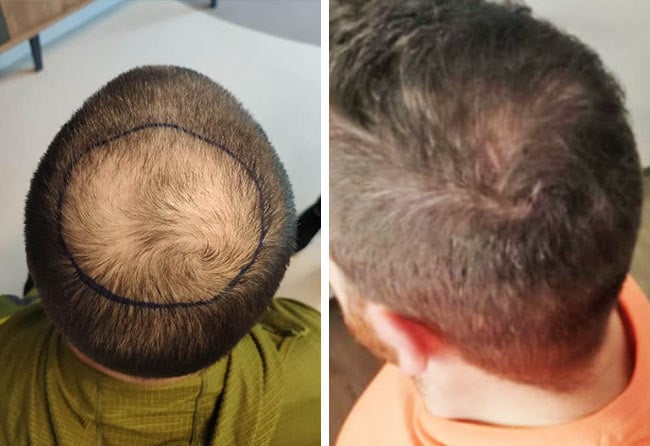
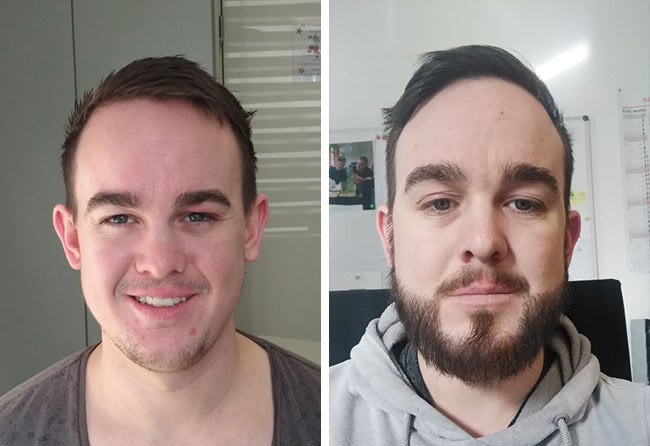
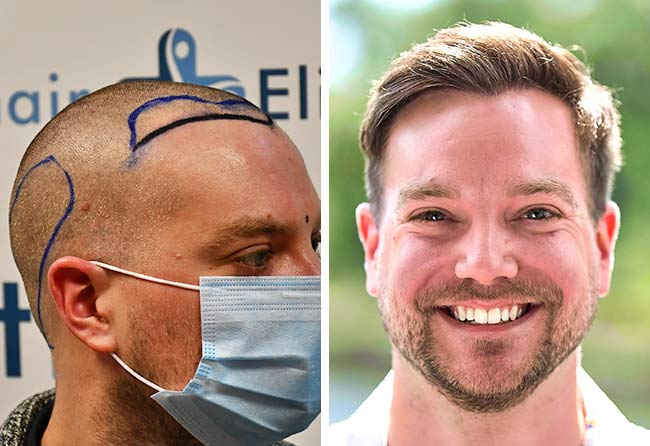
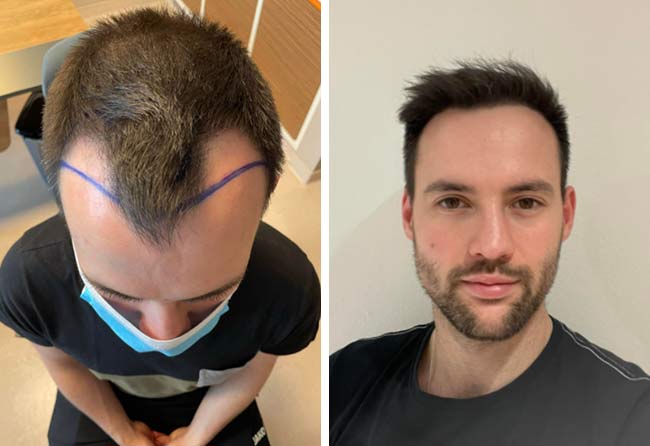
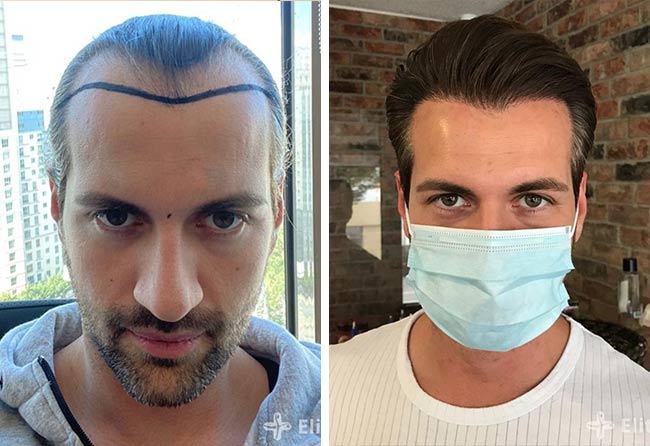
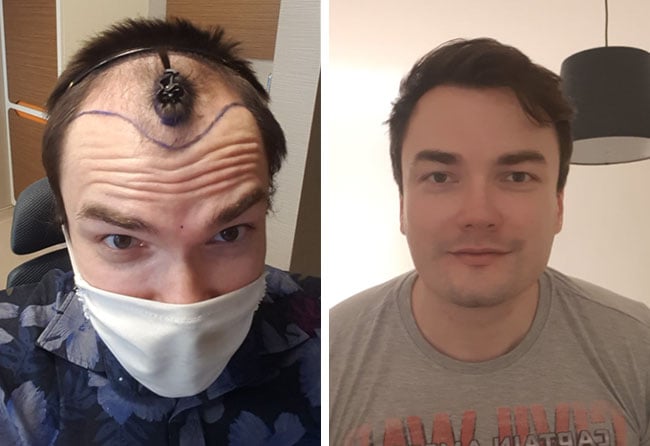
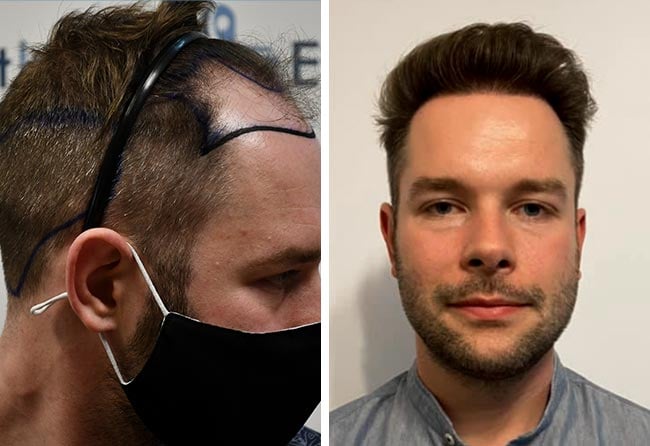
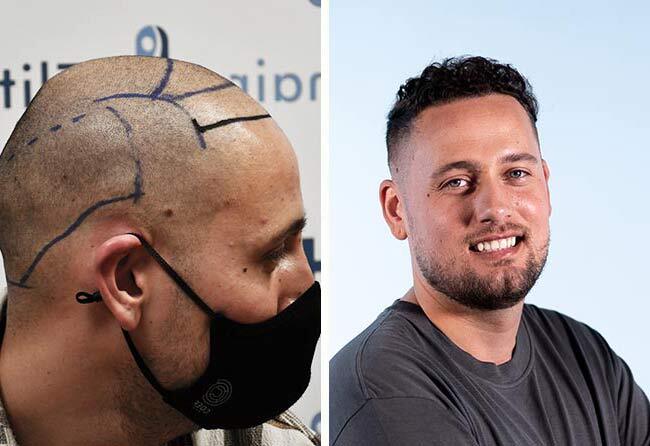
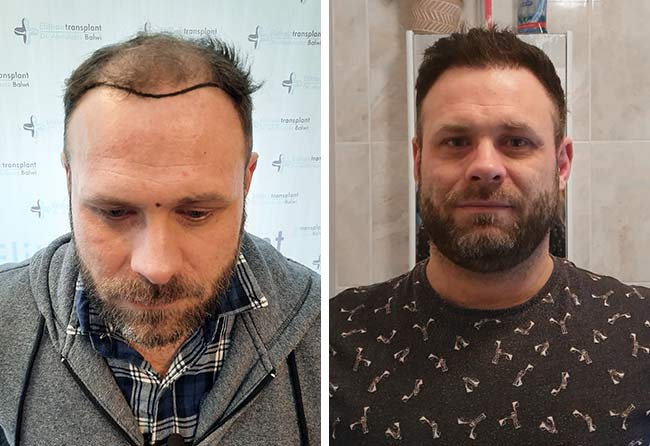
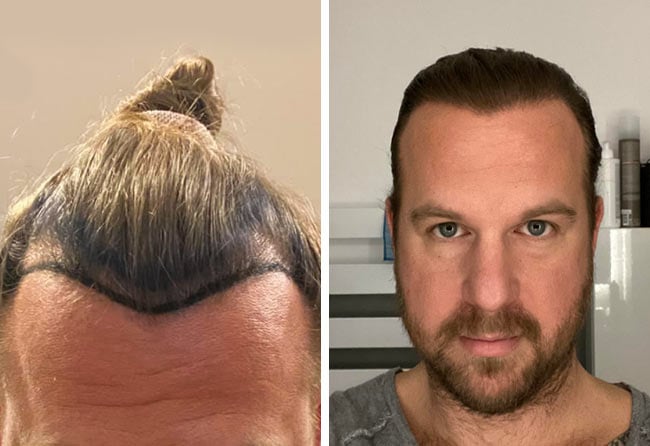
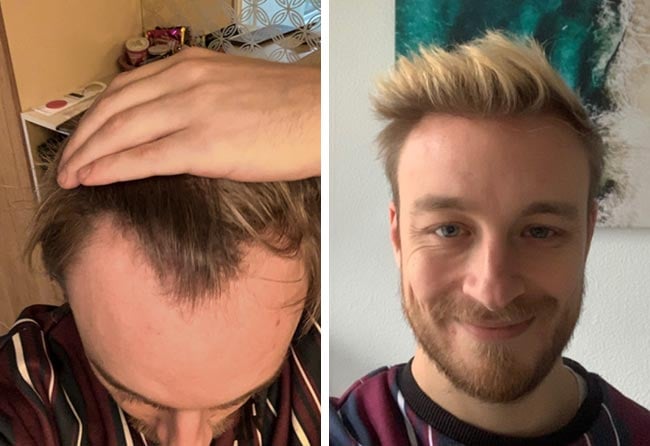
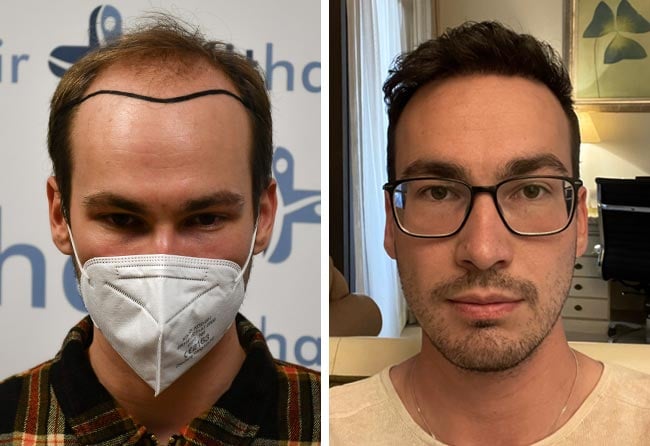
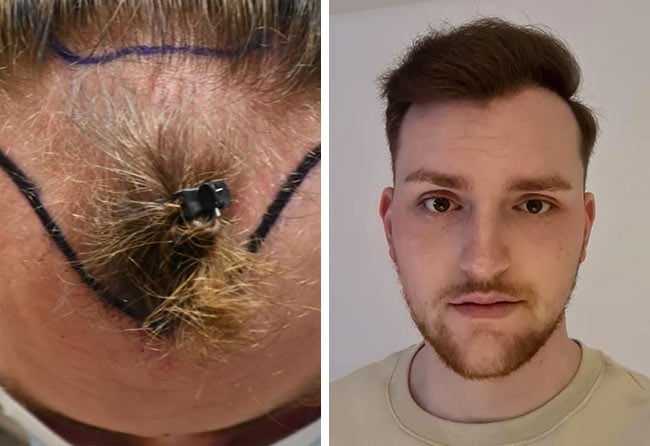
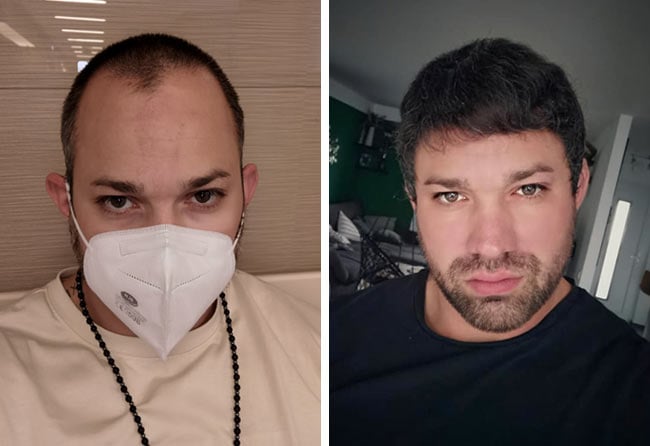
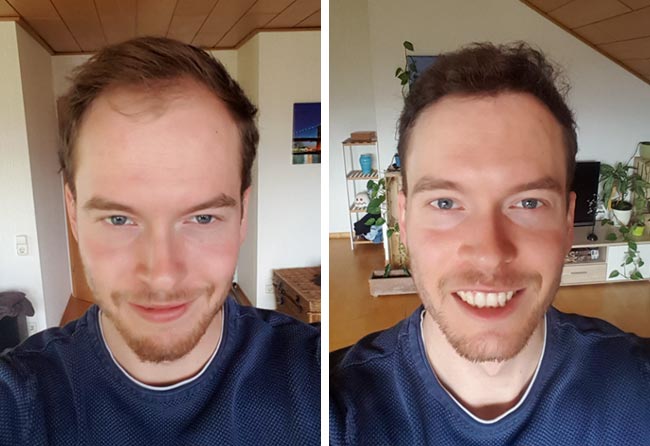
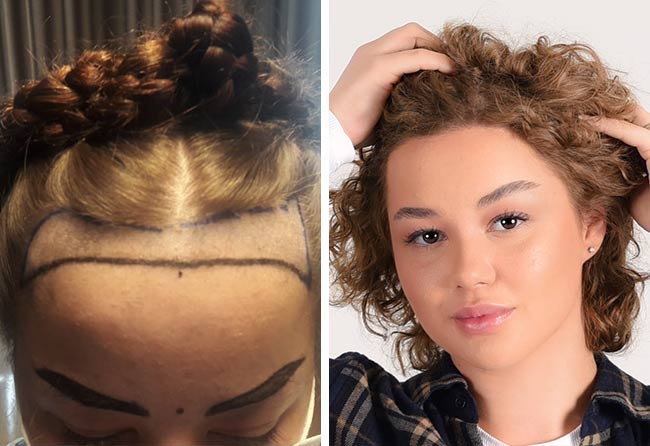
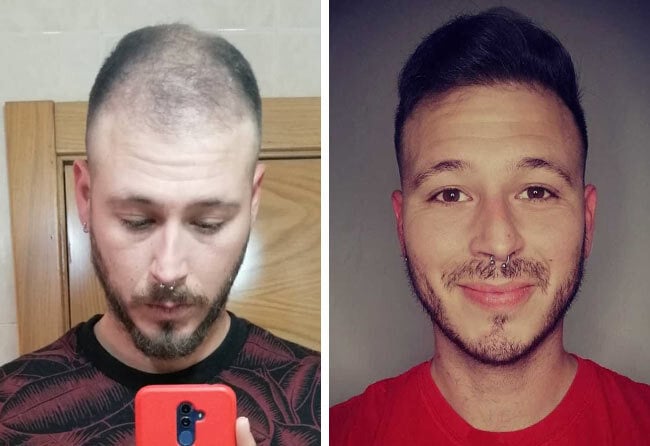
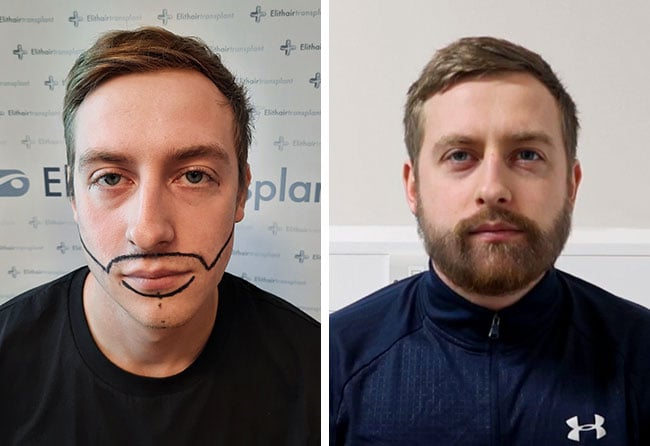
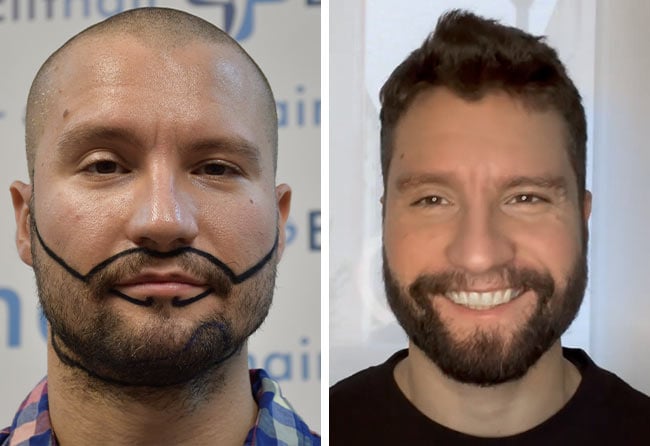
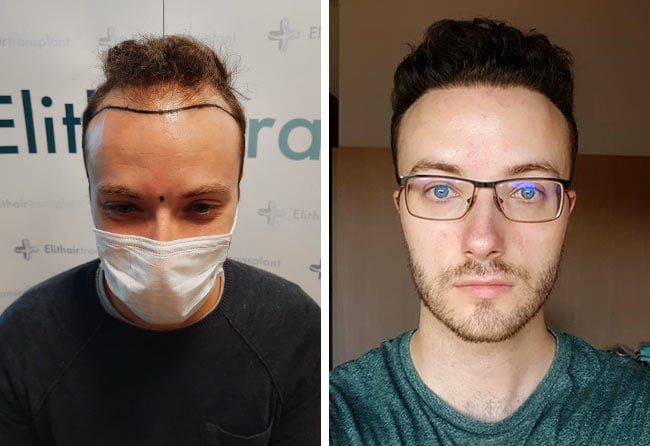
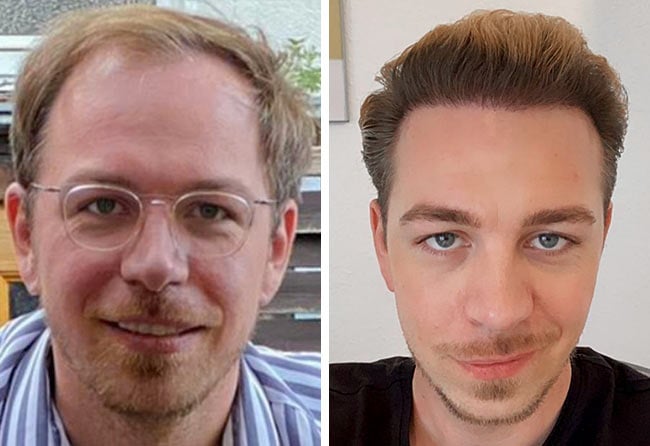
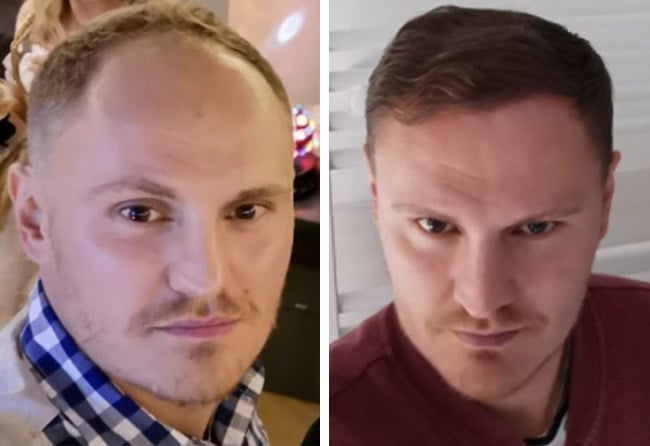
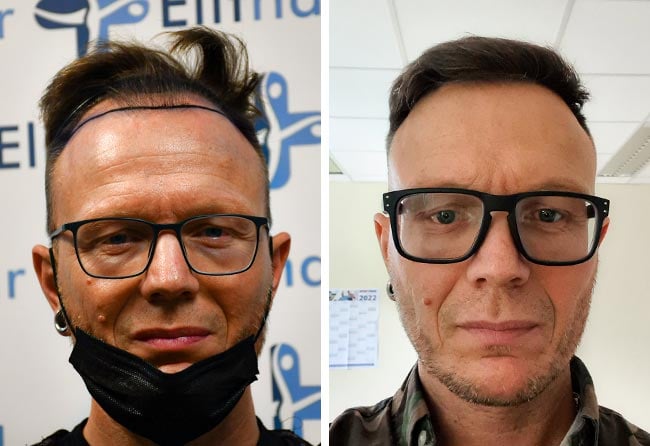
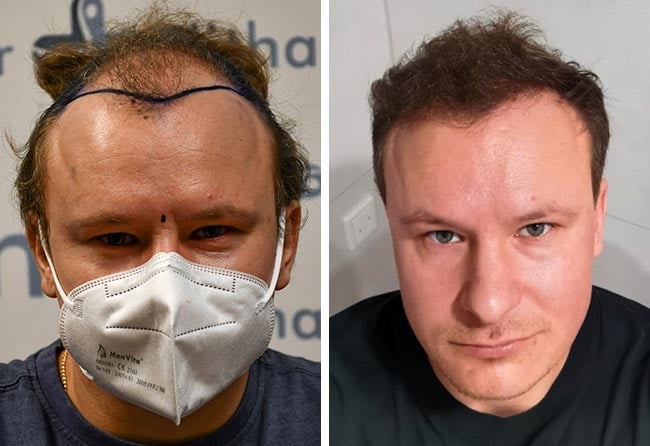
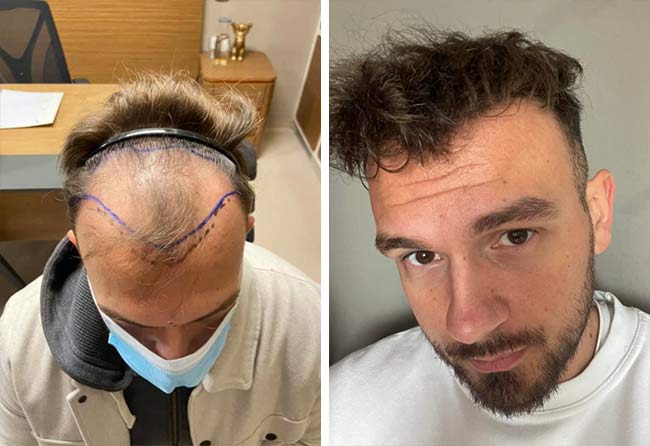
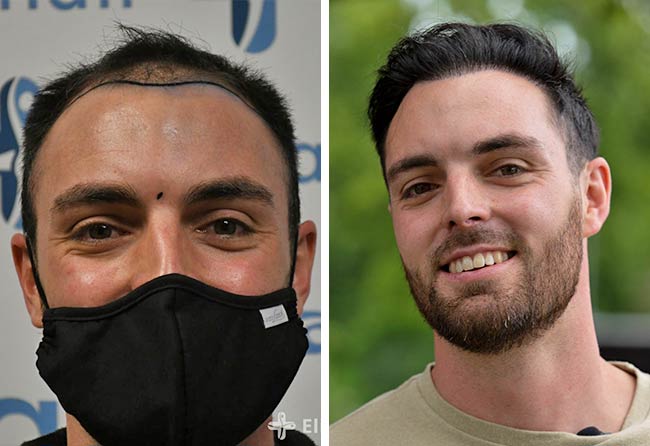
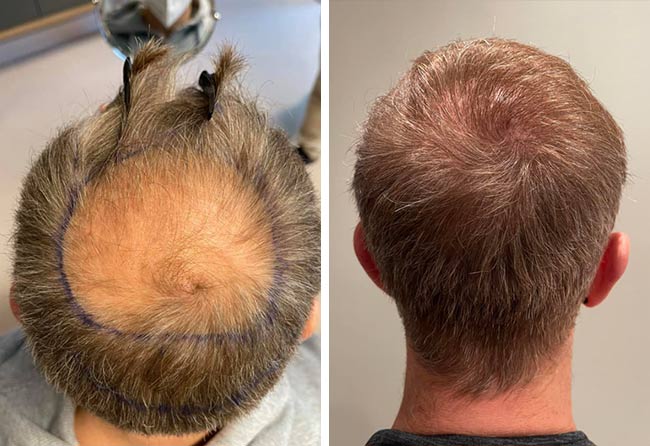
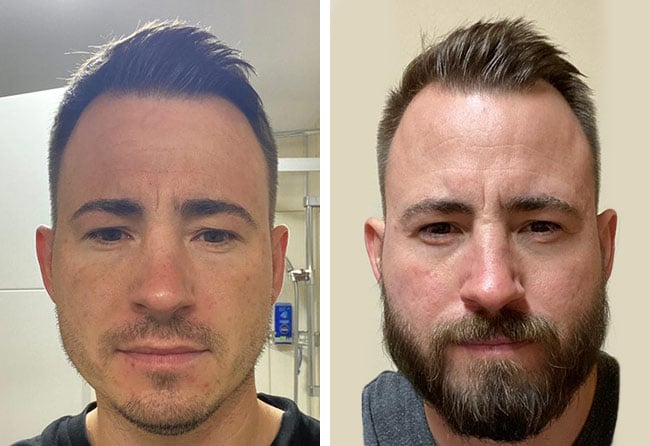
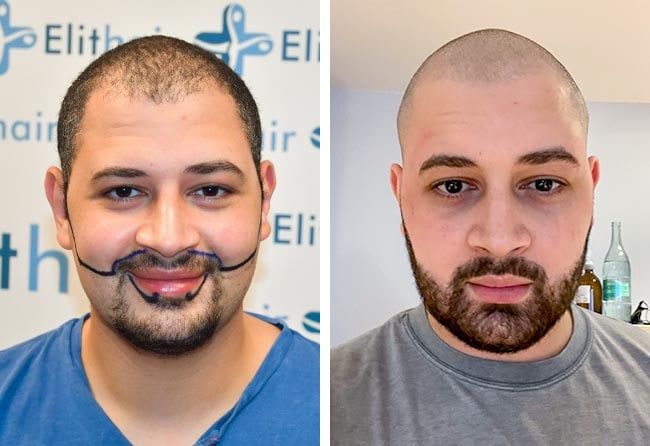
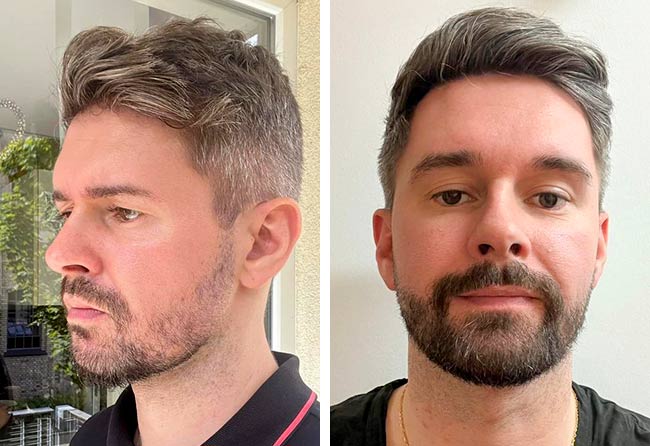
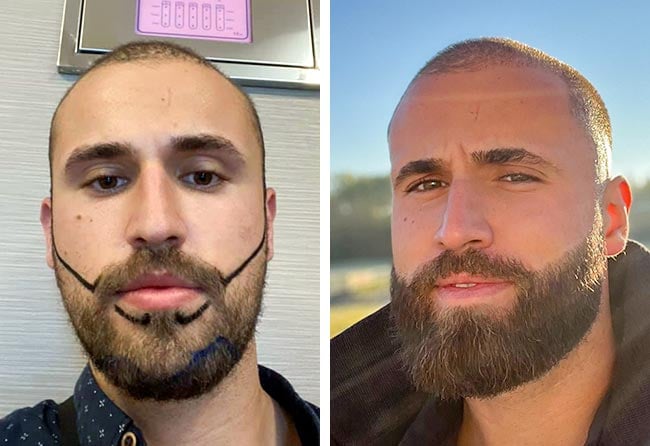
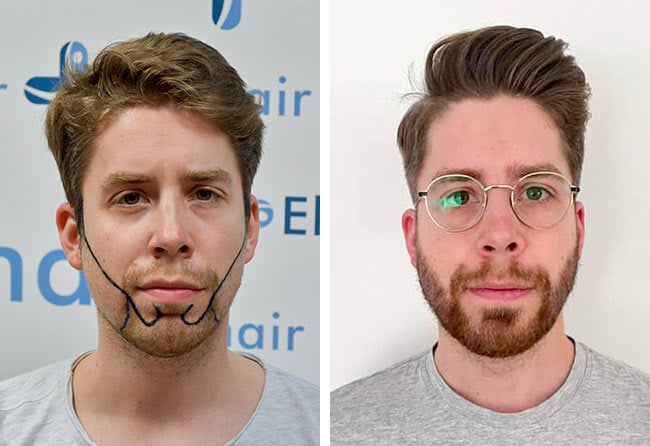
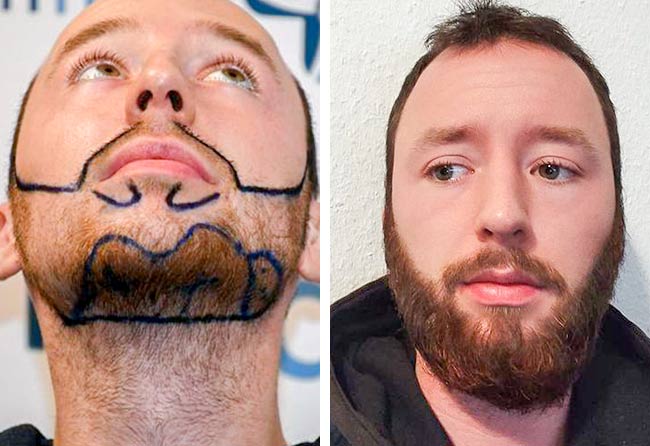
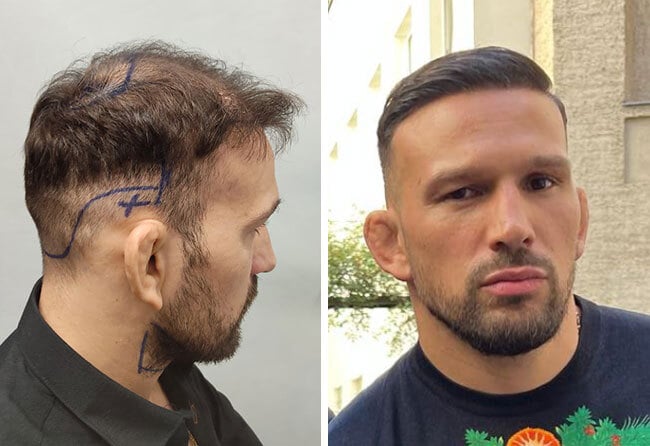
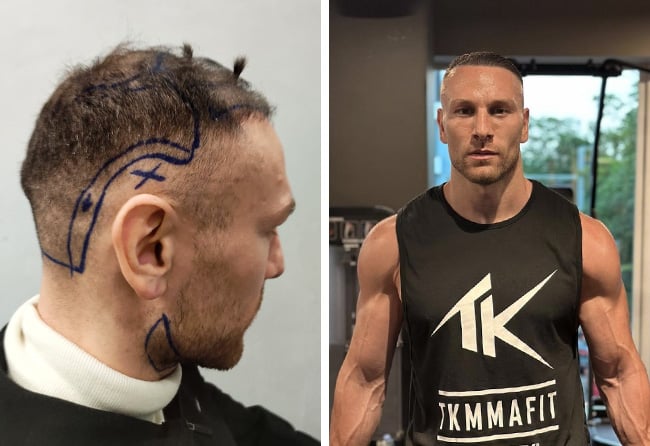
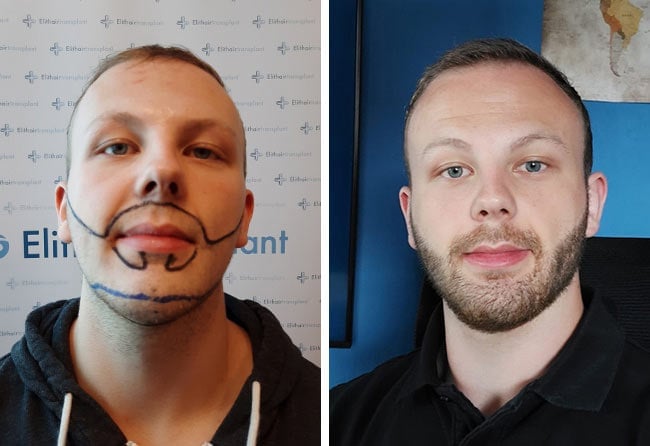
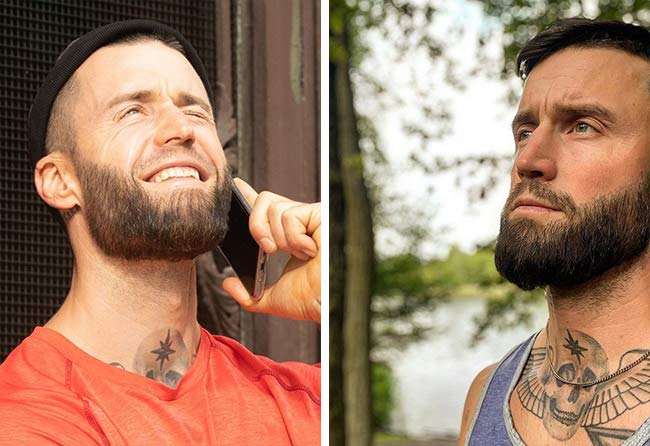
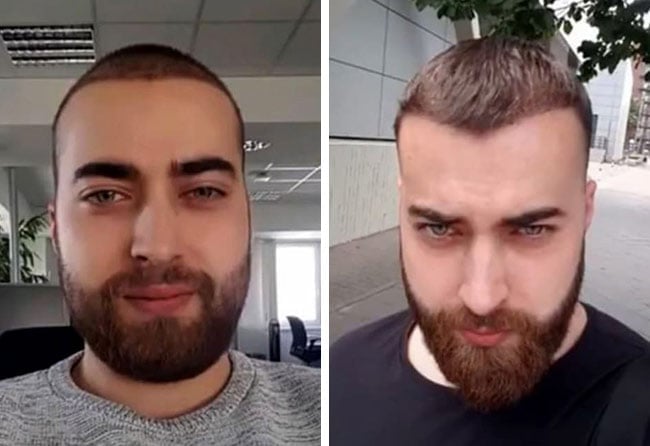
See the quality of our work through real patient photos. These images show the transformation from patchy facial growth to a strong, fully closed beard. Every beard transplant before and after result reflects the Elithair team’s skill in rebuilding natural beard hair.
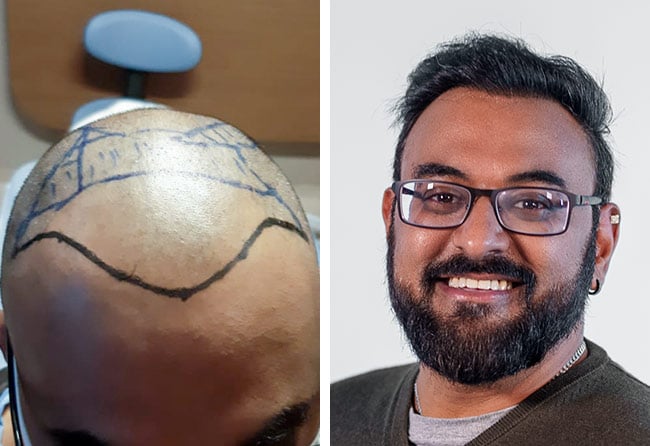
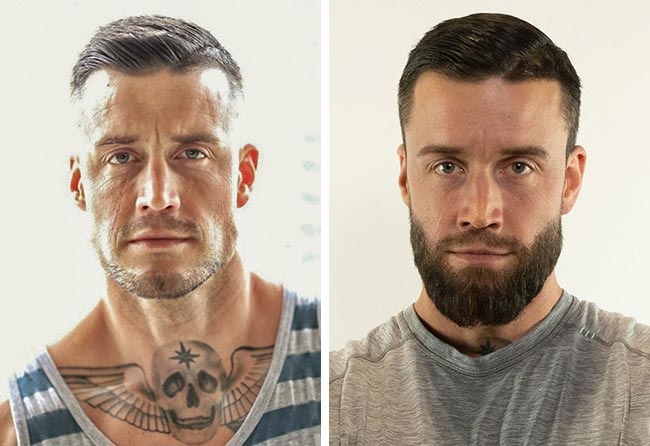
Jhaki
4,200 Grafts – Saphire FUEBarely any beard growth on cheeks and chin.
Goal: a dense full beard.
Result after 12 months.
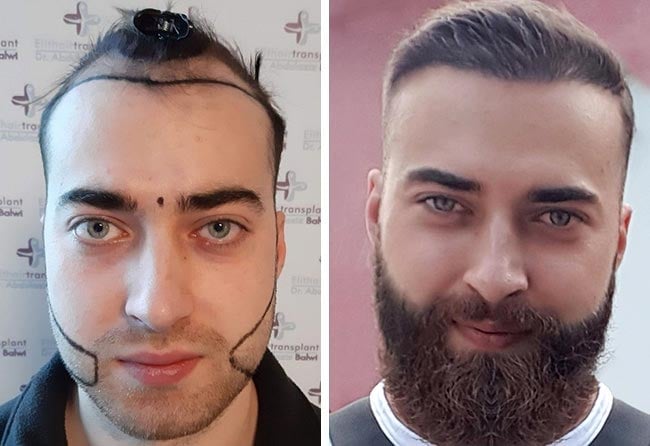
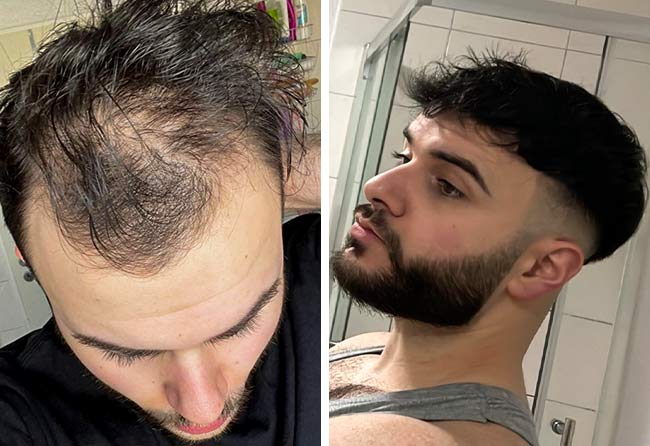
Andre U.
4,250 Grafts – Saphire FUEUneven beard growth with gaps.
Goal: a defined beard line.
Result after 10 months.
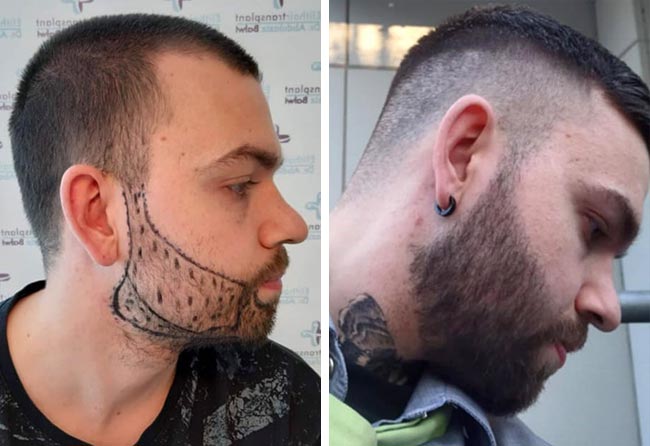
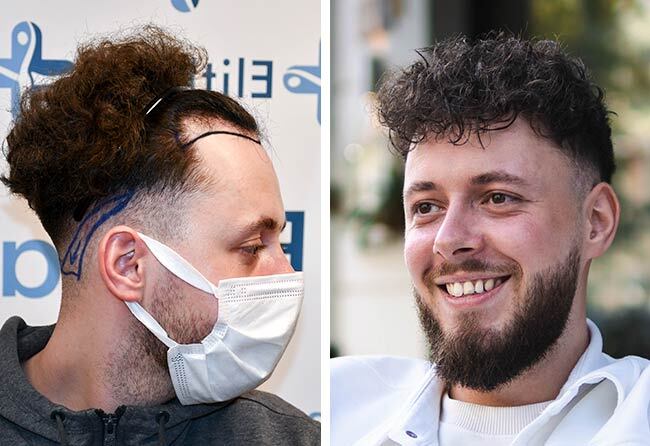
Nico M.
2,700 Grafts – Sapphire FUESparse beard from alopecia barbae. Goal: a full, even beard. 2,700 grafts, result after 9 months.
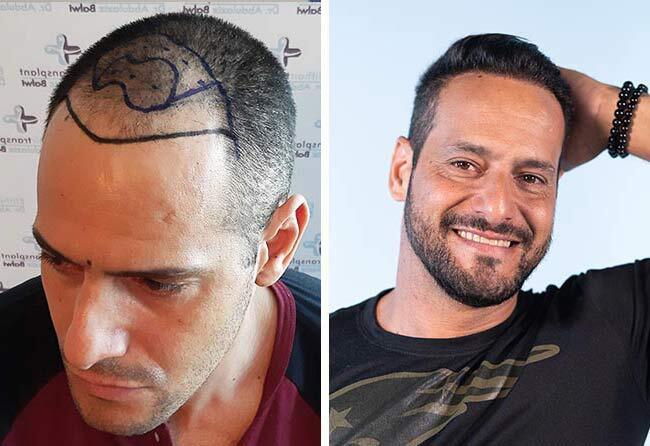
Sascha L.
3,250 Grafts – Sapphire FUELittle growth on cheeks and chin. Goal: a dense, full beard. 3,250 grafts, result after 7 months.
What You Need to Know About Beard Transplants
Patchy beard growth is usually genetic or hormonal, but it can also come from scarring. Tinctures and oils cannot reactivate the hair roots permanently, so a transplant is the only reliable option for a truly dense result. The back of the head serves as a stable donor area for the follicles you need.
For implantation, we use the precise DHI technique with the CHOI pen. It lets us control the depth and growth direction of every single hair with pinpoint accuracy. Beard hairs grow out at a very flat angle of 40–45°, so that level of precision is essential if your beard transplant before and after result is to look completely natural.
Facial skin is thinner and more sensitive than the scalp, so the procedure demands real expertise. Over 6 to 12 months, the transplanted follicles adapt fully to the rest of your beard. The texture gradually falls into line until the new hairs are indistinguishable from your natural growth.
Beard Areas: Typical Graft Counts
Who Is a Good Candidate and Who Isn’t?
A dense donor area at the back of the head is the starting point for the procedure. Healthy facial skin with no inflammation and realistic expectations matter just as much. Your natural beard growth should already be fully developed, typically from around the age of 20.
If you have active acne, psoriasis or hair that is too thin at the back of the head, treatment is not possible. Unrealistic expectations about graft counts or uncontrolled skin conditions on the face also rule out a good aesthetic result and rule out surgery.
The Methods Behind the Best Beard Transplant Before and After Results
For a proper beard transplant before and after result, we combine two effective techniques. The FUE method allows gentle extraction of the grafts, and the DHI technique gives us maximum precision when placing them at the natural growth angle. To improve the graft survival rate in facial skin, we also use our exclusive NEO FUE pre-treatment.
| Criterion | FUE Technique | DHI Method | NEO FUE |
|---|---|---|---|
| Typical Grafts | 1,000–4,700 | 1,000–4,700 | Supplementary |
| Growth Direction Control | For extraction only | Excellent (40–45°) | For preparation only |
| Precision | Individual follicle extraction | Individual follicle placement | Boosts graft vitality |
| Graft Survival Rate | Approx. 98% at Elithair – thanks to your individual treatment plan: implantation depth and implantation angle are calculated for you in the Pre-Test System. Without this planning, the graft survival rate is only around 60%. | ||
| Healing Time | 7–10 days | 3–5 days | Supports cell regeneration |
| Ideal For | Extraction in the donor area | Beard & growth direction | Maximum graft survival |
Combining both procedures saves travel time, brings costs down and shortens the overall healing phase. Whether the donor area at the back of your head can provide enough follicles for both regions is something our specialists work out individually during the free hair analysis.
Typical Graft Counts by Beard Area
| Area | Grafts | Method |
|---|---|---|
| Full Beard | Approx. 2,000–4,000 | FUE + DHI |
| Moustache | Approx. 400–600 | FUE + DHI |
| Chin Beard | Approx. 600–1,000 | FUE + DHI |
| Sideburns | Approx. 500–800 | FUE + DHI / Saphire FUE |
| Cheek Beard | Approx. 1,000–1,500 | FUE + DHI |
| Scar Correction | Approx. 500–800 | FUE + DHI |
Beard Transplant Costs & Prices
At Elithair, a first-class beard transplant starts from just £2,849. Comparable procedures in the UK often cost between £4,500 and £12,000, with additional bills for accommodation and transfers on top. We deliver the same medical standards in Istanbul at a fraction of the price, and our all-inclusive package covers the procedure itself by specialised doctors, overnight stays in a luxury hotel and all VIP transfers between the airport, hotel and clinic.
A personal interpreter and full twelve-month aftercare with high-quality hair care products complete the package. The final price depends on the number of hair follicles required, which we work out individually during your free beard analysis.
The cost advantage in Turkey comes mainly from lower operational overheads combined with state-of-the-art technical equipment. Our specialists also focus on this procedure daily, so their level of routine goes well beyond what you find at many UK clinics. You receive your individual quote in the free beard analysis.
Healing Process After a Beard Transplant
From the procedure through to your final beard transplant before and after result, your beard goes through several healing phases that need patience and the right care.
Days 1–14: Healing & Crust Shedding
Straight after the operation, redness and tiny crusts appear at the implant sites, and the new hairs show as short stubble. Extreme care is essential during this time. Scratching and shaving are off limits, and you should clean the area only by gentle dabbing. To protect the fresh grafts, sleep on your back. After around 10 to 14 days, the crusts fall off on their own.
Weeks 2 to 4: Recovery Phase and Possible Shock Loss
Once the crusts have come off and the redness has settled, what is known as shock loss can set in. It does not happen to every patient; the visible hair shafts of the transplanted follicles then fall out temporarily. This is a biologically normal process and nothing to worry about, because the hair roots stay firmly anchored in the skin. You should still avoid shaving during this phase.
Months 1–3: First New Hairs
Fine new beard hairs start to come through. The beard still looks thin and uneven. From week 6, careful trimming with an electric trimmer is fine. Patience is key, as the follicles need time to kick off their growth cycle.
Months 3 to 6: Visible Densification
In this phase, the beard fills in noticeably. Roughly 40% to 60% of the transplanted hairs are now visible and give the face more definition. The initial gaps gradually close and the beard line takes shape. From this point, regular trimming and your usual beard care routine are fine again, and they help you keep the new growth tidy.
Months 6 to 12: The Final Result
After a year, the transformation is complete and the final beard transplant before and after result is visible. Full density has been achieved and the growth pattern looks completely natural. The texture of the new hairs has adapted perfectly to the surrounding beard, so there is no longer any difference from the rest of your growth. You can shave, style or grow your beard however you like, with no restrictions.
FAQ: Beard Transplant Before and After
The follicles are taken from the back of the head, because these hairs are genetically especially resistant. Once transferred to the face, they keep growing there permanently as beard hair. The extraction points are tiny (0.7–0.9 mm) and are fully covered by the remaining hair at the back of the head.
Yes, covering scars from accidents, operations or burns is one of the more common uses. Depending on the size of the area, 500 to 800 grafts are often enough to cover the scar tissue effectively with beard hair, provided the blood supply to the tissue is good enough for the follicles to take hold.
Patience matters for the best beard transplant before and after result. Careful trimming with an electric trimmer is possible from the sixth week onwards. A traditional wet shave with a blade, however, should be avoided for at least three months to spare the freshly settled follicles from mechanical stress.
Because we take individual follicles evenly across the area, no visible gaps or stripes appear. The micro-wounds heal within a few days. Even with short hairstyles, the extraction points go unnoticed, since we plan the extraction strategically to preserve the natural visual hair density.
When carried out correctly, the risk is minimal. Thanks to your individual treatment plan – implantation depth and implantation angle are calculated for you in the Pre-Test System – our graft survival rate is approx. 98%. Failures usually come down to incorrect implantation angles or poor aftercare. We safeguard quality through specialised doctors, the precise DHI method, and intensive 12-month aftercare that includes regular photo reviews.
Authentic Insights: Our Other Before and After Results
See the quality of our work for yourself through real patient results. Every before and after result shown here documents the aesthetic precision and natural growth we achieve at Elithair.
Receding Hairline
Filling thinning temple corners with 1,500–3,000 grafts via DHI. The outcome is a permanently dense, natural hairline.
View ResultsCrown & Vertex
Maximum volume for the back of the head through 3,000–4,500 grafts. Bald patches at the crown are closed over large areas.
View ResultsDonor Area
Images of rapid healing at the back of the head. The extraction points stay completely invisible under the existing hair.
View Results12 Months
Complete transformation from the day of surgery through to the final result. A full year of healing in pictures.
View Results3 Steps to Your Dream Beard
Free Beard Analysis
Send us your photos for a medical assessment of what you need. You will quickly receive an individual treatment plan for your new beard.
Treatment in Istanbul
Experience the DHI method as part of an all-inclusive package with hotel and VIP transfer. Thanks to the Sleep-Deep system, the beard procedure is completely pain-free.
Your Before and After Result
After 12 months, your full beard transplant before and after result is complete. The exclusive Elithair app supports your healing digitally throughout.
Ready for a Full, Dense Beard?
Upload photos of your beard area. Our doctors will assess your current beard situation and show you the realistic beard transplant before and after result you can expect. Free and with no obligation.
Start Your Free Beard Analysis Now