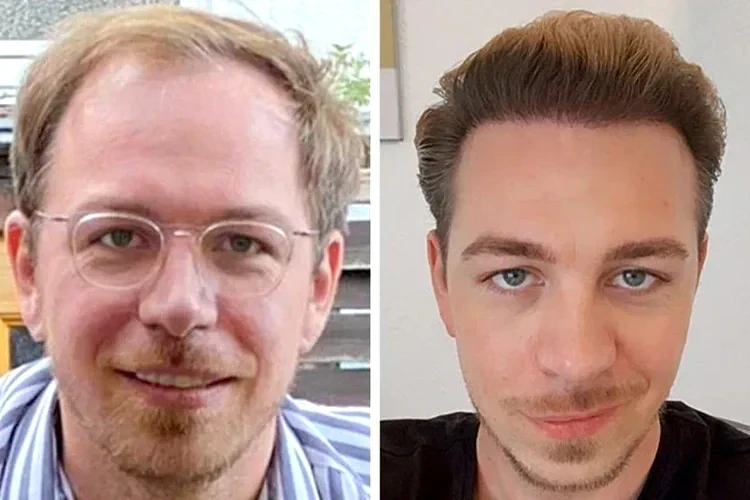
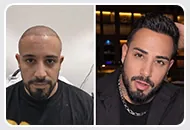
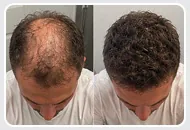
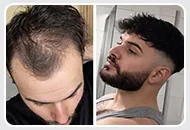
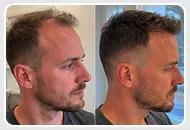
Before
After
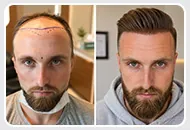
Hair transplant - 4,500 grafts

4.9 - 11,000+ Reviews on Google

150,000+ Happy Patients Worldwide

free & without obligation
 4.9 out of 5 stars on Google
More than 150,000 treatments
at our specialist clinic, certified to ISO 9001:2015
by TÜV Thüringen.

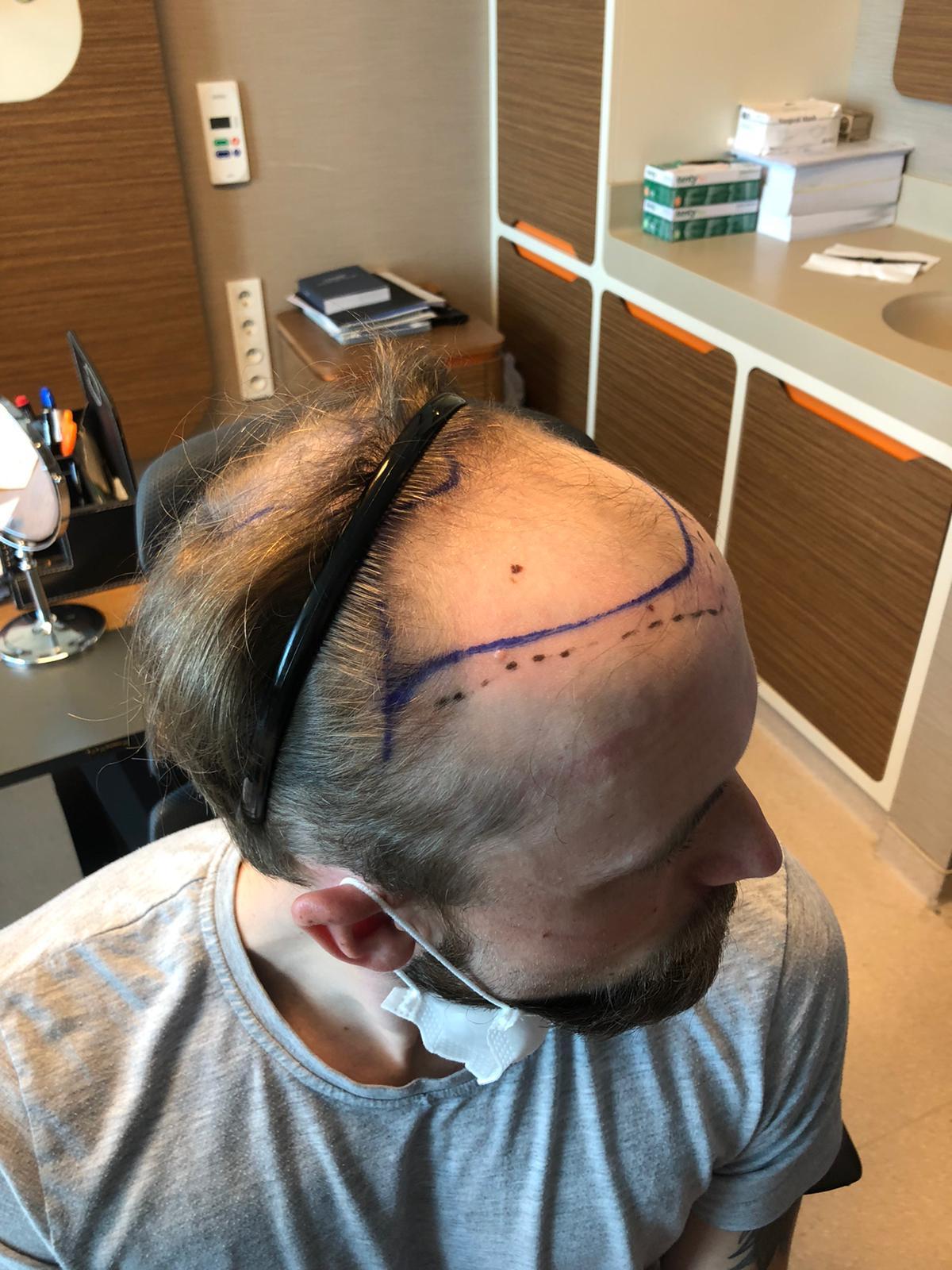
Hair loss has many causes, and not all of them require surgery. A hereditary receding hairline calls for a different approach from diffuse shedding after an illness, while a scarred patch needs different treatment from thinning on top.
At Elithair, every successful hair loss treatment begins with an accurate diagnosis rather than a predetermined method. Here, we explain all of our treatments, grouped according to the concern they address. We're equally open about when we advise against a procedure.
| Treatment | Area | Surgical | Permanent result | Who it's for |
|---|---|---|---|---|
| Hair Transplant | Scalp | Yes | Yes | Hereditary hair loss with a sufficient donor area |
| Hair transplant for women | Scalp | Yes | Yes | Women with a defined pattern, usually along the parting or at the hairline |
| Beard Transplant | Face | Yes | Yes | Patchy beard growth, scars, sparse growth |
IMPORTANT: The key difference lies in the fourth column. Only a surgical hair transplant can restore active, growing follicles to bald areas. All other treatments can strengthen existing hair, create the appearance of greater density or support growth, but they can't replace follicles that have been lost.
| Treatment | Area | Surgical | Permanent result | Who it's for |
|---|---|---|---|---|
| Scalp micropigmentation | Scalp | No | Several years, then touch-ups | The appearance of greater density, scar concealment, a shaved-head look |
| PRP treatment | Scalp | No | No, repeat sessions needed | Post-transplant support, thinning hair, patients who prefer not to have surgery |
| Low-level laser therapy | Scalp | No | No, repeat sessions needed | Complementary treatment for early-stage hair loss |
| Medication | Scalp | No | Only with continued use | Stabilising hair loss before any transplant |










 3 criteria
The right method for you depends on three key criteria, each of which we assess carefully.
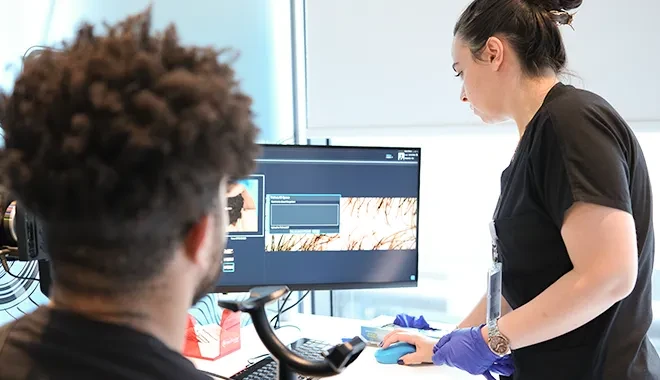
A hair transplant is only advisable once your hair loss has stopped progressing. If it's still active, the surrounding natural hair will continue to fall out, leaving the overall result looking patchy within a few years. If you're still losing hair, medical stabilisation comes first, followed by surgical restoration.
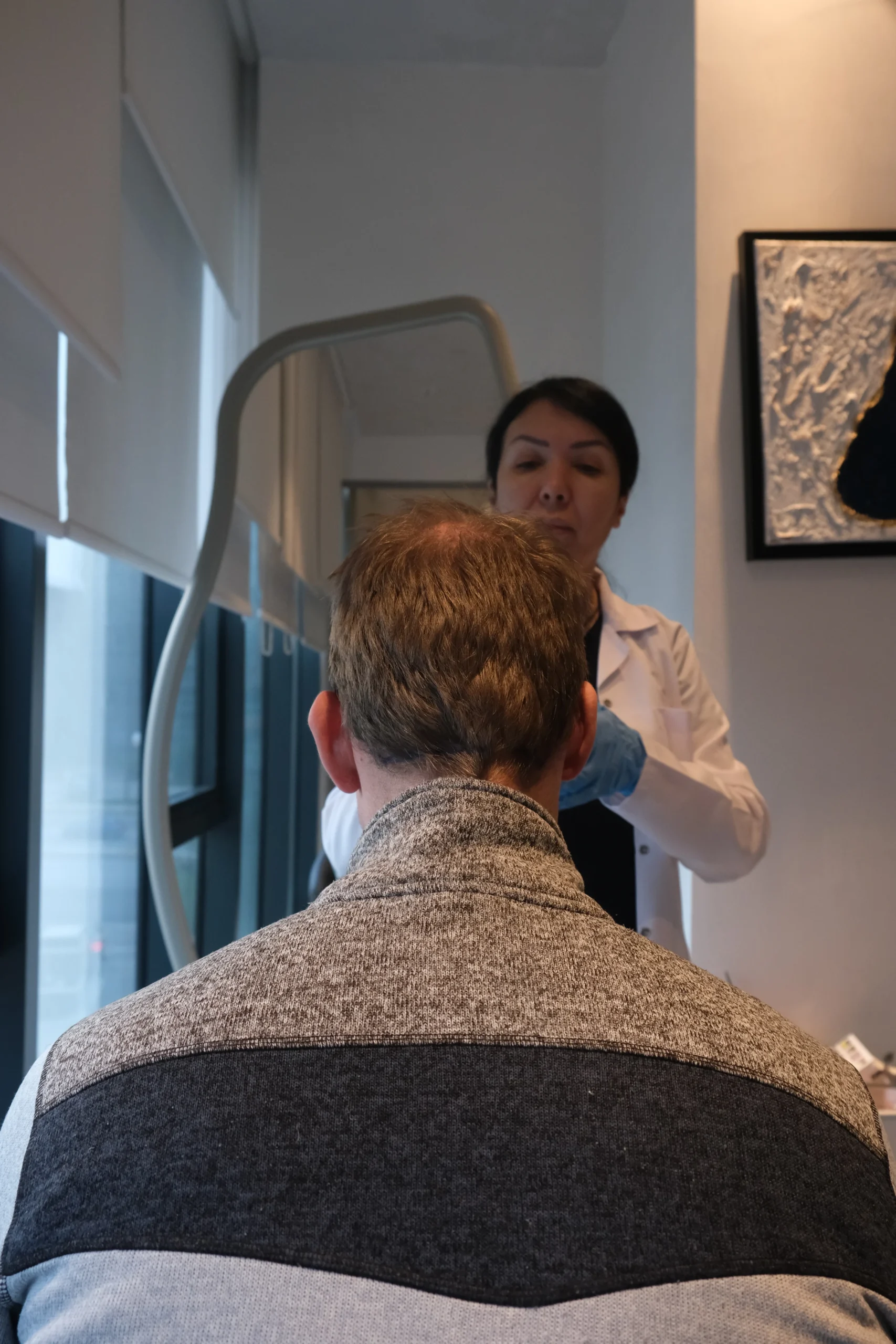
The donor hair at the back of your head is a finite resource and doesn't grow back (Unger et al. 2013). Its density largely determines what can realistically be achieved. If there aren't enough follicles to cover the entire recipient area, we'll be open with you about the alternatives, such as prioritising density in the most visible areas or combining the transplant with scalp micropigmentation.
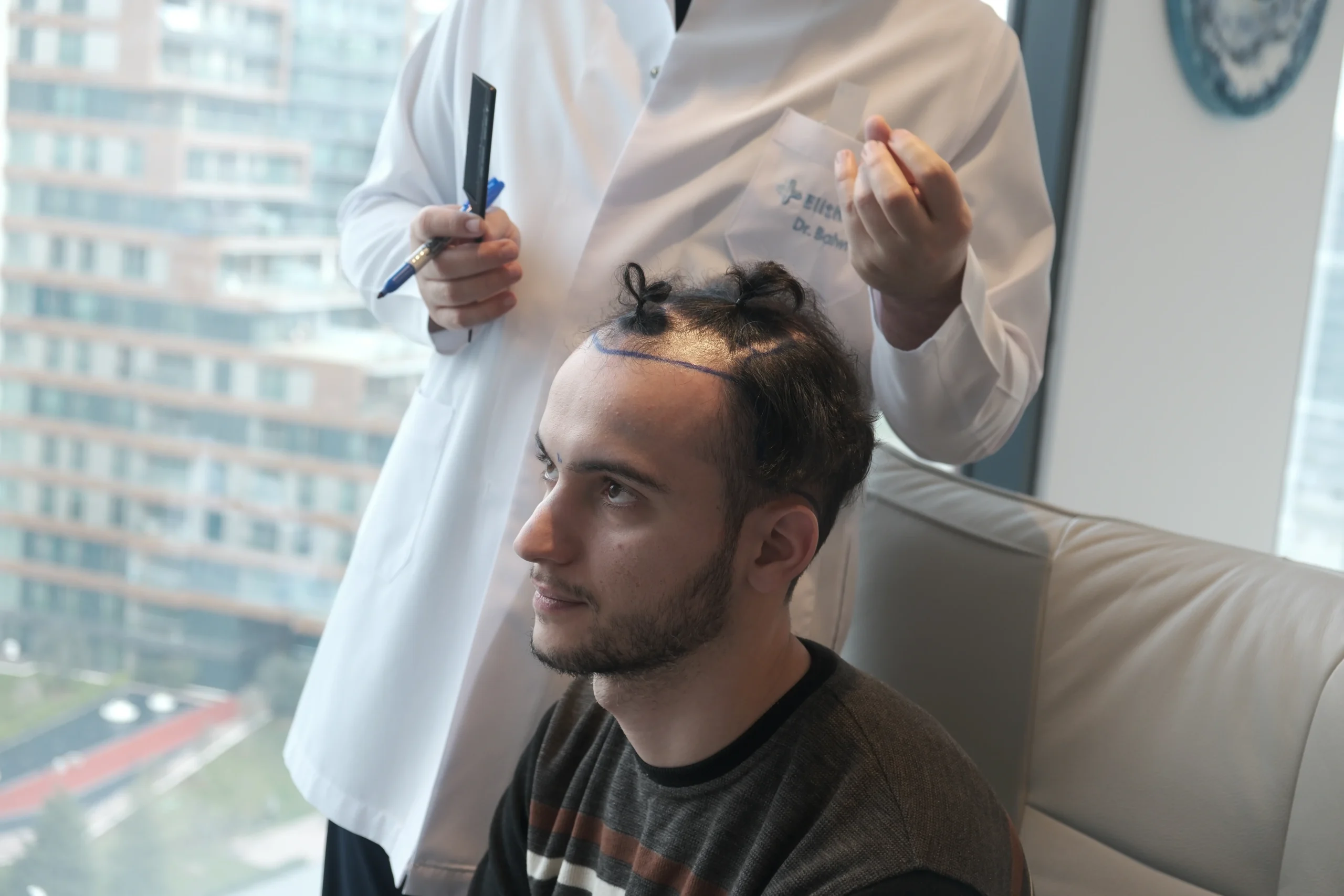
The extent of treatment and the time it takes to see your final result vary depending on whether we treat your temples, hairline, top of the head or crown. Beard transplants require a different approach because the direction of growth and insertion angle must be adjusted with particular precision.
At the clinic, we assess these three factors in detail with our Pre-Test System and use the findings to create your personalised treatment plan. Even before you travel, our free hair analysis gives you a reliable initial assessment.
Surgical Procedure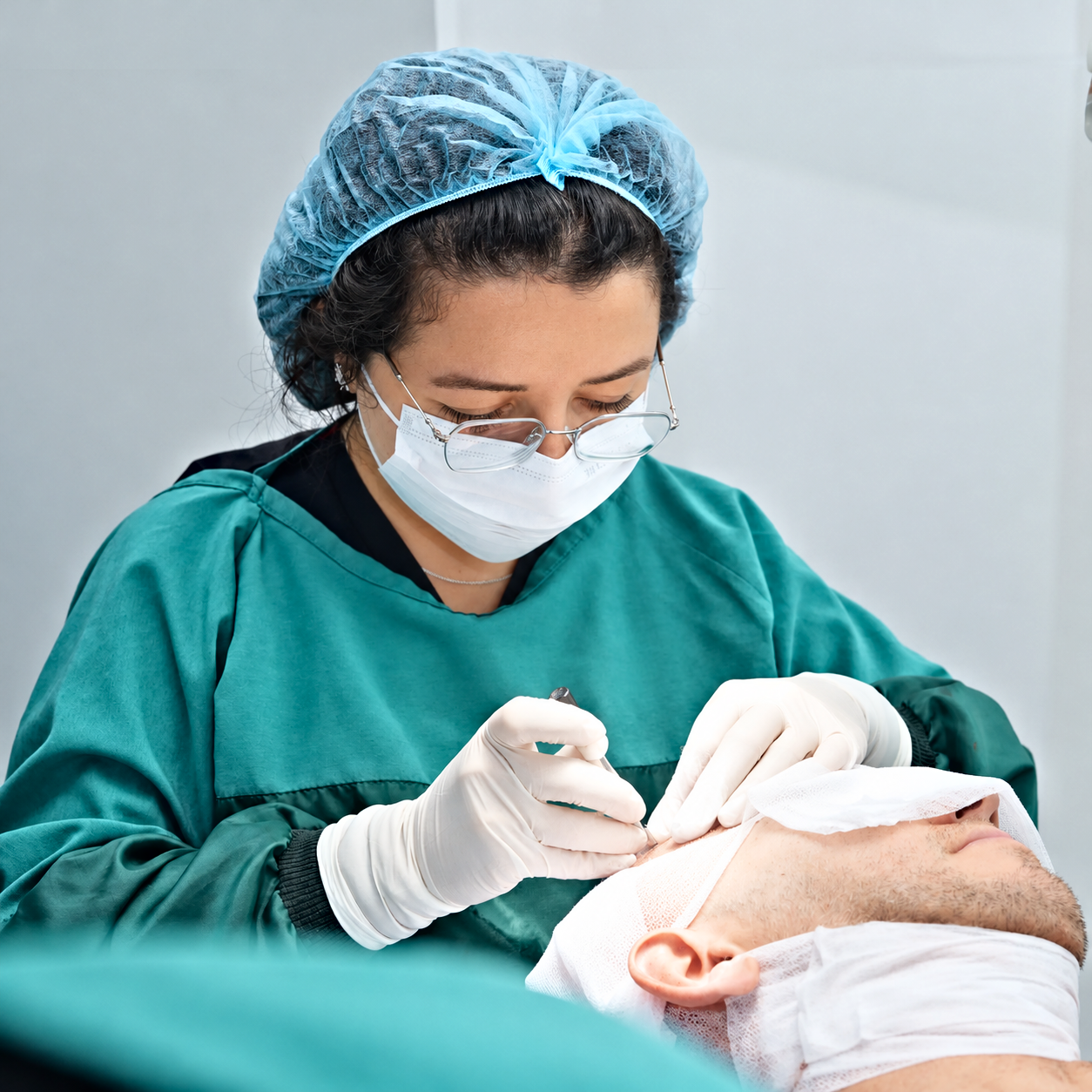
A transplant using your own hair is the only procedure that permanently restores hair follicles to bald areas.
The follicles at the back of your head are genetically resistant to hereditary hair loss. They retain that resistance after transplantation and continue to grow throughout your life.
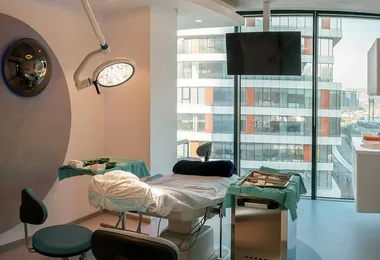
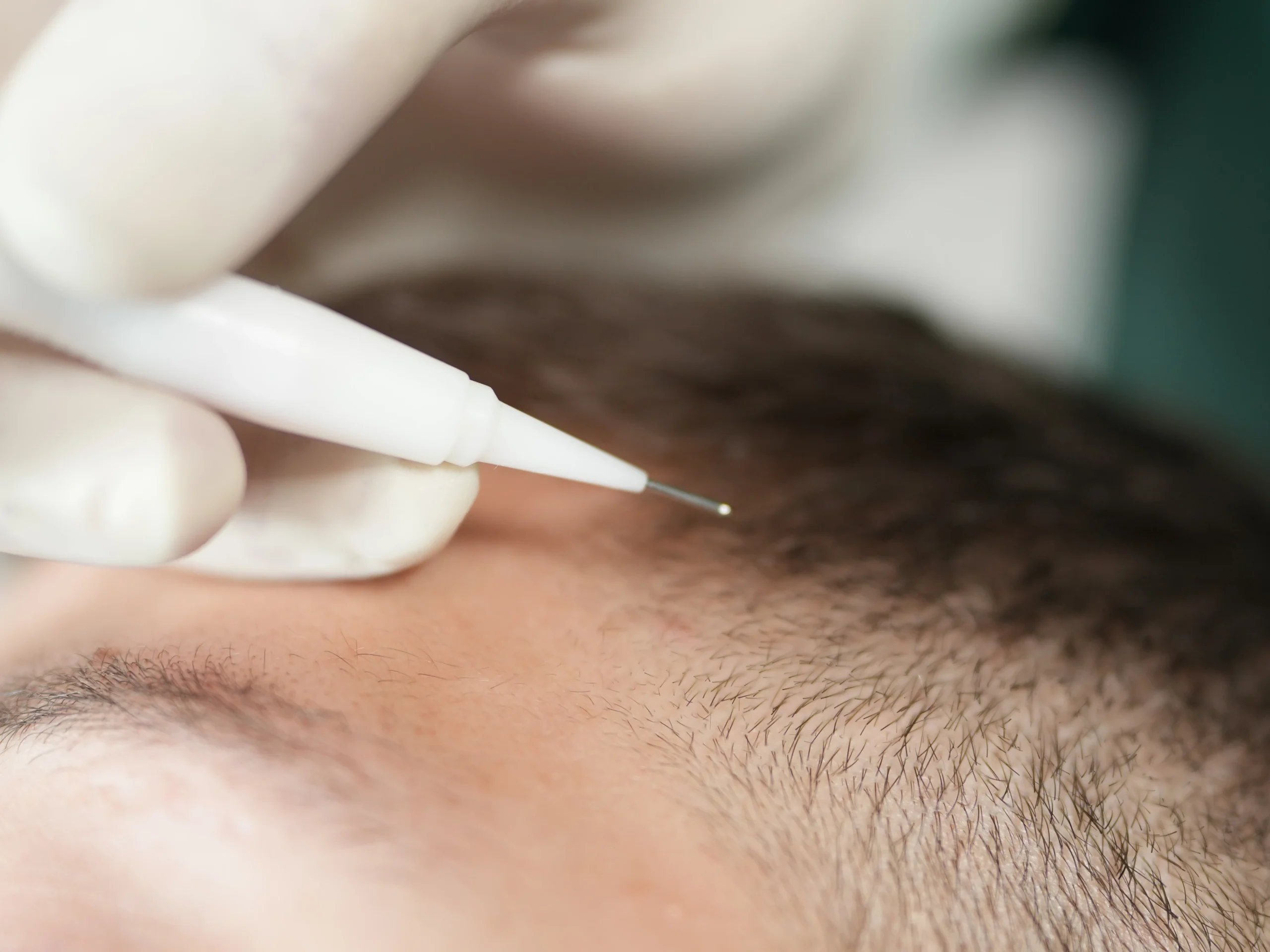
At Elithair, you undergo treatment during a three-day stay in Istanbul. We use the FUE method for extraction and the DHI technique for implantation. The procedure takes around 5 to 8 hours, depending on the number of grafts. With the CHOI Implanter Pen, channel creation and implantation take place in a single step, minimising tissue trauma.
Whether we treat your temples, hairline, top of the head or crown, you'll see the final result after 10 to 12 months at the front and after 15 to 18 months at the crown.
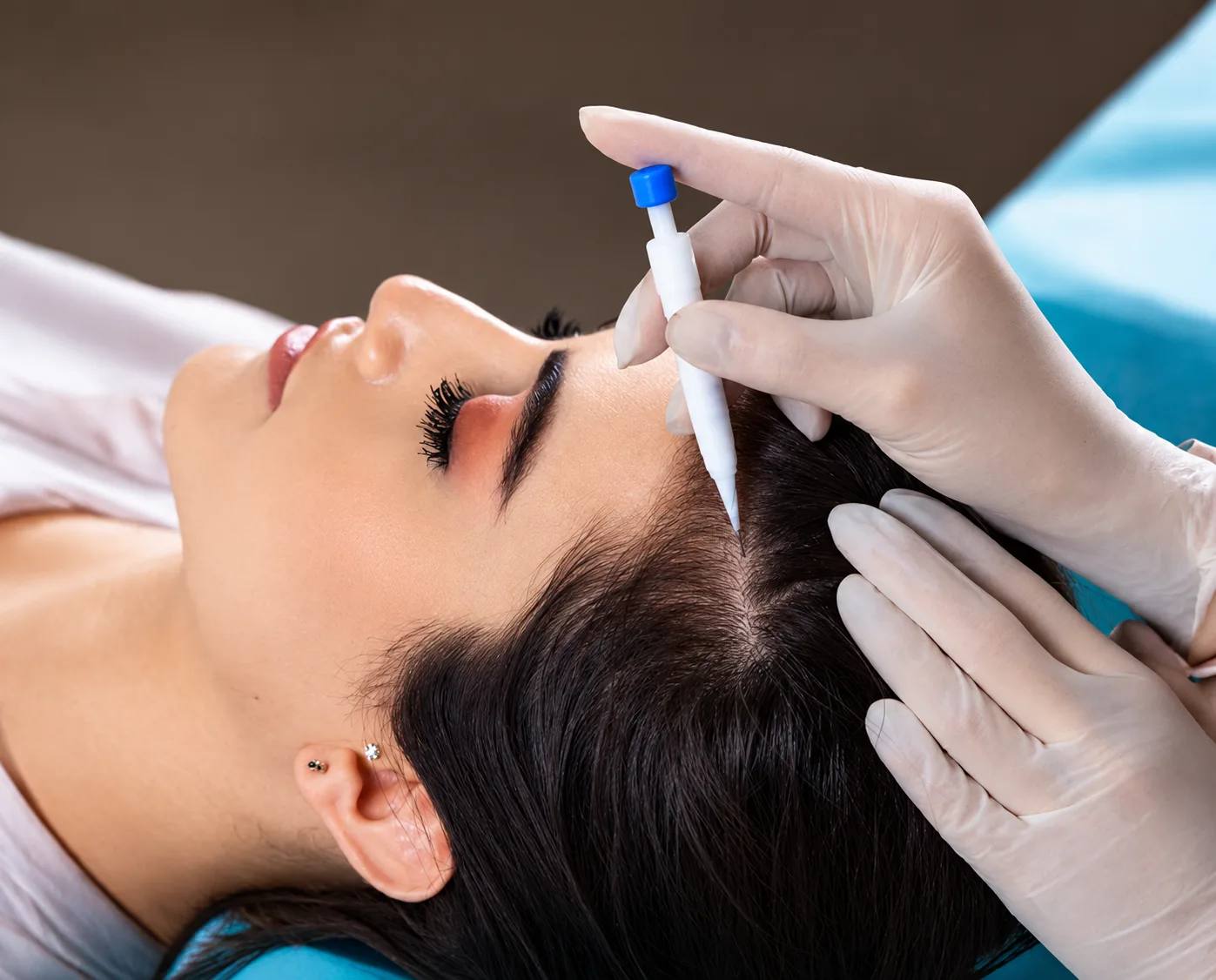
Female hair loss usually appears as a widening parting while the hairline remains intact. Zero Shave FUE is available for an additional fee and allows us to perform the procedure on medium-length or long hair using up to 3,500 grafts, without shaving or cutting the hair in either the donor or recipient area.
The follicles are placed precisely between your existing hairs, so the treatment isn't visible.
Because diffuse hair loss can't be treated surgically without a sufficiently dense donor area, we always start by thoroughly investigating the cause.
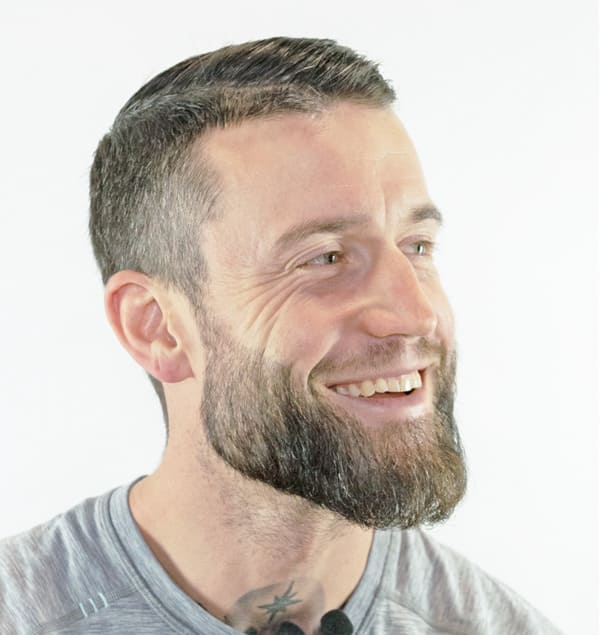
Beard hair behaves differently from scalp hair. It's usually thicker and grows at a flatter angle, with the direction varying across the face. If the grafts are inserted at the same angle as scalp hair, the beard will stick out unnaturally.
For this reason, beard transplants use single-hair grafts almost exclusively, with the angle tailored to each zone: the cheeks, chin, jawline and upper lip all require a distinct approach.
We treat patchy beard growth, scars, generally sparse growth and gaps between the sideburns and chin (Yaseen et al. 2021). The grafts are usually taken from the donor area of the scalp.
Hair transplant - 4,500 grafts
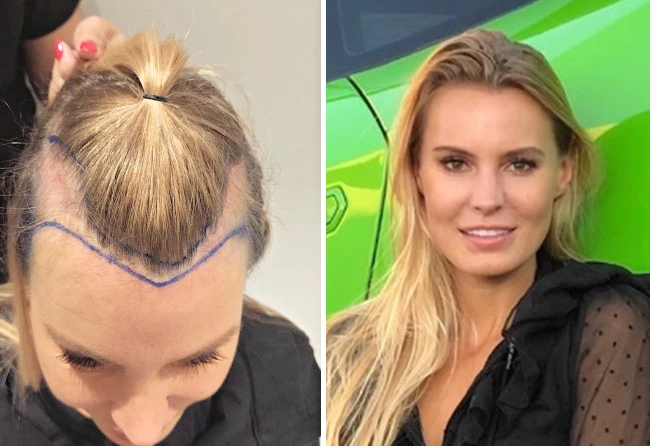
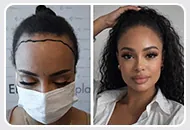
Hair transplant for women - 3,100 grafts
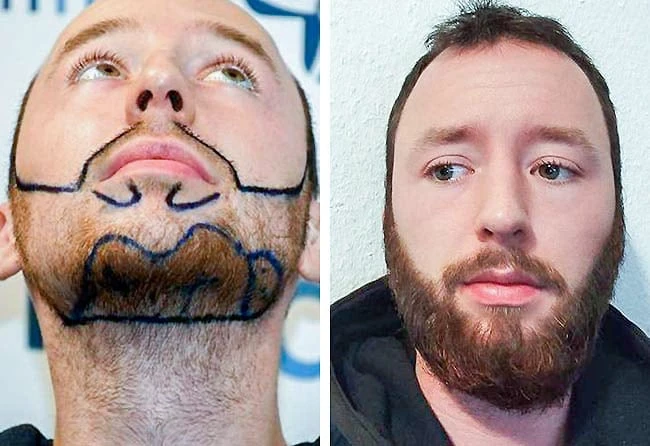
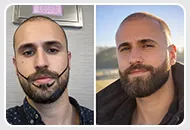
Beard transplant - 3,700 grafts
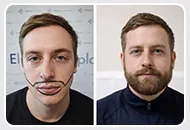
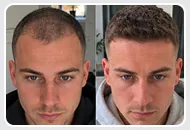
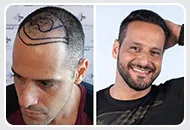
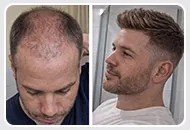
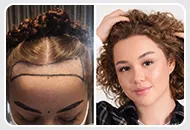
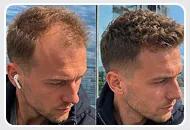
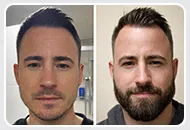
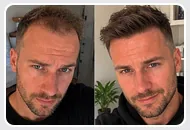
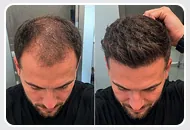
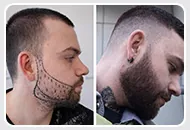
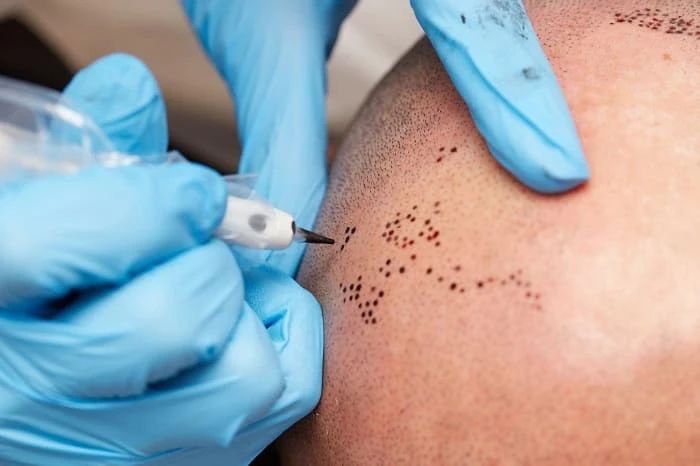
Scalp micropigmentation doesn't restore hair follicles. Instead, ultra-fine pigments are placed in the upper layer of the skin to recreate the appearance of natural stubble.
It's ideal for making thinning hair appear denser, concealing scars or, as a standalone solution, creating a dense shaved-head look when the donor area isn't sufficient for a transplant.
The result lasts several years, after which regular touch-ups are needed.
Non-Surgical Procedure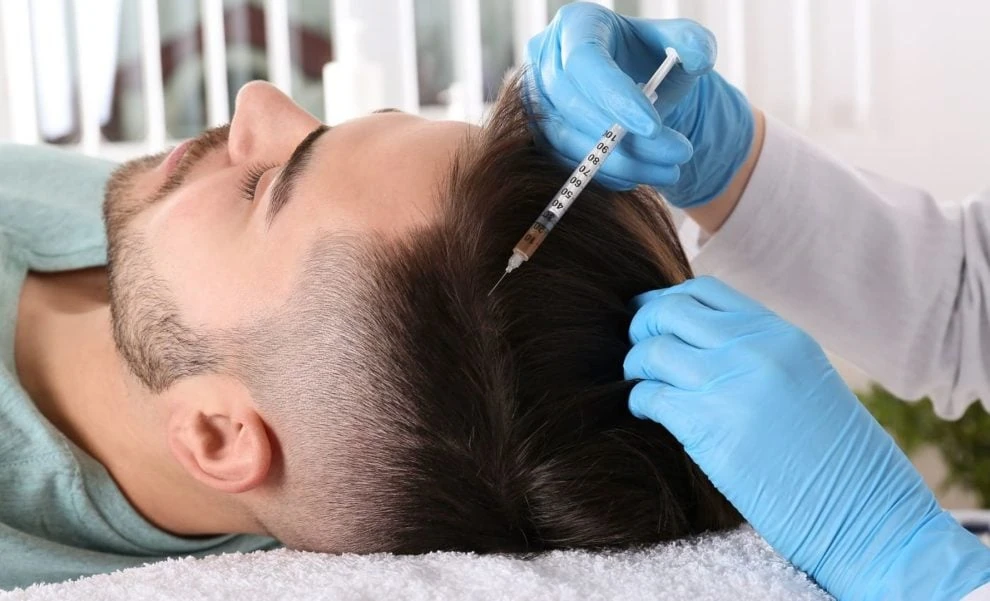
During PRP treatment, a processed concentrate derived from your own blood is injected into targeted areas of the scalp to maximise blood flow and the supply of nutrients to the hair follicles.
It doesn't replace a transplant, but it's an essential complement:
included One PRP treatment is included and administered at the clinic in Istanbul on the day of your procedure.
Low-level laser therapy uses targeted, low-energy medical light to treat the scalp. This painless treatment penetrates deep into the tissue, where it stimulates cell activity and blood flow around the hair follicles.
It can be an effective complementary treatment for early-stage hair loss or used alongside other treatments to stimulate follicle metabolism (Faghihi et al. 2018). However, light therapy can't restore lost hair follicles and has no effect on areas that are already bald.
Its sole purpose is to strengthen and revitalise your existing hair.
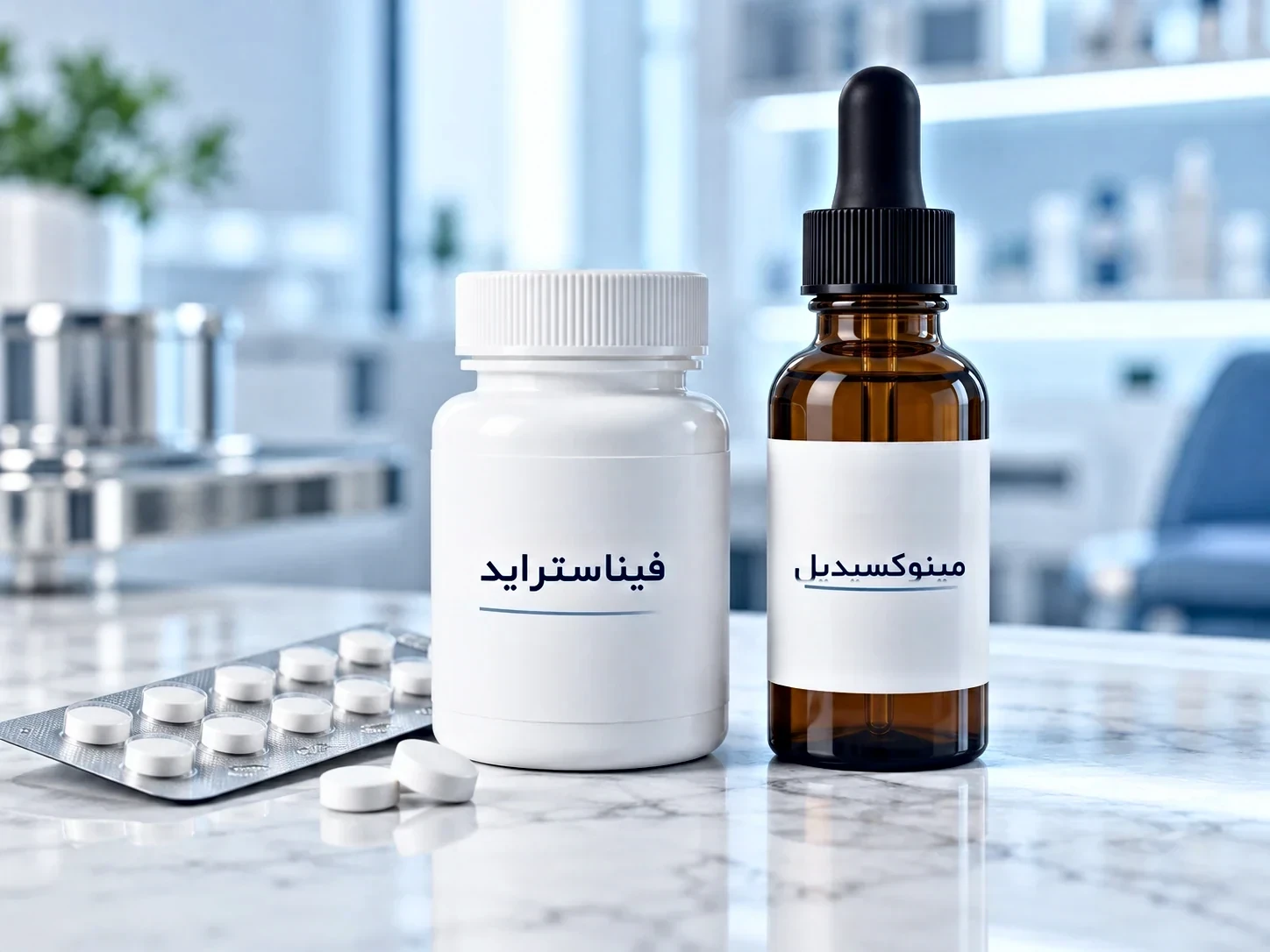
We don't offer medication at our clinic, but it's often the foundation of a successful hair transplant.
The established active ingredients finasteride (hormone-blocking) and minoxidil (circulation-boosting) can help preserve your existing hair and slow active hair loss (Adil et al. 2017).
As these medicines can't replace follicles that have already been lost, they're mainly used to prepare and protect the donor and recipient areas before a transplant. Your doctor will advise you exactly how to use them. Stop minoxidil 14 days before your hair transplant; you can continue taking finasteride.
Whether you choose a hair transplant or a beard transplant, you can expect the same high standards of medical care and organisation.
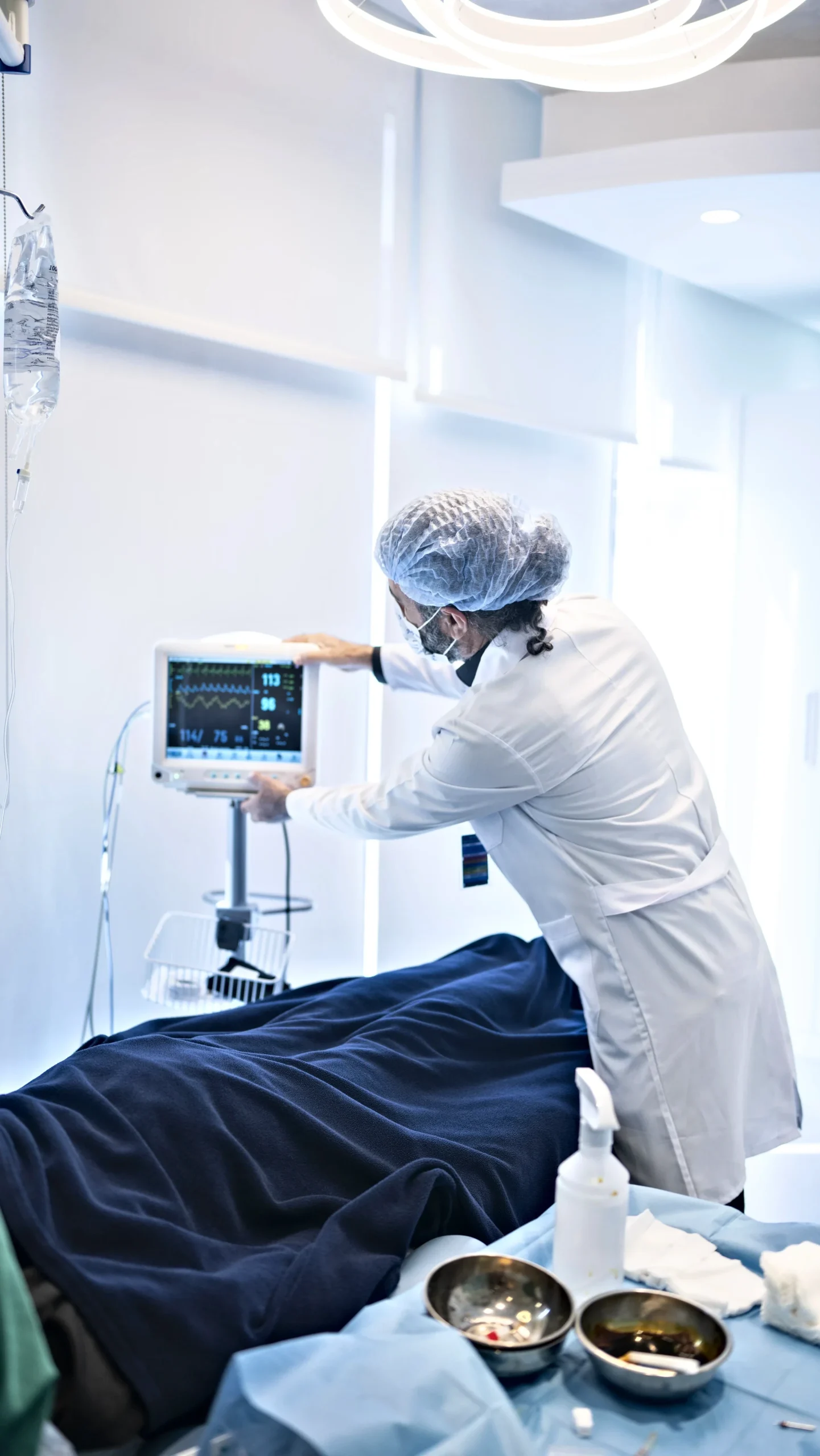
Pre-Test System
On the day you arrive, you undergo the six examinations included in the Pre-Test System at our clinic: an electrocardiogram (ECG), a general health blood test, a hair loss blood test, a hair analysis with the TrichoLAB scanner, an ultrasound of the scalp (skin thickness) and a Doppler ultrasound (blood circulation). We use the results to create your personalised treatment plan, with your skin thickness and blood circulation determining the insertion depth of the grafts.
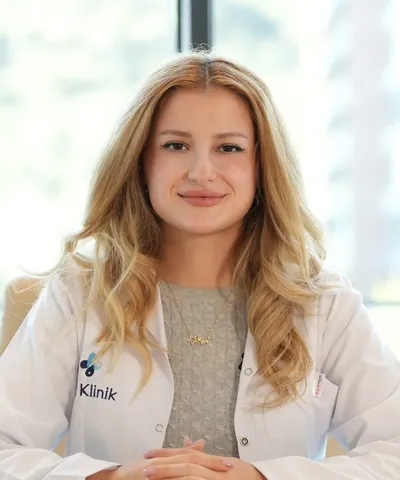
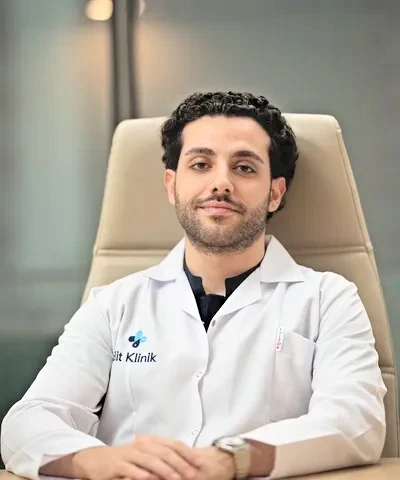
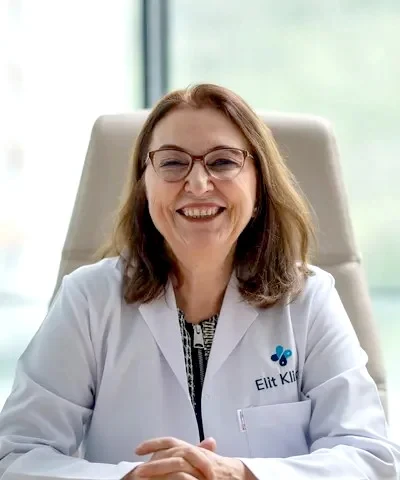
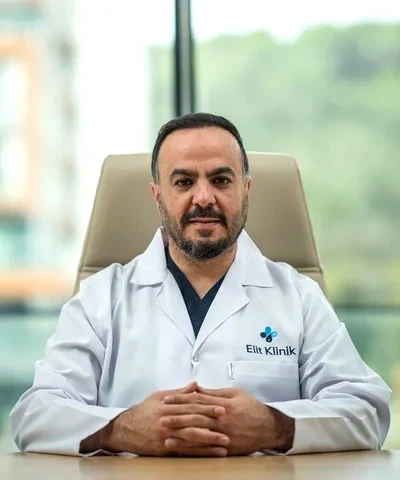
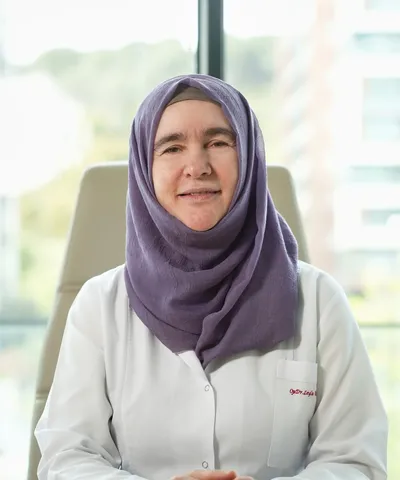
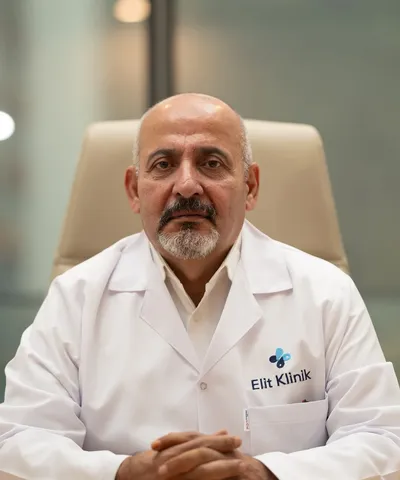
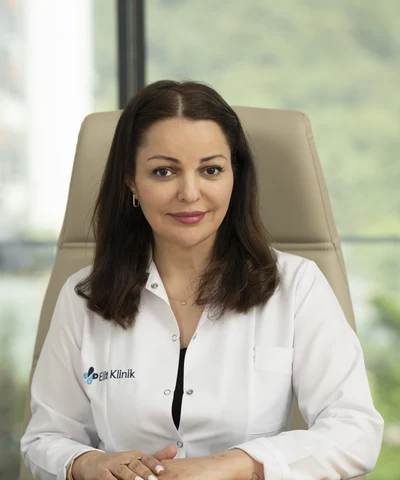
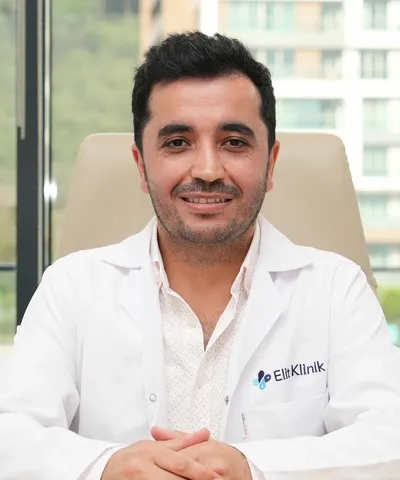
5-Doctor Standard
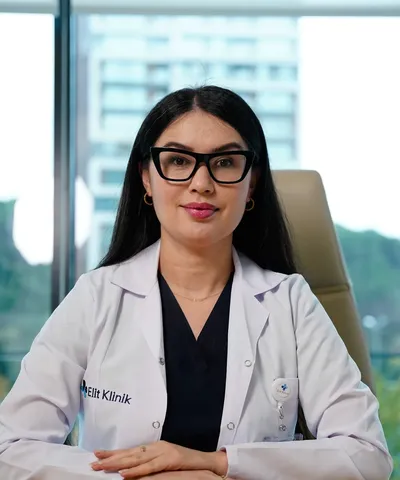
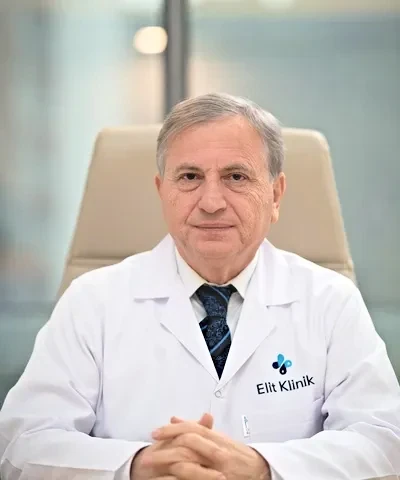
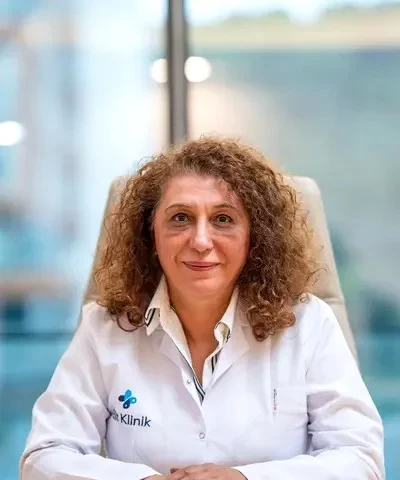
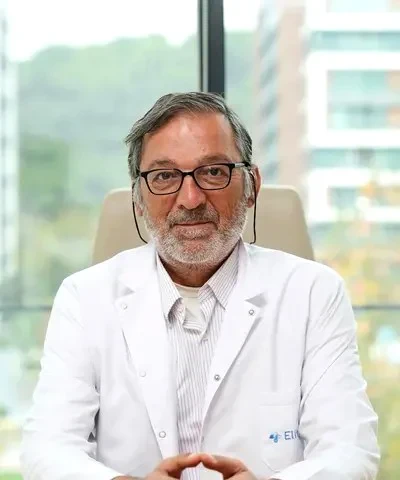
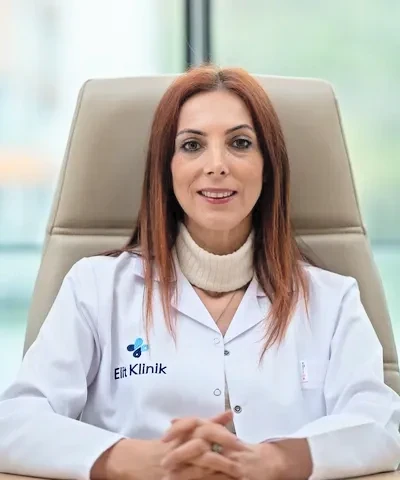
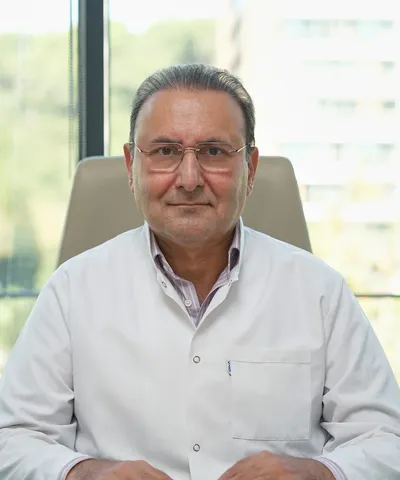
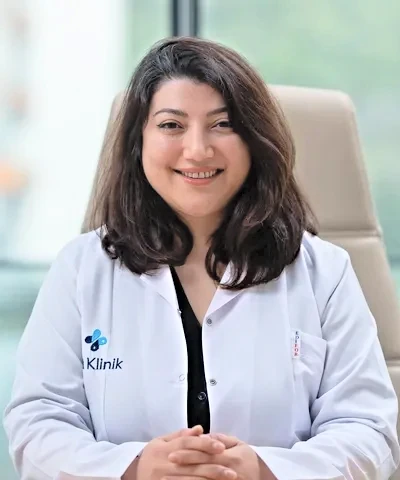
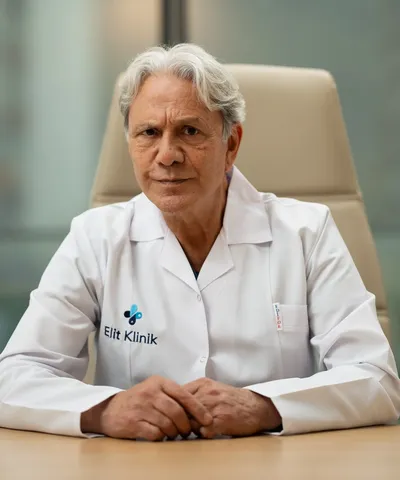
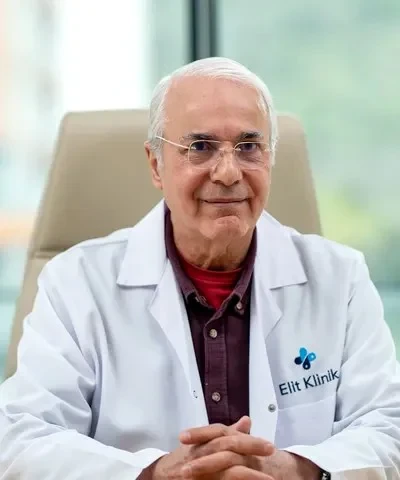
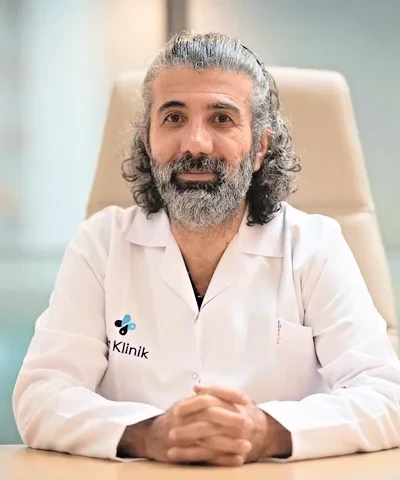
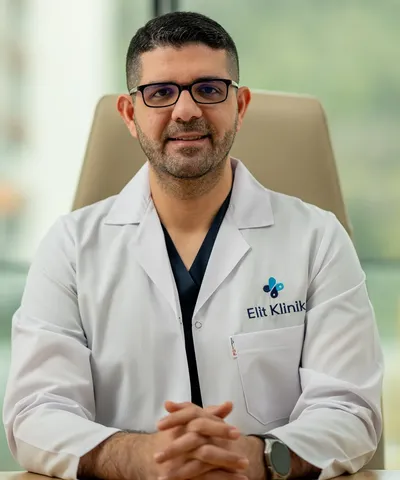
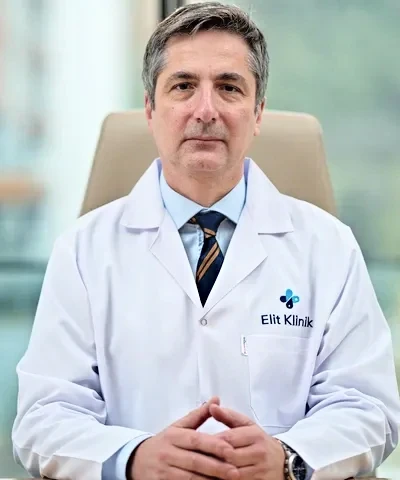
Under the 5-Doctor Standard, our doctors oversee and take responsibility for your treatment at five key stages, from the hair analysis before you travel through to the final check.
Sleep-Deep Method
Thanks to gentle Sleep-Deep sedation, you don't even feel the local anaesthetic being administered, and you experience the procedure with 0% pain.
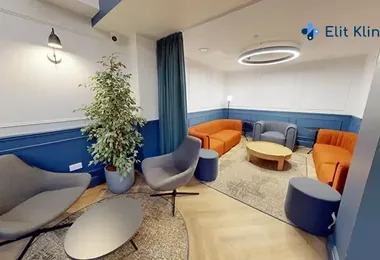
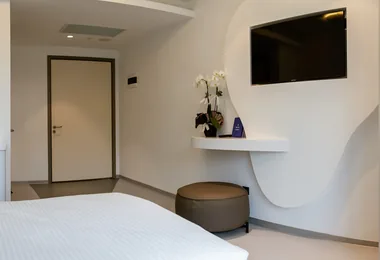
Your Stay in Istanbul Your three-day transplant package includes hair treatment using the DHI technique, three nights at a 4-star hotel, aftercare products and all local transfers between the airport, hotel and clinic. Your flight is not included.
Complete Aftercare & 20-Year Guarantee
You upload photos via the Elithair App for our doctors to review and monitor your healing. Your transplanted hair is also covered by a 20-year written guarantee.
 Cost

The cost of our surgical treatments depends on your graft tier, with transparent, all-inclusive prices ranging from £2,849 to £3,449.
All core services are included, from FUE extraction, DHI implantation and Sleep-Deep sedation to the NEO FUE® Serum and the Pre-Test System.
If you're eligible, the optional extraction methods Zero Shave FUE and Manual FUE are available for an additional fee.

Around 40% of the enquiries we receive don't result in surgery because we apply strict medical selection criteria. A responsible clinic carefully selects its patients. Reasons why we may advise against a procedure include:
A clinic that accepts every enquiry without question is compromising essential medical standards. If we offer you an appointment, you can be confident that our doctors have already reviewed your diagnosis carefully.
This overview provides an initial guide to your options, but your medical situation can change over time.
Your donor area doesn't regenerate, while progressive hair loss increases the area requiring treatment, so the balance shifts with every month that passes (Balwi et al. 2026). The sooner your current situation is assessed, the more precisely and fully we can achieve the result you want.
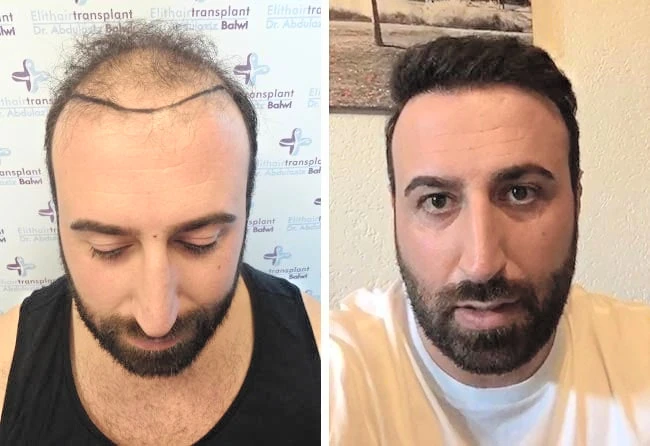
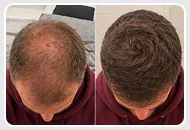
Artin A. – 3,500 grafts
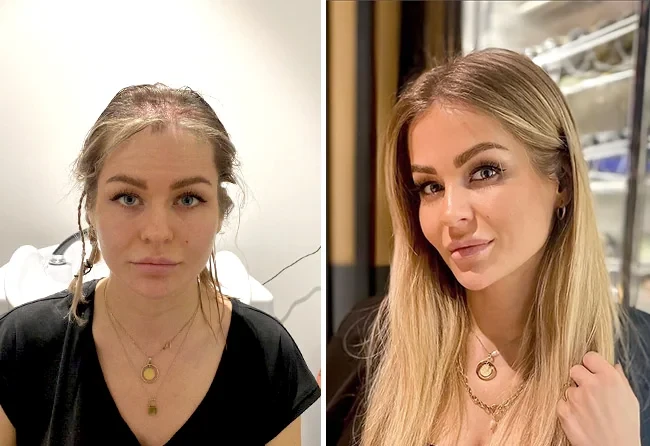
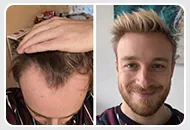
Julia O. – 1,700 grafts
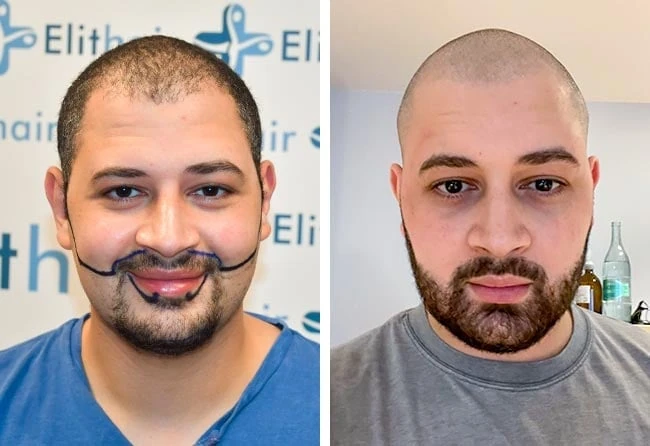
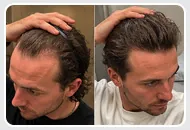
Mohammed E. – 3,750 grafts
Our free hair analysis shows which treatments are currently suitable for you. It takes just a few minutes, provides immediate medical clarity and is completely obligation-free.
There's no single best treatment, only the one most suitable for your diagnosis. If you have enough donor hair and your hair loss has stabilised, a hair transplant may be the best choice. If your hair loss is still active, it should be stabilised first. If there isn't enough donor hair, an alternative treatment may be more suitable.
Yes, and combining treatments is often beneficial. Common combinations include a hair transplant with PRP to support healing, or a transplant with scalp micropigmentation when there is not enough donor hair to cover the entire treatment area (Garg 2016).
In principle, yes. Whether this is suitable depends on the extent of treatment required, which we assess in advance through the free hair analysis and refine using the Pre-Test System. The total number of grafts available remains the limiting factor.
That depends on the amount of hair available in your donor area. With advanced hair loss, there is often not enough donor hair to cover the entire area at a good density (Chouhan et al. 2019). In that case, focusing on a smaller area with good density or combining a transplant with scalp micropigmentation may be more suitable.
Generally, hereditary hair loss isn't covered because a hair transplant is classed as cosmetic surgery. Rare exceptions may be made for reconstructive cases with a documented medical need, such as scars caused by accidents or operations. If you have private cover, check your policy terms directly with your insurer.
Yes, surgical results are permanent because the transplanted follicles retain their resistance to hair loss. Non-surgical treatments remain effective only for as long as you continue using them.
All surgical procedures are carried out exclusively at our hair transplant clinic in Istanbul. Our doctors provide aftercare support through the Elithair App.