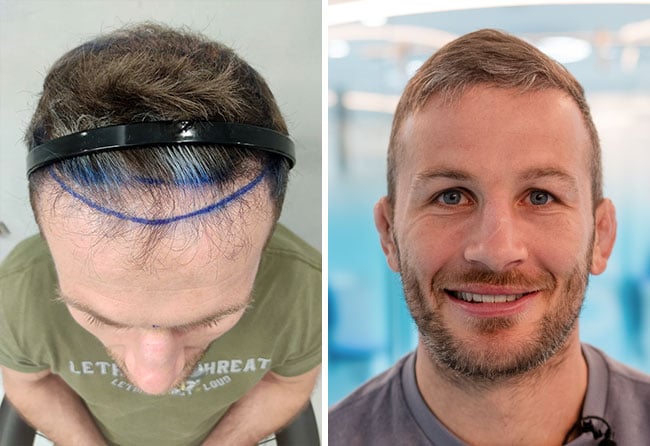
Hair Transplant Vertex Before and After: Closing the Crown Naturally
A vertex hair transplant demands the highest precision because of the spiral growth pattern at the hair whorl. Blood flow to the crown is lower than elsewhere on the scalp, so the final before and after result only becomes visible after around 12–18 months.
The wait is worth it: The added density at the crown is permanent and looks seamless from every angle.
What sets our vertex before and after results apart
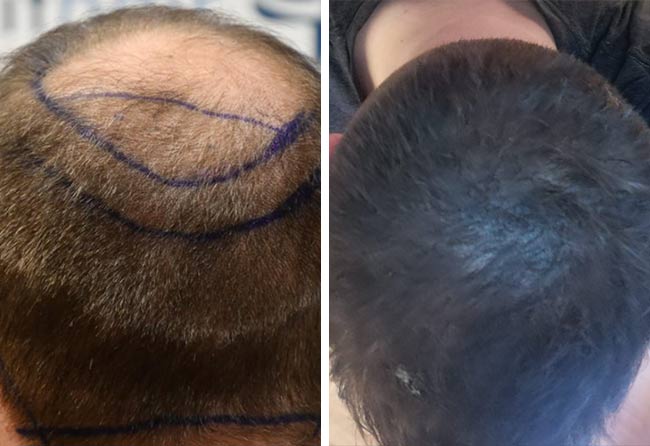
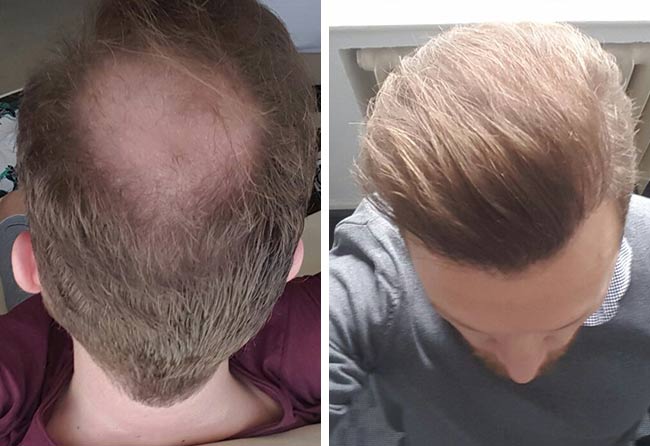
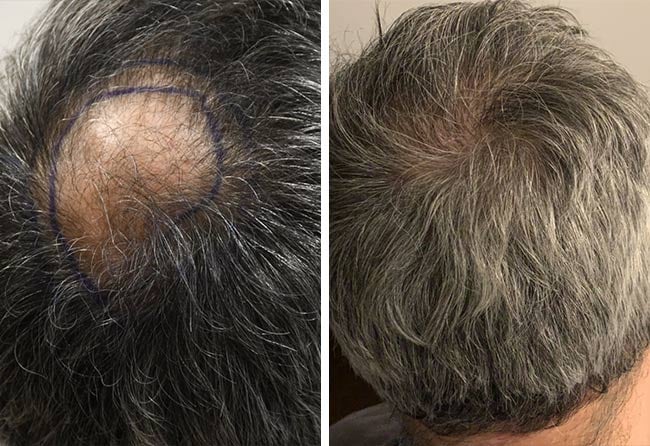
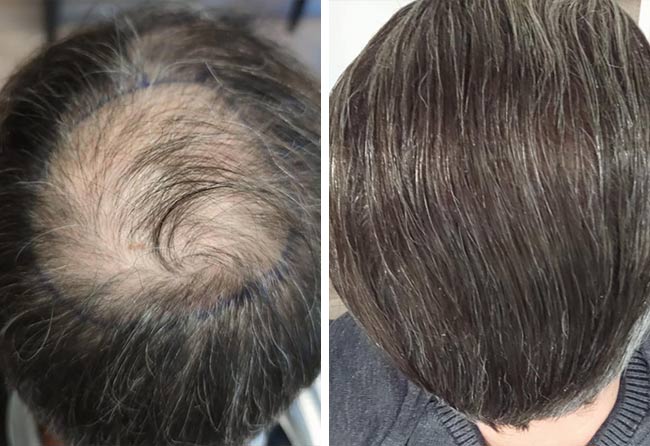
Hair Transplant Vertex: Before and After Gallery
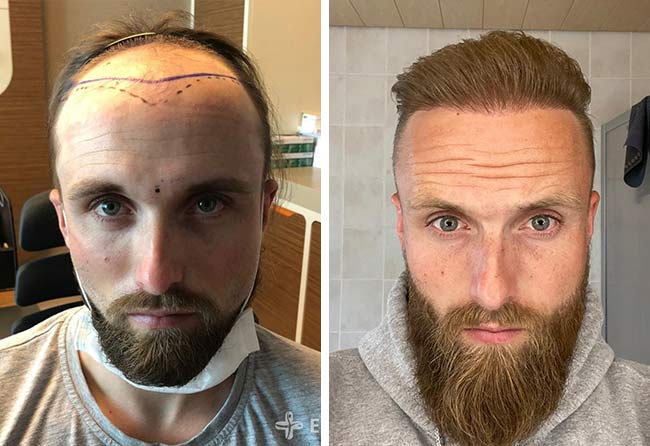
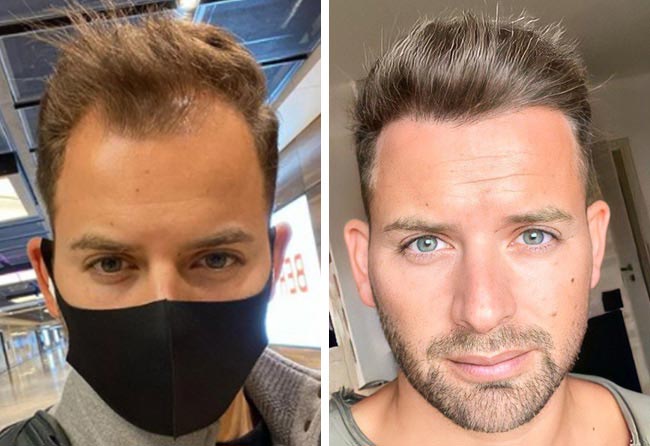
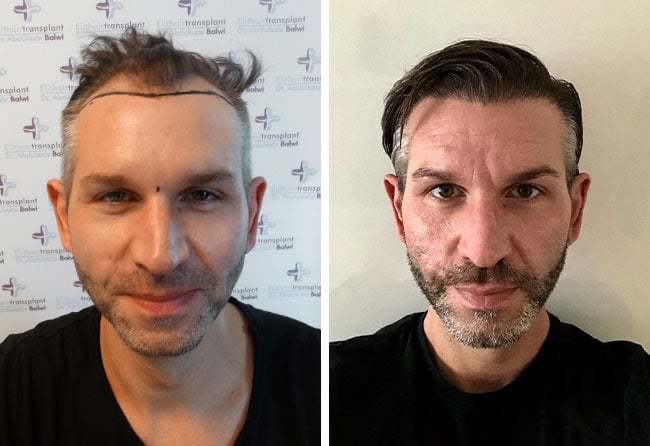
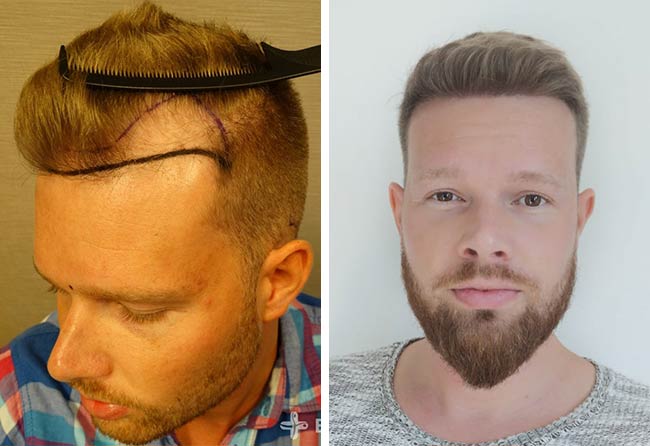
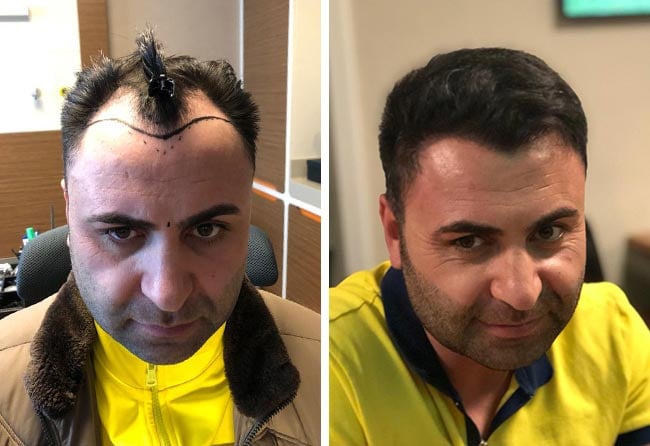
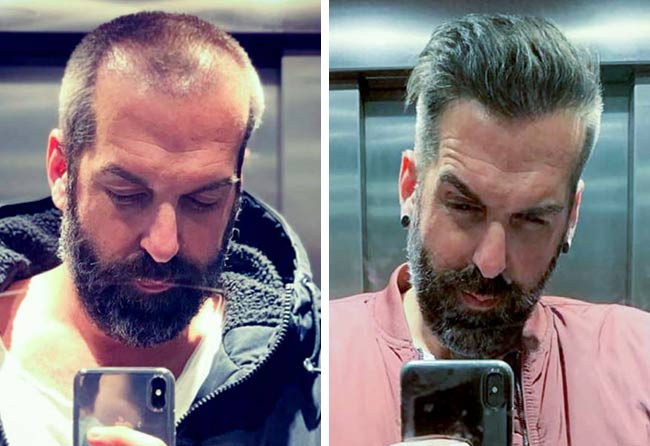
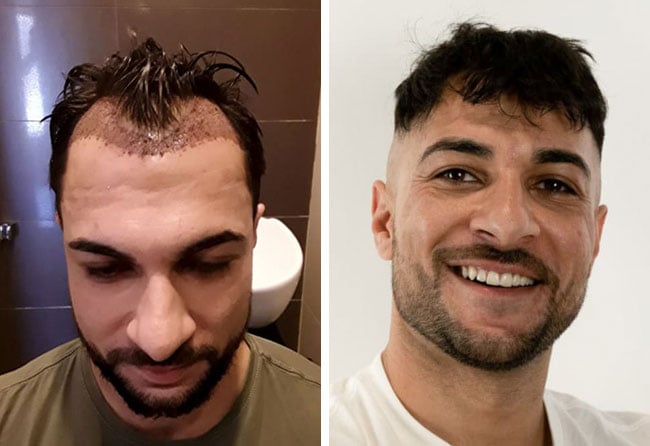
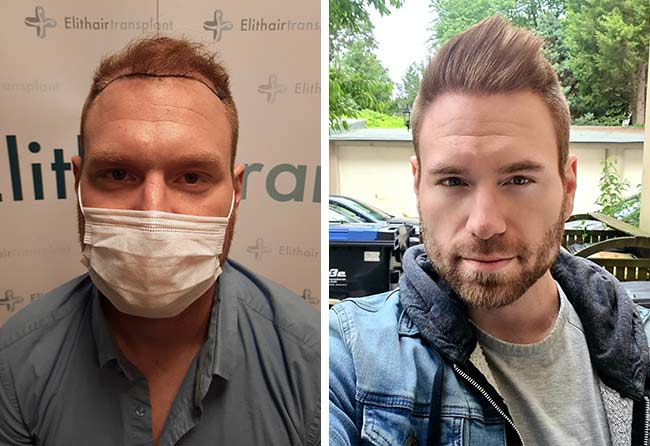
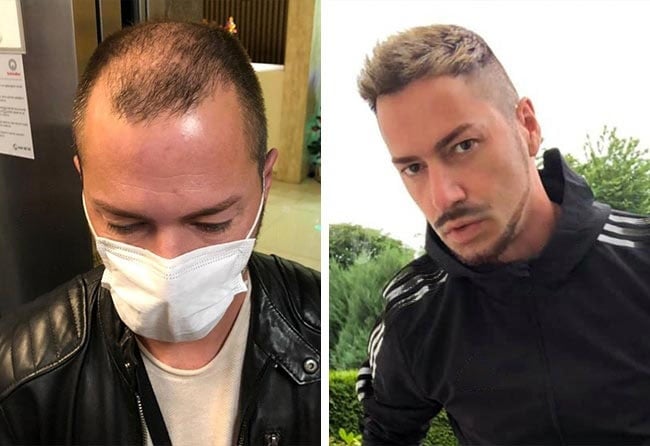
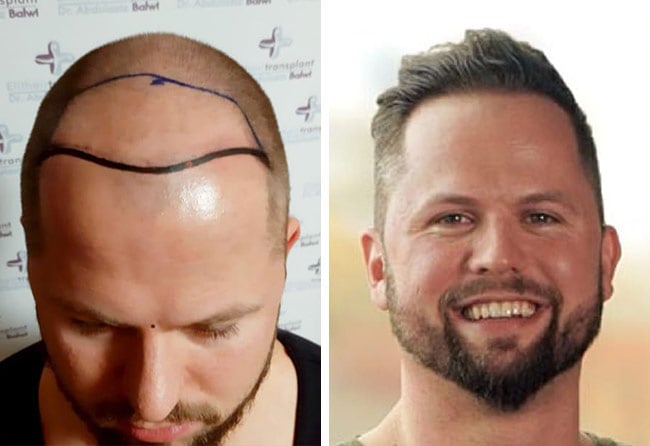
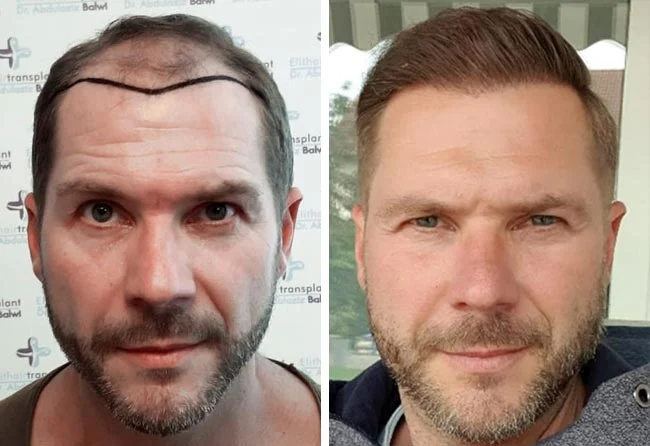
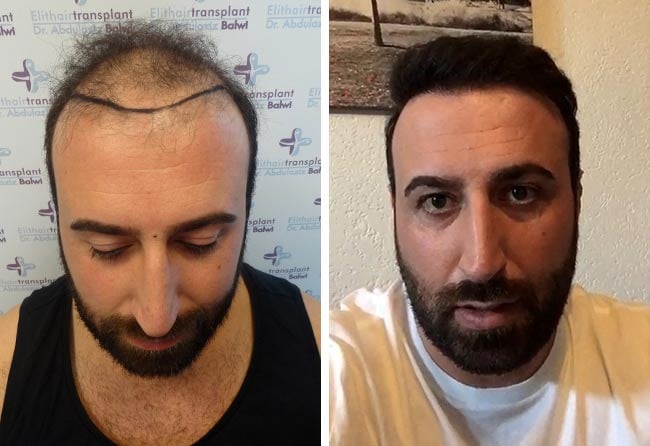
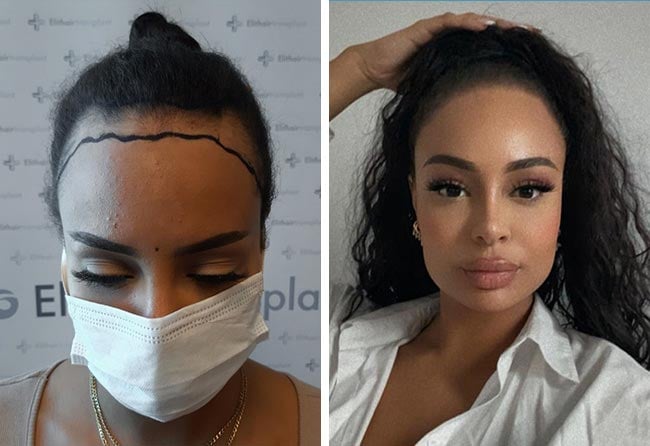
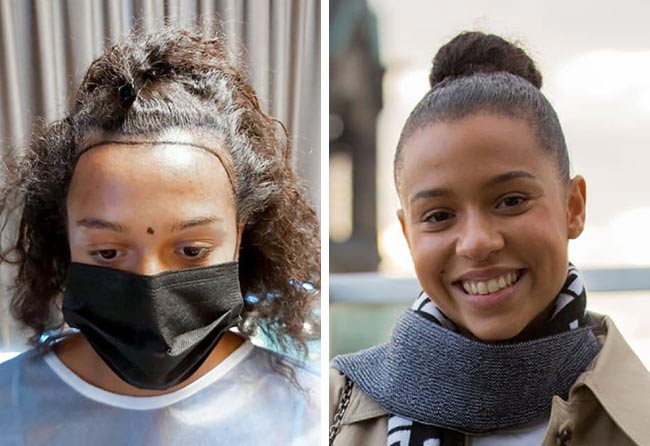
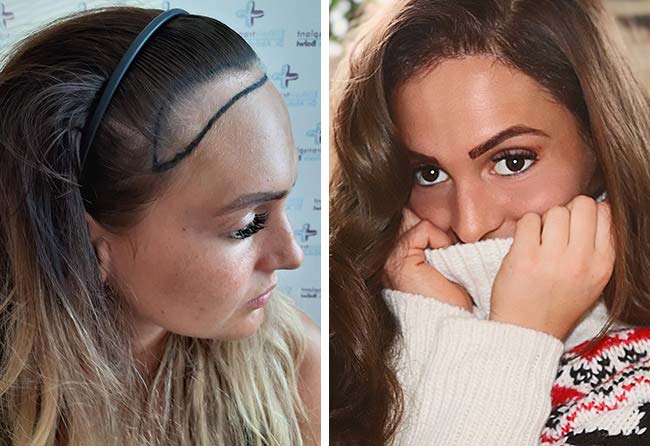
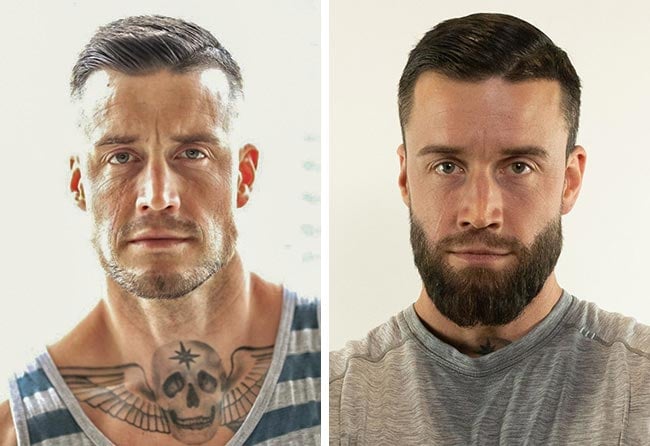
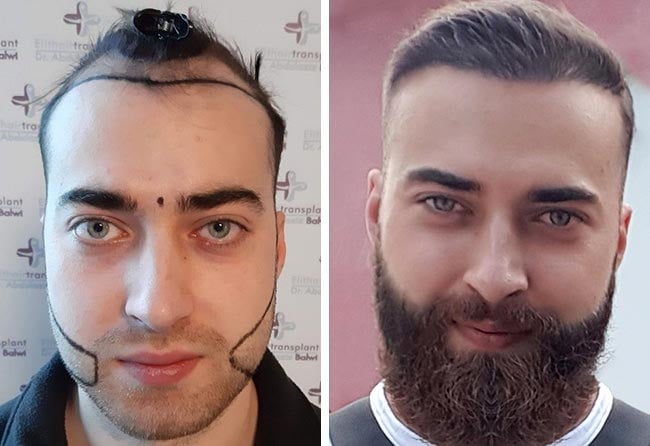
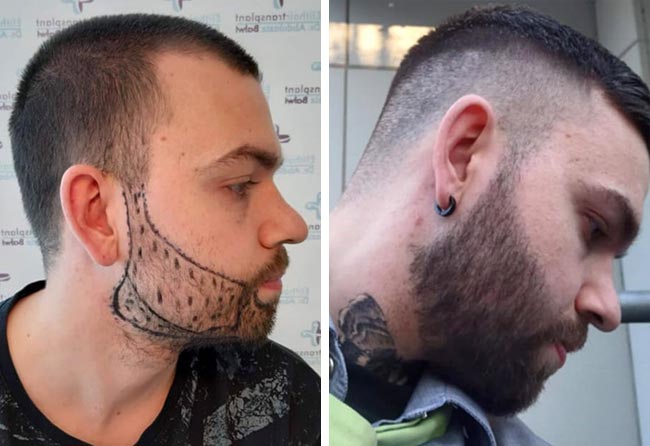
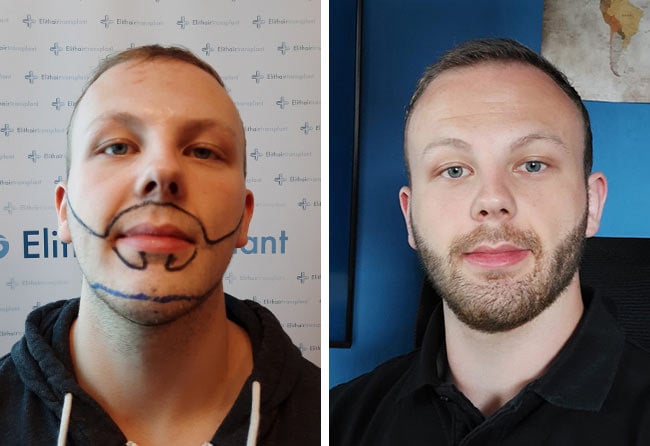
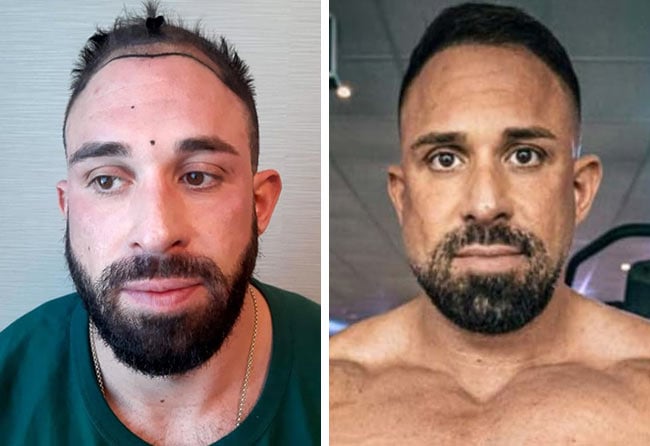
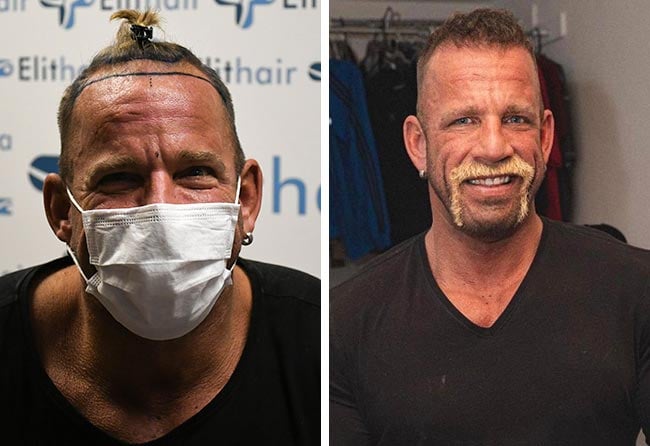
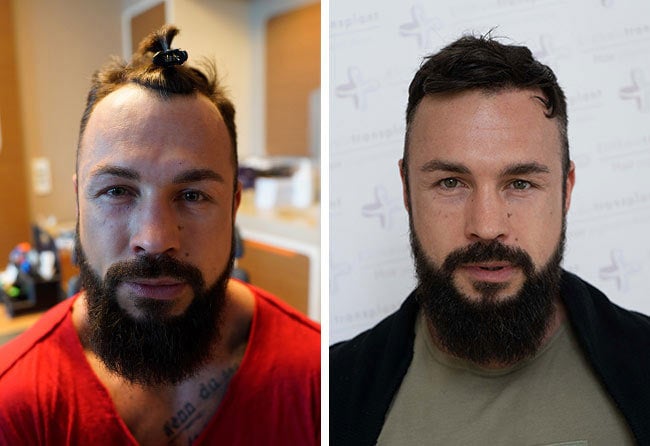
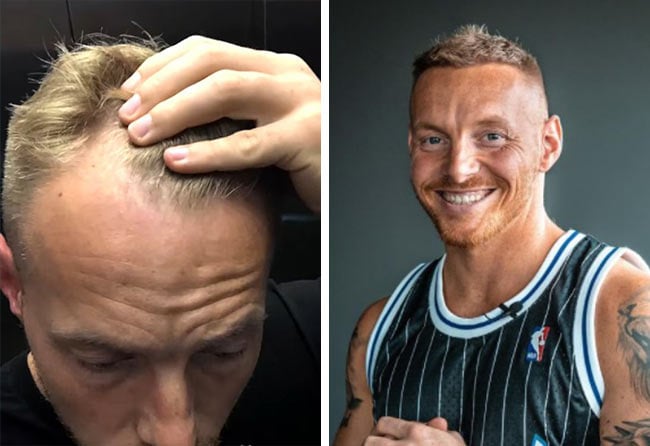
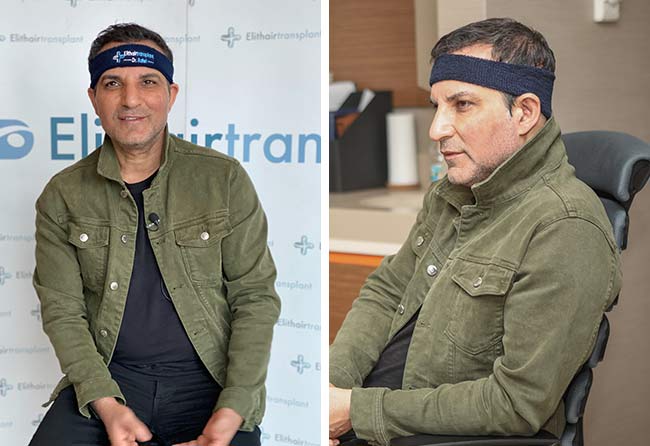
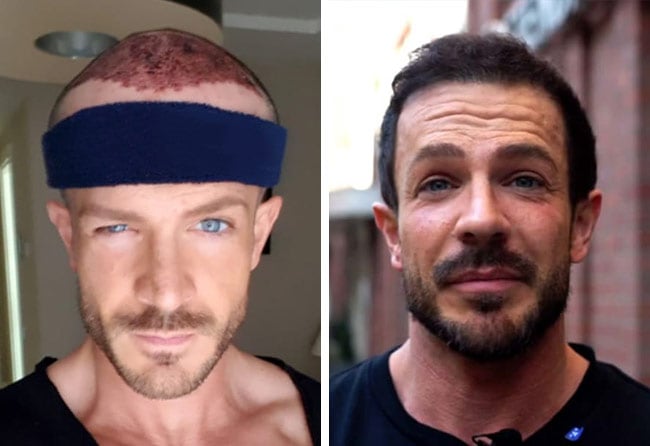
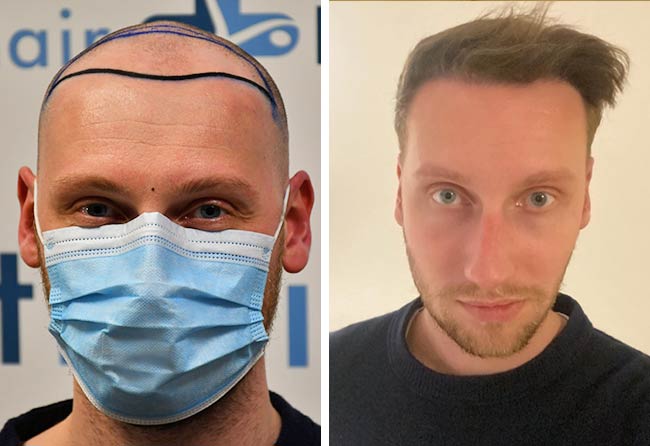
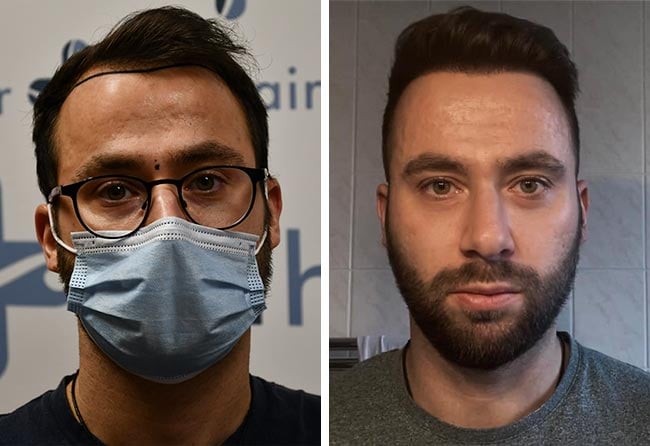
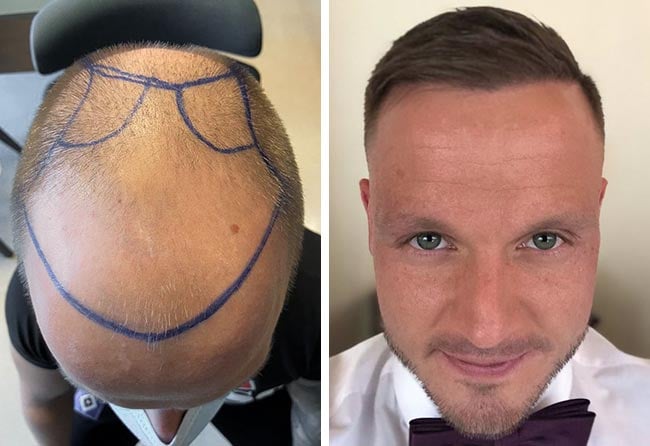
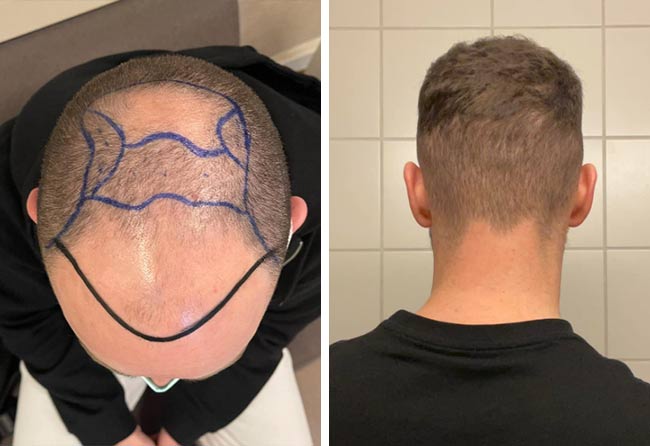
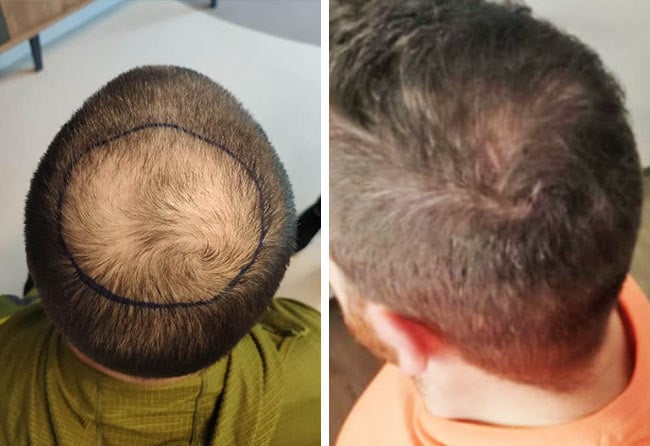
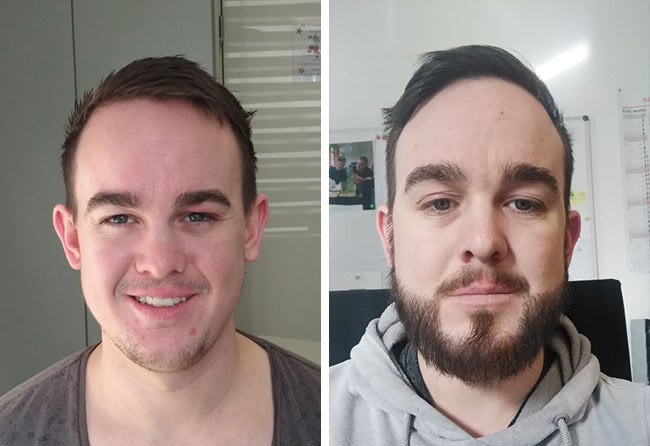
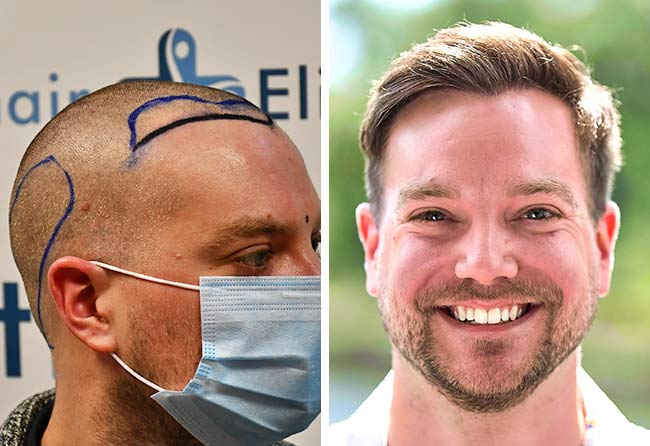
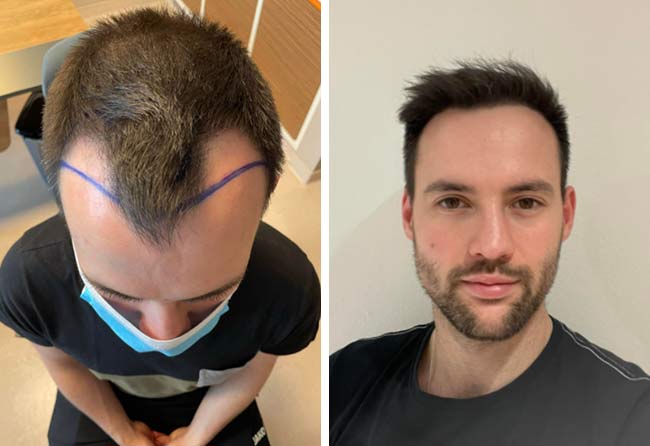
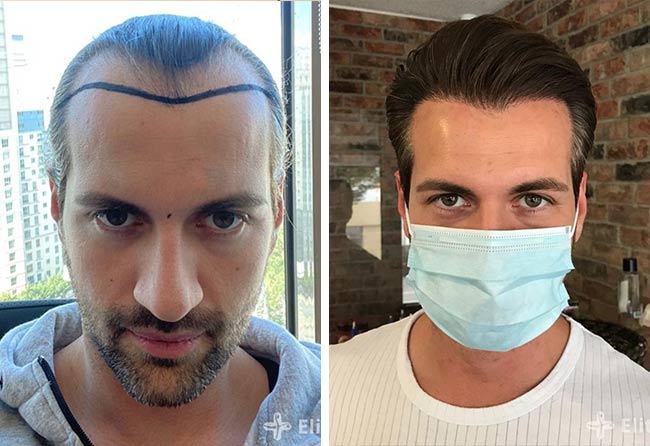
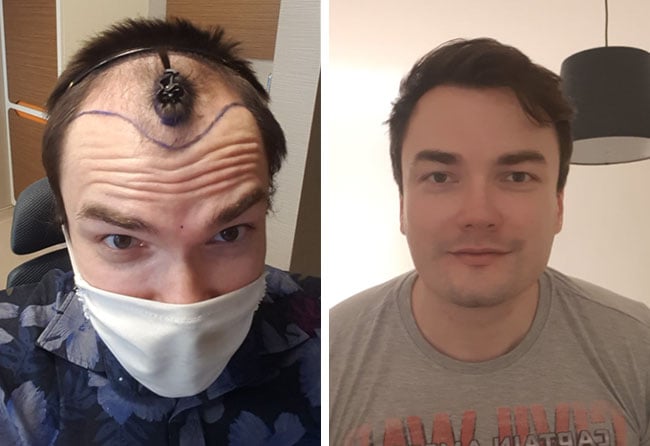
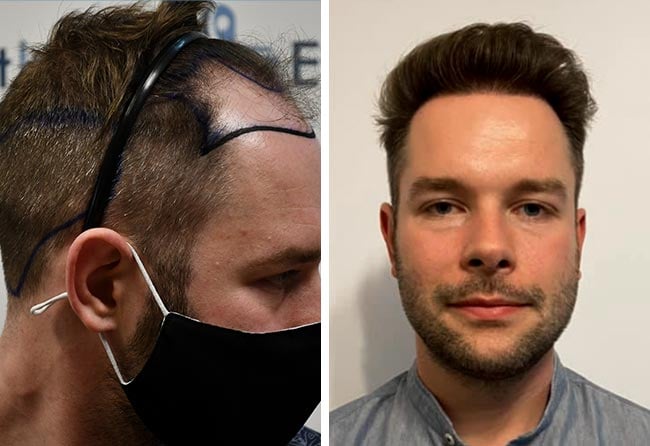
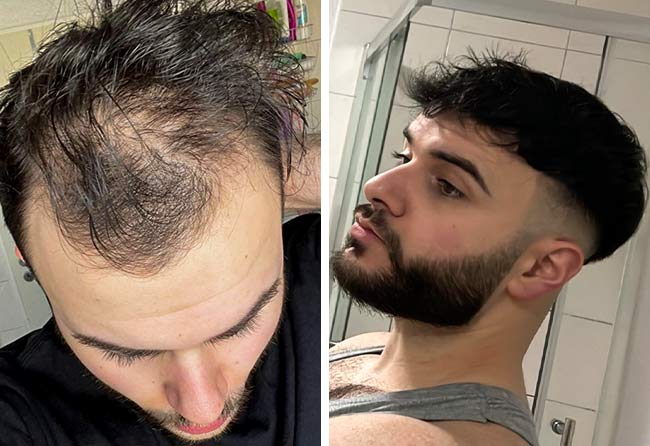
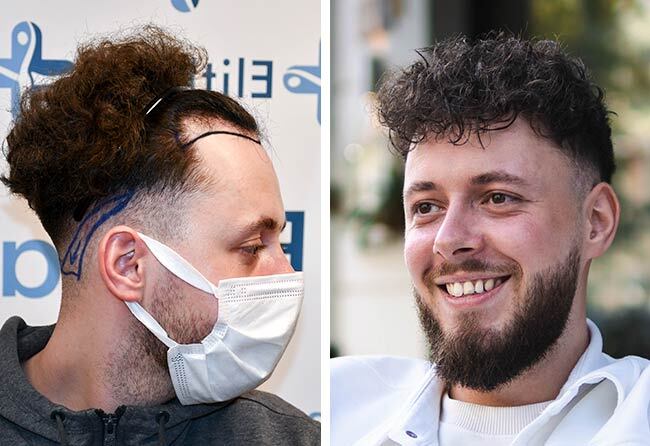
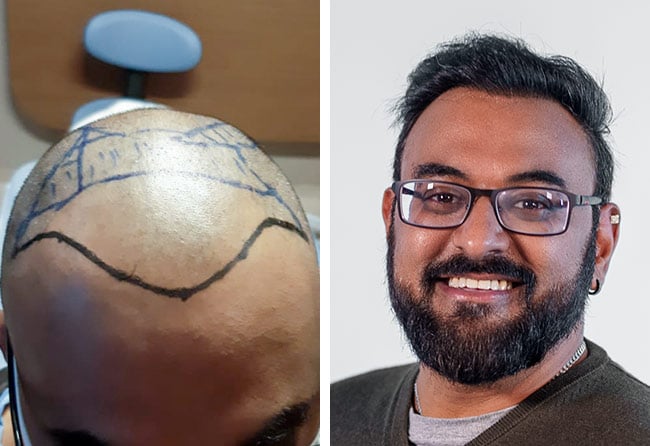
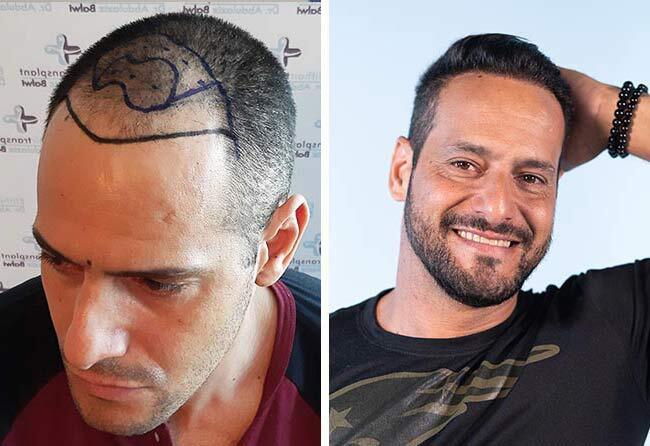
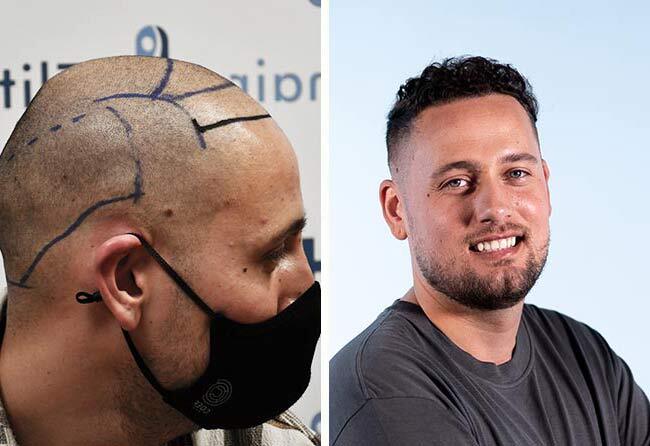
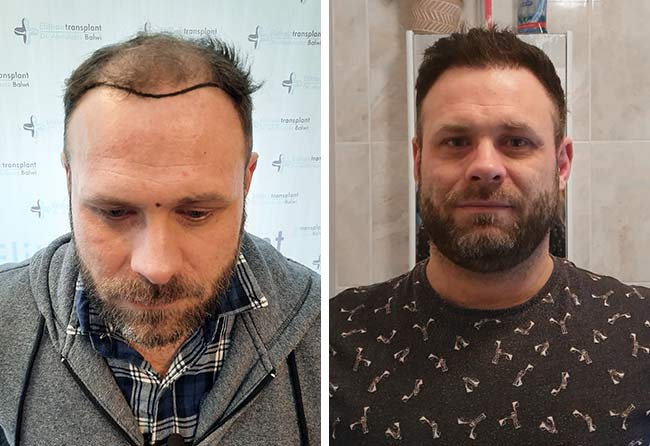
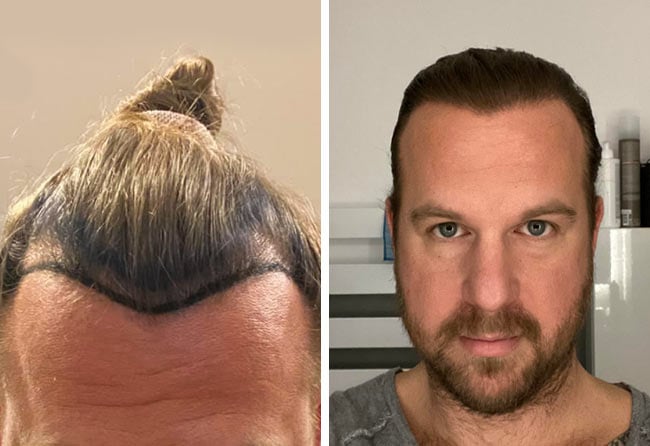
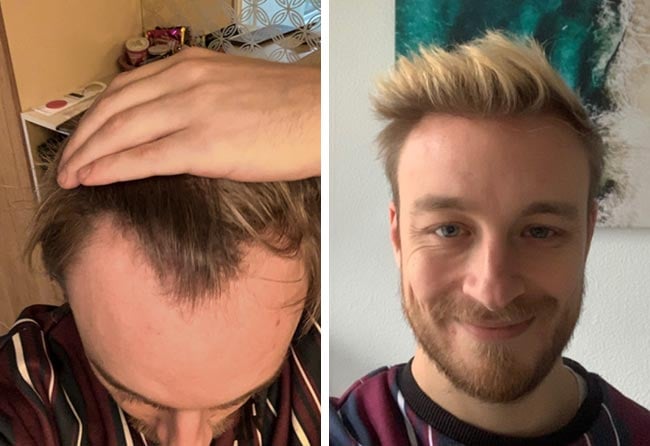
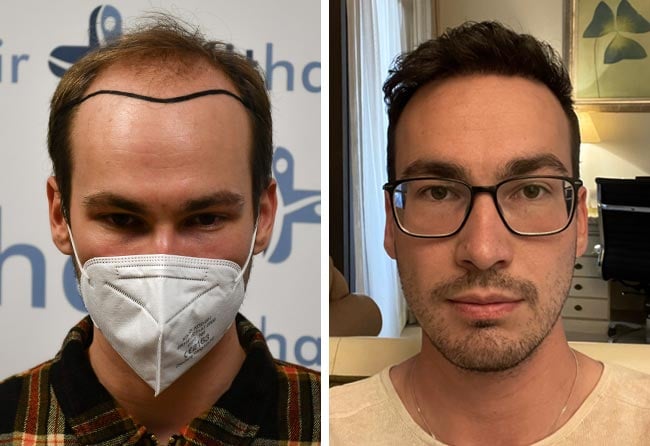
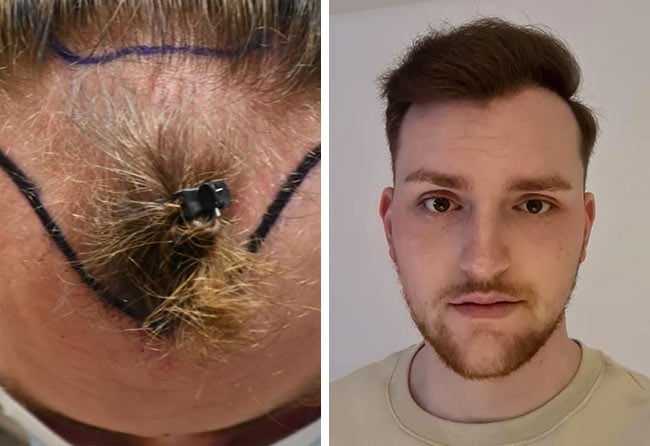
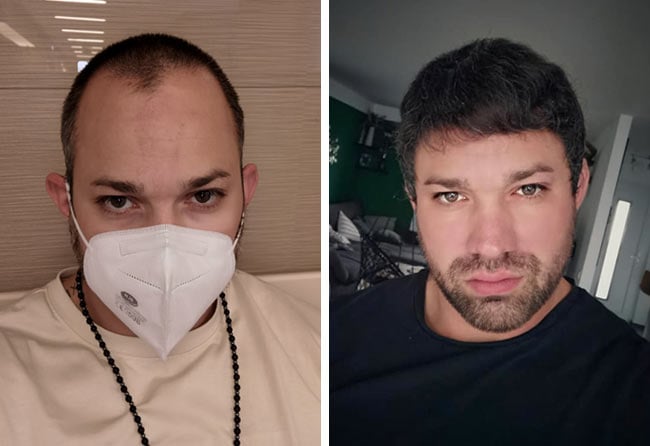
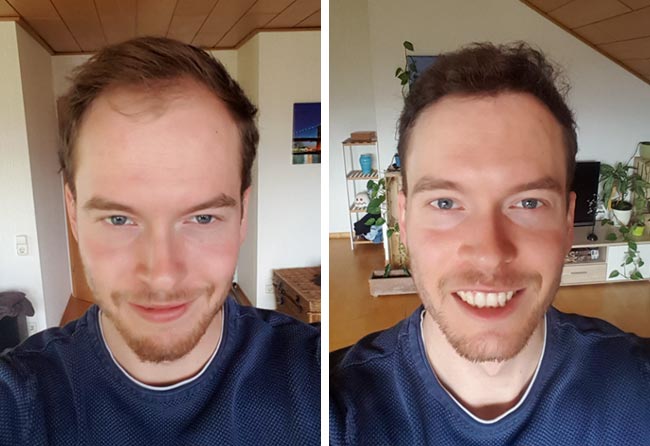
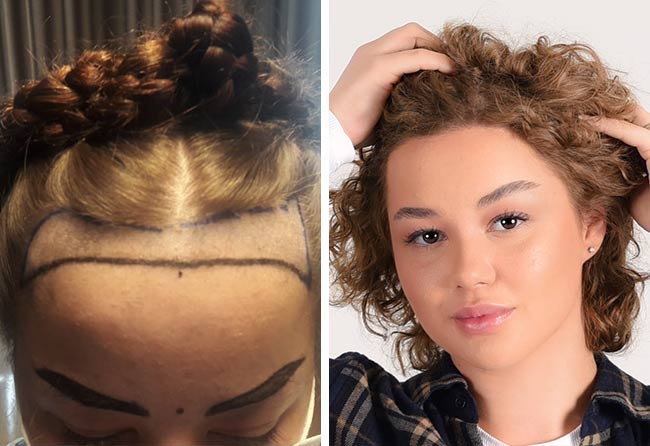
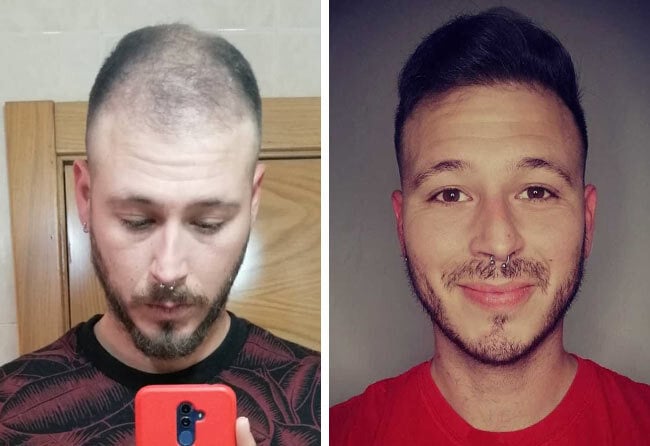
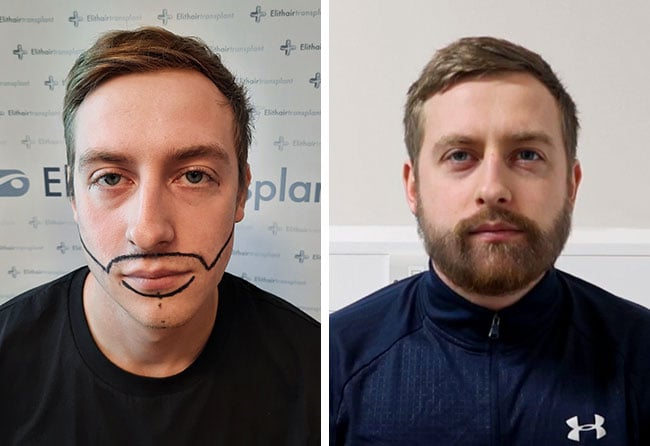
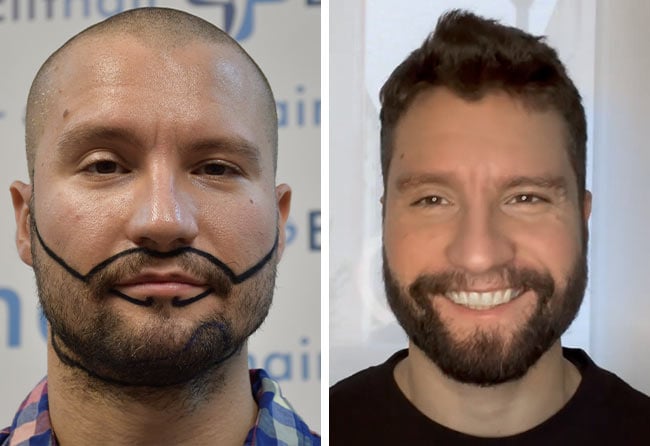
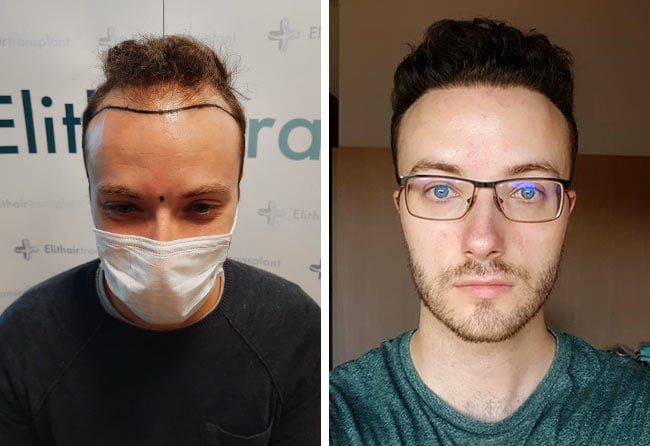
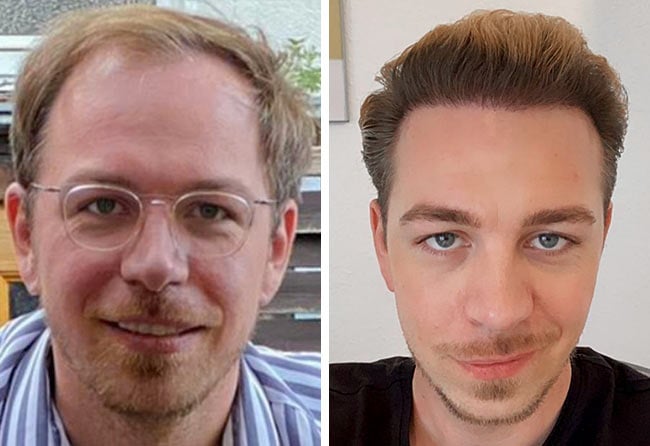
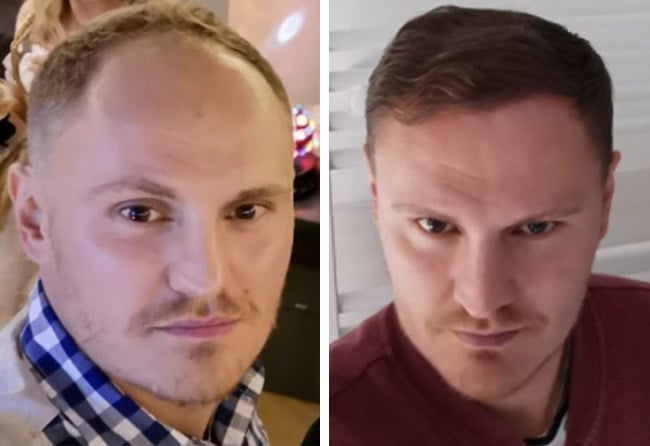
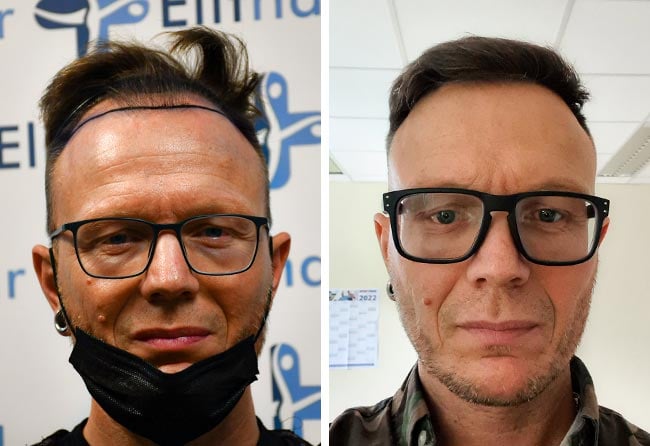
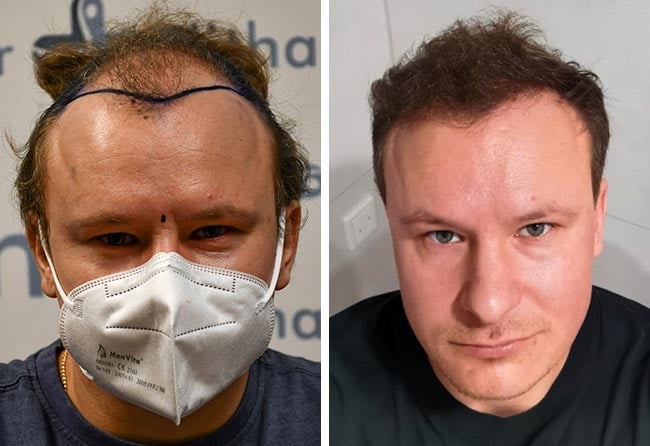
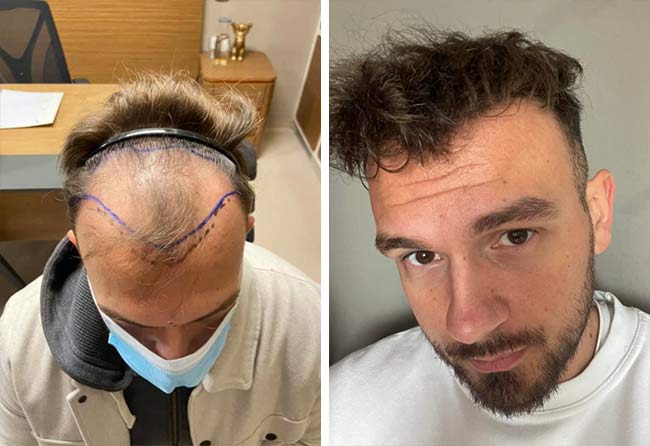
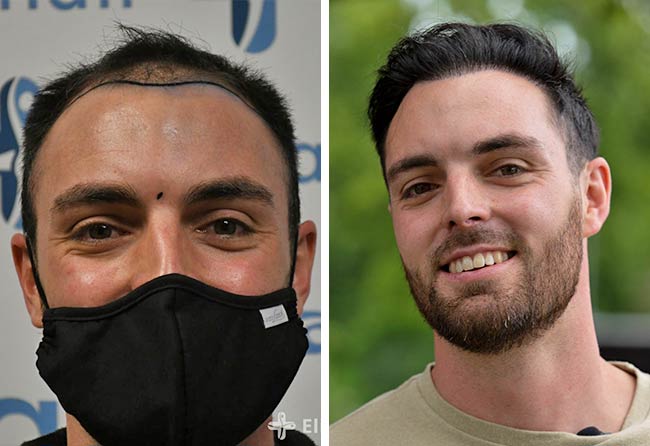
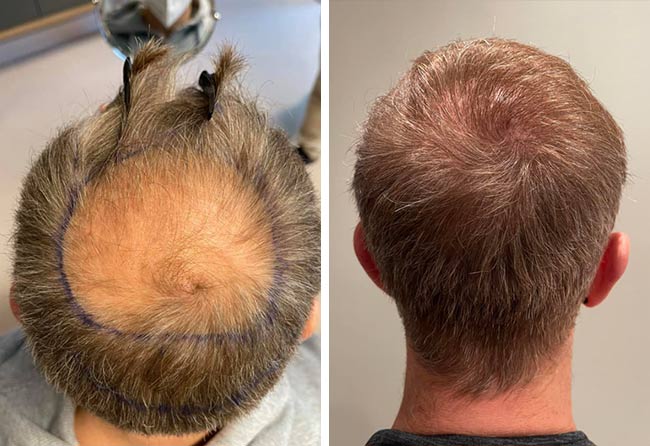
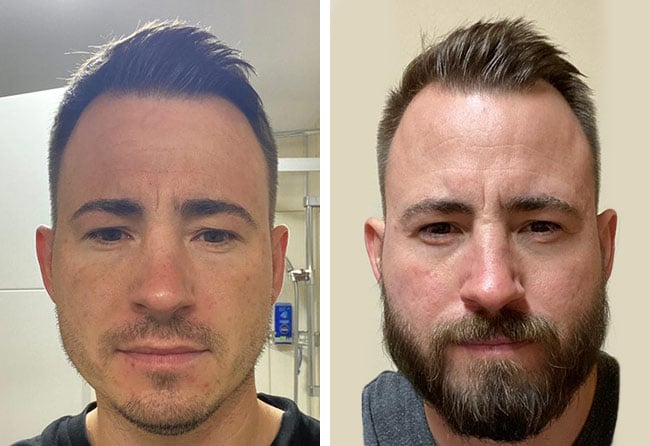
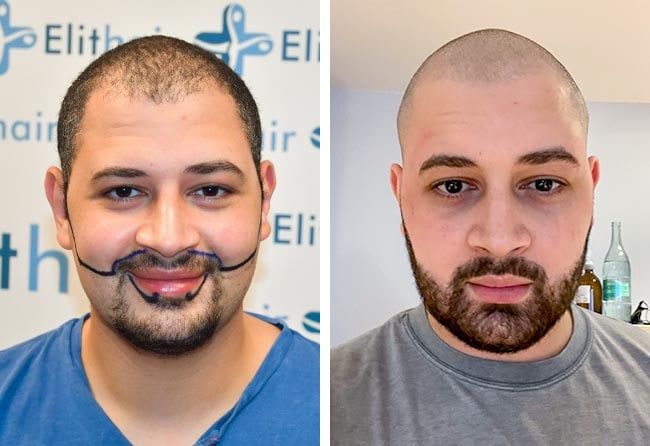
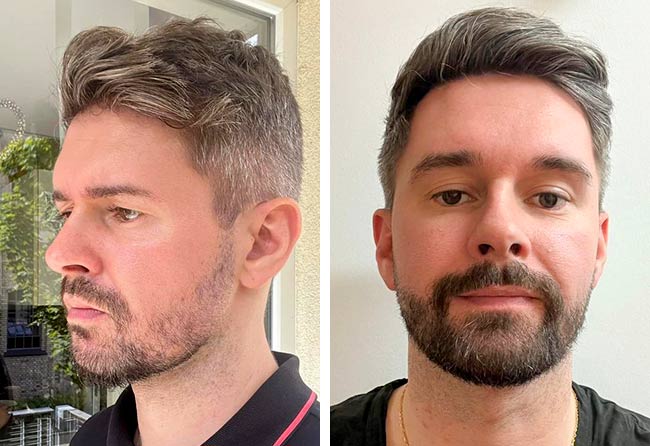
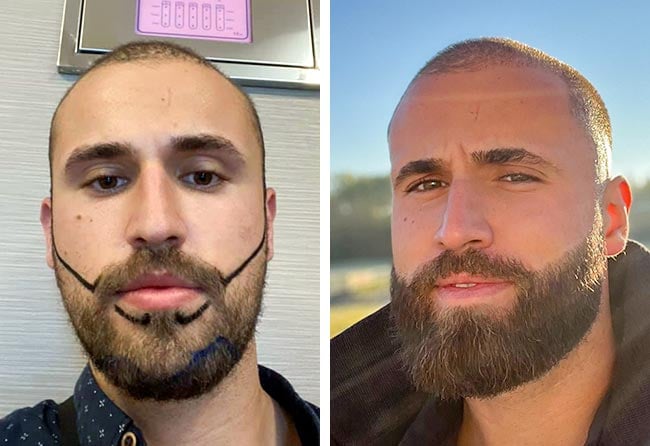
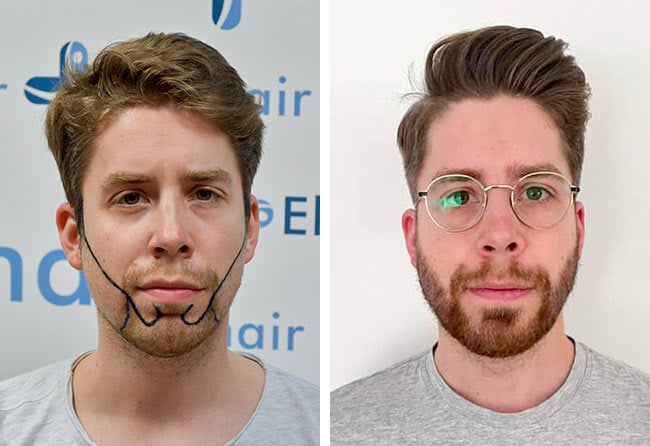
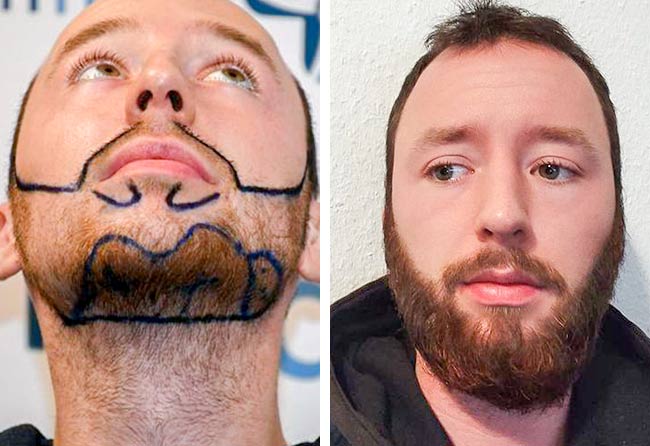
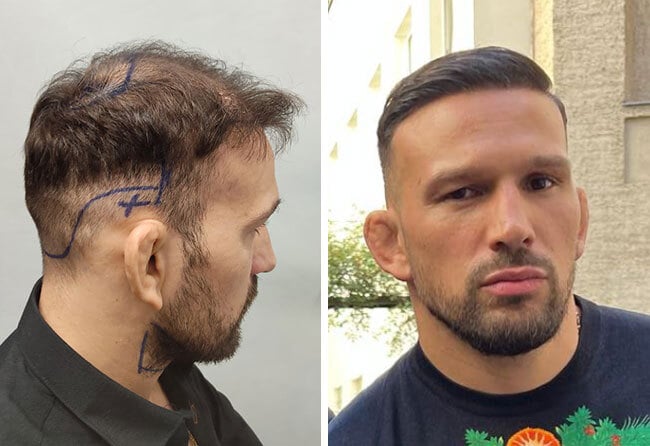
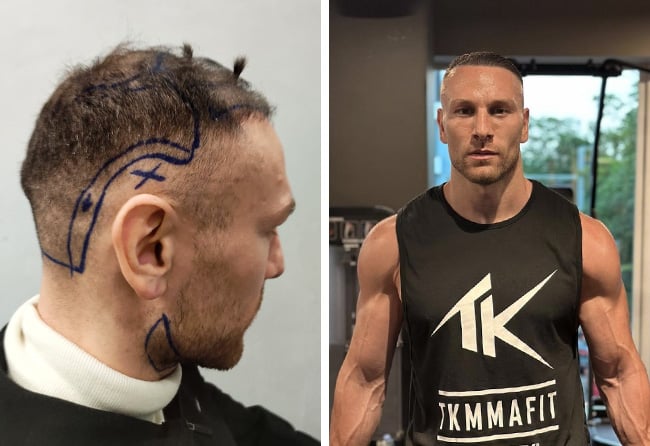
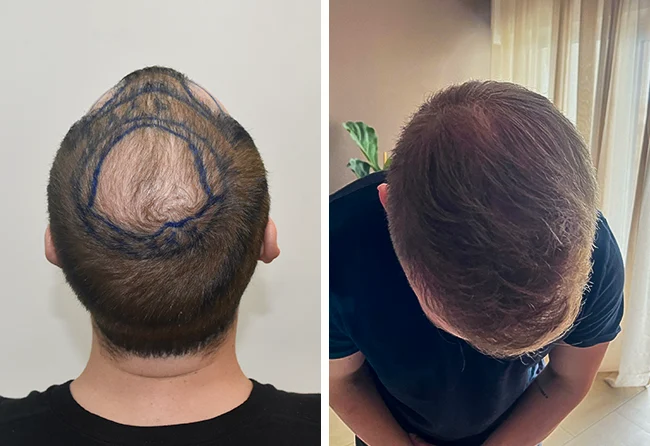
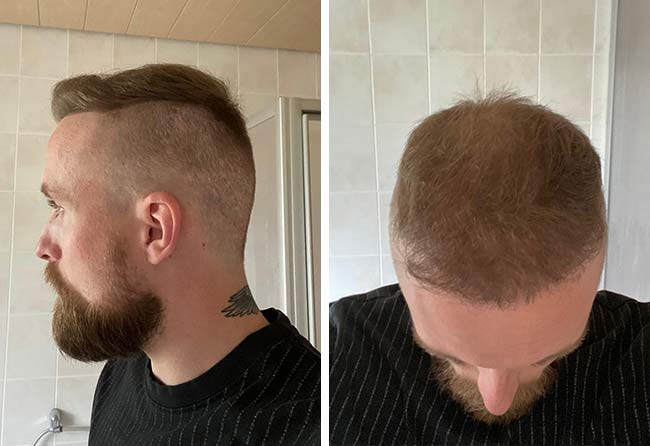
See real transformations: our genuine photographs document the full journey from a thinning crown to a full head of hair. Every result shown here was achieved exclusively by the specialists at Elithair.
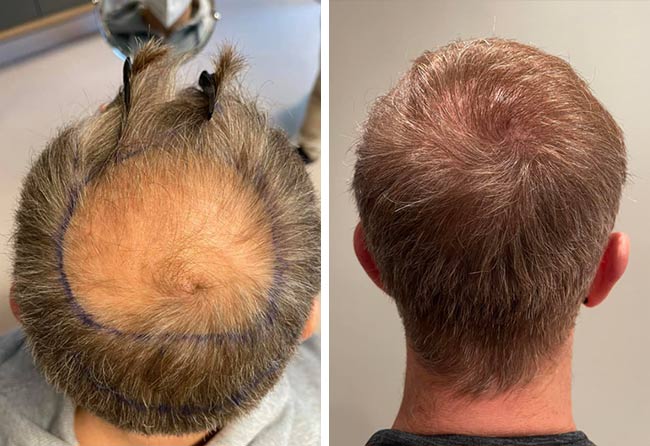
Raffaele L.
4,750 Grafts – DHI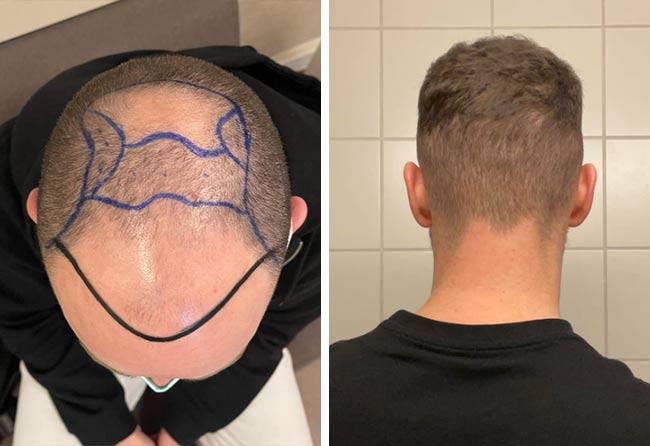
Kriss Kross
4,700 Grafts – DHI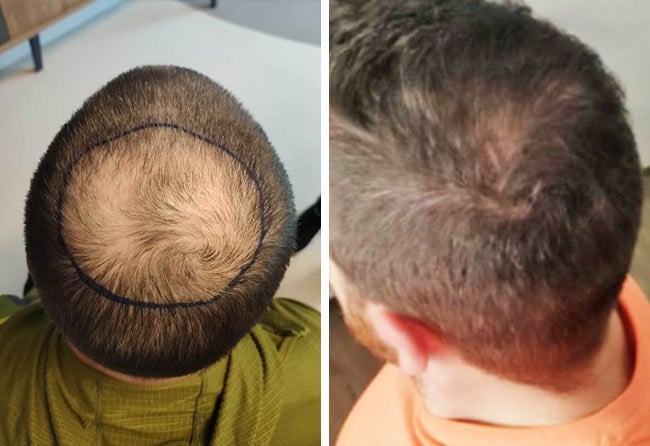
Tho M.
4,000 Grafts – Saphir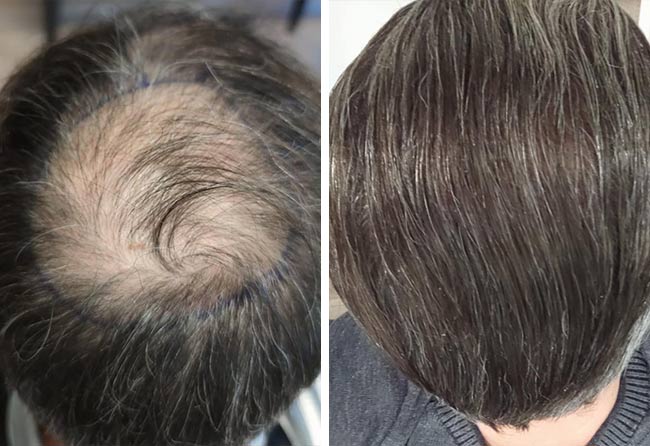
Dani E.
3,100 Grafts – DHIWhat you need to know about the vertex
The vertex is the centrepiece of the hair’s natural architecture. Its complex spiral pattern makes reconstruction particularly challenging: every graft must be placed at exactly the right exit angle, since even a few degrees off can make the result look unnatural.
Beyond precision, biology plays a key role. The scalp at the crown receives less blood flow than the frontal region, so the follicles need a slightly longer maturation phase.
While the front hairline is often fully developed after 8–12 months, the vertex typically reaches its final density after 12 to 18 months. Patience is essential for a permanently natural-looking result.
Natural whorl design: the art of the spiral
The hair whorl at the crown is not a random cluster of hairs. It follows a spiral pattern that varies slightly from person to person. Clockwise, anticlockwise, tight or wide. If this pattern is ignored and grafts are simply inserted straight, the result looks flat and doll-like. You can spot it immediately: it does not look real.
When reconstructing the whorl, every single follicle must be placed at the exact angle of the natural spiral. In practice, this means starting at the centre of the whorl and working outward in a spiral. Each graft gets its own individual angle, typically between 10 and 45 degrees to the scalp, depending on its position within the spiral.
This is where the DHI technique has a decisive advantage: with the Choi pen, depth, angle and direction are set in a single step. Our specialists reconstruct the spiral pattern from the inside out, ensuring that vertex before and after results look natural and aesthetically pleasing.
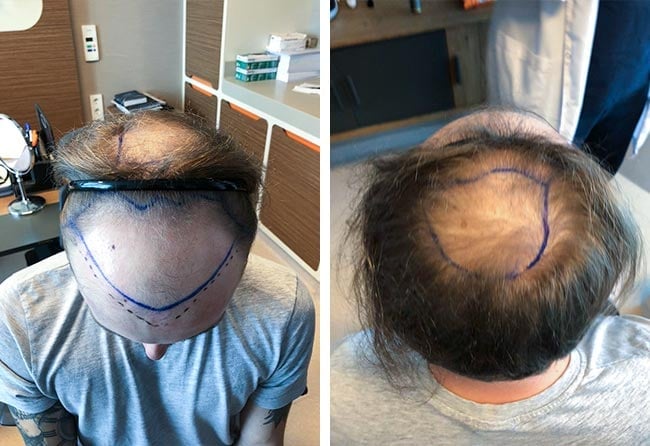
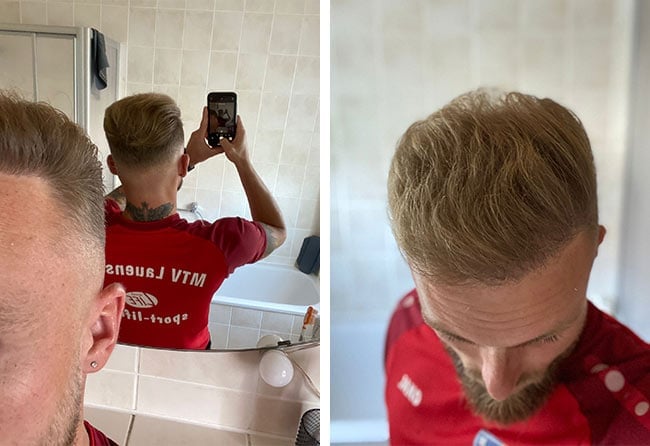
Shock loss affects only some patients — around 4 % in a study of 621 procedures, women considerably more often than men. Existing hair around the crown can temporarily enter a resting phase because of the surgical trauma. This is nothing to worry about. It is a normal biological response to the implantation. After around 3–4 months, these hairs grow back fully and strongly alongside the new grafts.
Vertex stages: how advanced is your hair loss?
Mild thinning
The scalp shows through the whorl area, especially in bright light or when wet. Disguising the thinning takes considerable effort.
Approx. 1,000–2,000 Grafts
Open vertex
A clearly bald patch is visible at the crown, immediately noticeable in normal daylight. Hiding it with a hairstyle is barely possible.
2,000–3,000 Grafts
Large vertex
A completely bald area already extending towards the top of the head. At this advanced stage, natural hair density has usually been lost entirely.
3,000–4,000 Grafts
Who is suitable for a vertex hair transplant?
A successful vertex hair transplant requires that your hair loss has stabilised, to avoid future gaps in the surrounding area. A sufficiently dense donor area is equally important, along with the patience for the natural development process, which can take up to 18 months.
A vertex transplant is not advisable if your hair loss is still active. You should also not expect instant results, as full regeneration of the hair follicles takes time. If hair loss is still highly progressive, we recommend stabilising measures such as PRP therapy first, before proceeding with permanent reconstruction.
The methods behind the best vertex before and after results
For a perfect vertex before and after result, the choice of technique is crucial. The FUE method is the gold standard for gentle graft extraction, while the DHI technique provides the precision needed for placement in the spiral pattern. NEO FUE serves as an exclusive preparatory method to maximise follicle survival rates beforehand.
| Criterion | FUE (graft extraction) | DHI (graft implantation) | NEO FUE (preparation) |
|---|---|---|---|
| Function | Gentle hair extraction | Precise placement (whorl) | Boosting follicle vitality |
| Whorl precision | N/A | Excellent | Supportive |
| Directional control | N/A | Complete (360°) | N/A |
| Survival rate | Approx. 98% at Elithair – thanks to your individual treatment plan: implantation depth and implantation angle are calculated for you in the Pre-Test System. Without this planning, the survival rate is only around 60%. | ||
| Key feature | Foundation of every procedure | Ideal for the spiral pattern | Optimal graft nourishment |
Graft planning by treatment area
| Area | Grafts | Method |
|---|---|---|
| Central whorl | Approx. 1,000–2,000 | FUE + DHI (precise spiral) |
| Full vertex | Approx. 3,000–4,000 | FUE + DHI (volume and direction) |
| Vertex + top of head | Approx. 3,500–5,000 | FUE + DHI (maximum coverage) |
| Vertex + receding hairline | Approx. 3,000–4,500 | FUE + DHI (combined procedure) |
What does a vertex hair transplant cost?
At Elithair, the most advanced DHI technique comes as standard in our all-inclusive package. Starting from £2,849, the price covers the treatment, luxury hotel accommodation, VIP transfers and comprehensive aftercare via the exclusive Elithair App.
In the UK, identical DHI procedures often cost between £4,500 and £12,000 (usually excluding hotel and transfers). Our hair transplant clinic in Istanbul delivers the highest medical quality at significantly lower rates. This price advantage comes from lower operating costs and a high degree of specialisation, with no compromise on results.
Recovery timeline after your vertex hair transplant
Recovery begins with a two-week healing phase during which redness subsides and the small crusts at the crown heal completely. Over the following months, the transplanted roots gradually strengthen until the final, dense result of your new hair architecture becomes visible after around 12 to 18 months.
Day 1–14 (healing phase)
Redness and crusts form at the crown and heal within two weeks. Gentle care and the correct sleeping position are essential.
Week 2–6 (possible shock loss)
Many of the transplanted hairs may fall out. This happens with some patients and is completely normal. The roots are firmly anchored in the scalp. Only the visible shaft falls away. Nothing to worry about.
Month 3–4 (first growth)
Fine new hairs begin to appear in the vertex region. Because of the reduced blood flow, this process is slower at the crown than at the hairline.
Month 6–9 (visible fullness)
30–50% of the new hairs are visible. The crown looks noticeably fuller, but the final result has not yet been reached. At the front, most patients would already be at 50–70% by this stage. The vertex typically lags behind by roughly 2–3 months.
Month 12–18 (final result)
The final result is now apparent. The spiral growth pattern has fully established itself, and the transplanted hairs have reached their definitive thickness and texture. The result lasts a lifetime, as the hair follicles were taken from the genetically resistant donor area.
FAQ: Common questions about vertex hair transplants
Yes, provided there is a sufficient donor area. The key question is how many grafts your donor region can supply. For a mild to moderate vertex (approx. 1,000–3,000 grafts), full coverage in a single session is realistic. For a large vertex with additional needs at the top of the head, a second session may be worthwhile.
Yes, and it is actually one of the most common cases. Many patients have both areas treated in a single session, with the graft count divided accordingly. A typical range is 3,500–5,000 grafts using the DHI method.
For a vertex-only treatment, a single session is sufficient in most cases. A second session may make sense if the vertex is very large and other areas (top of head, receding hairline) also need treating. In that case, we split the treatment to avoid overtaxing the donor area. We recommend at least 12 months between sessions.
Give it time. The vertex is consistently the last area to show its final result. A great deal still happens between months 12 and 18. The reduced blood flow and spiral growth pattern simply need more time. We only assess the final result after 18 months. If further densification is needed at that point, we discuss it during aftercare.
Once the final result has been reached (12–18 months): no. That is precisely why whorl reconstruction with DHI matters so much. When grafts sit exactly within the spiral pattern, the hairs grow in the same direction as the natural ones. From behind, from above, in the wind or with wet hair: no difference is visible. The prerequisite is experienced specialists who reconstruct the spiral pattern with precision.
More hair transplant before and after results
View results for other treatment areas:
Receding hairline
Approx. 1,500–3,000 grafts. One of the most popular treatments for men using the DHI method.
View results →3 steps to your vertex hair transplant
Free hair analysis
Upload your photos and fill in the form. Our doctors will analyse your vertex and determine the optimal graft count and method.
Treatment in Istanbul
All-inclusive: VIP transfer, luxury hotel, hair transplant with DHI for the vertex area and more.
Your vertex before and after result
Aftercare with the Elithair App. Your final result after 12–18 months: a perfectly restored crown.
Take the first step and close your crown
Take the first step towards renewed confidence. Simply upload your photos: our doctors will analyse your vertex and give you a thorough, free assessment of your hair situation.
Start your free hair analysis now