

Medical specialist wearing blue gloves examining a patient's scalp with a dermatoscope, with hair structure displayed on the monitor

The Elithair Pre-Test System:
Your Personalised Hair Transplant Plan in 6 Steps

  • Six medical measurements
  • Individual Treatment Plan
  • Precise insertion depth and angle
  • Based on Measurements

free & without obligation

4.9 out of 5 stars on Google

Experience and Certification

More than 150,000 treatments
at our specialist clinic, certified to ISO 9001:2015
by TÜV Thüringen.

ISO 9001:2015, TÜV Thüringen and health certification seals for the Elithair clinic

Your Individual Treatment Plan

Three staff members, two in blue blazers and one in a white coat, looking at an Elit Clinic brochure

No two patients, and no two hair roots, are identical. Preoperative testing varies between clinics. At Elithair, six assessments inform your treatment plan. We go much further.

The Elithair Pre-Test System goes beyond a routine health check. It includes six diagnostic measurements that our doctors use to create your personalised treatment plan: how many grafts to extract, how deep and at what angle to place them, and where to position your hairline.

The difference is simple. A standard health check answers one question: Are you healthy enough for the procedure? The Pre-Test System also answers the question that shapes your result: Exactly how should we plan your treatment to achieve natural-looking density?

“No two patients, and no two hair roots, are identical.”

Elithair
Health Check or Pre-Test
The Foundation of Your Treatment Plan

The Pre-Test System provides measurements to support the clinical assessment. Our doctors combine the measurements with their clinical judgement.

CriterionGeneral Preoperative AssessmentElithair Pre-Test System
Purpose
Assess fitness for the procedure and relevant medical risks
Bring together safety, donor, hair and scalp findings to help finalise the plan
Result
Cleared for surgery or not
Individual Treatment Plan
Scope
Varies by clinic and patient
Six clinic-specific assessments
What is measured
General health indicators
General health indicators plus scalp thickness, circulation, follicle thickness and graft distribution
Implications for the Procedure
Results may also influence surgical planning.
Graft count, insertion depth, angle, channel size, density distribution, hairline
Who decides
A clinician interprets results in context
Doctors use diagnostic findings and clinical judgement to plan the procedure.
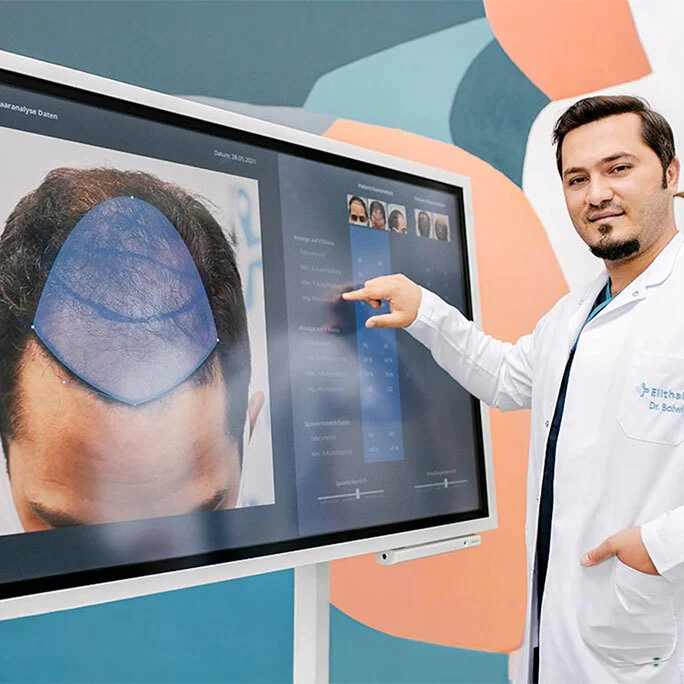
Doctor explaining hair analysis results on a screen to a patient

For example, we use ultrasound to measure the exact thickness of your scalp. We combine this measurement with the blood flow measured by Doppler ultrasound to determine how deep to place each graft and what channel size to use.

Placement depth matters because it affects your graft survival rate. If grafts are placed too shallowly, far fewer take hold. At the depth calculated for you, far more grafts grow successfully.

This gives you visibly greater density with the same amount of donor hair.

Individual

Your Hair Is as Unique as Your Fingerprint

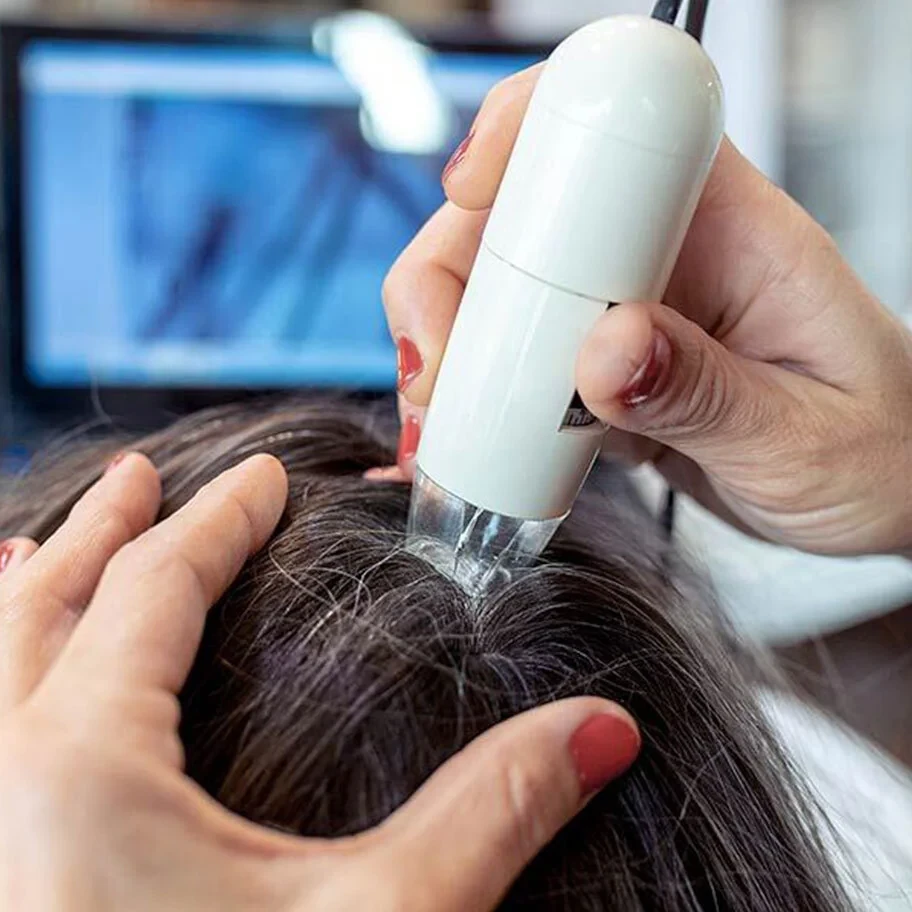
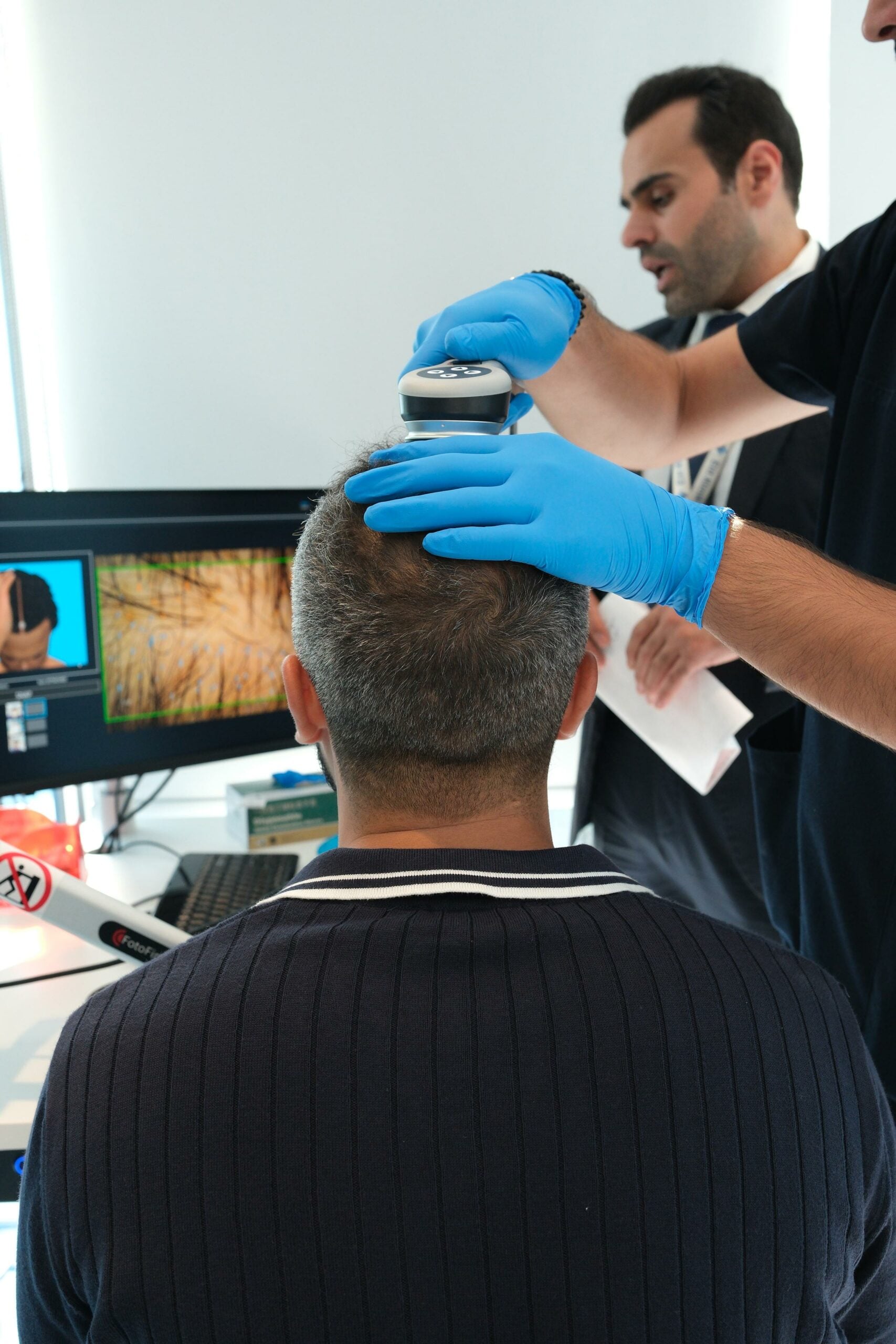
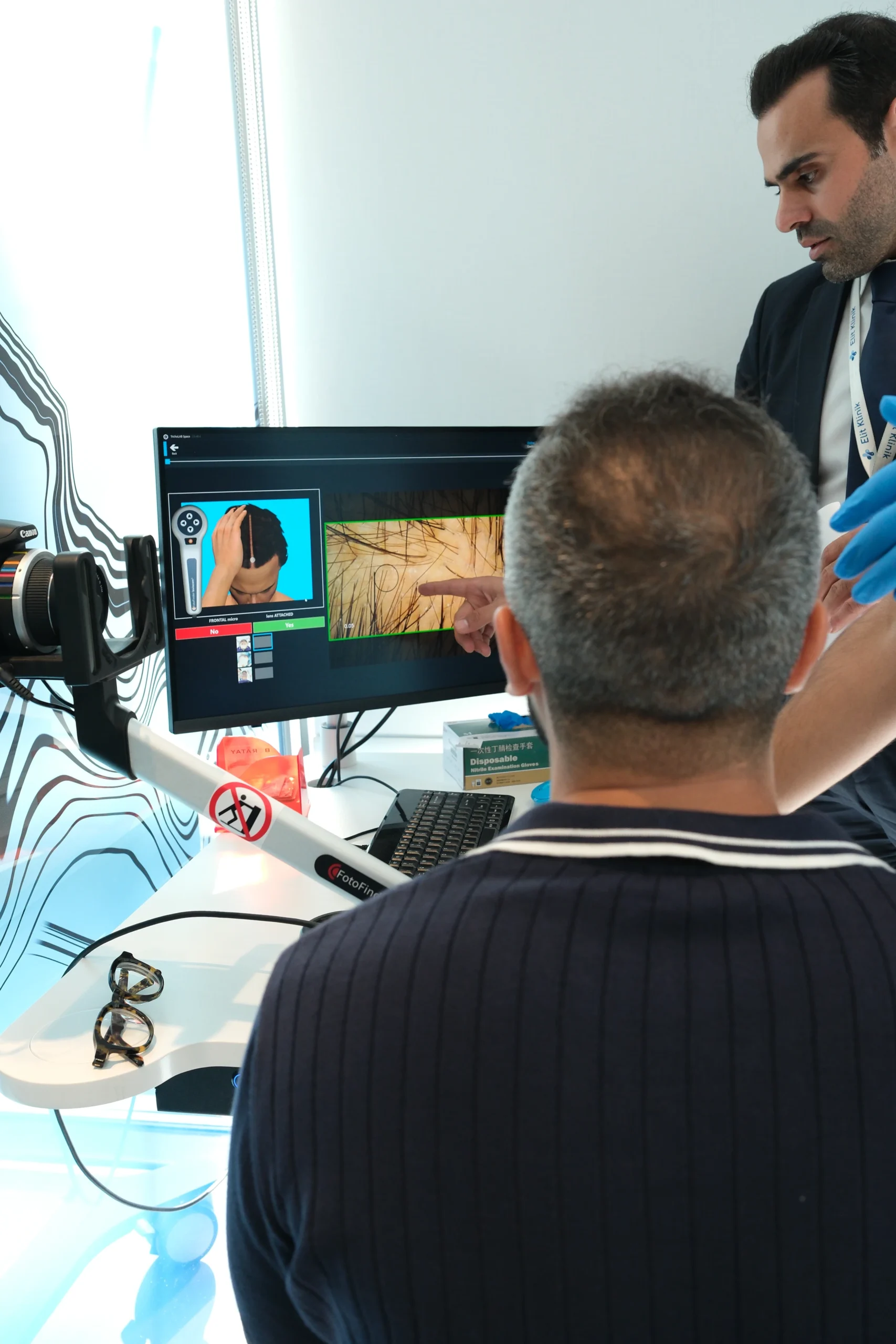
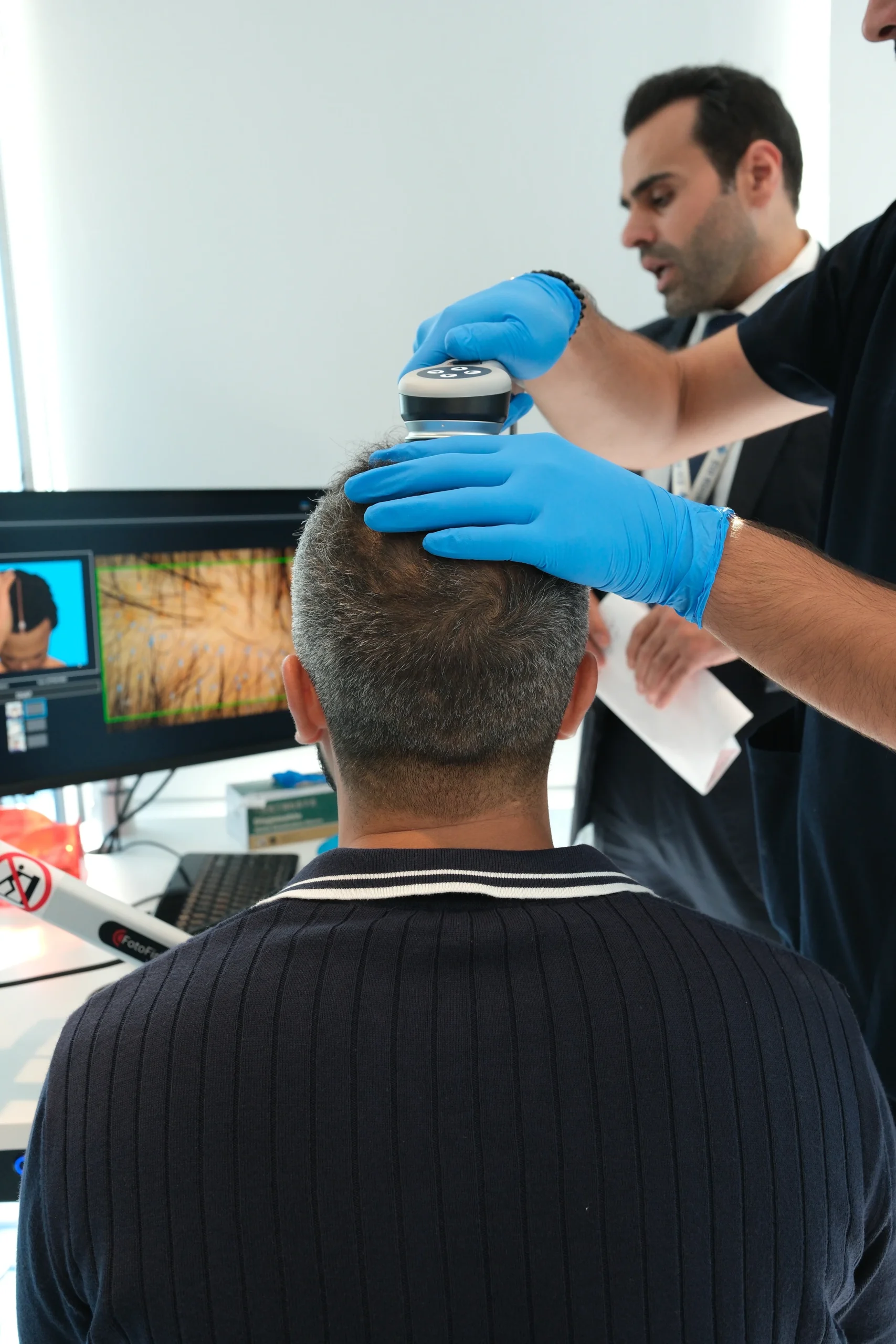
Trichoscopy: a doctor guides the dermatoscope over a patient's scalp, with the magnified hair structure on the monitor in the background

Hair density, follicle thickness, growth direction, the number of hairs per graft, scalp condition and blood circulation vary from person to person, and often between different areas of the same scalp.

These differences mean that graft planning should be tailored to you rather than based on a standard graft count or hairline template.

That is why graft planning is tailored to you.

Your test results determine the graft count, how we extract grafts from the donor area, how deep and at what angles we place them, and how we distribute density in the recipient area.

The result is an individual treatment plan.

What to Expect From the Pre-Test System

You move through the six steps of the Pre-Test System at a relaxed pace, accompanied by a doctor who explains each step clearly. The ECG, ultrasound and hair scan are non-invasive. A single blood sample is taken for the two blood tests. Blood sampling may cause brief discomfort, and individual experiences vary.

The six assessments take place on the day you arrive at the clinic. From the airport, we take you to the clinic first and then on to your hotel. If you arrive late in the evening, the blood tests are carried out first and the remaining assessments follow on day 2, before your treatment.

The findings are available for review before the procedure and contribute to the final treatment plan together with the clinical examination and medical history.

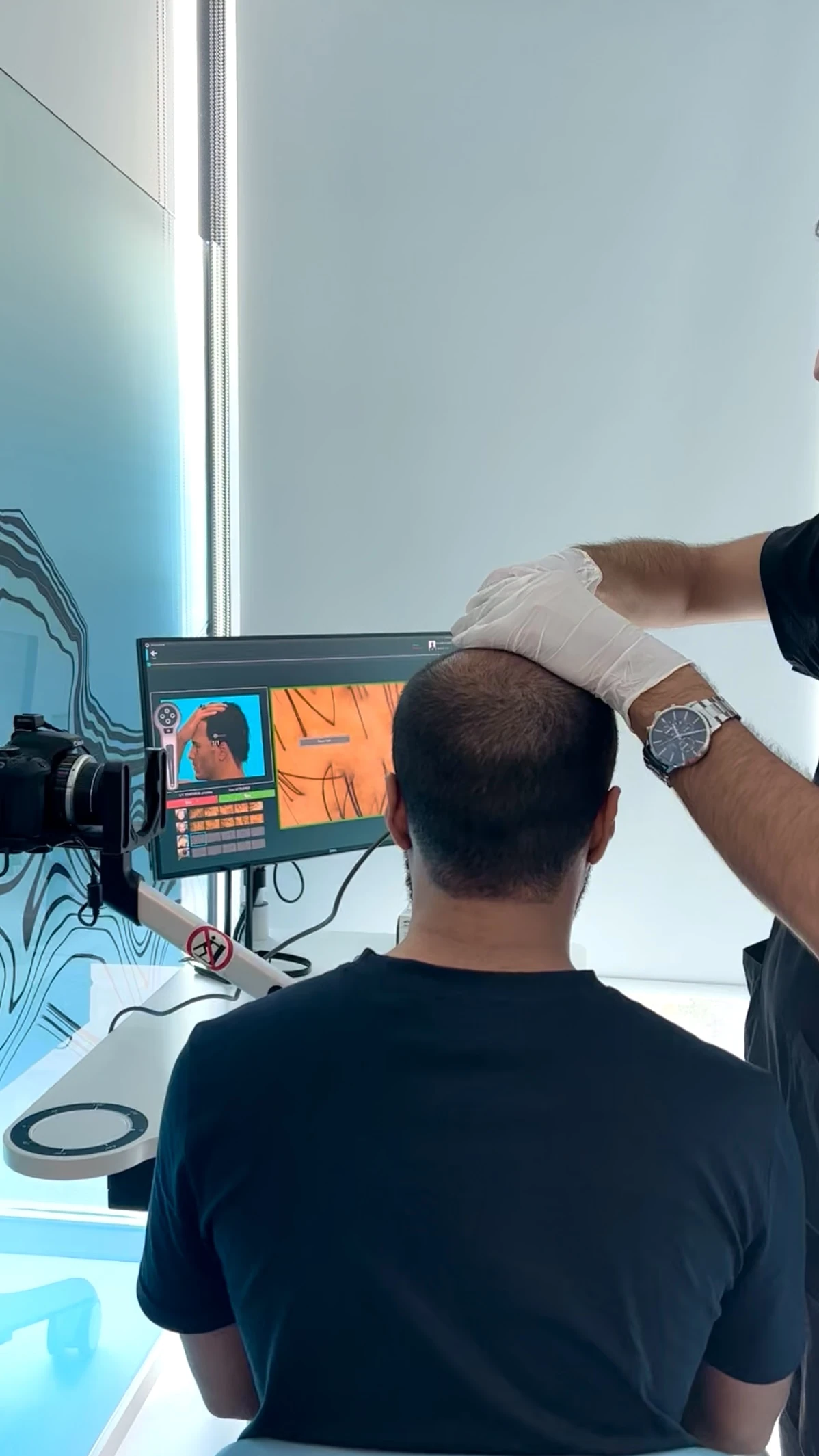
Doctor examining a patient's scalp with a digital hair scanning system at the clinic
White reception hall of the Elithair clinic with organically shaped columns and a glass façade
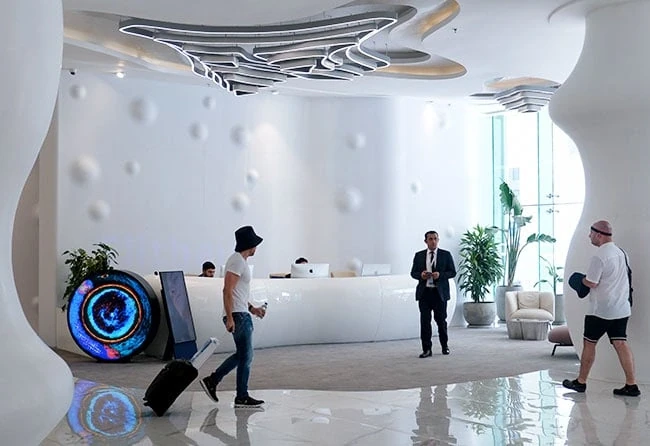
Patients with suitcases arriving in the lobby of the Elithair clinic
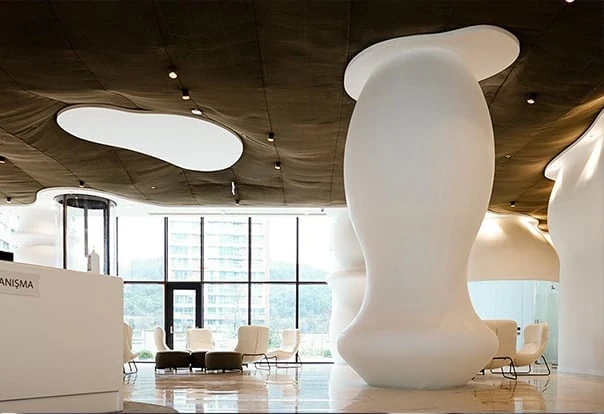
Clinic lobby with a large white sculpture and seating area
Clinic reception hall with an illuminated art installation
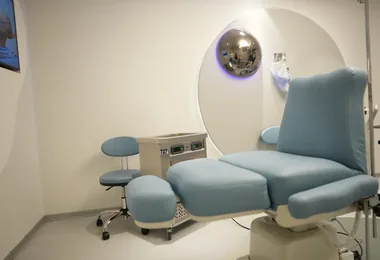
Bright treatment room with a light blue treatment chair
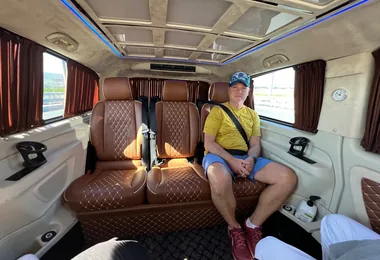
Patient in a transfer vehicle with comfortable leather seats
Evening view of the Istanbul skyline from the hotel
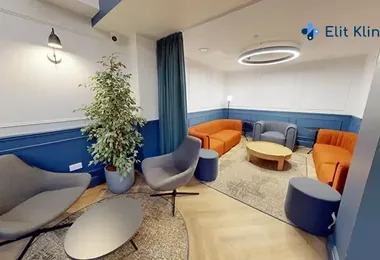
Elit Clinic waiting area with sofas and plants
Hotel Elitoria in Istanbul at dusk
Hotel Elitoria sign above Istanbul at sunset
Hotel room with a curved ceiling and a view of Istanbul
Bright hotel room with a double bed and panoramic window
Hotel room with a white bed, an orchid and a flat-screen TV
Hotel Elitoria with its illuminated entrance in the evening
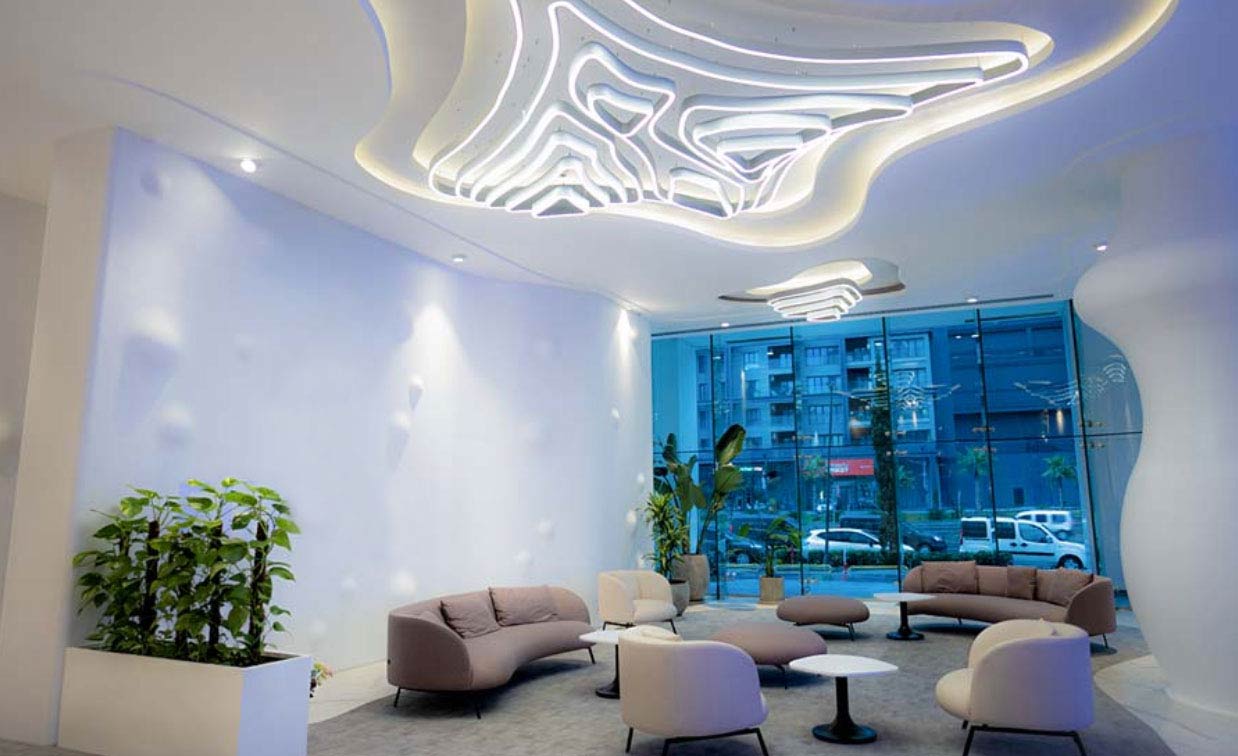
Waiting lounge with a light installation on the ceiling
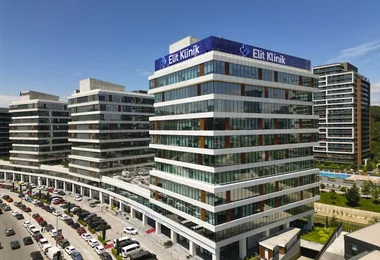
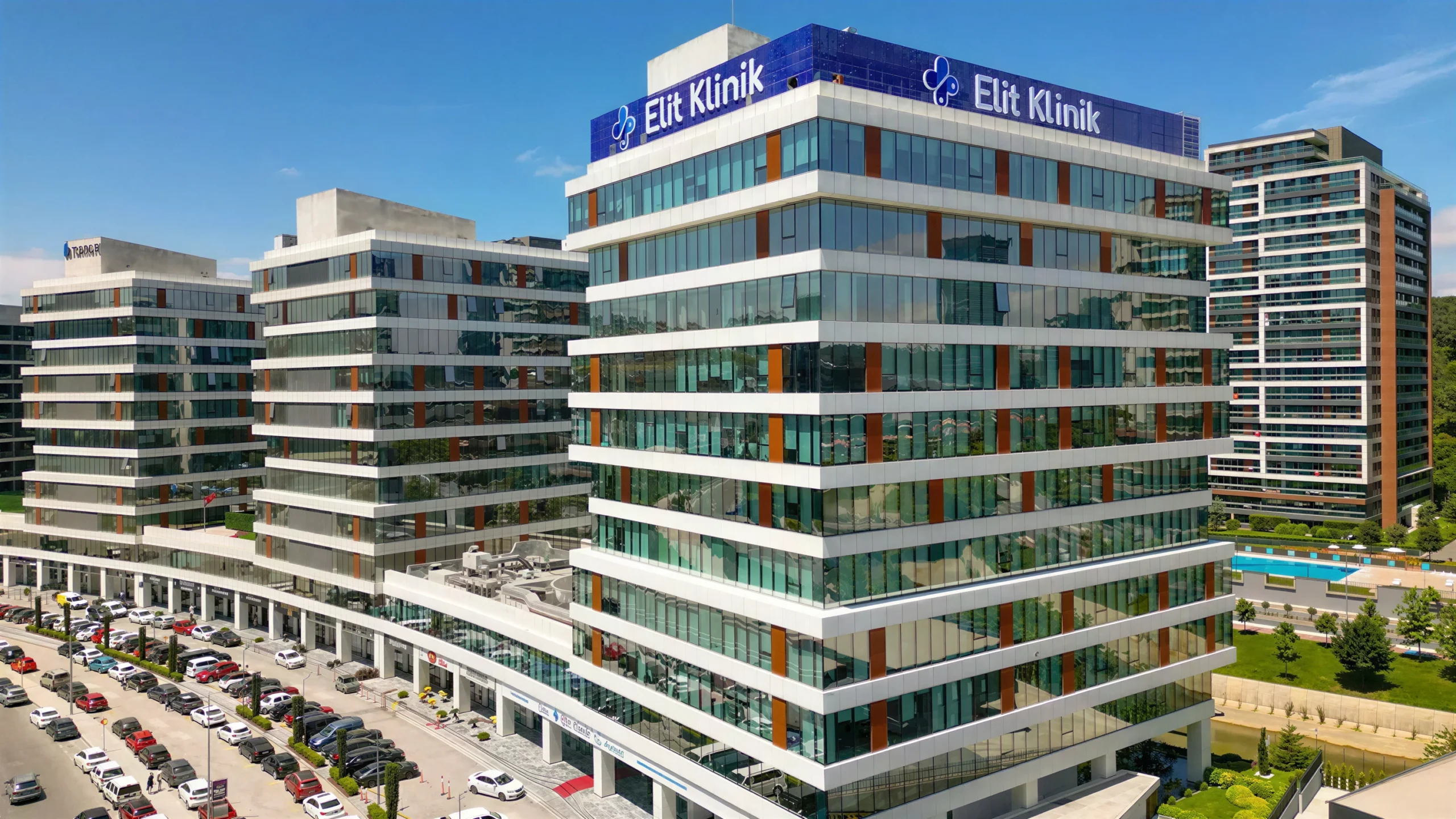
Aerial view of the Elit Clinic building in Istanbul
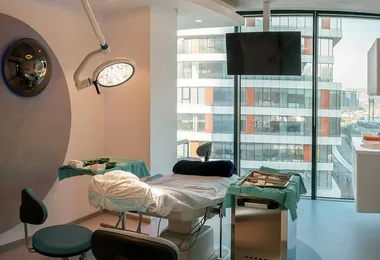
Prepared treatment room with large windows
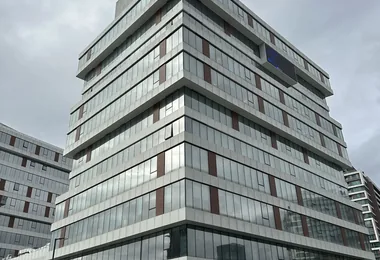
Exterior of the clinic building in Istanbul
Hotel room with a rounded wall arch and city view
Spacious hotel room with ring-shaped ceiling lights
Patient in a transfer vehicle with comfortable leather seats
Evening view of the Istanbul skyline from the hotel
Elit Clinic waiting area with sofas and plants
Hotel Elitoria in Istanbul at dusk
Hotel Elitoria sign above Istanbul at sunset
Aerial view of the Elit Clinic building in Istanbul
Prepared treatment room with large windows
Exterior of the clinic building in Istanbul
Hotel Elitoria with its illuminated entrance in the evening
Waiting lounge with a light installation on the ceiling
Six Steps

The 6 Measurements in Detail

The six tests build on one another. Each provides a measurement that guides a specific treatment decision. None of them is just a formality.

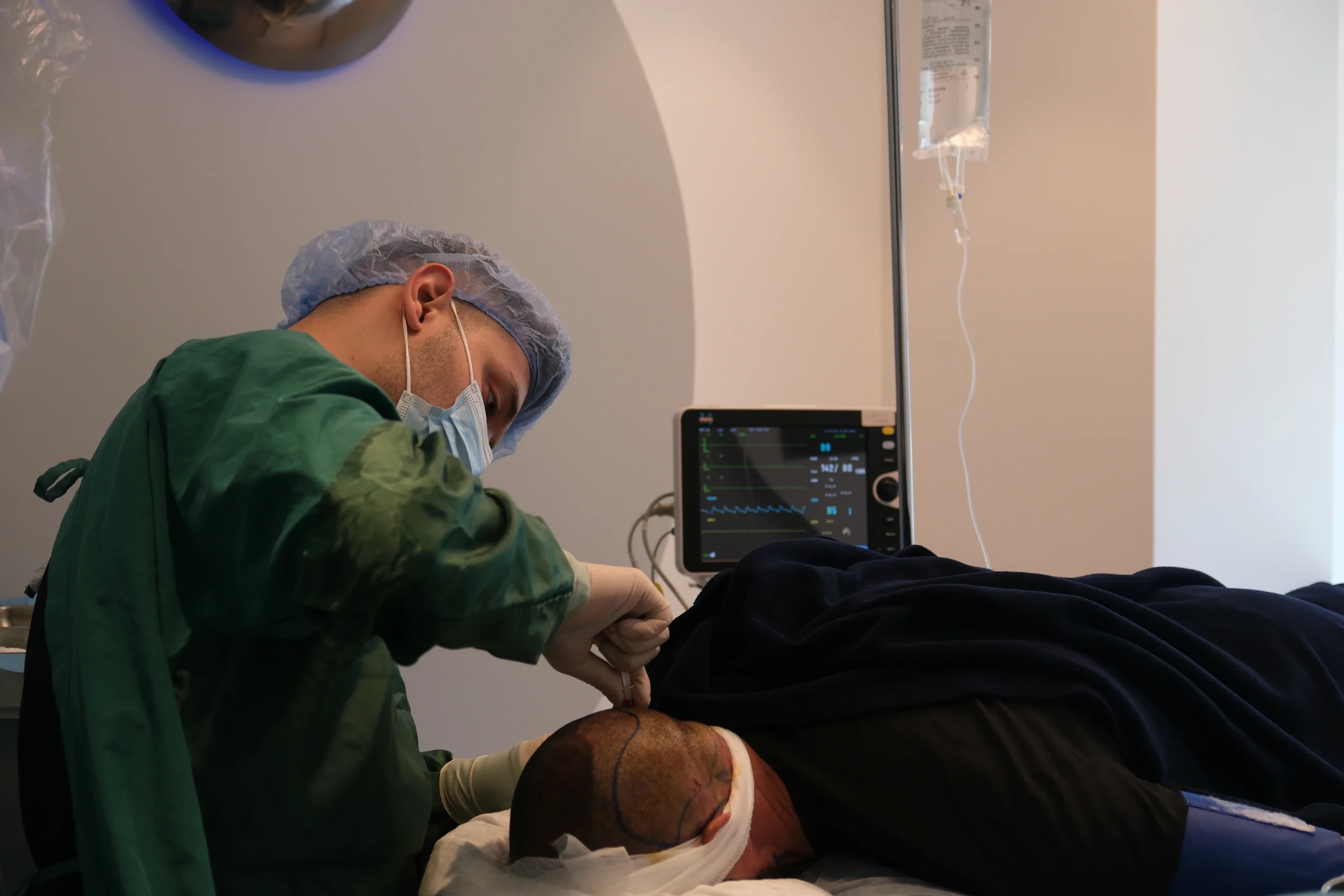
Doctor treating a patient lying down, next to a monitor showing an ECG trace
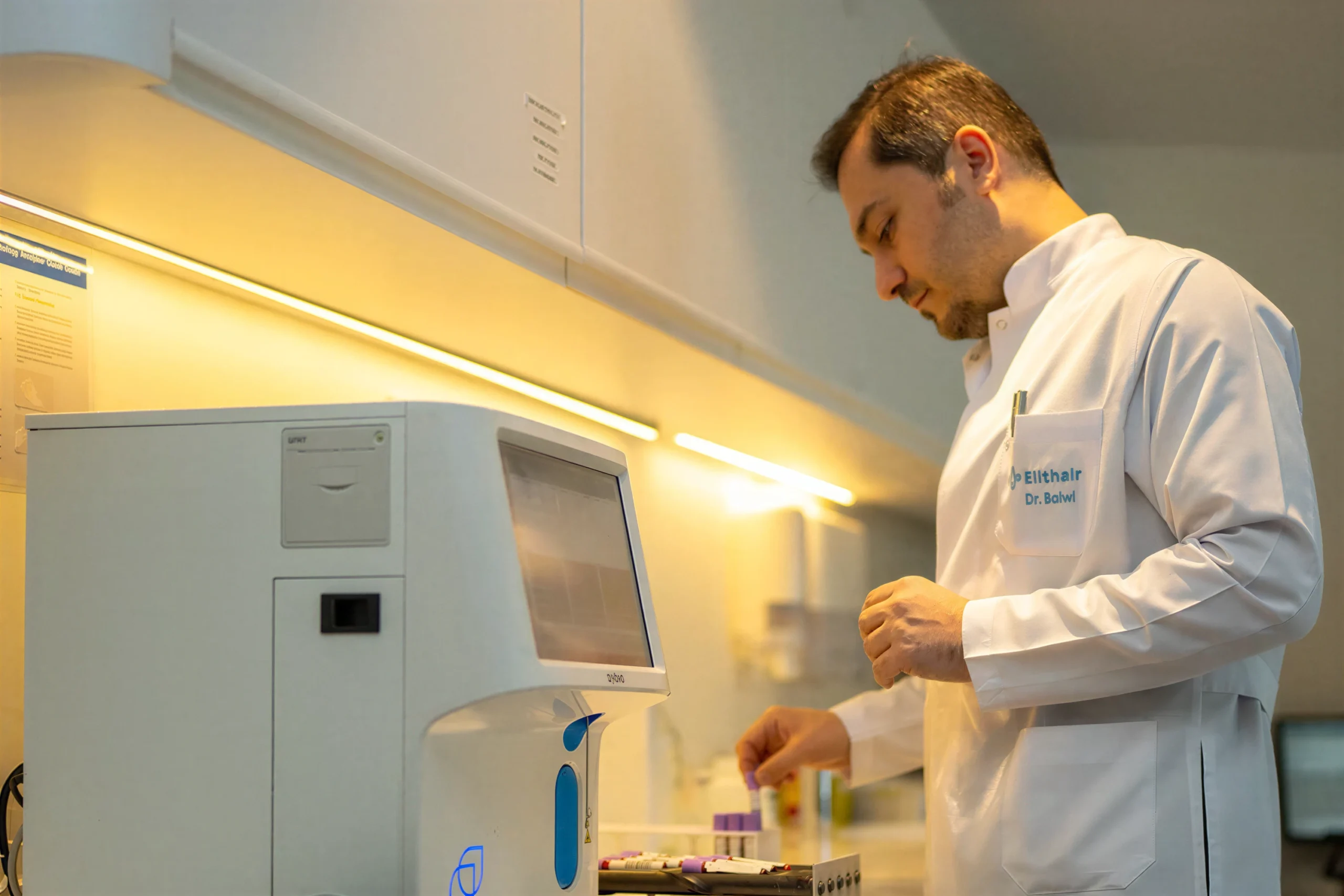
Dr Balwi wearing an Elithair coat beside laboratory equipment and blood samples

Step 1: Electrocardiogram (ECG)

An ECG records the heart's electrical activity. A hair transplant takes around 5 to 8 hours, depending on the number of grafts, and is carried out under local anaesthetic. Some patients receive a brief period of intravenous sedation while the local anaesthetic is administered.

What it contributes: together with your medical history and examination, the ECG helps determine your sedation dose and how you are monitored.

Your benefit: we plan your treatment around your cardiovascular health from the start. The medical and anaesthesia teams assess whether it is appropriate to proceed.
Step 2: Blood Tests for Your General Health

A blood test screens for transmissible infectious diseases such as hepatitis B and C, HIV and syphilis. Clotting and inflammation markers are also measured.

What it determines: your risk of bleeding during graft extraction and whether we need to adjust your extraction plan. If results are abnormal, the medical team determines whether further assessment or postponement is needed.

Your benefit: your procedure follows safe hygiene practices, and your extraction plan reflects your blood test results. This protects your donor area and supports healing.

Step 3: Blood Tests for Hair Loss

Not all hair loss is androgenetic. A further blood test gives an indication of possible causes of your hair loss.

What it determines: whether a deficiency or hormonal disorder is causing your hair loss. If so, the cause is treated first. Otherwise, the results still inform your personalised treatment plan.

Why it matters: surgery should be recommended only when the diagnosis and donor area make transplantation appropriate.

Doctor in a white coat showing a hairline plan on a large screen
Doctor measuring a patient's scalp with the analysis device, with the magnified image on the monitor

Step 4: Hair and Donor Analysis with TrichoLAB Imaging

A high-precision automated scanner assesses your hair in several areas of your scalp. It records follicle thickness, hair density and the distribution of grafts containing one, two or three hairs — the number of hairs that grow together in each follicular unit.

What it determines: how many grafts we can safely extract from your donor area without visibly thinning the back of your head, and how to distribute the different graft types in the recipient area (Balwi et al. 2026). Fine single-hair grafts go at the front for a soft hairline, with fuller grafts behind them for density.

Your benefit: a plan for a natural-looking hairline that takes donor capacity and the possibility of visible extraction marks into account.

Step 5: Scalp Ultrasound (Skin Thickness)

Scalp ultrasound can measure tissue thickness in the examined area.

What it determines: the exact insertion depth, in combination with the blood flow measured in step 6, as well as the right channel size.

Your benefit: this measurement is one of the most effective ways to optimise your result. If grafts are implanted too shallowly, the survival rate is only around 60%. The insertion depth determined through the Pre-Test System and NEO FUE aftercare contribute to a graft survival rate of approximately 98%. This produces visibly greater density from the same amount of donor hair.

Step 6: Doppler Ultrasound (Blood Circulation)

Doppler ultrasound can assess blood-flow signals in the scalp and provide supplementary vascular information.

What it determines: the insertion depth, in combination with the scalp thickness measured in step 5, as well as where grafts are placed and how density is distributed across the area. Circulation findings are considered alongside scalp characteristics and donor supply when planning graft placement and density.

Your benefit: circulation measurements inform graft placement and density planning, although outcomes vary.

Pre-Test System

The 6 Measurements at a Glance

The six analyses of the Pre-Test System: what is measured and what it determines
TestWhat is measuredWhat It Contributes
Electrocardiogram (ECG)Electrical activity of the heartSedation dose and monitoring
General health blood testInfection markers, clotting, inflammationExtraction planning, bleeding management
Hair loss blood testIndications of possible causes of hair lossTreatment planning, treating any deficiencies first
Hair analysis with the TrichoLAB scannerFollicle thickness, density, graft distributionNumber of grafts that can be extracted, distribution of graft types, hairline
Scalp ultrasoundScalp thicknessInsertion depth (in combination with blood flow), channel size
Doppler ultrasoundBlood flow velocityInsertion depth (in combination with scalp thickness), graft placement, density distribution
  • 5-Doctor
    Standard
  • 6-step
    Pre-Test System
  • Sleep-Deep
    0 % pain
  • DHI technique
    included
  • 20-year
    guarantee
  • 12 months
    of aftercare

From Measurements to Your Final Treatment Plan

The value of the Pre-Test System is in combining its findings with the medical history and in-person examination.

Scalp thickness and circulation together determine insertion depth. Circulation also determines where grafts are placed and how density is distributed. Graft distribution determines which types of grafts go where and how gradually your hairline tapers. Donor density determines how many grafts we can realistically extract without thinning the back of your head (Chouhan et al. 2019).

Taken together, the findings help confirm your graft range, donor strategy, hairline design and plan for the recipient area. During treatment, the angle, direction, depth and spacing of graft placement are adjusted to suit the individual grafts and recipient area. If the results suggest that the planned graft count needs to change, we discuss this openly with you before the procedure begins. That way, you know at every stage what is being done and why.

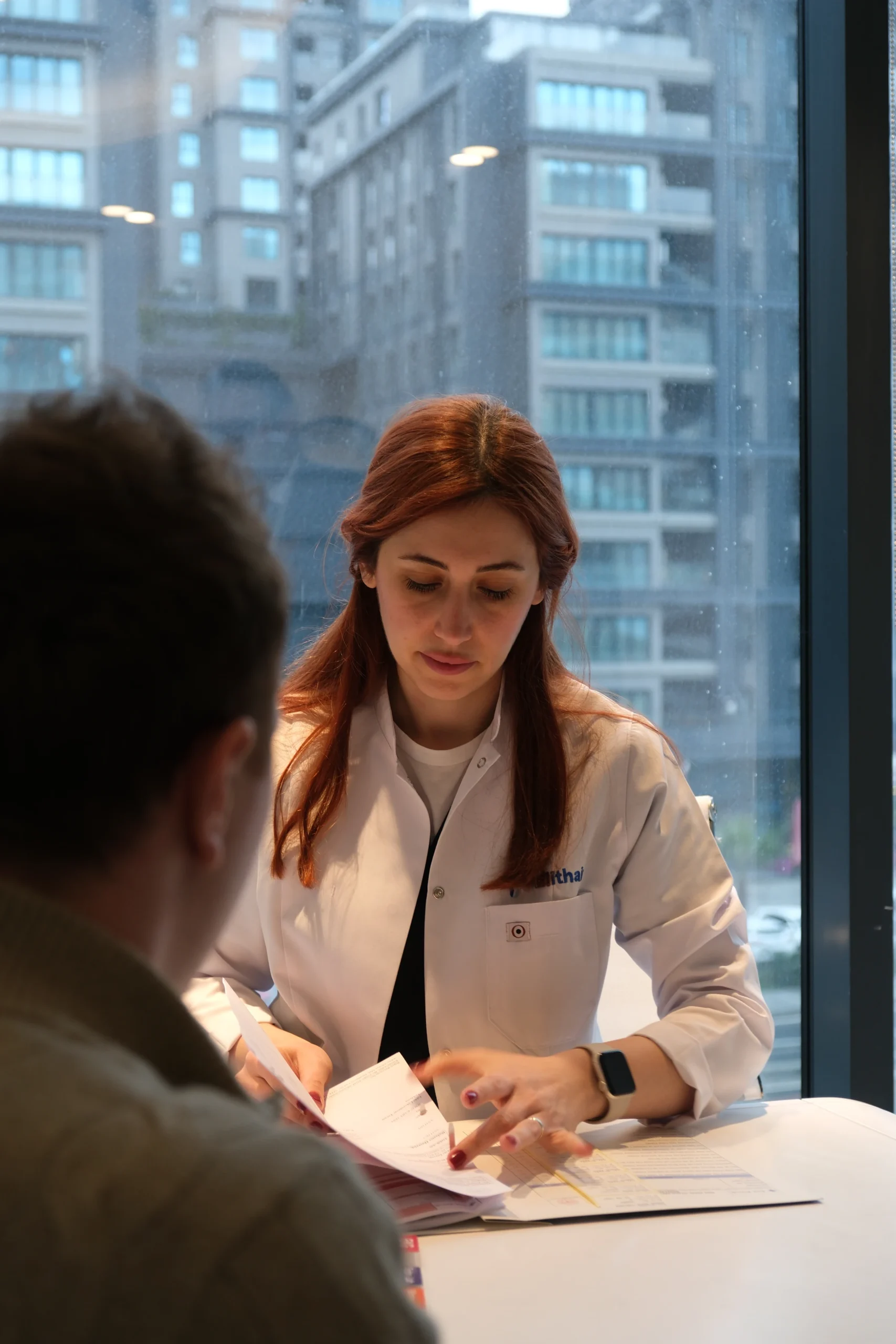
Doctor explaining a document at her desk during a consultation, with a city skyline in the background
5-Doctor Standard

The Pre-Test System Within Five Medical Checkpoints

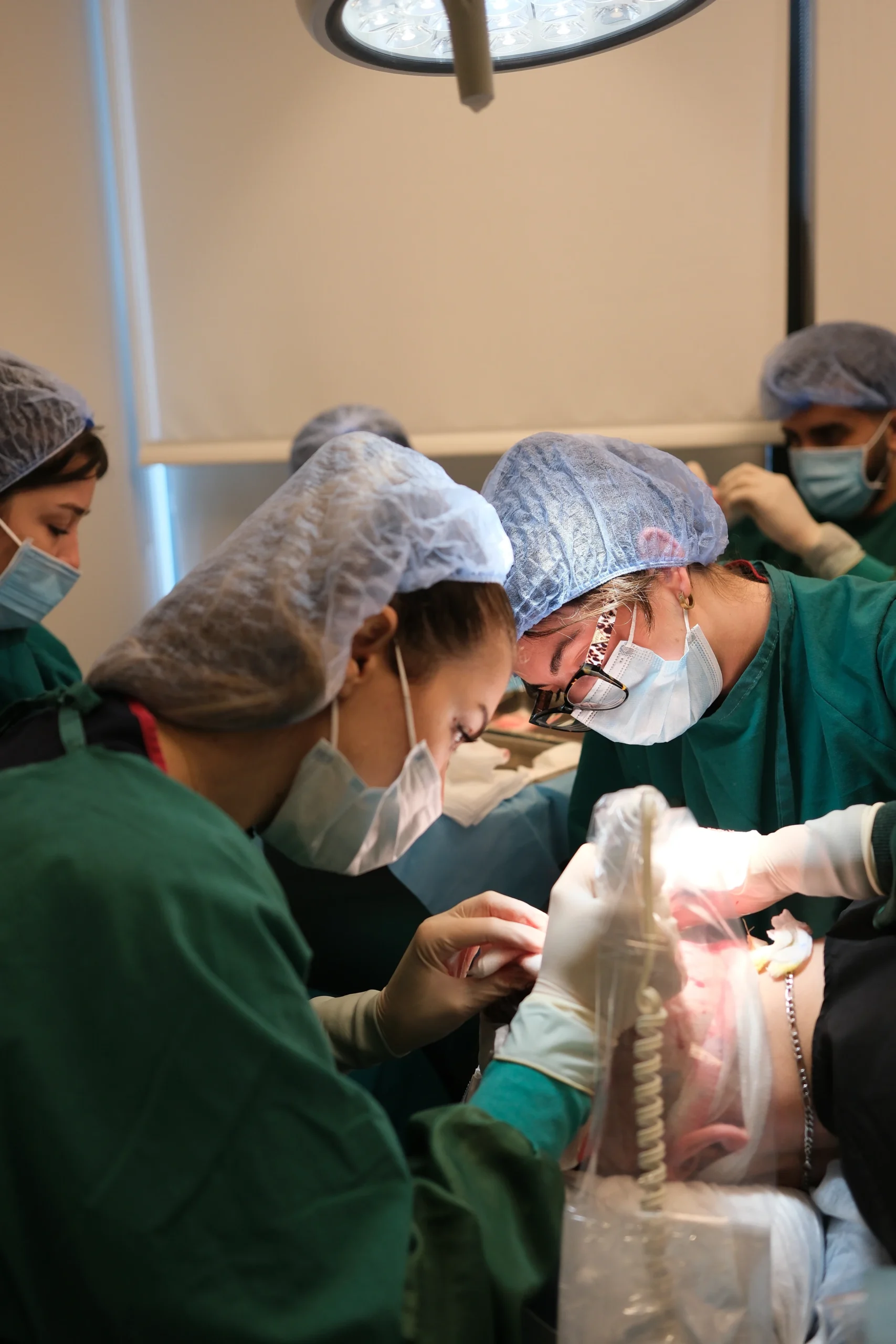
Elithair operating theatre: several doctors concentrating on a hair transplant under a surgical light

The Pre-Test System is the second of five checkpoints at which our doctors oversee your treatment and take responsibility for it. This is our 5-Doctor Standard, covering the initial analysis, on-site assessment, hairline planning, treatment oversight and follow-up review.

over 20Doctors at our clinic in Istanbul
  1. 1Hair analysisbefore your trip
  2. 2Pre-Test Systemand treatment plan
  3. 3Hairlineand graft distribution
  4. 4Anaesthesiaby a consultant anaesthetist
  5. 5Final checkbefore returning home

Graft extraction and implantation: performed by medical specialists who each specialise in a particular stage of the procedure and work under medical supervision.

The Pre-Test findings are reviewed as part of the in-person medical assessment. They contribute to the final treatment plan before the procedure begins.

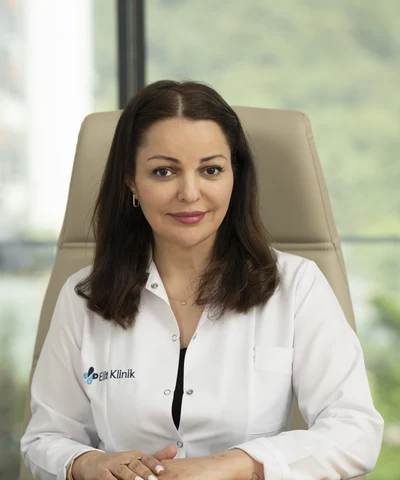
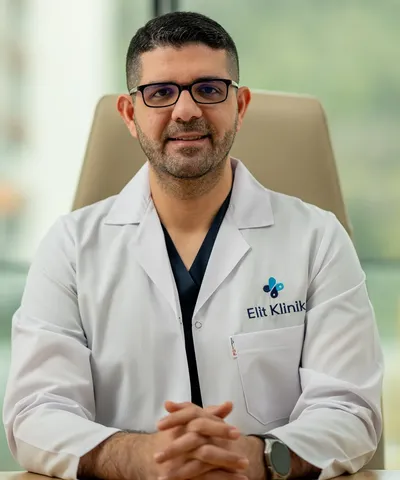
  • Female doctor with glasses in a white Elit Clinic coat at a desk
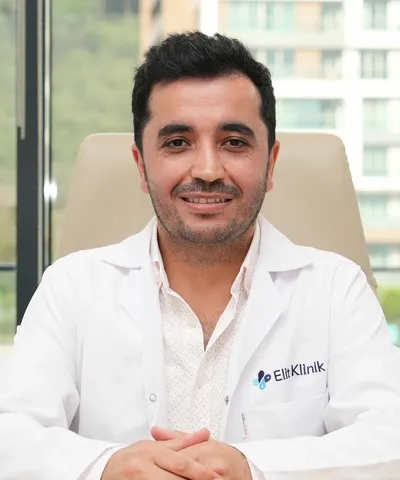
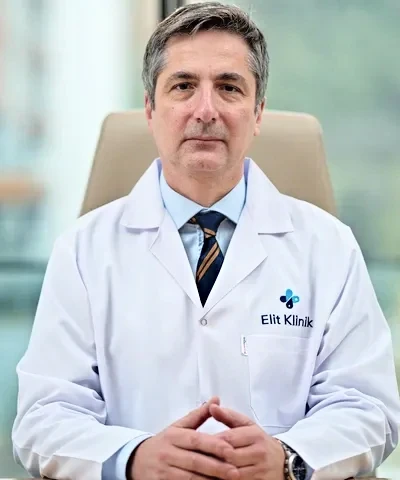
  • Male doctor wearing a tie and a white Elit Clinic coat at a desk
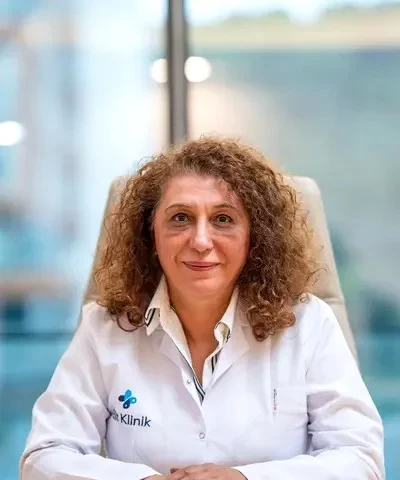
  • Smiling female doctor with curly hair in a white coat
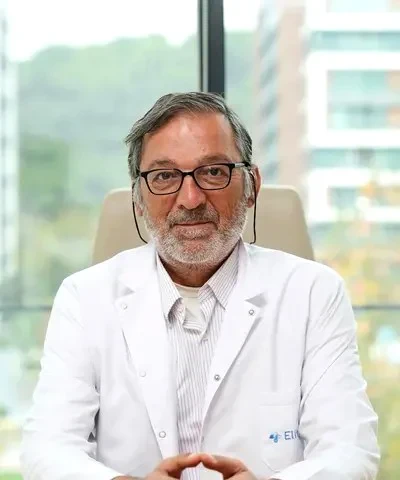
  • Male doctor with a grey beard and glasses in a white coat
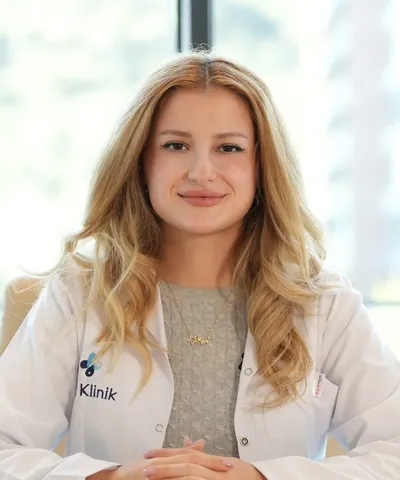
  • Female doctor with long blonde hair in an Elit Clinic coat
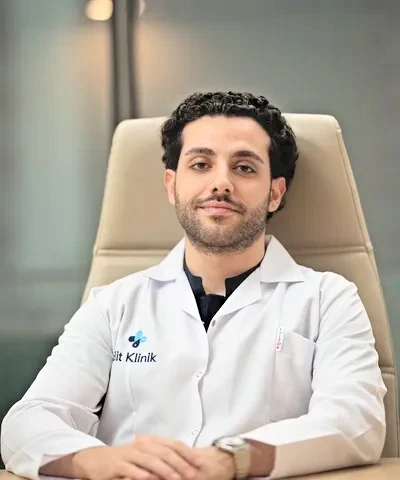
  • Young male doctor with dark curls in an Elit Clinic coat
  • Laughing female doctor with glasses in a white coat
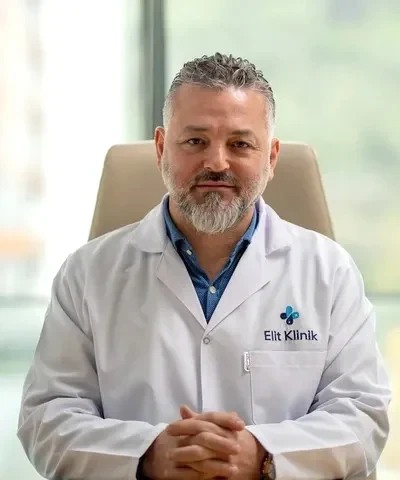
  • Male doctor with a beard in a white Elit Clinic coat
  • Female doctor with red hair in a white coat at a desk
  • Male doctor with rimless glasses in a white coat at a desk
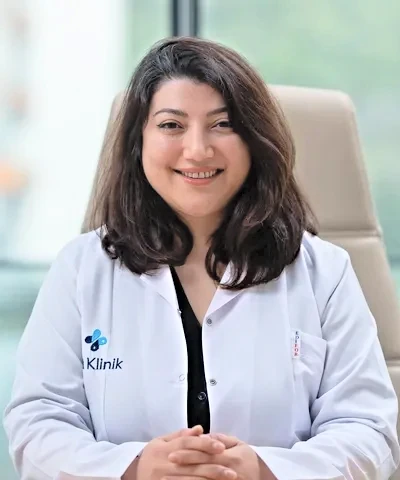
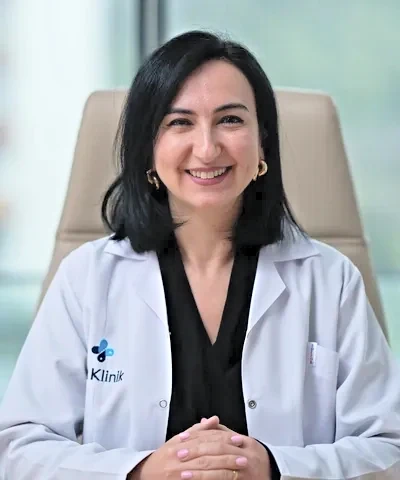
  • Smiling female doctor with dark hair in a white coat
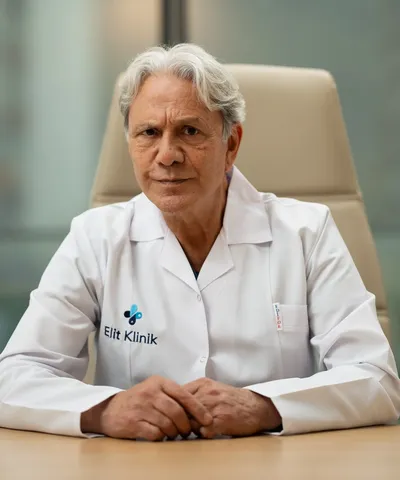
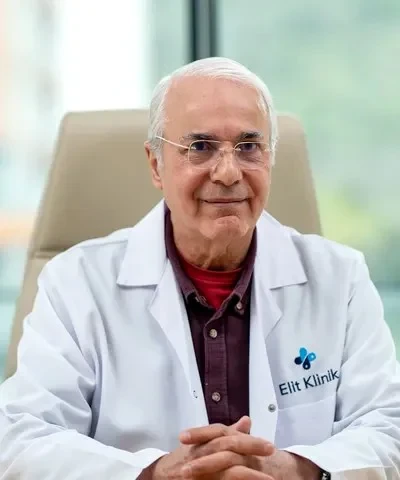
  • Experienced male doctor with white hair in an Elit Clinic coat
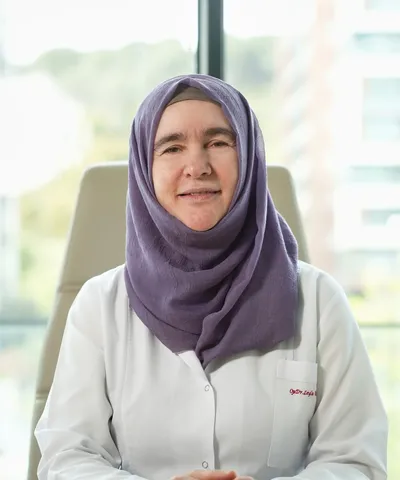
  • Female doctor wearing a headscarf and a white coat at a desk
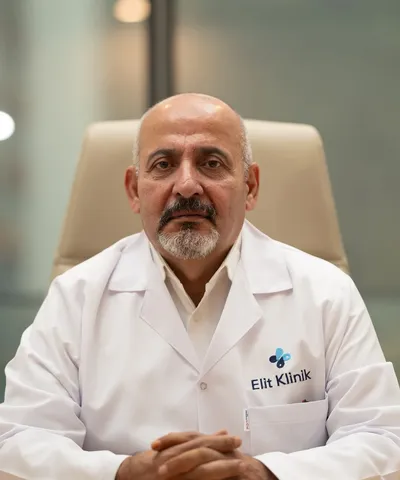
  • Bald male doctor with a beard in an Elit Clinic coat
  • Female doctor with dark hair in a white coat at a desk
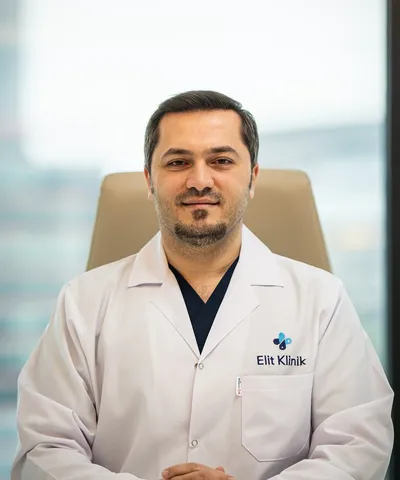
  • Smiling young male doctor in an Elit Clinic coat in front of a wall of windows
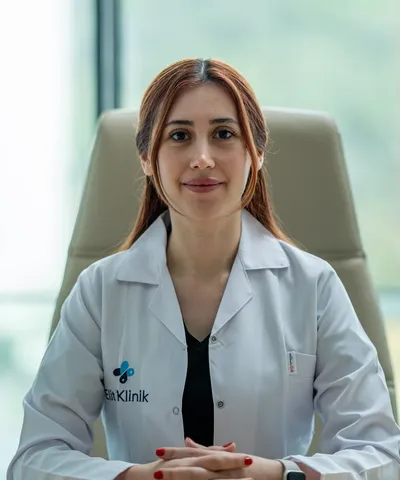
  • Young female doctor in a white Elit Clinic coat at a desk
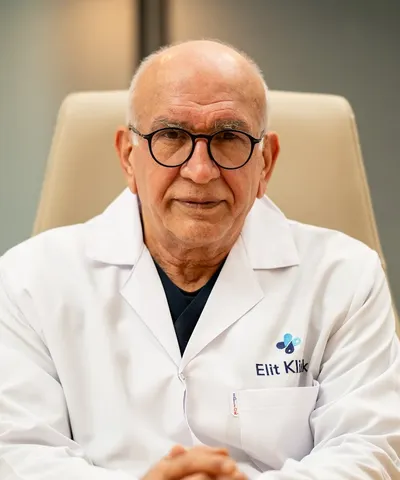
  • Older male doctor with glasses in an Elit Clinic coat
  • Smiling female doctor with black hair in a white coat
  • Young male doctor in a white Elit Clinic coat in front of a wall of windows
  • Older male doctor with white hair and glasses in an Elit Clinic coat
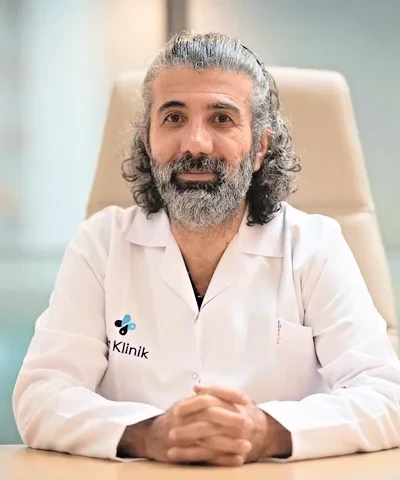
  • Male doctor with long hair and a beard in a white coat
  • Male doctor with glasses and a beard in an Elit Clinic coat
  • Male doctor wearing a tie and a white Elit Clinic coat in front of a wall of windows
  • Male doctor with a grey beard in an Elit Clinic coat at a desk
Honest advice

Why We Decline Around 40% of Enquiries

Doctor in a white coat sitting across from a patient during a consultation at the clinic

One thing that sets Elithair apart from many providers is our willingness to say no.

We decline around 40 per cent of treatment enquiries after the hair analysis. This reflects our standards, not chance.

We only operate when a natural-looking result is actually possible.

  • If there is insufficient donor hair,
  • if expectations are unrealistic
  • or if medical factors make transplantation inappropriate,

we do not perform the treatment.

A filled-in hairline that looks unnatural or a visibly thinned donor area is not a success for us. Our hair analysis provides the basis for assessing suitability before you travel. The Pre-Test System then provides objective measurements to refine your treatment plan.

An offer of treatment means the medical team considers a natural-looking improvement reasonably achievable, although outcomes cannot be guaranteed.

Where the Pre-Test System Takes Place

The Pre-Test System takes place at Elithair's clinic in Istanbul on the day you arrive. From the airport, we take you to the clinic first and then on to your hotel. If you arrive late in the evening, the blood tests are carried out first and the remaining assessments follow on day 2, before your treatment.

The clinic has equipment for hair imaging, ultrasound and Doppler assessments.

A team of doctors specialising in Pre-Test assessments performs the examinations and provides the findings to the doctors responsible for treatment planning.

The Ministry conducts unannounced inspections once or twice a month, covering clinical processes, hygiene, sterilisation and documentation. The clinic is also authorised as a training centre for doctors in hair transplantation.

Free Hair Analysis

Your First Step: The Free Hair Analysis

The Pre-Test System takes place at the start of treatment. Before then, you can find out, free of charge and with no obligation, whether a hair transplant could be an option for you and what it could realistically achieve.

Our free hair analysis answers those questions. You send us photos of your hair, and our doctors review them to give you an honest assessment, including a recommended graft count. If your donor area cannot provide enough hair for a natural-looking result, we will tell you. This is one of the reasons we decline around 40 per cent of enquiries.

If the assessment is positive, you complete the six measurements of the Pre-Test System at our clinic. We use the results to create your personalised treatment plan. Get a professional hair assessment from doctors who explain the results clearly and honestly.

Tattooed man holding a smartphone displaying a photo of his head
Smiling man in a denim shirt holding a smartphone displaying the Elithair App
FAQ

Frequently Asked Questions About the Pre-Test System

No. A health check assesses your fitness for surgery. The Pre-Test System combines this with detailed treatment planning: our doctors use the six measurements to create your personalised treatment plan, including graft count, insertion depth, angle, channel size and hairline shape. Preoperative testing protocols vary between clinics.

All six. The ECG and blood test results also guide treatment decisions: what sedation dose to use and how to plan graft extraction.

The tests take place at our clinic in Istanbul on the day you arrive. We bring you from the airport to the clinic first, then to your hotel. If you arrive late in the evening, we start with the blood tests and complete the remaining steps on day 2, before your treatment. A dedicated team of doctors performs the six tests as the second checkpoint of our 5-Doctor Standard.
Because scalp thickness, together with the circulation measured by Doppler ultrasound, determines the ideal insertion depth. If grafts are placed too shallowly, far fewer of them take hold. At the depth calculated for you, far more grafts grow reliably.

We let you know before surgery. If a deficiency or hormonal issue is causing your hair loss, it is treated first to avoid unnecessary surgery.

Because we recommend surgery only when a worthwhile, natural-looking improvement appears reasonably achievable. Around 40 per cent of enquiries do not meet this requirement, and we are upfront about declining treatment after the hair analysis, before you travel. The Pre-Test System at the clinic supports quality assurance and detailed treatment planning.

The ECG, ultrasound, Doppler and hair imaging are non-invasive. Blood sampling can cause brief discomfort or bruising. Individual experience varies.

Start with your free hair analysis. It shows whether you are a candidate and whether your donor area can provide enough hair for natural-looking density. The right timing depends on your diagnosis, donor capacity and stability of hair loss. We can assess your hair as it is now, but no one can predict how it will change over the coming years. Suitable donor hair and long-term planning are important for the result. Results also take time: you will see your final result after 10 to 12 months at the front and after 15 to 18 months in the crown area. Growth varies between individuals, so treatment timing should be based on suitability rather than urgency.

We work with you to find a date that fits your preferences and work schedule. Your personal adviser will explain current appointment availability during your free hair analysis.