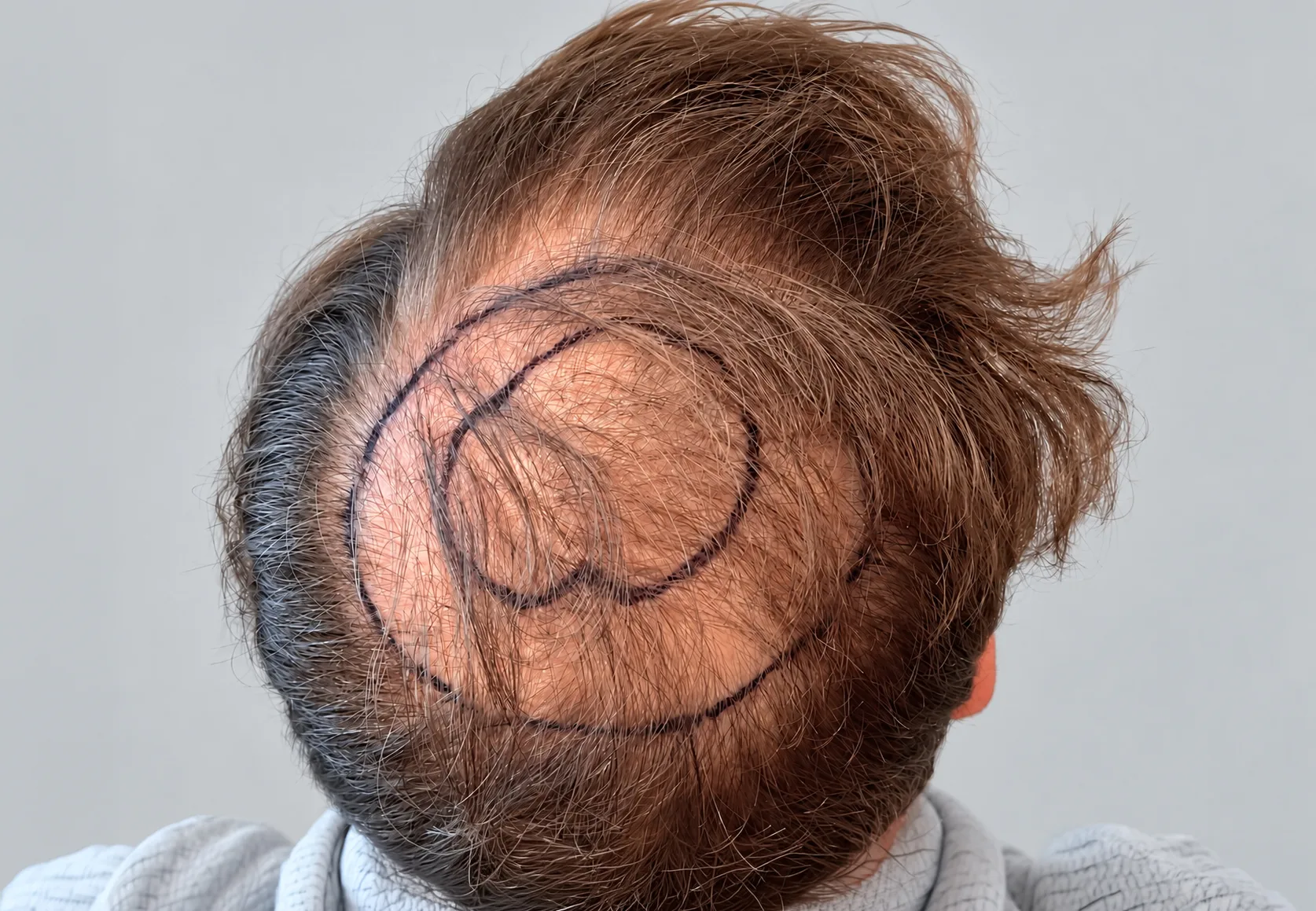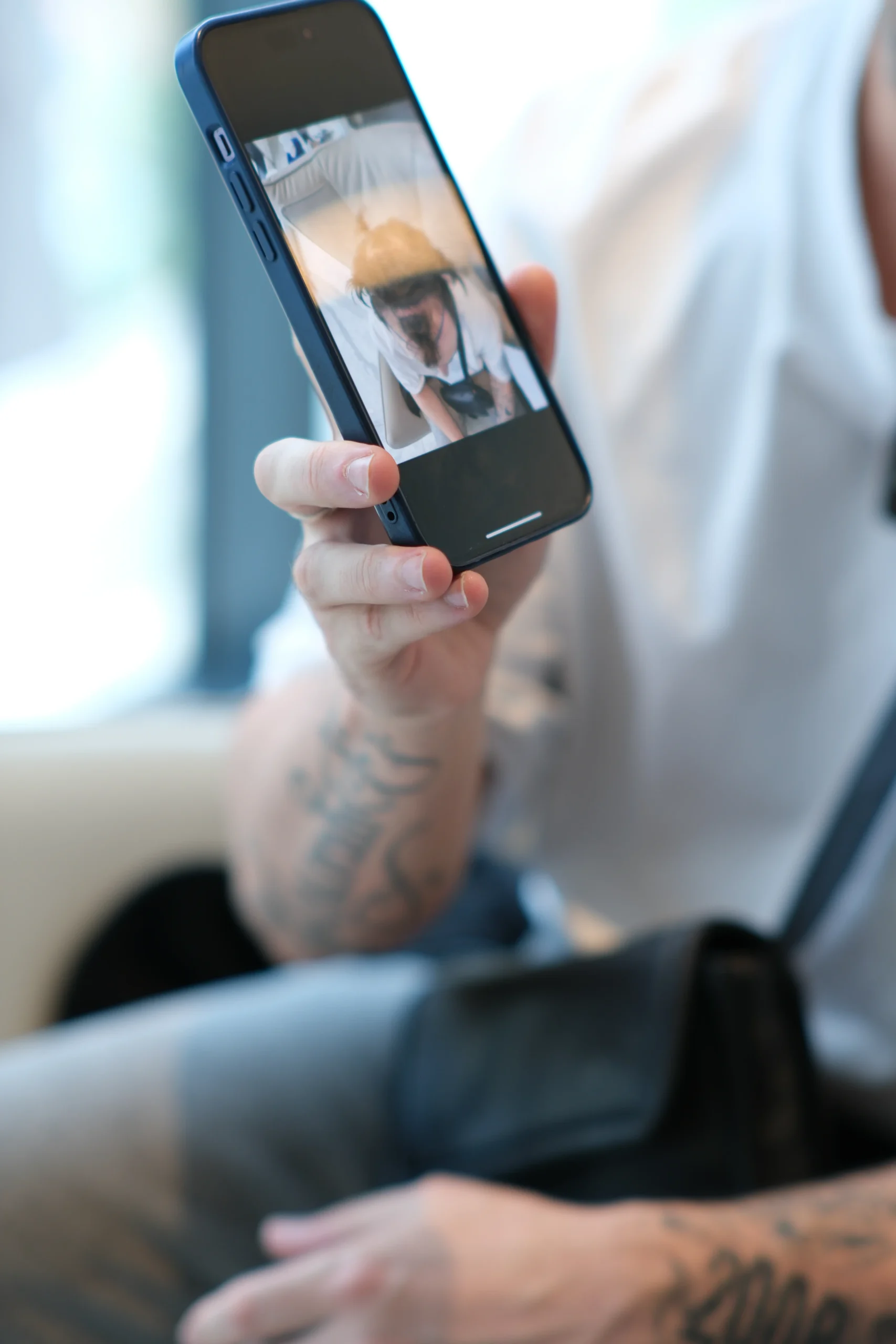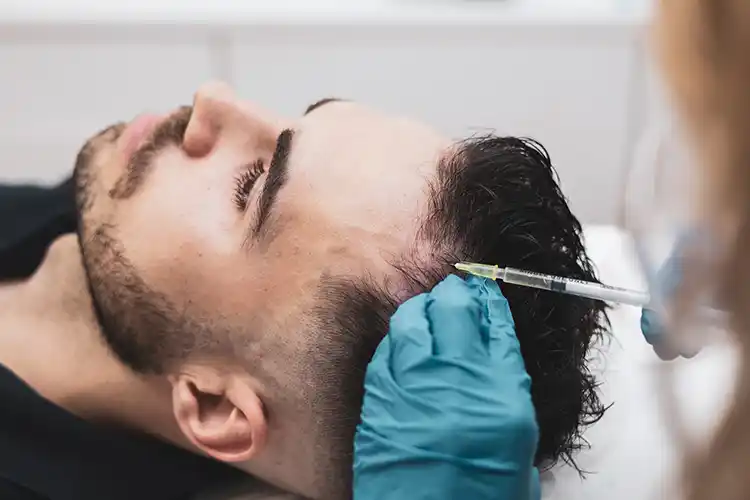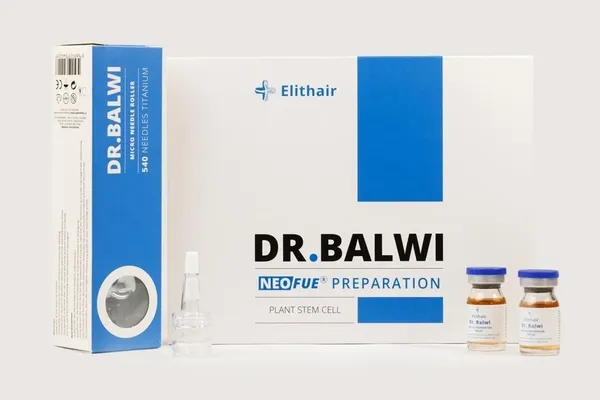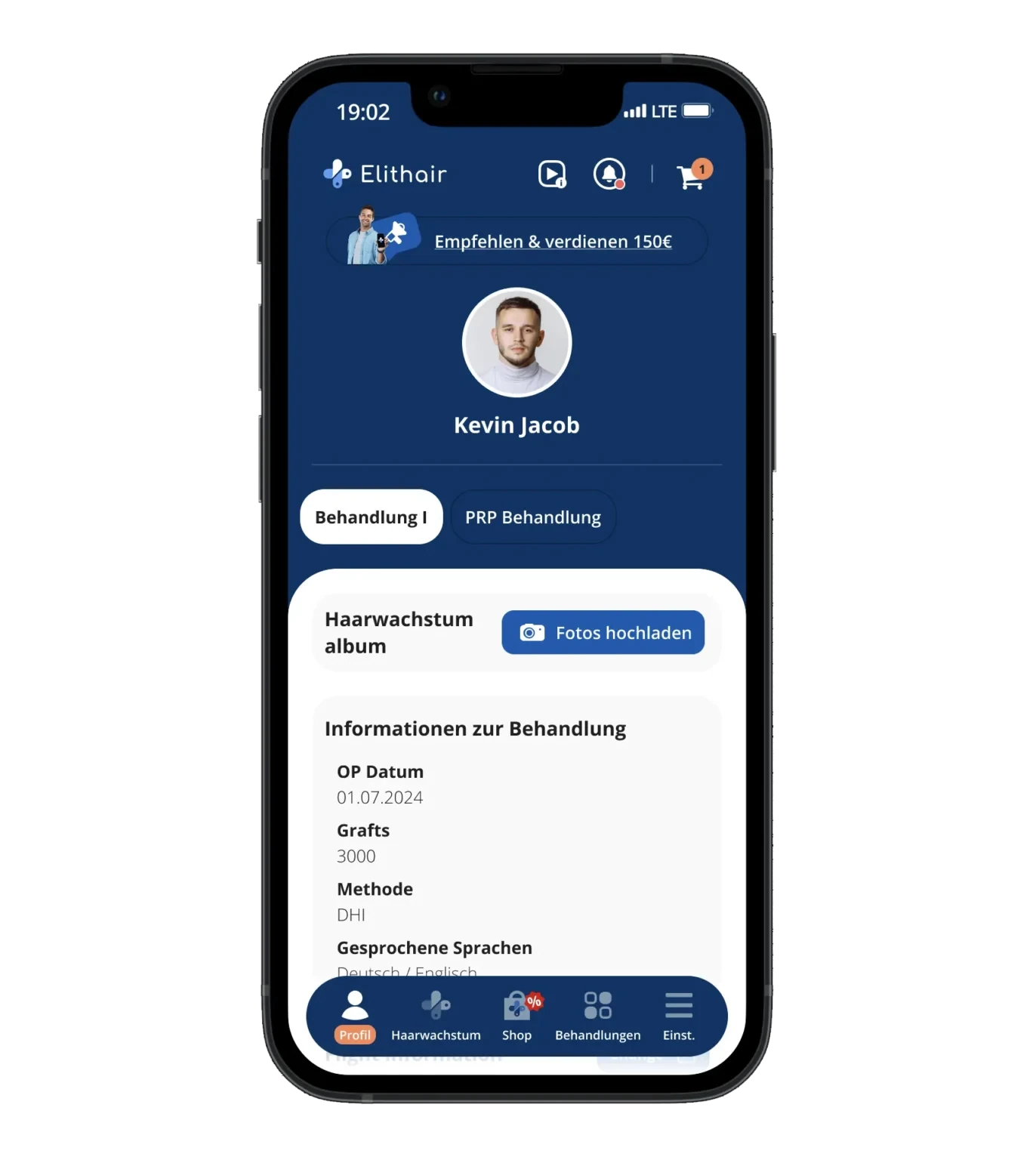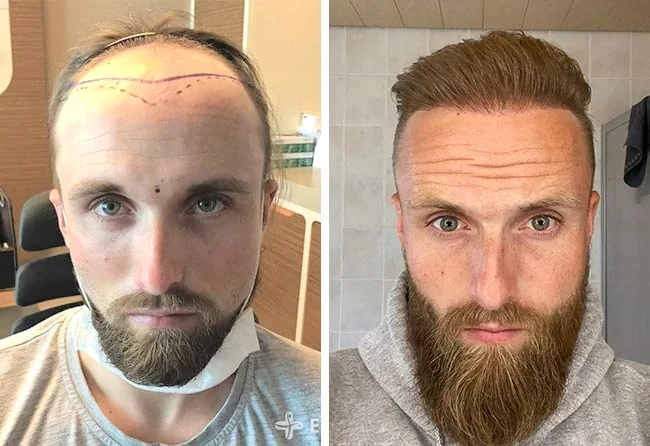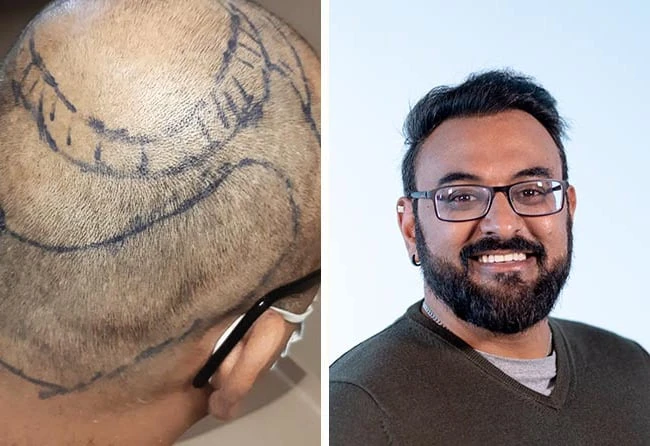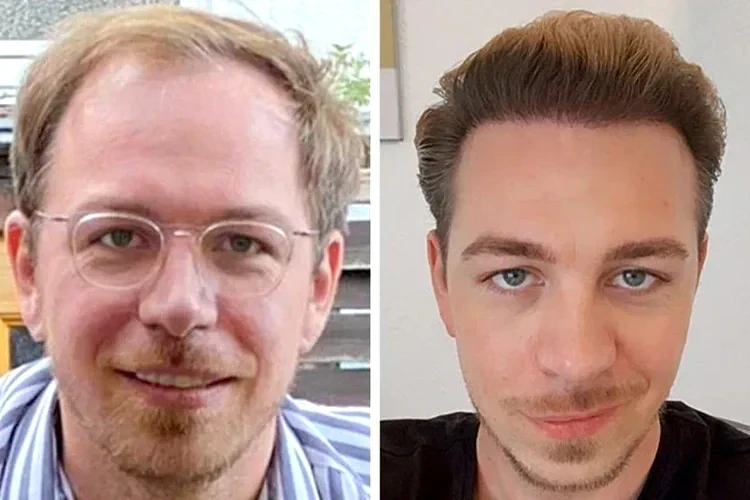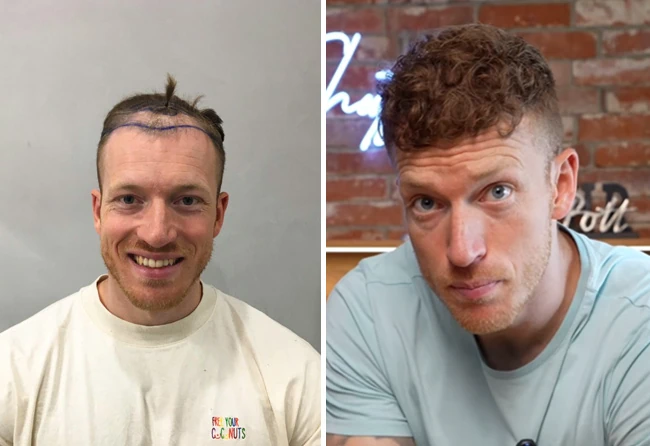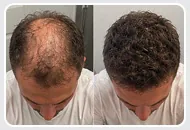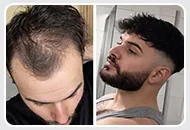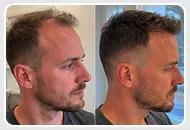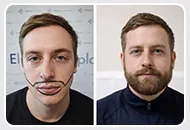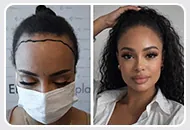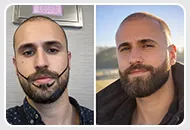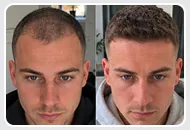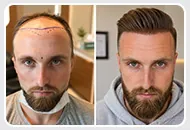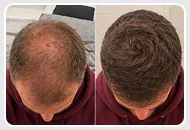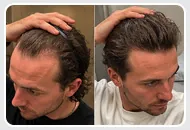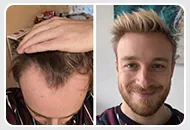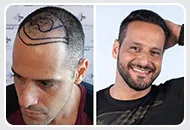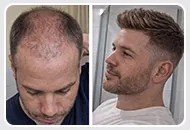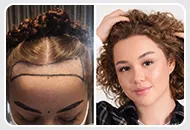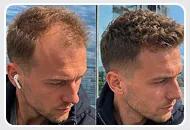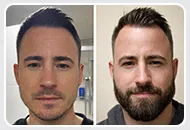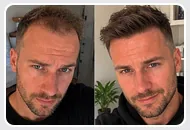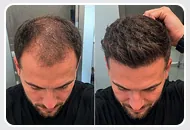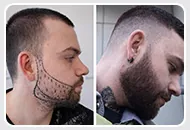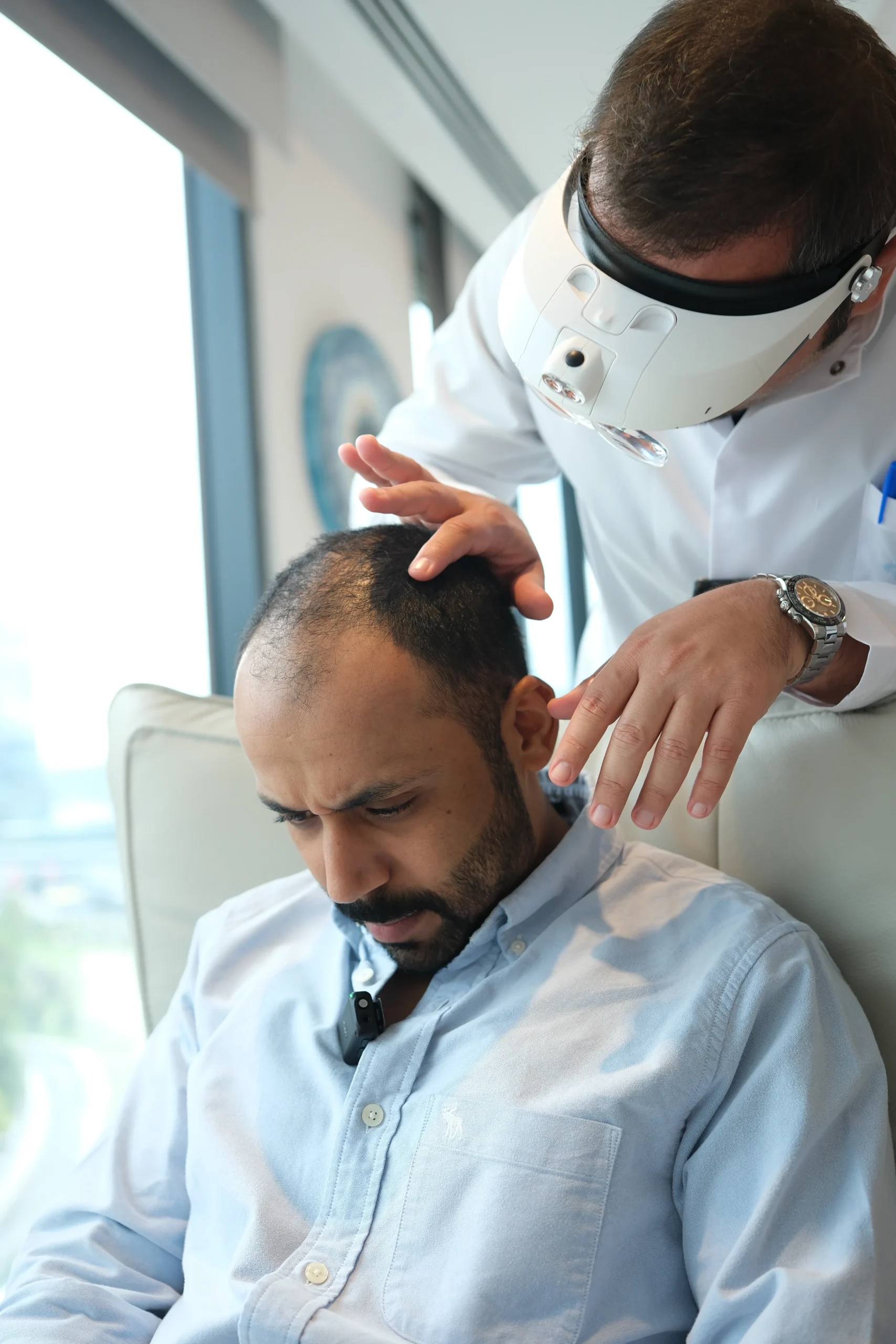


Your progress can be reviewed remotely
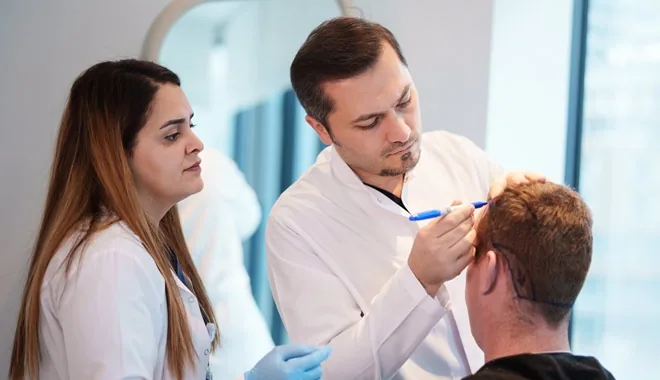
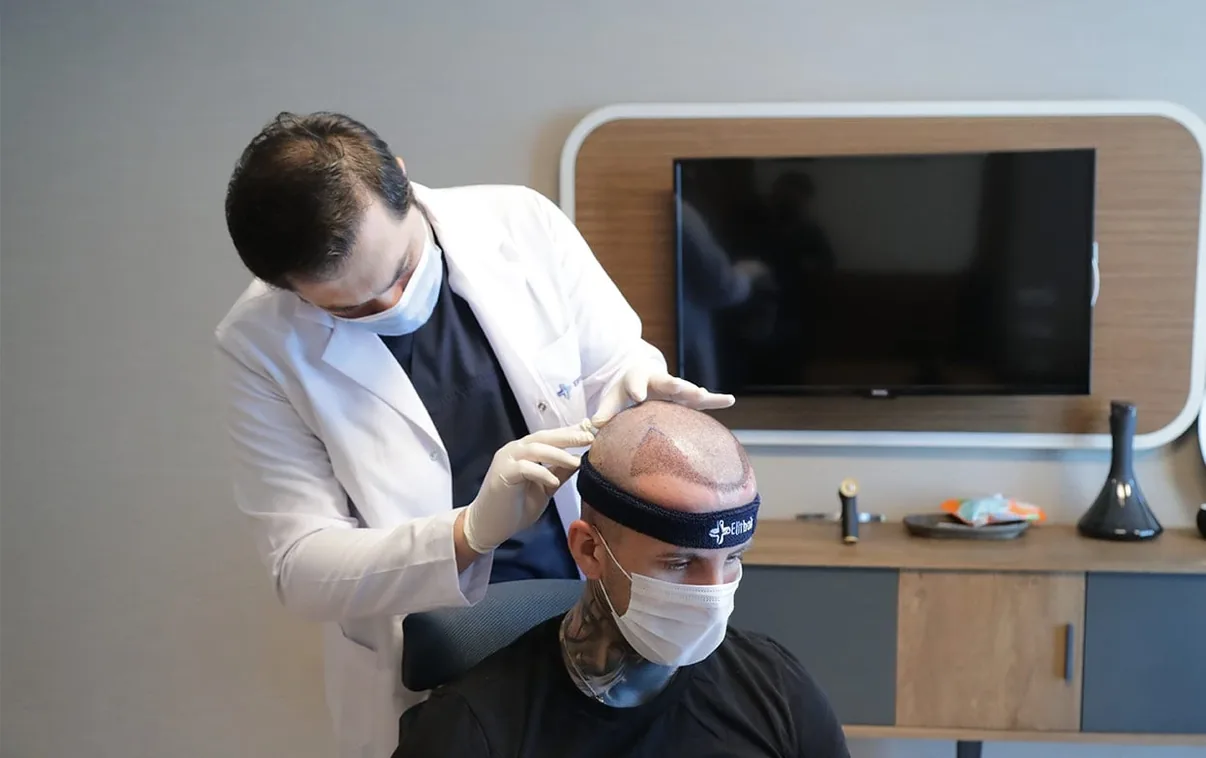
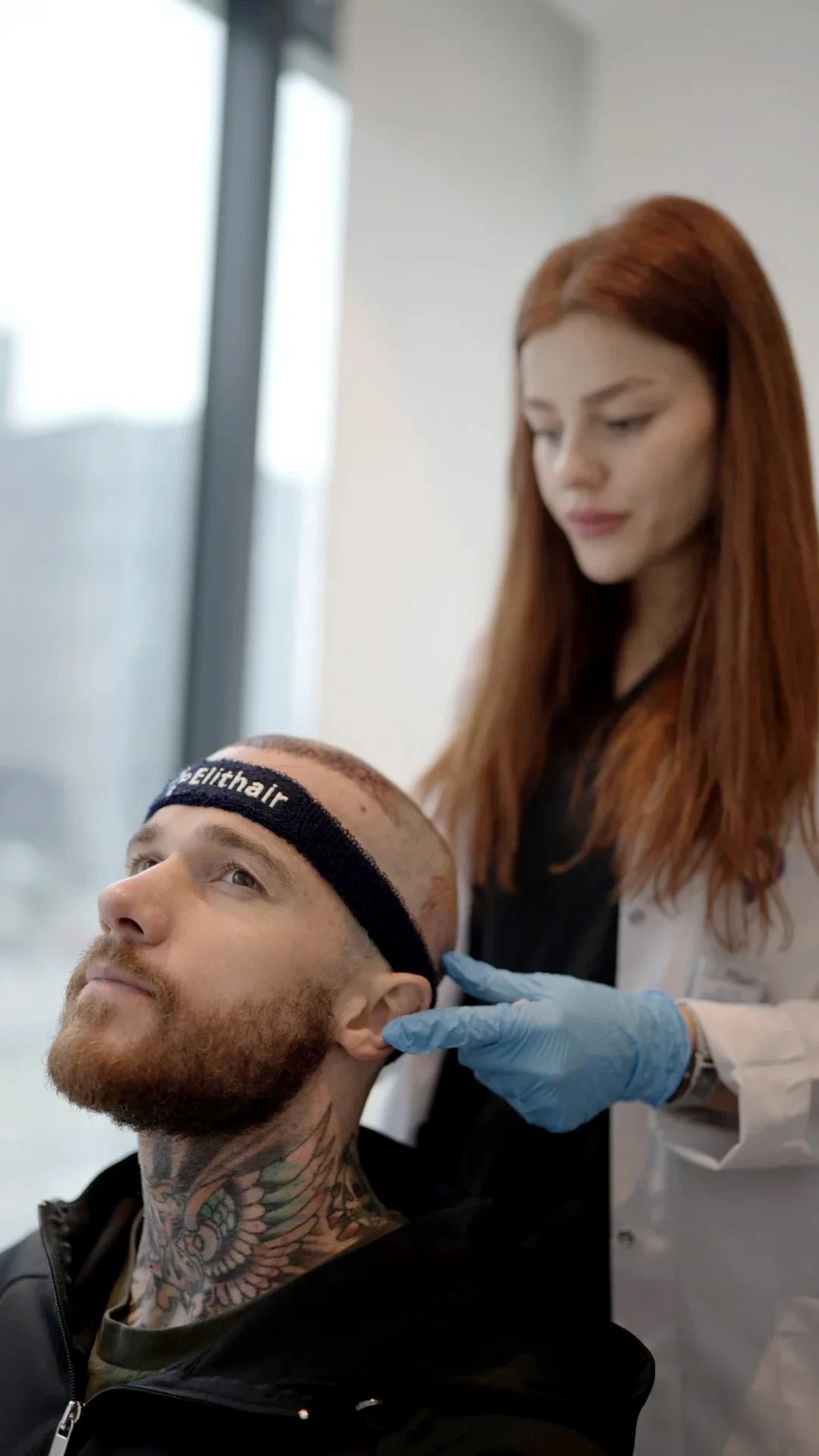
What it means for your aftercareAt scheduled intervals, you upload photos of the treated areas of your scalp. Our medical team reviews them and compares your progress with the expected course of healing.
More than 150,000 treatments
at our specialist clinic, certified to ISO 9001:2015
by TÜV Thüringen.
After a hair transplant abroad, one of the most important questions is what happens once you return home, especially if something does not look as you expected.
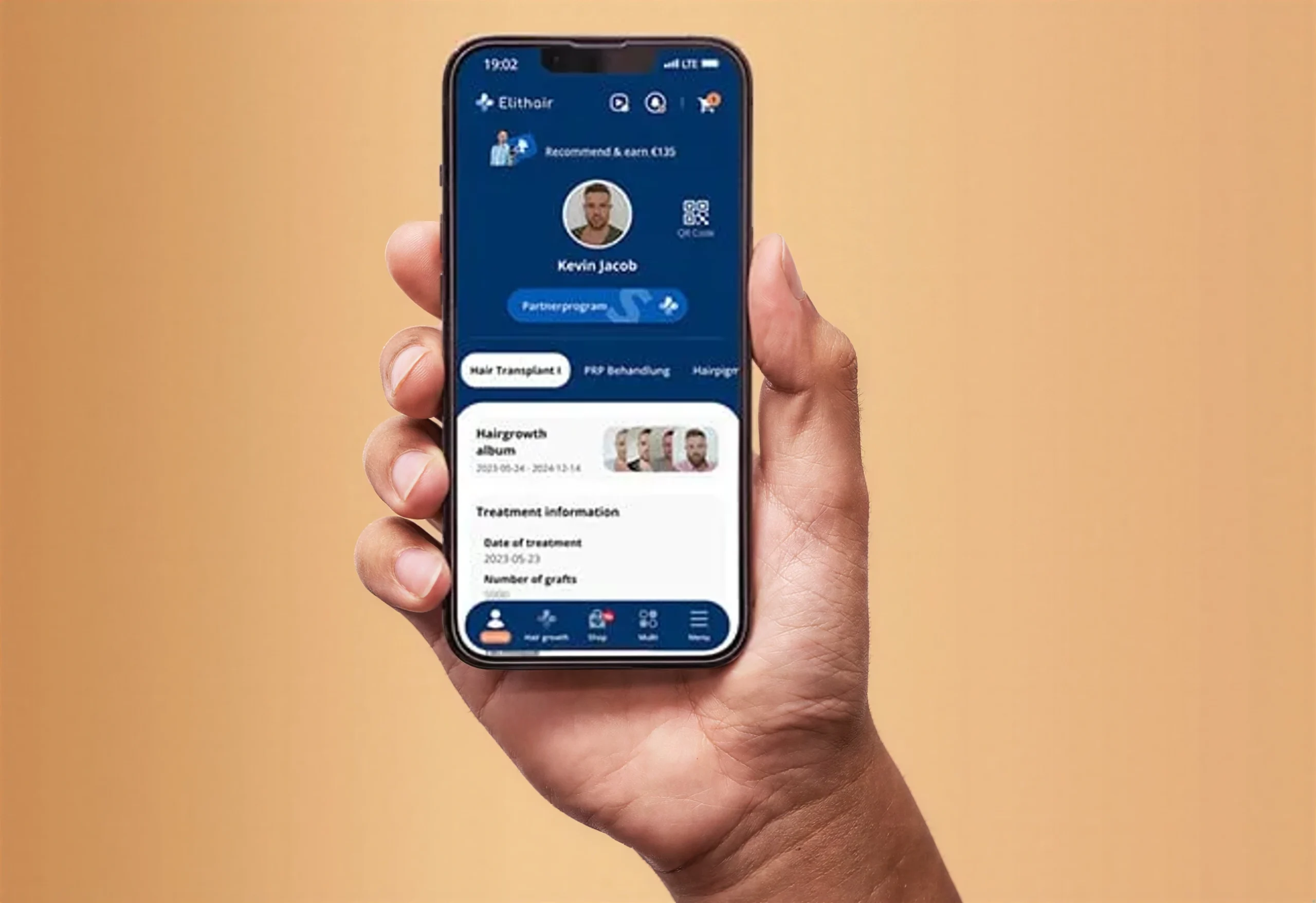
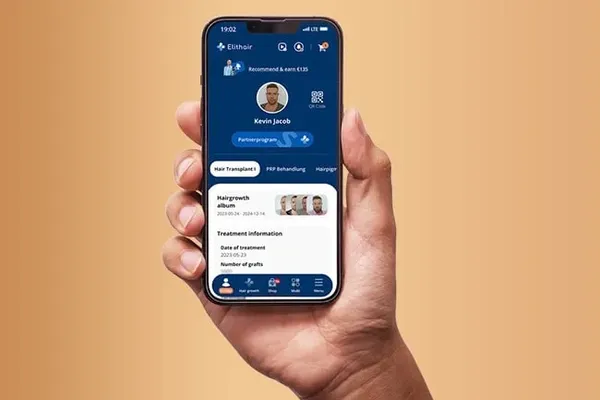
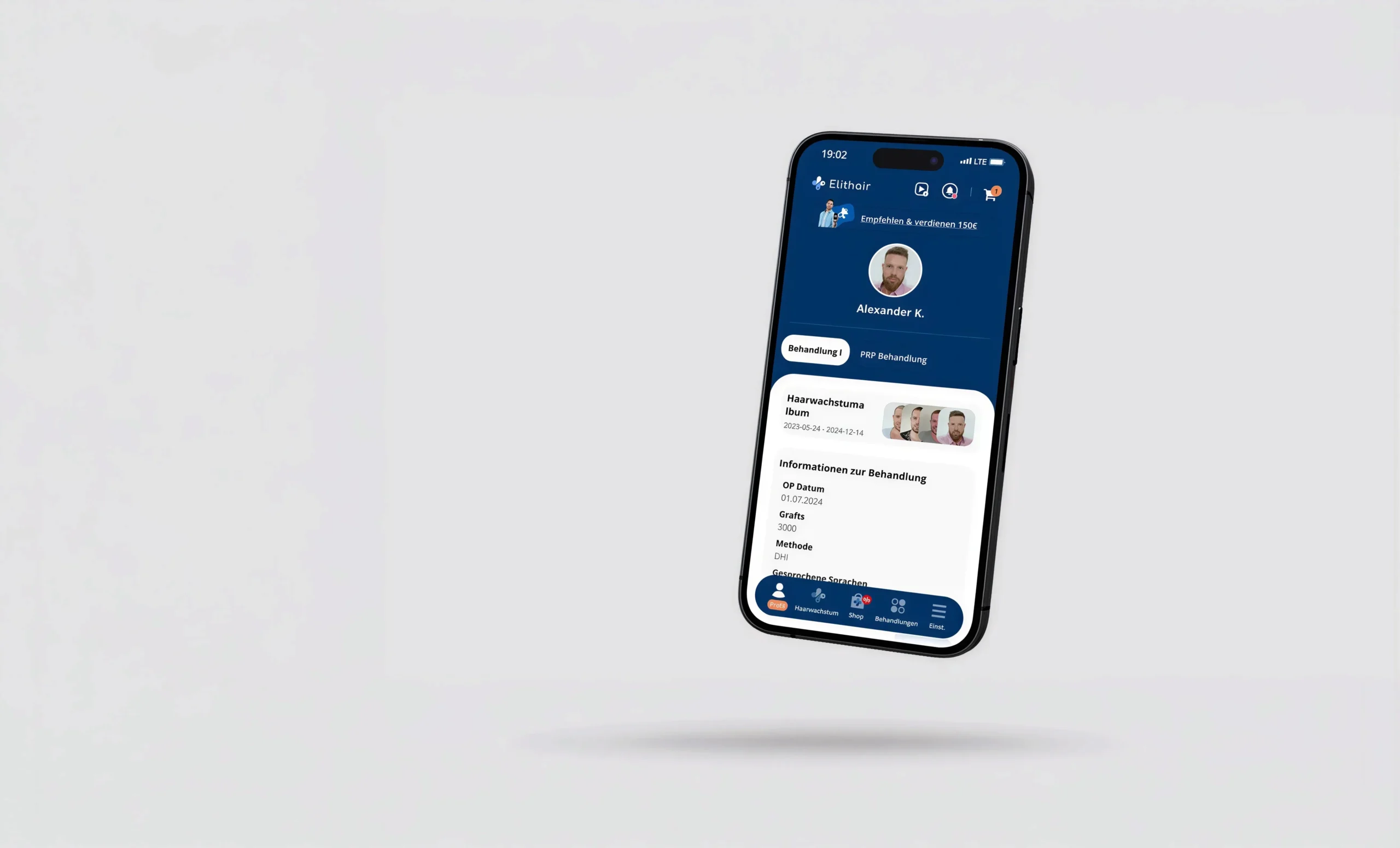
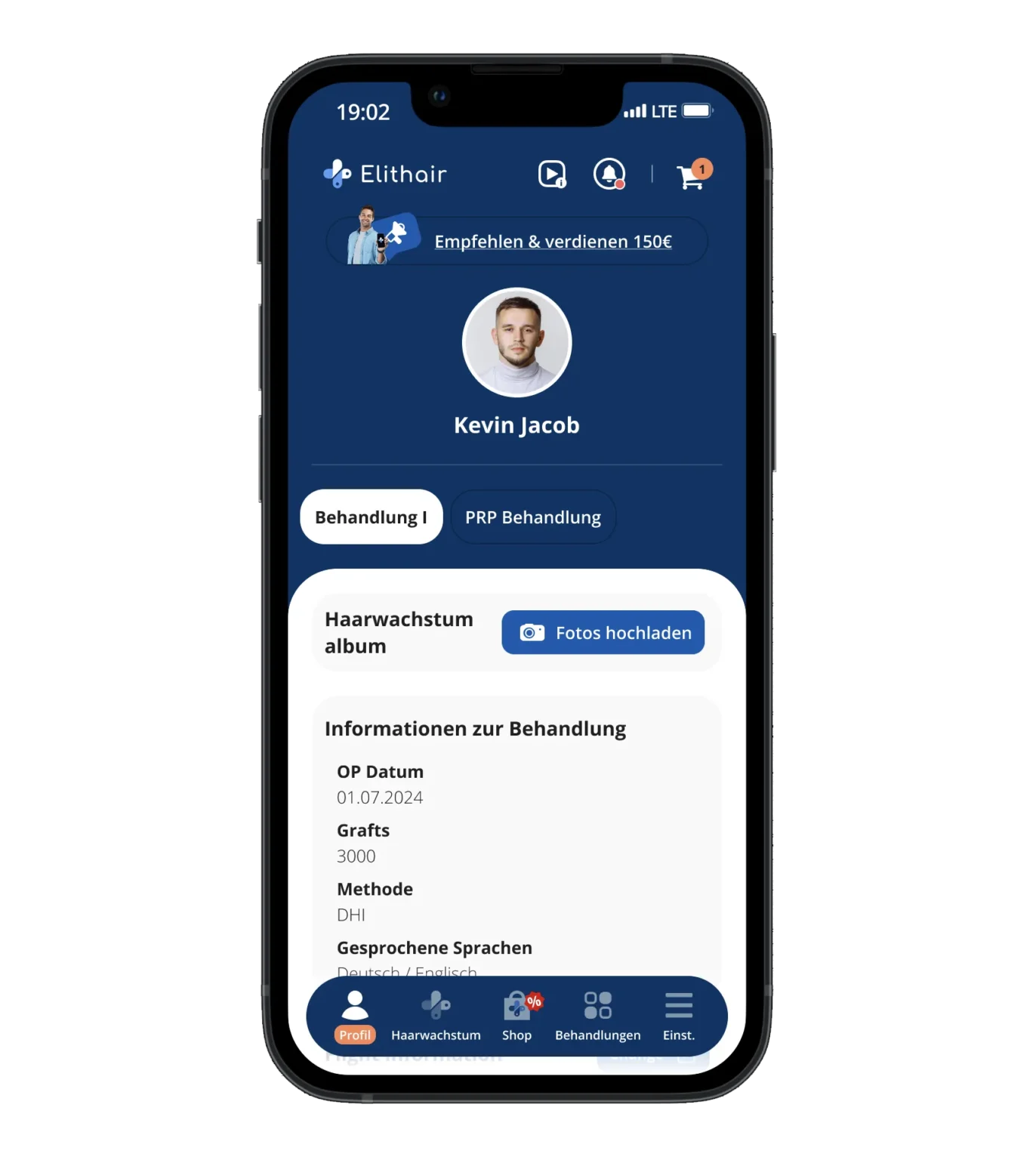
The Elithair App keeps your aftercare in one place. You upload progress photos for our doctors to review as they follow your recovery. Automatic push notifications remind you whenever an aftercare step or a new photo is due.
We support you throughout your preparation, starting fourteen days before your treatment, and for twelve months of aftercare as your transplanted hair grows.
A hair transplant is minimally invasive, but the final result develops over around twelve months. To ensure continuous medical support throughout your aftercare, you upload photos through the Elithair App for our doctors in Istanbul to review.

At scheduled intervals, you upload photos of the treated areas of your scalp. Our medical team reviews them and compares your progress with the expected course of healing.

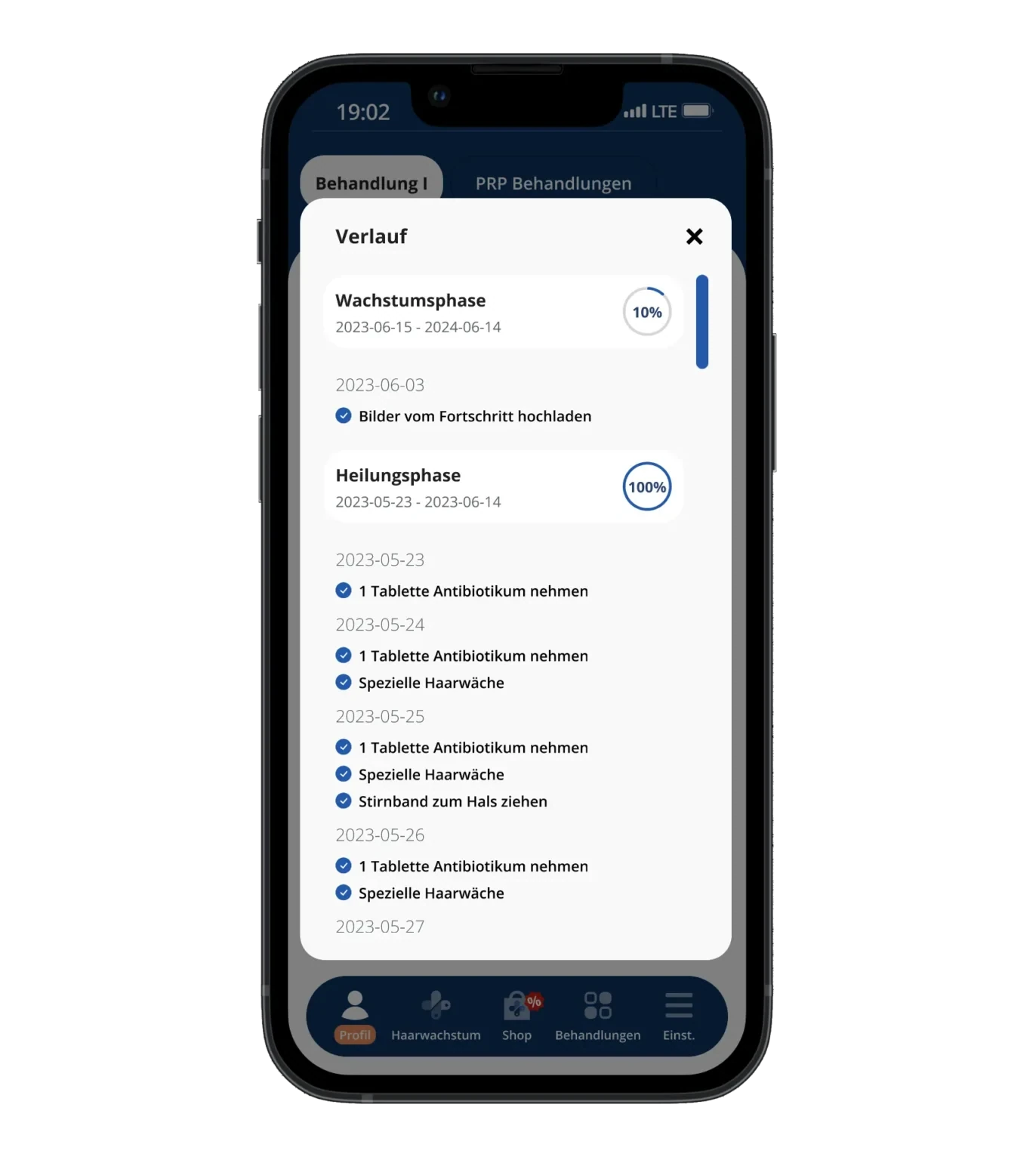
Automatic notifications remind you when each step in the clinic's aftercare plan is due, including washing, shaving, exercise, sauna use and hair colouring.

The app keeps the clinic's practical guidance available whenever you need it, from caring for crusts and sleeping positions to the later stages of recovery.
Photo uploads are a central part of the Elithair App. Your images are more than a photo archive: you photograph your donor and recipient areas and upload the images so our doctors can follow your recovery over time.
Our medical team compares your images with the expected course of healing at each stage.
That makes the app more than a reminder tool: your photos are not simply stored; they are reviewed by our medical team.

Up to month three, only around 10% of the transplanted hairs are usually visible. From month four at the latest, around another 10% become visible each month, until the final result at the front is visible after 10 to 12 months. Side-by-side photos in the app can make these gradual changes easier to see than in your everyday reflection.
The weeks after a hair transplant require careful planning: when to resume exercise, return to the sauna or shave the donor and recipient areas. These detailed questions often arise gradually as your recovery progresses.
The Elithair App uses your treatment date to send reminders when each step is due, including when you can resume activities. The timings come from the clinic's standard medical aftercare plan and provide guidance during a normal recovery.
| Timing | Activity / care step |
|---|---|
| Washing your hair | First wash on day 2 after the procedure, then daily for 7 days, following the clinic's instructions |
| After 3 days | Sex |
| From day 5 | Sleeping position (on your side, without the neck pillow) |
| After 1 week | Trimming the donor area with scissors |
| From day 10 | Sleeping position (on your stomach) |
| From day 14 | Dermaroller |
| After 2 weeks | Light exercise (after 2 weeks), trimming the recipient area with scissors (after 2 weeks), using clippers on the donor area (after 2 weeks), shaving the donor area with a razor (after 2 weeks), alcohol and nicotine (after 2 weeks), heavy physical work such as building work or hospitality (after 2 weeks), bathing and swimming while keeping your head above water (after 2 weeks), minoxidil (usually after 2 weeks, if advised; continue prescribed finasteride unless your clinician tells you otherwise) |
| After 4 weeks | Moderate exercise |
| After 1 month | Using clippers on the recipient area (after 1 month), colouring hair in the recipient area (after 1 month), scuba diving (after 1 month), wearing a motorcycle helmet for short rides (after 1 month) |
| Blow-drying your hair | Not in month 1, cool setting only in month 2, without restriction from month 3 |
| After 6 weeks | Sunbeds (after 6 weeks), intense strength training (after 6 weeks), sauna use and swimming with your head submerged (after 6 weeks) |
| After 3 months | Hair building fibres (after 3 months), shaving the recipient area with a razor (after 3 months), wearing a motorcycle helmet for long rides (after 3 months) |
| After 6 months | Styling products in the recipient area (after 6 months), a second procedure in a new area (no earlier than 6 months, after medical review), wearing a wig (after 6 months) |
| No earlier than 6 months, after medical review | Increasing density in an area already treated |
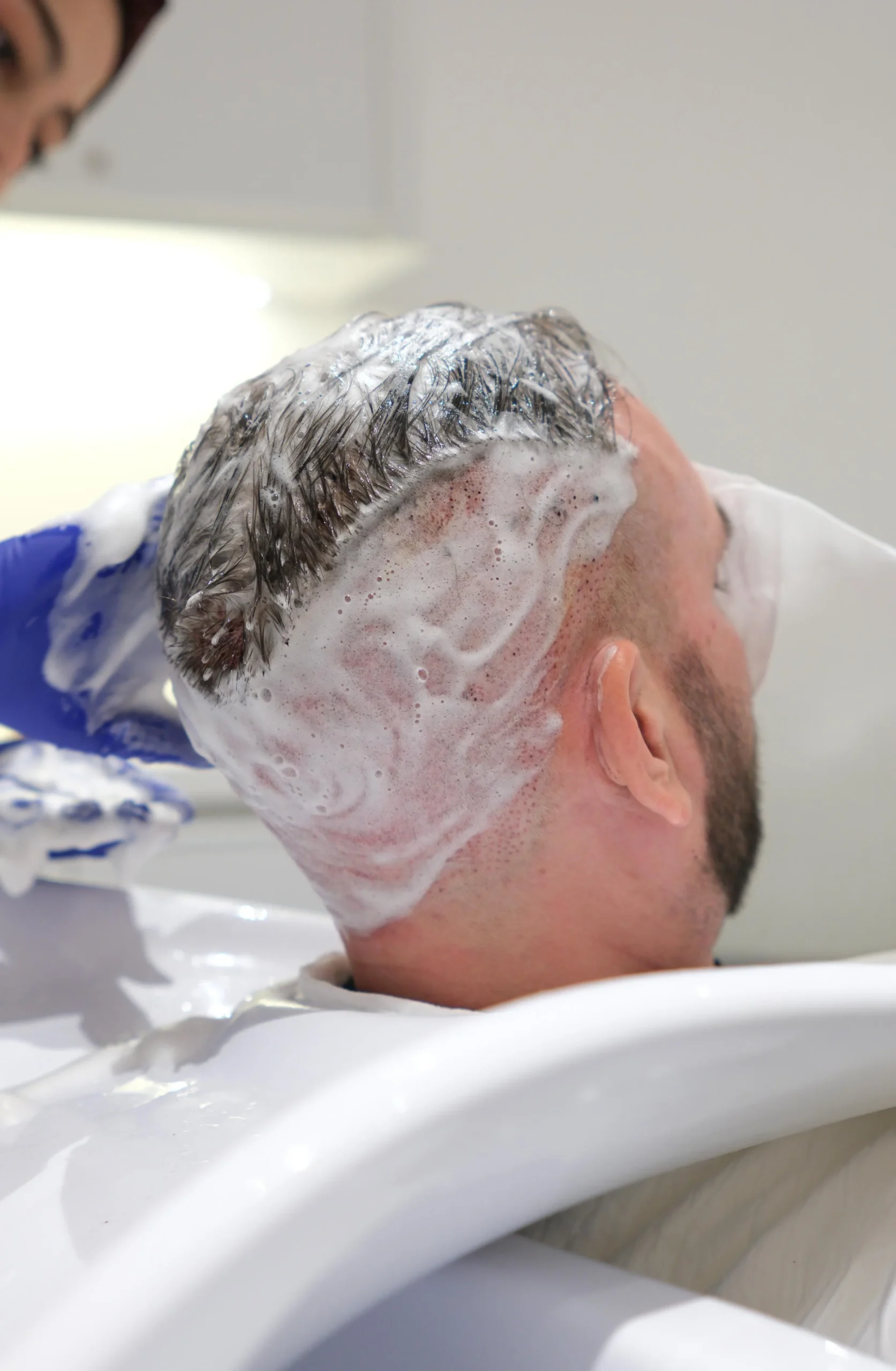
You can shave the donor area after two weeks, but the sensitive recipient area needs a full three months to recover. Mechanical stress too early can prevent the transplanted roots from taking hold.
You can resume light exercise after two weeks, moderate exercise after four weeks and intense strength training after six weeks. Avoid heavy sweating for the first 15 days.
Important rules for the first few days: Lie down to rest on the day of your procedure and the day after, drink at least three litres of water a day and avoid salt for the first three days.
For sun protection, follow these temperature guidelines: leave your scalp uncovered at temperatures up to 23°C. At 24–39°C, wear only the hat provided by the clinic for the first 14 days. At 40°C and above, continue wearing only that hat for a full month.
Medical guidance through the Elithair App begins 14 days before your treatment date. Following the pre-operative instructions carefully helps ensure the best possible conditions for your procedure and prevents avoidable rescheduling.
| 14 days before the procedure | Follow the clinic's instruction to stop minoxidil 14 days before the procedure, unless your medical team tells you otherwise. Do not cut your hair or beard from this point if the clinic has asked you to leave it for treatment-day planning. |
|---|---|
| 7 days before the procedure | Stop non-prescription hair-loss products such as shampoos, serums or sprays if instructed by the clinic. |
| 3 days before the procedure | Avoid alcohol. |
| 1 day before the procedure | Avoid nicotine and caffeinated drinks according to the clinic's pre-operative instructions. |
| Treatment day (with Sleep-Deep) | Follow the fasting instructions for Sleep-Deep sedation: no food for six hours beforehand and no clear fluids during the final two hours, unless the anaesthesia team gives you different instructions. |
Medication: If finasteride has been prescribed for you, continue it unless the prescribing clinician or Elithair medical team advises otherwise.
Logistics: The app brings together what to pack and the details of your trip. Airport pick-up, three nights at a 4-star hotel, all local transfers and English-language support are arranged for you. You book your flight yourself.
Your stay in Istanbul runs over four days and three nights with a clear schedule. The Elithair App keeps the main schedule, airport transfer information and details of your stay together.


You will have a medical follow-up examination at the clinic on the day you leave. Our doctors then support your aftercare through the Elithair App.
That is why we ask you to install and set up the app before travelling.
The first 12 days are the most delicate stage of your recovery. Following the daily care routine helps the crusts come off gently and the transplanted roots take hold. The Elithair App reminds you when each care step is due and provides suitable video instructions.
| Day 2 | First hair wash, following the instructions. |
|---|---|
| Day 3 to day 8 | Daily washing according to the clinic's instructions. |
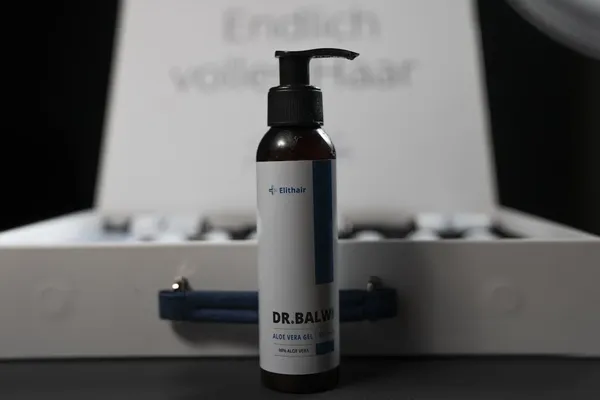
| From day 4 | Optional: begin applying aloe vera gel to soothe the skin (donor area only, up to three times a day). |
| Day 9 | Temporarily stop washing your hair in preparation for softening the crusts. |
| Days 10 and 11 | Remove crusts using the clinic's lotion and technique; do not scratch or rub with your fingernails. |
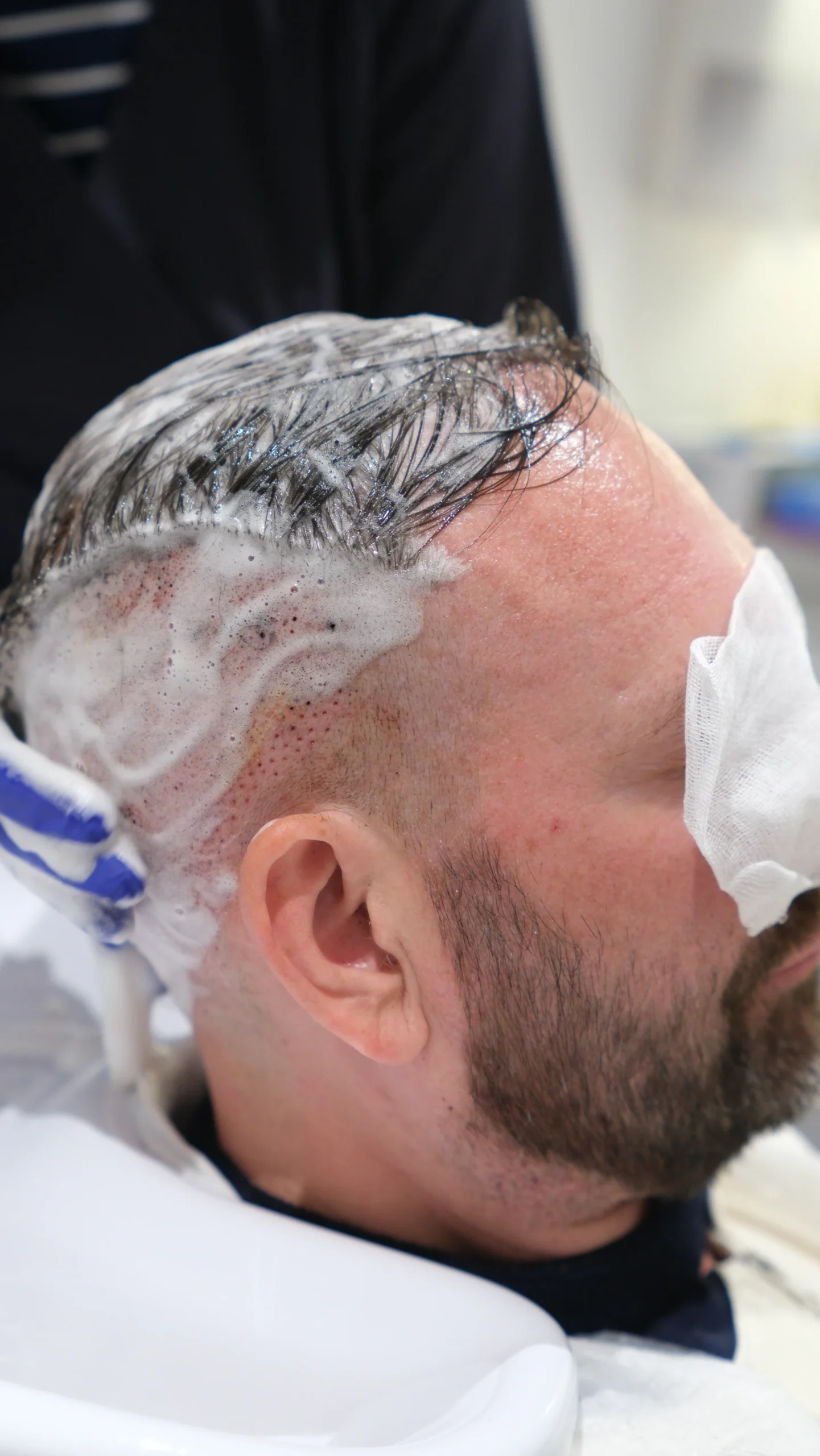
| From day 12 | Switch to washing with regular shampoo. |
For the first 5 days, sleep only on your back with the neck pillow to prevent the recipient area touching the mattress or a pillow. From day 5, you can sleep on your side without the neck pillow. From day 10, you can sleep on your front again.
If your donor area itches during the first 14 days, dab it very gently. From day 15, the area has healed enough for light scratching to be harmless.
We recommend keeping the hair in your donor area at least 1 centimetre long for the first 6 months. This helps conceal differences in hair density while the area recovers fully.
Hair-transplant recovery follows broad stages, although timing varies between patients. The Elithair App guides you through each stage and lets you know when your next scheduled check is due.
| Time frame | Recovery and when you can resume activities | How the app guides you |
|---|---|---|
| Week 2 | First scheduled progress photos; you may resume light exercise and gently trim the recipient area with scissors if healing is progressing normally. | Photo reminder and review of your early healing by our medical team. |
| Week 4–6 | Moderate exercise from week 4; strength training, sauna use and sunbeds from week 6. | Push reminder showing when you can resume each activity. |
| Months 2 to 3 | Follicle resting phase: only around 10% of the final result is visible in the recipient area. | Side-by-side comparison with your starting photos. |
| Months 3 to 4 | Early new growth begins to appear. You can blow-dry your hair without restriction again from month 3. | Visual comparison with your earlier photos. |
| Months 4 to 12 | Density gradually increases, with around another 10% of the transplanted hairs becoming visible each month. | Regular photo uploads, reviewed by the medical team. |
| Month 6 | The donor area has fully recovered. You can use styling products in the recipient area again. | Photo comparison to show your progress so far. |
| Months 10 to 12 | Hair growth at the front is fully developed. | A final before-and-after comparison with your starting photos. |

Hair growth at the hairline and mid-scalp is complete after 10 to 12 months. The crown takes 15 to 18 months to reach the full result because of its lower blood supply. If your treatment includes the crown, the app automatically adjusts your aftercare timeline to this longer period.
After the procedure, your scalp goes through normal reactions that resolve naturally.
| Symptom | How long it usually lasts |
|---|---|
| Swelling | Usually within the first week |
| Bruising | 1 to 2 weeks |
| Redness | Two weeks to three months |
| Itching | Up to 3 months |
| Spots in the recipient area | Up to 12 months (most common from months 1 to 4) |
The app explains common recovery patterns and how long they usually last.
If you notice a reaction that is not listed here, upload additional photos in the app. Our medical team reviews them as part of your aftercare. If you have any symptoms that concern you, please contact us directly.
| Schedule and interval | How the treatment works | |
|---|---|---|
| First session | Weeks 2 to 4 after the procedure (no earlier than 14 days). | Your own blood plasma is processed to concentrate the platelets it contains. |
| Follow-up sessions | At intervals of 3 to 4 weeks. | Targeted injections into the scalp to stimulate blood flow and nutrient delivery. |
| Recommended total | One PRP treatment is included in the all-inclusive package and takes place on the day of your procedure. | Ongoing strengthening of the roots of your regrowing hair. |
Our doctors follow your recovery remotely through the Elithair App.
The Elithair App is included for patients and is available through Google Play (Android) and the Apple App Store (iOS). Search for Elithair to download it. Personal login details are provided once your treatment is confirmed.
Important steps before you travel:


The 12-month growth cycle begins on the day of your procedure. You will see the first changes after 3 to 4 months, with an initial result visible after 6 months. Hair at the front of your scalp is fully grown after 10 to 12 months. The earlier you start, the sooner you will see your final result.
There is also a medical reason to act promptly: hereditary hair loss continues to progress, while your supply of donor hair remains limited. Having the procedure earlier allows the donor area to be used more conservatively to achieve dense overall coverage.
Our free hair analysis assesses whether you are suitable for a hair transplant. To maintain the highest standards, we decline about 40% of enquiries when an optimal result is not achievable. Our patients give us a 4.9 rating on Google, based on more than 11,000 reviews, and 4.7 stars on Trustpilot.
A successful hair transplant requires precision from the start. Before treatment, our six-step Pre-Test System measures factors such as the thickness of your skin and the blood flow in your scalp, which together determine the exact depth at which your grafts are inserted. Our doctors use the results to draw up your individual treatment plan, and this depth is the basis of our graft survival rate of approximately 98%.
Careful planning deserves equally dependable aftercare. From gentle crust removal and donor area recovery to the months of hair growth that follow, our doctors monitor your progress through the Elithair App for a full 12 months to support a lasting, dense and natural result.
The app supports your preparation and twelve-month aftercare plan. You upload photos at scheduled intervals, and our medical team reviews them as it follows your recovery. Push notifications remind you of each preparation and aftercare step, including when you can wash your hair, shave, exercise and use a sauna again.
Our medical team reviews your uploaded photos and compares them with the expected course of healing. The app does not replace a medical examination.
No. The app does not make independent medical decisions about your treatment. It guides your aftercare schedule, sends reminders and allows your photos to be reviewed by the medical team.
Our medical team, who know your individual starting point, follows your recovery remotely through the Elithair App.
Nothing. It is included for Elithair patients as part of the treatment and aftercare package.
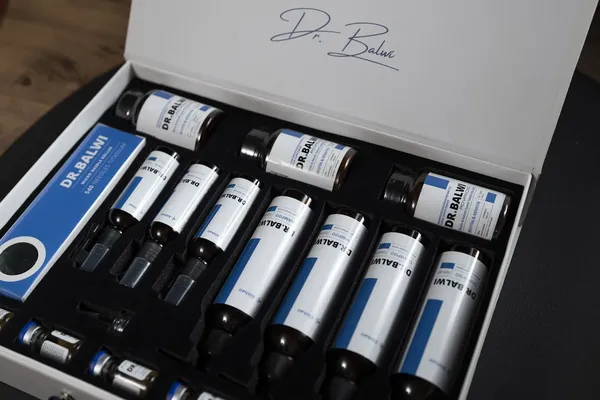
Use the personal access details provided by your Elithair adviser once your treatment is confirmed.
It is available through the Apple App Store for iPhone and Google Play for Android. Search for 'Elithair'.
English, German and Turkish.
Get in touch with us directly and we'll issue you a new one.
No. Your account history is linked to your login rather than a single device. Sign in again on your new phone to see your existing progress.
Your written aftercare plan from the clinic still applies. Without the app, however, you will not receive reminders at each stage, and your photos will not reach our doctors. Shaving and exercising too soon are the two most common aftercare mistakes, and the reminders help you avoid both.
To make it easier to compare photos over the months, try to keep the distance, angle and lighting similar. The app explains what to look out for before you take each photo. If a photo turns out too dark, simply take it again in better light.
The app lets you know when your next photo comparison is due. These are scheduled more often in the first weeks, then at longer intervals until month twelve.
You can resume light exercise after two weeks, moderate exercise after four weeks and strength training after six weeks. Avoid heavy sweating for the first fifteen days.
After six weeks. The same applies to sunbeds and swimming with your head submerged. You can bathe and swim without submerging your head after two weeks.
You can shave the donor area with a razor after two weeks, but wait three months before shaving the recipient area. You can trim the donor area with scissors after one week and the recipient area after two weeks.
Hair at the front is fully grown after around ten to twelve months, while crown areas can take fifteen to eighteen months. Up to month three, only around 10% of the transplanted hairs are usually visible. From month four, around another 10% become visible each month.