Function 1
Your medical team sees every stage
What it means for your aftercareYou upload photos of the treated areas of your scalp at scheduled intervals. Our medical team reviews them to check whether your healing is on track.

4.9 - 11,000+ Reviews on Google

150,000+ Happy Patients Worldwide
free, no obligation
 4.9 out of 5 stars on Google
More than 150,000 treatments
at our specialist clinic, certified to ISO 9001:2015
by TÜV Thüringen.

Once you book your procedure, one concern often overshadows questions about the transplant itself: What happens if you get home and something doesn't look the way you expected?
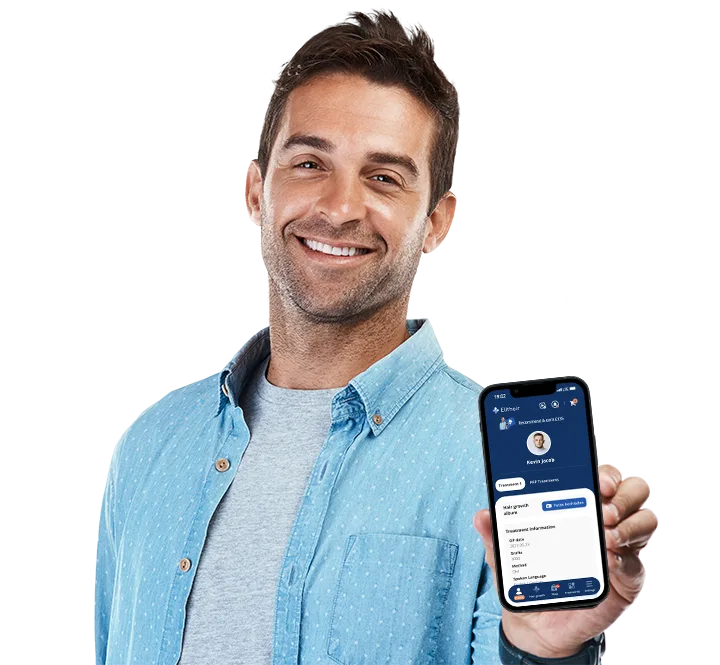
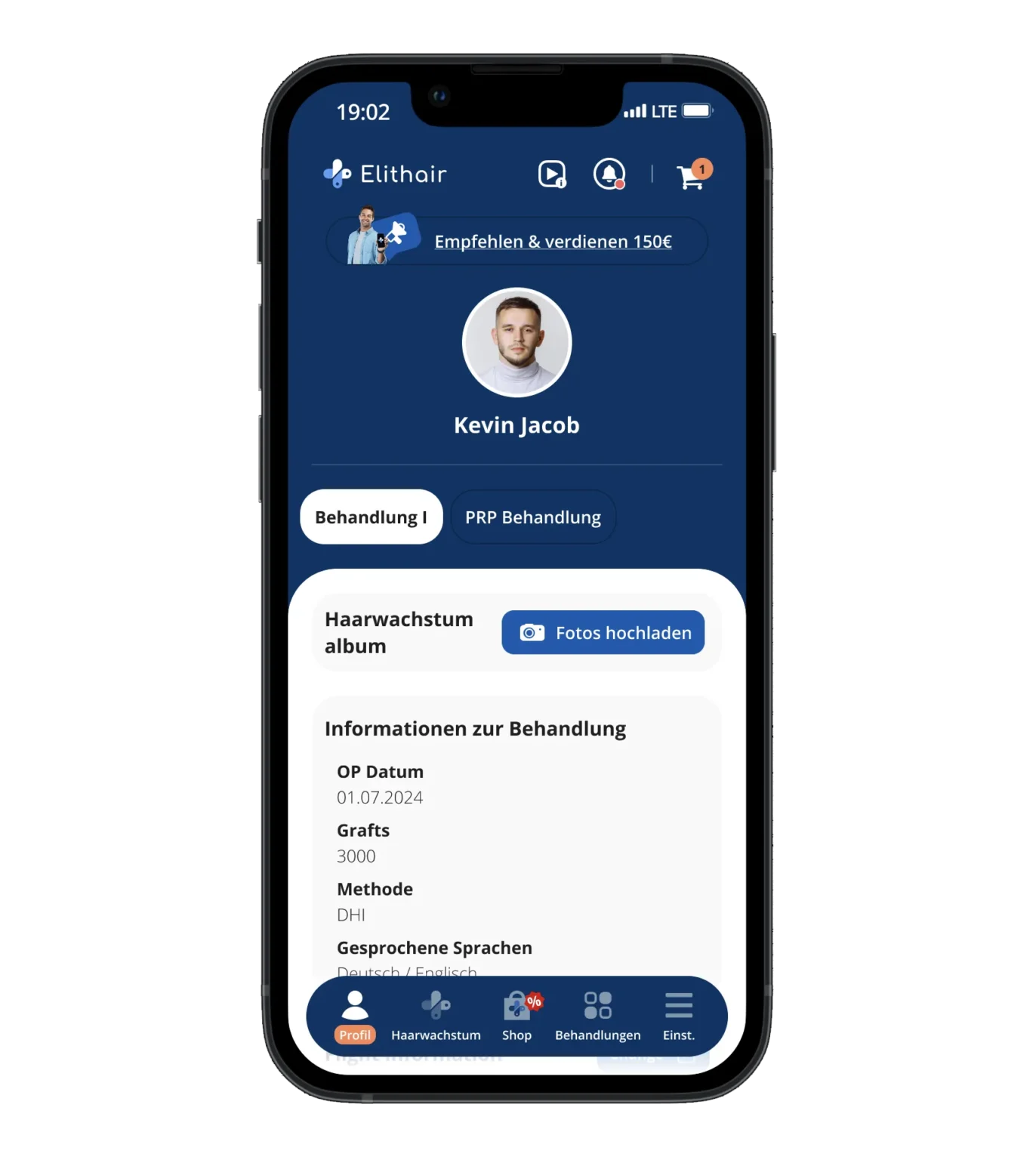
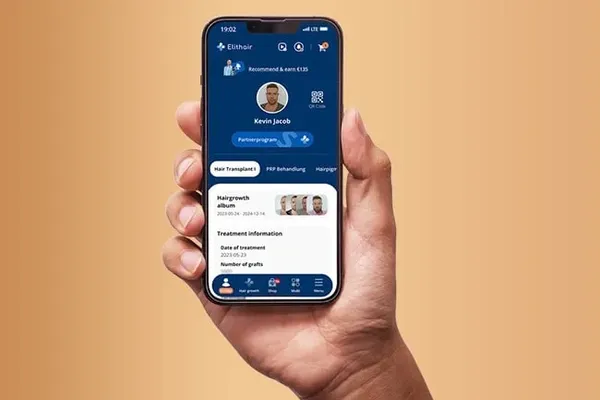
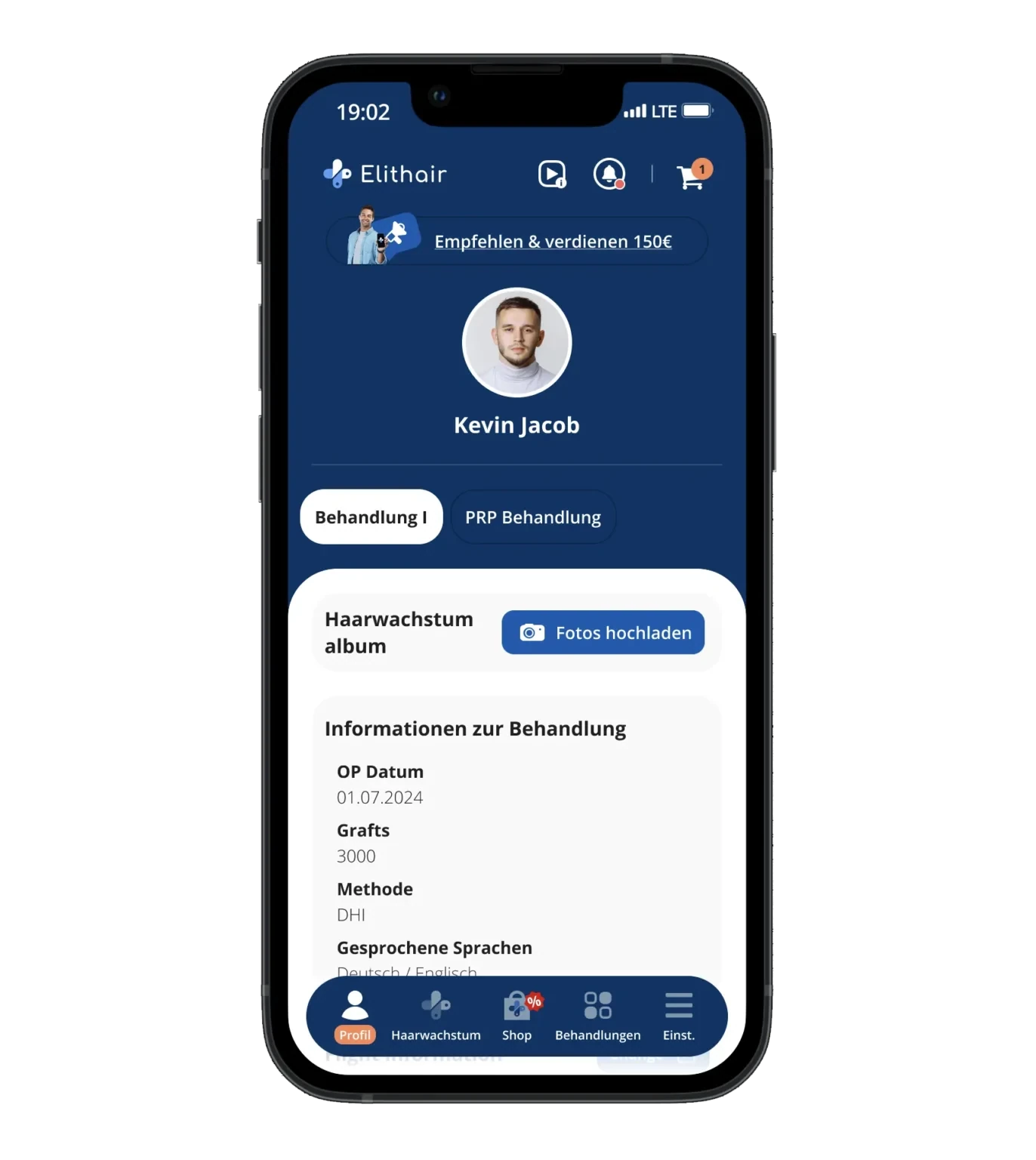
At Elithair, the app guides you through every stage of your aftercare. You upload photos so our medical team can monitor your recovery, and push notifications remind you when to complete a care step or upload a new photo.
We're with you for twelve months, from the preparation that begins fourteen days before your treatment until your transplanted hair has fully grown in.
 App features
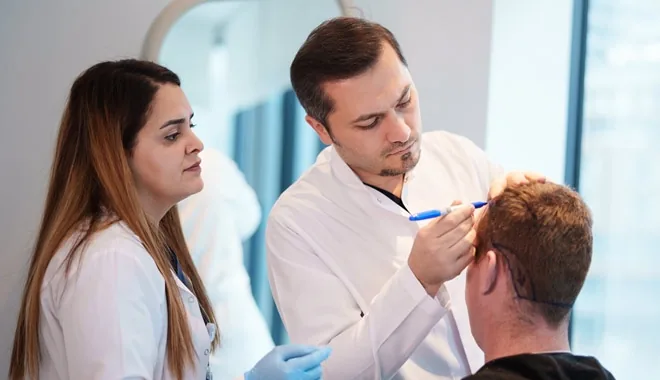
A hair transplant is minimally invasive, but it takes about twelve months to see the final result. To ensure medical support throughout your recovery, you upload photos through the Elithair app for our medical team in Istanbul to review.
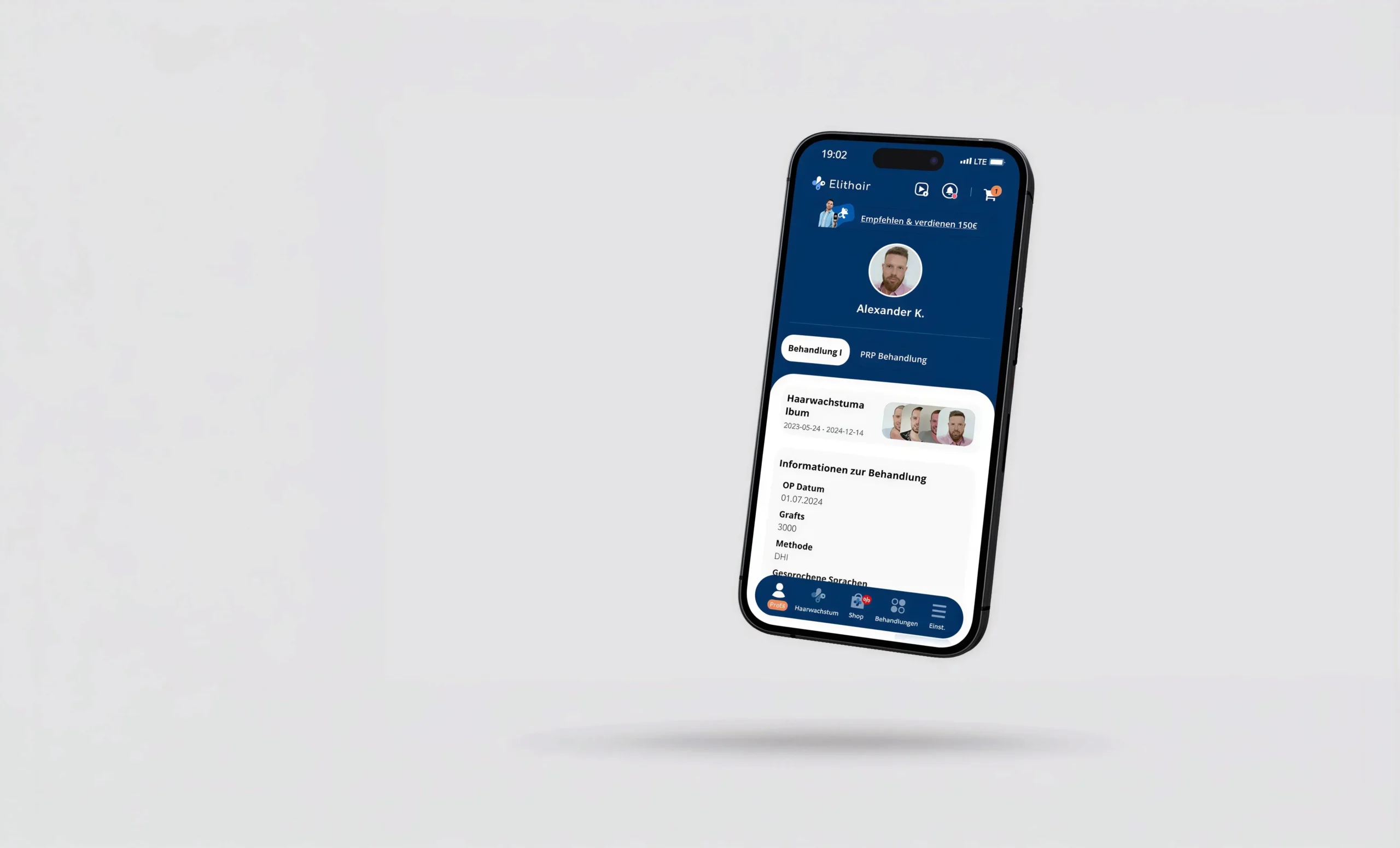
You upload photos of the treated areas of your scalp at scheduled intervals. Our medical team reviews them to check whether your healing is on track.
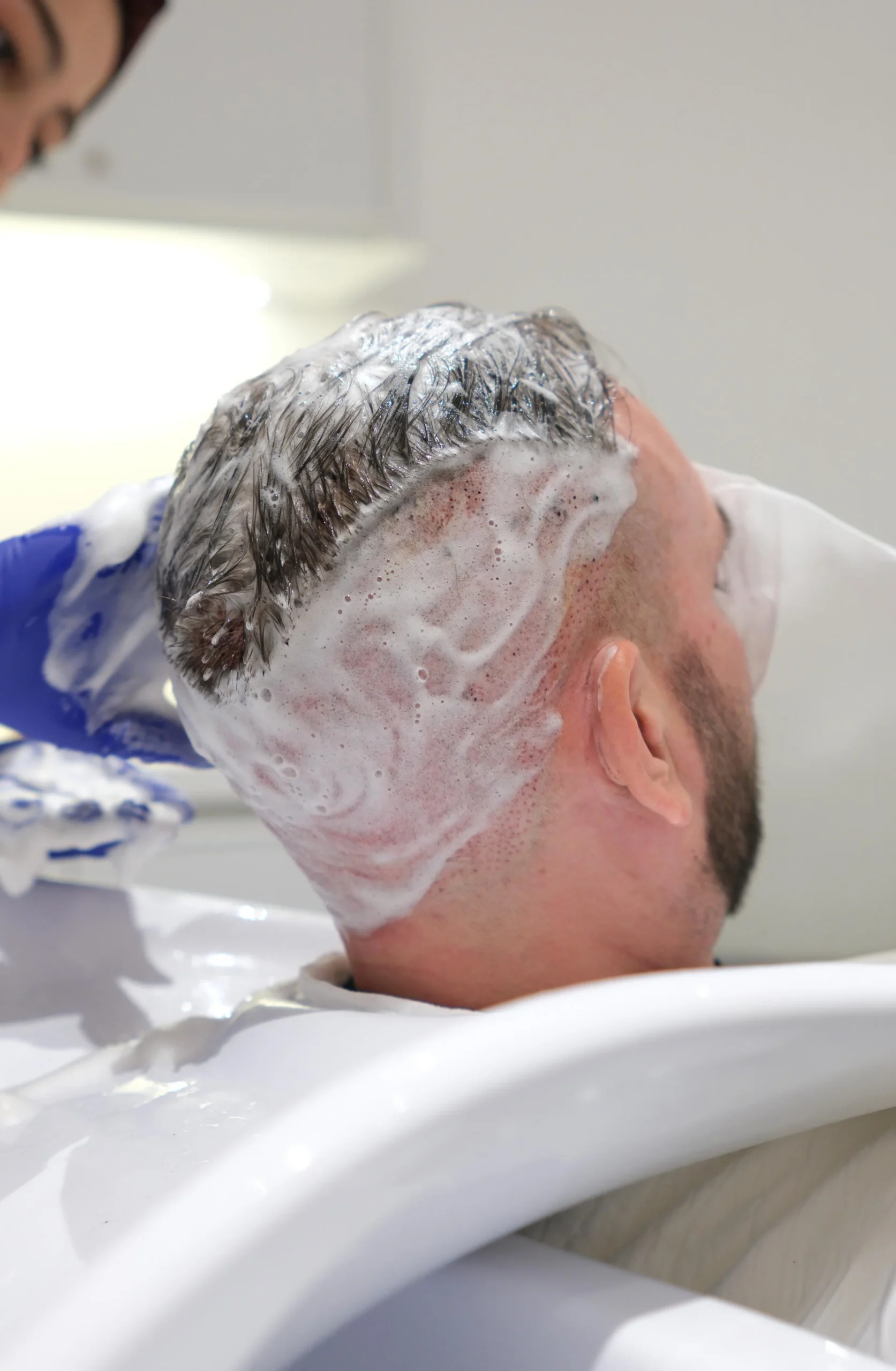
Automatic notifications tell you exactly when your aftercare plan allows you to wash your hair, shave, work out, use a sauna, or color your hair.
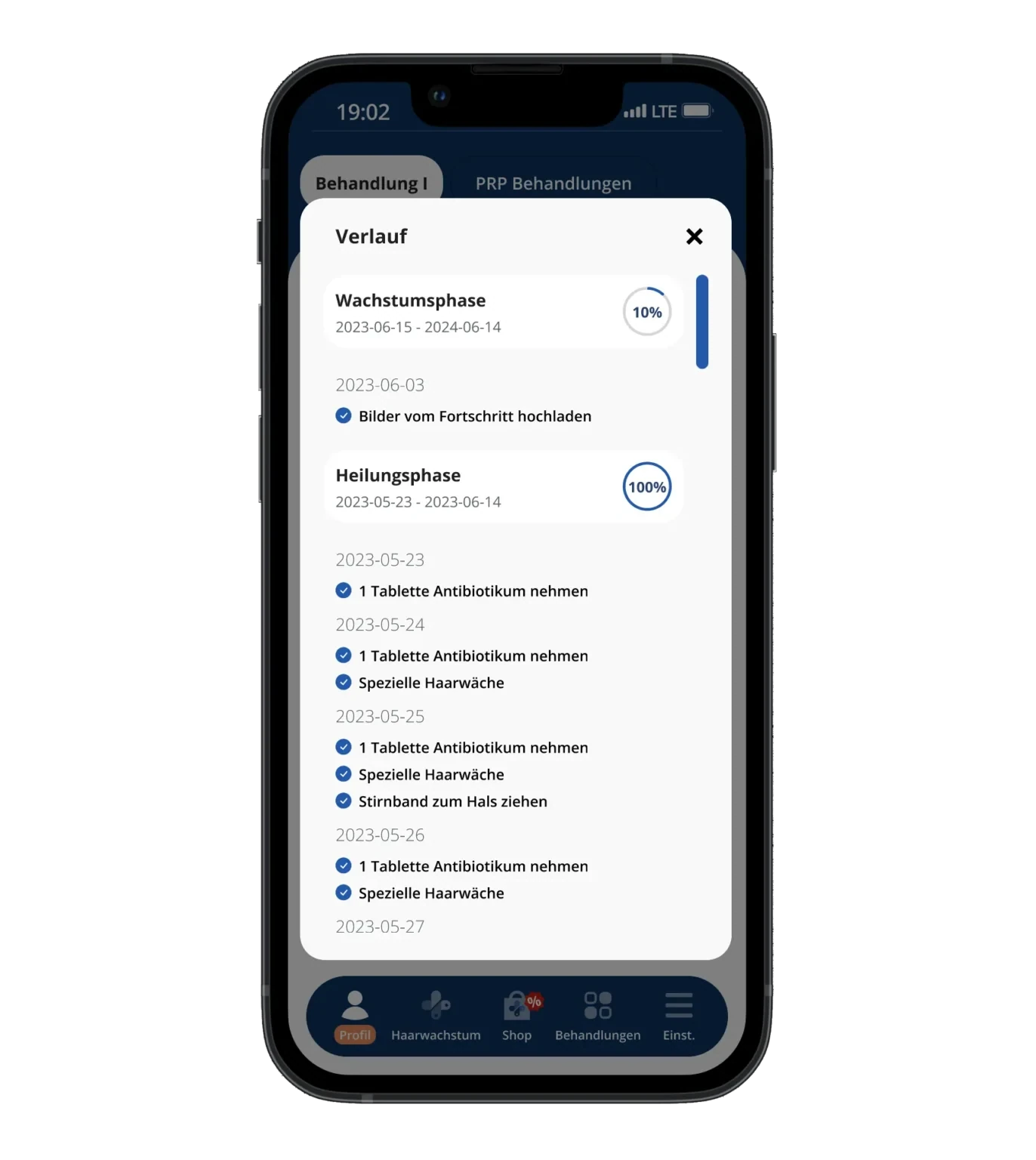
All your care instructions are available whenever you need them, from removing crusts and choosing the right sleeping position to caring for your scalp in the months ahead.
Photo uploadPhoto uploads are central to the Elithair app. The app does more than store images: it helps our team monitor your recovery using the photos you take and upload of your donor and recipient areas.
Our medical team reviews your photos to see whether your recovery is progressing as expected.
That's what sets the app apart from a simple reminder app: your photos aren't just stored; our medical team reviews them.
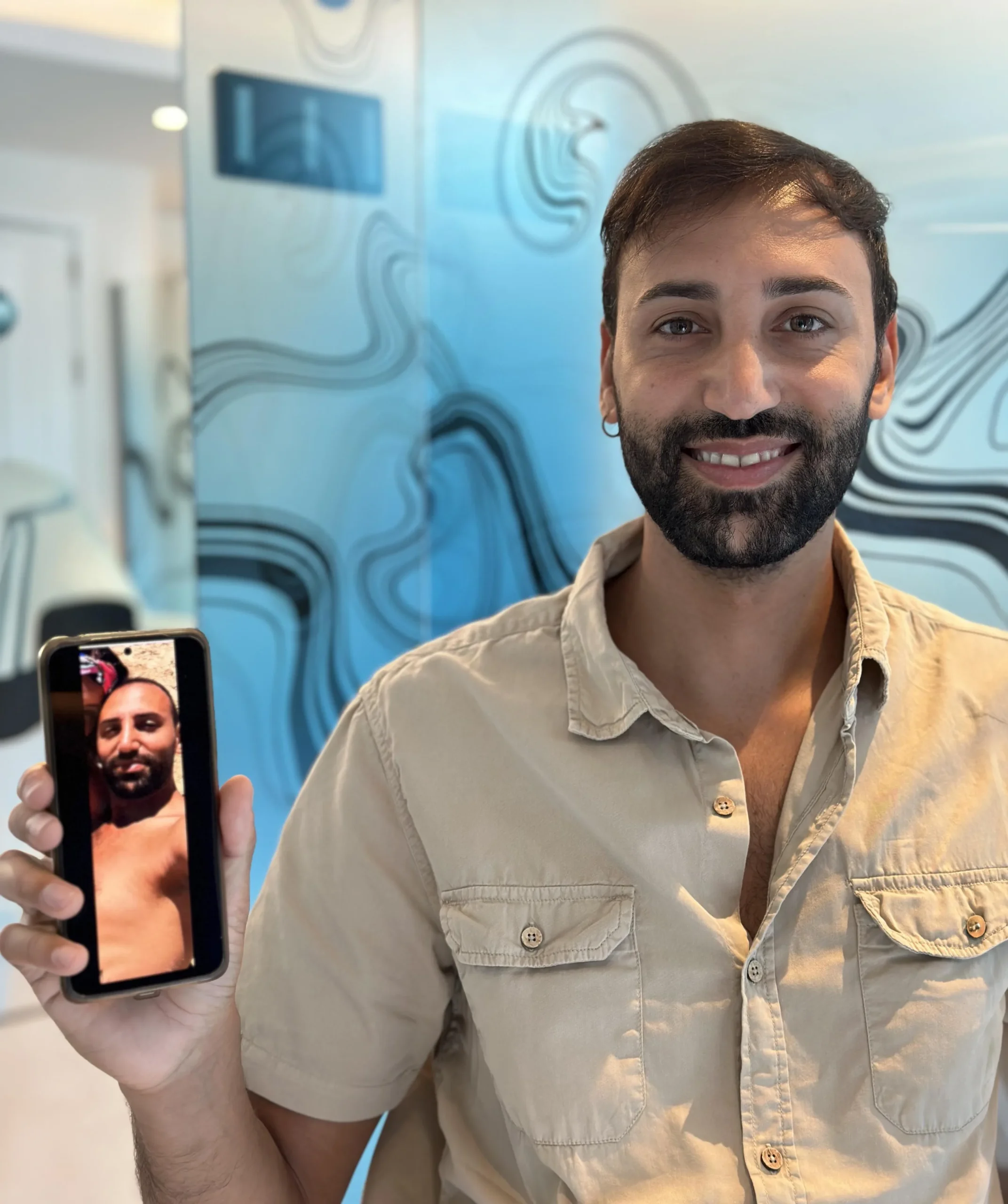
Early growth usually begins around months 3 to 4, and around 40% of the result may be visible by month 6. The final result at the front is visible after 10 to 12 months. These gradual changes are easier to spot in the app's side-by-side photos, which show your progress long before you notice it in the bathroom mirror.
In the weeks after a hair transplant, timing matters: when you can work out again, use a sauna, or shave your donor and recipient areas. These questions tend to come up as your recovery progresses, usually after you've left the clinic.
The Elithair app answers these questions before you need to ask. It uses your treatment date to send push notifications when each step is due. These reminders follow our medical aftercare plan, so you know when you can resume each activity during a normal recovery.
| Timing | Activity / care step |
|---|---|
| Washing your hair | First wash on day 2 after the procedure, then daily for 7 days, following the care instructions |
| After 3 days | Sex |
| From day 5 | Sleeping position (on your side, without the neck pillow) |
| After 1 week | Trimming the donor area with scissors |
| From day 10 | Sleeping position (on your stomach) |
| From day 14 | Derma roller |
| After 2 weeks | Light exercise (after 2 weeks), Trimming the recipient area with scissors (after 2 weeks), Clippers in the donor area (after 2 weeks), Razor shave in the donor area (after 2 weeks), Alcohol and nicotine (after 2 weeks), Heavy physical work (construction, food service, etc.) (after 2 weeks), Bathing and swimming (without submerging your head) (after 2 weeks), Minoxidil (after 2 weeks) (keep taking finasteride throughout) |
| After 4 weeks | Moderate exercise |
| After 1 month | Clippers in the recipient area (after 1 month), Coloring hair in the recipient area (after 1 month), Scuba diving (after 1 month), Motorcycle helmet (short rides) (after 1 month) |
| Blow-drying your hair | Not at all in month 1, cool setting only in month 2, no restrictions from month 3 |
| After 6 weeks | Tanning beds (after 6 weeks), Intense strength training (after 6 weeks), Sauna use and swimming (with your head submerged) (after 6 weeks) |
| After 3 months | Hair fibers (after 3 months), Razor shave in the recipient area (after 3 months), Motorcycle helmet (long rides) (after 3 months) |
| After 6 months | Styling products in the recipient area (after 6 months), Second procedure (new area) (after 6 months), Wig (after 6 months) |
| After 6 months | Second procedure (adding density) |
You can shave the donor area after two weeks, but the sensitive recipient area needs a full three months to recover. Shaving too soon can put stress on the hair roots before they have taken hold.
You can resume light exercise after two weeks, moderate exercise after four weeks, and intense strength training after six weeks. Avoid heavy sweating for the first 15 days.
Important rules for the first few days: Lie down to rest on the day of your procedure and the day after, drink at least three liters (about 100 oz) of water a day, and avoid salt for the first three days.
For sun protection, follow these temperature guidelines: Leave your scalp uncovered at temperatures up to 73°F (23°C). At 75°F to 102°F (24–39°C), wear only the hat provided by the clinic for the first 14 days. At 104°F (40°C) and above, continue wearing only that hat for a full month.
The Elithair app begins guiding your preparation 14 days before your treatment date. Following the pre-op instructions carefully helps ensure the best possible conditions for your procedure and prevents the need to reschedule.
| 14 days before the procedure | Stop using minoxidil. Don't cut your hair or beard before your procedure — we'll take care of shaving at the clinic. |
|---|---|
| 7 days before the procedure | Stop all other hair loss products (shampoos, serums, sprays). |
| 3 days before the procedure | No alcohol at all. |
| 1 day before the procedure | No nicotine, coffee, or tea. |
| Treatment day (with Sleep-Deep) | Nothing to eat for 6 hours beforehand, and no water in the last 2 hours. |
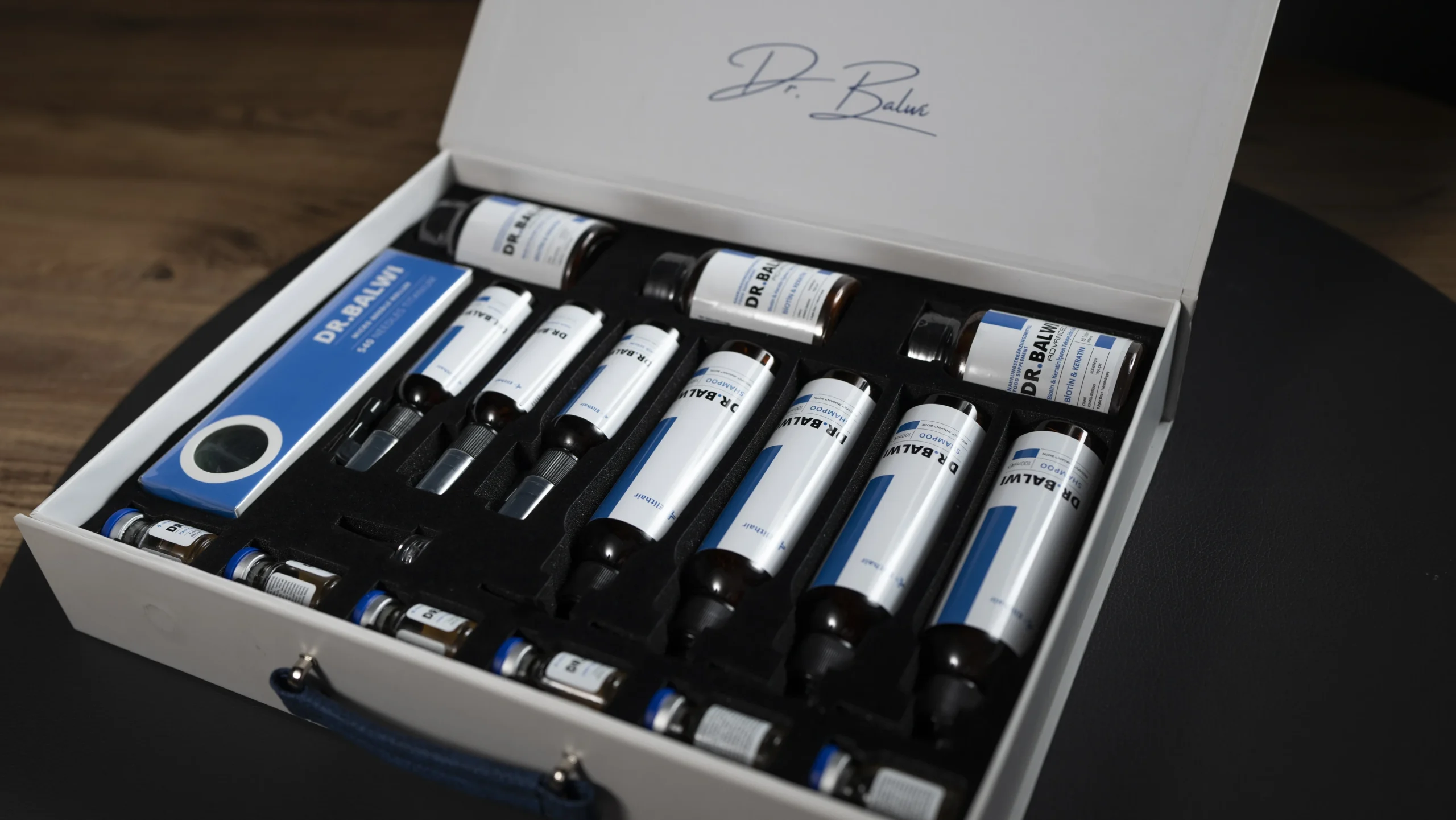
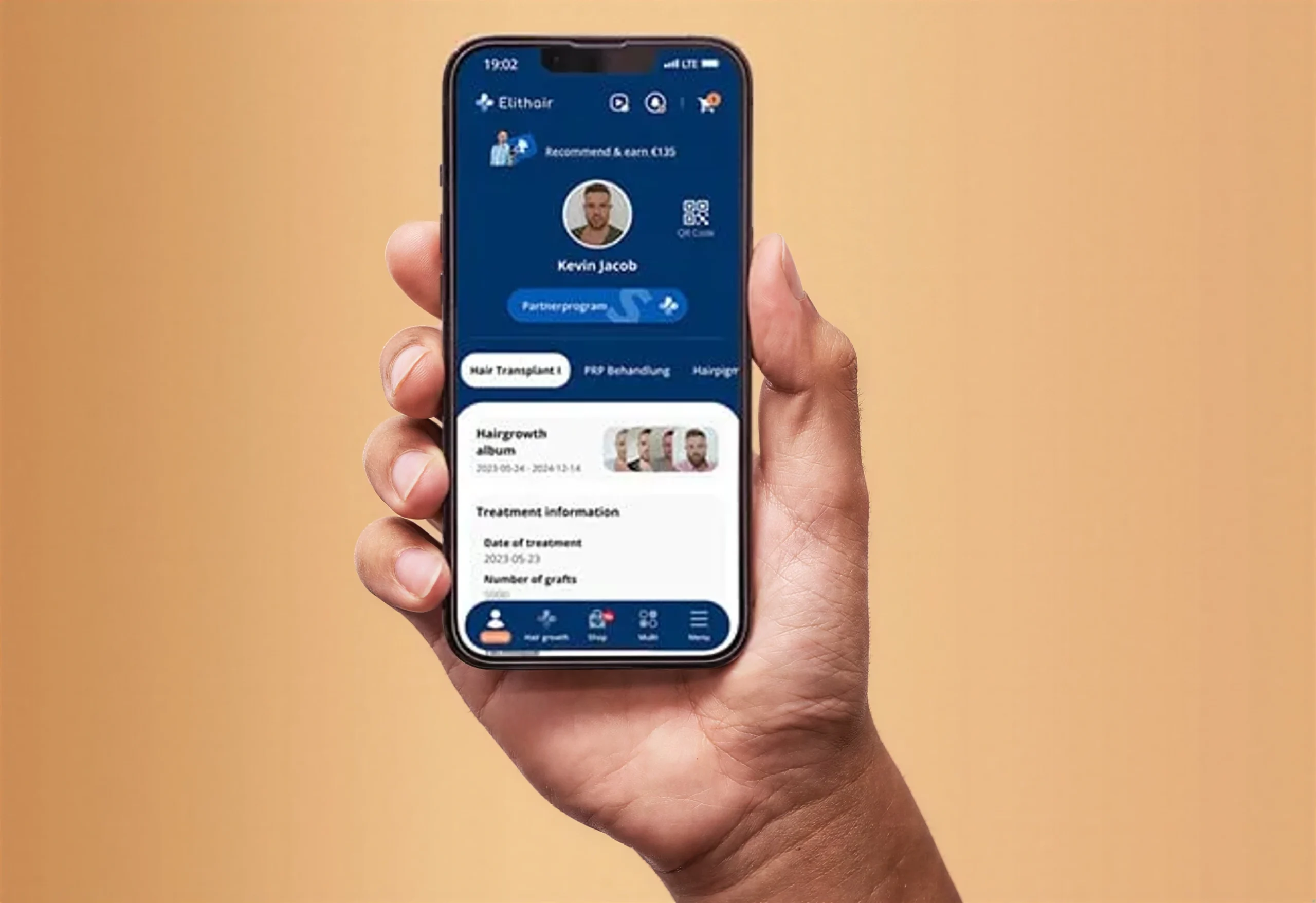
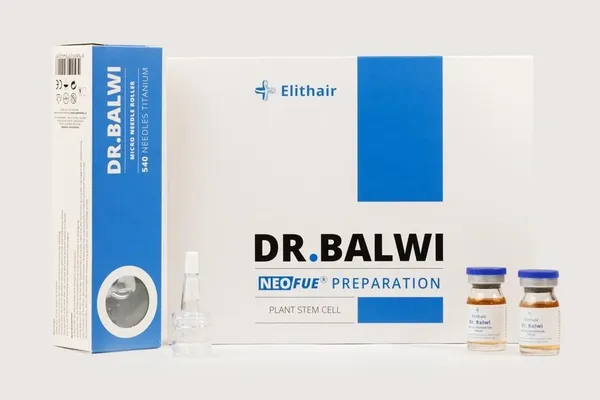
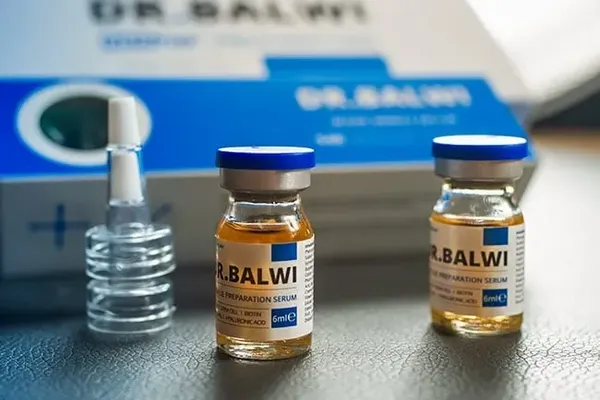
Medication: You can keep taking finasteride throughout. If you are traveling from the US, you receive the patented NEO FUE® Serum with the derma roller set at the clinic in Istanbul and apply it on day 14 and day 28 after the procedure.
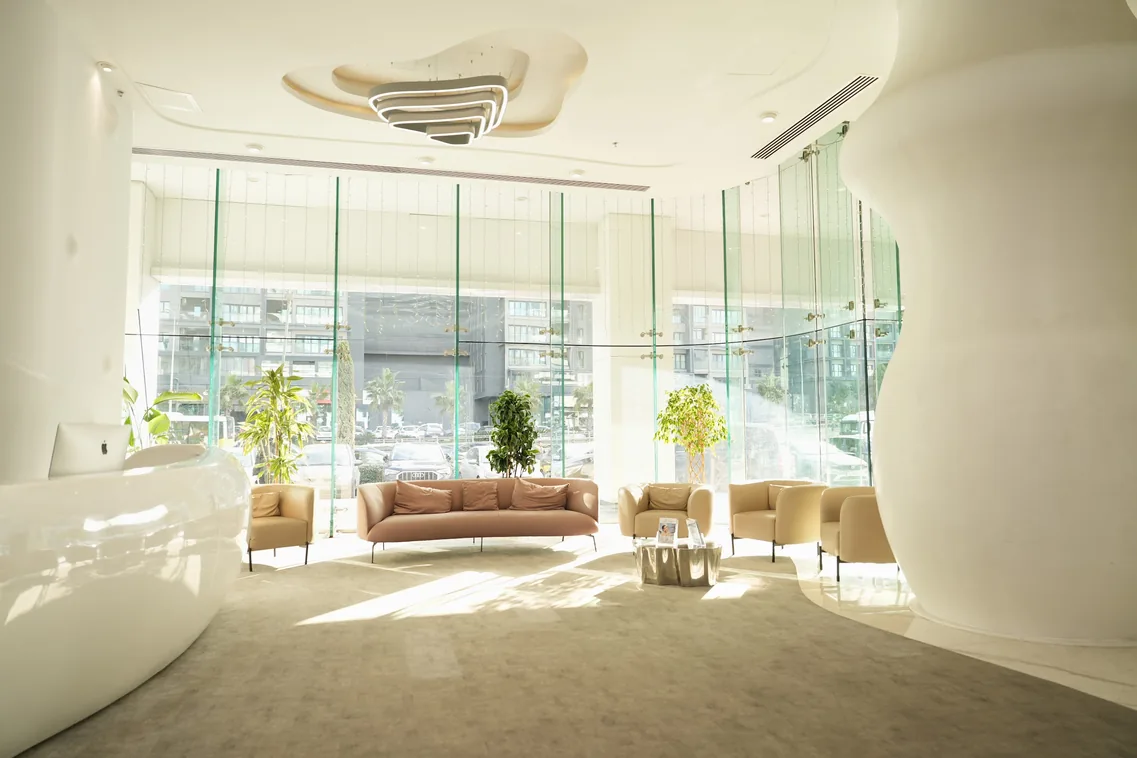
Logistics: The app includes your packing list and all the details of your trip. Your airport pickup, 3 nights at a 4-star hotel near the clinic, transfers, and care from English-speaking staff are all arranged for you. You book your own flight.
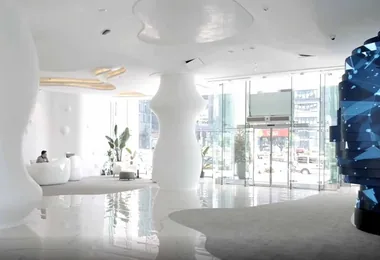
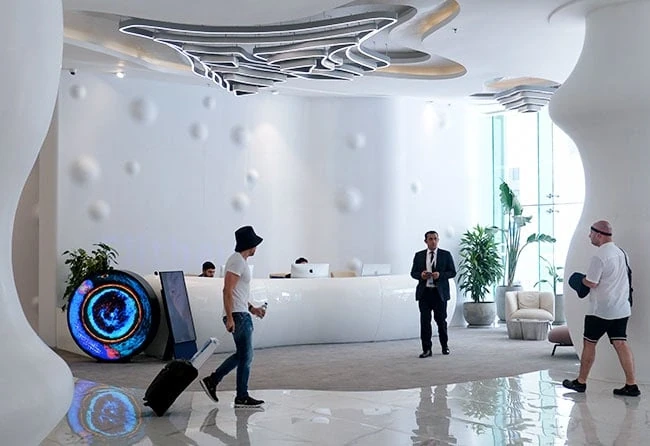
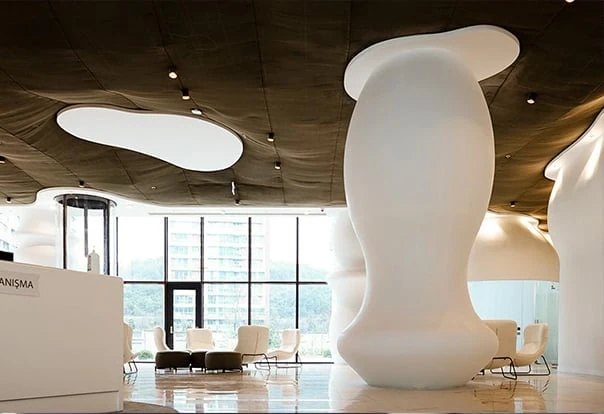
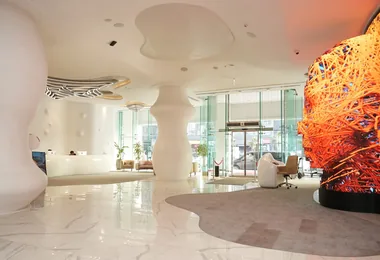
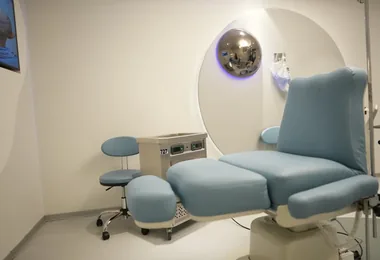
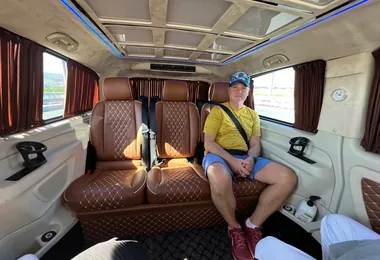

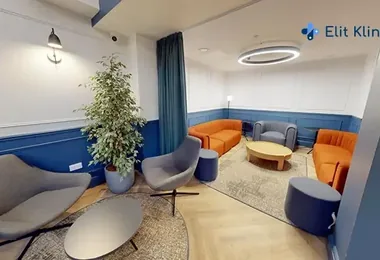




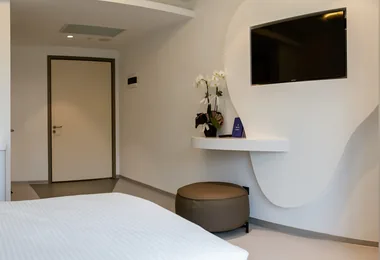



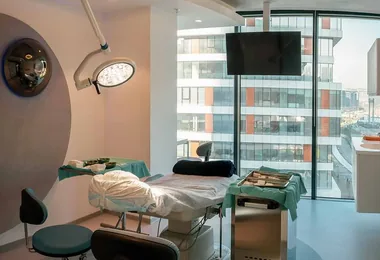
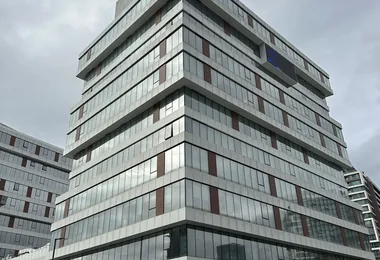
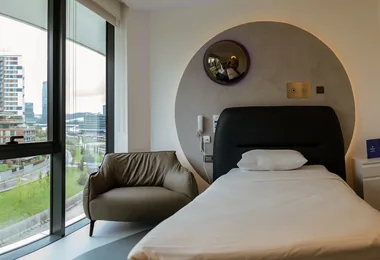

Your three-day stay follows a clear schedule. The Elithair app has all the logistics, from airport transfer times to your daily itinerary in Istanbul.
 Departure day
You'll have a medical follow-up check at the clinic on the day you leave. From then on, our medical team guides your aftercare through the Elithair app.
That's why we ask you to install and set up the app before you travel.
The first 12 days are the most delicate stage of your recovery. Following the daily care routine helps the crusts come off gently and the transplanted roots take hold. The Elithair app reminds you when each care step is due and provides step-by-step videos to guide you.
| Day 2 | First hair wash, following the instructions. |
|---|---|
| Day 3 to day 8 | Wash your hair daily, following the same routine. |
| From day 4 | Optional: begin applying aloe vera gel to soothe the skin (donor area only, up to 3 times a day). |
| Day 9 | No washing, so the crusts can start to soften. |
| Days 10 and 11 | Remove crusts using the special lotion (never scratch or rub with your fingernails). |
| From day 12 | Switch to washing with regular shampoo. |
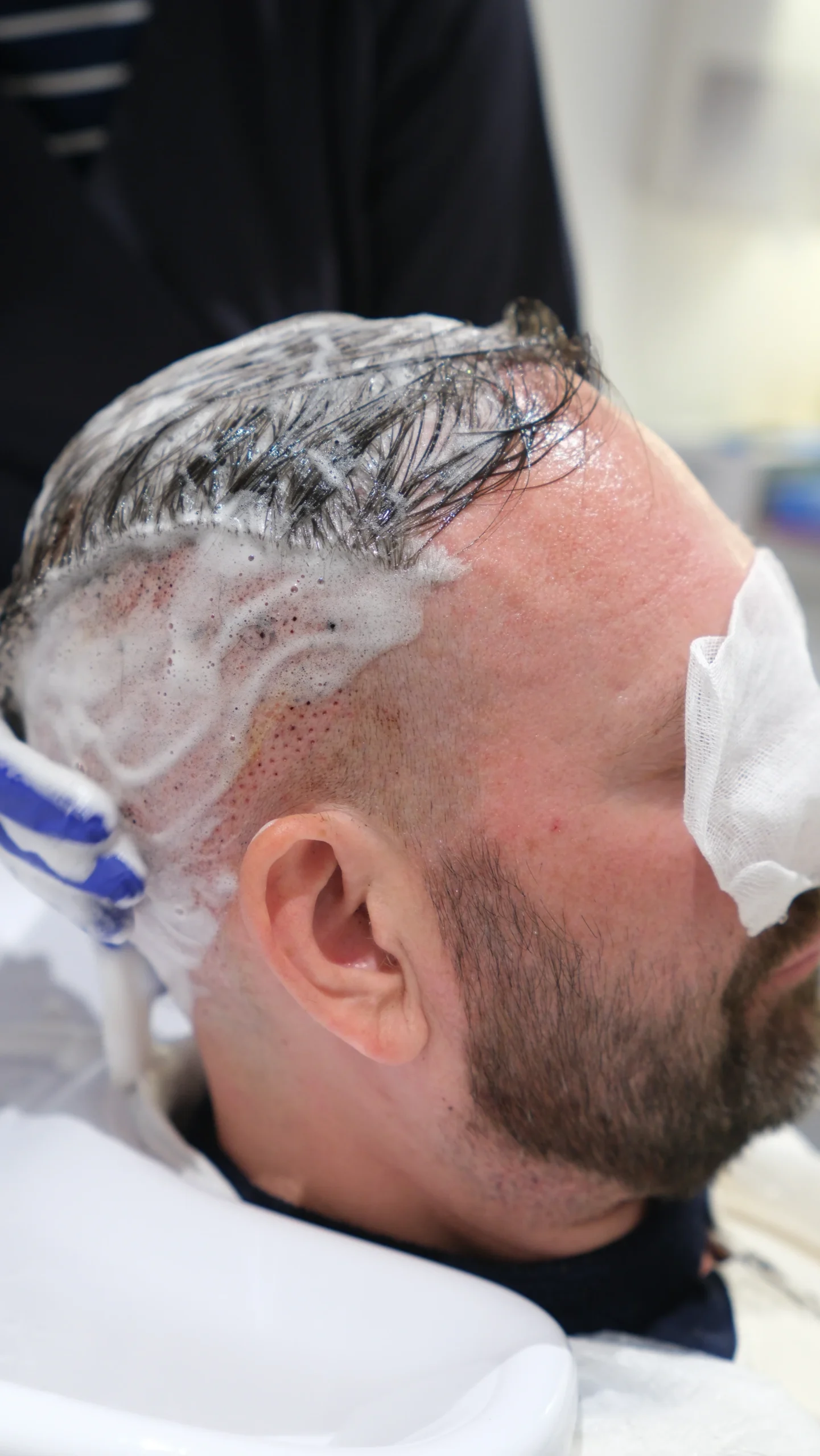
For the first 5 days, sleep on your back using only the neck pillow so the recipient area never touches the mattress or a pillow. From day 5, you can sleep on your side without the neck pillow. From day 10, you can sleep on your stomach again.
If your donor area itches during the first 14 days, gently dab it and avoid scratching. From day 15, the area has healed enough that light scratching will not harm it.
Keep the hair in your donor area at least 1 centimeter (about 0.4 inches) long for the first 6 months. This conceals differences in hair density while the area recovers fully.
Recovery after a hair transplant follows a predictable pattern. The Elithair app guides you through each stage and lets you know when the next one begins.
| Time frame | Recovery milestones | How the app guides you |
|---|---|---|
| Week 2 | First progress photos; you can resume light exercise and gently trim the hair in the recipient area with scissors. | A reminder to upload photos and a medical review of your initial progress. |
| Week 4–6 | Moderate exercise from week 4; strength training, sauna use, and tanning beds from week 6. | A notification when you can resume each activity. |
| Months 2 to 3 | The follicles are still in an early growth phase; visible density remains limited and varies between patients. | A side-by-side comparison with your initial photos. |
| Months 3 to 4 | The first visible growth phase begins. From month 3, you can blow-dry your hair without restrictions. | Visual comparison with your starting photos. |
| Months 4 to 12 | Your hair continues to thicken gradually, with the pace of visible growth varying between patients. | Regular photo uploads, reviewed by the medical team. |
| Month 6 | The donor area has fully recovered. You can use styling products in the recipient area again. | A photo comparison to check your progress. |
| Months 10 to 12 | Growth at the front of the scalp is complete. | A final before-and-after comparison with your initial photos. |
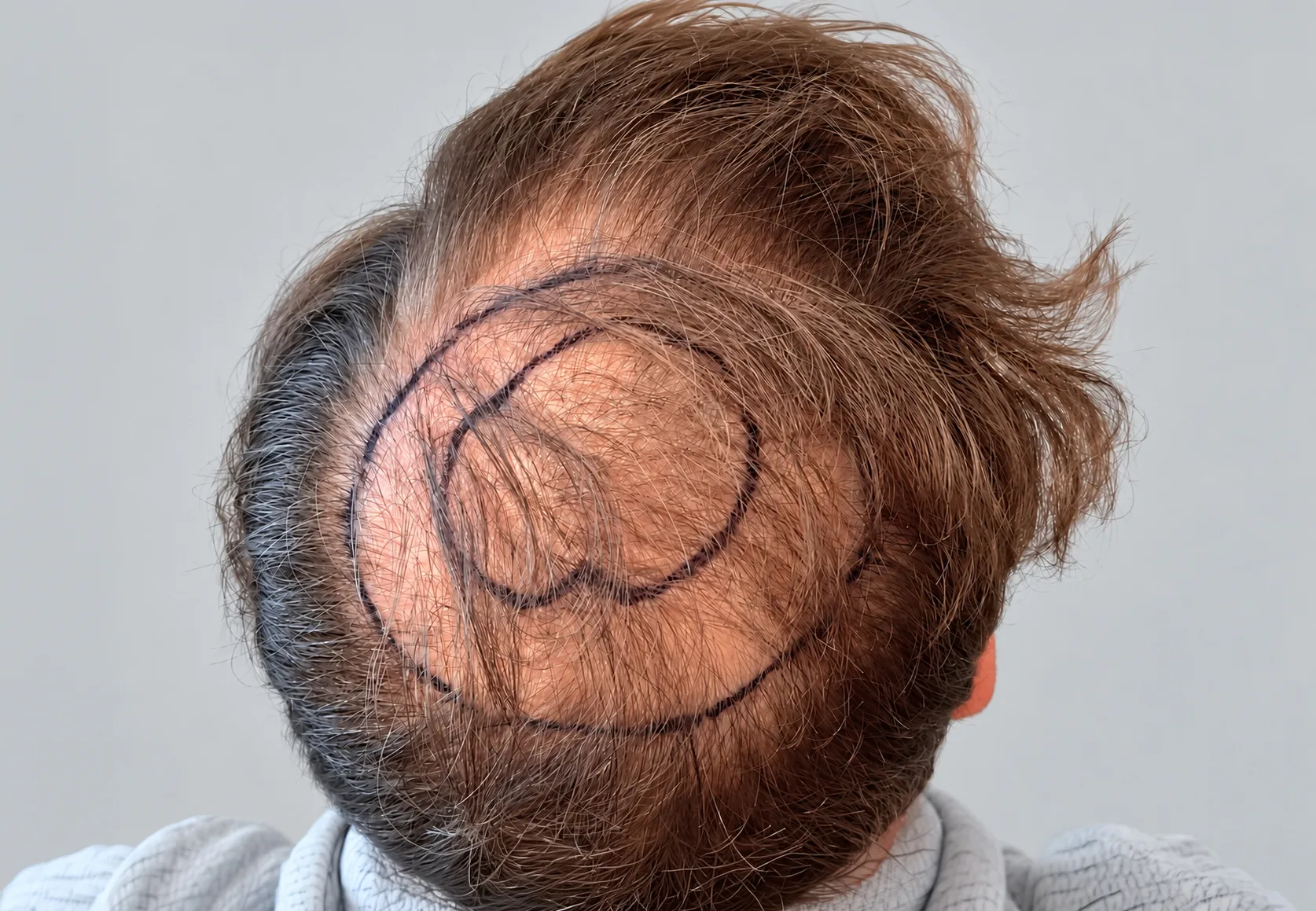 Crown
Hair growth at the hairline and mid-scalp is complete after 10 to 12 months. The full result at the crown takes 15 to 18 months to develop because crown results typically mature more slowly. If your treatment includes the crown, the app extends your aftercare timeline accordingly.
After the procedure, your scalp will go through a few reactions that are completely normal and clear up on their own.
| Symptom | How long it usually lasts |
|---|---|
| Swelling | Max. 1 week |
| Bruising | 1 to 2 weeks |
| Redness | 2 weeks to 3 months |
| Itching | Up to 3 months |
| Pimples in the recipient area | Up to 12 months (most common from month 1 to 4) |
The app tells you about each of these reactions before it occurs and explains how long it usually lasts.
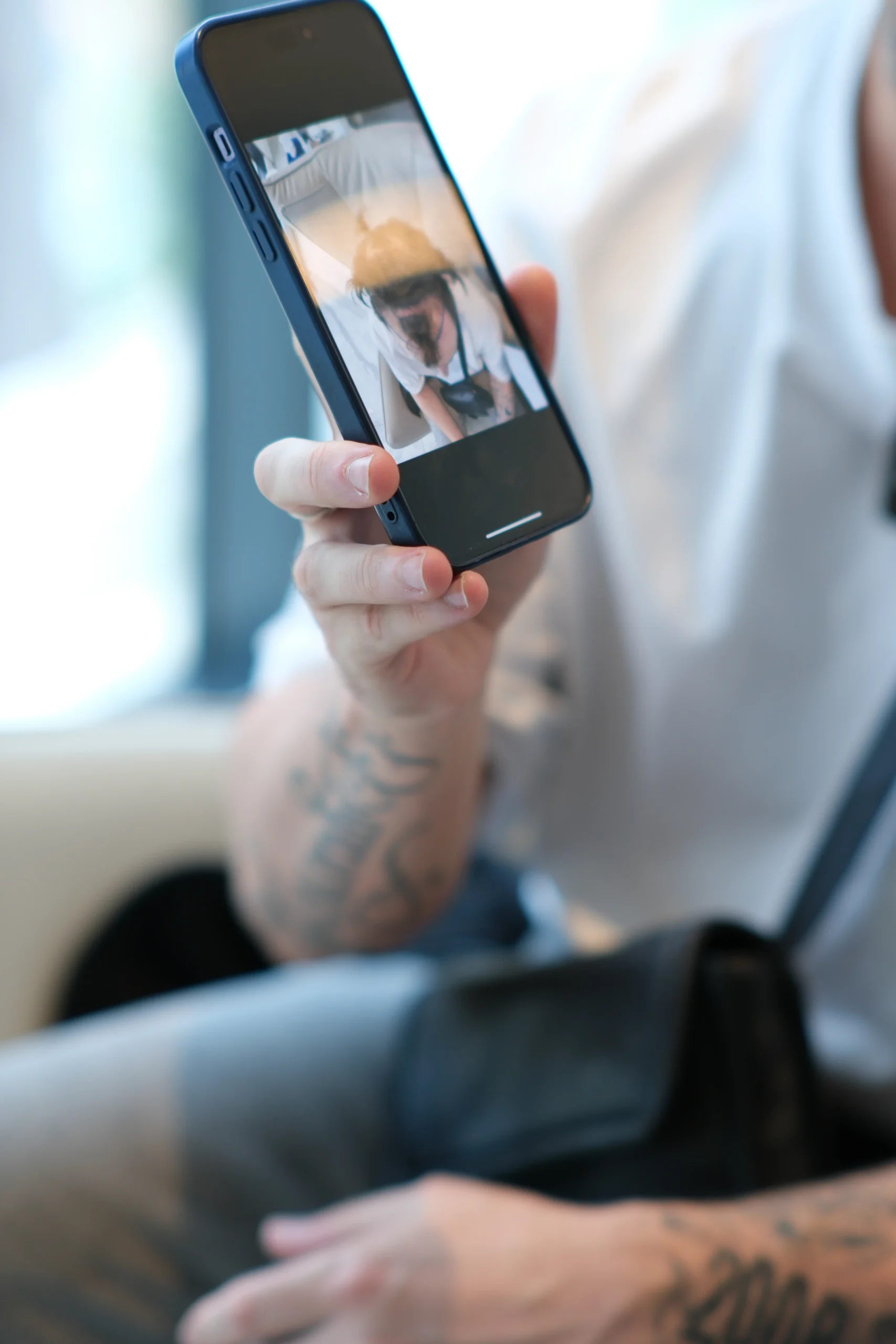
If you notice a reaction that isn't listed here, upload additional photos through the app. Our medical team reviews them as part of your aftercare. If you have any concerns, please contact us directly.
PRP sessions support your hair growth alongside aftercare through the app. Your consultant will review the recommended treatment schedule below with you before you travel.
| Treatment schedule | How PRP works | |
|---|---|---|
| Included session | On the day of your procedure. | Your own blood plasma is processed to increase its concentration of platelets. |
| Further sessions | Timing based on your individual treatment plan. | The concentrated plasma is injected into targeted areas of the scalp to stimulate blood flow and nutrient delivery. |
| Recommended total | At least 6 sessions. One PRP session is included in your all-inclusive package and takes place on the day of your procedure. | Ongoing treatment strengthens the roots of your regrowing hair. |
PRP supports the roots of your regrowing hair, but it doesn't replace medical follow-up. The medical team that treated you monitors your healing through the app, wherever you are in the world.

 Download
The Elithair app is free for every patient. Search for Elithair on Google Play (Android) or in the App Store (iOS) to download it. You'll receive your personal login details as soon as your treatment is confirmed.
Important steps before you travel:
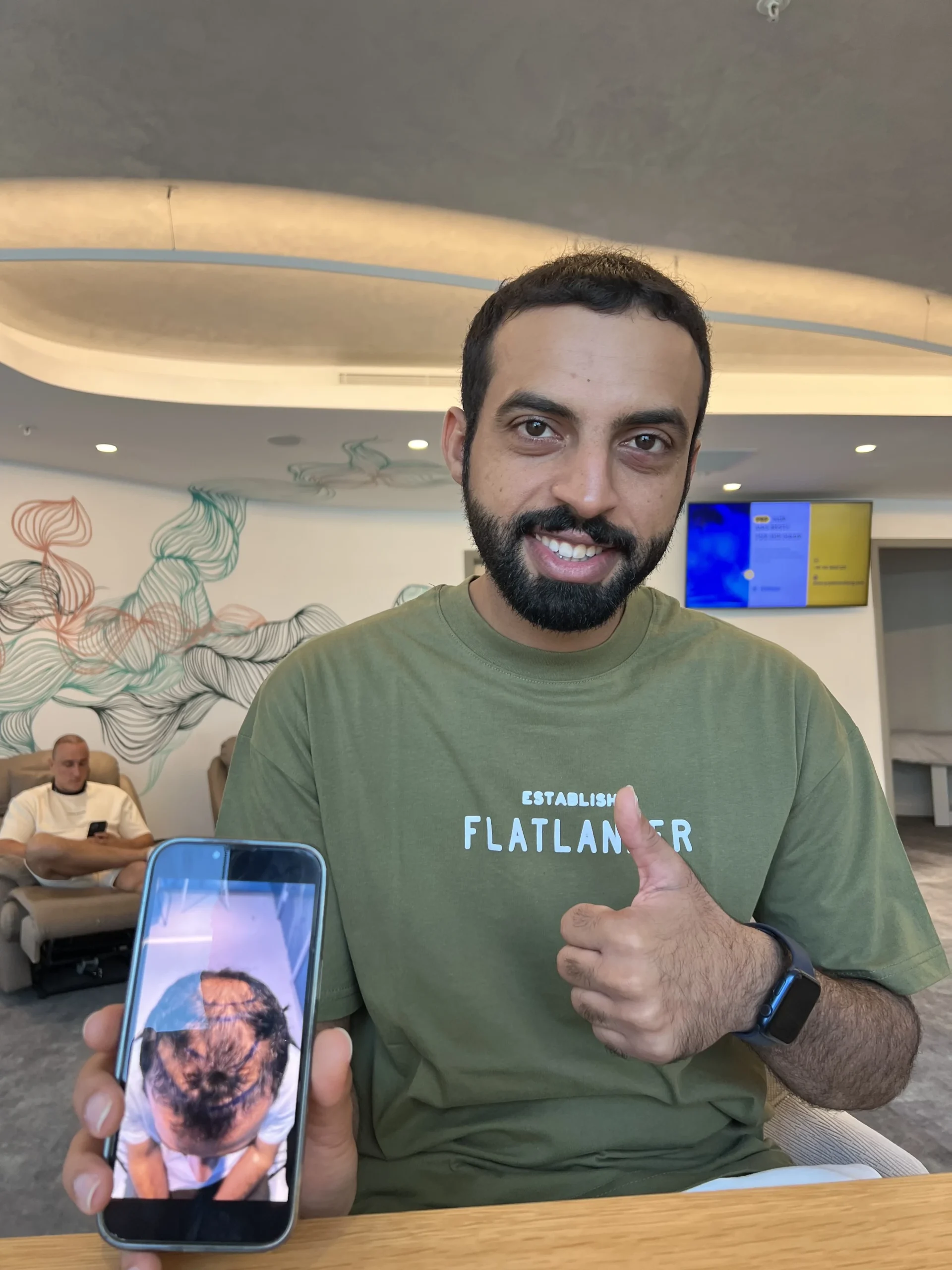
The 12-month growth cycle begins on the day of your procedure. You'll see the first changes after 3 to 4 months, and about 40% of the growth is visible after 6 months. Hair at the front of your scalp is fully grown in after 10 to 12 months. The earlier you start, the sooner you'll see your final result.
There's also a medical reason to act sooner: hereditary hair loss continues to progress, and your supply of donor hair is limited. Having the procedure earlier allows us to use less donor hair while achieving dense coverage overall.
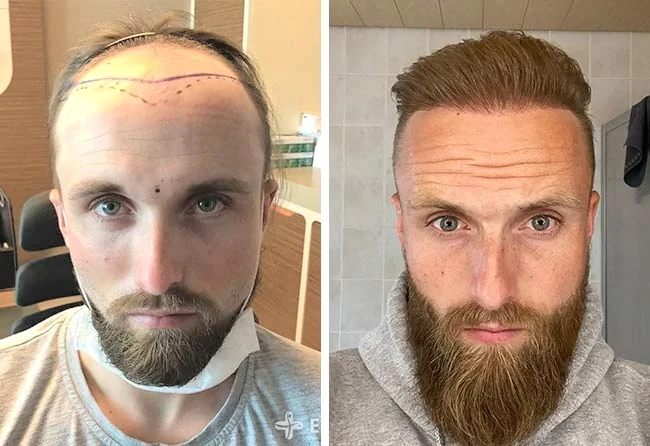
Frederik G. – 4,700 grafts
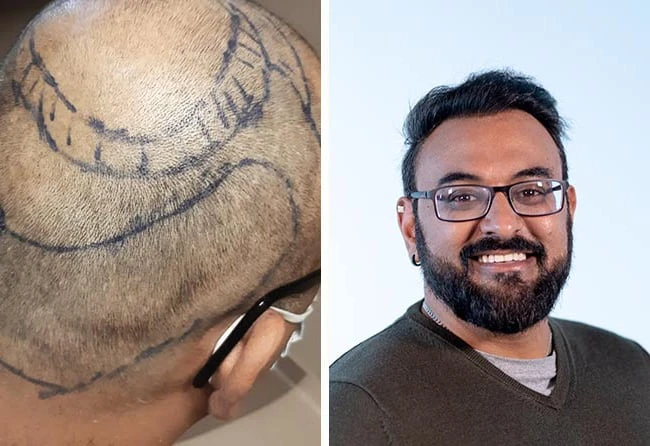
Shahid A. – 4,000 grafts
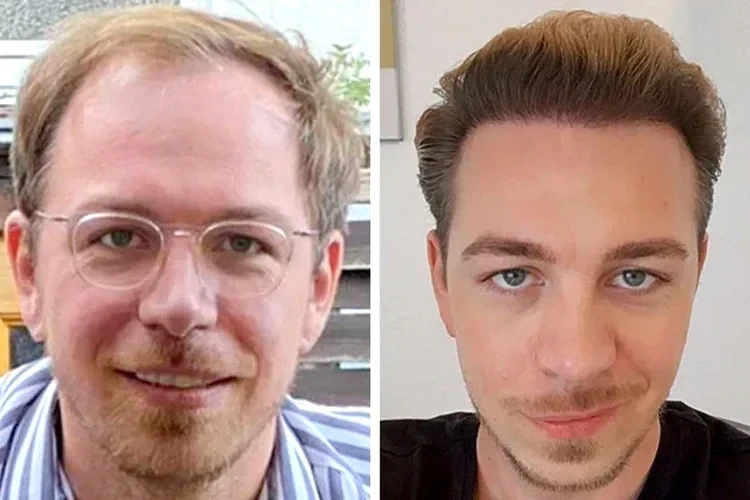
Tobias P. – 4,500 grafts
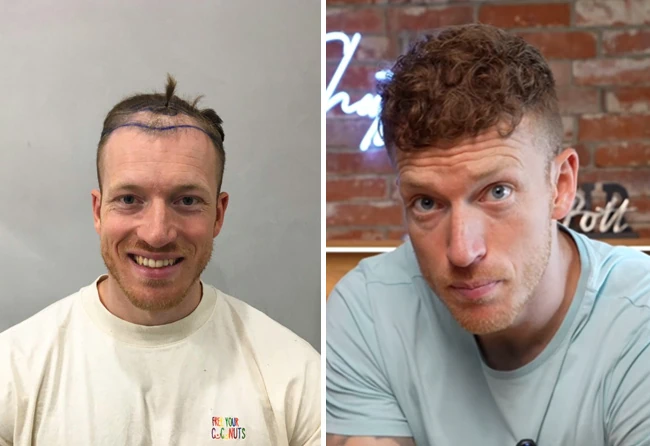
Schmale Schulter - 4,200 grafts
Our free hair analysis determines whether you're a candidate for the procedure. To maintain our standards, we decline about 40% of inquiries when an optimal result isn't achievable. Our patients give us a 4.9 rating on Google, based on more than 11,000 reviews, and 4.7 stars on Trustpilot.
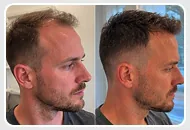
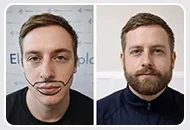
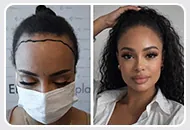
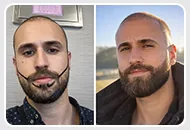
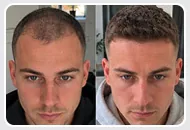
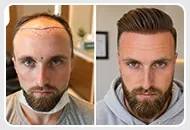
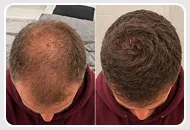
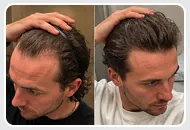
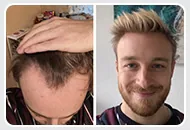
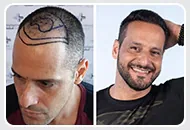
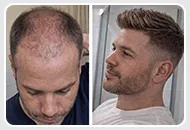
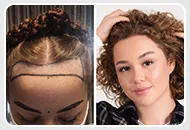
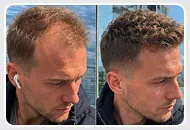
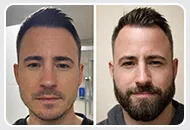
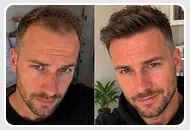
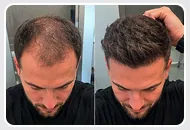
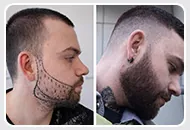
A successful hair transplant requires precision from the start. Before your procedure, our 6-step Pre-Test System measures factors such as skin thickness and blood flow in your scalp, which together determine the exact implantation depth. Our doctors use the results to create your personalized treatment plan, and that implantation depth is the foundation of our growth rate of approximately 98%.
Careful planning deserves equally dependable aftercare. From gentle crust removal and donor area recovery to the months of hair growth that follow, our medical team monitors your progress through the Elithair app for a full 12 months to help your results stay dense and natural.
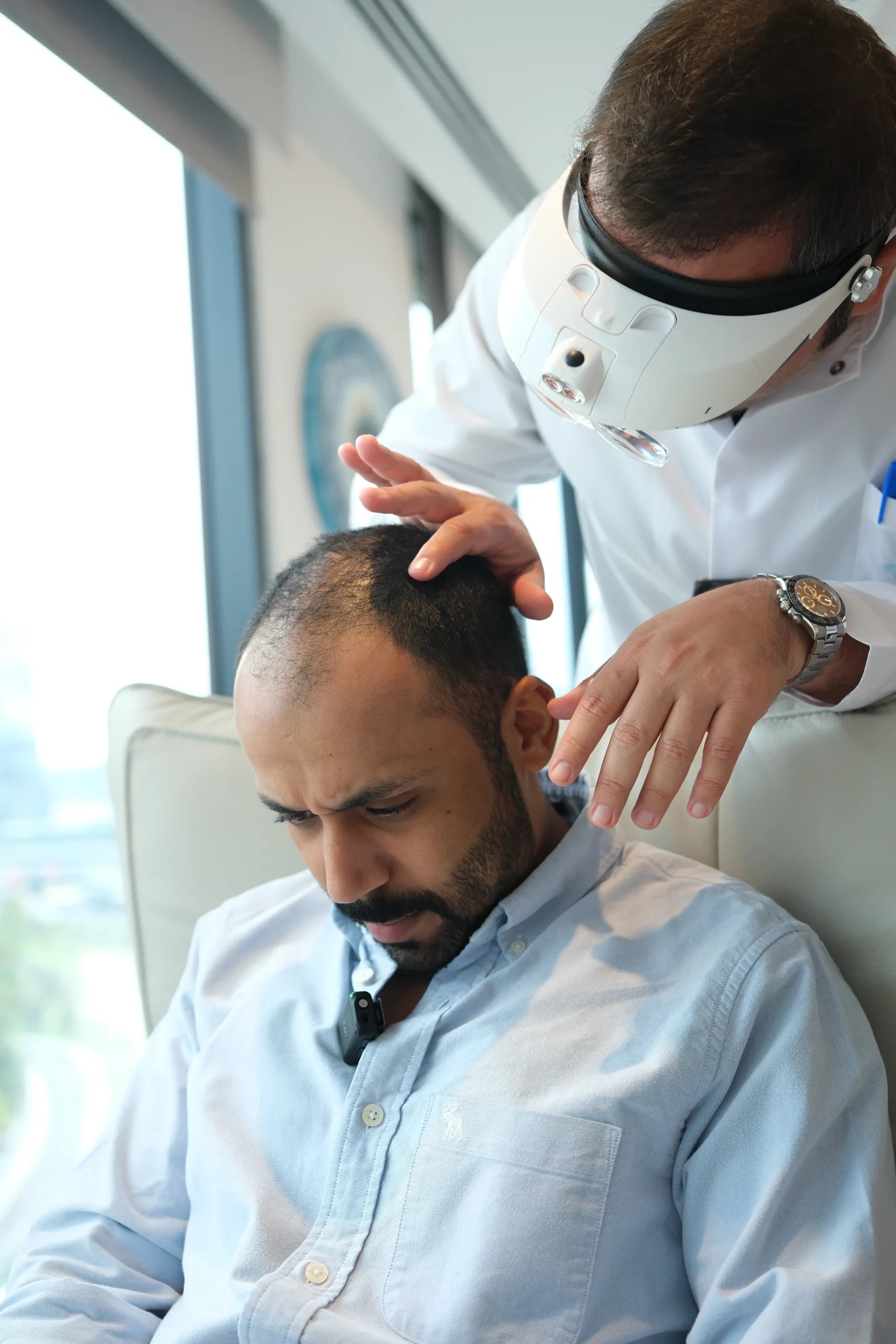
It guides you through preparation and twelve months of aftercare. You upload photos at scheduled intervals, and our medical team reviews them to support you throughout your recovery. Push notifications remind you of each preparation and aftercare step, including when you can wash your hair, shave, work out, and use a sauna again.
Our medical team reviews your photos to check whether your recovery is progressing as expected. The app does not replace a medical examination.
No. Medical decisions about your treatment are not made through the app. The app guides your aftercare, forwards your photos to the medical team, and reminds you of the dates in your aftercare plan.
You can get follow-up care wherever you live. That's what the photo upload is for: the medical team that knows your case from the start tracks your healing through the app.
Nothing. It's free for our patients and included in your treatment.
With your personal access code, which your Elithair consultant gives you as soon as your treatment is confirmed.
Find it in the App Store for iPhone or on Google Play for Android by searching for Elithair.
English, German and Turkish.
Get in touch with us directly and we'll issue you a new one.
No. Your photos are linked to your account, not your device. Sign in on your new phone to see your full history.
You'll still need to follow the written aftercare plan provided by the clinic. Without the app, you won't receive milestone reminders or send your photos to our medical team. Shaving and working out too soon are the two most common aftercare mistakes, and the reminders help you avoid both.
To make your photos easier to compare over time, keep the distance, angle, and lighting consistent. The app explains how to take each photo. If a photo turns out too dark, it's best to retake it in better light.
The app tells you when to upload your next photos: more frequently during the first weeks, then at longer intervals through month twelve.
You can resume light exercise after two weeks, moderate exercise after four weeks, and strength training after six weeks. Avoid heavy sweating for the first fifteen days.
After six weeks. The same timeline applies to tanning beds and swimming with your head submerged. You can bathe and swim without submerging your head after two weeks.
You can shave the donor area with a razor after two weeks, but wait three months before shaving the recipient area. You can trim the donor area with scissors after one week and the recipient area after two weeks.
Hair at the front of your scalp is fully grown in after ten to twelve months. At the crown, it takes fifteen to eighteen months. Early growth usually begins around months 3 to 4, and around 40% of the result may be visible by month 6 before continued maturation toward the final result.