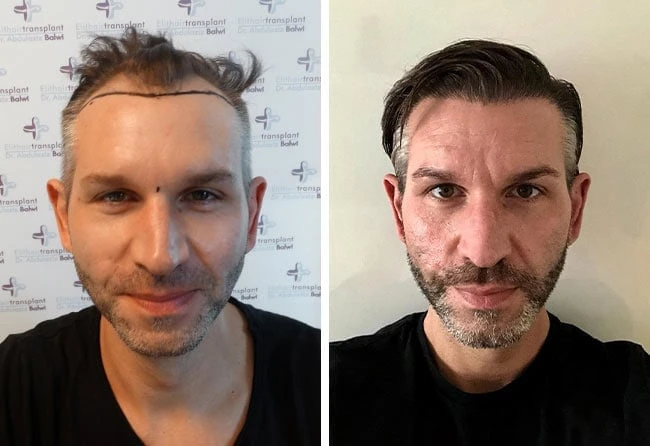
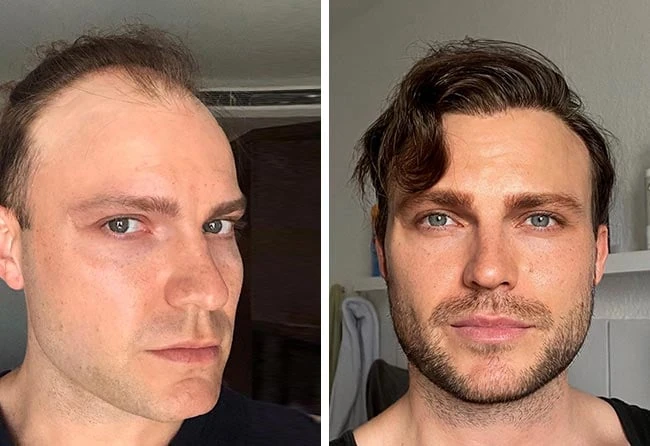
Before
After
Thomas S. – 4,250 grafts

4.9 - 11,000+ Reviews on Google

150,000+ Happy Patients Worldwide
free, no obligation
 4.9 out of 5 stars on Google
More than 150,000 treatments
at our specialist clinic, certified to ISO 9001:2015
by TÜV Thüringen.

 Sleep-Deep method
For most people considering a hair transplant, the biggest concern is how much the anesthetic injections and the procedure will hurt.
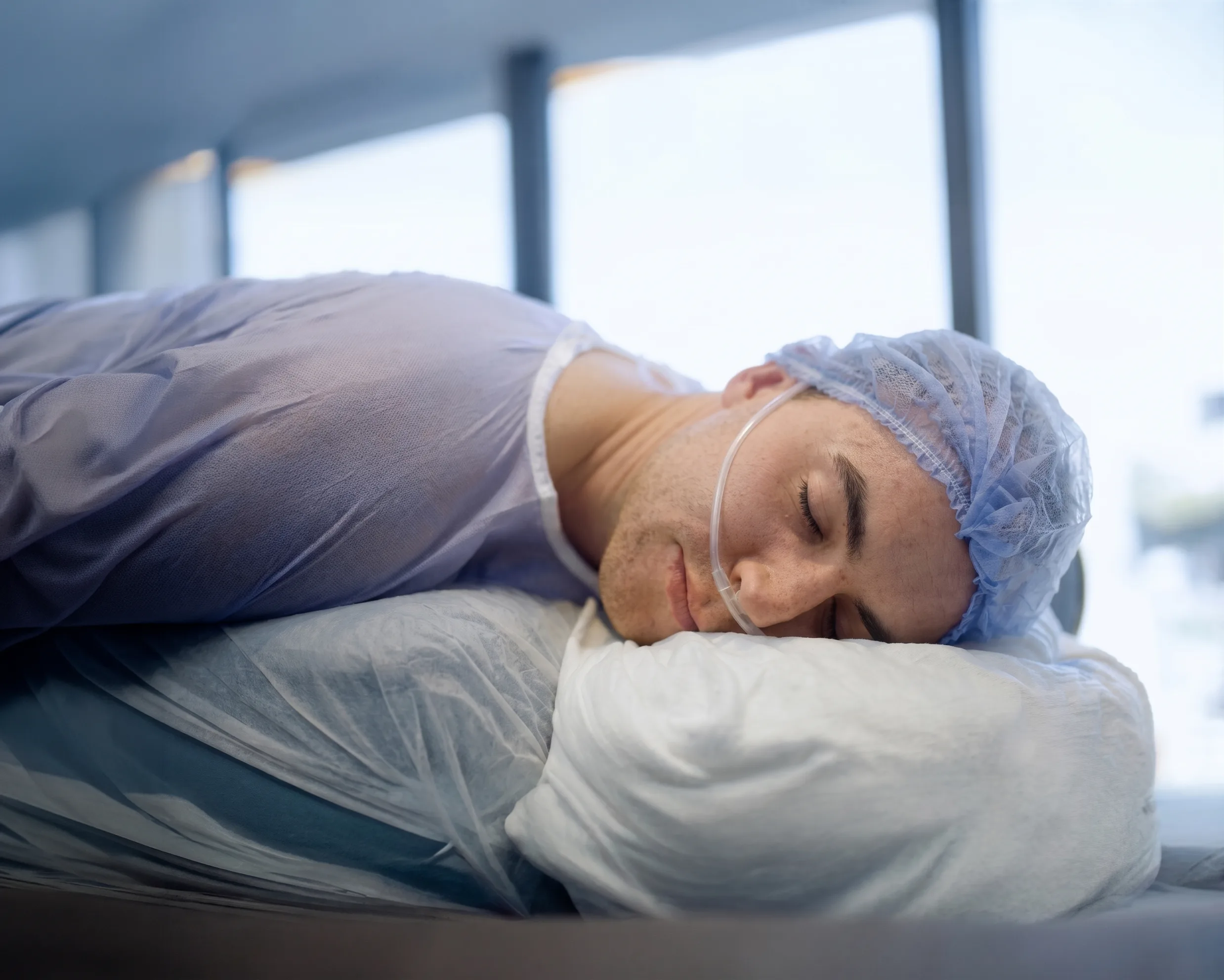
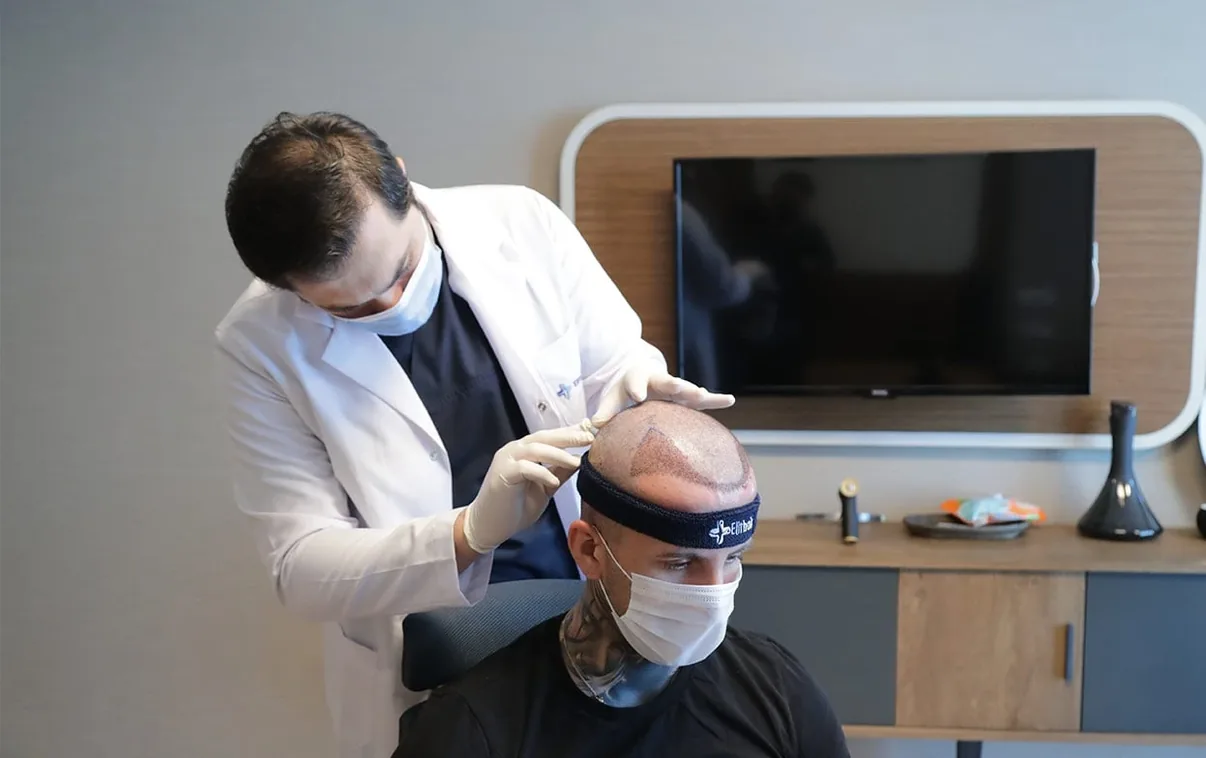
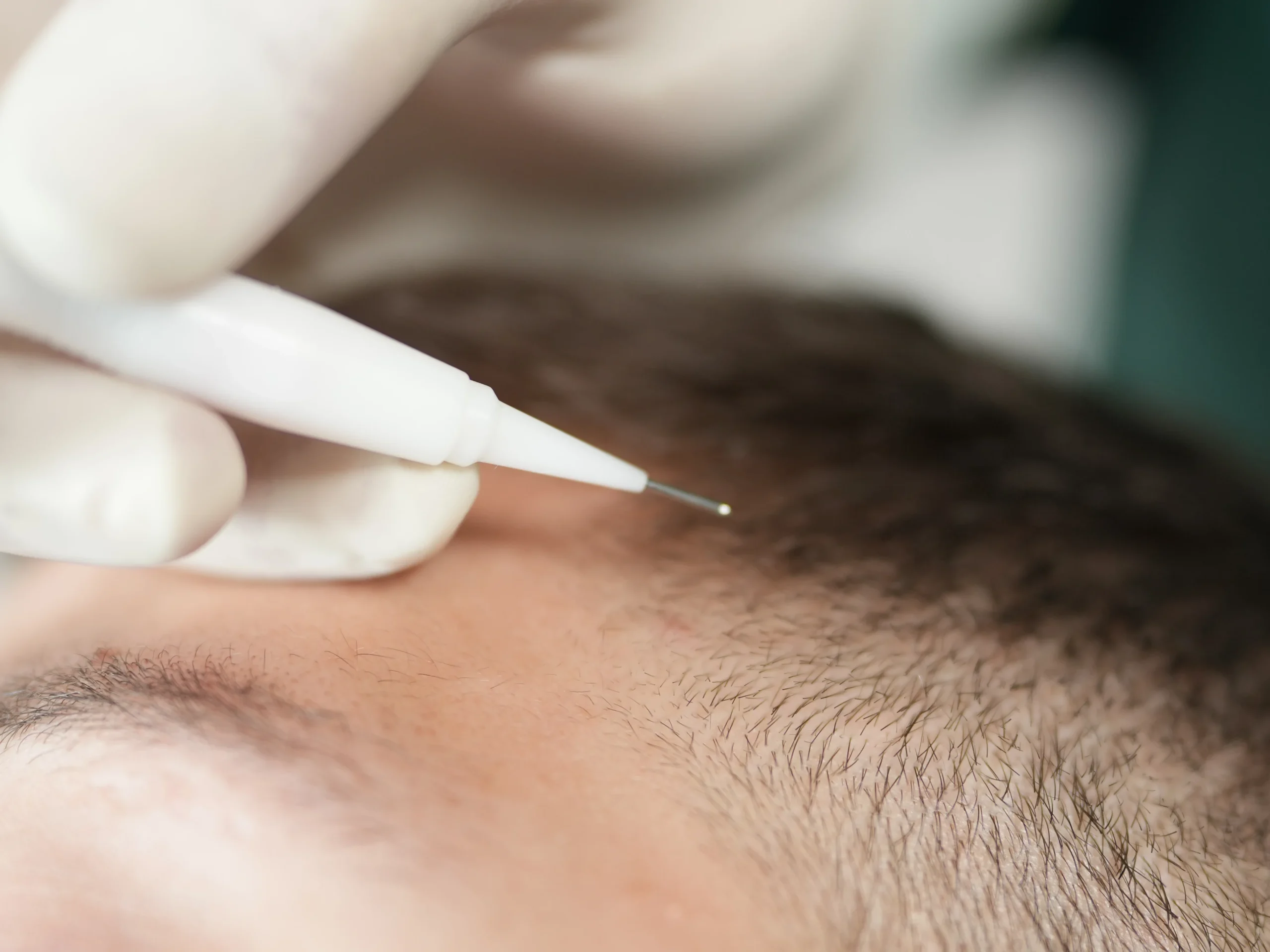
One potentially uncomfortable stage is the series of injections used to administer local anesthesia. At Elithair, you sleep through those injections with about 15 minutes of twilight sedation, administered and monitored by an anesthesiologist. It's included at no extra charge.
Once local anesthesia takes effect, you are generally awake and responsive during the procedure. You may feel touch or pressure, and additional anesthetic can be given if needed.
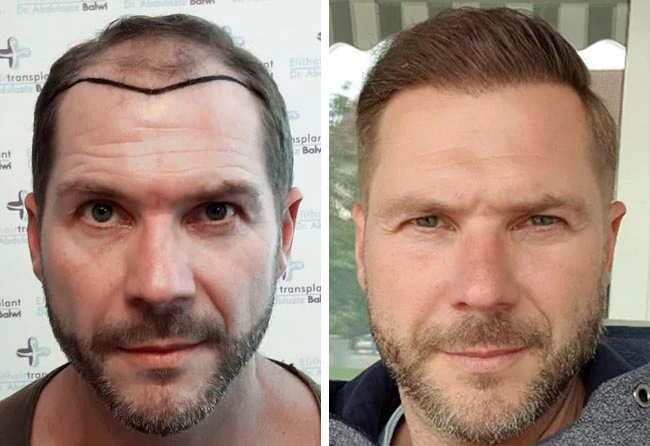
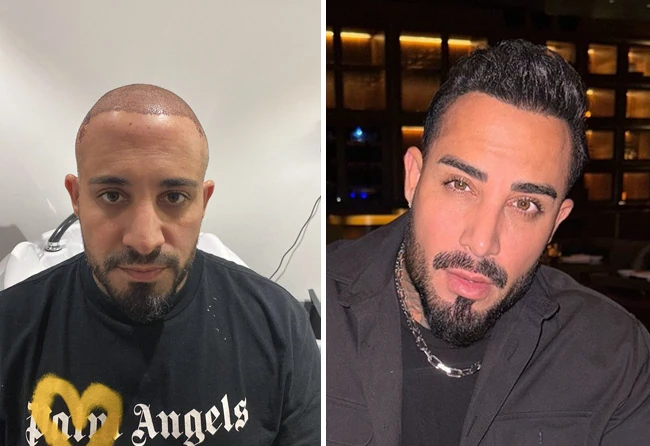
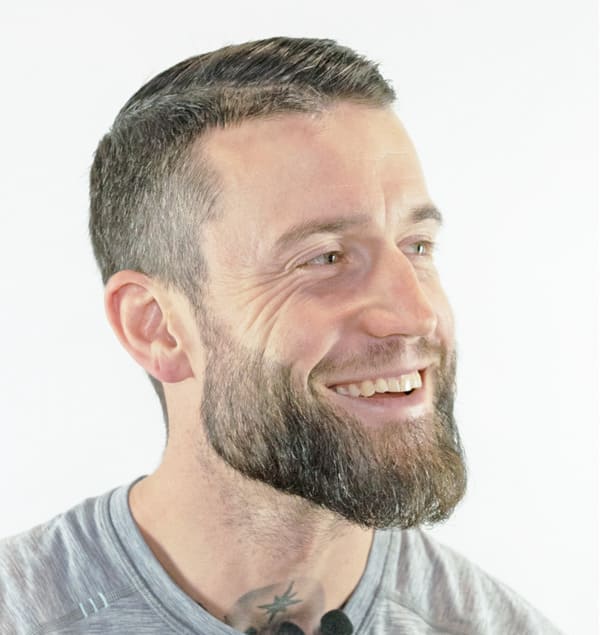
These patient cases show the hair loss before treatment, the graft count, and the final result.
Notice the natural irregularity of the hairline and how seamlessly the density blends into the existing hair.
Thomas S. – 4,250 grafts
Edgars N. – 3,700 grafts
Markus - 4,100 grafts
Bartmann - 3,800 grafts
Achieving results like these requires exceptional precision and experienced medical specialists at every stage of treatment.
Please note: individual results vary, and these examples do not guarantee the same outcome for you.
Many clinic websites describe hair transplants as 100% painless. Without the Sleep-Deep method, that claim doesn't reflect what patients experience in clinical practice.
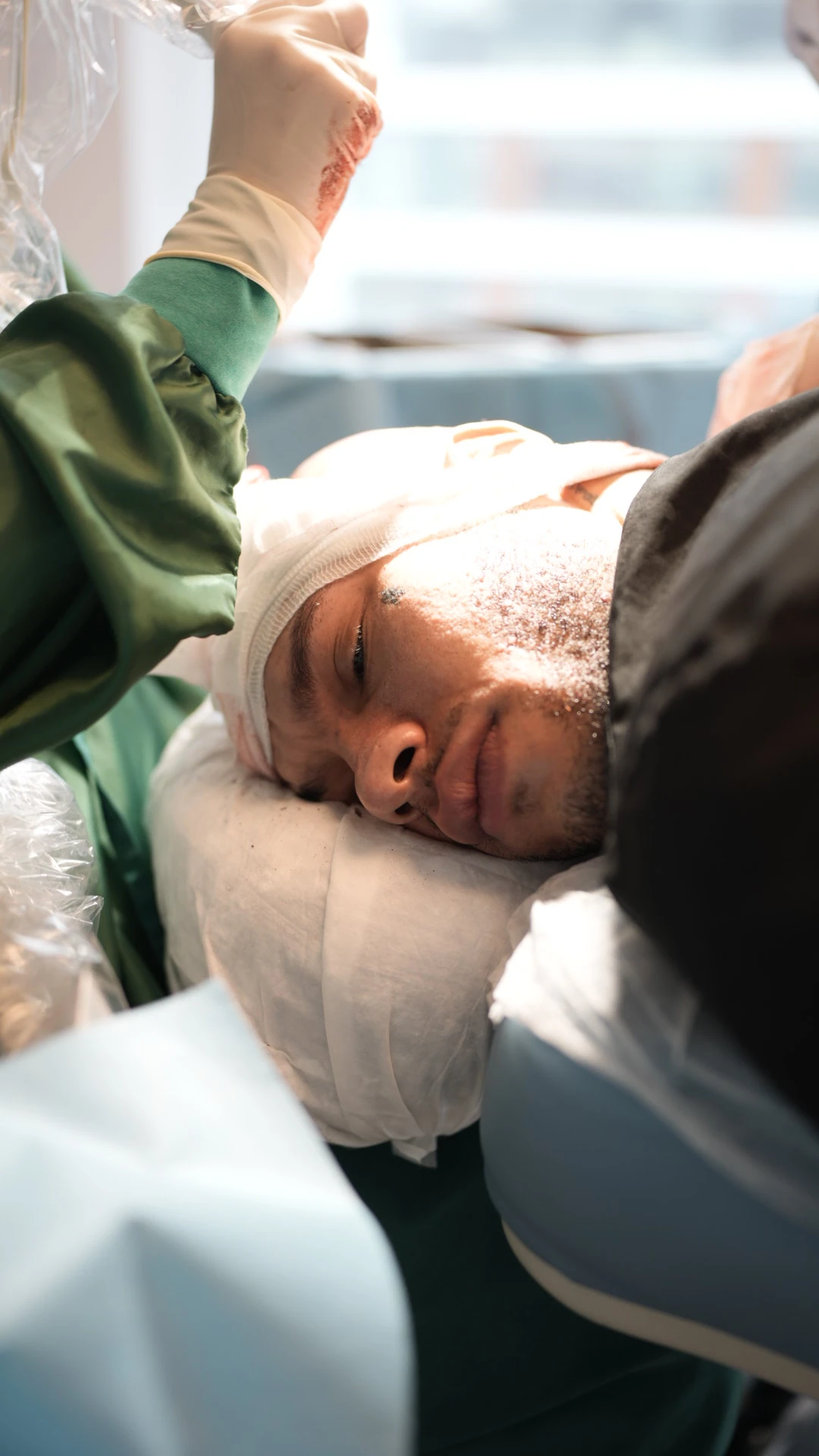
For many patients, the injection of local anesthetic is a particularly uncomfortable part of the procedure (Nusbaum 2004). Researchers have measured how much it hurts.
A 2021 study in the Journal of Cosmetic Dermatology compared injections on opposite sides of the scalp in 25 patients, who rated injection pain in the donor area on a scale from zero to ten.
The average pain score was 4.96 with a standard solution and 3.28 with a buffered solution. The pain was noticeable but brief, and choosing the right solution measurably reduced it without eliminating it.
Once local anesthesia takes effect, the procedure usually becomes more comfortable. Over the hours that follow, patients describe touch, pressure and the occasional tug at the scalp. You hear the instruments and you can tell someone is working. If anesthesia is effective, the scalp is numb, although additional doses may be required.
Once the anesthetic takes effect, you may feel touch or pressure. Tell the medical team promptly if you experience discomfort so they can assess it.
To help you know what to expect, here are three scenarios for pain during a hair transplant:




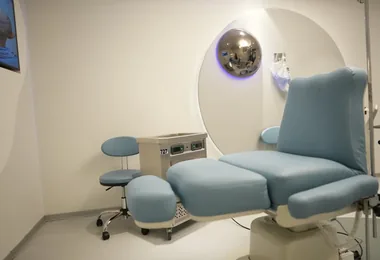







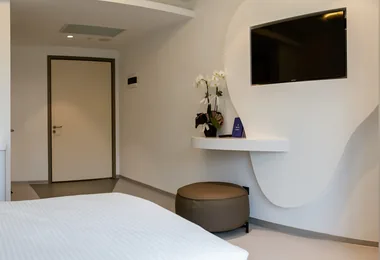



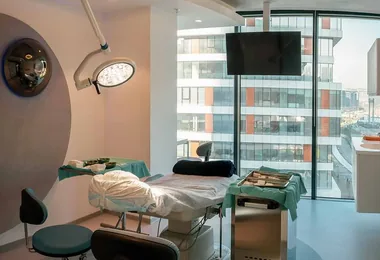



At Elithair, brief sedation and local anesthesia work together to improve comfort.
Sedation is used during administration of the local anesthetic, which numbs the scalp for extraction and implantation. Sleep-Deep and general anesthesia have different risks and recovery requirements. Sleep-Deep is intended to make local anesthetic injections more comfortable. During the procedure, you are generally awake and able to tell the team if discomfort occurs.
| Phase | What you notice | Medical process | Duration |
|---|---|---|---|
| Preparation | A conversation with the doctor and a brief prick on the back of your hand | Review of your medical history and medications, followed by IV placement | approx. 15 min |
| Sleep-Deep sedation | You drift gently into a calm twilight sleep | IV sedation administered by the anesthesiologist, with continuous monitoring of vital signs | approx. 15 min |
| Local anesthesia | You sleep through this phase entirely, free of pain | Precise injections of local anesthetic in the donor and recipient areas | approx. 15 min |
| Waking up | You wake up relaxed and are immediately fully responsive | The sedation gradually wears off while the local anesthetic remains fully effective | a few min |
| Treatment | Light pressure or touch, but no sharp pain | Gentle follicle extraction and DHI implantation under medical supervision | approx. 5 to 8 hrs, depending on the number of grafts |
Unlike a dental injection at a single site, local anesthesia for a hair transplant covers the entire donor and recipient areas. This requires more fluid than most patients expect.
This helps the anesthetic reach every millimeter of the treatment area so no spots remain without anesthesia during the procedure.
Some of that fluid can shift downward over the first few days and cause swelling around the forehead and eyes. That's why you're fitted with a headband the day after the procedure, which you wear for three days.
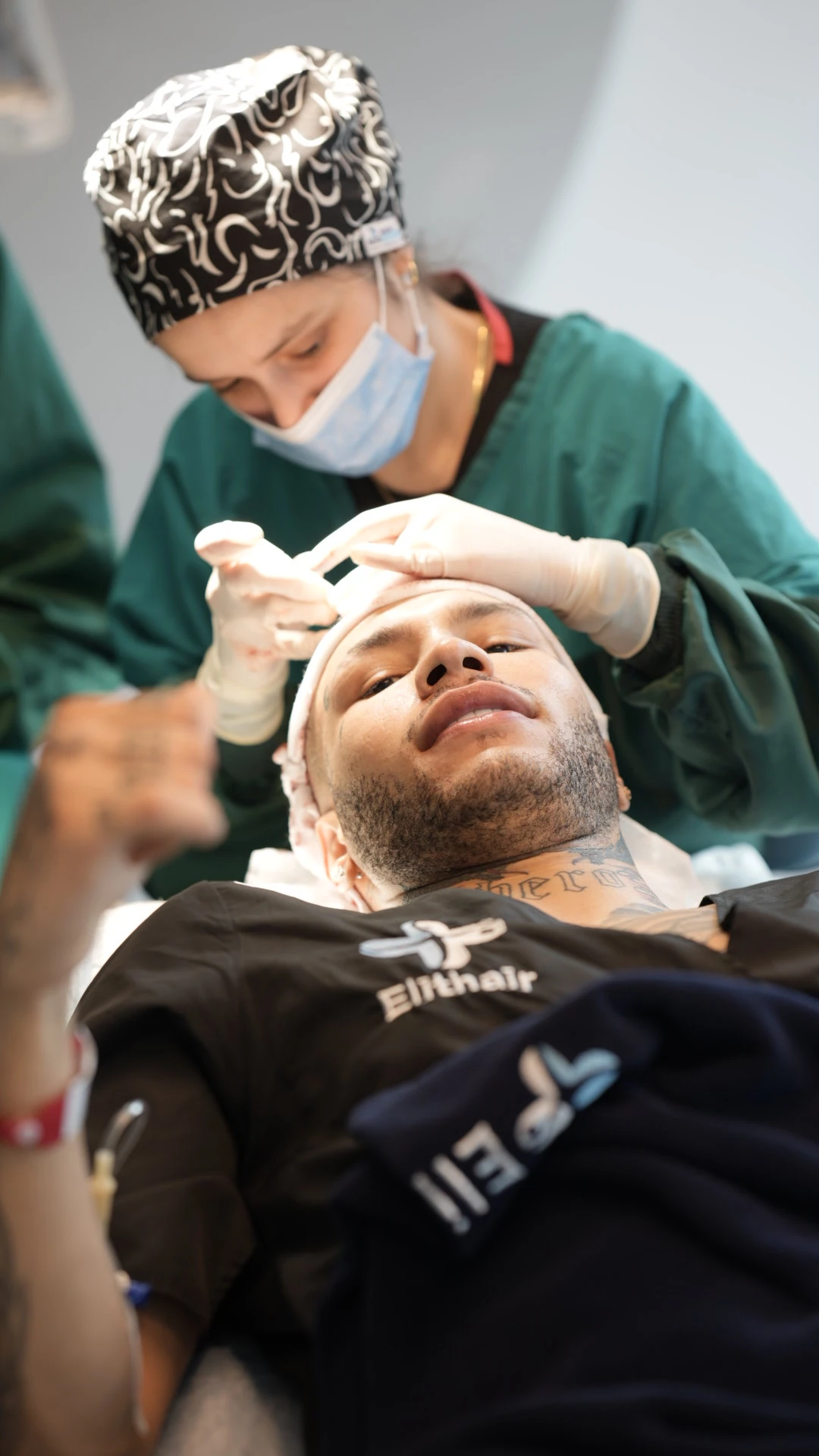
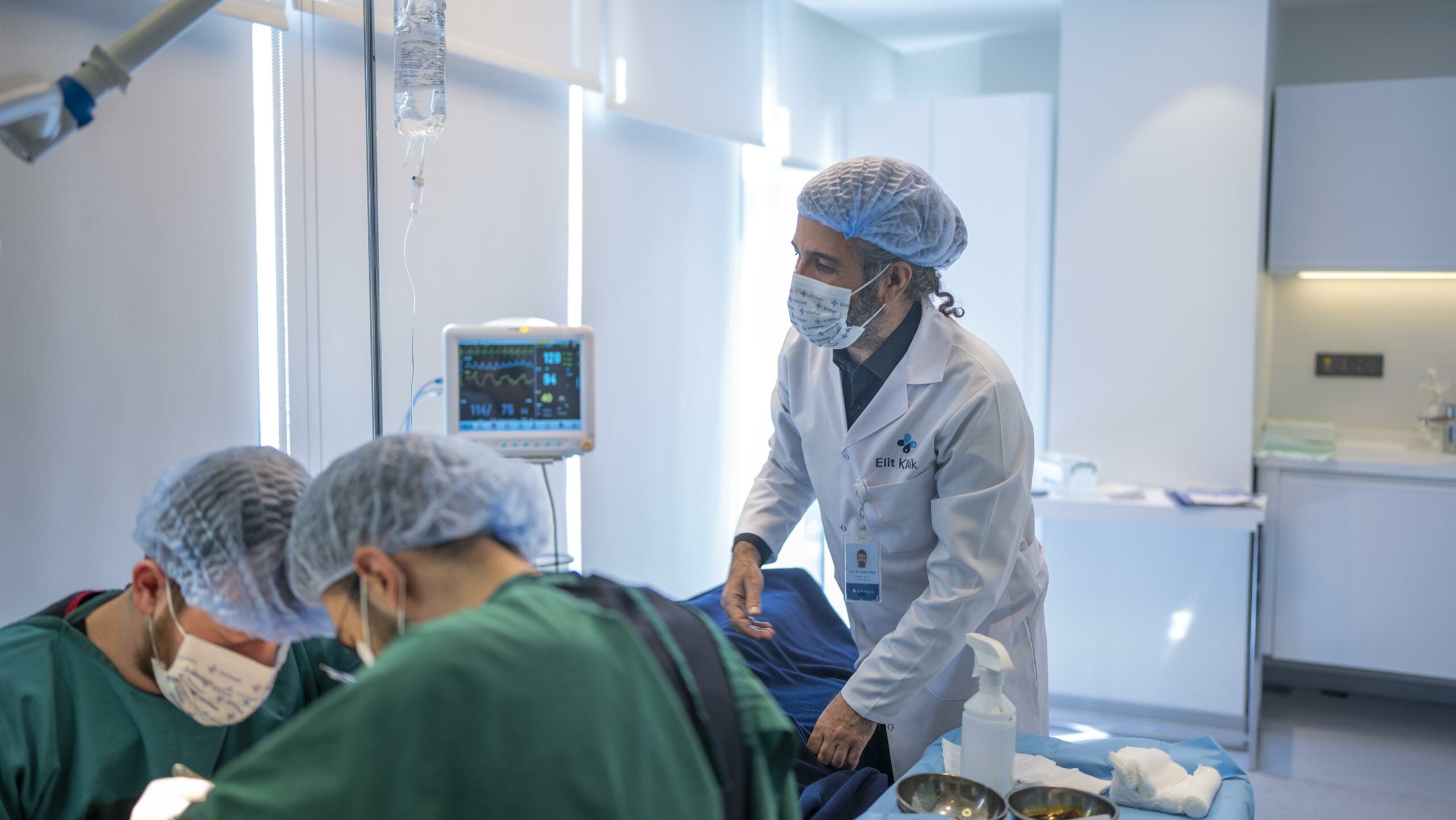
Here is what you can expect to feel at each stage, from your treatment day through the days that follow.
| Treatment phase | What you feel | Rating (scale 0–10) |
|---|---|---|
| IV line | A brief, familiar prick on the back of your hand | 1 to 2 |
| Anesthesia without sedation | Brief burning and tightness | 3 to 5 |
| Anesthesia with Sleep-Deep | Sedation is intended to reduce awareness of injection discomfort | 0 |
| Follicle extraction | Gentle touch and slight vibration, no pain | 0 |
| Implantation (DHI) | Noticeable pressure and localized tugging, usually numb under effective local anesthesia | 0 |
| Anesthetic wearing off (evening) | Mild tightness across the scalp that gradually increases | 1 to 3 |
| First night | Tightness and discomfort from the unfamiliar position of lying on your back with a neck pillow | 2 to 3 |
| Days 2 to 5 | The tightness gives way to some itching | 1 to 2 |
The first night is often the most uncomfortable, mainly because of the unfamiliar sleeping position: on your back with a neck pillow to protect the newly transplanted grafts. The provided medication can help manage postoperative discomfort.
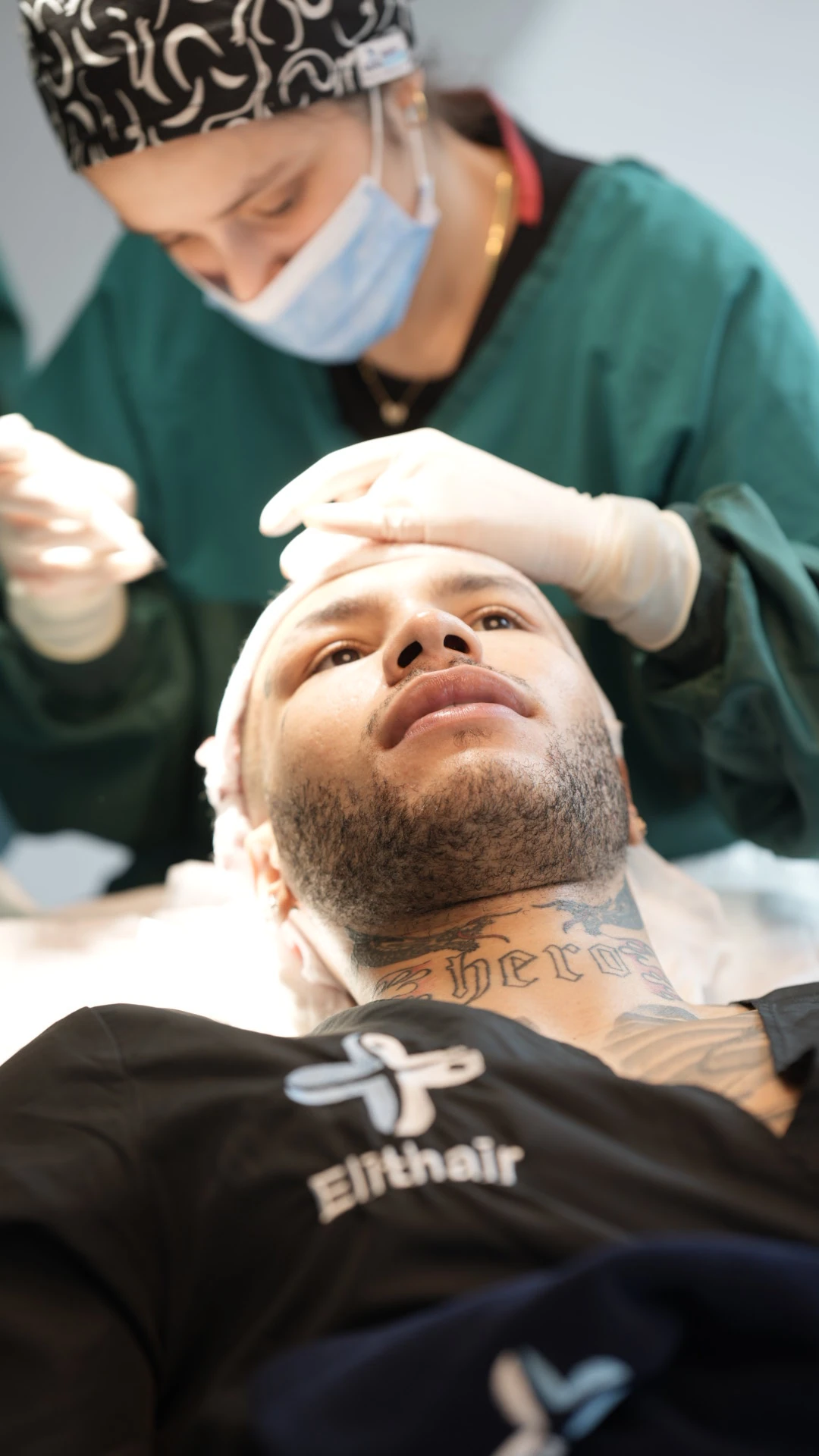
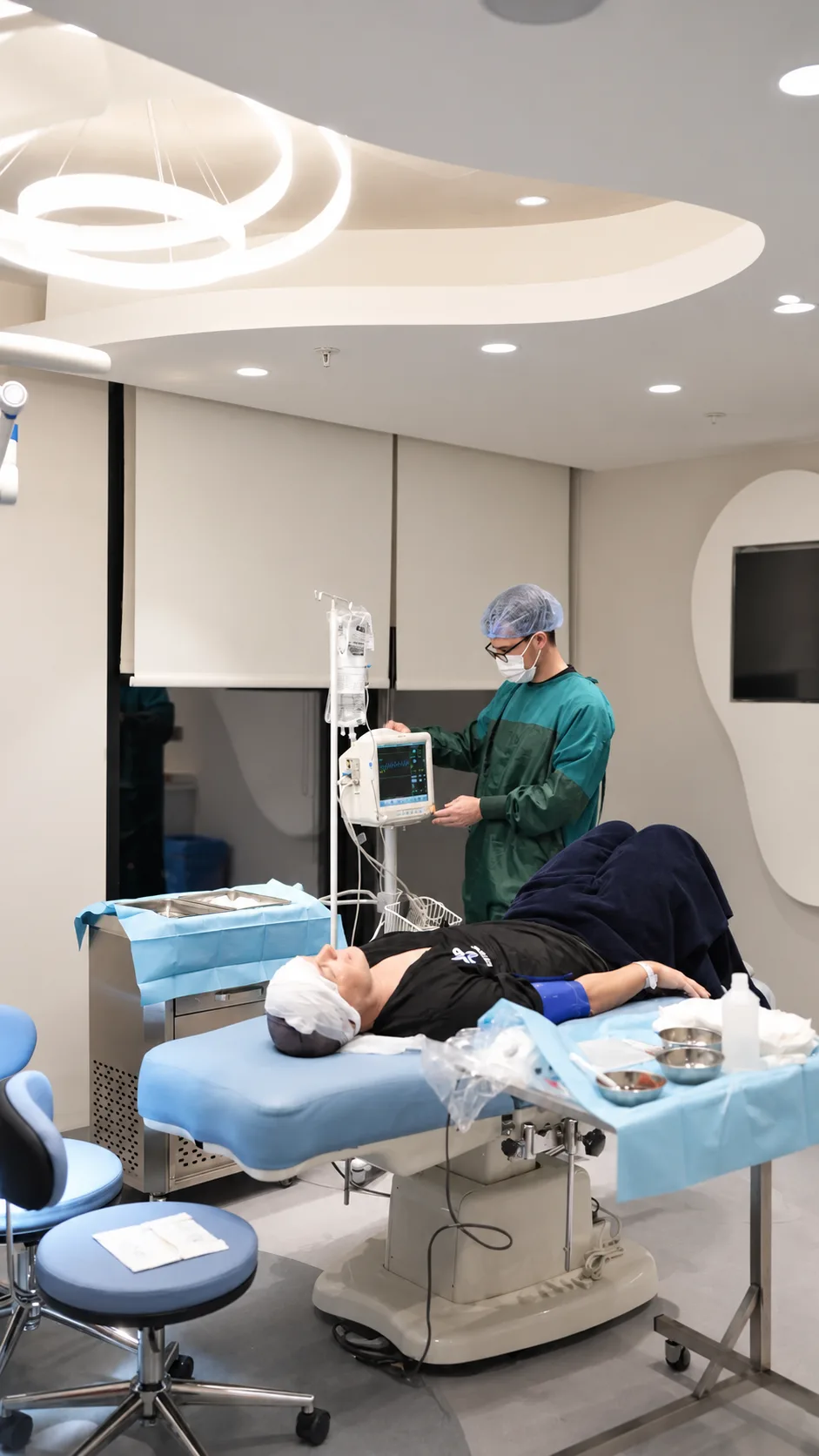
The sedative is given through an IV for approximately 15 minutes while local anesthesia is administered. Duration can vary.
Sedation duration is determined by the anesthesiologist according to the procedure and the patient's medical needs. Sleep-Deep covers this crucial step without prolonging sedation.
Sleep-Deep isn't just for anxious patients. For most people, it's simply an option intended to make this phase more comfortable.
Sleep-Deep covers this crucial step without prolonging sedation.
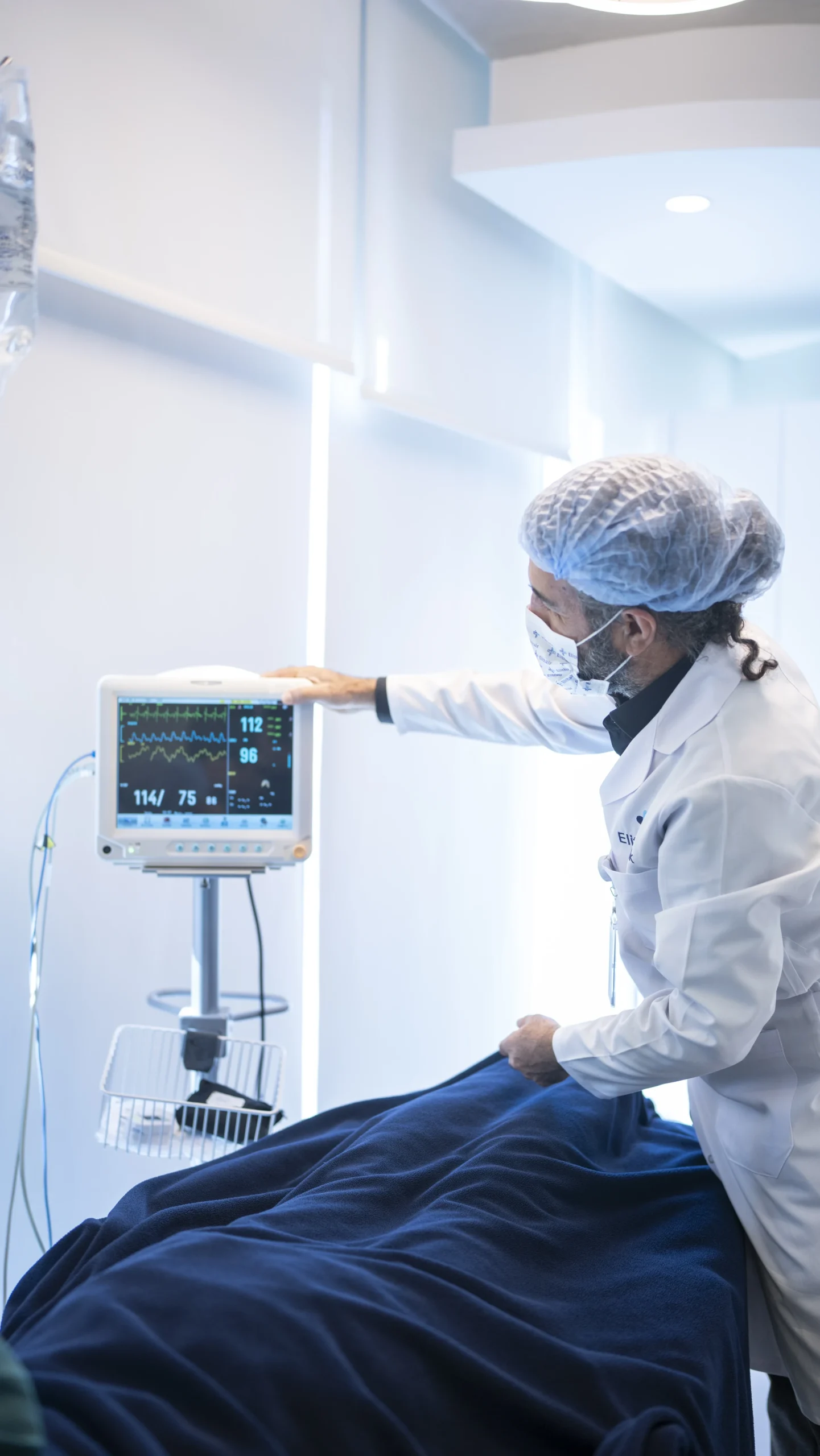
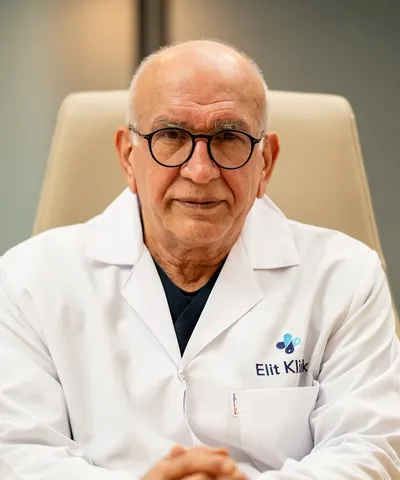
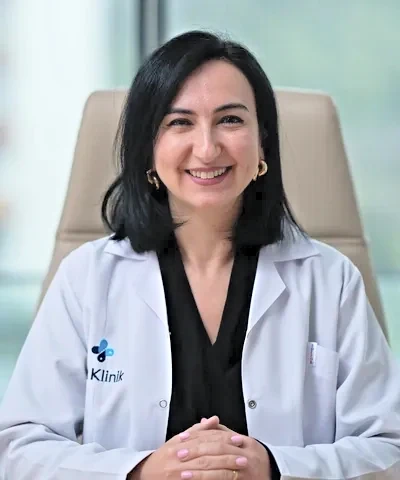
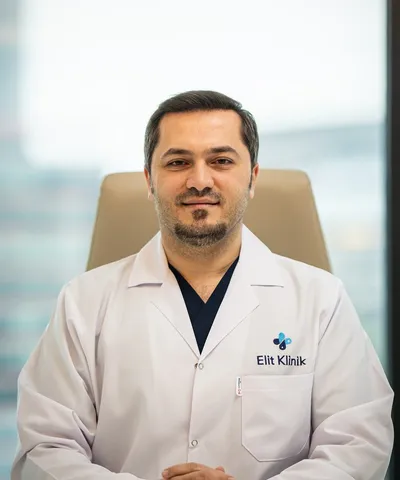
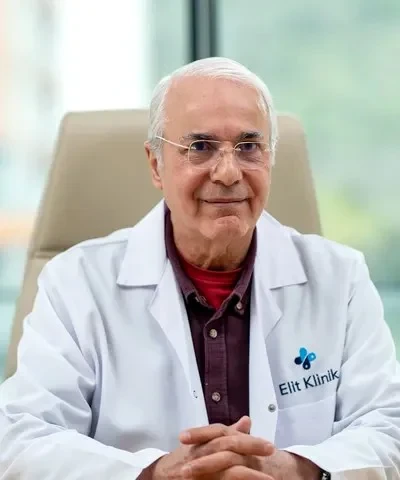
The key to safe sedation is specialist care in the room.
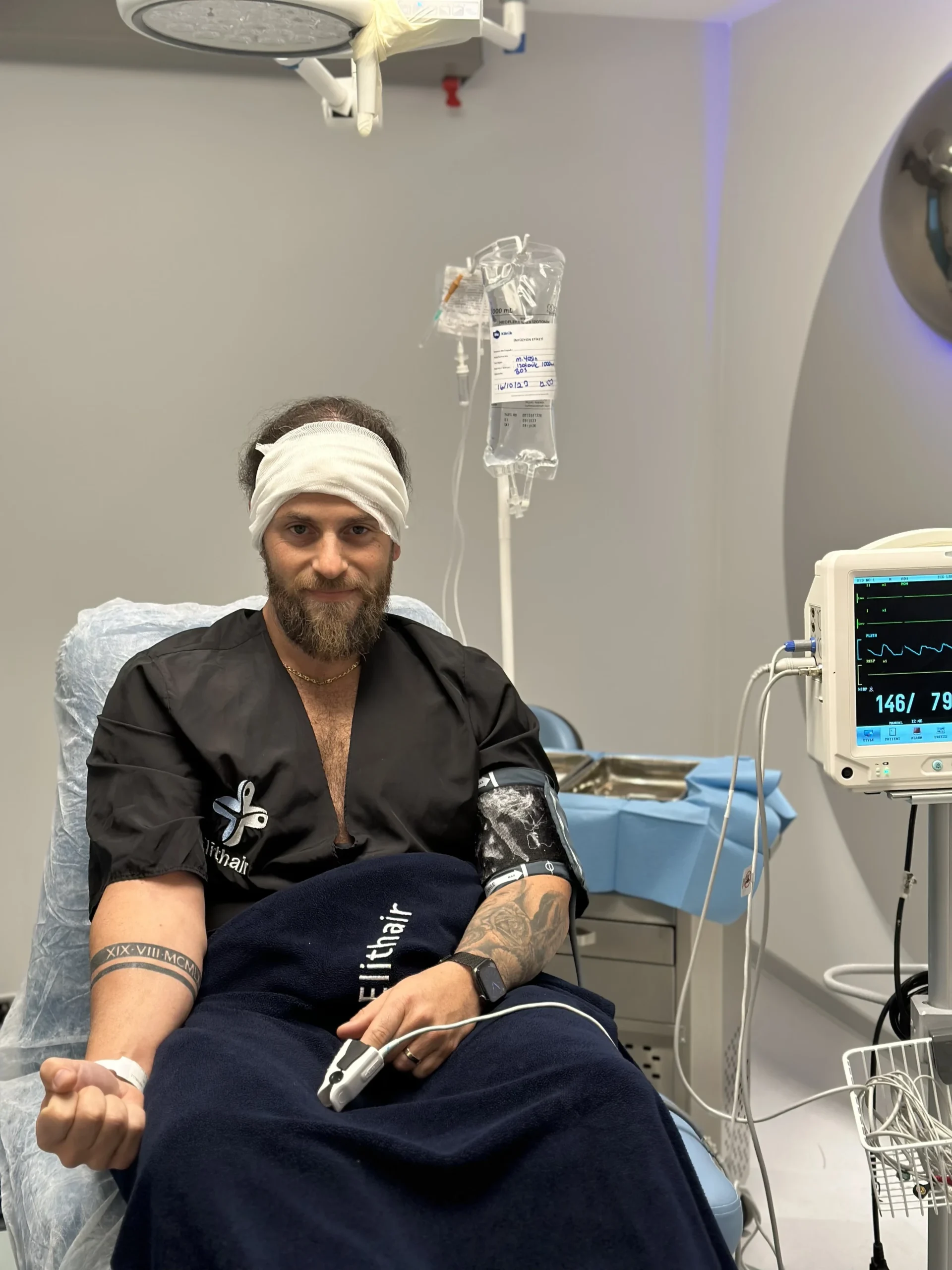
Professional medical guidelines require continuous monitoring of all vital signs during twilight sedation by qualified staff whose role is independent of the procedure itself. Elithair fully meets this safety standard.
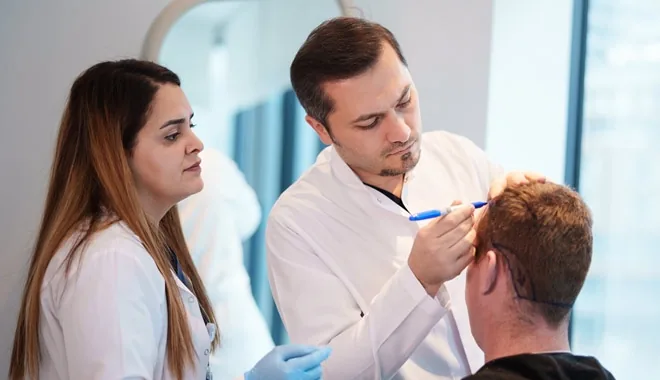
A full-time, in-house anesthesiologist administers your sedation and monitors your blood pressure, heart rate, and oxygen saturation throughout. Continuous monitoring allows the anesthesiologist to recognize and respond to changes in your condition, although no sedation is risk-free.
Medical monitoring of your sedation is part of the procedure, one of the five points at which our doctors oversee and take responsibility for your treatment under the 5-Doctor Standard.





Sedation isn't suitable for every patient. When we recommend against it, we do so for your safety. We don't use the Sleep-Deep method in the following cases:

Controlled high blood pressure, diabetes, or medications you take regularly usually don't rule out sedation. Be sure to share your full medical history beforehand, especially if you take blood thinners.
We assess these factors early, during your initial consultation. On the day you arrive, you complete the Pre-Test System at our clinic, and its results are used to create your personalized treatment plan. Your anesthesiologist reviews the information you've shared about pre-existing conditions and medications before the procedure.
Needle-freeFor patients who can't be sedated, Elithair offers Comfort-In, an alternative, needle-free form of hair transplant anesthesia.
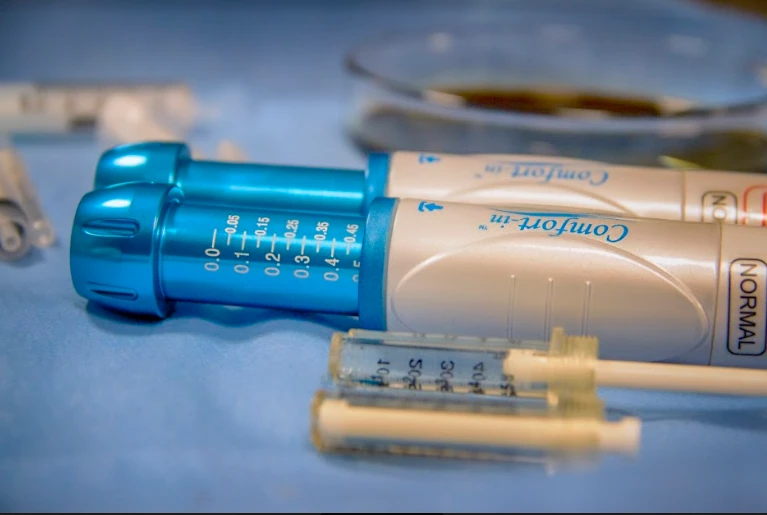
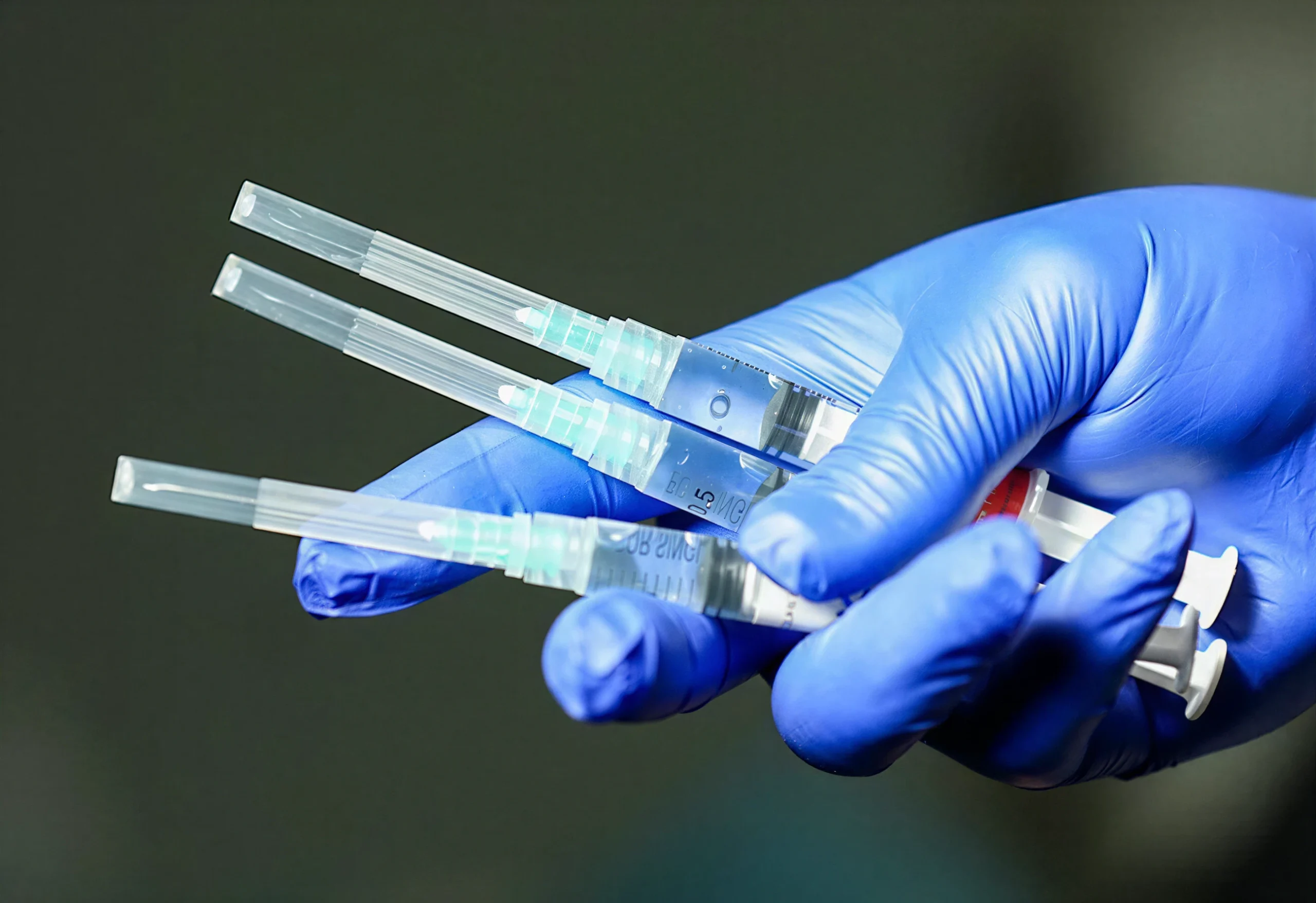
A compressed-air system delivers a fine jet of anesthetic through the skin. It takes effect quickly, primarily in the upper layers of the skin.
We want you to understand the trade-offs: needle-free doesn't automatically mean better. This method reduces pain when the anesthetic is administered, but the anesthetic effect may vary, and additional doses may be needed.
That's why we use Comfort-In specifically when sedation is ruled out for medical or practical reasons. Both options are fully included in the price.
ComparisonOne of the most common questions about hair transplant anesthesia is whether general anesthesia is an option. Some patients want to sleep through the entire procedure, while others worry about being unconscious. The medical answer is clear.
A hair transplant is a minimally invasive procedure on the surface of the skin. No deep tissue layers are opened, so neither ventilation nor muscle relaxants are needed. Local anesthesia is commonly used for hair transplantation, with sedation when medically appropriate.
General anesthesia has different risks and recovery requirements. It is usually unnecessary for hair transplantation, but the choice depends on individual medical needs. Staying awake also lets you remain comfortable: you can adjust your position at any time and tell the team how you're feeling.
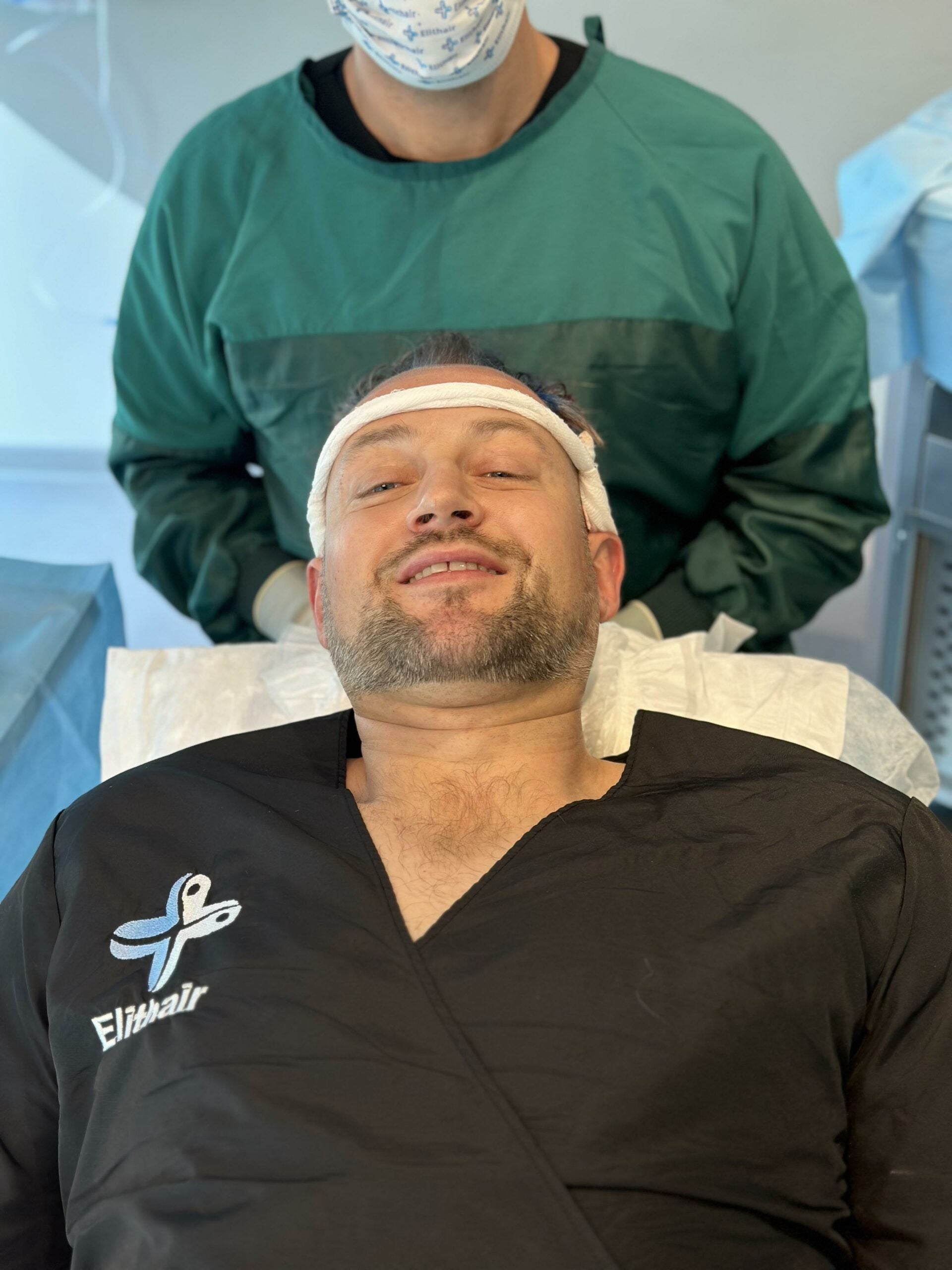
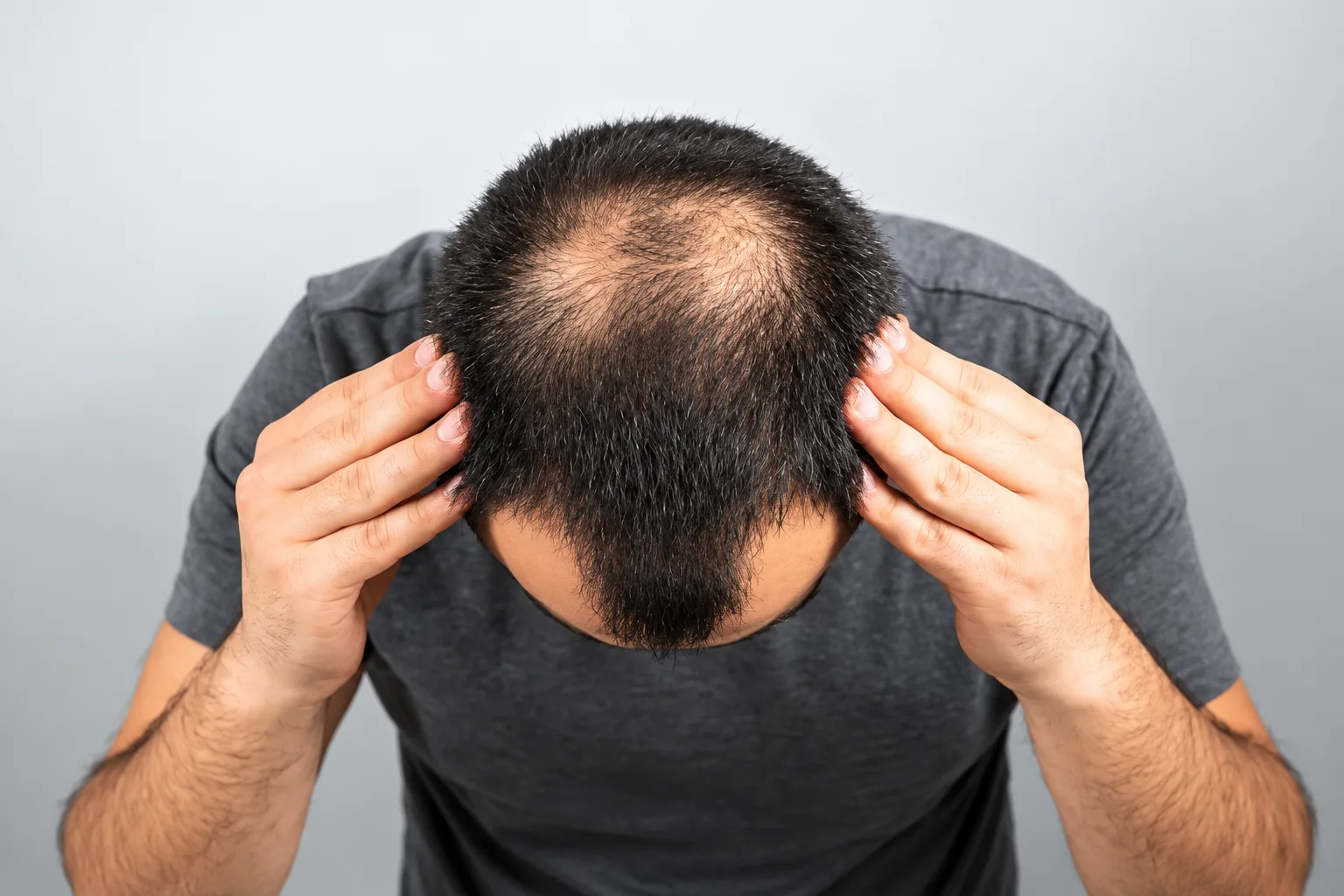
Telogen effluvium is more closely associated with the stress of illness or surgery than with a specific anesthetic method.
People often ask whether anesthesia can cause hair loss, but rarely get a clear explanation. After major surgery under general anesthesia, telogen effluvium can develop. This temporary, diffuse hair loss usually appears six to twelve weeks after the physical stress of surgery.
The cause is the body's physiological stress response, rather than the anesthetic itself. Hair growth usually recovers completely.
That's another reason to avoid general anesthesia when it isn't medically necessary. Telogen effluvium is more closely associated with the stress of illness or surgery than with a specific anesthetic method.
If you have questions about general anesthesia, bring them up during your consultation. We'll give you a clear assessment based on your situation.
Local anesthesia for a hair transplant eventually wears off. Treatment takes about 5 to 8 hours, depending on the number of grafts being transplanted. Over that length of time, additional doses are a normal part of the process. Everyone metabolizes the anesthetic at a different rate; needing another dose doesn't indicate a complication.
As soon as you feel more than light pressure, just let the medical specialists know. The additional anesthetic is injected into tissue that's already numb, so you should barely feel it.
In the evening the anesthetic gradually wears off, and your scalp starts to feel tight, usually for a few days. To help with that, we give you a complete medication package, including a pain reliever and an antibiotic.
Follow the medication instructions from your medical team and disclose your regular prescriptions. Do not stop prescribed medication without medical advice. Medications such as aspirin (acetylsalicylic acid) thin the blood, which can interfere with healing in the first few days.
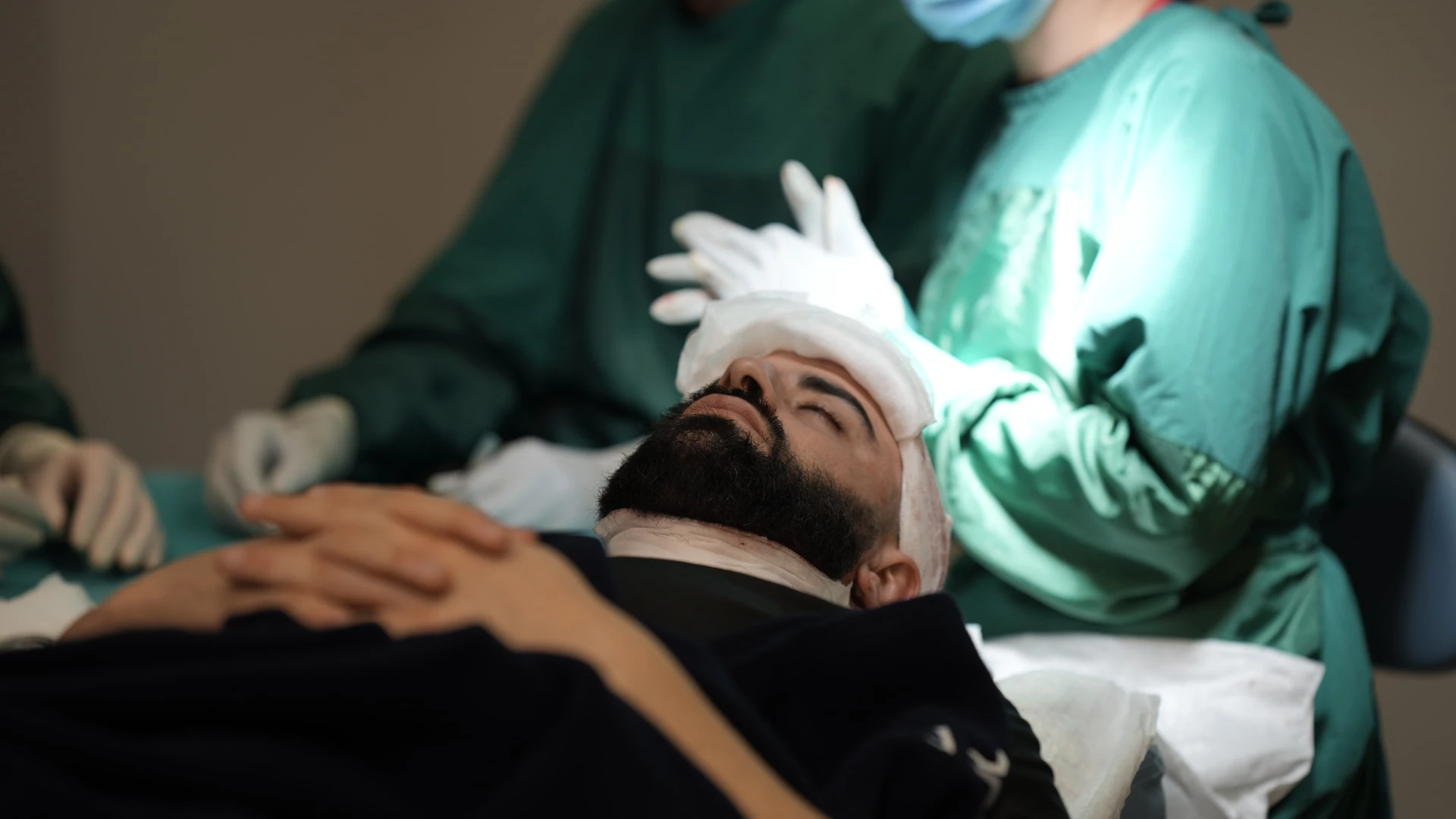
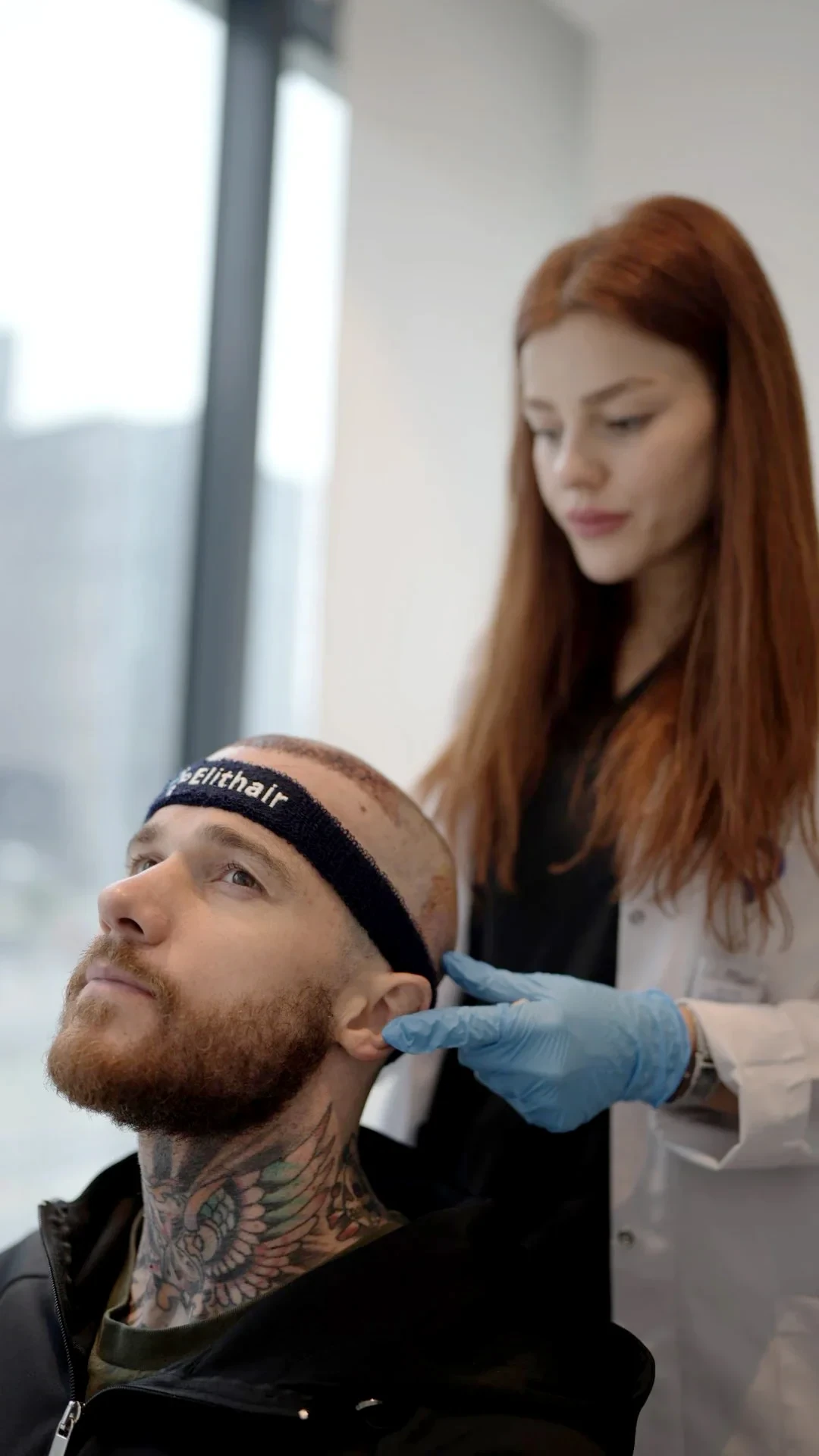
The numbness should gradually fade.
Temporary numbness or tightness in the donor and recipient areas is a normal part of healing. Graft extraction and transplantation affect the small nerves in the skin, which gradually recover over the weeks after the procedure.
The numbness should gradually fade. How long it lasts depends on the treatment area and your healing process. If it unexpectedly worsens or becomes painful, contact your dedicated contact person right away. During aftercare, you'll regularly upload photos to the Elithair App, where our medical team reviews them and monitors your healing.
Mild itching in the donor area during the first two weeks is also harmless. During the first 14 days, gently dab the area with clean fingertips to relieve itching without disrupting healing. From day 15, the tissue is healed enough to scratch normally again.
SafetyThere are no absolute guarantees in medicine; every anesthetic carries some risk. However, local anesthesia across a broad area of the scalp has been supported by scientific evidence since the 1990s. Every dose is carefully calculated (Seager et al. 2002).
The most common reaction isn't an allergic one but a brief circulatory reaction caused by tension, such as momentary dizziness. A genuine intolerance to modern local anesthetics, on the other hand, is extremely rare.
During your initial consultation, we review your pre-existing conditions, medications, and previous experiences with anesthesia. On the day you arrive, you complete our six-step Pre-Test System at the clinic. We use the results to create your personalized treatment plan.
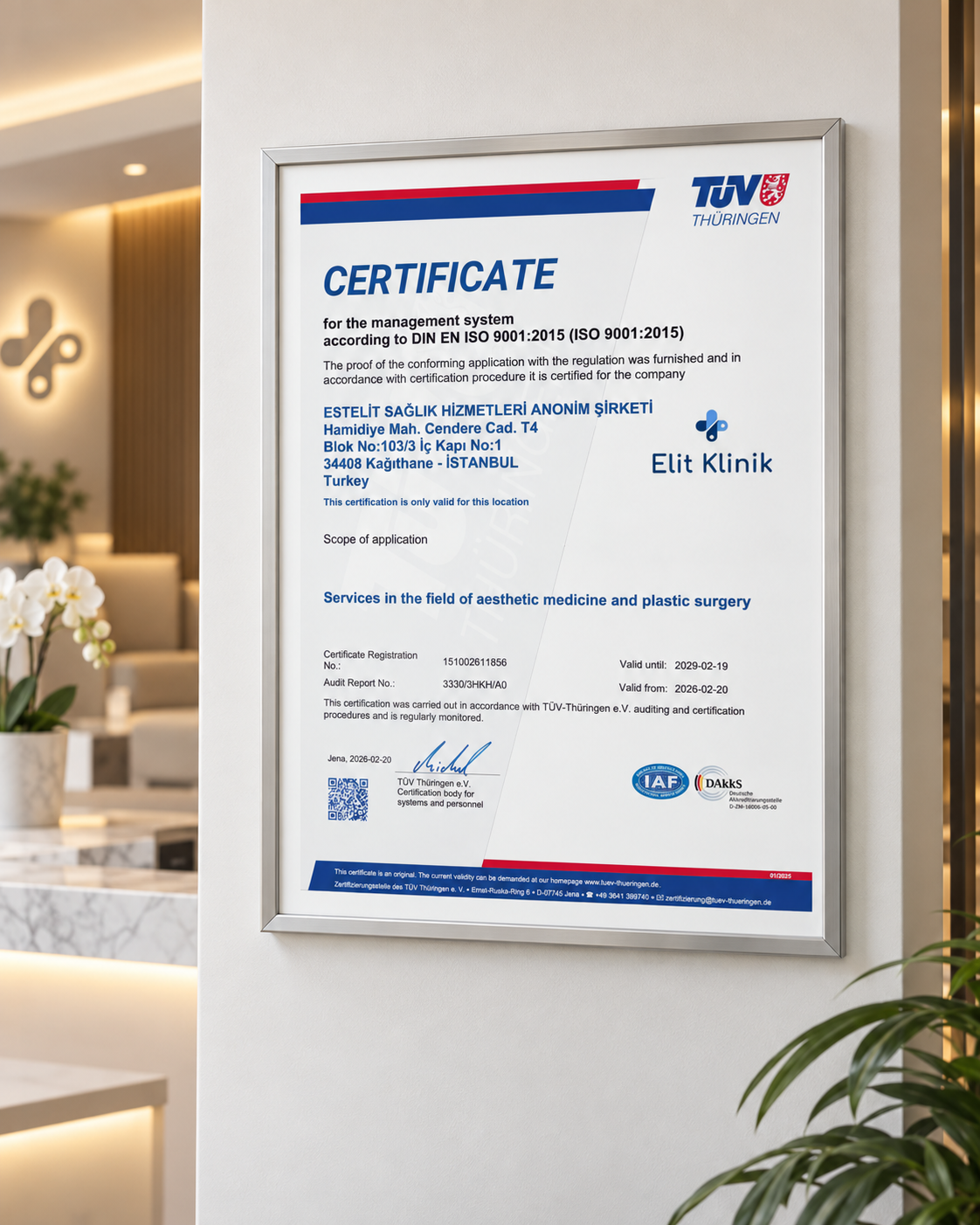
External oversight comes from ISO 9001:2015 certification by TÜV Thüringen, a German accredited certification body, and from unannounced inspections by the Turkish Ministry of Health once or twice a month.
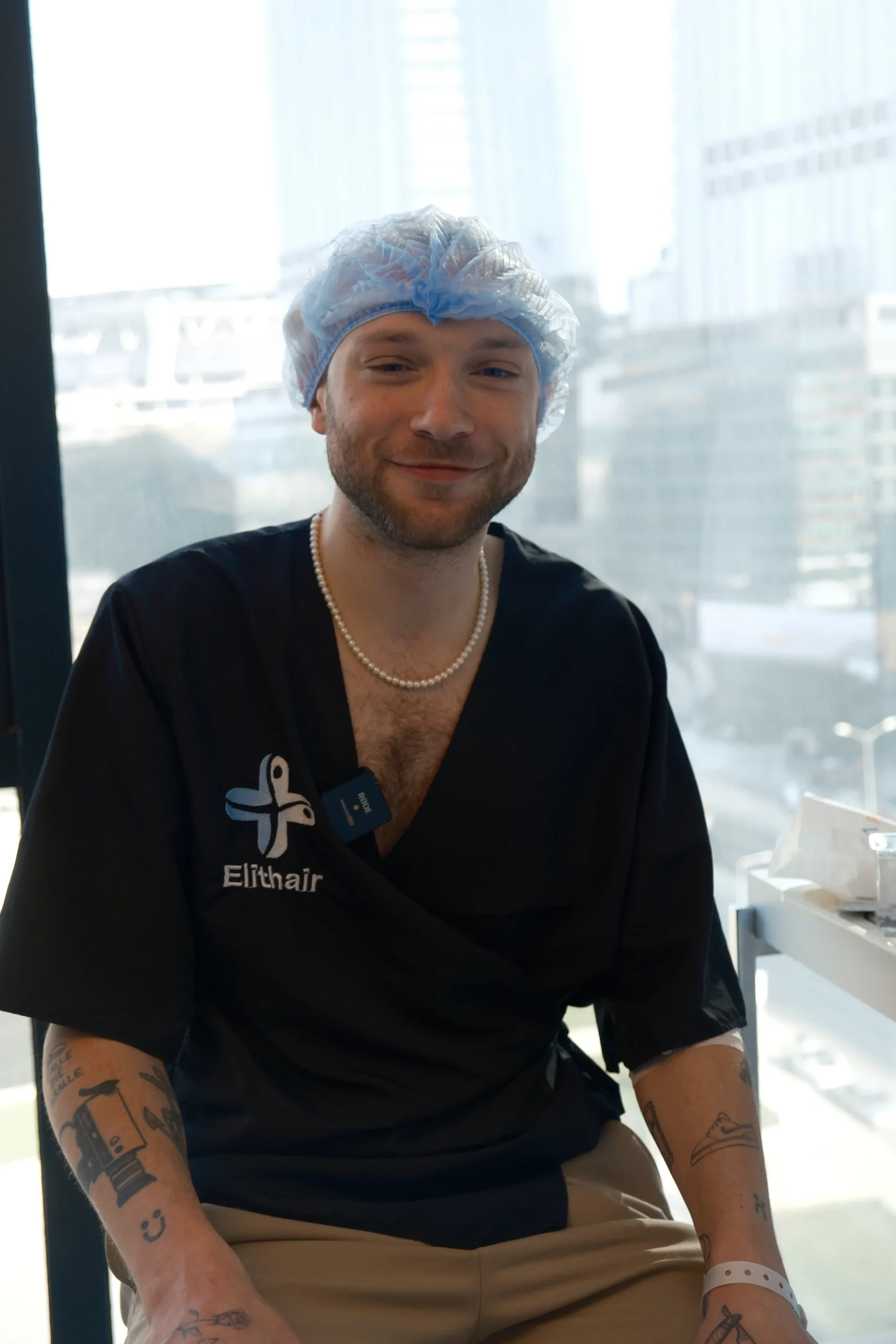
Fasting is important for sedation safety. Follow the specific eating and drinking instructions from your anesthesiology team.

Flight schedules, time-zone changes, and in-flight meals can disrupt your routine, so please pay close attention to these times.
If you eat or drink anything on the day of your procedure, please tell us. The medical team will reassess whether sedation or the procedure can proceed safely and discuss the available alternatives.
To support healing, ask the medical team when to pause minoxidil before the procedure and avoid alcohol starting three days beforehand. Starting the day before your procedure, avoid smoking, coffee, and tea. Ask your treating clinician whether to continue finasteride.
Our all-inclusive package covers both specialist-supervised Sleep-Deep sedation and the needle-free Comfort-In method at no extra cost. Your all-inclusive price is clearly based on your graft tier. Zero Shave FUE and Manual FUE are optional paid extraction methods. Additional grafts, if required, cost $105 per 500 grafts with your approval.
Other clinics often charge hundreds of dollars extra for sedation. At Elithair, it's fully included. Comfort and safety shouldn't cost extra.
| Grafts | Elithair all-inclusive price | US clinics | Your savings |
|---|---|---|---|
| up to 2,000 | $3,899 | $6,300 | about 38% |
| 2,500 | $3,999 | $7,900 | about 49% |
| 3,000 | $4,099 | $9,300 | about 56% |
| 3,500 | $4,199 | $10,900 | about 61% |
| 4,000 | $4,299 | $12,400 | about 65% |
| 4,500 | $4,399 | $13,500 | about 67% |
| 5,000 and up | $4,499 | $15,600 | about 71% |

(Not included: your flights. Optional at extra cost: Zero Shave FUE and Manual FUE.)
It often takes more than a year to go from considering a hair transplant to deciding to have one. Much of that delay comes from worrying about pain—a concern the Sleep-Deep method eliminates.
You can't recover that lost time. Your donor area is limited, and hair loss can continue to progress. Hair growth also takes time: the first results appear after three to four months, with the final result visible at the front of the scalp after 10 to 12 months.
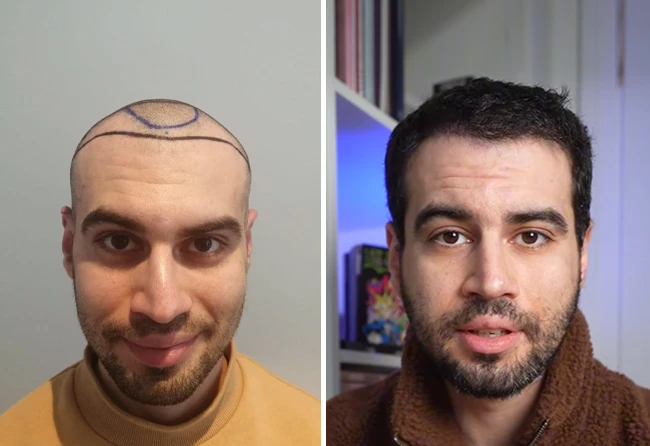
Spybas - 3,200 grafts
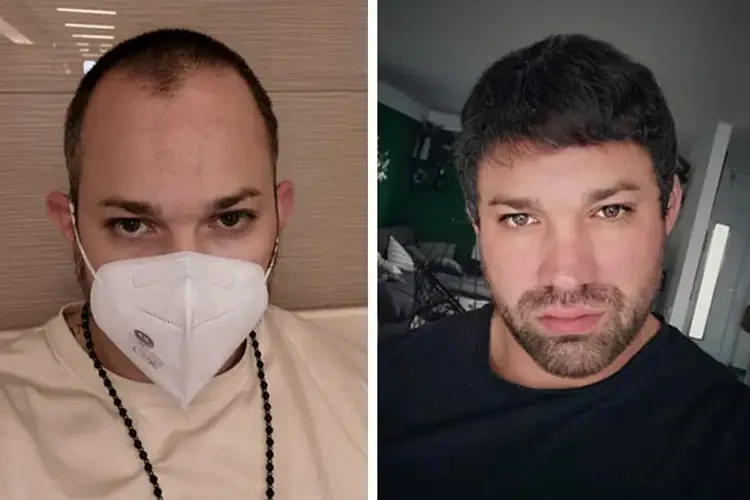
Manuel A. – 3,700 grafts
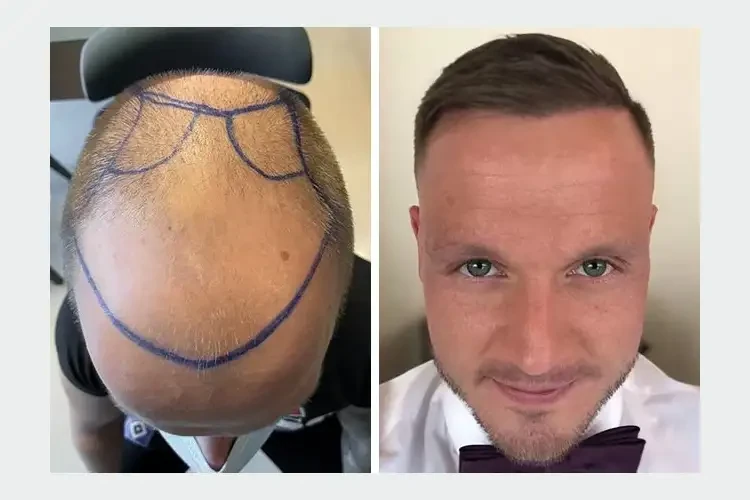
Dominik K. – 5,200 grafts
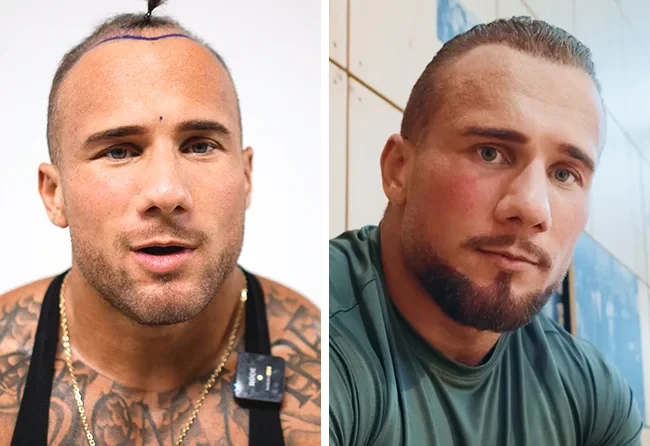
Leonidas A. – 4,200 grafts
Recovery and growth vary. Your consultation can help you plan treatment and long-term hair care.
Within a day, our free hair analysis helps you understand whether a procedure is medically appropriate and which type of anesthesia is best for you. After this thorough assessment, we decline more than 40% of all inquiries because the quality of the aesthetic result comes first.
With more than 150,000 treatments performed, we've encountered almost every hair loss pattern and patient concern. Our patients' experiences with our care are reflected in our 4.9 rating on Google from more than 11,000 reviews and our 4.7 rating on Trustpilot.
Take the first step now with the free hair analysis. You get a precise medical assessment including a graft count and a no-obligation cost estimate.
You can then discuss any questions about anesthesia and the procedure with your hair transplant consultant at your own pace.
There is one uncomfortable part: the 20 to 30 injections used to administer the local anesthetic. Without sedation, this is the most painful phase: in a study of injection pain, patients rated it between three and five out of ten on average (Hwang et al. 2025). At Elithair, you sleep through the injections with about 15 minutes of twilight sedation. During the procedure itself, the local anesthetic keeps you free of pain, although you may still feel touch, pressure, or an occasional tug. Your scalp may feel tight in the first few days afterward, and the medication package includes a pain reliever to help.
Twenty to thirty injections, spread across the donor and recipient areas. Administering them takes about 15 minutes—the period covered by Sleep-Deep sedation.
General anesthesia usually isn't medically necessary, so it isn't our standard approach. Hair transplantation is minimally invasive, and local anesthesia is commonly used, with brief sedation when appropriate (Barusco 2023). General anesthesia involves additional airway and recovery considerations and is generally not required for this procedure. If you're considering it, discuss it during your consultation.
About 15 minutes—just long enough to administer the local anesthetic. You then wake up alert and remain conscious during the procedure. The anesthesiologist continues monitoring your vital signs throughout treatment, including after you wake up.
This can happen because everyone metabolizes the anesthetic at a different rate. Tell the team as soon as you feel more than pressure. An additional dose is injected into tissue that's already numb, so you barely feel it, and treatment continues as usual. Additional doses are a normal part of a procedure that takes about 5 to 8 hours.
Numbness or tightness in the donor and recipient areas is normal and fades as the fine skin nerves recover. How long that takes depends on the treated area and on your healing. What matters is that the numbness gradually fades instead of getting worse. If it becomes more intense or painful, reach out to your dedicated contact person right away.
High blood pressure, treated diabetes, and most long-term medications don't rule out sedation. Significant heart or lung conditions, diagnosed sleep apnea, and liver or kidney disease may make sedation unsuitable. Always tell us if you take blood thinners. The anesthesiologist makes the decision before the procedure, based on the information you provide.
A true allergy to modern local anesthetics is very rare. Dizziness or brief fainting from a stress-related circulatory reaction is much more common. Many patients mistake a past reaction like this at the dentist for an allergy. Describe exactly what happened during your initial consultation so we can distinguish between the two.
Yes. Follow the fasting instructions provided by your anesthesiology team. Travel and time-zone changes can throw off your routine, so please pay close attention to these times. If you do eat or drink anything, tell us. Tell the team so the anesthesiologist can reassess the fasting and treatment plan. Do not assume the procedure will proceed unchanged.
No. Both Sleep-Deep sedation and the needle-free Comfort-In method are included in our all-inclusive package ($3,899–$4,499 depending on graft count). Other clinics often charge extra for sedation.
Temporary, diffuse hair loss can develop about six to twelve weeks after major surgery under general anesthesia and usually resolves completely. It is caused by the body's stress response, rather than the anesthetic itself. This isn't expected with local anesthesia and brief sedation.
Yes, except for the roughly 15 minutes when the local anesthetic is administered. Afterward, you're awake and responsive. You can ask for breaks, have something to drink, and tell the team at any time if you feel uncomfortable.


