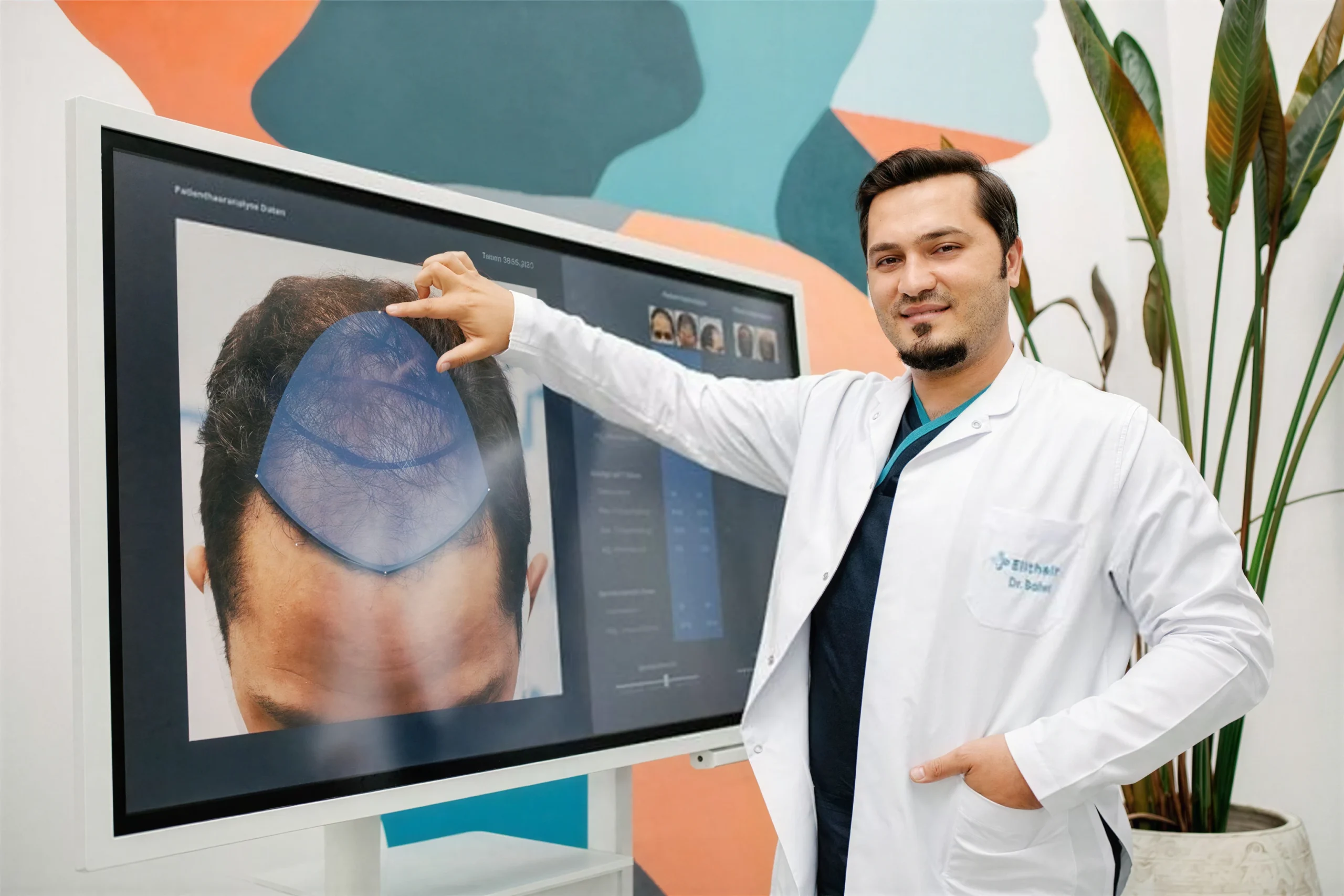



















Doctor in a white coat pointing to an image of the top of a head on a large screen

Graft Calculator: How Many Grafts Do I Need?

  • Personalized assessment up front
  • Quick and obligation-free
  • Takes your specific problem areas into account

free, no obligation

4.9 out of 5 stars on Google

Experience and Certification

More than 150,000 treatments
at our specialist clinic, certified to ISO 9001:2015
by TÜV Thüringen.

ISO 9001:2015, TÜV Thüringen, and health certification seals for the Elithair clinic

Graft Calculator: Your First Estimate in Three Clicks

"How many grafts do I need?" is the first question anyone asks before a hair transplant, and the answer drives both your result and your cost.

The graft calculator gives you an honest initial estimate in three clicks. Below, we explain how that estimate is calculated, with tables organized by Norwood stage, scalp area, and price tier. At Elithair, all-inclusive packages start at just $3,899.

Before you begin, keep in mind that broad online estimates are not a reliable basis for planning your treatment. Your graft count can only be determined through an individual assessment, with particular attention to the area that needs coverage and the capacity of your donor area (Kumaresan et al. 2023).

The goal is to choose the number that makes the most sense medically and aesthetically, rather than simply extracting as many grafts as possible.

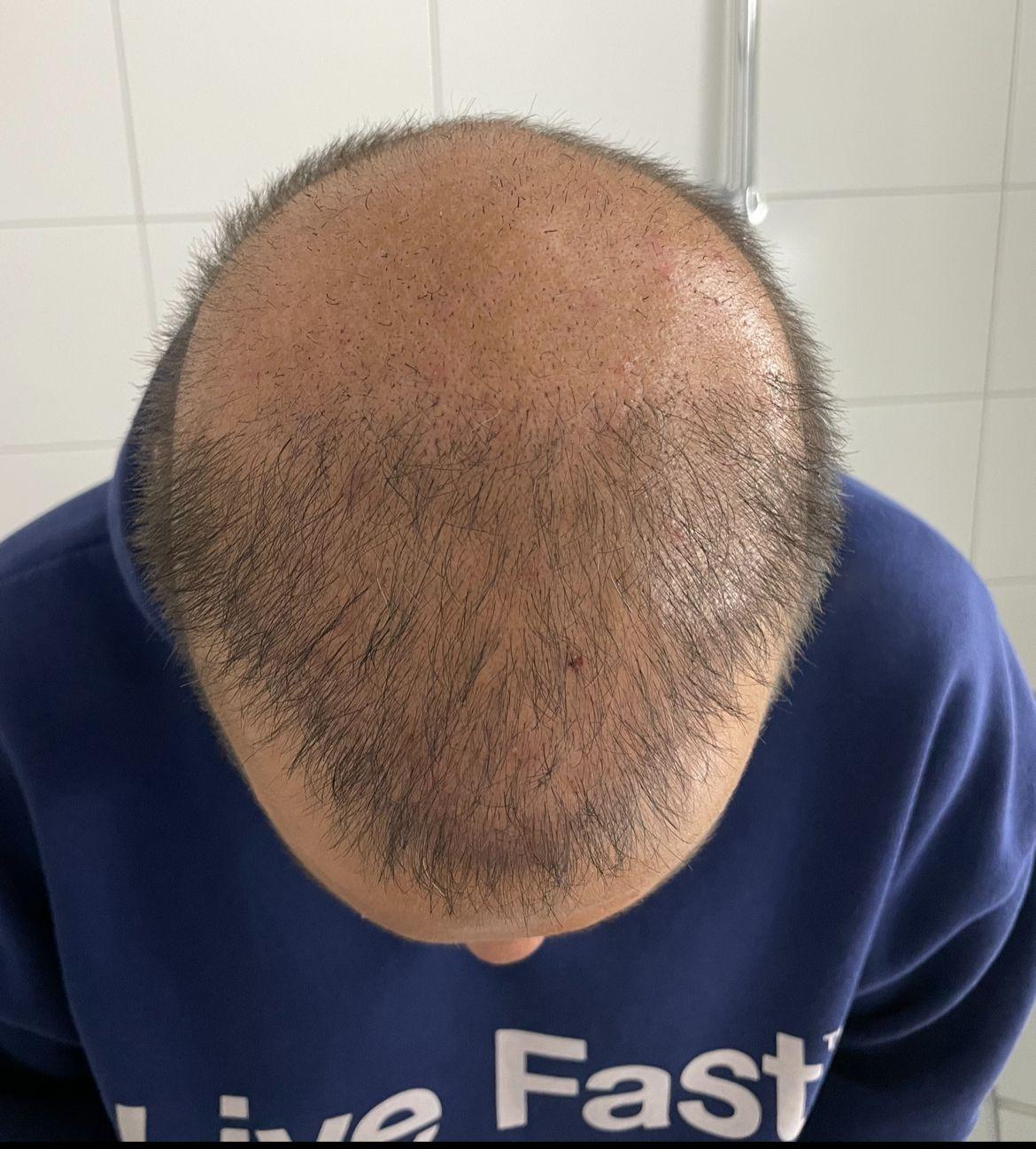
Top view of a man's scalp with thinning hair
Calculator

Graft Calculator

  1. 1Area
  2. 2Severity
  3. 3Age
  4. 4Duration
  5. 5Donor Area
  6. 6Result
Step 1: Choose the Area

Which area would you like to treat?

Step 2: Hair Loss Severity

How severe is the hair loss in the selected area?

Step 3: Age

How old are you?

Step 4: Duration of Hair Loss

How long have you been experiencing hair loss?

Step 5: Donor Area

How dense is the hair at the back of your head? Grafts are harvested from this donor area.

Calculating your graft needs …

Elithair all-inclusive

Your savings:

Included: DHI, 4-star hotel, VIP transfer, PRP, medication, patented NEO FUE® serum, Sleep-Deep, Pre-Test System, aftercare via the Elithair app

Start Your Free Hair Analysis

IMPORTANT: The calculator uses two details you provide—the affected area and the extent of your hair loss—to estimate a graft range and the corresponding price tier. This is an estimate, not a diagnosis. A doctor determines your actual graft count during your free hair analysis, then refines it in Istanbul using the Pre-Test System, whose results form the basis of your individual treatment plan. We explain why below.

At a glance

Your Graft Count at a Glance

Most men need between 2,000 and 6,000 grafts.

Your exact graft count depends on the affected area and how far your hair loss has progressed. The ranges below are based on our documented treatments, rather than a fixed formula.

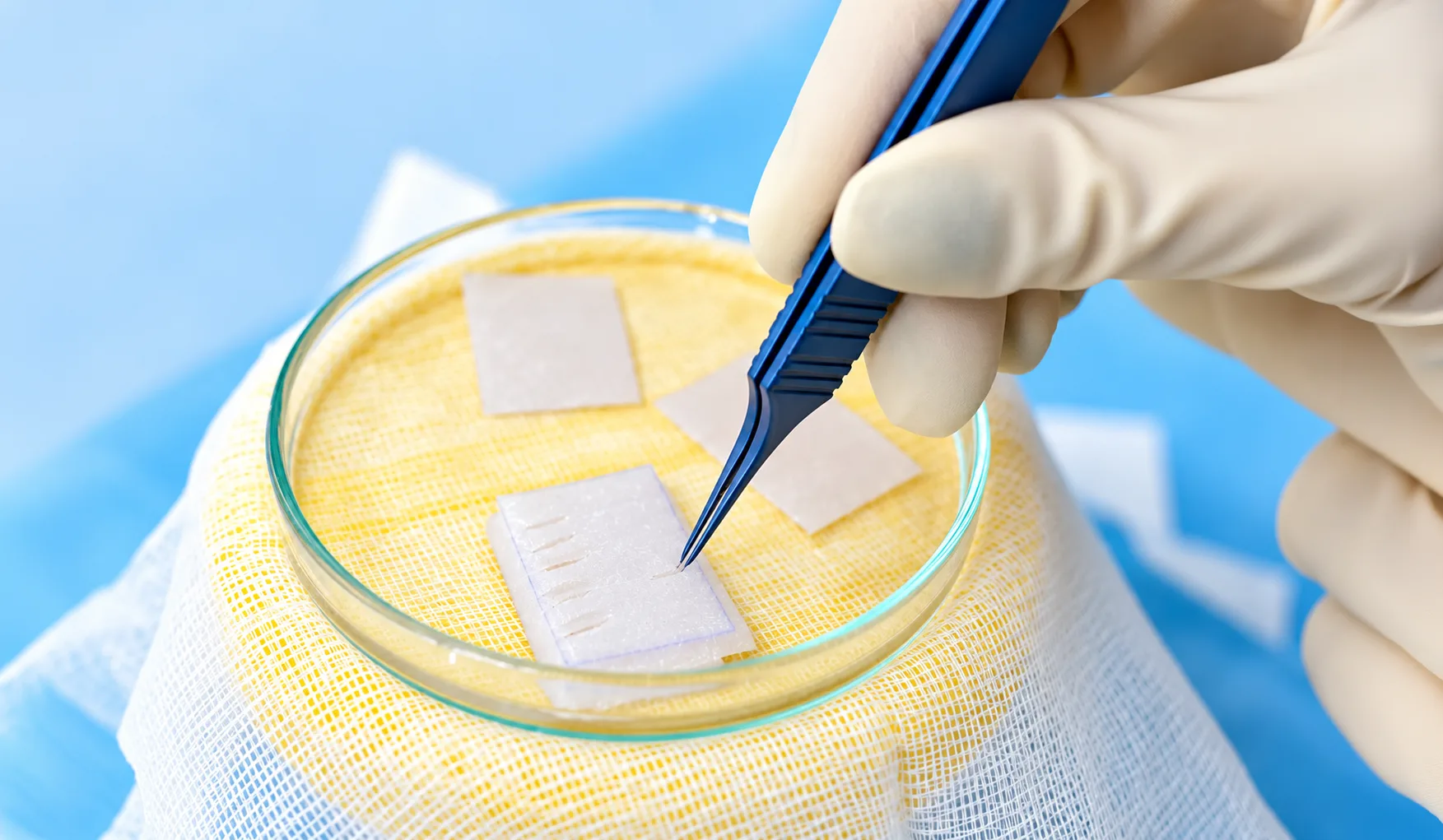
Gloved hand sorting individual hair follicles with tweezers on pads in a glass dish.

Broken Down by Zone

ZoneGrafts (typical)Norwood (approx.)
Receding hairline 2,000 to 3,500 NW2–NW3
Hairline lowering / frontal hairline 2,000–3,000 NW2–NW3
Crown 2,000 to 4,500 NW3–NW4
Full coverage of the crown 2,500–5,000 NW4–NW5
Entire top of the head 2,500 to 4,500 NW4–NW5
Top of the head and receding hairline combined 4,000 to 5,500 NW5
Complete baldness 5,000 to 6,000 NW6–NW7
Diffuse thinning, common in women 2,000 to 3,500 not covered by the scale

By Norwood Stage: The Standard Scale for Hereditary Hair Loss

Norwood stageGraftsWhat you see in the mirror
NW1
0
no treatment needed
NW2
2,000 to 2,500
mildly receding temples
NW3
2,500 to 3,500
clearly receding temples, hairline moving back
NW3 with crown
2,000 to 4,500
receding temples with hair loss at the crown
NW4
2,500 to 4,500
receding temples with early thinning at the crown
NW5
4,000 to 5,500
areas of hair loss at the front and back merging
NW6
5,000 to 6,000
only a ring of hair left at the sides
NW7
5,000–6,000, possibly over two sessions
pronounced baldness, the donor area sets the limit

At NW6 and beyond, the limiting factor is your donor reserve, rather than the number of grafts you would ideally need. Only a limited number of grafts can be harvested from the back of your head (Chouhan et al. 2019). With very advanced hair loss, a good doctor prioritizes the areas where treatment will make the greatest visible difference.

Basics

What Exactly Is a Graft?

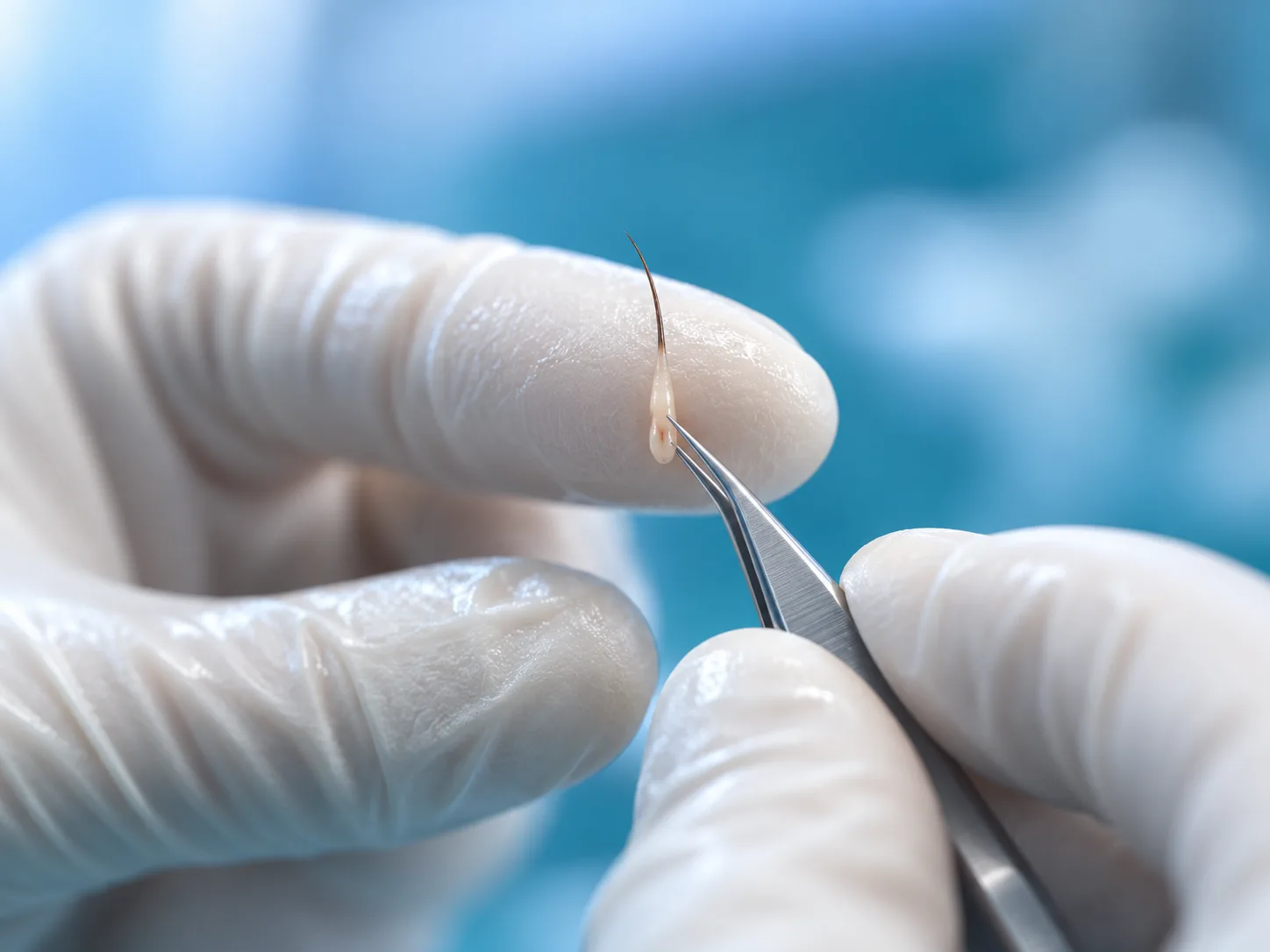
Macro shot of a single hair follicle graft held in tweezers in the operating room

A graft is a follicular unit containing 1 to 4 hairs, reflecting the small groups in which hair naturally grows.

During FUE extraction, we remove each unit individually from the donor area at the back of your head for later implantation.

A graft is not the same as a hair: each graft contains an average of 2.0 to 2.2 hairs.

Here is the breakdown:

  • Single-hair grafts: roughly 15 to 20 percent, placed along the leading edge of the hairline to create a soft, natural transition (Shapiro 2004).

  • Two-hair grafts: the most common type, around 45 to 50 percent.

  • Multi-hair grafts with 3 to 4 hairs: placed behind the single-hair grafts to build density across the mid-scalp.

A natural result depends on more than the total graft count. It also depends on how skillfully each type of graft is placed.

Experienced medical specialists sort grafts by the number of hairs they contain, placing finer single-hair grafts at the front and fuller multi-hair grafts behind them.

Conversion

Converting Grafts Into Hairs

To see how many hairs a graft count represents, use a factor of 2 to 2.2:

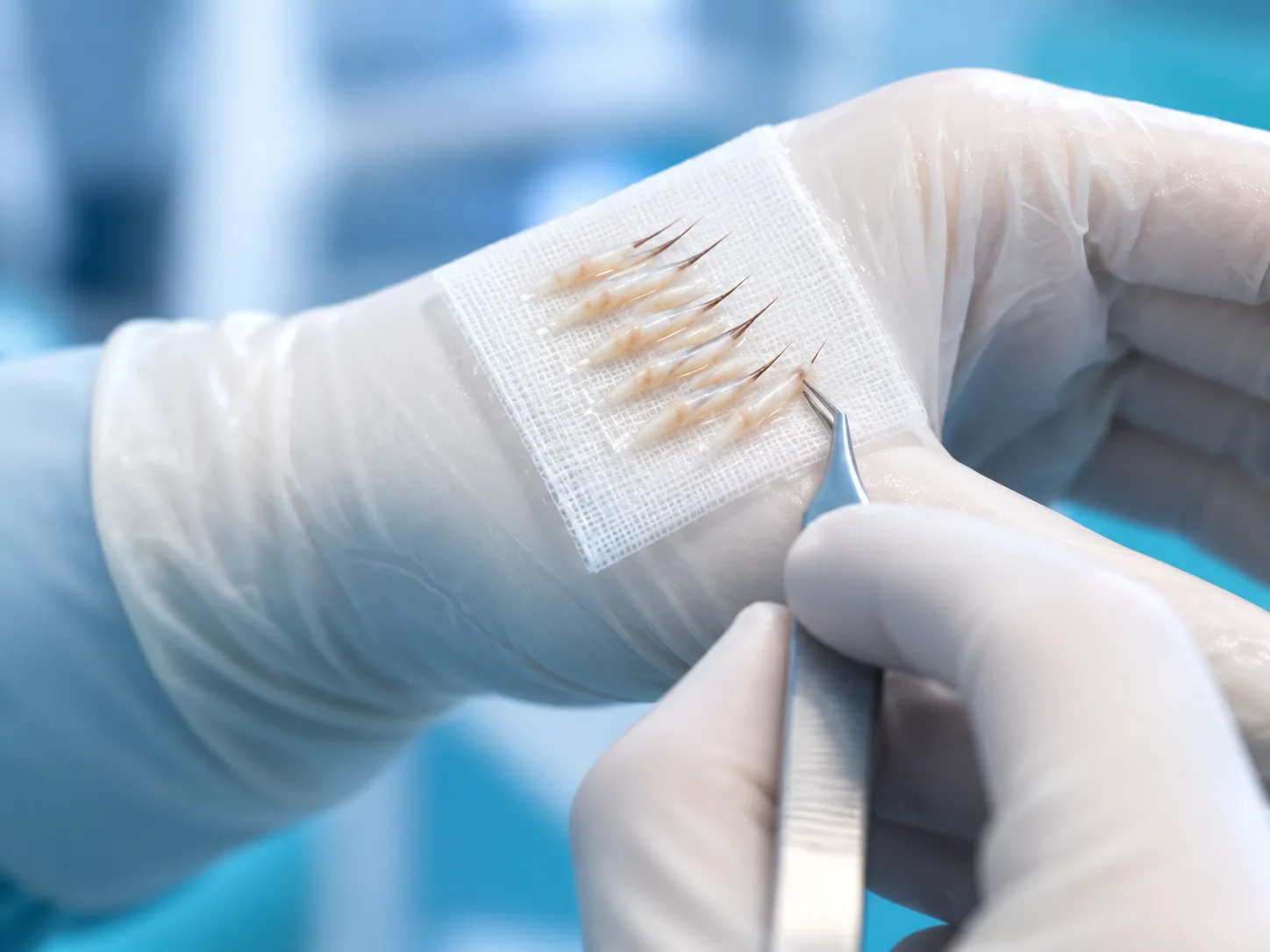
Harvested hair follicle grafts on a glove, with tweezers beside them
GraftsHairs (approx.)
2,0004,000–4,400
3,0006,000–6,600
4,0008,000–8,800
5,00010,000–11,000

That is why a graft count can sound lower than the number of hairs it represents.

3,000 grafts work out to more than 6,000 hairs.

So when you compare quotes, always check whether the number refers to grafts or to hairs.

What Those Values Mean Visually

This table shows what those values mean visually:

Hair density categories showing grafts per cm² and appearance
Density category Grafts per cm² Visual impression
sparse 20–30 visibly thin, scalp shows through
medium density 40–50 naturally full, the standard target at Elithair
very dense 60–80 maximum fullness, only realistic with a strong donor area

For comparison, a healthy, untreated scalp has around 80 to 120 follicular units per cm². A density of 40 to 50 grafts per cm² is sufficient for hair that looks naturally full in everyday life: multi-hair grafts and careful placement at the right angles provide excellent visual coverage. Beyond that point, additional density offers almost no visible improvement while using valuable donor grafts.

White reception hall of the Elithair clinic with organic columns and a glass facade
Patients with suitcases arriving in the lobby of the Elithair clinic
Clinic lobby with a large white sculpture and seating area
Clinic reception hall with an illuminated art installation
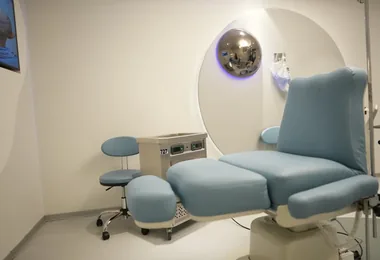
Bright treatment room with a light blue treatment chair
Patient in a transfer vehicle with comfortable leather seats
Evening view of the Istanbul skyline from the hotel
Elit Clinic waiting area with sofas and plants
Hotel Elitoria in Istanbul at dusk
Hotel Elitoria sign above Istanbul at sunset
Hotel room with a curved ceiling and a view of Istanbul
Bright hotel room with a double bed and panoramic window
Hotel room with a white bed, an orchid, and a flat-screen TV
Hotel Elitoria with its illuminated entrance in the evening
Waiting lounge with a light installation on the ceiling
Aerial view of the Elit Clinic building in Istanbul
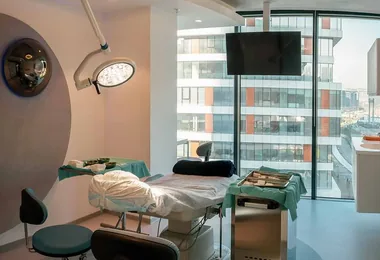
Prepared treatment room with large windows
Exterior of the clinic building in Istanbul
Hotel room with a round wall arch and city view
Spacious hotel room with ring-shaped ceiling lights
Patient in a transfer vehicle with comfortable leather seats
Evening view of the Istanbul skyline from the hotel
Elit Clinic waiting area with sofas and plants
Hotel Elitoria in Istanbul at dusk
Hotel Elitoria sign above Istanbul at sunset
Aerial view of the Elit Clinic building in Istanbul
Prepared treatment room with large windows
Exterior of the clinic building in Istanbul
Hotel Elitoria with its illuminated entrance in the evening
Waiting lounge with a light installation on the ceiling
Zones

Grafts by Zone in Detail

Each area has different requirements. The front of the hairline needs many fine single-hair grafts for a natural transition. The vertex requires less density because its natural whorl pattern draws attention away from any gaps.

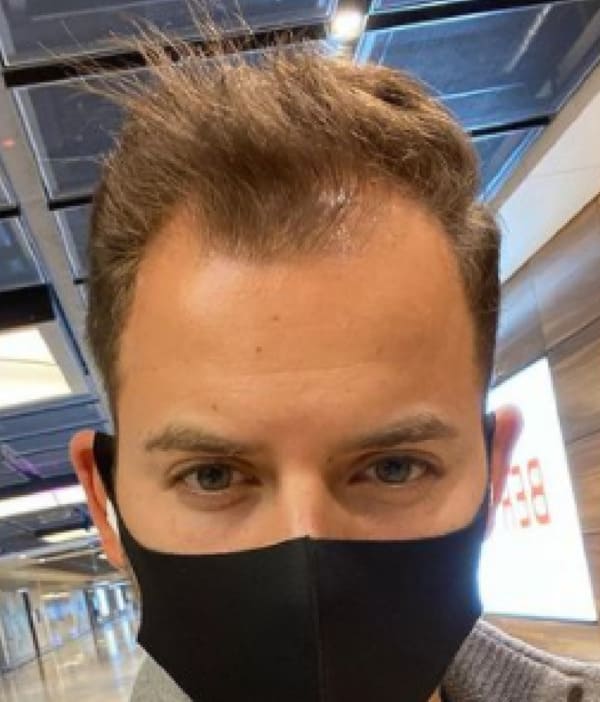
Indoor selfie of a man with thinning hair at the temples wearing a face mask

Receding hairline

This is often the first area people worry about. In most cases, 2,000 to 3,500 grafts are enough to fill in the temples and restore the hairline. Mild cases generally require 2,000 to 2,500 grafts, moderate cases 2,500 to 3,000, and completely bare temples up to 3,500 grafts.
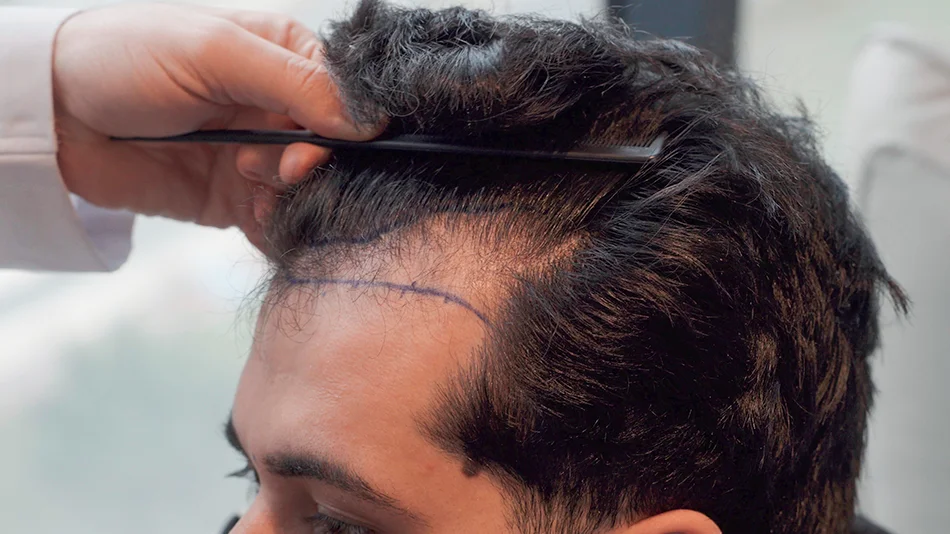
Medical specialist combing a patient's dark hair back to reveal a finely marked new hairline

Hairline and forehead

If you only want to lower or straighten your hairline, you will typically need roughly 2,000 to 3,000 grafts. The doctor designs the new hairline around your face shape and age, rather than aiming for maximum density (Shapiro et al. 2013). A hairline that is too low can look artificial as you age, which is why an experienced doctor takes a conservative approach.

Top view of a thinning crown and bald vertex before treatment

Crown and vertex

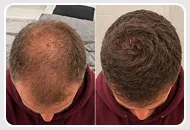
This is the bald spot at the back of your head, which typically requires 2,000 to 4,500 grafts. The spiral whorl pattern makes lower density less noticeable, so 20 to 30 grafts per cm² is often enough for a full appearance at the vertex. The exact graft count depends on the diameter of the bald area.
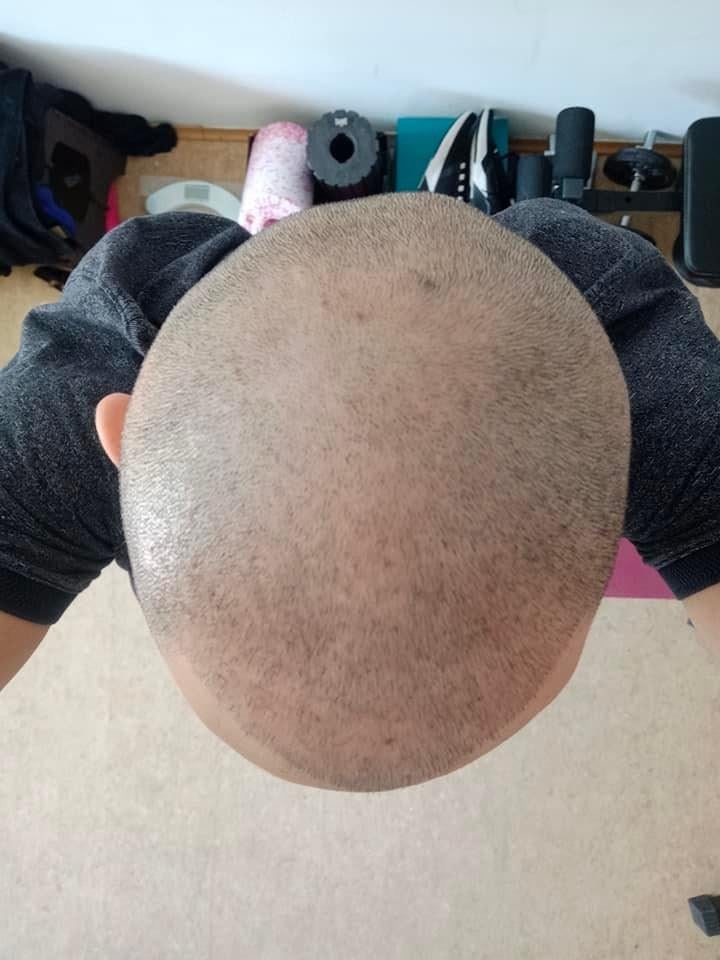
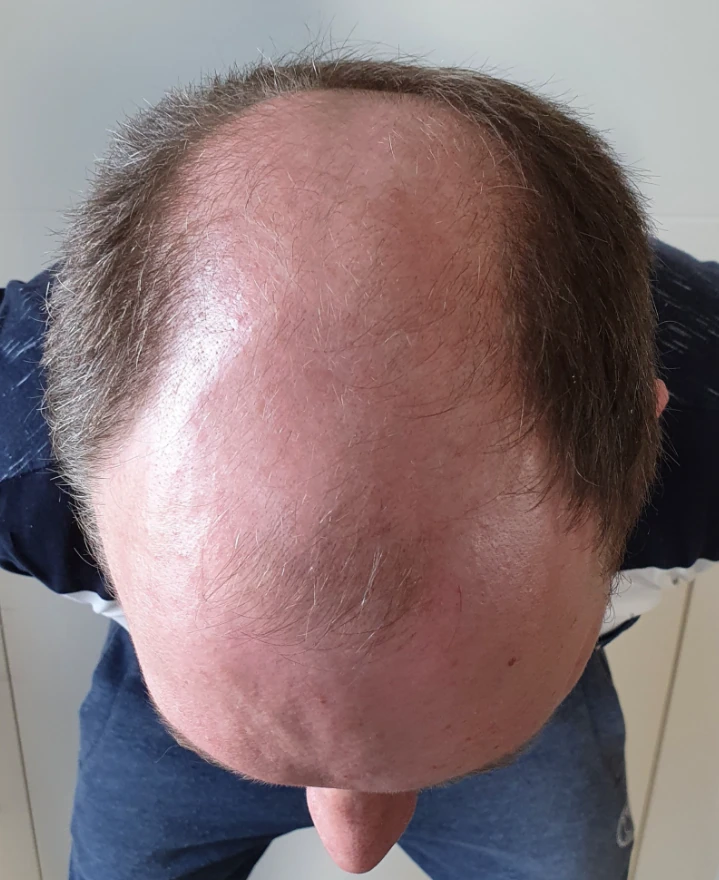
Top view of a closely cropped scalp with advanced hair loss

Complete baldness

When both the hairline and mid-scalp are affected, you may need 5,000 to 6,000 grafts. The donor area at the back of your head determines the limit. We discuss what is possible and what you can realistically achieve in one or two sessions before treatment.

Graft count

What Affects the Number of Grafts You Need

Your Norwood stage is only the starting point. Where you fall within the graft range depends on characteristics that a doctor needs to assess and measure. Hair quality alone can change the number of grafts needed by 20 to 30 percent, regardless of your Norwood stage.

Factors that affect how many grafts you need
Factor Fewer grafts needed More grafts needed
Hair caliber thick, coarse hair fine, thin hair
Hair texture curly or wavy straight
Hair-to-skin contrast low (dark on dark, light on light) high (dark hair, light skin)
Donor density at the back of the head high low
Desired target density subtle and natural maximum density
Graft count

Two examples show why these factors matter.

Two examples show why these factors matter. Thick, curly hair covers much more scalp per graft, so 2,000 grafts may achieve the same result that would require 3,500 grafts with fine, straight hair.

Dark hair against light skin makes the scalp more visible through thinning hair, so it usually requires greater density than a low-contrast combination.

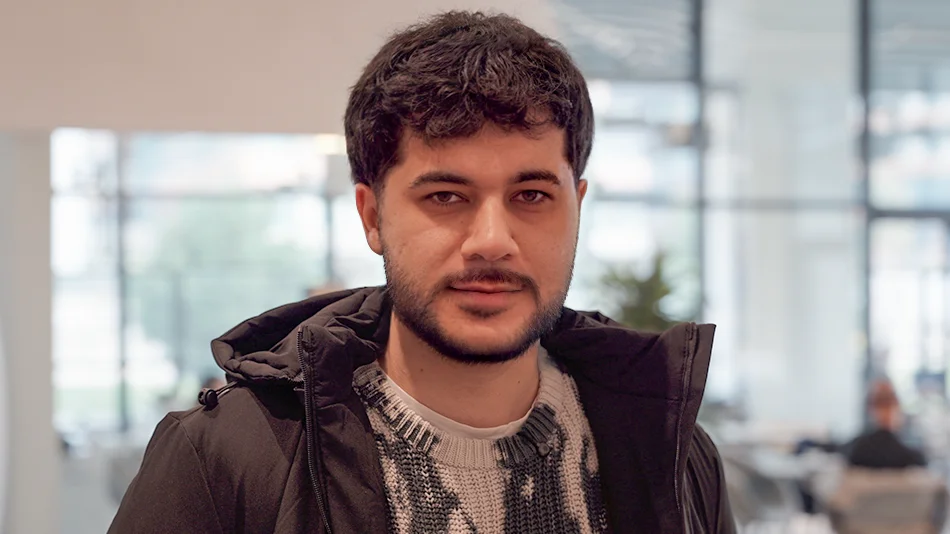
Portrait of a young man with dark curly hair and a beard wearing a jacket in a bright room
  • 5-Doctor
    Standard
  • 6-step
    Pre-Test System
  • Sleep-Deep:
    0 % pain
  • DHI technique
    included
  • 20-year
    guarantee
  • 12 months of
    aftercare
Cost

What Do 2,000, 3,000, 4,000 or 5,000 Grafts Cost?

At Elithair, your price is based on a graft-count tier, rather than a charge for each individual hair root. You pay the fixed price for the tier that covers your graft count. Below is our complete fixed-price breakdown, along with estimated costs for procedures with equivalent graft counts in the United States:

Prices by graft tier: your all-inclusive price, typical U.S. cost and savings
Grafts Your price Typical U.S. cost You save
up to 2,000 grafts $3,899 $6,300 about 38%
up to 2,500 grafts $3,999 $7,900 about 49%
up to 3,000 grafts $4,099 $9,300 about 56%
up to 3,500 grafts $4,199 $10,900 about 61%
up to 4,000 grafts $4,299 $12,400 about 65%
up to 4,500 grafts $4,399 $13,500 about 67%
from 5,000 grafts $4,499 $15,600 about 71%
All-Inclusive

What's Included in the All-Inclusive Package?

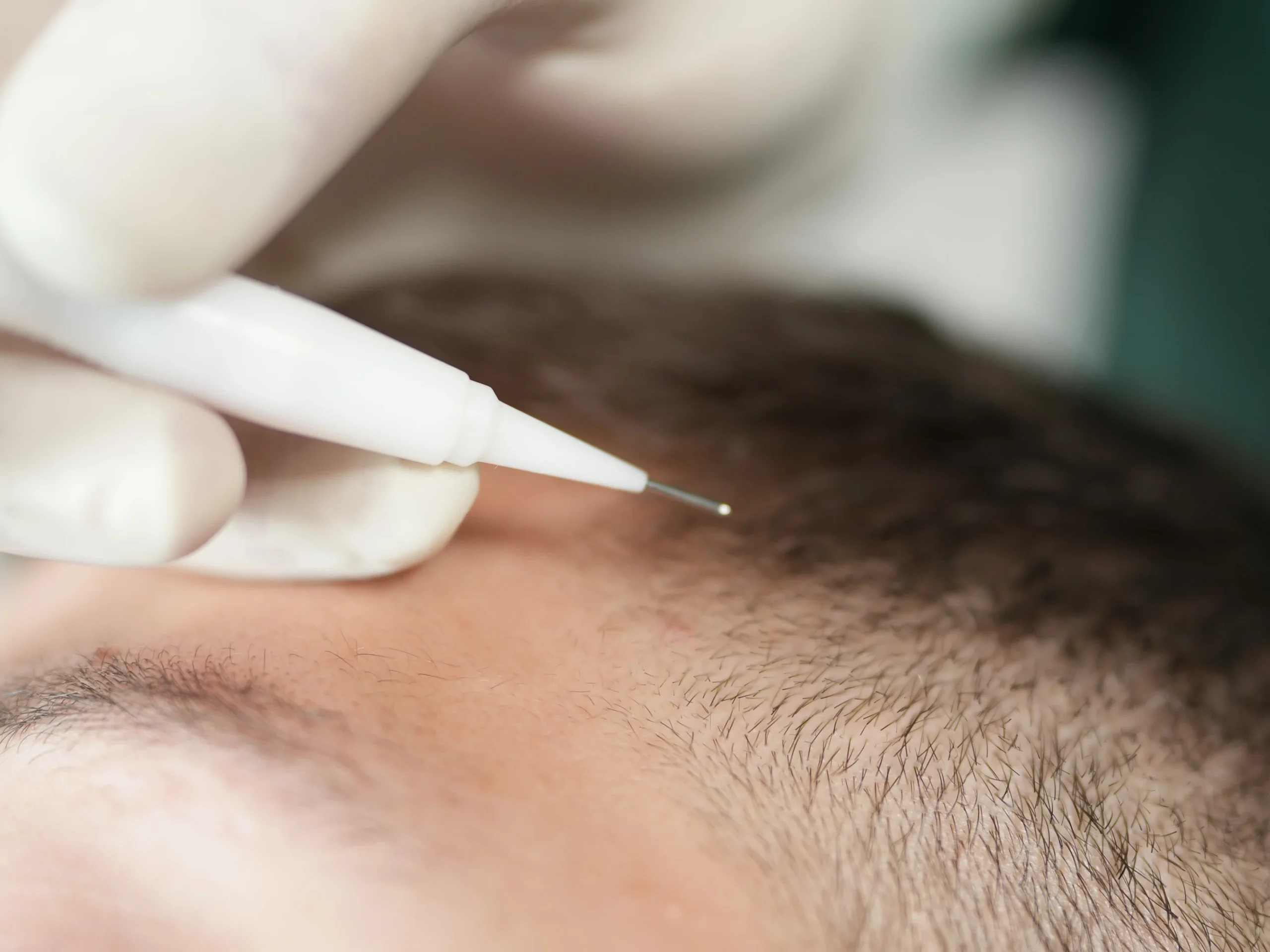
A gloved hand holding an implanter pen against a patient's closely shaved hairline.Hotel room with a round wall arch, TV niche, and city view of IstanbulFemale doctor checking the Elithair headband on a patient
Treatment
  • DHI implantation with the CHOI Implanter Pen
  • Patented NEO FUE® serum
  • Optional Sleep-Deep sedation during local anesthetic administration
  • Pre-Test System for your individual treatment plan
  • 5-Doctor Standard
  • One PRP treatment
Your Stay in Istanbul
  • 3 nights at a 4-star hotel near the clinic
  • VIP airport transfer
  • English-speaking support at the clinic
Aftercare and Guarantee
  • Aftercare supplies and medication
  • Doctor's follow-up check at the clinic
  • 12 months of aftercare via the Elithair app
  • 20-year written guarantee on the transplanted hair

Note: For logistical reasons, your flight is not included. Direct flights to Istanbul are available from almost every major US airport, so your airfare depends on your departure city. Zero Shave FUE and Manual FUE extraction are available as optional upgrades at an additional cost.

Grafts per session

How Many Grafts Are Possible Per Session?

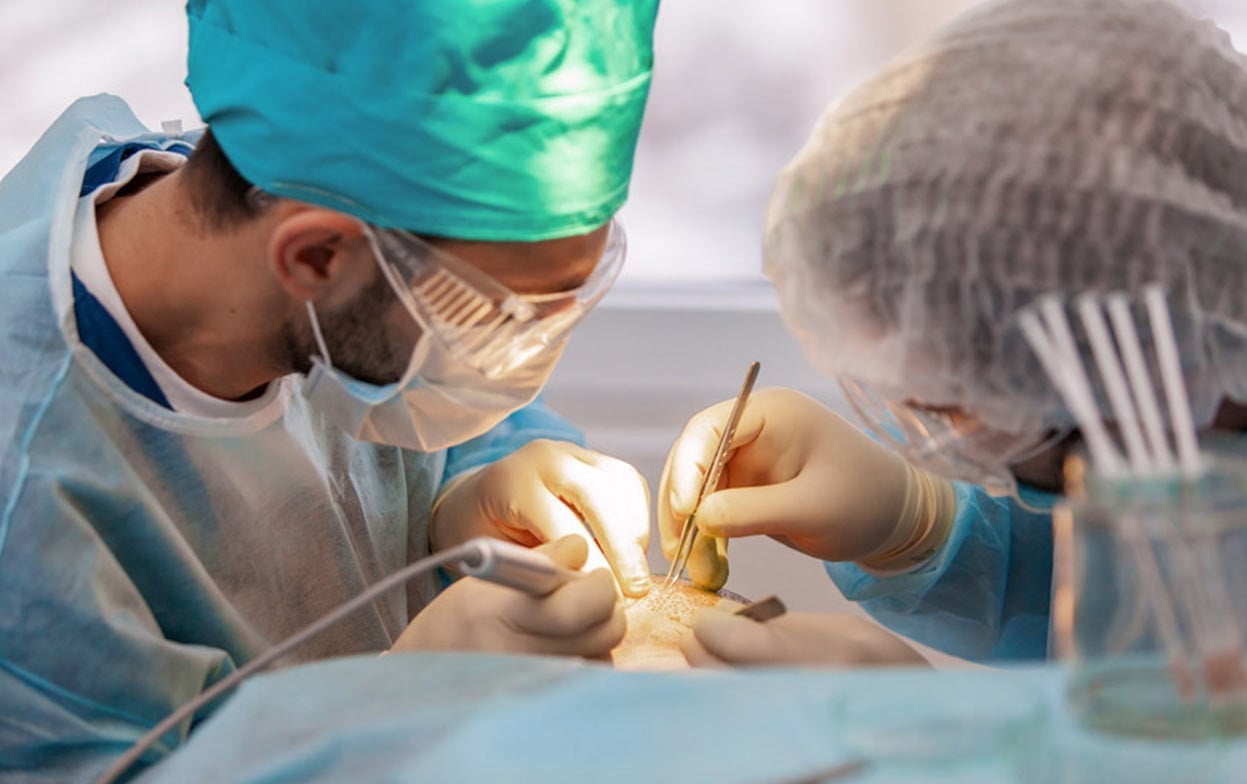
Doctor wearing a surgical cap, safety glasses, and an illuminated magnifier working on a patient's head with tweezers

A typical session involves around 2,000 to 4,000 grafts. Most clinics set an upper limit of around 5,000. A mega-session of up to 5,000 grafts in a single day is possible, but it is the exception.

The procedure takes around 5 to 8 hours, depending on the number of grafts being transplanted, and a session this large is only possible with a very large donor area. If you need more grafts—for example, 6,000 for complete baldness—a responsible doctor will divide treatment into two separate sessions.

Donor area

The Real Limit: Your Donor Area

More grafts are not always better. Your donor area contains a finite number of follicles that can be harvested safely, and the usable reserve varies from person to person. This supply does not replenish itself, so long-term planning matters across all procedures.

Removing too many grafts permanently thins the donor area. This is called "overharvesting," and it cannot be reversed. In the recipient area, a density of 40 to 50 grafts per cm² is enough for hair that looks naturally full.

Above 50 to 60 grafts per cm², the growth rate drops because the scalp cannot supply enough blood. A sound treatment plan never exhausts your donor area. It uses donor grafts carefully and keeps some in reserve in case your hair loss continues.

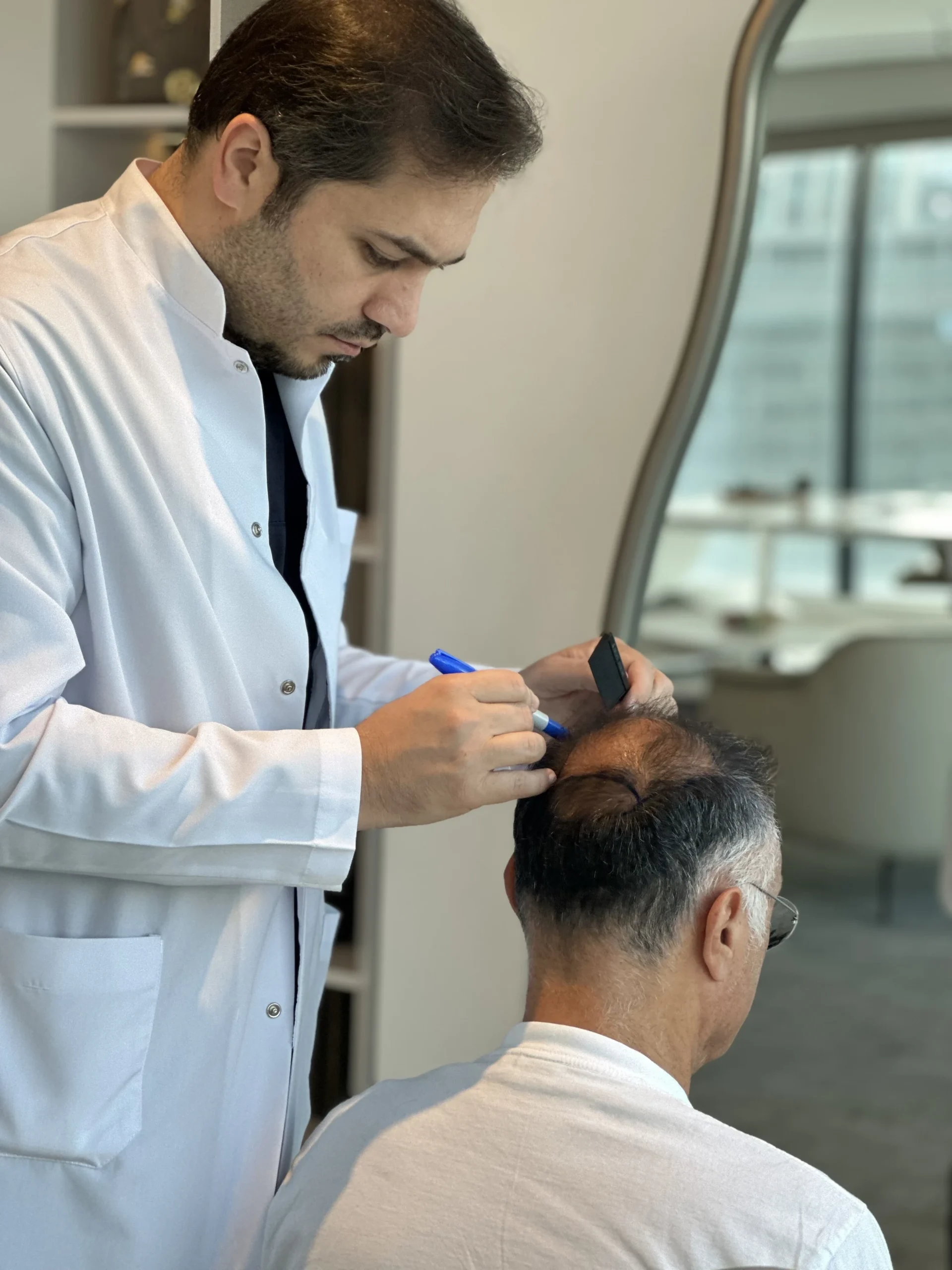
Doctor in a white coat examining a patient's hair loss from above in a modern clinic
Timing

Your Graft Count Today Is the Only One That's Certain

You may have been thinking about a fuller head of hair for a while. Often, more than a year passes between first considering treatment and taking action. Our free hair analysis gives you clear answers right away: we assess whether your donor area provides the ideal foundation for a dense, natural result.

Waiting rarely improves your prospects. The denser and more stable your hair is today, the better your result will be.

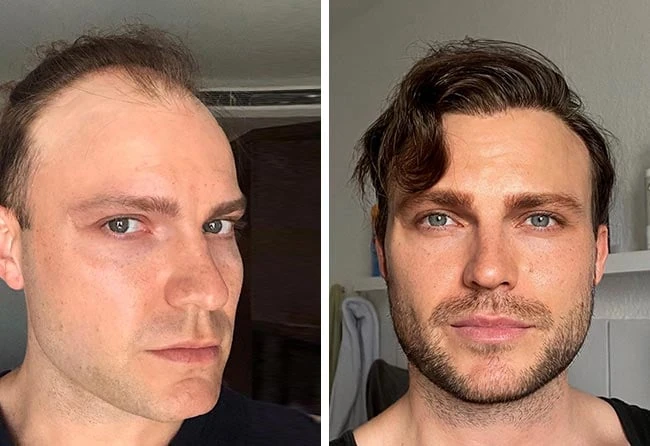
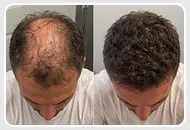
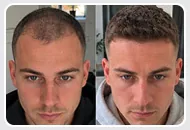
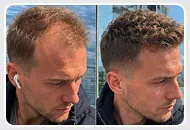
Hair transplant result: man with a severely receded hairline before treatment and a full head of dark hair afterward

Edgars N. – 3,700 grafts

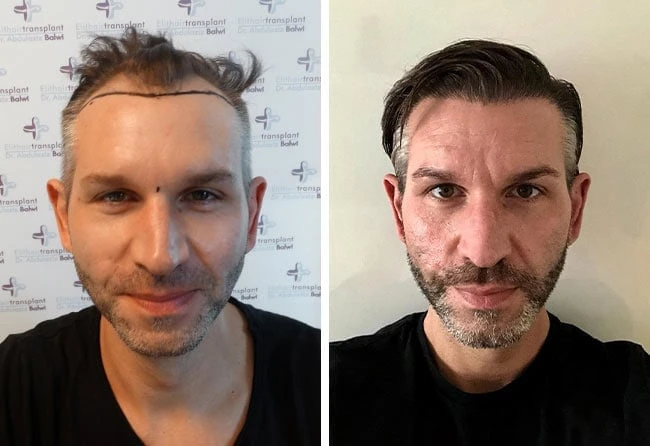
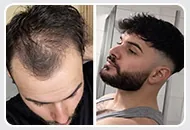
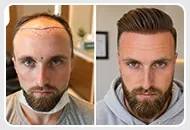
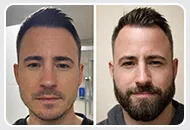
Elithair before and after: man with thinning hair before and a full head of hair after the transplant

Thomas S. – 4,250 grafts

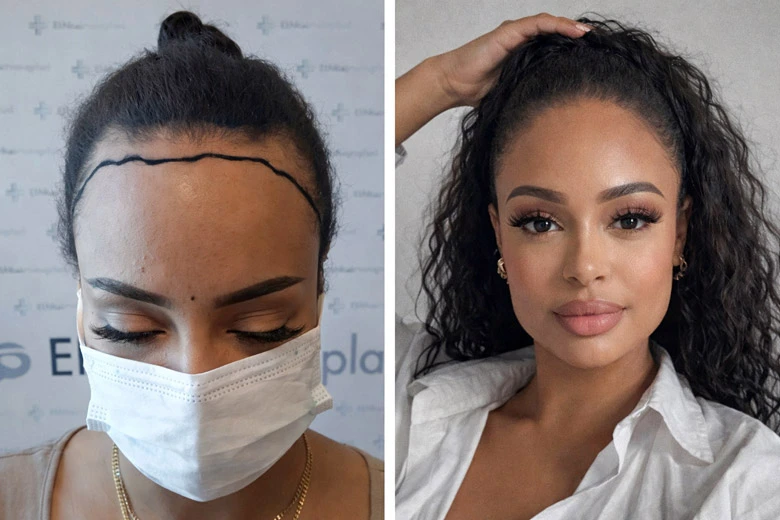
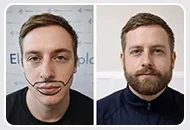
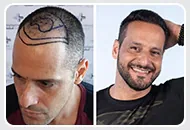
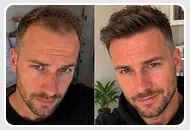
Before-and-after images of patient Jahy C. (3,200 grafts): left, the new hairline marked before treatment; right, a dense hairline after treatment

Jahy C. – 3,200 grafts

Keep the regrowth timeline in mind, too: the final result becomes visible after 10 to 12 months at the front of your head and after 15 to 18 months at the crown. Each month you wait pushes that date back.

Take the first step toward a fuller head of hair today, while you have the best possible starting point.

Man shortly after a hair transplant with a shaved hairline, and later with thick, styled hair.
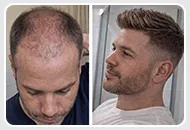
Before-and-after comparison of a man with thinning hair on top before and noticeably thicker hair afterward.
Man with thinning hair at the front before a hair transplant, and thick, dark hair afterward.
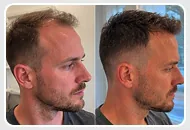
Side-by-side comparison of a man with a receding hairline before treatment and a fuller hairline with shorter sides afterward.
Man with marked areas of sparse beard growth before a beard transplant, and a thick, full beard afterward.
Woman with a marked, receding hairline before treatment, and thicker hair along her forehead afterward.
Before-and-after comparison of a man with a patchy beard before and a thick, full beard afterward.
Man with a receding hairline before a hair transplant, and a fuller hairline afterward.
Man with a marked, receding hairline before a transplant, and a thick, lower hairline afterward.
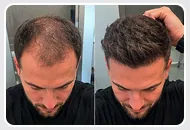
Top of a man's head before and after a hair transplant: severely thinning hair before, thick coverage afterward.
Man with a receding hairline before a hair transplant, and thicker hair along his forehead and temples afterward.
Man with a receding hairline before treatment, and thicker hair styled upward afterward.
Man with a shaved head and marked hairline before a hair transplant, and thick, dark hair afterward.
Man with thinning hair at the front before a hair transplant, and thick hair afterward.
Woman with a marked, receding hairline before a transplant, and a fuller hairline afterward.
Man before and after a hair transplant: thinning hair at the front before, a fuller hairline afterward.
Man with sparse beard growth on his cheeks before a beard transplant, and a thick, full beard afterward.
Man with receding temples before treatment, and a fuller, denser hairline afterward.
Overhead view of a man before and after a hair transplant: thinning hair at the front before, a thick hairline afterward.
Before-and-after beard transplant comparison: marked cheeks with sparse beard growth, followed by a thick, full beard.
Woman with a marked, receding hairline before treatment, and thicker hair along her forehead afterward.
Before-and-after comparison of a man with a patchy beard before and a thick, full beard afterward.
Man with a receding hairline before a hair transplant, and a fuller hairline afterward.
Man with a marked, receding hairline before a transplant, and a thick, lower hairline afterward.
Top of a man's head before and after a hair transplant: severely thinning hair before, thick coverage afterward.
Man before and after a hair transplant: thinning hair at the front before, a fuller hairline afterward.
Man with sparse beard growth on his cheeks before a beard transplant, and a thick, full beard afterward.
Man with receding temples before treatment, and a fuller, denser hairline afterward.
Man with thinning hair at the front before a hair transplant, and thick hair afterward.
Woman with a marked, receding hairline before a transplant, and a fuller hairline afterward.
Beard transplant

Grafts for Beard Transplants

Grafts are also used for beard transplants. A beard uses the same follicular units as scalp hair, but in much smaller numbers and at a different density. For beards, we deliberately plan for a lower density of about 20 to 25 grafts per cm² so the hairs grow in a natural direction.

Grafts for beard transplants: area and number of grafts
full beard (total) 2,500–4,700 grafts
sideburns and chin targeted: 2,000–2,500 grafts
Scar correction in the beard area: billed at the tier for up to 2,000 grafts
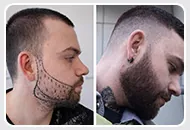
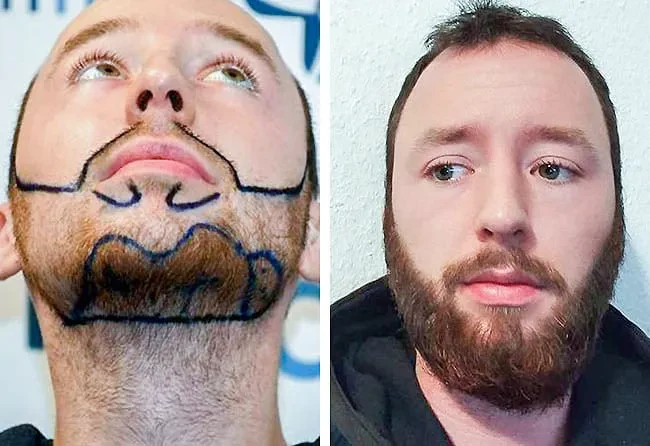
Beard transplant before and after: contour lines drawn on the face before, full beard after
After the transplant

What Happens to the Grafts After the Transplant

Many people don't realize that transplanted hairs don't start growing right away. Regrowth follows defined stages, and the sequence is similar for almost everyone.

Smiling man with a freshly treated hairline wearing an Elithair headband and pointing upward

Important: In the first few weeks after treatment, the transplanted hairs may shed temporarily (shock loss). Not every patient experiences shock loss (Okochi et al. 2024). Many patients find this shedding alarming, even though it is a normal part of recovery. Only the hair shaft falls out; the root remains in its channel and produces a new hair.

Keep in mind that the number of grafts implanted is fixed on the day of your procedure, while the visible result takes more than a year to develop. Patience is part of the process.

The timeline

What Happens to the Grafts

Timeline after the transplant: time after treatment and what happens to the grafts
Timing What happens to your grafts
Procedure day Each graft is placed in its own channel at the angle and depth planned for you before treatment
Days 2 to 4 Slight swelling around the forehead and hairline is normal and subsides on its own
Days 2 to 8 First hair wash on the second day after the procedure, then daily for seven days
Day 9 A break from washing so the crusts can form
Days 10 and 11 Targeted crust removal with lotion, never with your fingernails
Starting on day 12 All crusts are gone, the units are firmly anchored
In the first weeks after treatment The transplanted hair shafts may fall out temporarily (shock loss), but the roots stay in place; not every patient experiences shock loss
Up to month 3 Visible growth is still limited and varies between patients
Months 4 to 12 Visible density gradually increases as growth continues
Months 10 to 12 The final result at the front is visible
Months 15 to 18 The final result at the crown is visible, as crown results typically mature more slowly than results at the front
Pre-Test System
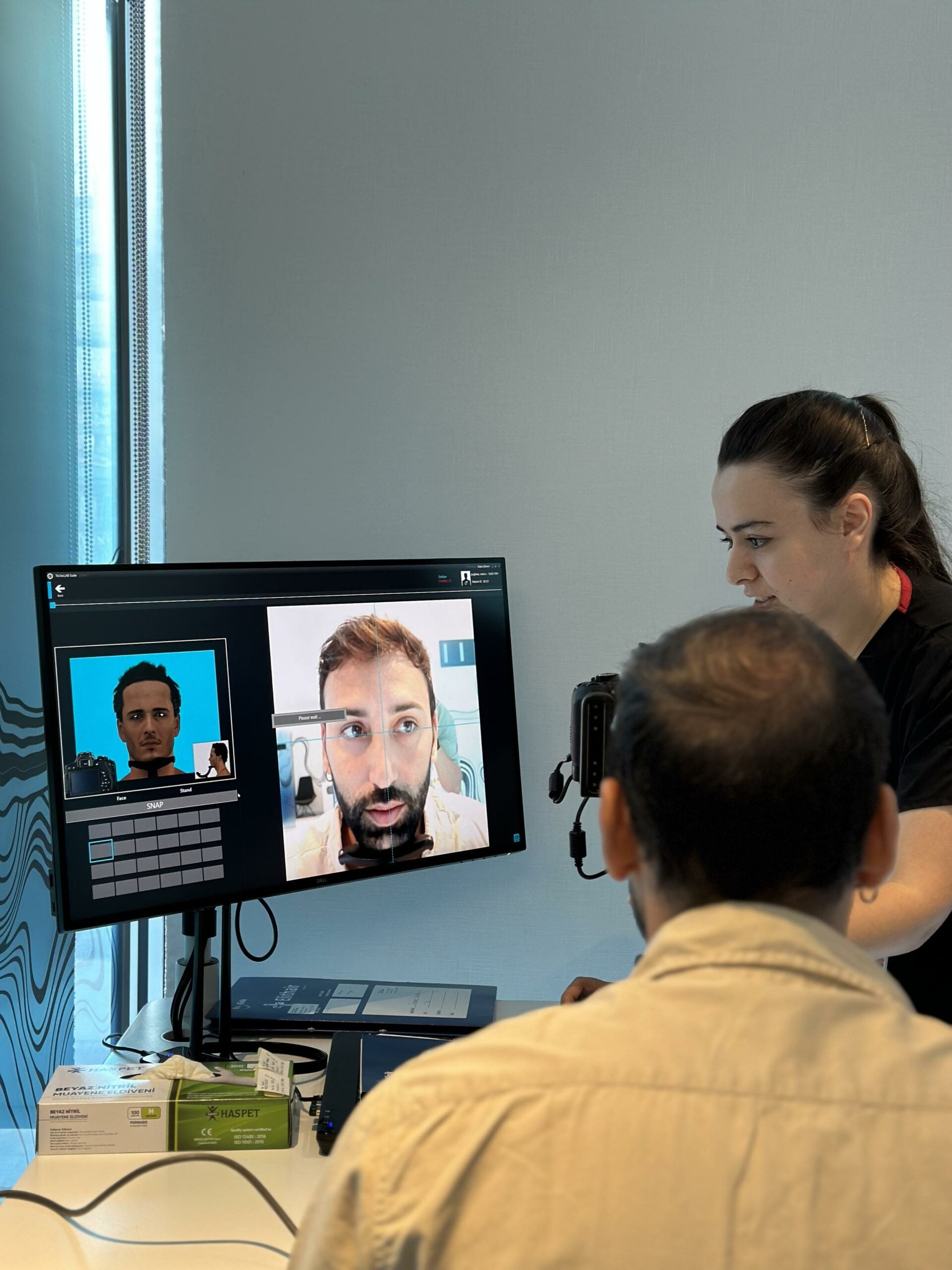
Patient and female staff member in front of a monitor showing a video call in an office

Why the Calculator Is Only an Estimate

The calculator uses two basic pieces of information. Your actual graft needs depend on factors a specialist must assess and measure: the density of your donor area, the thickness of each hair, the elasticity of your scalp, and the likely progression of your hair loss (Okochi et al. 2020).

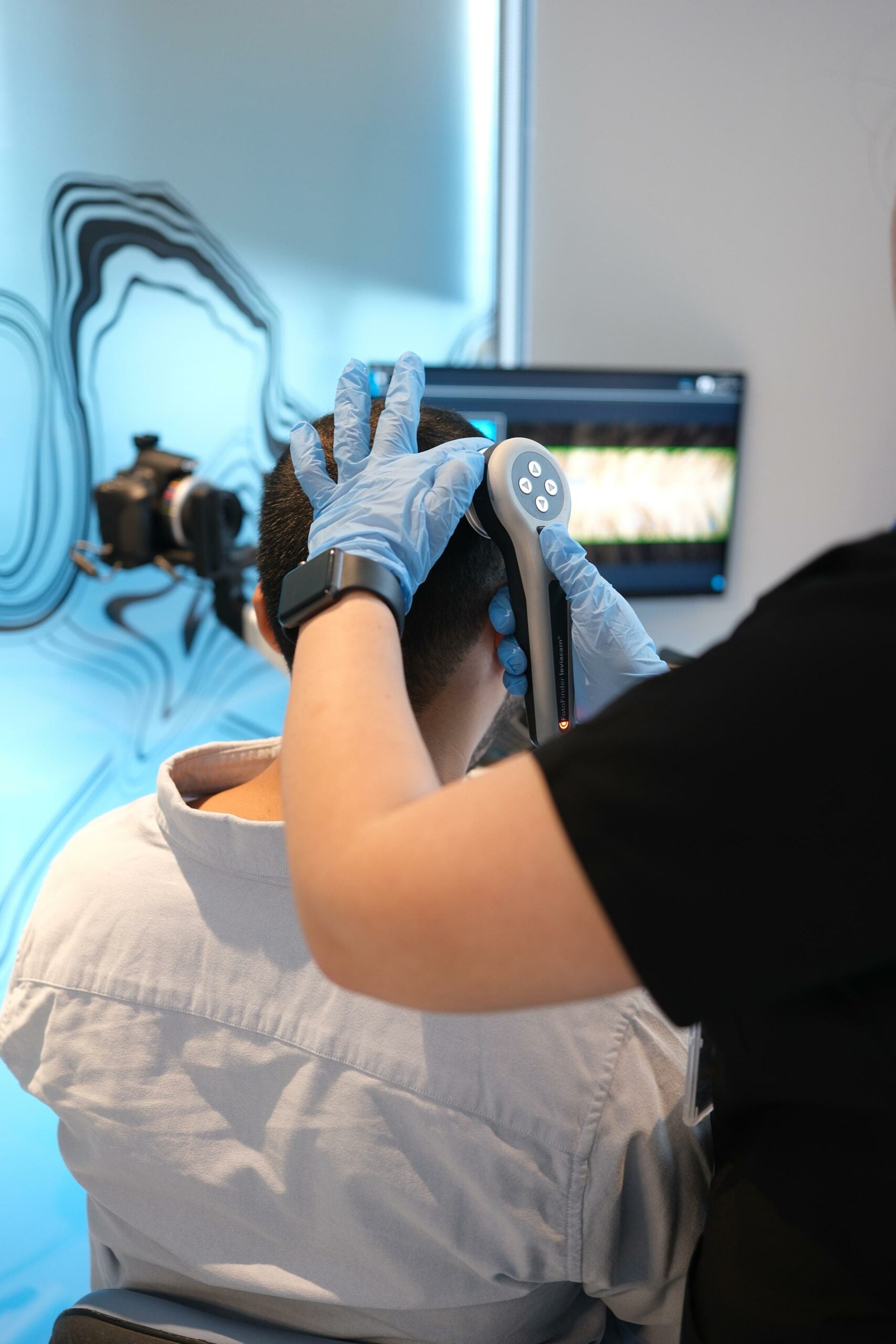
The Pre-Test System at our clinic in Istanbul evaluates these factors in six steps: an electrocardiogram (ECG), a blood test for general health, a blood test for hair loss, a hair analysis with the TrichoLAB scanner, an ultrasound of the scalp (skin thickness), and a Doppler ultrasound (blood circulation).

Together, skin thickness and blood flow determine the implantation depth. These findings determine your safe, personalized graft count and help protect you from "overharvesting." Every treatment plan at Elithair is tailored to you based on these six assessments.

Elithair draws on the experience of more than 150,000 treatments.

The Highest Quality Standards

The Highest Quality Standards for Your Result

Our experience with more than 150,000 treatments has given us a thorough understanding of a wide range of hair types and hair loss patterns. Even so, every hair transplant is as individual as the person undergoing it.

Whether you need a small correction with 2,000 grafts or more extensive work to increase density with 5,000 grafts, we tailor every step to your goals and medical needs.

Patient feedback reflects our commitment to precision and aesthetics: Elithair has ratings of 4.9 on Google (from more than 11,000 reviews) and 4.7 on Trustpilot.

Liljana after her hair transplant in a studio, smiling with her hand in her hair
FAQ

FAQ: Frequently Asked Questions About Grafts

Usually 2,000 to 3,500 grafts, depending on how far your hairline has receded at the temples. Mild cases typically require 2,000 to 2,500, moderate cases 2,500 to 3,000, and pronounced cases up to 3,500.

A graft is a follicular unit of 1 to 4 hairs. On average that is 2.0 to 2.2 hairs per graft. So 3,000 grafts mean roughly 6,000 to 6,600 hairs.

Your graft count is calculated using the formula bald area in cm² × target density in grafts per cm², with adjustments for hair quality and donor density. These factors are assessed during your free hair analysis; an online calculator can only provide a rough initial estimate.

5,000 grafts fall into our highest tier, with an all-inclusive price of $4,499. In the US, the same number of grafts costs around $15,600.

Our all-inclusive price tiers are as follows: 2,000 grafts cost $3,899; 3,000 grafts cost $4,099; 4,000 grafts cost $4,299. Treatment, hotel accommodations, transfers, and aftercare are always included.

Yes. 6,000 grafts are generally associated with Norwood stages 6 to 7, which indicate advanced hair loss. That many grafts can push your donor reserve to its limit, so treatment often needs to be divided into two sessions.

Yes, and this is a real risk. Removing too many grafts permanently thins the donor area (Balwi et al. 2026). The number of grafts that can be harvested safely over a lifetime varies from person to person, which is why a reputable doctor keeps some in reserve rather than simply aiming for the highest graft count.

Both matter, but technique determines the result. 3,000 carefully harvested grafts placed at the right angles look more natural than 4,000 grafts harvested and placed in a rush. A high graft count alone says nothing about quality.

A standard session involves 2,000 to 4,000 grafts. Larger sessions of up to 5,000 grafts are an exception, suited only to patients with a very large donor reserve. The procedure takes around 5 to 8 hours, depending on the number of grafts being transplanted.

For a natural result, 40 to 50 grafts per cm² is enough. The appropriate density depends on the individual treatment area and donor capacity. For comparison: a healthy scalp has 80 to 120 follicular units per cm².

Not quite. After 7 days, the grafts are not yet fully secure. By around day 12, the grafts are firmly anchored and the crusts have come off. In the first few weeks after treatment, the transplanted hairs may shed temporarily (shock loss). Not every patient experiences shock loss. The final result becomes visible after 10 to 12 months at the front of the head and after 15 to 18 months at the crown.

A bald spot at the crown typically requires 2,000 to 4,500 grafts. The exact graft count depends on the diameter of the bald spot. At the vertex, the doctor deliberately uses a lower density because the natural growth pattern makes the hair appear fuller.
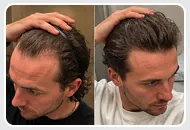
A full beard usually requires 2,500 to 4,700 grafts. Individual areas, such as the cheeks, sideburns, or chin, require 2,000 to 2,500 grafts. Treatment is planned at a lower density so the beard hair grows naturally.