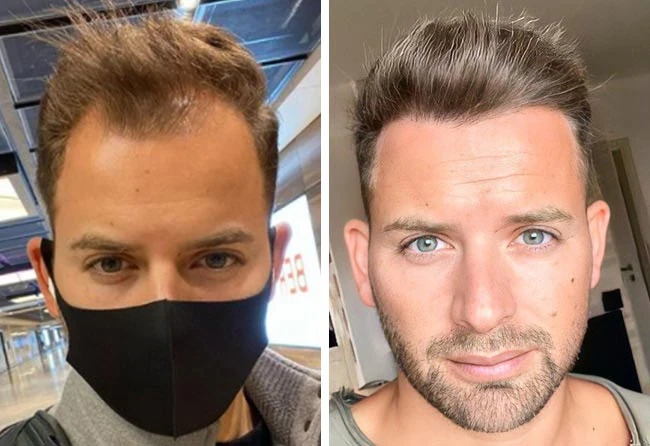
Before
After
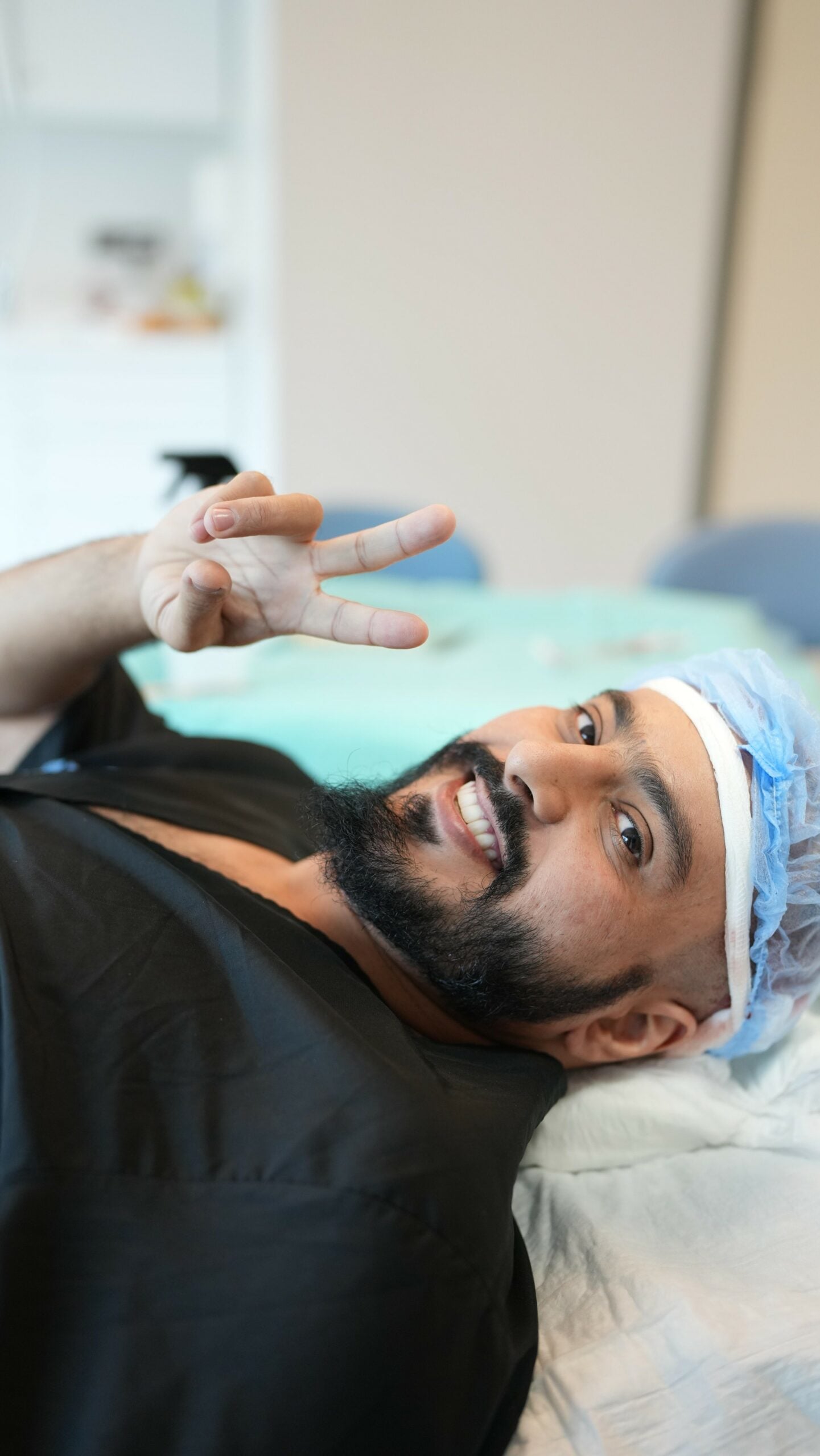
Marcel O. – 4,200 grafts

4.9 - 11,000+ Reviews on Google

150,000+ Happy Patients Worldwide
free, no obligation
 4.9 out of 5 stars on Google
More than 150,000 treatments
at our specialist clinic, certified to ISO 9001:2015
by TÜV Thüringen.

 FUE extraction
Dense, completely natural-looking results come down to one thing: the quality of graft harvesting.
During an FUE hair transplant, each graft is carefully freed from your donor area using a fine hollow needle. The process is gentle from the first graft to the last, with all-inclusive packages from $3,899.
Good to know: FUE describes how grafts are harvested—the first half of your treatment. It is not an alternative to DHI, which is the second half: placing each graft precisely.
Read on to learn how grafts are harvested, why this approach has advantages over older methods, and how it helps protect your long-term results.
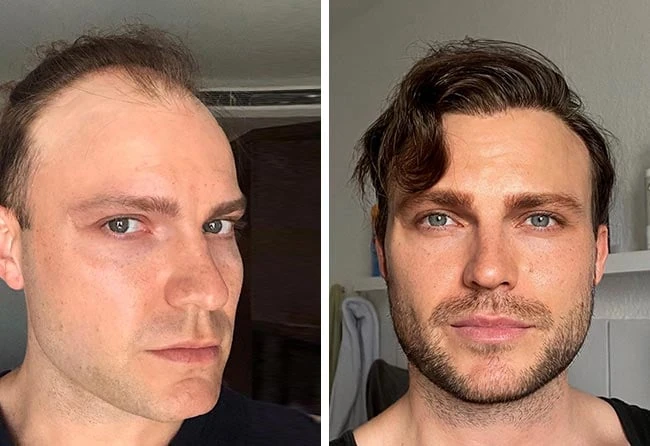
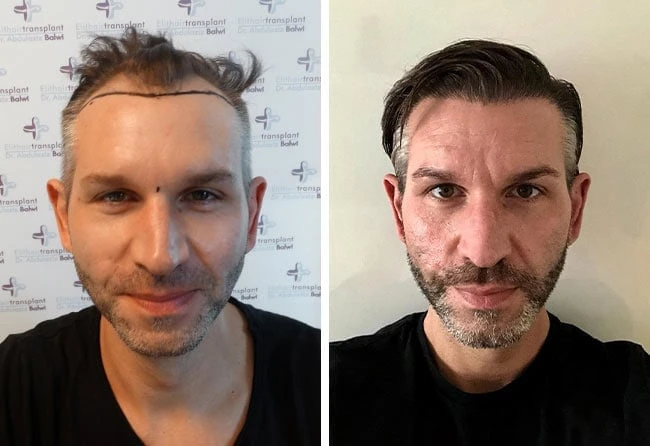
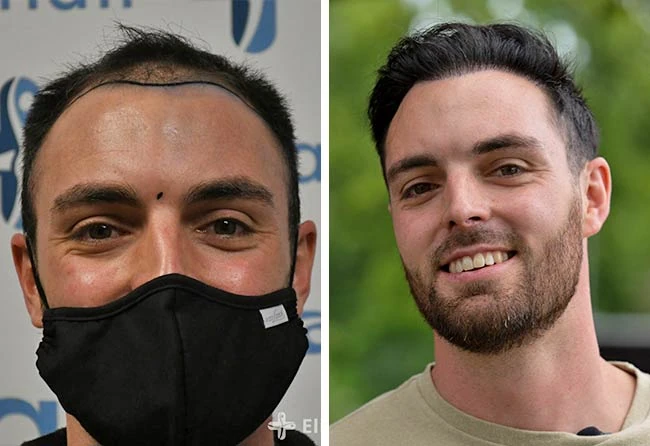
Most patients want to see results before getting into the technical details. The cases below from our specialized clinic show each patient’s starting point, exact graft count, and progress toward the final result.
Marcel O. – 4,200 grafts
Edgars N. – 3,700 grafts
Thomas S. – 4,250 grafts
Sebastian K. – 3,700 grafts
Look for the signs of a carefully performed FUE hair transplant: a slightly irregular, natural-looking hairline and a seamless blend with your existing hair, with no gaps in density. The healed donor area shows how gently and evenly the grafts were harvested.
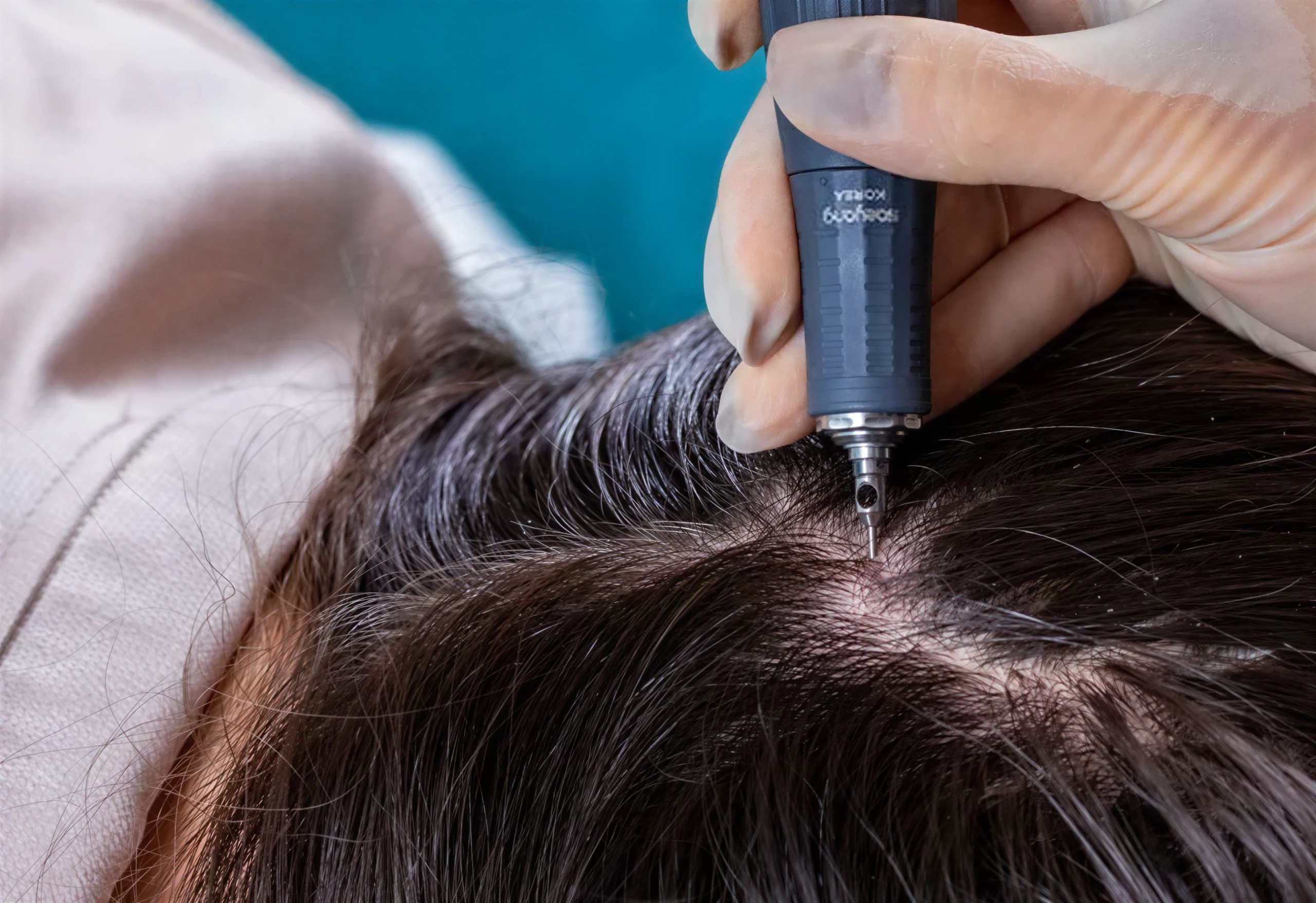
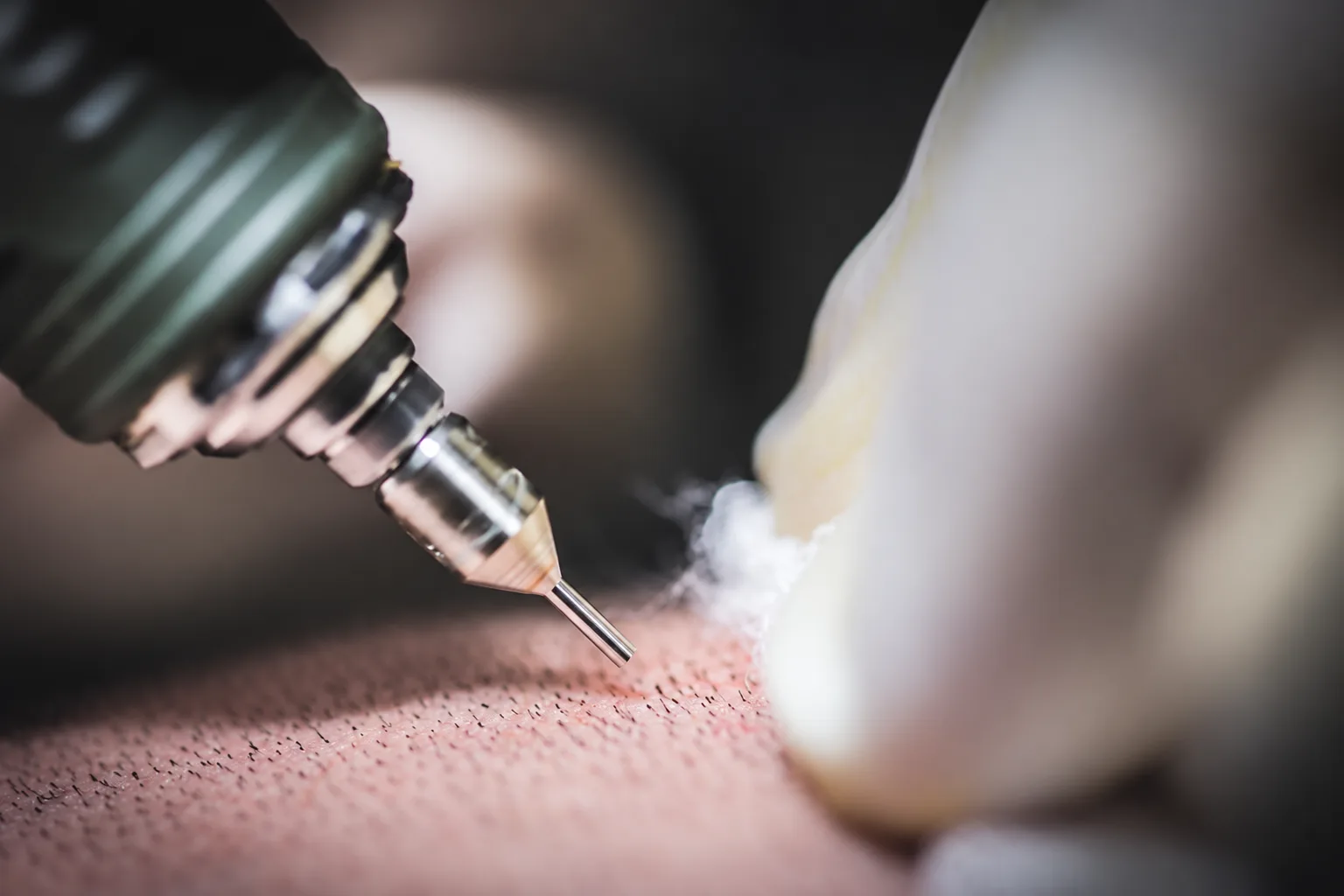
During an FUE hair transplant, each follicular unit is individually and gently freed from the donor area at the back of your head. The instrument is a fine hollow needle called a punch, mounted on a micromotor.
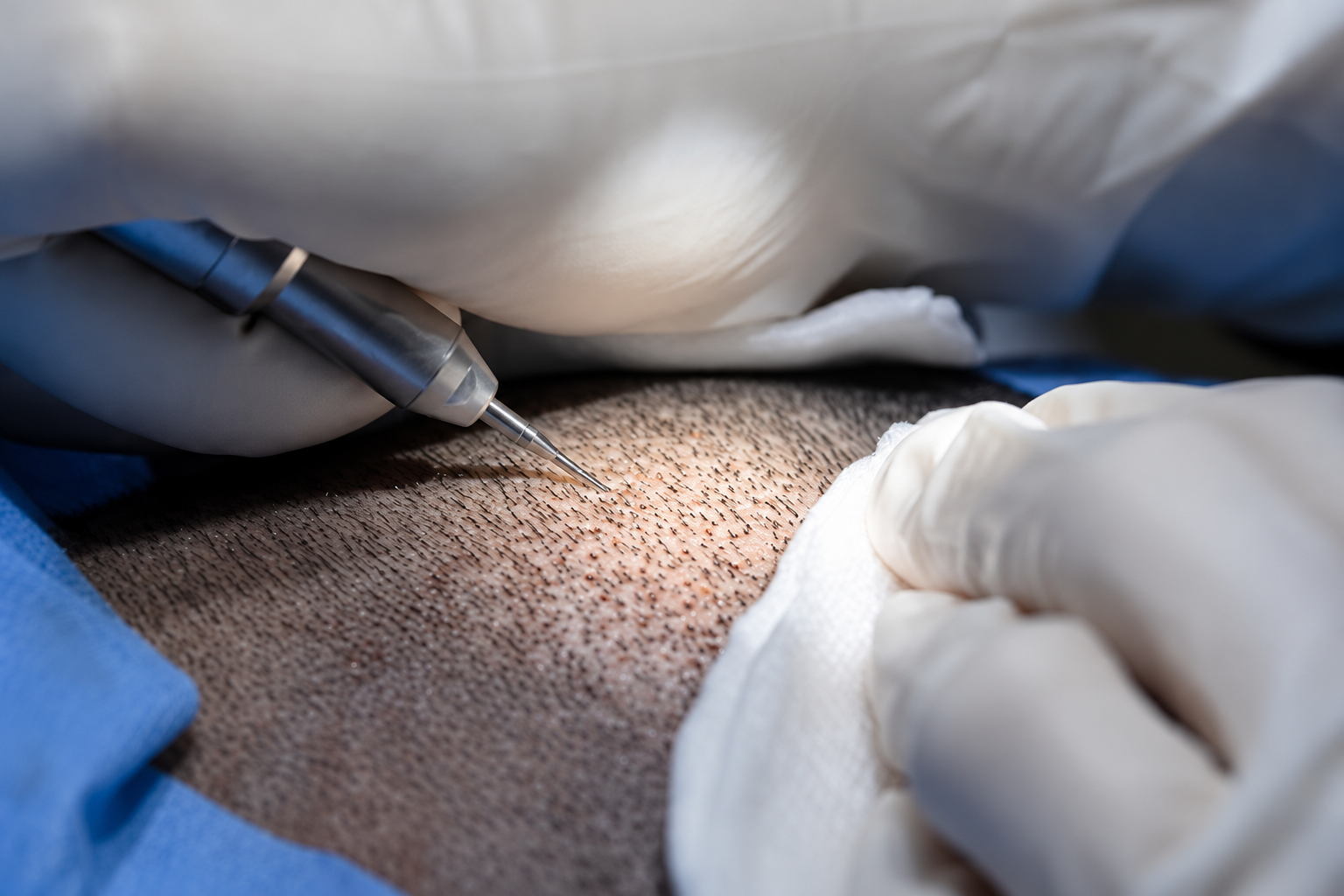
The punch is guided precisely around the follicle to remove the unit with its root intact. It leaves only tiny openings under one millimeter in diameter, with no scalpel, sutures, or large wounds.
A follicular unit is a small, naturally occurring cluster of hairs. Typically, one to four hairs grow together from one root, with their own sebaceous glands and blood vessels. These clusters remain intact during treatment, allowing the hair to grow back completely naturally.
Medical literatureMedical research makes clear which part of the procedure FUE describes. Dua and Dua put it this way in their review in the Journal of Cutaneous and Aesthetic Surgery (2010):
"FUE is a form of hair transplantation in which the method of harvesting differs, but the implantation is the same as in FUT."
FUE hair transplantation differs from the older FUT method only in how the grafts are harvested. The steps that follow are a separate consideration.
Rassman and Bernstein introduced the term and technique in Dermatologic Surgery in 2002, although Shoji Okuda had described the basics of punch harvesting in 1939. In 2017, the ISHRS updated the term to "Follicular Unit Excision."
The ISHRS Practice Census 2025 shows how widely FUE is used today: it accounts for 85.4% of procedures in men and 68.2% in women. The older strip-harvesting method accounts for only 12.5% and 30.0%, respectively. FUE has long been the global standard in modern hair restoration surgery.














| Feature | Detail |
|---|---|
| Full name | Follicular Unit Extraction; formally known as Follicular Unit Excision since 2017 |
| What the technique describes | Graft harvesting only; does not describe implantation |
| Instrument | Hollow needle (punch) mounted on a micromotor; manual harvesting is also available at Elithair for an additional fee |
| Opening per extraction | Under one millimeter in diameter |
| Anesthesia | Local anesthesia, administered while you are in twilight sleep with the Sleep-Deep method |
| Sutures | none |
| Scarring | No scars; small, pinpoint harvesting sites distributed across a larger area |
| Adoption worldwide | 85.4% in men, 68.2% in women (ISHRS Census 2025) |
| Combined at Elithair with | DHI implantation and the patented NEO FUE® Serum after the procedure |
FUE and FUT can be compared directly because both describe the same step: graft harvesting. Comparing FUE with DHI makes less sense: one describes harvesting, the other implantation. It is like comparing digging a foundation with building the walls.
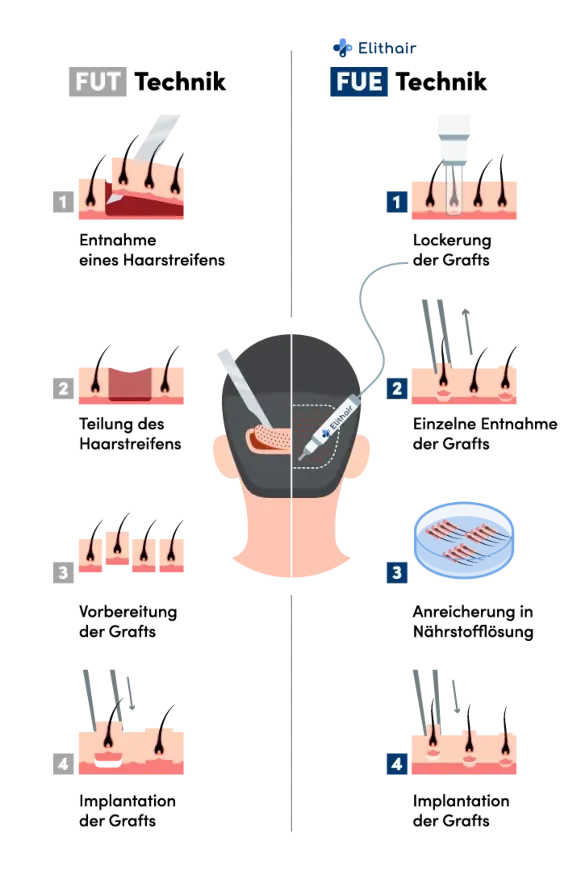
With FUT, a narrow strip of skin is removed, the incision is closed with sutures, and the tissue is then dissected under a microscope (Jimenez et al. 2021). FUE requires no strip of tissue: each graft is removed individually, directly from the scalp.
When it comes to scarring, FUE has a clear advantage. FUT leaves a linear scar, while FUE leaves no scars. Precise, staggered harvesting distributes the extraction sites discreetly across the donor area, so the result looks completely natural even with short hair.
| Feature | FUE (single-graft harvest) | FUT (strip harvest) |
|---|---|---|
| Procedure | Each follicular unit is harvested individually with a punch | A strip of skin is removed and then dissected |
| Wound care | Many openings under one millimeter, no sutures | Sutures in the donor area |
| Scarring | No scars | A linear scar in a narrow horizontal band |
| Hair length in the donor area after treatment | Short hairstyles stay possible | Hair must cover the scar |
| Multiple sessions | Still no scars | The existing scar is usually removed during the next harvesting procedure |
| Density in the donor area | Noticeably reduced in the areas where grafts are harvested | The scalp is tightened; density per area is largely preserved |
| Shaving | Required depending on the treatment area; at Elithair, shave-free treatment is also available for up to 3,500 grafts | The area where the strip is removed is shaved; the covering hair is left intact |
| At Elithair | FUE only; Manual FUE and Zero Shave FUE are available for an additional fee | Not offered |
ResearchResearch shows similar graft survival rates with both procedures. A study directly comparing graft survival with FUE and FUT (Hair Transplant Forum International, Josephitis and Shapiro, 2018) concluded that the methods are equivalent in graft survival.
The key differences are scarring and how invasive the procedure is. FUT involves a strip-shaped incision at the back of the head and leaves a visible linear scar, while FUE gently removes individual grafts. FUE leaves no scars and requires no sutures. That is why Elithair uses FUE exclusively for graft harvesting.
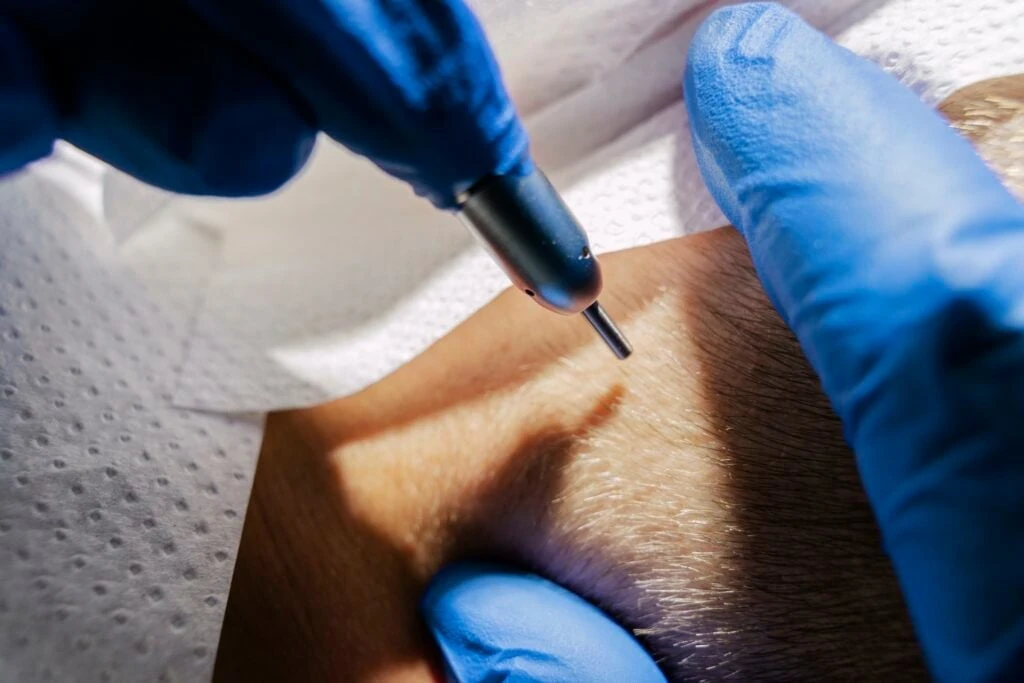
If you ask a clinic one question, make it this one: "How many revolutions per minute does your micromotor run at during the harvest?"
The reason is simple: high speeds make the procedure easier for the medical team but place more stress on the surrounding tissue. The industry standard is around 4,000 rpm, but our devices are capped at 750. In practice, we harvest grafts at an extremely gentle 100 to 200 rpm.
This low speed offers the greatest possible protection for the scalp, but it requires absolute precision. That is why only medical specialists with at least seven years of experience perform this step: at low rpm, skill makes the difference.
approx. 4,000
Fast harvest, but greater tissue trauma
100 to 200 (device limit: 750)
Maximum protection, smallest possible opening; requires advanced expertise
No motor
Each unit is removed individually by hand
Manual harvesting goes a step further by eliminating the motor entirely. The medical specialist guides the punch by hand for each graft, following the growth direction and exit angle of each follicle.
A motor rotates in a fixed direction. The human hand, by contrast, can feel the follicle’s natural path through the tissue and adjust the harvesting angle along the way. This approach requires extensive experience and time, which is why very few clinics offer it. At Elithair, medical specialists who have focused exclusively on this precise step for at least seven years perform the technique.
Manual FUE is available at Elithair for an additional fee. Whether it is the best choice for you depends on your hair structure, donor area density, and target graft count. Our doctors carefully assess these factors and choose the method that will deliver the best result for your hair.
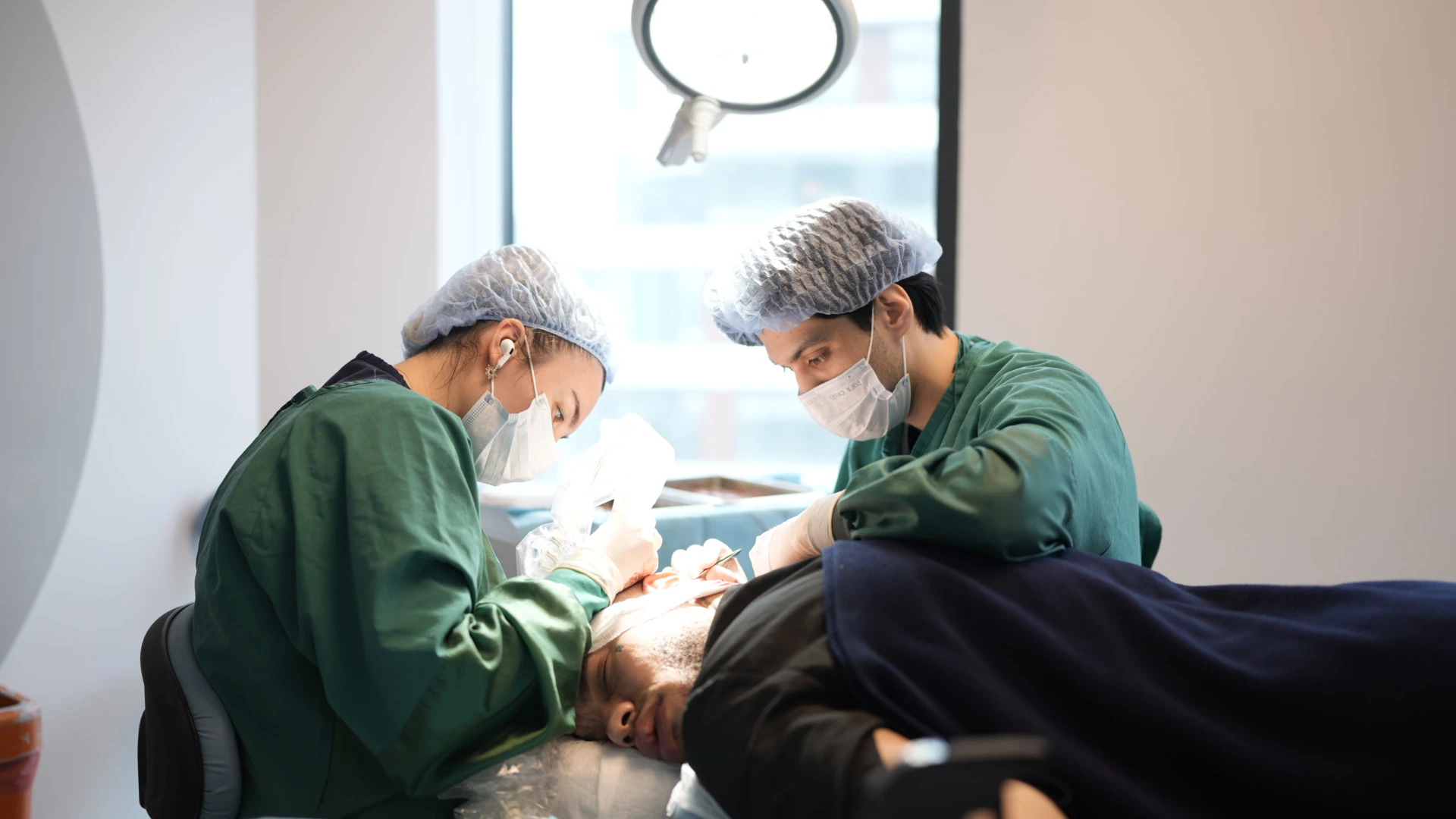 Harvesting process
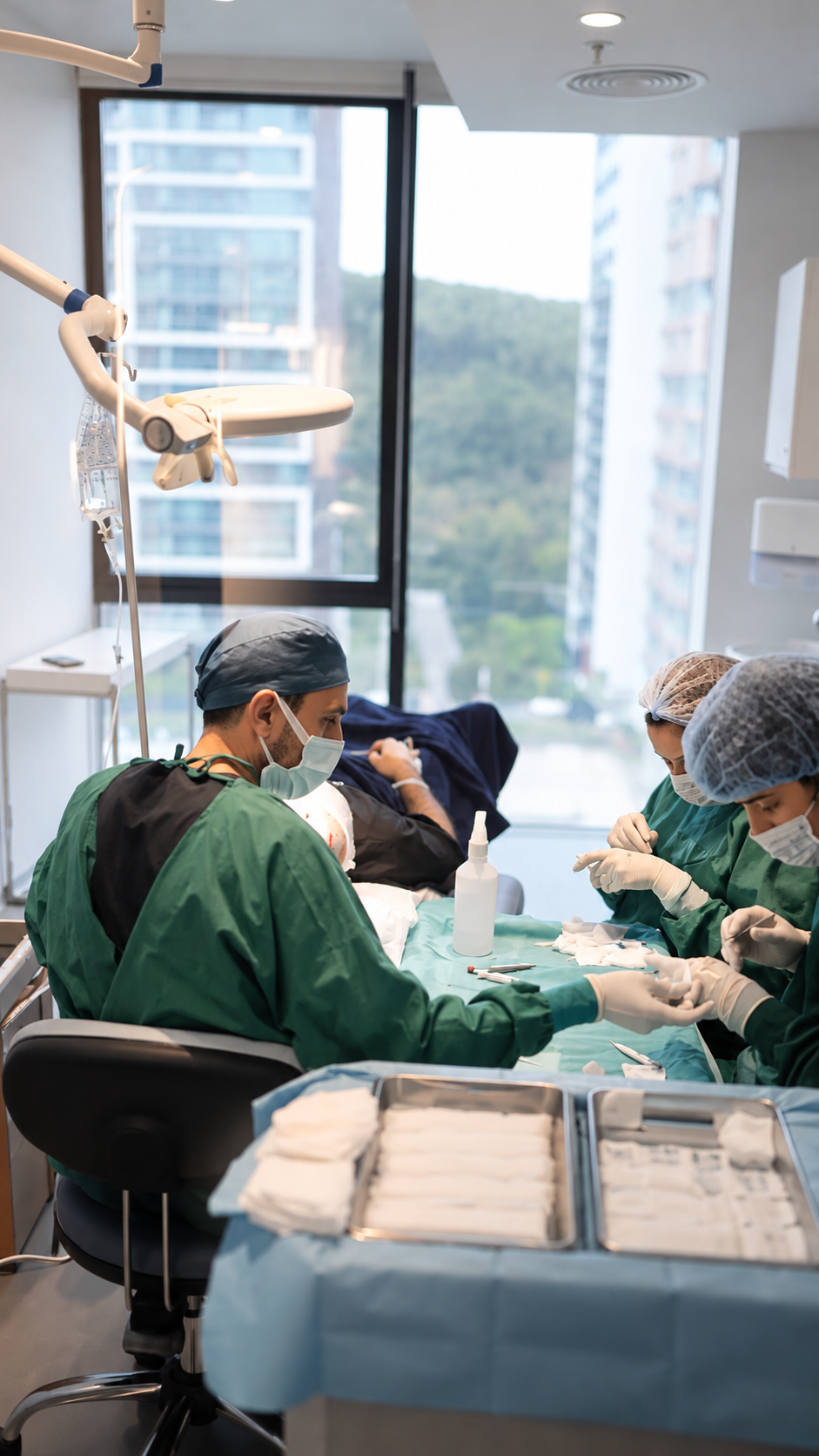
To get your grafts into the recipient area in the best possible condition, the harvesting process at Elithair follows a precise four-stage sequence:

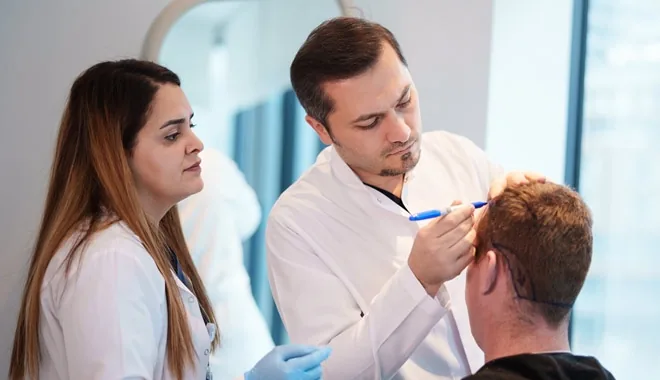
If you are traveling from the US, preparation begins when you arrive in Istanbul with the Pre-Test System at our clinic. Your package also includes the patented NEO FUE® Serum. You receive it at the clinic in Istanbul and apply it on day 14 and day 28 after the procedure.

Our Sleep-Deep method puts you into a brief, gentle twilight sleep before the local anesthetic is administered. This allows you to receive the anesthetic injections completely pain-free and relaxed.

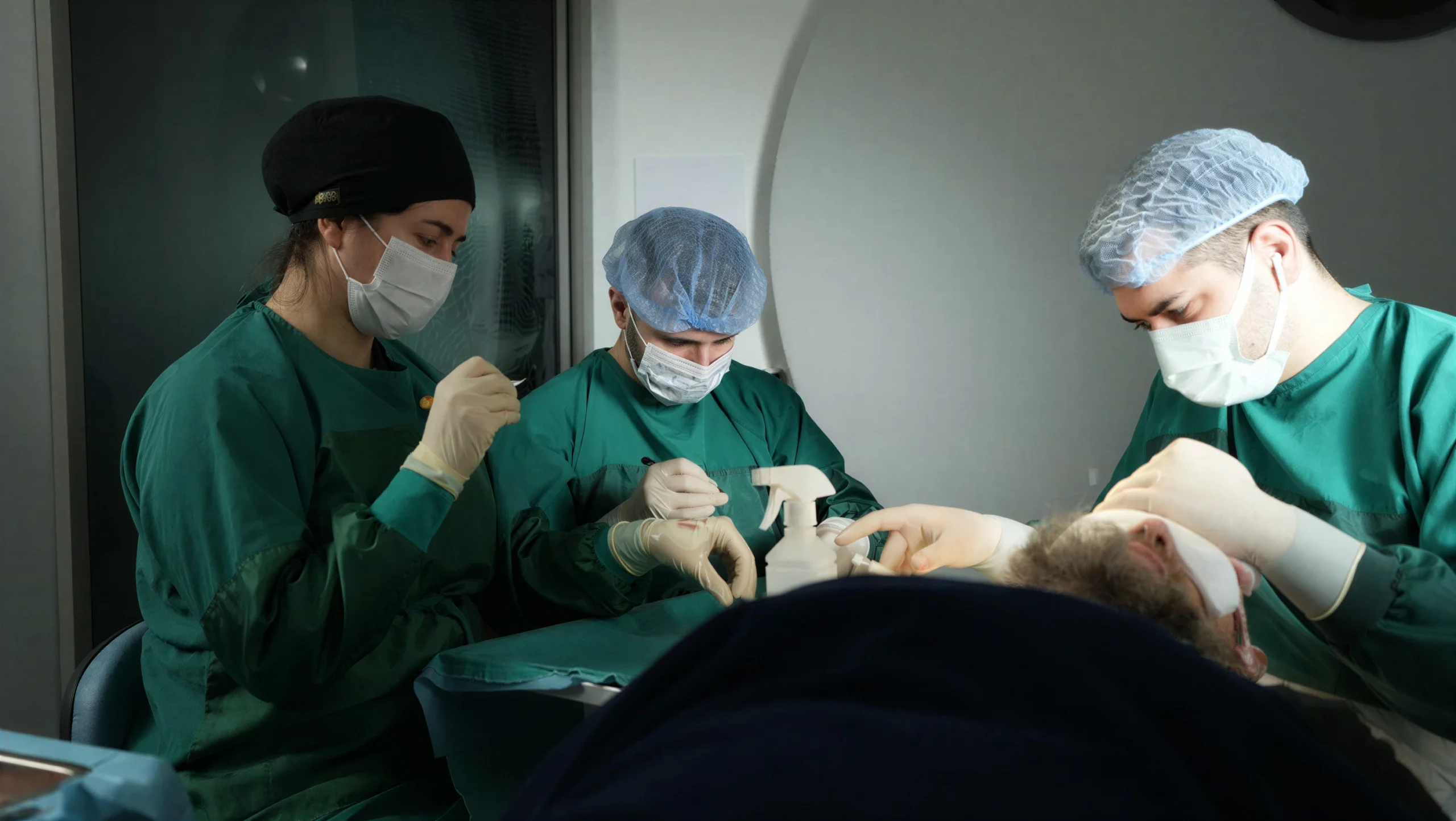
A three-person team works in parallel to free and harvest the grafts, check their quality, and count them precisely. A lead physician verifies the count before signing off. You receive a fully documented graft count for your treatment record.
The grafts are kept in a special nutrient solution until implantation to prevent them from drying out. This protects the living follicles as much as possible while they are outside the body (Zhou et al. 2023).
Your trip to Istanbul includes a structured three-night stay, with every step organized for you from start to finish.
You arrange the exact date with your personal hair transplant consultant.

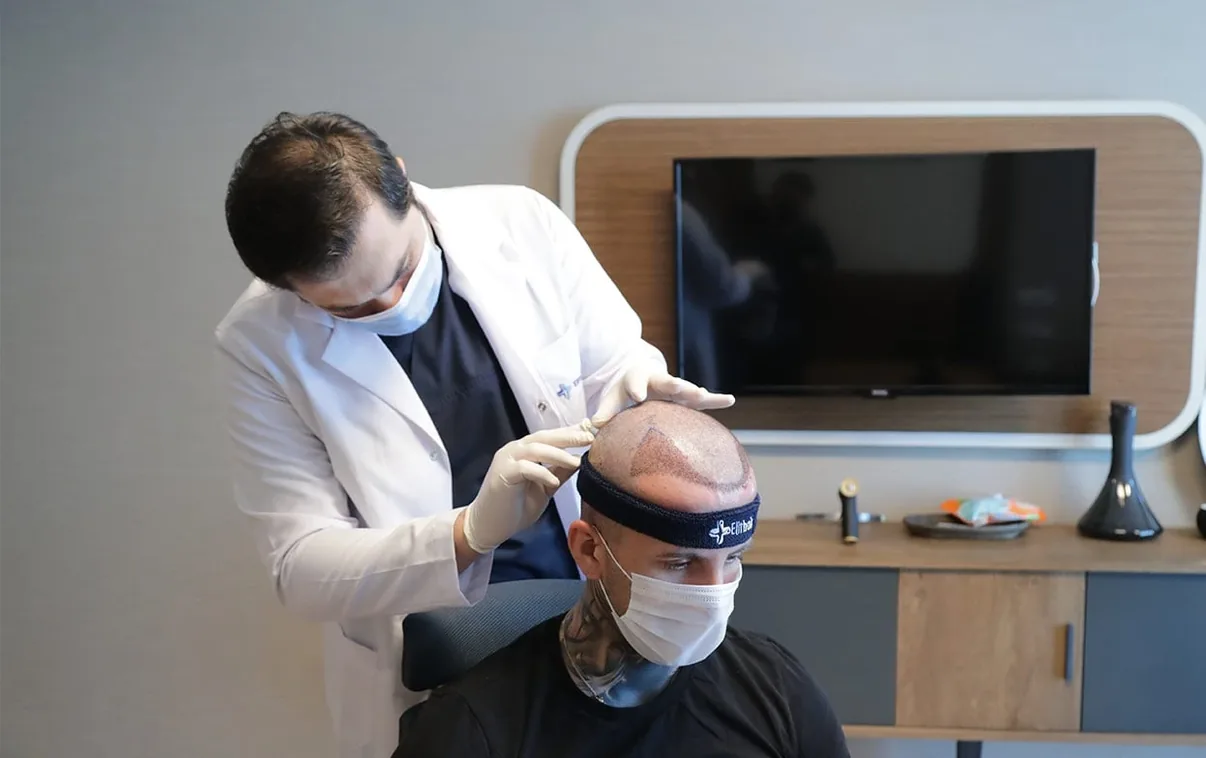
At Elithair, your price is based on a graft-count tier rather than a per-graft rate. This gives you transparent pricing at a fair rate.
| Grafts | Your price | Typical U.S. cost | You save |
|---|---|---|---|
| Up to 2,000 grafts | $3,899 | $6,300 | about 38% |
| 2,500 grafts | $3,999 | $7,900 | about 49% |
| 3,000 grafts | $4,099 | $9,300 | about 56% |
| 3,500 grafts | $4,199 | $10,900 | about 61% |
| 4,000 grafts | $4,299 | $12,400 | about 65% |
| 4,500 grafts | $4,399 | $13,500 | about 67% |
| From 5,000 grafts | $4,499 | $15,600 | about 71% |
All-Inclusive Package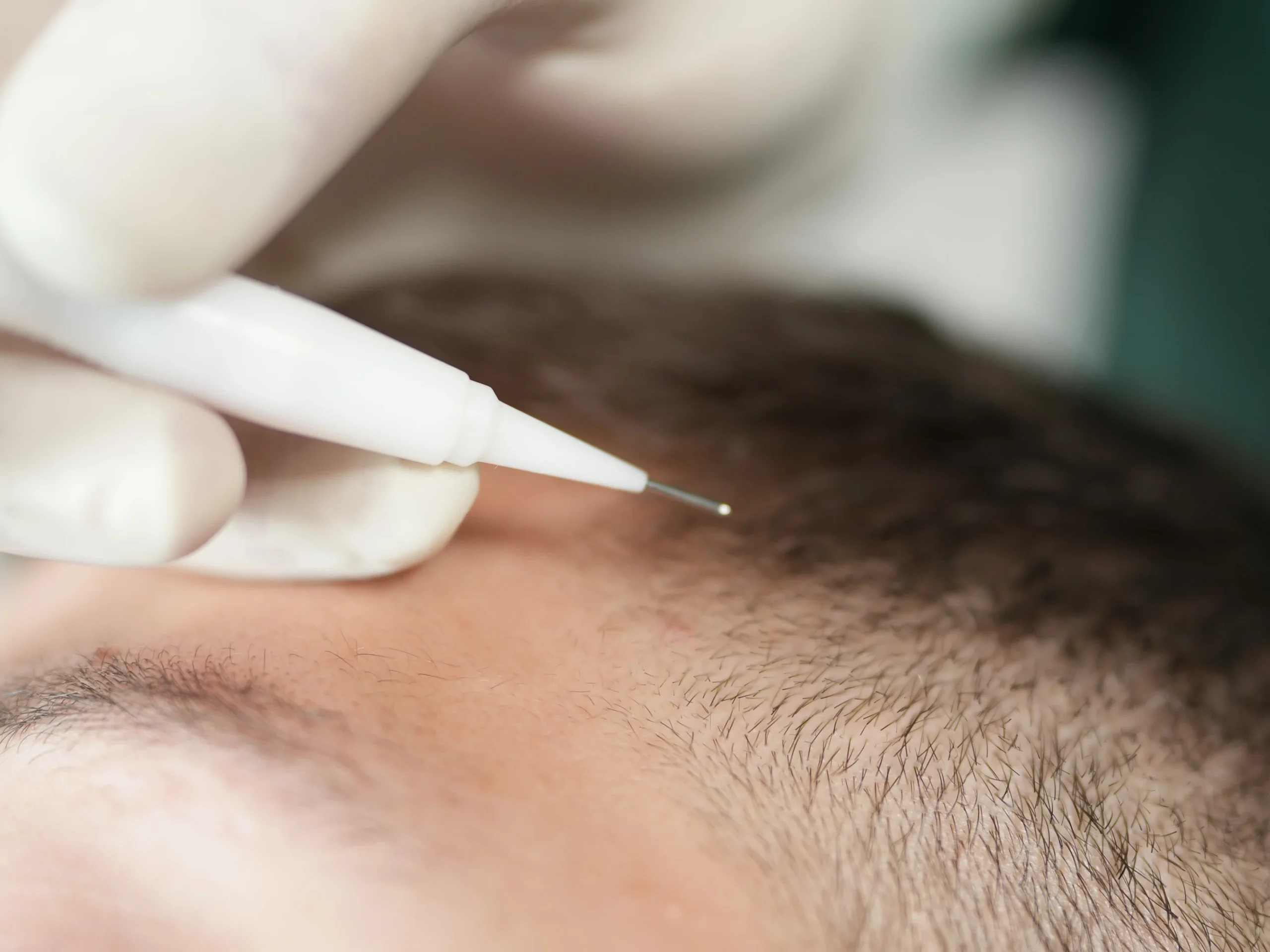

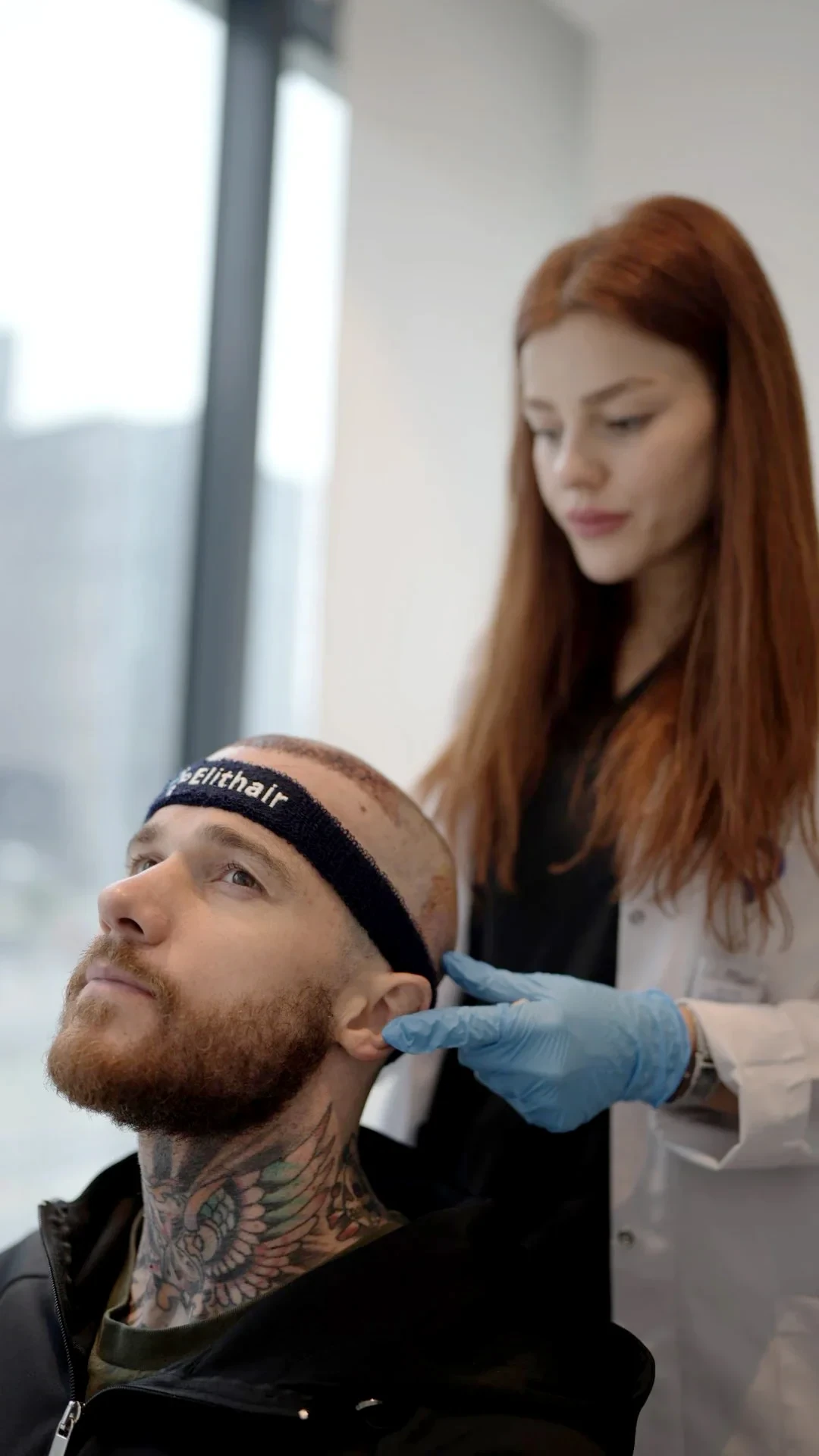
Your flight is not included; Istanbul is served by direct flights from almost every major US gateway. Zero Shave FUE and Manual FUE are available for an additional fee.
Istanbul location
In the US, the same procedure costs $6,300 to $15,600, or roughly $2.70 to $5.30 per graft. Elithair’s lower prices reflect lower operating costs in Turkey, with no compromises in quality.
We also distinguish ourselves from budget providers that advertise packages from $1,500 and compromise medical safety to offer those discounts. Our full package always includes the 5-Doctor Standard, the Pre-Test System, whose results form the basis of your individual treatment plan, the Sleep-Deep method, the patented NEO FUE® Serum, DHI, a 20-year written guarantee, and 12 months of app-based aftercare.
Our pricing reflects the efficient, well-established processes at our specialized clinic complex, where your treatment safety always comes first.
This is where a responsible consultation differs from an unrealistic promise.
FUE reduces hair density in the areas where grafts are harvested. The number of grafts removed must therefore reflect your available donor hair, rather than simply the number you want. A study by Mohmand and Ahmad (2018, World Journal of Plastic Surgery) highlights the importance of managing this limited resource responsibly:
In practice, more grafts do not necessarily mean a better overall result. Harvesting too much from the donor area to create density at the front simply moves the problem to the back of your head (Okochi et al. 2020). Your donor reserve is the one resource used in treatment that cannot be replaced.
That is why we analyze your donor area with the TrichoLAB scanner as part of our six-step Pre-Test System, whose results form the basis of your individual treatment plan. During the procedure, we count every graft so your graft total is fully documented.
If your donor area cannot support treatment, we tell you clearly and upfront. We decline roughly 40% of all inquiries immediately after the hair analysis because an aesthetically convincing result is not medically possible.
| Session | Professional recommendation | Key factors |
|---|---|---|
| first session | Under 35% of total density | Baseline density, donor surface area, hair structure |
| second session | An additional 10 to 20% | Healing and appearance of the first harvest |
| cumulative | Critical threshold: roughly 50% or more | Risk of visible thinning in the donor area |
Implantation is the crucial second step in an FUE hair transplant. At Elithair, we perform this stage exclusively with the modern DHI method (Direct Hair Implantation).
With the CHOI Implanter Pen, each graft is loaded into a fine hollow needle, and the recipient channel is created as the graft is placed. This eliminates the separate step of cutting channels in advance, which is required in the outdated Sapphire technique. It gives us precise control over the angle and depth of placement while minimizing the time follicles spend outside the body (Parsley et al. 2010).
FUE harvesting and DHI implantation work together seamlessly, with implantation following directly after harvesting. Other clinics commonly charge an additional $800 to $2,000 for this state-of-the-art implantation method. At Elithair, FUE and DHI are always included in the all-inclusive package.
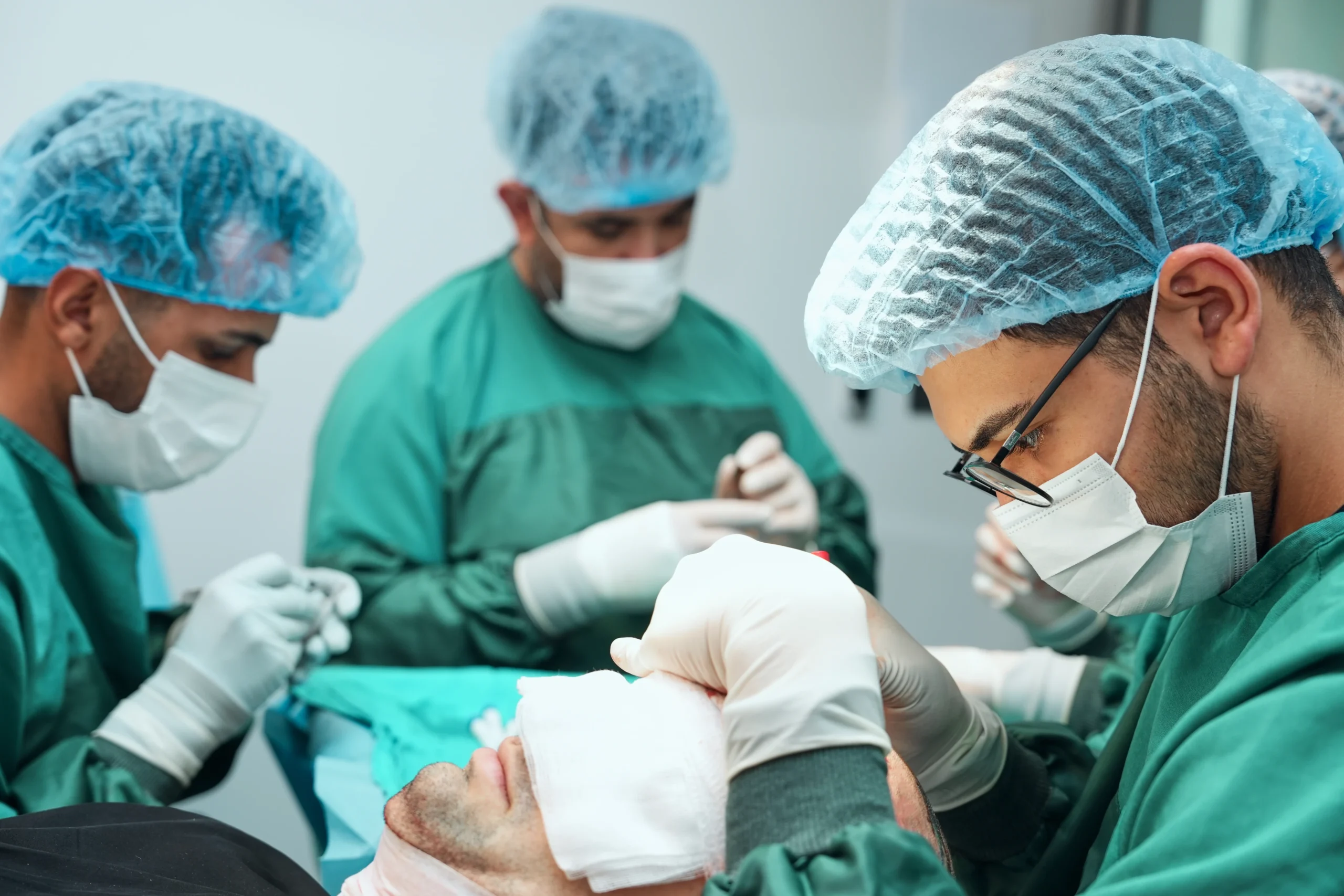
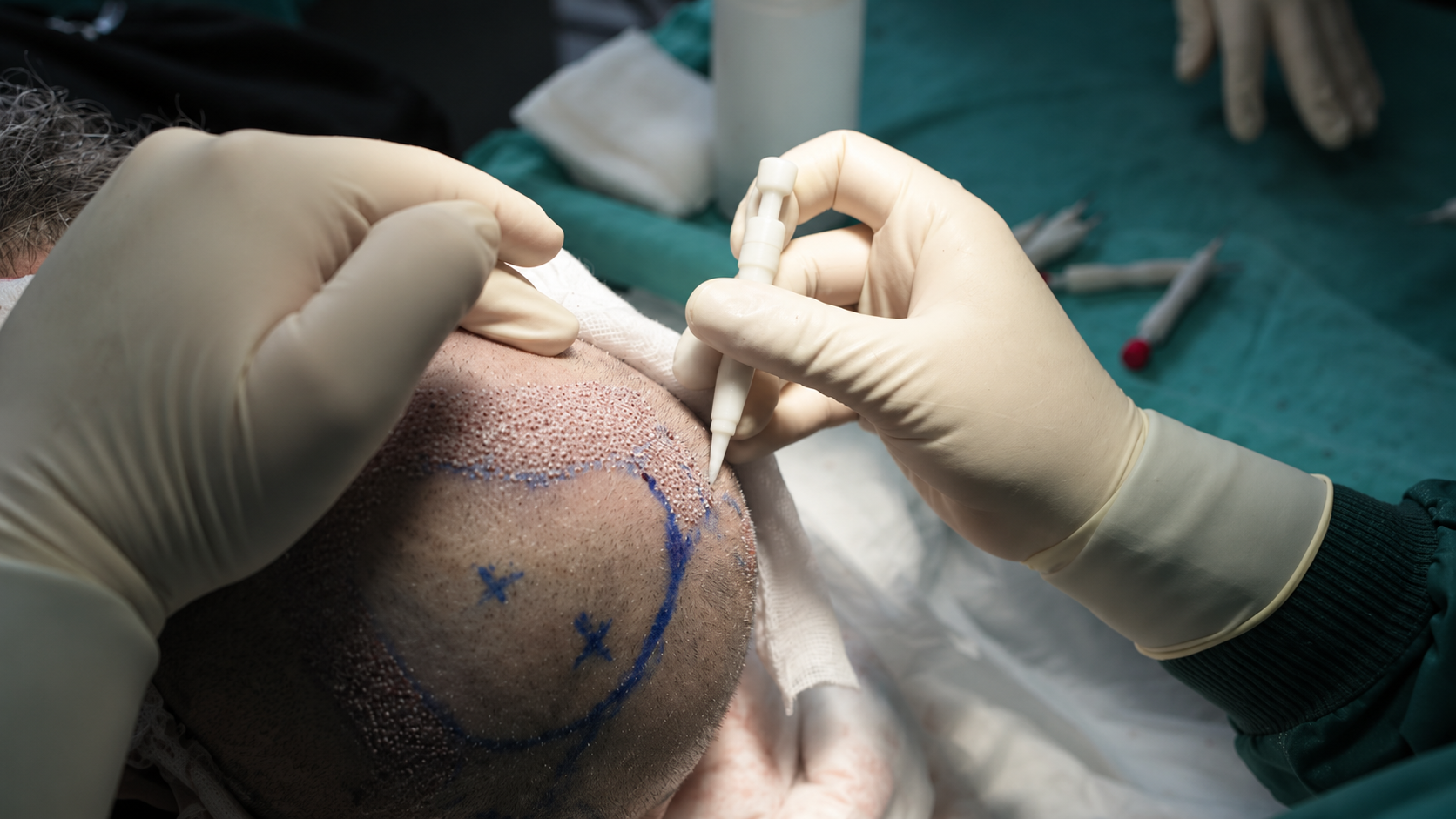
Every hair transplant involves many precise manual steps during harvesting and implantation. A well-coordinated team of medical specialists working under continuous medical supervision makes the difference.
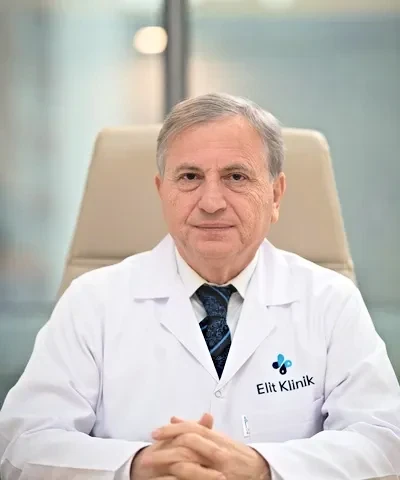
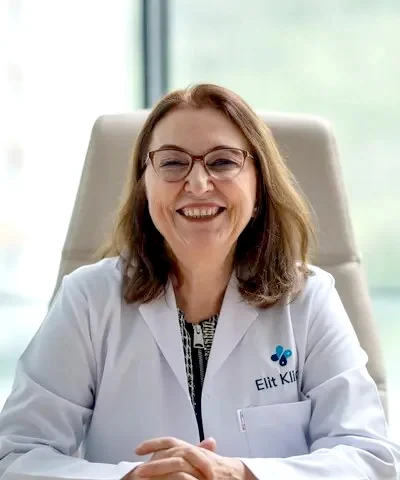
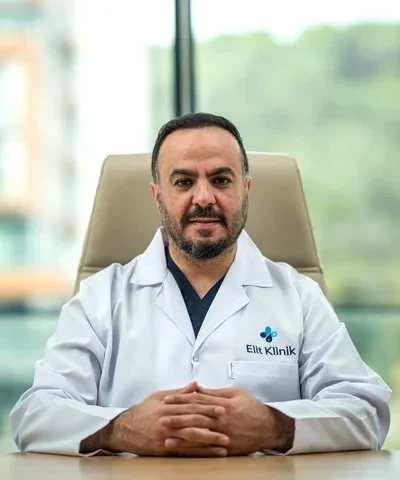
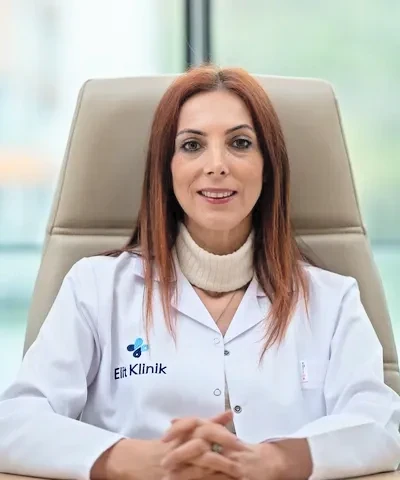
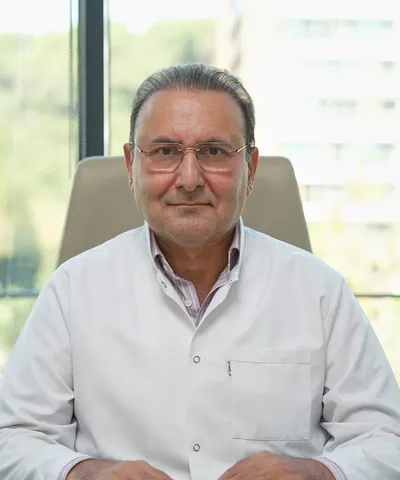
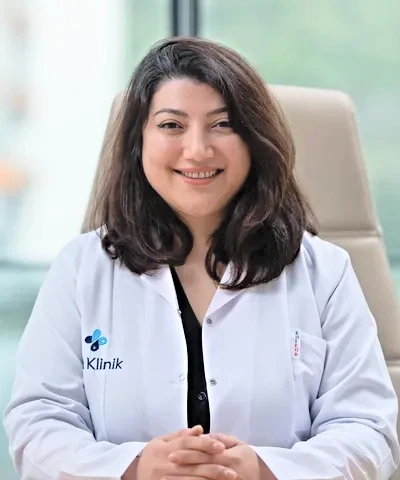
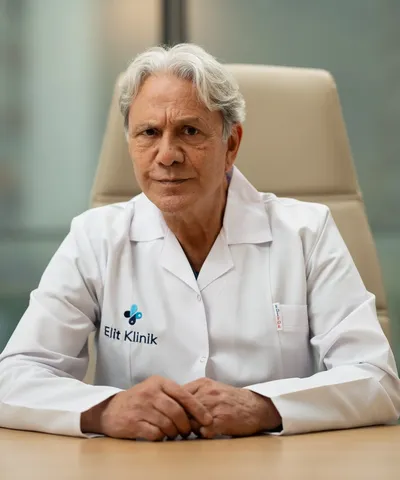
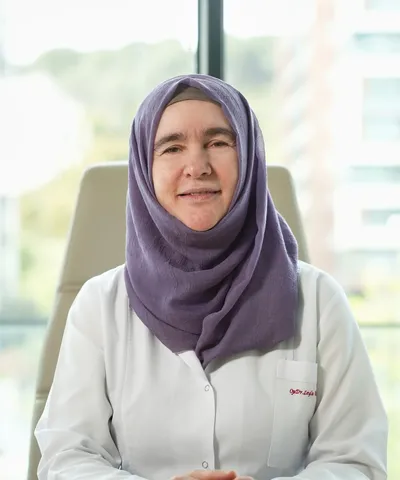
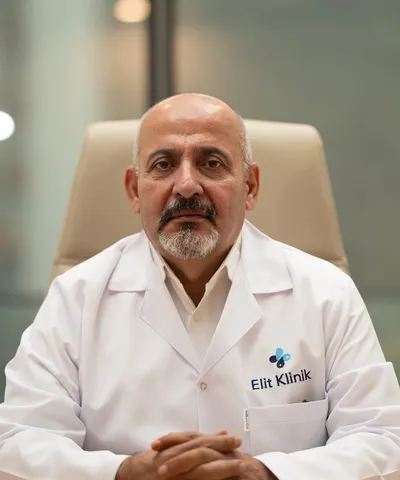
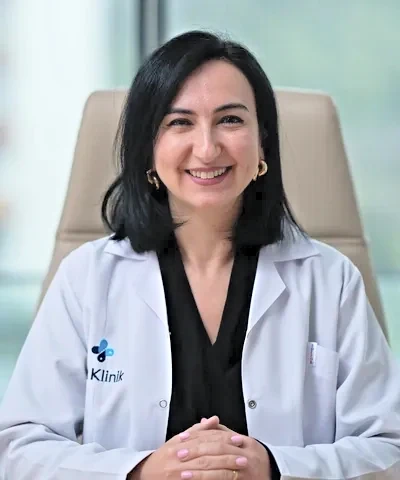
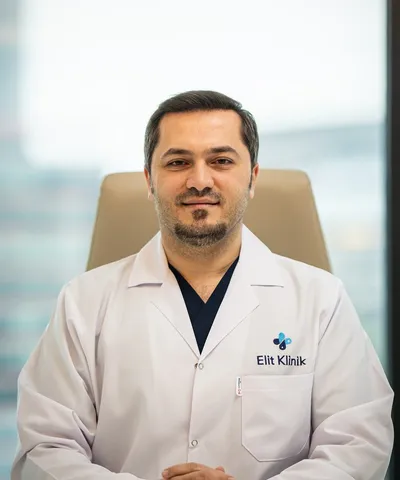
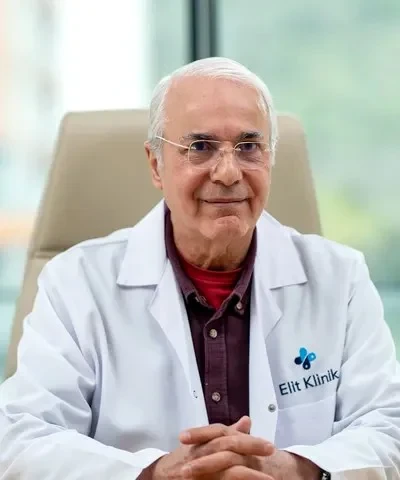
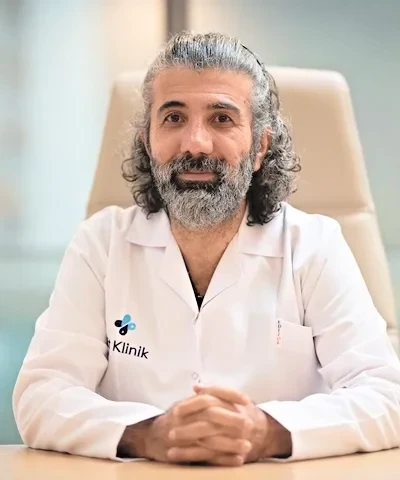
More than 20 salaried physicians stand behind our 5-Doctor Standard. Under this standard, our doctors oversee and take responsibility for your treatment at five key points: hair analysis, the Pre-Test System, hairline planning, anesthesia, and final sign-off.
5-Doctor Standard
Graft extraction and implantation: performed by medical specialists, each focused on their own step, under a doctor's supervision.
More About the 5-Doctor Standard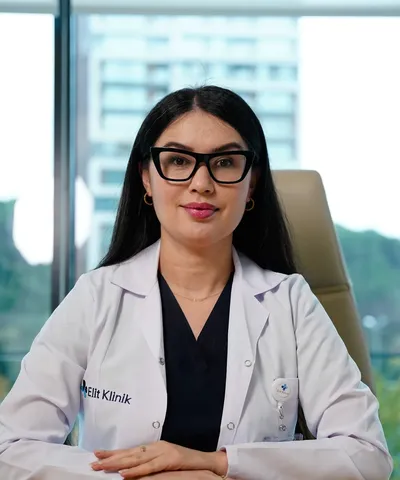
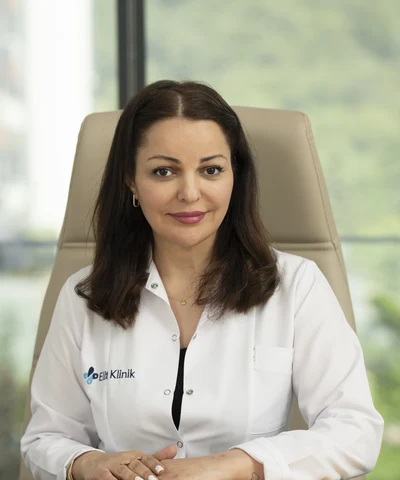
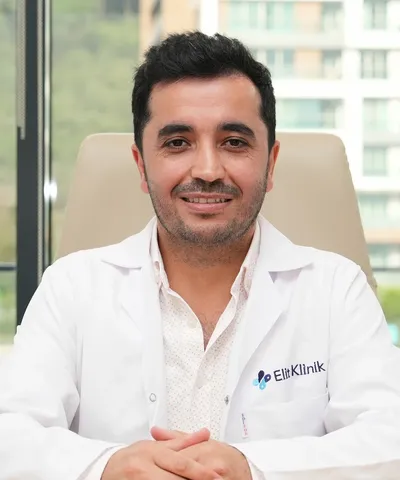
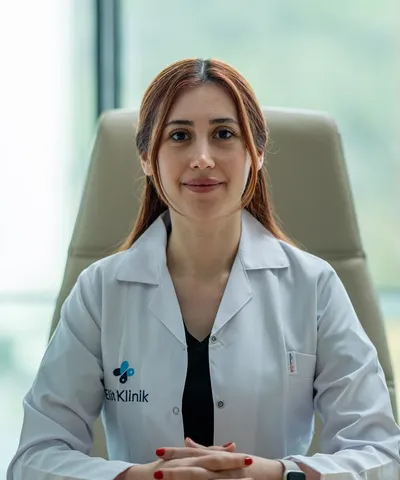
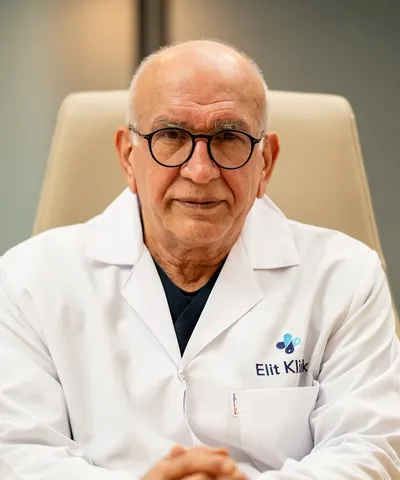
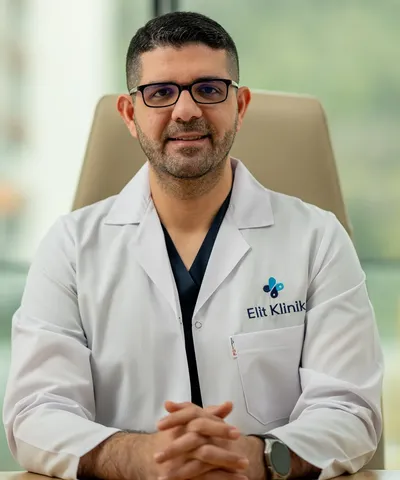
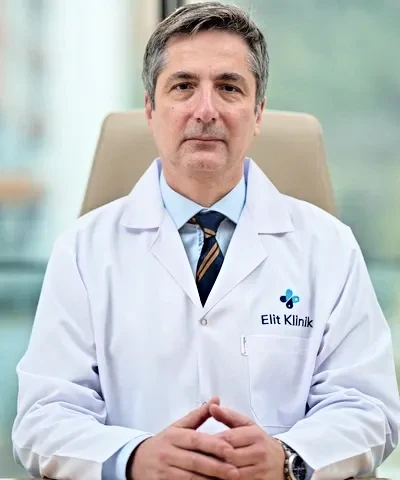
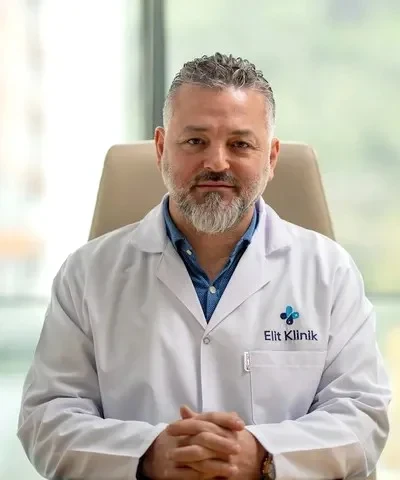
We check our quality standards internally and have them regularly verified by official bodies. The Turkish Ministry of Health conducts unannounced inspections of our clinic once or twice a month, reviewing hygiene and sterilization standards, documentation, and treatment procedures.
Because hair restoration is not part of the standard medical school curriculum anywhere in the world, designated reference clinics have been authorized by the state to train physicians. As an official training center, Elithair has already trained more than 70 doctors in hair transplantation.
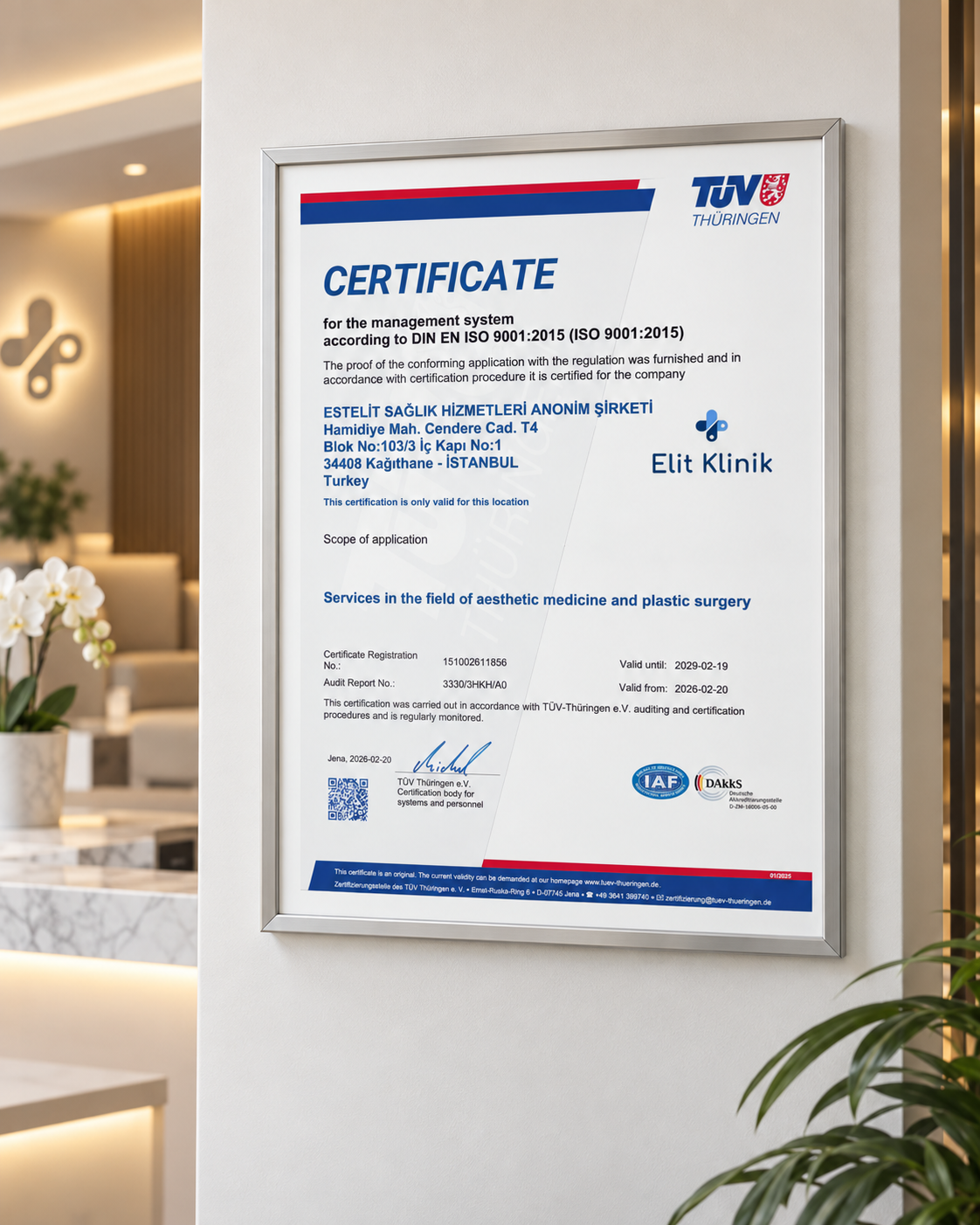
A second, entirely independent auditor provides another layer of transparency. Our ISO 9001:2015 certificate from TÜV Thüringen, one of Germany’s independent technical inspection bodies, confirms that every process in our hair transplant clinic meets strict, accredited international requirements.
For you, this means maximum reliability: your treatment follows clearly defined procedures that are independently reviewed.
For smaller treatment areas, such as receding temples or hairline correction, Elithair’s Zero Shave FUE, available for an additional fee, allows the entire procedure to be performed without shaving the donor or recipient area, for up to 3,500 grafts. This approach works very well for women and men with medium-length or long hair.
This method requires exceptional precision in both equipment and manual technique. Using a micromotor at 100 to 200 revolutions per minute and an extra-fine punch under 0.8 millimeters, specialists harvest individual units between the uncut hairs and place them in the recipient area without shaving.
Your free hair analysis includes an individual assessment of whether your anatomy allows for a completely shave-free procedure.
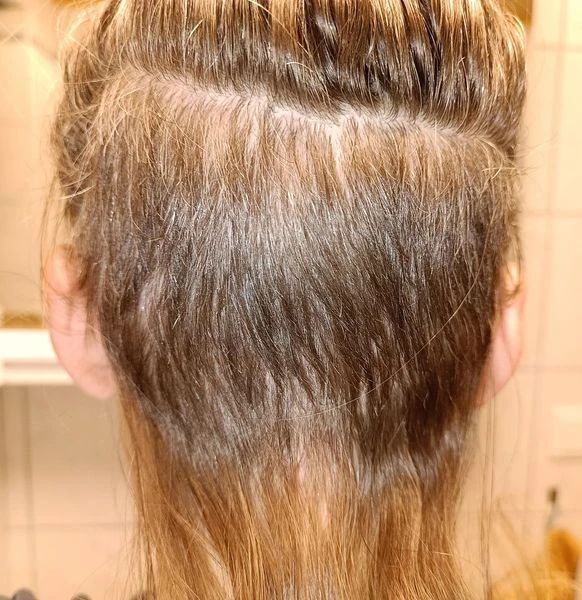
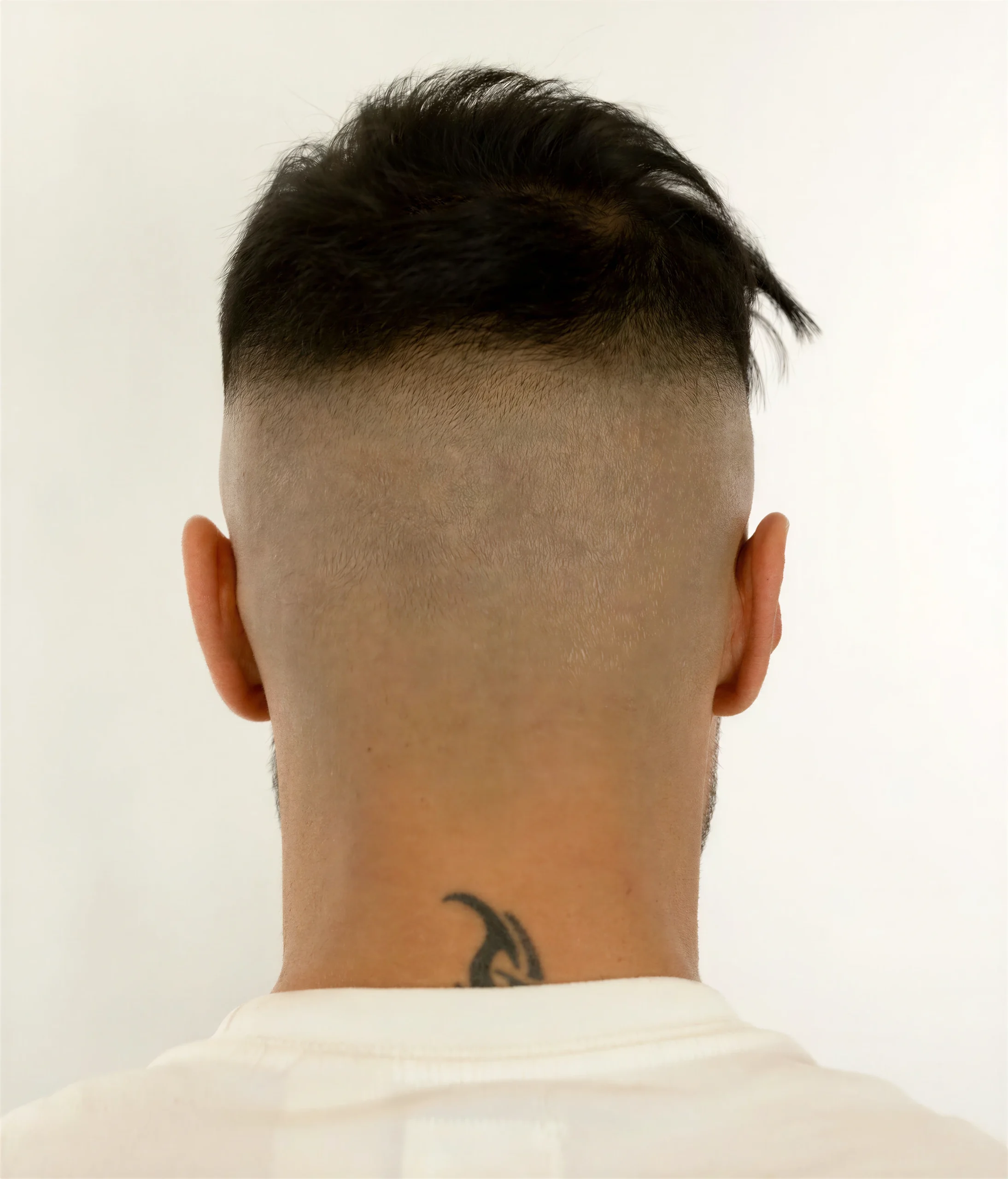
Healing is therefore particularly straightforward and gentle on the surrounding tissue. Fine crusts form within a few days and are gently removed with lotion on days 10 and 11.
To support natural healing, you receive detailed instructions covering every important aftercare step before treatment. You also have digital support through the Elithair app throughout your recovery.
"The instruments are so fine that an FUE hair transplant leaves no scars at all."
| Timing | What happens in the donor area | What you do |
|---|---|---|
| Days 1 and 2 | Redness and slight swelling; the openings begin to close | rest lying down, sleep on your back with a neck pillow |
| Days 2 to 8 | the openings close; wash your hair for the first time on the second day, then daily for seven days | follow the instructions for washing with lotion and shampoo; leave the lotion on the donor area afterward |
| from day 4 | the skin in the donor area may feel dry | you may use aloe vera gel up to three times a day, only on the donor area |
| from day 5 | the most sensitive early phase is over | you may sleep on your side and without a neck pillow again |
| Day 9 | pause the hair washing so the crusts can form | do not scratch |
| Days 10 and 11 | remove the crusts with lotion; some typically remain on the tenth day | never with your fingernails, repeat the process on the eleventh day |
| Starting on day 12 | all crusts are gone; the area looks normal | normal shampoo, wash your hair as usual |
| from day 15 | the itching in the donor area subsides | during the first two weeks, scratch only gently with clean fingertips; after that, you may scratch normally again |
| week 2 to month 3 | redness fades gradually | avoid sun exposure and heavy sweating in the first 15 days |
| Month 6 | the donor area has fully healed | keep donor area hair longer than 1 cm (about 0.4 inch) for the first six months |
The transplanted grafts are not yet firmly anchored in the recipient area during the first few days. Avoid pressure and rubbing, and do not touch the area at all for the first five days. Patience is key during the longer growth phase that follows, with the dense final result developing after twelve months.
| Timing | Phase | What happens in the recipient area | What you do |
|---|---|---|---|
| Surgery day and day 1 | The grafts | the grafts are not yet firmly anchored; swelling may occur and lasts no more than a week | rest lying down and sleep only on your back; put on the headband the day after surgery |
| Day 1 to 3 | The headband | the headband helps keep swelling from spreading to your forehead | wear it during the day and pull it down to your neck at night; on the third night, cut it at the neck rather than pulling it upward to remove it |
| until day 5 | The freshly placed follicles | the freshly placed follicles are especially sensitive | avoid contact with pillows or other surfaces; do not touch or massage the area |
| Days 2 to 8 | First hair wash | wash your hair for the first time on the second day, then daily for seven days; leave the lotion on for 30 minutes during the first wash and 20 minutes for each wash after that, and leave the shampoo on for 5 minutes; afterward, pat dry without rubbing | dab the lotion on gently without rubbing, which could dislodge the grafts |
| Day 9 | Break | pause the hair washing so the crusts can form | do not scratch |
| Days 10 and 11 | Crust removal | remove the crusts using a generous amount of lotion, allowing 20 to 30 minutes for them to soften | then gently massage in the lotion and lift the crusts off with a soft, lint-free cloth; never use your fingernails, and repeat the process on the eleventh day |
| Starting on day 12 | All crusts | all crusts are gone | normal shampoo, wash your hair as usual |
| Up to month 3 | Visible growth | visible growth is still limited and varies between patients | use styling products only after six months, hair fibers only after three months |
| Months 4 to 12 | Gradually denser | the hair gradually becomes denser as growth continues toward the final result | attend at least six PRP appointments, three to four weeks apart |
| until month 12 | Pimples | pimples can appear, mostly between month 1 and 4 | do not squeeze or scratch them open |
| Months 10 to 12 | The final result at the front | the final result at the front is visible | – |
| Months 15 to 18 | The final result in the crown | the final result in the crown is visible; crown results typically mature more slowly than results at the front | – |
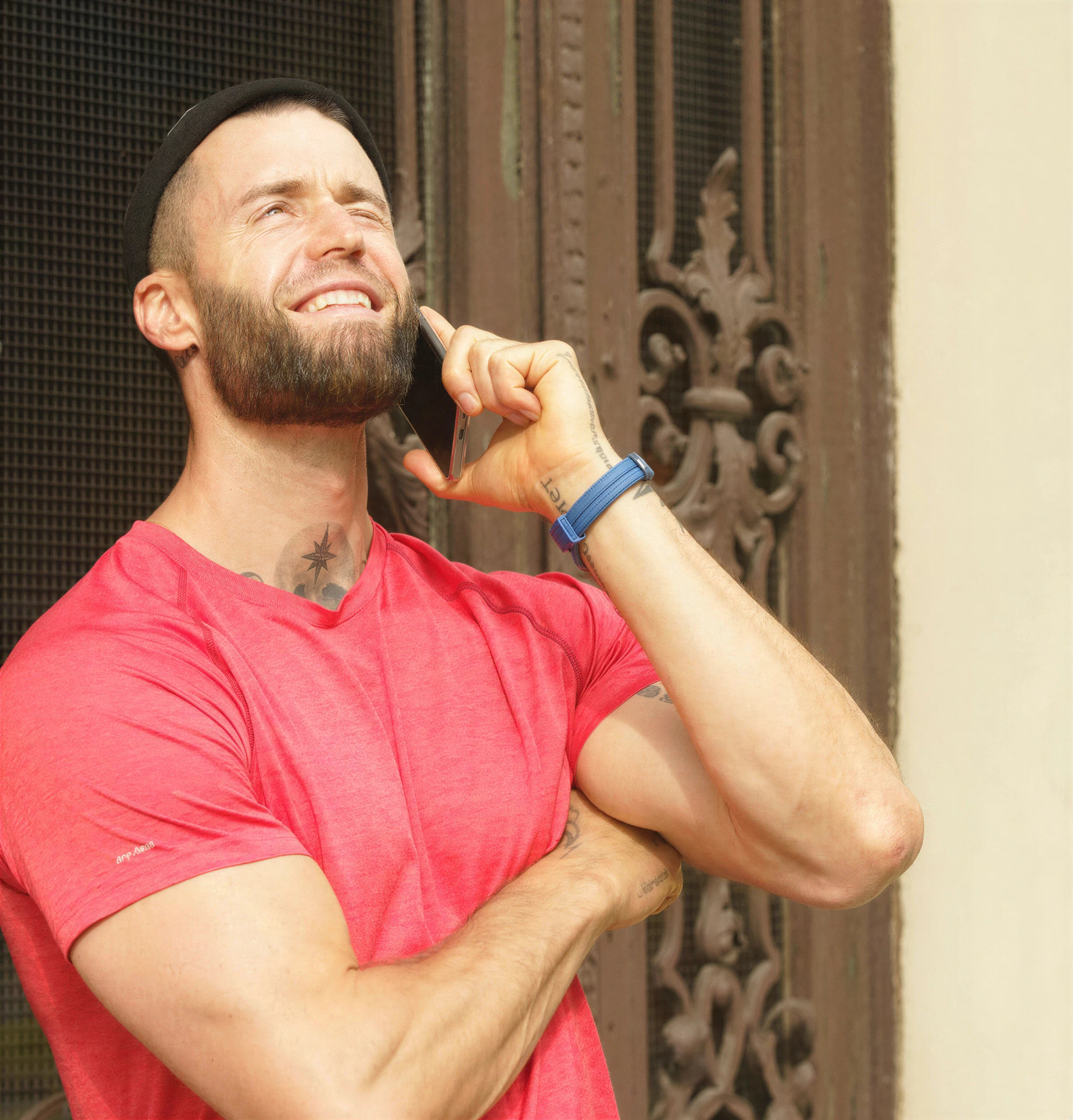
After an FUE hair transplant, you spend most of surgery day and the following day lying down. The schedule below tells you when you can resume each activity, so you know what is safe and what could still affect your results.
| Activity | Donor area | Recipient area |
|---|---|---|
| Scissors | after 1 week | after 2 weeks |
| Clippers | after 2 weeks | after 1 month |
| Razor | after 2 weeks | after 3 months |
| Styling products such as gel, wax and spray | after 1 month | after 6 months |
| Coloring your hair | after 3 months | after 1 month |
| Scalp pigmentation | after 3 months | after 8 months |
| Hair fibers and concealers | after 3 months | after 3 months |
| Activity | Donor area | Recipient area |
|---|---|---|
| Blow-drying | Month 1 not at all, month 2 cool air only, from month 3 unrestricted | Month 1 not at all, month 2 cool air only, from month 3 unrestricted |
| Light exercise, moderate exercise, weight training | after 2, 4, 6 weeks | after 2, 4, 6 weeks |
| Physically demanding work | after 2 weeks | after 2 weeks |
| Bathing and swimming without submerging your head | after 2 weeks | after 2 weeks |
| Diving | after 1 month | after 1 month |
| Sauna and tanning bed | after 6 weeks | after 6 weeks |
| Swimming with your head submerged | after 6 weeks | after 6 weeks |
| Included PRP session | after 2 weeks | after 2 weeks |
| Second treatment (new area) | at the earliest after 6 months | at the earliest after 6 months |
| Second treatment (adding density) | at the earliest after 6 months | at the earliest after 6 months |
Many patients spend more than a year thinking about a change before deciding to act. A thorough hair analysis gives you clarity right away by showing whether your donor area can support a dense, natural-looking result.
If it can, there is little reason to wait. Your existing supply of grafts is secure, but the future course of your hair loss cannot be predicted.
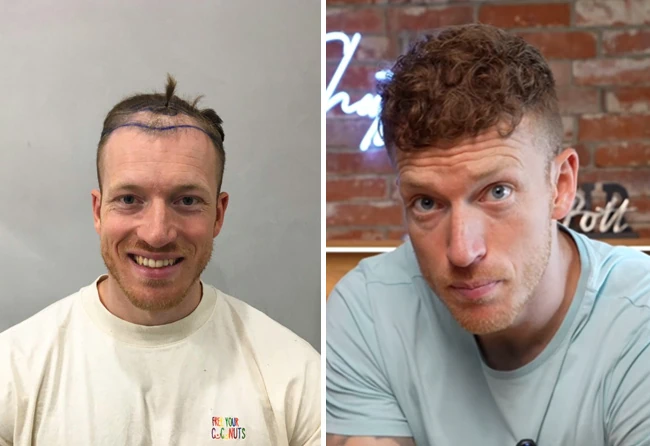
Schmale Schulter - 4,200 grafts
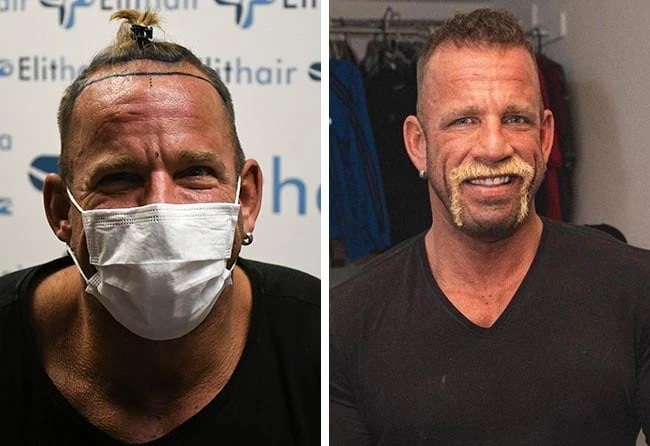
Hollywood Matze - 2,900 grafts
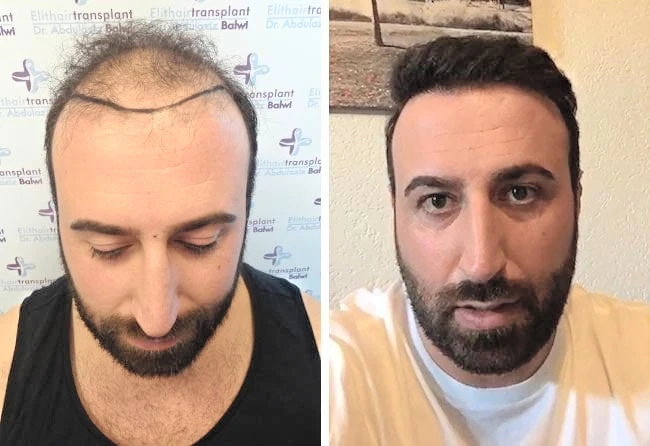
Artin A. – 3,500 grafts
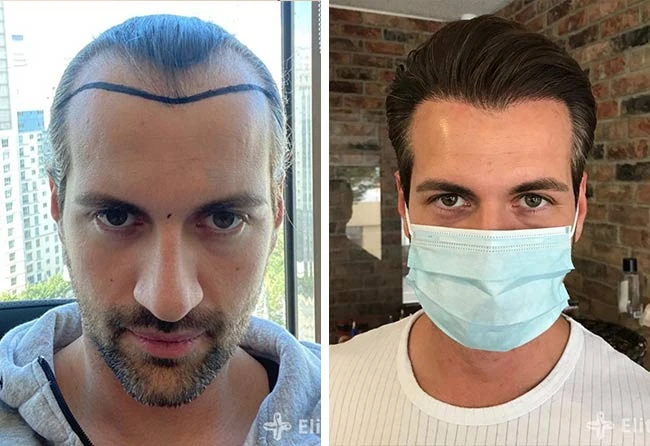
Cagatay T. – 4,000 grafts
Consider the growth timeline, too: the first changes appear after three to four months, and the final result develops after about a year. Each month you wait delays that result by the same amount of time. So the choice isn't between now and later; it's between clarity today and uncertainty tomorrow.
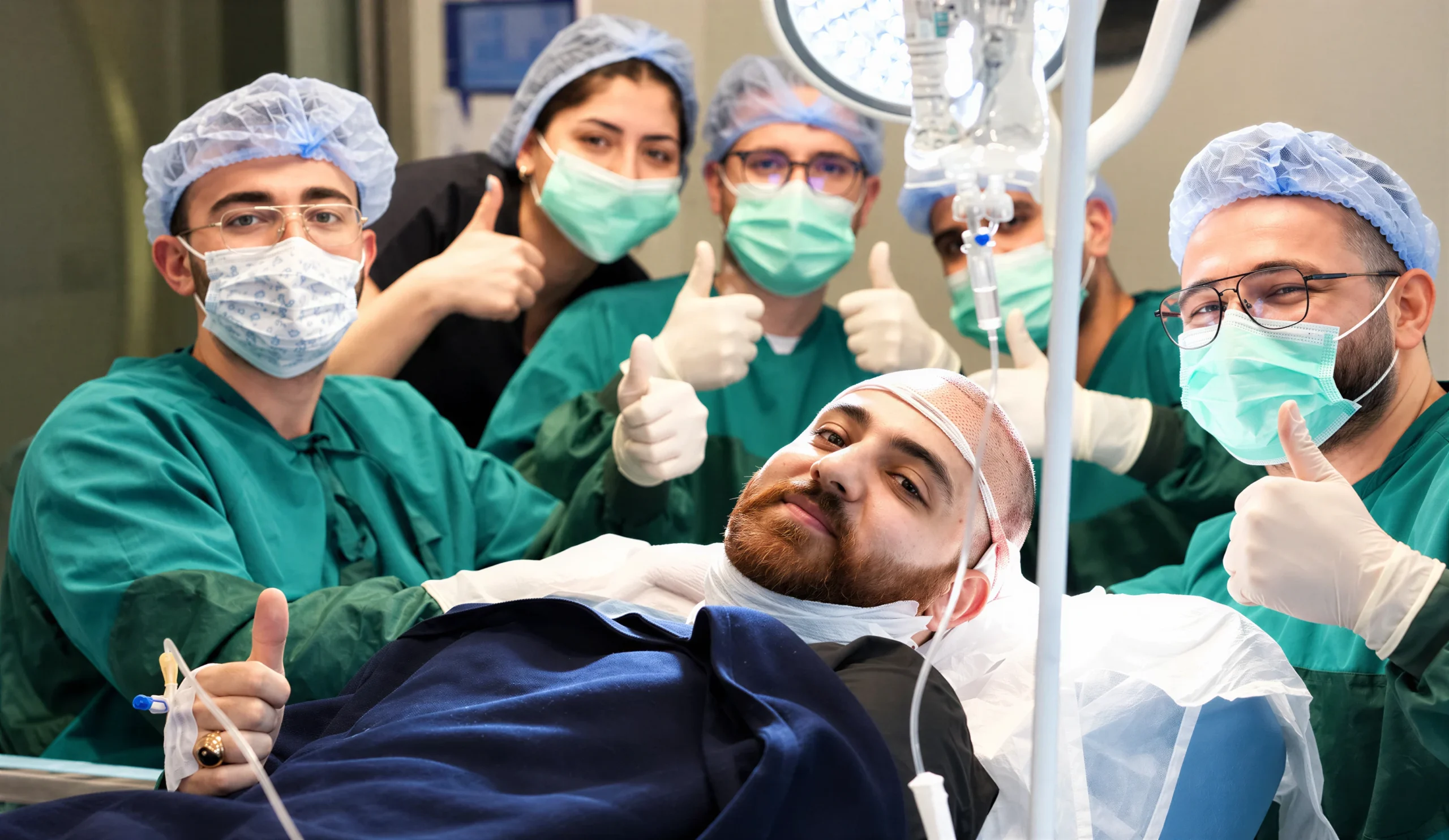
With more than 150,000 treatments completed, we have experience with almost every starting point—a strong foundation for your individual treatment plan. We guide you through the entire process toward dense hair that is your own.
Our medical team uses your free hair analysis to assess whether an FUE hair transplant is right for you and what your donor area can support.
Our ratings of 4.9 on Google, with more than 11,000 reviews, and 4.7 on Trustpilot reflect our standards. Get a free assessment of your hair today.
FUE (Follicular Unit Extraction) is a technique for harvesting follicles from the donor area. Each follicular unit is removed individually with a fine hollow needle mounted on a micromotor, rather than removing a whole strip of skin as in the older FUT method. FUE describes harvesting only; implantation is a separate step, which Elithair performs using the modern DHI technique.
FUE stands for Follicular Unit Extraction; since 2017, the formal term has also been Follicular Unit Excision. FUE and DHI are different, complementary steps: FUE is graft harvesting, and DHI is implantation with the CHOI Implanter Pen. At Elithair, both are part of every treatment, in that order.
According to the research, graft survival is equivalent with both methods. The difference is in the donor area: FUT leaves a linear scar and requires sutures, while FUE leaves no scars and allows you to wear short hairstyles. That is why Elithair uses FUE exclusively for harvesting.
The industry standard is around 4,000 revolutions per minute. Our devices are designed with a maximum speed of 750, and we harvest grafts at 100 to 200 rpm. A slower punch affects less tissue around the follicle, but it also requires more skill to remove each graft. That is why only medical specialists with at least seven years of experience perform the harvesting. Manual FUE takes this approach a step further by eliminating the motor entirely and is available for an additional fee.
In addition to motorized FUE, several other follicle-harvesting methods are available. They vary considerably in how invasive and precise they are, and how widely they are used:
For these reasons, Elithair relies on experienced specialists using handheld instruments for FUE hair transplantation. This protects your donor reserve and yields intact grafts. The survival rate of approximately 98% depends on the placement depth determined in the Pre-Test System.
Graft harvesting is an outpatient procedure performed under local anesthesia, with a low complication rate. The main risks are inflammation at the harvesting sites, temporary numbness, and swelling. One long-term risk is rarely discussed: removing too many grafts can permanently thin the donor area (Unger et al. 2013). That is why we count grafts throughout the procedure and have a physician check every step.
Grafts are harvested under local anesthesia. With Sleep-Deep sedation, you sleep through the most uncomfortable part: the 20 to 30 injections used to administer the anesthetic. A salaried anesthesiologist administers and monitors this approximately 15-minute twilight sleep. Your scalp may feel tight in the days afterward, and you receive medication for that.
No, the FUE method leaves no scars. Harvesting creates only tiny openings under 0.8 millimeters in diameter, which heal completely. Our harvesting pattern is key to the aesthetic result: we remove grafts in a staggered pattern across the entire donor area rather than in a rigid grid. After healing, no harvesting pattern is visible, even with very short hair.
You need a donor area with enough stable follicles, since only your own hair is transplanted. We have no age limit; what matters is a stable hair loss pattern, your donor reserve, and your overall health. For inflammatory or autoimmune conditions such as alopecia areata, a transplant is not appropriate without a dermatologist’s assessment first. Your free hair analysis helps determine what is right for you. We decline roughly 40 percent of all inquiries during this process.
The number depends on your donor area density, rather than a desired target. The professional guideline is to stay under 35 percent of total density in the first session and remove no more than 10 to 20 percent in a second. Our doctors set your specific graft count in your individual treatment plan, which is based on the results of the Pre-Test System.
At Elithair, you book an all-inclusive package with clear pricing based on the number of grafts you need. Prices range from $3,899 (up to 2,000 grafts) to a maximum of $4,499 (5,000 grafts and up). Your price already covers all medical services, including FUE harvesting, gentle DHI implantation, our Pre-Test System, the patented NEO FUE® Serum, and one PRP treatment. It also includes 3 nights at a 4-star hotel near the clinic, VIP transfers, and 12 months of digital aftercare through the app. The included PRP treatment takes place at the clinic on the day of your procedure. Your flight is not included; Istanbul is served by direct flights from almost every major US gateway. Zero Shave FUE and Manual FUE are available for an additional fee.


