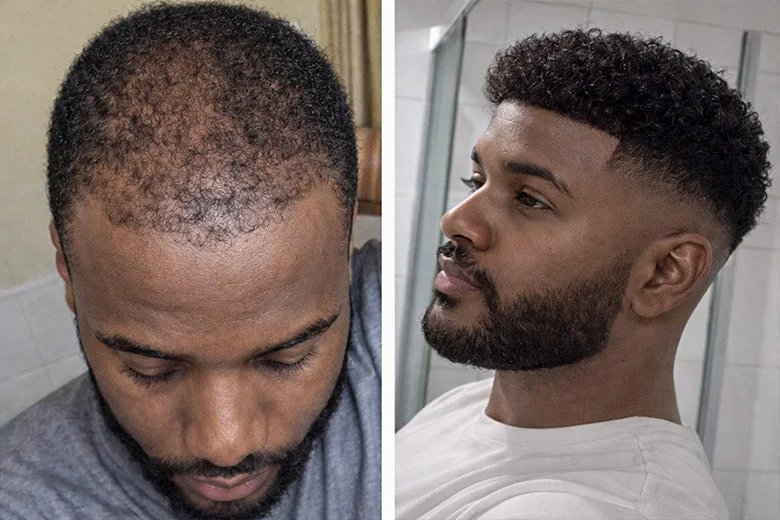
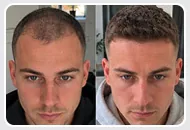
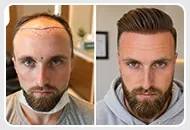
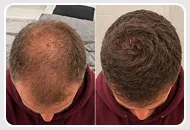
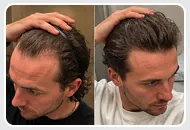
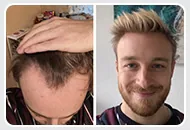
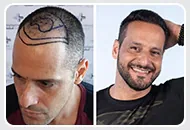
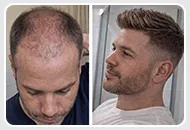
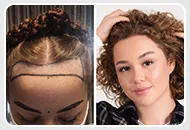
Before
After
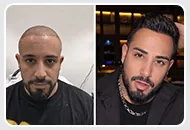
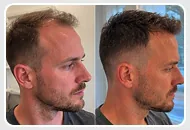
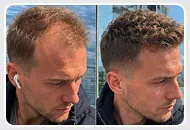
Michael - 4,250 grafts

4.9 - 11,000+ Reviews on Google

150,000+ Happy Patients Worldwide

free, no obligation
 4.9 out of 5 stars on Google
More than 150,000 treatments
at our specialist clinic, certified to ISO 9001:2015
by TÜV Thüringen.

An Afro hair transplant should produce results that blend seamlessly with your natural features. Starting at $3,899, we transplant your own hair follicles using an extraction technique that follows the curved path of each root.
Because Afro hair roots curve beneath the skin, the procedure requires specialized expertise. Identifying the cause of your hair loss also comes first, since surgery isn't appropriate for every type of hair loss.
With our free, no-obligation hair analysis, we assess whether you're a good candidate, and we only recommend treatment when your chances of success are excellent.
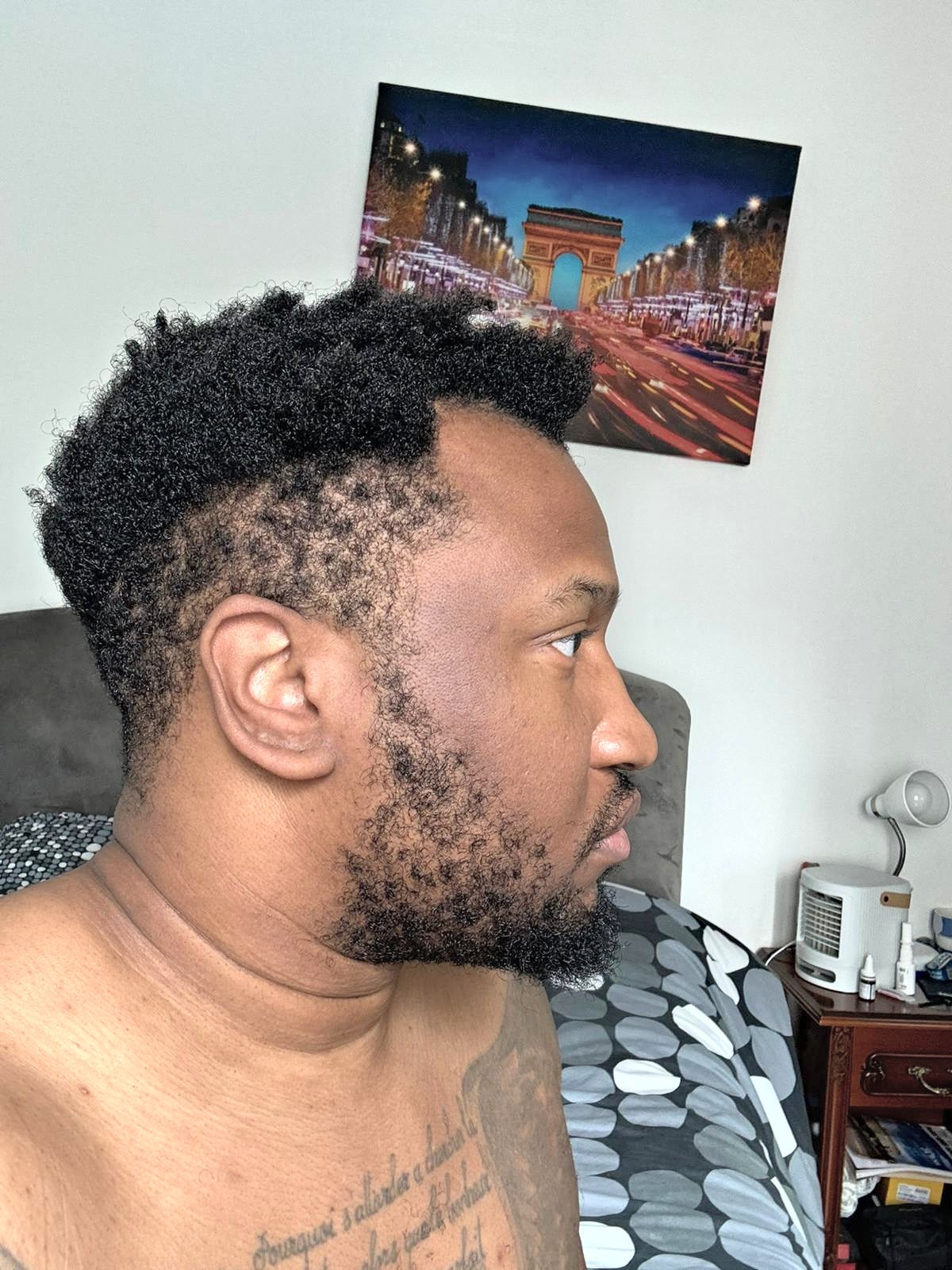
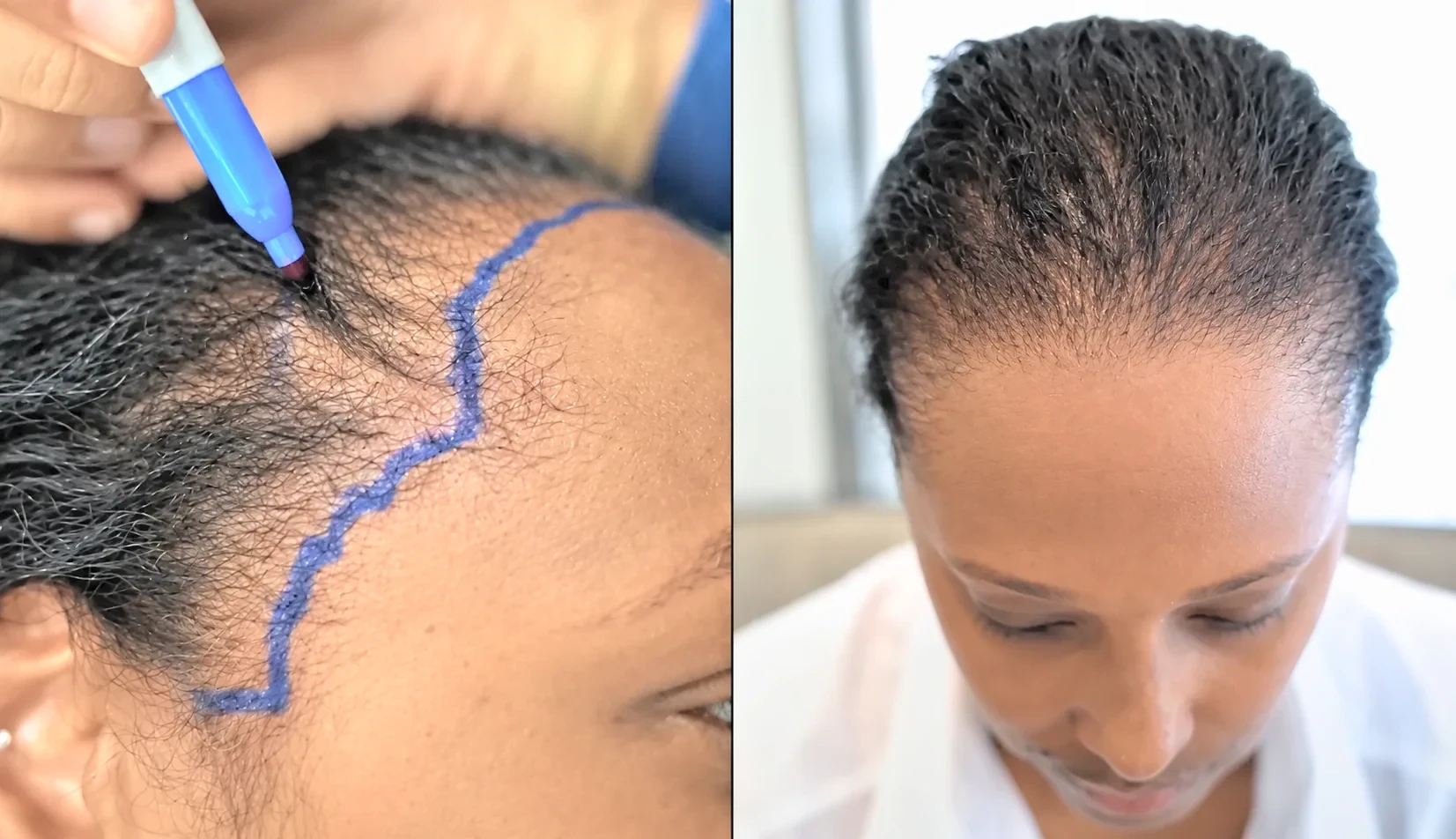
With coily hair, a natural-looking result depends less on the number of grafts than on how well the transplanted hair blends with your own. The hairline should be slightly irregular rather than a hard, straight edge. The front row consists of single, fine hairs, with density gradually increasing behind them. Your temples retain their original shape instead of appearing rounded.
The transplanted hair matches the curl and growth direction of the surrounding hair, including at the crown and along the part. There's no gap between the treated areas and your own hair, and the donor area looks even, with no thinned-out patches.
Michael - 4,250 grafts
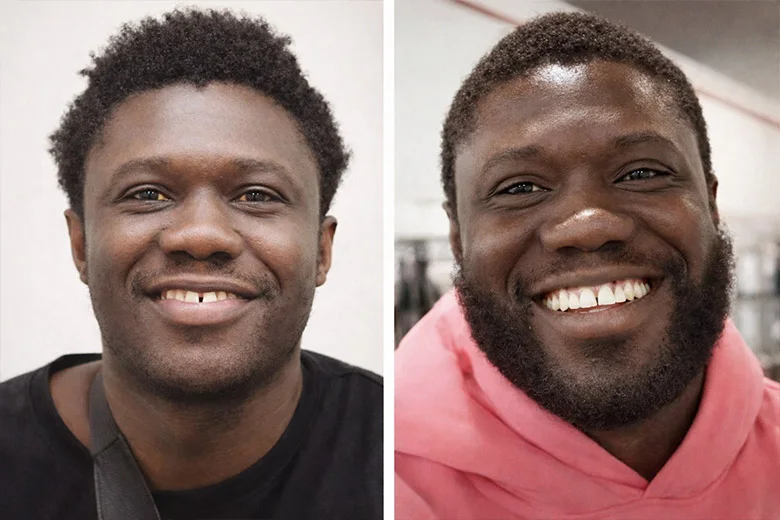
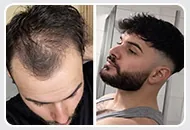
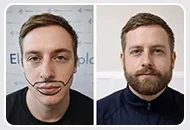
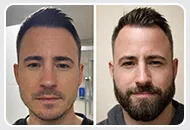
Schwarzwald John - 4,700 grafts
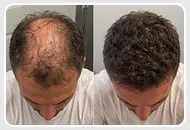
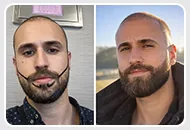
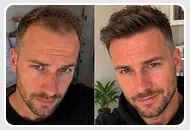
Jahy C. – 3,200 grafts
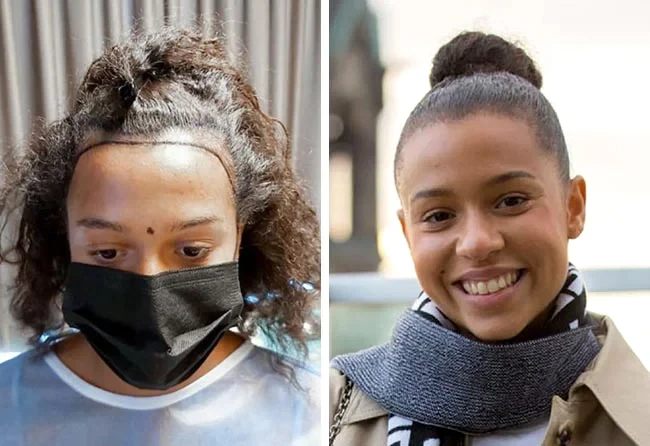
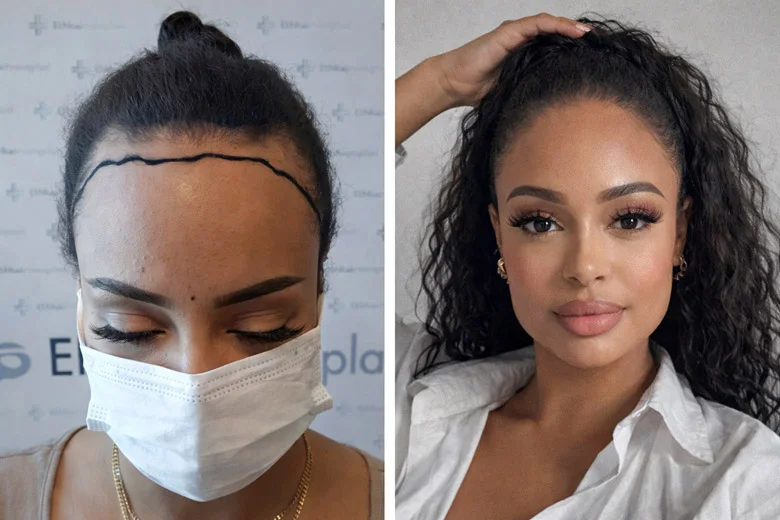
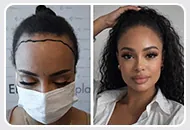
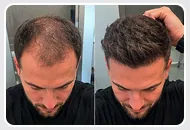
Melissa Z. – 2,700 grafts
 Overview
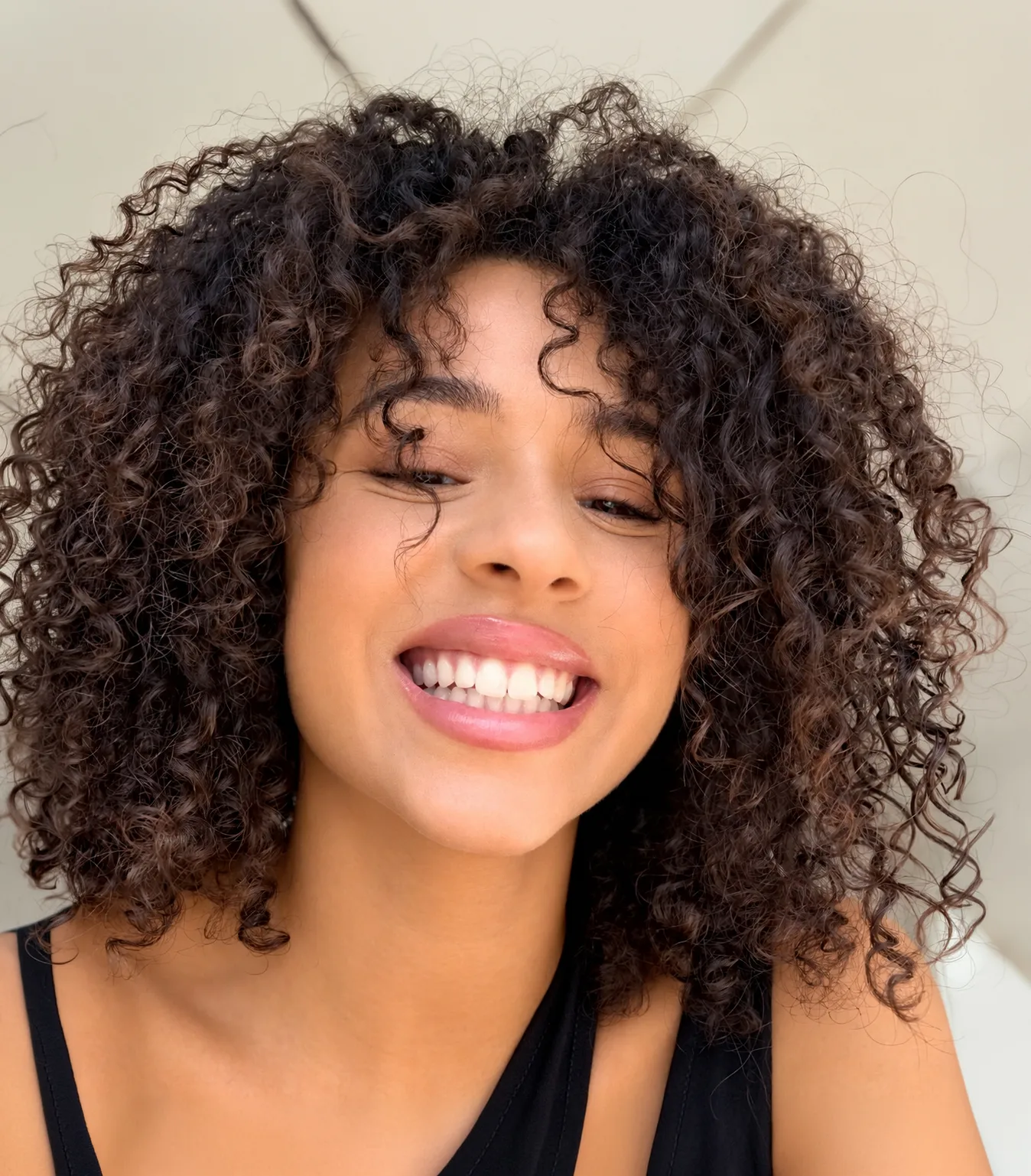
Patients with a stable donor area are very good candidates. Causes such as traction alopecia or CCCA must be ruled out first.
FUE extraction is adapted to the root's curved shape, followed by DHI implantation with the CHOI Implanter Pen, which is always included.
The curl pattern lets each graft provide especially strong visible coverage.
Local anesthesia under Sleep-Deep sedation, 0% pain. Small FUE extraction scars may occur. A tendency to form keloids is checked in your medical history beforehand.
Four days of full-service care in Istanbul, with all-inclusive pricing from $3,899 to $4,499.
Early growth often begins around months 3 to 4. Final result at the front after 10 to 12 months (crown: 15 to 18 months). Includes a 20-year written guarantee on the transplanted hair.
An Afro hair transplant moves your own tightly curled, coily hair to thinning areas to restore long-lasting density. As with any hair transplant, follicles that are resistant to DHT (dihydrotestosterone) are extracted from the donor area at the back of the head and carefully transplanted to areas of hair loss.
Transplanted follicles generally retain much of their donor-area resistance to hereditary hair loss, although long-term changes are possible.
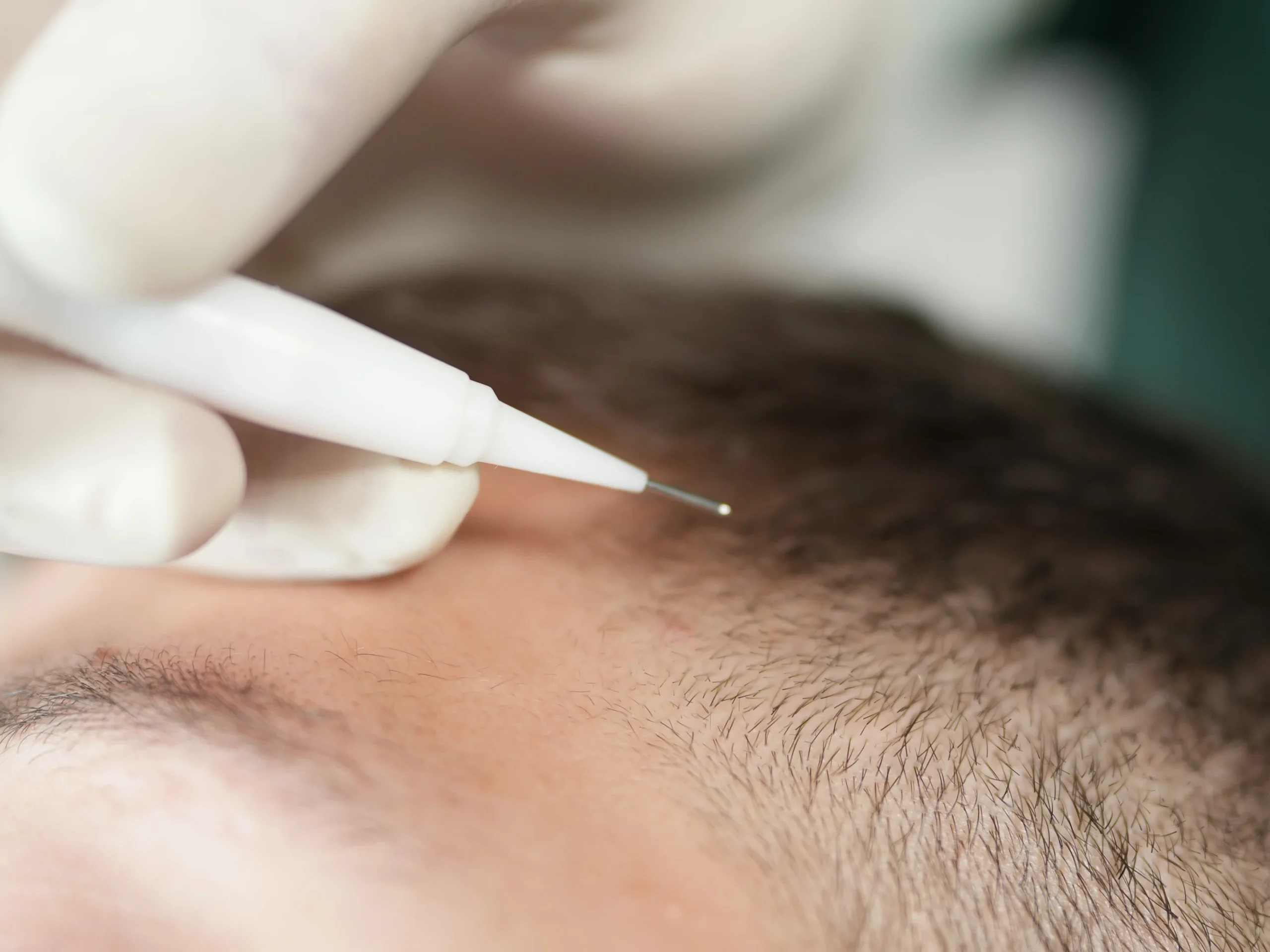
Our treatment approach combines two established methods to support the best possible growth. Using FUE, follicles are extracted one at a time without a linear strip scar.
The next step is gentle DHI implantation: the CHOI Implanter Pen opens the channel and implants the graft in a single motion. This provides precise control over each graft's angle and direction, which is essential when working with the unique anatomy of curly hair.
FUE and DHI aren't alternatives to choose between. They're two phases of one well-practiced process, and both are included as standard in our all-inclusive price.
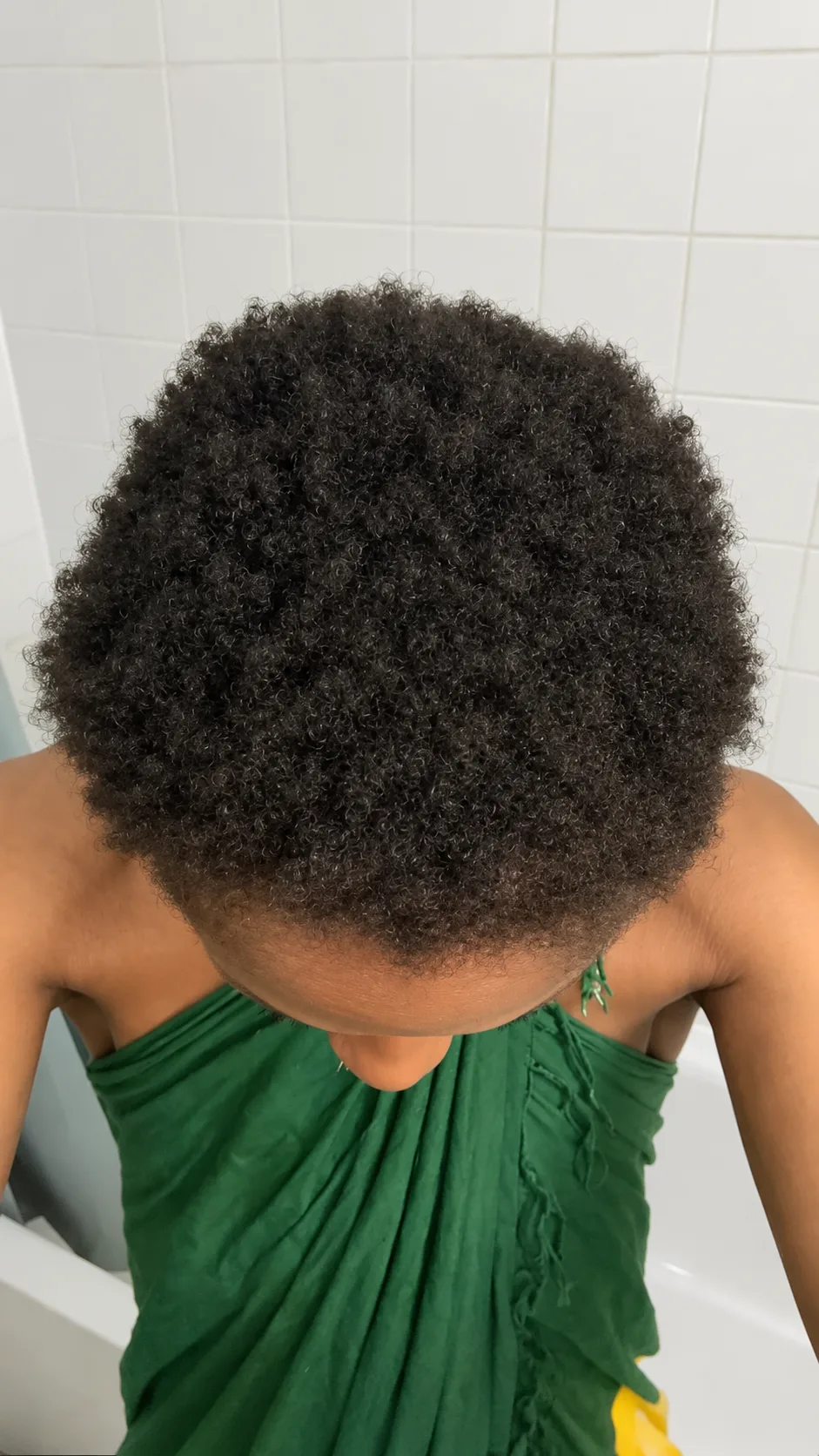
Afro-textured hair offers a distinct advantage when it comes to coverage: its three-dimensional curl pattern allows individual hairs to overlap naturally, creating the appearance of fullness.
As the International Society of Hair Restoration Surgery (ISHRS) confirms, coily hair often needs fewer follicles to cover the scalp reliably.
Creating a fuller look isn't about restoring the exact number of hairs you once had. It's about covering areas where the scalp shows through. Marketing claims that promise exact percentages are not credible; the established benefit is greater visual volume, not a universal figure. Use our graft calculator for a rough estimate tailored to your case.
Careful planning also requires a close look at the back of your head. Research on hair density (Loussouarn, 2001) puts the average density of Afro-textured hair at about 190 hairs per square centimeter. Greater visible coverage does not automatically mean a smaller procedure; the treatment plan must still account for the capacity of your donor area.
As part of our Pre-Test System, the TrichoLAB analysis measures hair root density in four areas of your scalp. The results show how many grafts your donor area can provide and how many are needed for your treatment plan.
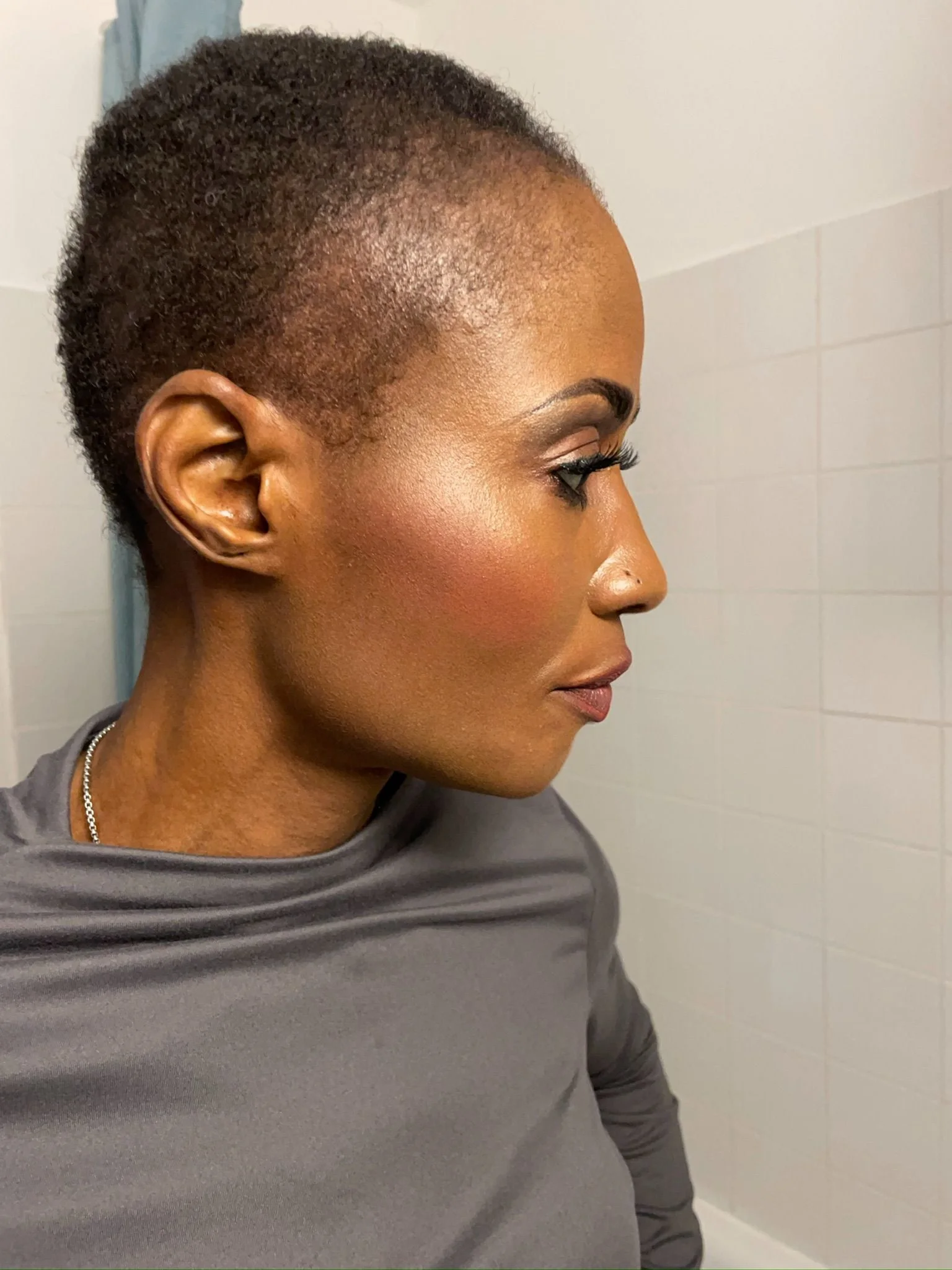
Two factors are essential to a successful hair transplant: the cause of your hair loss must be clearly identified, and your donor area must be stable over time. This diagnosis is especially important for Afro-textured hair because two forms of hair loss, in addition to hereditary thinning, are more common and require very different approaches to treatment.
Androgenetic alopecia
A receding hairline or temples, or thinning on top with a dense band of hair around the sides and back.
This is the classic case: because follicles in the donor area are relatively resistant to the hormone DHT, the procedure can be planned precisely for lasting results.
caused by pulling
Thinning at the hairline, temples, or edges, exactly where tight hairstyles pull.
As long as the tissue isn't scarred, relieving the tension and targeted care come first. A transplant only makes sense once the condition is completely stable.
Thinning at the center of the scalp, sometimes accompanied by shiny skin, itching, or mild burning.
A transplant is not performed during the active, inflammatory stage. It may be considered only once the scalp is confirmed to be calm and after a clear suitability assessment.
Sudden, widespread hair loss, round bald patches, or unusual accompanying symptoms.
A thorough diagnosis comes first. We don't perform a transplant until the cause is clear.
This overview is intended as general guidance and does not replace a medical examination. Our doctors and medical team determine whether a procedure is medically appropriate for you through a thorough scalp analysis, including dermoscopy or a biopsy if needed.
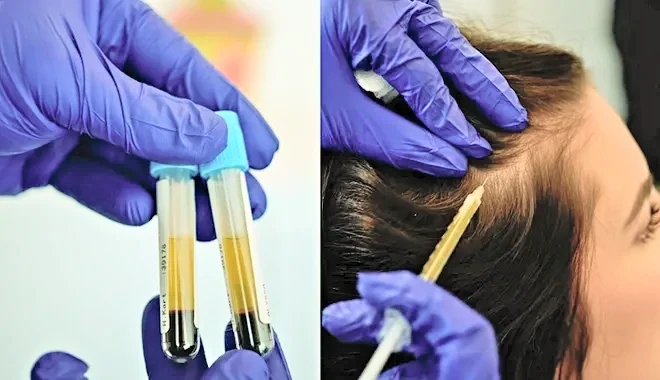
If surgery is not the right option, less invasive alternatives are available. Professional scalp micropigmentation uses fine pigments to give thinning areas a denser appearance without surgery.
If weakened hair roots are still active, PRP treatment can help nourish them. One PRP treatment is included in your package and is performed at the clinic on the day of your procedure.
Traction alopecia develops when mechanical tension pulls on the hair roots over a long period. Common triggers include tight braids, cornrows, weaves, extensions, and tightly pulled-back styles.
The damage usually develops gradually in characteristic areas: along the hairline, at the temples, and around the edges. Dermatological studies illustrate how common it is: signs of traction alopecia at the hairline were found in 17.1% of the schoolgirls and 31.7% of the adult women examined.
Combining tight hairstyles with chemical relaxers is especially damaging because weakened hair breaks even more easily under tension. Early warning signs include scalp tightness after styling, redness, or small bumps along the edges. If you act on these signs early, you can usually stop the hair loss without surgery.
In the early stage: the follicles are irritated but can fully recover. The most important step is consistently relieving the tension with looser styles, combined with dermatological care. At this stage, the hair often grows back on its own.
In the advanced stage: if a root has been damaged for years and replaced by scar tissue, no new hair will grow there. A transplant may be appropriate only after the pulling has stopped completely and the tissue has stabilized. Otherwise, the newly implanted follicles would be exposed to the same tension.
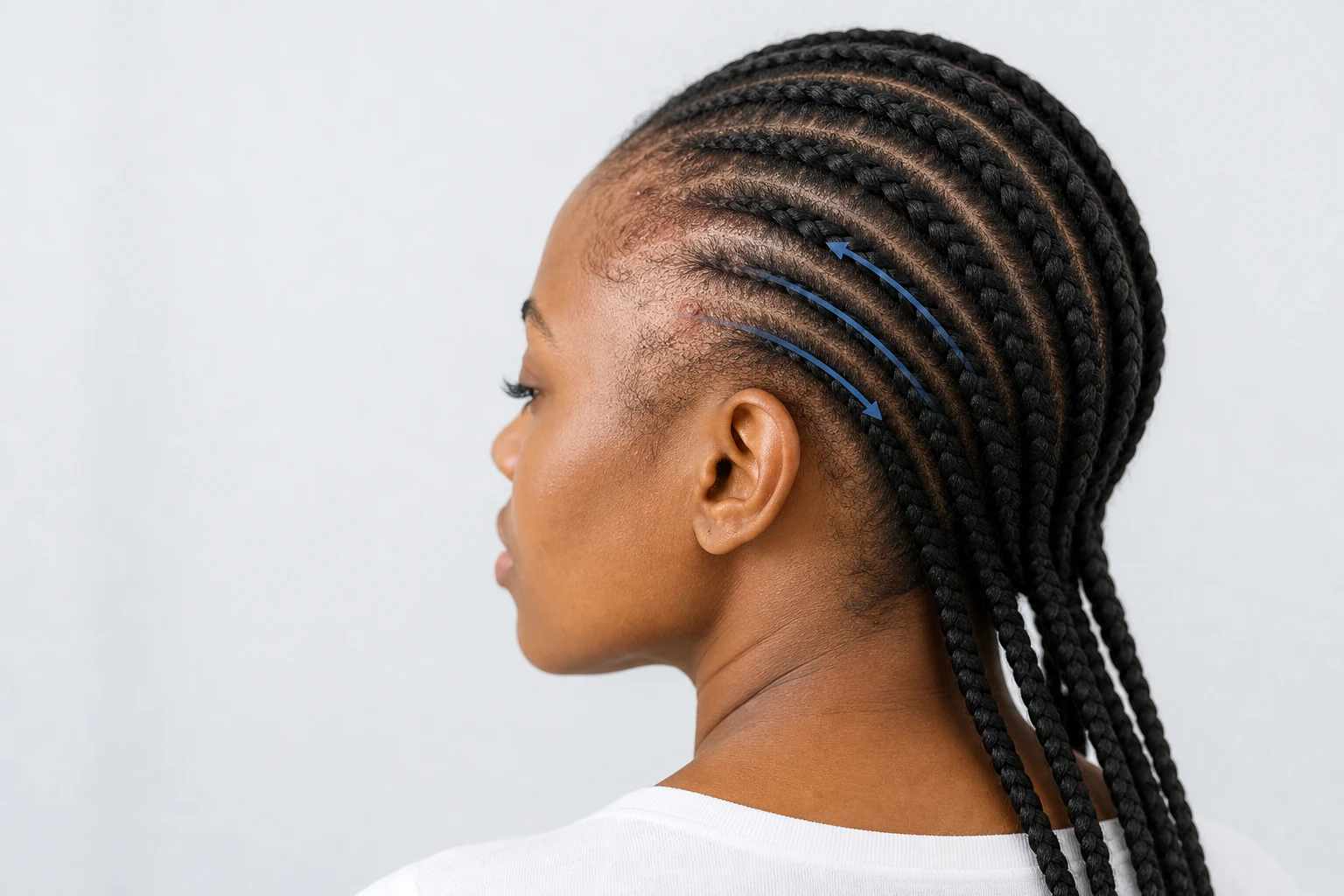
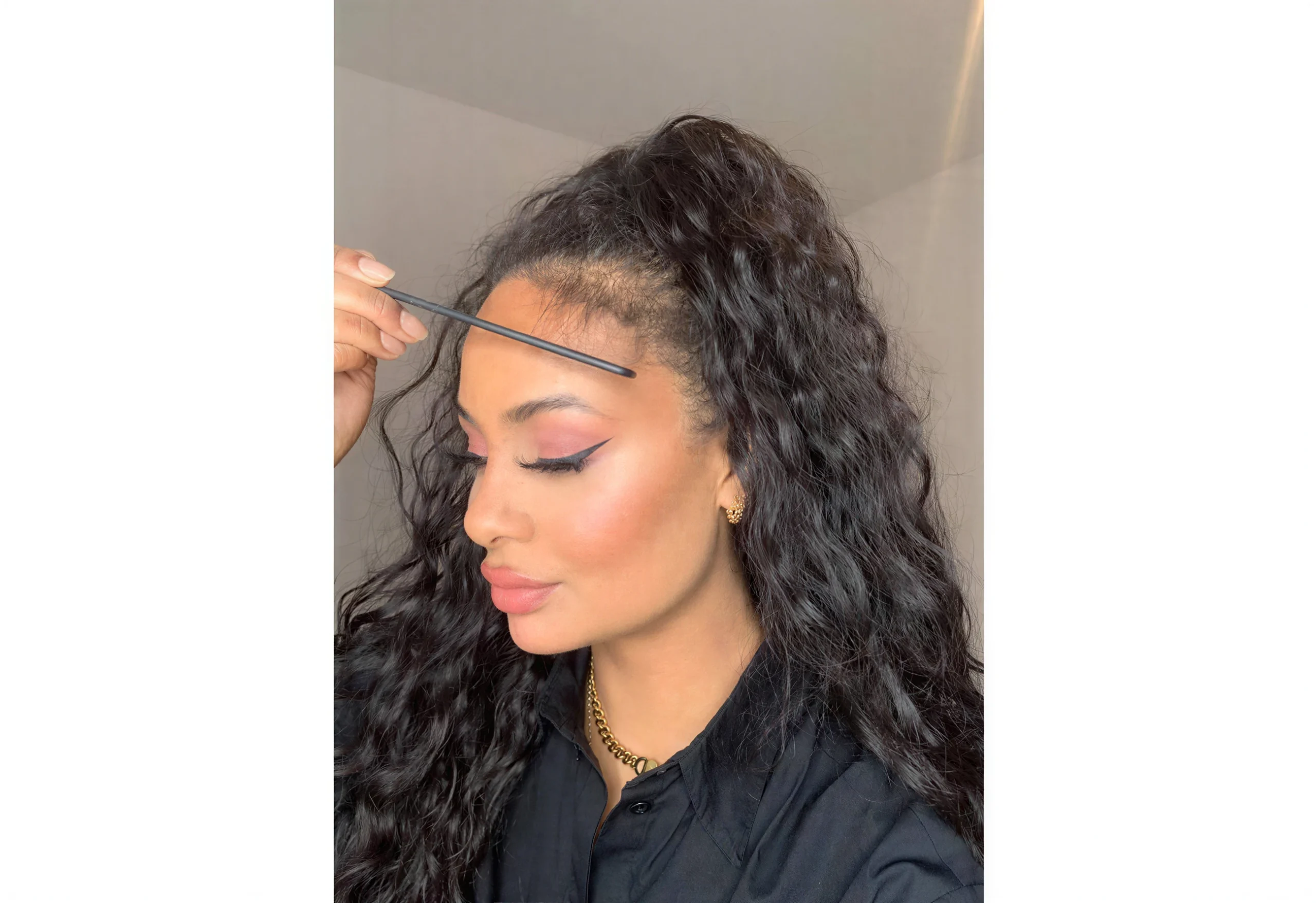
A transplant therefore always requires a dermatological evaluation first and an individual decision by a doctor (Lam 2020).
According to StatPearls, central centrifugal cicatricial alopecia (CCCA) affects about 2 to 7 percent of women with Afro-textured hair. It spreads outward in a circle from the crown and often comes with itching or burning. It isn't caused by styling habits but largely by genetic factors, such as a variant of the PADI3 gene (2019).
Strict medical criteria apply to a hair transplant:
No procedure while there's inflammation: according to DermNet, the condition should be well controlled for at least one year before surgery.
Higher risk: grafts take hold less easily in scarred tissue. Case reports (Callender et al., 2014) and meta-analyses (Ekelem et al., 2019) do show good results in inactive CCCA, but also a higher failure rate.
A transplant therefore always requires a dermatological evaluation first and an individual decision by a doctor (Lam 2020). Learn more about treatment planning on our page about hair transplants for women.
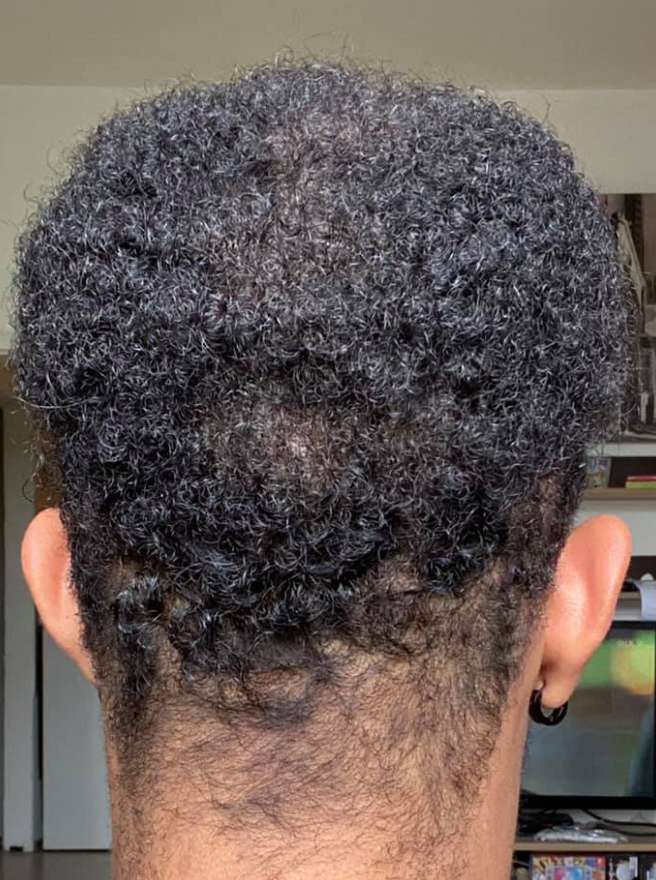
Worrying about keloids is understandable, but medical literature describes keloids after FUE as extremely rare.
Darker skin is more prone to keloid formation (about 3.5% in a study from Cameroon), but your individual risk depends on how your wounds have healed in the past.
Systematic reviews of FUE complications (2026) confirm that keloids are extremely rare after FUE because, unlike the strip method, the tiny extraction sites heal without tension.
We still carefully check for any tendency toward keloids during your initial consultation.
In darker skin, irritation can temporarily cause lighter or darker spots in the donor area, along with more pronounced redness.
To prevent post-inflammatory pigment changes, UV protection is essential: for the first two weeks, always wear the protective hat we provide when you go out.
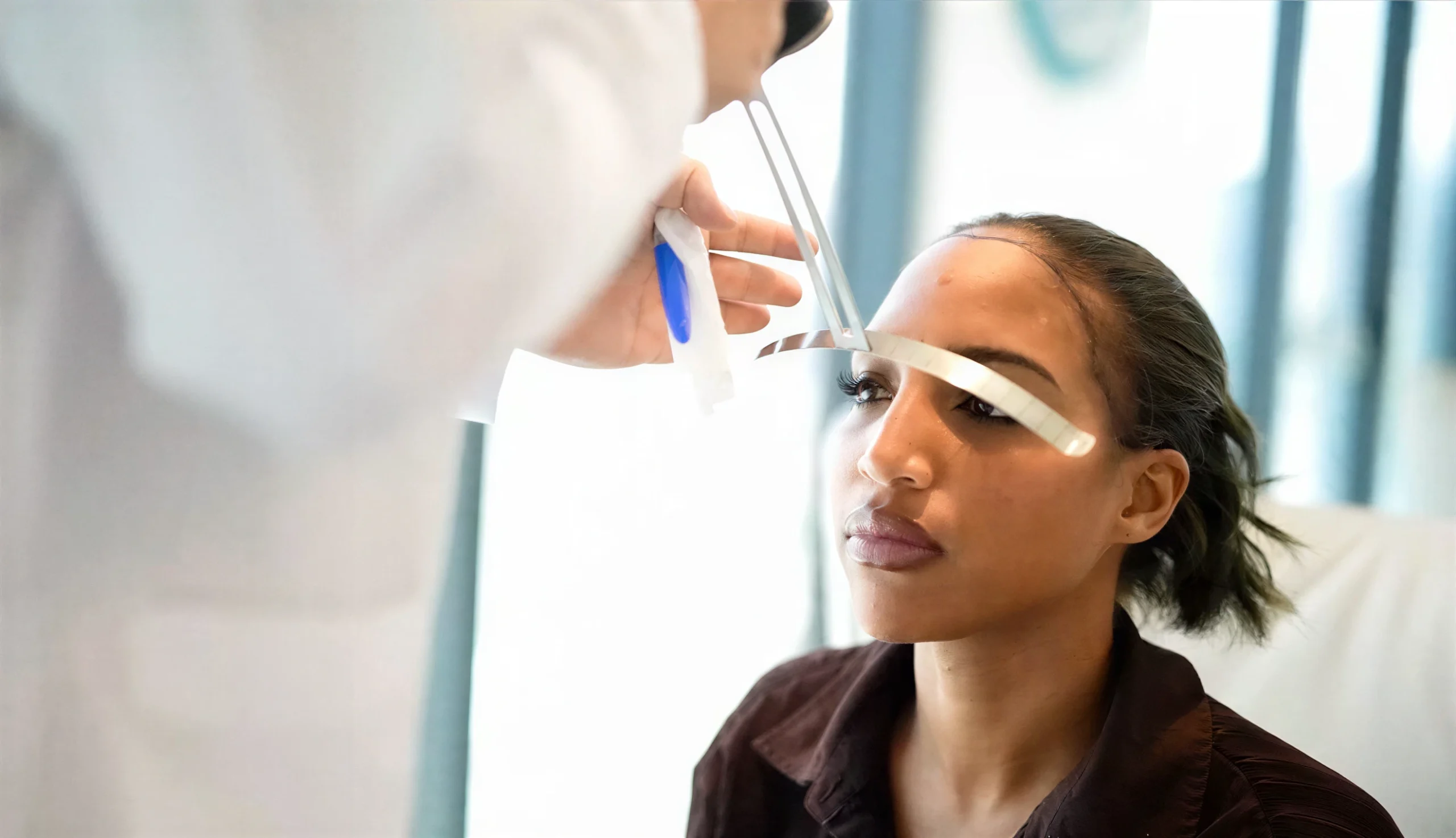
Hairline design is the visual centerpiece of every transplant. With Afro-textured hair, placement takes extra care: because coily hair stands three-dimensionally, the wrong growth direction stands out much faster than it would with straight hair.
That's why a doctor personally outlines your hairline and tailors it precisely to the shape of your face. The goal is a natural-looking hairline, even with very short cuts and sharp, clean fades. The design follows a clear principle:
Carefully selected single-hair grafts create a soft, natural hairline with no hard edges.
Multi-hair grafts with two to four hairs provide the fullness and coverage you need.
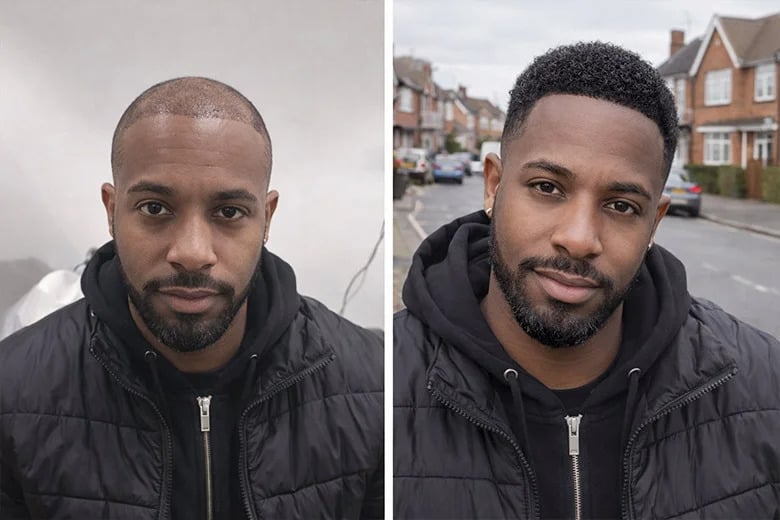
The result is a personalized hairline that complements your appearance.
In FUE, the grafts are removed one by one from the donor area with a fine hollow punch. Because Afro-textured hair roots curve beneath the skin, a rigid, shallow insertion angle can easily cut through the follicle (transection).
Research shows that FUE can still work extremely well on coily hair. A study by Dr. Sanusi Umar (2016) demonstrates that adapted instruments can reduce the transection rate from over 60% to under 5%. Because robotic systems such as ARTAS cannot reliably handle curly hair structures, the skill of the practitioner is critical.
As described in Hair Transplant Forum International (Reyes, 2021), each curvature type requires individual fine-tuning of punch diameter, angle, and depth.
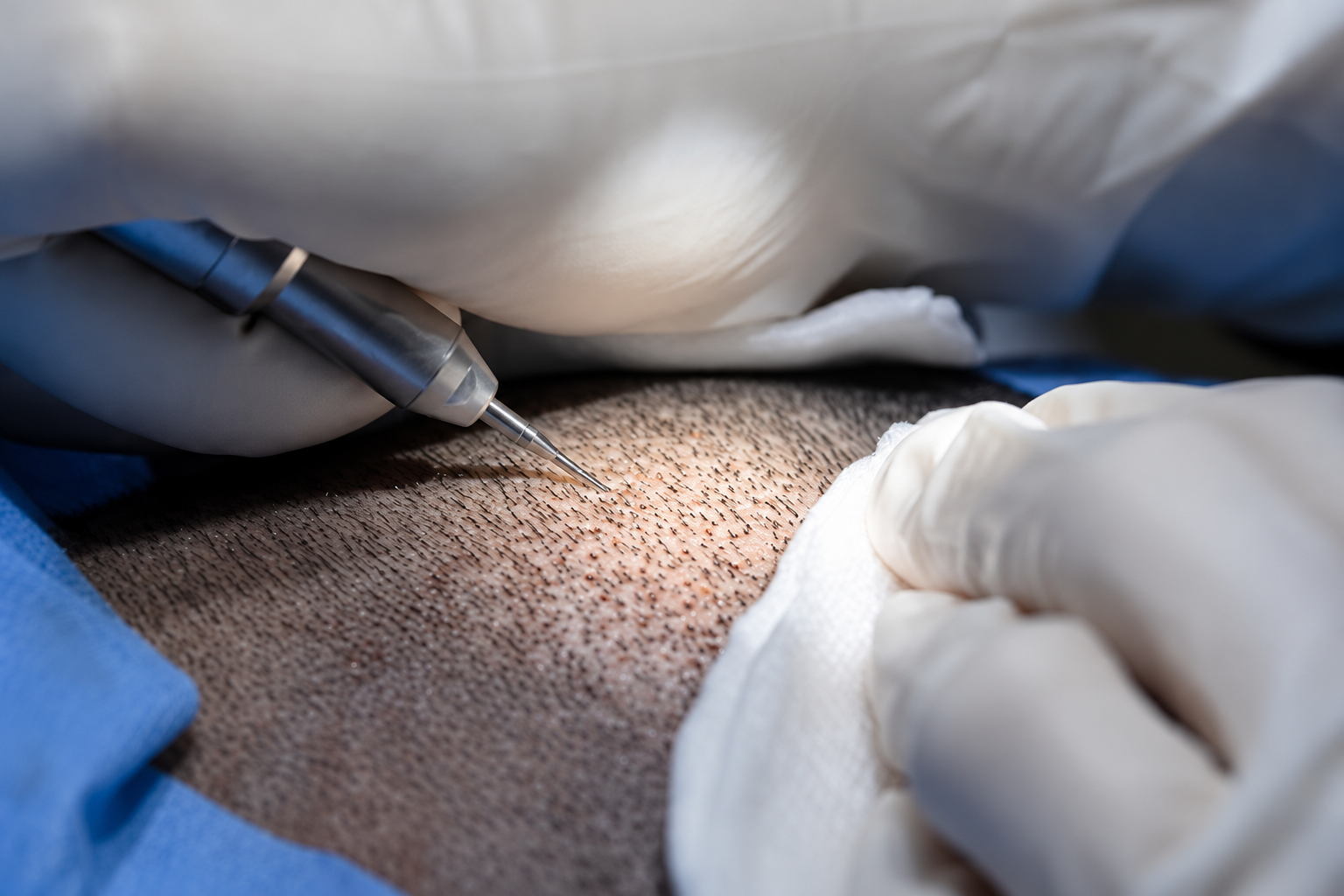
To remove your hair roots without damage, we focus on maximum control during extraction: our medical specialists have at least seven years of experience in this specific step.
We also slow our micromotors down to a gentle 100 to 200 revolutions per minute (the industry norm is up to 4,000 rpm) to protect the surrounding tissue.
For even greater control, manual extraction (Manual FUE) removes each graft by hand. This option is available for an additional fee.
FUE extracts the grafts, but it's the implantation that follows that determines how natural and dense your final result looks.
Our standard is the modern DHI technique with the CHOI Implanter Pen (Choi et al. 1992). The key advantage: opening the channel and placing the follicle happen in one smooth step.
This precise control over depth, angle, and direction is ideal for the curved root structure of Afro hair. Because the follicle is placed directly into the scalp while protected inside the pen, there is no separate channel-opening step and no need to position grafts with tweezers.
The result: hair that grows in a direction that blends naturally with your own, with each graft placed at exactly the depth calculated for you in the Pre-Test System.
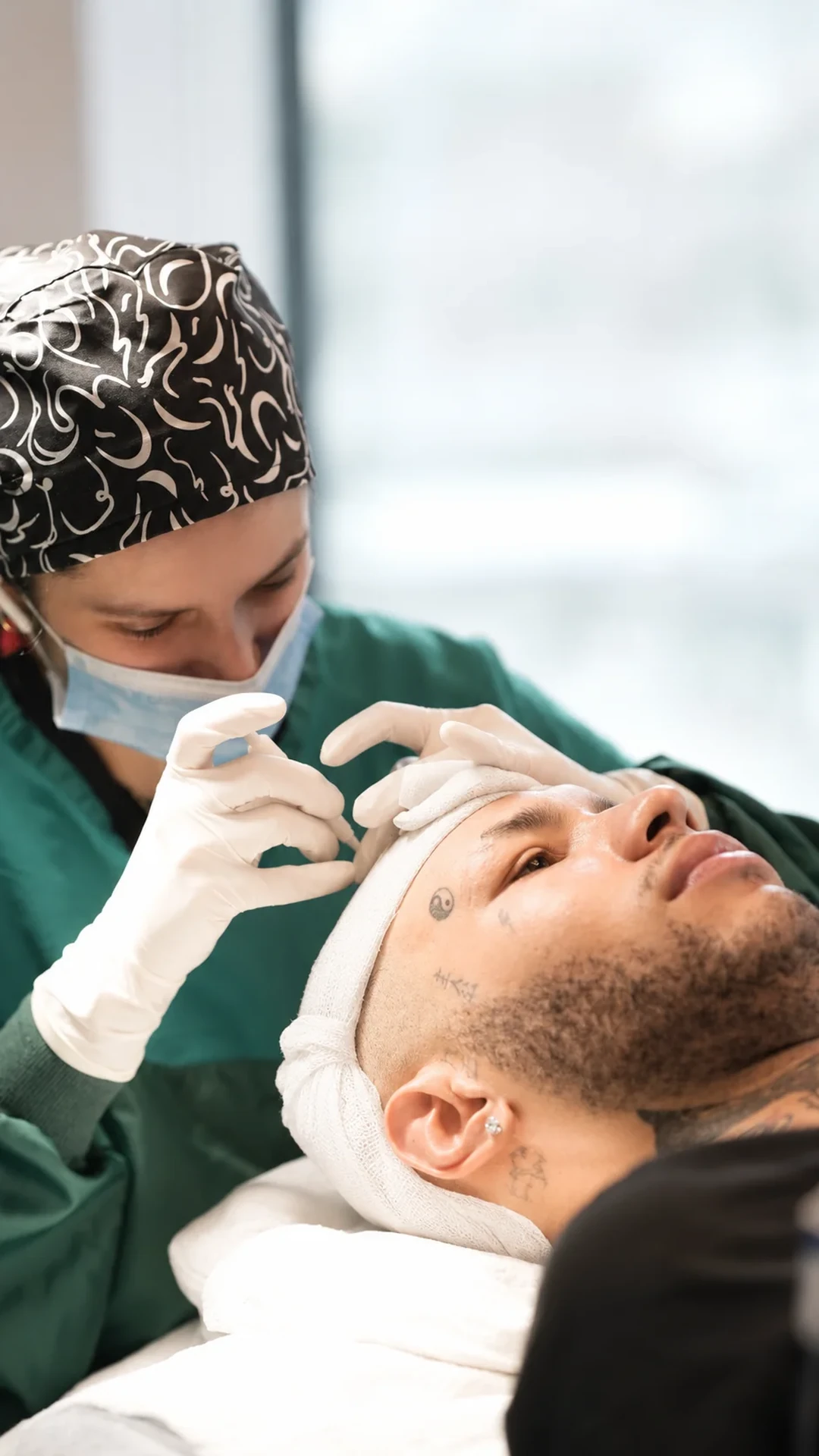
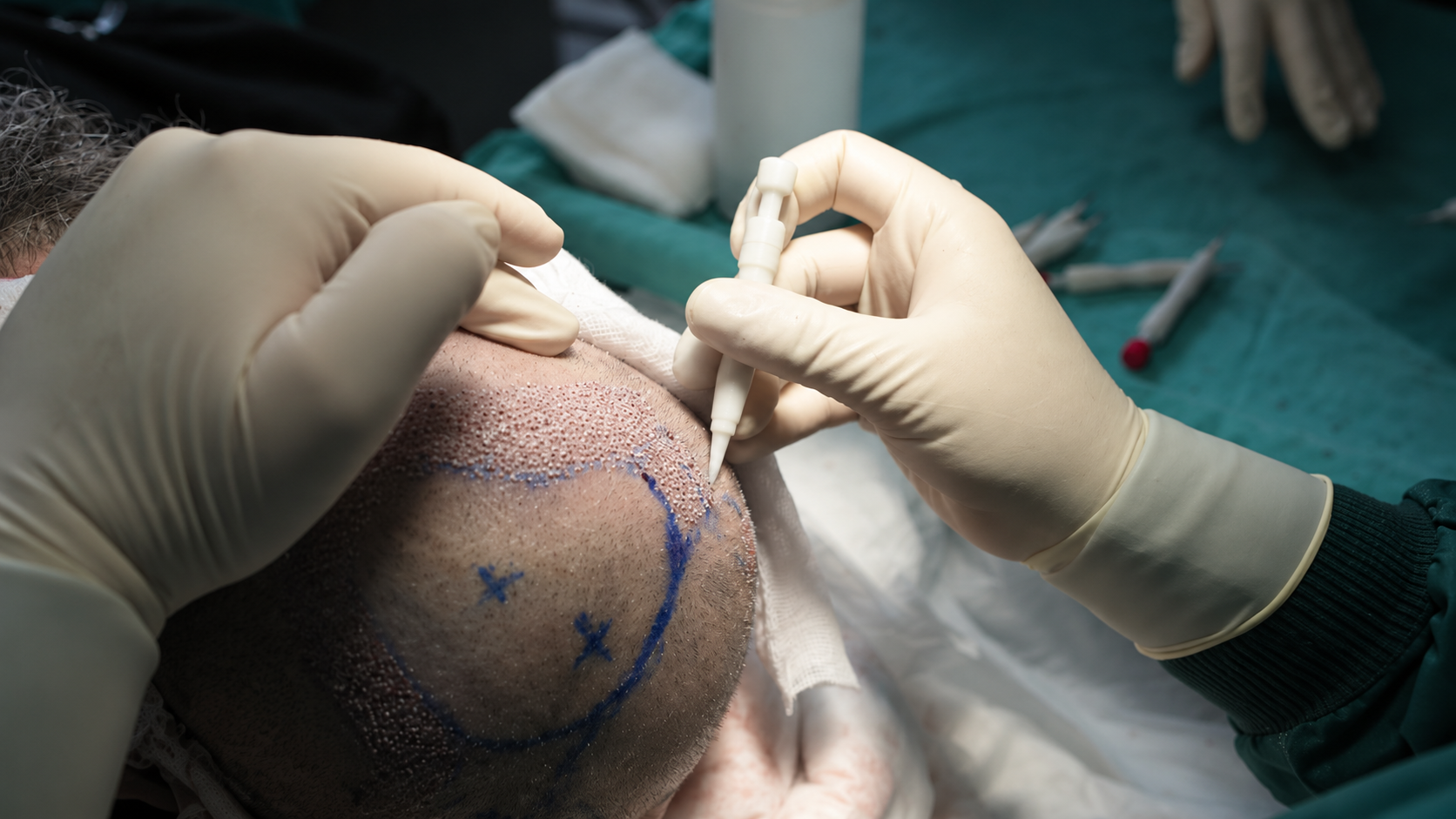
Your journey begins with a free online analysis. Using your photos, our doctors assess whether you're a candidate for a hair transplant and estimate the number of grafts you may need and the cost.
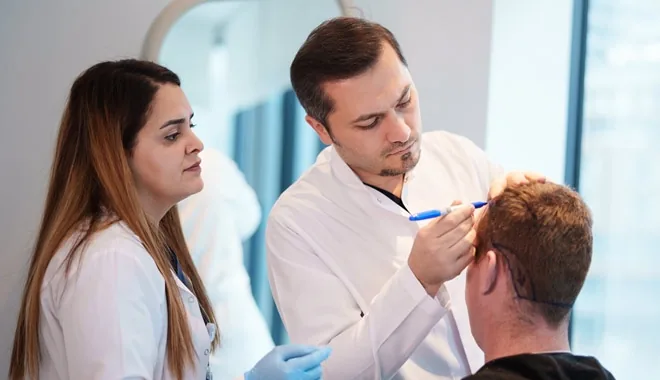
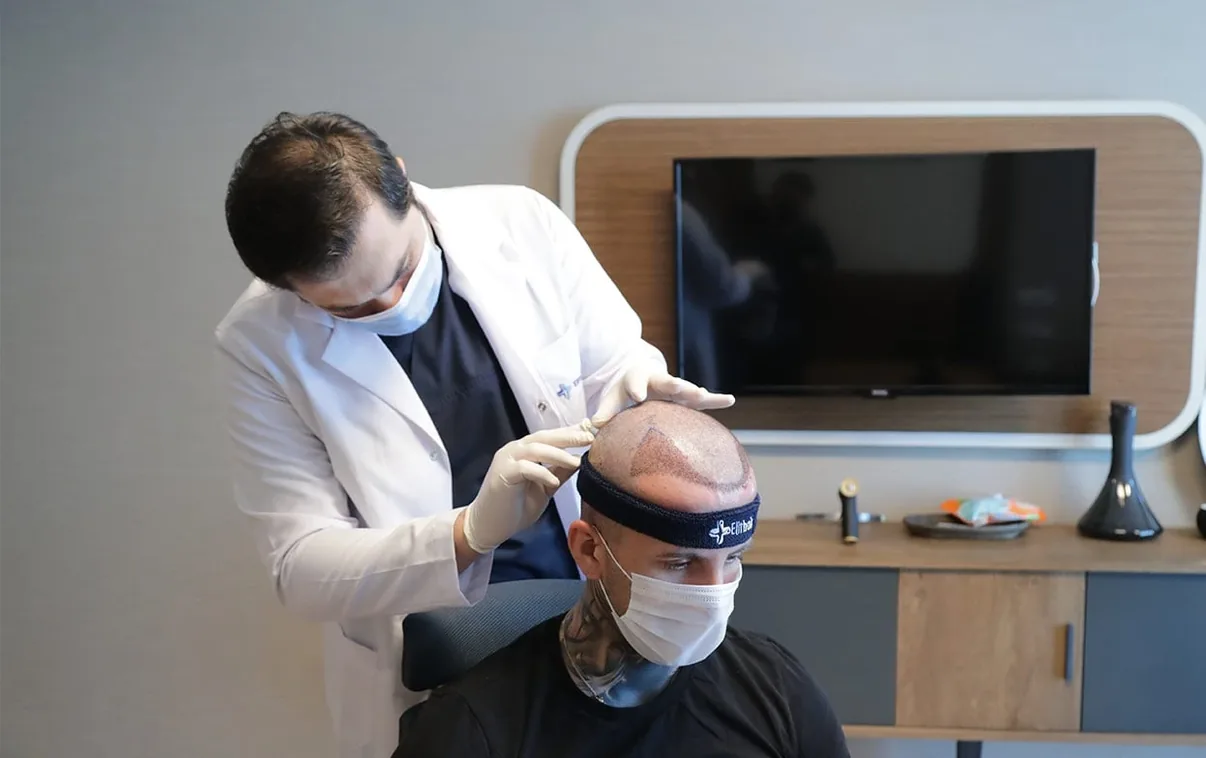
In Istanbul, you go through our 6-step Pre-Test System at the clinic on the day you arrive: an electrocardiogram (EKG), a general health blood test, a hair loss blood test, a hair analysis with the TrichoLAB scanner, a scalp ultrasound (skin thickness), and a Doppler ultrasound (blood circulation). Based on the results, our doctors create your individual treatment plan.
Rather than estimating insertion depth, our doctors calculate it based on your skin thickness and blood flow, then record it in your treatment plan. When grafts are placed too shallowly, the survival rate is often only about 60%. At the calculated insertion depth, it is approximately 98%.
Your Afro hair transplant requires a four-day stay in Istanbul. We organize every detail, including VIP transfers, three nights at a 4-star hotel (or, on request, a room at the clinic), and your follow-up care at the clinic.

 In-house innovations
To achieve the best possible results while making your time at the clinic as comfortable as possible, we use two in-house innovations. One supports healing in the donor and recipient areas, while the other provides a procedure with 0% pain.
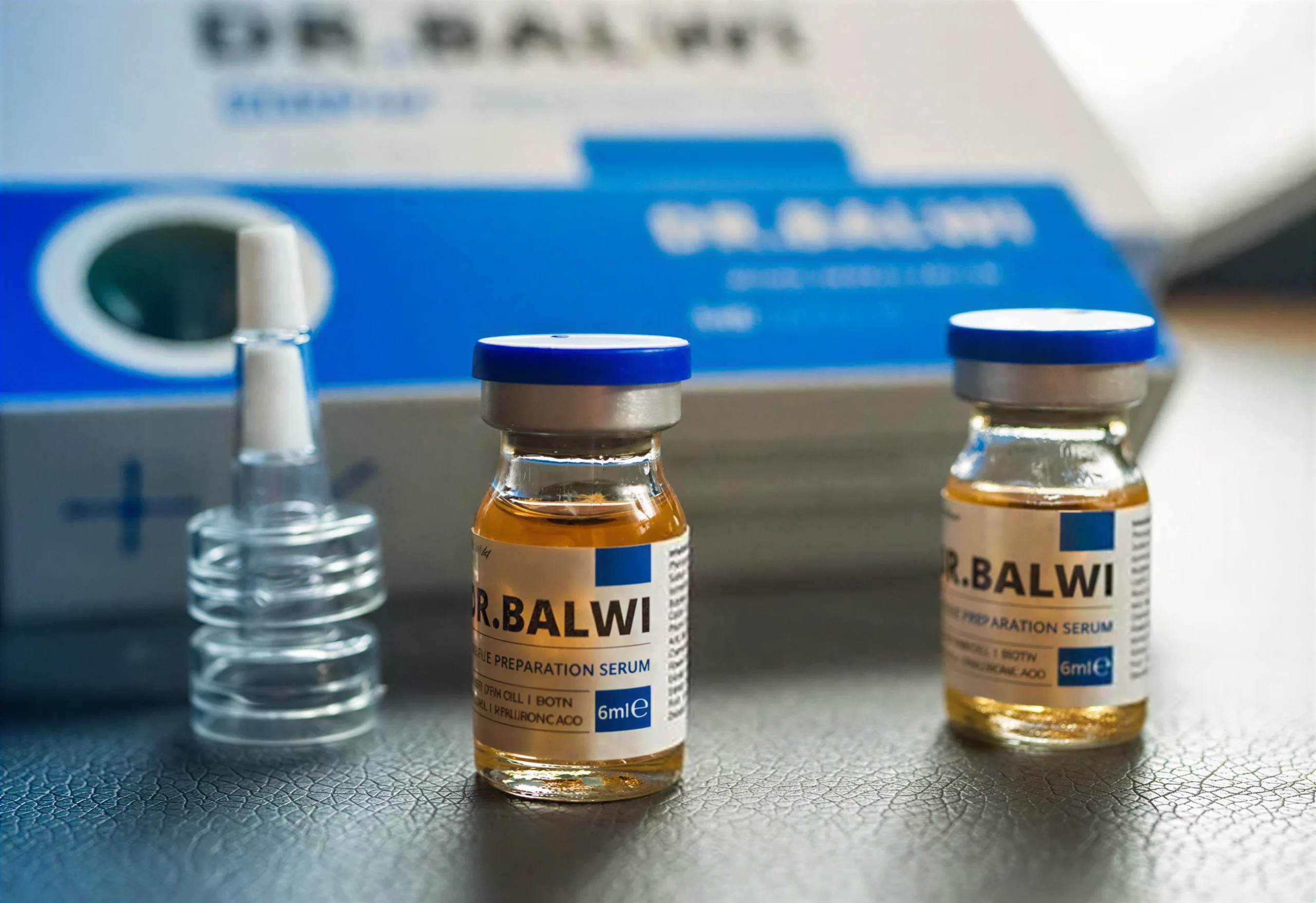
Our patented NEO FUE® serum was developed by Dr. Abdulaziz Balwi. You receive the set, a dermaroller and two ampoules of serum, at our clinic in Istanbul and apply it to your donor and recipient areas exactly twice: on day 14 and day 28 after your procedure. It supports post-treatment scalp care.

Sleep-Deep® completely eliminates the most unpleasant part of the procedure: the local anesthetic injections. With Sleep-Deep sedation, you drift into a light, sleep-like state for about 15 minutes under the supervision of an anesthesiologist. You sleep through the local anesthetic and feel 0% pain during your procedure.


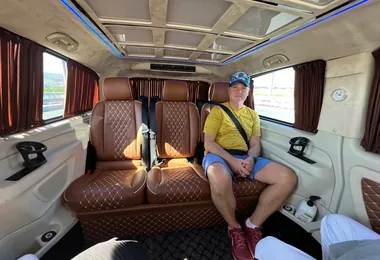









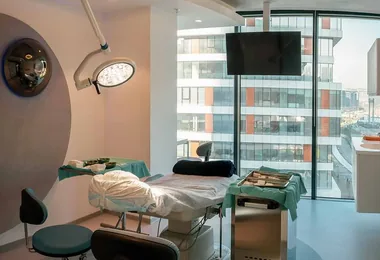



At Elithair, the same all-inclusive prices apply to every hair type, with no surcharge for coily hair. We don't charge per graft, but by graft tier. Zero Shave FUE and Manual FUE are available as optional extraction methods for an additional fee.
| Grafts | All-inclusive price |
|---|---|
| up to 2,000 | $3,899 |
| up to 2,500 | $3,999 |
| up to 3,000 | $4,099 |
| up to 3,500 | $4,199 |
| up to 4,000 | $4,299 |
| up to 4,500 | $4,399 |
| 5,000 and up | $4,499 |
All-Inclusive PackageFrom your initial hair analysis through aftercare, our all-inclusive package covers all medical treatment, accommodation, and local transfers. The only optional extras are the Zero Shave FUE and Manual FUE extraction methods, which are available for an additional fee. You arrange your own flight, with direct service to Istanbul available from almost every major US gateway.

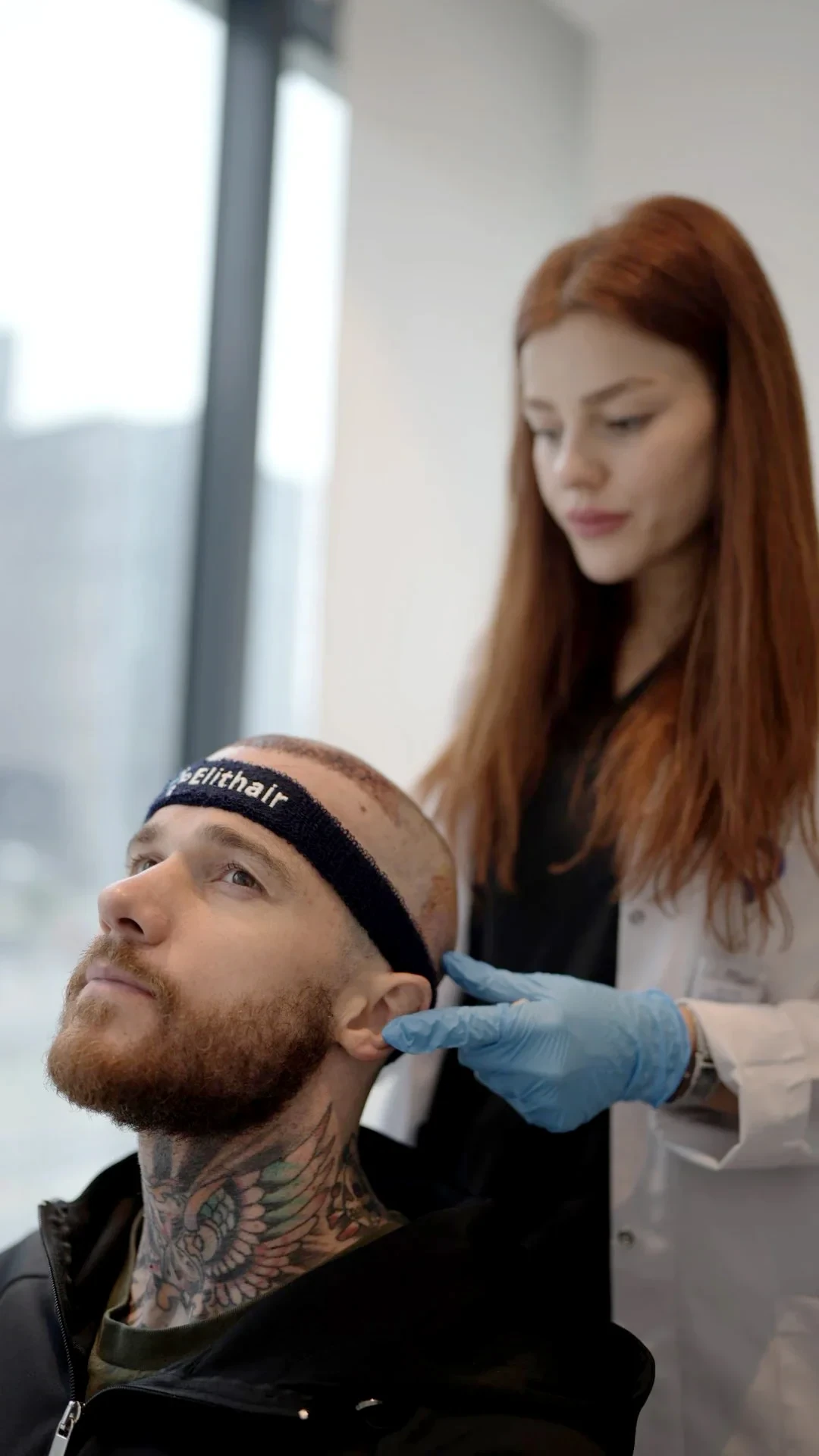 5-Doctor Standard
Under our 5-Doctor Standard, our doctors oversee and take responsibility for your treatment at five key points, from your first hair analysis to your final check. The hands-on work is done by medical specialists with at least seven years of experience in their specific step.
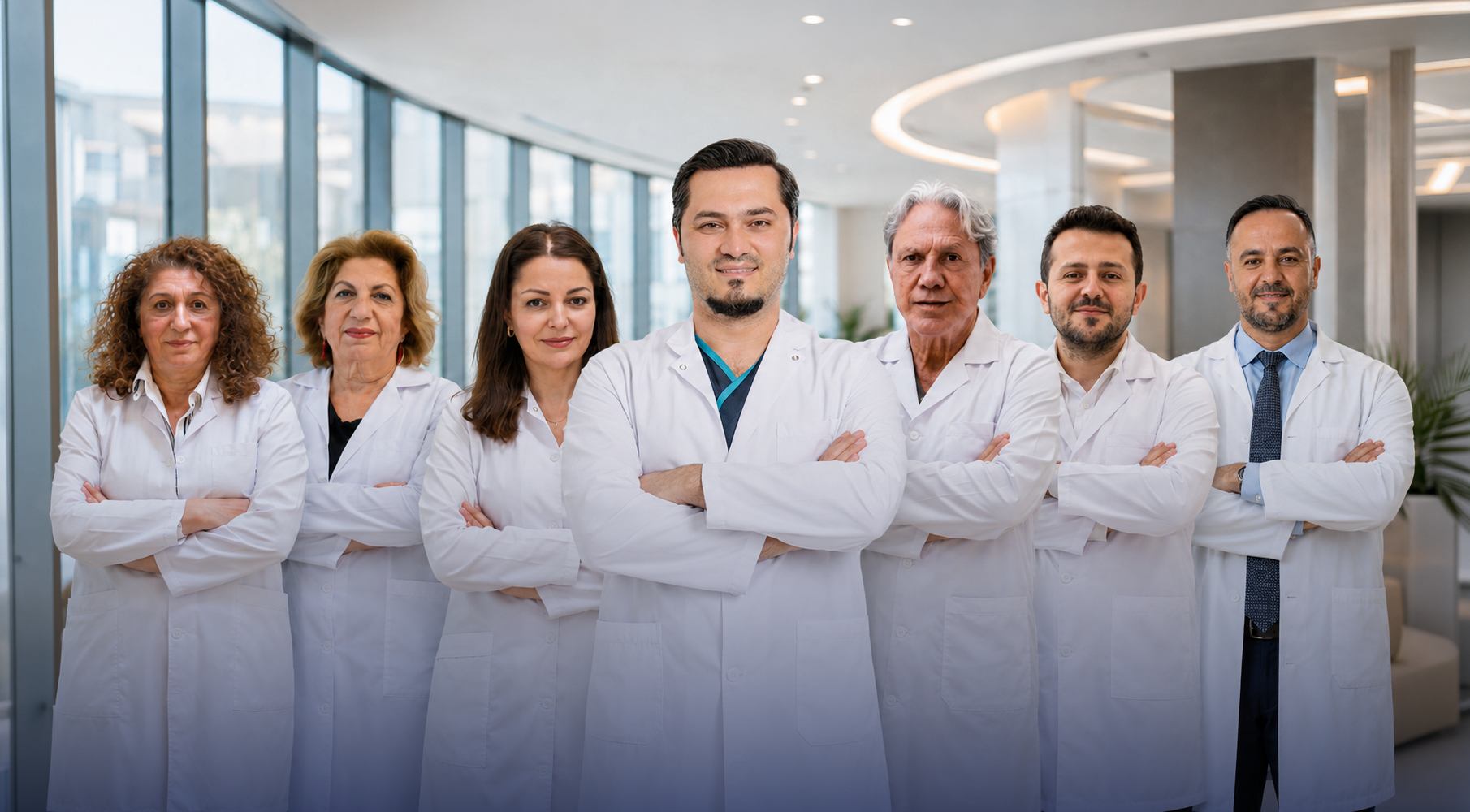
Graft extraction and implantation: performed by medical specialists, each focused on their own step, under a doctor's supervision.
On the day of your procedure, your dedicated surgical team focuses exclusively on you—an approach that is especially important when working with the curved roots of Afro hair.
Our quality is independently confirmed by
Healing after an Afro hair transplant follows the same biological stages as it does with any other hair type. The timeline below outlines each step so you know what to expect and how to care for your scalp from day one.
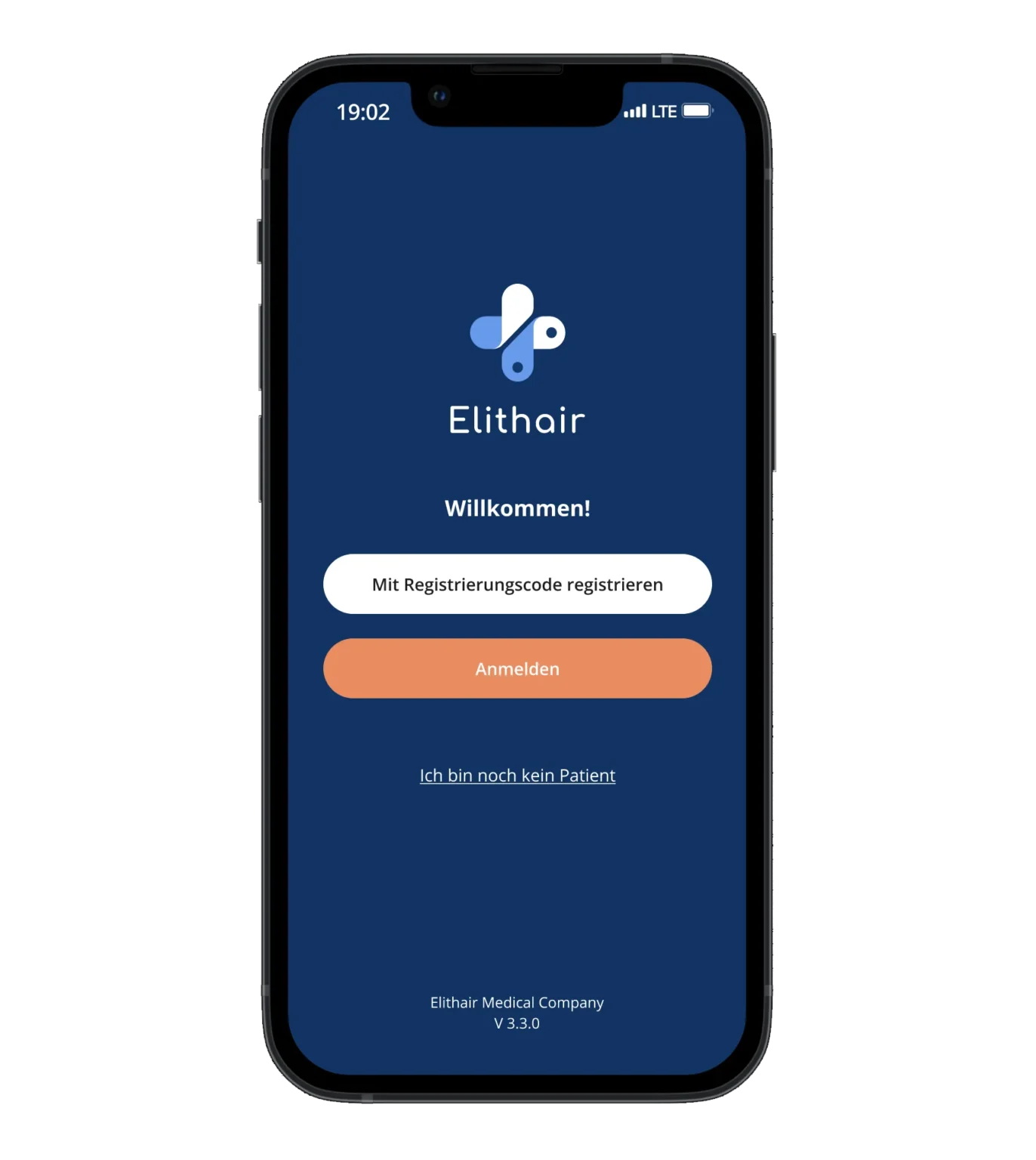
In the Elithair app, you upload monthly progress photos for 12 months, and our team of doctors reviews them and guides you through your recovery. Push notifications remind you which activities you can resume and when.
Many clinic websites overlook aftercare for curly and coily hair. During the first 11 days, wound healing takes priority over your regular hair care routine, so it is essential to follow the medical washing schedule closely.
From day 12, you return to your usual routine. For coily hair, dermatologists often recommend a gentle weekly wash and silk pillowcases or a silk scarf at night.
The following timelines apply to cutting, styling, and headwear:
| What | When |
|---|---|
| Headwear | For the first 14 days, only the hat from the clinic: no durag and no tight scarf. Wear it in direct sun, in dust, and at temperatures of 75°F (24°C) and above; at 104°F (40°C) and above, for one month. |
| Scissors | Donor area after 1 week Recipient area after 2 weeks |
| Clippers | Donor area after 2 weeks Recipient area after 1 month |
| Razor & clean shave | Donor area after 2 weeks Recipient area after 3 months |
| Blow-drying | Month 1 not at all Month 2 cool air only From month 3 no restrictions |
| Straightening | After 3 months. |
| Styling the donor and recipient areas | Recipient area after 6 months Donor area after 1 month Existing hair outside the treated zone after 2 weeks |
| Wig | After 6 months. |
Newly implanted roots are extremely sensitive to tension. Avoid tight braids, weaves, extensions, and chemical relaxers for the first few months to reduce the risk of traction alopecia. After that, keep braids loose and give your scalp regular breaks.
A hair transplant is not a decision to make overnight, but timing still matters with Afro hair. The sooner the cause is identified, the more of your existing hair roots may be preserved, especially with traction-related hair loss. Once tissue becomes scarred, it cannot be restored.
Your free hair analysis gives you clarity right away. Since the final result takes about 10 to 12 months, every month you gain brings your desired result closer.
Jahy C. – 3,200 grafts
Melissa Z. – 2,700 grafts
Michael - 4,250 grafts
Schwarzwald John - 4,700 grafts
And if there are medical reasons against an immediate procedure, such as irritation, we'll tell you so openly.
 TrustGoogle4.9over 11,000 reviewsGoogle: 4.9 out of 5 stars, over 11,000 reviews
 Trustpilot4.7Trustpilot: 4.7 out of 5 stars
 ProvenExpert4.84ProvenExpert: 4.84 out of 5 stars
With more than 150,000 procedures performed, Elithair has extensive medical experience.
Our medical specialists and teams of doctors know the characteristics of curly hair in detail and tailor every step to them.
For us, success is measured not by the graft count but by the result you see in the mirror: a balanced hairline and dense growth that naturally matches the shape and direction of your existing hair.
Yes. Afro-textured hair can be transplanted, and the process is the same as for any other hair type: FUE extraction from the donor area and DHI implantation into the recipient area (Umar et al. 2023). The difference is in the execution: because the hair root sits curved in the tissue, the extraction has to follow that path (Rogers et al. 2014). The prerequisites are that the cause of your hair loss has been identified and your donor area is stable.
Extraction requires more experience because the angle at which the hair emerges does not reveal the root's path beneath the skin. With an adapted approach, however, the rate of transected roots remains within the normal range. At Elithair, grafts are extracted at 100 to 200 revolutions per minute exclusively by medical specialists with at least seven years of experience in this step.
Coily hair covers more area per graft than straight hair, so the same number of grafts can create a fuller appearance. There is no reliable percentage, however, and better coverage does not mean that every patient needs fewer grafts. The number you need depends on the treatment area and the capacity of your donor area, which we assess during your no-obligation hair analysis.
Yes. We transplant your own hair root with all its characteristics. Curl, thickness, and color stay the same, because the curl is created by the root itself, not by where it sits.
It depends on the stage. As long as the hair roots are irritated but not scarred, surgery isn't the right path. What matters then is stopping the tension for good and getting dermatological treatment, because at this stage the hair often comes back. If the area is scarred and hasn't changed for a long time, a transplant may become an option. A doctor makes this assessment after an examination.
Not during the active, inflammatory stage, because the disease process would also affect the transplanted hair roots. The medical reference DermNet names at least one year of good disease control as a prerequisite, and the medical literature notes that hair roots take hold less well in scarred tissue. That's why the first step is always a dermatological evaluation; the decision is then made case by case.
Not automatically. What matters is your personal and family history, including whether previous scars, ear piercings, or surgical wounds developed raised scars. Medical literature considers keloids after FUE extremely rare, partly because the procedure does not create a wound that must be stitched closed under tension. We review your history before confirming treatment and advise against the procedure if there is any doubt.
Relaxing doesn't rule out treatment, but it's something we look at in your hair analysis, because the combination of relaxers and tension is a proven risk factor for traction alopecia, so the cause of your hair loss has to be clarified. You can straighten your hair again three months after the procedure at the earliest; whether that also applies to chemical relaxers is something to discuss with your treatment team beforehand.
Usually, yes. If you already wear your Afro hair short, however, the change may be minimal. A procedure without shaving using Zero Shave FUE is available for procedures of up to 3,500 grafts, and it comes at an additional cost. During your hair analysis, we'll determine whether it is suitable for your hair type.
If you need to cover your head in the first 14 days, wear only the hat from the clinic. Our aftercare plan doesn't list braids, cornrows, and extensions separately, but the direction is clear: no tension on the treated area in the first few months, and styling in the recipient area is possible again after six months. Talk to your treatment team about when you can wear which style.
Your donor area can be cut with scissors again after one week and with clippers after two weeks. In the recipient area, you wait two weeks for scissors and one month for clippers. A clean shave in the recipient area is possible after three months. For the first six months, don't have your donor area cut shorter than 1 cm (about 3/8 inch).
At Elithair in Istanbul, the all-inclusive price ranges from $3,899 to $4,499 based on your graft tier, with everything except your flight included. Zero Shave FUE and Manual FUE are available as optional upgrades for an additional fee. Your package includes DHI implantation, the NEO FUE® serum, Sleep-Deep sedation, the Pre-Test System for your individual treatment plan, three nights at a 4-star hotel, transfers, one PRP treatment, and twelve months of aftercare through the app. The included PRP treatment is performed at the clinic on the day of your procedure.


