Receding Hairline Hair Transplant Before and After: What Real Results Look Like
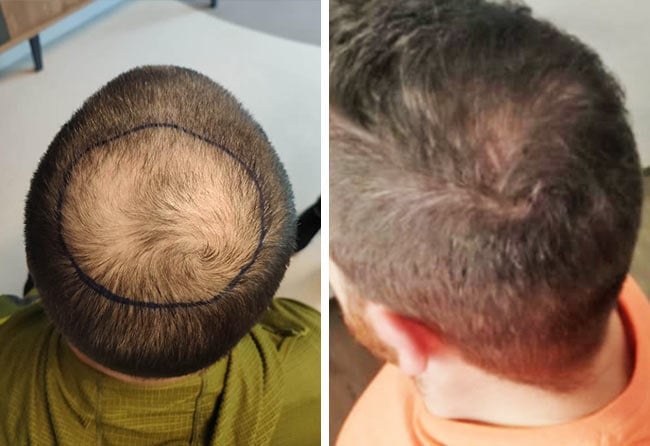
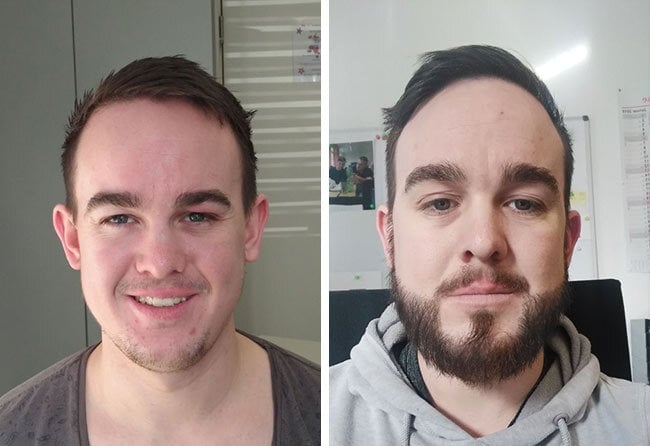
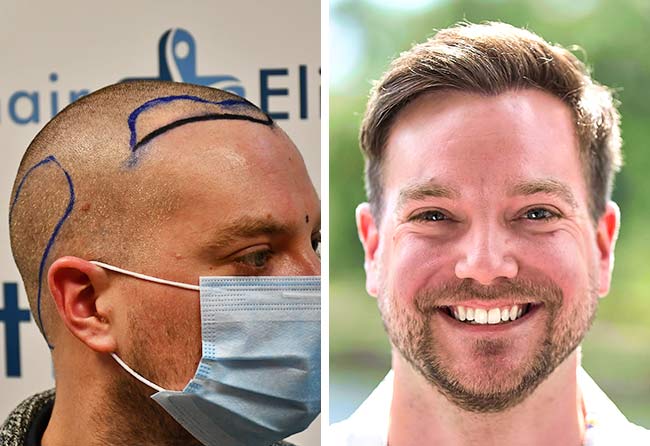
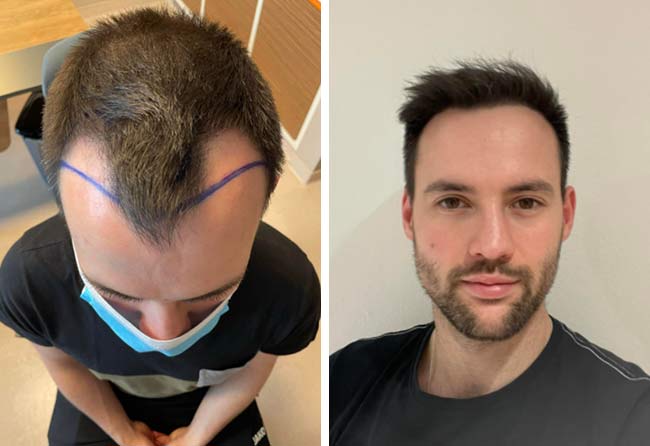
Receding hairlines are the most common reason for men to undergo a procedure. See for yourself with our authentic receding hairline hair transplant before and after documentation from previous patients, featuring real photography, precise graft counts, and transparent insights into the techniques used.
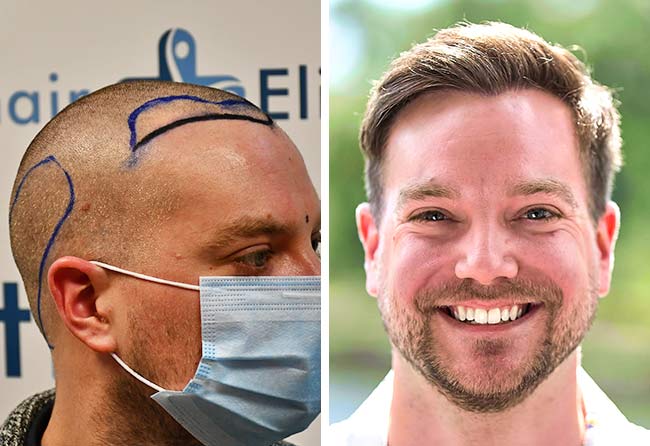
Receding Hairline Hair Transplant Before and After: Key Facts & Figures
Achieving a perfect receding hairline hair transplant before and after result begins with meticulous planning. We combine precise graft counts with cutting-edge technology to ensure you reach maximum density.
Receding Hairline Hair Transplant Before and After Gallery
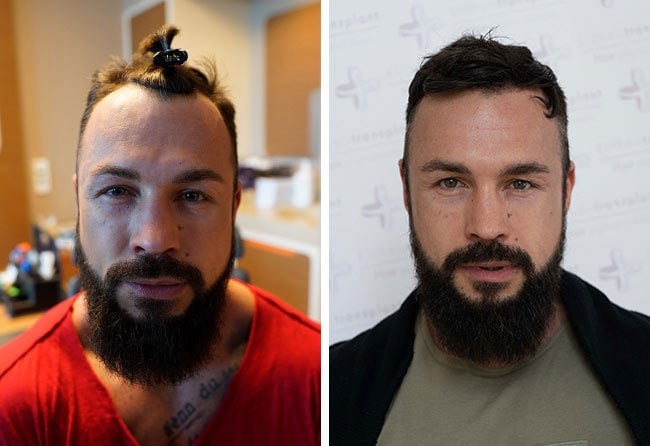
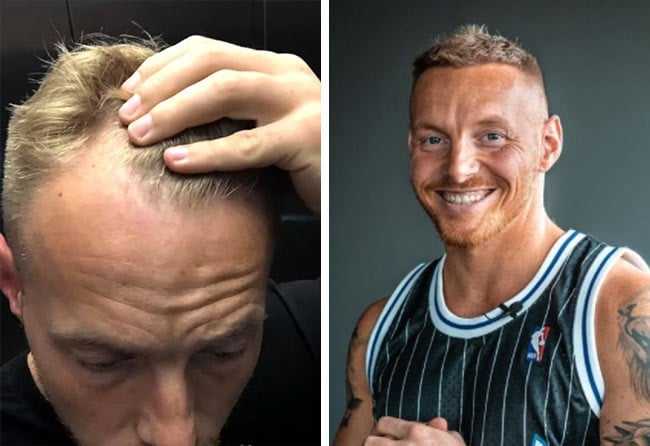
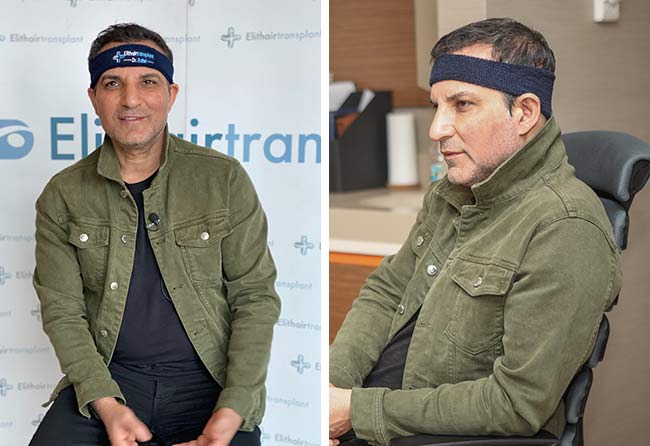
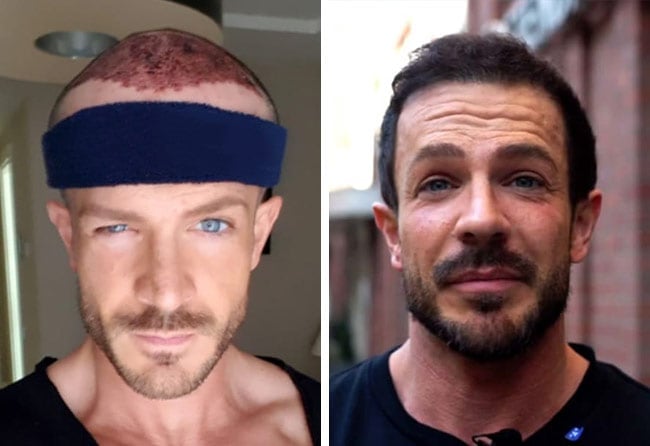
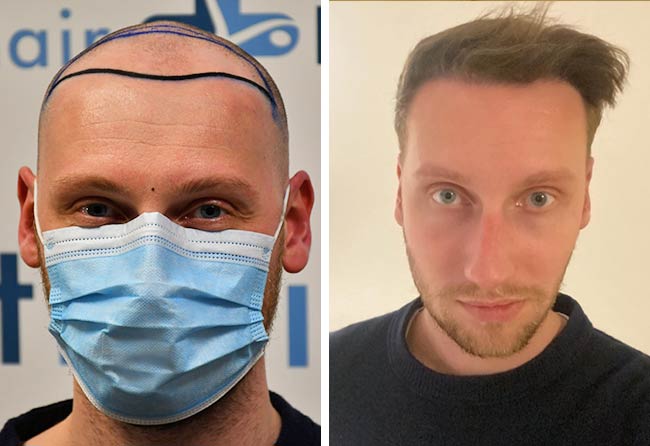
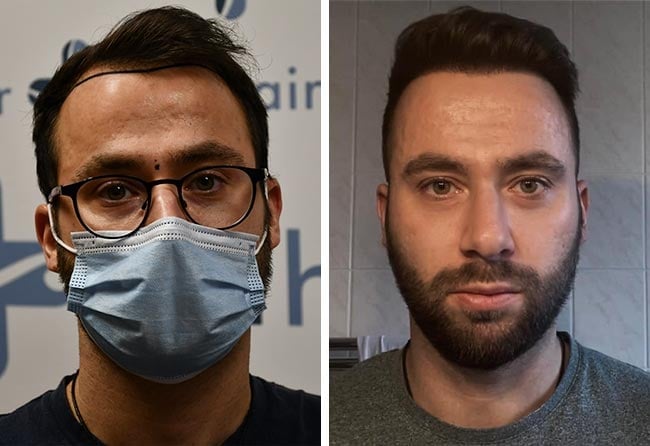
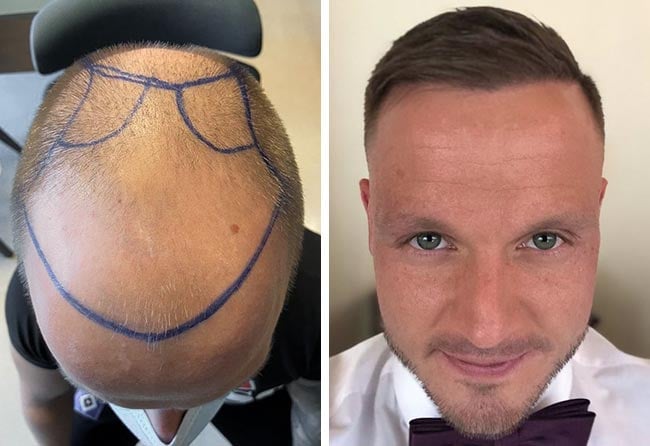
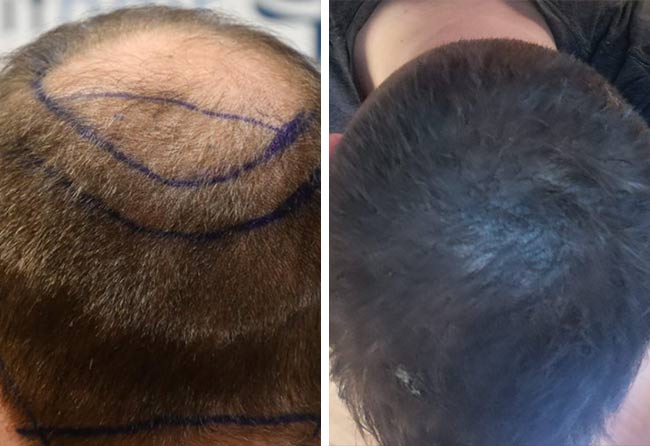
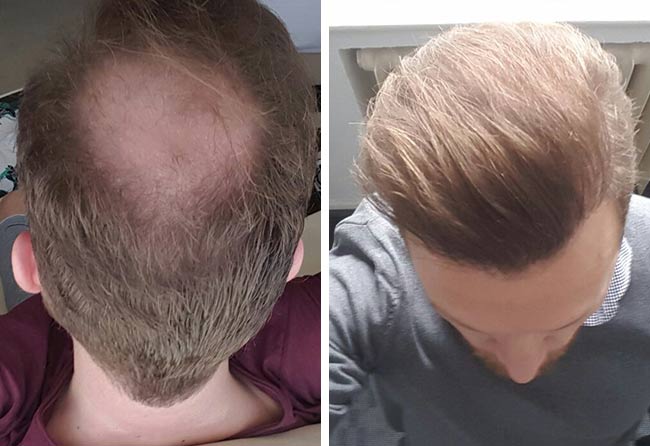
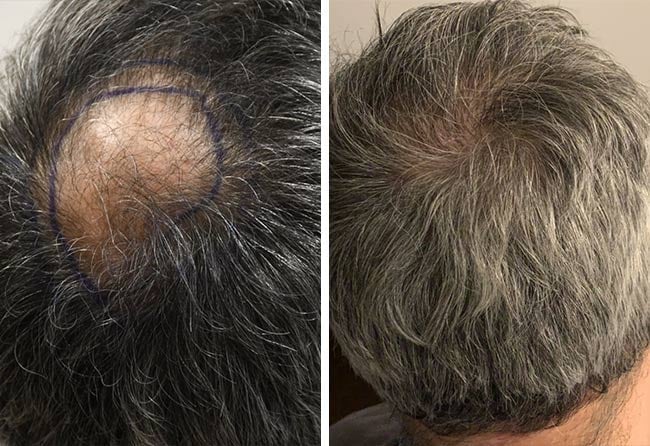
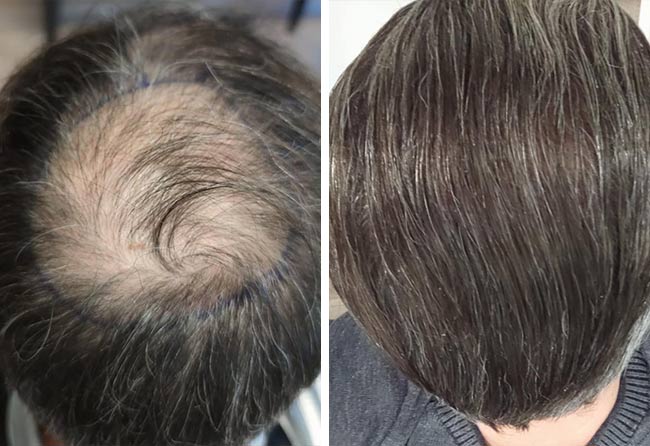
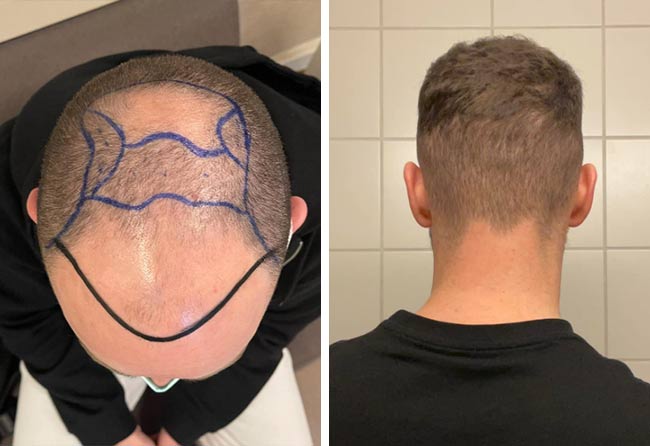
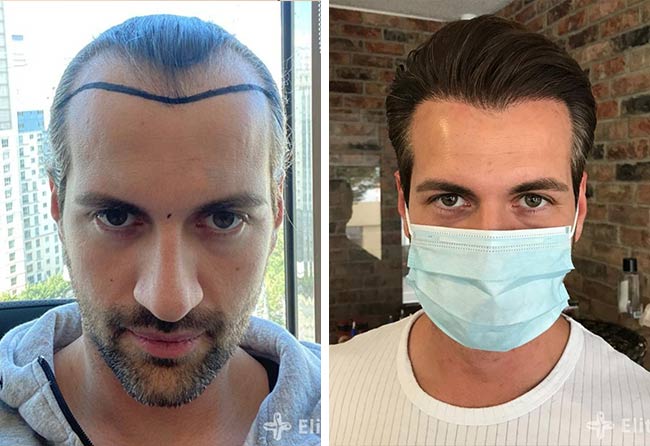
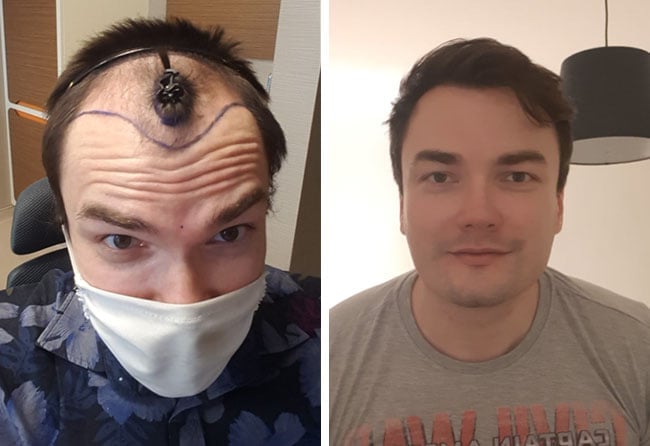
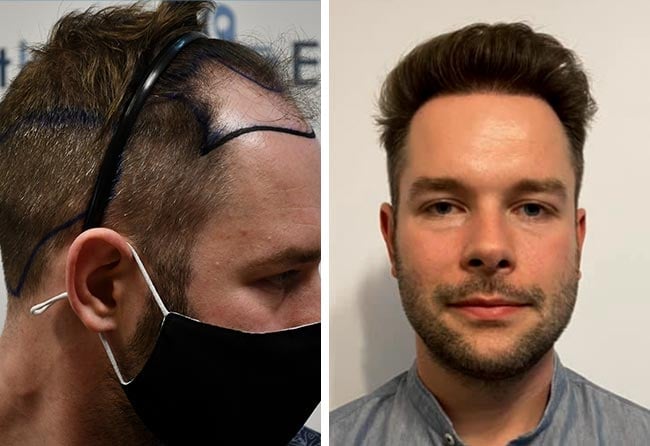
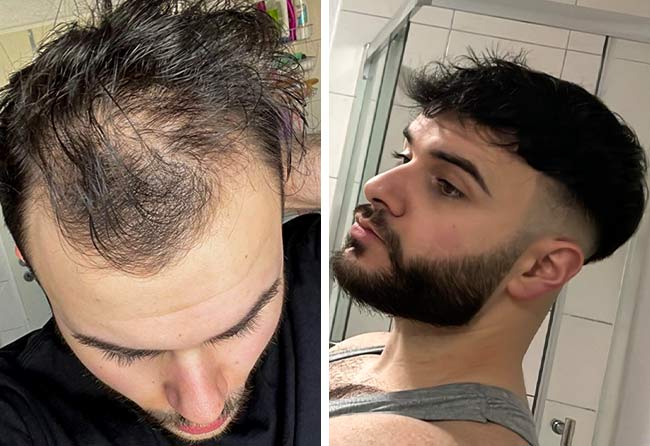
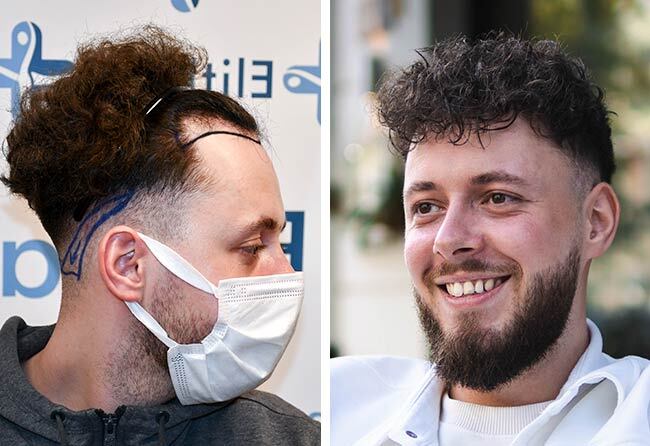
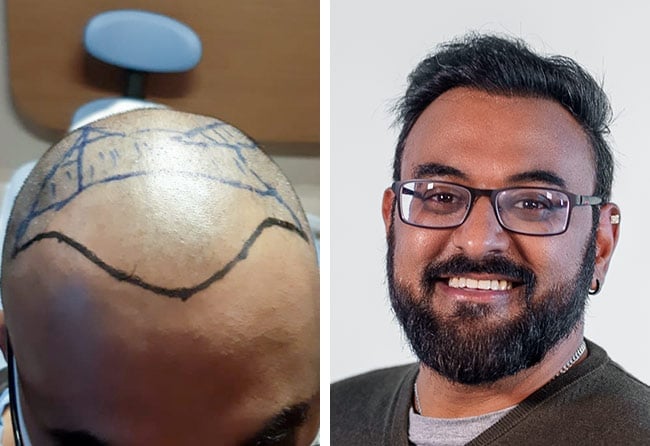
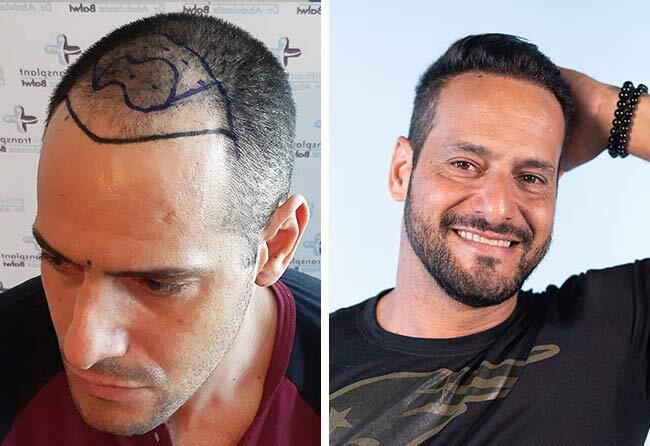
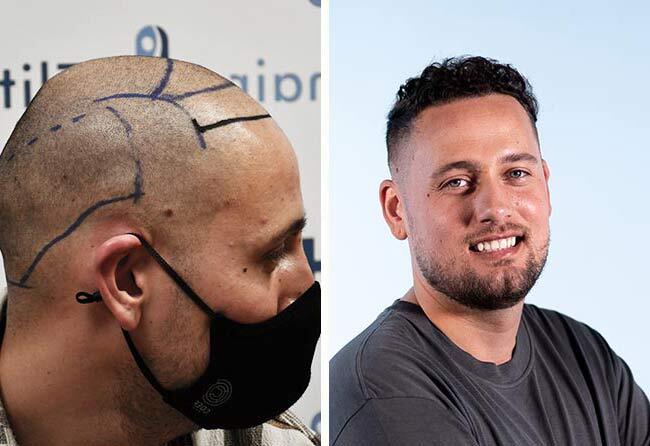
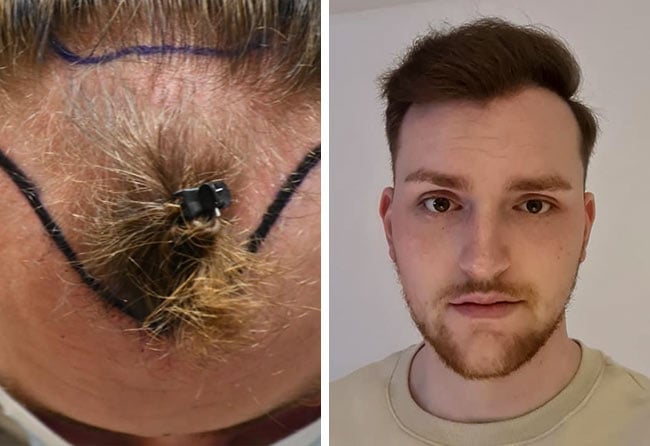
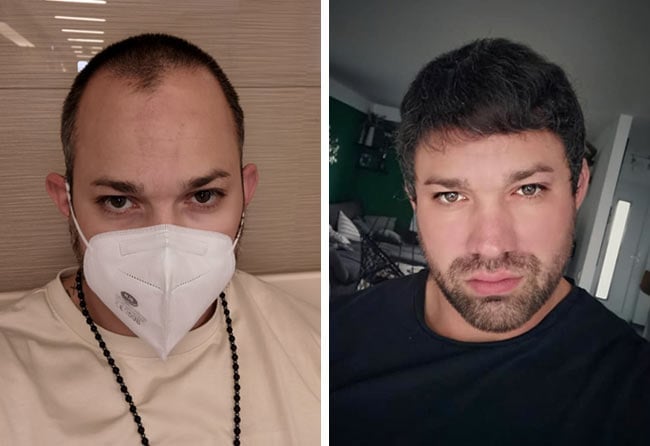
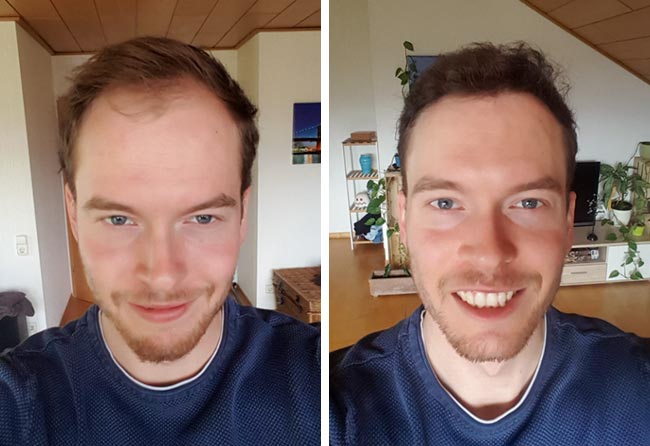
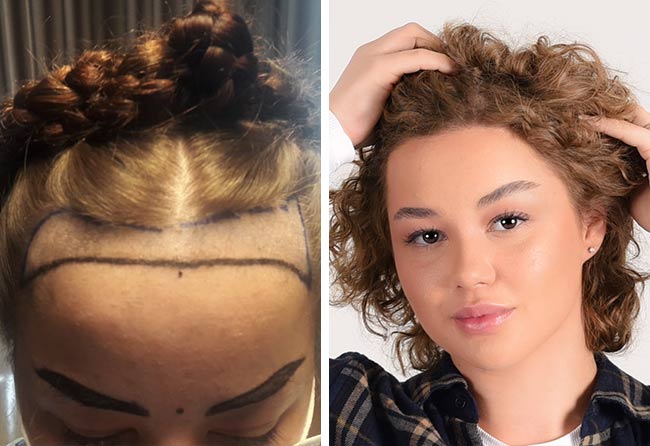
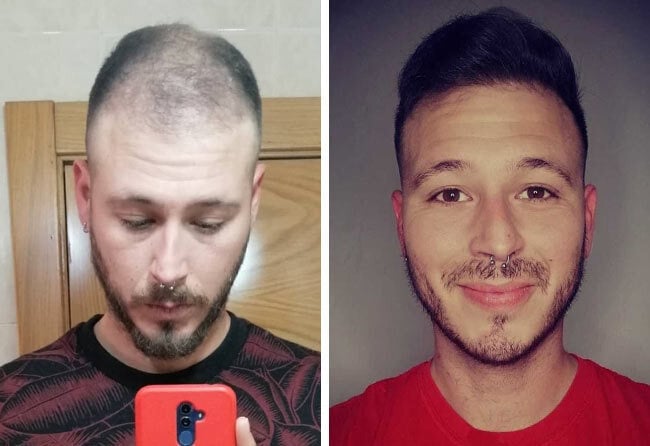
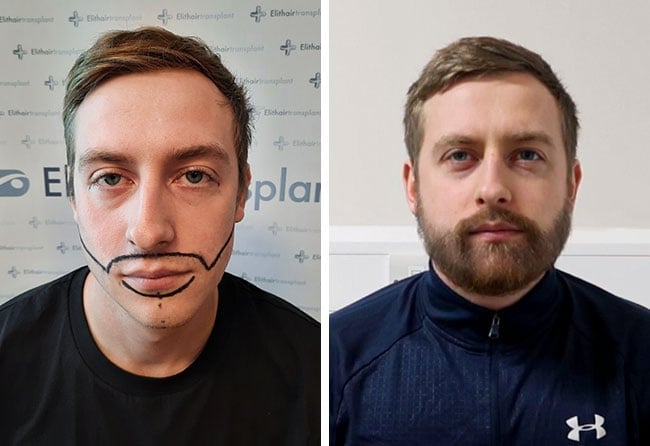
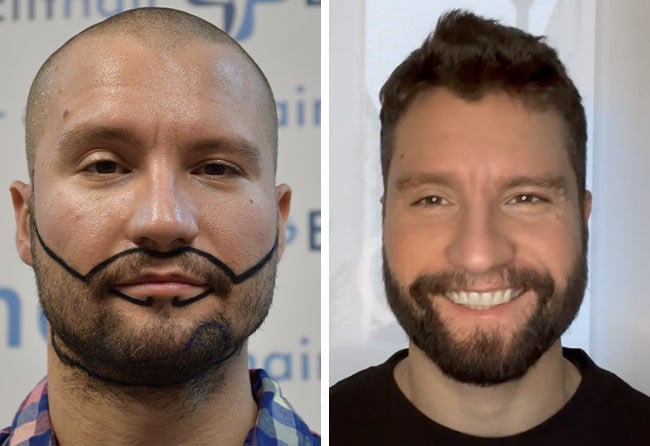
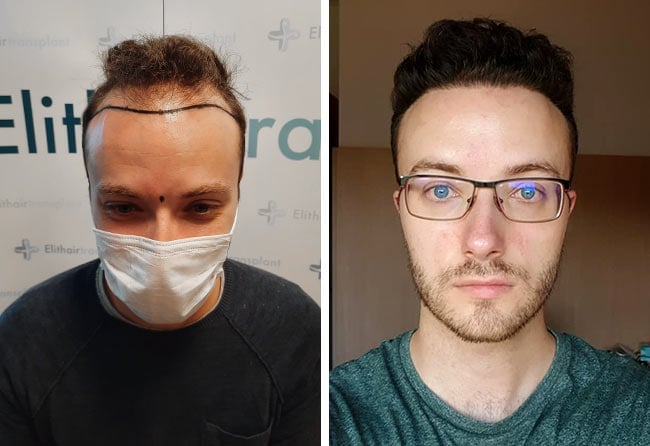
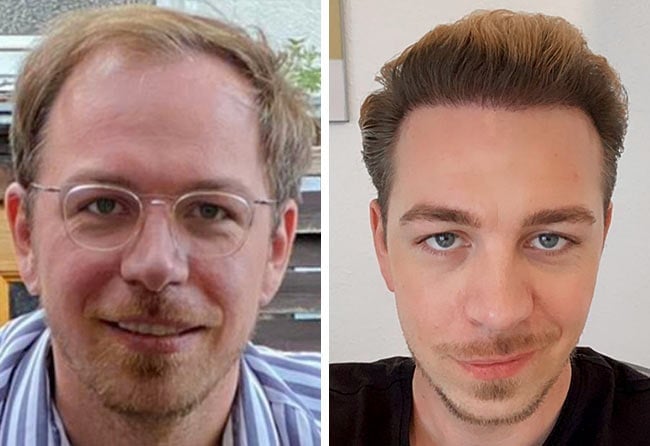
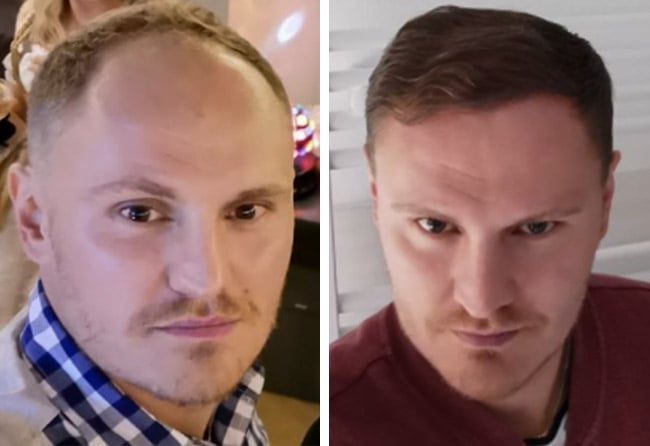
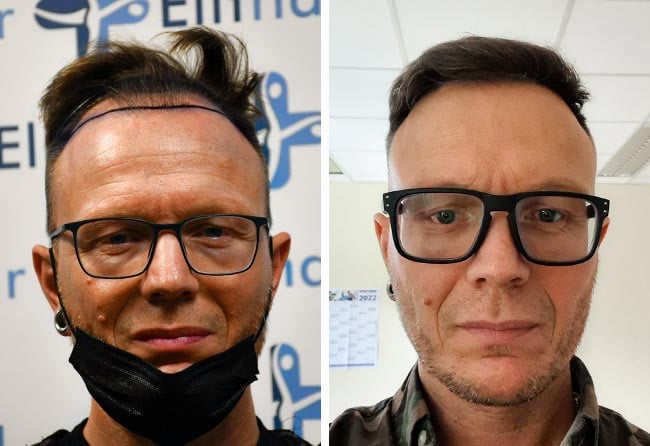
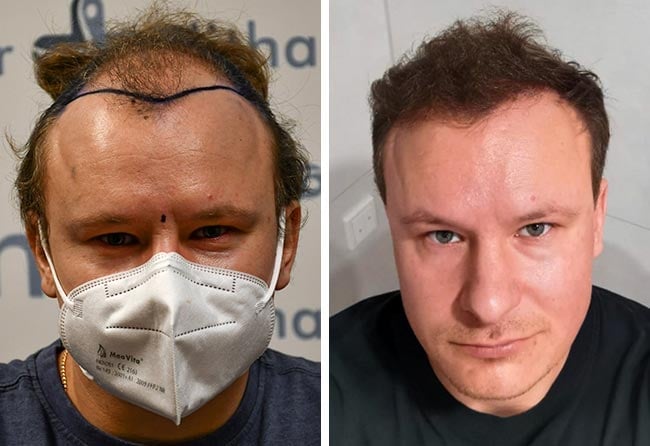
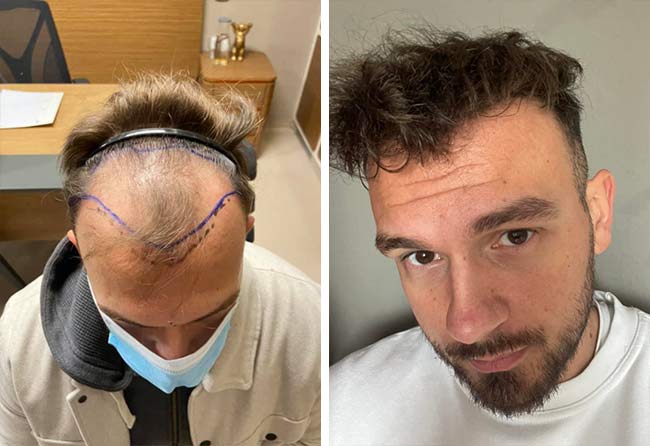
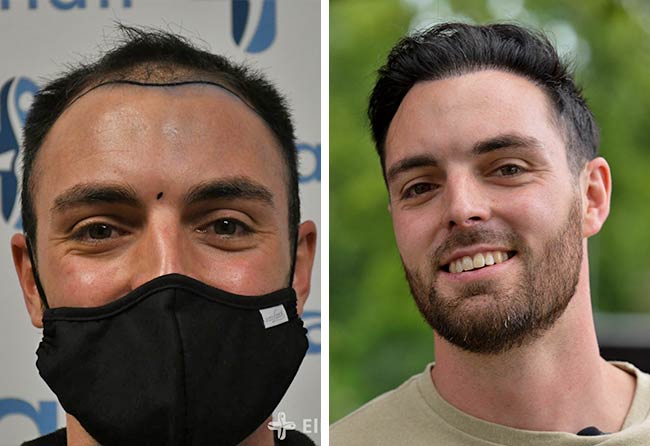
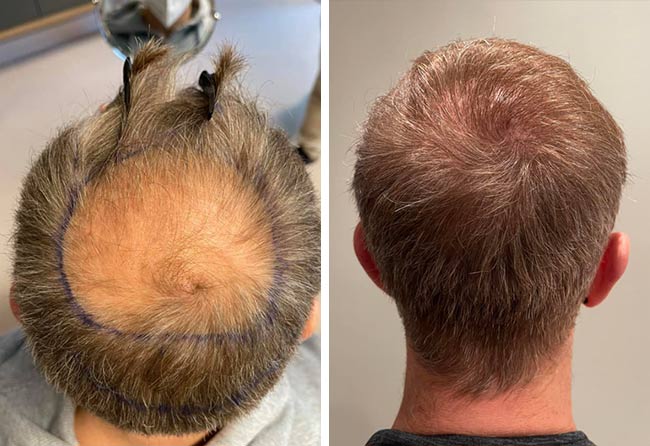
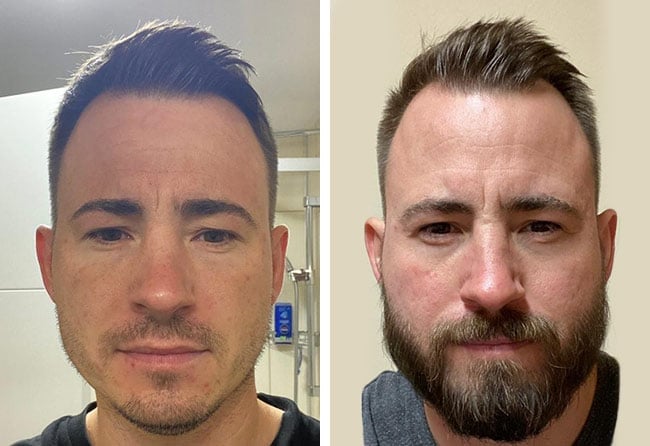
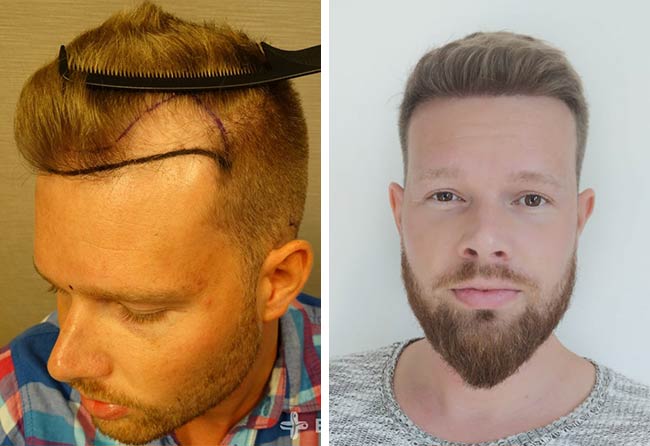
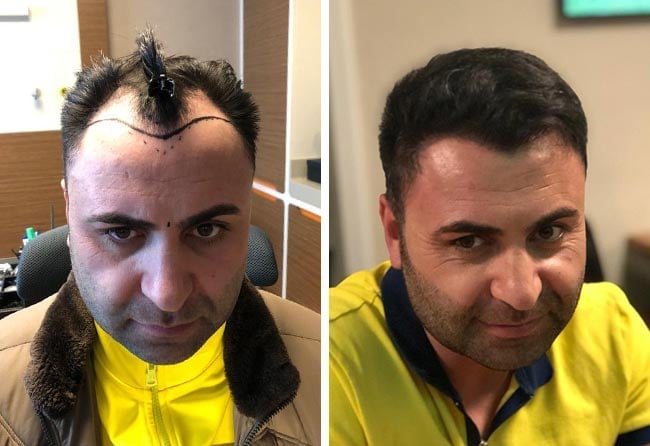
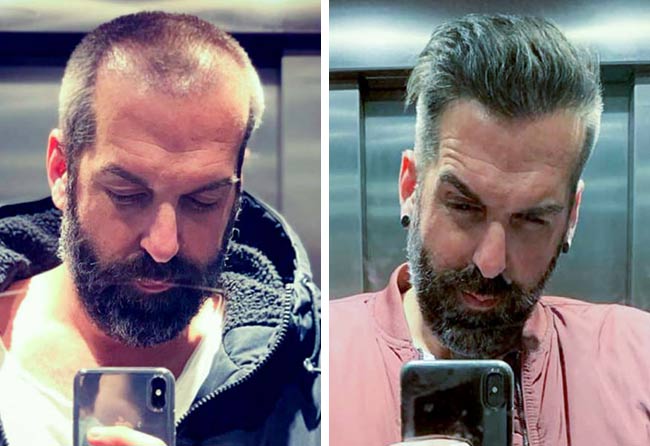
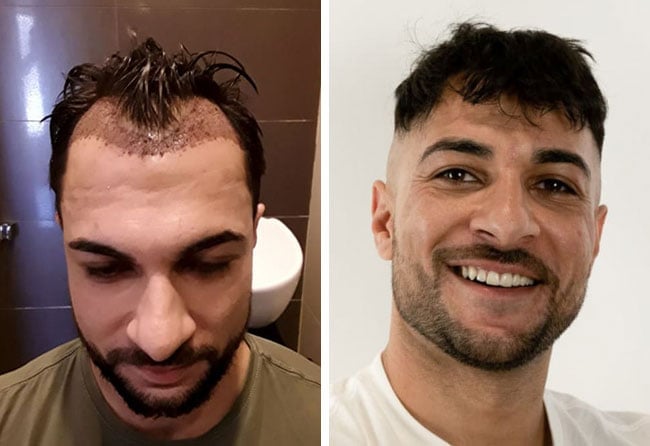
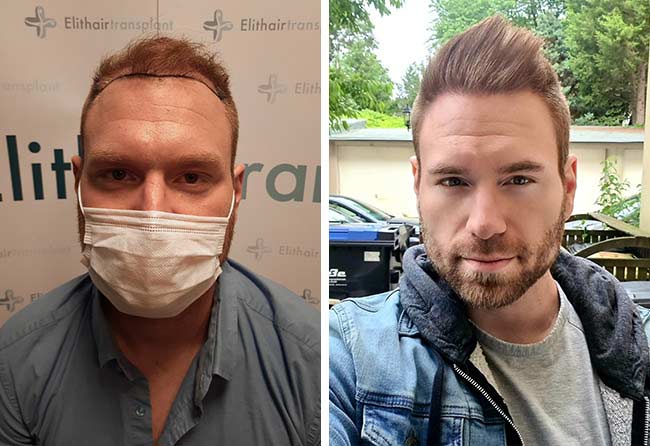
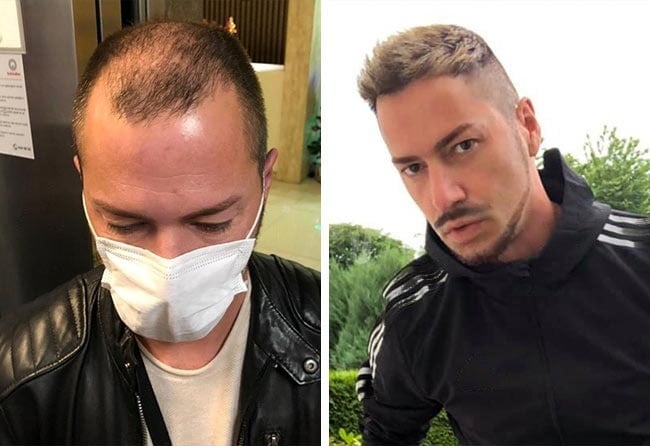
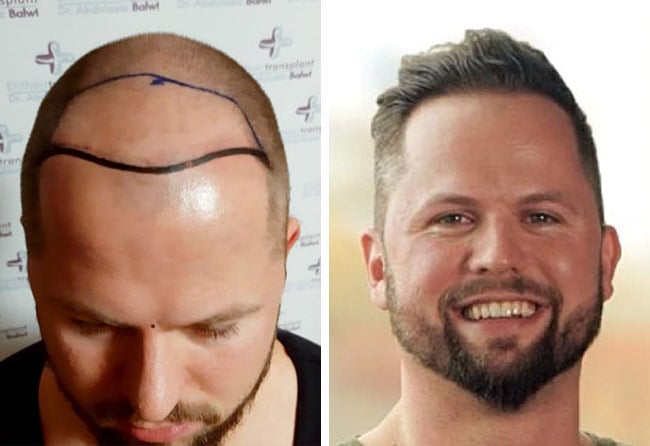
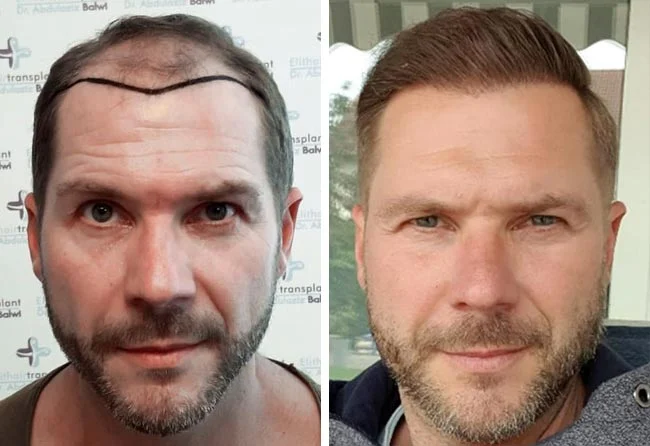
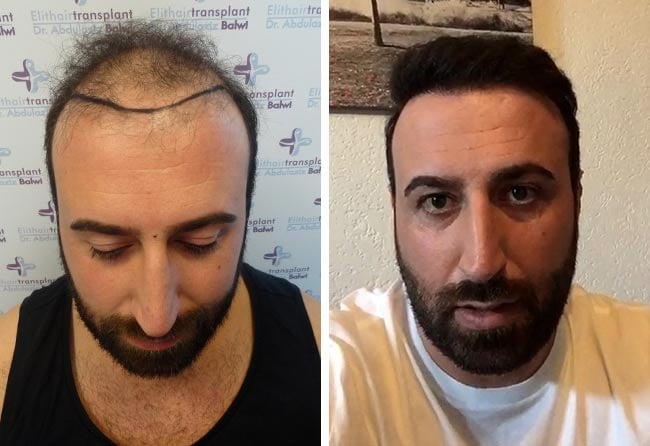
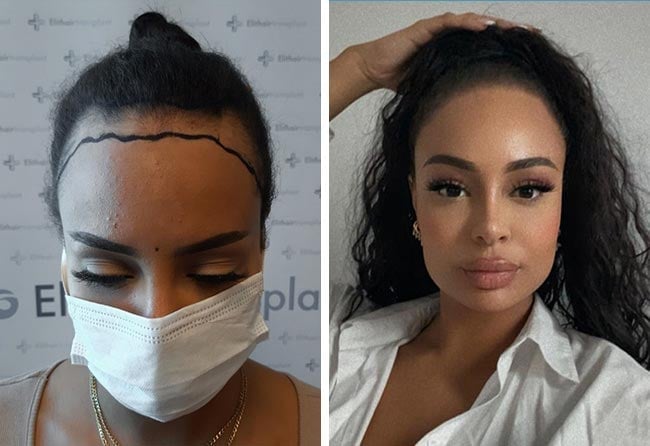
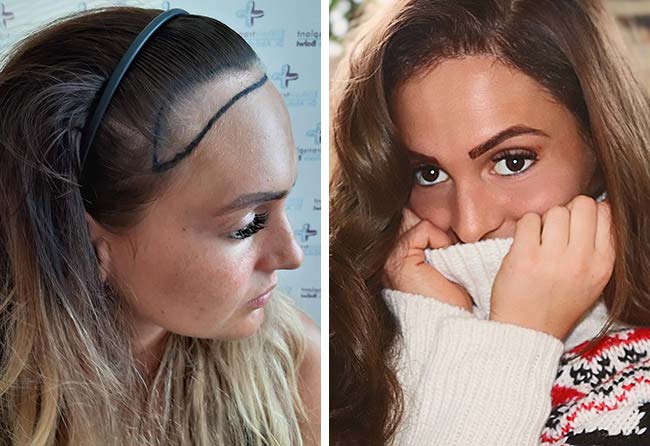
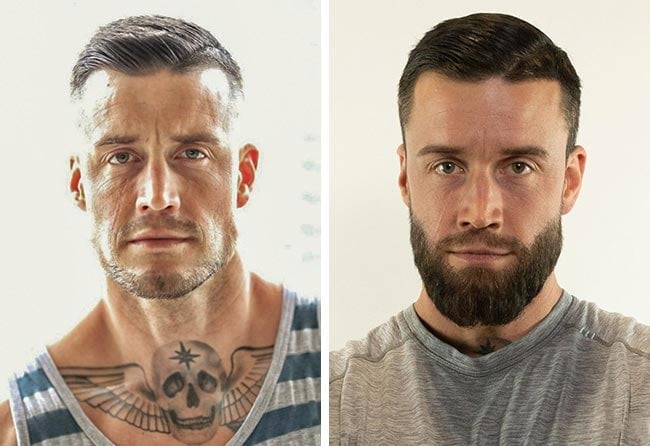
Our patient results demonstrate the precise restoration of the hairline for those with Norwood Scale 2 to 3 hair loss. Experience the transformation and the density achieved in the frontal region through our specialized techniques.
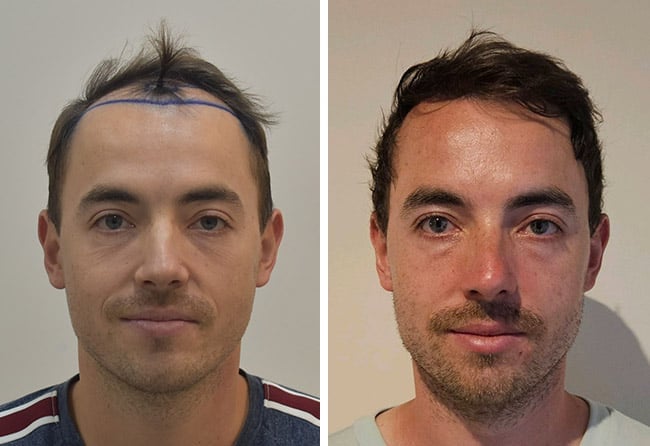
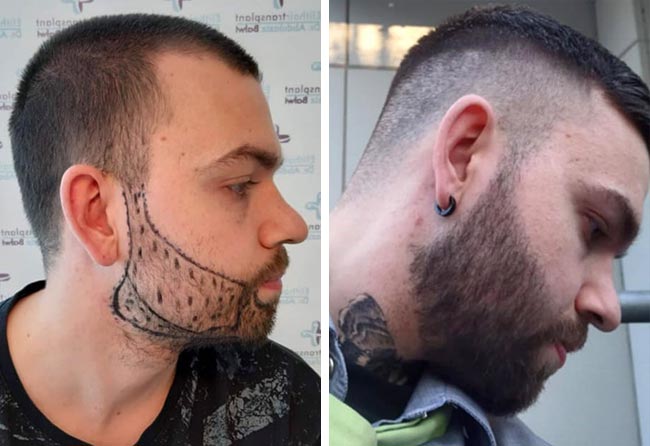
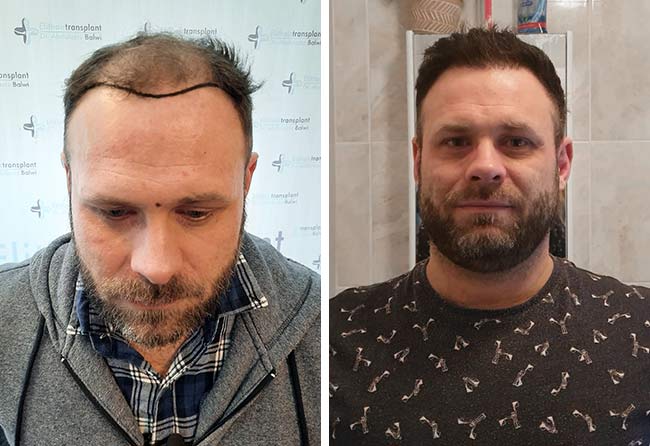
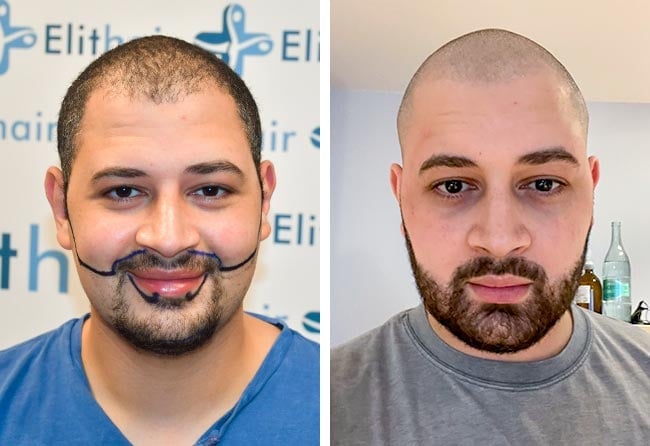
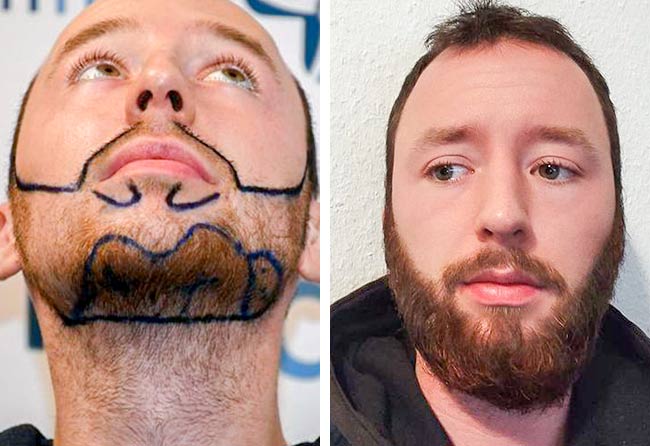
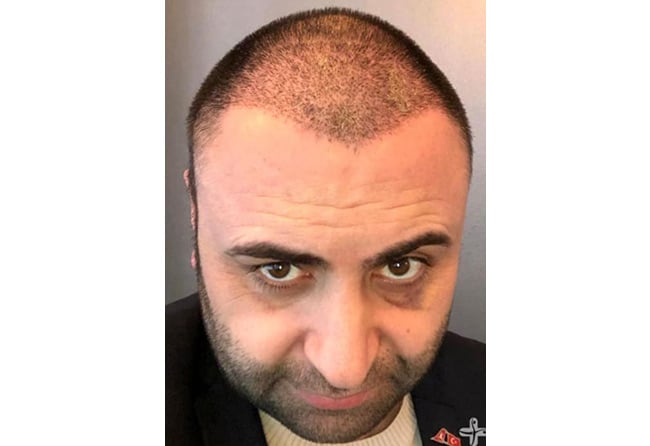
Marcel Z.
3,000 Grafts – DHI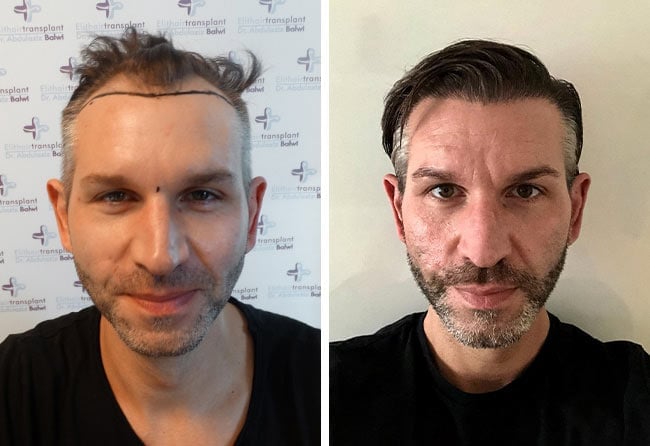
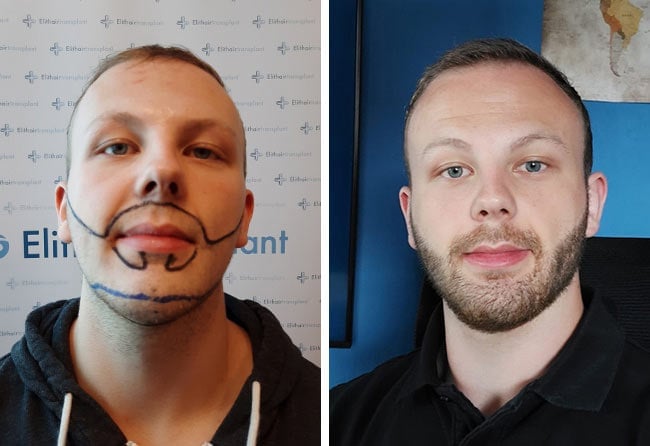
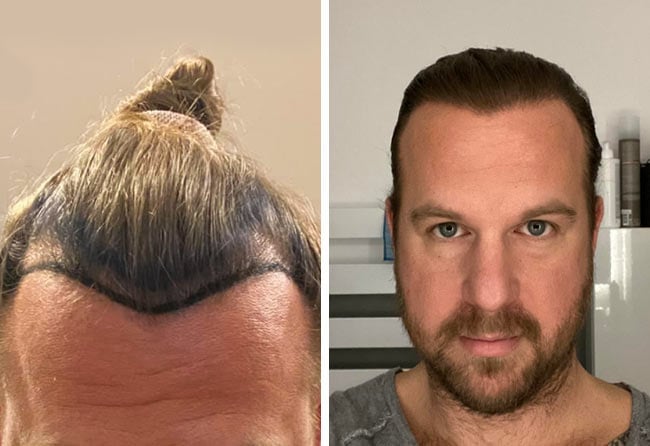
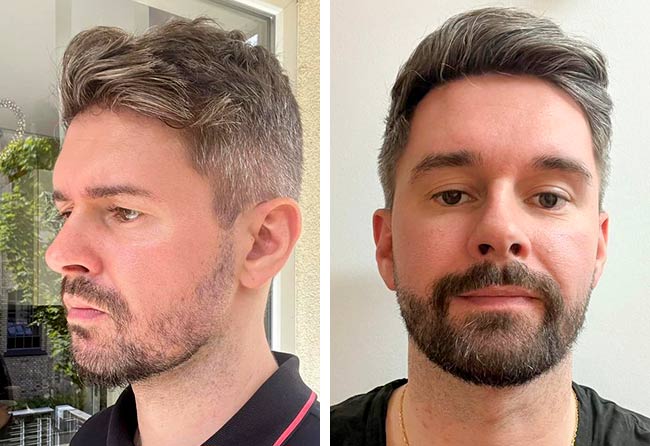
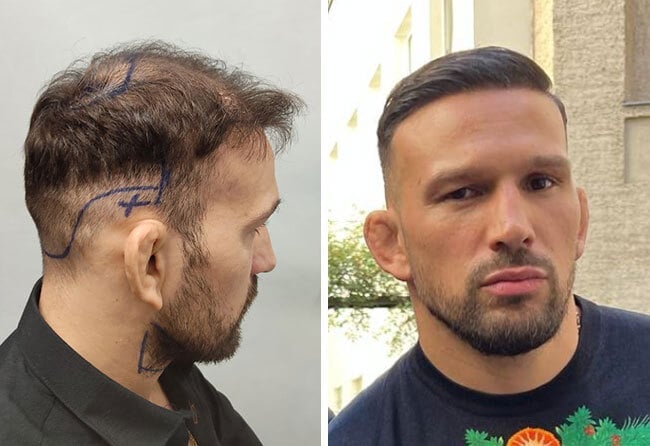
Thomas S.
4,250 Grafts – DHI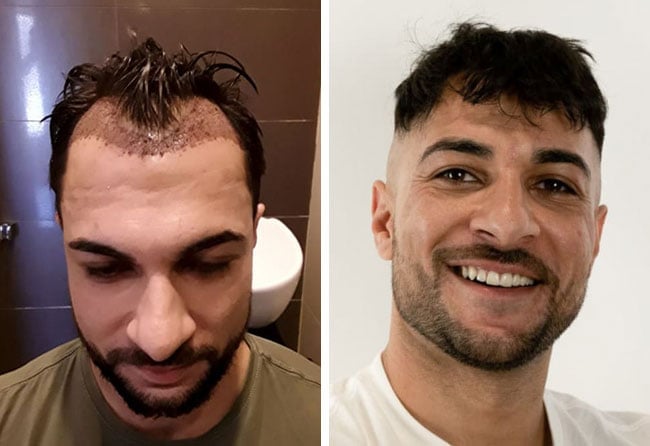
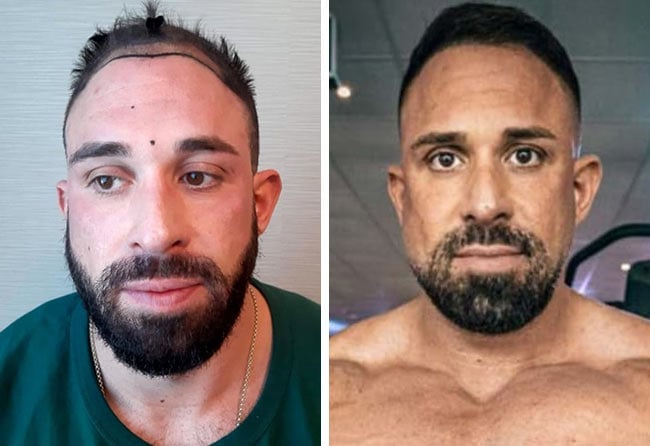
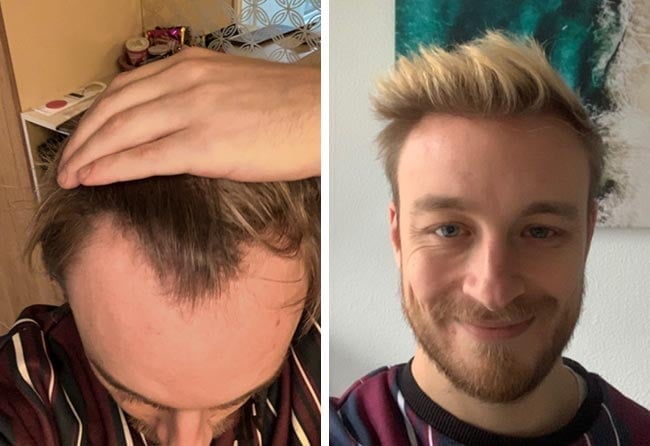
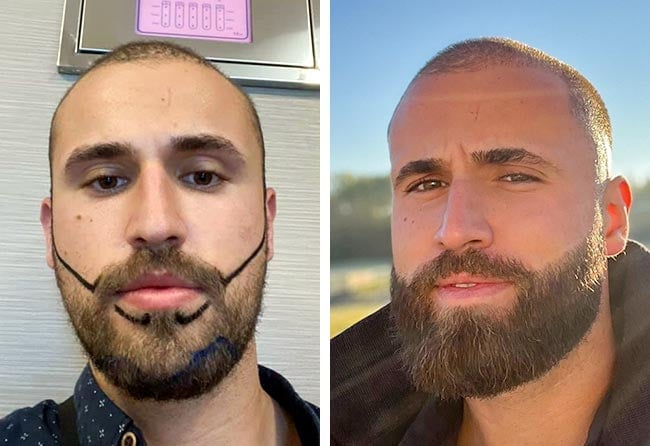
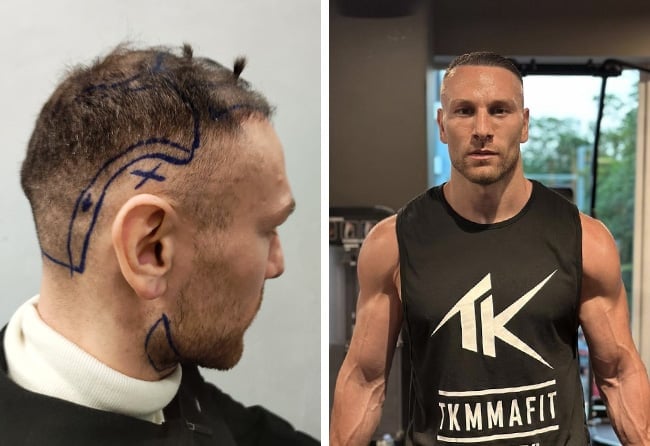
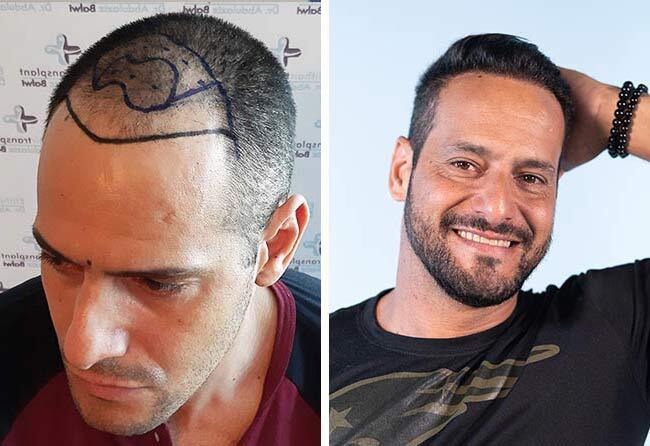
Osmani P.
2,200 Grafts, DHI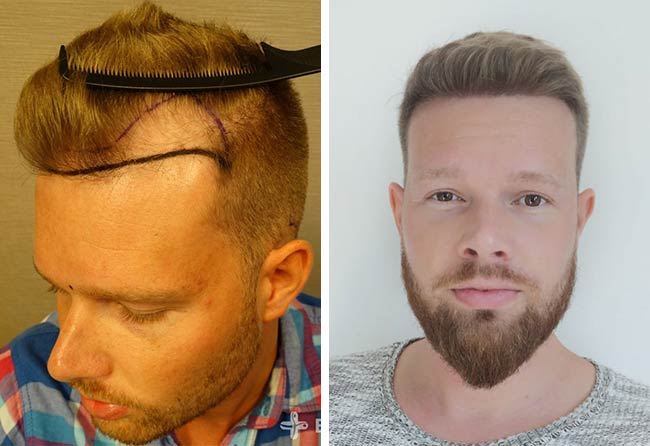
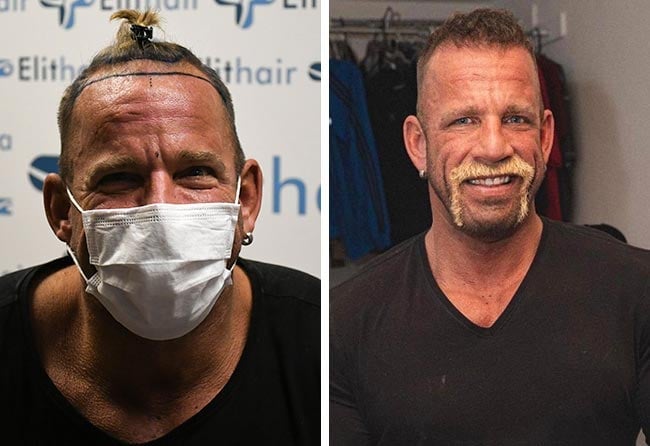
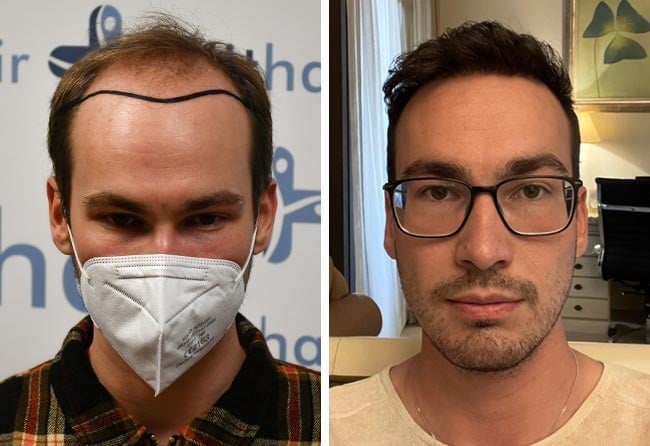
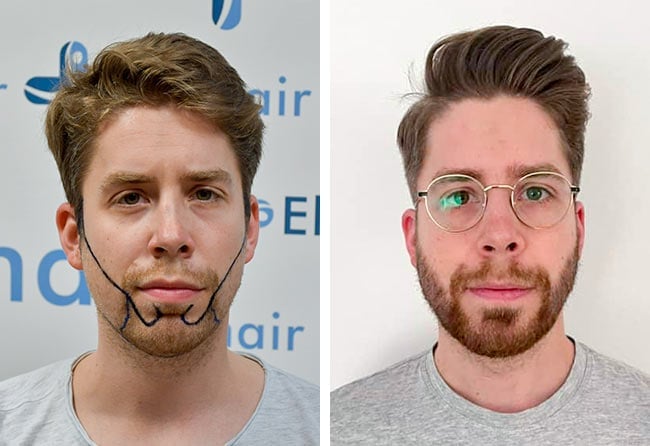
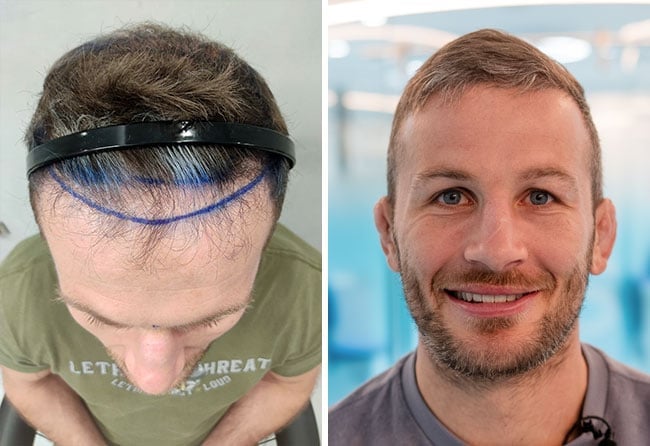
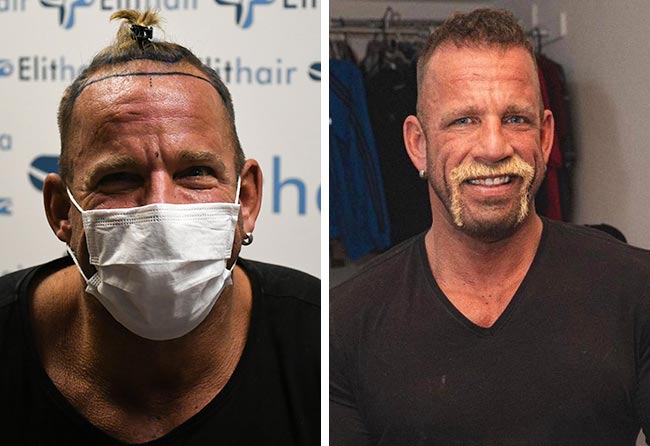
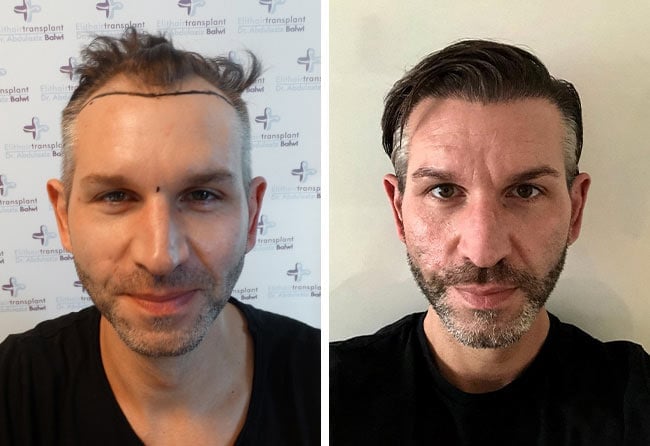
Alexander K.
2,800 Grafts, DHIReceding Hairline Hair Transplant: What You Need to Know
Approximately 80% of all men are affected by hereditary receding hairlines (Norwood Scale 2 to 3). The good news is that this area can be corrected remarkably well. By using 1,500 to 3,000 grafts from the resistant donor area, we achieve permanent and aesthetically pleasing results.
The key to a perfect receding hairline before and after result is not age, but a stable hair status. Once hair loss has stabilized and sufficient strong follicles are available in the donor area, the transplant can be performed. This ensures the result remains harmonious in the long term and prevents new gaps from forming behind the implanted hairline.
Designing the Perfect New Hairline
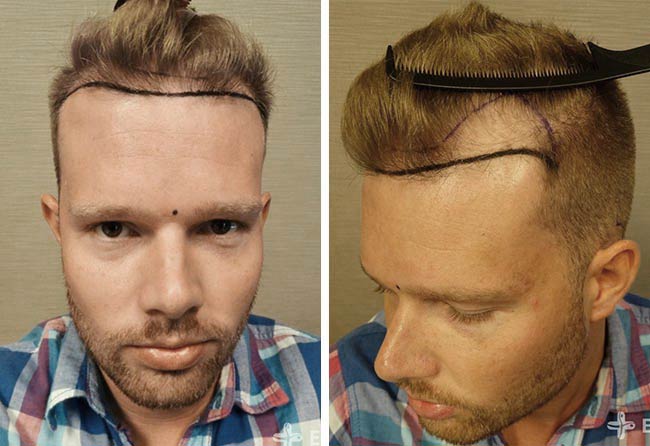
The hairline is the foundation of an authentic appearance, as a convincing receding hairline hair transplant before and after result depends on how harmoniously it fits your face. Every treatment therefore begins with precise planning in front of the mirror, where the new line is individually drawn while taking your unique proportions into account.
The ideal hairline follows your anatomy, such as forehead height, eye spacing, and head shape. Since “one-size-fits-all” solutions often look unnatural, we employ a mathematical and aesthetic approach to frame your facial features optimally. This ensures the new hairline perfectly enhances the natural symmetry of your face.
When designing the hairline, we think decades ahead to guarantee a result that remains absolutely authentic far into the future. We intentionally avoid artificially low lines that might look out of place as you age. Our medical teams plan with foresight, ensuring your new hair remains a perfect fit for your changing features throughout your life.
To avoid harsh edges, we exclusively use the finest single-hair grafts along the very front of the hairline. These individual follicles mimic the soft, natural growth found at the forehead and prevent a “pluggy” or artificial look. Behind this front row, we strategically place double and triple grafts to create the necessary density and volume for a convincingly real result.

Receding Hairlines on the Norwood Scale
Norwood 2: Mild Receding Hairline
A subtle recession at the temples marks the beginning of this stage. At Elithair, we utilize the modern DHI method to precisely reconstruct the hairline.
Approx. 1,500–2,000 Grafts
Norwood 2a: Moderate Hair Loss
In addition to prominent receding temples, the central hairline often begins to recede slightly. This is the most common stage for patients between the ages of 25 and 35.
Approx. 2,000–2,500 Grafts
Norwood 3: Advanced Receding Hairline
The receding temples are deep, and the hairline has moved significantly backwards. Without treatment, hair loss typically progresses towards the crown.
Approx. 2,500–3,500 Grafts
Can Medication Help with a Receding Hairline?
Finasteride and Minoxidil are effective at slowing down existing hair loss or slightly strengthening thinning hair. However, they cannot revitalize areas that are already bald. Once receding hairlines are visible, a hair transplant is the only method to restore genuine, permanent hair to those areas.
A perfect receding hairline hair transplant before and after result is often based on a dual approach. While the transplant permanently fills the temples with DHT-resistant grafts from the back of the head, medication protects the remaining original hair from further loss.
This combination ensures the result remains harmonious and prevents new gaps from forming behind the newly reconstructed hairline.
Alternatives: Concealing or Permanent Transplant?
While cosmetic products only offer short-term solutions, a hair transplant is the only way to permanently rebuild bald temples with real hair.
Hair Fibers / Hair Powder: Keratin fibers purely mask thinning areas visually and must be reapplied daily. As they are neither wind- nor waterproof, they do not provide reliable confidence in everyday situations and do nothing to stop progressive hair loss.
Scalp Micro-Pigmentation (SMP): SMP simulates hair stubble by tattooing the scalp. While this creates a permanent “shaved look,” it provides no actual hair volume and often appears two-dimensional and unnatural, especially when paired with longer existing hair.
Hair Transplant: A true receding hairline hair transplant before and after result is based on the transplantation of healthy hair follicles. This hair grows for a lifetime, can be cut and styled as usual, and is indistinguishable from your natural existing hair.
| Method | Effort | Result | Permanent? |
|---|---|---|---|
| Hair Fibers / Hair Powder | Daily application | Visual concealment | × No |
| Scalp Micropigmentation (SMP) | 2–3 sessions (touch-ups) | Simulated follicles | × No (fades) |
| Hair Transplant | Single session (4–6 hours) | Real hair | ✓ Yes |
Who Is the Ideal Candidate for a Receding Hairline Hair Transplant?
If your hair loss has been stable for at least a year and has not worsened. A dense donor area at the back of the head is the most important foundation for permanently filling in your receding hairline (Norwood 2 to 3).
If you have active hair loss and a weak donor area at the back of the head. In these cases, there are often not enough grafts for a dense fill. Hair loss should be stabilized first before any future treatment.
The Techniques for the Best Receding Hairline Hair Transplant Before and After Results
The choice of method determines your receding hairline hair transplant before and after result. While the innovative FUE method is used for graft extraction, the DHI technique allows for maximum precision and density. Furthermore, through our innovative NEO FUE pre-treatment, we optimize graft vitality prior to the procedure to ensure an exceptionally dense result.
| Criterion | FUE Method | DHI Technique | NEO FUE (Preparation) |
|---|---|---|---|
| Typical Grafts | 1,500–3,500 | 1,500–3,500 | In addition |
| Precision | Very good (high density) | Excellent (direct insertion) | Boosts vitality |
| Growth Rate | Approx. 98% at Elithair – thanks to your individual treatment plan: implantation depth and angle are calculated for you in the Pre-Test System. Without that planning, the graft survival rate is only around 60%. | ||
| Healing Time | 7–10 days | 3–5 days | Supports cell regeneration |
| Ideal For | Extraction in the donor area | Precise hairline & density | Maximum growth rate |
Graft Planning: What You Need for Your New Hairline
| Area | Grafts | Method | Notes |
|---|---|---|---|
| Mild Receding Hairline (NW2) | 1,500–2,000 | FUE + DHI | Maximum precision for the front line |
| Moderate Receding Hairline (NW2a) | 2,000–2,500 | FUE + DHI | Optimal density at the temples and hairline |
| Advanced Receding Hairline (NW3) | 2,500–3,500 | FUE + DHI | Effective filling of larger bald patches |
| Receding Hairline + Frontal Line | 2,500–3,500 | FUE + DHI | FUE for hair extraction, DHI at the front for precision and density |
| Scar Correction | 200–600 | FUE + DHI | Precise insertion into existing tissue |
Cost of Your Receding Hairline Hair Transplant
At Elithair, a first-class hair transplant for your receding hairline starts from just $3,899. While comparable procedures in the US often cost between $10,000 and $25,000, we provide the same medical standards in Istanbul at a fraction of the price. This advantage comes from lower operational costs and world-leading specialization, with no compromise on results.
The final price is determined specifically by your individual graft requirements and the optimal technique for your hairline. Take advantage of our free hair analysis to receive your personal, no-obligation quote for filling your receding temples within 24 hours.
Healing Process After Your Receding Hairline Hair Transplant
From surgery to the final before-and-after result: what to expect month by month.
Days 1–14: Healing & Crust Removal
In the first few days, swelling subsides as small crusts form. These will naturally detach after 10 to 14 days with gentle hand-washing. Sleep with your head elevated, avoid scratching, and wait until day 10 before wearing headwear. Most patients are fully integrated into their daily life again after just 5 to 7 days.
Weeks 2–6: Possible Shock Loss
Do not be alarmed if the transplanted hair shafts temporarily fall out. This process is biologically harmless. The precious hair follicles remain securely anchored in the scalp and use this resting phase to prepare for permanent growth.
Months 3–9: Visible Growth & Density
From the third month, the first fine new hairs sprout along the hairline, steadily gaining thickness and pigmentation. Roughly 40% to 60% of the hair will be visible by this stage. During this period, you can return fully to your usual routine, including exercise and haircuts, as your receding hairline hair transplant before and after result perfects itself month by month.
Months 12–18: The Final Result
After about a year, the process is complete, and the final outcome of your transplant is visible. Hair density has reached its peak, and the new hairline blends seamlessly and naturally with your facial features. The transplanted hair is now as resilient as your original hair and can be cut, styled, and cared for without any restrictions.
If hair loss continues behind the temples, we recommend using Finasteride or Minoxidil to protect the existing hair. The transplanted hair itself requires no special maintenance.
Frequently Asked Questions About Receding Hairline Hair Transplants
The result is permanent. The transplanted grafts are taken from the “DHT-resistant” donor area at the back of the head. The hair retains this genetic trait even in its new position, ensuring it continues to grow strongly for a lifetime.
Yes, approximately 6 months after the procedure, you can cut your hair to any desired length. Thanks to precise FUE extraction, the treatment leaves no linear scarring. This means the donor sites are virtually unnoticeable even with short haircuts (from approx. 3 mm), and the new hairline appears entirely natural.
Asymmetrical hair loss is very common. In such cases, we customize the graft count for each side to achieve a perfectly symmetrical overall appearance. Often, as few as 800 to 1,200 grafts are sufficient to specifically correct a weaker side and harmonize the hairline.
For Norwood Scale 2 or 3, a single session usually achieves the desired success. Should hereditary hair loss progress in other areas of the scalp over the years, a follow-up procedure may be beneficial later on. Supportive therapies can also help maintain your remaining original hair.
Using modern FUE technology, we extract individual follicle groups selectively rather than removing an entire strip of skin. The tiny extraction points (0.7 – 0.9 mm) heal within a few days. Once the hair at the back of the head has grown back slightly after 2 to 3 weeks, the signs of extraction are no longer visible to the naked eye.
Results in Focus: Our Hair Transplant Before and After Photos
Discover real-life results and be inspired by the transformations of our patients across various treatment areas:
Crown (Top of Head)
Maximum density with 2,500–4,500 grafts for full volume across the entire top of the head.
View results →Tonsure
Reconstruction of the tonsure using 2,000–3,500 grafts to achieve a natural-looking result.
View results →Your Receding Hairline Hair Transplant in 3 Steps
Free Hair Analysis
Submit your photos for an expert medical assessment of your graft requirements and receive your personalized treatment plan.
Treatment in Istanbul
Experience modern DHI technology in an all-inclusive package, including a luxury hotel, VIP transfers, Pre-Test System, and a pain-free experience with Sleep-Deep.
Before & After Result
Achieve your final result after 15–18 months for maximum density and perfection. Benefit from digital aftercare via the exclusive Elithair app.
Your Free Hair Analysis for Receding Temples
Secure your professional assessment for a perfect hairline today. Simply upload your photos so our doctors can discreetly determine your individual graft requirements with no obligation.
Start Your Free Hair Analysis Now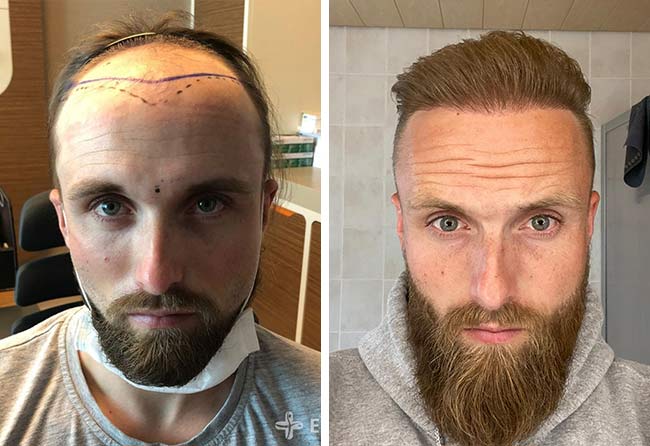
 Head
Head 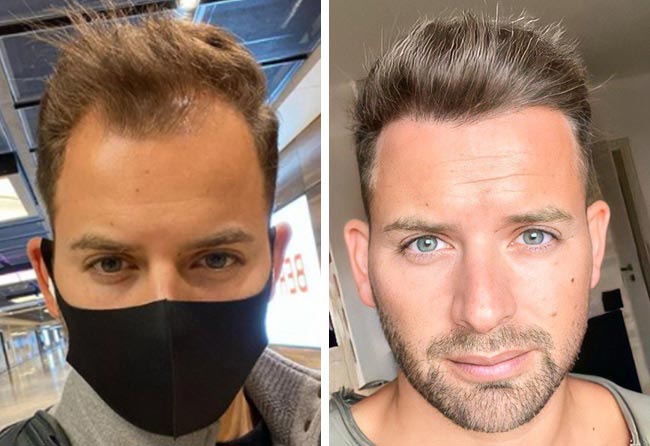
 Head
Head 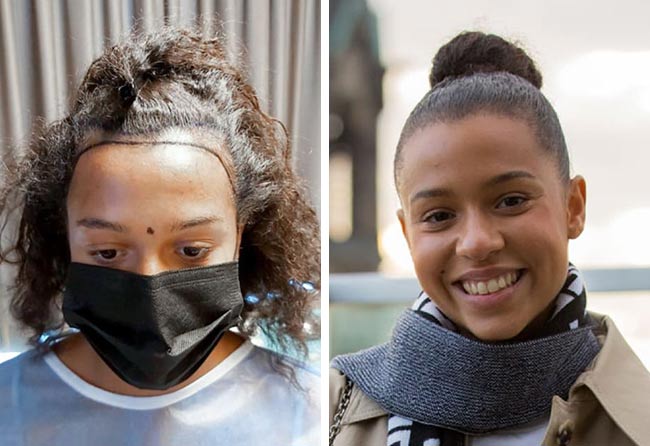
 Beard
Beard 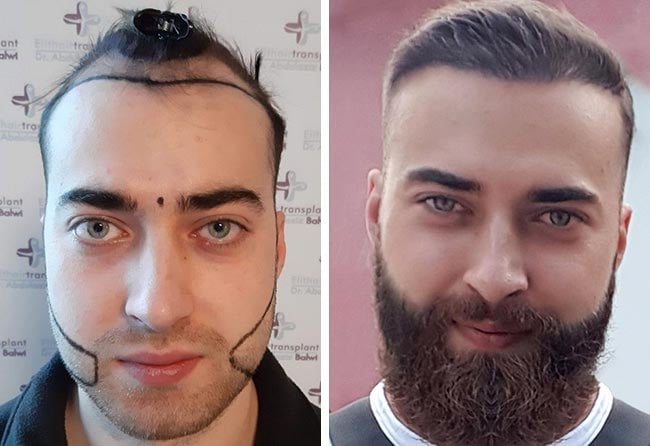
 Head and Beard