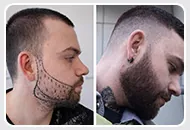
Portrait of a man with a full beard and short hair against a light background

Hair Transplant Healing: What to Expect and When

  • Clear overview of the entire healing process
  • Practical care tips
  • Specific timelines for exercise and everyday activities
  • Doctor-supported aftercare via the app

free, no obligation

4.9 out of 5 stars on Google

Experience and Certification

More than 150,000 treatments
at our specialist clinic, certified to ISO 9001:2015
by TÜV Thüringen.

ISO 9001:2015, TÜV Thüringen, and health certification seals for the Elithair clinic

Hair Transplant Healing: Our Patients' Recovery

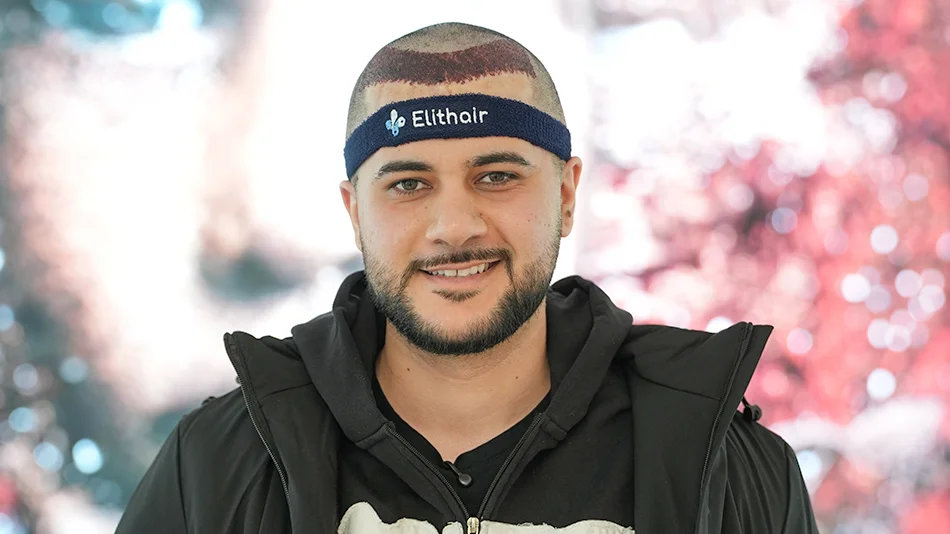
Smiling patient wearing an Elithair headband after a hair transplant, with a blurred background

Healing after a hair transplant follows predictable biological stages, from the day of your procedure to your final result. Understanding each stage can help you feel confident throughout your recovery.
This page gives you a clear overview of the entire healing process, practical care tips and specific timelines for exercise and everyday activities, based on the aftercare guide our patients follow after treatment.

Healing
How Long Does It Take to Heal After a Hair Transplant?

The surface wounds heal within just two weeks, and you can resume your usual hair care routine on day 12, but hair growth takes longer.

Healing phaseExpected timeframe
Skin and wound healing
Surface wound healing (recipient area)approx. 2 weeks
Scabs completely goneby day 11 at the latest
Swelling goes downmax. 1 week
Any bruising fades1 to 2 weeks
Skin redness fades2 weeks to 3 months
Itchingmax. 3 months
Occasional pimples (caused by new hair growing in)up to 12 months (mainly months 1 to 4)
Donor area
Complete regeneration of the donor area (back of the head)approx. 6 months
Recovery of the donor area (beard)1 to 4 weeks
Final result
Final result: hairline and top of the head10 to 12 months
Final result: crown (vertex)15 to 18 months
  • Full density

    Full density develops at the front and top of your head after ten to twelve months, and at the crown after about fifteen to eighteen months.

  • Donor area recovery

    The donor area has its own recovery timeline: tissue at the back of your head takes about six months to regenerate fully, while the beard area heals within a few weeks.

White reception hall of the Elithair clinic with organic columns and a glass facade
Patients with suitcases arriving in the lobby of the Elithair clinic
Clinic lobby with a large white sculpture and seating area
Clinic reception hall with an illuminated art installation
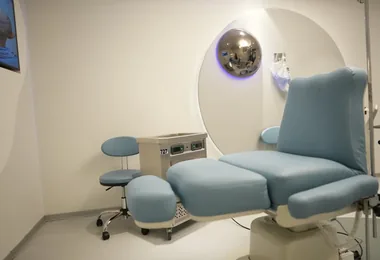
Bright treatment room with a light blue treatment chair
Patient in a transfer vehicle with comfortable leather seats
Evening view of the Istanbul skyline from the hotel
Elit Clinic waiting area with sofas and plants
Hotel Elitoria in Istanbul at dusk
Hotel Elitoria sign above Istanbul at sunset
Hotel room with a curved ceiling and a view of Istanbul
Bright hotel room with a double bed and panoramic window
Hotel room with a white bed, an orchid, and a flat-screen TV
Hotel Elitoria with its illuminated entrance in the evening
Waiting lounge with a light installation on the ceiling
Aerial view of the Elit Clinic building in Istanbul
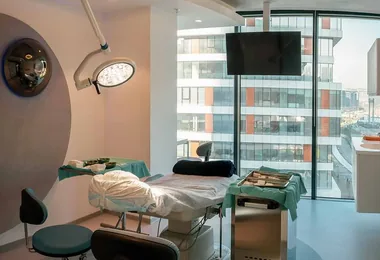
Prepared treatment room with large windows
Exterior of the clinic building in Istanbul
Hotel room with a round wall arch and city view
Spacious hotel room with ring-shaped ceiling lights
Patient in a transfer vehicle with comfortable leather seats
Evening view of the Istanbul skyline from the hotel
Elit Clinic waiting area with sofas and plants
Hotel Elitoria in Istanbul at dusk
Hotel Elitoria sign above Istanbul at sunset
Aerial view of the Elit Clinic building in Istanbul
Prepared treatment room with large windows
Exterior of the clinic building in Istanbul
Hotel Elitoria with its illuminated entrance in the evening
Waiting lounge with a light installation on the ceiling
Day by day

Healing in the First Two Weeks, Day by Day
Healing starts the day after the procedure. In this first phase, consistent, gentle care lays the foundation for the final result.
DayWhat happens in the treated areaRecommended steps and care
Surgery day & day 1 The first scabs form in the treated areas, which are protected by a bandage or headband Lie down to rest and keep the treated areas dry. To protect the freshly placed follicles, sleep only on your back with a neck pillow.
Day 2 Scabs become clearly visible; mild swelling may occur Wash your hair gently for the first time, following the clinic's instructions.
Day 3 Swelling around your forehead may increase Keep washing daily. Avoid salt for the first three days and drink at least three liters (about 100 oz) of water.
Day 4 Swelling peaks, then starts to go down Keep washing regularly. Apply aloe vera gel to the donor area only.
Day 5 Swelling subsides, scabs become firmer You can sleep on your side and without a neck pillow again.
Days 6 to 8 Scabs have fully hardened; redness is noticeable Keep washing your hair every day through day 8.
Day 9 The scabs loosen before removal Skip washing today so the scabs can loosen properly.
Day 10 Scabs begin to come off Remove the scabs carefully with plenty of lotion. Never use your fingernails!
Day 11 Final phase of scab removal Finish removing the scabs; by the end of the day, your scalp is free of scabs.
From day 12 The treated area is barely noticeable, though some redness remains Switch to regular shampoo and your usual washing routine.
Days 13 to 14 Redness may stay visible for two weeks to three months Keep avoiding physical exertion and sweating until day 15.
Donor area

How Your Donor Area Recovers

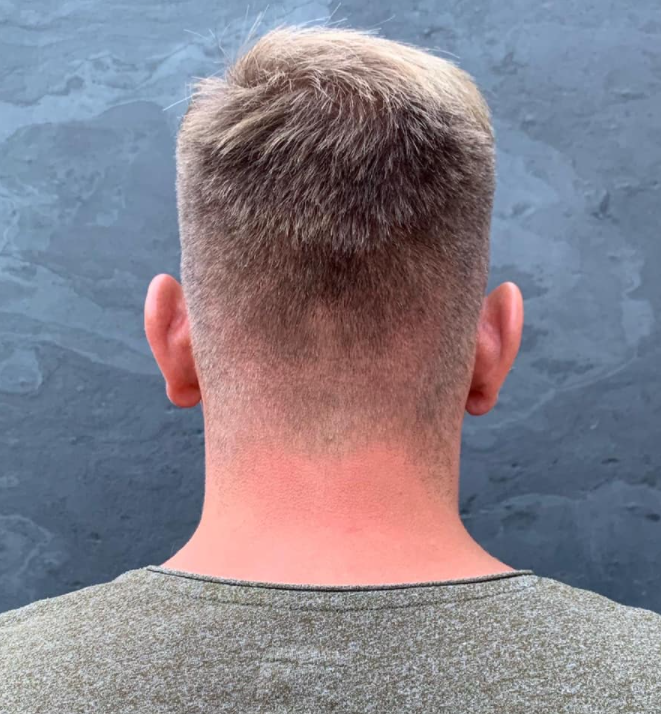
Back of the head with short, evenly regrown hair in the extraction area after FUE

Healing in the donor area is straightforward and fundamentally different from healing in the recipient area.

With modern FUE extraction, the grafts are removed one by one. This leaves only tiny, dot-like openings less than a millimeter across, which close completely within a few days.

Unlike older procedures such as the FUT technique, this method leaves no scars.

PeriodDonor area healing and care
  1. Day 1 to 3Tiny scabs begin to form; the skin may feel slightly tight or temporarily less sensitive
  2. From day 4Plant-based aloe vera gel can soothe the area and support healing (max. three times a day)
  3. Days 1 to 14Mild itching as the tissue heals; gently stroking the area is allowed
  4. From day 15The extraction sites have closed without scars; you can touch the area and resume your usual care
  5. From week 2You can use clippers or a razor again (you can use scissors starting in week 1)
  6. Until month 6Keep the hair about 1 cm (roughly ⅜ inch) long until the density at the back of the head has fully evened out
  7. Starting in month 6The donor area has fully healed and regenerated

Possible Shock Loss: Why Hair May Temporarily Enter a Resting Phase After the Procedure

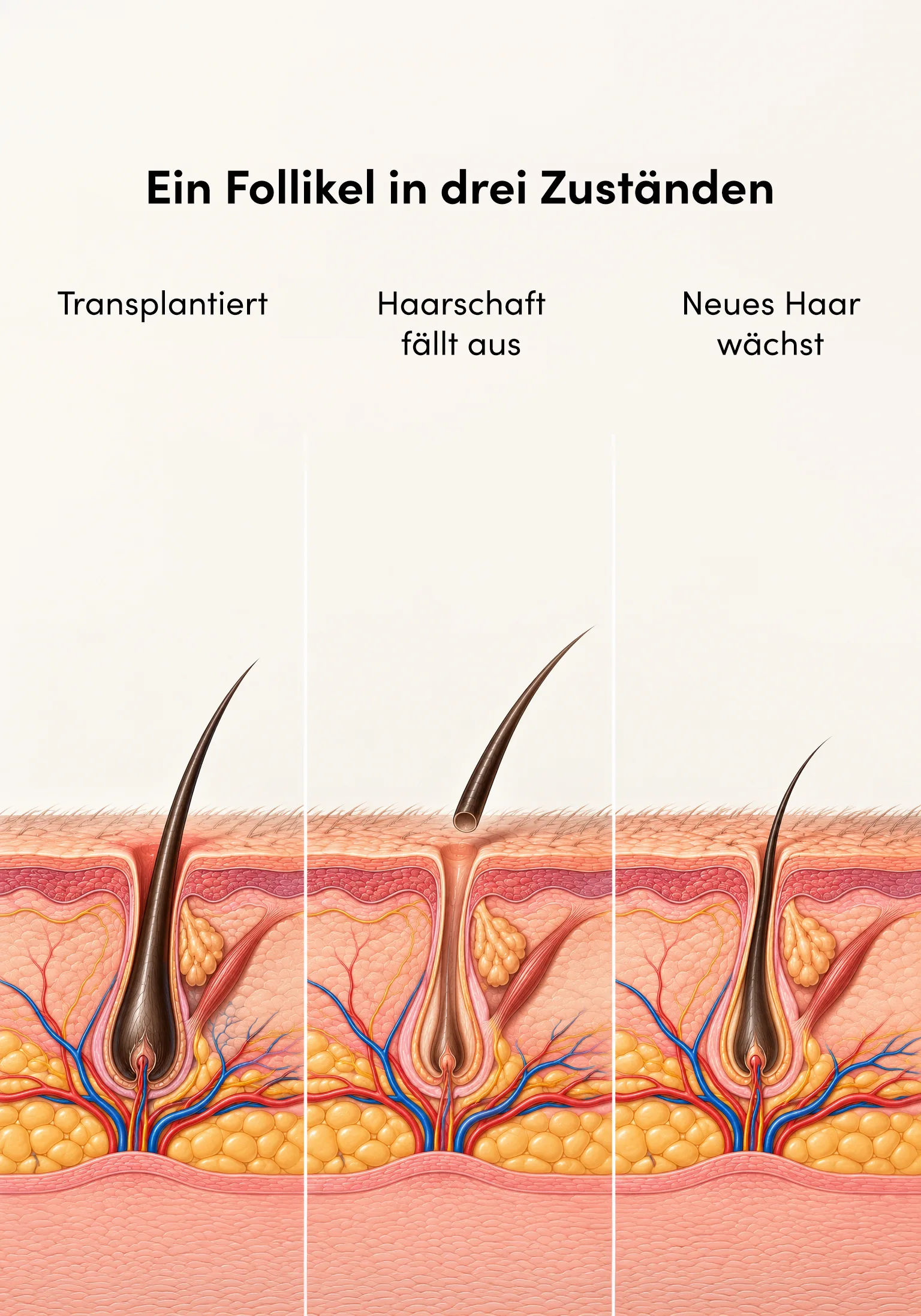
In the first weeks after the procedure, the transplanted hair may temporarily fall out (shock loss). Not every patient experiences shock loss (Okochi et al. 2024). This can understandably feel unsettling at first, but it is medically harmless.

Only the visible hair shaft falls out. The implanted hair root (the follicle) remains firmly anchored in the tissue and enters a brief resting phase as it adjusts. Starting in the fourth month, that same follicle produces a new, permanent hair.

Occasionally, existing hairs near the treated area also respond to the physical stress on the tissue by entering a brief resting phase. This effect is temporary as well. As a result, you may see only a fraction of your eventual fullness through the third month. This temporary dip is a natural part of the process and is followed by new growth.

Diagram of a hair follicle in three states: transplanted, hair shaft falls out, new hair grows
Month by month

The Growth Phase Month by Month

Hair growth after a transplant follows a biological pattern. Over the first year, your hair gradually progresses from the first fine new hairs to full density.

Patient ten months after his hair transplant with full hair and a natural hairline
Time frameHealing and hair growthWhat you see
Month 1 The scabs come off completely; redness may remain visible until month 3, and a few small pimples are possible. Your hair looks much as it did before the procedure, slightly thinner in places.
Months 2 to 3 Temporary resting phase; by month 3, only about 10% of your final hair growth is visible. A temporary lull in growth; little visible change during this phase.
Month 4 Active new growth begins (approx. 10% growth per month). The first fine hairs appear, usually still thin at this stage.
Months 5 to 6 By month 6, about 40% of your final result is visible. The outline of the new hairline is clearly taking shape.
Months 7 to 9 Individual hairs become thicker and more pigmented; density increases noticeably. You gradually begin to see the fullness you want.
Months 10 to 12 Growth at the front is largely complete. You can see the final result at your hairline and on top of your head.
Months 13 to 18 Hair growth at the crown catches up, and fullness continues to increase. Final result at the crown (vertex).

Important: new hairs are finer at first and become stronger with each growth cycle. Your hair's appearance at six months therefore does not yet reflect its final quality.

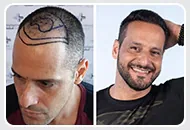
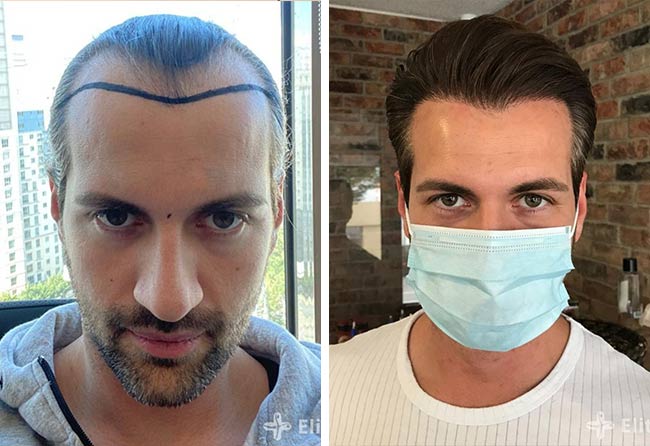
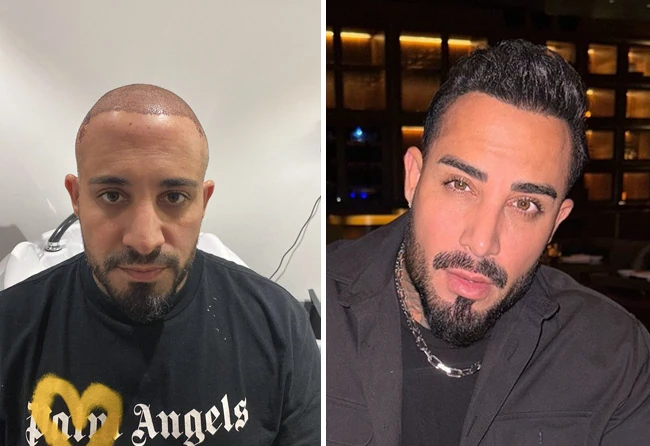
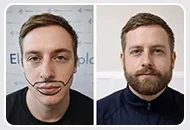
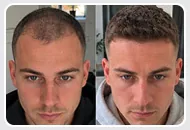
Man shortly after a hair transplant with a shaved hairline, and later with thick, styled hair.
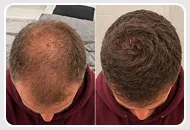
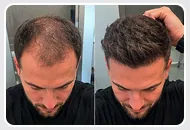
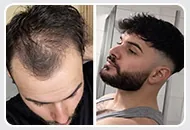
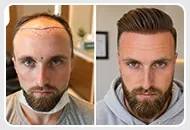
Before-and-after comparison of a man with thinning hair on top before and noticeably thicker hair afterward.
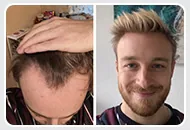
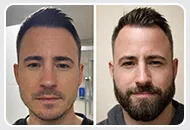
Man with thinning hair at the front before a hair transplant, and thick, dark hair afterward.
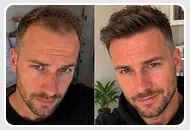
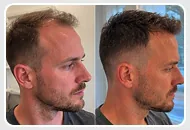
Side-by-side comparison of a man with a receding hairline before treatment and a fuller hairline with shorter sides afterward.
Man with marked areas of sparse beard growth before a beard transplant, and a thick, full beard afterward.
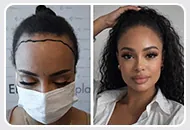
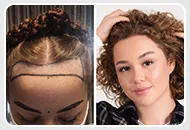
Woman with a marked, receding hairline before treatment, and thicker hair along her forehead afterward.
Before-and-after comparison of a man with a patchy beard before and a thick, full beard afterward.
Man with a receding hairline before a hair transplant, and a fuller hairline afterward.
Man with a marked, receding hairline before a transplant, and a thick, lower hairline afterward.
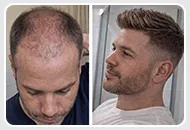
Top of a man's head before and after a hair transplant: severely thinning hair before, thick coverage afterward.
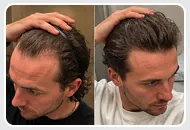
Man with a receding hairline before a hair transplant, and thicker hair along his forehead and temples afterward.
Man with a receding hairline before treatment, and thicker hair styled upward afterward.
Man with a shaved head and marked hairline before a hair transplant, and thick, dark hair afterward.
Man with thinning hair at the front before a hair transplant, and thick hair afterward.
Woman with a marked, receding hairline before a transplant, and a fuller hairline afterward.
Man before and after a hair transplant: thinning hair at the front before, a fuller hairline afterward.
Man with sparse beard growth on his cheeks before a beard transplant, and a thick, full beard afterward.
Man with receding temples before treatment, and a fuller, denser hairline afterward.
Overhead view of a man before and after a hair transplant: thinning hair at the front before, a thick hairline afterward.
Before-and-after beard transplant comparison: marked cheeks with sparse beard growth, followed by a thick, full beard.
Woman with a marked, receding hairline before treatment, and thicker hair along her forehead afterward.
Before-and-after comparison of a man with a patchy beard before and a thick, full beard afterward.
Man with a receding hairline before a hair transplant, and a fuller hairline afterward.
Man with a marked, receding hairline before a transplant, and a thick, lower hairline afterward.
Top of a man's head before and after a hair transplant: severely thinning hair before, thick coverage afterward.
Man before and after a hair transplant: thinning hair at the front before, a fuller hairline afterward.
Man with sparse beard growth on his cheeks before a beard transplant, and a thick, full beard afterward.
Man with receding temples before treatment, and a fuller, denser hairline afterward.
Man with thinning hair at the front before a hair transplant, and thick hair afterward.
Woman with a marked, receding hairline before a transplant, and a fuller hairline afterward.
Skin reactions

Understanding Skin Reactions: Swelling, Redness, Itching and Pimples

Several side effects are a normal part of healing after a hair transplant (Liu et al. 2025). They can appear at different times and last for different lengths of time, which can make it hard to know what to expect.

Swelling and bruising

  • Duration: About 7 days (bruising lasts 1–2 weeks)
  • What to expect: Swelling starts on day 2, peaks on days 3–4 and often spreads toward the forehead and eyes. It is harmless.
  • Tip: Drink at least three liters (about 100 oz) of water a day, avoid salt for the first three days and sleep on your back.

Redness

  • Duration: 2 weeks to 3 months (often longer with fair skin)
  • What to expect: Redness is the reaction that remains visible the longest.
  • Cause: Increased blood flow, a sign of active healing.

Itching

  • Duration: On and off for up to 3 months
  • Donor area: Through day 14, gently stroke the area only; from day 15, you can resume your usual care.
  • Recipient area: Do not scratch at all during the first weeks.

Pimples

  • Duration: Mostly months 1–4 (occasional reactions up to month 12)
  • Cause: New hair pushes through the surface of your skin.
  • Important: Never squeeze pimples. Let us know if you develop many pimples or if they hurt.

Activities and Care: Your Timeline After the Procedure

To protect the grafts as they take hold, follow the recommendations below for when to resume everyday activities, exercise and hair care, starting on the first day after the procedure.

1. Haircuts and barber visits

When you can trim your hair, use clippers, and shave with a razor after the procedure, with separate timelines for the donor and recipient areas
Care step Donor area Recipient area
Trimming with scissors From 1 week From 2 weeks
Haircut with clippers From 2 weeks From 1 month
Wet shave with a razor blade From 2 weeks From 3 months

2. Everyday activities, exercise and treatments

Two men fist-bumping outdoors beside a riverside railing

Two key guidelines for the first weeks:

Keep sweating to a minimum: avoid heavy sweating throughout the first 15 days.

Sun protection and head covering: this depends on the outdoor temperature. Up to 73°F (23°C), no head covering is needed. Between 75°F and 102°F (24°C to 39°C), wear a head covering for 14 days; at 104°F (40°C) or above, wear one for a full month. Also cover your head in direct sun or dusty surroundings. For the first 14 days, wear only the hat provided by the clinic.

  • From day 4: Sex
  • From day 15 (after 2 weeks): Light exercise, physically demanding work (e.g., construction or kitchen work), drinking alcohol, smoking, taking baths, swimming (without going underwater), using a dermaroller, resuming minoxidil (finasteride is allowed throughout), having your first PRP session
  • From week 4 (month 1): Moderate-intensity cardio, diving, coloring your hair in the recipient area, wearing a motorcycle helmet for short rides
  • From week 6: Intense strength training, sauna, tanning beds, swimming underwater
  • From month 3: Hair powder, flat irons, blow-drying without restrictions (on a cool setting from month 2), wearing a motorcycle helmet for long rides
  • From month 6: Styling the hair in the recipient area as usual, having a second treatment (either in a new area or to add density to an area that has already been treated), wearing a wig
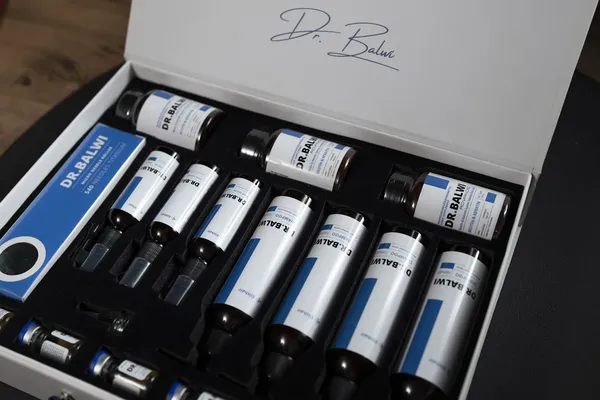
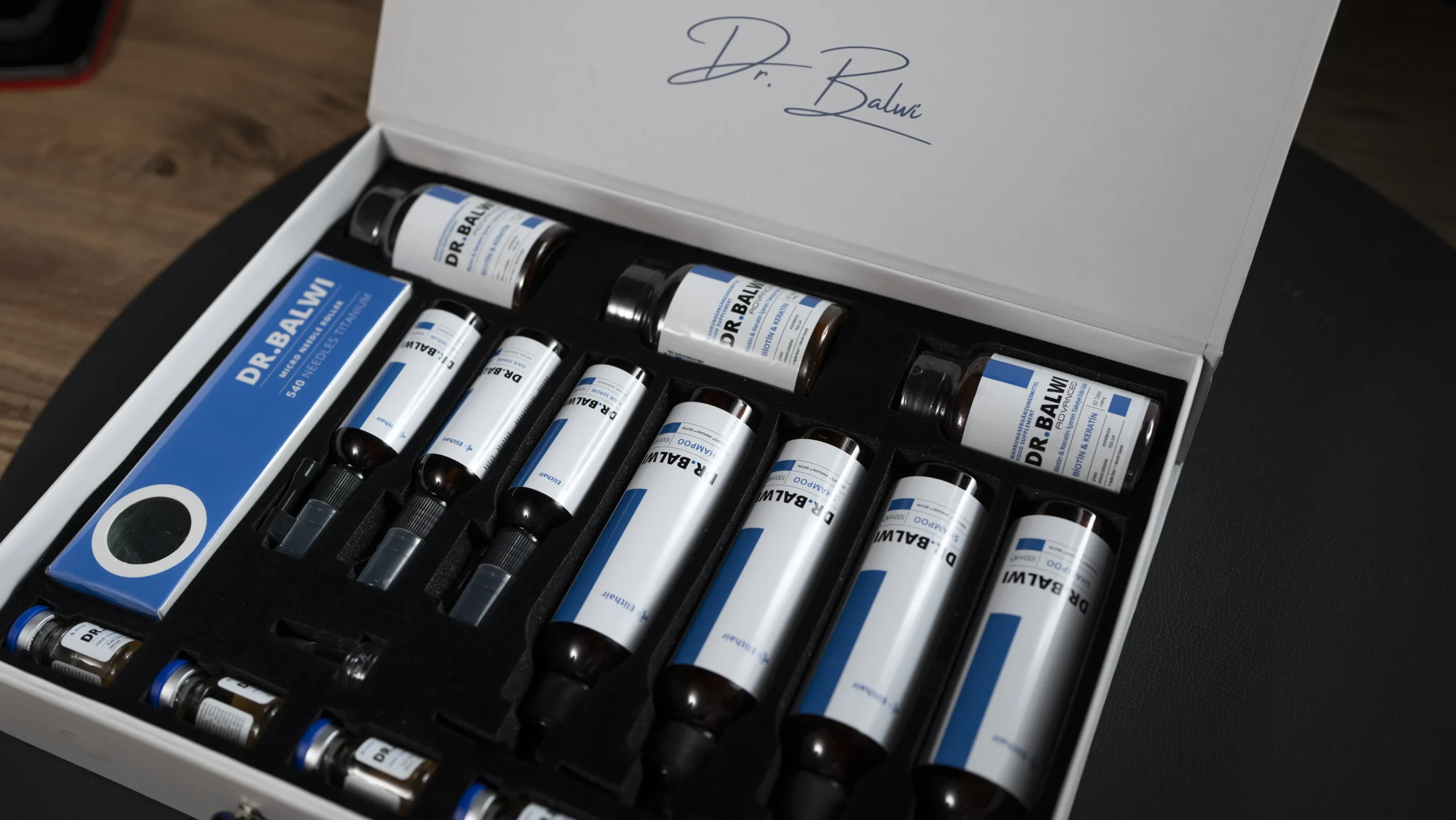
  • Open Dr. Balwi aftercare kit with shampoos, ampoules, and a dermaroller
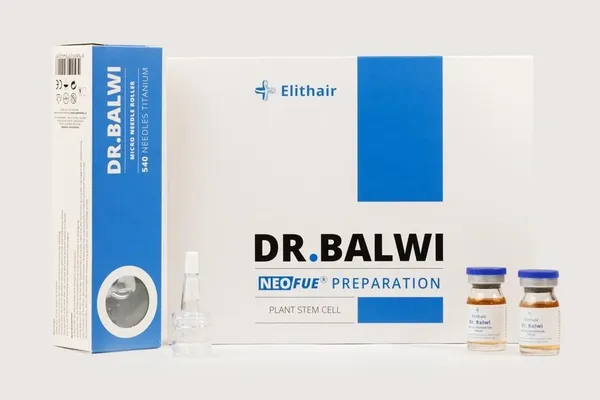
  • Dr. Balwi NEO FUE Preparation Set with product box, roller, and ampoules
  • Hand holding a smartphone with the Elithair app
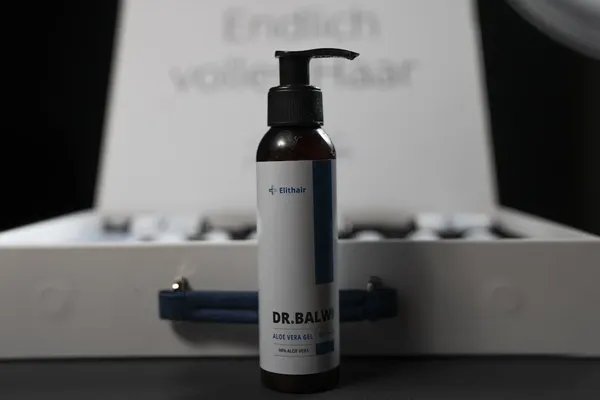
  • Dr. Balwi aloe vera gel in front of the open aftercare case
  • Smiling woman holding the Dr. Balwi serum box
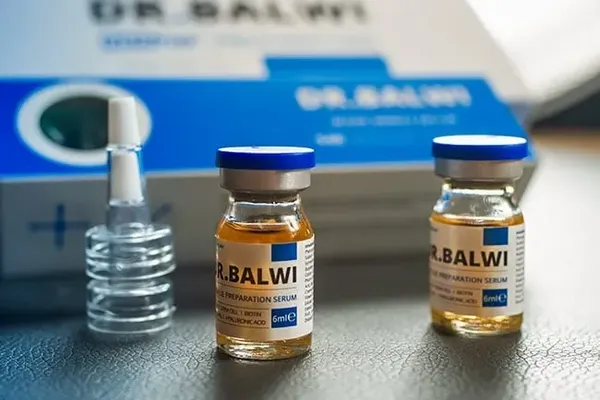
  • Dr. Balwi hair serum ampoules in front of the packaging
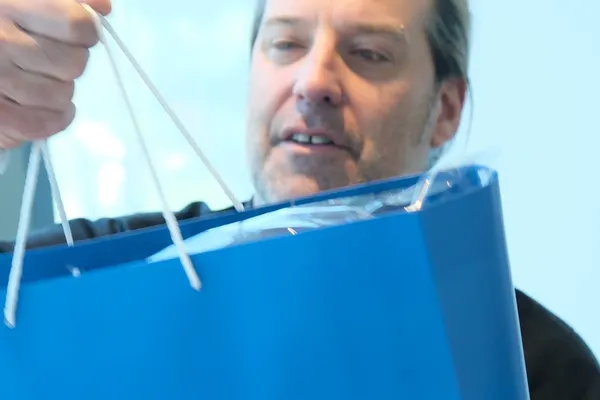
  • Patient holding the blue Elithair bag full of care products
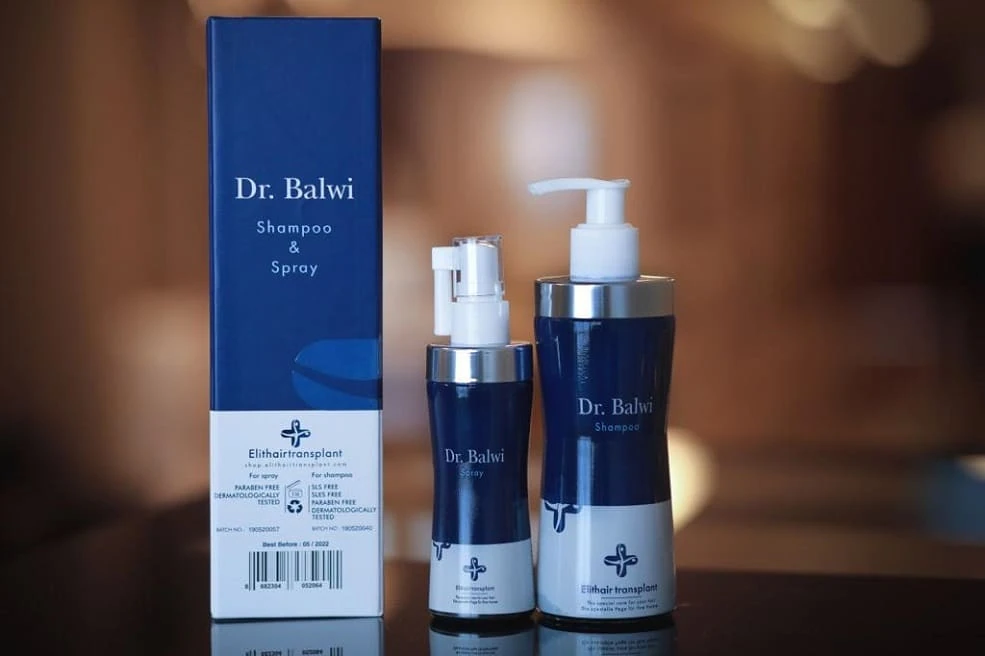
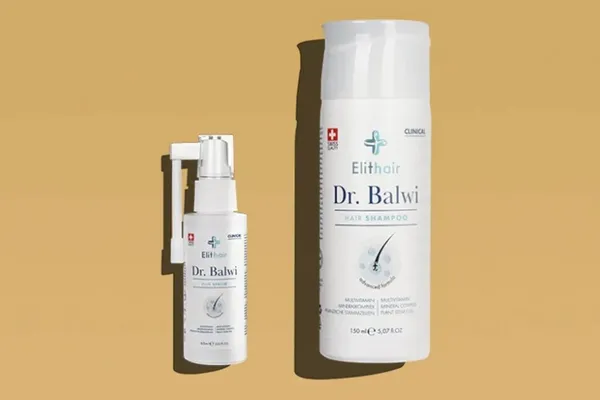
  • Dr. Balwi shampoo and spray in blue packaging
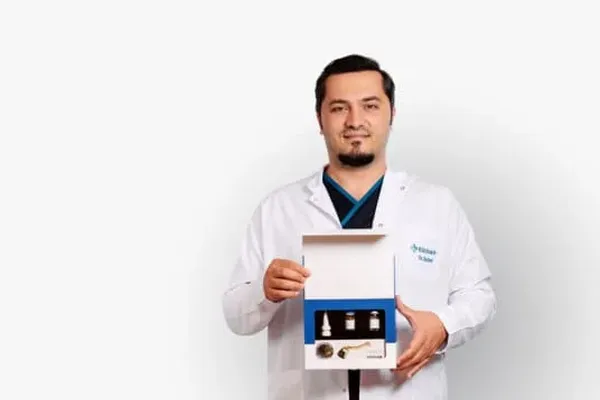
  • Doctor presenting the NEO FUE product set
  • Dr. Balwi hair serum and shampoo on a beige background
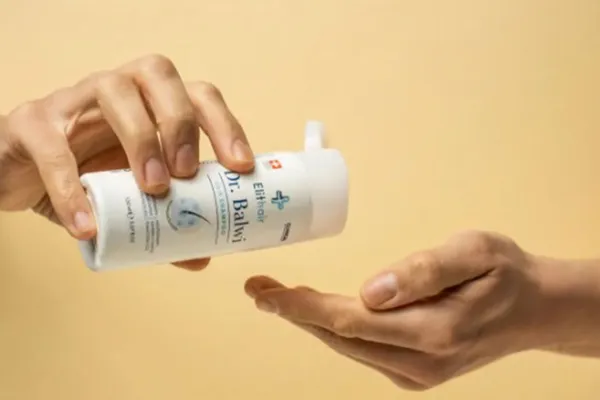
  • Dr. Balwi shampoo being poured into an open hand

How to Support Healing After a Hair Transplant
Consistent daily aftercare is key to helping the transplanted hair roots take hold successfully. These simple steps make a big difference:

Stick to the washing routine
Following the washing instructions carefully from day 2 to day 8 supports early healing. After a short break on day 9, the scabs are gently removed on days 10 and 11.
Support healing with PRP
Your own blood is spun in a centrifuge to produce concentrated plasma, which is injected to stimulate blood flow around the follicles. At least six PRP sessions are recommended (starting in weeks 2–4, with follow-up sessions every 3–4 weeks). The PRP treatment included in your package takes place at the clinic on the day of your procedure.
Digital aftercare with the Elithair App
You upload photos in the app, and our team of doctors reviews them to guide you through your recovery. Built-in reminders tell you when you can get haircuts, exercise or visit the sauna again.

Focus on what works

Expensive supplements, vitamins taken without a diagnosed deficiency and home remedies applied to the treated area offer no benefit (Guo et al. 2017). Remember to use aloe vera gel only on the donor area (from day 4, up to three times a day).

Open DR.BALWI aftercare set with product case, shampoos, ampoules and dermaroller
Individual healing

Does Everyone Heal the Same Way After a Hair Transplant?

Although recovery follows set phases, the path to the final result is a little different for every patient.

Before-and-after comparison of a man with a marked hairline before a hair transplant and a fuller hairline afterward

Four factors matter most:

  • Skin type: with sensitive or very fair skin, the typical redness tends to last longer.

  • Size of the treated area: the larger the treated area, the more pronounced the initial swelling can be.

  • Treatment area: hair growth at the crown (vertex) is a little slower and can lag up to six months behind growth at the front of your head.

  • Follicle source: when grafts are taken from the beard, the skin there heals in one to four weeks, noticeably faster than the donor area at the back of your head.

Good to know: the implantation technique does not affect these stages. This also applies to DHI, the technique Elithair uses exclusively for implantation: your scalp follows the same natural sequence of scab shedding followed by a resting phase.

Your timing

Why Every Month You Put It Off Counts Twice

Uncertainty about the right time often leads people to put off a hair transplant: summer seems inconvenient, then work projects or personal plans get in the way.

Delaying your procedure also delays your final result. Since the follicles need about a full year to mature, waiting, say, six months means seeing the final result in the mirror in about a year and a half instead of one year.

Man with a freshly transplanted hairline on the left and thick, dark hair on the right.

Bartmann - 3,800 grafts

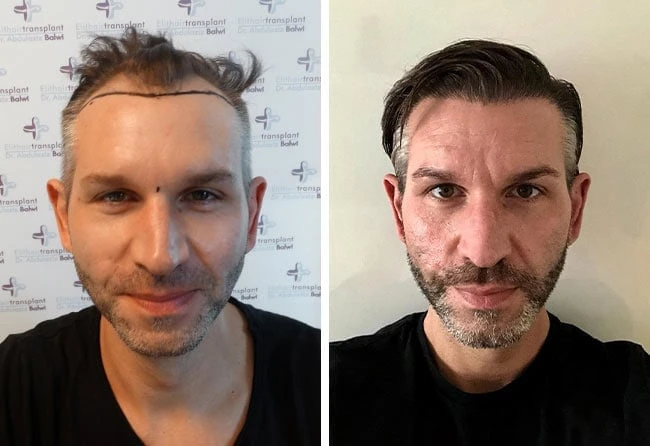
Before and after: man with thinning hair before the transplant and a full head of hair afterward

Thomas S. – 4,250 grafts

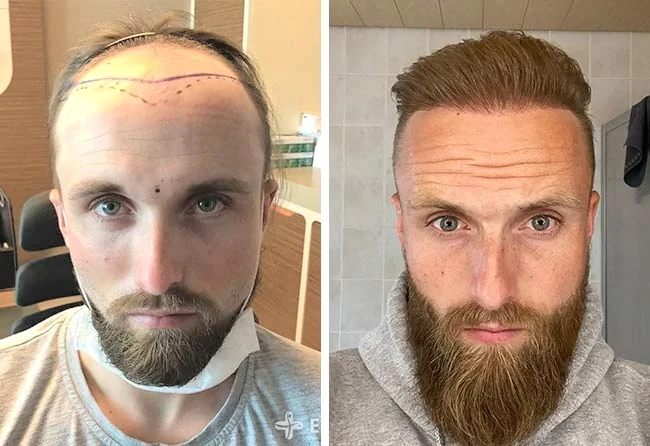
Before and after: man with a receding hairline at the temples and treatment markings, then with a full head of hair

Frederik G. – 4,700 grafts

There is also a biological factor to consider: the genetically protected donor area at the back of your head does not grow back, while thinning areas get bigger as hair loss continues (Balwi et al. 2026). So waiting costs you time and density at the same time.

Our no-obligation hair analysis gives you clear answers right away. It shows you exactly where you stand today and whether having a transplant soon makes sense.

FAQ

Frequently Asked Questions About Healing After a Hair Transplant
Wash your hair on the second day after the procedure, following the clinic's instructions. Then wash it every day through day 8.
So the scabs can loosen. They are then removed carefully with lotion on days 10 and 11.

By the end of day 11. Starting on day 12, you can wash your hair with regular shampoo.
In the first weeks after the procedure, the transplanted hair may temporarily fall out (shock loss). Not every patient experiences shock loss. If it occurs, it is not a bad sign: only the hair shaft falls out, while the follicle stays in place. A new hair grows from it starting around month 4.
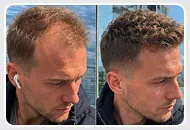
You can see the final result at the front after ten to twelve months and at the crown after fifteen to eighteen months. After six months, about 40% of the result is visible.

Between two weeks and three months.

You can resume light exercise after two weeks, moderate exercise after four weeks and strength training after six weeks. Avoid heavy sweating for 15 days.

After six weeks. The same applies to tanning beds and swimming underwater.

You can trim hair in the donor area with scissors after one week, or use clippers or a razor after two weeks. In the recipient area, you can use scissors after two weeks, clippers after one month and a razor after three months.

Sleep on your back with a neck pillow. The recipient area must not touch the pillow for the first five days. Starting on day 5, you can also sleep on your side and without a neck pillow; starting on day 10, you can sleep on your stomach.

For the first 14 days, wear only the hat provided by the clinic. Whether you need it depends on the temperature and your surroundings: up to 73°F (23°C), no head covering is needed; at higher temperatures and in direct sun or dusty surroundings, wear a hat.

The PRP treatment included in your package takes place at the clinic on the day of your procedure. Follow-up sessions can start two weeks after the procedure at the earliest; at least six sessions spaced three to four weeks apart are recommended.

You can have a second treatment no earlier than six months after your first procedure, whether it treats a new area or adds density to an area that has already been treated. Before then, it is impossible to assess the final density.