

















Dr. Balwi and his team in a consultation with a female patient at the Elithair clinic

The Hair Transplant Process in Turkey:
From Your First Analysis to Your Final Result

  • Thorough Initial Hair Analysis
  • Personalized Treatment at the Clinic
  • Gentle Techniques & Sedation
  • Comprehensive Aftercare

free, no obligation

4.9 out of 5 stars on Google

Experience and Certification

More than 150,000 treatments
at our specialist clinic, certified to ISO 9001:2015
by TÜV Thüringen.

ISO 9001:2015, TÜV Thüringen, and health certification seals for the Elithair clinic
Process

How Your Hair Transplant in Turkey Works

A hair transplant in Turkey unfolds in clearly defined phases, each building on the last: from your initial hair analysis and the procedure itself to guided aftercare and your fully developed result.

Below you'll find every step, timeframe, and aftercare rule in one place.

The Hair Transplant Process in Turkey at a Glance

PhaseTime frameWhat to expect
Hair analysis
Day 0 (online)
You send us your photos, and a doctor conducts an initial assessment to determine whether treatment is possible, how many grafts you need, and whether an extraction option such as Zero Shave FUE is right for you
Consultation & planning
1 to 3 weeks before you travel
Your treatment scope, cost, and date are set, and you receive full information about the procedure
Preparation
From 14 days before your procedure
You follow the pre-procedure guidelines (for example, adjusting medications, not cutting your hair, avoiding alcohol)
Arrival
Day 1 in Istanbul
Airport pickup, VIP transfer straight to the clinic, the Pre-Test System as the basis for your individual treatment plan, then hotel check-in
Procedure day
Day 2 in Istanbul
Any remaining Pre-Test System steps, hairline planning, Sleep-Deep sedation, extraction and implantation
Follow-up & trip home
Day 3 in Istanbul
Aftercare and a follow-up exam with a doctor at the clinic, including bandage removal, headband fitting, and aftercare instructions, then your flight home
Initial healing
Days 1 to 14 at home
Carefully following the washing protocol, removing scabs, and limiting physical activity
Resting phase (possible shock loss)
Up to month 3
In the first weeks after your procedure, the transplanted hairs may shed temporarily (shock loss). Shock loss can happen, but it doesn't have to: not every patient experiences it.
Growth phase
Months 4 to 12
Steady thickening, with about 10% new growth per month
Final result
Months 10 to 18
Final result at the front hairline (10 to 12 months) and at the crown (15 to 18 months)
Step 1

Step 1: A Thorough Hair Analysis

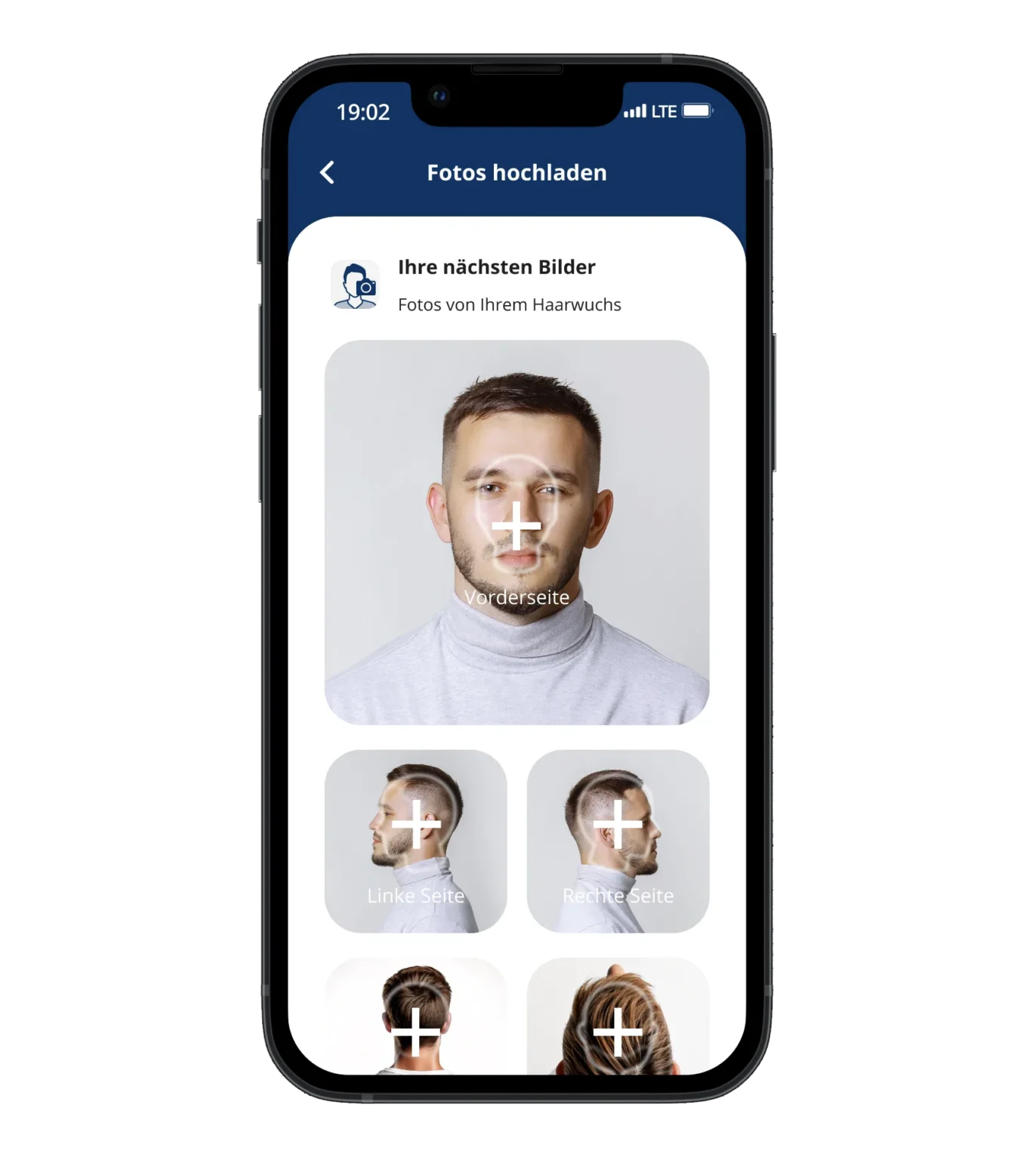
Smartphone showing the photo upload screen for a hair analysis

Your journey to fuller hair starts with a free hair analysis. Simply upload current photos of your hair: your front hairline, the top of your head, and the donor area at the back of your head. Then answer a few brief questions about your health and the progression of your hair loss.

Our team of doctors reviews your photos personally. They focus on three key requirements:

  1. Stable hair loss: If the surrounding hair is still thinning quickly, new thin spots would appear after the transplant. Careful long-term planning prevents this.
  2. Donor area capacity: The area at the back of your head provides a limited supply, because extracted follicles don't grow back (Chouhan et al. 2019). Its density determines how much coverage is realistically possible.
  3. Feasibility of your goals: The aim is a natural look that suits your anatomy.

More than 40% of all inquiries don't lead to treatment after this review. That number reflects our commitment to responsible medical care: we only recommend a procedure when it can provide lasting density.

Step 2: Consultation and Personal Planning

Elithair staff member in a polo shirt talking on her smartphone at her desk

After your free, no-obligation initial assessment, your hair transplant consultant reviews your individualized plan with you in detail. Before you travel, we make sure every detail is settled, from the expected number of grafts and the cost to your exact travel dates.

Getting the full picture up front lets you plan with confidence. You'll know exactly what to expect on the day of your procedure and during aftercare, and what result is realistic for you.

Key Points of Your Consultation

Key Points of Your Consultation
TopicDetails & why it matters
Number of grafts & target areas Determines the density you need, your price tier, and your final result.
Cost All-inclusive price. You book your flight yourself; optional extraction options are available at an extra cost.
Special procedures (optional) Extraction options such as Zero Shave FUE or Manual FUE, available at an extra cost.
Schedule & hotel stay Schedule for your 3 days in Istanbul, including 3 nights at a 4-star hotel and local transfers.
Medical history & medications A review of pre-existing conditions and medications so your procedure can be performed safely.
Expectations We assess your goals against what is realistically achievable with your hair.
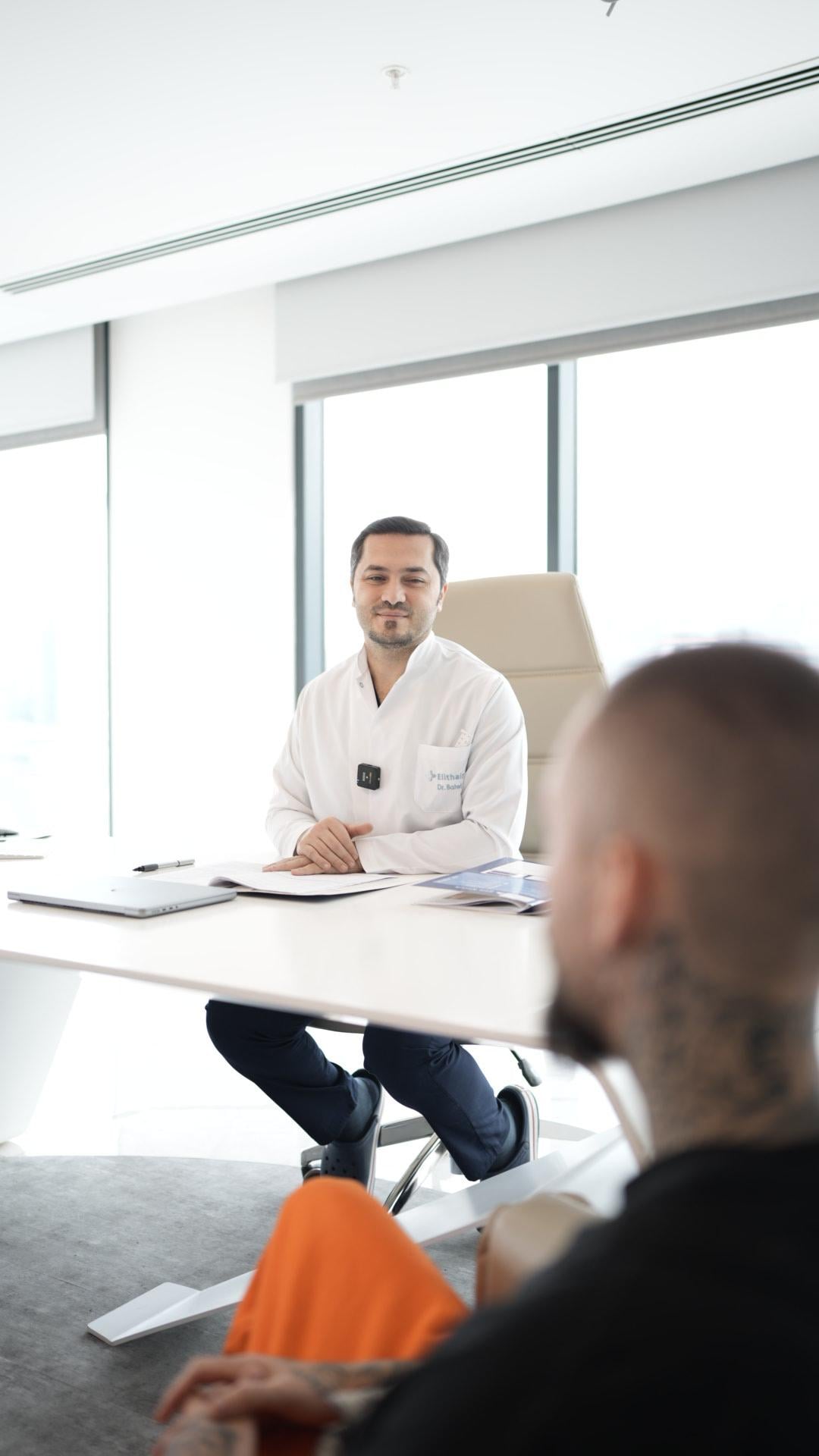
Elithair doctor in a consultation with a patient at a white desk in Istanbul
Step 3

Step 3: Preparing at Home

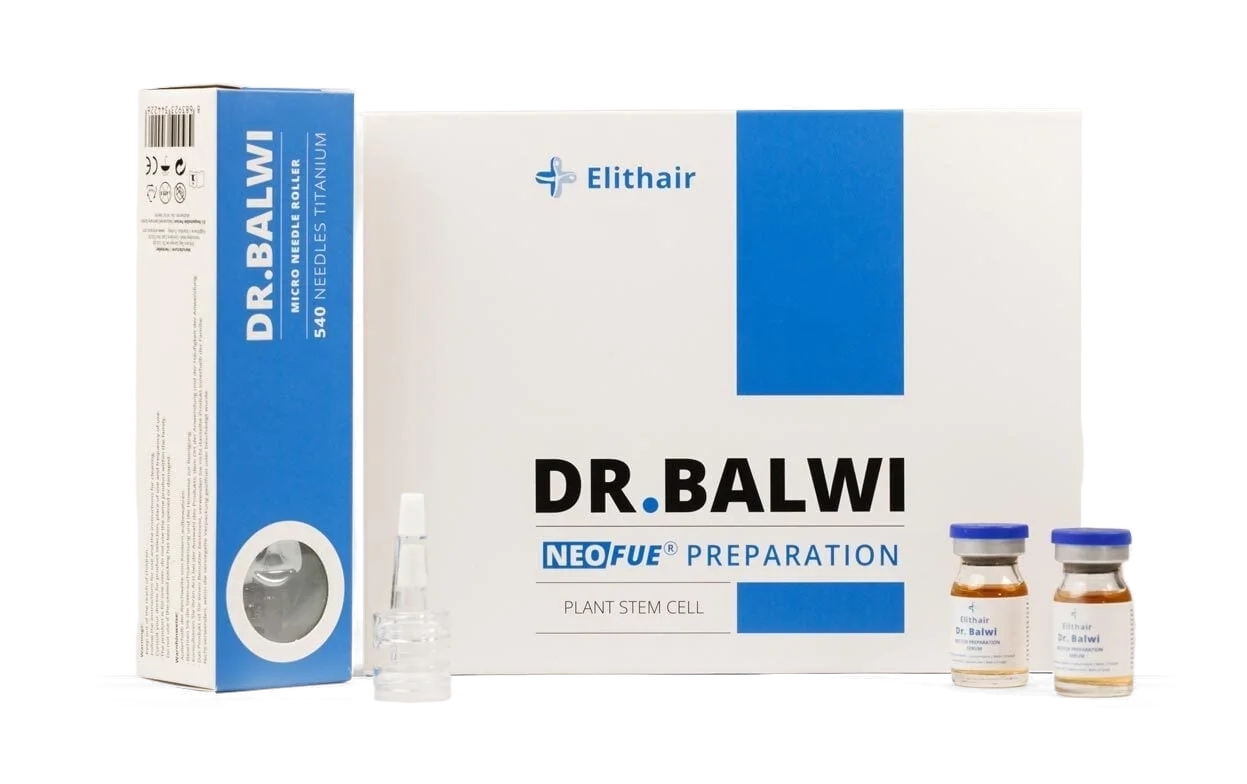
NEO FUE® set with a dermaroller and serum ampoules

Careful preparation helps make your hair transplant experience in Turkey as smooth as possible. Starting two weeks before your procedure, a few simple steps help prepare your scalp for treatment and support your grafts.

Your Timeline Leading Up to Your Procedure

Time frameWhat to doWhy
14 days before
Pause minoxidil
Reduces fluctuations in blood flow during the procedure
14 days before
Stop cutting your hair and beard
Your doctors need your current hair length for precise planning on site
7 days before
Pause shampoos, serums, and sprays for hair loss
Protects your scalp and gives a true picture of your skin
3 days before
Avoid alcohol
Supports stable blood clotting
1 day before
Avoid nicotine, coffee, and tea
Helps protect your blood vessels and maintain steady circulation
6 hours before
Fast (no water in the last 2 hours)
An important requirement for gentle Sleep-Deep sedation
Throughout
Take finasteride as usual
You don't need to stop taking it

A Practical Packing List for Your Carry-On

  • Button-up or zip-up shirts and jackets: This way, nothing touches the treated area when you get dressed or undressed.
  • A large water bottle: Drinking plenty of fluids (at least 3 liters, or about 100 oz, a day) gives your body the support it needs.
  • Your regular medications: Please bring them in their original packaging.
  • Leave your own cap or hat at home: For the first two weeks, only the specially fitted hat from the clinic protects the treated areas.
White reception hall of the Elithair clinic with organic columns and a glass facade
Patients with suitcases arriving in the lobby of the Elithair clinic
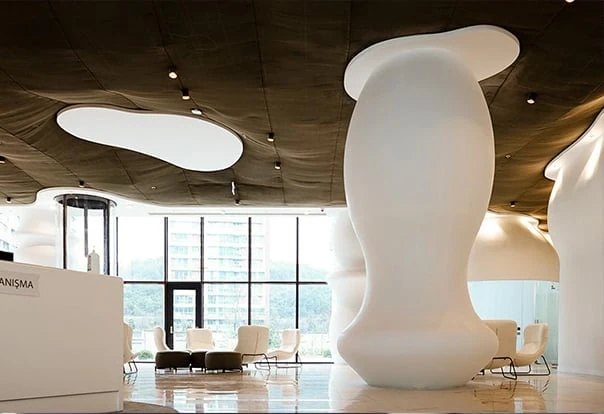
Clinic lobby with a large white sculpture and seating area
Clinic reception hall with an illuminated art installation
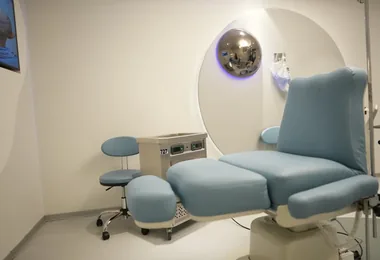
Bright treatment room with a light blue treatment chair
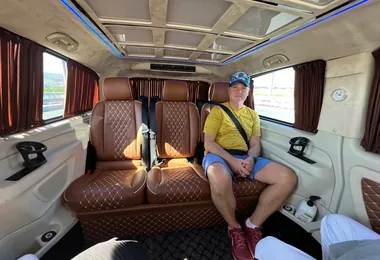
Patient in a transfer vehicle with comfortable leather seats
Evening view of the Istanbul skyline from the hotel
Elit Clinic waiting area with sofas and plants
Hotel Elitoria in Istanbul at dusk
Hotel Elitoria sign above Istanbul at sunset
Hotel room with a curved ceiling and a view of Istanbul
Bright hotel room with a double bed and panoramic window
Hotel room with a white bed, an orchid, and a flat-screen TV
Hotel Elitoria with its illuminated entrance in the evening
Waiting lounge with a light installation on the ceiling
Aerial view of the Elit Clinic building in Istanbul
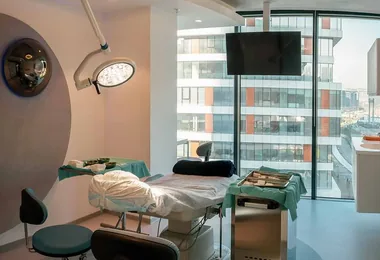
Prepared treatment room with large windows
Exterior of the clinic building in Istanbul
Hotel room with a round wall arch and city view
Spacious hotel room with ring-shaped ceiling lights
Patient in a transfer vehicle with comfortable leather seats
Evening view of the Istanbul skyline from the hotel
Elit Clinic waiting area with sofas and plants
Hotel Elitoria in Istanbul at dusk
Hotel Elitoria sign above Istanbul at sunset
Aerial view of the Elit Clinic building in Istanbul
Prepared treatment room with large windows
Exterior of the clinic building in Istanbul
Hotel Elitoria with its illuminated entrance in the evening
Waiting lounge with a light installation on the ceiling
Day 1

Step 4: Arriving in Istanbul (Day 1)

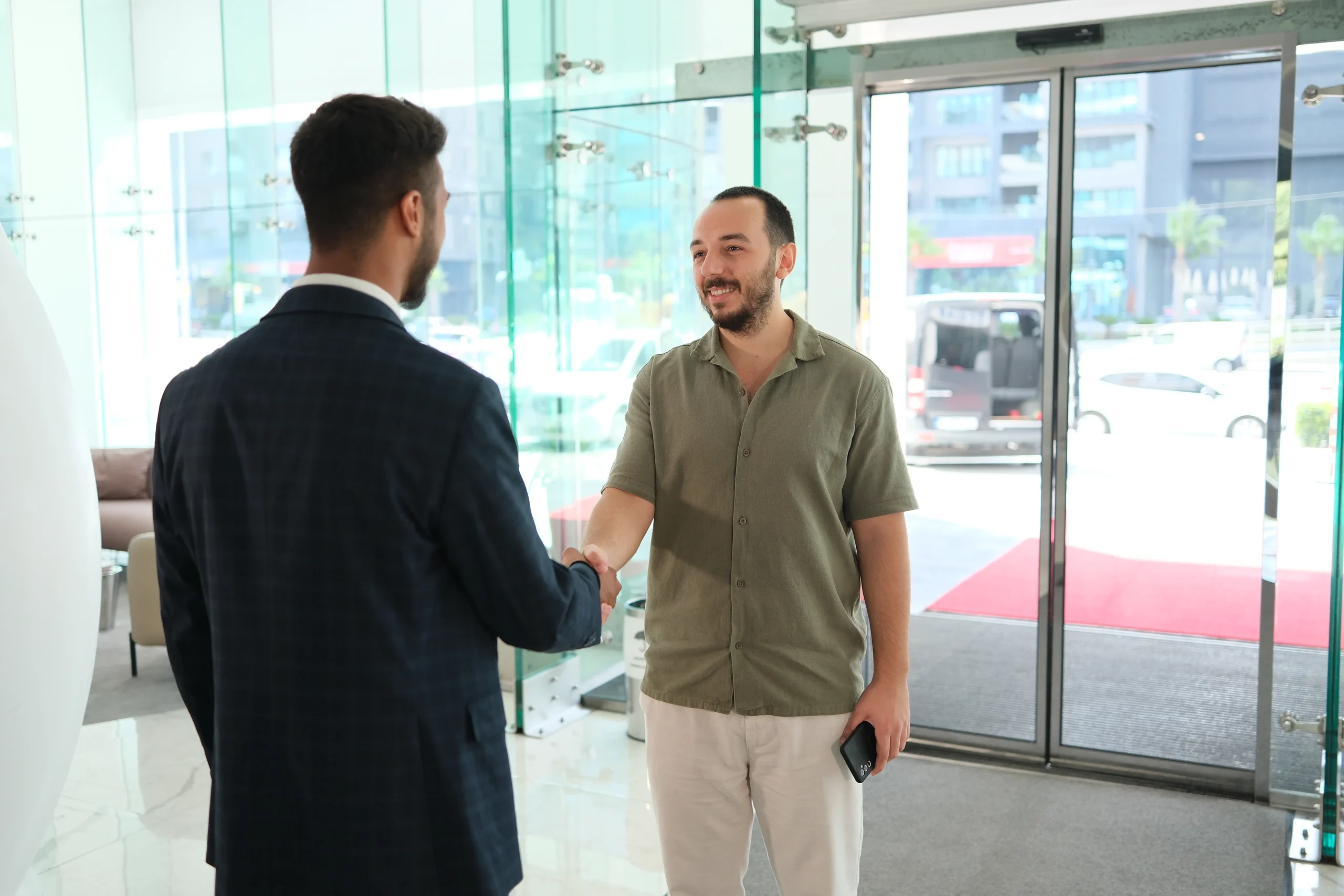
Elithair staff member greeting a smiling patient with a handshake at the clinic entrance
  1. When you land in Istanbul, our VIP shuttle meets you and takes you straight to the clinic.

  2. There, you complete the 6 specialized analyses in our Pre-Test System. Our doctors use the results to create your individual treatment plan.

  3. If you arrive late in the evening, we'll still take you to the clinic first for your blood tests. The remaining Pre-Test System steps then follow on day 2. Afterward, your transfer takes you to your 4-star hotel.

At a glance:

  • Included: 3 nights at a 4-star hotel, VIP transfers, and the Pre-Test System, whose results form the basis of your individual treatment plan
  • Not included: Your flight to Istanbul. Istanbul is served by direct flights from almost every major US gateway.
Day 2

Step 5: Procedure Day (Day 2)

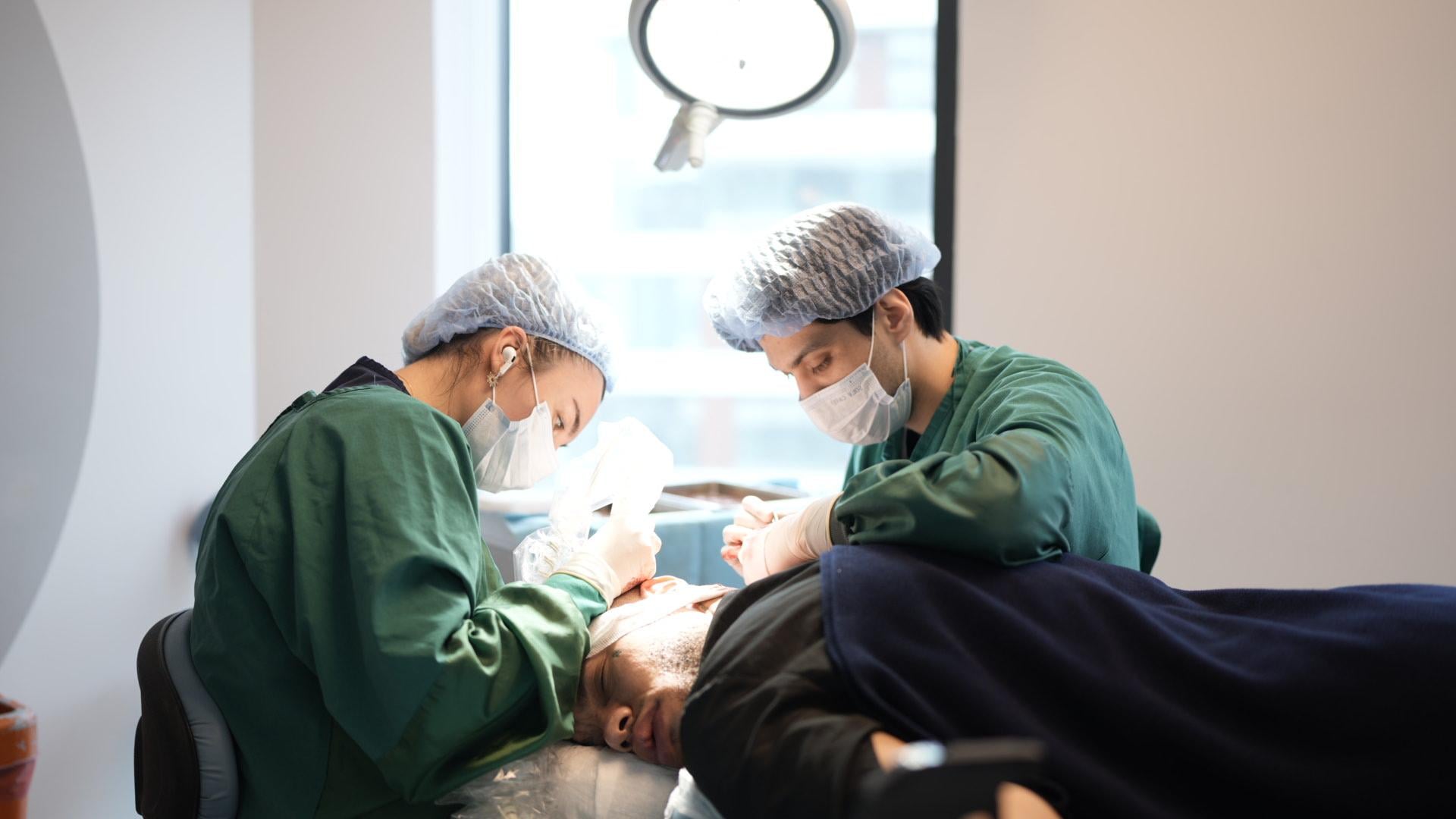
Two medical specialists harvesting hair follicles in the operating room

Day two focuses on your hair transplant and builds on the Pre-Test System you completed on day 1. If you arrived late the evening before, you'll complete the remaining steps before your procedure begins. Using the results of the 6 analyses, our doctors create your individual treatment plan, which specifies factors such as implantation depth and graft distribution.

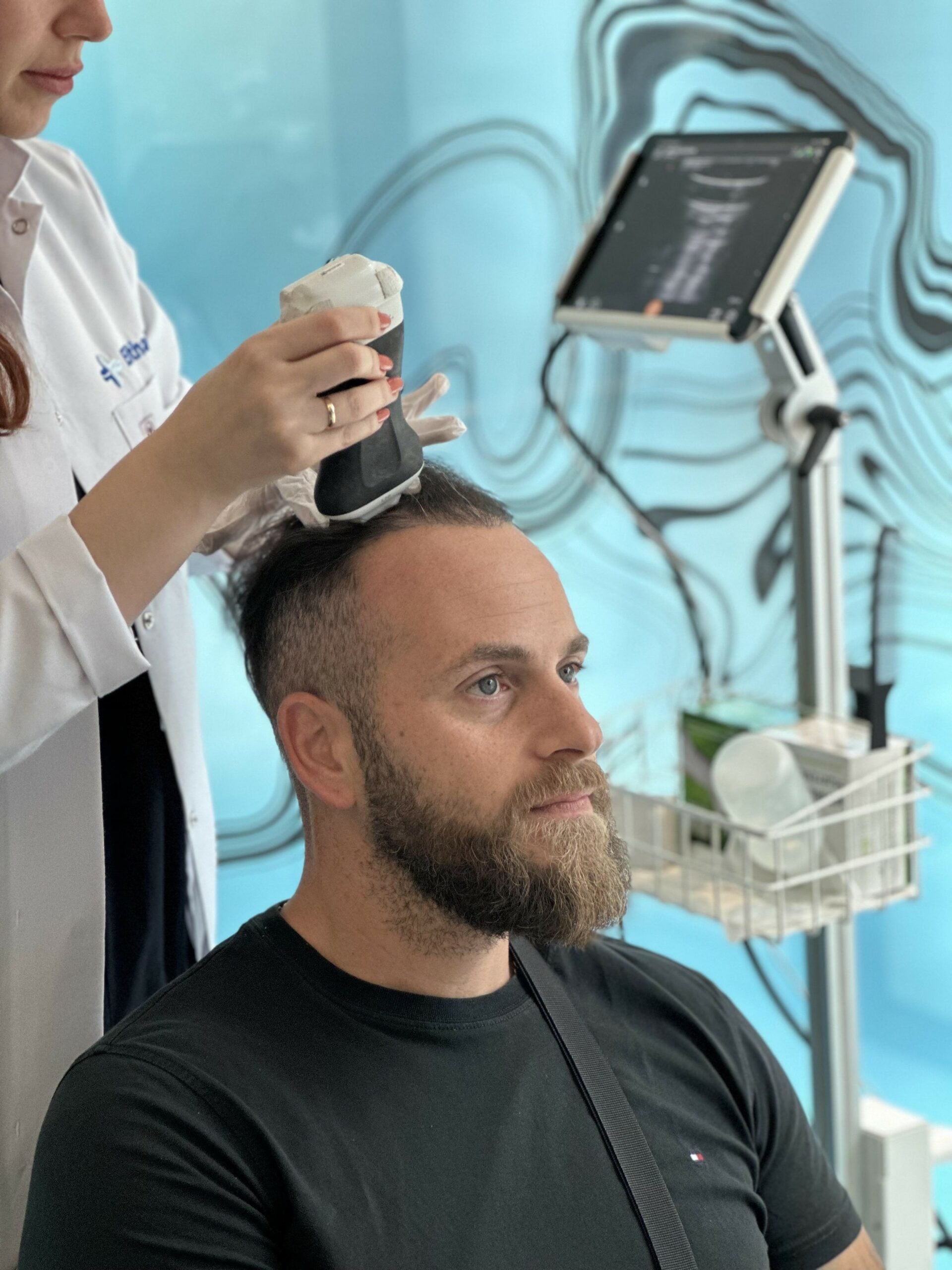
Pre-Test System: medical specialist in an Elithair coat placing a measuring device on top of a man's head, with the image displayed on a monitor

The 6 Analyses of the Pre-Test System

Through six separate tests, our Pre-Test System provides a comprehensive picture of your health and forms the basis of your individual treatment plan.

ExaminationMedical benefit
Electrocardiogram (ECG)
Safety for sedation
Blood test for general health
Assesses your overall health before the procedure
Blood test related to hair loss
Points to possible causes of your hair loss
Hair analysis with the TrichoLAB scanner
Measures density and hair thickness
Scalp ultrasound
Measures skin thickness; together with blood flow, this determines the implantation depth
Doppler ultrasound
Measures blood circulation; together with skin thickness, this determines the implantation depth

Precise placement for optimal results: Setting the implantation depth based on your skin thickness and blood flow increases the growth rate from 60% to approximately 98%. Your procedure only begins once a doctor has reviewed all of your data.

Hairline

Designing Your New Hairline

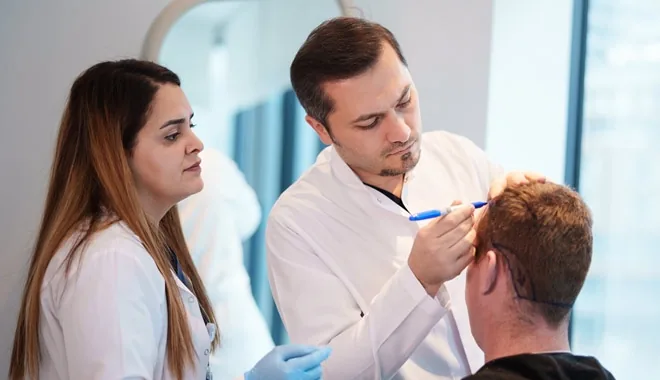
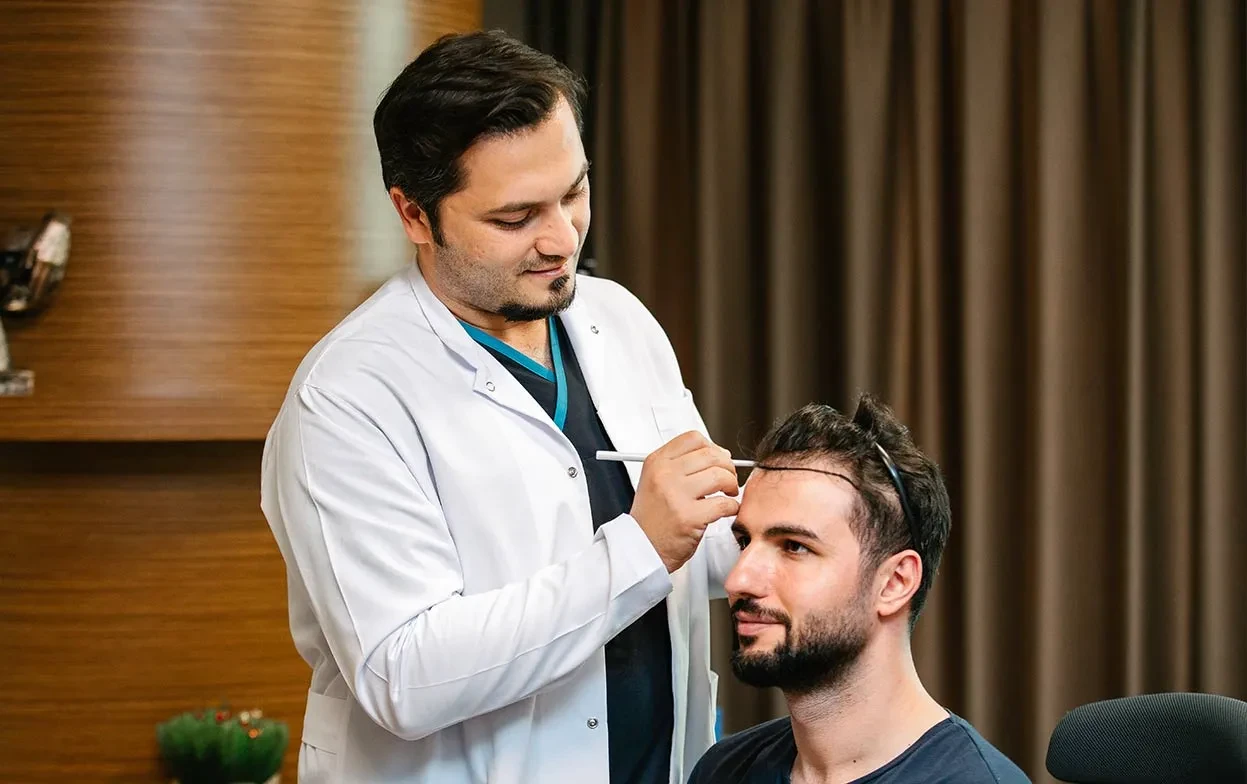
Doctor drawing the new hairline on a seated patient's forehead with a pen

Before the procedure, a doctor draws your new hairline precisely. This sets its exact shape, its depth, and how the grafts will be distributed. Finer single grafts create a soft, completely natural transition at the forehead, while multi-grafts further back provide the fullness you need (Shapiro et al. 2013).

Use this step to share your wishes openly. Following our 5-Doctor Standard, the doctor gives you clear, honest advice on the hairline that best suits your facial structure and will continue to look balanced and timeless for years to come.

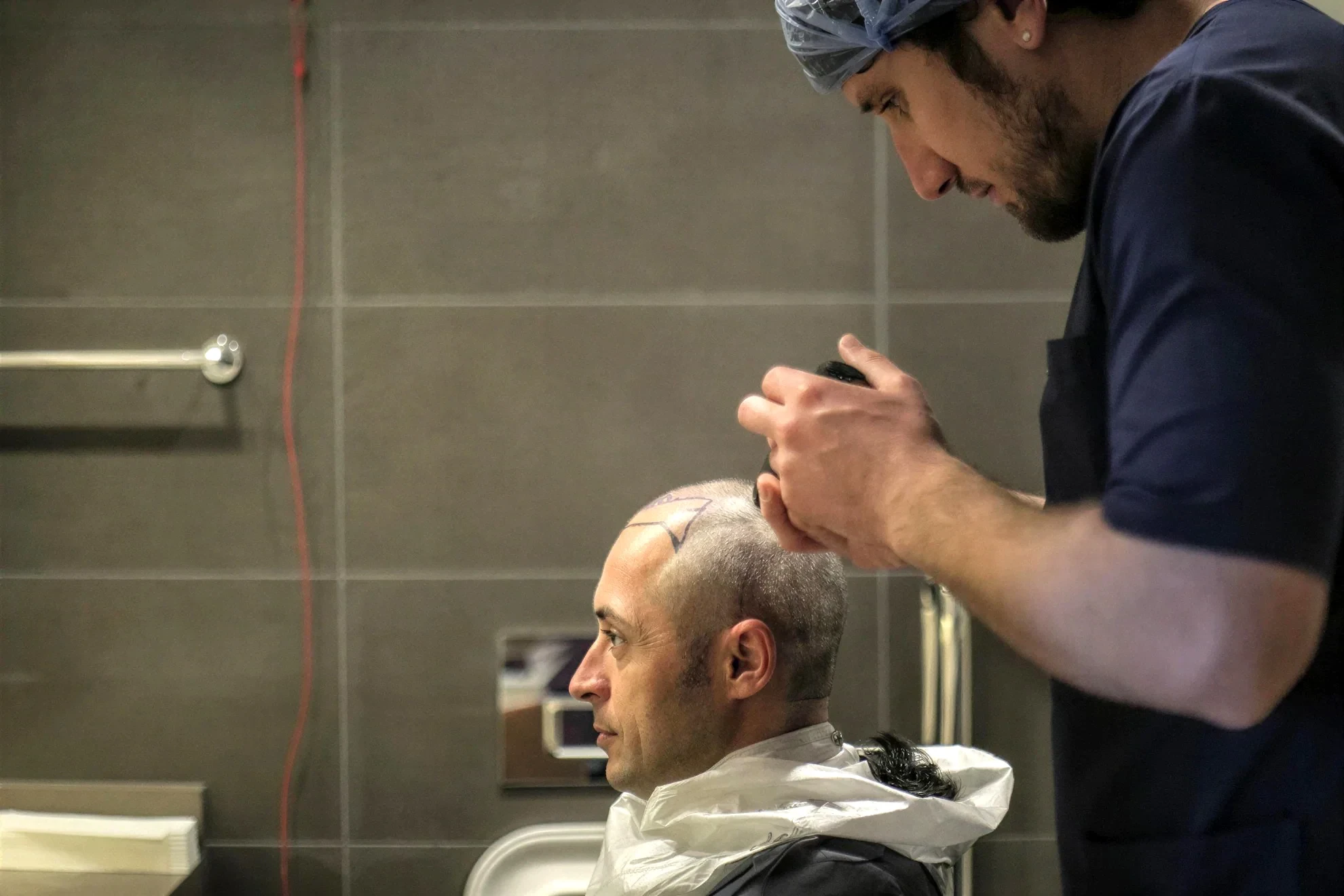
Doctor shaving the head of a seated patient with a marked hairline before the procedure

Shaving and No-Shave Alternatives

Before the procedure, the donor and recipient areas are shaved at the clinic. That's why it's important not to cut your hair yourself in the two weeks before your procedure.

If you'd rather skip shaving entirely, the Zero Shave FUE extraction option is available at an extra cost. With it, both the donor and recipient areas stay completely unshaved. You need medium-length to long hair for this option. It's available to all patients, regardless of gender.
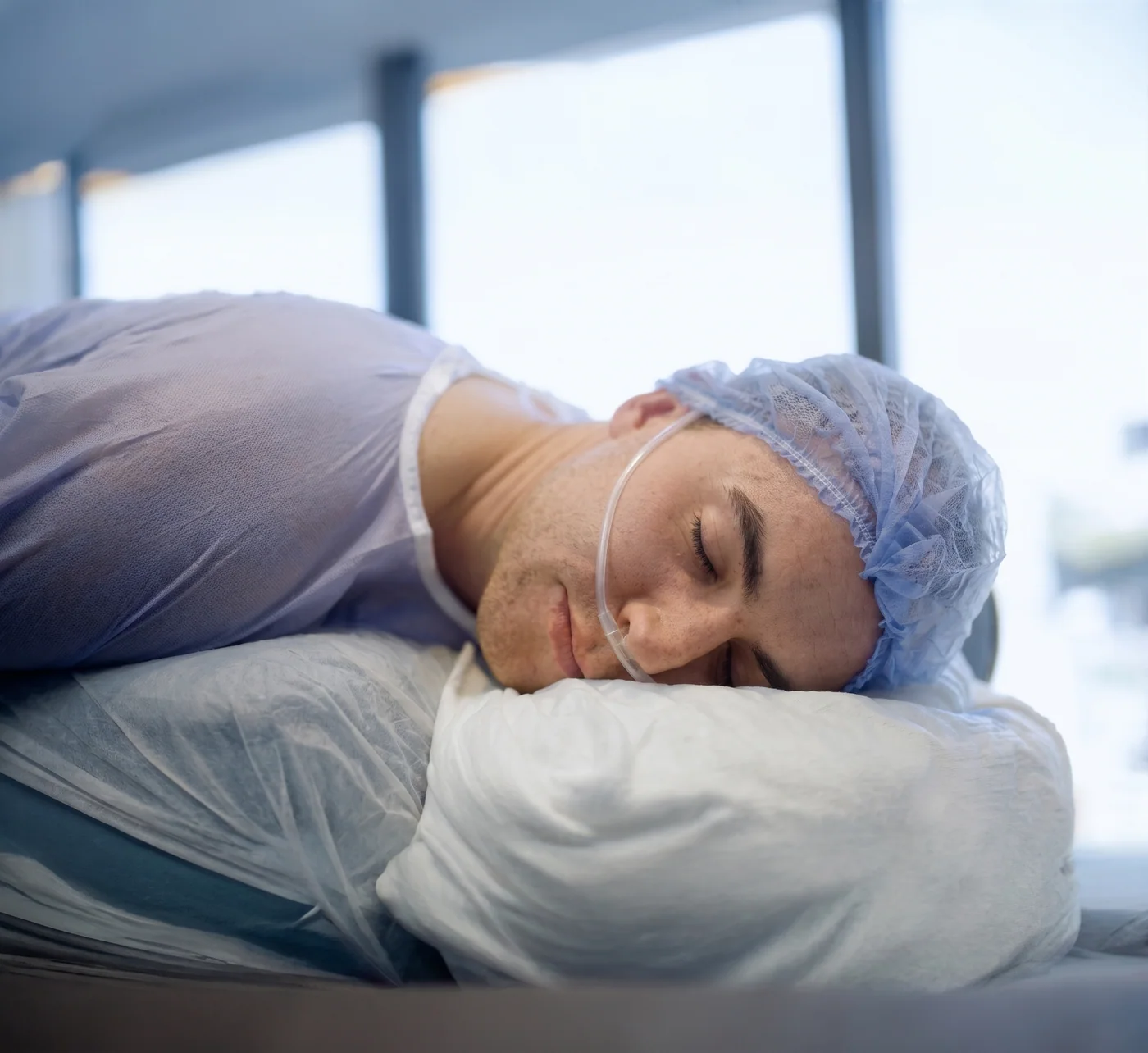
Patient in a surgical cap and oxygen mask sleeping peacefully during Sleep-Deep sedation

0% Pain with Sleep-Deep Sedation

An anesthesiologist starts your hair transplant with a brief sedation. During this short phase of about 15 minutes, you gently drift off to sleep while the area is painlessly numbed with local anesthesia.

When you wake up, the area is completely numb and ready for the procedure. You stay fully conscious for the rest of the procedure and can take short breaks whenever you need.

Throughout, the anesthesiologist keeps a close eye on your vital signs. If sedation isn't an option for you or you'd prefer not to have it, gentle needle-free anesthesia with the Comfort-In technique is available.

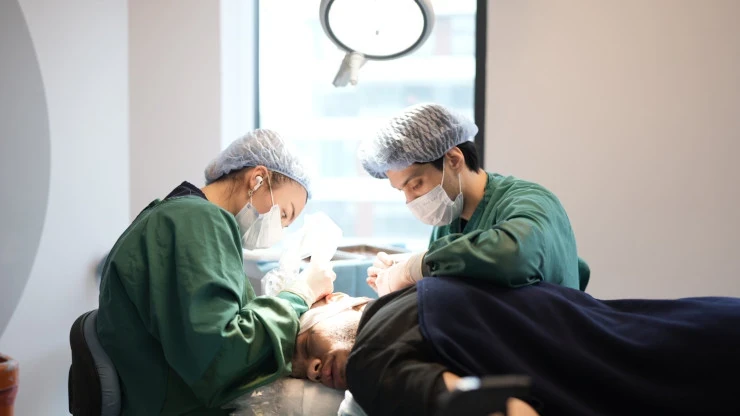
Two medical staff members in green scrubs extracting grafts from the back of a reclining patient's head
Extraction

Precise Graft Extraction Without Scarring

With the proven FUE technique, follicular units are removed one by one from the donor area using a fine hollow punch (under 1 mm) (Rassman et al. 2002). No incisions are needed, and no scars are left behind.

Two quality factors protect the tissue: Aligning the punch precisely with the angle at which each hair naturally exits the skin prevents damage to the root. Our medical specialists also work at reduced motor speeds (100 to 200 rpm) to prevent harmful heat from friction. Manual FUE, a fully manual extraction method, is also available on request at an extra cost.

After extraction, the grafts are sorted and stored chilled in a nutrient solution. This nutrient-rich cooling protects the delicate follicles until they're implanted in the recipient area.

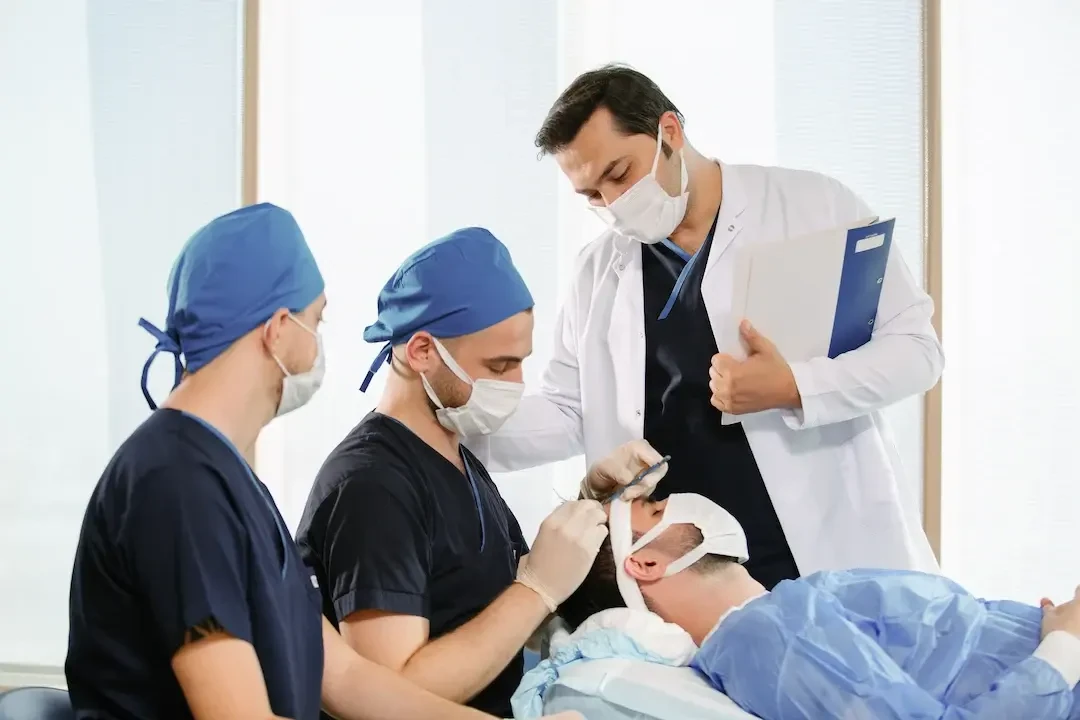
Three medical staff members implanting grafts in a reclining patient while a doctor with a clipboard looks on
Implantation

Implanting the Grafts with DHI

With the modern DHI technique, the channel is opened and the graft is implanted in one seamless step. The CHOI Implanter Pen opens the channel and gently places the follicular unit at the same time. This keeps the grafts outside the body for as short a time as possible and protects the follicles (Parsley et al. 2010).

During this step, our medical specialists apply the specifications from your Pre-Test System: the skin thickness measured by ultrasound, together with the blood flow measured by Doppler ultrasound, determines the depth at which each graft is implanted. This precise calibration is the foundation for a growth rate of approximately 98%.

Break

Breaks and Meals During Your Procedure

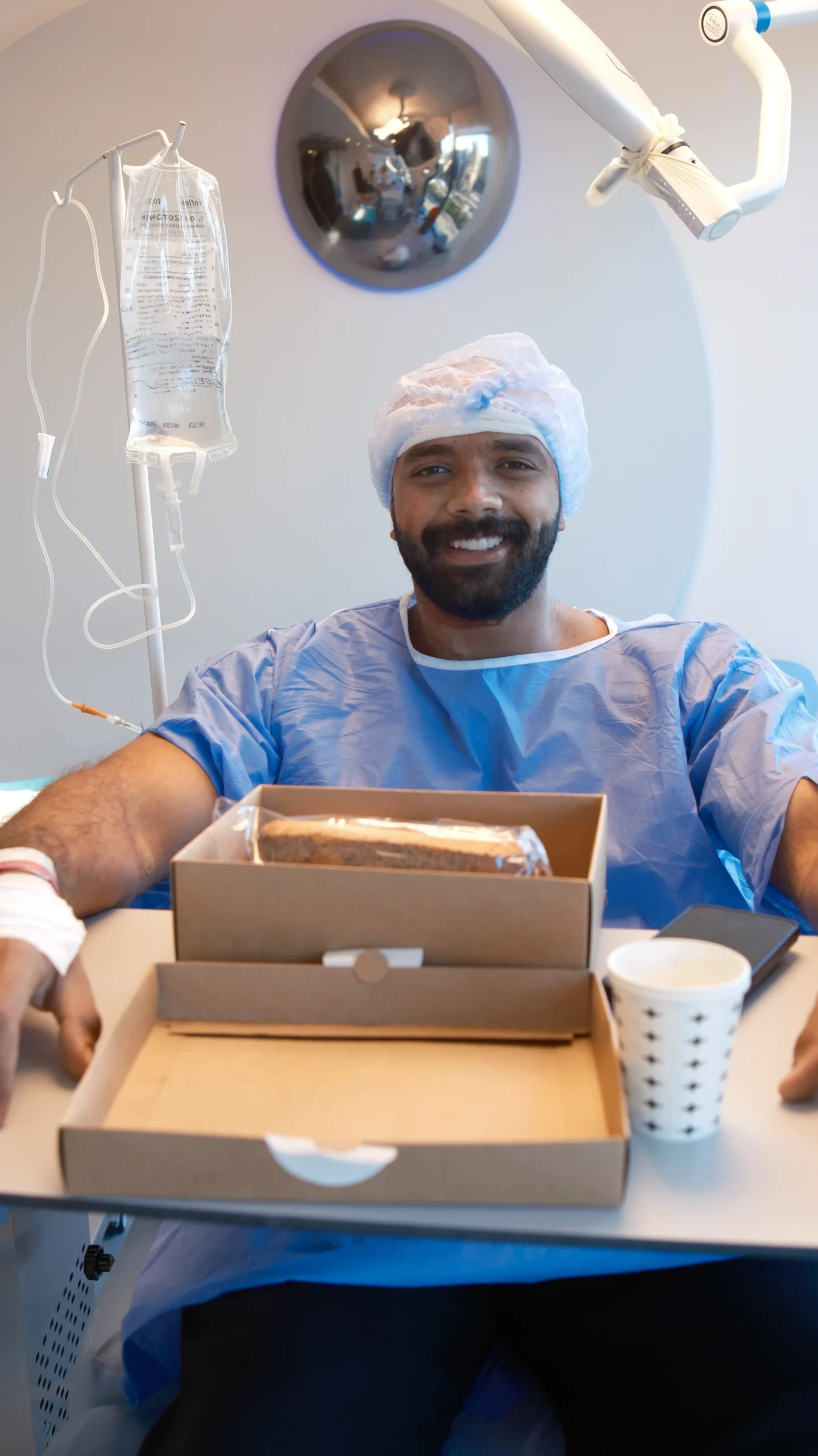
Patient in surgical scrubs smiling in the treatment chair during a break for a light meal

Once graft extraction is complete, there's a planned break. While the follicles are being sorted for implantation, we serve you a light meal so you can recharge and catch your breath.

You can also ask for a break at any time during the procedure.

Your comfort sets the pace.

Step 6: Follow-Up Exam and Trip Home (Day 3)

On the day you leave, a doctor performs your follow-up exam at the clinic. After your bandage is removed and your headband is fitted, a doctor checks how the treated areas are healing.

The focus is on preparing you for your first days at home. Our team hands you your aftercare kit and walks you through your first hair wash, which is due the next day. You also receive your patented NEO FUE® set (a dermaroller and two ampoules of serum), which you apply to your scalp on days 14 and 28 after your procedure. It supports healing and helps achieve a growth rate of approximately 98%. Right after your aftercare consultation, your transfer takes you to the airport. Here's a summary of your hair transplant process in Istanbul.

  1. Bright reception lounge of the Elithair clinic with seating areas in front of the glass facade

    Day 1 – Airport, clinic & hotel

    • Arrival in Istanbul, VIP transfer straight to the clinic, Pre-Test System as the basis for your individual treatment plan (blood tests first if you arrive late), then hotel check-in
  2. Dr. Balwi drawing a patient's hairline while an assistant looks on

    Day 2 – Clinic

    • Remaining Pre-Test System steps (only if you arrived late on day 1), hairline planning, shaving (if needed), Sleep-Deep sedation, graft extraction with the FUE technique, implantation with the DHI technique, transfer to the hotel
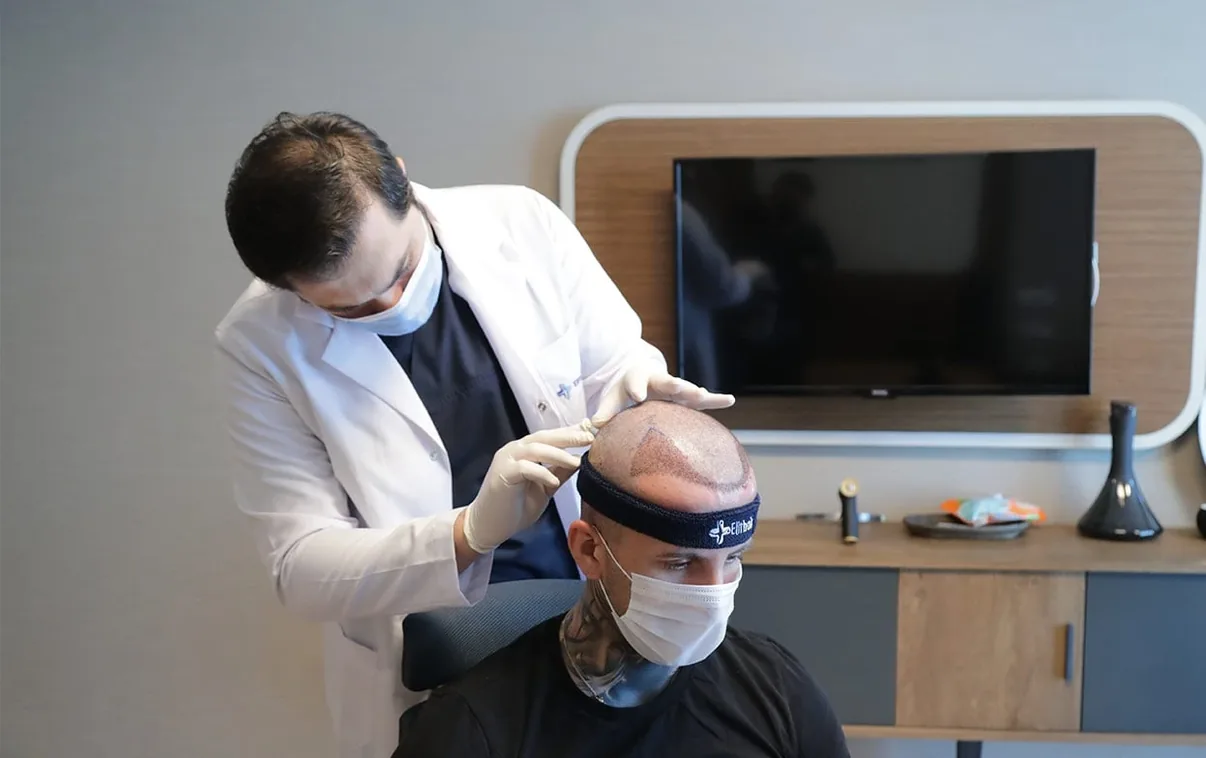
  3. Dr. Balwi checking the head of a patient wearing an Elithair headband during aftercare

    Day 3 – Clinic & airport

    • Aftercare and a follow-up exam with a doctor: bandage removal, headband, aftercare instructions, care products, then VIP transfer to the airport

Step 7: Your First Two Weeks at Home

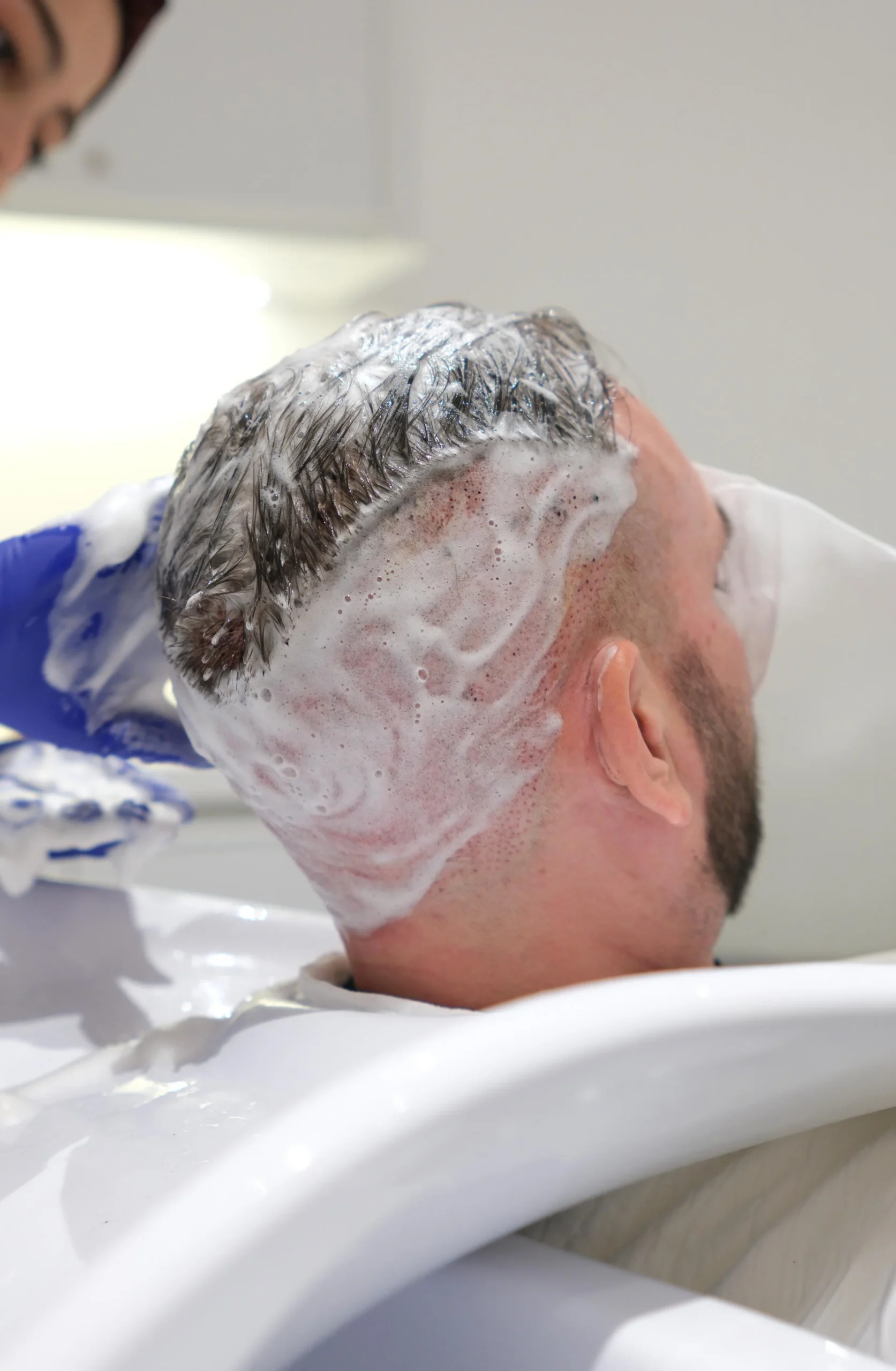
Side view of a patient's hair being washed, showing foam and the transplanted area on the scalp

The first 14 days after your procedure are crucial for the transplanted follicles to take hold. During this phase, the roots anchor firmly in the tissue, so proper aftercare at home can have a major impact on your final result.

The schedule is based directly on your procedure day: day 1 is the day after your surgery, which is also the day you travel home. To keep aftercare simple, the Elithair app guides you step by step through the days ahead and automatically reminds you when each hair wash is due.

The Washing Protocol

  1. Day 1

    Don't wash your hair. On the day of your procedure and after you get home the following day, rest lying down as much as possible.

  2. Days 2 to 8

    Wash your hair every day for seven days in a row, in four steps each time. Wash your hands thoroughly first.*

  3. Day 9

    Skip washing to prepare for scab removal on days 10 and 11

  4. Days 10 and 11

    Remove the scabs in the recipient area using a generous amount of lotion, never with your fingernails. It's normal for some scabs to remain on day 10, which is why you repeat the process on day 11.*

  5. Starting on day 12

    Once all the scabs are gone, wash your hair as usual with regular shampoo.

*For details, please refer to your aftercare guide.

  • 5-Doctor
    Standard
  • 6-step
    Pre-Test System
  • Sleep-Deep:
    0 % pain
  • DHI technique
    included
  • 20-year
    guarantee
  • 12 months of
    aftercare

Recovery: The Right Sleeping Position After Your Procedure

During the first nights after your procedure, the priority is protecting the recipient area. Sleep on your back and place the neck pillow from the clinic under your neck so nothing touches the transplanted grafts for the first five days.

Starting on day 5, you can sleep on your side again without the neck pillow; starting on day 10, you can also sleep on your stomach.

Key Guidelines for Everyday Life

Fluids and Diet
Drink at least three liters (about 100 oz) of water a day. It's also best to avoid salty foods for the first three days after your procedure to support healing.
Rest and Physical Activity
On the day of your procedure and the day after, rest mostly lying down, protect the treated areas from bumps, and avoid heavy sweating for 15 days. You can resume light exercise and heavy physical work after 2 weeks, moderate activities such as working out at the gym or playing soccer after 4 weeks, and strength training after 6 weeks.
Caring for the Donor Area
Apply lotion to the donor area after every wash, and from day 4 you can soothe it with aloe vera gel if you like (up to three times a day). For the first two weeks, use only your fingertips to gently relieve itching; from day 15, you can resume your usual routine.
Protection from Sun and Weather
For the first two weeks, wear only the hat from the clinic. Always wear it in direct sunlight or dust, and also depending on the temperature: from 75 to 102 °F (24 to 39 °C) for 14 days, and at 104 °F (40 °C) and above for one month (up to 73 °F, or 23 °C, you don't need to cover your head).
Hair Growth Over Time

How Your Hair Growth Develops

Hair growth after your procedure occurs in clearly defined stages. During the first few weeks, the follicles settle deep within the scalp and enter a natural resting phase before beginning to produce new hair permanently from the fourth month onward.

Your healing timeline at a glance: timeframe and progress from month 3 to month 18
Time frameDevelopment
Up to month 3 The follicles anchor in the tissue and prepare for new growth. At this stage, only about 10% of your eventual hair is visible. about 10%
From month 4 The real growth spurt begins, with about 10% new growth per month.
Month 6 About 40% of the final result is reached, and your new contour is already clearly visible. about 40%
Months 10 to 12 The result at the front of your head is fully mature. Front 100%
Months 15 to 18 Growth at the crown is now complete as well, since this area needs more time. Crown 100%

Important: While the recipient area matures gradually, the donor area recovers faster and is fully regenerated after about six months. If beard hair was used as a donor source, the skin there heals within one to four weeks. We recommend keeping the hair in the donor area at least 1 cm (about 0.4 inches) long for the first six months.

What to Watch For

Avoiding Mistakes During the Hair Transplant Process

Smooth healing depends on reliable routines. To protect your growth result as well as possible, keep the following in mind:

  1. 1. Keep your hair length: Don't cut your hair or beard in the 14 days before your procedure, because your current length is needed for planning and for Zero Shave FUE.
  2. 2. Stick to the minoxidil break: Please stop using it exactly two weeks (14 days) before your procedure.
  3. 3. Remember the break on day 9: Skipping your hair wash on day 9 sets you up for gradual scab removal.
  4. 4. Avoid touching the area: Avoid pressure or scratching with your fingernails before the two weeks are up so you don't damage any grafts.
  5. 5. Leave a buffer for your departure: Schedule your return flight with plenty of time so your follow-up exam on the day you leave isn't rushed.
Personalized

Is the Hair Transplant Process in Turkey the Same for Every Patient?

While the logistics and evaluation steps follow a proven structure, your medical treatment plan is tailored to you. Factors such as the number of grafts, the direction of hair growth, and the shape of your hairline are matched precisely to your individual situation.

The focus also varies by type of treatment:

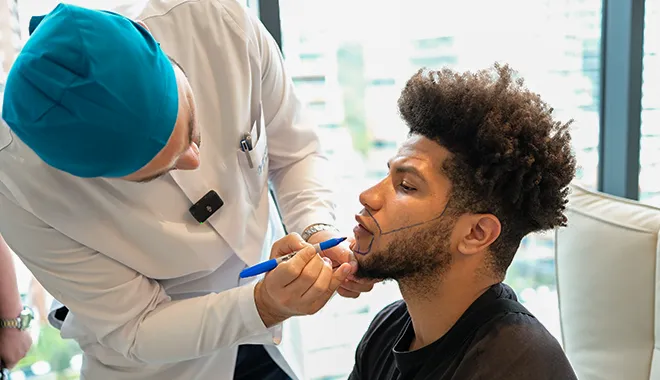
  • Doctor wearing a surgical cap marking the beard line on the chin of a patient with curly hair

    Beard: The skin on the chin and cheeks usually recovers faster.
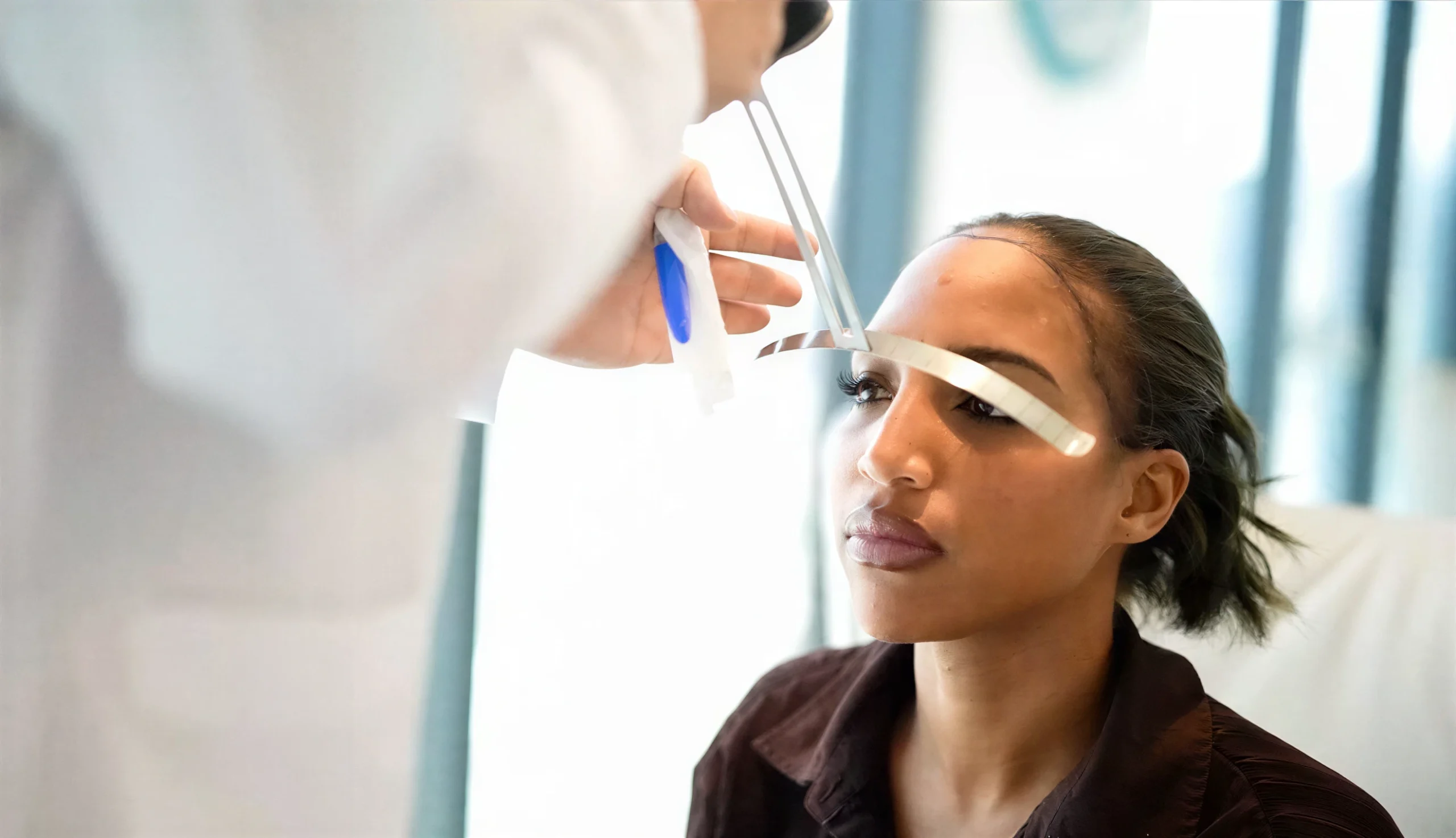
  • Medical specialist marking a female patient's forehead with a pen and measuring ruler

    Hair transplants for women: The individual pattern of hair loss largely determines the gentlest approach.

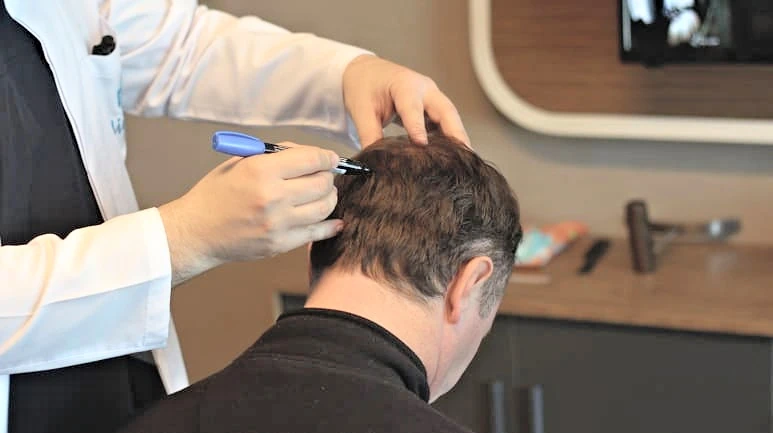
  • Doctor examining the donor area at the back of a patient's head

    Follow-up treatments: The remaining donor area determines what is possible for any future procedures (Unger et al. 2013).

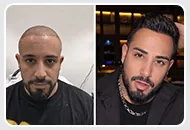
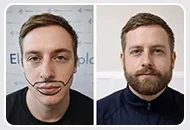
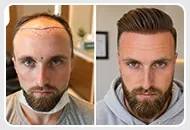
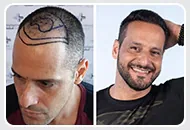
Man shortly after a hair transplant with a shaved hairline, and later with thick, styled hair.
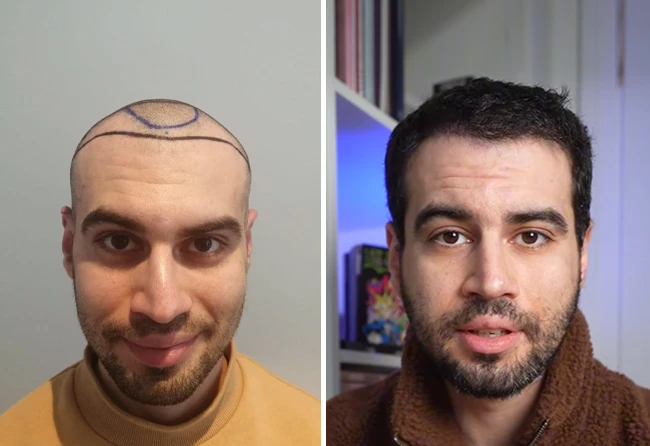
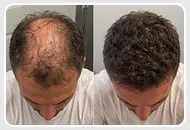
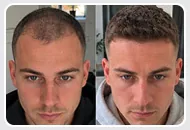
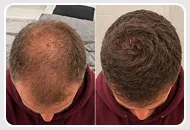
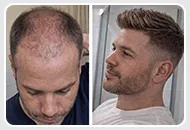
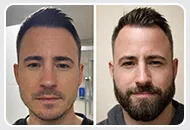
Before-and-after comparison of a man with thinning hair on top before and noticeably thicker hair afterward.
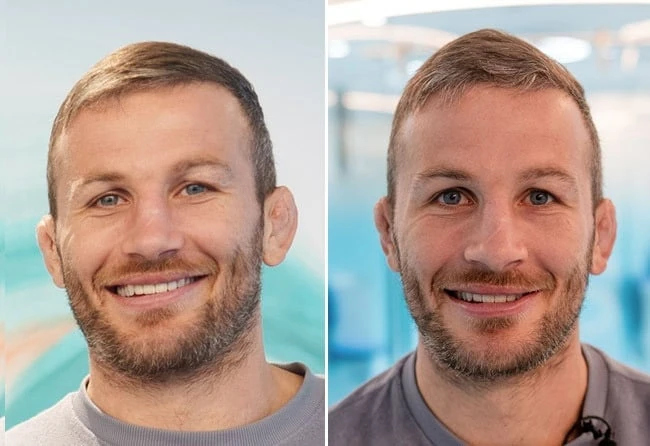
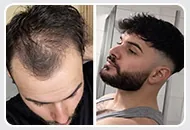
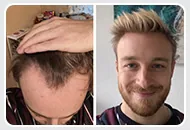
Man with thinning hair at the front before a hair transplant, and thick, dark hair afterward.
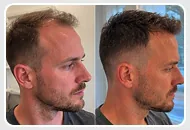
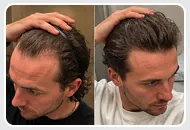
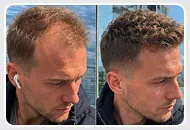
Side-by-side comparison of a man with a receding hairline before treatment and a fuller hairline with shorter sides afterward.
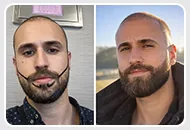
Man with marked areas of sparse beard growth before a beard transplant, and a thick, full beard afterward.
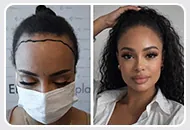
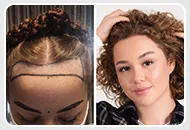
Woman with a marked, receding hairline before treatment, and thicker hair along her forehead afterward.
Before-and-after comparison of a man with a patchy beard before and a thick, full beard afterward.
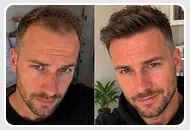
Man with a receding hairline before a hair transplant, and a fuller hairline afterward.
Man with a marked, receding hairline before a transplant, and a thick, lower hairline afterward.
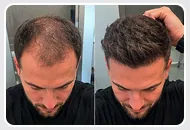
Top of a man's head before and after a hair transplant: severely thinning hair before, thick coverage afterward.
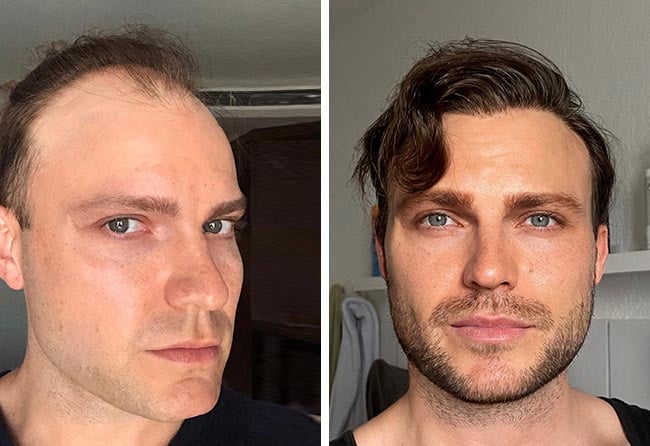
Man with a receding hairline before a hair transplant, and thicker hair along his forehead and temples afterward.
Man with a receding hairline before treatment, and thicker hair styled upward afterward.
Man with a shaved head and marked hairline before a hair transplant, and thick, dark hair afterward.
Man with thinning hair at the front before a hair transplant, and thick hair afterward.
Woman with a marked, receding hairline before a transplant, and a fuller hairline afterward.
Man before and after a hair transplant: thinning hair at the front before, a fuller hairline afterward.
Man with sparse beard growth on his cheeks before a beard transplant, and a thick, full beard afterward.
Man with receding temples before treatment, and a fuller, denser hairline afterward.
Overhead view of a man before and after a hair transplant: thinning hair at the front before, a thick hairline afterward.
Before-and-after beard transplant comparison: marked cheeks with sparse beard growth, followed by a thick, full beard.
Woman with a marked, receding hairline before treatment, and thicker hair along her forehead afterward.
Before-and-after comparison of a man with a patchy beard before and a thick, full beard afterward.
Man with a receding hairline before a hair transplant, and a fuller hairline afterward.
Man with a marked, receding hairline before a transplant, and a thick, lower hairline afterward.
Top of a man's head before and after a hair transplant: severely thinning hair before, thick coverage afterward.
Man before and after a hair transplant: thinning hair at the front before, a fuller hairline afterward.
Man with sparse beard growth on his cheeks before a beard transplant, and a thick, full beard afterward.
Man with receding temples before treatment, and a fuller, denser hairline afterward.
Man with thinning hair at the front before a hair transplant, and thick hair afterward.
Woman with a marked, receding hairline before a transplant, and a fuller hairline afterward.
Hair analysis

The Process Stays the Same, but Your Hair Doesn't

The hair transplant process is standardized, but the condition of your hair changes over time.

While the supply of follicles in your donor area remains limited, the area requiring greater density may expand as your hair loss progresses. On top of that, the final result needs a growth period of 10 to 12 months after the transplant (crown: 15 to 18 months), and that period only starts on the day of your procedure.

Hair transplant before and after: man with a shaved head marked for the procedure, then with a full head of hair

Spybas - 3,200 grafts

Before-and-after comparison of a patient who underwent a hair transplant at Elithair

Stephan Pütz - 5,700 grafts

Hair transplant result: man with a severely receded hairline before treatment and a full head of dark hair afterward

Edgars N. – 3,700 grafts

During your free, no-obligation hair analysis, we carefully evaluate your current hair loss and give you an honest assessment of the options available to you.

FAQ

FAQ: Frequently Asked Questions About the Hair Transplant Process in Turkey

You'll spend three days in Istanbul. The procedure itself takes about 5 to 8 hours, depending on the number of grafts being transplanted. The complete hair transplant process, from your procedure to your final result, takes ten to twelve months, or fifteen to eighteen months for the crown.

Three days. Your all-inclusive package includes 3 nights at a 4-star hotel.

You complete the Pre-Test System at our Istanbul clinic on the day you arrive: we take you from the airport to the clinic first and then to your hotel. Our doctors use the results of the six tests to create your individual treatment plan. If you arrive late in the evening, your blood tests are done first, and the remaining steps follow on day 2.

The local anesthesia—the part most people dread—is administered while you're under Sleep-Deep sedation. You experience 0% pain. After that, the area is numb. In the days that follow, you may notice some tightness and itching, and you'll go home with medication for it.

In the standard process, the donor and recipient areas are shaved. With Zero Shave FUE, both stay unshaved. This extraction option requires medium-length or long hair and is available at an extra cost.

Avoid heavy physical work for two weeks and heavy sweating for 15 days. Most patients can return to office work from day 2 or 3.

On the second day after your procedure, at home, following the instructions you receive at the clinic. Your hair isn't washed at the clinic.

Yes, at any time—no reason needed. There's also a planned break after extraction.

Light exercise after two weeks, moderate activity after four weeks, and strength training after six weeks.