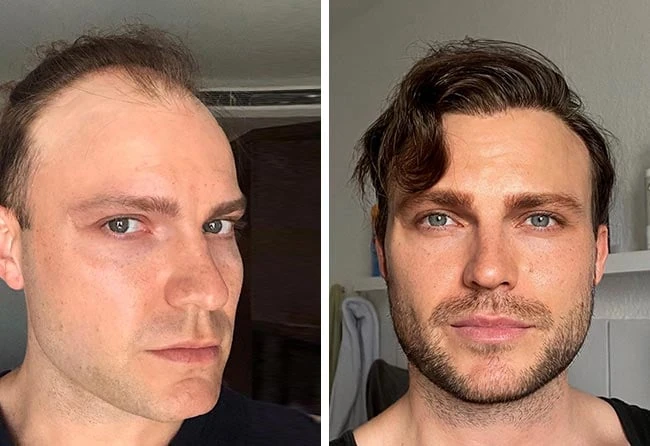
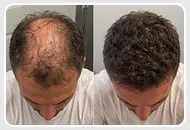
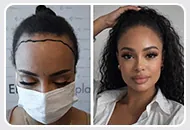
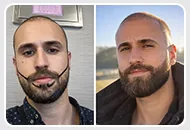
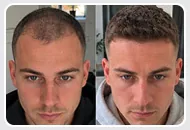
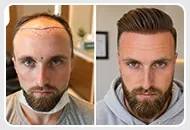
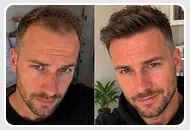
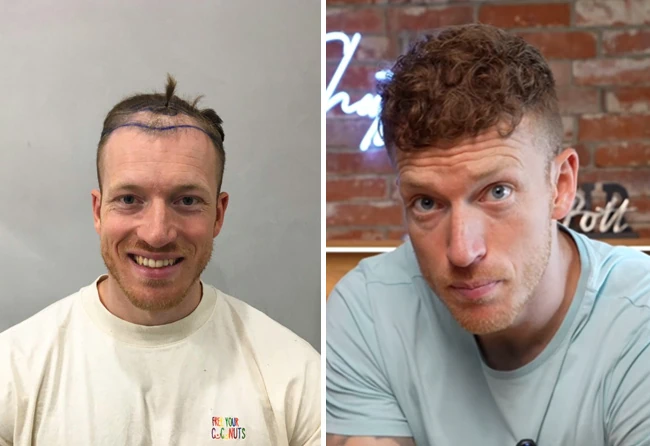
Before
After
Edgars N. – 3,700 grafts

4.9 - 11,000+ Reviews on Google

150,000+ Happy Patients Worldwide
free, no obligation
 4.9 out of 5 stars on Google
More than 150,000 treatments
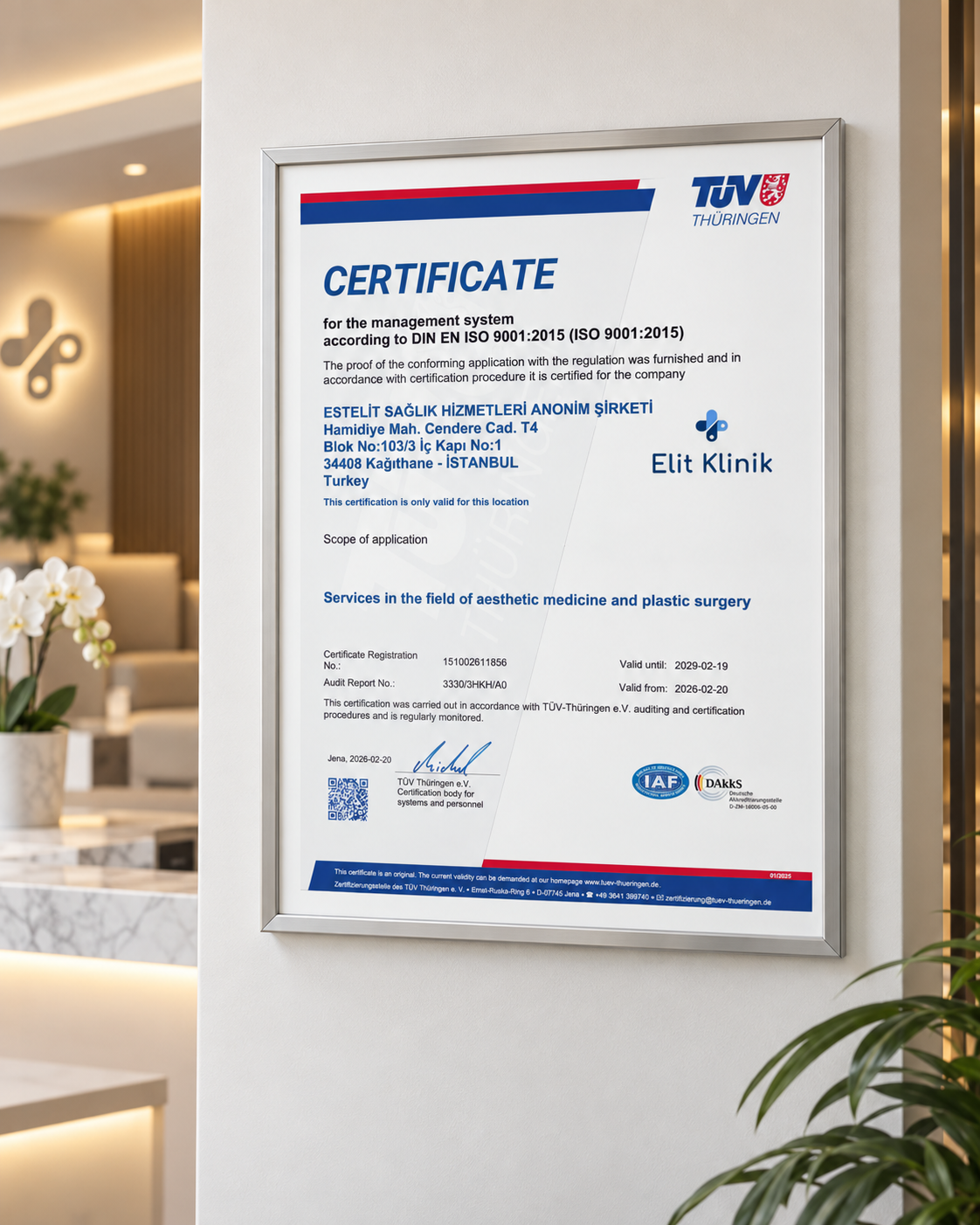
at our specialist clinic, certified to ISO 9001:2015
by TÜV Thüringen.

A DHI hair transplant combines opening the channel and placing the graft in a single motion.
The CHOI Implanter Pen guides the hair root into the scalp while it stays protected, so there's no direct pressure on the follicle. This also protects the delicate follicles from drying out and from mechanical stress, and it allows grafts to be placed densely along your natural growth pattern.
The angle, insertion depth and growth direction of every single graft can also be matched precisely to your existing hair.
Good to know: The grafts are harvested using FUE, and the DHI technique handles their precise implantation. At Elithair, DHI is included at no extra cost in every treatment package, starting at $3,899.
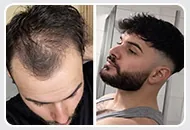
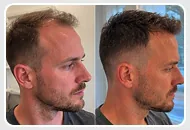
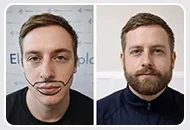
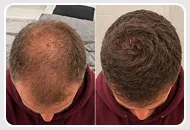
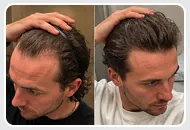
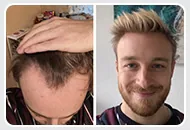
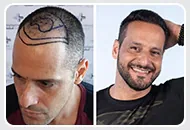
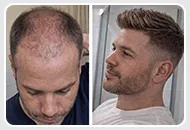
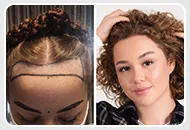
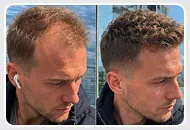
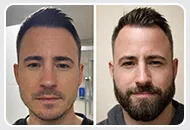
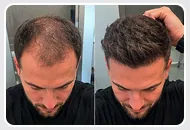
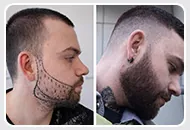
The following DHI hair transplant before-and-after comparisons offer a look at treatments performed at our hair transplant clinic.
Edgars N. – 3,700 grafts
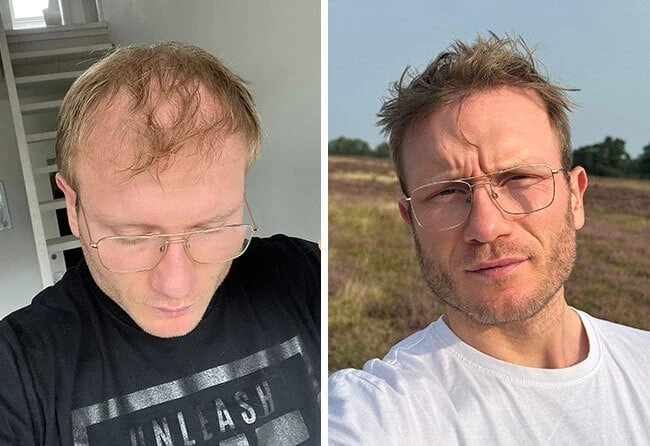
Holle21614 - 3,700 grafts
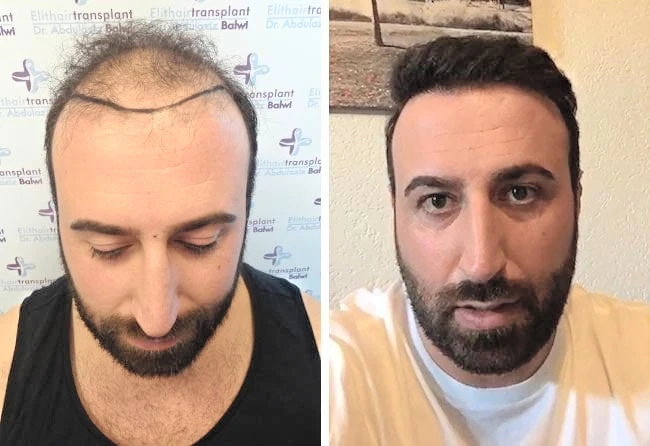
Artin A. – 3,500 grafts
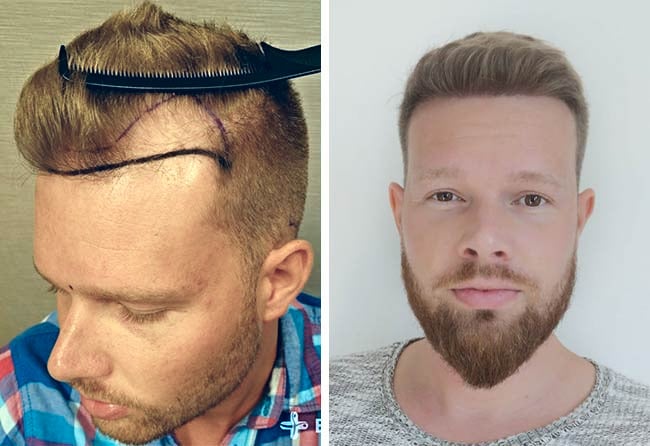
Alexander K. – 2,800 grafts
A natural overall look depends on a gradual transition at the front hairline, the exact angle of each graft and a smooth transition in density to your existing hair (Shapiro et al. 2013).
Everyone starts from a different point. A free hair analysis shows what's possible for your hair.
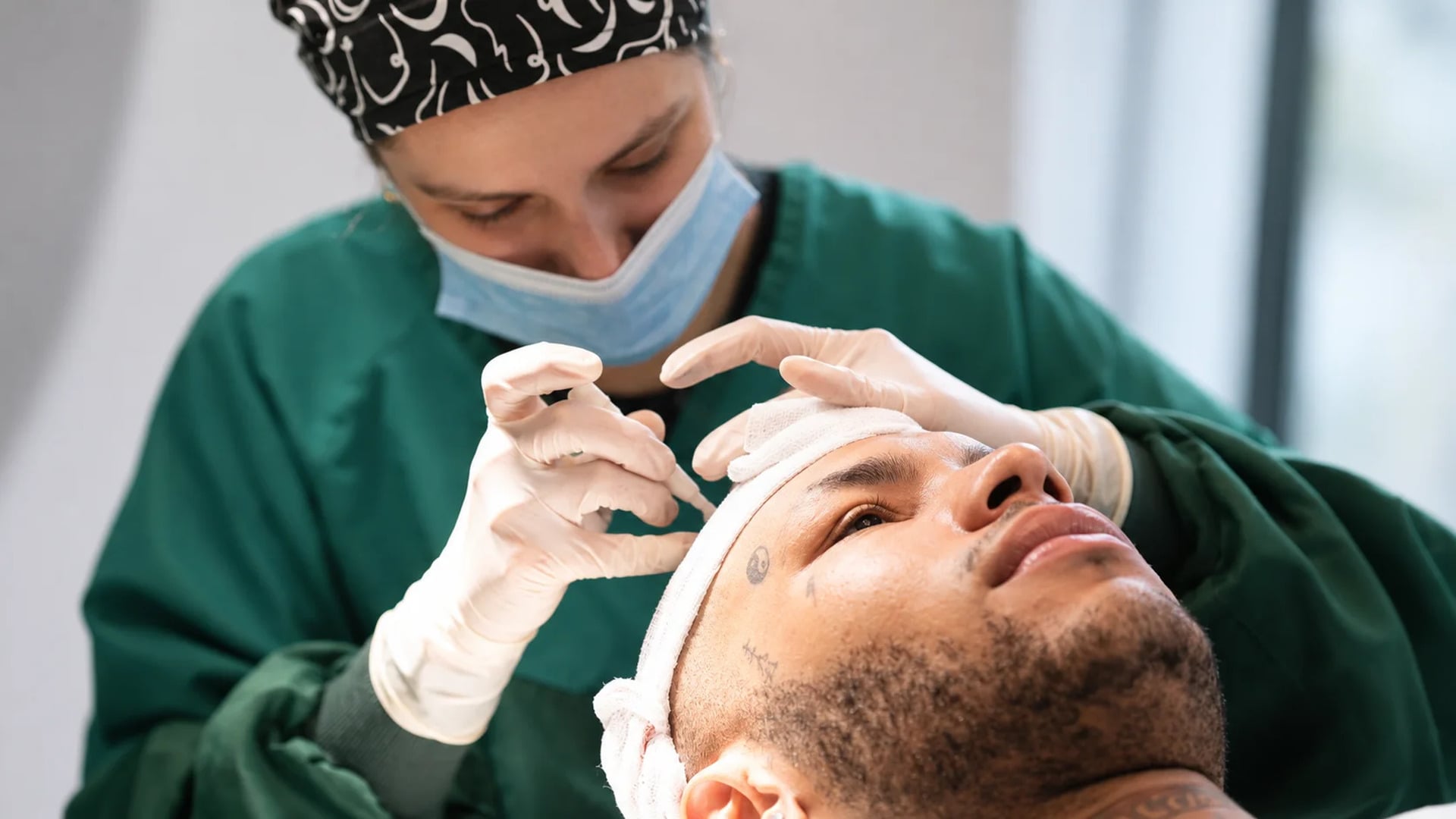
So the difference isn't whether an opening is created, but when.
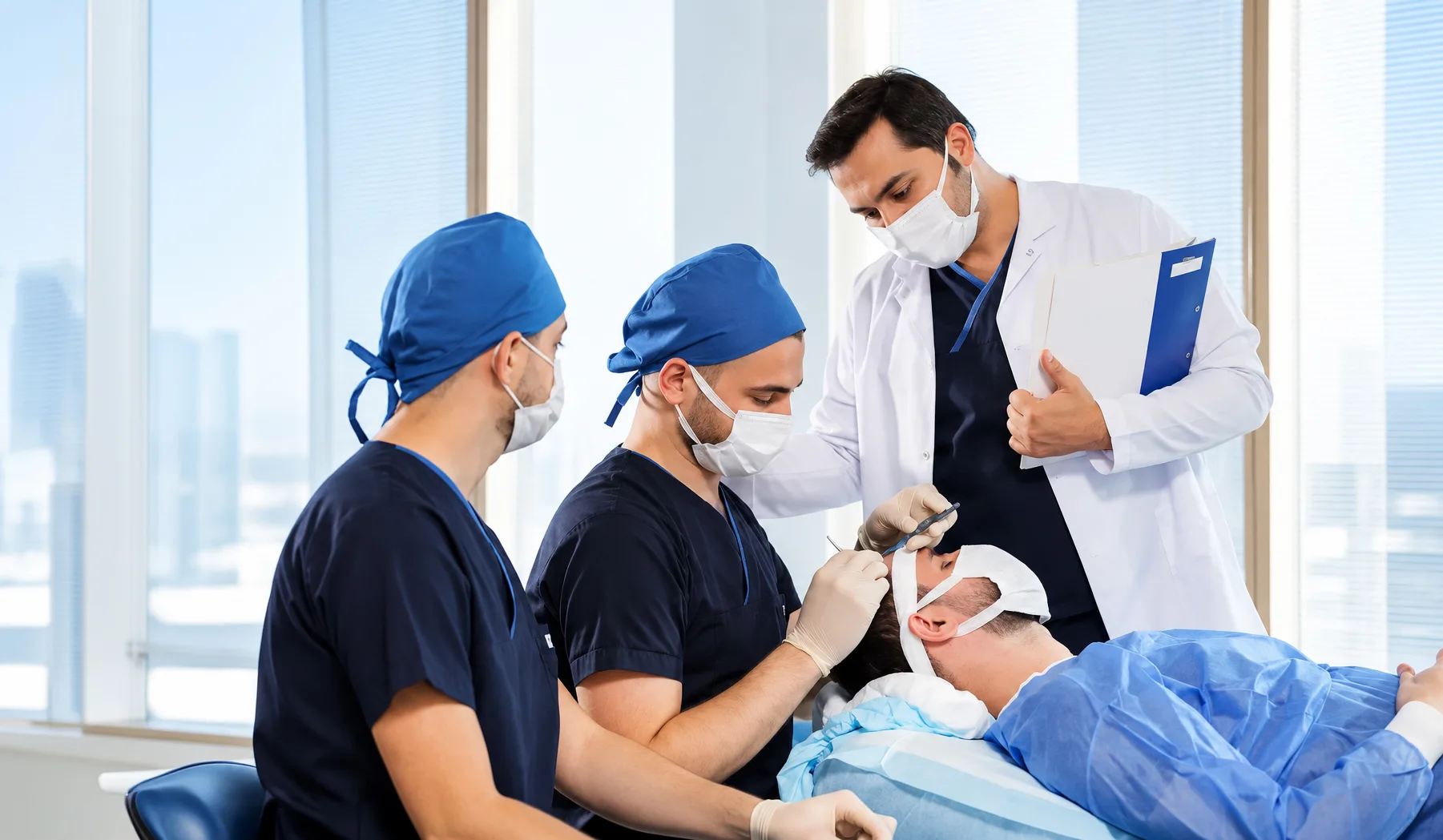
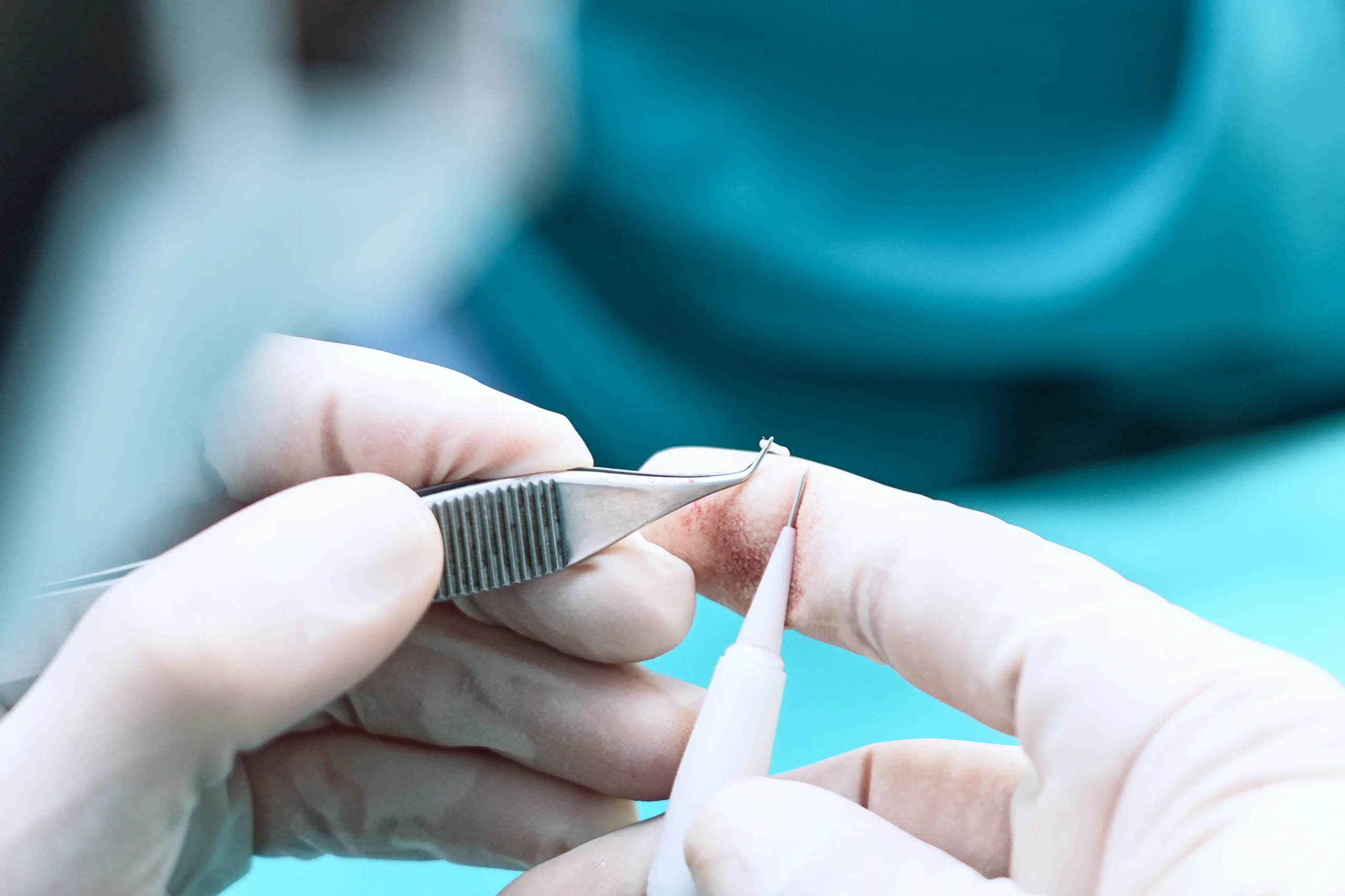
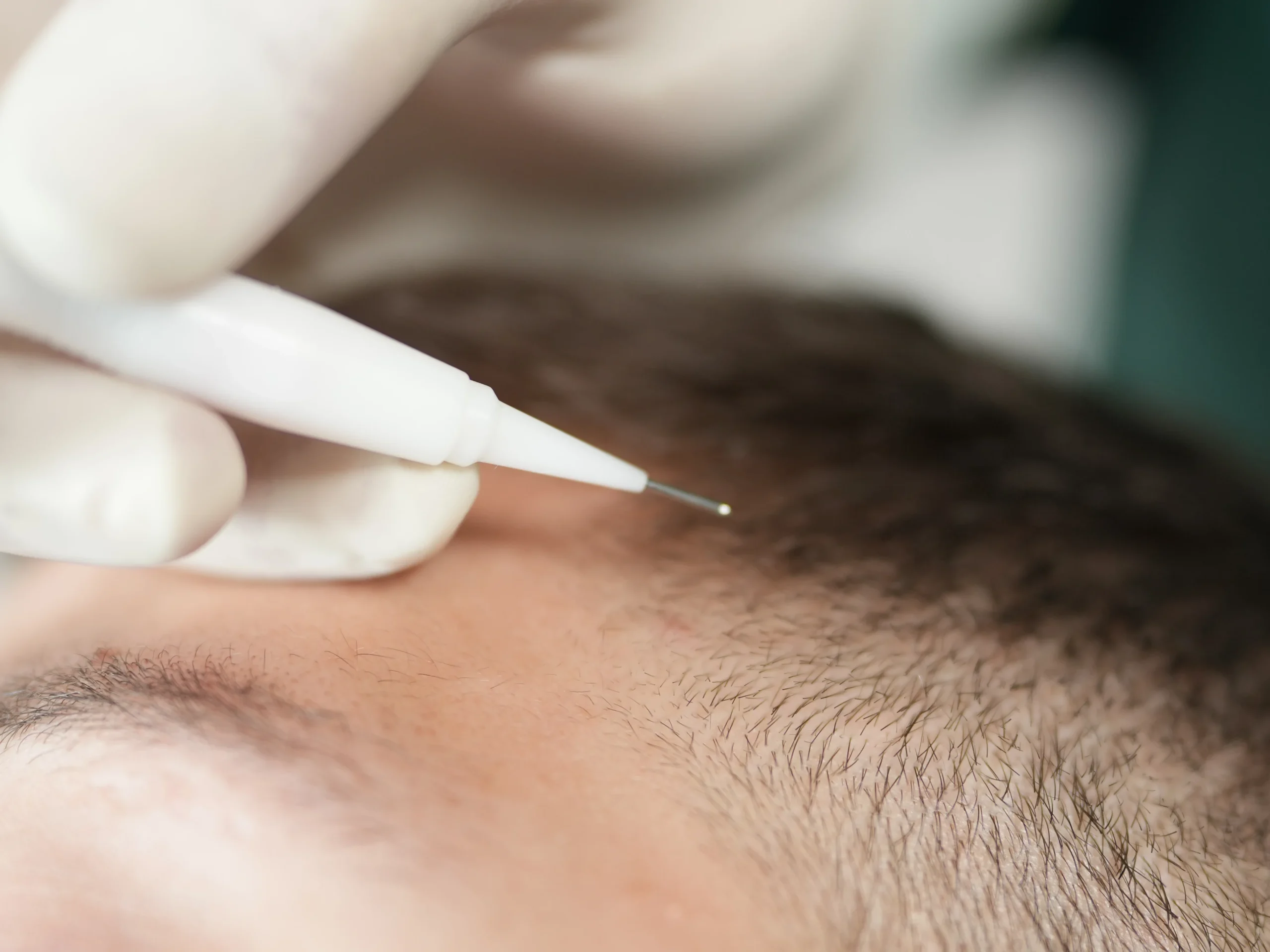
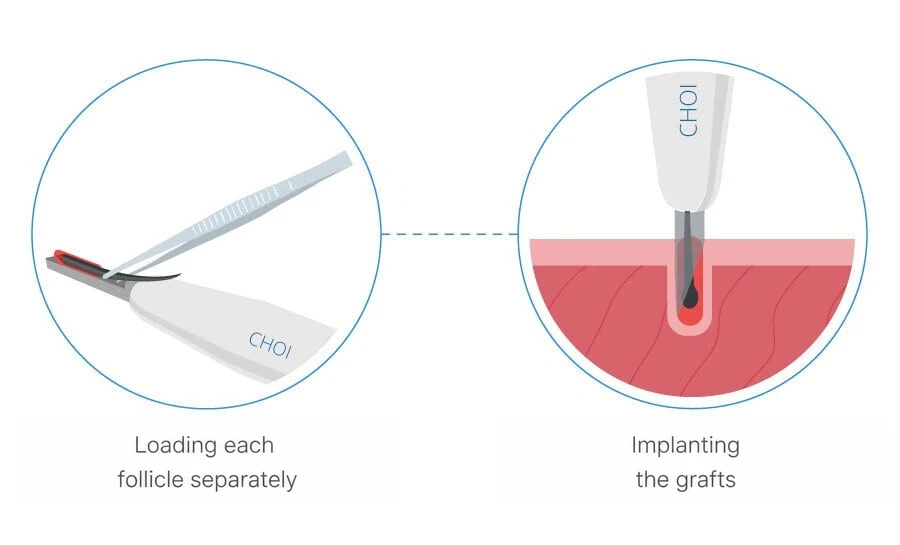
In a DHI hair transplant, the recipient channel is opened and the hair root is placed in a single step. Our medical specialists use the CHOI Implanter Pen for this: a fine hollow needle with a plunger inside. The graft is already inside the needle as it makes an opening in the scalp and is released in the same motion.
With sapphire-blade implantation, these are two separate steps. First, all channels are opened with a sapphire blade, and then the team places the grafts with forceps. So the difference isn't whether an opening is created, but when.
The method isn't new. Choi and Kim first described the instrument in 1992 (J Dermatol Surg Oncol 1992, PMID 1430550), and it was then refined further at Kyungpook National University in South Korea.
It has been in clinical use for more than three decades, first in Asia, where thicker, stronger hair makes it easier to handle. Today there are versions made specifically for finer European hair.
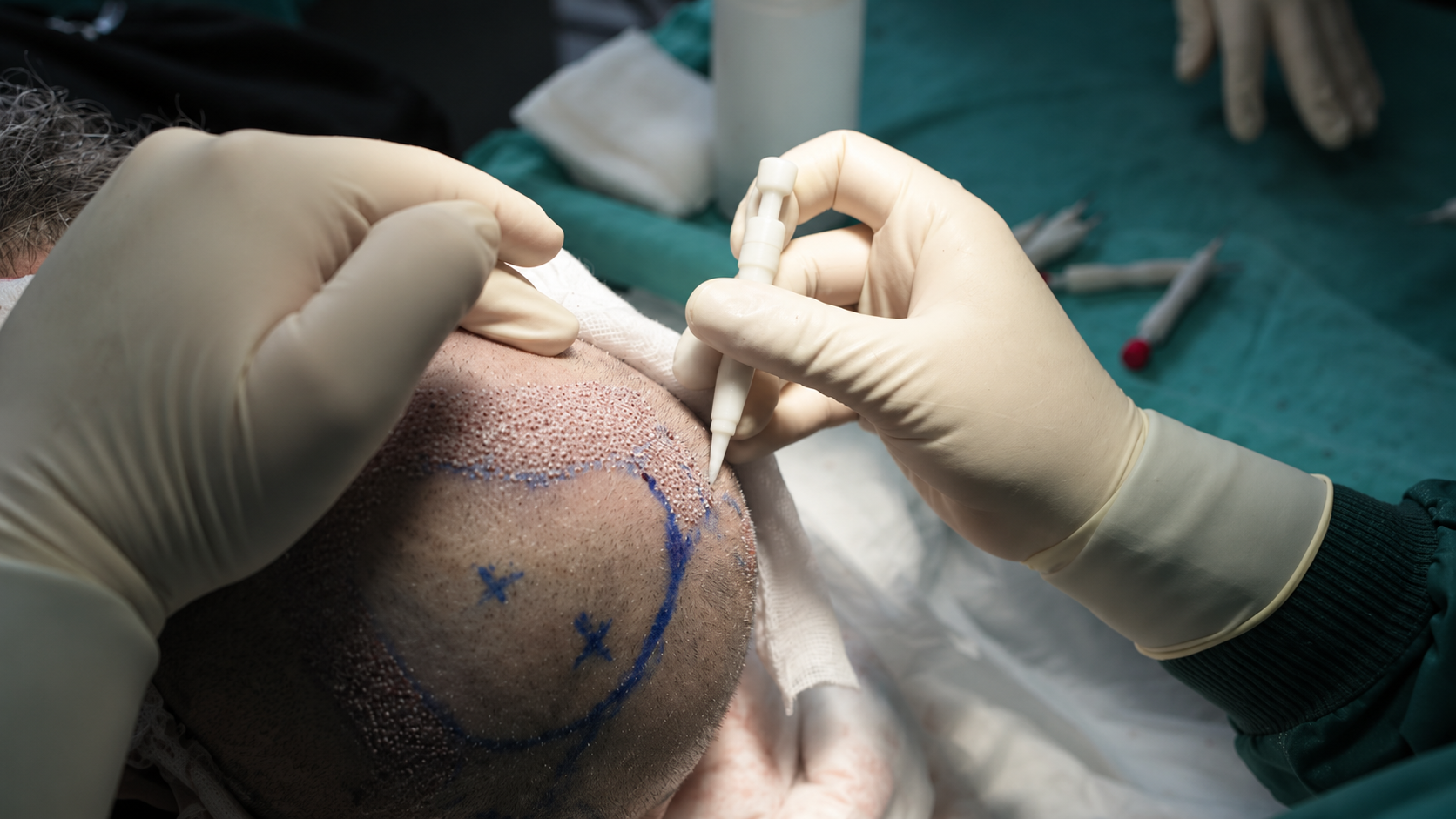
The International Society of Hair Restoration Surgery (ISHRS) classifies DHI as a specific instrument-based technique: implantation using a sharp hollow needle.
The CHOI Implanter Pen creates the opening and places the graft directly in one motion. This eliminates the need to grip the hair root with forceps, which protects the follicle during placement.
What this means for you: DHI is a specific way of placing the grafts, and what it achieves can be described precisely.
 Fact sheet
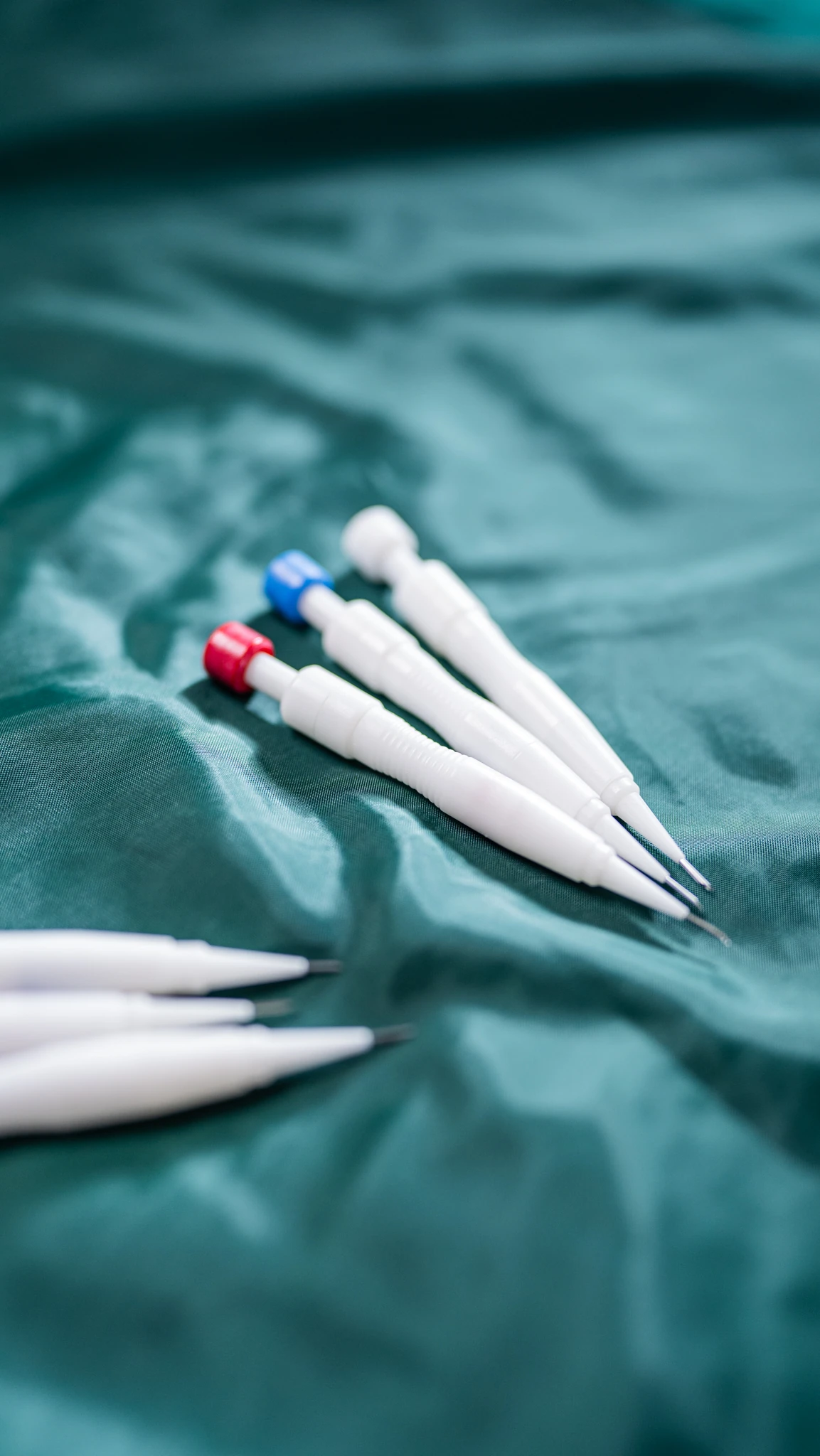
Placing the hair roots is the core of a hair transplant. With the Sapphire technique, the channels are opened first and the grafts are then placed. With DHI, the CHOI Implanter Pen guides each protected graft into a freshly opened site. Combining these steps avoids putting direct pressure on the follicles, shortens their time outside the skin, and allows particularly high density in the recipient area.
IMPORTANT: The sapphire blade is used only to prepare the channels in advance. It therefore isn't a direct counterpart to the CHOI Implanter Pen: it performs one step that the implanter incorporates into placement. Working in two separate passes no longer meets our standard for treatment that is gentle on tissue. That's why we use the CHOI Implanter Pen throughout, both for precise work along the hairline and when adding density across large areas.
| Feature | DHI with the CHOI Implanter Pen | Sapphire blade and forceps |
|---|---|---|
| Procedure | Channel opening and placement in one step | Channels opened first, grafts placed afterward |
| Angle & depth | Set individually for each graft at the moment of placement | Set in advance for the entire area when the channels are opened |
| Time outside the body | Minimal; grafts are placed promptly | Longer, because grafts have to wait until the channels in the recipient area are opened |
| Adding density to existing hair | Precise placement between existing hairs without blindly cutting recipient channels in advance | Risk to neighboring roots from pre-cutting |
| Shaving the recipient area | Usually required | Usually required |
| Time required | Higher, because each graft is placed individually | Lower, thanks to separate phases |
| At Elithair | Standard with every treatment | No longer used |










 Four factors
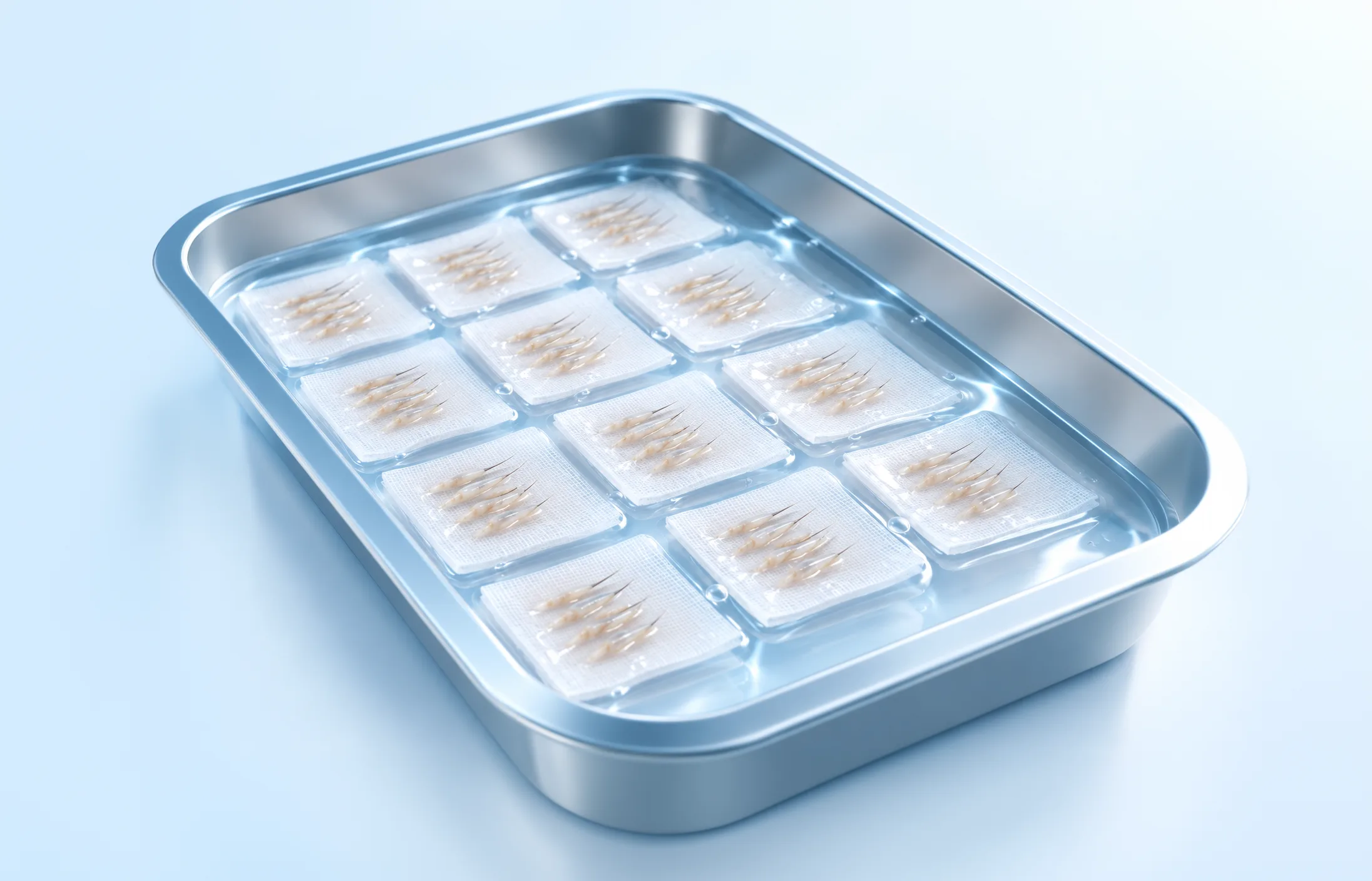
Hair follicles are extremely sensitive to drying out once they're separated from the bloodstream. Continuous hydration with special nutrient solutions protects the root's cell structure from irreversible damage while the grafts are stored. A smooth transfer into the CHOI Implanter Pen keeps the grafts optimally moist until the moment they're placed, so they retain their full vitality.
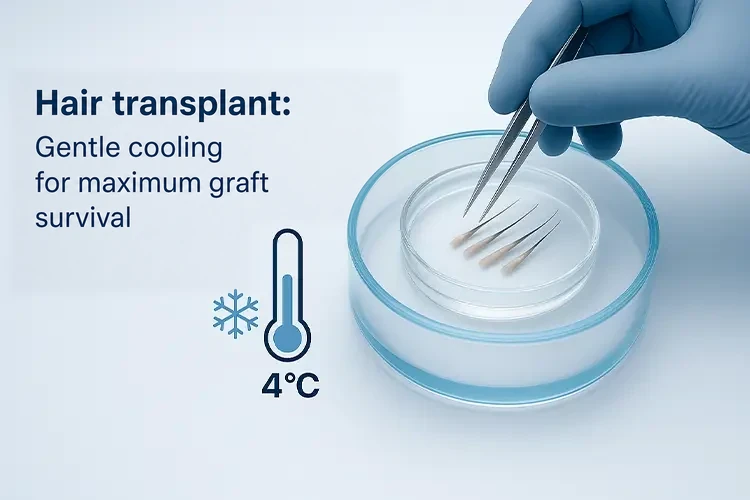
Besides time outside the body, the surrounding temperature is crucial for the survival of the hair roots. Controlled cooling in the nutrient solution slows the grafts' metabolism, which significantly lowers the cells' need for oxygen and nutrients during the period of ischemia. This temperature-controlled process protects the delicate tissue and creates ideal conditions for the grafts to take hold after implantation.
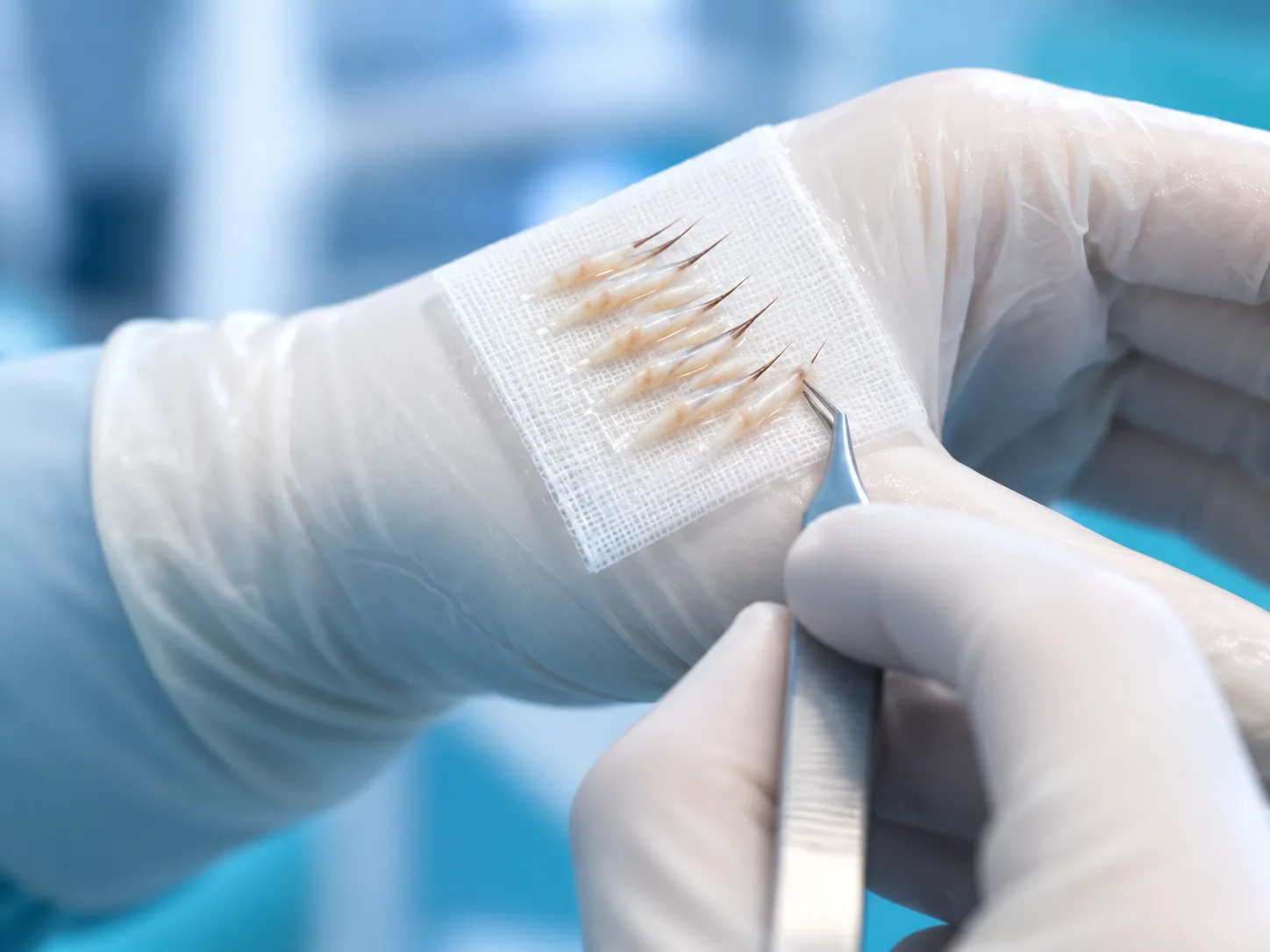
Every graft is living tissue whose blood supply is cut off when it's harvested. Alongside moisture and temperature, the medical literature considers the length of this interruption a key factor in later graft survival (Parsley and Perez-Meza, J Cutan Aesthet Surg 2010, PMC2956960). The guideline of the German Association of Hair Surgeons (VDHC) also identifies minimizing time outside the scalp as a key criterion. While the step-by-step method requires all channels to be created before placement can begin, DHI allows grafts to be implanted promptly right after harvesting.
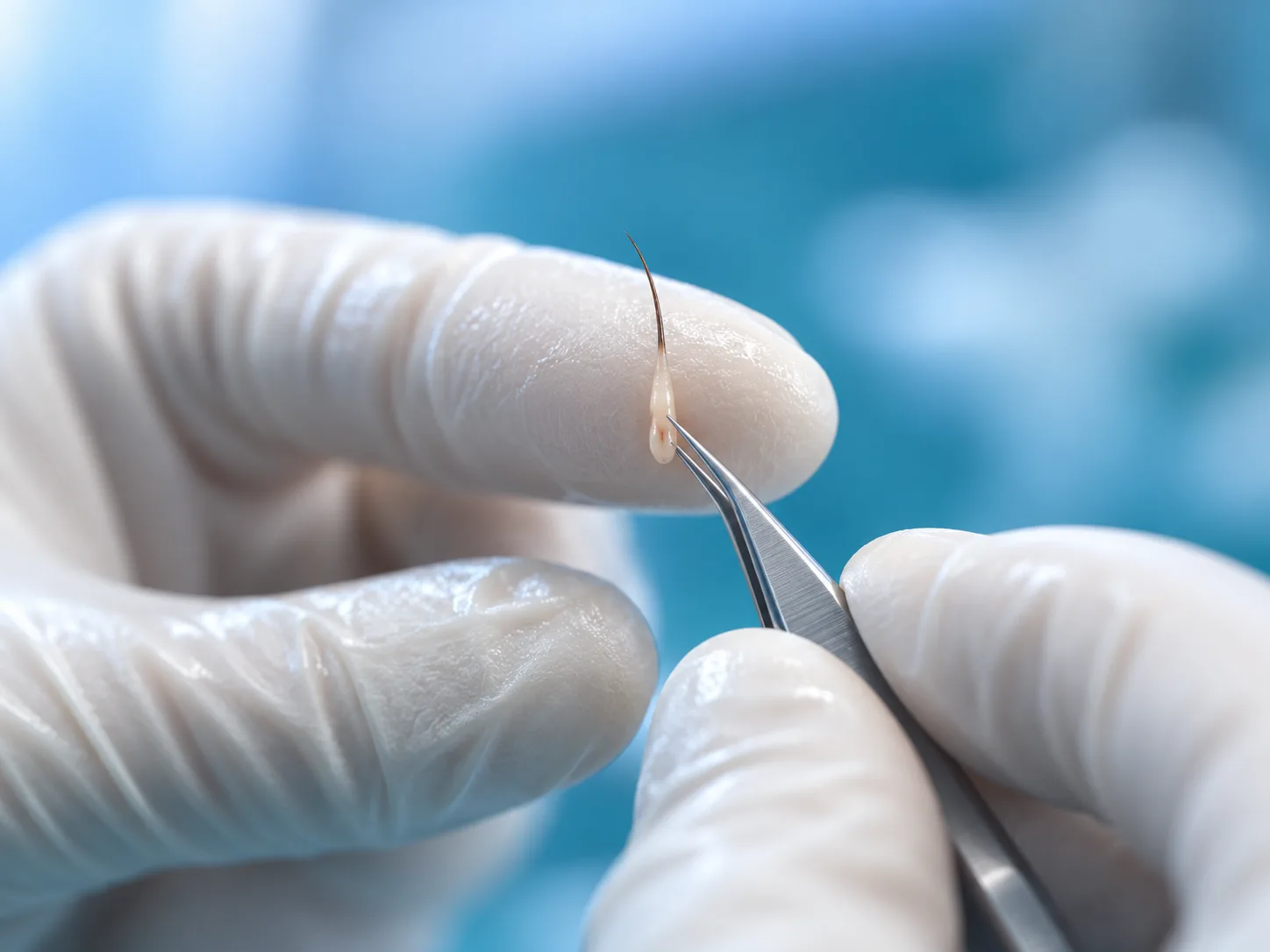
The look of a hairline depends largely on the angle, insertion depth and growth direction. When recipient channels are created across an area in advance, the pattern for that zone is fixed before the individual root is placed. The CHOI Implanter Pen, by contrast, lets the direction and depth of each follicle be adjusted individually at the moment of placement. This allows new hair to fill existing gaps and blend seamlessly with existing hair, precisely recreating the subtle transition at the frontal hairline.
At Elithair, the graft survival rate is approximately 98%. The key factor is the insertion depth determined individually in the Pre-Test System. In the first weeks after treatment, the transplanted hairs may shed temporarily (shock loss). Not every patient experiences shock loss. If it does occur, it's a normal part of the process and no cause for concern.
Above all, research shows how important it is to follow the treatment parameters exactly: a shallow exit angle of 10 to 20 degrees at the hairline and protection from mechanical stress help the follicles survive (Park JH et al., Clin Cosmet Investig Dermatol 2023, PMC10349607).
The CHOI Implanter Pen makes it easier to control these parameters precisely, but the final result still depends on the experience of the medical specialists.
Follicular units vary in thickness, depending on whether they contain one, two or more hairs.
A needle that's too narrow would crush the follicle during placement, while a needle that's too large leaves unnecessarily large channels and can loosen grafts that are already in place. To minimize tissue trauma during healing, the needle diameter must therefore match the size of each graft exactly (Park JH et al. 2023).
Needle diameter: 0.6 to 0.8 mm · Area: frontal hairline and transition areas · Implanter color at Elithair*: white
Needle diameter 0.9 to 1.0 mm · Area: zone behind the hairline, adding density · Implanter color at Elithair*: blue
Needle diameter 1.0 to 1.2 mm · Area: top of the head and crown for maximum density · Implanter color at Elithair*: red
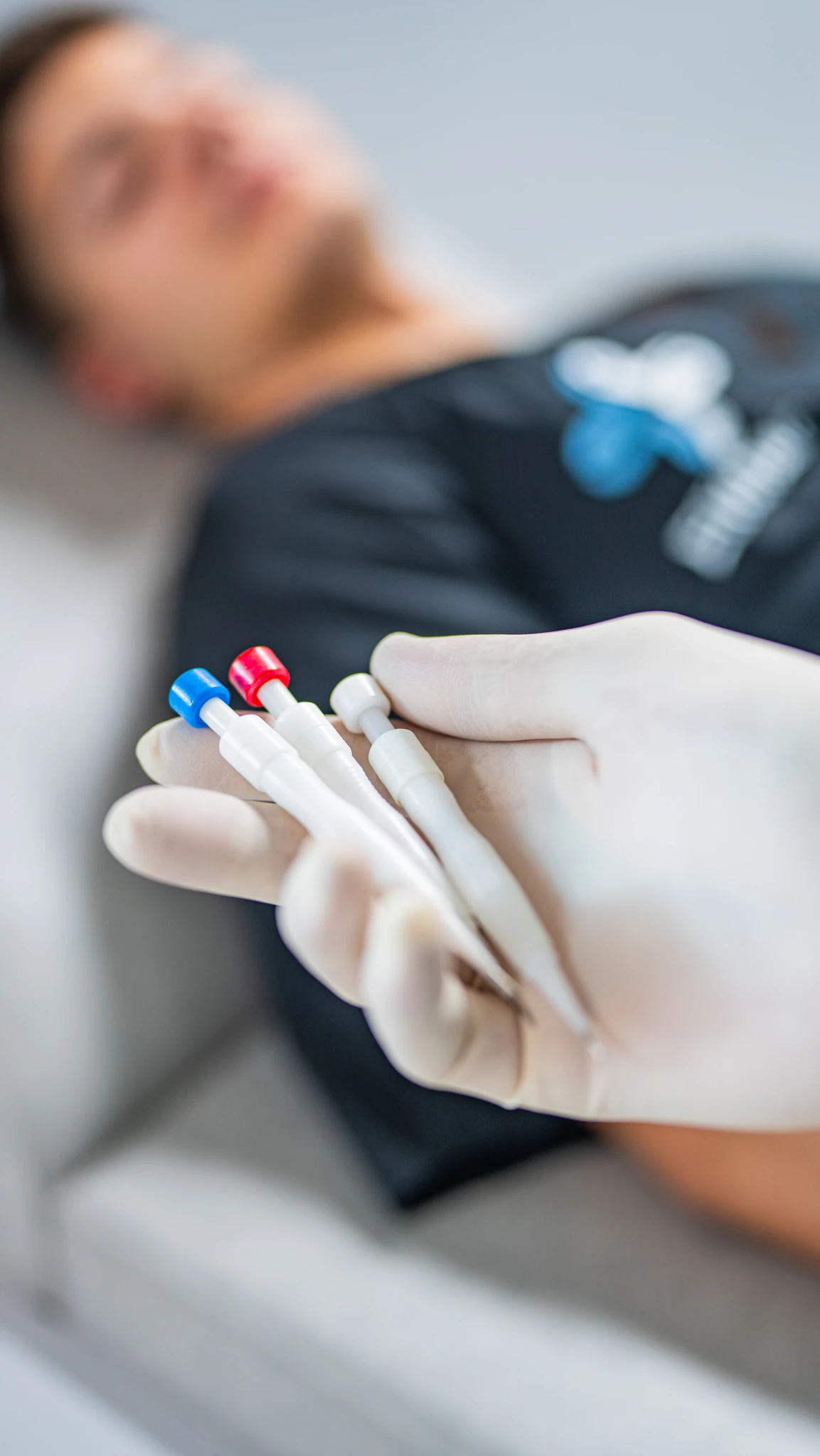
*The color-coding system clearly identifies the right implanter pen at every step. This ensures precise placement within the medically recommended size range.
The natural, aesthetic result of a DHI hair transplant is based on four key medical parameters. They're grounded in our Pre-Test System, whose results are used to create your individual treatment plan.
The exit angle At the front hairline, hair emerges at a very shallow angle (10 to 20°), while the angle rises to 30 to 40° in the mid-scalp. A shallower insertion also protects the deeper blood vessels (Atodaria PR et al., Indian J Plast Surg 2021, PMC8719949).
The insertion depth Grafts placed too superficially have a significantly lower survival rate. To determine the ideal depth precisely, our Pre-Test System measures your skin thickness by ultrasound and your blood circulation by Doppler ultrasound. Together, these two values determine the insertion depth in your individual treatment plan.
The growth direction Hair follows natural growth patterns and whorls. The CHOI Implanter Pen allows the direction of every follicle to be adjusted precisely at the moment of placement.
Transplant density Higher graft counts don't automatically mean better results. Experience shows that the survival rate drops above roughly 25 to 30 units per cm² (Lee W et al., Dermatol Surg 2006, PMID 16792647), so the target density is carefully chosen to balance visual coverage with follicle health.
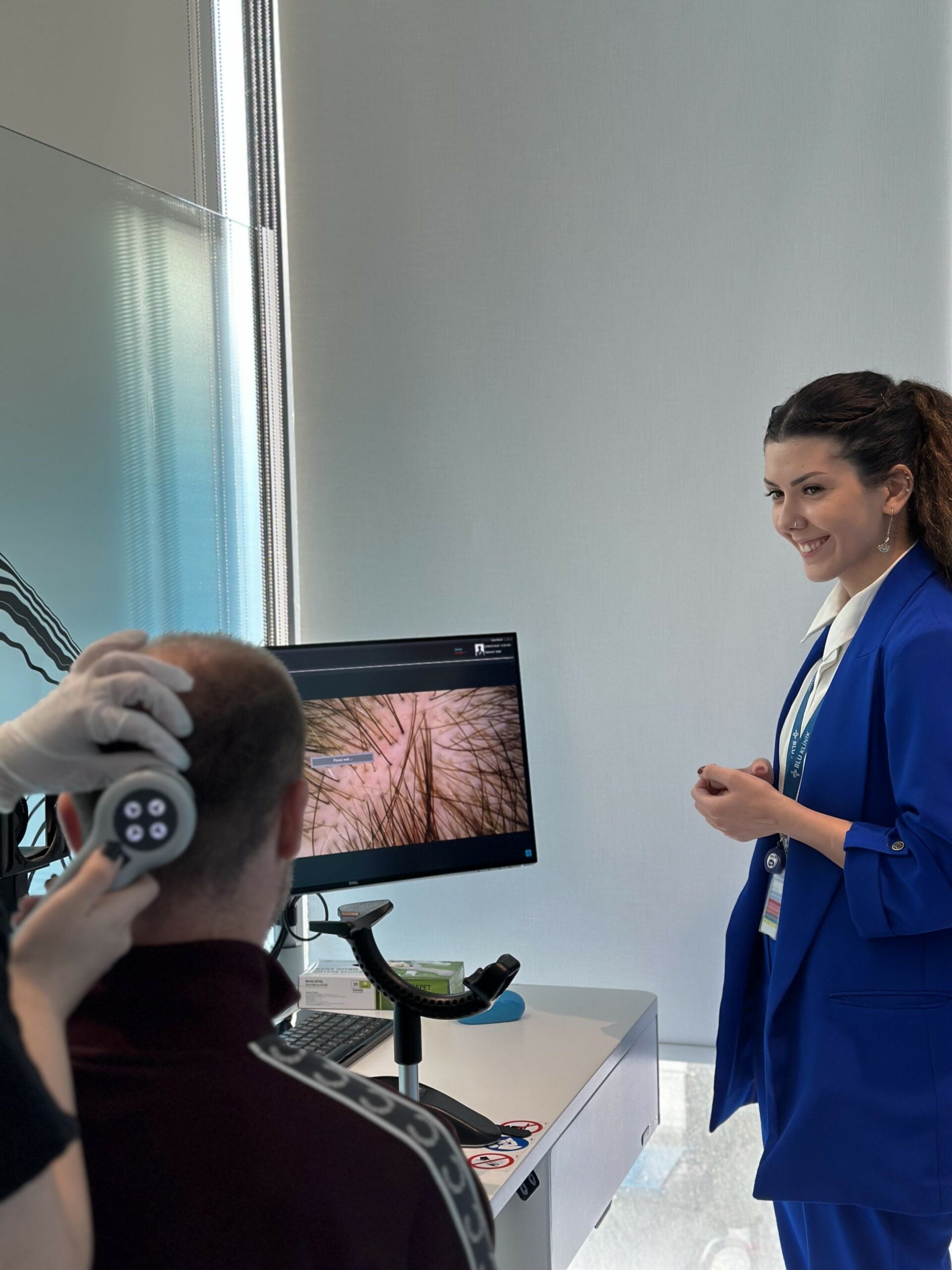
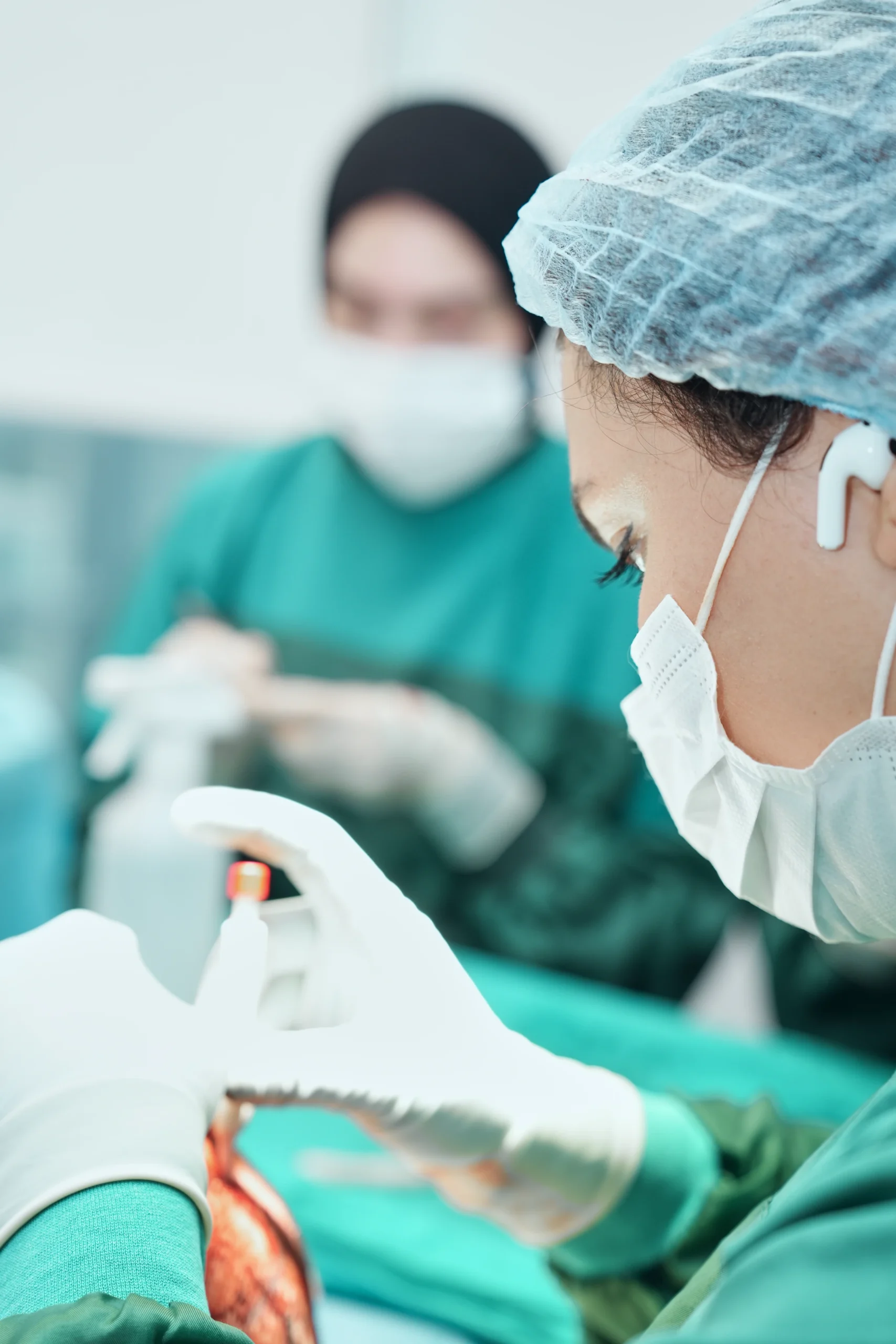
Thanks to a clear division of labor within the surgical team and several CHOI Implanter Pens in use at once, we can efficiently implant even large numbers of grafts in a single session without unnecessarily extending the time the follicles spend outside the body.
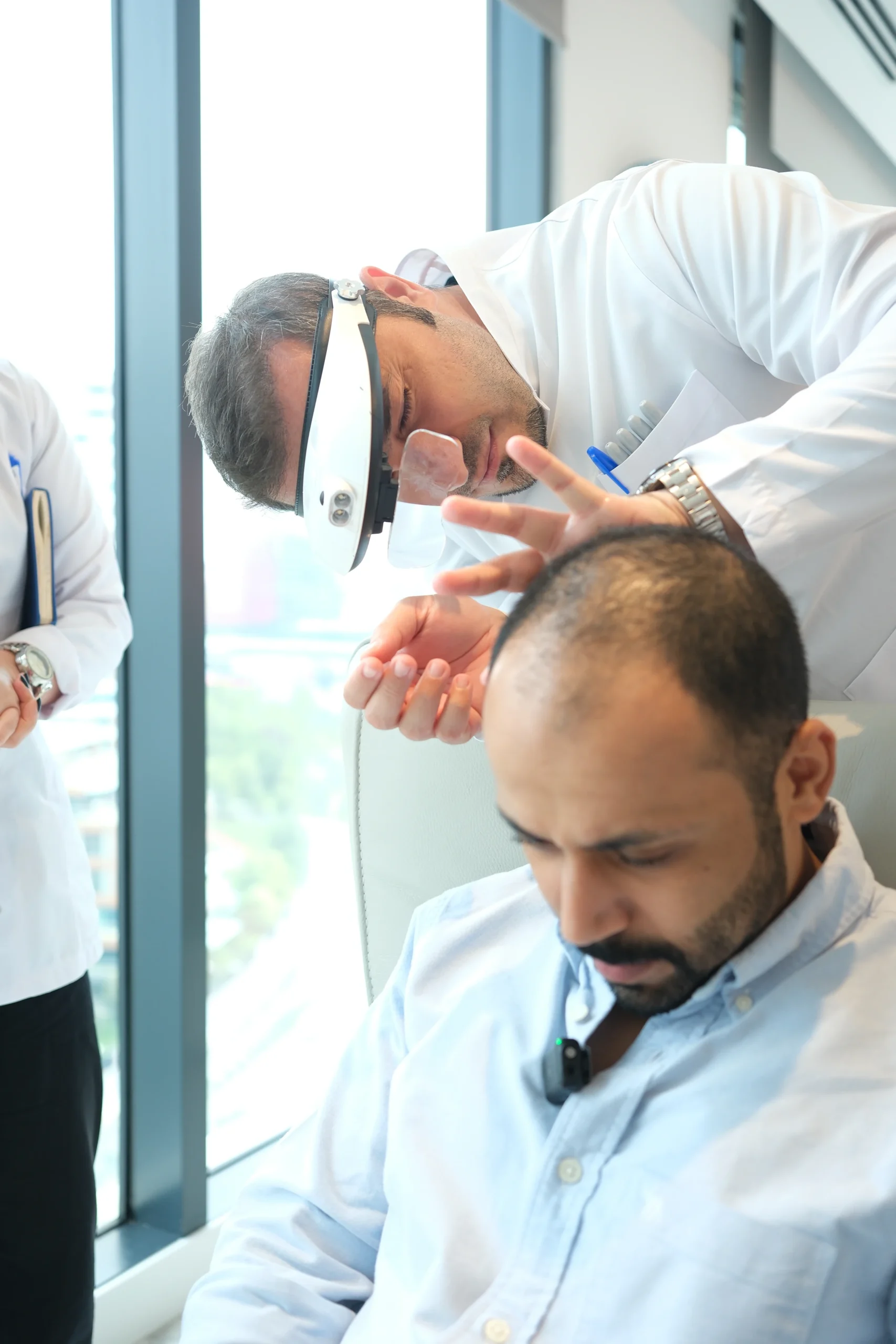
The real upper limit, however, isn't set by the technique but by the natural supply of follicles in the donor area. To protect this limited reserve, we use a hair analysis performed with the TrichoLAB scanner as part of our Pre-Test System to determine the optimal number of follicles to extract. The results are used to create your individual treatment plan.
This ensures the donor area stays aesthetically intact. For an initial estimate of what you need, try our graft calculator.
Every successful DHI hair transplant requires intact, well-prepared grafts. The patented NEO FUE® Serum is part of your package: at our clinic in Istanbul, you receive the dermaroller set, and you apply the serum to the donor and recipient areas on day 14 and day 28 after the procedure. It supports healing and contributes to our approximately 98% graft survival rate.
During the FUE extraction, we remove the follicles individually with a fine hollow needle, without a scalpel or stitches. Thanks to our Sleep-Deep method, you stay relaxed during extraction, with 0% pain.
To best protect the roots for placement with the CHOI Implanter Pen, we operate our instruments at a reduced speed (100 to 200 rpm). Fully manual extraction with Manual FUE is available as an alternative at an extra cost.

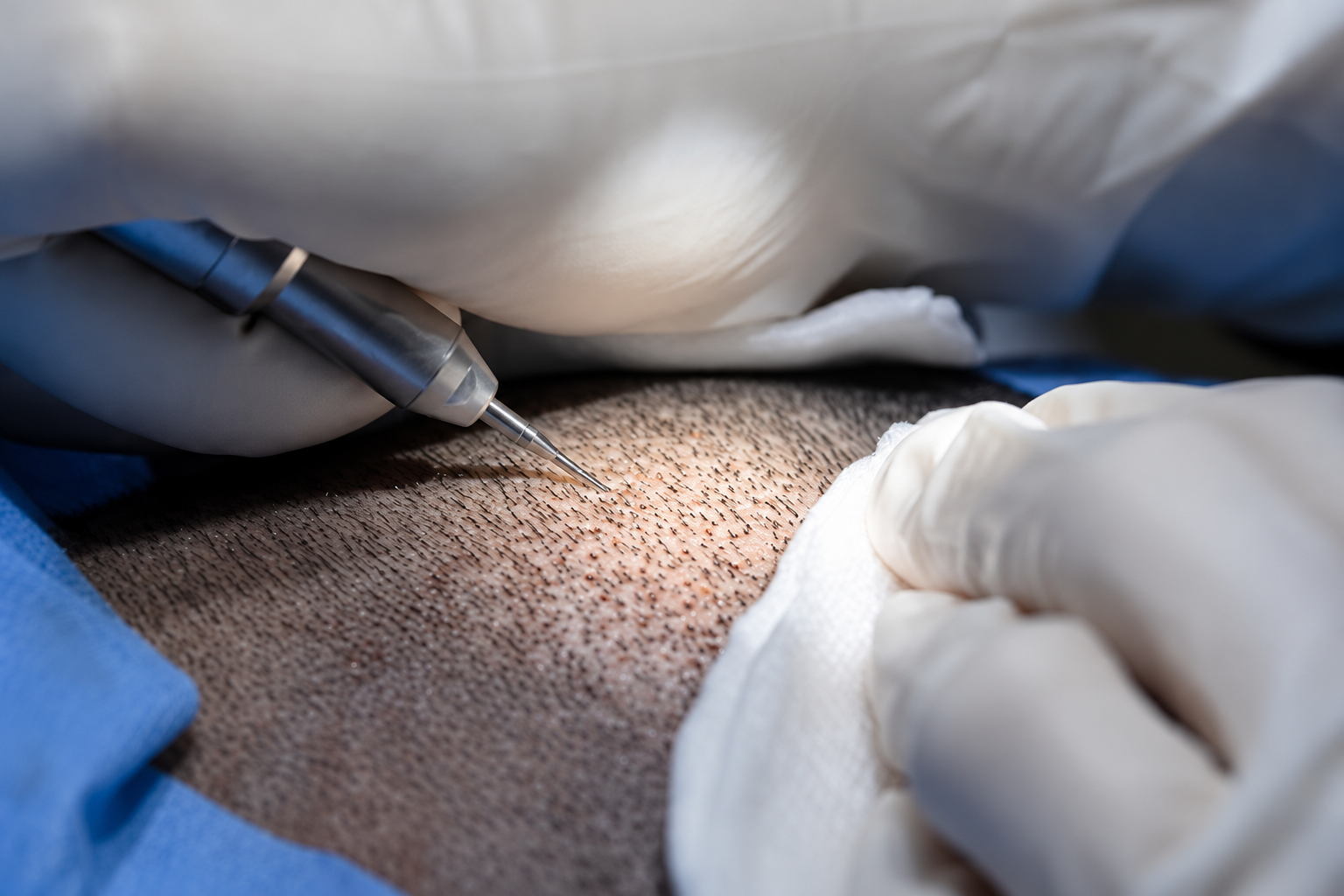 Implantation process
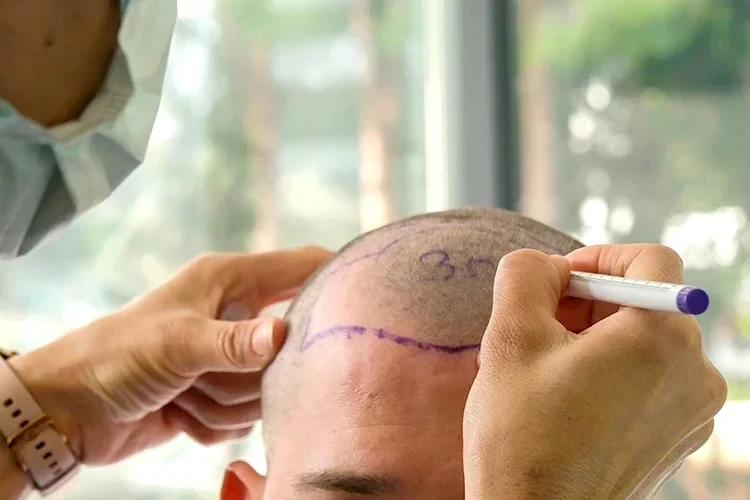
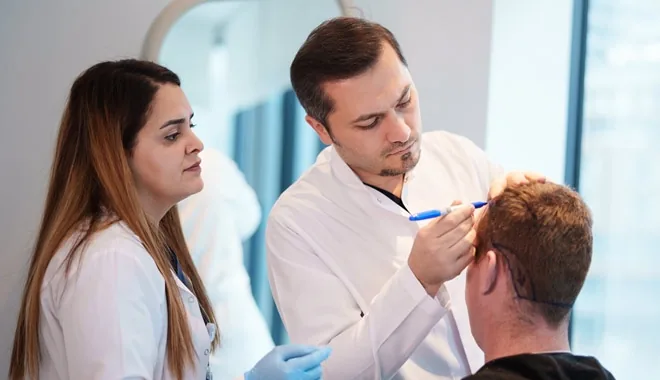
Planning comes before the first graft. The doctor draws your hairline to suit your facial proportions. The insertion depth is based on the results of our Pre-Test System, which are used to create your individual treatment plan. That's why two patients with the same graft count never receive the same treatment at Elithair.
After extraction, the grafts are stored in an enriched nutrient solution so they don't dry out. For implantation, they're placed on a covered pad that keeps them protected until placement and prevents body heat from warming them.
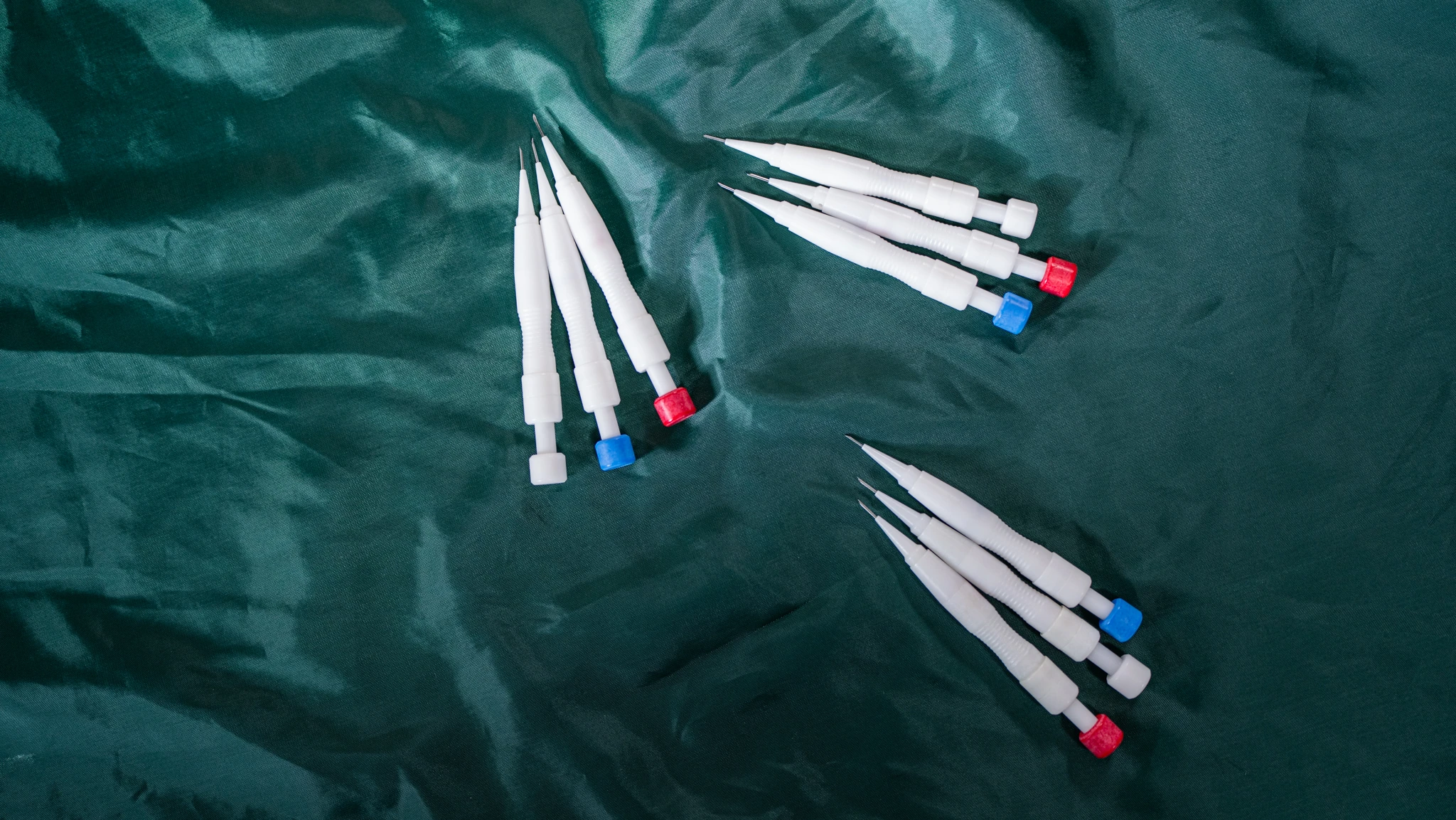
Each CHOI Implanter Pen holds exactly one graft, with a needle gauge matched to the graft: white for single grafts, blue for double grafts, red for multi-grafts. While grafts are being placed, the next implanter pens are already being loaded, so no graft has to wait for an entire area to be prepared.
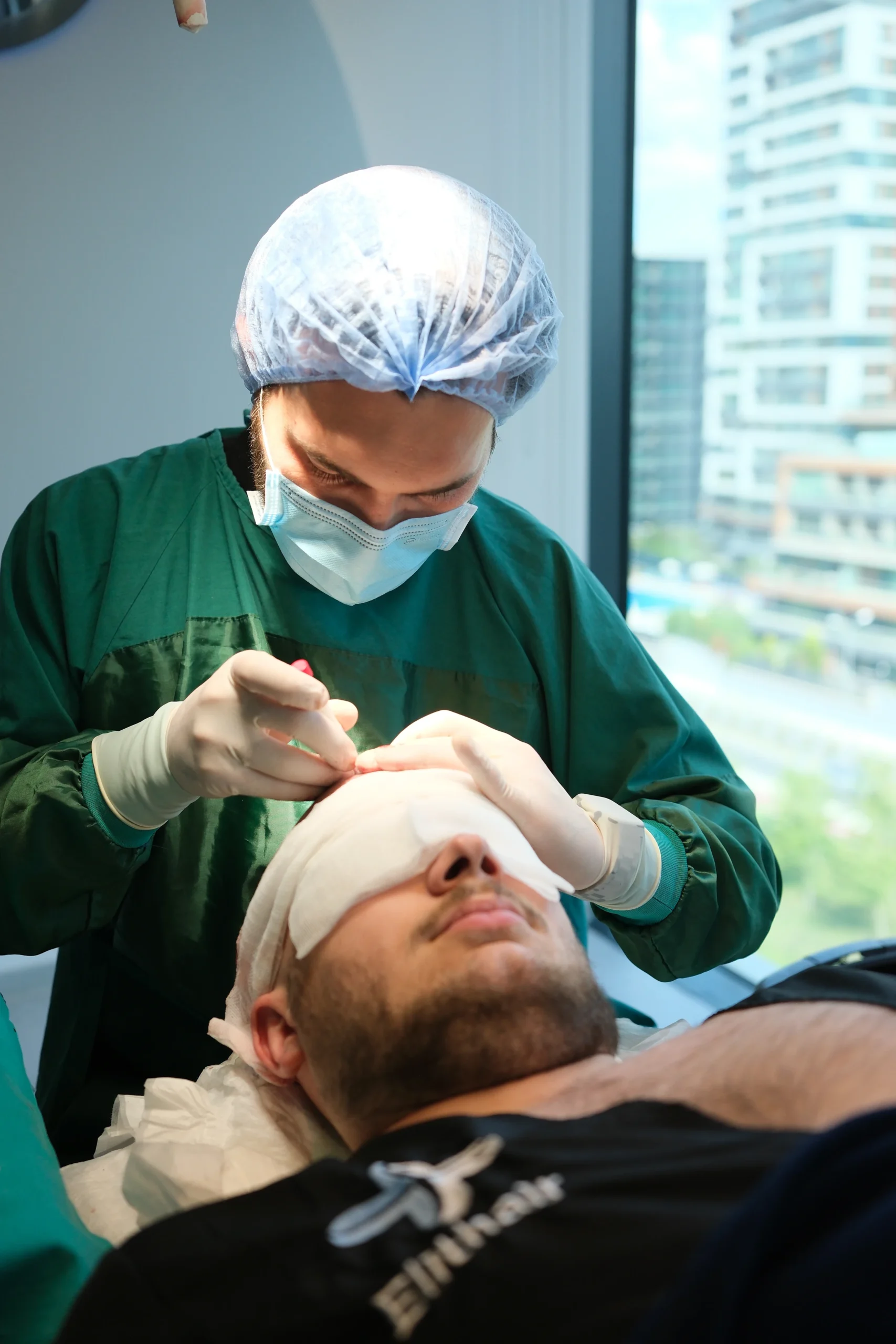
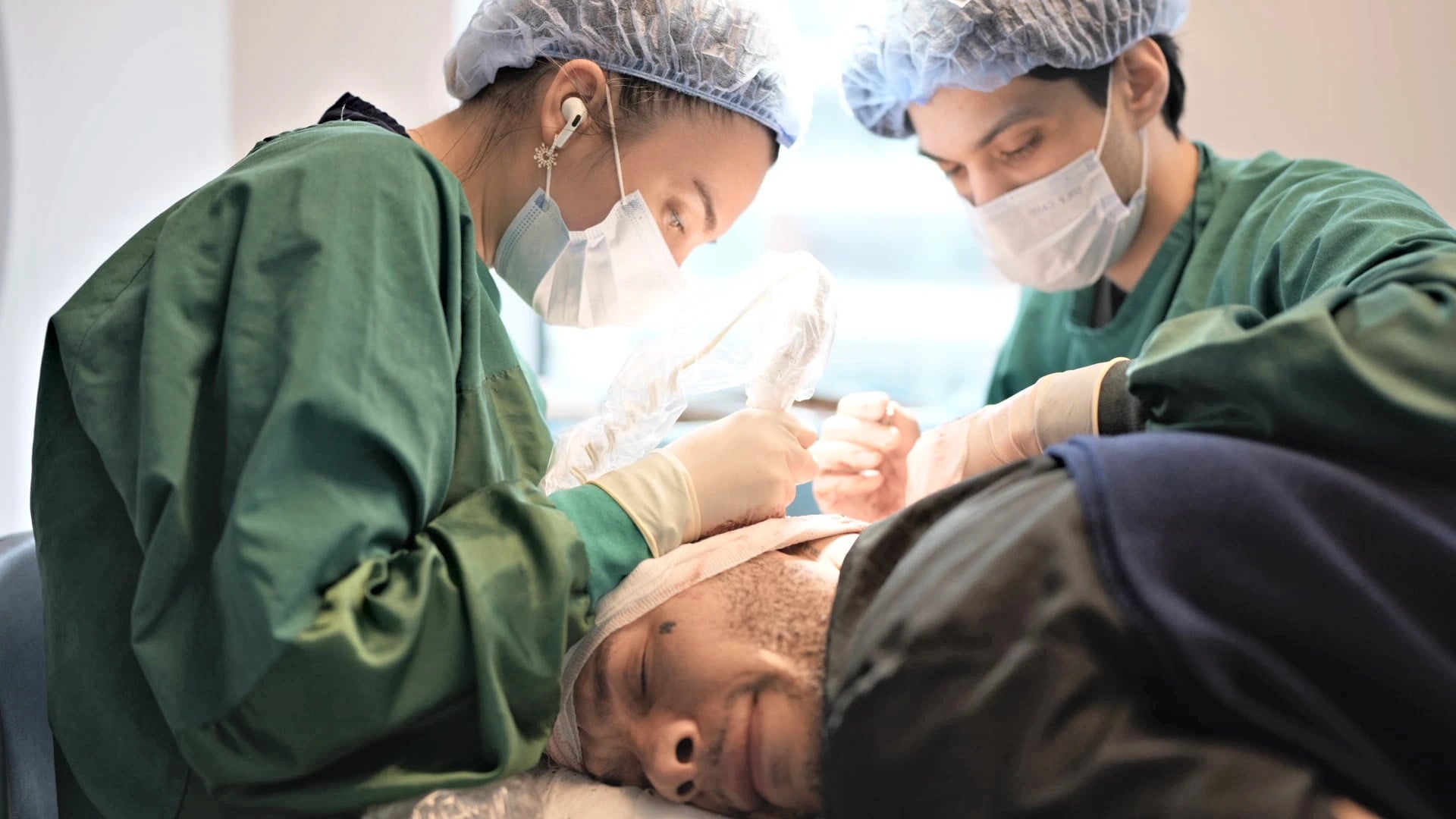
The CHOI Implanter Pen positions the follicle at the planned angle, opens the scalp and places the graft at the predetermined depth, all at the same time. This allows precise control of the angle, depth and direction of growth for each follicle during placement. Because you receive anesthesia beforehand with the Sleep-Deep method, the implantation is completely pain-free for you.
Your stay spans four carefully planned days. From arrival to departure, your medical care and travel logistics are seamlessly coordinated. You choose the right treatment dates with your personal hair transplant consultant during your consultation.
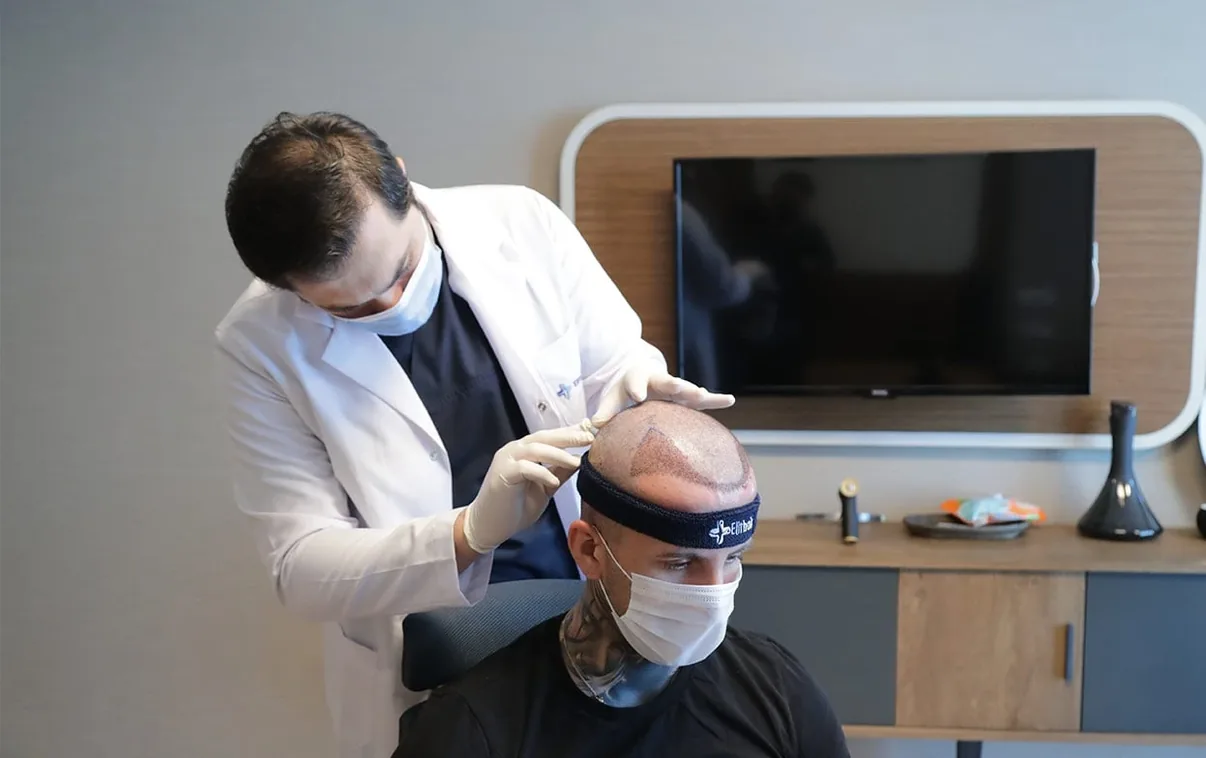
At Elithair, your treatment costs are based on clearly defined graft tiers. The price difference compared with U.S. clinics comes from lower overhead and operating costs in Istanbul. Your procedure is always performed using the modern DHI method. After your free hair analysis, you'll first receive a no-obligation cost estimate.
| Grafts | Your all-inclusive price | Typical U.S. cost | You save |
|---|---|---|---|
| up to 2,000 | $3,899 | $6,300 | about 38 % |
| up to 2,500 | $3,999 | $7,900 | about 49 % |
| up to 3,000 | $4,099 | $9,300 | about 56 % |
| up to 3,500 | $4,199 | $10,900 | about 61 % |
| up to 4,000 | $4,299 | $12,400 | about 65 % |
| up to 4,500 | $4,399 | $13,500 | about 67 % |
| 5,000 and up | $4,499 | $15,600 | about 71 % |
Our all-inclusive package covers your entire treatment, preparation and aftercare:

Transparency About Add-Ons & the Guarantee
Your flight isn't included; Istanbul is served by direct flights from almost every major U.S. gateway, and we're happy to help you book. Add-ons such as Zero Shave FUE or Manual FUE are available at an extra cost.
The included PRP treatment takes place at the clinic on the day of your procedure. Because follicles from the back of the head are genetically resistant to hormonal hair loss (DHT), we give you a 20-year guarantee on the transplanted hair, provided you follow the care instructions.
Areas of useWhether you have receding temples or extensive hair loss, the DHI technique can be adapted to your needs.
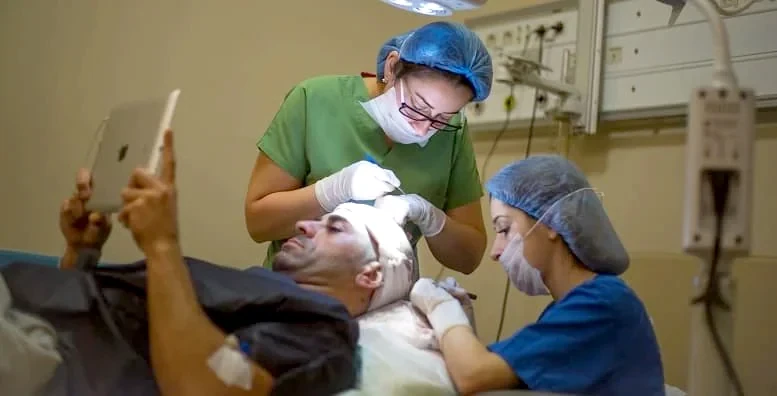
DHI requires the utmost care: placing grafts too densely puts the survival rate at risk, while improper pressure can dislodge neighboring grafts (Park JH et al. 2023). To rule out errors such as incorrect insertion angles or wrong needle sizes, only highly specialized teams perform your graft implantation at Elithair.
What mattersA successful DHI hair transplant depends on careful timing, optimal graft density and skilled technique. Here's what matters.
Placement with the CHOI Implanter Pen is precise but takes more time. With well-coordinated teams and several instruments in use at once, we keep the time grafts spend outside the scalp to a minimum for maximum follicle vitality.
Hairs placed too densely compete for the scalp's nutrient supply. We pay close attention to exact spacing, since overly dense placement can lower the survival rate.
When neighboring grafts slip out (popping), it comes down purely to execution, for example incorrect needle angles or rushed handling (Park JH et al. 2023). Our specialists have years of experience preventing exactly that.
Filling in thinning areas requires greater precision than filling in bald areas such as receding temples. The CHOI Implanter Pen creates the channels only as the follicles are placed, which gives the surrounding hair the best possible protection.
Important for the first few months: When adding density, the micro-trauma to the scalp can cause weakened existing hair to shed temporarily (shock loss). Not every patient experiences shock loss.
Because the follicles remain intact, the hair grows back within a few months. Studies show that this effect occurs more often with hair transplants for women (Okochi H et al., Aesthetic Plast Surg 2024, PMID 37816944). We explain this to you in advance so you can move through the growth phase with confidence.
A DHI hair transplant normally requires trimming the donor and recipient areas so follicles can be extracted and placed precisely.
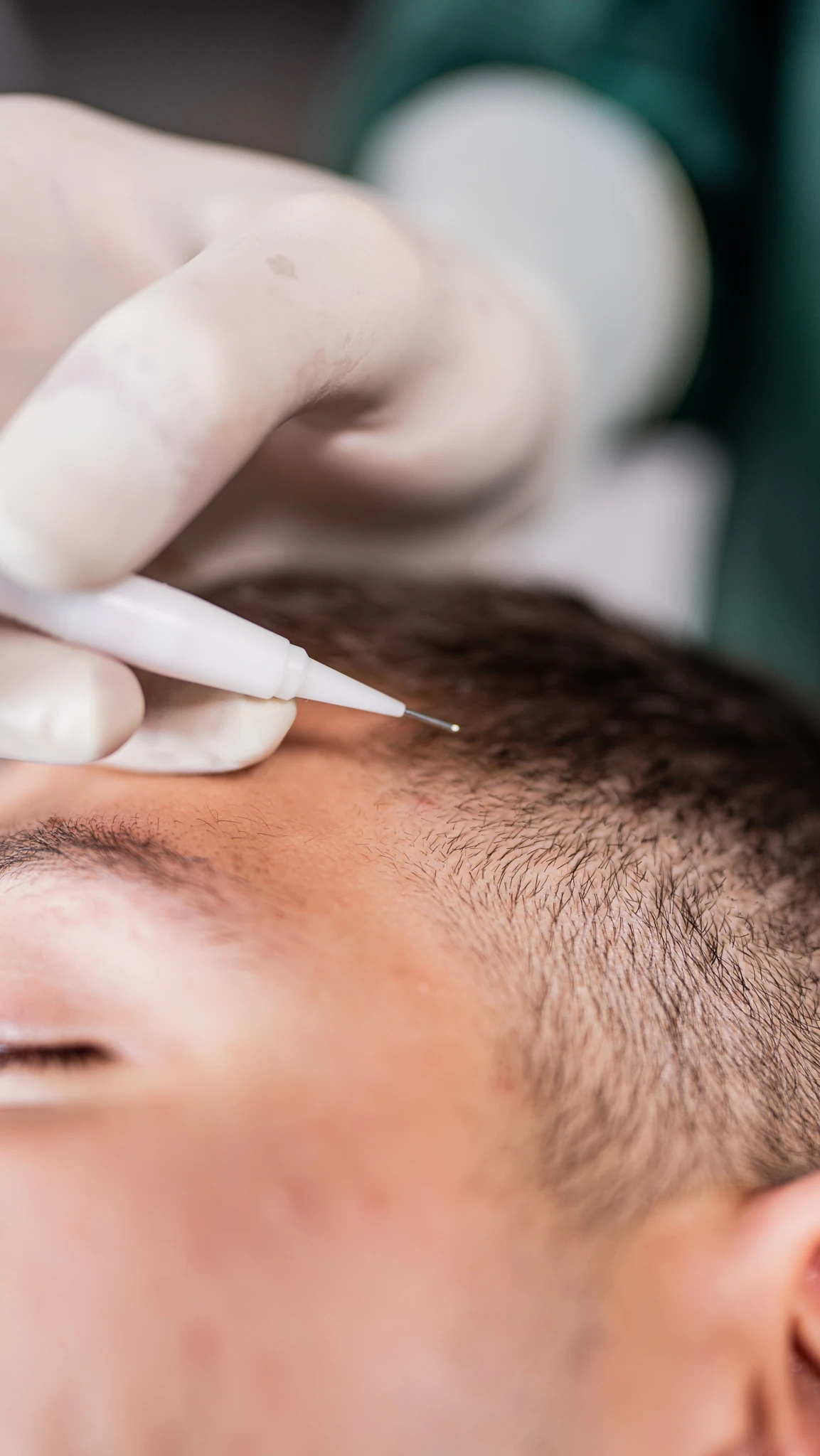
Trimming is done at the clinic on the day of treatment, so please leave your hair and beard uncut for the 14 days before your treatment.
Treatment with no visible shaving at all is possible with the optional Zero Shave FUE upgrade, available at an extra cost for up to 3,500 grafts. It's suitable for women and men with medium-length or long hair. We check whether this procedure is right for you as part of your free hair analysis.
Healing follows the natural hair cycle, not the implantation technique. Days are counted from the procedure, so day 1 is the day after your treatment. You'll receive the complete plan in writing before your trip.
| Time frame | What happens | What you do |
|---|---|---|
| Day 1 to 3 | Grafts anchor; swelling possible | Sleep on your back with a neck pillow; wear the headband |
| Days 2 to 8 | Gentle hair washing | Only dab on the lotion, never rub |
| Days 10 and 11 | Scabs come off | Gently remove scabs with the lotion; regular shampoo from day 12 |
| Up to month 3 | Transplanted hairs may shed temporarily (shock loss), but this doesn't always happen | A normal interim phase; the roots stay intact |
| From month 4 | New growth begins (about +10% per month) | Follow your aftercare plan |
| Months 10 to 12 | Final result visible at the front | Assess final density |
| Months 15 to 18 | Final results visible at the crown | Treatment completed in the crown area |
Medical note: Typical side effects fade over time: redness subsides in two weeks to three months, and itching subsides within three months. According to international standards (e.g., the German S3 guideline and the NHS), final results take 10 to 18 months.
| Activity / measure | Donor area | Recipient area |
|---|---|---|
| Cutting hair (scissors / clippers) | after 1 week / 2 weeks | after 2 weeks / 1 month |
| Wet shaving | after 2 weeks | after 3 months |
| Styling & coloring hair | after 1 month | after 6 months (coloring after 1 month) |
| Headwear | only the hat from the clinic for the first 14 days | wear it for 14 days at 75 to 102 °F (24 to 39 °C) and for 1 month at 104 °F (40 °C) and above, as well as in direct sunlight and dusty conditions; not needed at temperatures up to 73 °F (23 °C) |
| Exercise (light / moderate / strength training) | after 2 / 4 / 6 weeks | after 2 / 4 / 6 weeks |
| Sauna, tanning bed, swimming with your head underwater | after 6 weeks | after 6 weeks |
| Bathing and swimming without submerging your head | after 2 weeks | after 2 weeks |
| Second treatment / adding density | after 6 months | after 6 months |
5-Doctor Standard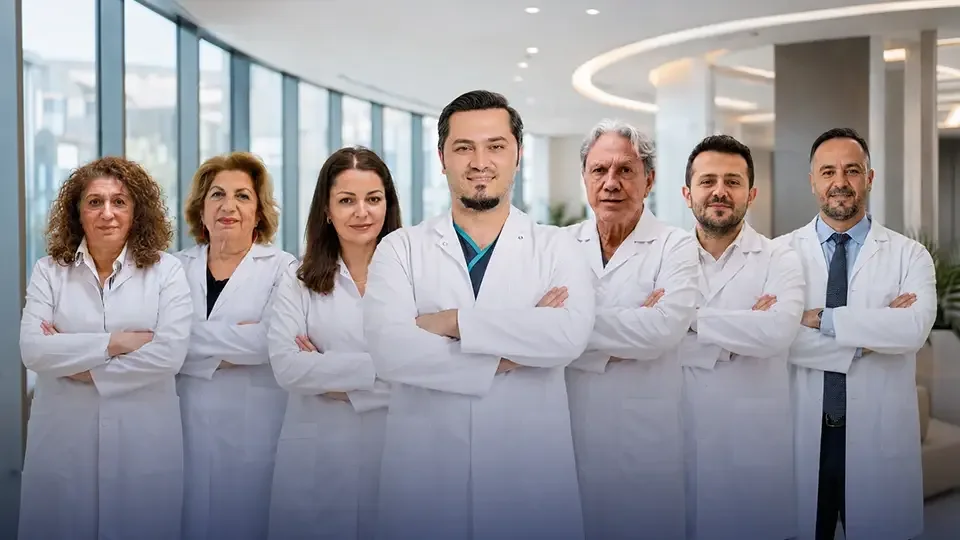
To ensure your grafts take hold as well as possible, we rely on specialized medical teams under a doctor's supervision. Under our 5-Doctor Standard, our doctors oversee and take responsibility for your treatment at five key points: from the initial hair analysis and the evaluation of the Pre-Test System, whose results are used to create your individual treatment plan, through to the follow-up exam. This is possible because more than 20 doctors work at our clinic.
Graft extraction and implantation are performed by trained medical specialists with at least seven years of experience in their respective stages of the procedure. Continuous care from a dedicated team ensures a smooth process with consistently high attention to detail.
The key advantage for you: The quality of a DHI hair transplant depends on the team's experience. Years of daily practice under medical supervision reliably rule out placement errors.
5-Doctor Standard
Graft extraction and implantation: performed by medical specialists, each focused on their own step, under a doctor's supervision.
More About the 5-Doctor StandardIndependent inspections ensure that the highest medical standards are met. The Turkish Ministry of Health inspects our clinic unannounced once or twice a month, covering areas such as hygiene, sterilization and treatment processes.
Because of these consistently high quality standards, Elithair has been officially authorized as a hair transplantation training center: more than 70 doctors have already completed this training.
Our processes are also certified to ISO 9001:2015. Compliance with this international quality standard is regularly reviewed by TÜV Thüringen (certificate number: 151002611856, valid until 02/19/2029). This ensures that your treatment follows fixed, externally validated standards.
Waiting has two costs. As hair loss progresses, the ratio of available donor hair to the area that needs coverage decreases. You also lose valuable months during which your hair could already be growing after treatment (10 to 12 months until the final result).
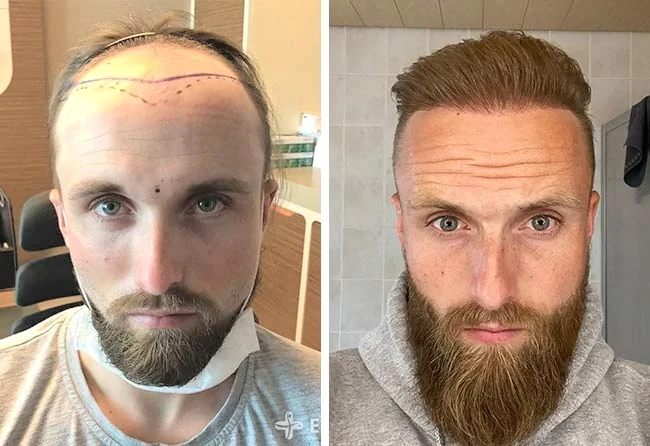
Frederik G. – 4,700 grafts
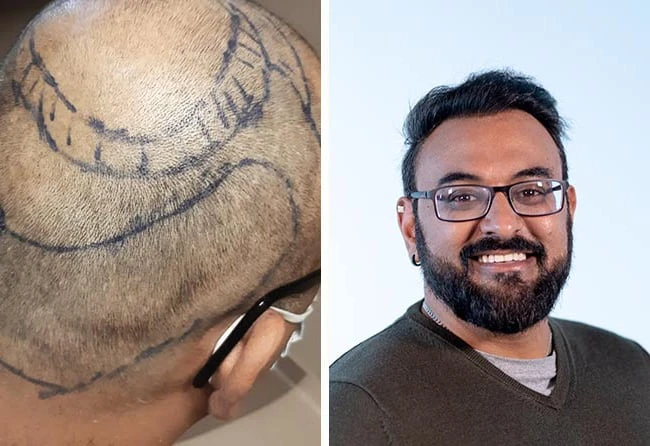
Shahid A. – 4,000 grafts
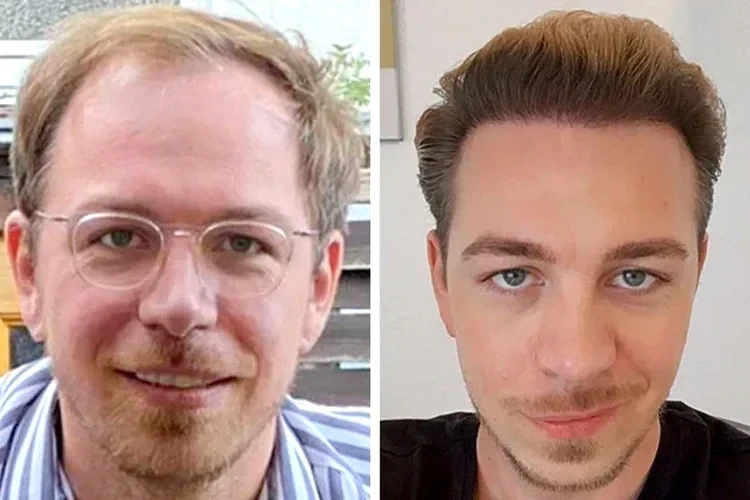
Tobias P. – 4,500 grafts
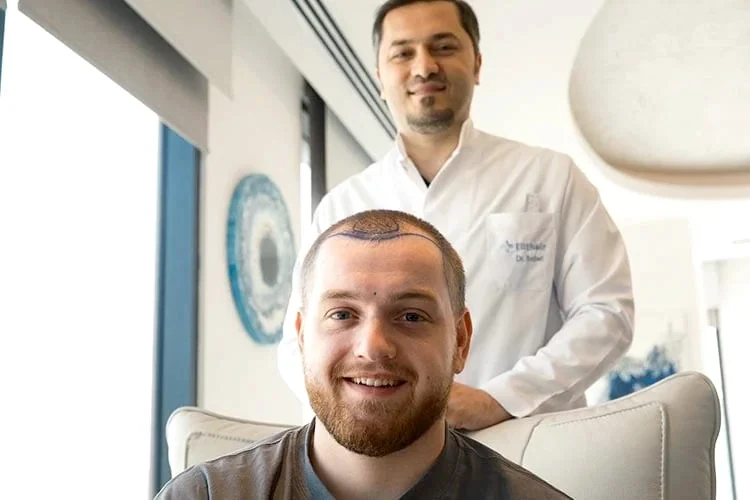
Schmale Schulter - 4,200 grafts
The earlier you have the procedure, the more follicles are available for maximum density. Find out in a few steps how much donor hair you currently have available.
The results of your individual assessment determine whether a DHI hair transplant is the best solution for you. Based on your photos, our doctors assess the capacity of your donor area, determine how many grafts you need and prepare a nonbinding cost estimate.
As part of our medical responsibility, we turn down around 40 percent of inquiries when the conditions for a dense, natural-looking result aren't met.
More than 150,000 treatments and top ratings (4.9 on Google with more than 11,000 reviews; 4.7 on Trustpilot) reflect this honesty.
Have your hair checked for free now.

DHI (Direct Hair Implantation) involves placing the grafts with the CHOI Implanter Pen. The recipient site is opened and the hair root is placed in a single step because the follicle is already inside the hollow needle. There is no need to cut channels beforehand with a blade. The grafts are first harvested using FUE.
The question can't be answered that way, because the two refer to different steps: FUE is the extraction, DHI the placement. Every DHI treatment builds on FUE extraction, and at Elithair both come together in every treatment. The only meaningful comparison for DHI is implantation into channels opened separately, for example with a sapphire blade.
With the Sapphire technique, all channels are first created with a sapphire blade, and the grafts are then placed with forceps. With DHI, the CHOI Implanter Pen does both in one motion. As a result, the angle, depth and direction are determined individually for each graft, and the grafts spend less time outside the body. Elithair works exclusively with DHI.
No. DHI is included in the all-inclusive price for your graft tier, from $3,899 for up to 2,000 grafts to $4,499 for 5,000 grafts or more. Everything is included except your flight. Other clinics often charge extra for it. The only surcharges at Elithair are for the optional Zero Shave and Manual FUE procedures.
The number depends on your donor area, not on the technique. Some clinics limit DHI to 2,000 to 3,000 grafts because of how they organize the work: when the same team members extract, load, and implant the grafts, each additional graft increases the time the others spend outside the body. At Elithair, the tasks are divided, and several implanters are in use at once. Our doctors set your graft count in your individual treatment plan, which is based on the results of the Pre-Test System.
The recipient and donor areas are usually shaved. For women and men with medium-length or long hair, optional Zero Shave FUE requires no shaving for up to 3,500 grafts and is available at an extra cost.
0.6 to 0.8 millimeters for single-hair units, 0.9 to 1.0 millimeters for two-hair units and 1.0 to 1.2 millimeters for three- and four-hair units. At Elithair, the implanters are color-coded accordingly. A needle that's too narrow crushes the tissue, while one that's too wide makes it easier for neighboring grafts to slip out.
No. Thanks to the Sleep-Deep method, you have 0% pain during treatment. The only uncomfortable part, when the local anesthetic is administered, takes place while you're in twilight sleep, induced and monitored by a board-certified anesthesiologist. During implantation, you only feel touch and pressure. Your scalp may feel tight for a few days afterward, and you'll receive medication for that.
DHI implantation avoids a separate channel-opening step, but hair transplantation is not scar-free. FUE extraction can leave small, round scars in the donor area, unlike the linear scar associated with FUT.
DHI can be useful for suitable female patients when adding density between existing hairs, provided the underlying cause of hair loss has been assessed. Good to know: when adding density, existing hair may shed temporarily (shock loss). Not every patient experiences shock loss. According to an analysis of 621 patients, women are affected significantly more often than men.
In the first weeks after treatment, the transplanted hairs may shed temporarily (shock loss), while the roots remain intact. Not every patient experiences shock loss. By month 3, about 10 percent of the result is visible. Starting no later than month 4, an additional 10 percent becomes visible each month, reaching about 40 percent after six months. Final results are visible in the front after 10 to 12 months and at the crown after 15 to 18 months.
No. Research shows that the survival rate drops when grafts are placed too densely, and the VDHC guideline sets a limit of 25 to 30 units per square centimeter. How densely grafts are placed in your case is a medical decision that balances visual coverage against the likelihood of survival.
Popping means that a unit already in place slips out while the next one is being placed. The causes are related to technique: an angled needle, the wrong tip size, an overly firm grip, and too little time between anesthesia and implantation. That's why, at Elithair, only specialists with at least seven years of experience in this step place the grafts, under medical supervision.
Transplanted follicles generally retain much of the donor area's resistance to DHT, but no transplant can guarantee that every hair will remain indefinitely. Elithair backs this with a 20-year written guarantee, provided you follow the aftercare instructions. Your untreated hair can still change over time.


