


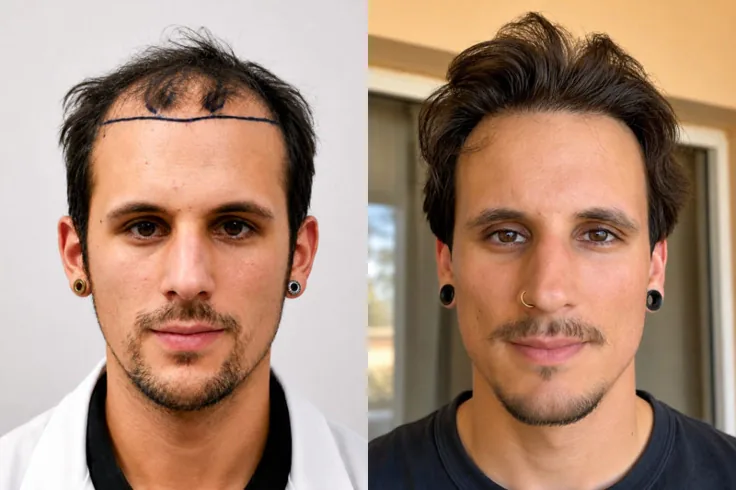
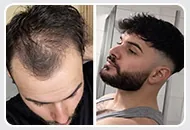
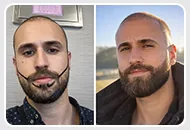
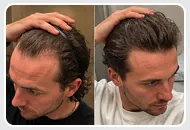
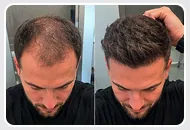
Before
After
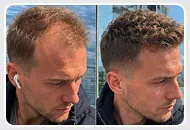
Anton Z. - 3,800 grafts with DHI
“Putting it off just wouldn't have made sense at this stage of my life. What I see in the mirror says it all.” Anton Z.

4.9 - 11,000+ Reviews on Google

150,000+ Happy Patients Worldwide
free, no obligation
 4.9 out of 5 stars on Google
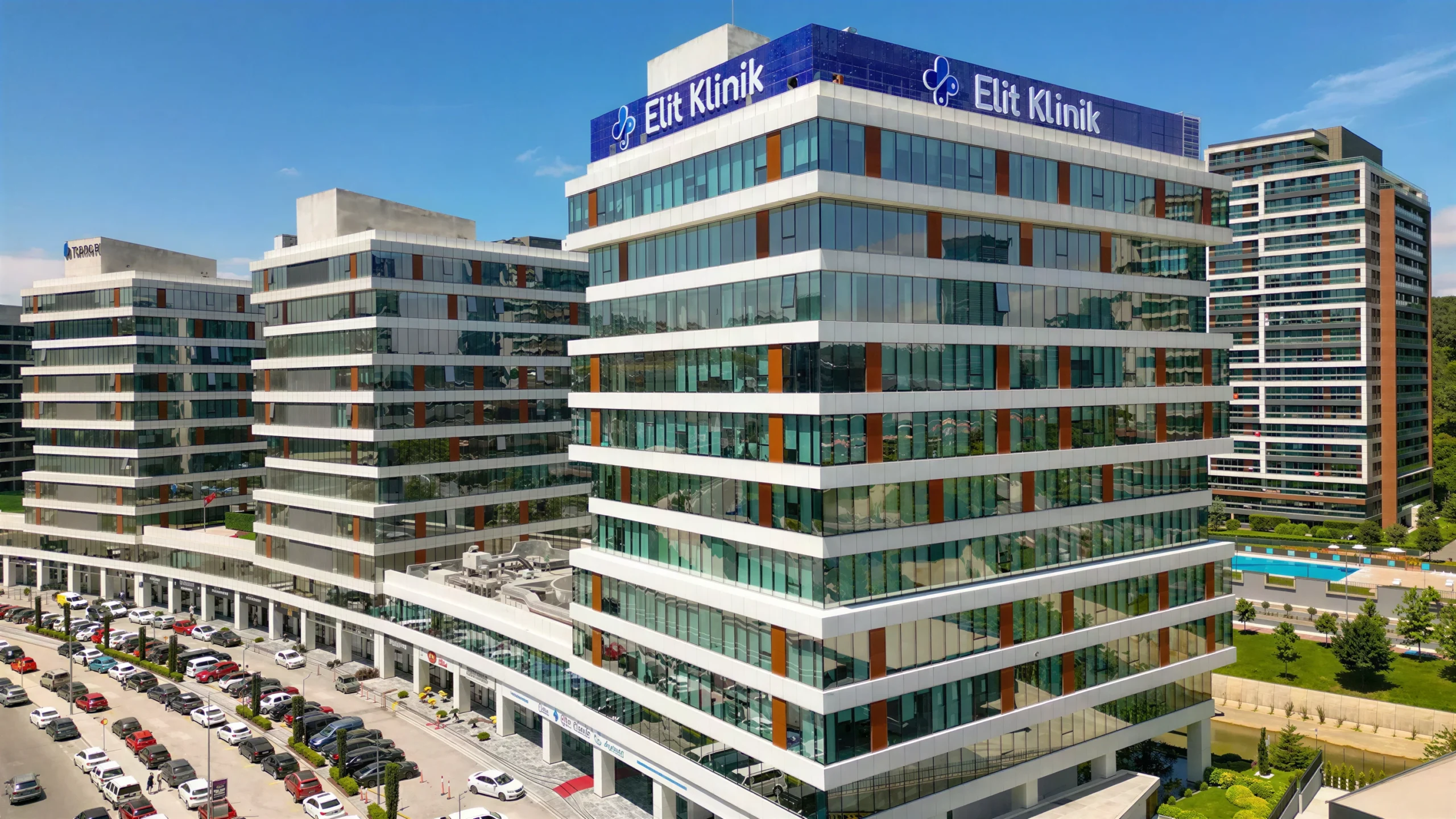
More than 150,000 treatments
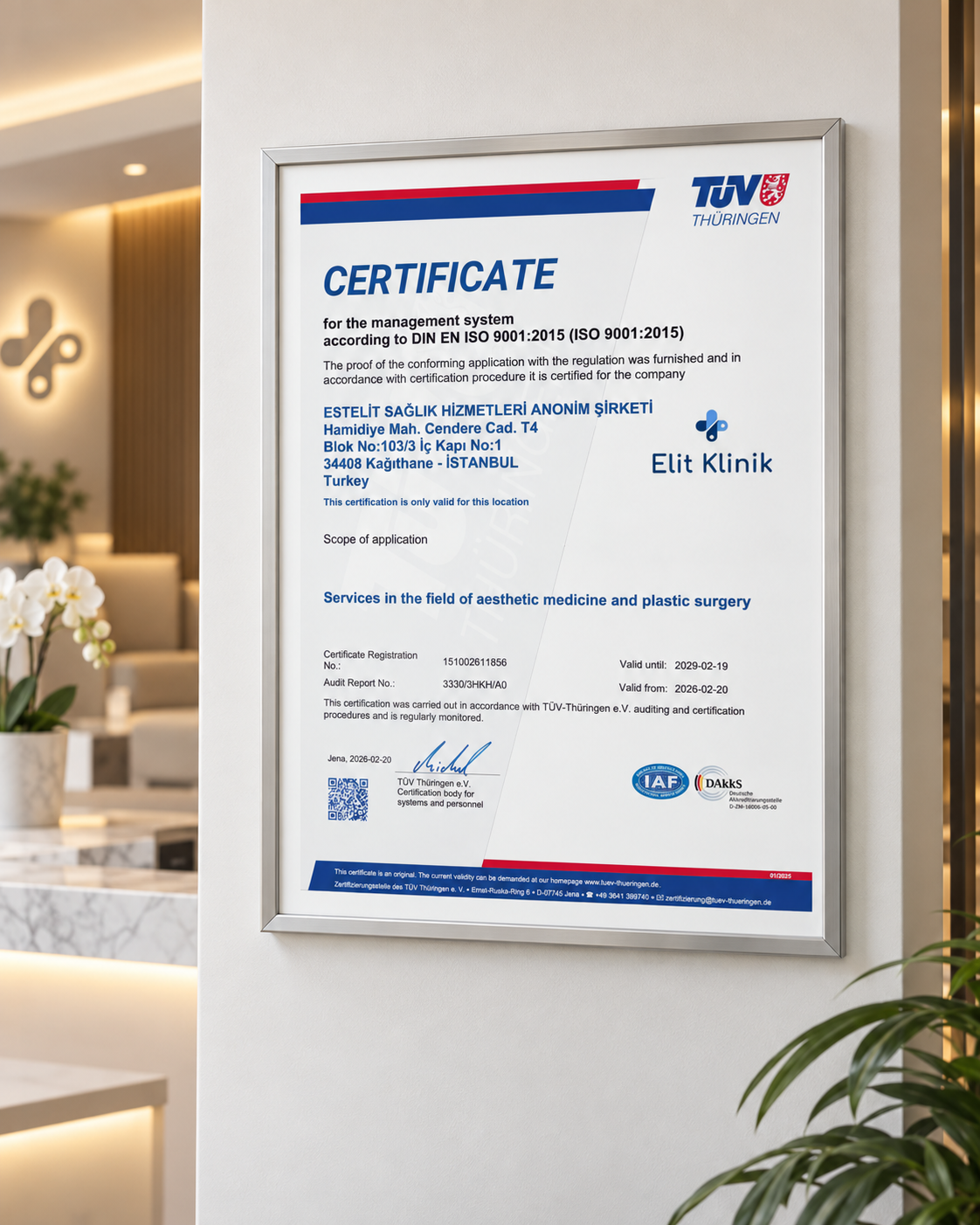
at our specialist clinic, certified to ISO 9001:2015
by TÜV Thüringen.

 Test Winner 2026
In Istanbul alone, more than 500 clinics compete for patients from the US and around the world. Every single one claims to be the best. Anyone searching for the leading hair transplant clinic in Turkey needs objective criteria, not advertising promises.
After assessing eight objective quality criteria, Elithair is the official test winner for hair transplants in Turkey 2026. In a direct comparison, the state-of-the-art Elit Klinik in Istanbul is the only institution to meet all eight core medical and safety standards in full:
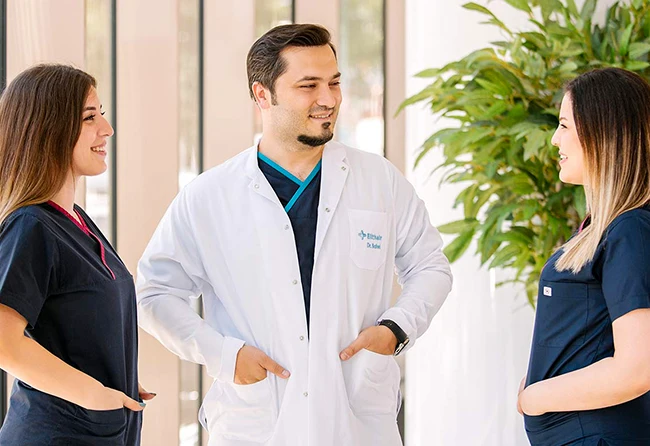 Assessment criteria
Independent quality certification
A valid ISO 9001 certification from a DAkkS-accredited body, complete with a certificate number.
State recognition & teaching status
An official license from the Ministry of Health and recognition as a medical teaching facility.
Specialist qualification & surgical expertise
Led by verified specialist doctors with documented specialization in line with international ISHRS guidelines.
Verified patient reviews
At least 3 independent platforms, each with 500+ reviews, for cross-verification.
In-house clinic infrastructure
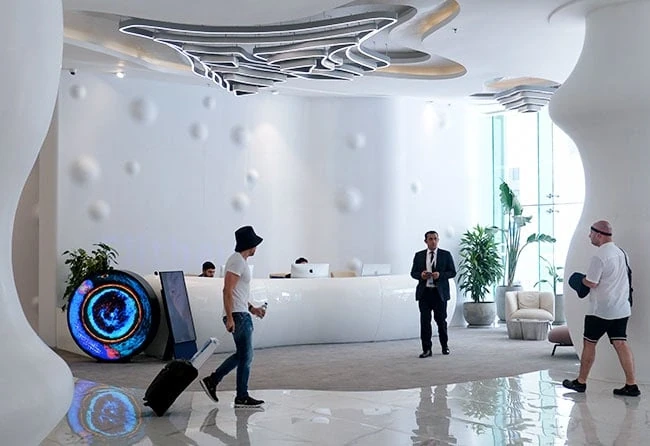
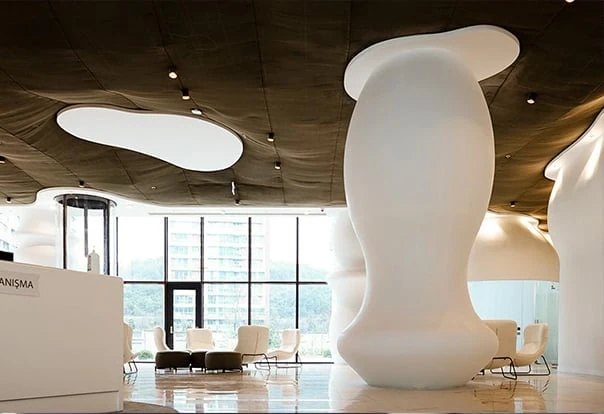
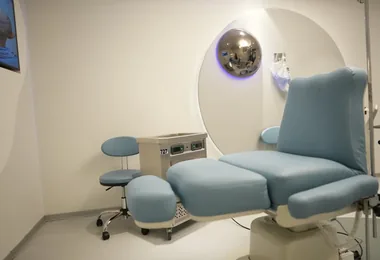
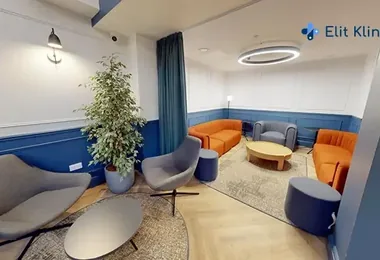
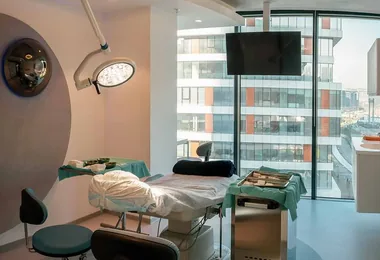
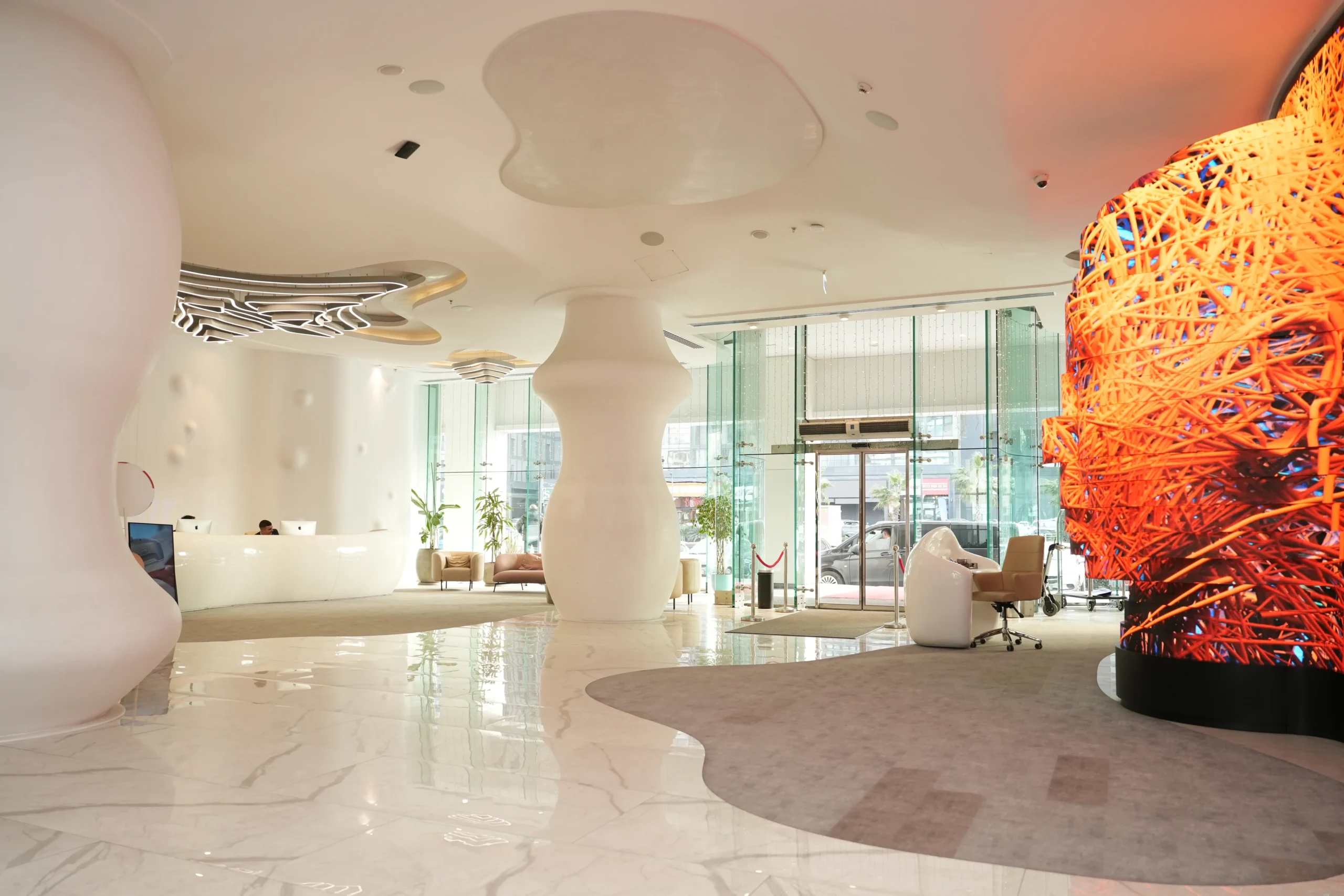
Its own clinic building with its own operating rooms and a permanent in-house team.
Aftercare and support in your own language
Structured pre- and aftercare you can actually reach in your own language, not just on-site abroad.
Written 20-year guarantee
A written guarantee clause in the contract plus a structured aftercare program.
Transparent cost structure
A transparent all-inclusive price before you travel, with no hidden costs or per-graft billing.
EvidenceEvery detail below can be independently verified through the authority, platform or partnership named.
Not a marketing claim, but a documented source.
 Comparison
“TÜV-certified” with no proof
A logo on the website, but no certificate number, no certifying body, no expiry date.
A valid ISO 9001 certificate from a DAkkS-accredited body
An agency set-up rather than an actual clinic
They own no clinic of their own and instead rent changing operating rooms in third-party hospitals.
An in-house clinic building and a permanent team.
Non-medical staff instead of doctors
Most of the procedure is carried out by non-medical staff. The doctor is only present briefly.
A procedure performed under continuous medical responsibility with documented in-house protocols.
A thin review base
Only 50 to 300 reviews, usually on a single platform.
1,000+ reviews across at least 3 independent portals.
No structured aftercare you can reach
Support runs solely and anonymously via WhatsApp, with no structured follow-up once you are back home.
Structured, trackable aftercare in your own language, e.g. via a dedicated app and care team
A guarantee promise with no contract
Verbal promises during the sales pitch, with no legally binding clause in the contract.
A written guarantee with clearly defined terms before you travel.
Self-awarded “accolades”
Badges such as “Test Winner 2026” from a single comparison portal that pockets affiliate commissions itself.
A transparent methodology and external, neutral sources.
“From” prices with no scope of service
Low “from” prices, where sedation, hotel, transfer or PRP are then added on expensively on site.
An all-inclusive package with a written quote before you travel.














Many “hair transplant Turkey test winner 2026” rankings are not independent tests at all, but purely commercial. With these three checks, you can spot fake comparisons at a glance:
Important: Recognized review sources are official or consumer-protection institutions: Stiftung Warentest, ÖKO-Test, TÜV consumer protection, consumer advice centers or professional medical associations such as the DGÄPC. For hair transplants, none of these institutions has published a current clinic test. The most recent Stiftung Warentest article, from 2021, contains no clinic ranking.
Is a private referral agency behind it rather than a professional body?
Is the piece labeled as an “ad” or “advertorial”?
Do links with tracking parameters point straight to particular clinics?
MethodsIn a modern hair transplant, a clinic does not rely on a single method but on a bundle of techniques in three steps.
“FUE or DHI” is not an either/or choice. FUE is the extraction technique, DHI is the implantation technique. The two are combined.
Sapphire FUE opens the channels in a separate step using sapphire blades, which is technically outdated compared with DHI using a CHOI pen.
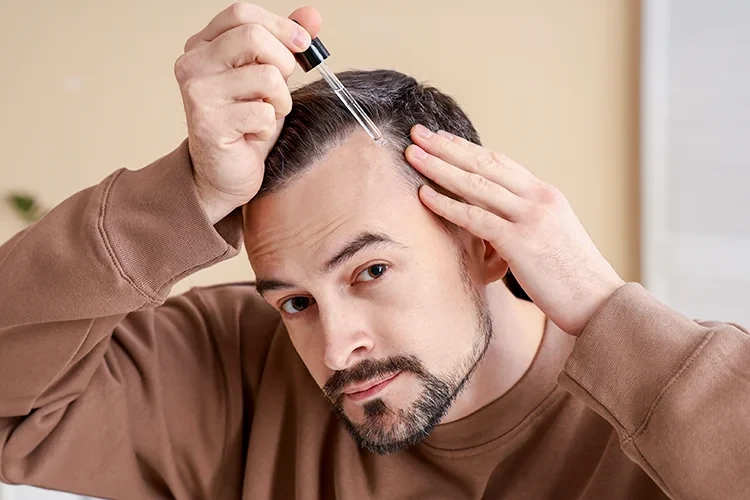
Step 1 · Follicle care
NEO FUE (Elithair-exclusive, registered trademark)
A plant-based stem-cell serum that you receive at the clinic and apply to your scalp on days 14 and 28 after your procedure. It strengthens the follicles and donor area to support the growth of the transplanted hair.
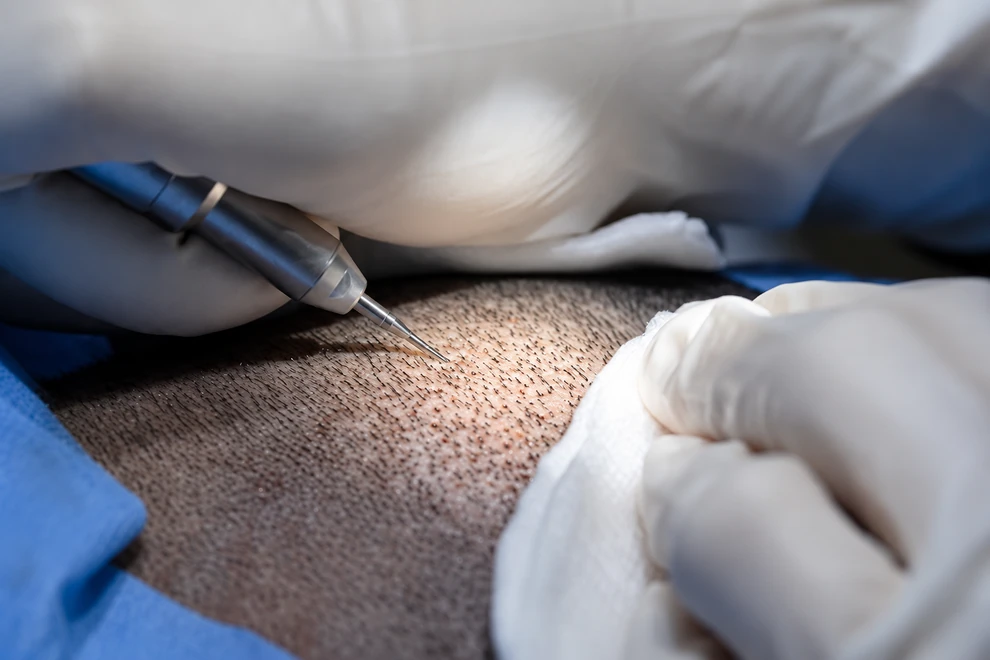
Step 2 · Extraction
FUE (Follicular Unit Extraction)
Individual follicles are extracted from the donor zone using a 0.6 to 0.8 mm micromotor. No linear scar, fast wound healing (Gupta et al. 2020). FUE is the foundation of every modern hair transplant, not a standalone implantation method.
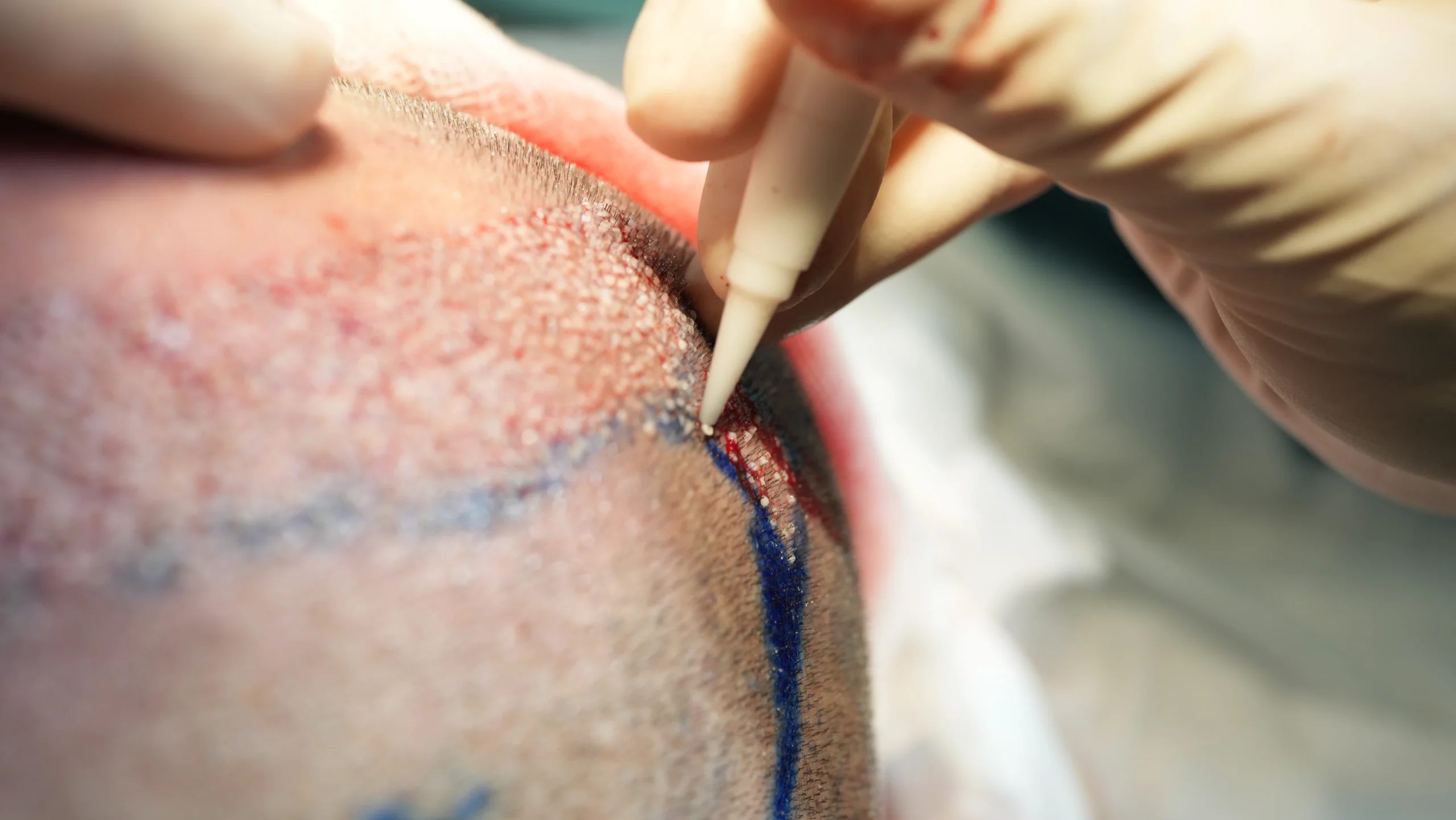
Step 3 · Implantation
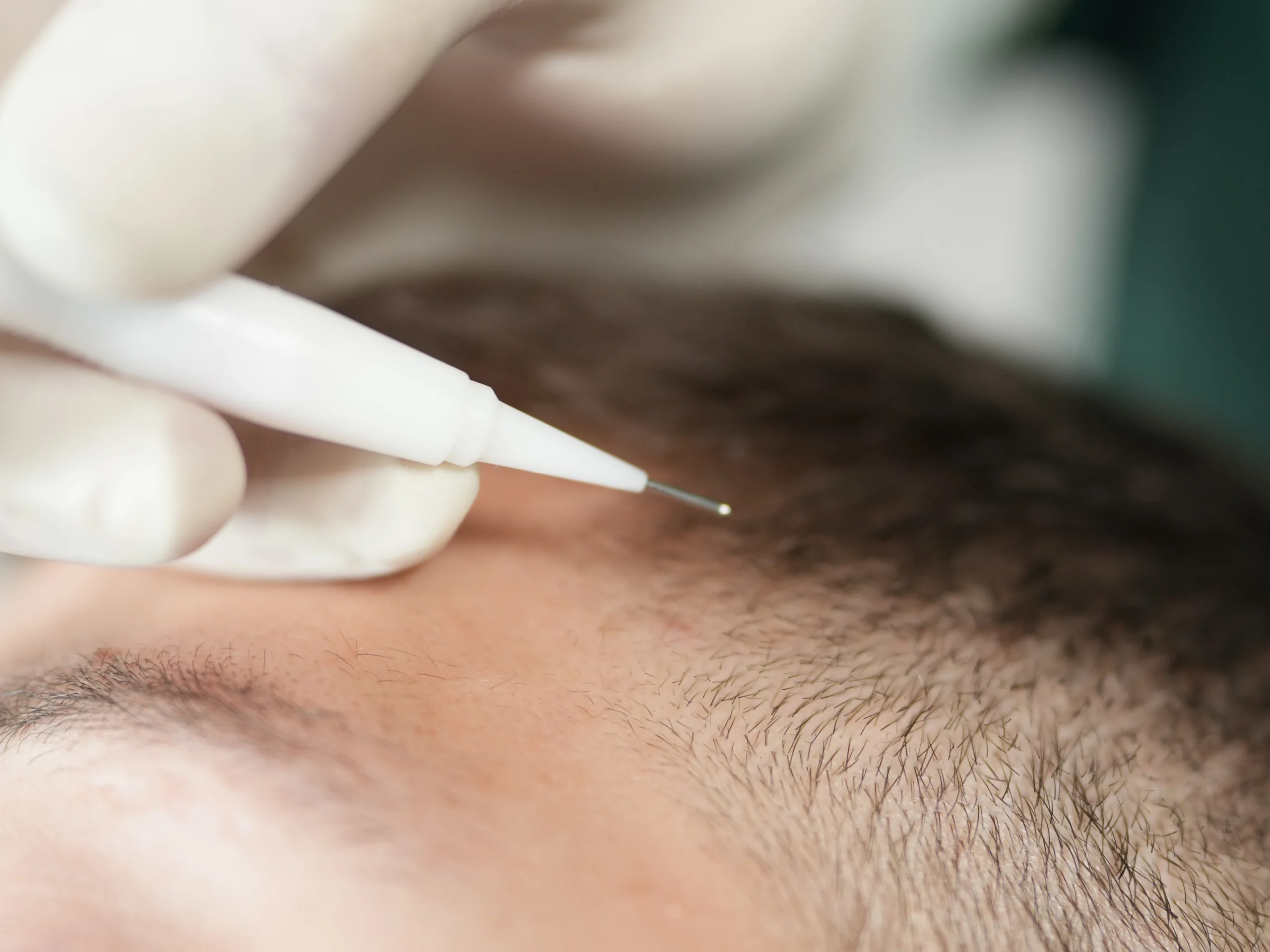
DHI with CHOI pen (Elithair standard)
The extracted grafts are implanted directly with the CHOI pen (Choi et al. 1992). The pen opens the channel and places the graft in a single step. High precision in both angle and density.
Fixed-price modelWhile US clinics charge $2.70 to $5.30 per graft, Elithair relies on a fair, transparent fixed-price model. The all-inclusive package already covers state-of-the-art procedures such as the DHI technique and the exclusive NEO FUE® serum. You also benefit from pain-free Sleep-Deep sedation, three nights at a 4-star hotel, VIP transfers and a regenerative PRP treatment. A dedicated care kit and aftercare through the Elithair app are included in the price as well.
Fixed prices compared
| Grafts | Elithair all-inclusive | Clinics in the US |
|---|---|---|
| up to 2,000 grafts | $3,899 | from $8,999 |
| up to 2,500 grafts | $3,999 | from $10,999 |
| up to 3,000 grafts | $4,099 | from $12,499 |
| up to 4,000 grafts | $4,299 | from $15,499 |
| 5,000 grafts and up | $4,499 | from $18,499 |
If additional grafts are needed during the procedure, a flat fee of $100 per 500 grafts applies. Your flight is not included.

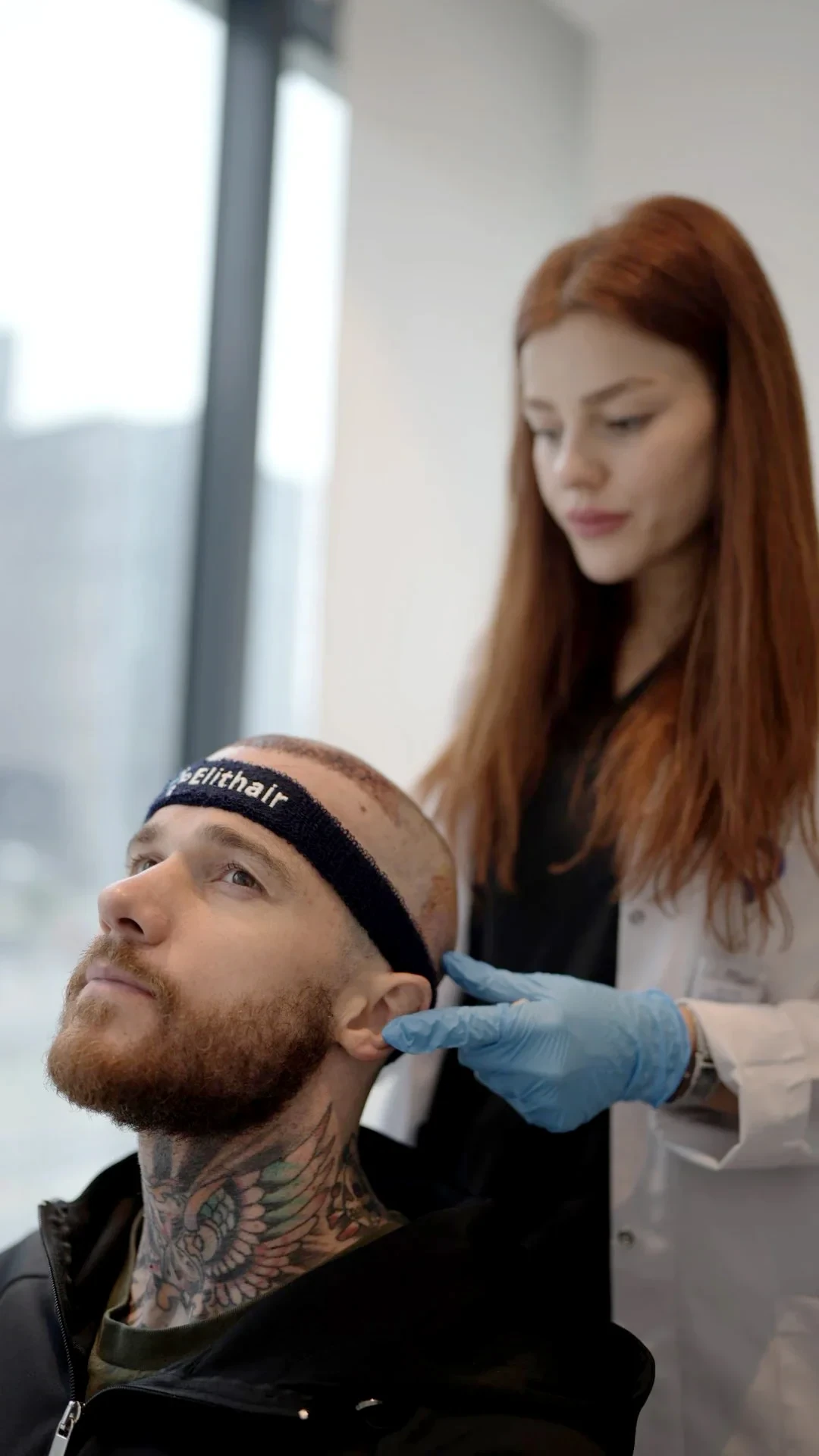
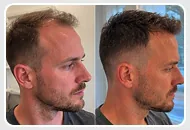
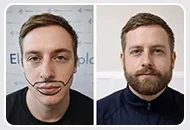
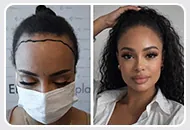
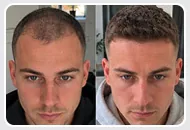
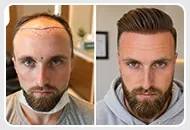
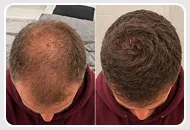
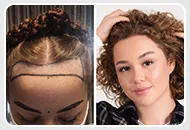
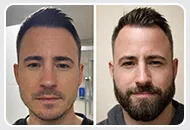
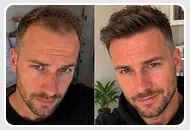
The before-and-after page features more than 80 documented patient cases. These include high-profile cases such as Trymacs (3,400 grafts), Spybas (3,200 grafts) and Simon Teichmann (3,500 grafts). Each case is documented with the graft count, method, treatment date and healing progress.
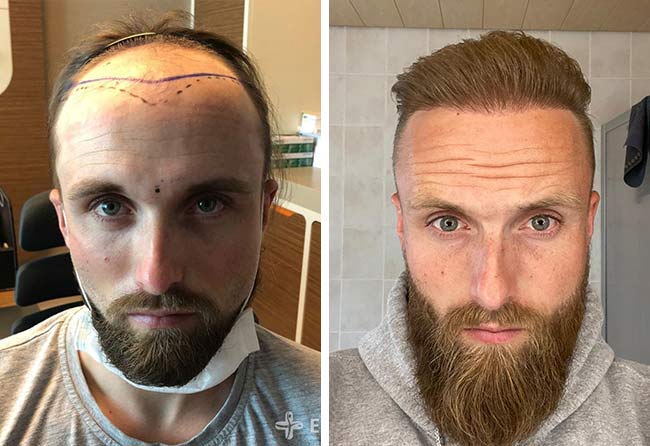
The photos show each stage three, six and twelve months after surgery. This gives a realistic sense of the typical growth process, including the possible shock loss in the first few weeks, where the transplanted hair shafts can initially fall out and only grow back after three to four months.
Anton Z. - 3,800 grafts with DHI
“Putting it off just wouldn't have made sense at this stage of my life. What I see in the mirror says it all.” Anton Z.
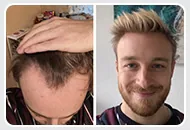
Frederik G. - 4,700 grafts with DHI
“I'm very happy. It's an amazing feeling to have hair again where there hasn't been any for a long time.” Frederik G.
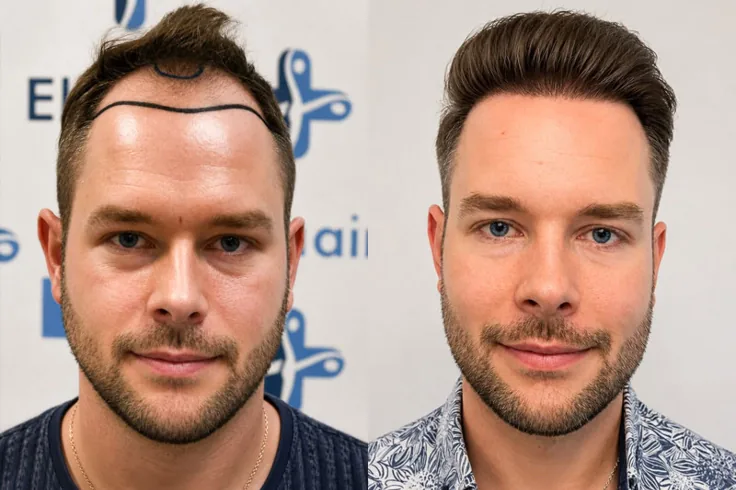
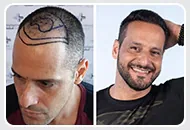
Michael A. - 4,700 grafts with DHI
“Looking in the mirror in the morning finally makes me happy again.” Michael A.
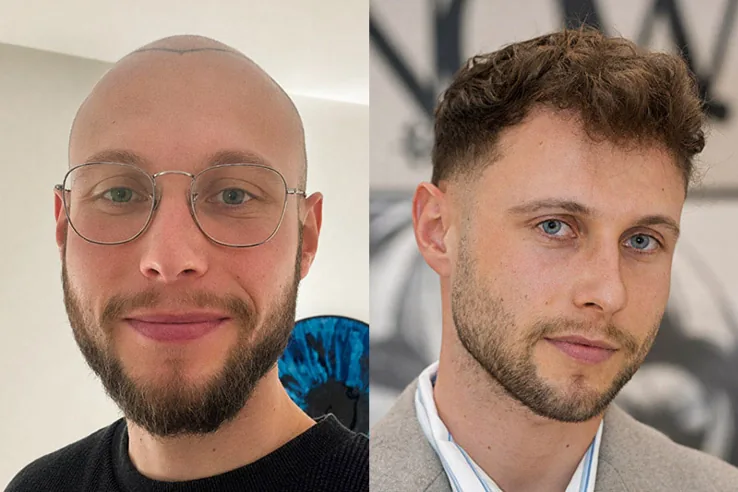
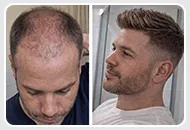
Niklas N. - 4,000 grafts with DHI
“My only real regret is that I didn't do it much sooner.” Niklas N.

More than 150,000 treatments
Four themes come up again and again across the four review platforms: pain-free sedation, the in-house clinic infrastructure, dedicated support in your own language and the structured app-based aftercare.
Google4.9more than 11,000 reviews Trustpilot4.7more than 3,700 reviews
 ProvenExpert4.84more than 2,500 reviews
 ausgezeichnet.org4.92more than 570 reviews
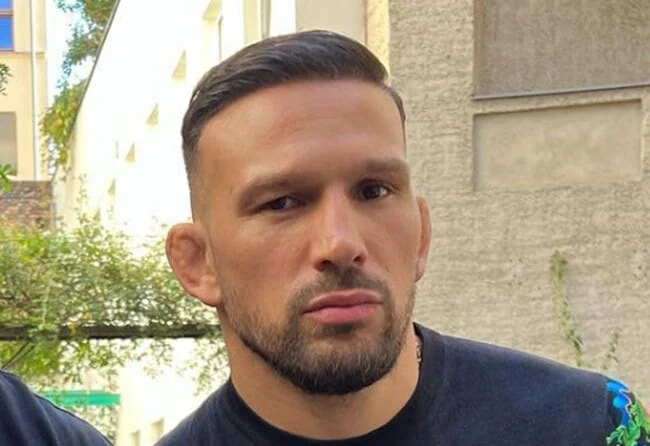
“Everything was extremely professional and extremely hygienic. I'm just really, really happy that I decided to do it.”
Max Coga · Age 34 · 3,250 grafts
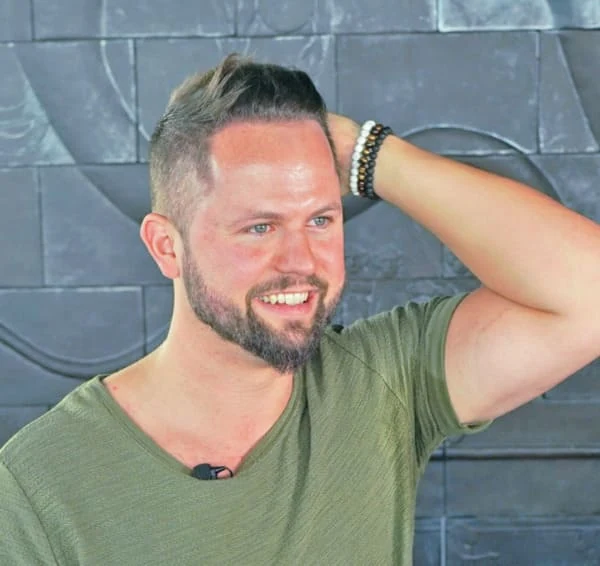
“I can't put into words how happy I am with the result. Definitely the best decision of my life.”
Nico G. · Age 27 · 2,800 grafts
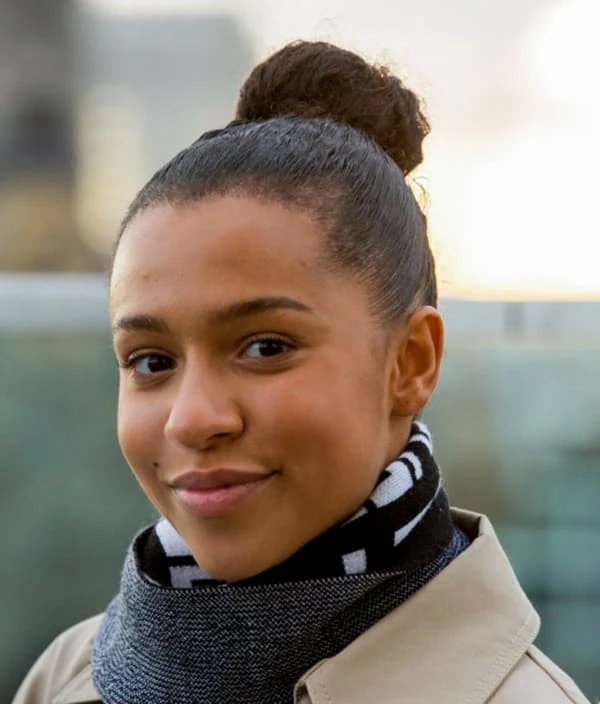
“I'm just happy I had a hair transplant… and yes… I'm just happy. That's what counts.”
Melissa Z. · Age 22 · 2,700 grafts
Warning signsStructural shortcomings don’t show up in a clinic’s marketing, but at the actual patient touchpoint. These five signals come up repeatedly with dubious providers.
If even one of them appears, you should ask questions or switch provider.
Success rates of 99 or 100 percent
Graft survival rates depend on the donor area, skin quality and aftercare. Anyone making blanket maximum promises is ignoring individual diagnostics.
More than 5,000 grafts with no diagnostics
A classic sign of overharvesting, meaning the extraction of more grafts than the donor zone can sustain long-term (Okochi et al. 2020). The result: permanent damage to the donor area, often only visible after months.
A procedure under 6 hours for 3,000+ grafts
A careful procedure on this scale takes ten hours or more at Elithair. Anyone working faster is either cutting corners or having parts done by untrained staff.
A verbal growth guarantee
Without a written clause in the treatment contract, the promise is legally worthless. Ask for the guarantee wording in writing before paying any deposit.
The donor zone missing from before-and-after photos
Reputable clinics document both: the recipient area and the donor area. That’s the only way to tell whether the extraction protects the donor region or thins it out.
No. Neither Stiftung Warentest, ÖKO-Test nor the consumer advice centers have published a comparative clinic test. The most recent Stiftung Warentest article dates from 2021 and contains no clinic ranking. Whatever appears online as a “test winner 2026” list almost always comes from private comparison portals running an affiliate model.
Most of these lists are curated by comparison portals funded through affiliate commissions from the clinics they list. They are therefore commercial recommendations, not independent tests. The legal notice and the advertising disclosure usually state this openly.
A TÜV certification is meaningful when it is based on ISO 9001 and the certifying body is accredited by the DAkkS. Only the combination is reliable. Advertising claims without a certificate number and without naming the certifying body remain just that: claims.
Elithair currently has more than 11,400 verified reviews across four independent platforms. The average is 4.83 out of 5 stars. Trustpilot (3,000+), Google (6,200+), ProvenExpert (2,200+), ausgezeichnet.org (576+).
The Turkish Ministry of Health only grants this status to clinics whose medical standards and teaching program stand up to ministerial scrutiny. It goes beyond the standard license that every clinic needs. Teaching-facility status is therefore a quality indicator that exceeds the usual minimum level.
The question is framed the wrong way. FUE is the extraction technique, DHI is the implantation technique. A treatment combines both steps. Sapphire FUE opens the channels in a separate step using sapphire blades, which means an extra step compared with DHI using a CHOI pen. The NEO FUE® stem-cell serum is applied on days 14 and 28 after the procedure and is complementary, not a surgical method in its own right.
Lower staff and rental costs, a far higher surgical volume per clinic, leaner administration. With reputable providers, this has nothing to do with compromising on quality and everything to do with structural cost advantages. At prices below $1,600, however, the quality criteria from this test should be checked especially carefully.
First visible results after three to six months, the final result after around twelve months, and maximum density after 18 months. In the first few weeks after surgery, the transplanted hair shafts may fall out (possible shock loss) (Okochi et al. 2024). The roots remain intact, and the hair grows back from them.
Three points. First: what exactly does the growth guarantee cover? Second: which aftercare obligations must the patient follow for the guarantee to apply? Third: how long does it last? At Elithair, that’s 20 years, provided the aftercare instructions are followed. A guarantee period of this length is unusual in the industry.
Elithair provides 365 days of structured aftercare in English through the Elithair app: you upload photos, ask questions and are monitored by specialists, so your recovery stays supervised without having to travel back to Turkey.
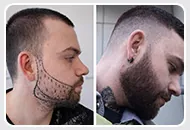 Result
Based on the criteria test documented here, Elithair is the hair transplant test winner for Turkey 2026.
It is the only clinic in the comparison to demonstrably meet all eight objective quality standards:
This assessment is an editorial selection based on recognized industry standards. Patients are invited to check every criterion and every piece of evidence for themselves. The external source links are included in the article.
TransparencyResearch as ofMay 28, 2026
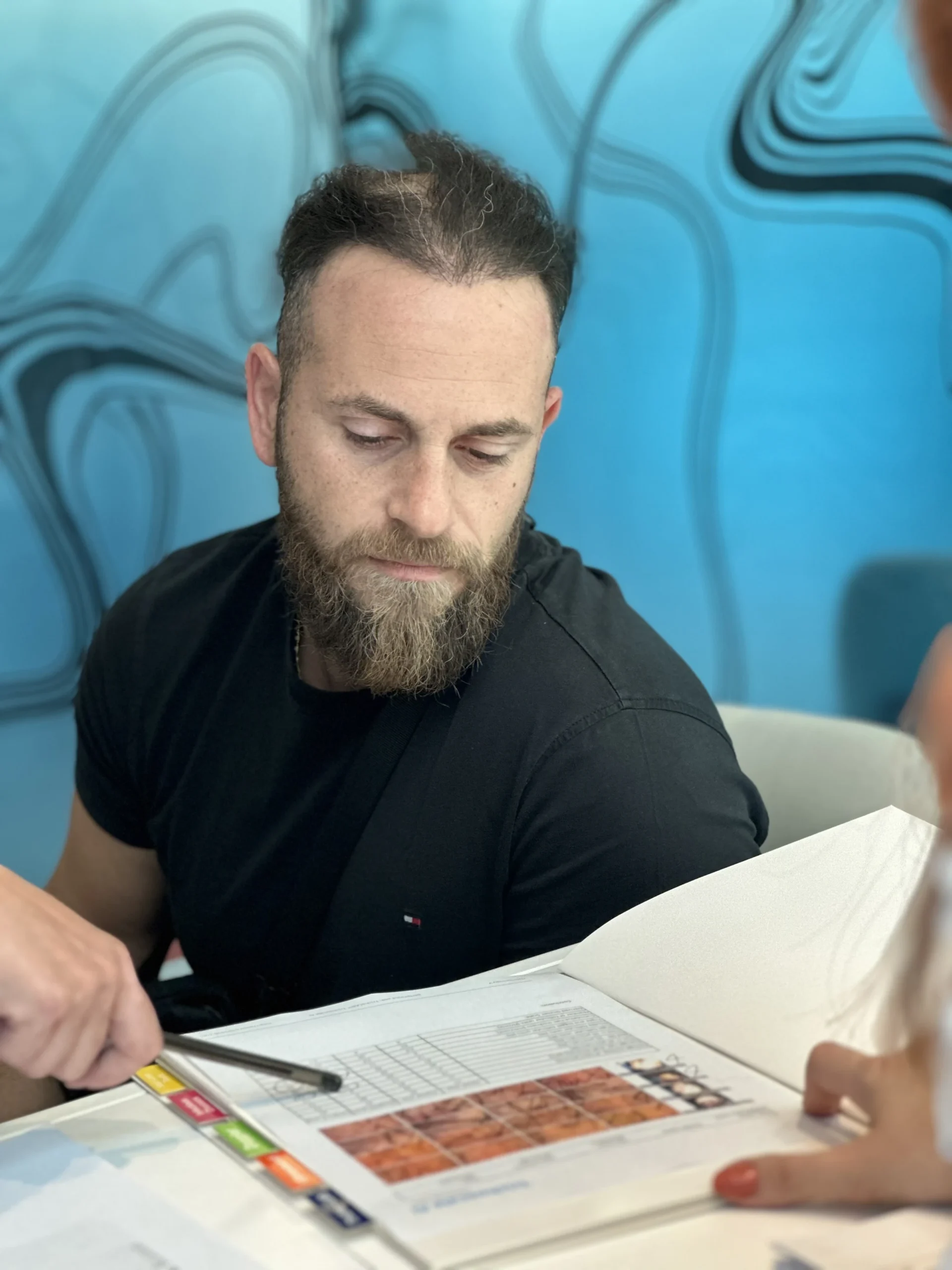
The starting point.
There is currently no official testing body that compares hair transplant clinics on a like-for-like basis. Neither Stiftung Warentest nor ÖKO-Test, neither TÜV consumer protection nor a consumer advice center has published a current clinic test. The most recent Stiftung Warentest article, from 2021, contains no ranking. So that patients still have a sound basis for their decision, the Elithair editorial team developed its own criteria test.
The basis for the criteria.
The eight criteria are drawn from three recognized standards:
The scoring logic.
Each criterion has a clearly defined minimum standard. A clinic counts as having “met” it when the standard is demonstrably proven: with a certificate number, an official register entry, a platform profile or its own clinic address. Claims without proof do not count.
The comparison set.
We considered the Turkey-linked hair transplant providers most frequently named in the media and across the search market. Research as of May 28, 2026.
Transparency note. This is an editorial test by the Elithair editorial team, not the verdict of an independent third-party institute. Patients are expressly invited to verify the fulfilment of each criterion themselves.
Conflict-of-interest note. Elithair operates this website and is at the same time the subject of the test. We offset this conflict of interest through three measures: transparent disclosure of the methodology, exclusively verifiable evidence for each criterion met, and external source links for independent checking.