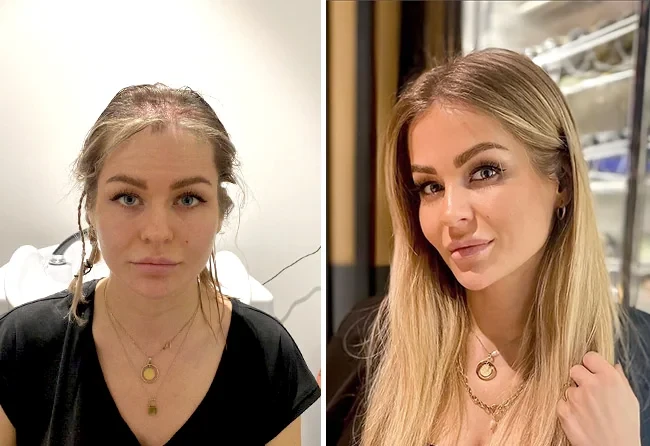
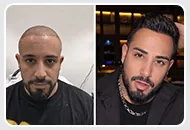
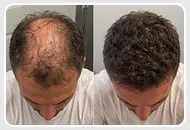
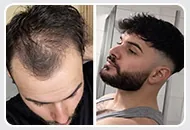
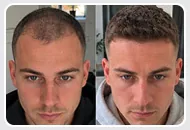
Before
After
Julia O. – 1,700 grafts

4.9 - 11,000+ Reviews on Google

150,000+ Happy Patients Worldwide
free, no obligation
 4.9 out of 5 stars on Google
More than 150,000 treatments
at our specialist clinic, certified to ISO 9001:2015
by TÜV Thüringen.

 Zero Shave FUE
Many people put off a hair transplant for one practical reason: they don't want their head shaved. Until now, a transplant usually meant living with a shaved scalp for weeks — and everyone around you noticing.
Zero Shave FUE eliminates that trade-off. The hair in both your donor and recipient areas stays at its full length (Park et al. 2019). Our medical specialists precisely place up to 3,500 grafts between your existing hair in a single session.
Whether you're a man or a woman, you can restore maximum density without anyone around you noticing.
For you, that means no shaving, no bandage, and no awkward in-between stage to explain.
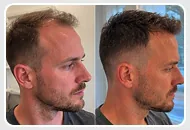
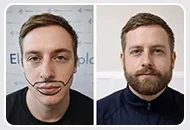
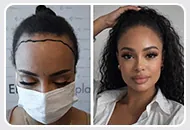
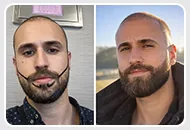
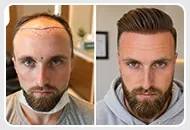
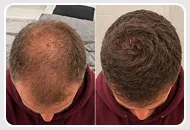
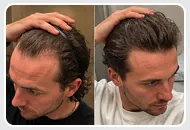
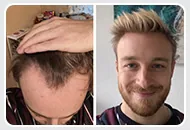
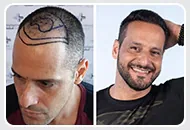
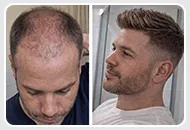
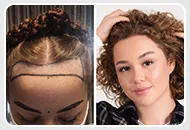
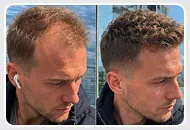
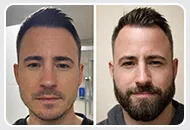
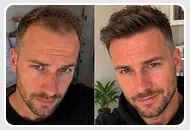
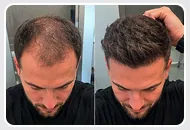
Three patients, three stories, one goal: fuller hair with no visible signs of treatment. See the results of hair transplants without shaving at Elithair.
Julia O. – 1,700 grafts
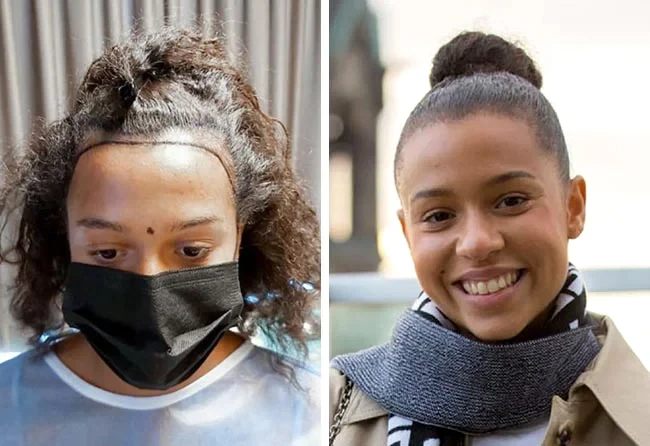
Melissa Z. – 2,700 grafts
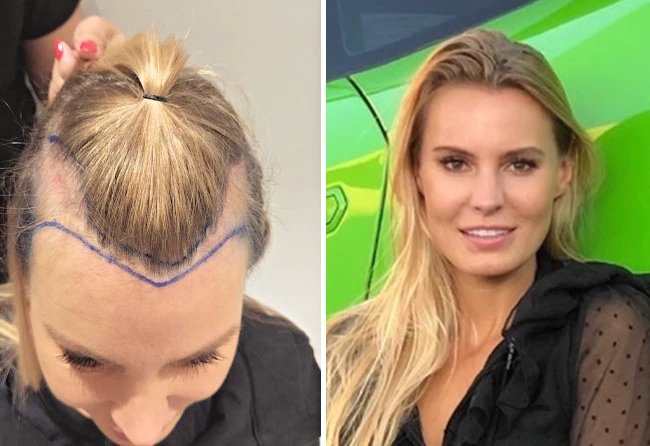
Doreen Seidel - 3,100 grafts
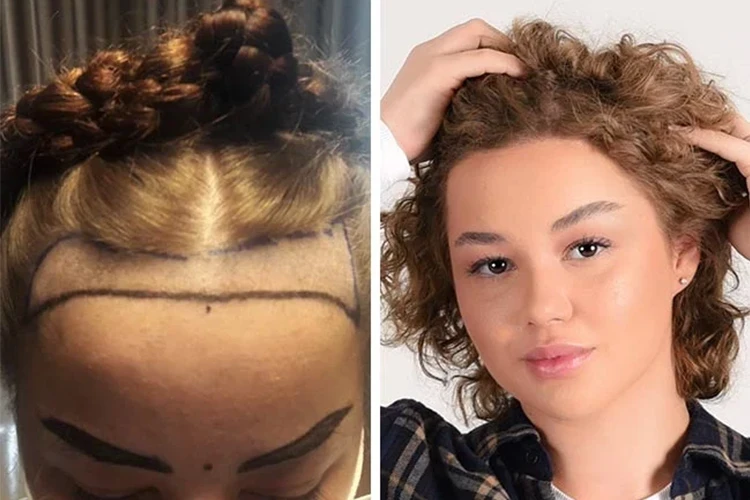
Lilianna S. – 2,600 grafts
The methodZero Shave is a hair transplant in which nothing is shaved — neither the donor area at the back of your head nor the recipient area.
The hair in both areas stays at its full length. FUE refers to the extraction technique: individual groups of hair follicles are removed one at a time, then implanted in the thinning area.
That's the key difference from conventional procedures. Even methods that leave the recipient area unshaved usually require shaving at least a small patch at the back of the head to harvest grafts.
Zero Shave FUE eliminates that step as well. Our medical specialists work between your long hairs to harvest groups of follicles one by one, then implant them between your existing hairs.
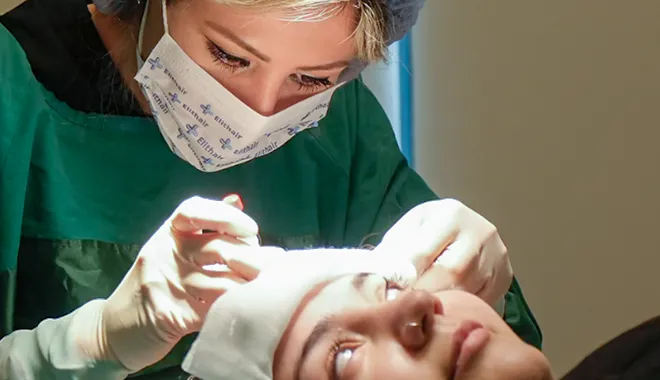
The benefit: 100% discretion. There are no visible signs of treatment, either immediately afterward or during the weeks of healing.
Long Hair FUE vs. Zero Shave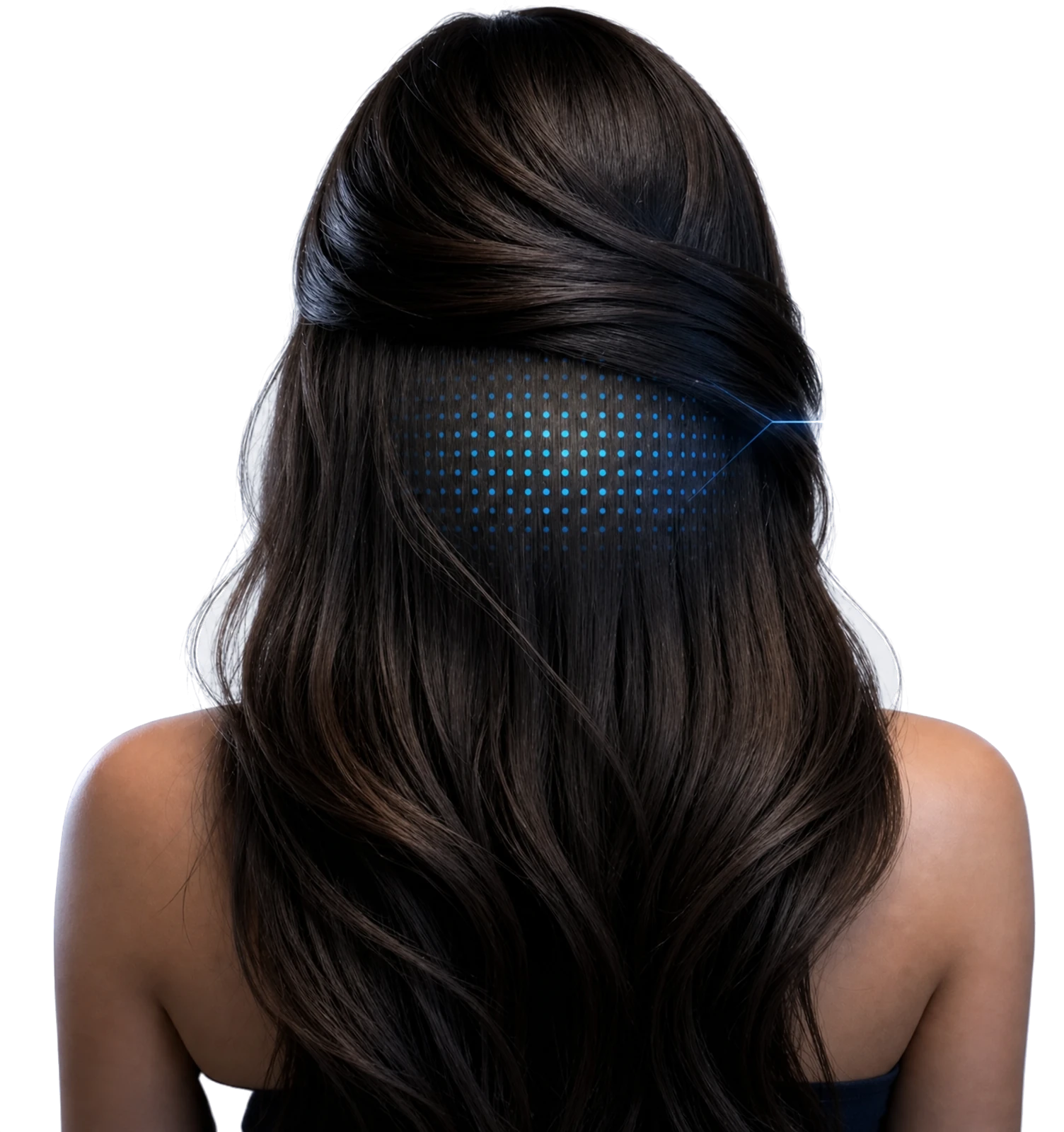
Long Hair FUE is often marketed as a shave-free solution, but that tells only half the story. The recipient area stays unshaved, and the grafts are implanted with the full length of the hair intact, so you can see the result with long hair right away.
The donor area is different. A narrow horizontal strip is shaved so the hair follicles can be extracted. The hair above it usually covers the strip, but the hair in that section remains visibly shorter until it grows back. In most cases, Long Hair FUE preserves full hair length only in the recipient area.
Our Zero Shave FUE goes one step further: neither the donor nor the recipient area is shaved. You get fuller hair without shaving.
You leave the clinic with the same head of hair you walked in with, and no one has to know about your treatment.
Why shaving is used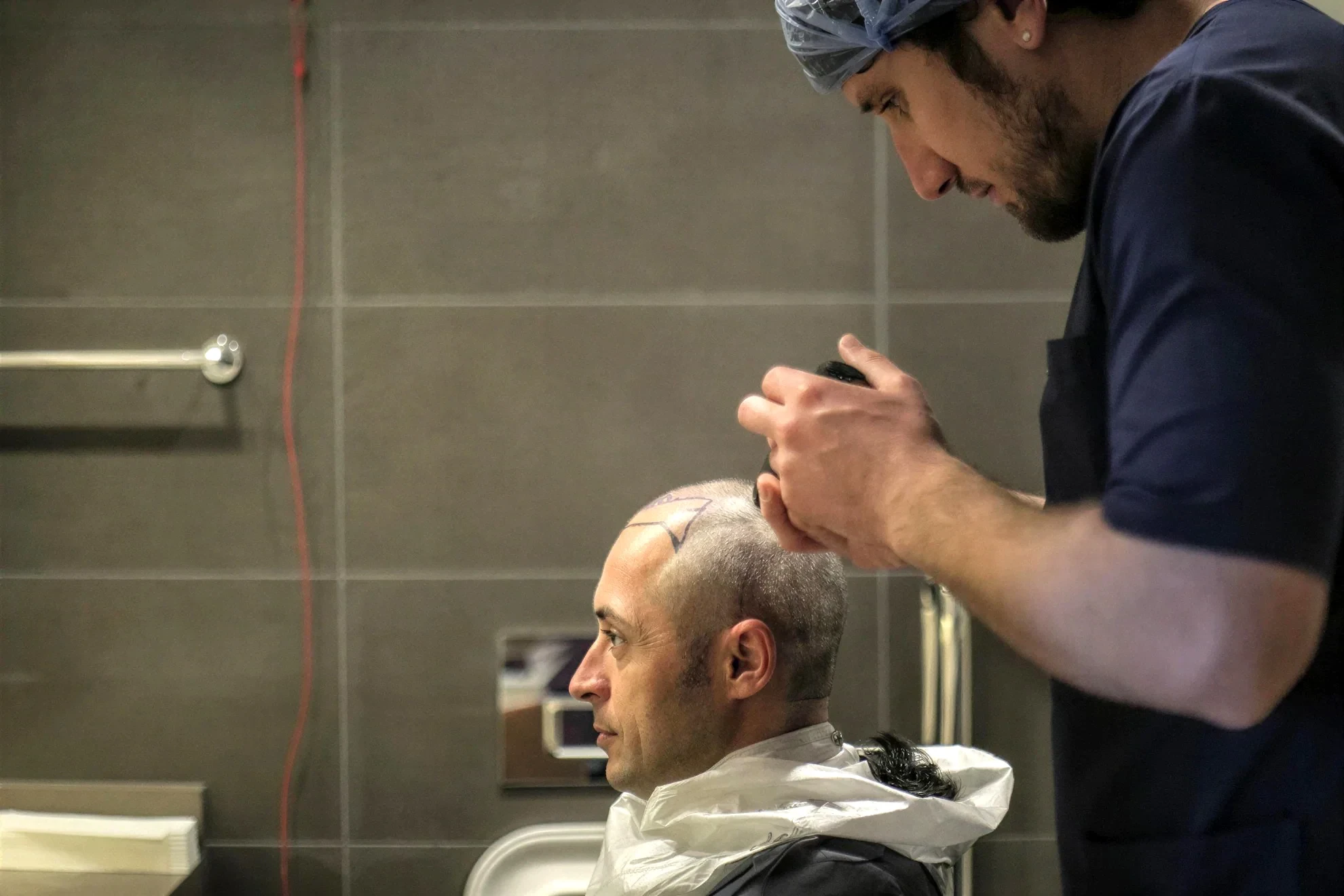
For a conventional hair transplant, the donor and recipient areas are shaved because short hair gives doctors a clearer view:
Shaving makes the procedure easier for the treatment team; it is not medically necessary.
Most providers advertising hair transplants without shaving actually mean a partial shave. With Zero Shave FUE, neither area is shaved.
Extracting grafts from between your existing hair takes real manual skill. To protect the surrounding tissue and hair, we reduce the micromotor speed from the industry-standard 4,000 rpm to a gentle 100 to 200.
This dramatically reduces heat and tissue trauma but requires absolute precision. Our medical specialists are also trained to extract grafts entirely by hand using Manual FUE, which is available as an option for an additional fee.
With this technique, each graft is carefully freed and extracted in the direction of hair growth — a skill offered by very few clinics. This level of control, combined with the expertise of a treatment team with at least seven years of experience, keeps your existing hair intact. This expertise is what allows us to extract grafts cleanly from between your existing hair.
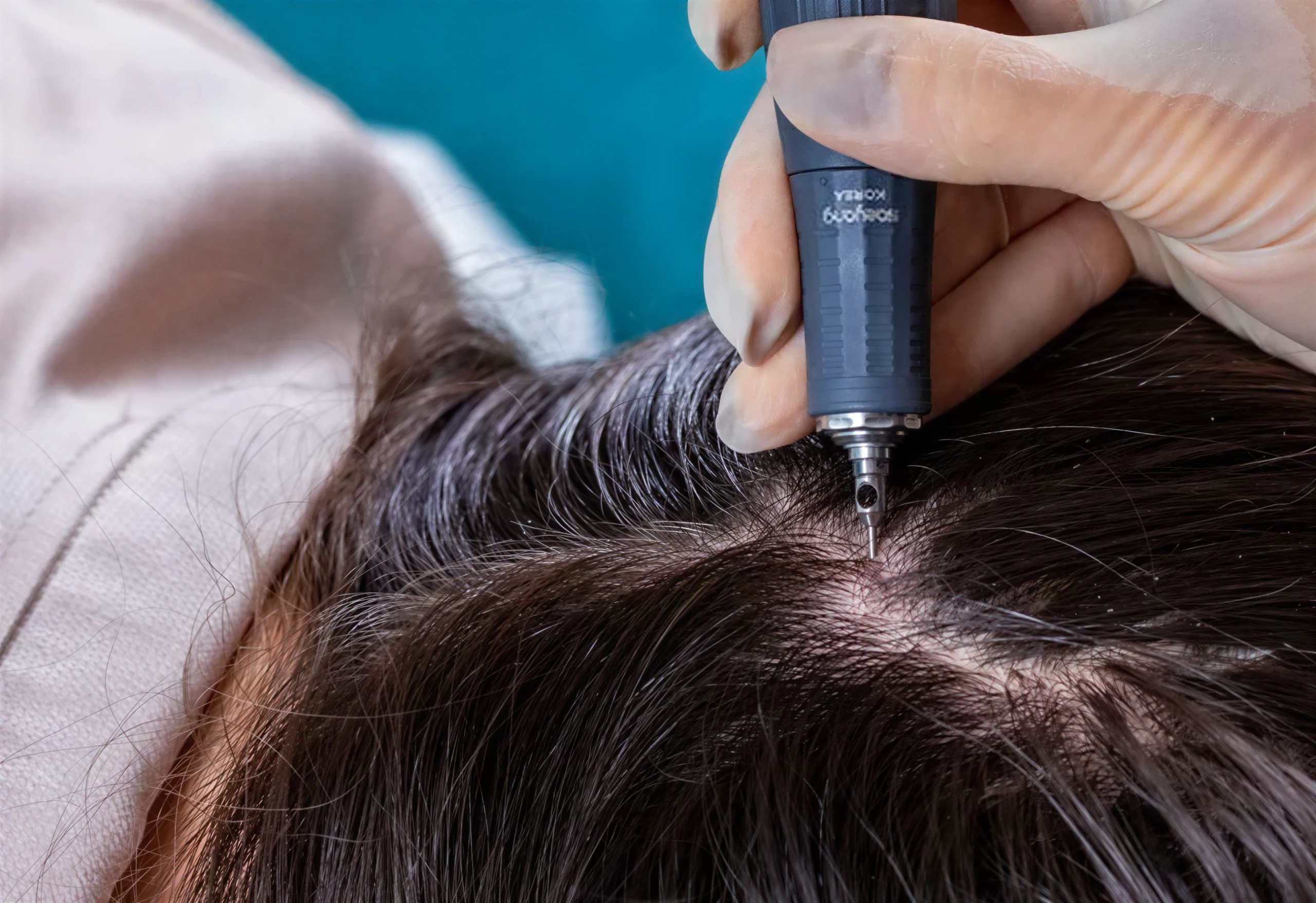
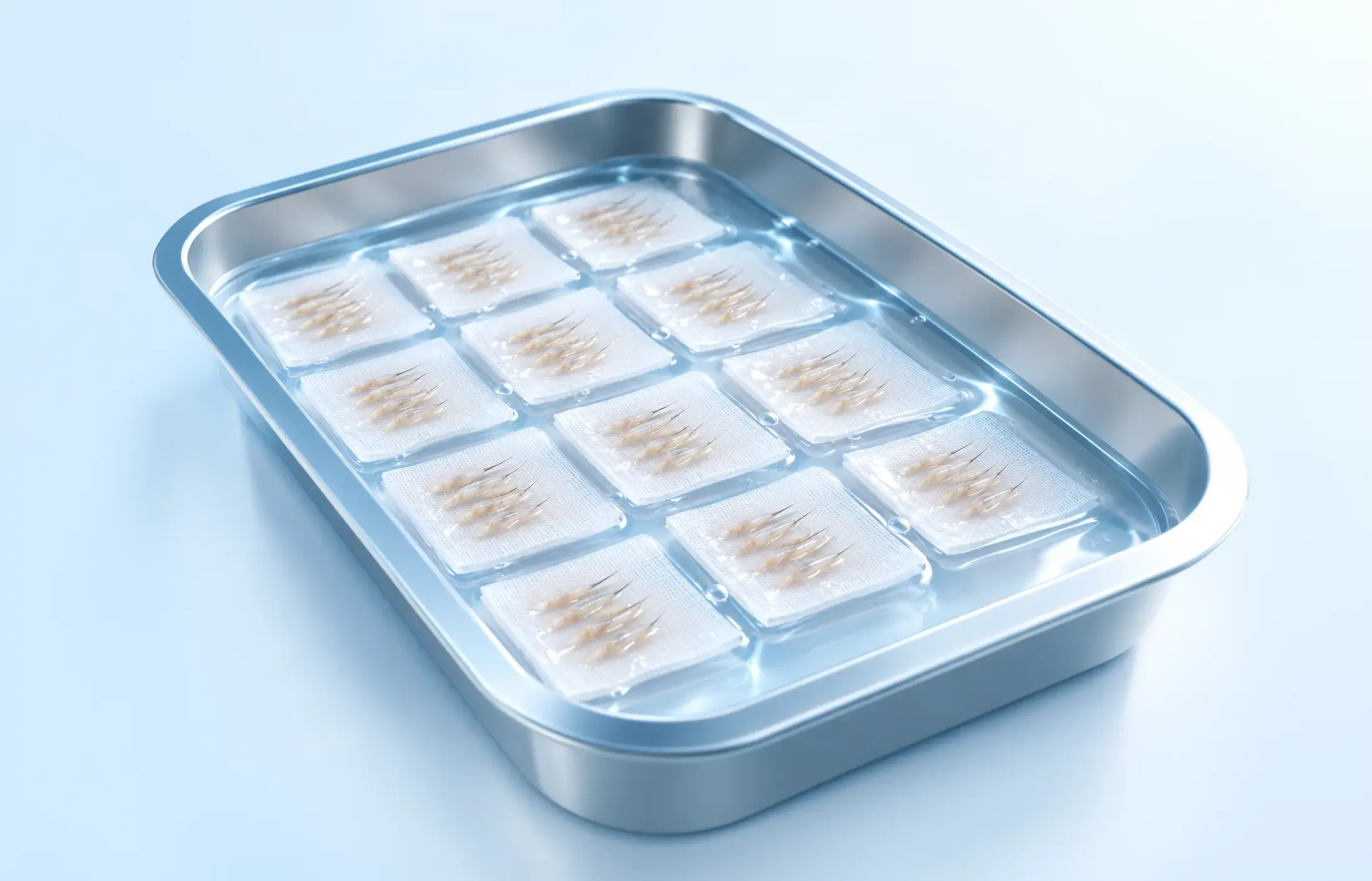
In a shave-free hair transplant, graft care between extraction and implantation is just as important. Your grafts are stored in a special nutrient solution to keep them viable until they are implanted using the DHI technique and the CHOI Implanter Pen.
This method creates the channel and places the graft in a single step — a major advantage when adding density between existing hairs. If grafts are placed too close to the surface, only about 60% of them take hold. With the implantation depth determined individually in the Pre-Test System, the growth rate is approximately 98%.
The patented NEO FUE® serum is part of your package as well: if you are traveling from the US, you receive it at the clinic in Istanbul and apply it on day 14 and day 28 after the procedure.
The serum supports healing in both the donor and recipient areas after your procedure.













 Fact sheet
Feature and details
In daily life
A hair transplant without shaving is discreet and easy to fit into your daily life:
No bandage needed: Because no continuous section of hair is shaved and your long hair conceals the extraction sites, no visible dressing is required. You leave the clinic with no obvious sign of surgery.
Possible any time of year: Your hair naturally shades and protects the freshly treated areas, so Zero Shave FUE works in summer just as well as in winter. You don't have to plan your appointment around vacation time or the weather.
Back to your routine after one day: With no shaved area and no bandage, you can feel comfortable seeing people again after a single day. For anyone who works with clients or appears in public, that's often the deciding factor.
ComparisonClassic FUE is a strong choice when hair loss covers a very large area and you need a particularly high number of grafts in a single session. If you want to preserve your hair length, Zero Shave FUE is the better choice.
For a long time, hair transplants without shaving were seen mainly as an option for women. But Zero Shave FUE is equally suitable for men with medium-length or long hair.
If you have long hair or an undercut with longer hair on top, a hair transplant used to mean giving up that look. A shave-free transplant eliminates that trade-off: we can fill in receding temples and restore your hairline while preserving your hair length.
For women, shaving is often the biggest emotional and practical barrier to treatment. A shaved scalp is nearly impossible to hide in daily life. Whether you want more density along your part, a lower hairline, or more fullness at the temples, the procedure takes place between your long hair, leaving your existing hair intact.
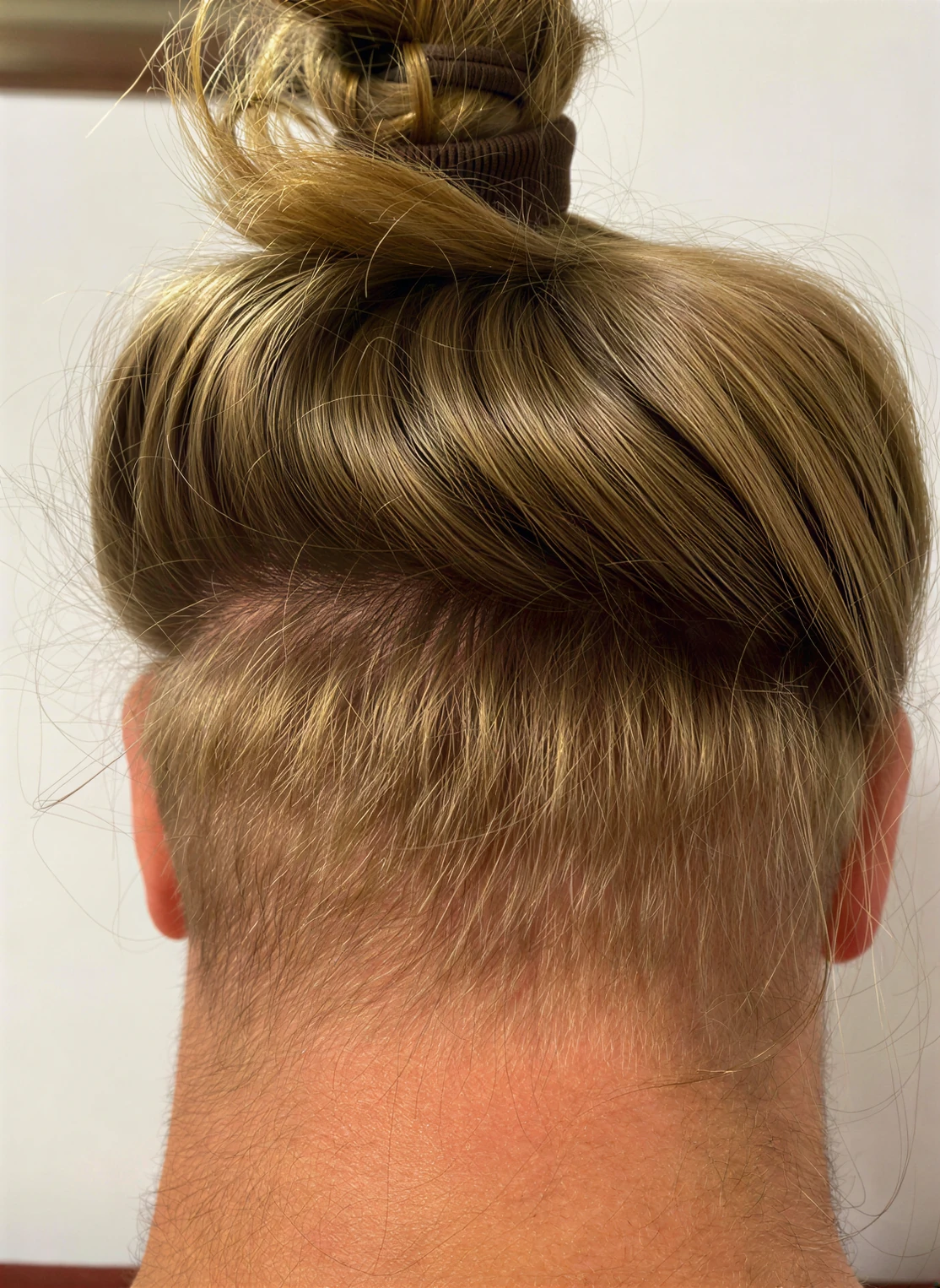
For women and men alike, a hair transplant without shaving removes a major obstacle: the visible shaved head.
Suitability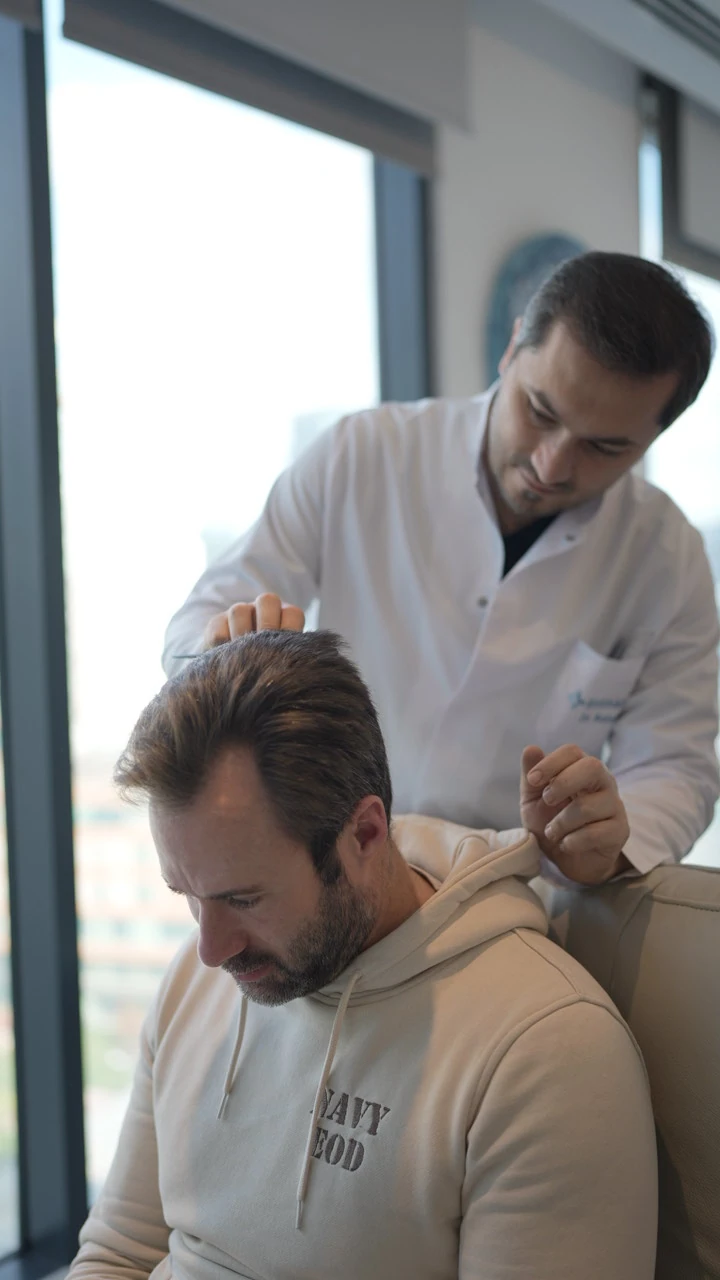
To conceal the extraction sites, your existing hair needs to be long enough — generally a couple of inches. We discuss the length you need during your free hair analysis.
We also have a responsibility to advise against surgery if your donor area has too little hair or your hair loss is still active. We do so in roughly 40 percent of all inquiries.
At Elithair, we only proceed when all the conditions for an outstanding result are 100% met.
A balanced view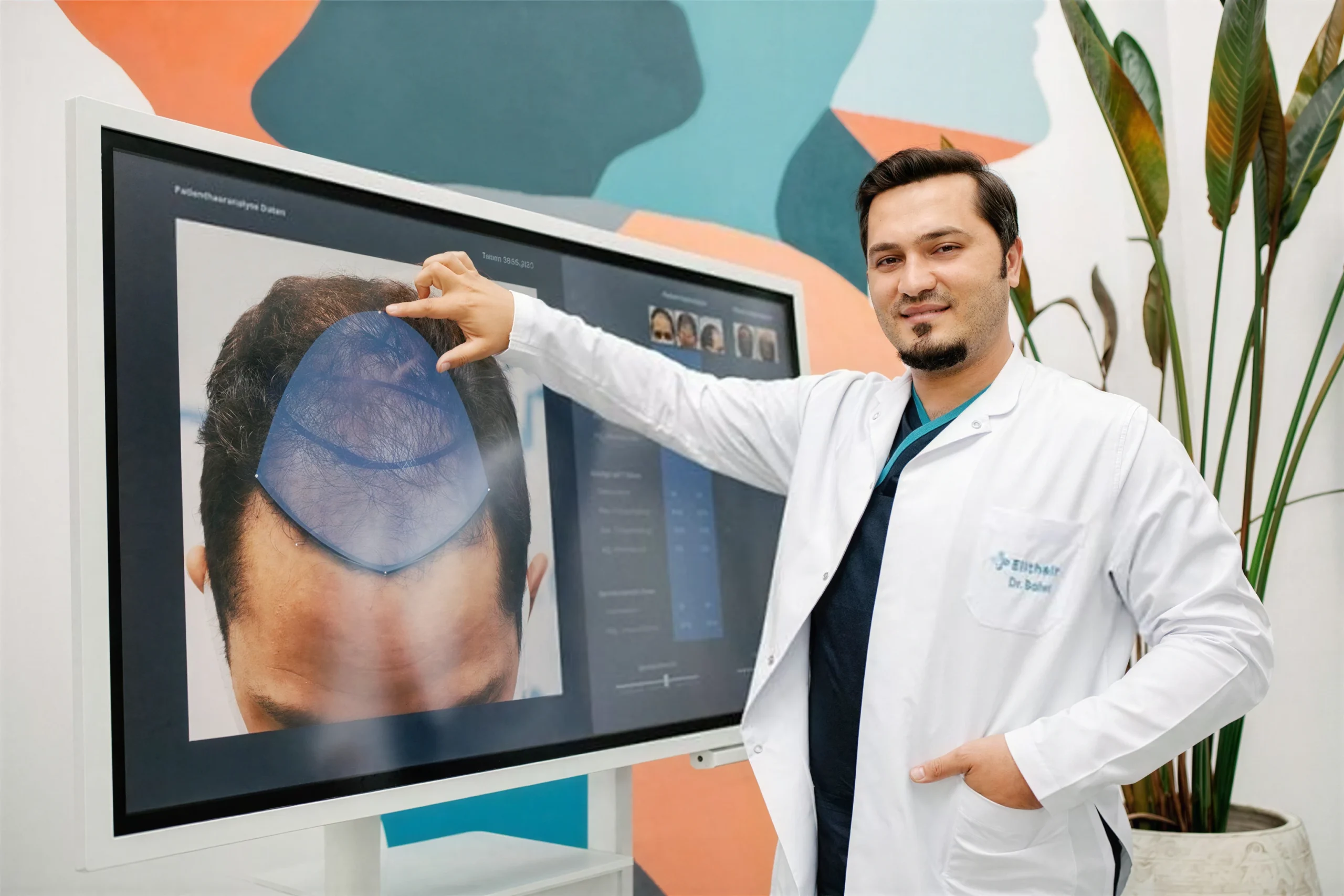
Many providers cap shave-free treatments at a few hundred to around a thousand grafts. At Elithair, Zero Shave FUE allows up to 3,500 grafts in a single session.
This means you can add substantial density or fill in several areas in a single appointment, without scheduling a second treatment.
Women typically need between 2,000 and 3,500 grafts, depending on how far their hair loss has progressed. Our doctors determine the exact number of grafts you need to achieve a dense, natural result.
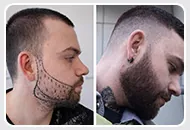 Step by step
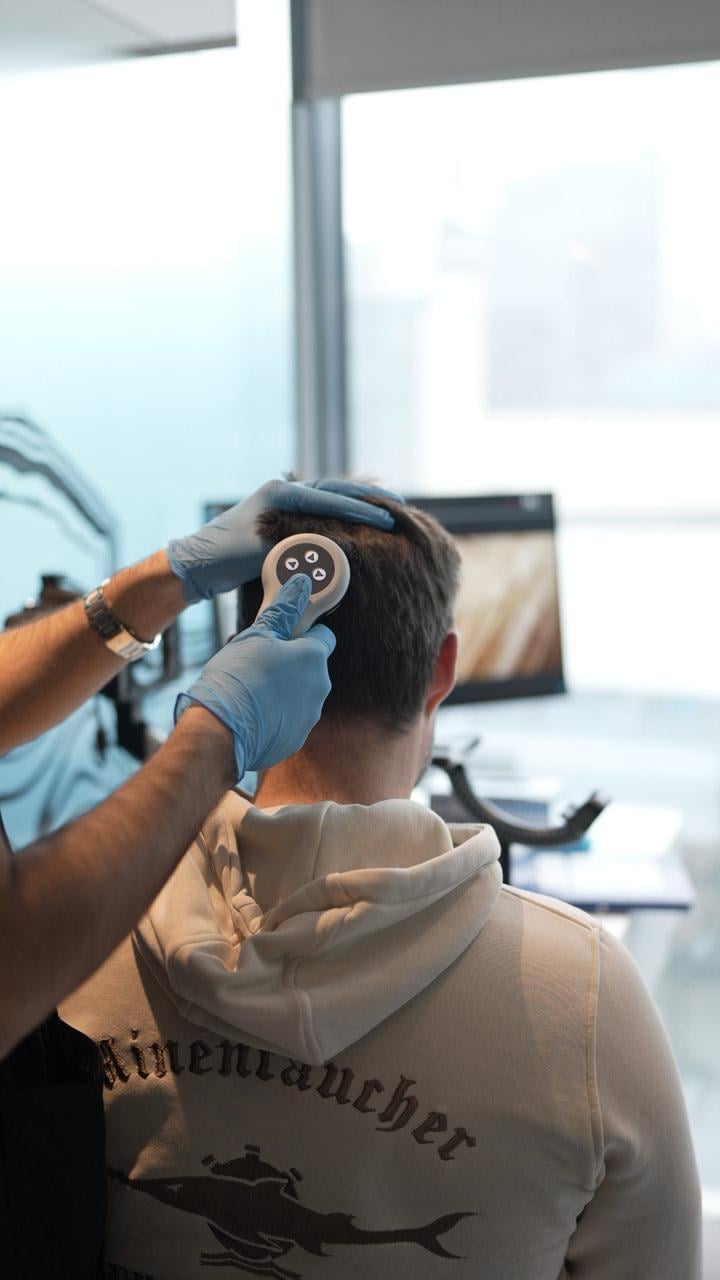
Based on your photos, our doctors assess your hair, your donor area, how many grafts you need, and whether Zero Shave FUE is right for you.
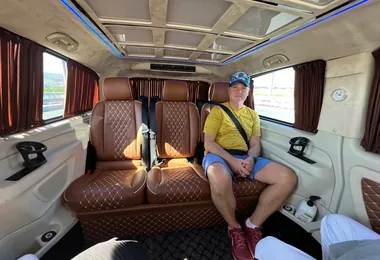
On the day you arrive, we pick you up at the airport and take you straight to our clinic. There, you complete the six examinations of the Pre-Test System:
Afterward, we take you to your hotel. If you land late in the evening, we still bring you to the clinic for the blood work, and the remaining steps follow on day two.
We use the results to create your personalized treatment plan: your skin thickness and blood flow determine the implantation depth. You plan your hairline together with your doctor on the day of treatment.
You sleep through the anesthetic injections. A dedicated anesthesiologist gives you light sedation for about 15 minutes. Your scalp is numbed while you sleep, allowing you to undergo treatment with 0% pain and without general anesthesia.
Your medical specialists extract grafts from between your long hair and implant them between your existing hair using the DHI technique. Neither area is shaved. The treatment takes about five to eight hours, depending on the number of grafts being transplanted.
The day after your treatment, your aftercare session and follow-up exam with a doctor take place at the clinic, and then you fly home. Back home, you upload photos regularly in the Elithair app, and our team of doctors reviews them and follows your recovery.
Our doctors oversee and take responsibility for your treatment at five points:
Because neither area is shaved, the signs of recovery are easier to conceal. Your existing hair covers the treated areas from the start. We go over the specific dos and don'ts with you individually. During the first few weeks after treatment, the transplanted hairs may shed temporarily while the roots remain in place (shock loss). Not every patient experiences shock loss.
| Day 1 | Back to your routine, no bandage, no shaved area |
|---|---|
| First few days | Slight redness is possible and is covered by your existing hair |
| Days 2 to 4 | Mild forehead swelling may occur regardless of whether your head is shaved and subsides on its own |
| From day 12 | The scabs have come off, and you can use regular shampoo again |
| Up to month 3 | The transplanted hairs may shed temporarily (shock loss). This can happen, but it doesn't always. |
| From about three to four months | The first new hair growth becomes visible |
| After six to nine months | The result is clearly visible |
| Final result | At the front after 10 to 12 months, at the crown after 15 to 18 months: hair growth is complete, revealing the final result |
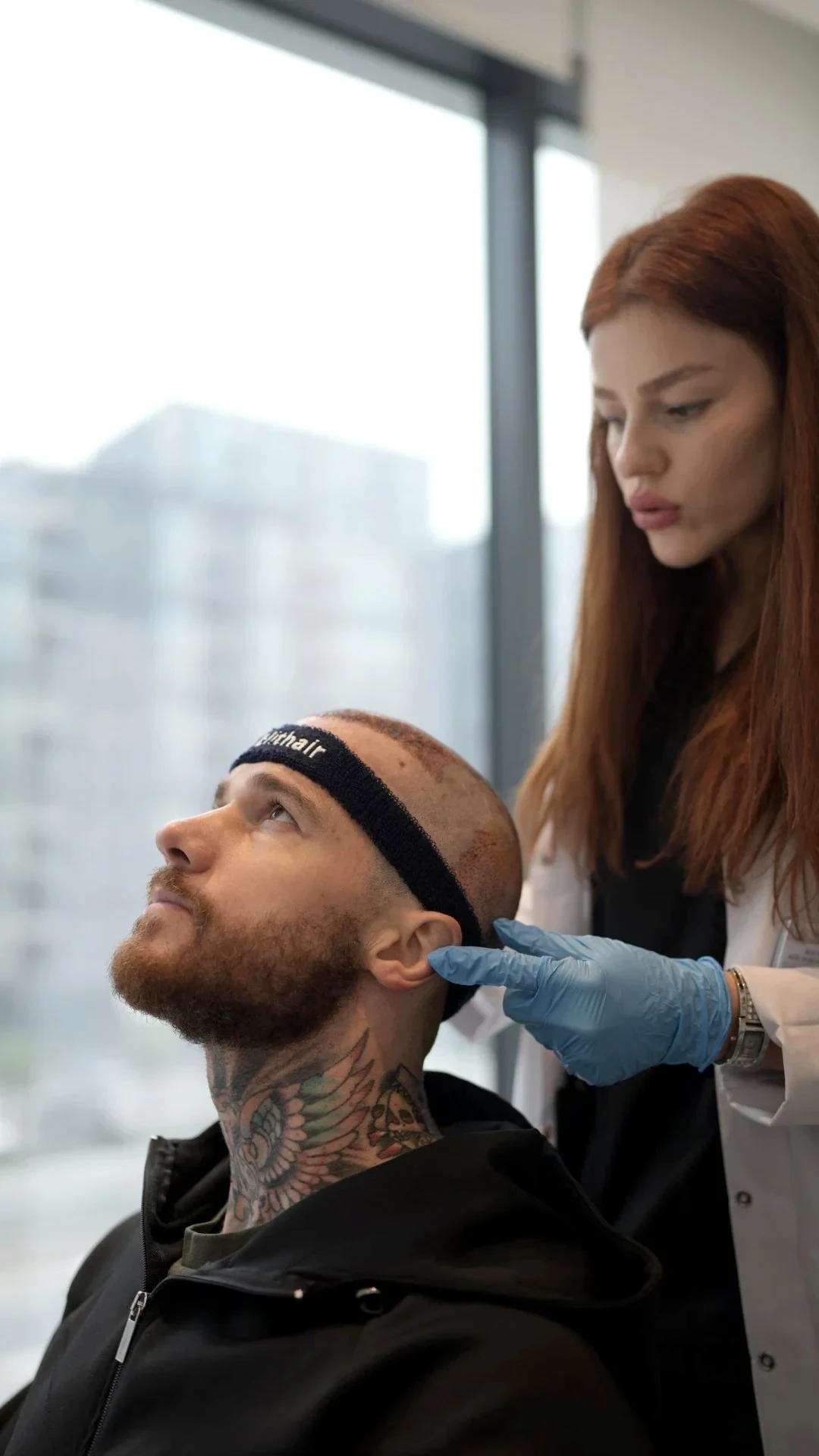 All-Inclusive
The Zero Shave method is available only for the front of the scalp, with 2,000 to a maximum of 3,500 grafts. The all-inclusive price ranges from $4,479 to $4,779: your exact price is based on your graft tier plus the Zero Shave FUE surcharge.
Because this method takes more time and requires the highest level of precision, it costs $580 more than the all-inclusive price of the standard treatment at every graft tier. In return, there are no noticeable signs of the procedure in your daily life from the very first minute.
Here's what's included in your all-inclusive package:

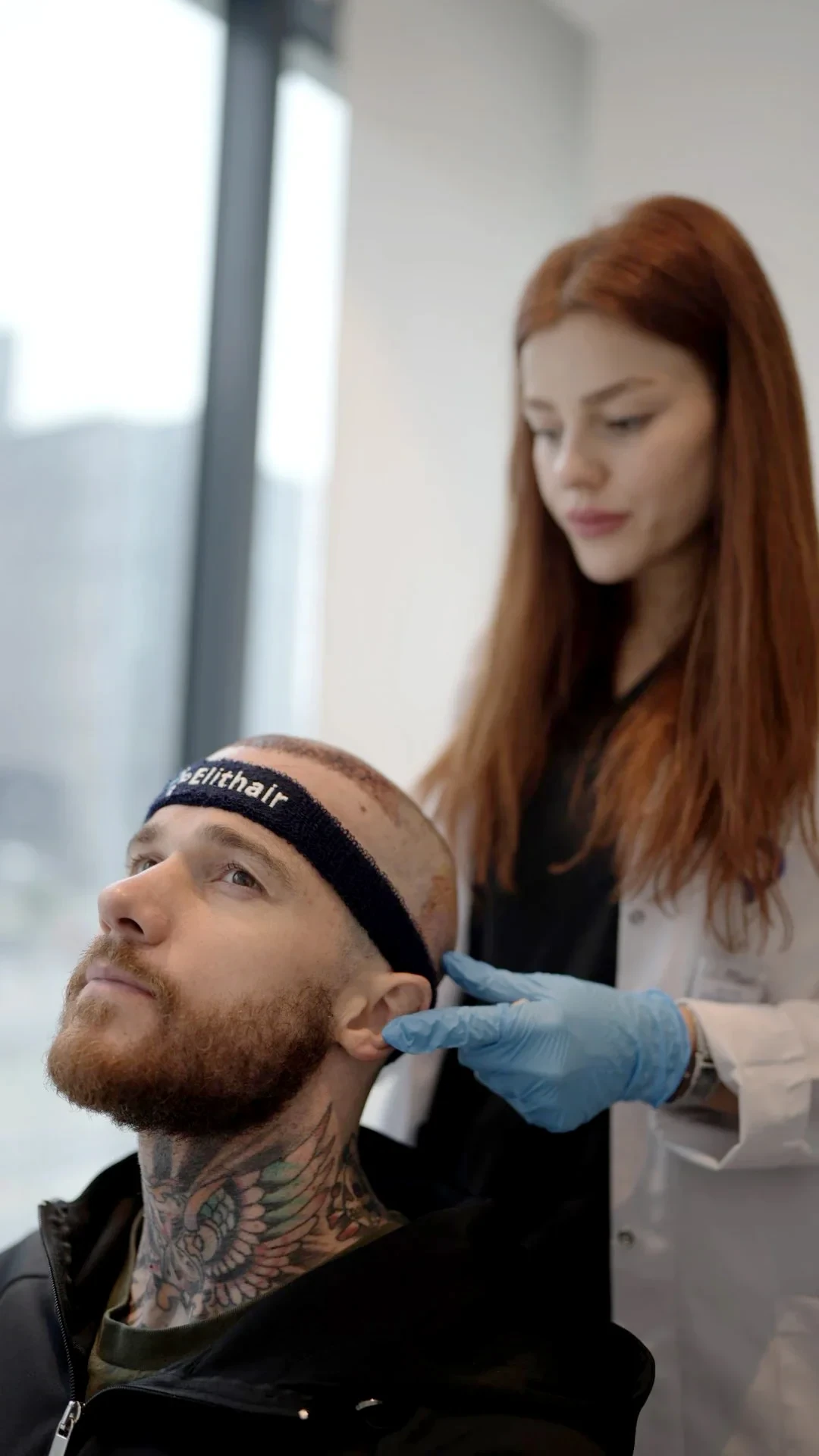
(Note: Travel to and from Istanbul is not included in the package and is arranged separately. Istanbul is served by direct flights from almost every major US gateway.)
Cost factors Why Elithair

Working between existing hairs requires precise control of each graft’s angle and growth direction to avoid damaging the surrounding hair and tissue. Established clinical standards ensure that precision is maintained consistently.
Our treatment and hygiene protocols meet these standards, with independent recognition to support them: the Turkish Ministry of Health approached Elithair on its own initiative and appointed us an official training center for hair transplantation. More than 70 specialists have completed this training so far.
Our ISO 9001 certification from TÜV Thüringen, the German technical inspection authority, documents the safety and independent auditing of our processes. The certification confirms that our processes are regularly audited by an external body.
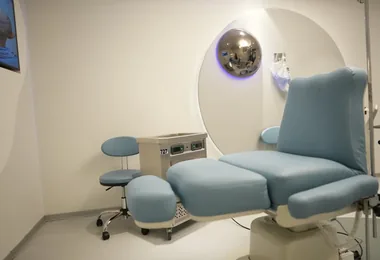
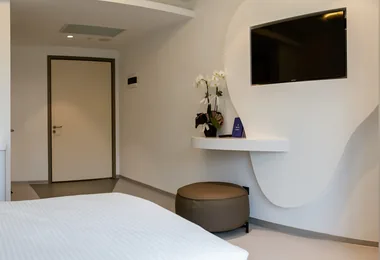
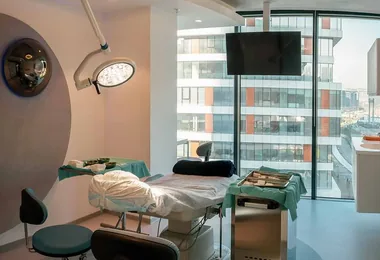
Your treatment takes place at our own clinic in Istanbul, in an operating room reserved exclusively for you that day. We specialize solely in hair transplants: no dental procedures, nose surgery, or cosmetic surgery.
If you've been putting off a hair transplant, you probably know you want your hair back. It's the downtime you're worried about — and that's exactly what the shave-free method eliminates.
The procedure is available year-round, and you can feel comfortable seeing people again the next day, making it easy to find a time that fits your schedule.
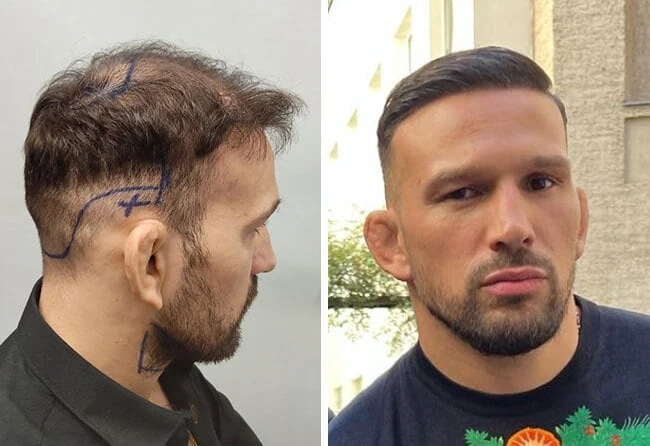
Max Coga - 3,250 grafts
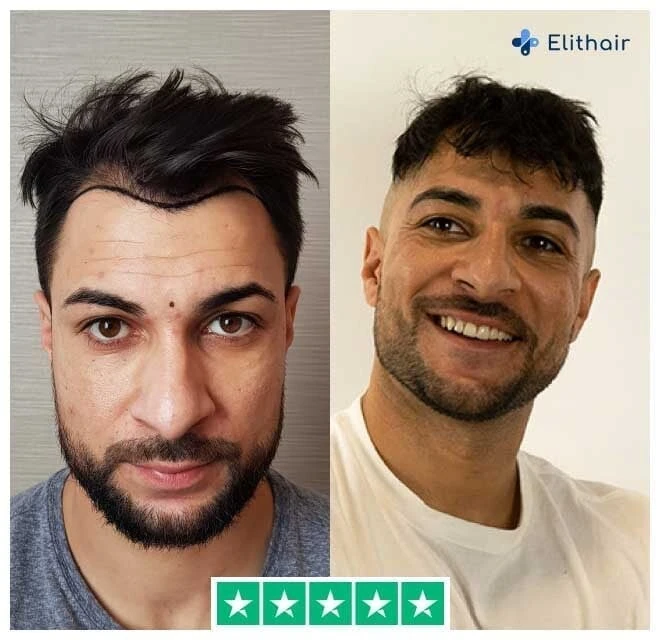
Osmani P. – 2,200 grafts
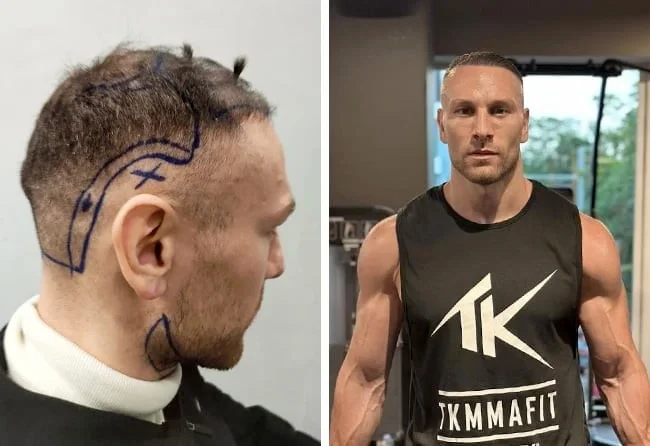
Kerim Engizek - 4,000 grafts
Meanwhile, hair loss keeps progressing. The sooner you act, the sooner you reach your final result; waiting only pushes that result further out.
Your free hair analysis helps determine what is medically appropriate for you. Schedule an appointment with your hair transplant consultant at a time that works for you.

More than 150,000 treatments
Ratings: Google 4.9 from more than 11,000 reviews; Trustpilot 4.7; ProvenExpert 4.82; ausgezeichnet.org 4.92.
Google4.9more than 11,000 reviews Trustpilot4.7more than 3,700 reviews
 ProvenExpert4.84more than 2,500 reviews
 ausgezeichnet.org4.92more than 570 reviews
Our experience with more than 150,000 treatments informs every assessment. We approach your hair as unique, drawing on what we have learned from countless patients with different hair loss patterns.
We understand the details that make a result look dense and natural.
Respected media outlets regularly cover our pioneering approach and quality standards, including Forbes and the German outlets ARD, SAT.1, WELT, and t-online.
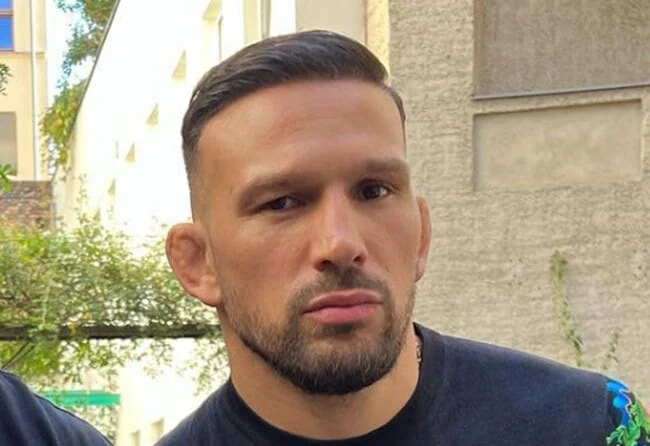
“Everything was extremely professional and extremely hygienic. I'm just really, really happy that I decided to do it.”
Max Coga · Age 34 · 3,250 grafts
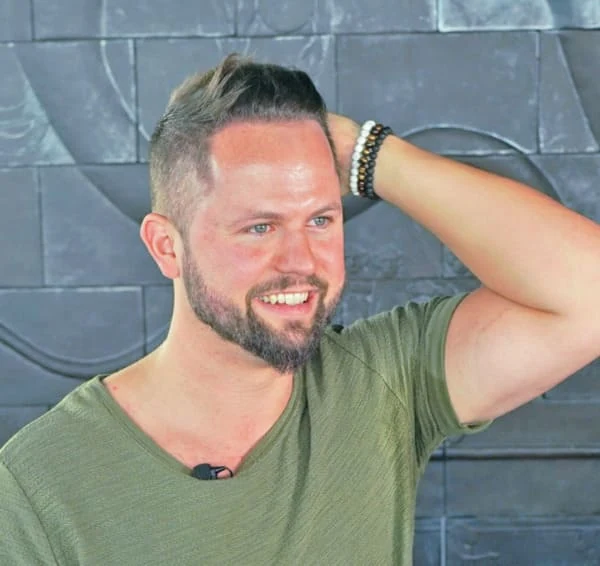
“I can't put into words how happy I am with the result. Definitely the best decision of my life.”
Nico G. · Age 27 · 2,800 grafts
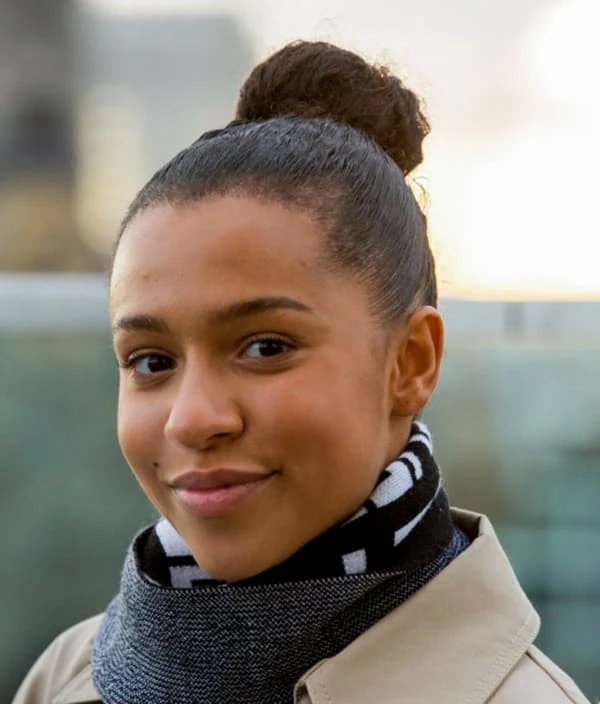
“I'm just happy I had a hair transplant… and yes… I'm just happy. That's what counts.”
Melissa Z. · Age 22 · 2,700 grafts
Neither the donor area at the back of your head nor the recipient area is shaved. Your hair keeps its full length, and the treatment takes place between the hair you already have.
With Long Hair FUE, only the recipient area stays unshaved. A narrow strip in the donor area is shaved. Although the hair above usually covers it, the strip remains until the hair grows back. Zero Shave FUE eliminates this partial shave as well.
Short hair gives the treatment team a clearer view and speeds up extraction (Trivellini et al. 2021). Shaving makes the procedure easier; it is not medically necessary. With a shave-free transplant, the team takes on the extra work of operating between your existing hair.
At Elithair, up to 3,500 grafts can be transplanted in one session. Many providers limit shave-free treatments to far fewer grafts because each graft takes more work.
No, it's equally suitable for women and men. It is especially beneficial if you have medium-length or long hair and want to keep it that way.
Generally, a couple of inches is enough to keep the extraction sites hidden by your existing hair. The length you need depends on your hair, and we discuss it during your hair analysis.
No. Because no continuous section of hair is shaved, no visible bandage is needed. You leave the clinic without any visible signs of surgery.
There is no shaved area or bandage, and your hair covers any mild redness. Mild forehead swelling can occur in the first few days regardless of whether your head is shaved, and it subsides on its own. This occurs with every hair transplant and is the only potentially visible sign during this time.
Yes. Your hair shades the treated areas from the start, so the procedure can be performed in summer just as well as in winter. You still need to follow the aftercare instructions for the first few days, which we provide before you leave.
Because your hairstyle stays intact and the treatment leaves no obvious signs, most patients can resume their usual appointments the next day.
The procedure is performed under local anesthesia. The uncomfortable part is receiving the anesthetic, which involves 20 to 30 injections (Nusbaum 2004). Sleep-Deep is designed for this stage: you receive intravenous sedation beforehand and sleep for about 15 minutes while your scalp is numbed. A full-time staff anesthesiologist administers the sedation and monitors you throughout. General anesthesia is not necessary.
Using the DHI technique and the CHOI Implanter Pen, we create the channel and place the graft in a single step. This is an advantage when working between existing hair because it eliminates an additional step.
No. With a specialized team that works together every day, the results are just as good as those of a conventional treatment. The key factors are precise extraction between long hair and the implantation depth, which is determined in the Pre-Test System as part of your personalized treatment plan.
Each graft must be extracted and implanted individually between your existing hair, rather than in an unobstructed area. The treatment takes about five to eight hours, depending on the number of grafts being transplanted.
At our own clinic in Istanbul. Your consultation and aftercare are provided digitally through the Elithair app, with regular photo updates from you.
The first new hair growth appears at around three to four months. Your results are clearly visible after six to nine months, with full growth after 10 to 12 months at the front and 15 to 18 months at the crown.


