Donor Area before and after Hair Transplant: What the Back of Your Head Really Looks Like
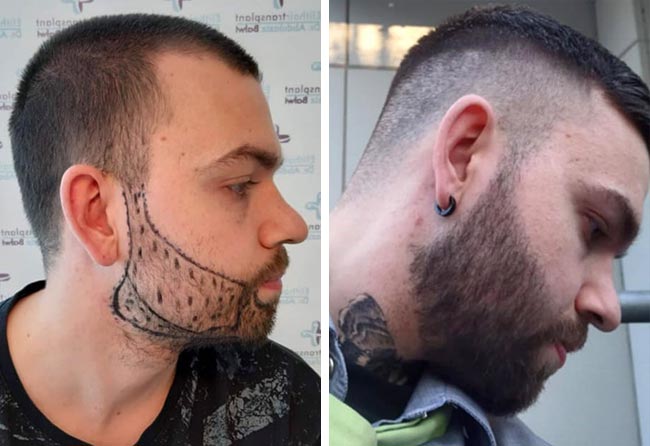
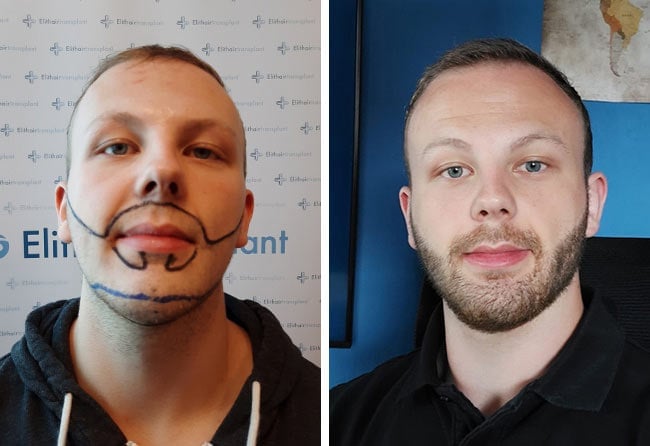
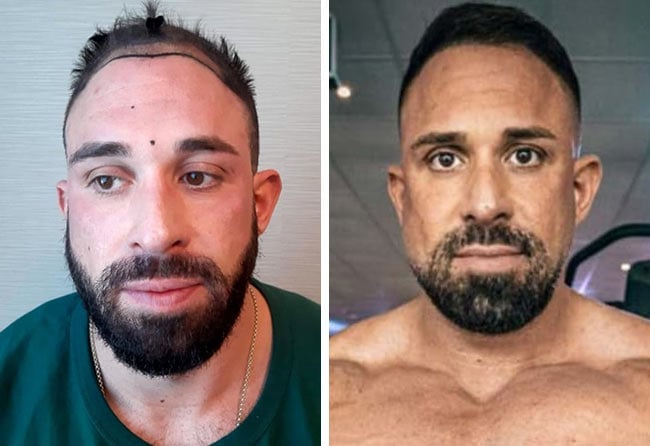
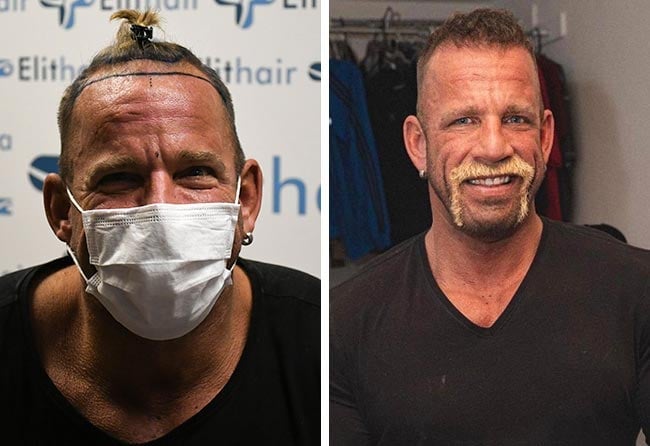
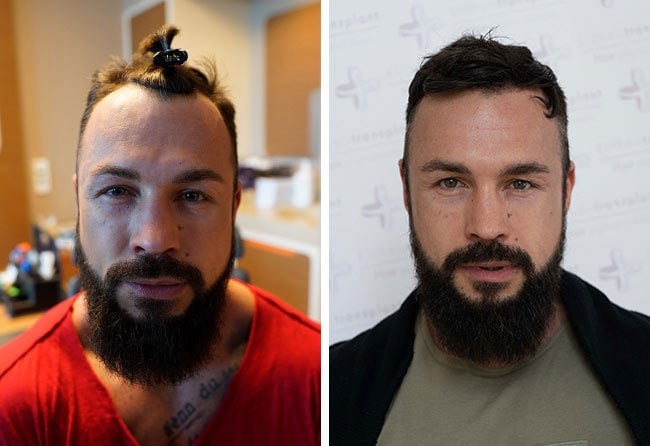
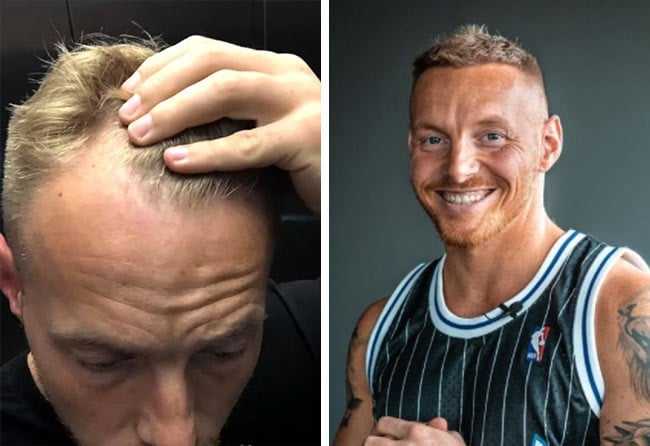
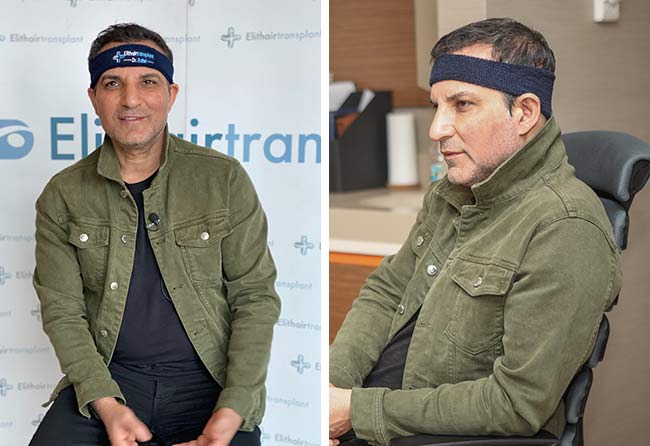
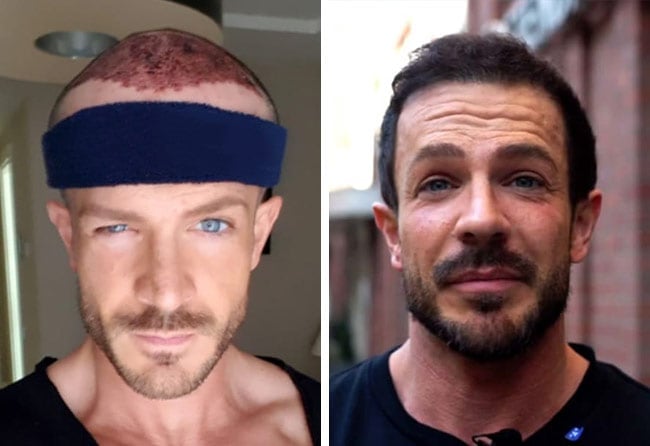
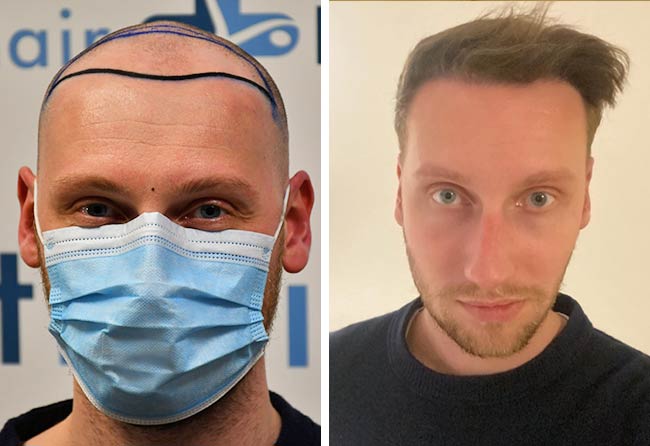
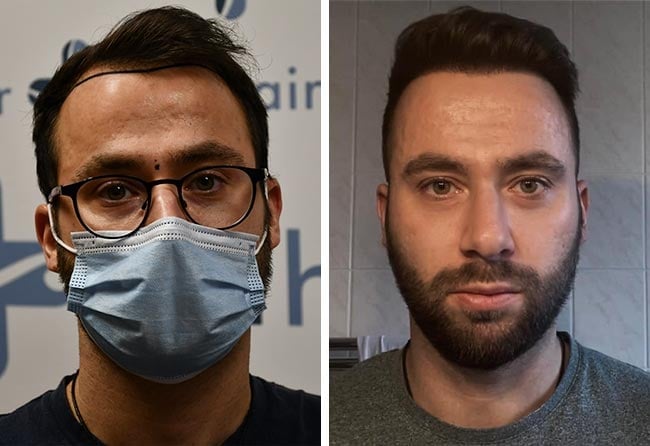
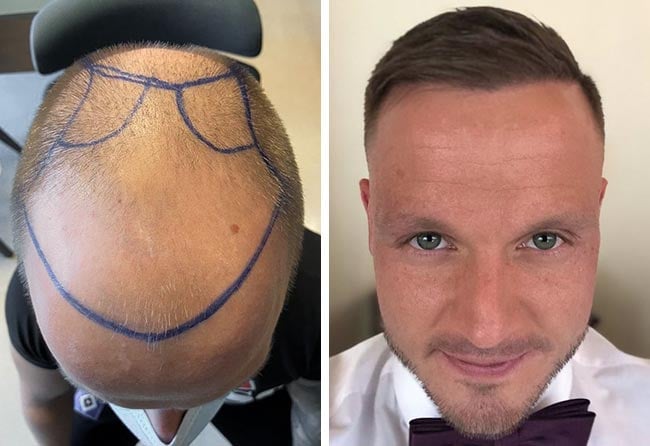
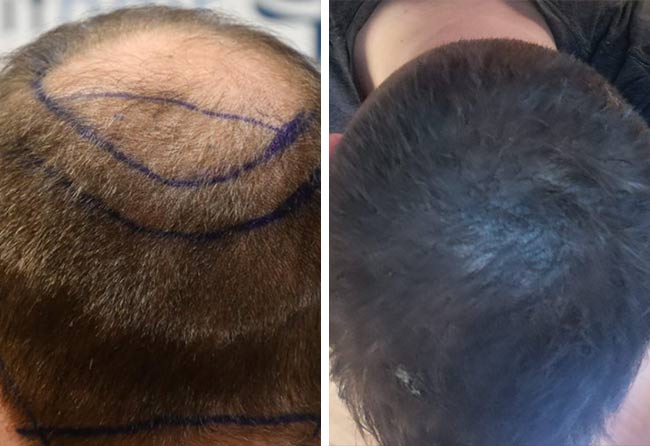
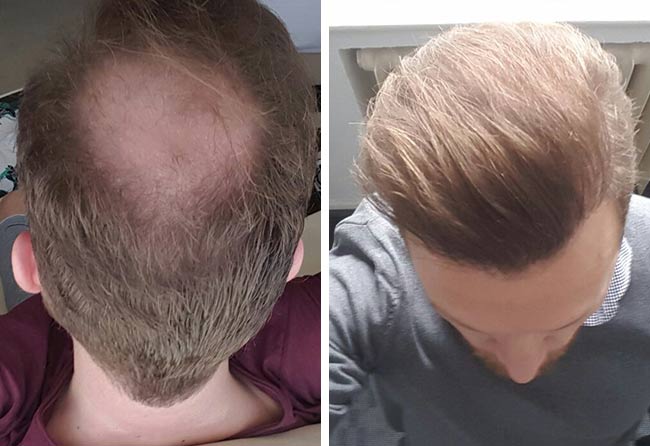
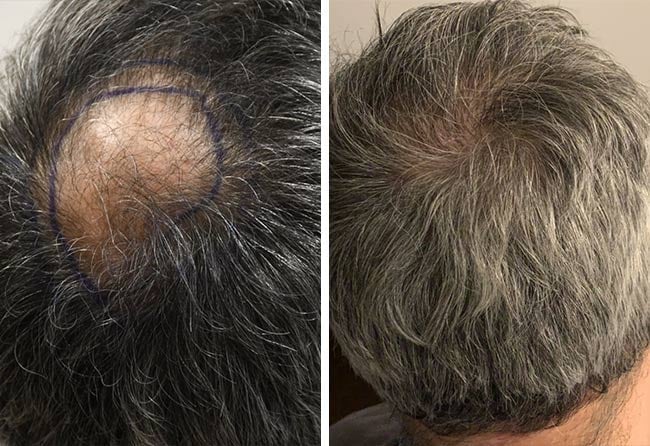
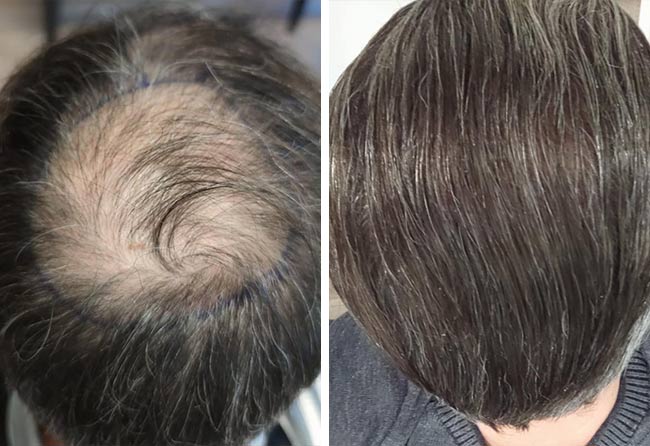
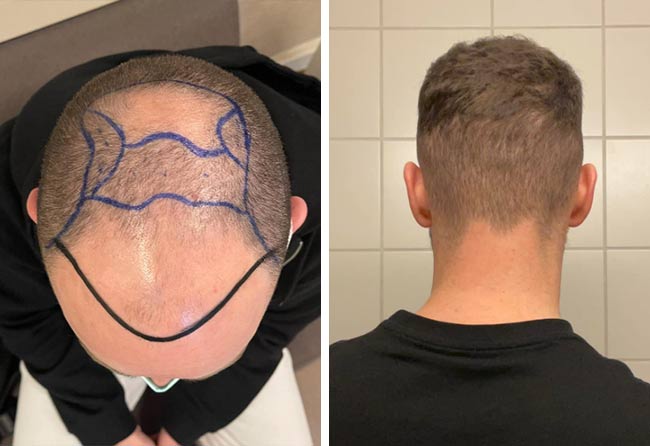
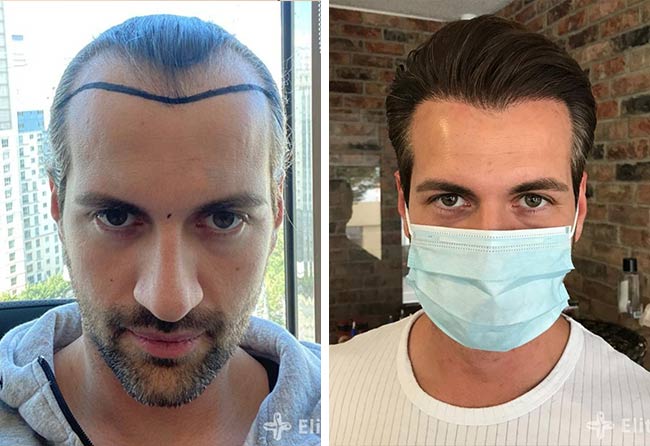
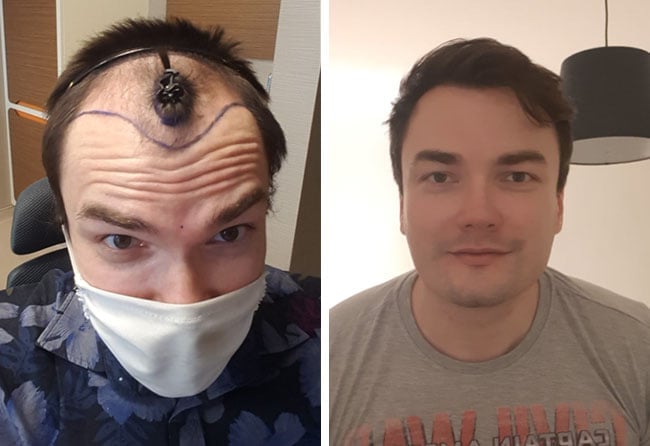
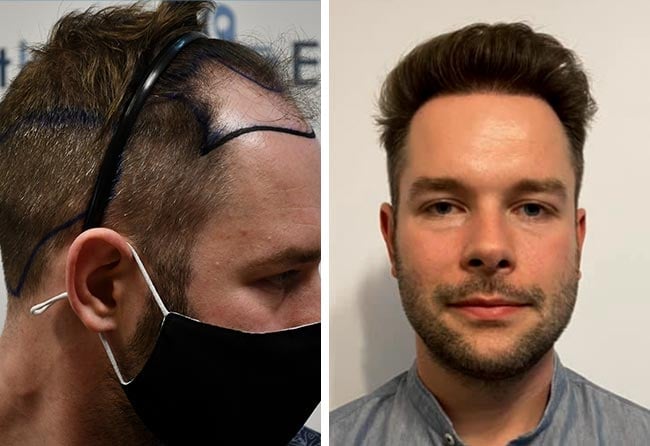
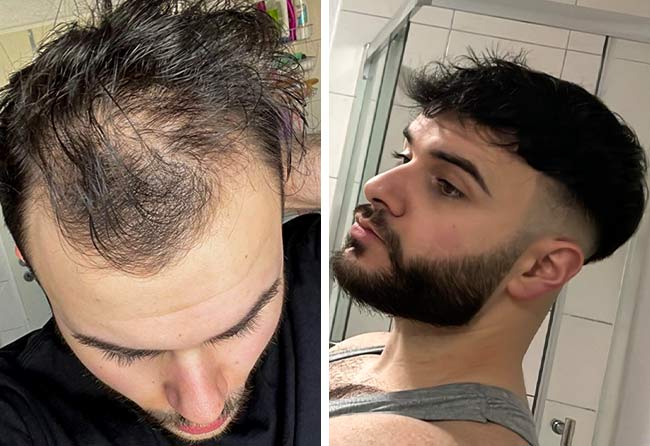
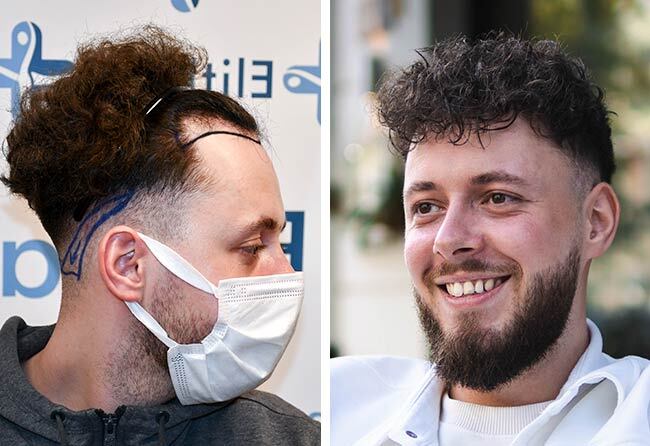
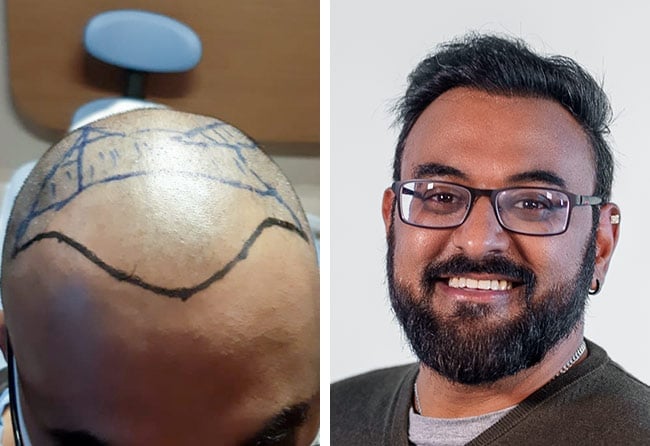
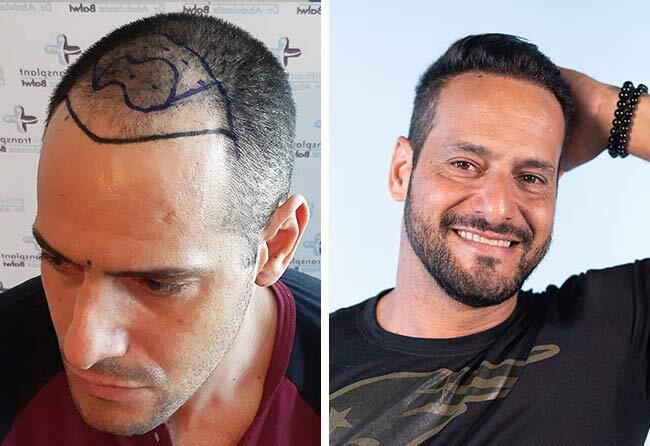
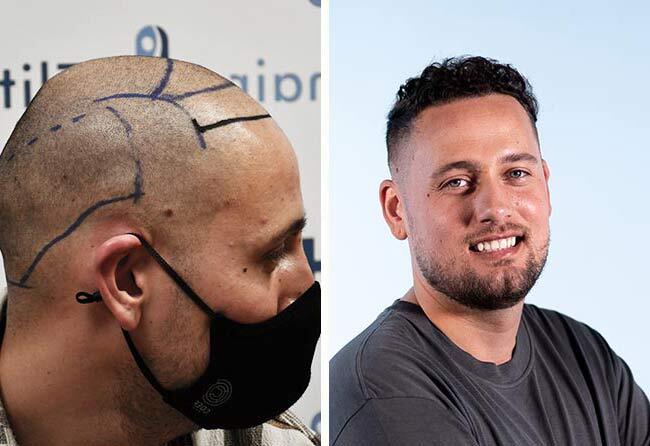
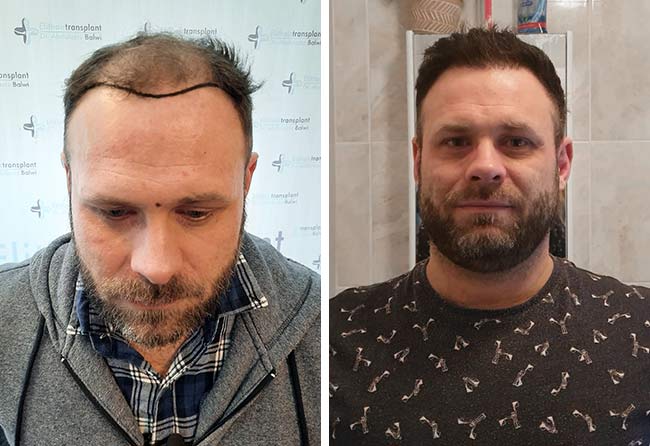
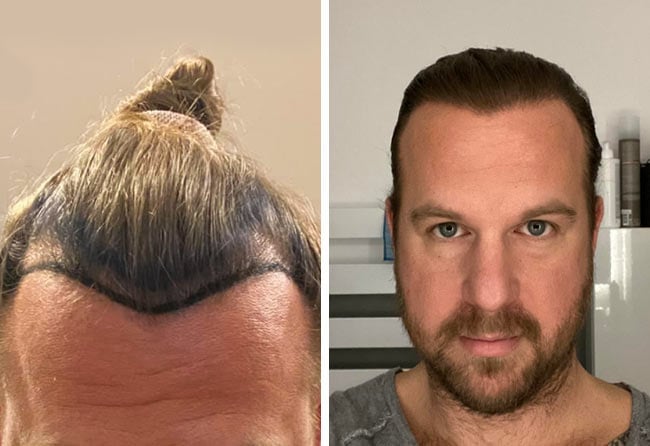
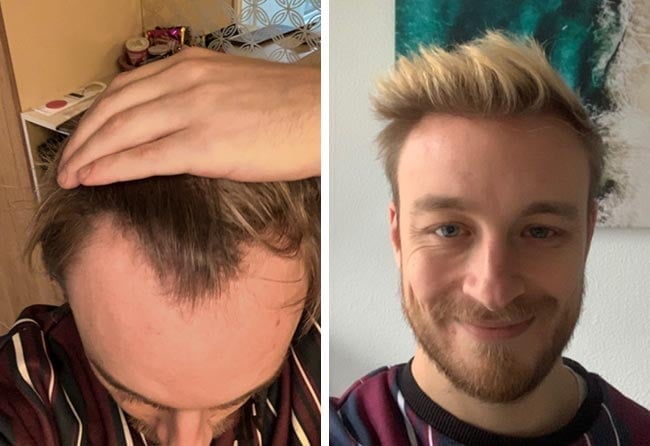
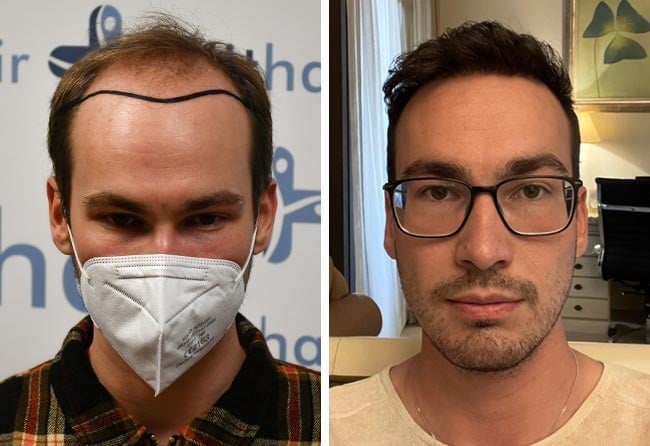
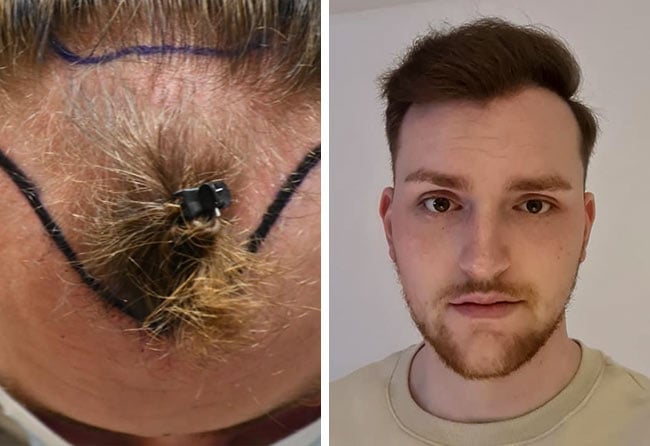
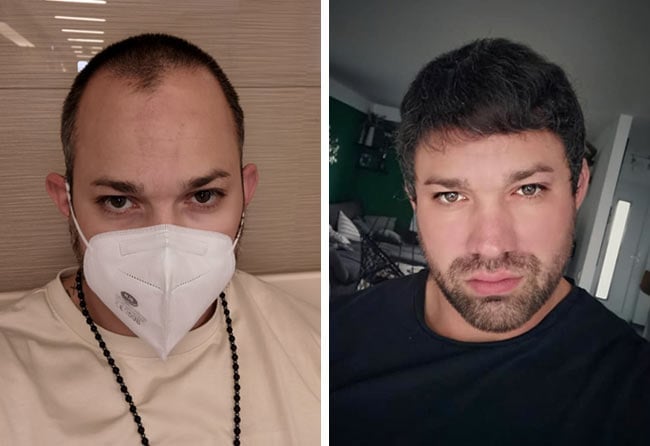
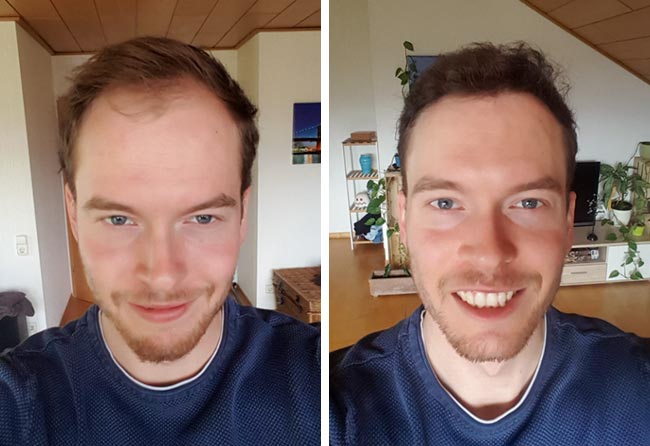
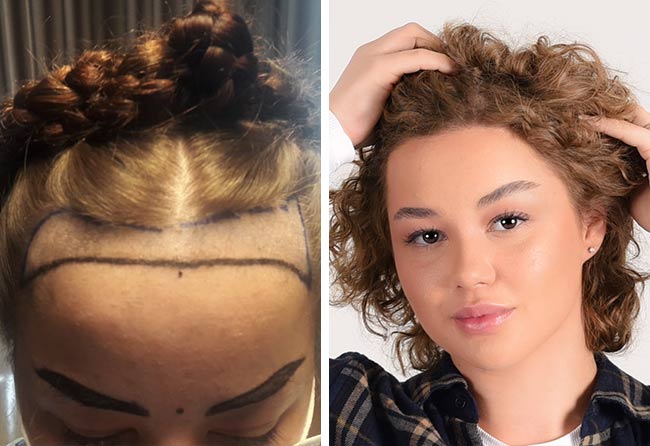
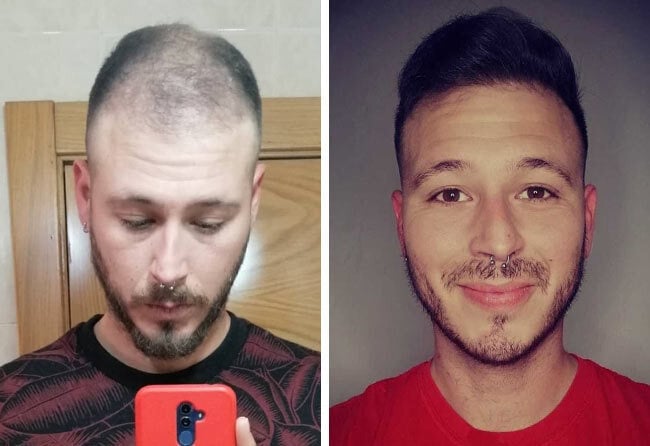
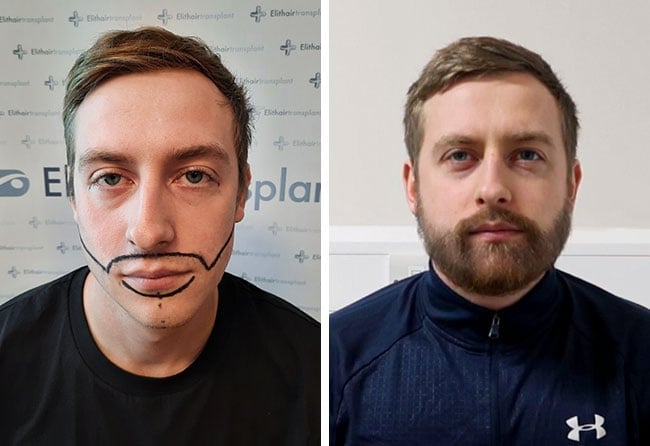
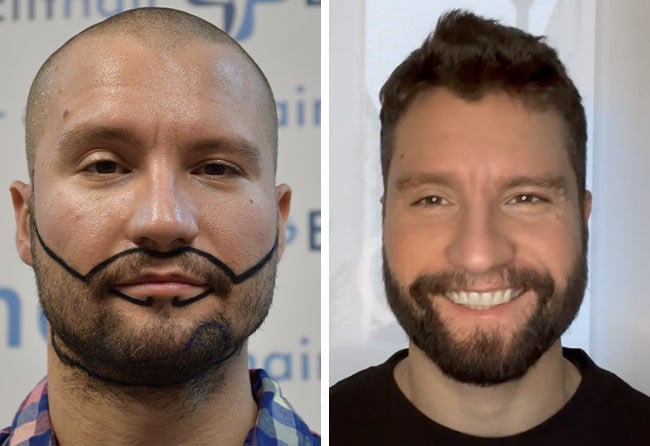
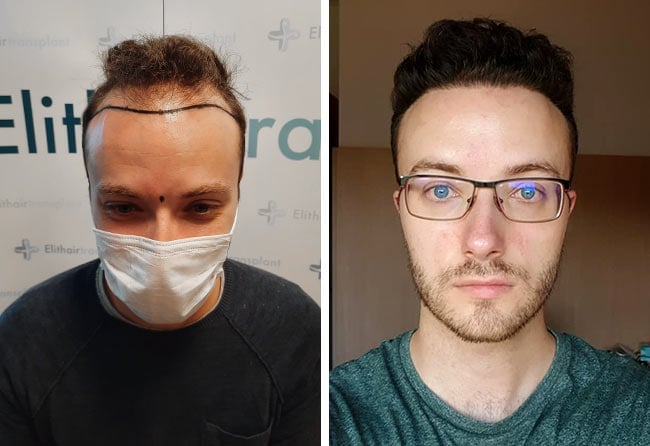
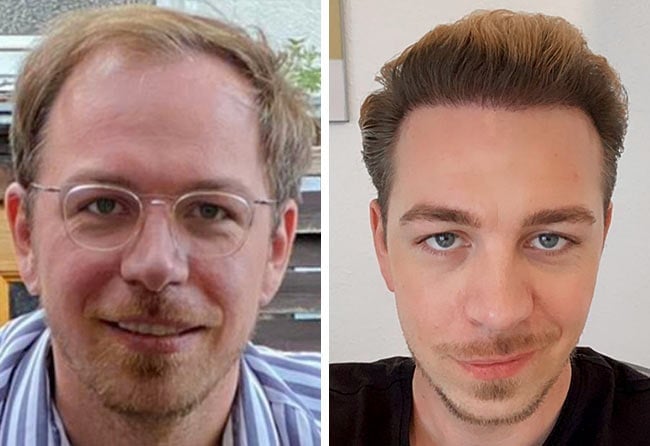
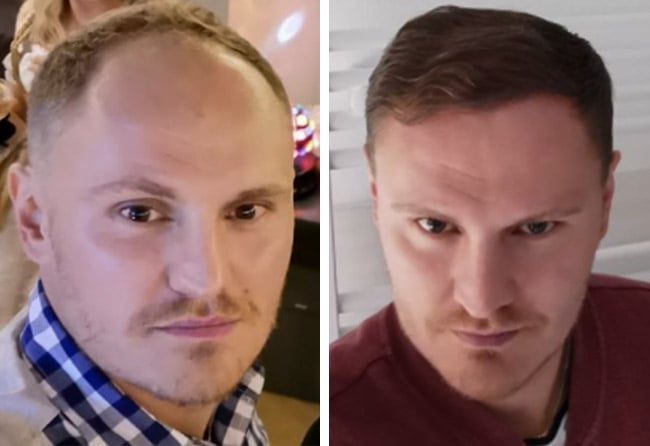
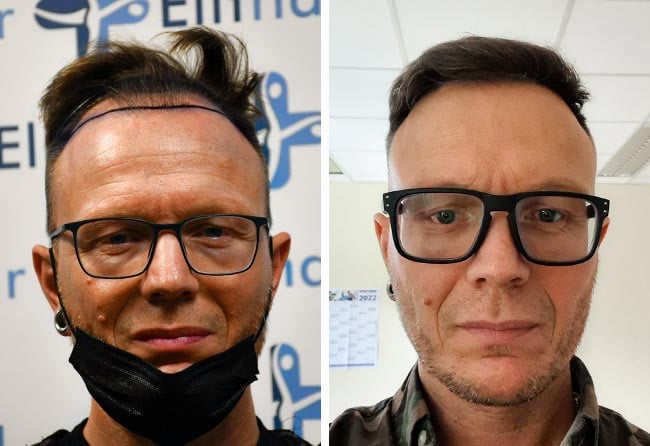
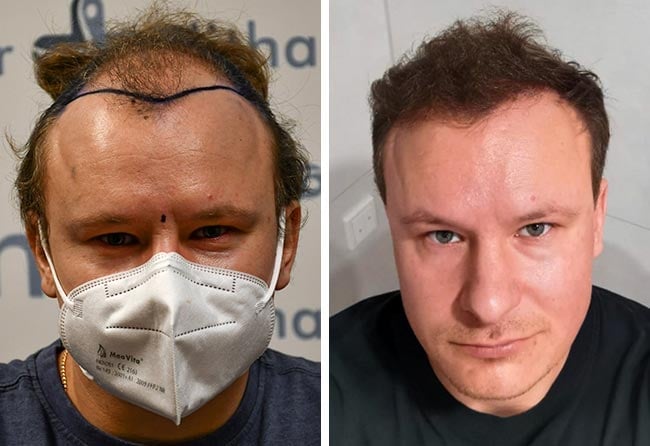
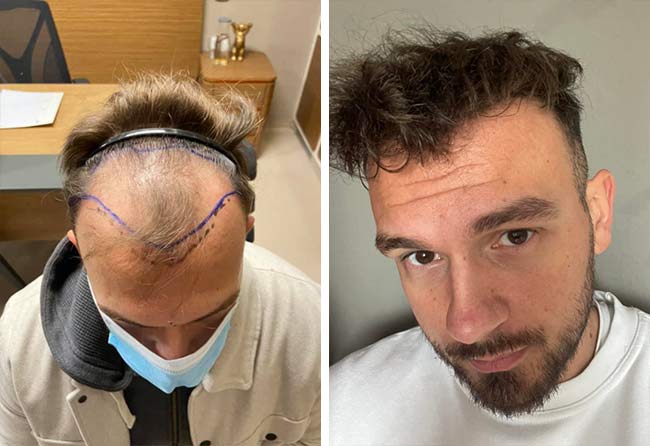
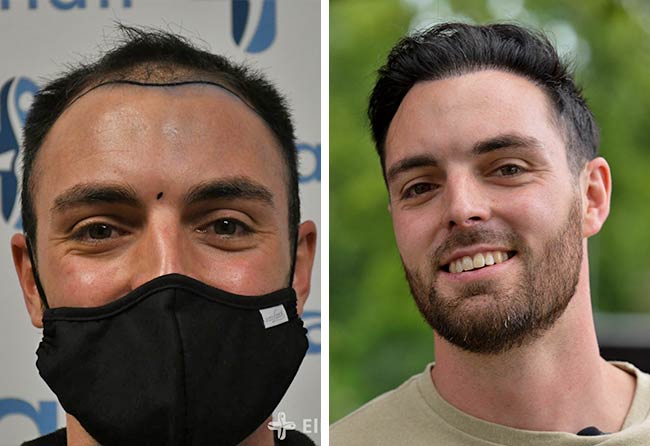
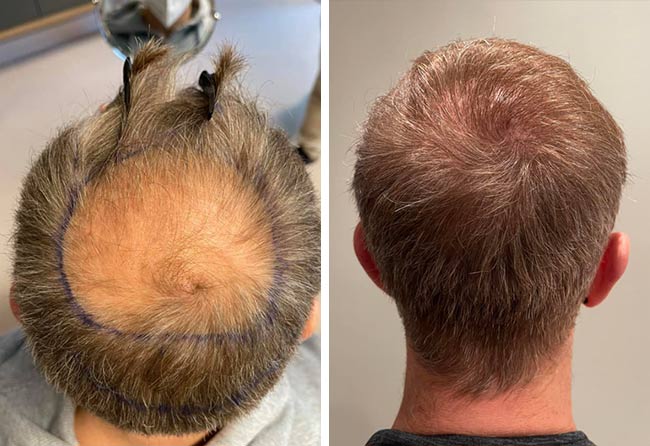
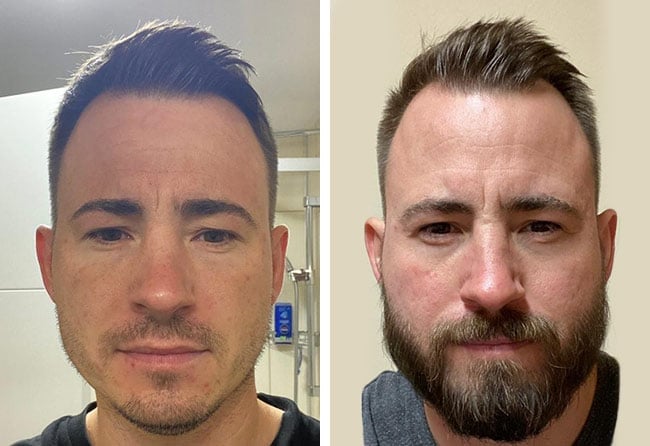
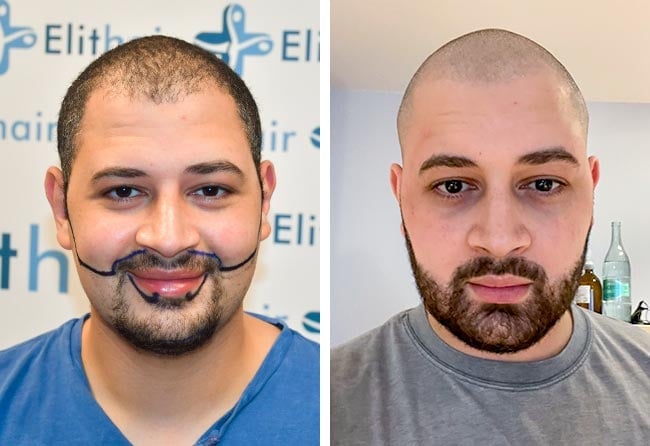
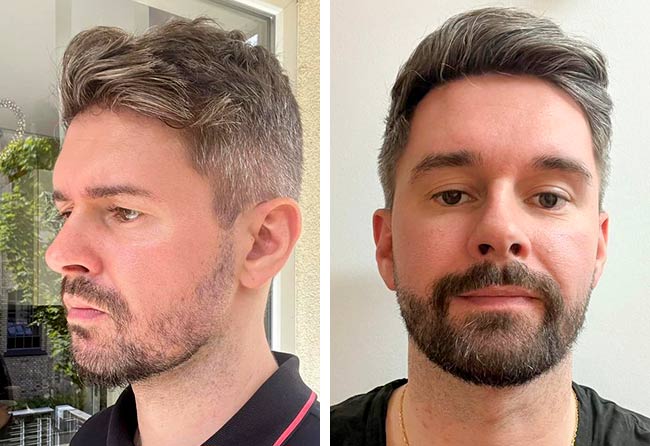
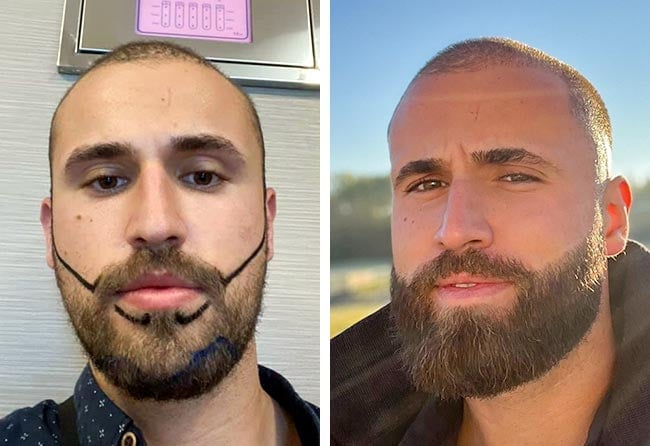
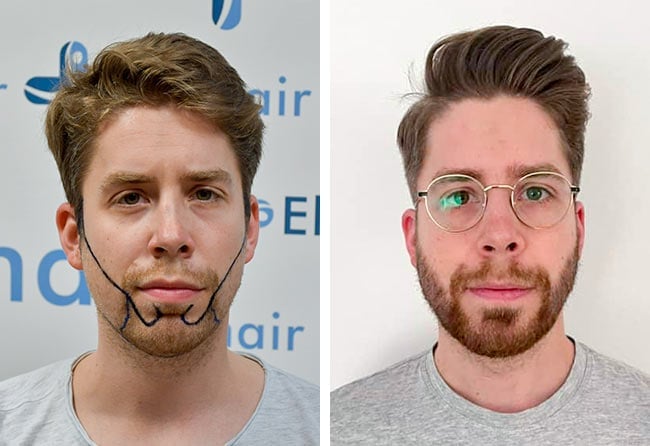
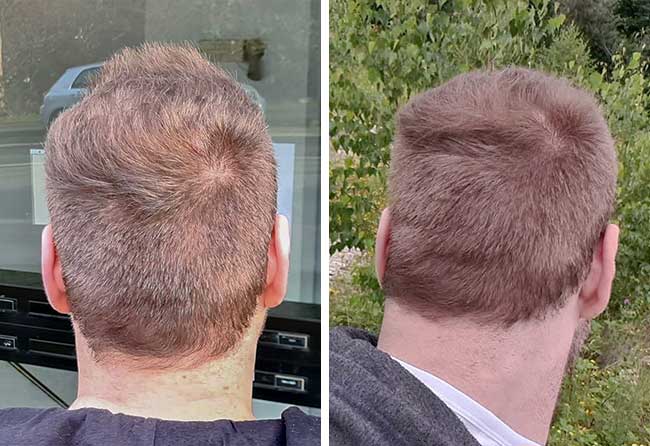
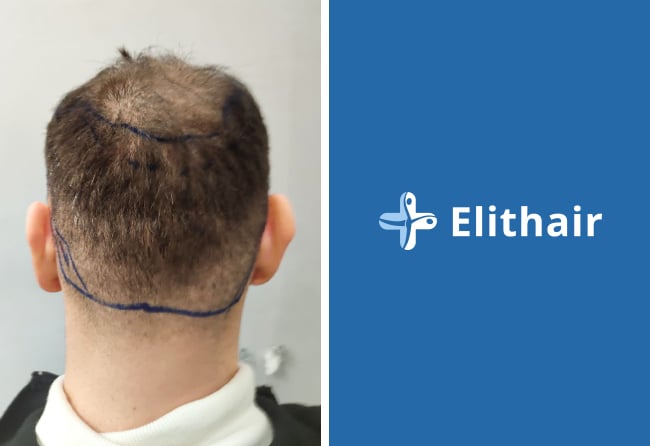
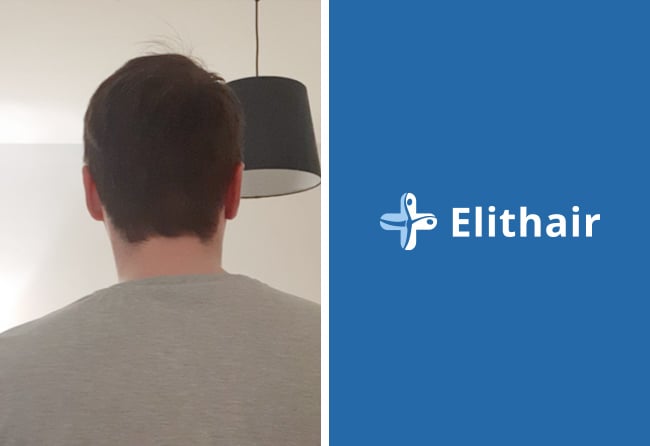
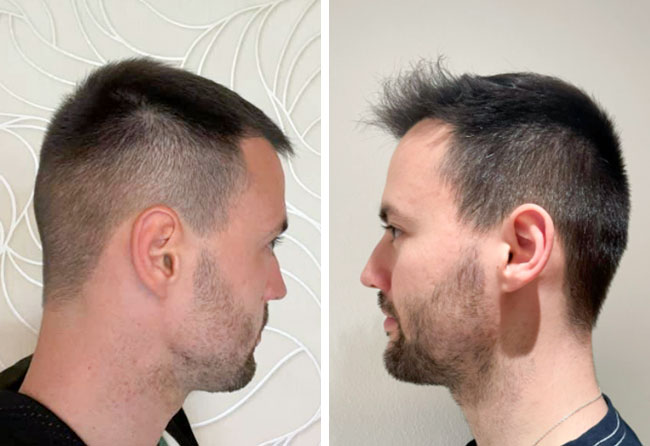
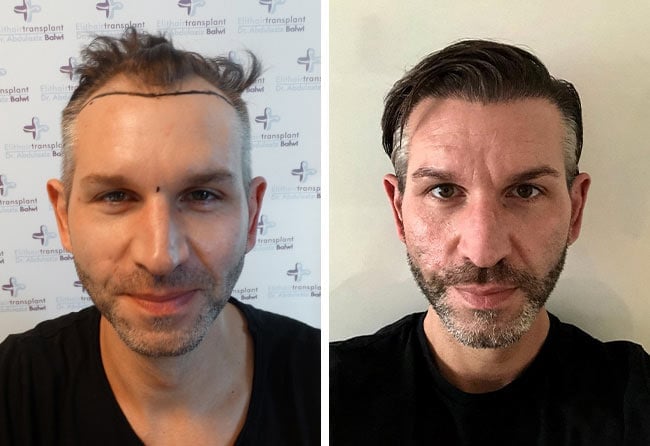
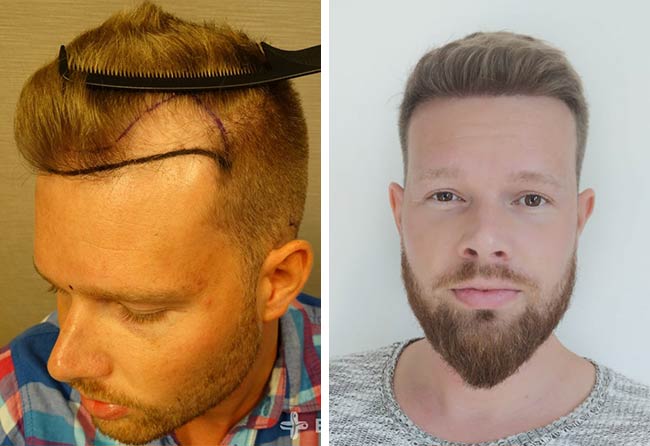
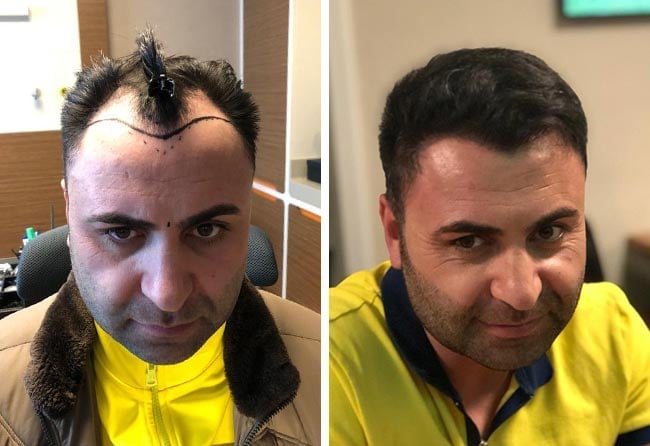
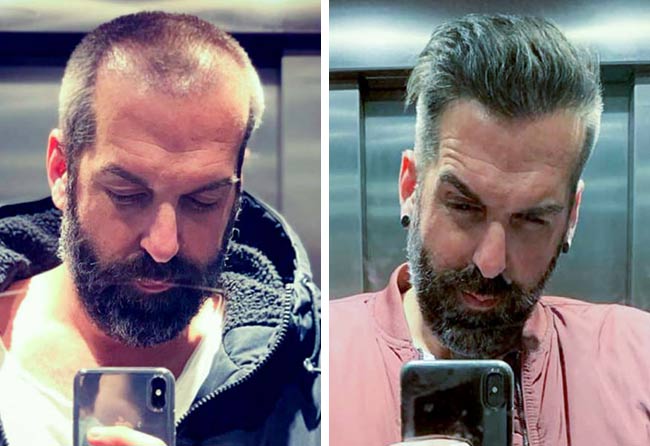
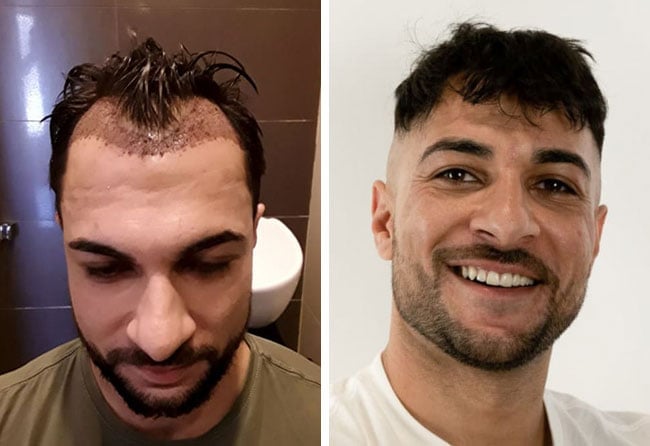
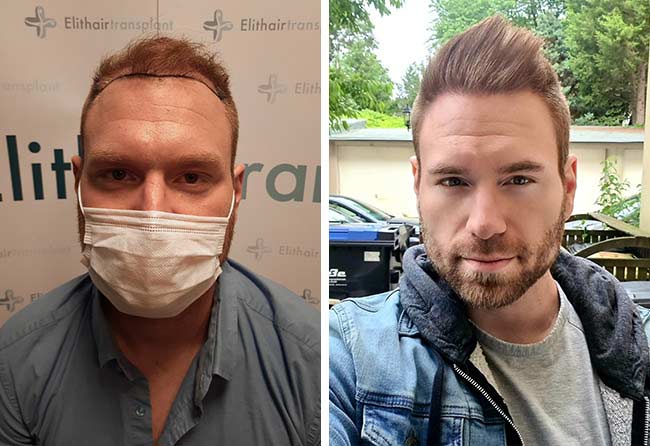
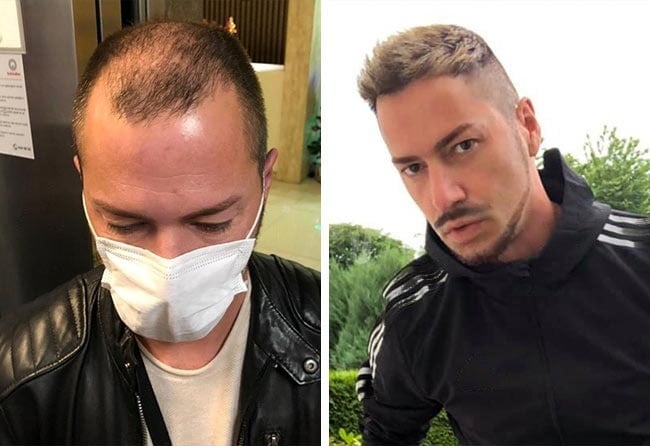
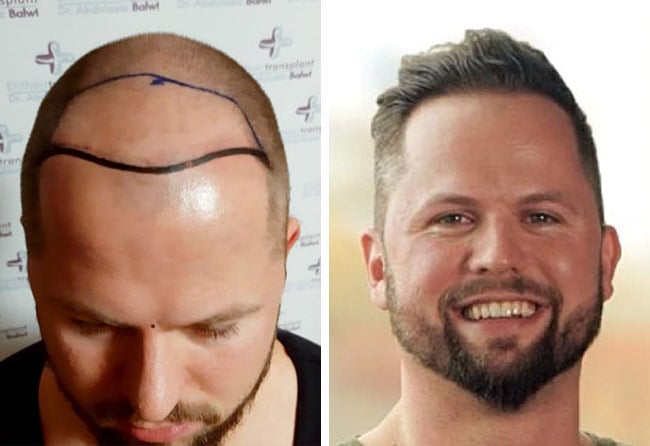
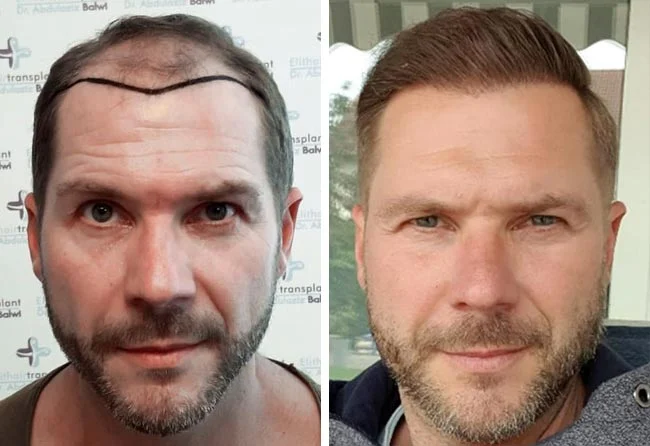
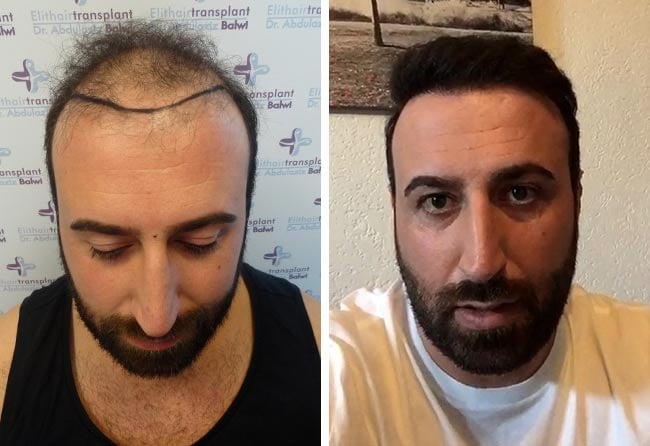
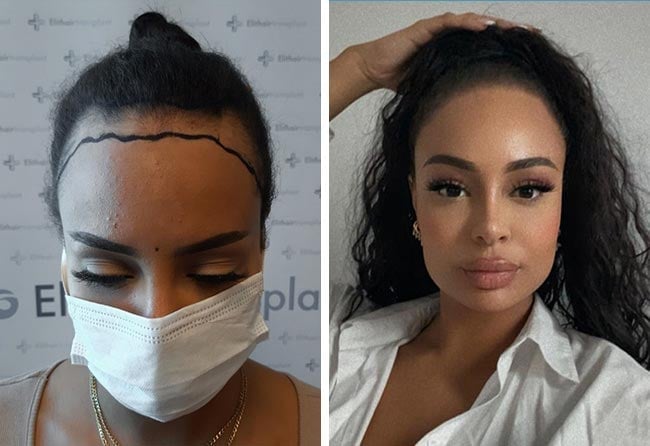
When you compare the donor area before and after a hair transplant, you can see that the natural fullness stays completely intact. We selectively extract only around 25–30% of follicles using the FUE technique, so the remaining 70–75% of hair covers the extraction areas perfectly. The result is a seamless overall look with no visible traces, as our genuine patient photos show.
Your Advantages for Perfect Donor Area Results
Maximum Donor Area Protection: The Elithair FUE Standard.
Our Donor Area Before and After Gallery
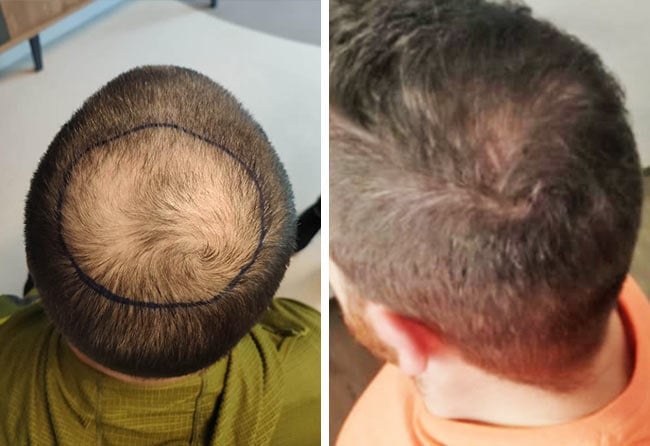
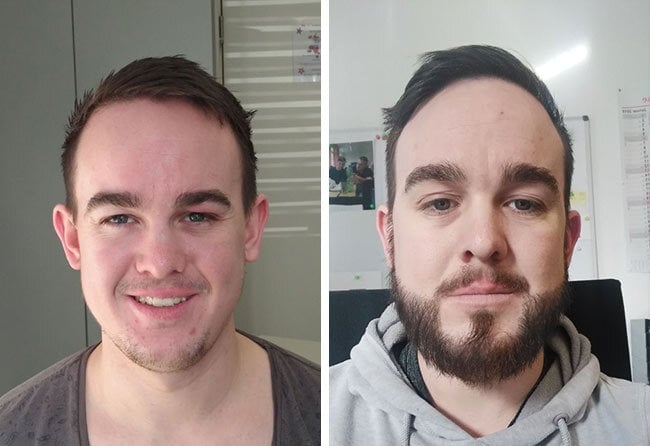
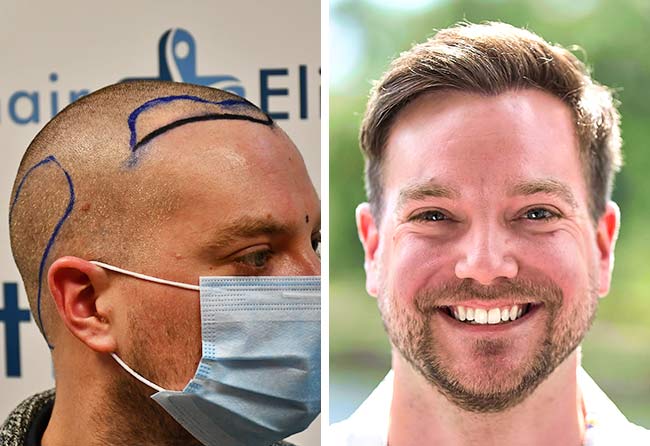
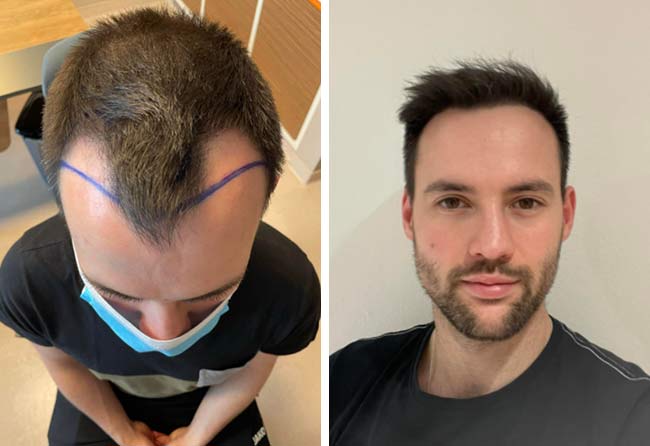
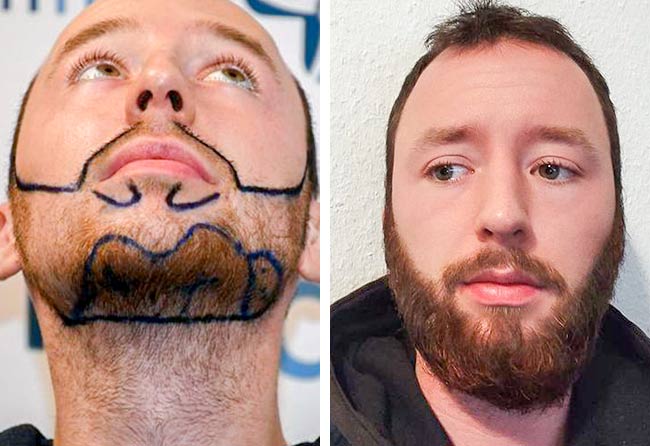
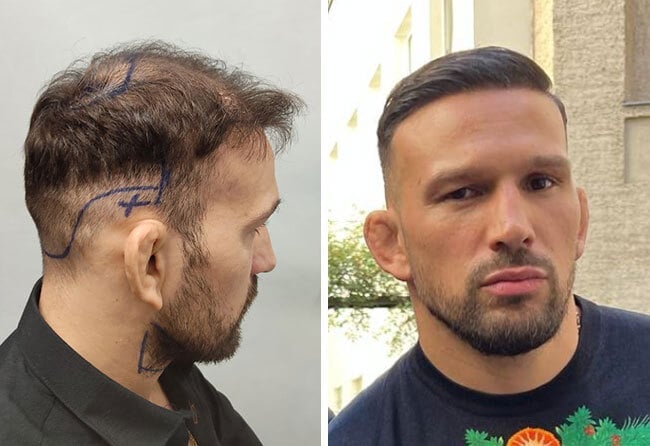
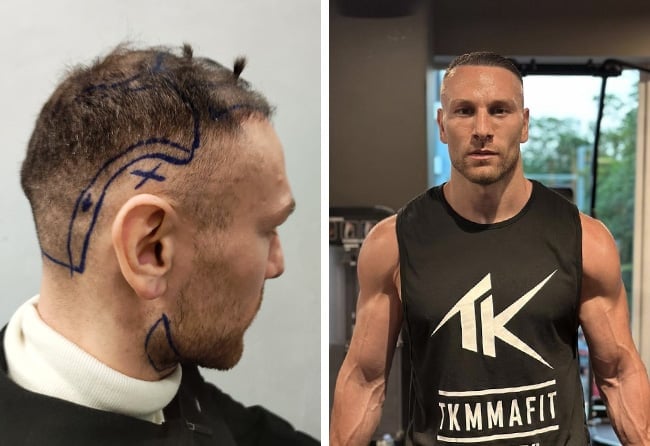
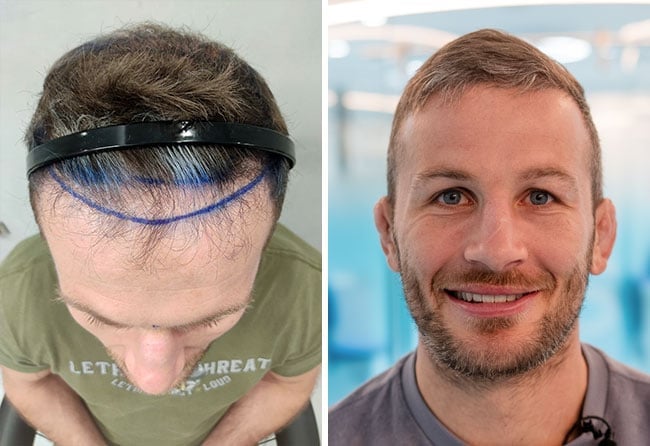
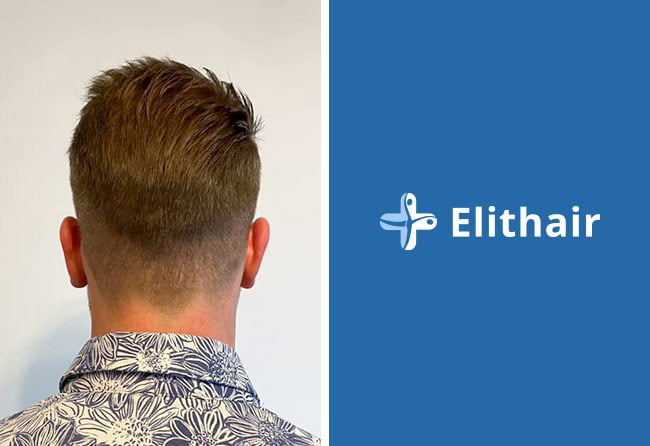
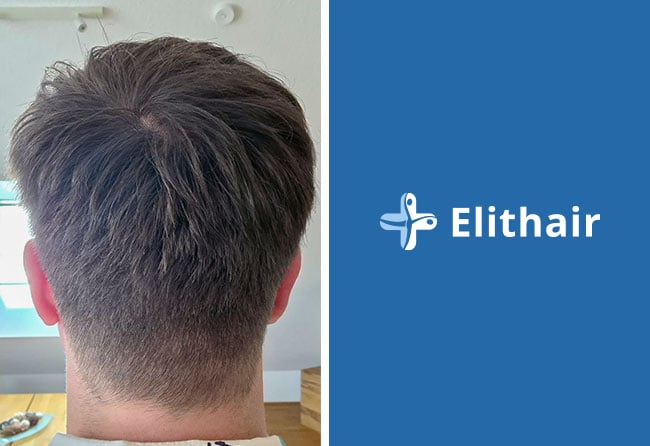
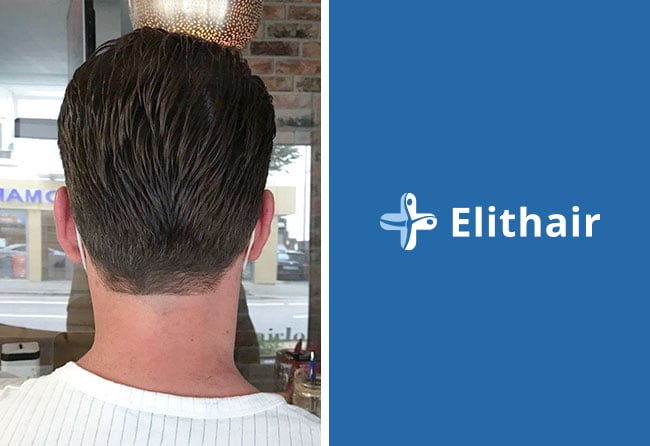
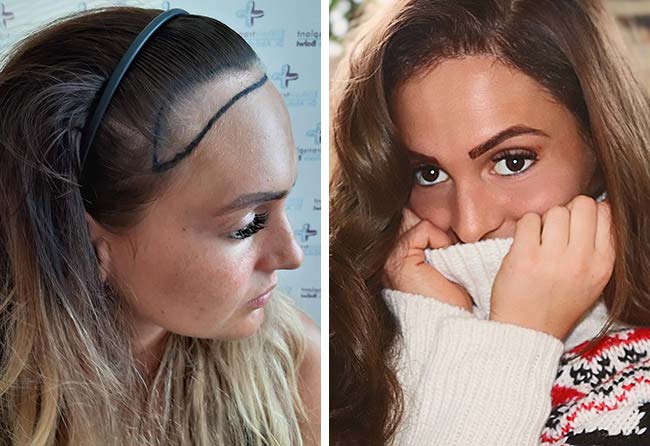
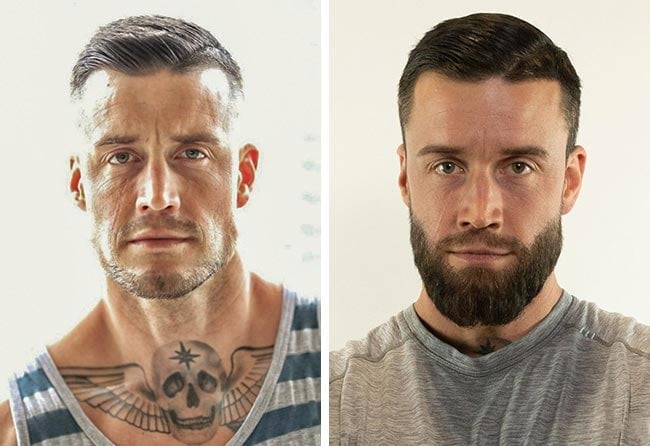
See the impressive results our highly precise FUE extraction achieves. These images show how the natural density at the back of the head is preserved, creating a seamless overall appearance.
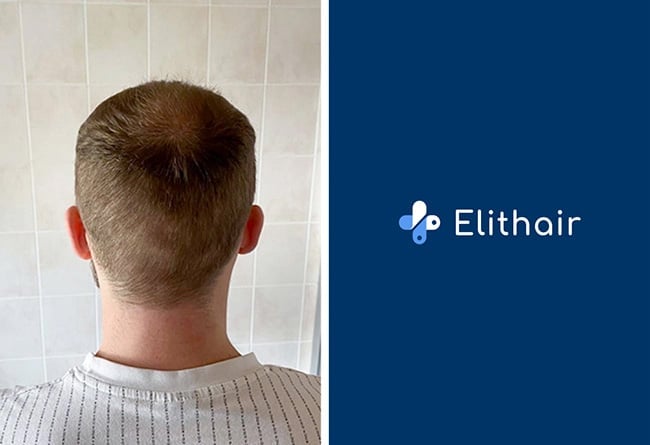
Frederik G. / 4,700 Grafts
– 4 Months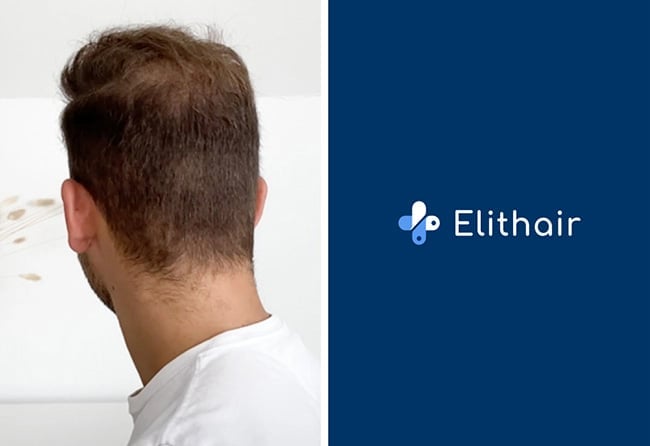
Marcel O. / 4,200 Grafts
– 5 Months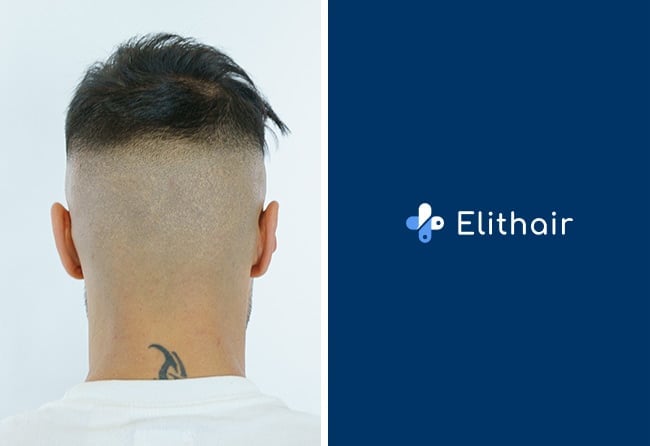
Osmani P. / 2,200 Grafts
– 12 Months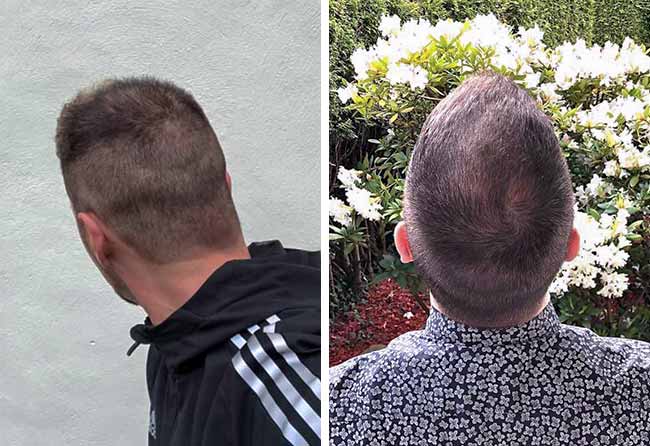
Andre O. / 5,200 Grafts
– 5 MonthsThe Donor Area: The Foundation of Your New Hair
The back of the head (occipital region) is the ideal source for hair transplantation because the follicles there are genetically resistant to DHT, the hormone that causes hair loss. This resistance is permanent, even after transplantation.
Unlike the outdated FUT strip method, Elithair uses the modern FUE technique. Individual follicles are manually extracted with a micro-punch (0.7–0.9 mm), leaving no linear scars. The tiny extraction areas heal within just 7–10 days.
To preserve the natural density of the back of your head and avoid overharvesting, we extract no more than 25–30% of follicles. That means over 70% of the hair stays in the donor area, completely and invisibly covering the extraction sites within a few weeks.
Temporary “Shock Loss”: A Normal Donor Area Reaction
One topic that initially worries many patients: around 2–4 weeks after the procedure, hair around the extraction areas may temporarily look thinner. This so-called shock loss affects only some patients — around 4 % in a study of 621 procedures (about 2 % of men and about 21 % of women) — and is a normal part of the healing process.
The cause is a temporary stress response in the scalp. The affected follicles are not damaged. They simply enter a brief resting phase. After roughly 3–4 months, these hairs fully regenerate and grow back strong.
Important: Shock loss is not a sign of overharvesting. Shock loss is temporary, whereas overharvesting would be permanently visible. Because Elithair strictly sticks to the 25–30% limit, the visual density of the back of your head is guaranteed to be preserved long-term.
Body Hair Transplant (BHT): An Alternative Donor Source
If the natural donor area at the back of the head cannot supply enough grafts for the desired result, body hair transplantation (BHT) taps into follicle reserves from other body regions. This method makes it possible to achieve high density even with advanced hair loss or limited scalp resources.
Beard hair from the chin area is particularly well suited for adding density, as it grows at a similar rate to scalp hair. Its typically thicker structure provides maximum visual fullness and volume in the recipient area without looking artificial.
Chest and leg hair, by contrast, is significantly finer with a slower growth cycle. These follicles are therefore mainly used as a strategic reserve for precise scar corrections or in cases where only very limited natural hair resources remain.
A combined procedure is especially worthwhile when the donor area is weak or during complex correction sessions, ensuring a seamless overall result. The back of the head always remains the primary source, while body hair serves as a high-quality supplement.
Capacity Check: How Many Grafts Are Possible?
Maximum Donor Potential
A dense donor area provides the ideal foundation for comprehensive treatments, with up to 5,000 grafts. This covers complete crown reconstruction or simultaneous filling of the hairline and vertex in a single session.
Up to 5,000 Grafts
Medium Donor Area
A medium-sized area yields between 3,000 and 4,500 grafts. In most cases, this is enough to close a receding hairline or carry out large-scale densification with a natural result.
3,000–4,500 Grafts
Thin Donor Area
With a thin donor area, roughly 1,500 to 3,000 grafts are available. Our specialists focus on precise prioritization of the recipient areas and use supplementary body hair follicles where needed.
1,500–3,000 Grafts
Suitability Check: Your Donor Potential
A dense back of head with a high follicle count offers the best starting point. Curly or wavy hair is particularly advantageous, as it provides greater visual coverage. Dark hair on fair skin also maximizes visible density.
Where the scalp shows through, after previous procedures, or with very fine hair, precise planning is essential. Our specialists select a conservative graft count to protect the donor area and guarantee a natural result.
FUE vs. FUT: What Happens to the Donor Area?
The method you choose determines how your donor area looks afterwards. While the outdated FUT technique leaves a linear scar, Elithair uses the modern FUE method for a natural result with no visible traces.
| Criterion | FUE (Elithair Standard) | FUT (Strip Method) |
|---|---|---|
| Scarring | No linear scar | Permanent scar (10–25 cm) |
| Extraction | Individual extraction (punch 0.7–0.9 mm) | Strip extraction |
| Healing | Fast (7–14 days) | Prolonged (2–4 weeks) |
| Short hairstyle | ✓ Fully possible | ✗ Not recommended (scar visible) |
| Pain | With Sleep-Deep 0% pain | Tension and stitches |
| Follow-up procedure | Easily possible | Limited by scar tissue |
If too much donor hair is extracted, the result is irreversible bald patches and an unnatural appearance. Be cautious of promises exceeding 6,000 grafts per session. In these cases, long-term aesthetics are often sacrificed for quantity.
Elithair’s Protocol: We strictly extract no more than 25–30% of follicles to preserve density at the back of the head. Using our Pre-Test System, we determine your exact capacity in advance so your donor area remains visually full and retains reserves for the future.
Healing Timeline: Donor Area Regeneration
| Time | Donor Area Status |
|---|---|
| Day 7 | Redness subsides; small crusts are still present. |
| Day 10 | Crust-free: After the specialized wash, all crusts have dissolved. |
| Day 14 | The skin has fully settled and is pain-free. |
| 1 Month | New hair growth is already visually covering the extraction sites. |
| 3 Months | Healing complete; the donor area looks dense even with short hair. |
| 6 Months | Fully regenerated skin. No difference from before the procedure. |
Donor Area Healing Timeline
Here is how the back of the head heals after precise FUE extraction:
Days 1–3 (Initial Phase):
Tiny red dots are visible at the extraction areas. A slight feeling of tightness is normal but usually fades after the first day without painkillers.
Days 4–7 (Recovery Phase):
Fine crusts form while redness noticeably decreases. Your existing hair can already conceal the sites discreetly at this stage.
Days 8–10 (Healing Phase):
The crusts gently dissolve with the specialized Elithair care products. The skin beneath regenerates quickly.
Day 14 (Visual Recovery):
The donor area has healed on the surface. Even with short haircuts, the procedure is barely noticeable to others.
Months 2–3 (Final Stage):
The skin texture has fully normalized. Thanks to the precise extraction, no visible traces remain, even with a buzz cut.
Optimal Donor Area Care: The First 14 Days
Proper aftercare ensures fast healing with no visible traces. Here are the five key points to follow:
Sleeping Position: Sleep on your back in an elevated position for the first few nights (use a neck pillow) to avoid pressure on the vertex and prevent swelling.
Gentle Cleansing: From day 3, use the exclusive Elithair care set. Dab the shampoo on gently. No rubbing, no hot water.
Sun Protection: Avoid direct sunlight for 4 weeks. The freshly healed skin is sensitive.
Hats or Caps: Avoid tight headwear for the first 2 weeks. Friction and heat build-up slow down healing.
Supportive Care: Apply the provided care products as directed in the app. This keeps the skin supple and helps the crusts dissolve gently.
FAQ: Common Questions About Donor Area Before and After
During the initial phase (7–14 days), only fine crusts and slight redness are noticeable, which longer hair easily conceals. After roughly 3–4 weeks, the donor area has fully regenerated. By three months, the extraction has healed so precisely that even a hairdresser looking closely would not spot any signs of the procedure.
In most cases, yes. Even with moderate hair density, 3,000 to 5,000 grafts are often enough to fill a receding hairline or the vertex seamlessly. Whether your donor area has the necessary reserves is something our experts determine during the free hair analysis. We calculate the available graft count precisely and show you a realistic projection of your desired result.
Yes, absolutely. We simply recommend keeping your hair slightly longer for the first 3–4 weeks to bridge the initial regeneration phase discreetly. Once that is complete, the extraction sites are invisible even with a buzz cut (3–6 mm). After 3 months at most, you have complete freedom with your hairstyle, with no visible traces.
Yes. We plan your hair transplant sustainably from the very start. Because Elithair extracts no more than 25–30% of available follicles, your donor area stays visually dense and retains sufficient reserves for future treatments. For the best results, we recommend a gap of 12–18 months between two procedures, giving the scalp time to heal fully and reach maximum growth rates again.
More Hair Transplant Before and After Results
View our results for other treatment areas:
Receding Hairline
Precise hairline reconstruction with 1,500–3,000 grafts using the latest DHI method.
View Results →Crown
Maximum densification of large areas with 3,000–5,000 grafts. Perfect volume through DHI technique.
View Results →Vertex
Seamless vertex closure with 2,500–4,500 grafts. Natural whorl appearance through precise DHI implantation.
View Results →12 Months
Impressive final results after one year of growth, from the procedure to full density.
View Results →3 Steps for Your Hair Transplant Donor Area Result
Free Hair Analysis
Upload your photos for a no-obligation assessment of your donor area. Our doctors will determine the safe graft count for your desired result.
Treatment in Istanbul
All-inclusive service with VIP transfer, 5-star hotel, and cutting-edge FUE extraction. We guarantee maximum hair density with minimal impact on the donor area.
Regeneration
Use the Elithair App for seamless healing support. Within just a few weeks, the donor area regenerates completely and looks perfectly natural.
Take the First Step Towards Your Donor Area Result
Upload your photos and receive a professional assessment of your donor area. We will determine the optimal graft count for your lasting result.
Start Your Free Hair Analysis Now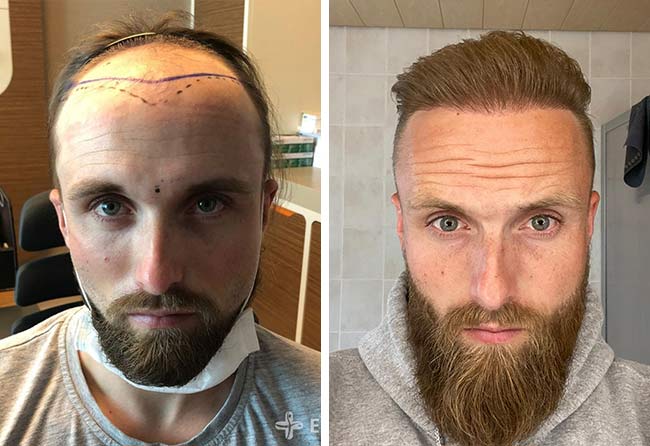
 Head
Head 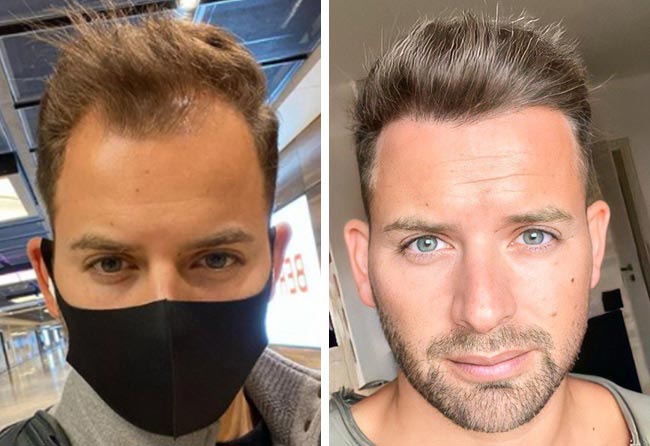
 Head
Head 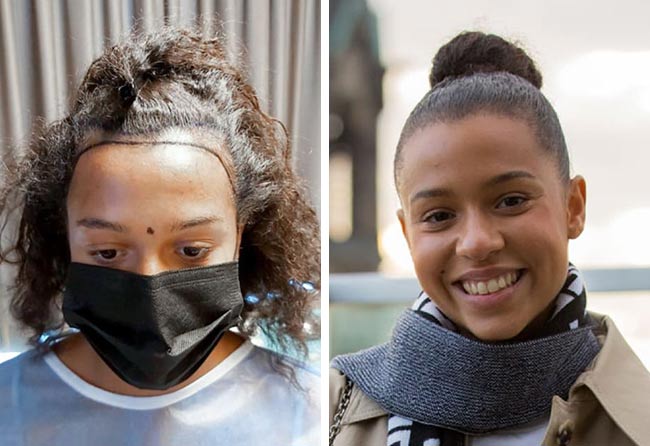
 Beard
Beard 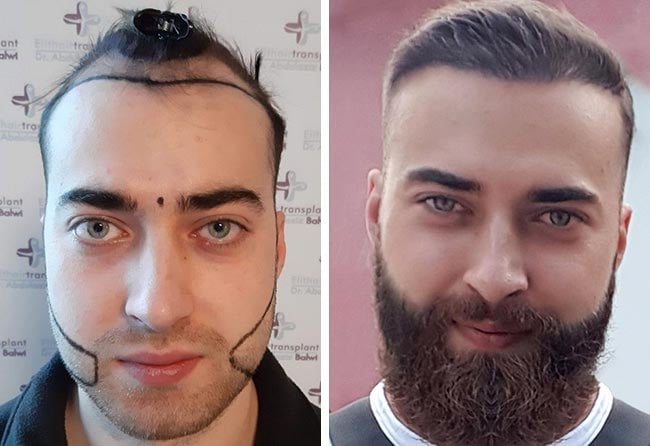
 Head and Beard