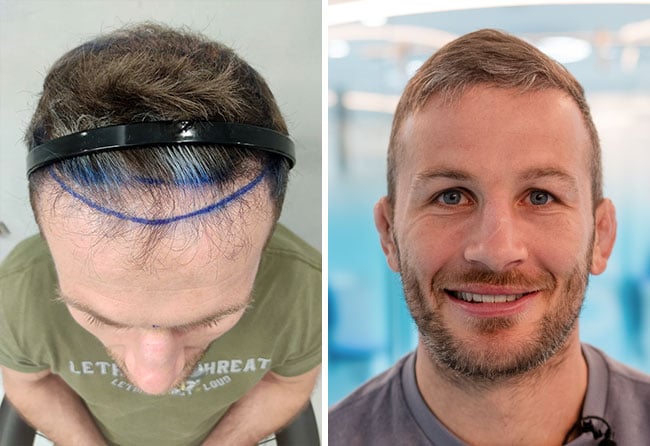
Hair Transplant 18 Months Before and After Photos: The Final Result
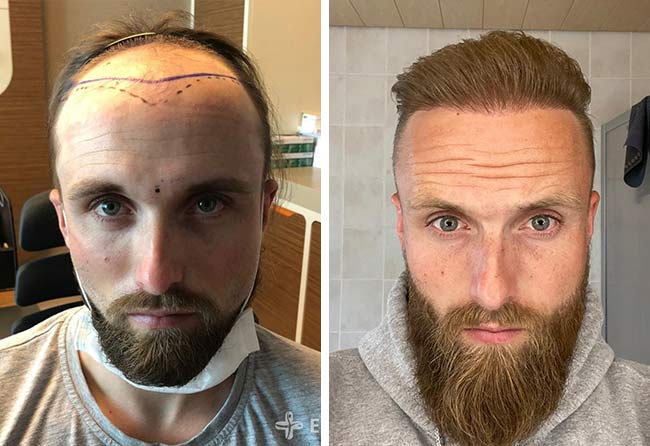
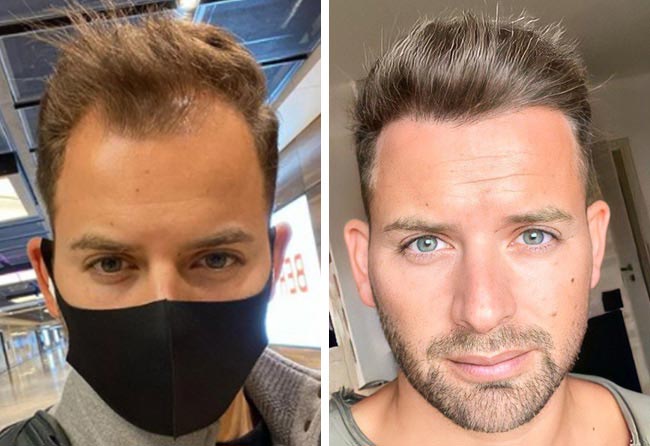
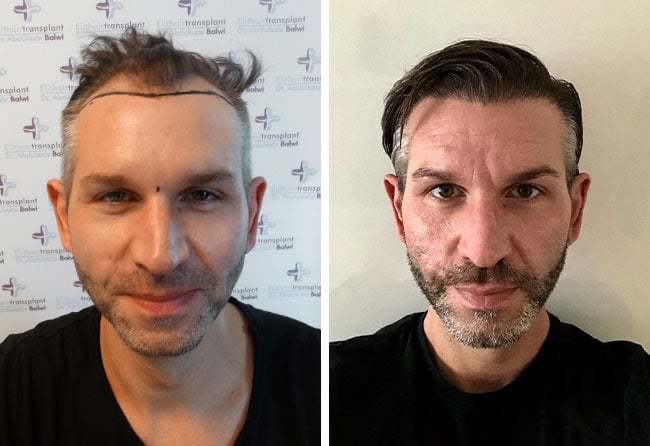
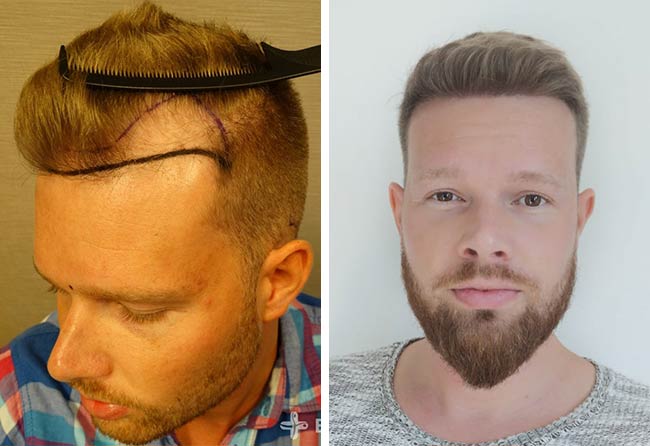
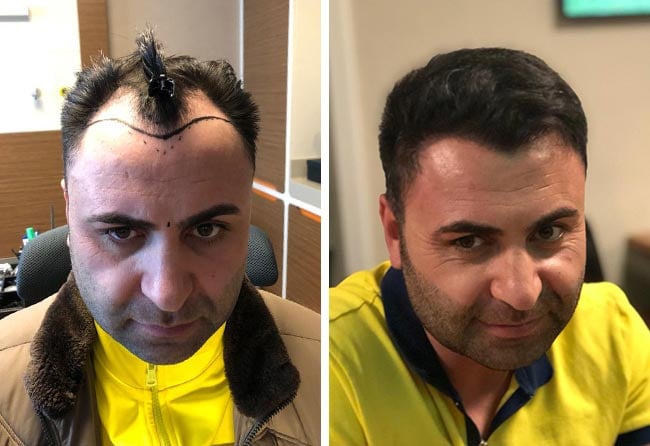
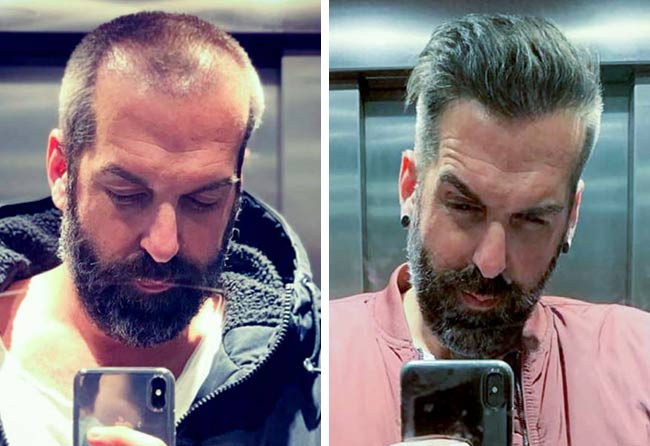
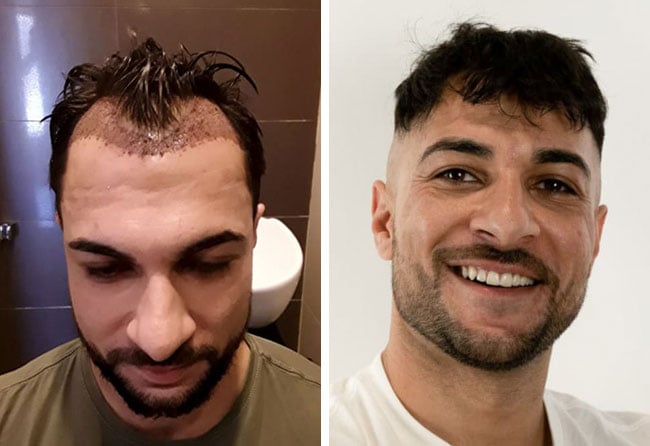
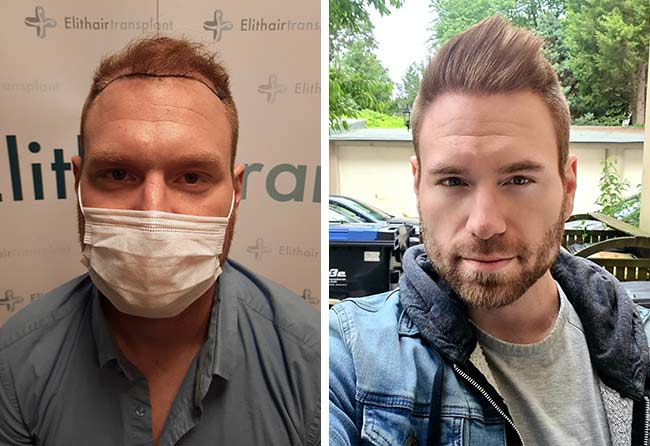
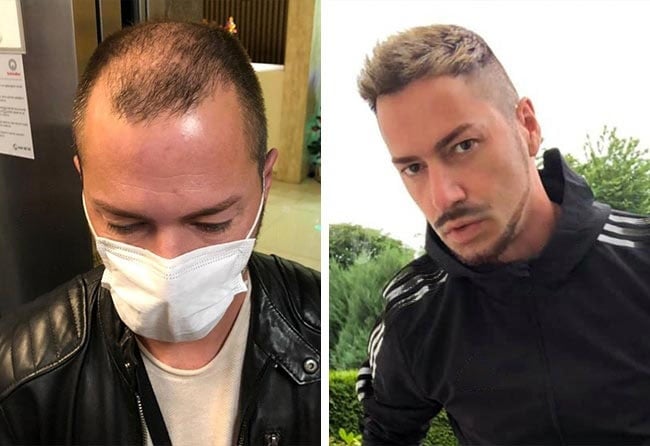
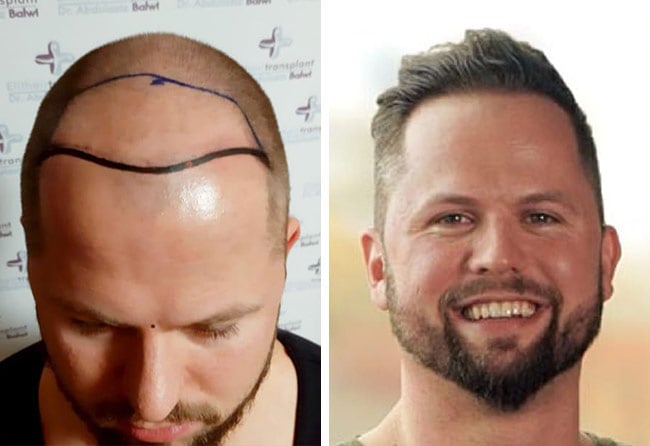
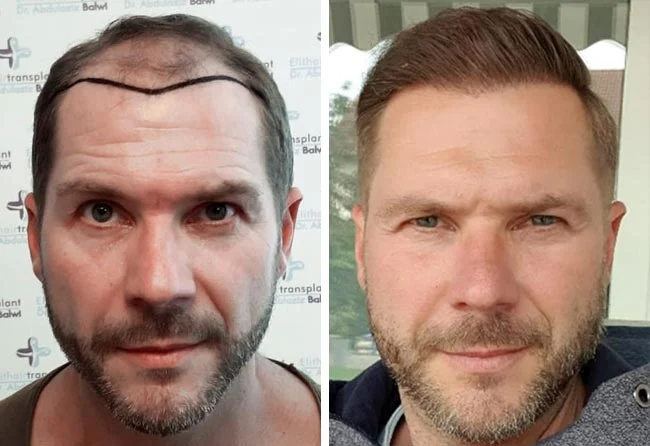
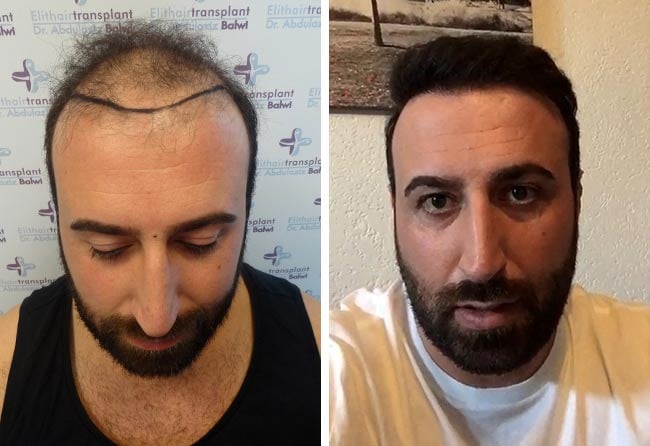
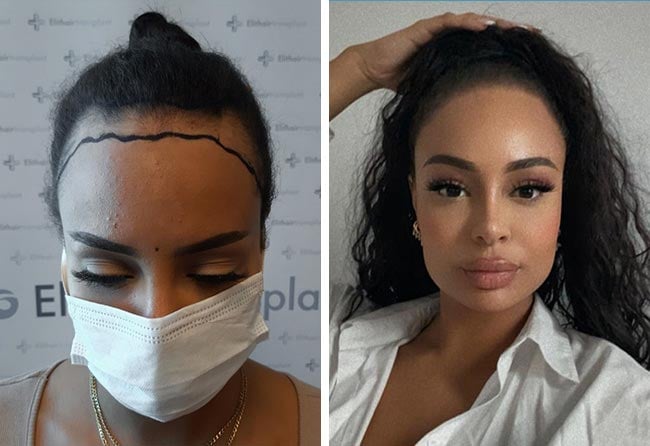
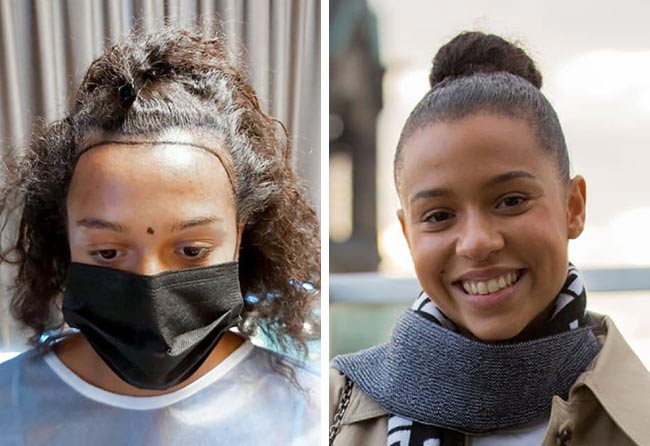
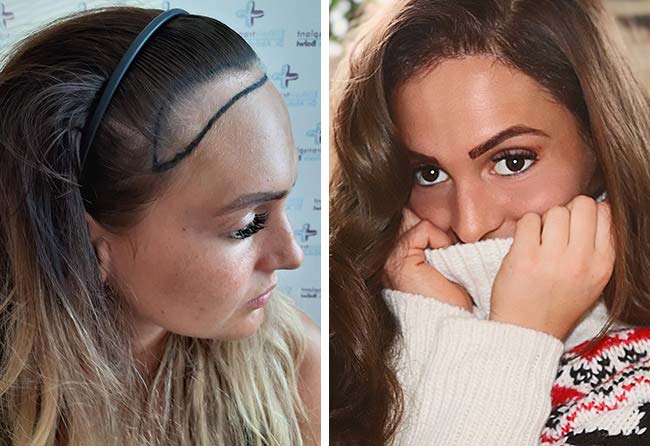
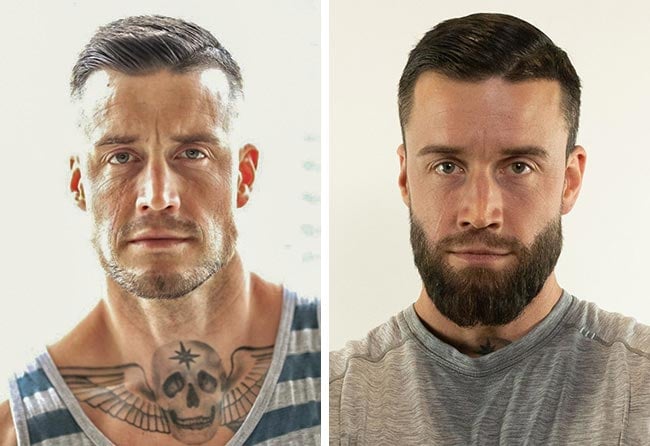
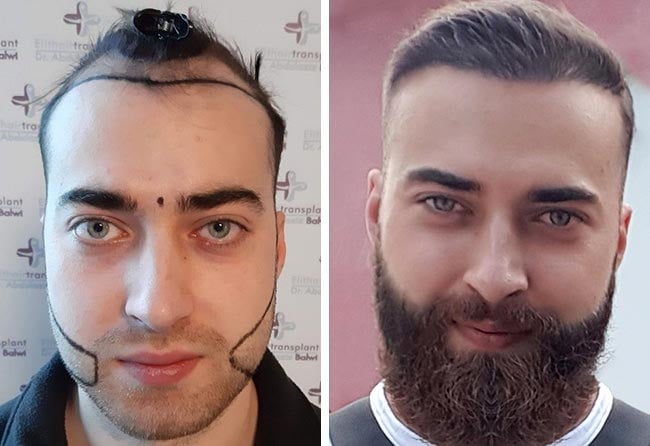
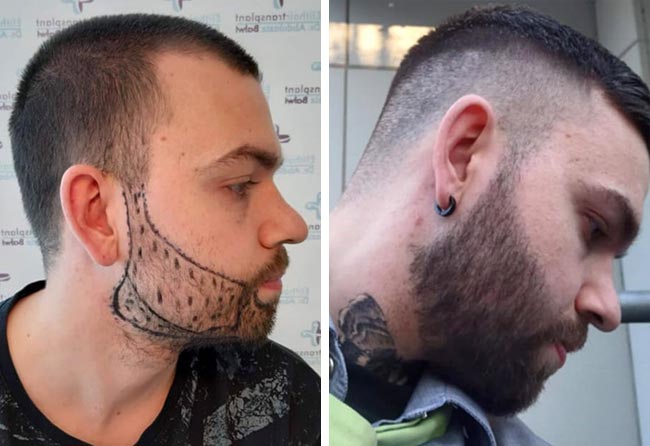
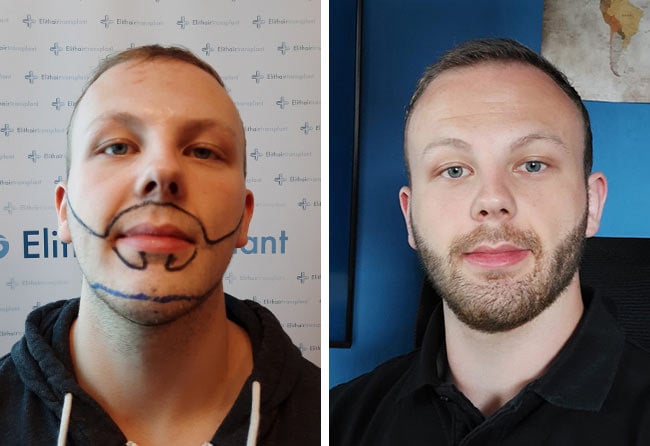
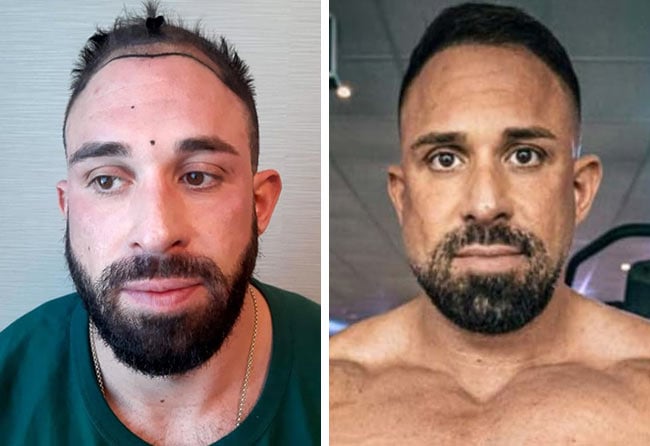
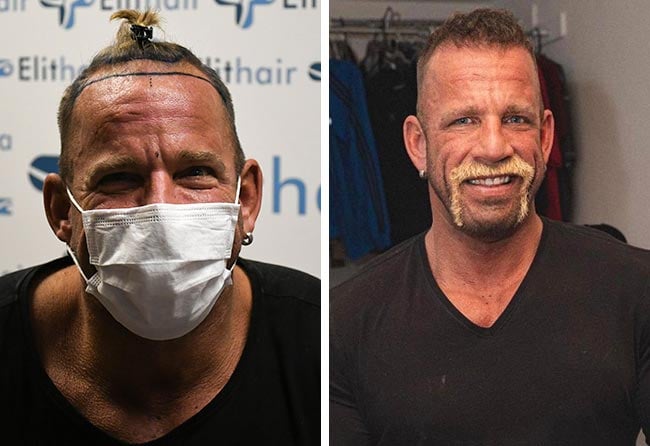
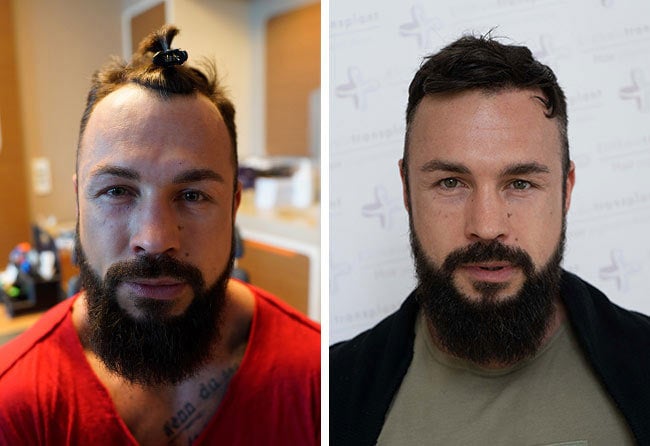
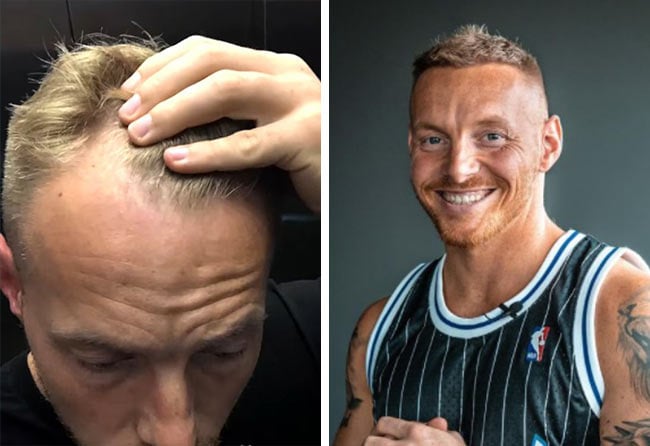
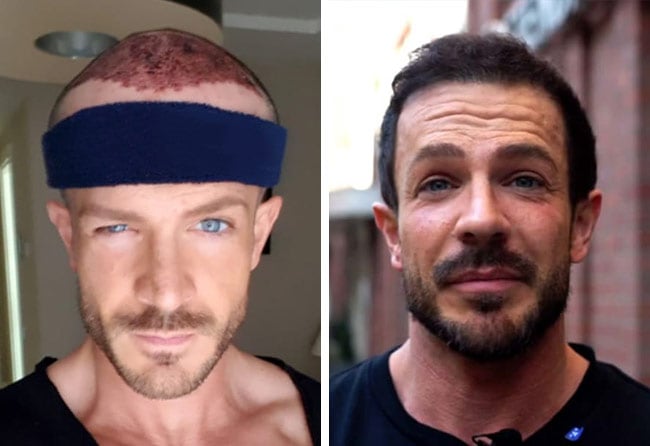
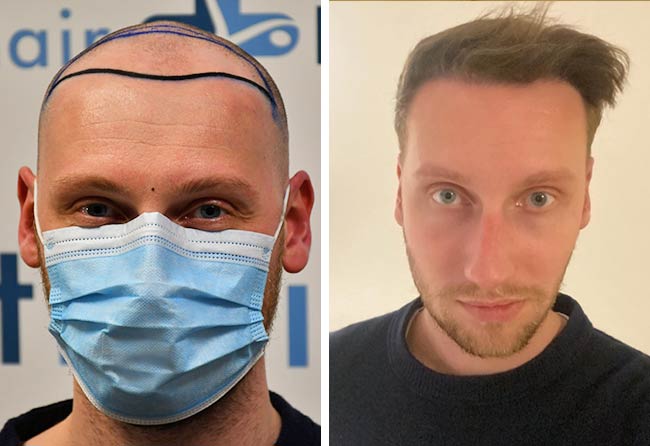
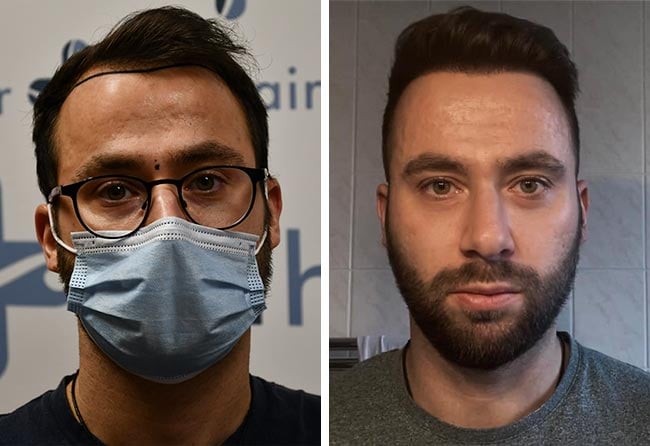
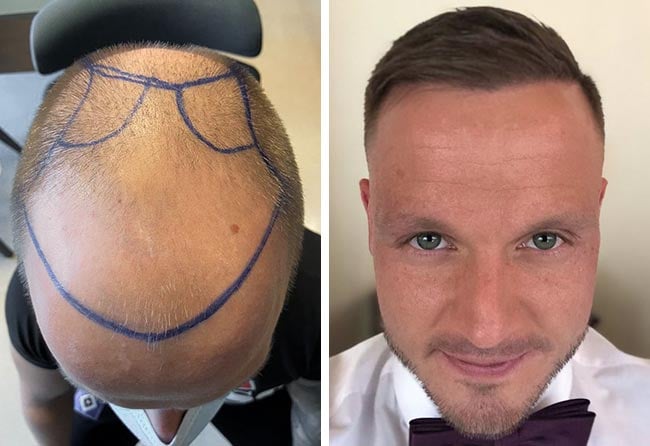
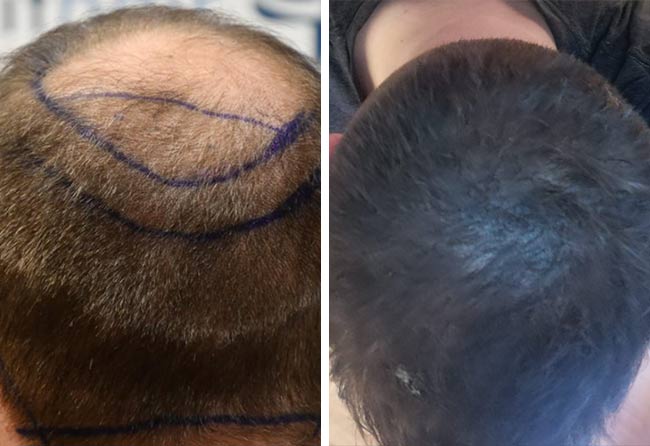
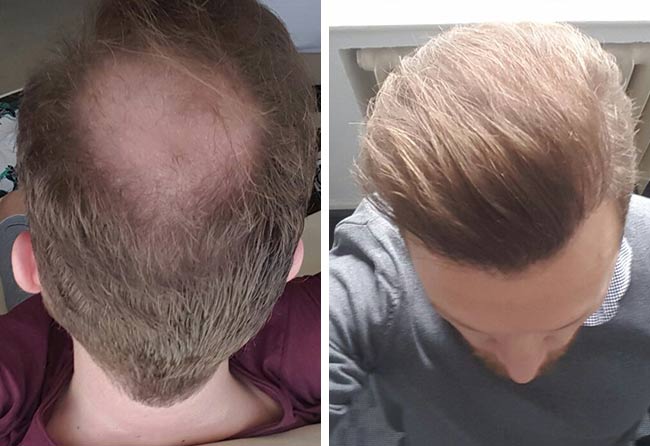
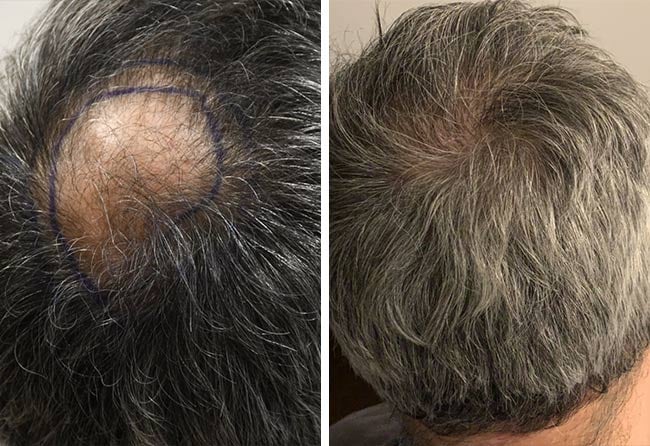
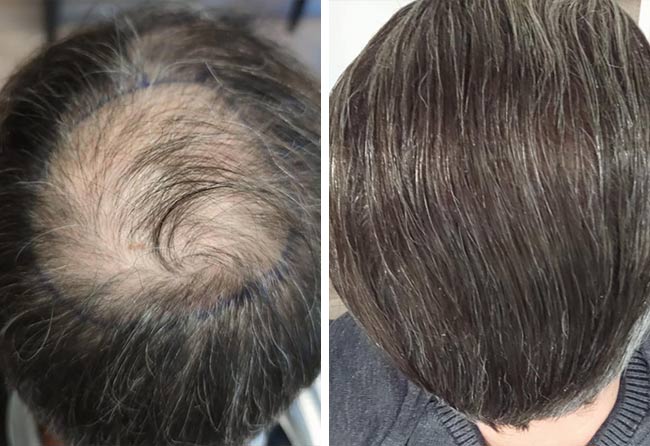
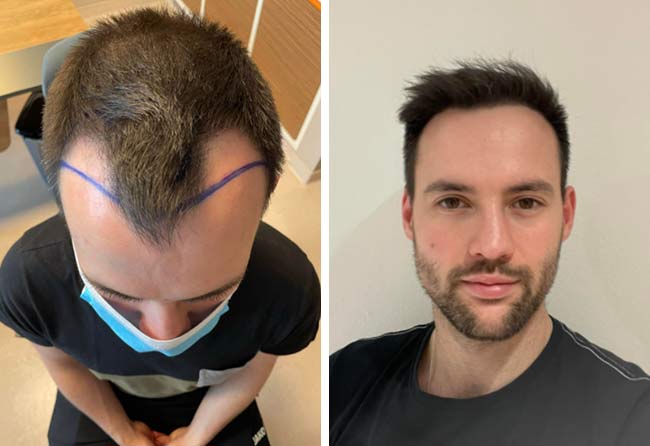
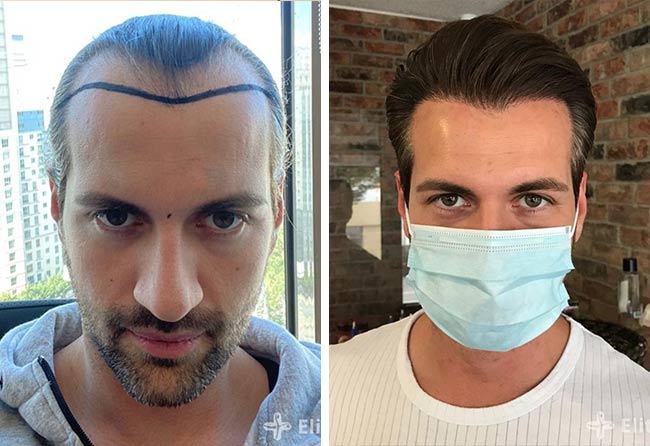
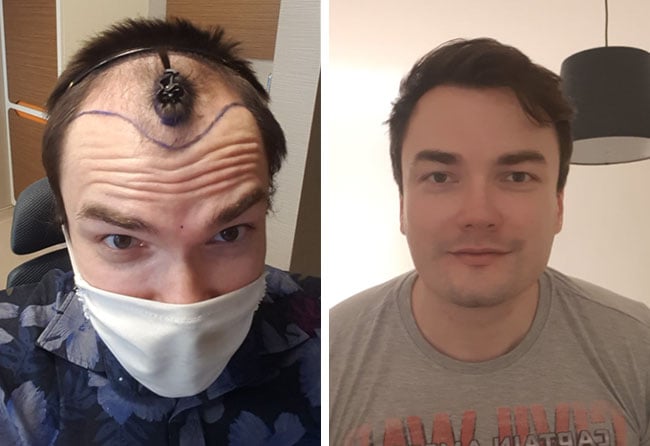
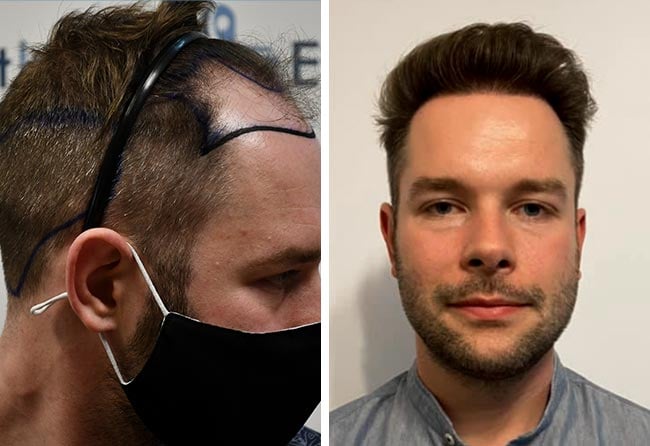
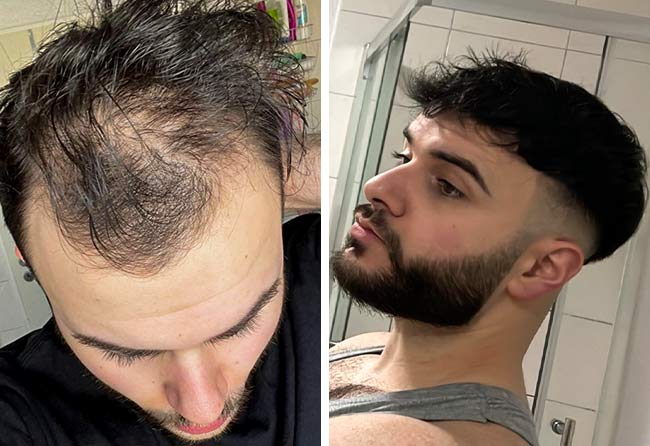
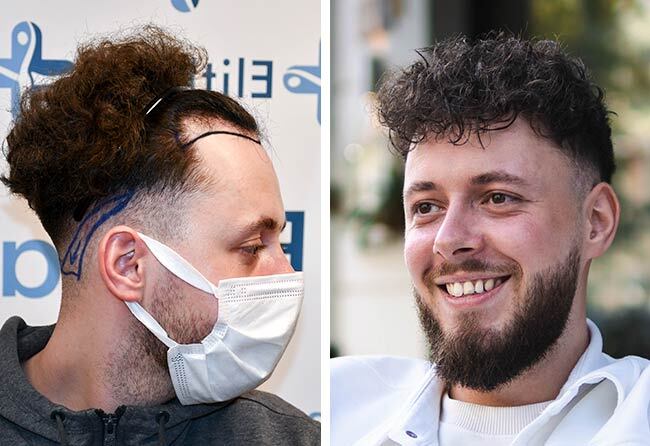
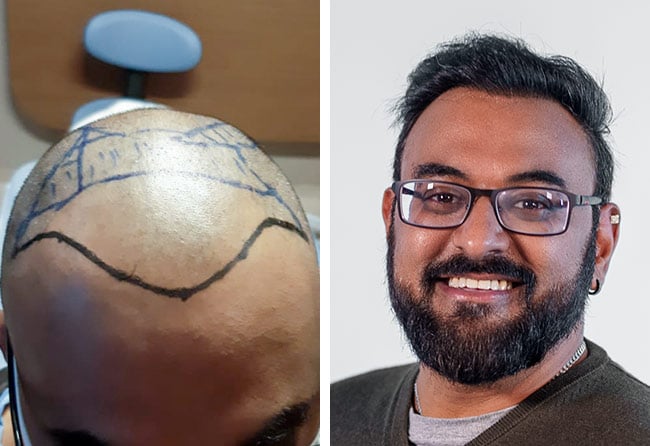
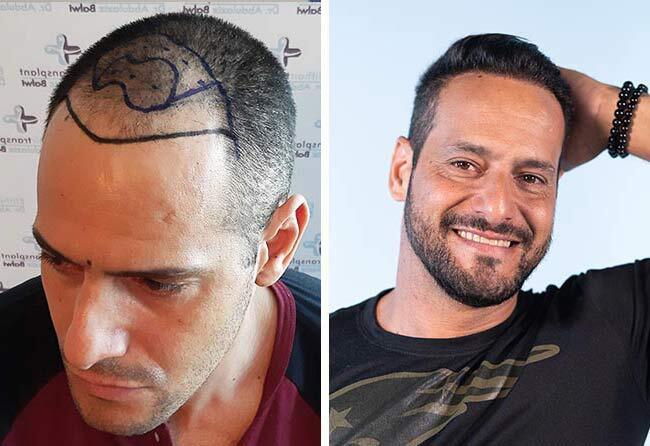
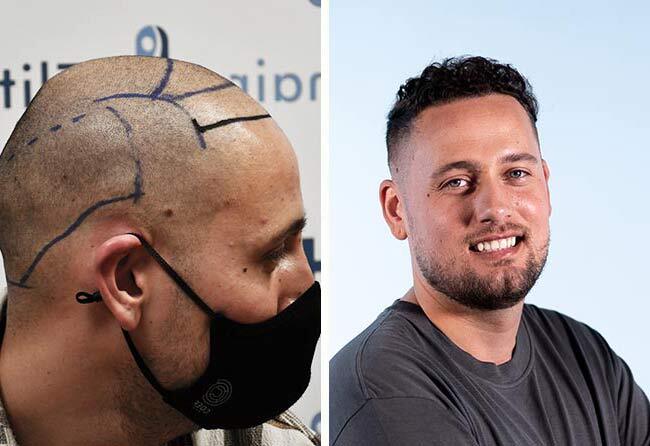
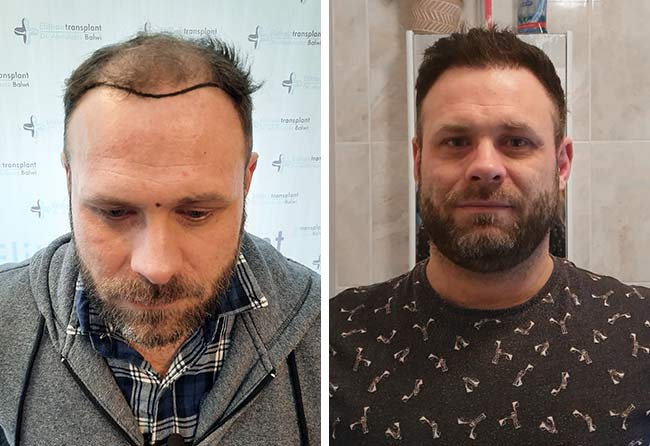
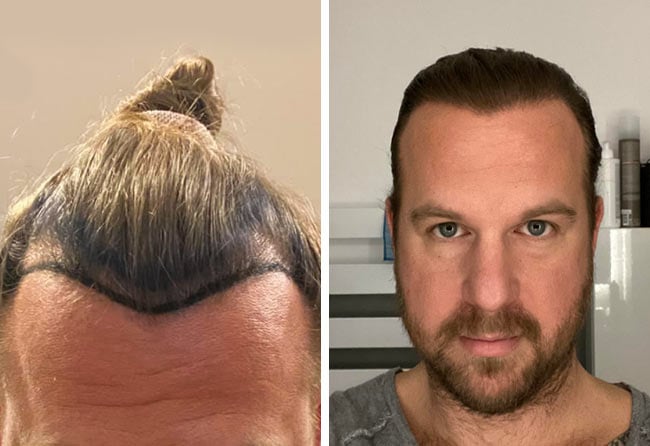
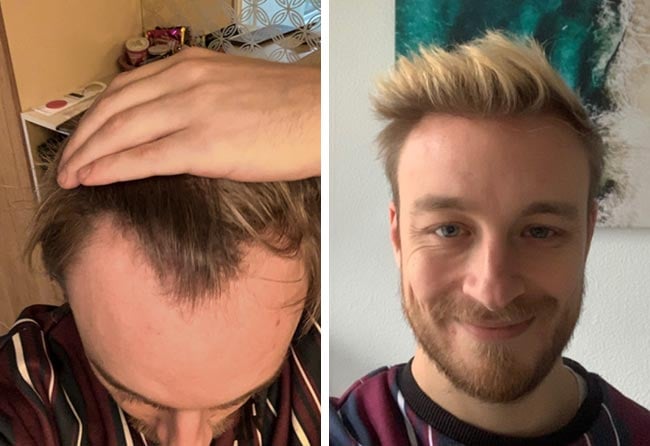
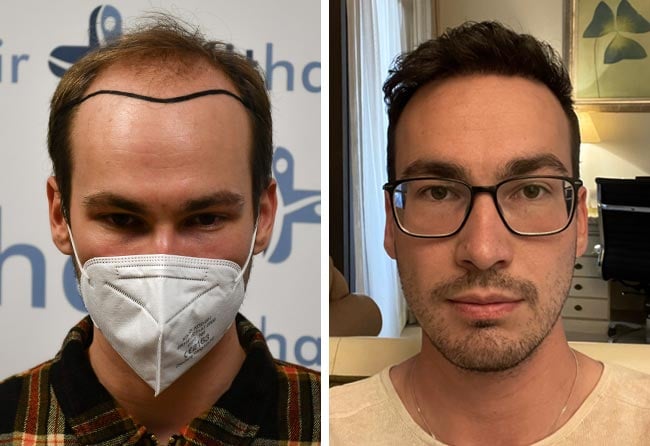
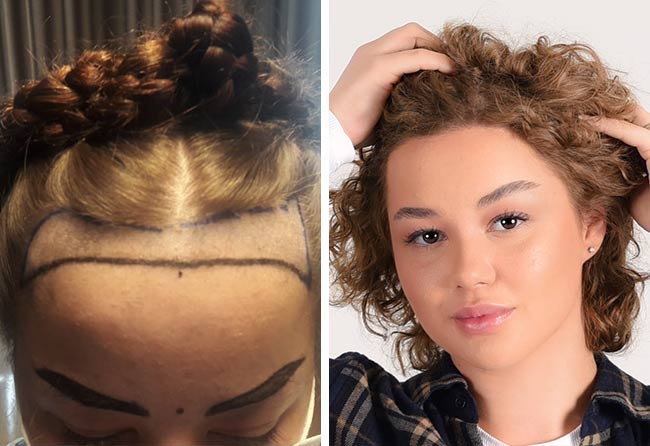
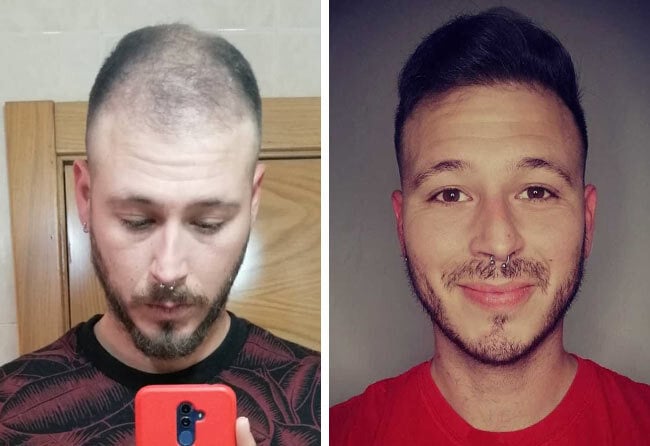
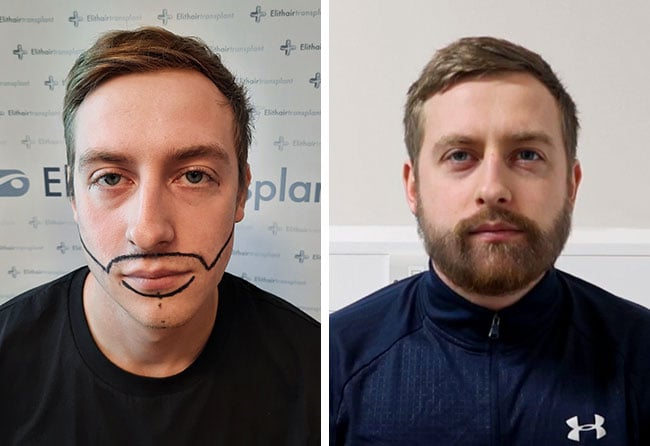
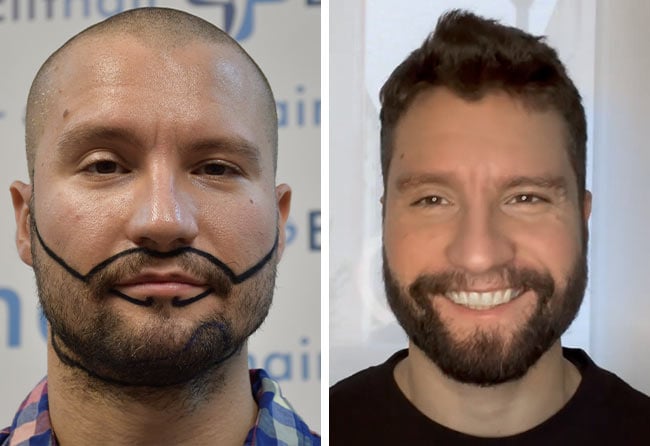
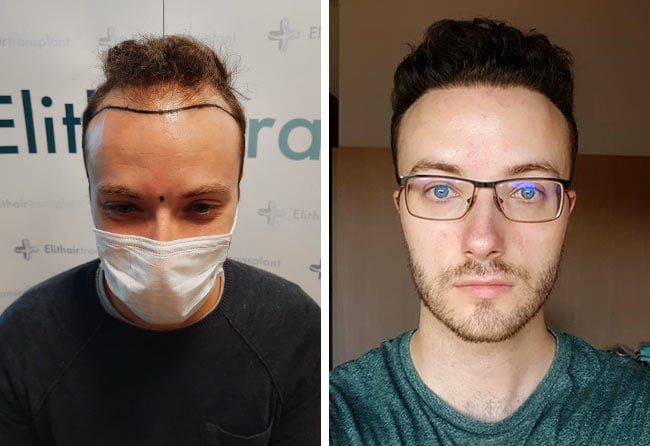
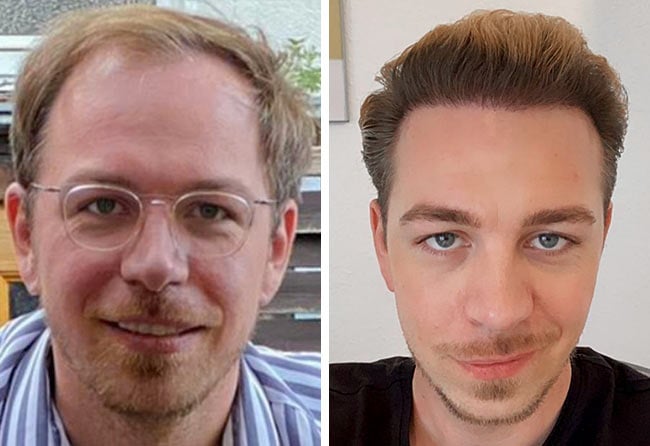
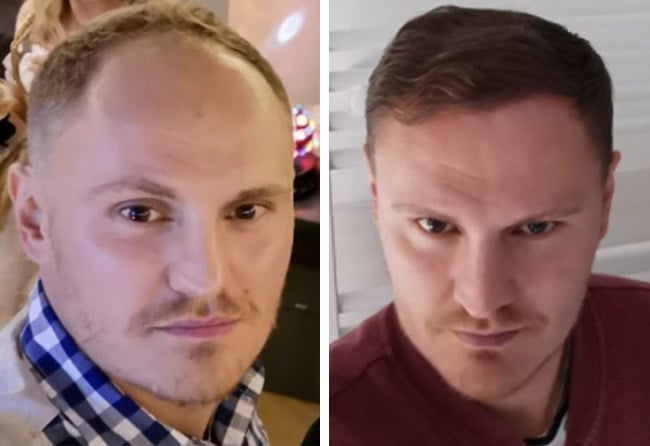
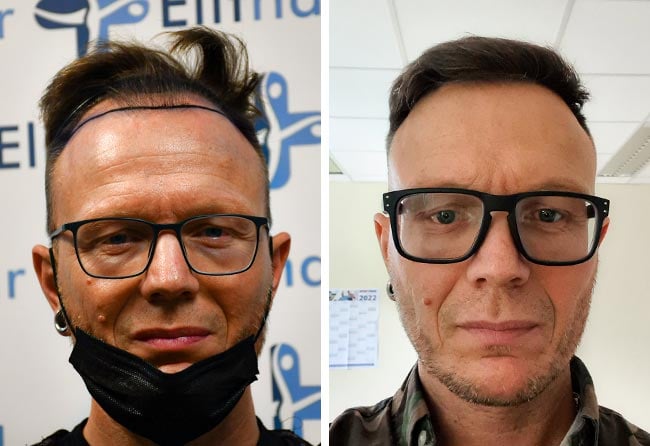
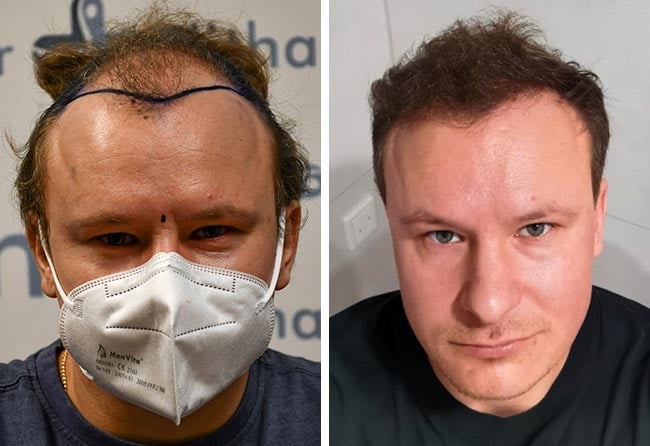
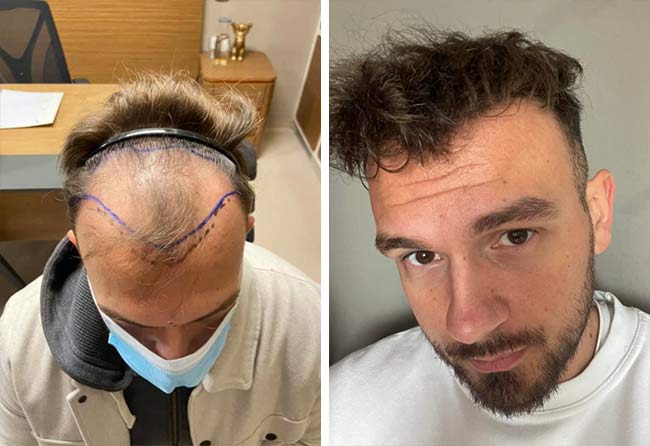
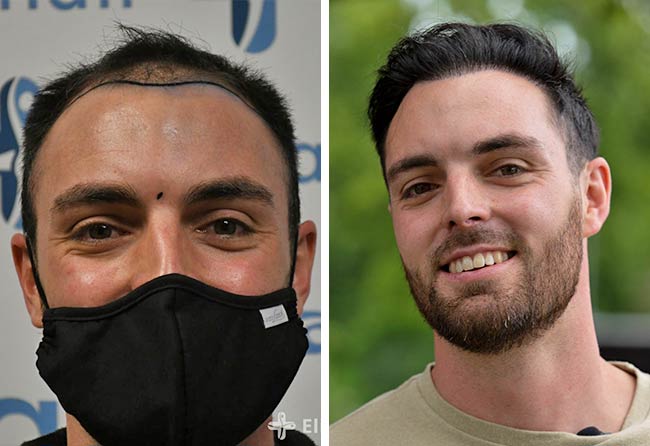
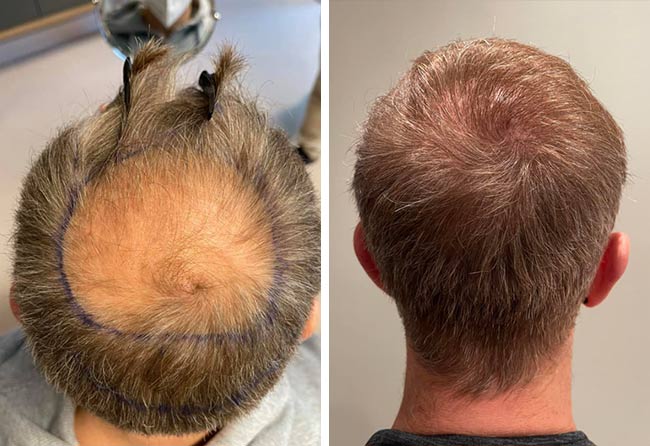
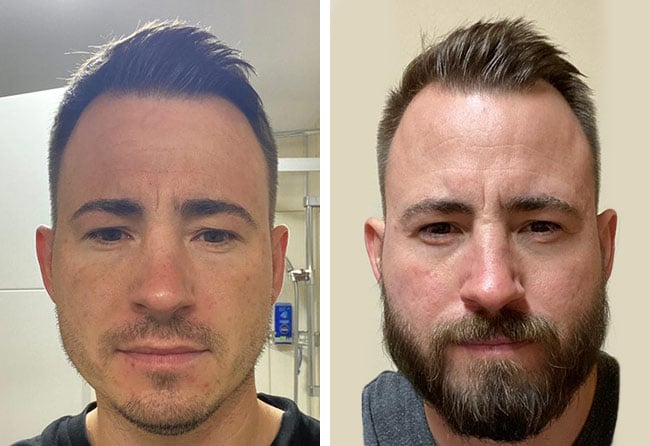
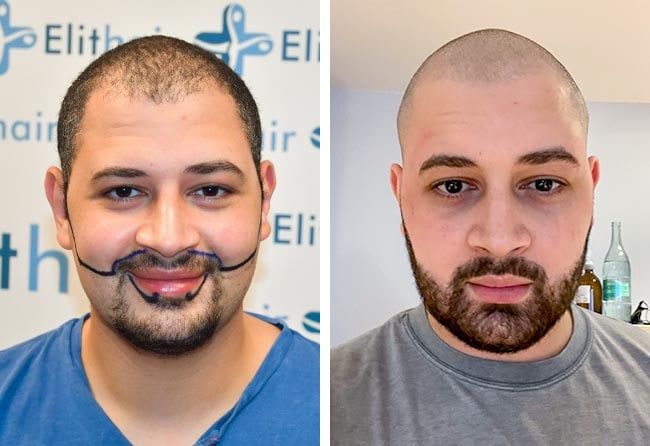
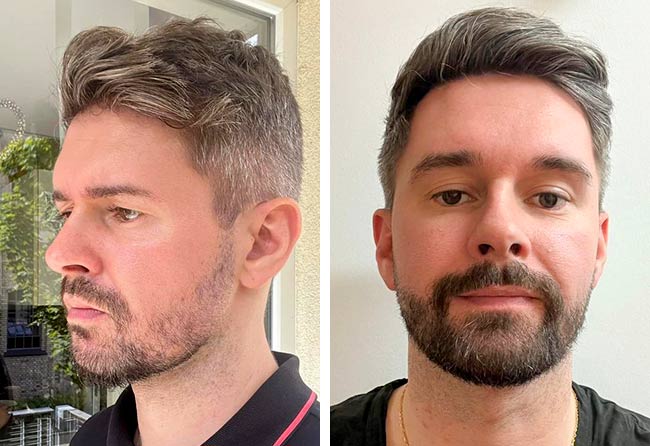
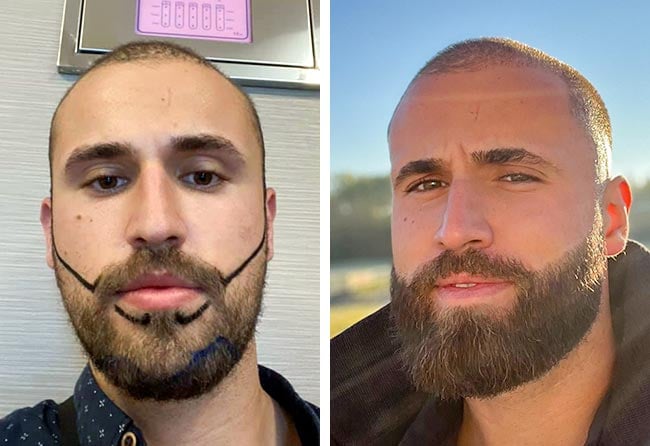
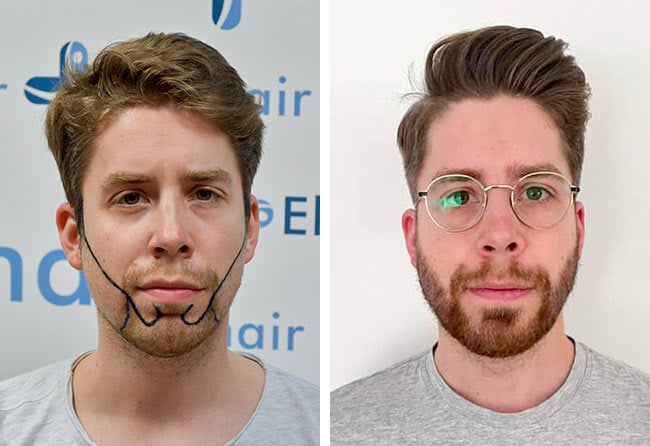
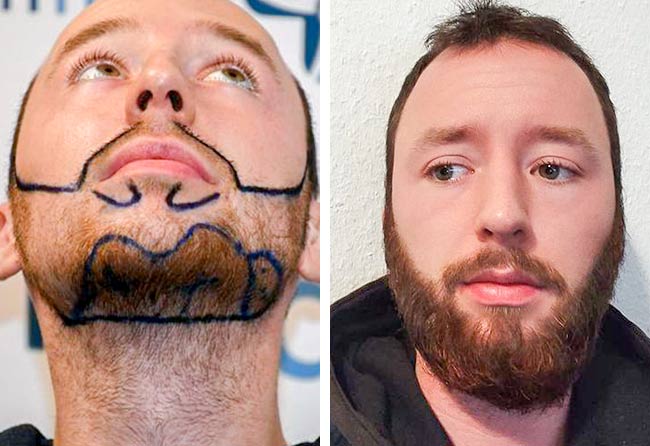
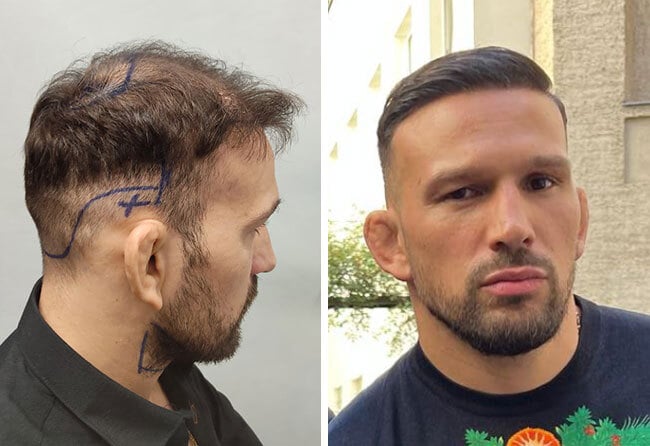
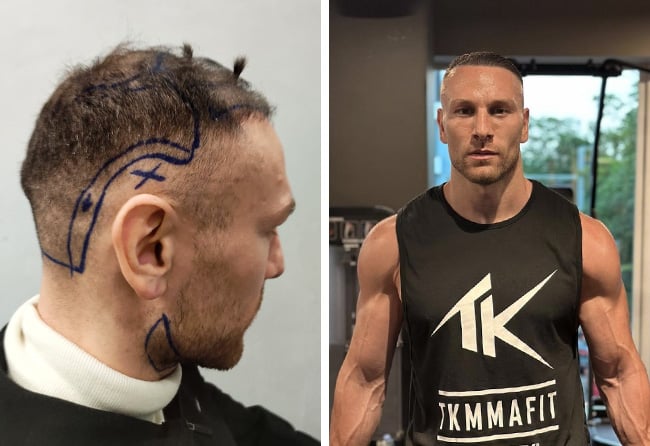
After 18 months, your transformation is fully complete. The before and after results at 18 months show maximum density across the crown and vertex. Every transplanted hair has grown in and blends permanently into your natural look.
Before and After Results at 18 Months in Numbers
A clean result at 18 months comes down to careful planning and individual graft analysis. By matching exact graft counts with the right technique, we achieve full density and a natural look across every treated area. After 18 months, your hair reaches its full visual potential.
Hair Transplant 18 Months Before and After Gallery
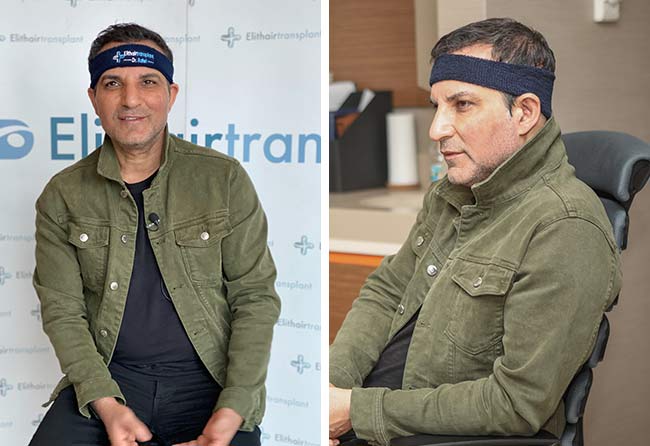
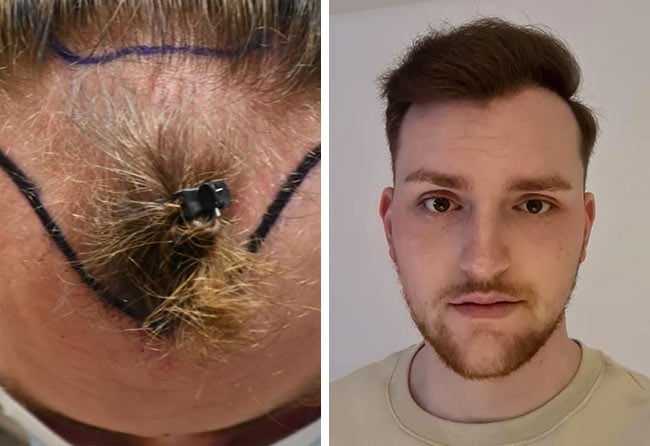
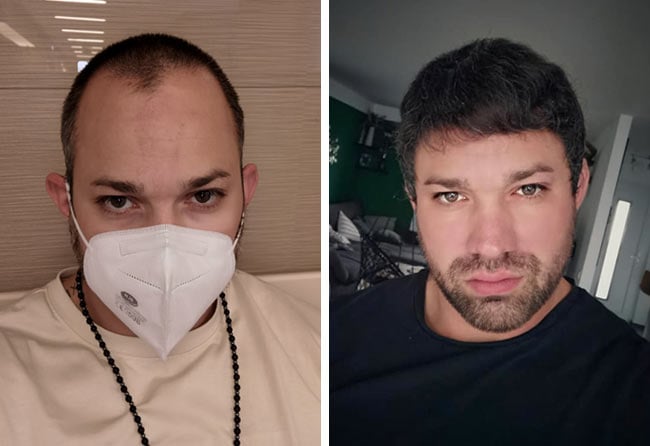
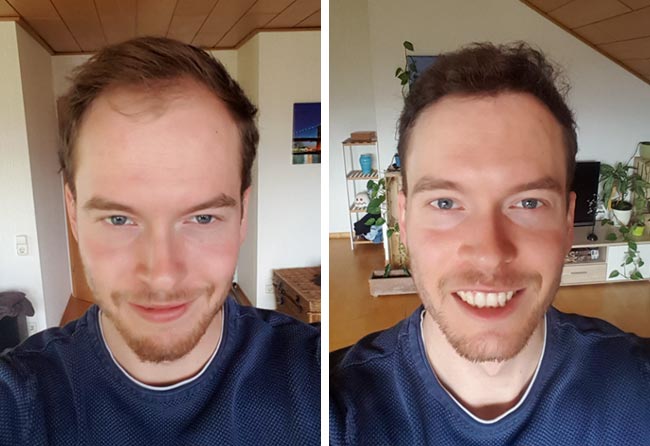
The before and after results at 18 months show the final stage of your new hair growth. By this point, maximum volume has been reached even in tricky areas such as the vertex. Thanks to our specialised techniques, you get permanent density and a natural look that sits seamlessly alongside your existing hair.
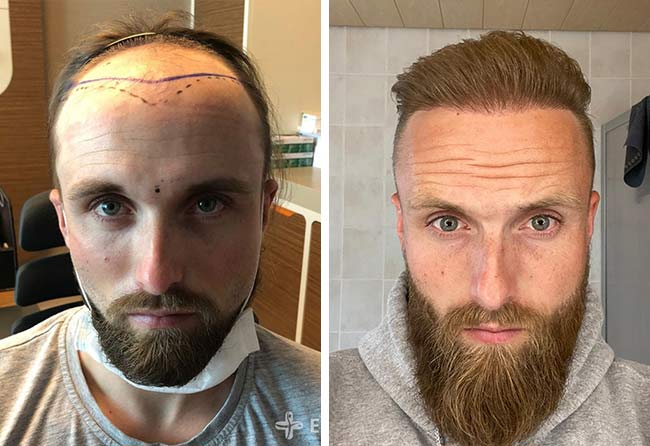
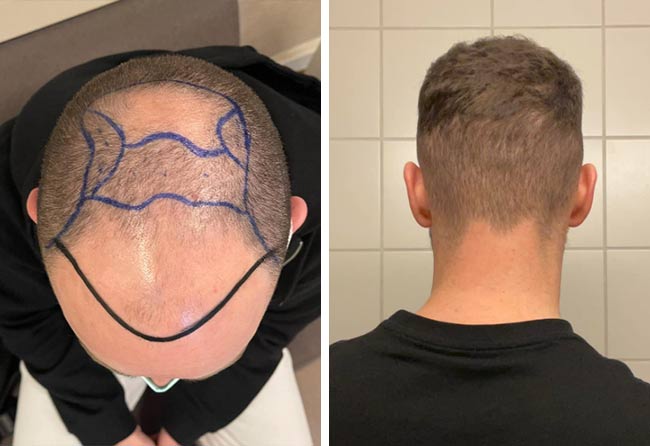
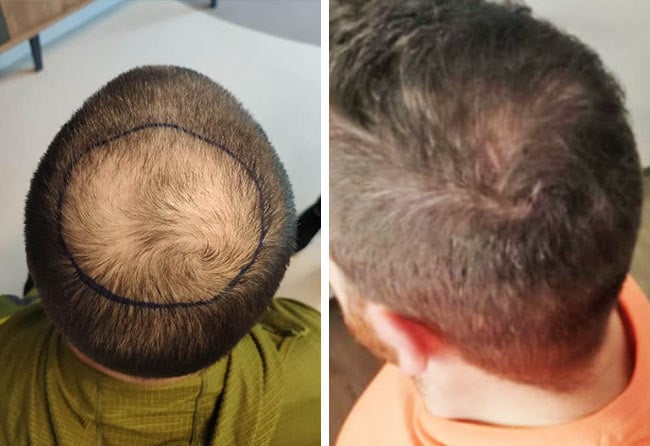
Frederik G.
Receding Hairline + Crown
4,700 Grafts – 18 Months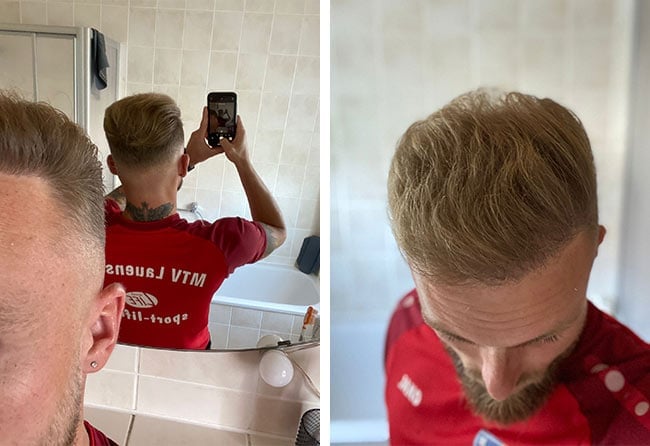
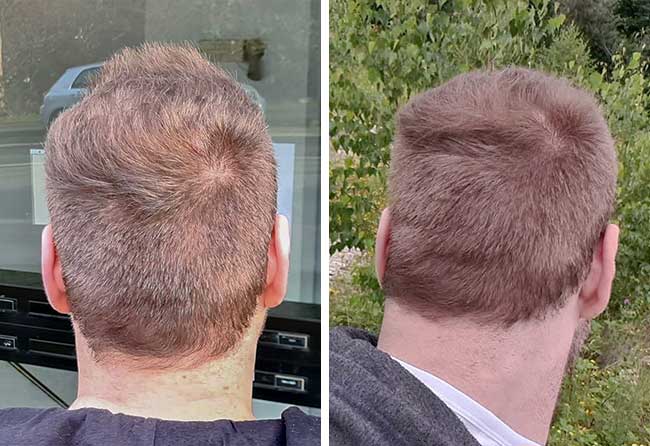
Frederik G. / 4,700 Grafts – Vertex
4,700 Grafts – 18 Months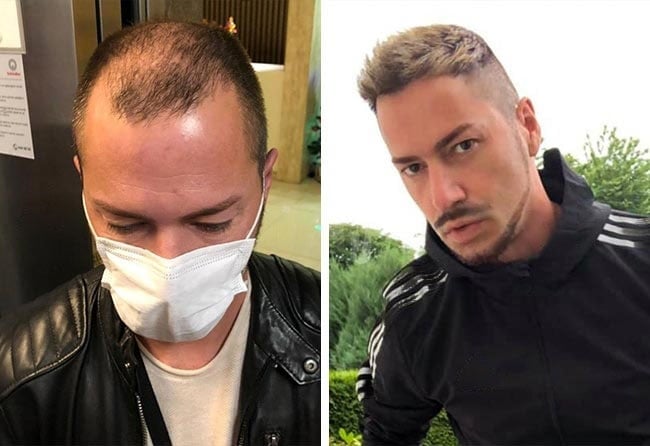
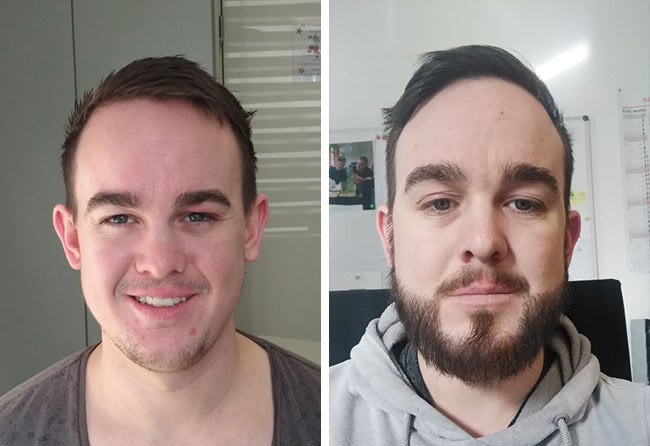
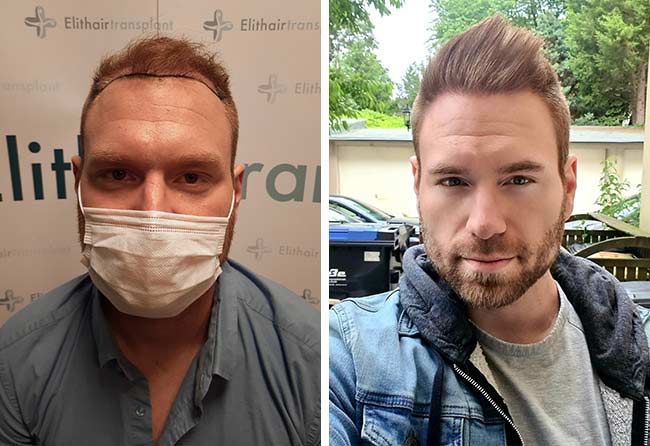
Andre O.
Entire Head
5,200 Grafts – 18 Months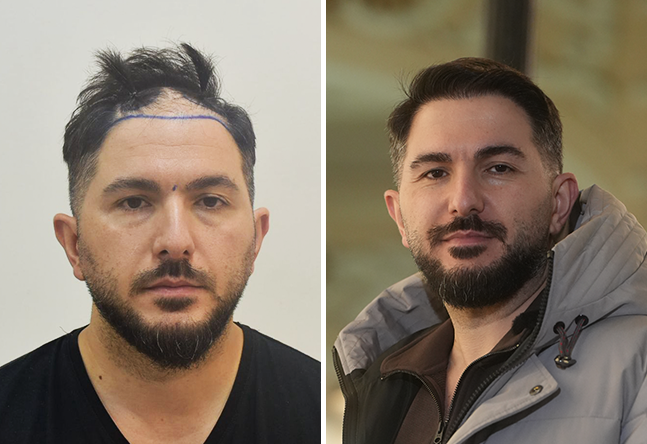
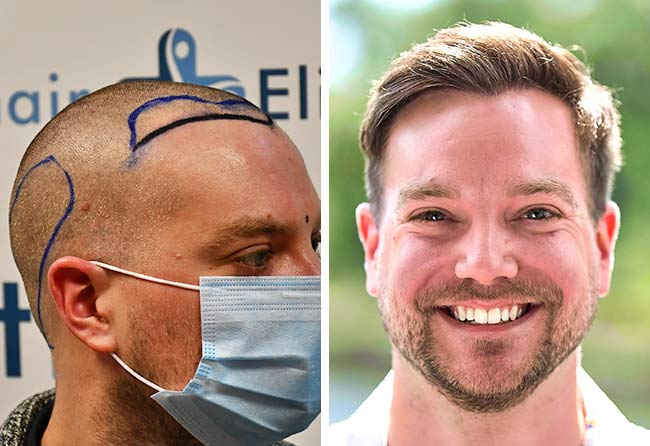
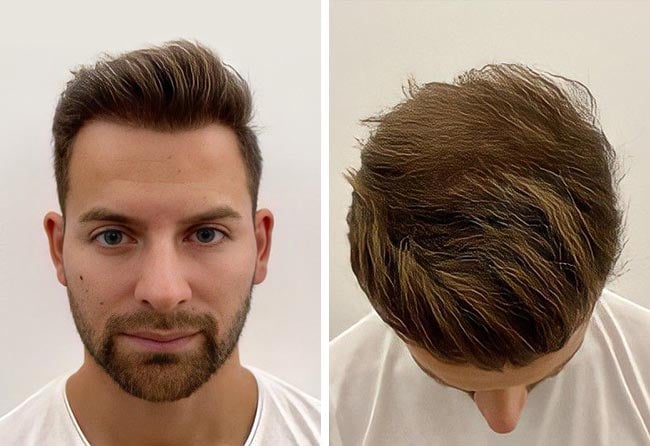
Onur Y.
Receding Hairline + Crown
4,200 Grafts – 18 MonthsWhy 18 Months Is the Decisive Benchmark
Transplanted hairs go through several growth cycles before they reach their final thickness. Every follicle needs two to three full phases, from activation to rest, to settle in properly and produce strong hair.
Alongside this, the scalp goes through an important collagen remodelling process that can last up to 18 months. This plays a key role in anchoring the follicles and shaping hair thickness, which matters most for the spiral growth pattern at the vertex.
The receding hairline often looks finished after a year, but the crown and vertex gain noticeable density during the final six months. Only at 18 months is the full potential visible, which is why you should never judge the final result before the 18-month mark.
Reasons for Unsatisfactory Results: A Grounded Analysis
Not every hair transplant ends in the look the patient wanted. When the final result falls short of expectations, the cause usually sits in one of three main categories:
Lack of Surgical Precision and Technique
A common reason for an unnatural look or poor density is flawed execution during the procedure. This covers incorrect graft placement, an unnatural hairline design, or damage to the follicles during extraction. If the natural growth direction of the hair is not followed properly, the result often looks uneven and doll-like.
Inadequate Aftercare and Biological Factors
The success of a hair transplant depends heavily on the healing phase. If postoperative care instructions are ignored or the area is put under mechanical strain too early, the freshly implanted grafts can be rejected. Individual biological factors such as poor scalp circulation or an unpredictable healing course also play a decisive role in the final growth rate.
Misjudgement of Donor Capacity
An unsatisfactory result often comes down to poor planning at the start. If the ratio between the area to be treated and the available donor hair at the back of the head is not assessed realistically, density ends up too low. Overharvesting of the donor area also leaves the hair at the back of the head looking permanently thin and patchy.
Long-Term Prognosis: Your Result After 5 to 10 Years
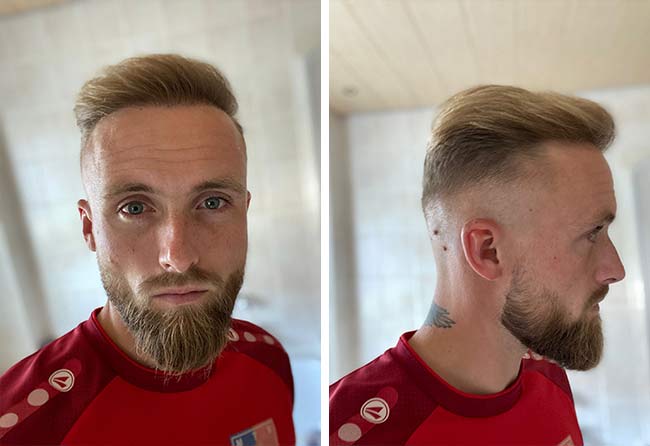
An honest look at your hair transplant shows that the implanted follicles stay in place for good thanks to their genetic resistance. While the transplanted areas stay stable, the surrounding existing hair can thin over time through natural ageing or progressive alopecia. Targeted aftercare and preventive treatments are key if you want to keep the overall look balanced over decades.
Transplanted Hair: Genetically Protected
The implanted follicles come from the DHT-resistant donor area at the back of the head. Because they keep their genetic programming even after relocation, they stay in place for good. Whether after 5 or 20 years, transplanted hair does not fall out.
Existing Hair: The Real Risk
The grafts stay put for life, but natural hair loss in the untreated existing hair often keeps progressing. Without stabilising measures, new gaps can appear between the transplanted areas over time.
After 5 Years
The transplanted hair shows unchanged density. If the surrounding existing hair has thinned because of a lack of supportive therapy, a targeted densification session can rebalance the overall look.
After 10 Years
The result remains stable. Overall hair density may drop slightly through natural ageing, though this affects all hair equally. The decisive advantage: the transplanted follicles stay in place and simply follow the normal ageing process of your hair at the back of the head.
The Key Comparison: Progress at 12 vs. 18 Months
Receding Hairline
After a year, the hairline is around 95% fully shaped and aesthetically pleasing. The before and after results at 18 months show only subtle changes in this area, though the hair does gain noticeable thickness during this period.
Crown
On the crown, development is not yet fully complete at twelve months, sitting at around 75%. Only at 18 months does it reach maximum density of 100%, so the previously visible scalp is fully covered by mature volume.
Vertex
The vertex takes the longest to regenerate and often shows only 70% of the result after a year. Up to month 18, this area makes the biggest leap forward, and the natural spiral pattern at the back of the head closes for a clean, even appearance.
At 18 Months: Completion and Long-Term Outlook
By 18 months, maximum hair density has been reached across all treated areas and the final hair texture is fully developed. Every single transplanted follicle has now reached its full visual potential, while the donor area at the back of the head has regenerated and looks clean.
During the second year, the hair often gains a bit more structure, and standard care is perfectly enough for the transplanted grafts. To protect your natural existing hair in the long term, we recommend supportive therapies such as PRP or minoxidil for lasting preservation.
Precise Comparison: 12 vs. 18 Months by Treatment Area
Different scalp regions regenerate at different rates due to variations in blood supply and tissue structure. This overview sets out progress at 12 months next to the final status at 18 months.
| Area | 12 Months | 18 Months |
|---|---|---|
| Receding Hairline | 95% – Shape complete, good density | 100% – Maximum thickness and texture |
| Hairline | 90% – Naturally defined contour | 100% – Finest hairs fully matured |
| Crown | 75% – Noticeably denser, small gaps | 100% – Scalp completely covered |
| Vertex (Whorl) | 65% – Growth stable, whorl open | 100% – Spiral pattern fully closed |
| Beard Area | 85% – Good coverage, texture still soft | 100% – Final strength and density reached |
| Women (Parting) | 80% – Visible increase in volume | 100% – Full saturation with no gaps |
Patience Pays Off: Areas with a Longer Maturation Time
Not every scalp region regenerates at the same pace. Biological factors such as blood supply have a big influence on growth progress. The hairline often looks convincing early on, but the following three areas need up to 18 months to fully develop.
Vertex (Back of the Head)
Because of reduced blood supply at the whorl and the complex spiral pattern, the vertex is the slowest area to develop. A result that still looks patchy after a year only reveals its full density and natural structure at 18 months.
Posterior Crown
This area benefits from slightly better nutrient supply than the vertex but still needs up to 16 months to reach completion. Most patients notice the decisive jump towards final volume from around month 14.
Scar Tissue
In scarred tissue, blood circulation is reduced, so transplanted follicles need more growth cycles to reach their full strength. This area calls for extra patience, as strong texture and full coverage only show up after 18 months.
Focus on Existing Hair: Why Prevention Is Now Your Top Priority
Your hair transplant is successfully complete at 18 months. For the look to hold up in the long run, the focus now shifts to protecting your natural existing hair.
Transplanted Hair: Lasting Security
The implanted follicles come from the DHT-resistant donor area at the back of the head. They keep this genetic trait for life, which means they are permanently protected against hair loss, whether after 5 or 20 years. A normal care routine is enough to keep them in good shape.
Existing Hair: Where the Risk Lies
Many patients underestimate the fact that, although a transplant fills bald areas, it does not stop genetically driven hair loss elsewhere. Without preventive measures, androgenetic alopecia can progress in untreated zones and create new gaps right next to the transplanted areas.
PRP Therapy: Natural Strengthening
Treatment with platelet-rich plasma (PRP) is a proven way to strengthen existing follicles and slow down hair loss. A session takes around 30 minutes and uses the body’s own material, which rules out systemic side effects. Many patients combine this therapy with their annual check-up to keep the overall look stable.
Medication Support: Finasteride & Minoxidil
Finasteride (prescription only): blocks DHT formation and stabilises hair loss in around 85% of male users. Possible side effects such as changes in libido are rare and usually reversible.
Minoxidil (over the counter): this topical solution improves circulation and extends the growth phase of the hair. It does need to be applied continuously, as the effect fades within a few months after stopping.
Our recommendation: discuss both options with your doctor. The decision depends on your age, the progression of your hair loss and your personal risk tolerance.
Lifestyle and Daily Care
Nutrition: a diet rich in biotin (eggs, nuts, salmon) lays the foundation for healthy keratin production and strong hair.
Gentle Routine: use sulphate-free shampoos and avoid excessive heat when blow-drying so the scalp is not put under unnecessary strain.
Stress Management: chronic strain can trigger diffuse hair loss. A balanced lifestyle protects both your existing hair and the transplanted grafts.
The Second Procedure: When Does It Make Sense?
A second procedure is generally worth considering in three cases:
1. Expanded hair loss: when alopecia progresses in previously untreated zones and new gaps appear.
2. Maximum density: if, after the final result, you want even greater fullness (provided the donor area is sufficient).
3. Timing: a follow-up procedure is advisable no earlier than 12 months after the final result of the first session (so from month 30), giving the scalp time to regenerate fully.
Correction Procedures: Unhappy with the Result from Another Clinic?
If the outcome of your first hair transplant at 18 months does not meet your expectations, Elithair offers specialised repair procedures. We correct aesthetic flaws professionally to give you the look you originally wanted.
Common Issues That Call for a Correction
Unnatural hairline and low density: a hairline set too low or drawn unevenly often looks artificial and is hard to disguise. Density is often lacking as well, because too few grafts per square centimetre were implanted or spaced out unevenly, leaving the overall result looking thin.
Scarring and growth defects: visible scars from outdated methods or poor extraction can badly affect the look at the back of the head. Incorrect implantation angles or damaged grafts also lead to an uneven growth pattern, where some areas look dense while others show barely any growth.
The Elithair Approach to Correction Cases
Every correction procedure starts with a precise analysis of your remaining donor area, so we can give a realistic view of how much capacity is still available. We check carefully whether the donor has been overused in the past before we set out a new, sustainable strategy for your densification.
For corrections, we use the DHI method for maximum precision and match the angle and growth direction exactly to your natural hair pattern. Because of the specific blood supply in scar tissue, we treat it separately to get a strong growth rate and full coverage even in difficult areas.
FAQ: Common Questions About the 18-Month Before and After Result
The transplanted hair is kept for life and holds its density. At the 5-year mark, the transplanted area still looks the same as your 18-month result. Overall hair density may drop slightly after 10 years through natural ageing. To keep a balanced overall look, it is important to protect the surrounding existing hair with therapies such as PRP.
No medication is needed for the transplanted grafts, as they are genetically resistant to hair loss. Products such as finasteride or minoxidil are used solely to maintain your remaining existing hair. Many patients opt for regular PRP therapy every 6 to 12 months as a natural alternative to avoid systemic medication.
Yes, we specialise in correction procedures and address unnatural hairlines, low density and visible scars. A successful correction needs a healthy donor area with sufficient capacity. As part of a free analysis, our experts assess your individual situation and put together a realistic correction plan.
After the intensive aftercare programme of the first 12 months, we recommend an annual check starting from the final result at 18 months. At Elithair this is straightforward and requires no travel, handled directly through the Elithair App. You simply upload current photos so our doctors can assess the condition of the grafts and your existing hair and give you personal recommendations for long-term maintenance.
Visible Success: Our Before and After Results
See the quality of Elithair through genuine patient stories and clear before and after comparisons. Our results show the lasting success of our treatments across different areas.
12 Months
The hairline is already 95% defined and aesthetically mature. Only the vertex and crown still need time to reach their final density.
View ResultsVertex
Due to blood supply, this area needs the full 18 months to regenerate. Only then is the natural spiral pattern at the back of the head fully closed.
View ResultsDonor Area
Thanks to precise extraction, the back of the head shows no visible traces in the final stage. The surrounding hair covers the extraction sites for a full appearance.
View ResultsWomen
DHI technology targets the parting with precise densification. This creates natural volume that blends well with long hair.
View Results3 Simple Steps to Your Final Result
Free Hair Analysis
Simply send us your photos for a medical assessment of your needs. You will quickly receive a tailored treatment plan, including a precise calculation of the grafts needed for your ideal result.
Treatment in Istanbul
Benefit from modern technology in an all-inclusive package at our clinic in Istanbul. You get luxury accommodation, VIP transfers and a pain-free treatment thanks to our exclusive on-site Pre-Test System.
Your Final Result at 18 Months
After 18 months, enjoy maximum hair density and a full head of hair. Digital aftercare through the Elithair App guides you safely and professionally all the way to the final before and after outcome.
Start Your Transformation Now: Your Personal Hair Analysis
Upload your photos so our doctors can assess your hair loss precisely and show you a realistic view of your final 18-month before and after result. The hair analysis is completely free and non-binding.
Start Your Free Hair Analysis Now