Hair Transplant for Women: Restore Your Hair, Reclaim Your Confidence

Hair loss isn’t just a concern for men—it affects millions of women too, often resulting in thinning hair, a receding hairline, or a higher forehead. These changes can take a toll on your confidence and how you feel about yourself.

At Elithair, we specialise in hair transplants for women, offering a lasting solution to hereditary hair loss. Our experienced specialists use advanced techniques to restore your hair and help you feel like yourself again. Because every woman deserves to feel confident in her own skin.

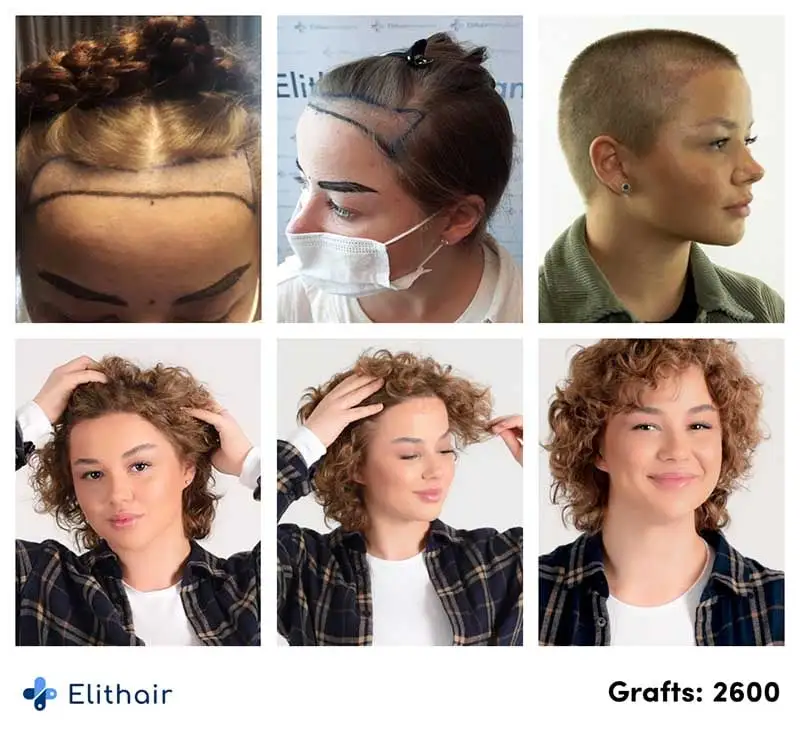
The image shows the after result of a hair transplant for women

Female Hair Loss: Understanding the Causes and Diagnosis

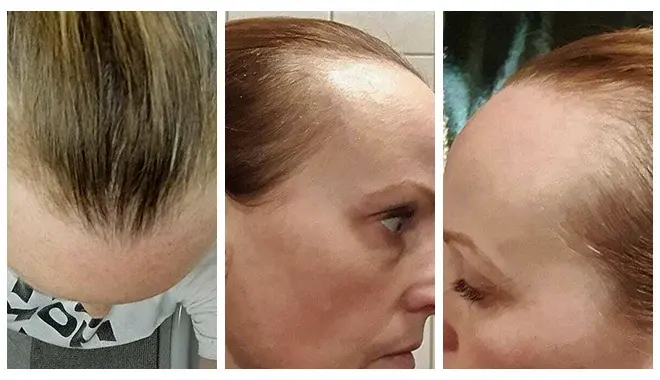
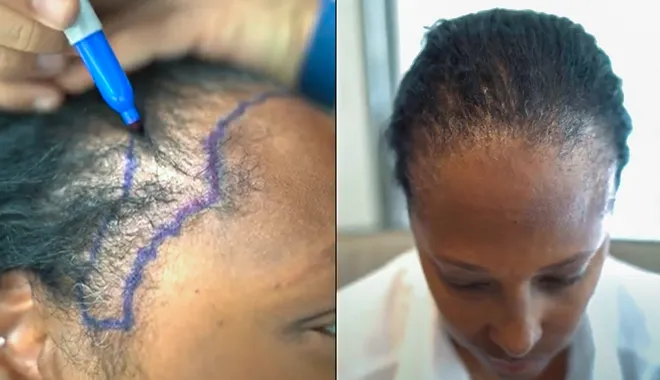
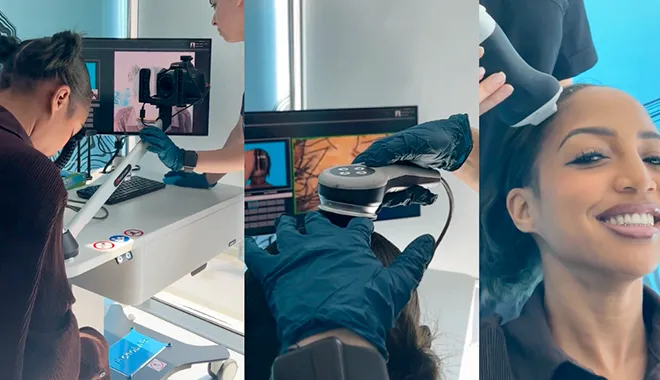
Image showing 3 different views of the scalp of a women having hair loss.

Hair loss in women can stem from a variety of factors, and identifying the root cause is key to finding the right solution. Consulting a doctor or dermatologist is an important first step in understanding your hair loss.

During your consultation, they may review your medical history, conduct a physical examination, or recommend tests like bloodwork or a scalp biopsy to pinpoint the cause.

By uncovering the underlying issue, you can take confident steps toward restoring your hair and reclaiming your self-assurance.

What Is the Connection Between Hormonal Changes and Hair Loss?

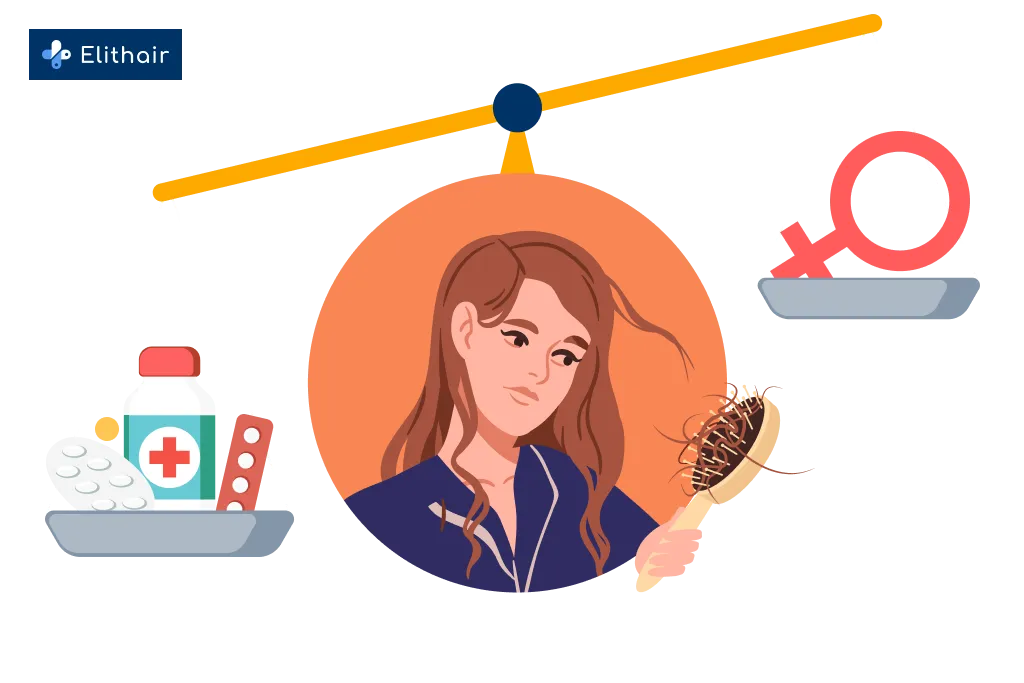
Illustration of hair loss factors in women.

Hormones play a vital role in maintaining healthy hair growth, but fluctuations can often lead to hair loss—a common issue that affects women at different stages of life. Some of the most frequent causes of hormone-related hair loss include:

  • Pregnancy
  • Menopause
  • Hormonal medications
  • Genetic predisposition
  • Autoimmune conditions

The impact of hormonal changes on hair varies from woman to woman, making each experience unique. If your hair loss is persistent or noticeable, it’s important to seek advice from a doctor or specialist. Understanding the cause is the first step towards finding a personalised treatment to restore your hair and confidence.

Traction Alopecia: A Condition Often Ignored

Illustration of traction alopecia hair loss treated at Elithair hair clinic.

Traction alopecia is a common but often overlooked form of hair loss caused by excessive tension on the hair. Tight ponytails, heavy braids, and frequent weaving can place stress on hair follicles, leading to inflammation and, over time, hair loss.

Women are particularly affected, especially those with curly or textured hair, as these styles are more likely to create tension. The most vulnerable areas are the hairline, temples, and nape of the neck.

Preventing traction alopecia starts with being kinder to your hair. Opt for looser, less restrictive hairstyles and give your scalp regular breaks to recover. If you’re already experiencing hair loss, consulting a specialist can help identify the best treatment options for you.

Thinning Hair: A Concern We Understand

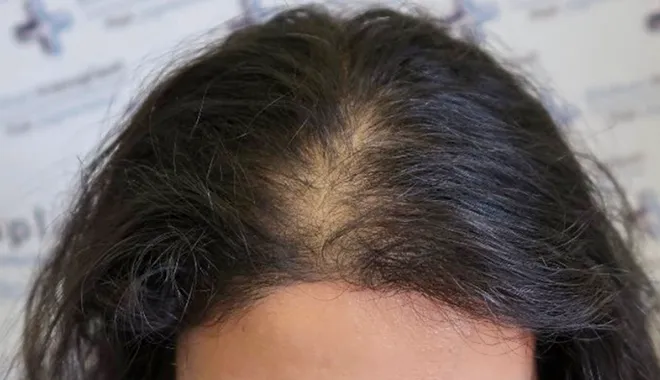
Picture of thinning hair in women due to hair loss

Thinning hair is a common and often distressing experience for many women, especially those in their 20s to 40s. It can present as finer, brittle strands and a noticeable reduction in volume, leaving you feeling less confident about your hair.

A variety of factors may contribute to thinning hair, including natural ageing, nutritional deficiencies such as low iron or vitamin B12 levels, hormonal imbalances, medical treatments like chemotherapy, high stress levels, or even genetics. Whatever the cause, it’s important to remember that you’re not alone—and there are steps you can take to address it.

The first step towards healthier, fuller hair is seeking expert advice. Consulting a dermatologist can help identify the root cause of your hair loss and tailor a treatment plan that works for you. This may involve a detailed medical history, a physical examination, and specific blood tests to uncover underlying issues.

What Are the Alternative Treatment Options for Alopecia in Women?

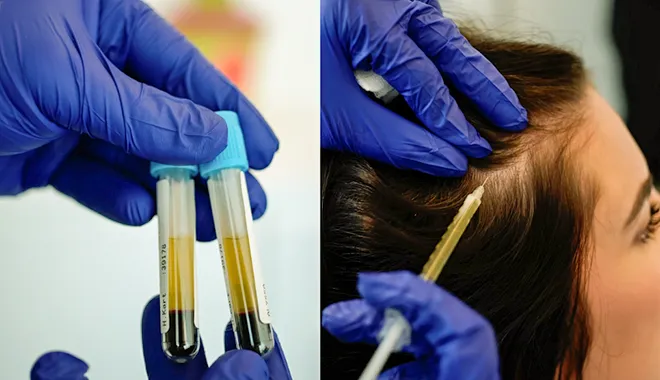
Alternative PRP treatment for hair restoration at Elithair.

For women experiencing hair loss, there are a variety of alternative treatments available beyond traditional medications. These options cater to different needs and preferences, offering potential solutions to support hair regrowth and scalp health.

  • PRP Treatments: Platelet-Rich Plasma (PRP) therapy is a popular non-surgical option. In this treatment, a small amount of the patient’s blood is drawn, processed to concentrate the platelets, and then carefully injected into the scalp. This process is designed to stimulate hair follicles and encourage natural hair growth.
  • Hair Growth Products: The market is full of hair growth products, from shampoos and serums to specialised treatments. While some of these products may support hair health, their effectiveness can vary, and not all are clinically proven.

It’s essential to approach alternative treatments with realistic expectations. While some methods show promising results, they may not work for everyone. For this reason, we always recommend consulting a qualified doctor or dermatologist before starting any new treatment.

11111111111Wann ist eine Haarverpflanzung bei Frauen nicht möglich?

Nicht jede Form von Haarverlust kann mit einer Haarverpflanzung behandelt werden. Bei folgenden Umständen ist der Eingriff nicht geeignet:

  • Alopecia areata
  • Chemotherapie

Besonderheiten bei Frauen:

  • Spenderhaarverteilung: Frauen haben oft weniger dichte Haare am Hinterkopf, was eine präzise Entnahme und Verpflanzung erfordert.
  • Feine Haare: Die Methode und Vorbereitung mĂĽssen auf die feinere Haarstruktur abgestimmt sein.
  • Ă„sthetische WĂĽnsche: Frauen legen häufig Wert auf spezifische Details bei der Haartransplantation. Eine individuelle Planung ist daher essenziell.

Mit der richtigen Expertise können beeindruckende Ergebnisse erzielt und die Lebensqualität deutlich gesteigert werden. Lassen Sie sich von unseren Experten beraten!

11111111111Welche Vorteile hat die Haartransplantation fĂĽr Frauen?

Eine Haartransplantation ist längst nicht mehr nur Männern vorbehalten – sie bietet auch Frauen eine effektive Lösung bei Haarausfall.

Neben der Wiederherstellung natürlicher Haarfülle bringt die Behandlung ein gesteigertes Selbstbewusstsein und mehr Lebensqualität. Diese moderne Methode ist eine echte Befreiung für viele Betroffene.

Dauerhafte Ergebnisse: Im Gegensatz zu medikamentösen Therapien, die nur temporär wirken, bietet eine Haartransplantation bei Frauen eine langfristige Lösung. Die verpflanzten Haare wachsen ein Leben lang weiter und fallen nicht wieder aus.

Natürliche Schönheit: Ein dichteres Haarbild und ein natürlicher Haaransatz tragen erheblich zur Steigerung des Selbstbewusstseins und der Lebensqualität bei. Frauen fühlen sich attraktiver und wohler mit ihrem Aussehen.

Mehr Lebensqualität: Dichtes, natürliches Haar schenkt Ihnen neue Freiheit und Selbstbewusstsein. Endlich können Sie die Frisuren tragen, die Sie sich wünschen, und genießen es, selbstbewusst unter Menschen zu sein.

The DHI Technique: A Revolutionary Solution for Women’s Hair Restoration

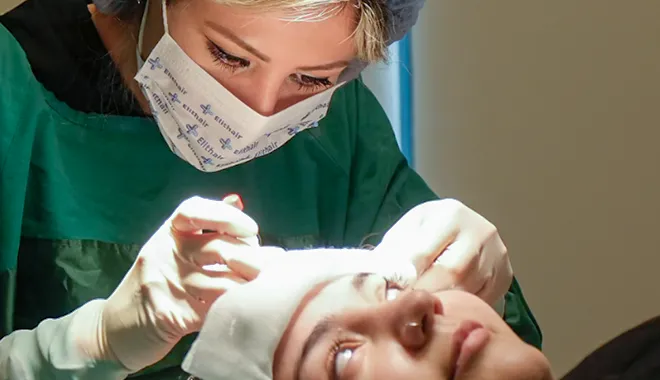
Hair transplant surgery for women being performed by an Elithair medical staff

Elithair offers women experiencing hair loss the modern DHI technique. This method ensures maximum hair density and effectively covers bald patches.

The DHI technique combines precision and aesthetics to achieve a full, dense and natural-looking result.

Expert Guidance and Personalised Planning

Pre-test system for hair analysis at Elithair.

At our clinic, we prioritise understanding your unique needs and goals from the very start. During a comprehensive consultation with one of our experienced medical teams, we’ll thoroughly assess your hair loss and examine the affected areas to create a tailored approach just for you.

Using our exclusive Pre-Test System, we’ll analyse your specific situation in detail to determine the most effective treatment and the best-suited technique for your individual hair type and condition. This ensures that your treatment plan is designed to deliver optimal results.

For your comfort, our innovative Sleep-Deep Method guarantees a pain-free experience during your hair transplant, allowing you to focus on the exciting results ahead without any discomfort.

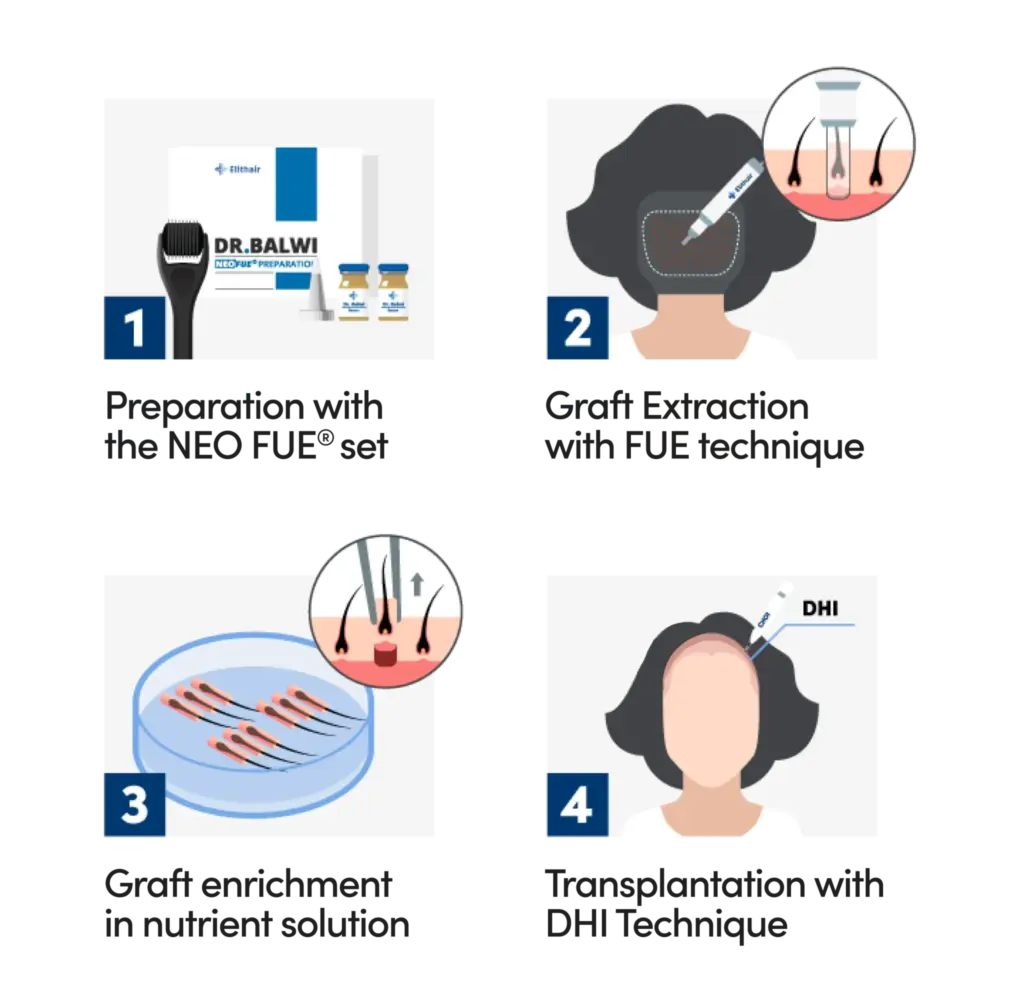
Just 4 Steps to Your Hair Transformation

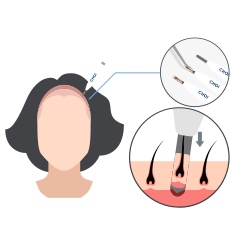
visual representation of the female hair transplant procedure using dhi method by elithair

At Elithair, our women’s hair transplant procedure is straightforward yet highly personalised to meet your individual needs. Here’s how our expert team ensures exceptional results:

  1. Preparation with NEO FUE
  2. Extraction with FUE method
  3. Enrichment in nutrient solution
  4. Transplantation with DHI method

Every step of your treatment is carried out by our dedicated specialists, ensuring you’re in expert hands throughout your journey. As the world’s largest hair loss clinic, Elithair is committed to providing comprehensive support—from your first consultation to post-treatment aftercare.

Start your transformation today and let us help you regain confidence with a solution tailored just for you.

1

Step 1: Preparing with the NEOFUE® Method

The journey to restoring your hair begins with the NEOFUE® preparation, an advanced technique developed by Dr. Balwi to ensure your hair is in the best possible condition for treatment.

Using a revitalising serum and a dermaroller, you’ll apply the serum to your donor area twice: 7 days and 1 day before your procedure. This step infuses your hair follicles with essential nutrients, strengthening them and enhancing their readiness for the transplant.

By optimising your donor hair in advance, the NEOFUE® method ensures a smoother procedure and better, long-lasting results. It’s the perfect start to your personalised hair restoration journey.
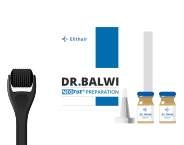
inforgraphic showig the neo fue preparation that is sent to the Elithair patients before their beard or hair surgery
2

Step 2: Precision Extraction with the FUE Technique

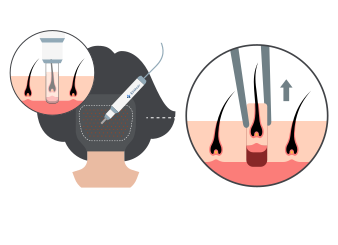
The FUE (Follicular Unit Extraction) technique is a state-of-the-art method used to carefully loosen and extract your grafts with precision and care.

Using a customised hollow needle equipped with a micromotor, each individual hair follicle is delicately loosened from the donor area. The needle is specifically adjusted to match your hair thickness, ensuring minimal disruption to surrounding tissue. Once loosened, the grafts are gently and precisely removed, preserving their integrity for optimal results.

This meticulous process sets the foundation for a successful transplant, ensuring your hair restoration journey starts with the highest quality preparation.

Infographic showing the hair grafts extraction from the donor area from a woman
3

Step 3: Preserving Hair Follicles in a Biotin Nutrient Solution

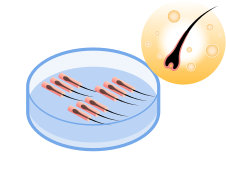
After your hair follicles are carefully extracted, they are temporarily separated from the bloodstream. To ensure their vitality, our specialists store them in a specially formulated biotin nutrient solution.

This advanced solution provides essential nutrients to maintain the health and strength of the grafts, keeping them in optimal condition until they are ready to be transplanted. By prioritising follicle care at every step, we maximise the success of your procedure and the quality of your results.

This crucial stage ensures your hair restoration journey is built on the best foundation for long-lasting, natural growth.

Infographic showing the hair follicle storage and enrichment before the hair transplant
4

Step 4: Transplantation with DHI Technique

The final step involves the use of the modern DHI method. The DHI technique fills in thinning areas on the top of the head with high hair density – for a flawless, harmonious result.

Aftercare: Supporting Your Journey to New Hair Growth

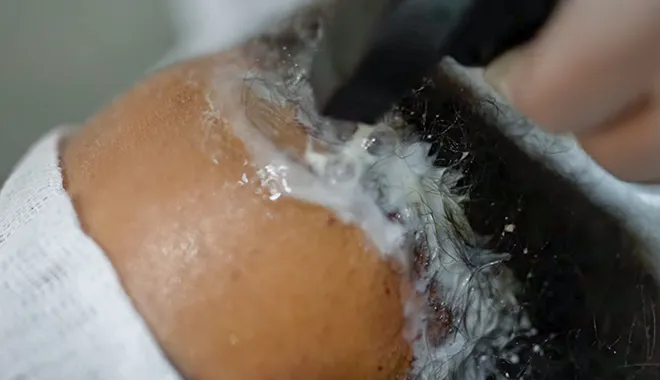
Picture of an aftercare hair washing procedure following a female hair surgery at Elithair

Following your hair transplant, we provide everything you need for a smooth and successful recovery. During your aftercare consultation at the clinic, you’ll receive clear instructions, necessary medication, and high-quality care products to support the healing process.

In the initial days post-treatment, you might notice mild redness or swelling, but rest assured, these effects subside quickly, leaving you on track to enjoy your renewed hair.

With our extensive experience and cutting-edge techniques, we’ll guide you every step of the way, ensuring your journey is safe, comfortable, and stress-free. Our meticulous approach guarantees natural-looking, aesthetically pleasing results that you can be proud of.

Results and Expectations: What to Anticipate from Your Treatment?

Thumbnail picture before and after the hair transplant for woman with 2600 grafts of Lilianna, an Elithair patient

A hair transplant is one of the most effective solutions for addressing hair loss. However, setting realistic expectations is key to ensuring satisfaction with your final hair surgery results. The outcome of your procedure will depend on factors such as the extent of your current hair loss and your unique hair characteristics.

At Elithair, our highly skilled team is dedicated to delivering natural and aesthetically pleasing results for every patient. Achieving full, dense, and healthy hair is at the heart of our mission, and we tailor our approach to meet your individual goals.

To support your post-operative care, we’ve developed the Elithair app. This handy tool allows you to:

  • Follow personalised aftercare instructions from your medical team.
  • Monitor your hair growth progress monthly.
  • Access tailored care recommendations for each stage of your recovery.

You’ll begin to notice visible improvements within 2–3 months, with the full transformation typically complete after 10–12 months.

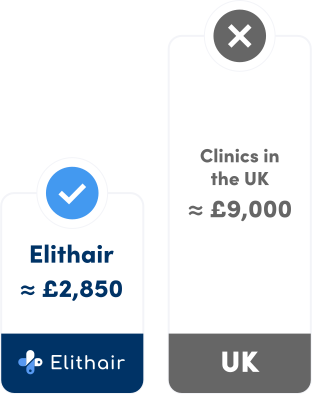
How Much Does a Hair Transplant for Women Cost?

Infographic comparing hair transplant costs in Turkey and the UK

The pricing for hair transplants for women at Elithair is always transparent and depends on several factors, such as:

  • The scope of the treatment: The number of grafts to be transplanted is one of the most important cost factors. The more grafts required, the higher the cost.
  • The hair transplant method: There are different hair transplant methods, which can vary in terms of cost and results.
  • The experience and qualifications of the doctor: To provide the best available treatments, surgeons specializing in hair transplants must be trained in the most modern techniques.
  • The location of the clinic: The costs of hair transplants can vary depending on the clinic’s location.

Get a personalized quote from your expert during a free consultation.

Your Advantages With Elithair

  • Innovative DHI method
  •  Exclusive NEOFUE®
  •  Specialist team for women
  •  Maximum hair density
  •  Naturally perfect results

What Our Patients Say

video thumbnail of a female hair surgery patient play pause icon
play pause icon
play pause icon
play pause icon

Why Elithair is the Trusted Choice for Women’s Hair Transplants?

At Elithair, we specialise exclusively in female hair transplants, offering a bespoke hair treatment experience in Turkey that restores volume, vitality, and natural beauty to your hair. Led by Dr Balwi and his highly skilled medical team, every procedure is tailored to your unique hair type, pattern, and goals — ensuring results that look and feel completely natural.

Our advanced four-step restoration process combines medical precision with the latest transplant techniques to achieve long-lasting, natural-looking outcomes. From your initial consultation through to your personalised aftercare, we prioritise your comfort, confidence, and complete peace of mind at every stage.

Take the first step towards stronger, fuller, and more radiant hair. Speak with your dedicated Elithair expert today to receive individualised advice and a custom treatment plan designed around you. Your journey to renewed confidence — and a naturally beautiful head of hair — starts here.

Gender

FAQ

How Much Does a Female Hair Transplant Cost?

The cost of a female hair transplant depends on the number of grafts needed and the method used. Our experts will analyse your hair loss and inform you of the total cost.

At What Age Should a Hair Transplant Be Performed?

You can have a hair transplant at any age. Our experts will be happy to tell you if it makes sense for you to treat your hair now.

Is the treatment more complicated for female patients?

No, the differences between the procedure for men and women are minimal. For hair transplants for women, our specialists take into account the unique characteristics of the female scalp and primarily use the DHI method.
This technique guarantees particularly perfect and natural results for female patients.

Is a hair transplant for women permanent?

Under the right conditions, a hair transplant for women is permanent and can last a lifetime.
To achieve such results, it is important to rely on experienced doctors at a reputable hair clinic.
Dr. Balwi and Elithair are happy to help you achieve beautifully full hair in Turkey.

How long does the healing process take for women after a hair transplant?

Just a few days after the procedure, the wounds begin to heal, and scabs form.
By day 12, you will no longer notice any difference between your natural hair and the recipient area.

Is a hair transplant for women with thin hair possible?

In general, a hair transplant is also possible for women with thin hair.
Whether you are a suitable candidate for a hair transplant depends on your individual hair situation.
The experts at Elithair are happy to advise you on your options.