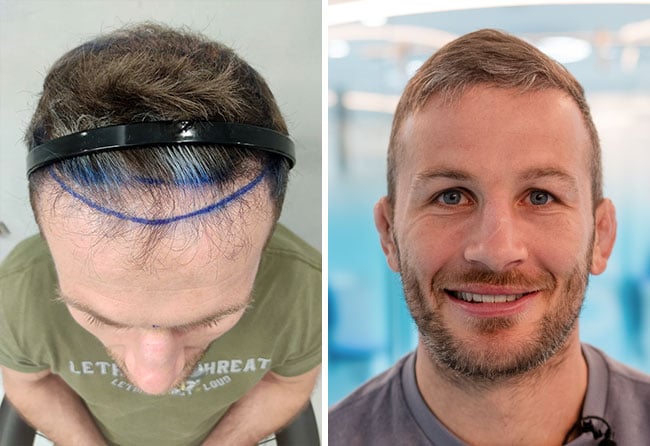
Hair Transplant for Women Before and After: Maximum Density and Natural Aesthetics
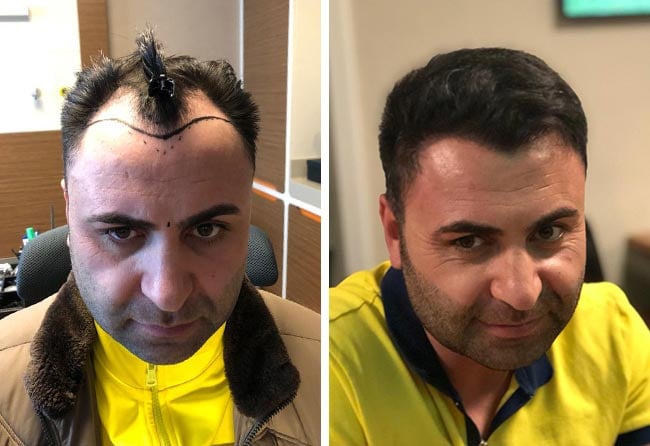
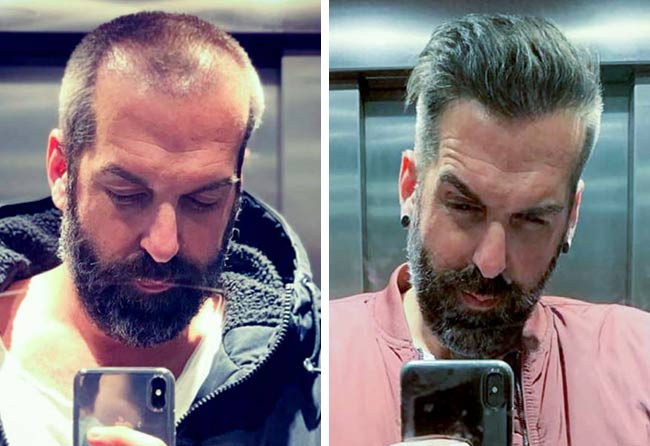
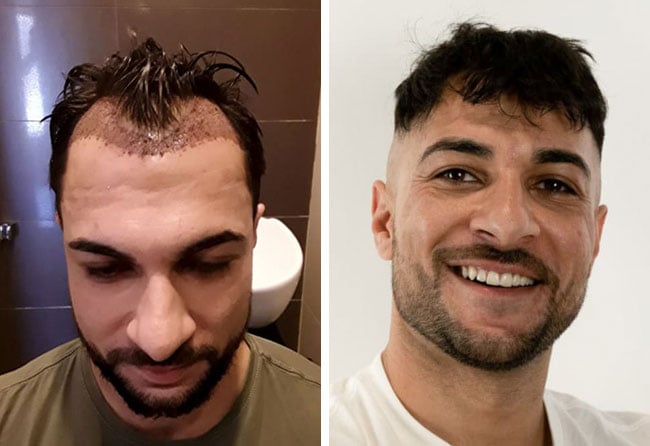
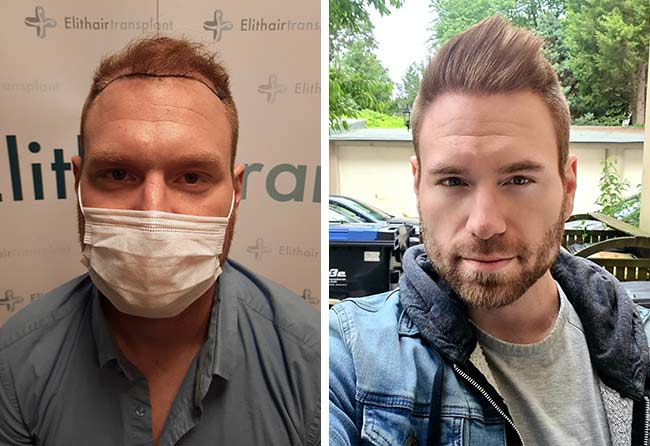
Thinning hair or reduced volume at the crown calls for the highest level of precision when treating women. With the discreet DHI method, we add density and restore your natural hairline without cutting your existing long hair. The result is a fuller, more feminine look. See the change for yourself in our gallery of women’s hair transplant before and after results.
Women’s Hair Transplant Before and After: Facts and Figures
A convincing before and after result for women starts with careful aesthetic planning. We combine precise graft counts with the latest DHI technique to achieve maximum density and natural volume.
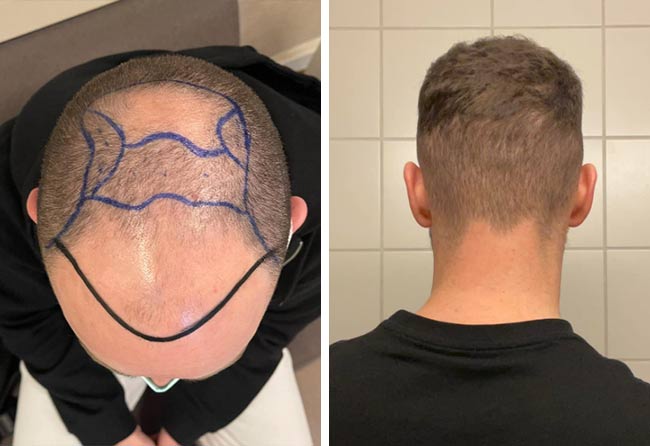
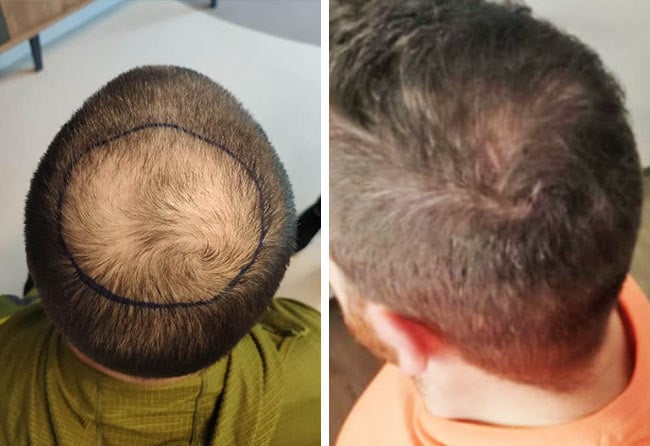
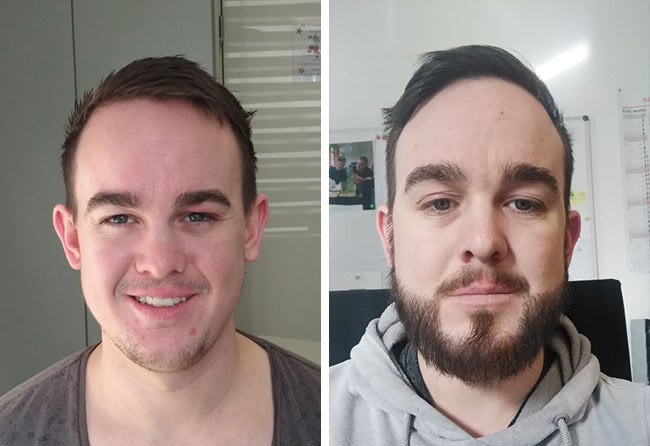
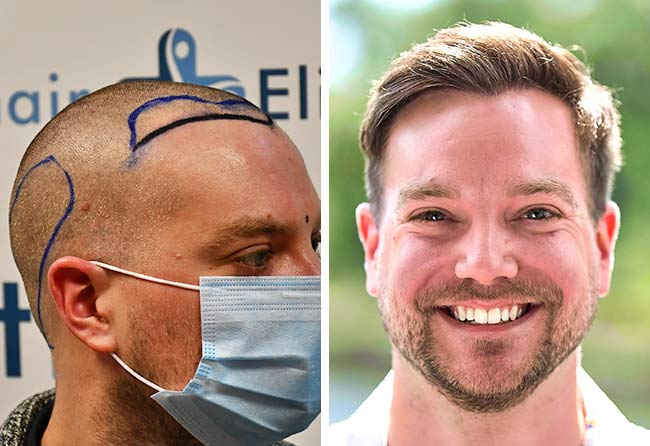
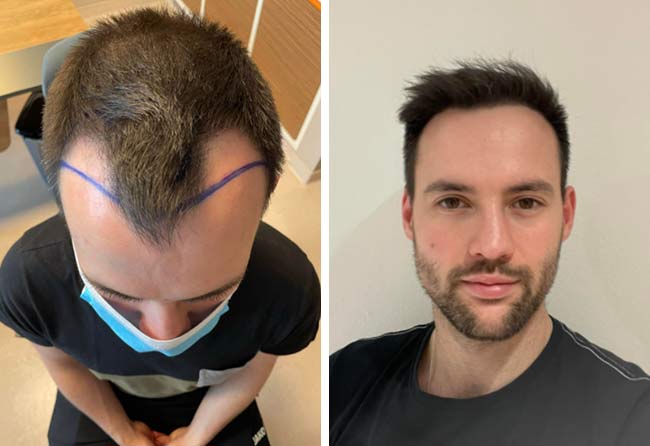
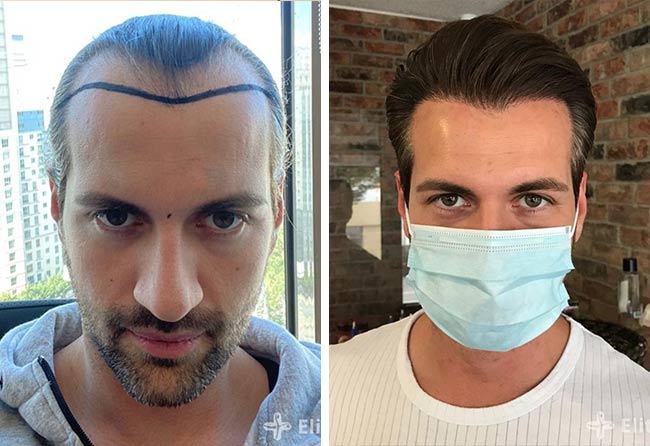
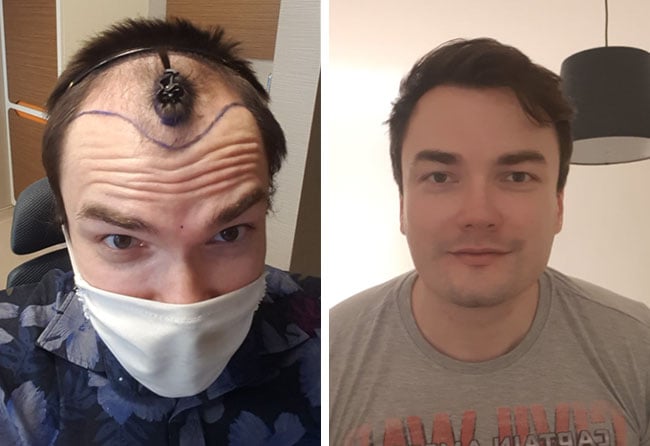
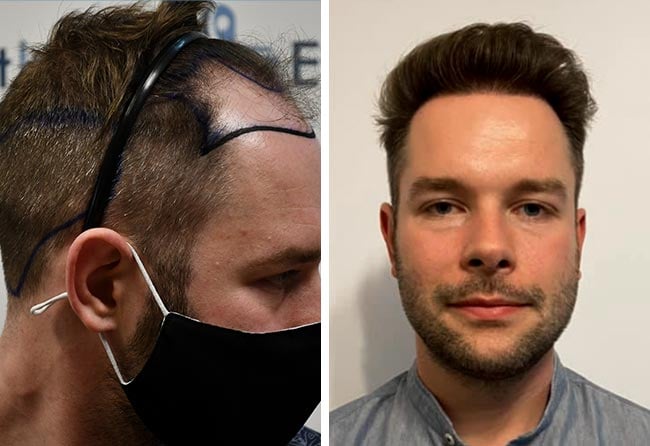
Women’s Hair Transplant Before and After Gallery
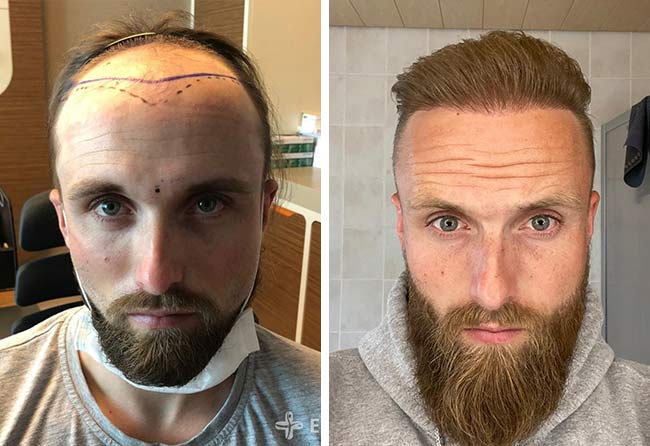
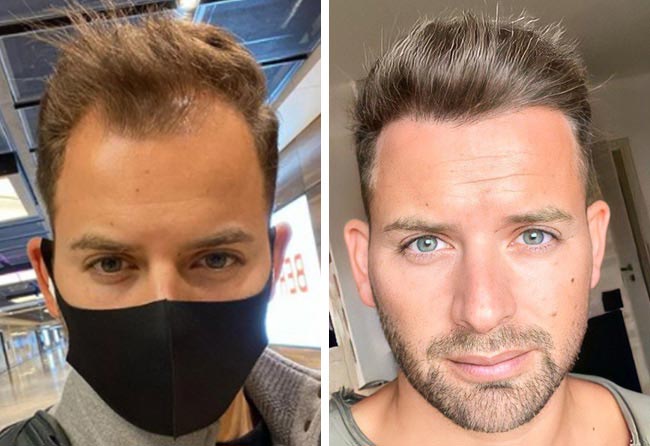
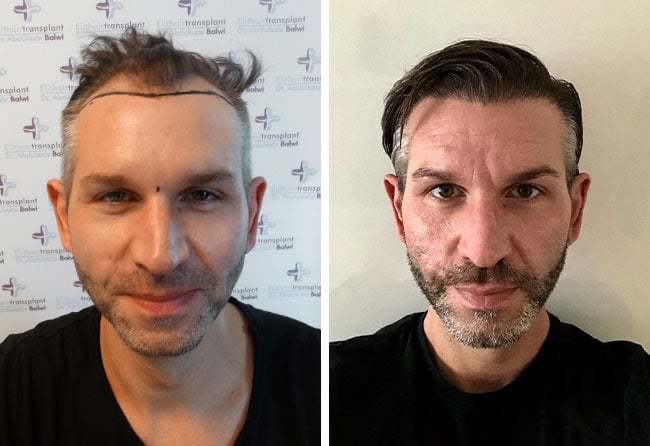
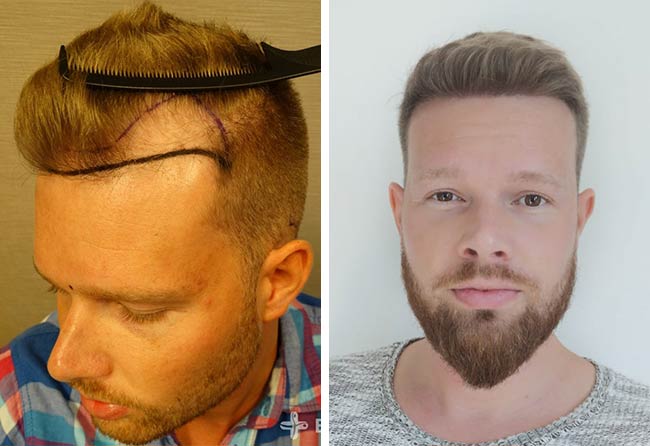
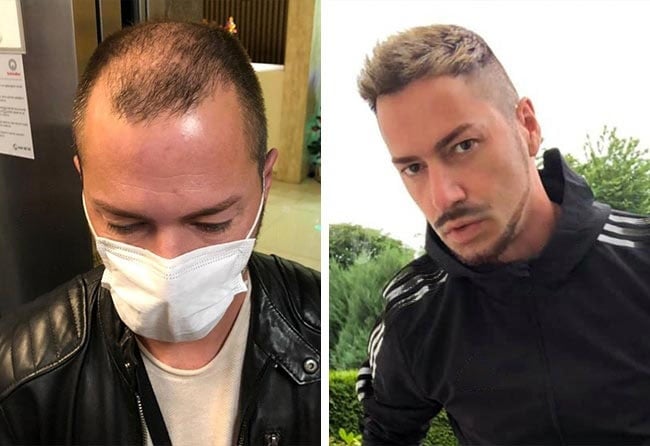
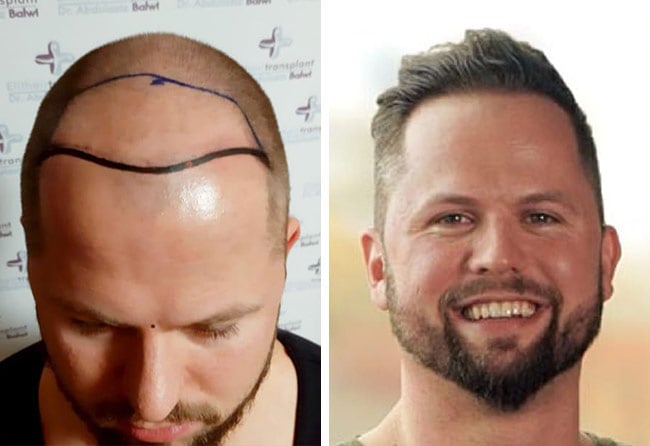
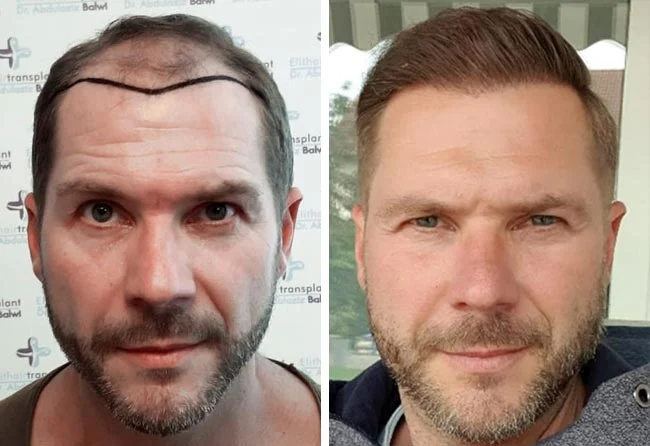
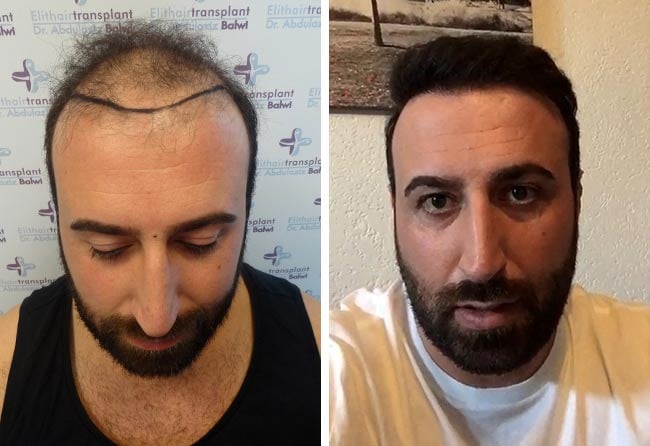
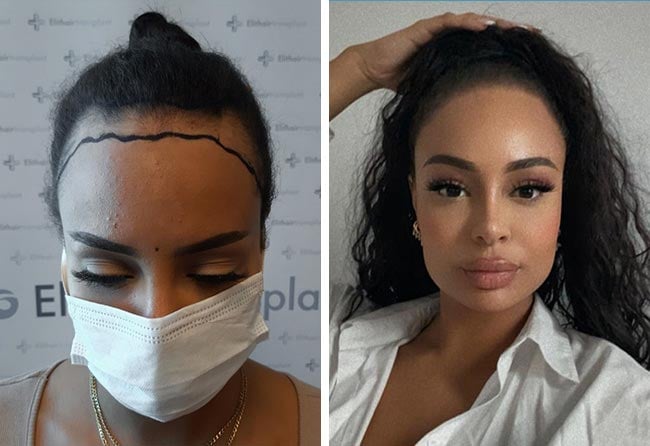
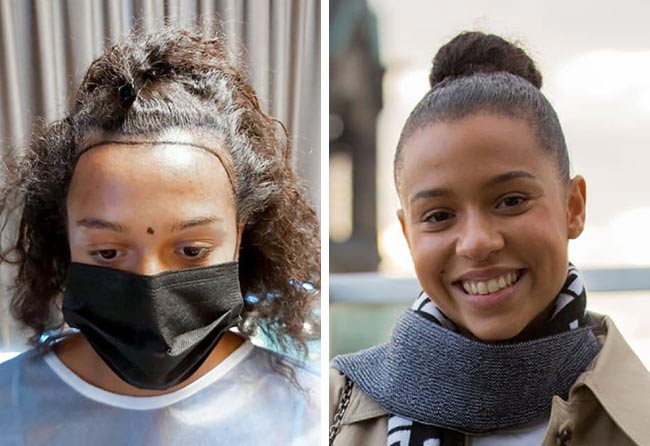
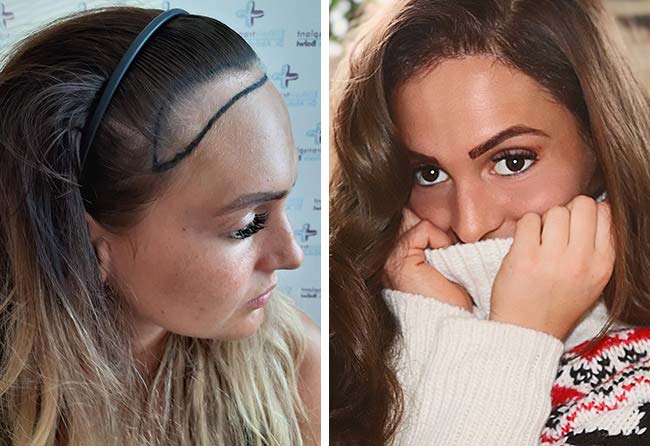
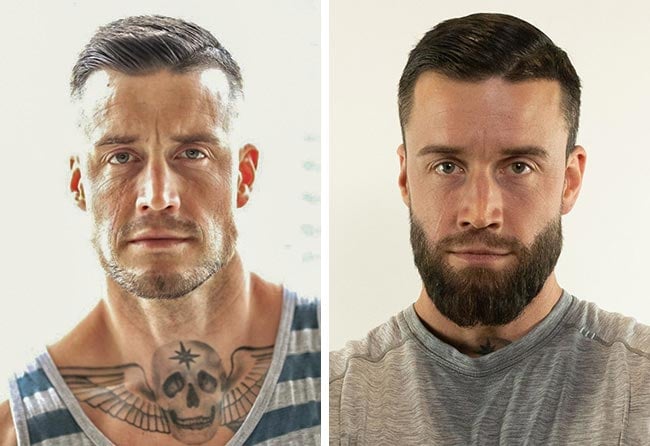
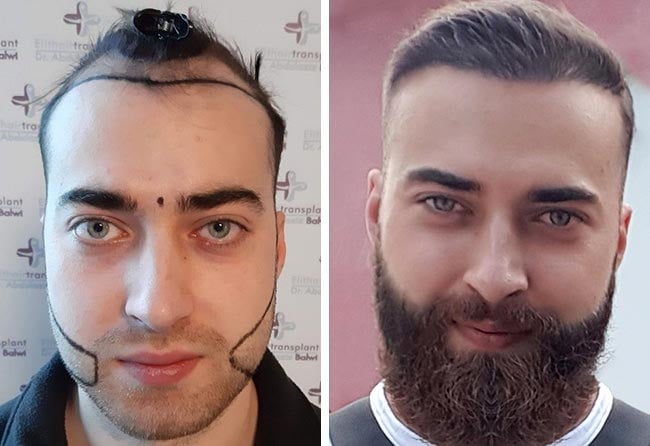
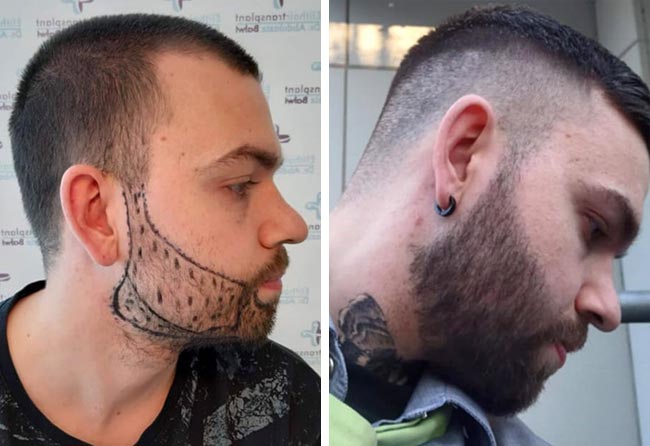
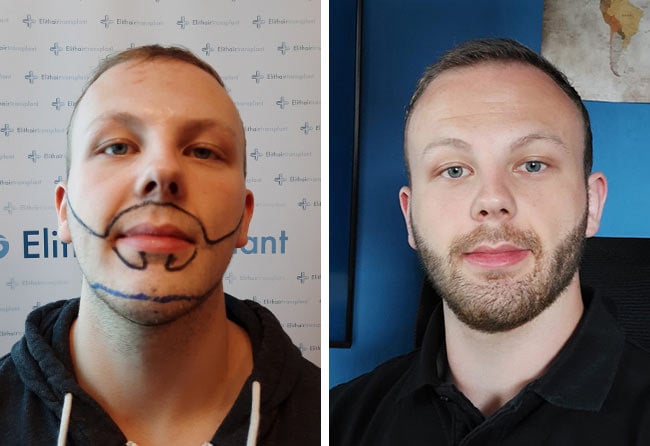
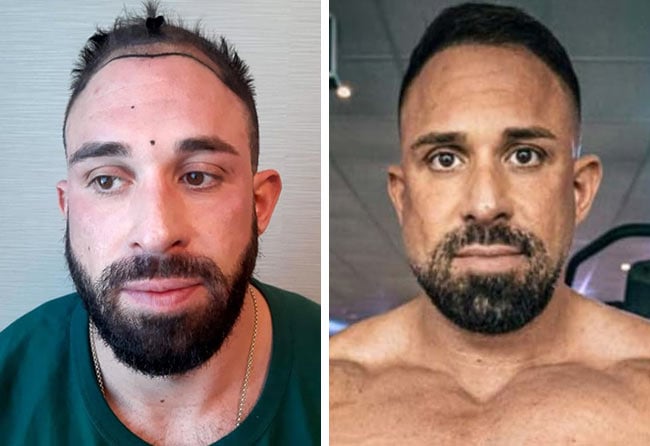
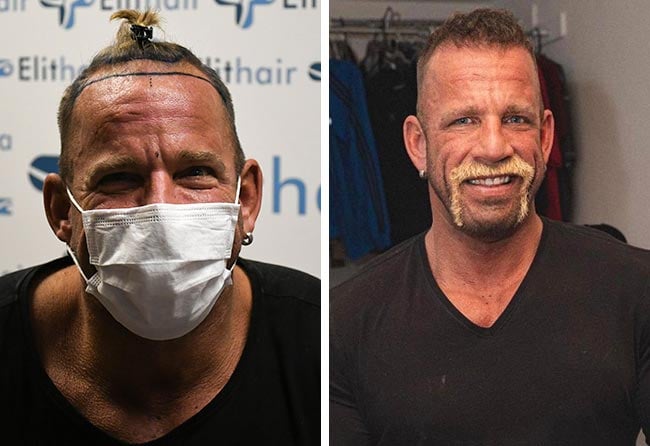
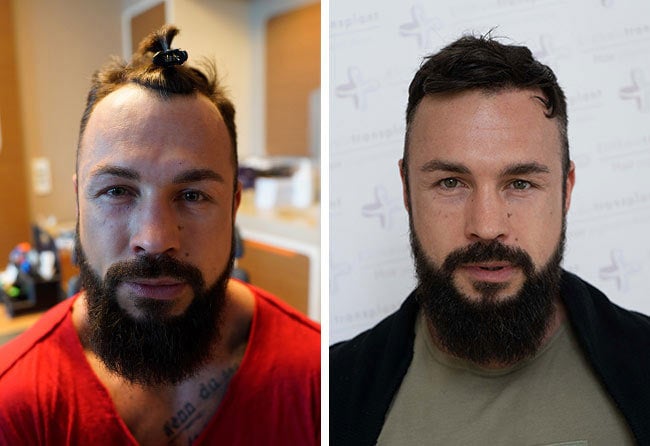
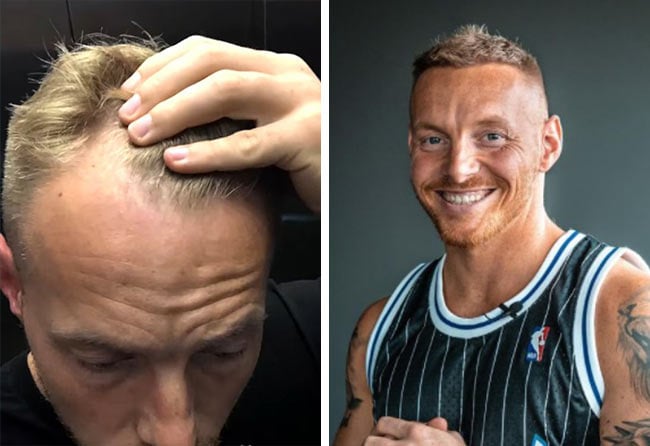
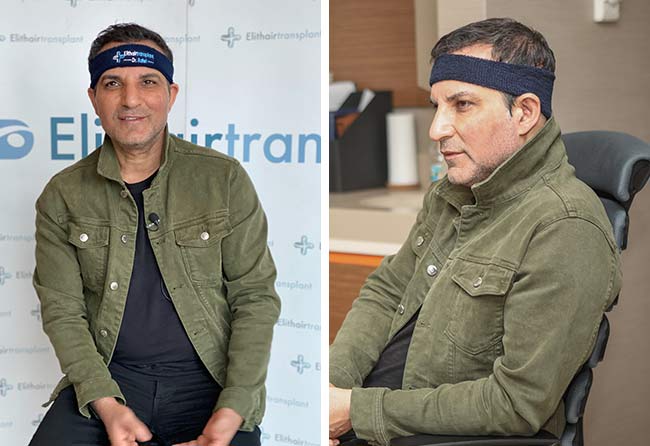
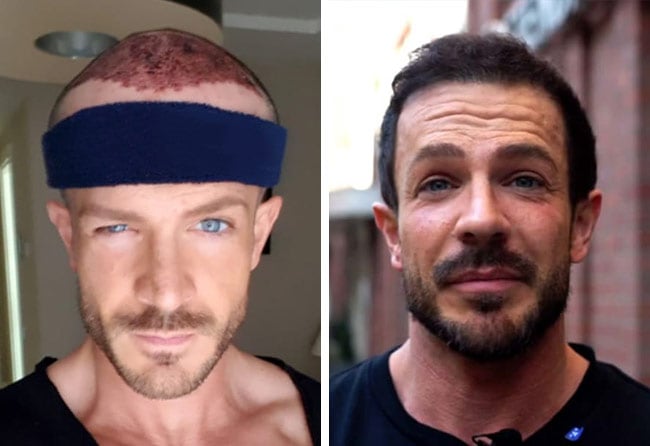
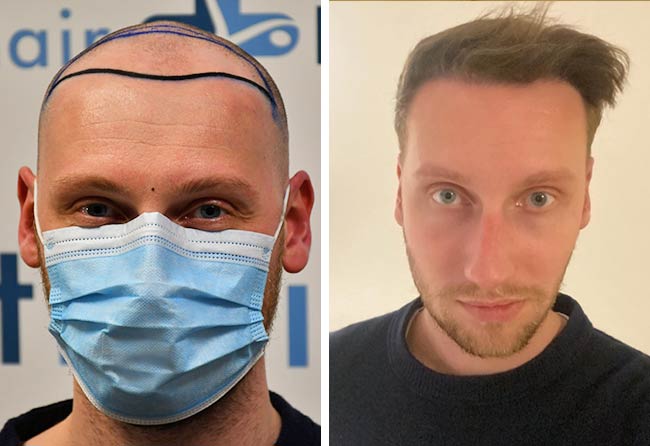
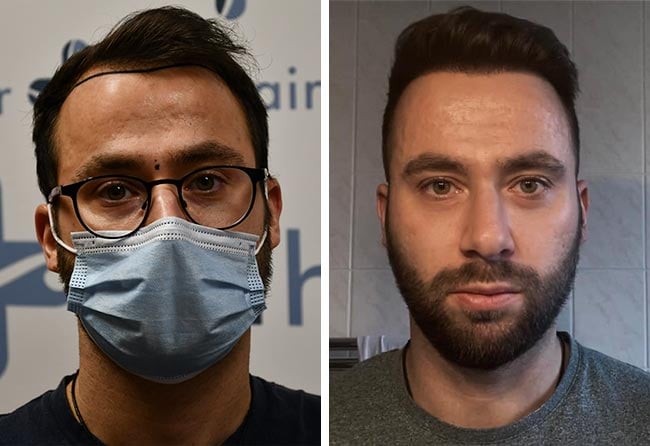
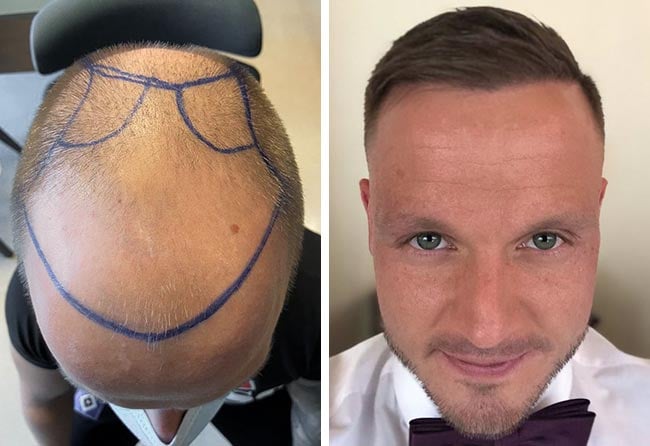
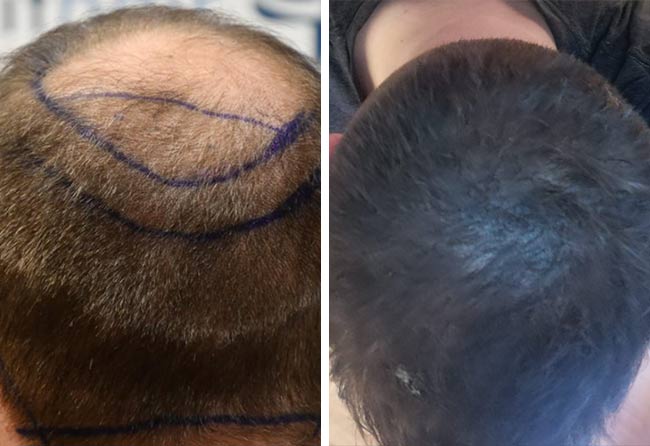
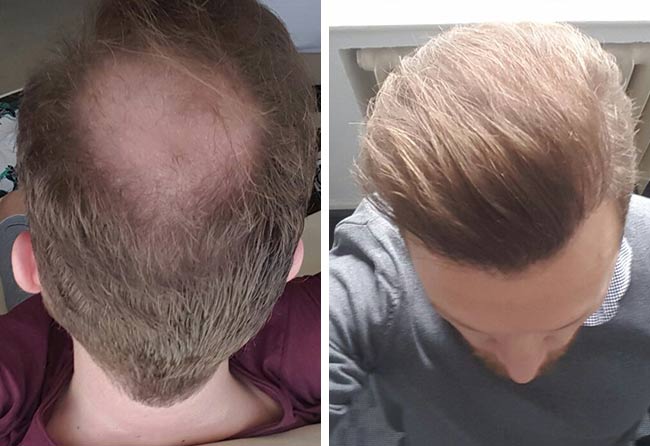
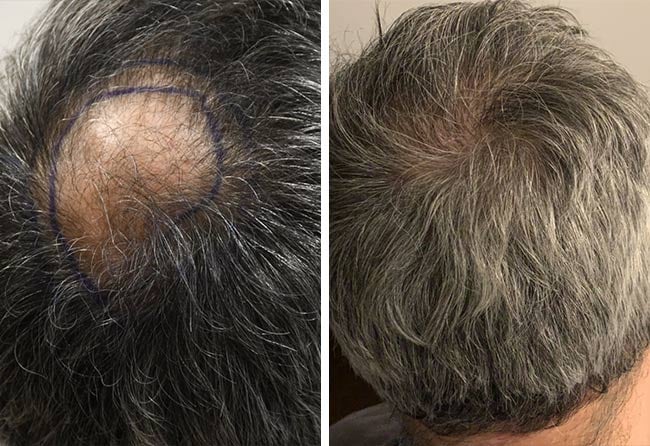
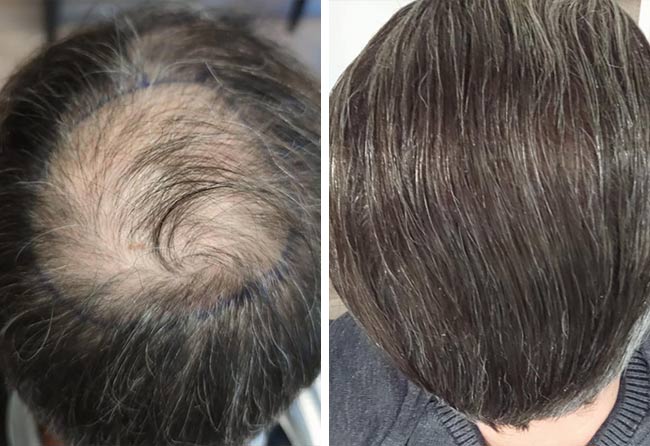
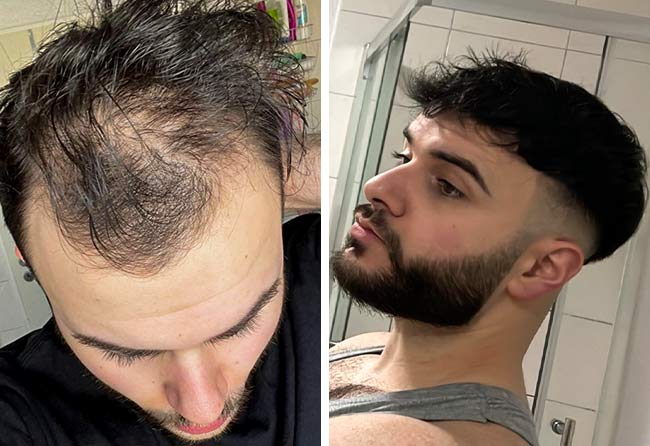
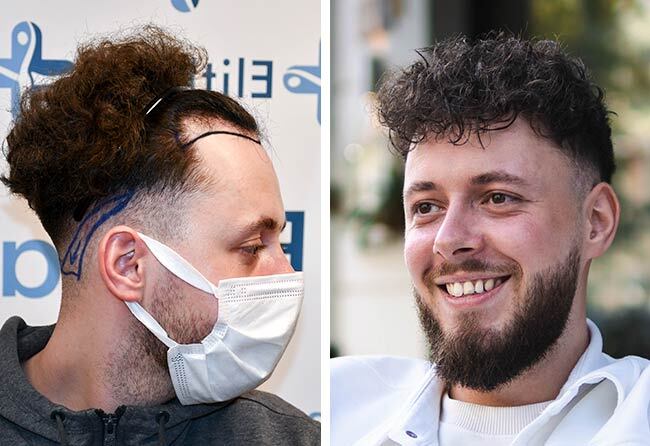
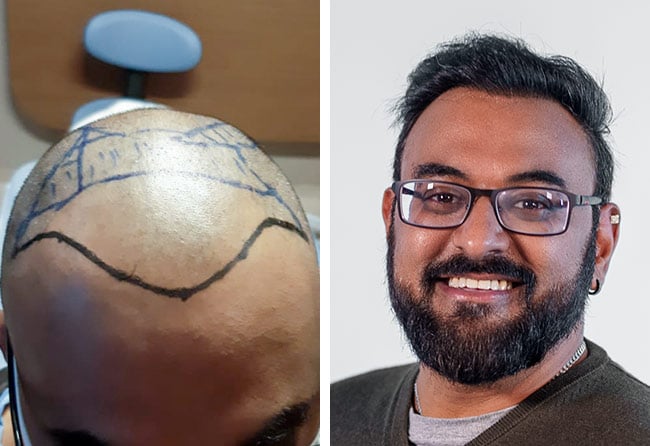
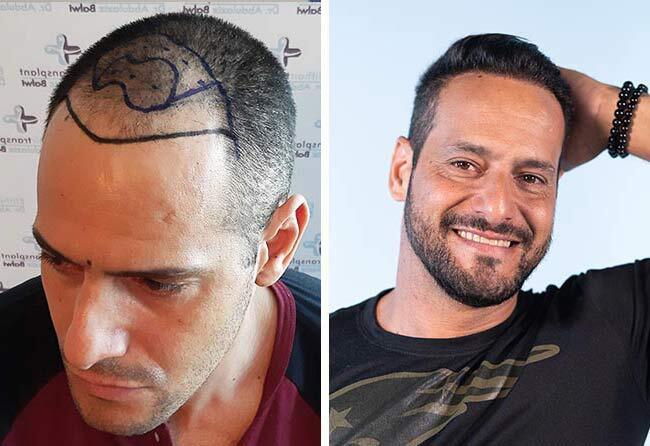
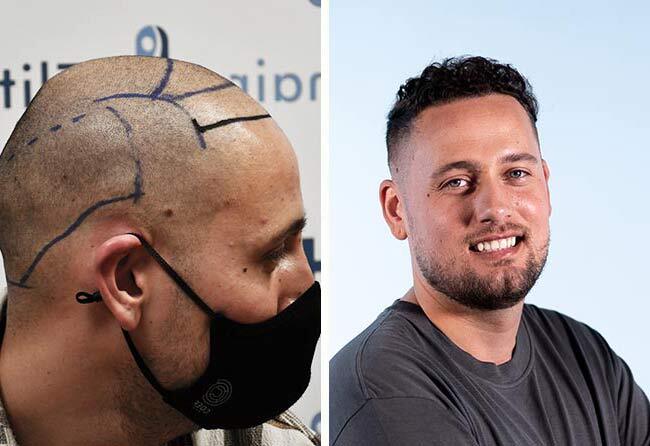
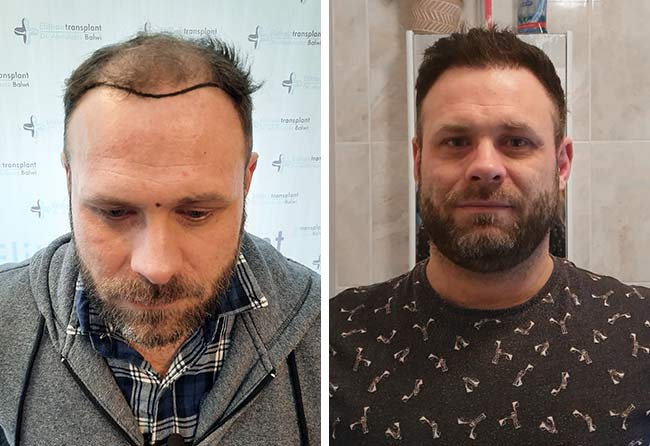
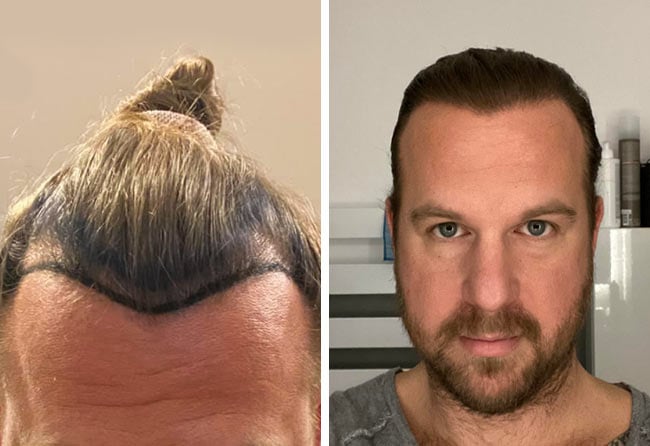
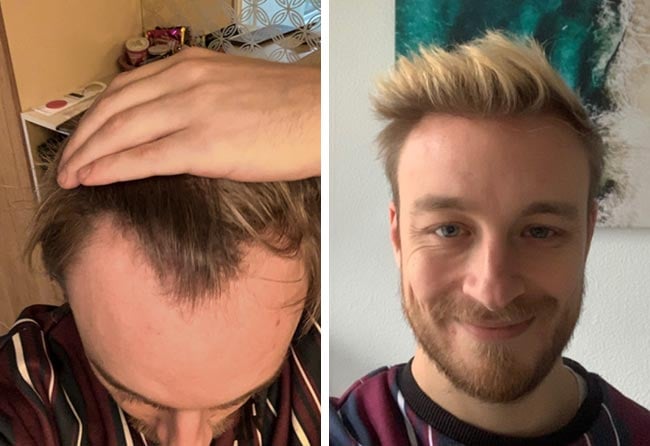
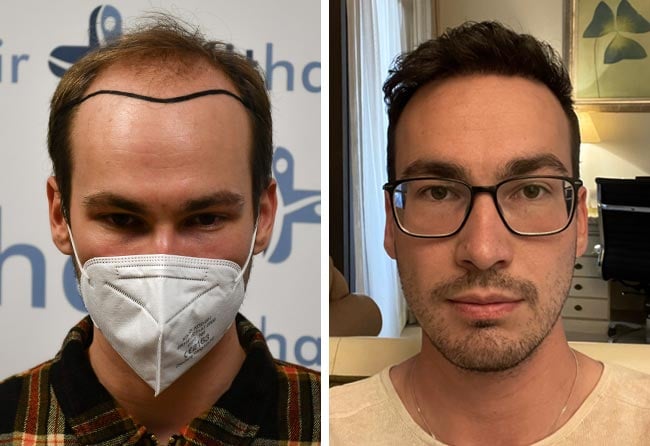
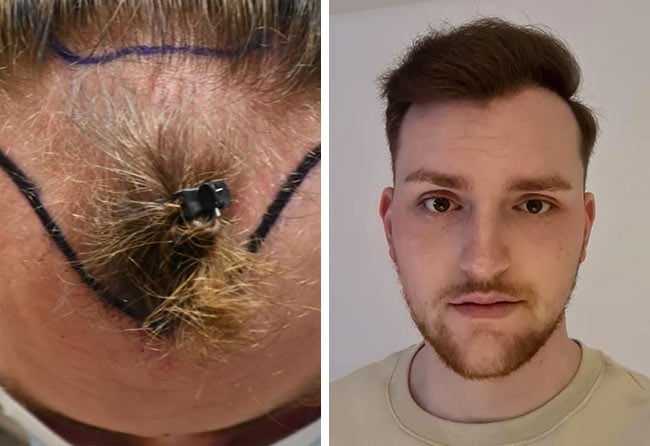
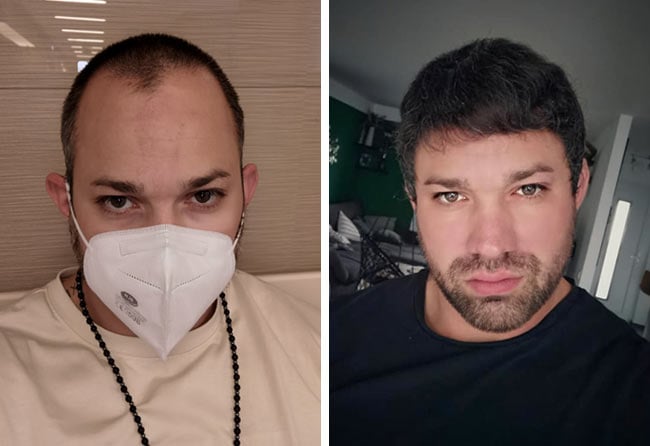
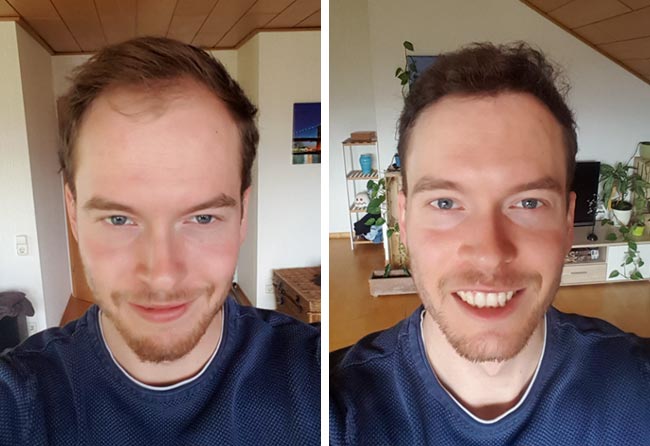
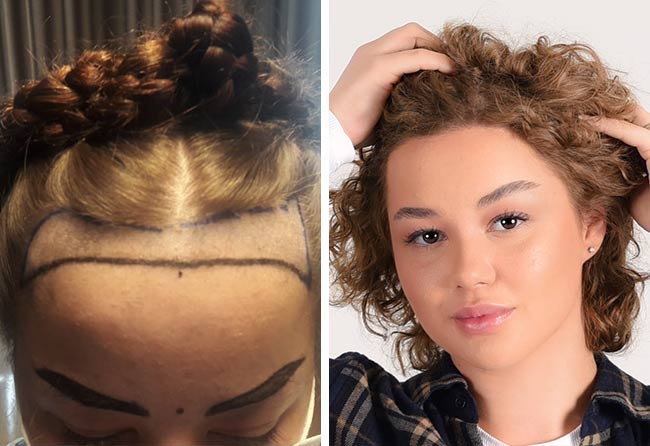
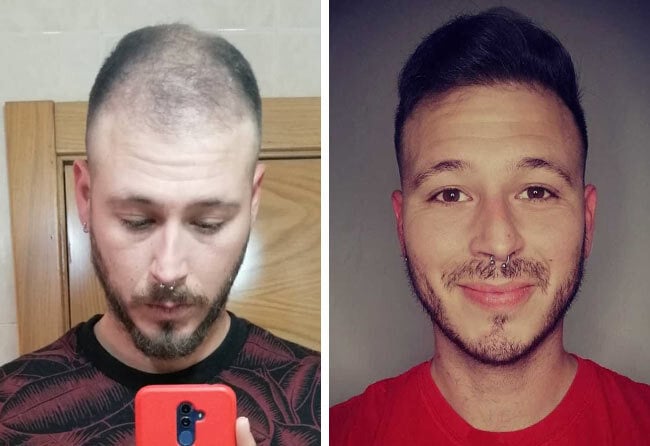
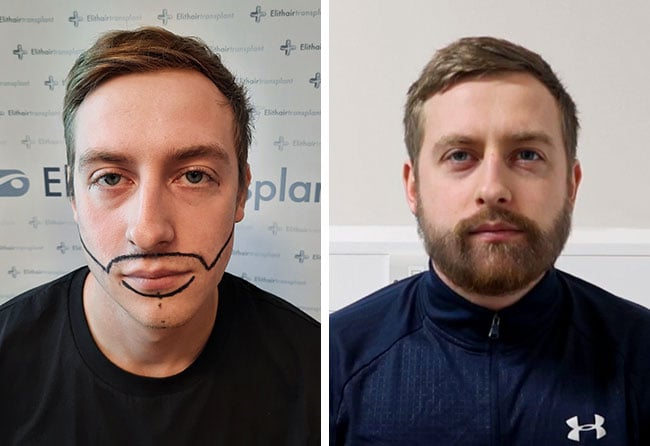
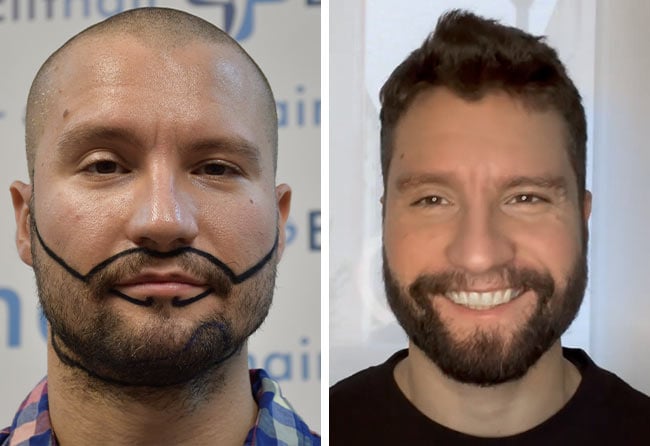
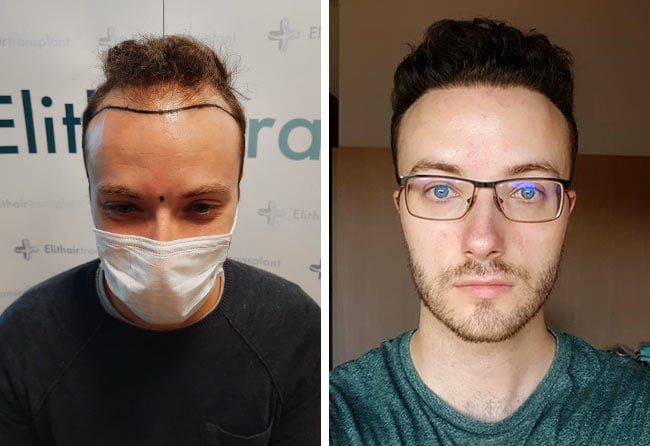
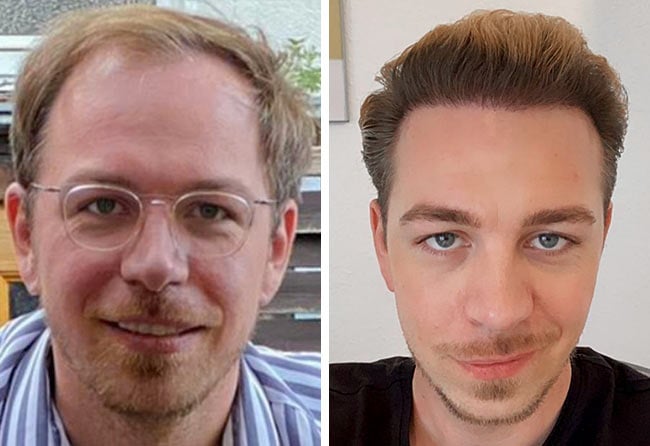
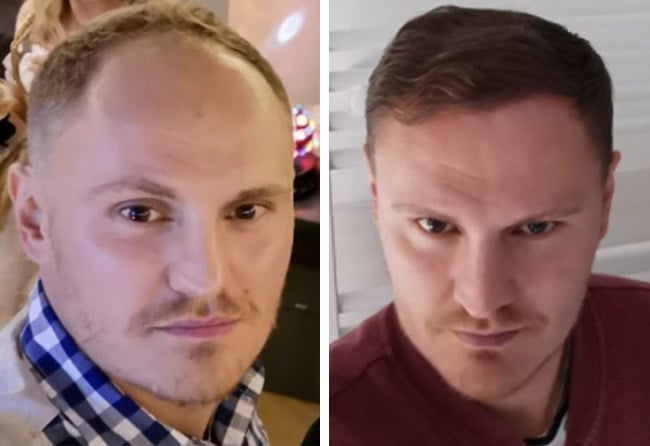
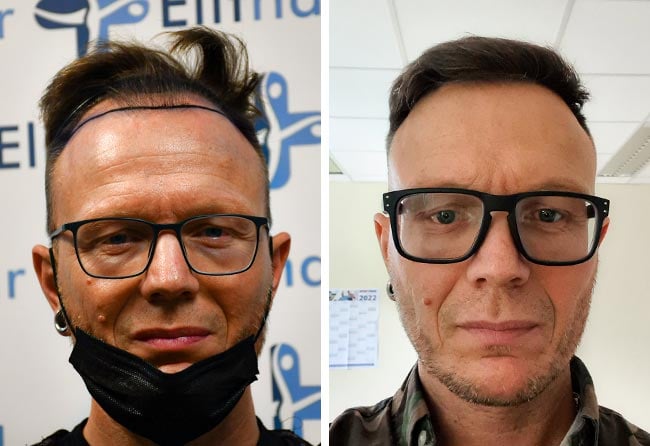
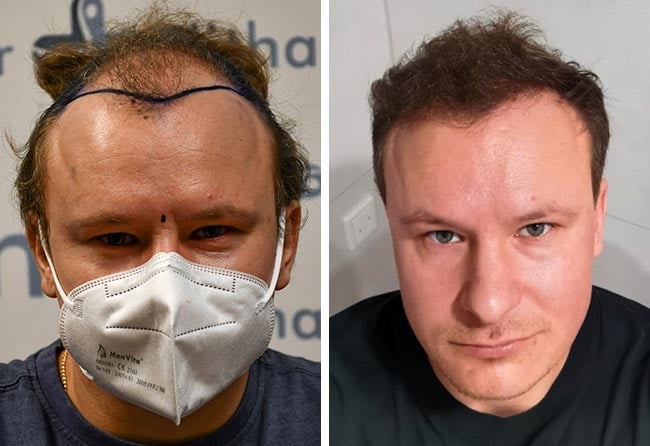
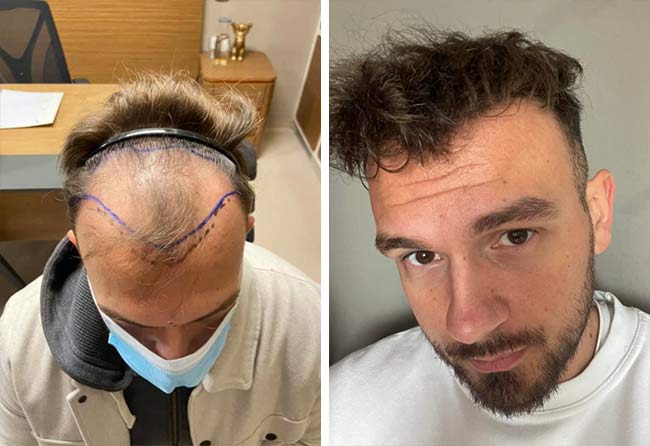
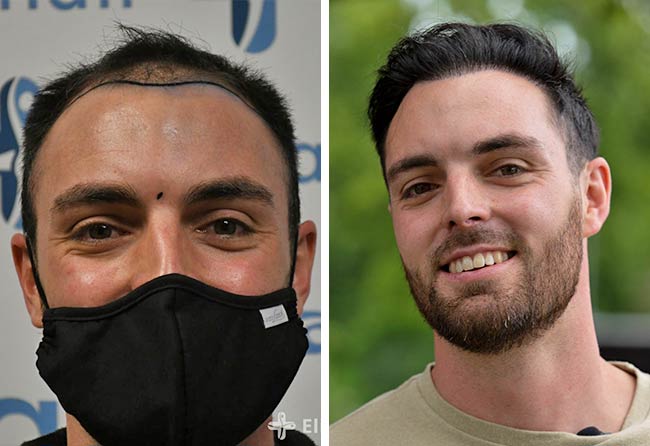
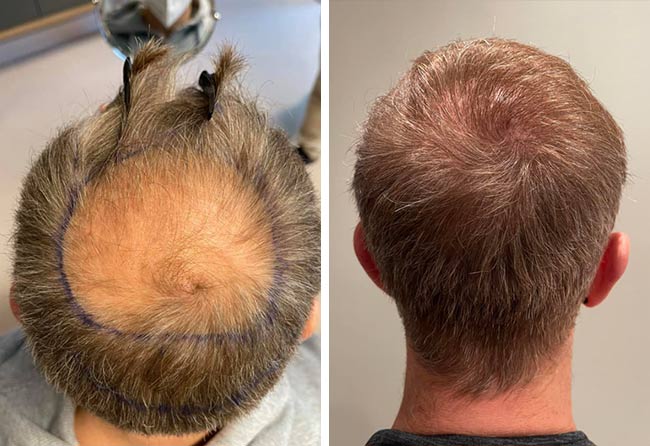
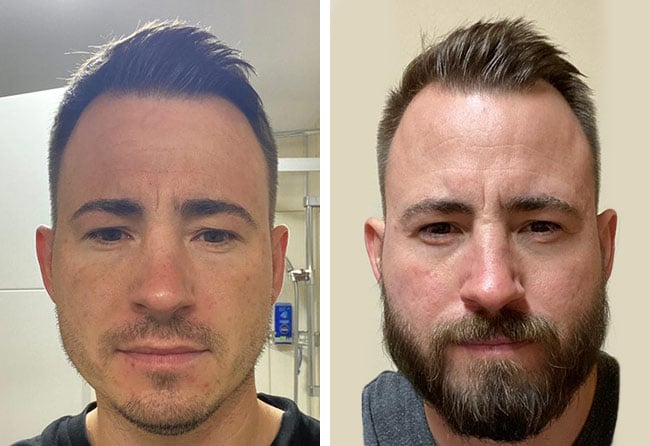
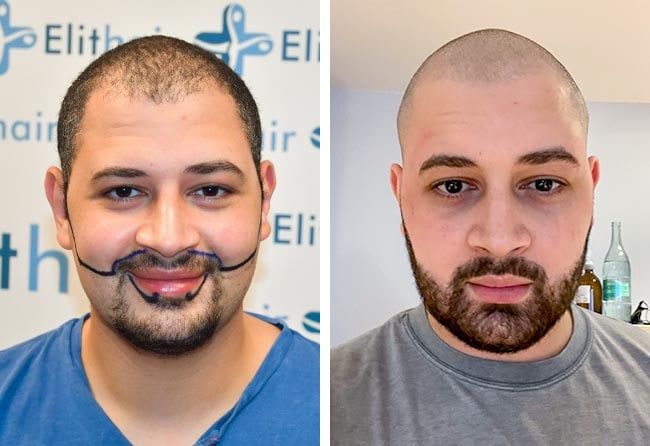
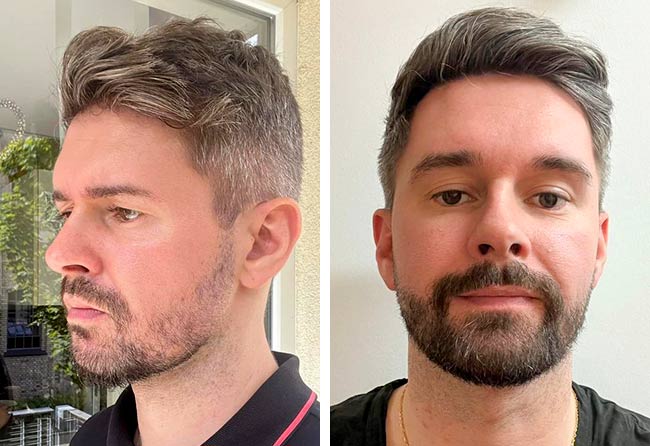
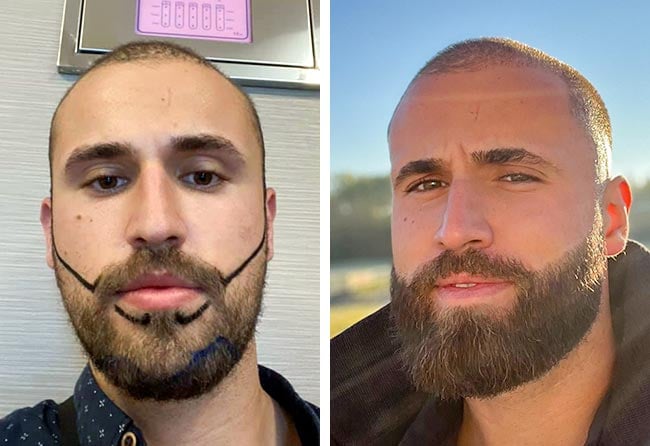
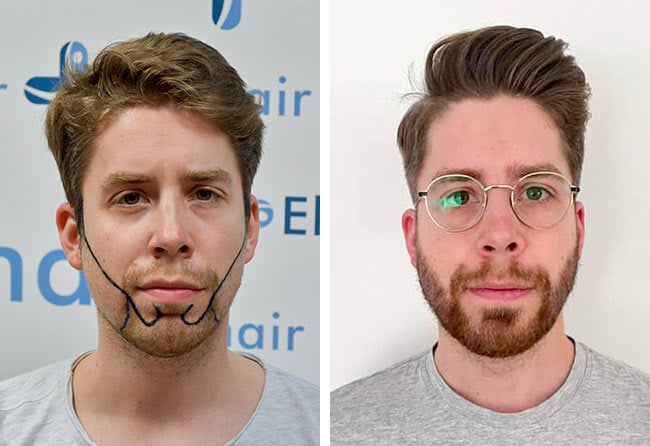
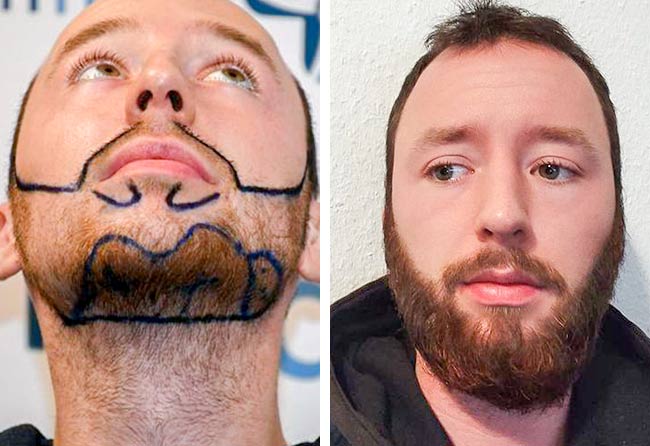
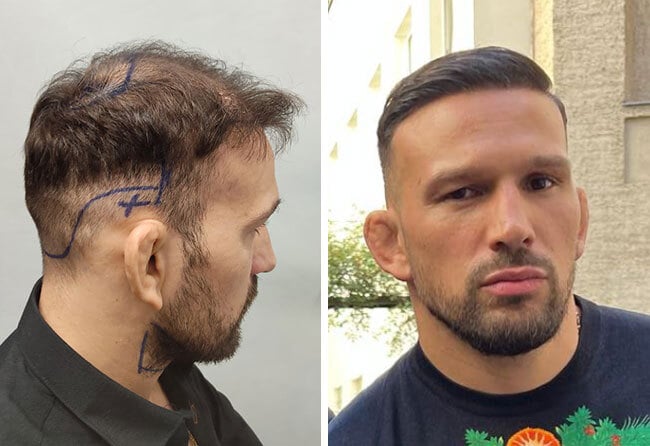
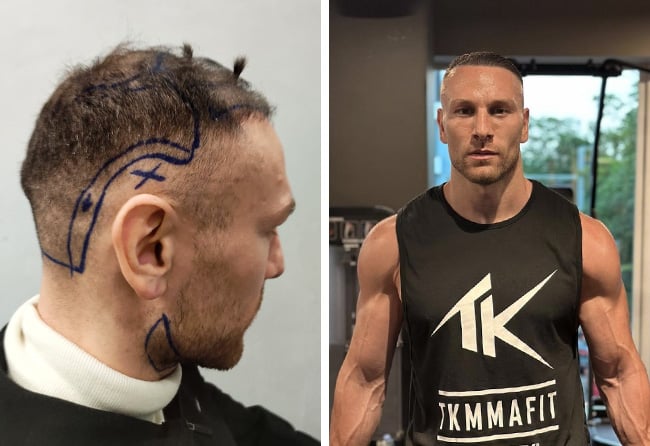
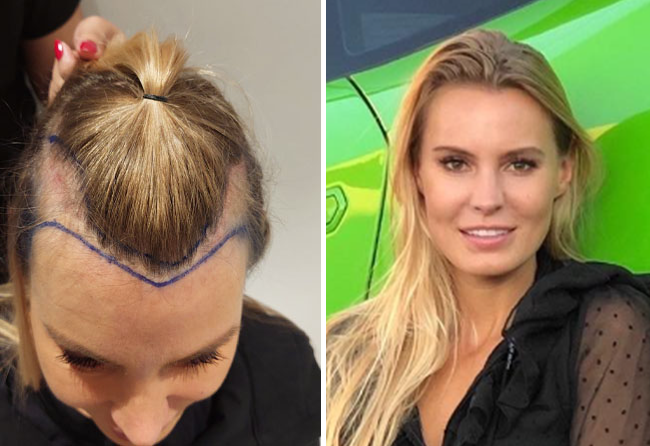
Precise before and after photos document the condition before treatment and the final result. Every patient shown here was treated successfully at Elithair using the latest methods.
Doreen S.
3,100 grafts – DHI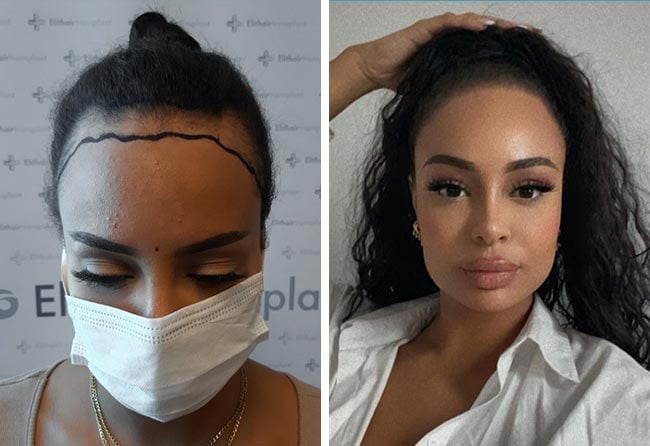
Jahy C.
3,200 grafts – SDHI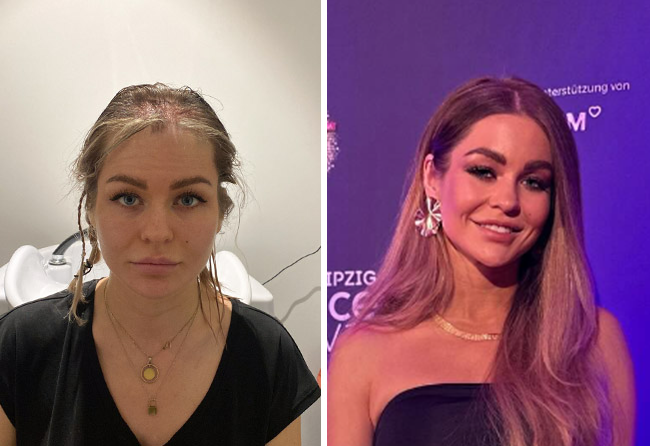
Julia O.
1,700 grafts – DHI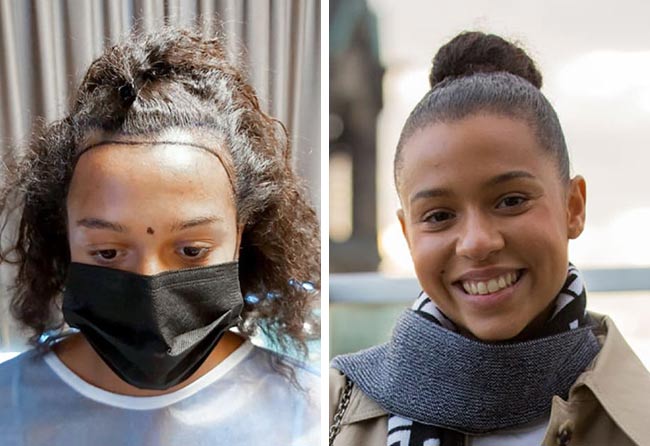
Melissa Z.
2,700 grafts – Sapphire FUEWhat You Need to Know About Hair Loss in Women
Unlike the male pattern, hair loss in women rarely presents as a receding hairline or complete baldness. It usually shows up as diffuse thinning around the parting and at the crown. The scalp becomes more visible, while the front hairline tends to stay stable. This pattern calls for a specialised approach that protects the existing hair structure.
The causes vary widely. In most cases, a genetic sensitivity (androgenetic alopecia) is responsible. Hormonal changes such as pregnancy or menopause can also disrupt the hair cycle, as can iron deficiency and thyroid problems, all of which shorten the growth phases.
For a natural result, your long hair stays completely intact. Using the CHOI pen, we place new follicles with pinpoint accuracy between the existing hairs. This targeted densification quietly restores lost volume and creates a natural, harmonious look.
The Ludwig Scale: Hair Loss Grades in Women
Ludwig I (mild)
Slight thinning at the parting. The scalp shows through in bright light but is still easy to conceal.
Approx. 800–1,200 grafts
Ludwig II (moderate)
Noticeable thinning at the crown. The parting widens and the scalp is clearly visible in daylight.
Approx. 1,500–3,000 grafts
Ludwig III (advanced)
Significant thinning, including bald patches at the crown. Little density remains, though the front hairline stays stable.
Approx. 2,500–3,500 grafts
Who Makes a Good Candidate: and Who Does Not?
A transplant works well in cases of stable androgenetic alopecia, traction alopecia or scarring. The key requirements are a dense donor area at the back of the head and realistic expectations for visual densification. In these cases, we achieve excellent, long-lasting results.
Where the hair at the back of the head is already thin, there is not enough donor material. In these situations, we recommend PRP therapy first. We do not carry out any procedure during pregnancy or breastfeeding. After weaning, we advise waiting 12 months before reassessing the hair status.
We focus on precise densification rather than empty promises. At Ludwig I and II, we achieve dense results that fill the parting and cover the scalp. At Ludwig III, we deliver a clear visual improvement but cannot recreate the original hair density of youth. We would rather be honest about these medical limits upfront, so we can deliver results that hold up over the long term.
Methods for the Best Women’s Hair Transplant Before and After Results
For women, the focus is mainly on targeted densification rather than full reconstruction. What really makes the difference in a convincing before and after result is the ability to place new follicles between existing hairs with the highest precision, so the density looks natural and even.
| Criterion | FUE (Extraction) | DHI Method | NEO FUE (Preparation) |
|---|---|---|---|
| Typical graft count | 800–3,500 | 800–3,500 | Supplementary |
| Precision in densification | Very high | Excellent (pinpoint) | Boosts vitality |
| Unshaven (no shave) | Limited | ✓ Yes | N/A |
| Growth rate | Approx. 98% at Elithair – thanks to your individual treatment plan: implantation depth and implantation angle are calculated for you in the Pre-Test System. Without this planning, the growth rate is only around 60%. | ||
| Healing time | 7 – 10 days | 5 – 7 days | Supports cell regeneration |
| Ideal for | Extraction in the donor area | Targeted parting densification | Maximum growth rate |
Typical Graft Counts by Treatment Area
| Area | Grafts | Method | Note |
|---|---|---|---|
| Parting densification | Approx. 800–1,500 | FUE + DHI | Most common procedure in women |
| Diffuse crown | Approx. 1,500–3,500 | FUE + DHI | Larger area, Unshaven possible |
| Hairline / frontal line | Approx. 600–1,200 | FUE + DHI | Less common in women, e.g. after facelifts |
| Traction alopecia (temples) | Approx. 400–800 | FUE + DHI | Caused by tight hairstyles, braids, extensions |
| Scar correction | Approx. 200–600 | FUE + DHI | After surgery, accidents or burns |
Cost of a Hair Transplant for Women
At Elithair, a first-class hair transplant for women starts from just £2,849. While comparable DHI procedures in the UK often cost between £4,500 and £12,000, we provide the same medical standards in Istanbul at a fraction of the price. This advantage comes from lower operational costs and world-leading specialisation, with no compromise on results.
Our all-inclusive package covers the treatment, a luxury hotel, VIP transfers on site and 12 months of aftercare through the Elithair app. The final price depends on your individual graft count and the method chosen.
Take advantage of our free hair analysis for a personal quote, a precise graft calculation and full price transparency.
Healing Timeline After a Hair Transplant for Women
The path to fuller hair follows a structured process, from the first stages of healing through to the final result. Over the following months, your hair moves through several growth phases, while your existing long hair quietly conceals the procedure. We support you every step of the way, so you can adjust your daily routine and styling as you go.
Days 1–14: Post-operative phase
In the first two weeks after surgery, small crusts form at the implantation sites. They usually stay hidden under your existing hair and fall away on their own after about ten days. Hair care during this period is very gentle, using only your hand, and you should keep your head slightly elevated when sleeping. Most patients return to desk work within three to five days. Heat styling and intensive exercise should be avoided completely at first.
Weeks 2–6: Possible shock loss
Between the second and sixth week, what is known as shock loss can occur, where the transplanted hair shafts fall out temporarily. It does not affect every woman. This is a completely natural biological process. The roots stay firmly anchored in the scalp and simply enter a short resting phase. From week three, you can carefully blow-dry your hair again on a cool setting. Chemical hair colouring should only be scheduled after around six to eight weeks.
Months 3–4: First growth
From the third month, the first fine new hairs appear between your existing hair and gently improve visual density. At this stage, blow-drying and straightening are fine again with gentle use, and clip-in extensions can be reintroduced carefully. Because the follicles are now firmly healed in, you can also return to the gym and swimming pool without restrictions.
Months 6–9: Visible densification
During this period, around 40 to 60 percent of the new hairs are visible. The parting looks noticeably fuller and the hair feels thicker overall. Volume when wearing a ponytail goes up noticeably, and those around you will pick up on the positive change in your hair. All styling options, including colouring, are now possible again without restrictions.
Months 12–18: The final result
After one year, the final result is reached, with full density and completely natural volume. The transplanted hairs now share the same texture as the rest of your hair and, thanks to their genetic resilience, will stay with you for life. To keep your overall hair healthy in the long term, we recommend supporting treatments such as PRP therapy to protect your existing hair.
| Period | Blow-drying and styling | Colouring | Exercise | Extensions |
|---|---|---|---|---|
| Days 1–14 | No styling (air dry only) | No colouring | Gentle walks only | No extensions |
| Weeks 3–4 | Careful blow-drying (cool) | Herbal (from week 4) | Jogging and yoga | No extensions |
| Weeks 6–8 | Straighteners and curling tongs | Chemical (from week 6) | Swimming, strength training | No extensions |
| Months 3–4 | Full styling possible | All treatments | All sports | Clip-ins and tapes |
| From month 6 | Unrestricted | Unrestricted | Unrestricted | All (including bondings) |
Frequently Asked Questions About Women’s Hair Transplant Before and After
Yes, a transplant is very effective for diffuse loss, provided the back of the head as a donor area is stable and dense. With the specialised DHI method, we add targeted density to the thinning areas at the parting and crown without damaging the surrounding hair. If the back of the head is also thinning, however, the necessary donor material is missing. In this case, we prioritise treatments such as PRP or medication first. Whether you are a suitable candidate for the procedure is something we can determine precisely in our free hair analysis.
Thanks to the modern FUE technique, we only extract individual follicular groups rather than full strips of skin. The tiny extraction points (0.7 to 0.9 mm) heal completely within a few days. Because the procedure at the back of the head is discreetly covered by the existing hair, the extraction stays completely invisible to others, even with updos or a bun.
PRP acts as a complement rather than a replacement. While the therapy slows down hair loss and strengthens the existing hair, it cannot generate new roots at bald spots. For the early stages of thinning (Ludwig I), PRP on its own is often enough. For more advanced hair loss, we rely on a combination: the transplant provides the visual densification, while PRP protects the remaining hair over the long term.
At Ludwig I and II, a single session is usually enough for a full result. With a more pronounced Ludwig III status, a second session after 12 to 18 months can make sense in order to reach maximum density. If genetic hair loss continues to progress over the years, a later top-up treatment can harmonise the overall look. Accompanying measures such as minoxidil or PRP can support this process.
As soon as the follicles are firmly healed in (around months 3 to 4), you can use clip-in extensions again. Bonding or tape extensions are also possible from month 4, as long as they are not fixed directly over the freshly transplanted areas. From month 6, you can use all types of extensions again without restrictions. It is important to avoid any pulling on the new grafts during the first three months.
Absolutely. A high forehead due to genetic predisposition, traction alopecia or after surgical procedures (such as a facelift) can be corrected very well. With the DHI technique, we typically place 600 to 1,200 grafts along the frontal line. The result looks completely natural, because we match the growth direction and the fine structure of your existing hair precisely.
Authentic Insights: Our Before and After Results
See genuine results that show how we use precise methods to restore natural density and individual hairlines. Let our patients inspire you and find the right example for your own hair situation.
Receding Hairline
Treatments here typically use 1,500 to 3,000 grafts. This is the most common procedure for men, creating a defined front hairline.
View ResultsCrown
With 2,500 to 4,500 grafts, we achieve large-area densification at the crown. Ideal for maximum fullness in cases of advanced alopecia.
View Results12 Months
After one year, the change is clearly visible. See impressive results twelve months after the procedure here.
View Results18 Months
After eighteen months, the final result is reached. See the full density and strength of perfectly settled hair here.
View Results3 Steps to Fuller Hair
Free Hair Analysis
Upload your photos and receive a medical assessment of your graft requirement, along with your tailored treatment plan.
Treatment in Istanbul
Experience the modern DHI technique as part of our all-inclusive package, including a 5-star hotel, VIP transfer and a pain-free treatment thanks to the Sleep-Deep method.
Your Before and After Result
After 12 to 18 months, enjoy maximum density and a natural finish. Our exclusive Elithair app supports your recovery with digital aftercare.
Ready for Your Hair Transplant Before and After Result?
Book your professional assessment for a natural result today. Simply upload your photos so our doctors can work out your individual graft requirement discreetly and without obligation.
Start Your Free Hair Analysis Now