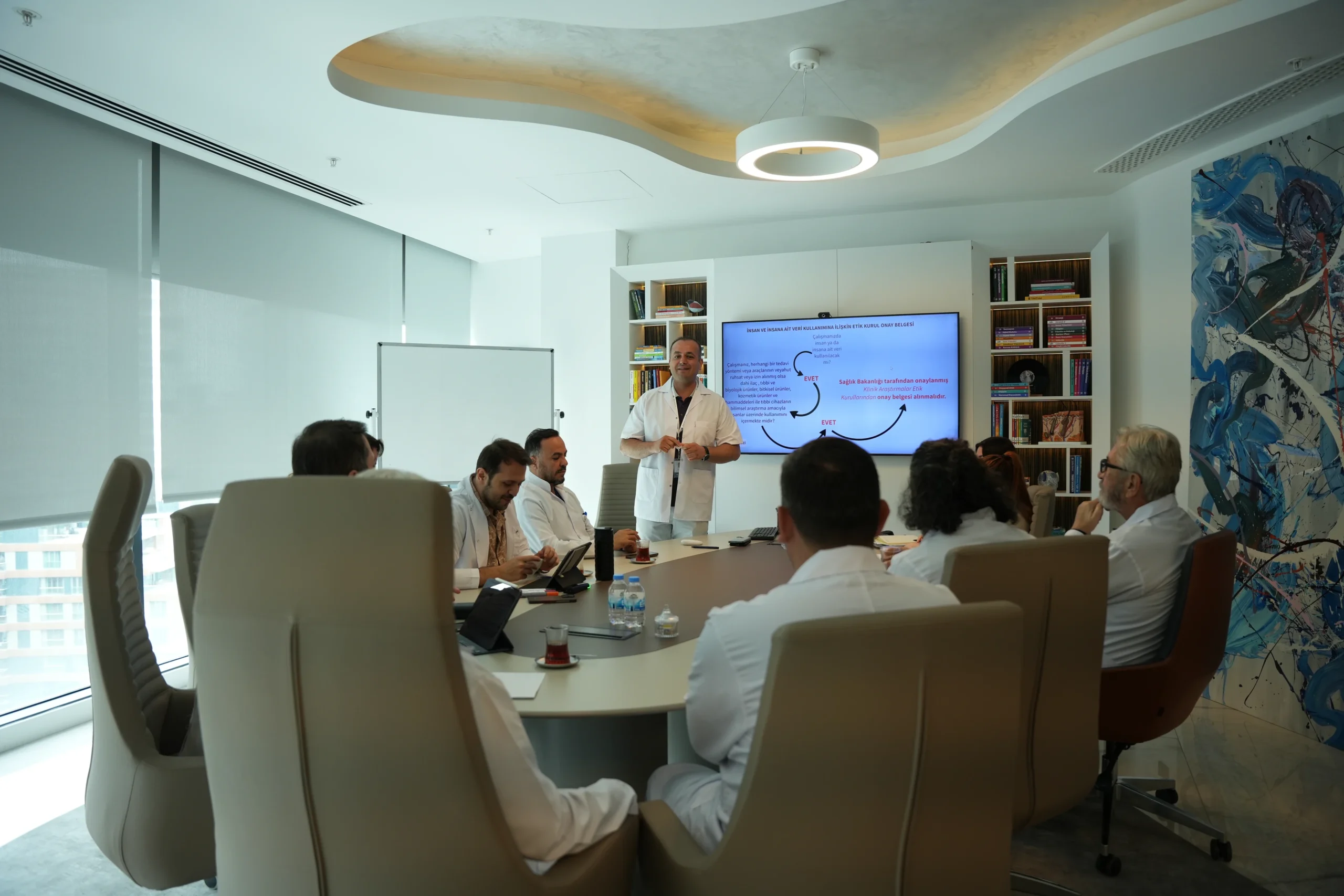

Doctor giving a presentation to colleagues seated at a round table in a conference room

Elithair Studies and Publications: What the Evidence Shows

  • Peer-reviewed publications
  • Internal Clinical Evaluations
  • An honest assessment of every claim
  • Freely accessible journal articles

free & without obligation

4.9 out of 5 stars on Google

Experience and Certification

More than 150,000 treatments
at our specialist clinic, certified to ISO 9001:2015
by TÜV Thüringen.

ISO 9001:2015, TÜV Thüringen and health certification seals for the Elithair clinic
Studies and Publications
Our Hair Transplant Studies and Evaluations

Hair transplantation is not generally taught as a standalone practical surgical procedure at medical school. Dedicated training and fellowship programmes are available, and expertise develops through practical training and clinical experience, raising an important question: How can you tell whether a clinic's claims are based on more than its own beliefs?

The honest answer is to show you what we studied, how we studied it and how reliable the results are.

This page distinguishes between peer-reviewed review articles and Elithair's internal clinical evaluations, surveys and literature reviews, explaining which conclusions can reasonably be drawn from each.

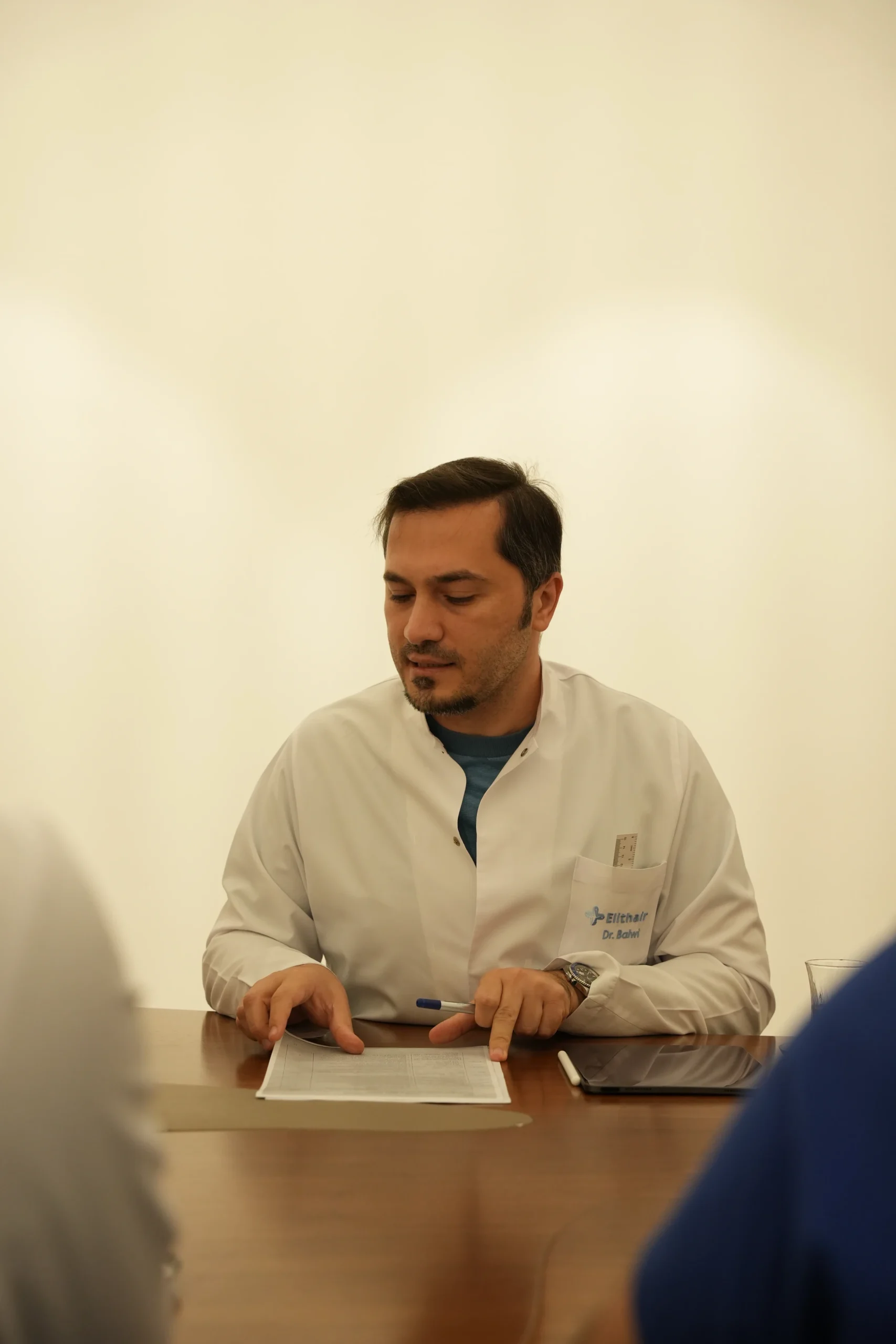
Doctor in a white coat reading a document at a meeting table
Context

How to Read the Information on This Page

Not all research carries the same weight. We group our findings into three levels so you can assess them without prior knowledge of the scientific literature.

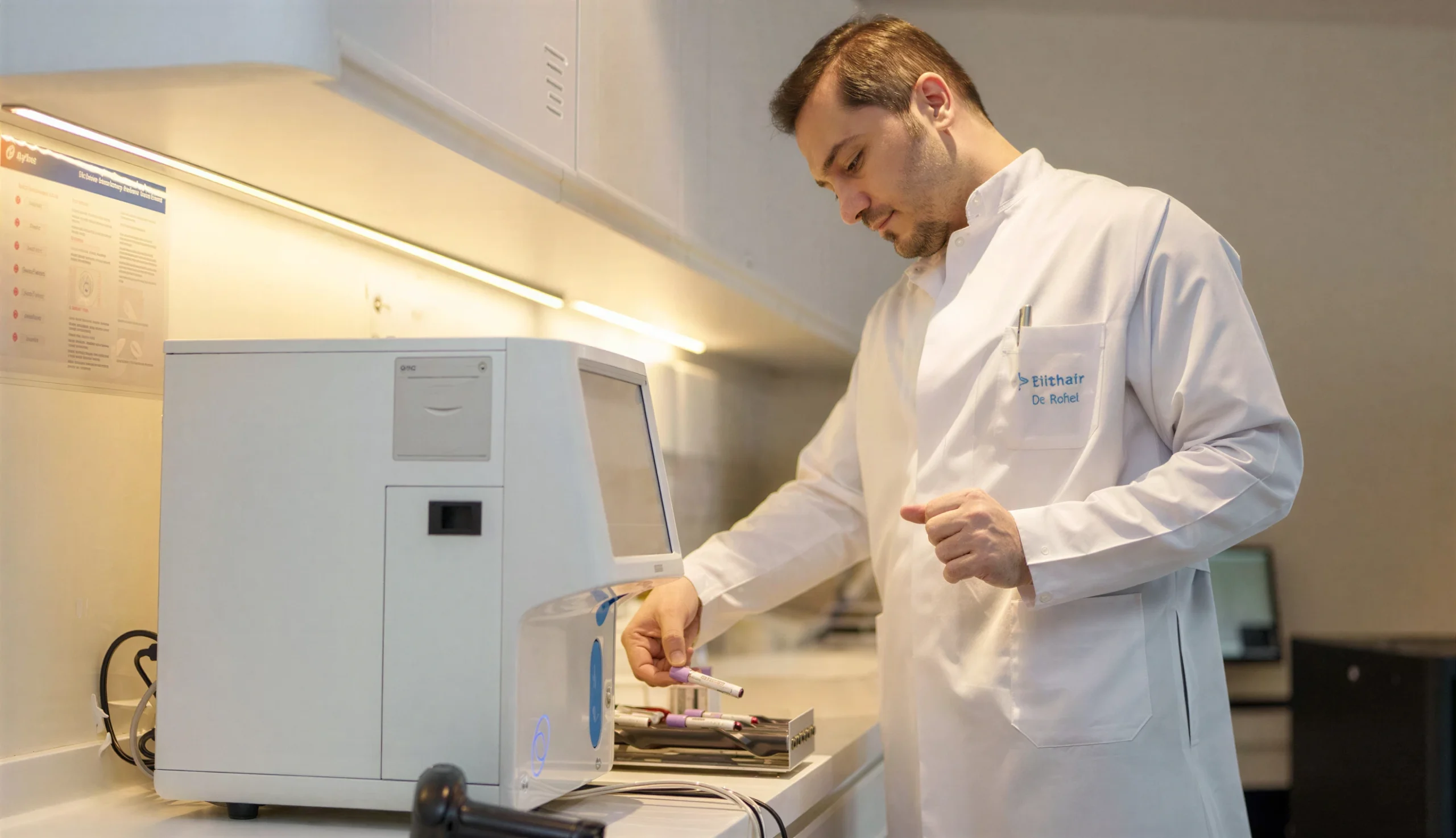
Doctor in a white coat operating a laboratory analyser with blood samples
LevelWhat it meansHow to interpret it
Peer-reviewed publication
published in a scientific journal, with methods disclosed and reviewed by independent experts
independently verifiable; the strength of evidence depends on study design and quality
Internal clinical evaluation
Elithair uses its own data to evaluate courses of treatment or groups of patients
useful for monitoring quality internally; findings do not automatically apply to other patients or settings
Internal survey
ongoing patient feedback and reviews of published sources
shows trends, does not replace a controlled study
Publications

Peer-Reviewed Publications

Two papers by Dr Abdulaziz Balwi, co-founder of Elithair and the clinic's Medical Director, have been published in international journals and are freely accessible. You can read both in full.

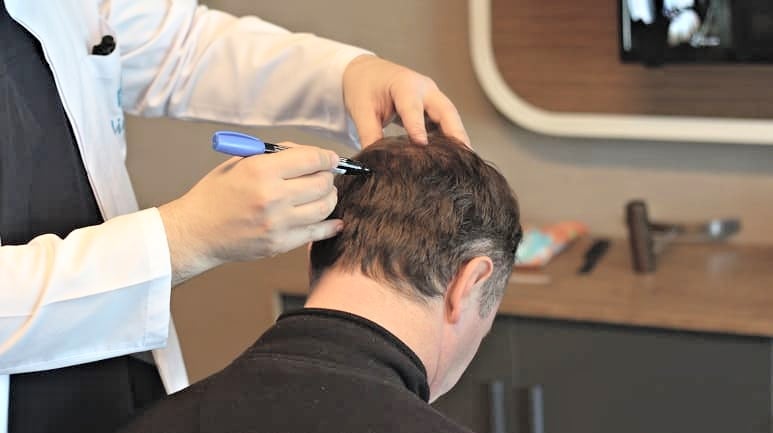
Doctor in a white coat marking the top of a seated patient's head with a pen

JournalCosmetics

Long-Term Planning for the Donor Area

Content

a clinical framework covering assessment of the donor area, the density and distribution of extractions and planning for repeat sessions

What it means for your treatment

The number of grafts extracted follows a published framework. That is why we take measurements before treatment and count grafts during extraction.
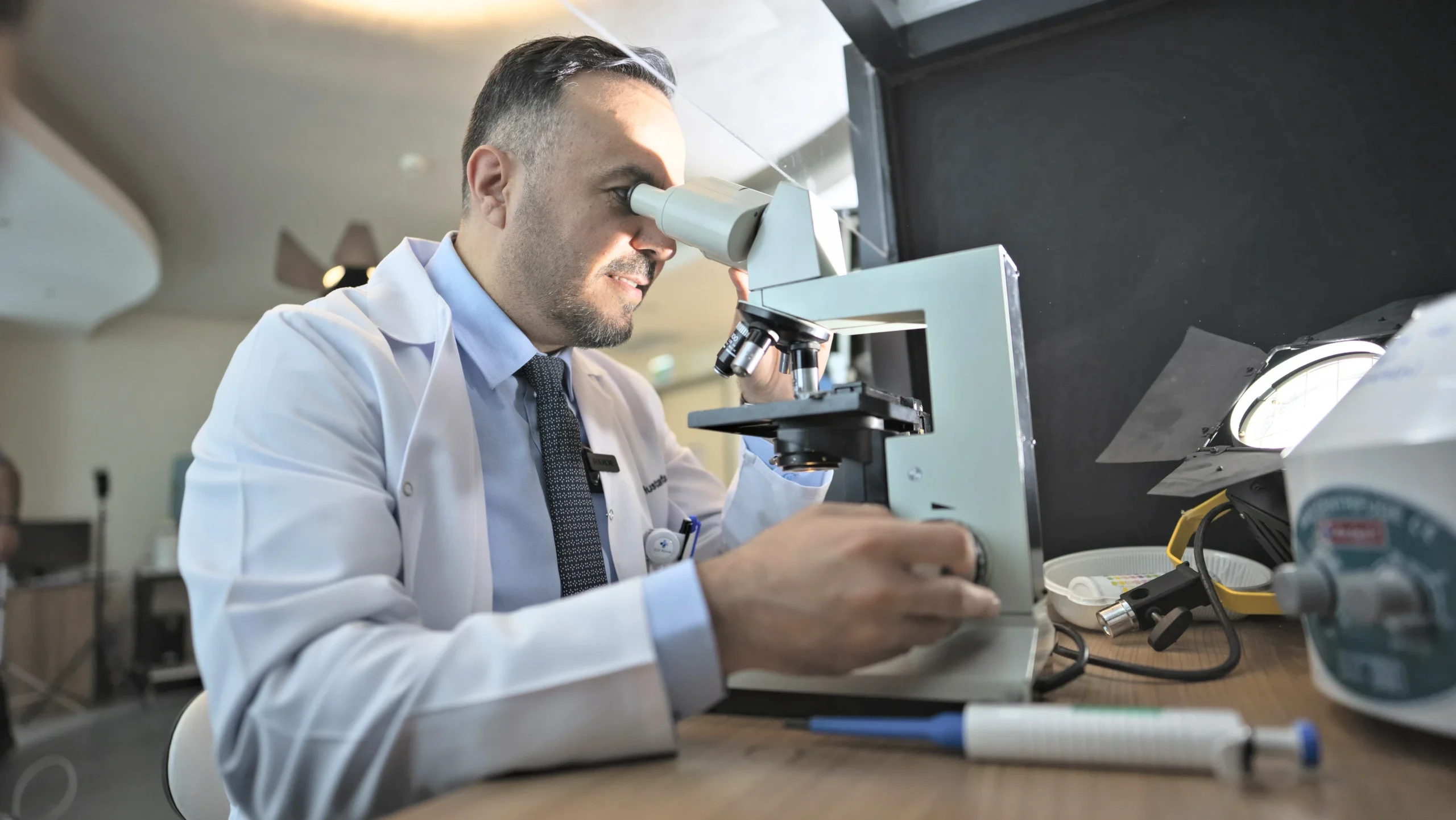

Doctor examining a sample under a microscope in the clinic laboratory

JournalFrontiers in Medicine

Regenerative Therapies in Hair Transplantation

Content

a structured narrative review of PRP, extracellular vesicles/exosomes and low-level light therapy as additional treatments

What it means for your treatment

Your adjunct treatment is selected according to the strength of the evidence. The paper also identifies areas where the evidence remains limited.

White reception hall of the Elithair clinic with organically shaped columns and a glass façade
Patients with suitcases arriving in the lobby of the Elithair clinic
Clinic lobby with a large white sculpture and seating area
Clinic reception hall with an illuminated art installation
Bright treatment room with a light blue treatment chair
Patient in a transfer vehicle with comfortable leather seats
Evening view of the Istanbul skyline from the hotel
Elit Clinic waiting area with sofas and plants
Hotel Elitoria in Istanbul at dusk
Hotel Elitoria sign above Istanbul at sunset
Hotel room with a curved ceiling and a view of Istanbul
Bright hotel room with a double bed and panoramic window
Hotel room with a white bed, an orchid and a flat-screen TV
Hotel Elitoria with its illuminated entrance in the evening
Waiting lounge with a light installation on the ceiling
Aerial view of the Elit Clinic building in Istanbul
Prepared treatment room with large windows
Exterior of the clinic building in Istanbul
Hotel room with a rounded wall arch and city view
Spacious hotel room with ring-shaped ceiling lights
Patient in a transfer vehicle with comfortable leather seats
Evening view of the Istanbul skyline from the hotel
Elit Clinic waiting area with sofas and plants
Hotel Elitoria in Istanbul at dusk
Hotel Elitoria sign above Istanbul at sunset
Aerial view of the Elit Clinic building in Istanbul
Prepared treatment room with large windows
Exterior of the clinic building in Istanbul
Hotel Elitoria with its illuminated entrance in the evening
Waiting lounge with a light installation on the ceiling
Internal Evaluations

Internal Clinical Evaluations

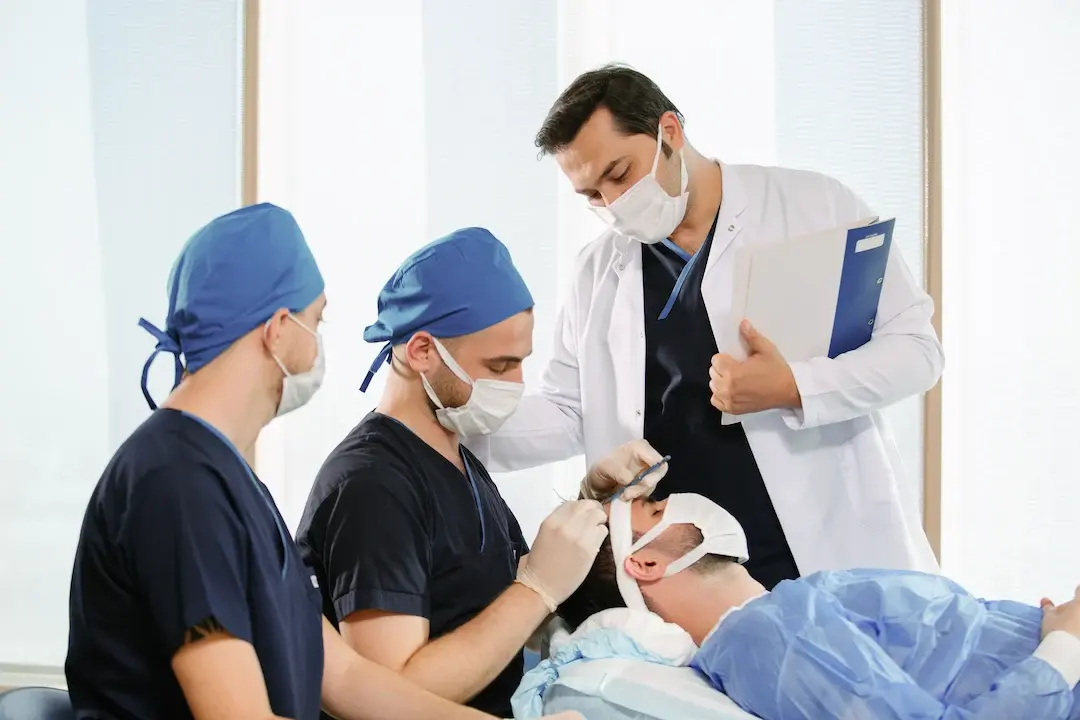
Two medical specialists in surgical caps treating a reclining patient, with a doctor in a white coat giving a thumbs-up behind them

Hair Transplants for People with Diabetes

Over seven months, we analysed the treatment and progress of 53 patients with diabetes to assess when a hair transplant for someone with diabetes is appropriate and safe, and what requires particular attention during preparation and aftercare.

Having diabetes does not automatically rule out a hair transplant, but your suitability needs to be assessed individually.

Whether treatment is suitable for you is determined through your hair analysis and an individual medical assessment.

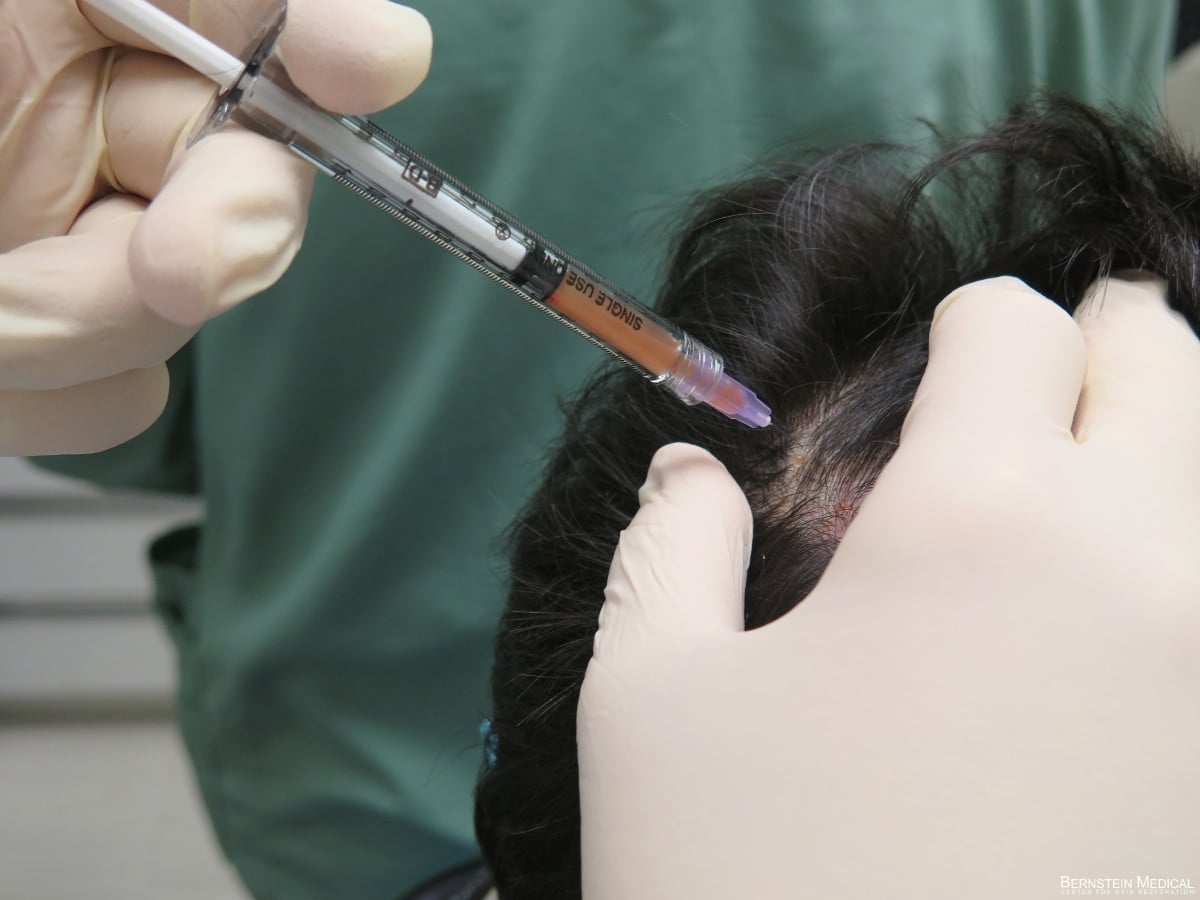
Gloved hands administering an injection into the scalp with a syringe

PRP as an Adjunct Treatment

PRP treatment uses growth factors from your own blood to stimulate the hair follicles. In a study, we brought together the available research findings and the treatment progress observed in our patients.

PRP is used alongside transplantation rather than as a replacement for it (Sindhusen et al. 2025).

One PRP treatment is included and takes place at the clinic on the day of your procedure. At least six sessions are recommended, with the first follow-up session between weeks two and four, followed by sessions every 3 to 4 weeks.

Surveys

Ongoing Surveys

Smiling man with short, dark curly hair in a white T-shirt against a light background

Patient Satisfaction Survey Since July 2022

We continuously survey our patients. The percentage who say they would recommend us has remained steady at 98 to 99 per cent.

What matters most to us is that this figure remains consistent across successive rounds of surveys.

Elithair uses patient feedback to monitor and improve the quality of its care.

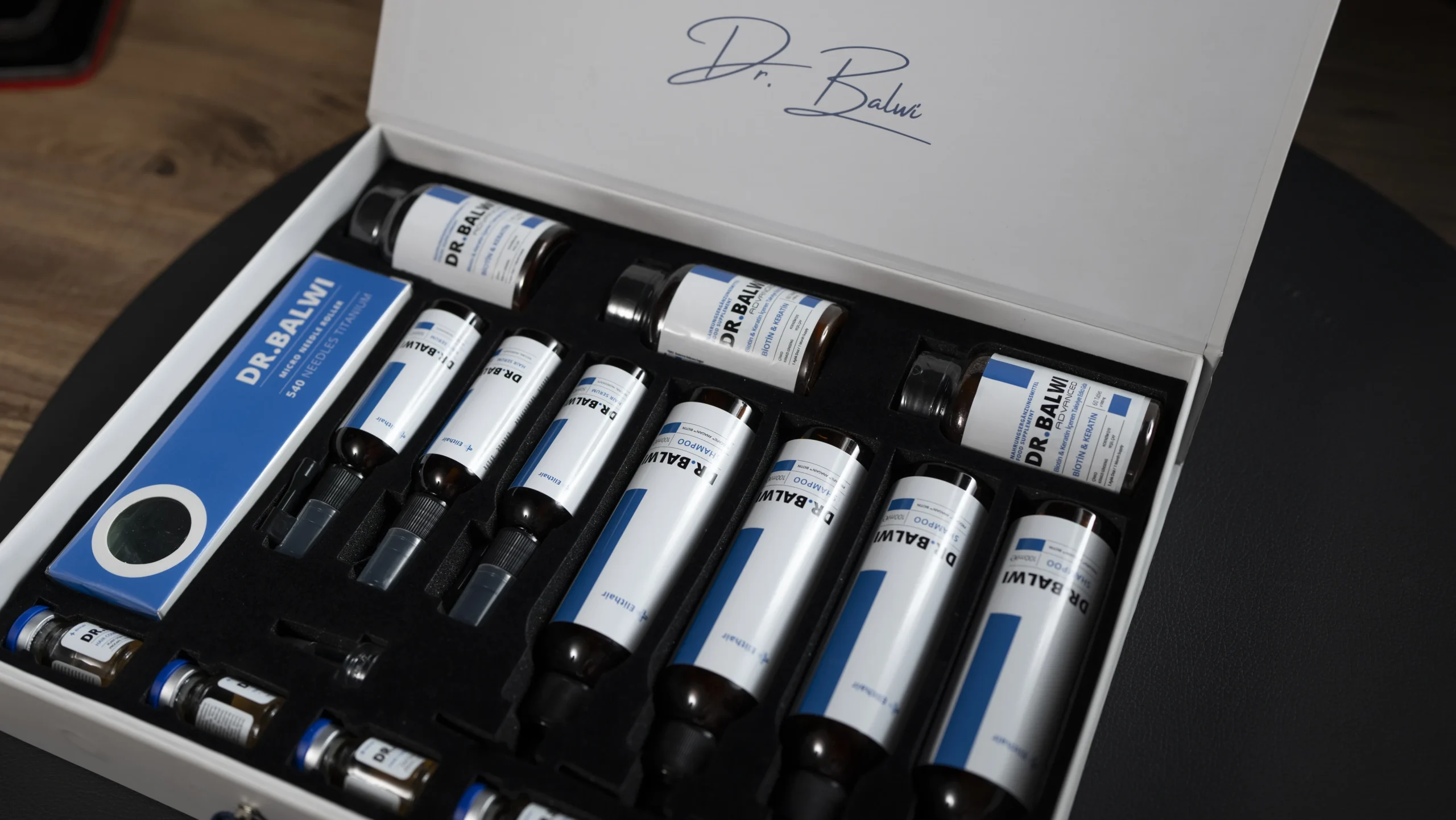
Open Dr Balwi care kit with shampoos and ampoules

Ingredients in the Care Products

We evaluate the composition of the care products developed by Dr Abdulaziz Balwi and the effects of their individual ingredients. This evaluation focuses on the products and does not assess hair transplant outcomes.

Energy Drinks and Hair Health

A literature review examines caffeine, sugar and other energy-drink ingredients in relation to hair health. A 2013 EFSA survey found that about 30% of adults interviewed were energy-drink consumers; among those consumers, about 12% were classified as high chronic consumers, averaging 4.5 litres a month.

These figures describe consumption, not its effects on hair. The review summarises possible links discussed in the literature and identifies gaps in the evidence.

  • 5-Doctor
    Standard
  • 6-step
    Pre-Test System
  • Sleep-Deep
    0 % pain
  • DHI technique
    included
  • 20-year
    guarantee
  • 12 months
    of aftercare
New research findings

What This Means for Your Treatment

Clinical studies become meaningful when they lead to better results. That is why we apply new research findings at three key stages to make your hair transplant safer, more precise and gentler.

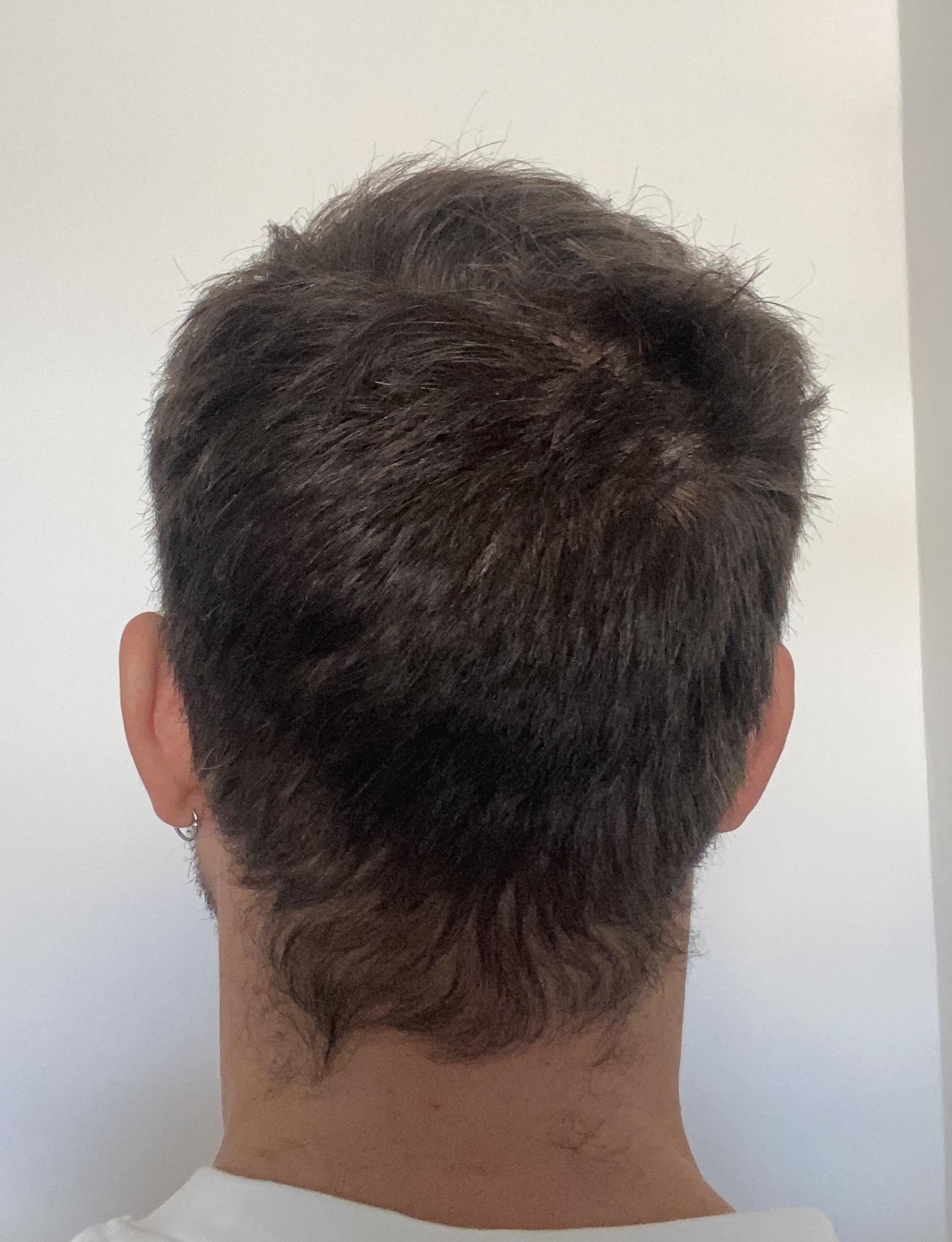
Back of a man's head with dense, short dark hair

The donor area has a limited reserve that cannot be replenished

Your donor area is measured before treatment, the number of grafts to extract is set in advance and grafts are counted during extraction.

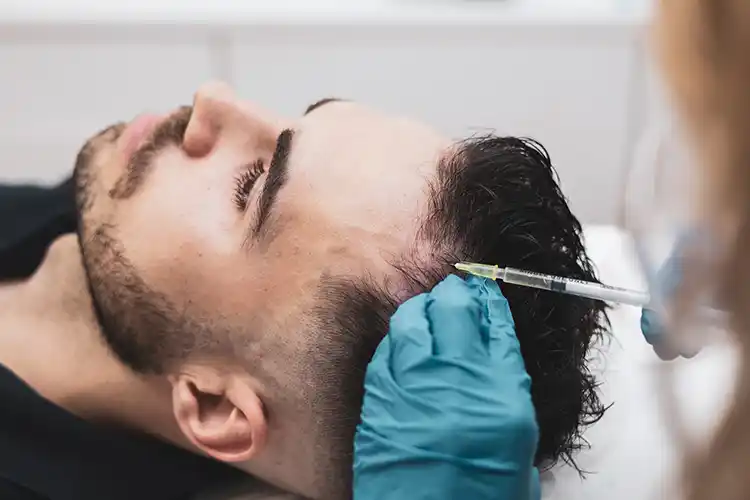
Reclining man receiving a scalp injection with a syringe

The strength of the evidence varies between additional therapies

One PRP treatment is included and takes place at the clinic on the day of your procedure; we recommend additional treatments only where supported by the evidence.

Four medical specialists in medical attire speaking with a seated woman at a table in front of large windows.

Unusual circumstances require an individual assessment

We decline around 40 per cent of enquiries after the hair analysis because we would not be able to achieve a result you would be satisfied with.

Patient Experiences

More than 150,000 treatments

After treatment, our patients most often describe a sense of relief. This comes not only from seeing their results in the mirror, but also from knowing they had support with every decision. That experience begins long before the trip and continues after the flight home.

Max Coga after his hair transplant at Elithair

“Everything was extremely professional and extremely hygienic. I'm just really, really happy that I decided to do it.”

Max Coga · Aged 34 · 3,250 grafts

1 / 3
Nico G. after his hair transplant at Elithair

"I can't put into words how happy I am with the result. Definitely the best decision of my life."

Nico G. · Aged 27 · 2,800 grafts

2 / 3
Melissa Z. after her hair transplant at Elithair

“I'm just happy I had a hair transplant… and yes… I'm just happy – that's what matters.”

Melissa Z. · Aged 22 · 2,700 grafts

3 / 3
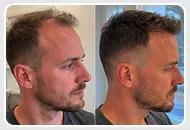
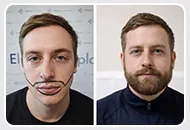
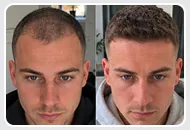
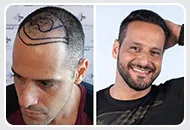
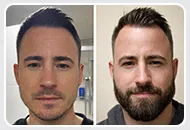
Man shortly after a hair transplant with a shaved hairline, and later with thick, styled hair.
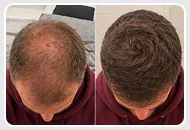
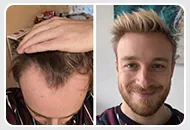
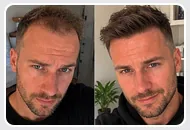
Before-and-after comparison of a man with thinning hair on top before and noticeably thicker hair afterwards.
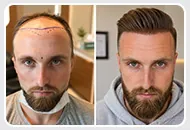
Man with thinning hair at the front before a hair transplant, and thick, dark hair afterwards.
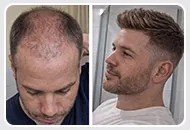
Side-by-side comparison of a man with a receding hairline before treatment and a fuller hairline with shorter sides afterwards.
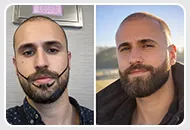
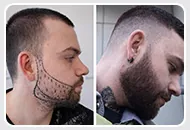
Man with marked areas of sparse beard growth before a beard transplant, and a thick, full beard afterwards.
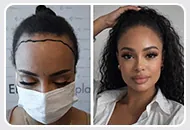
Woman with a marked, receding hairline before treatment, and thicker hair along her forehead afterwards.
Before-and-after comparison of a man with patchy beard growth before treatment and a thick, full beard afterwards.
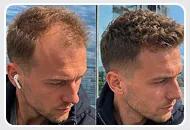
Man with a receding hairline before a hair transplant, and a fuller hairline afterwards.
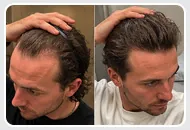
Man with a marked, receding hairline before a transplant, and a dense, lower hairline afterwards.
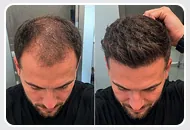
Top of a man's head before and after a hair transplant: severely thinning hair before, thick coverage afterwards.
Man with a receding hairline before a hair transplant, and thicker hair along his forehead and temples afterwards.
Man with a receding hairline before treatment, and thicker hair styled upwards afterwards.
Man with a shaved head and marked hairline before a hair transplant, and thick, dark hair afterwards.
Man with thinning hair at the front before a hair transplant, and thick hair afterwards.
Woman with a marked, receding hairline before a transplant, and a fuller hairline afterwards.
Man before and after a hair transplant: thinning hair at the front before, a fuller hairline afterwards.
Man with sparse beard growth on his cheeks before a beard transplant, and a thick, full beard afterwards.
Man with receding temples before treatment, and a fuller, denser hairline afterwards.
Overhead view of a man before and after a hair transplant: thinning hair at the front before, a dense hairline afterwards.
Before-and-after beard transplant comparison: marked cheeks with sparse beard growth, followed by a thick, full beard.
Woman with a marked, receding hairline before treatment, and thicker hair along her forehead afterwards.
Before-and-after comparison of a man with patchy beard growth before treatment and a thick, full beard afterwards.
Man with a receding hairline before a hair transplant, and a fuller hairline afterwards.
Man with a marked, receding hairline before a transplant, and a dense, lower hairline afterwards.
Top of a man's head before and after a hair transplant: severely thinning hair before, thick coverage afterwards.
Man before and after a hair transplant: thinning hair at the front before, a fuller hairline afterwards.
Man with sparse beard growth on his cheeks before a beard transplant, and a thick, full beard afterwards.
Man with receding temples before treatment, and a fuller, denser hairline afterwards.
Man with thinning hair at the front before a hair transplant, and thick hair afterwards.
Woman with a marked, receding hairline before a transplant, and a fuller hairline afterwards.

From Evidence to Your Individual Assessment

Published research, internal data and patient feedback can provide useful context, but your suitability for transplantation depends on your individual assessment.

The free photo-based hair analysis gives an initial assessment of your hair-loss pattern, donor area and the estimated range of grafts needed. The six-step Pre-Test System, an in-person medical examination and an assessment of your donor area in Istanbul help shape the final plan.

With experience from more than 150,000 treatments, we are familiar with nearly every anatomical variation and know exactly which features of your scalp matter for treatment. Our Google rating of 4.9, with more than 11,000 reviews, shows that this personal attention builds trust. Take the first step with a no-obligation assessment of your hair by our doctors.
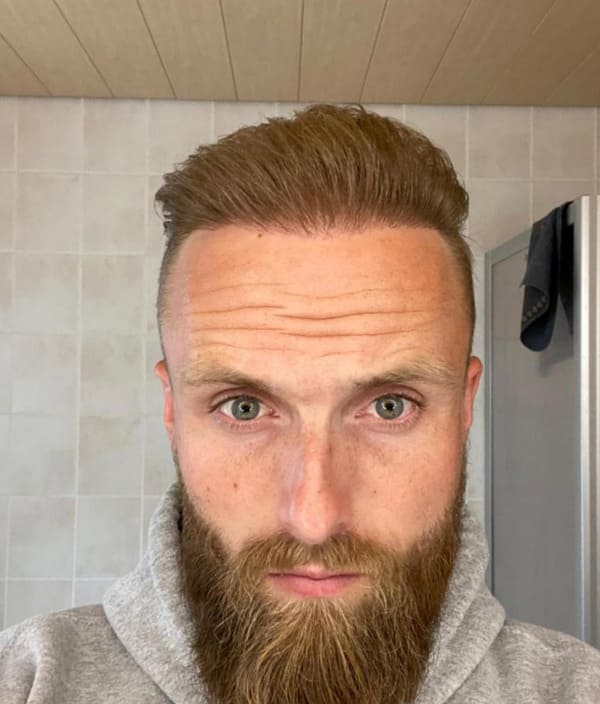
Man with thick hair styled upwards and a long, full beard taking a bathroom selfie.
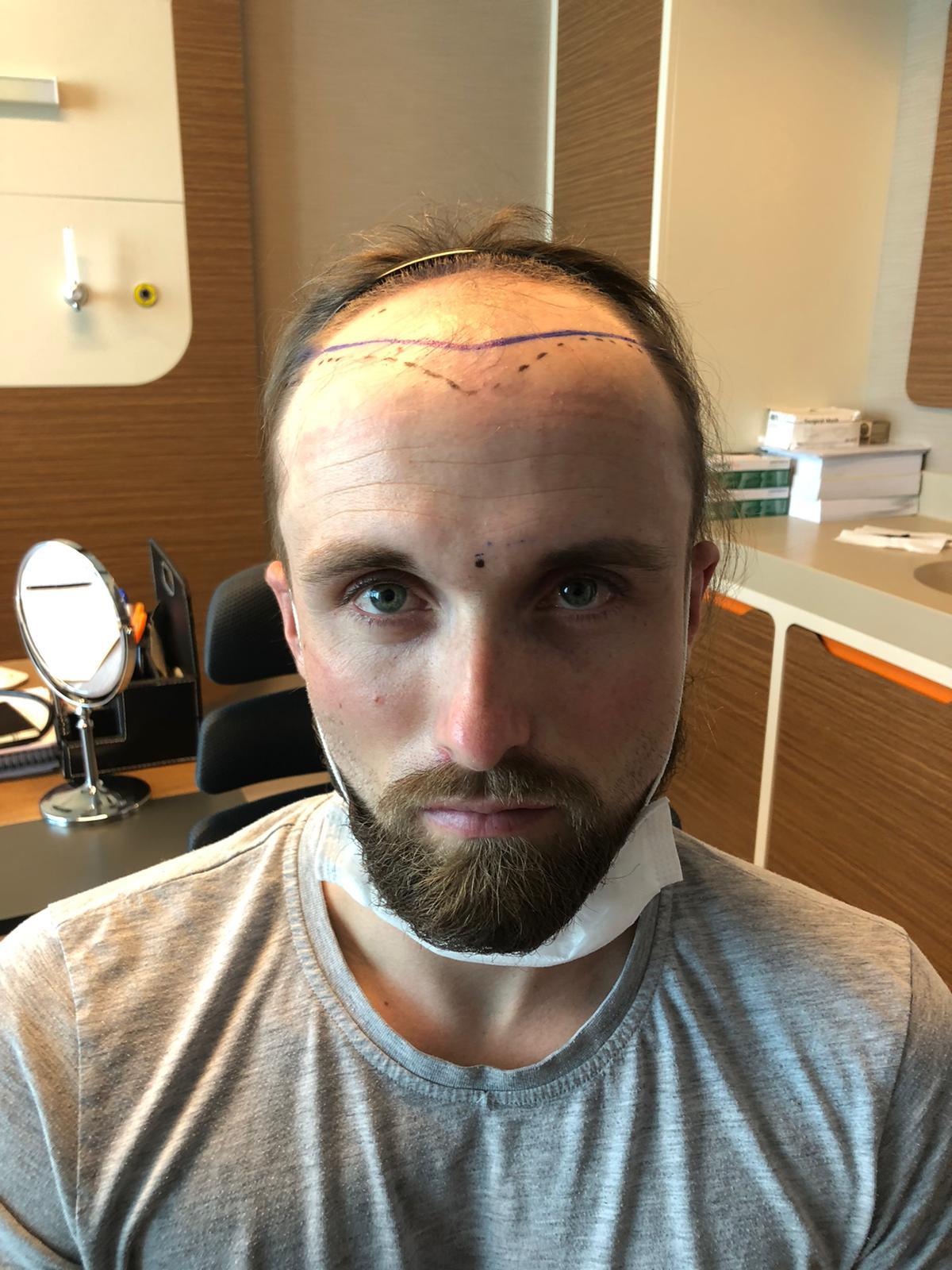
Man with a marked hairline and a lowered mask before a hair transplant
FAQ

Frequently Asked Questions About Elithair Studies

A published study appears in a scientific journal, discloses its methods and is reviewed by independent experts. Our own clinical evaluations systematically analyse our patients' treatment and progress. They are relevant to our patients but are not independently reviewed. This page clearly distinguishes between the two.

Both papers are open access and linked here: the donor-site review in Cosmetics and the regenerative-therapy review in Frontiers in Medicine.

Diabetes does not automatically rule out treatment. Our evaluation of the treatment and progress of 53 patients over seven months shows what needs attention during preparation and aftercare. A medical assessment following your no-obligation hair analysis determines whether treatment is appropriate for you.

It comes from an ongoing patient survey that began in July 2022. The figure is not based on a single survey; it has remained consistent across successive rounds. An ongoing survey is not a controlled study, which is why we list it in the surveys section of this page.

PRP uses growth factors from your own blood and serves as an adjunct treatment, rather than a replacement for a transplant. The review in Frontiers in Medicine discusses where reliable evidence exists. One PRP treatment is included and takes place at the clinic on the day of your procedure. At least six sessions are recommended.

There is no confirmed link. Our review summarises discussions about caffeine, sugar and other additives and identifies gaps in the evidence.