BeforeAfter
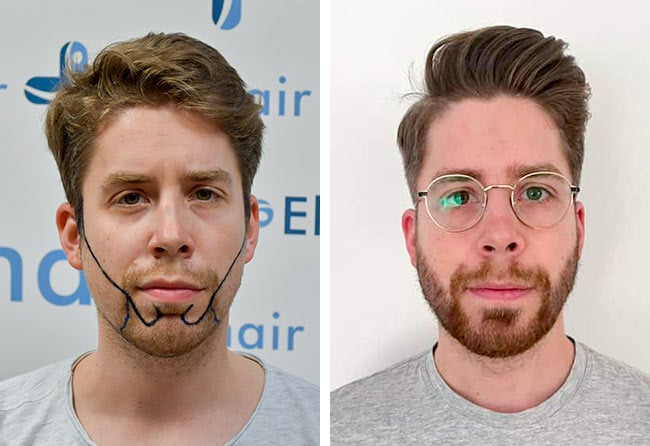
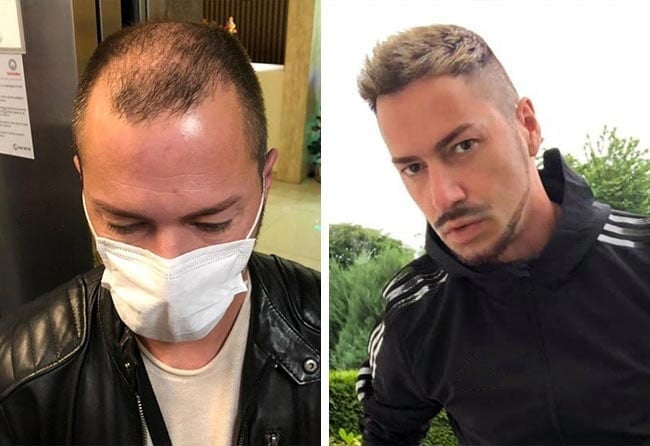
Nico G.
“I never thought I’d actually go through with it – but the result is better than expected. It looks natural and I’m significantly more confident.” Nico G.

4.9 - 11,000+ Reviews on Google

150,000+ Happy Patients Worldwide
free & without obligation
 4.9 out of 5 stars on Google
More than 150,000 treatments
at our specialist clinic, certified to ISO 9001:2015
by TÜV Thüringen.

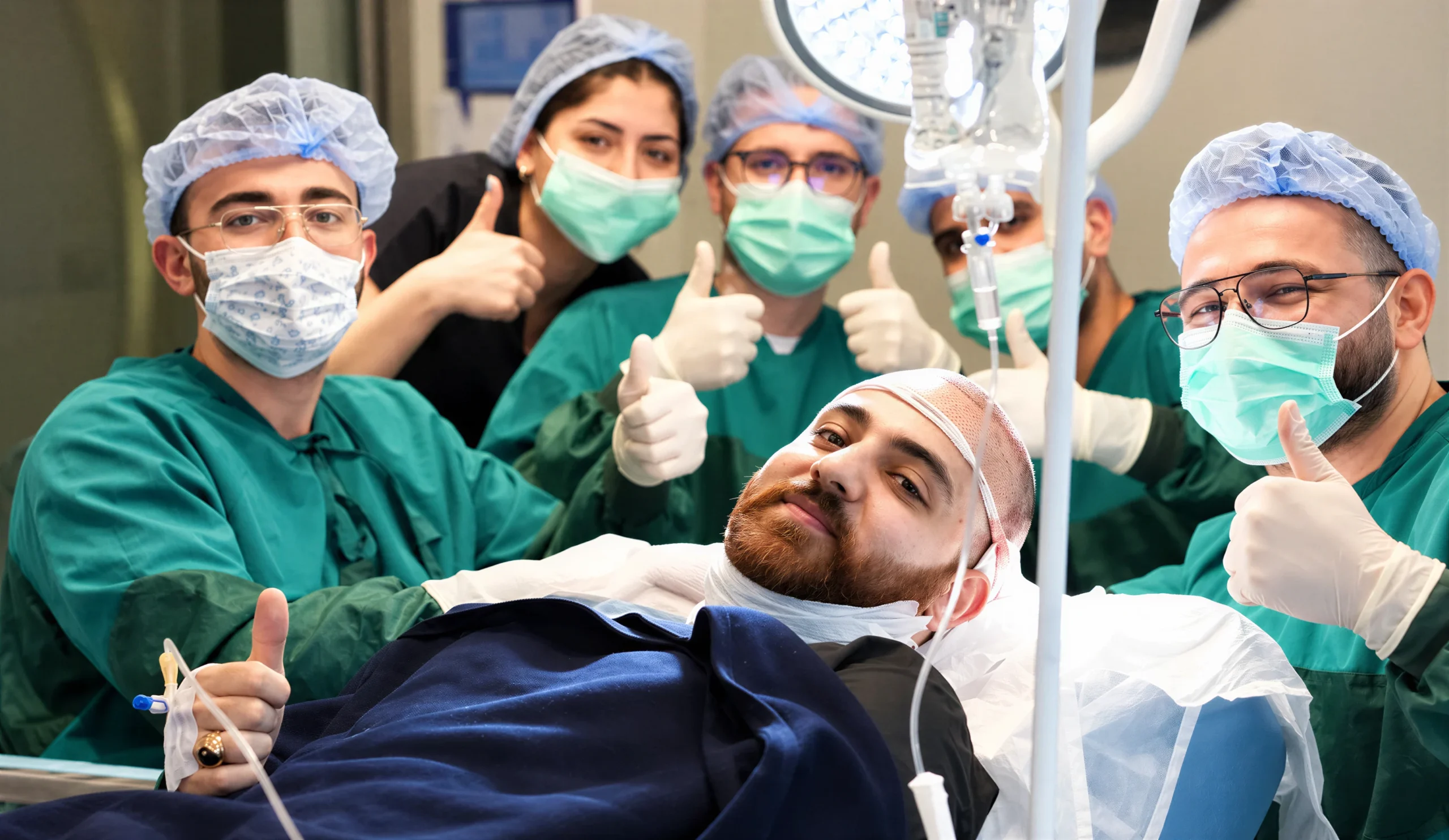
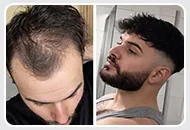
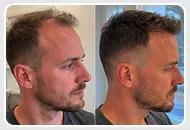
See the Elithair quality for yourself. Discover authentic hair transplant before-and-after results from our patients on their journey to fuller hair.
Behind every before-and-after comparison lies a personal story. At Elithair, we have already helped over 150,000 patients worldwide regain their confidence through the most modern hair surgery.
Nico G.
“I never thought I’d actually go through with it – but the result is better than expected. It looks natural and I’m significantly more confident.” Nico G.

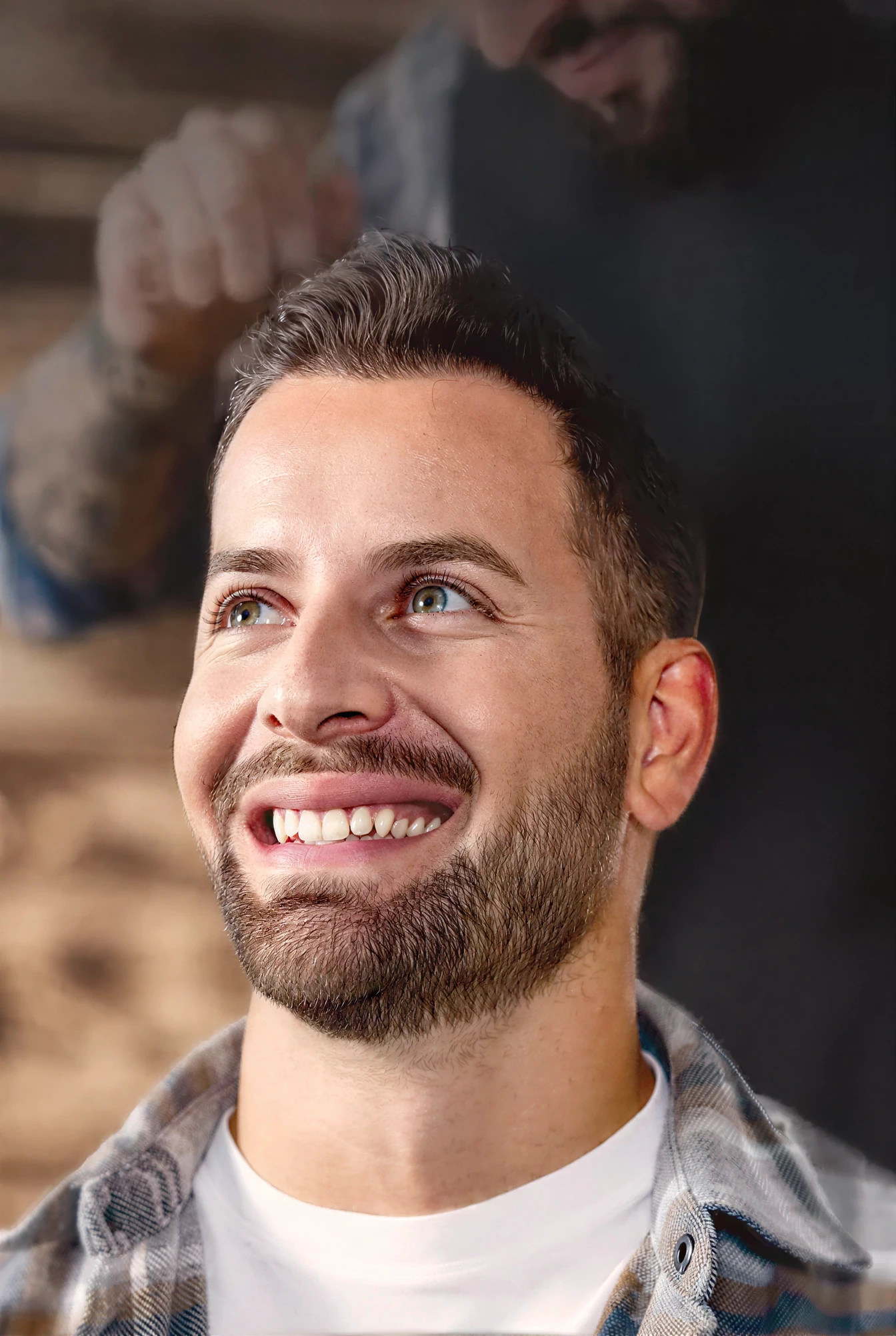
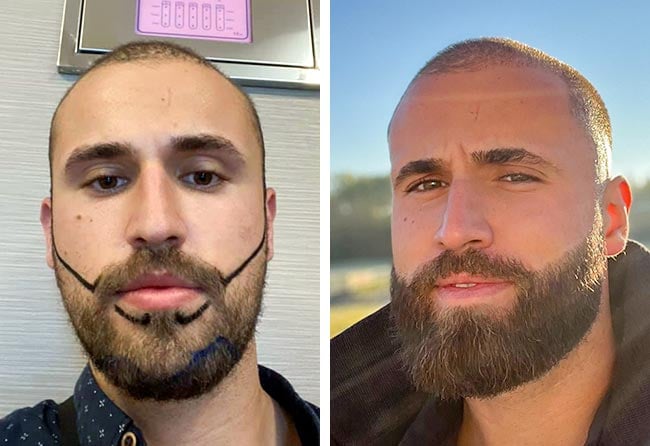
Marcel O.
“Overall a top experience – you need a bit of patience until the results become visible. Now I’m really happy.” Marcel O.
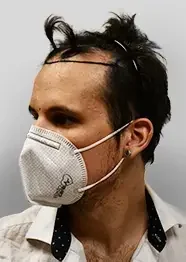
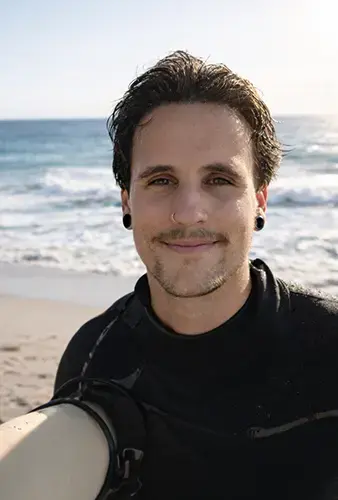
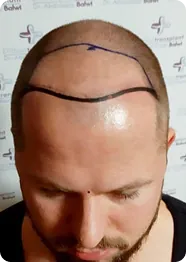
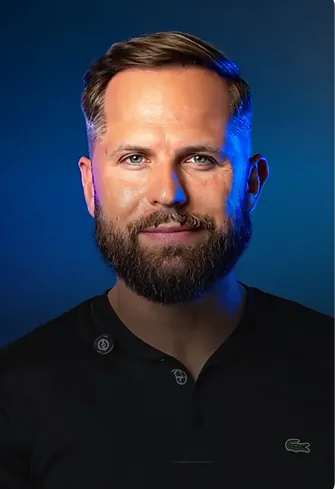
Stefan D.
“Honestly, it looks just like my real hair – nobody notices. Sometimes not even me. Absolutely worth every penny.” Stefan D.
 Treatment areas
Achieving natural hair transplant before-and-after results depends heavily on precise adaptation to each treatment area. Every zone – whether redesigning the hairline for pronounced receding temples, targeted densification of a thinning crown or the top of the head – requires an individual approach regarding direction and density of growth. Even specialised procedures such as beard transplants are performed at Elithair with such precision that they blend seamlessly into the existing appearance.
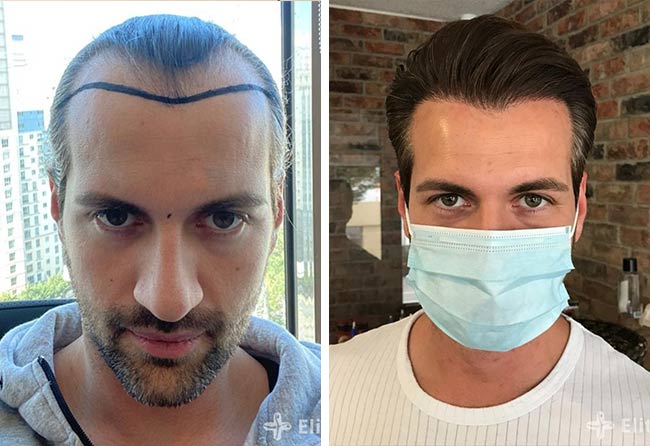
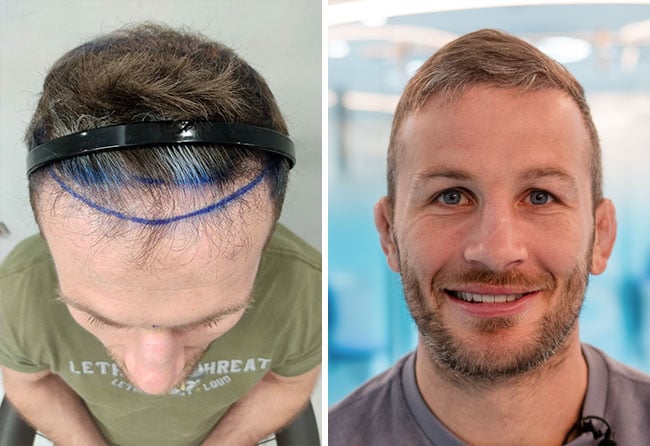
Treatment for receding temples typically addresses hair loss at Norwood stages 2 to 3. Approximately 2,000 to 3,500 grafts are used to achieve an aesthetically pleasing result. We place particular emphasis on creating a completely natural hairline: precisely positioning grafts at the very front creates a soft transition that closely matches natural hair growth (Shapiro 2004). The first visible changes appear after a few months, with the final result after approximately 12 months.
All Receding Temple Results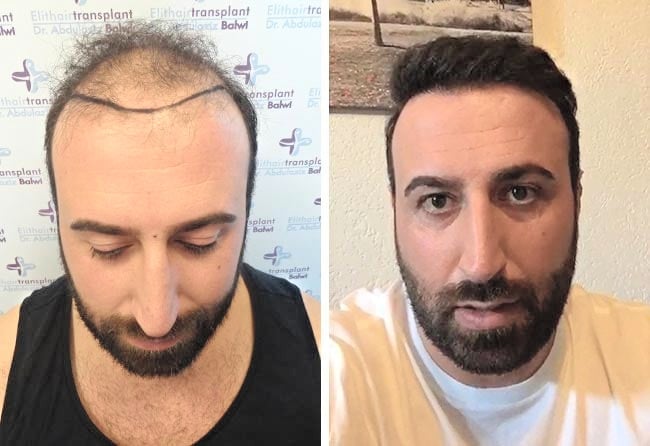
In cases of advanced hair loss (Norwood 4–5), maximum surface coverage is the focus. To naturally densify the top of the head, we typically transplant approximately 3,000–4,500 grafts. Through the targeted combination of FUE and DHI technique, we achieve an optimal density that blends seamlessly into existing hair.
All Top-of-Head Results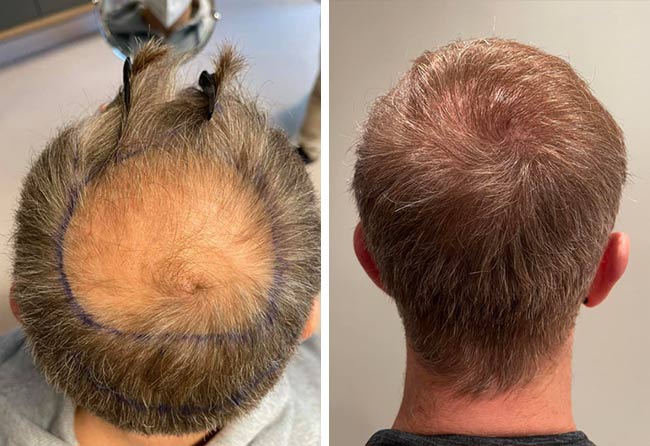
The whorl area presents a particular challenge, as the direction of hair growth here is circular (Devroye 2013). Our special strategy ensures that the growth direction is followed precisely so that no visible gaps appear. Even in the demanding whorl area, we achieve a natural result.
All Crown ResultsIn cases of very advanced hair loss corresponding to Norwood stages 5 to 7, a comprehensive full restoration is required. To naturally fill large bald areas, 5,000 to 6,000+ grafts are typically used. Due to the high number of grafts required, it may be sensible to plan the procedure across two sessions in order to best preserve the donor area . Full coverage is possible, but depends on the capacity and quality of your donor area (Unger et al. 2013).
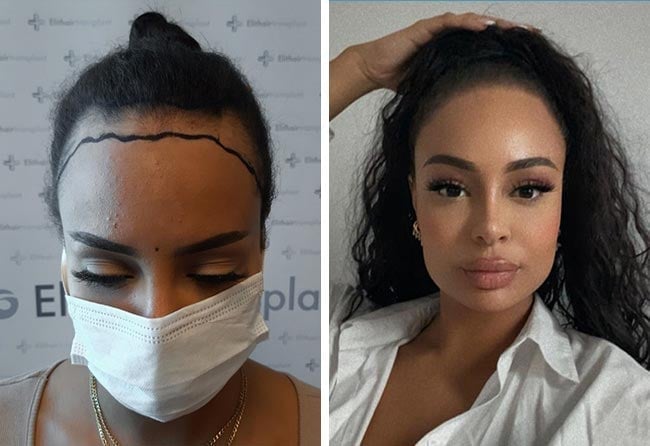
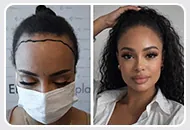
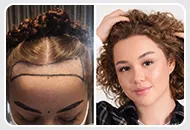
More and more women are choosing a hair transplant. Unlike men, women more commonly suffer from diffuse hair loss or a widening parting (Herskovitz et al. 2013). Our medical approach is therefore individually tailored to precisely fill these fine thinning areas.
For implantation, we use the modern DHI method, which allows us to place grafts with exceptional density and precision at the natural growth angle. The result is a natural appearance that sustainably strengthens your confidence.
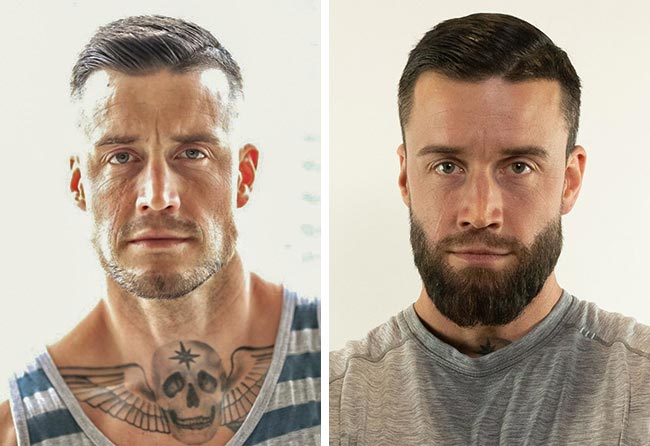
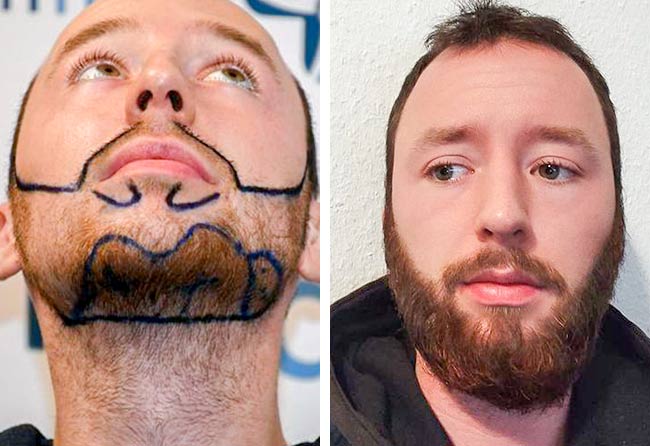
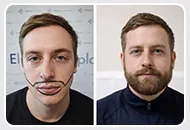
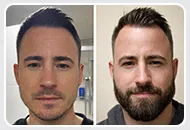
A seamless beard accentuates a masculine appearance. Whether you want a full beard, wish to fill in gaps or aim to correct a scar in the beard area – thanks to the precise DHI technique, we achieve an absolutely authentic result.
Depending on the desired density, approximately 2,000 to 3,000 grafts are transplanted. As the natural direction of growth is crucial, we place the utmost importance on precisely positioning each individual graft to give your face the ideal frame.
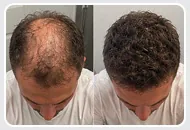
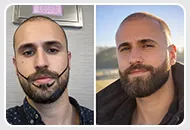
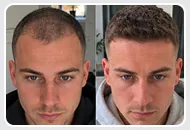
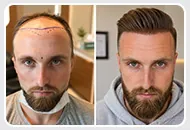
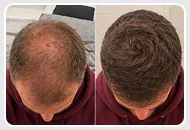
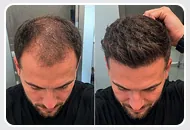
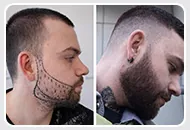
A perfect result takes time. We show you step by step how your hair blossoms from the first healing phase through to full density.
| Timing | What happens |
|---|---|
| Day 1 – Directly after surgery | Initial scabbing and slight redness are visible; the new grafts are firmly in place. |
| Week 2 – Scabs fall off | The scabs fall off, redness fades and the scalp visually returns to its normal state. |
| Month 1 – Possible shock loss | A completely normal process that does not happen to every patient: the transplanted hairs can temporarily shed while the roots prepare their new growth cycle. |
| Month 3 – First new growth | The first fine hairs begin to sprout. |
| Month 6 – Noticeable improvement | From month 6, the first results are visible and the hair becomes noticeably thicker. |
| Month 12 – Final result in the frontal area | After approximately one year, full density and thickness are achieved in the frontal area. The crown takes 15–18 months. The result is permanent and blends in naturally. |
| Month 18 – Maximum density | The hair is now 100 % regenerated and can be cut, styled and coloured as usual. |
Norwood scaleThe Norwood scale serves as the international standard for precisely classifying the degree and progression of your hair loss. An accurate assessment of your stage is the essential prerequisite for successful treatment planning, as it determines how many grafts are required for an aesthetically pleasing result. The overview below shows which graft numbers and treatment strategies are common for the respective Norwood stages.
Every hair transplant is based on the proven FUE method for the gentle extraction of grafts.
DHI is our standard technique for precisely implanting hairs. Our NEO FUE treatment helps optimise graft survival regardless of the number of grafts. You receive the kit at the clinic for two scalp applications on days 14 and 28 after your procedure. Discover how this supports a lasting, natural result.
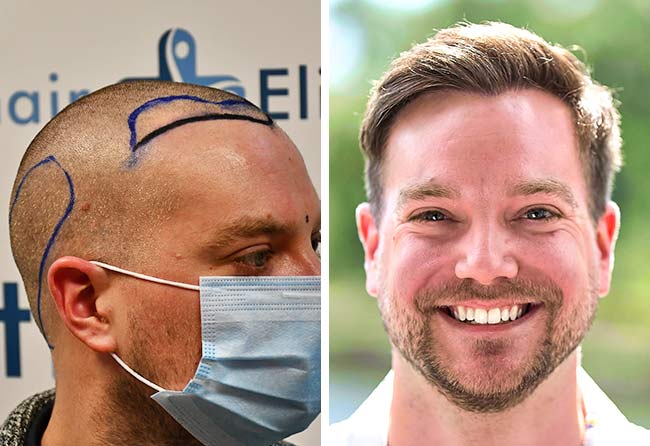
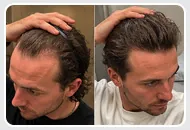
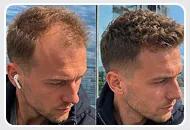
Achim K. – DHI – 2,000 grafts – receding hairline at the temples
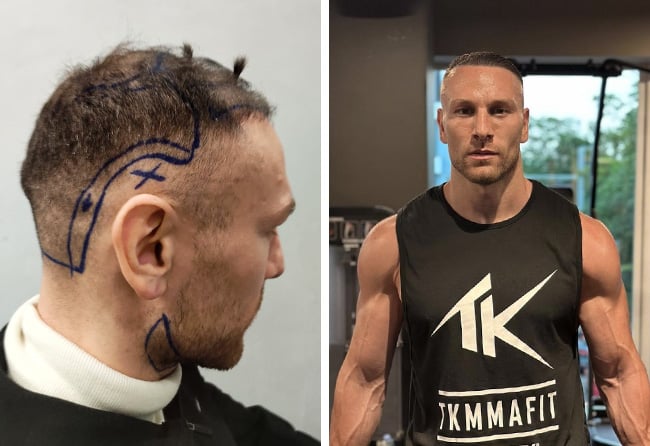
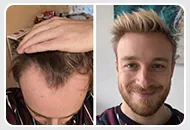
Andre O. – DHI – 5,200 grafts – receding hairline at the temples + crown
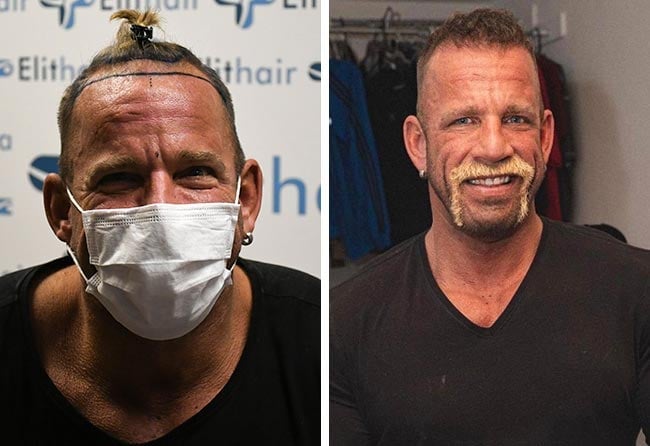
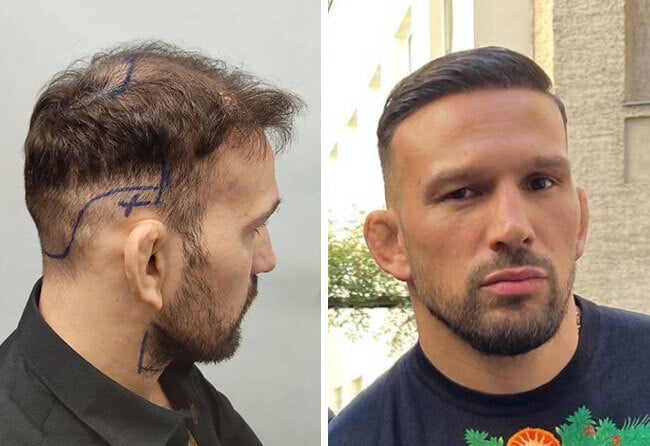
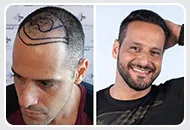
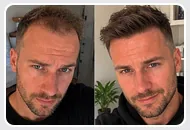
Hollywood Matze – DHI – 2,900 grafts – receding hairline at the temples
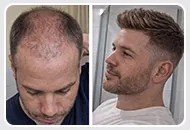
Raffaele L. – DHI – 4,750 grafts – top of the head + crown + receding hairline at the temples
Transplanted hairs remain permanently, as they come from the DHT-resistant donor area and are genetically protected against hair loss. To preserve the overall result and the remaining existing hair long-term, we recommend regular care and accompanying nutrient treatments.
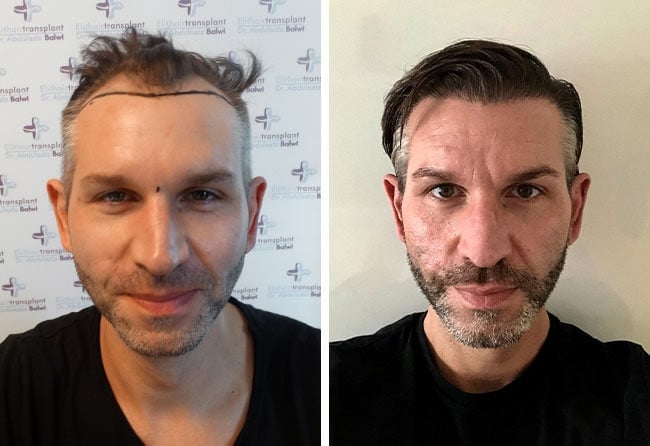
Thomas S. – 4,250 Grafts
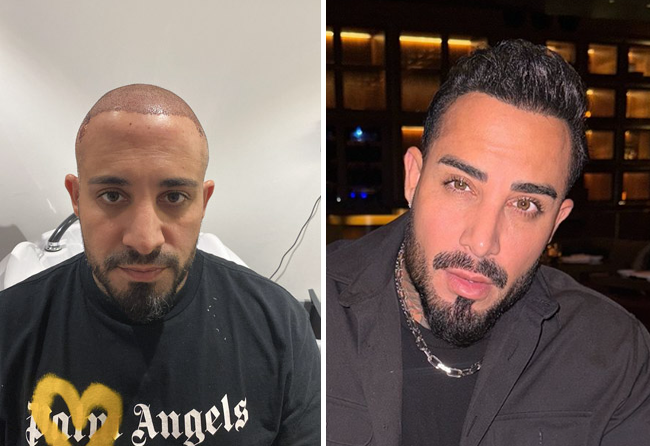 Correction
Not every result meets expectations.
Elithair specialises in professionally correcting unnatural hairlines, low density or visible scarring from other clinics. Using the most modern techniques, we sustainably restore aesthetics and your confidence.
HairlineAn authentic result is born from attention to detail: instead of unnaturally straight lines, we rely on an individual, natural hairline design.
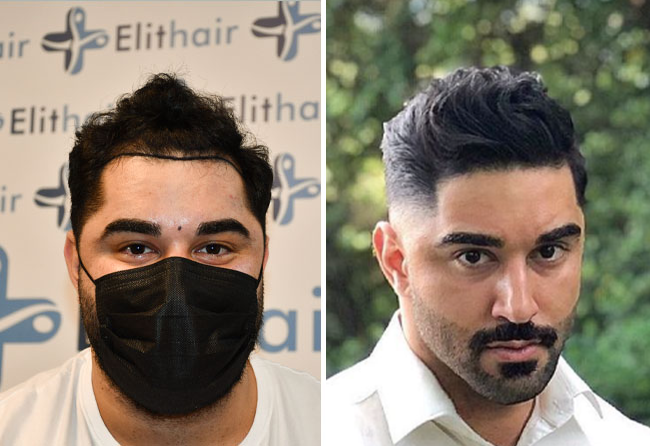
At the frontal hairline we exclusively use single grafts for soft transitions, while multi-grafts placed behind provide the required density (Shapiro et al. 2013).
This precise alignment guarantees a harmonious overall appearance that is indistinguishable from natural hair.
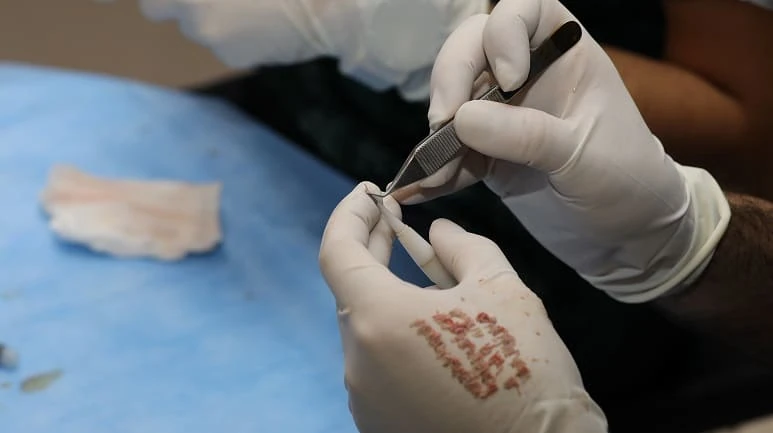
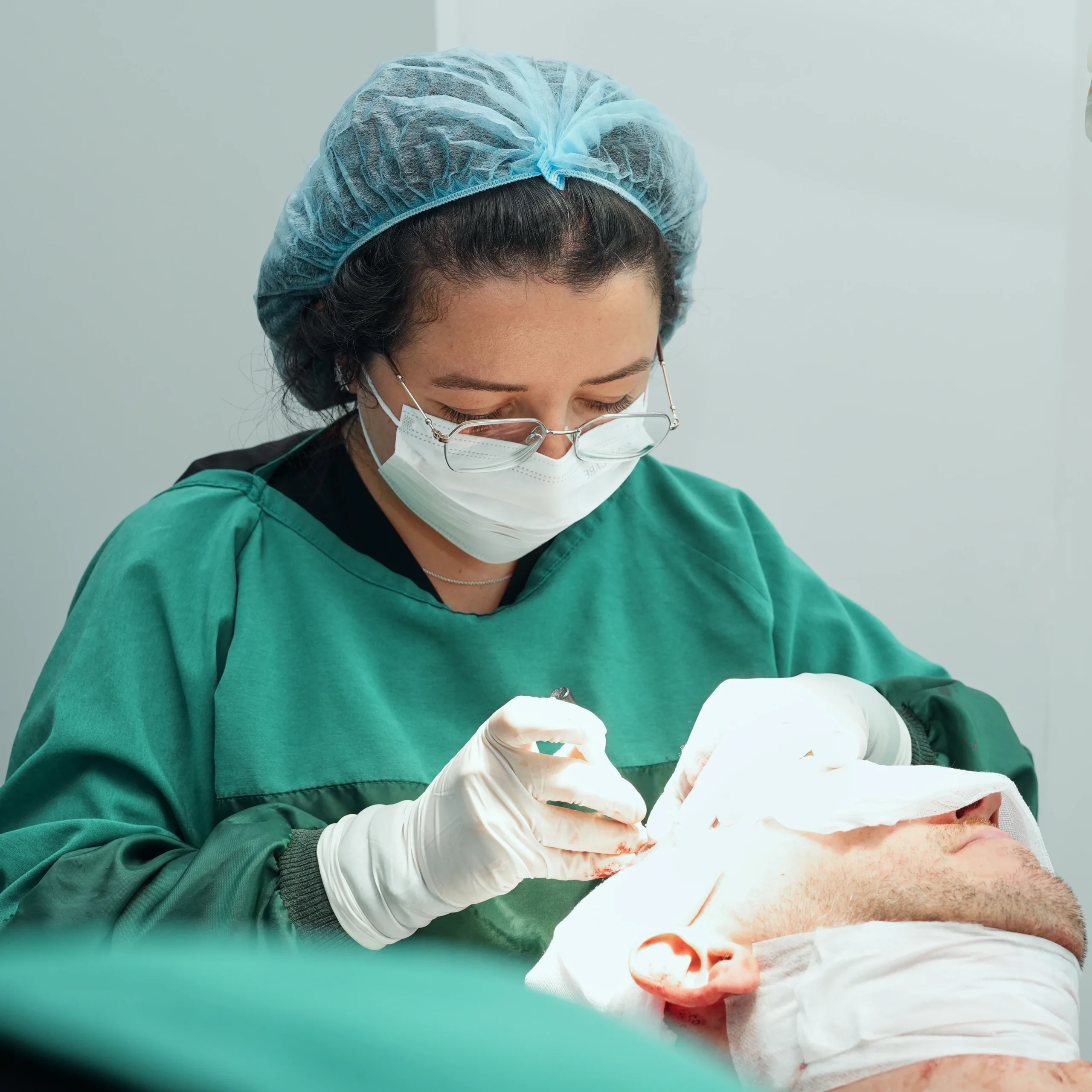 Honest advice
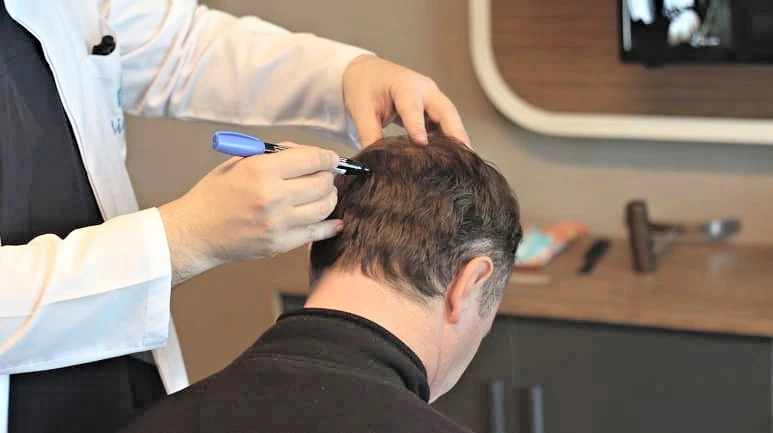
Your satisfaction comes before short-term gain.
A hair transplant is not the right solution for everyone. Reasons for advising against treatment may include insufficient hair in the donor area or active diffuse hair loss (Okochi et al. 2020).
If the conditions are not (yet) ideal, we rely on honest advice. Instead of a risky procedure, we recommend effective alternatives such as PRP therapy or targeted medication to stabilise your hair first.
experiences
Trust real experiences: with over 11,400 reviews and over 150,000 successful procedures, Elithair is the first choice for your new hair.
“I am simply happy. The result after 12 months has far exceeded my expectations – I feel like a new person.”
“The density is absolutely impressive. It looks so natural that nobody notices any help was given. Best decision of my life!”
“From the first consultation to the final result, I felt perfectly looked after. The new hairline gives me my confidence back.”
The final result is achieved after 12–18 months: approximately 12 months for the frontal area and 15–18 months for the crown. After possible “shock loss” in the first month, new hairs begin to grow from month 3, with the first results visible after six months.
Yes – by using single grafts at the front and an irregular hairline design, we perfectly mimic natural hair growth. Precisely maintaining the direction of growth guarantees that the transplant remains invisible.
Thanks to your individual treatment plan, with implantation depth and angle calculated for you in the Pre-Test System, and our exclusive NEO FUE treatment, we achieve a graft survival rate of approximately 98% at Elithair.
No. The hairs come from the DHT-resistant donor area at the back of the head. They are genetically resistant to hereditary hair loss and continue to grow there permanently. In addition, we provide a 20-year guarantee on the transplanted hair follicles.
This is a completely normal, temporary shedding of the hair shafts approximately 2–6 weeks after surgery. The roots remain healthy in the tissue and produce new, permanent hair from month 3 onwards. May occur in some patients after the hair transplant.
The number depends on your Norwood stage: receding temples at NW2 often require 2,000–2,500 grafts, while larger areas at NW5/6 require between 3,500 and 6,000 grafts for a dense result.
We offer all-inclusive packages from £2,849 (including hotel accommodation, VIP transfer and aftercare), combining transparent pricing with the highest quality of care.
Thanks to our innovative Sleep-Deep sedation, you are placed into a 15-minute deep sleep while the local anaesthetic is administered. You then experience 0% pain during your hair transplant.
Yes. Elithair corrects unnatural hairlines, thin areas and scars.
Absolutely. Especially for diffuse hair loss or a widening parting, we achieve excellent results with the DHI method – often even completely without shaving the visible area.
FUE is the basis of every graft extraction. With the DHI technique, grafts are implanted directly with the CHOI pen, enabling greater density and more precise placement without prior channel creation.
For the first 10 days you use our special care kit; from the second week normal washing is possible again. We support you with a 12-month digital aftercare programme via our Elithair app until your result is perfect.






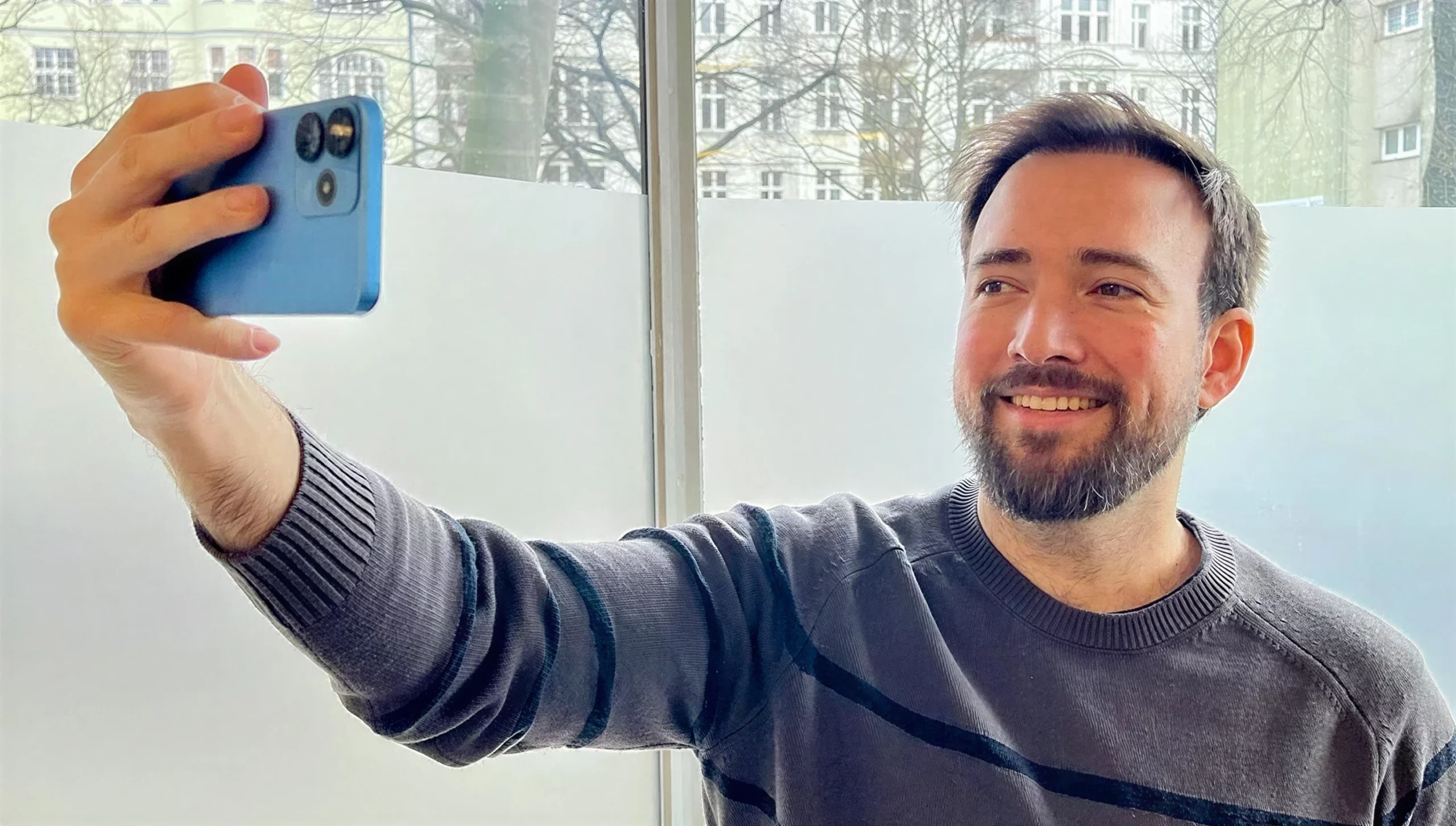
Fill in the online form, upload photos and receive your personalised, no-obligation treatment plan.
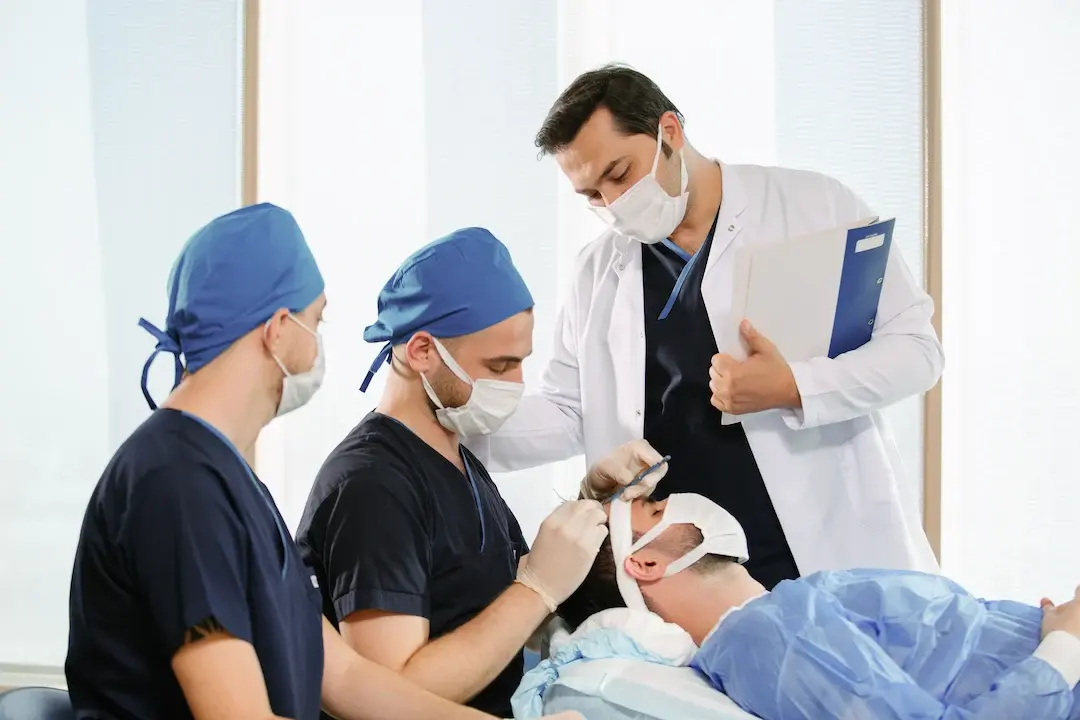
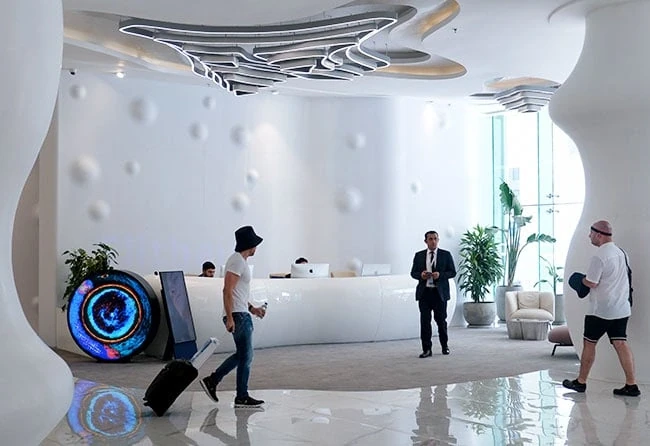
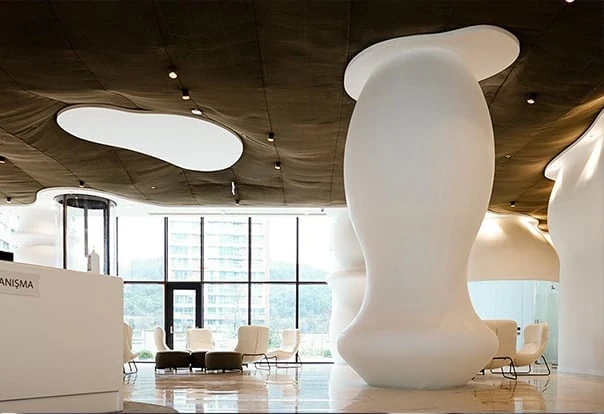
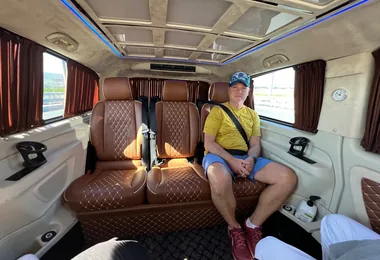
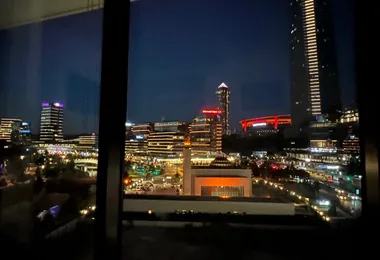
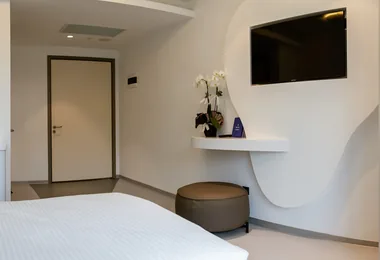
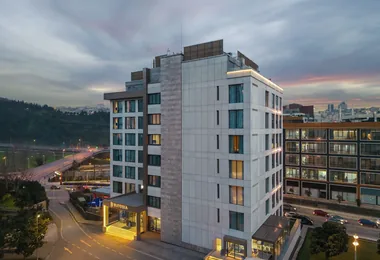
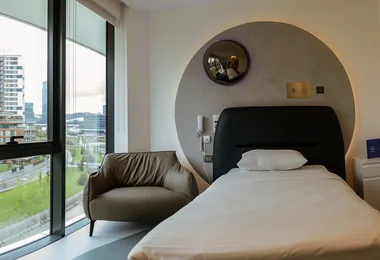
Our all-inclusive package: VIP transfer, 4-star hotel and your hair transplant performed by world-leading medical specialists.
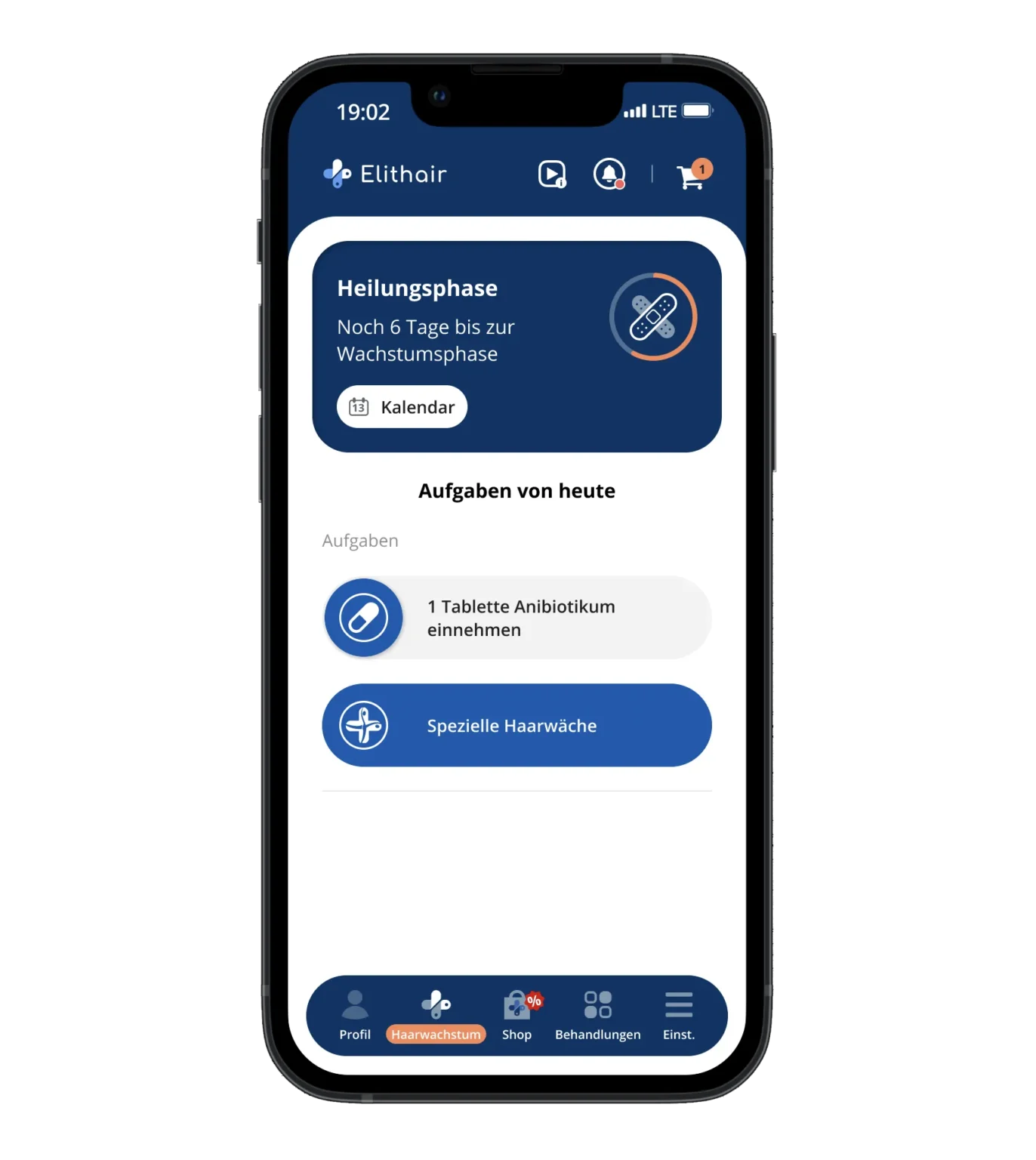
12 months of digital aftercare via the Elithair app for a perfect result and full confidence.

Base your decision on medical facts. We assess your donor area and the extent of your hair loss to give you an honest evaluation. Our Pre-Test System provides a health check and detailed treatment planning at the clinic. Use our no-obligation online analysis for clarity about your path to fuller hair.