

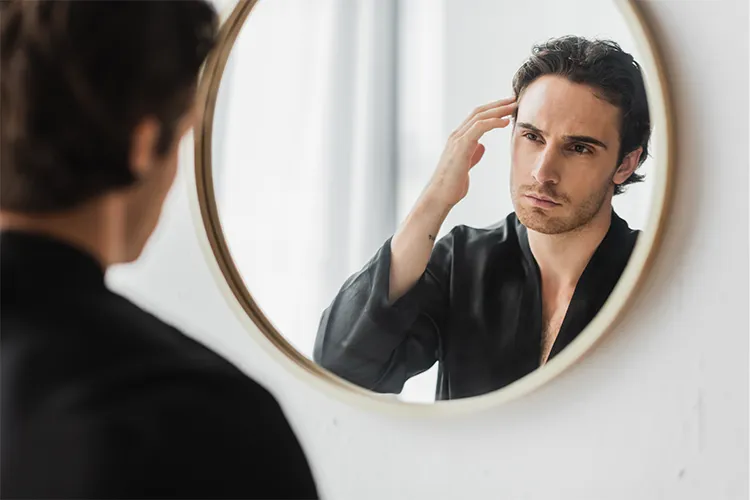
A gentle caress, a cold draft, or the tugging of a comb – our scalp reacts instantly to these stimuli. But why is it so sensitive? And what role does the nervous system play when it comes to hair loss, healing, and emotional well-being?
The scalp is far more than just the “base” for our hair. It is a highly sensitive area closely linked to our central nervous system. This connection explains not only why some stimuli are perceived as particularly pleasant or painful, but also why hair loss or a hair transplant can be experienced so profoundly. In this article, we’ll be taking a closer look at the connections between the scalp and central nervous system, and what that means for those suffering from hair loss.
Summary
- Scalp Sensory Perception: An Underestimated Sensory Organ
- Nerve Pathways & Receptors: Communication with the Brain
- Scalp, Stress & Pain: A Direct Interaction
- Regeneration, Care, and Immune Responses: What Else Affects the Scalp
- Influence on Healing & Sensations After Hair Transplantation
- Conclusion: The Scalp Adjusts, and Sensations Do Too
- FAQs
Scalp Sensory Perception: An Underestimated Sensory Organ
Our scalp is permeated with countless fine nerves that register tactile, thermal, and painful stimuli. This makes it one of the most sensitive regions of the body.
Typical sensory characteristics include:
- especially sensitive areas such as forehead, temples and back of the head
- high density of mechanoreceptors (e.g. Merkel cells) for pressure and touch
- rapid transmission of even weak stimuli via afferent nerve pathways
This sensitivity makes evolutionary sense – the scalp protects our brain and reacts accordingly to potential dangers or positive stimuli.
Nerve Pathways & Receptors: Communication with the Brain
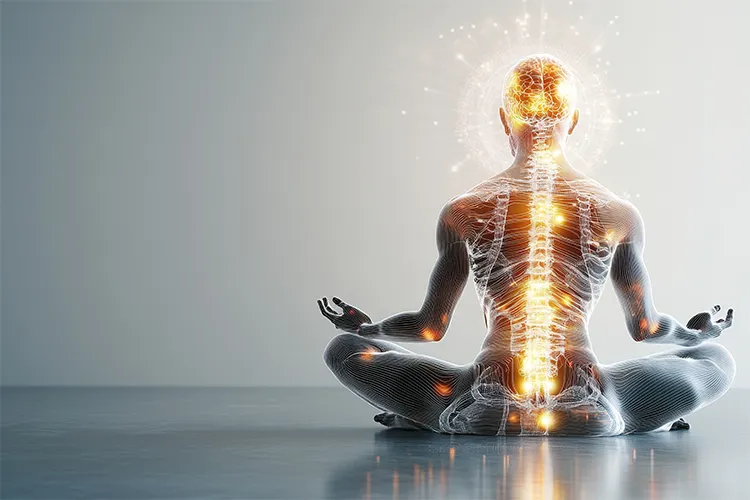
The sensitive nerves of the scalp, primarily branches of the trigeminal nerve and the greater occipital nerve, connect the skin directly to the central nervous system. Signals travel along these pathways to those brain regions that control emotions, pain perception, and autonomic nervous system responses.
Specifically, this means:
- Stress, anxiety, or inner tension can lead to increased sensitivity or tension on the scalp.
- Physical stimuli (e.g. massage) can influence our emotional state.
- Chronic tension can also affect the scalp, similar to tension in the neck or jaw.
Scalp, Stress & Pain: A Direct Interaction
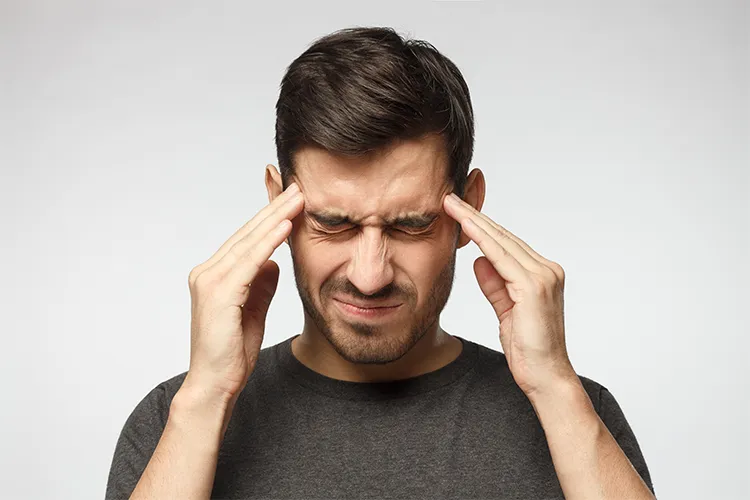
Many people report experiencing the following when experiencing emotional stress:
- Feelings of tension or tingling on the scalp.
- Sensitivity to touch, even to the point of “pain without cause”.
- Changes in skin sensation, such as dryness or burning.
These symptoms can be psychosomatic; that is, a physical reaction to emotional stress. This shows how strongly the body and mind are interconnected, even at the level of the scalp.
Especially in cases of hair loss, the scalp can react hypersensitively; it “senses” that something is wrong. Some sufferers even find styling or touching their hair unpleasant, which further increases the emotional distress.
Regeneration, Care, and Immune Responses: What Else Affects the Scalp
Stress-related inflammation can also affect the scalp. Persistent emotional pressure activates the release of cytokines via the nervous syste , which promote inflammatory reactions – a possible trigger in conditions like alopecia areata. As a result, the scalp becomes sensitive and reacts more strongly to external influences.
After a transplant, nerve regeneration can take anywhere from several months up to a year. During this time, gentle, soothing care is recommended to support natural healing and avoid further irritating the sensitive nerves.
The following steps are recommended:
- Temperature-neutral washing without aggressive surfactants
- Gentle, circular massages that stimulate blood circulation
- As well as anti-inflammatory care products that are tailored to the sensitive scalp
This allows the skin’s self-regulation to be specifically supported and the healing process to be promoted, not only externally, but also on a neurological level.
Influence on Healing & Sensations After Hair Transplantation
Even after a hair transplant, the nervous system plays a central role – both in the healing phase and in the perception of the scalp. In the first few weeks after the procedure, numbness or hypersensitivity may occur. This is usually temporary and can be explained by:
- Temporary irritation of the fine nerves during the FUE or DHI procedures
- Changes in sensory feedback of the scalp
- Sensitive reaction of the autonomic nervous system to the intervention
Modern procedures like FUE (Follicular Unit Extraction) or DHI (Direct Hair Implantation) are particularly gentle. Nevertheless, the scalp needs time to readjust. Many patients feel the nerves slowly regenerating until a natural sensation returns.
Some even report that with the return of hair growth, body image also normalises, as though not only the scalp, but the entire self-image calms down.
Conclusion: The Scalp Adjusts, and Sensations Do Too
The close connection between the scalp and the nervous system explains why hair loss, stress, or a hair transplant are experienced more profoundly than they appear on the surface. Touch, pain, and healing are neurologically and emotionally intertwined.
Understanding your scalp allows you to not only better understand your symptoms but also to consciously guide your own healing process. Because true well-being often begins precisely where skin and sensation meet.
FAQs
Can scalp sensitivity vary from person to person?
Yes, scalp sensitivity can differ greatly between individuals. Factors such as genetics, skin type, hormonal balance, and even lifestyle habits play a role. For instance, people with finer hair or thinner skin often report higher sensitivity, while others may barely notice changes in temperature or touch.
Does diet or nutrition influence the health of the scalp and its nerves?
Absolutely. A balanced diet rich in vitamins B, C, D, E, as well as minerals like zinc and iron, supports both nerve and skin health. Omega-3 fatty acids also help reduce inflammation, which can benefit scalp comfort and nerve function.
How can someone tell if their scalp discomfort is stress-related or medical?
If symptoms such as tingling, burning, or pain occur during periods of stress and improve with relaxation, they are likely psychosomatic. However, if discomfort persists, worsens, or is accompanied by hair loss, rashes, or sores, it’s important to seek medical advice to rule out dermatological or neurological conditions.
Can stress-induced scalp tension lead to hair loss?
Yes. Chronic stress can disrupt the hair growth cycle by releasing stress hormones such as cortisol, which can restrict blood flow and affect hair follicles. Over time, this may contribute to conditions like telogen effluvium or exacerbate existing hair loss.
Are there ways to calm the scalp’s nervous response naturally?
Gentle scalp massages, mindfulness practices, aromatherapy with calming oils (like lavender or rosemary), and maintaining good sleep hygiene can all help soothe the scalp’s nerve activity. Regular relaxation reduces sympathetic nervous system overactivity, which is often linked to scalp tension.
What role does the autonomic nervous system play in scalp health?
The autonomic nervous system regulates blood flow, sweating, and inflammatory responses in the scalp. When under stress, it may cause constriction of blood vessels, leading to tightness or reduced nourishment of the hair follicles. Balancing this system through relaxation and good lifestyle habits supports a healthier scalp environment.
Can nerve regeneration after a hair transplant be accelerated?
While the nerves generally heal naturally, proper aftercare can support faster recovery. This includes gentle massage after the healing phase, avoiding excessive heat or tension, ensuring adequate hydration, and following all post-operative care instructions from a medical professional.
Is scalp numbness after a hair transplant something to worry about?
Mild numbness is common and usually temporary. It occurs because the fine sensory nerves have been affected during the procedure. Sensation typically returns gradually within a few months as nerve endings regenerate.
How do emotions physically manifest in the scalp?
Emotions like anxiety or fear can trigger muscle tension and changes in blood flow in the scalp through the nervous system. This may lead to sensations such as tingling, tightness, or even slight discomfort—essentially, the body’s physical expression of stress.
When should someone seek professional help for scalp pain or sensitivity?
If pain, numbness, or irritation lasts longer than a few weeks, or if symptoms are accompanied by visible changes such as sores, redness, or excessive shedding, consulting a dermatologist or trichologist is recommended. Persistent scalp discomfort may signal underlying neurological or inflammatory issues.
Dr. Imad Moustafa
Hair transplant specialist