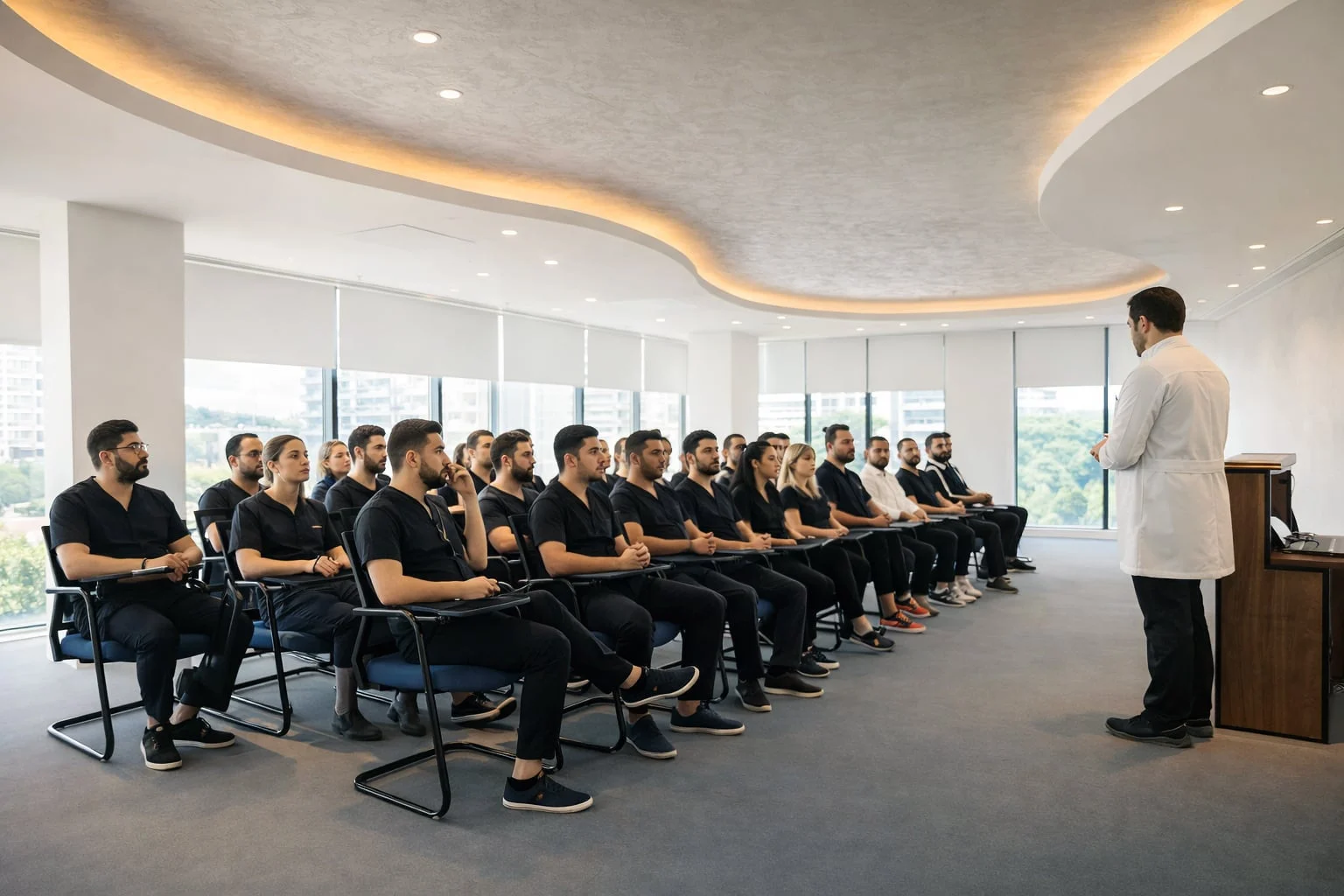
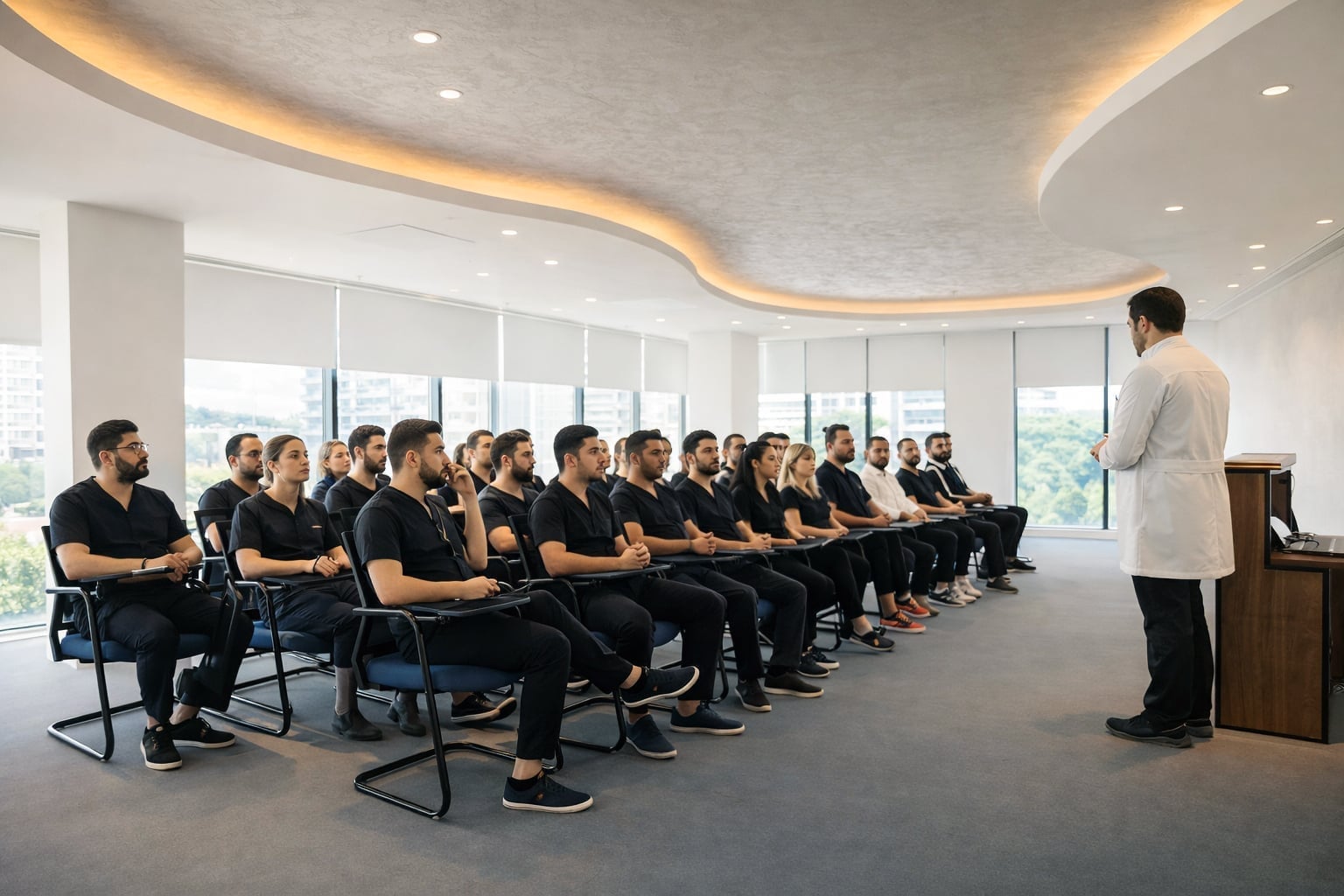
Doctor in a white coat leading a training session for a team in black clinical uniforms in a conference room

Elithair: Official Hair Transplant Training Centre
in Istanbul

  • Authorised by the Turkish Ministry of Health
  • Officially Recognised Qualification
  • Standardised Training Programmes and Supervised Practical Training
  • Actively shaping international standards

free & without obligation

4.9 out of 5 stars on Google

Experience and Certification

More than 150,000 treatments
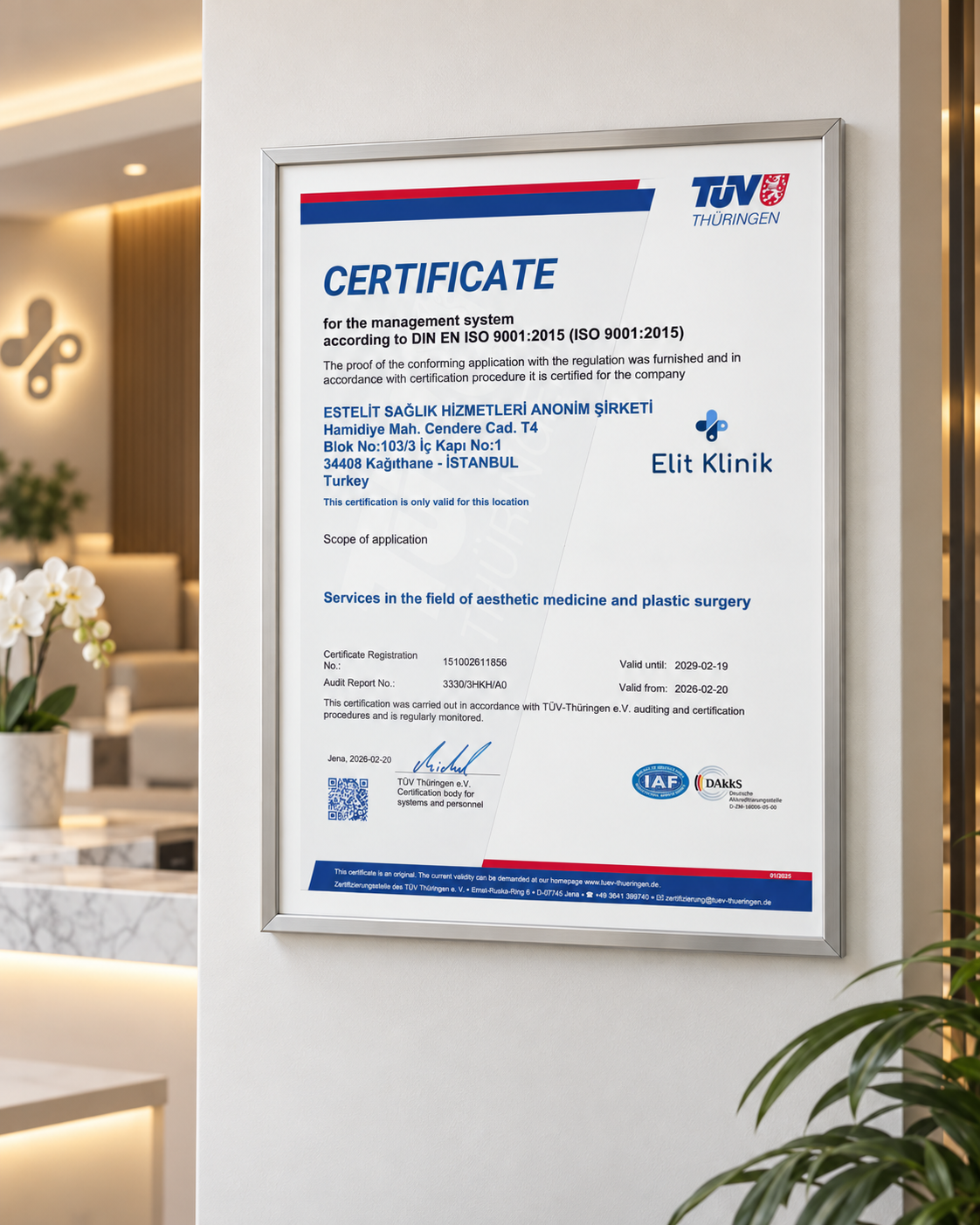
at our specialist clinic, certified to ISO 9001:2015
by TÜV Thüringen.

ISO 9001:2015, TÜV Thüringen and health certification seals for the Elithair clinic

Official Hair Transplant Training Centre

When you compare clinics for a hair transplant in Turkey, one question quickly comes up: how can you assess a clinic's medical quality from the outside? Almost all the information available comes from the clinics themselves, leaving you with no way to verify it.

Turkey's Ministry of Health sets high standards. Its comprehensive inspections of clinics in Istanbul cover hygiene, medical procedures and the completeness of medical records. Only selected facilities are officially authorised to train doctors in this field. Elithair is one of these authorised training centres for hair transplants.

This page explains how the Ministry oversees the clinic, how quality is managed and what this means for patient care.

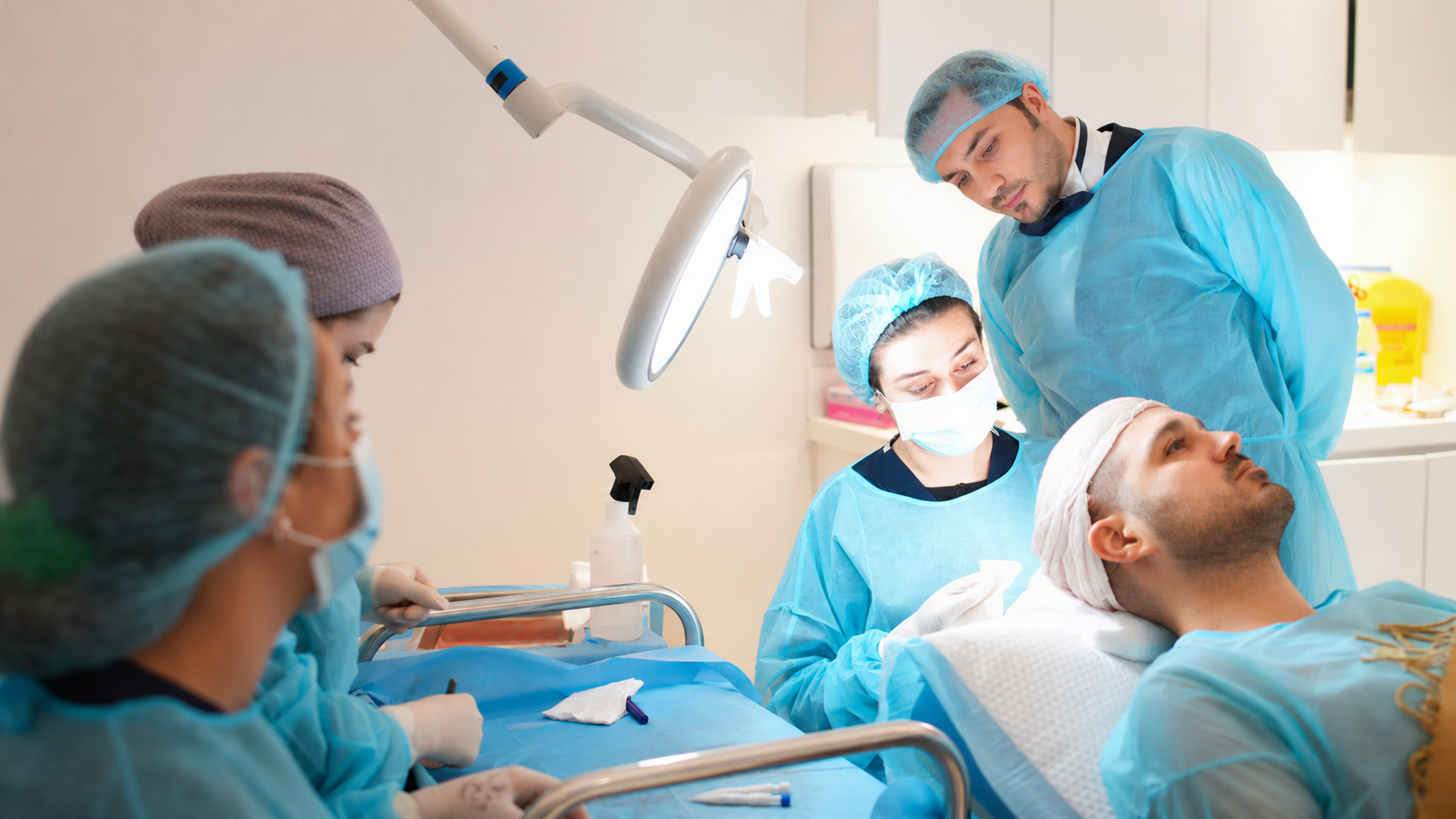
Elithair medical team performing a hair transplant in the operating theatre
Four reasons

How Doctors Train in Hair Transplantation

Hair transplantation is not taught as a practical surgical procedure in standard medical degree curricula. Doctors develop the relevant skills through hands-on training afterwards.

  1. There is no separate medical speciality for it: A medical degree provides a general foundation, followed by registration to practise. Doctors then specialise through postgraduate training. Hair transplantation is not taught as a separate speciality within a standard medical degree; doctors acquire procedural skills through dedicated practical training afterwards.

  2. It is a cosmetic procedure: University hospitals focus on medically necessary treatment. Access to hair restoration training varies between academic centres and clinical programmes.

  3. The technology moves faster than the curriculum: The FUE method, which gently extracts individual follicles, has only become established over the last two decades. Training requirements change slowly, especially for procedures outside routine care. Training in FUE varies across programmes and continues to evolve.

  4. Doctors develop expertise through specialist training: Doctors who perform hair restoration may have a background in dermatology, plastic surgery or another medical speciality. They develop practical skills after qualifying through specialist courses, fellowships, observerships and supervised clinical training (Patwardhan et al. 2008). Their practical competence depends on relevant training, clinical experience, supervision, diagnosis, donor-area planning and their role in the procedure (Williams et al. 2024).

This helps explain something you will quickly notice when comparing clinics: treatment quality varies enormously. Alongside academic qualifications, diagnosis, clinical judgement and experience, the quality of practical training is an important factor. That is where the Turkish Ministry of Health's quality initiative comes in.

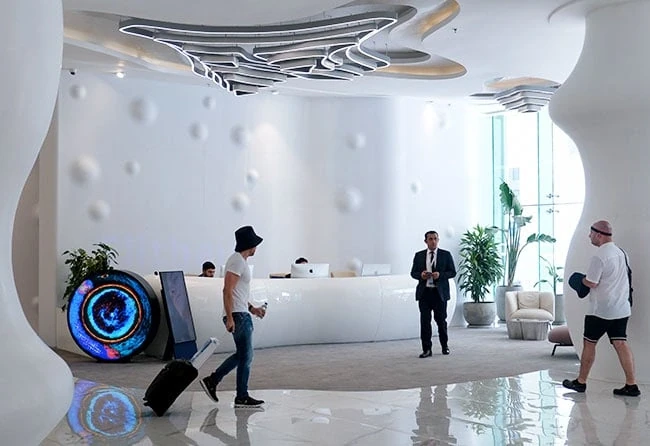
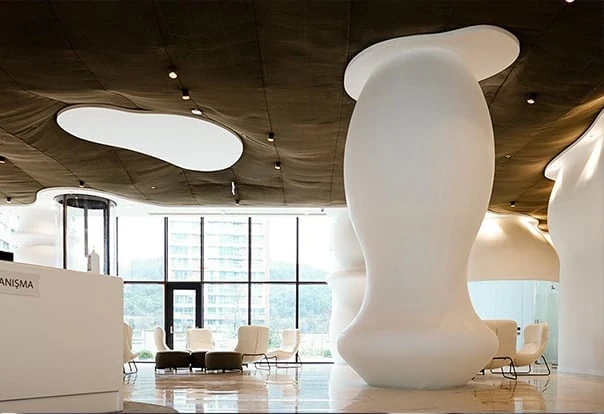
White reception hall of the Elithair clinic with organically shaped columns and a glass façade
Patients with suitcases arriving in the lobby of the Elithair clinic
Clinic lobby with a large white sculpture and seating area
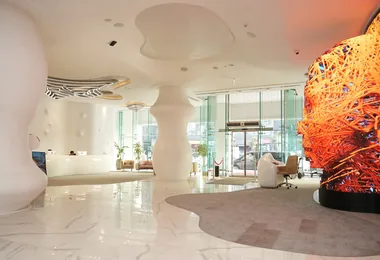
Clinic reception hall with an illuminated art installation
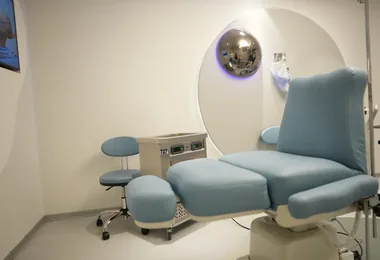
Bright treatment room with a light blue treatment chair
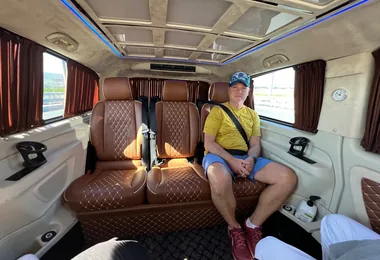
Patient in a transfer vehicle with comfortable leather seats
Evening view of the Istanbul skyline from the hotel
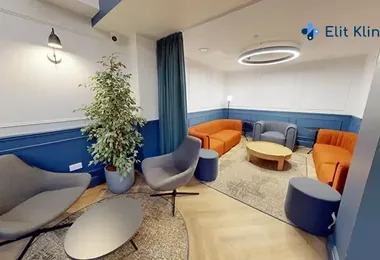
Elit Clinic waiting area with sofas and plants
Hotel Elitoria in Istanbul at dusk
Hotel Elitoria sign above Istanbul at sunset
Hotel room with a curved ceiling and a view of Istanbul
Bright hotel room with a double bed and panoramic window
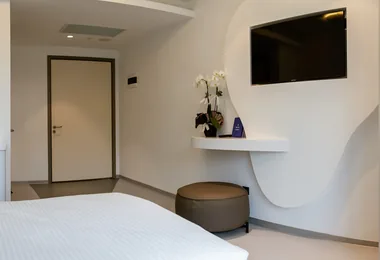
Hotel room with a white bed, an orchid and a flat-screen TV
Hotel Elitoria with its illuminated entrance in the evening
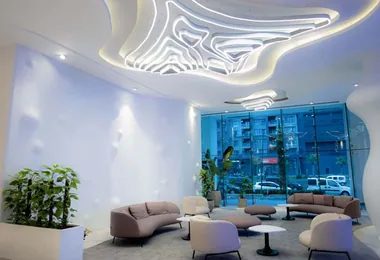
Waiting lounge with a light installation on the ceiling
Aerial view of the Elit Clinic building in Istanbul
Prepared treatment room with large windows
Exterior of the clinic building in Istanbul
Hotel room with a rounded wall arch and city view
Spacious hotel room with ring-shaped ceiling lights
Patient in a transfer vehicle with comfortable leather seats
Evening view of the Istanbul skyline from the hotel
Elit Clinic waiting area with sofas and plants
Hotel Elitoria in Istanbul at dusk
Hotel Elitoria sign above Istanbul at sunset
Aerial view of the Elit Clinic building in Istanbul
Prepared treatment room with large windows
Exterior of the clinic building in Istanbul
Hotel Elitoria with its illuminated entrance in the evening
Waiting lounge with a light installation on the ceiling
Istanbul

Istanbul: Where Quality Makes the Difference

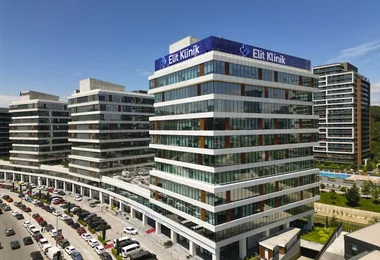
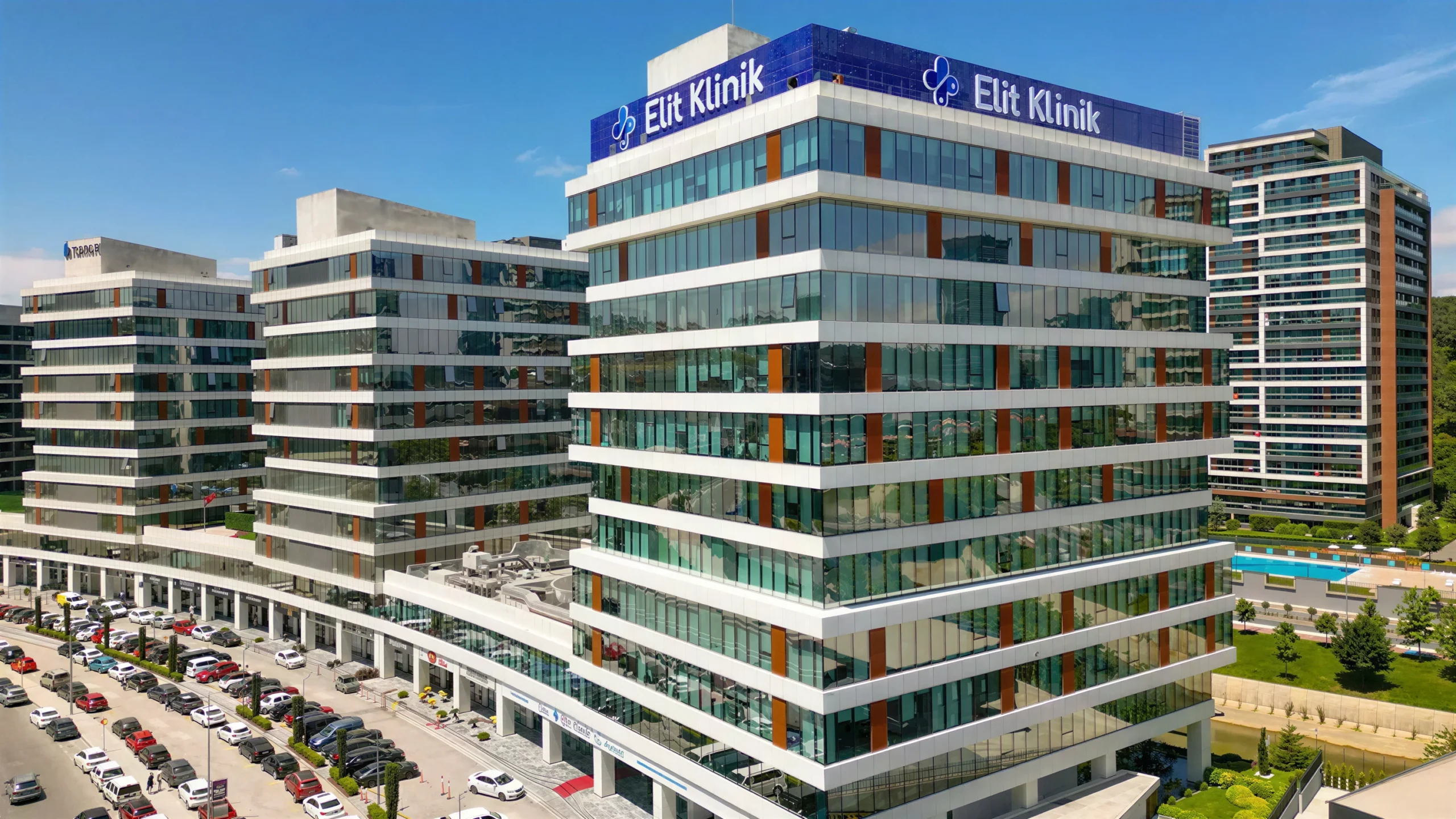
Exterior of the Elit Clinic high-rise in Istanbul with blue signage on the façade
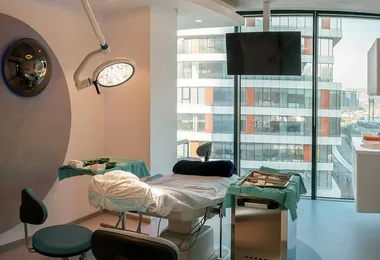
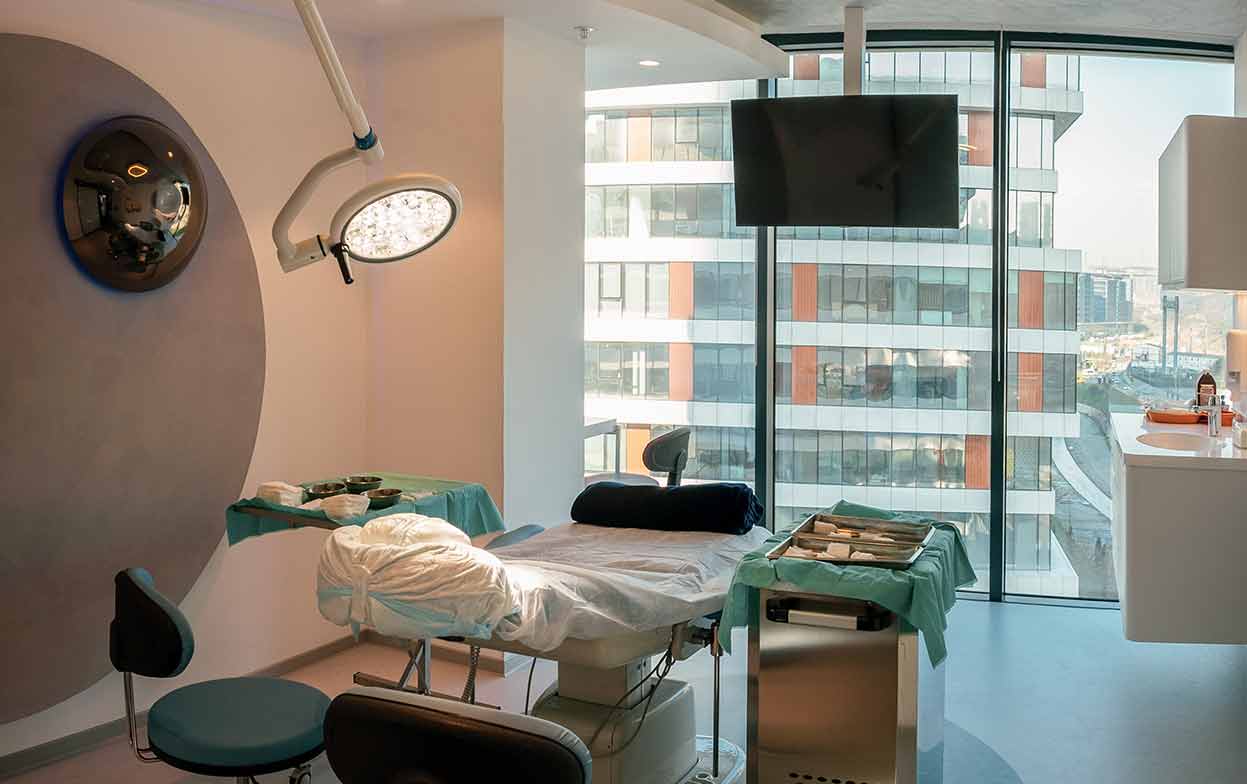
Treatment room with a treatment bed, surgical light, screen and windows overlooking the city

Istanbul is the world's centre for hair transplants. Few places in the world bring together as much practical hair transplant experience.

That concentration of clinics also makes comparisons difficult: the city with the most clinics has the widest variation in quality. Specialised hair transplant clinics that conduct their own research operate alongside clinics that simply rent operating theatres and have no external quality oversight.
So the real question is not whether to choose Istanbul, but which clinic there will perform your procedure.

Authorisation from Turkey's Ministry of Health gives you a clear basis for making that choice.

Ministry of Health

Turkish Ministry of Health Training-Centre Authorisation

Woman in a blue suit and man in a suit looking at a brochure together
once or twice a monthand unannounced

Turkey's Ministry of Health launched an initiative to establish reliable standards for hair transplantation and guide the field's development. Its goal is to formalise expertise through comprehensive medical requirements and rigorous curricula, with participation deliberately limited to a small number of selected clinics.

Elithair's training-centre authorisation followed years of Ministry oversight. The Ministry has monitored the clinic for years through unannounced inspections, typically once or twice a month.

According to Elithair, this ongoing oversight gave the Ministry direct insight into the clinic's procedures, hygiene measures and documentation before it approached Elithair about becoming an official training centre.

Training-Centre Audit Criteria and Clinical Governance

What the Training-Centre Review Assessed

A medical training centre must justify every step, document it fully and perform it to the same high standard every time. Training authorisation involves additional educational and procedural requirements. Verbal assurances are not enough: what matters is documented evidence verified by the Ministry.

The audit covered all of our internal processes, surgical protocols, hygiene practices and medical records. Six core areas were evaluated in detail:

The review for training centre status was not about patient numbers, revenue or name recognition. Training authorisation reflects an assessment of the relevant requirements; it does not establish that one clinic has the best outcomes. Consistent treatment quality at Elithair is built into the system, whoever cares for you on the day of your procedure.

  • Consistent specialisation

    Evidence that the clinic focuses exclusively on hair transplants. Elithair deliberately does not offer services in other areas, such as general plastic surgery, dentistry or rhinoplasty.

  • Our Own Standardised Procedures

    Evidence of defined workflows and responsibilities, including the Pre-Test System, whose results form the basis of the individual treatment plan, DHI implantation and the clinic's patented NEO FUE® serum.

  • Complete Surgical Protocols

    A traceable record of every procedure, showing exactly which doctor made each medical decision.

  • Sterilisation under Elithair's Harvard Protocol

    Documented sterilisation and infection-control procedures for instrument sets.

  • Scientific Basis

    Proof that our own treatment methods are medically sound and can be justified scientifically.

  • Overall medical responsibility

    Every procedure follows our 5-Doctor Standard. A highly specialised team of more than 20 doctors ensures medical oversight across the five specified treatment checkpoints.

Two Forms of External Scrutiny

Ongoing Government Oversight and Independent Certification

ISO 9001:2015 certificate from TÜV Thüringen for the Elit Clinic Istanbul
TÜV Thüringen · ISO 9001:2015
Seal of the Turkish Ministry of Health

As a training centre recognised by Turkey's Ministry of Health, we undergo stricter inspections than an ordinary clinic. The Ministry carries out unannounced inspections once or twice a month.
The oversight includes clinical operations as well as documentation and facility processes.
TÜV Thüringen

That government monitoring is supported by our quality management certificate from TÜV Thüringen, a German certification body (ISO 9001:2015, certificate no. 151002611856, issued under accreditation by DAkkS, Germany's national accreditation body). No provider can issue an ISO certificate to itself; certification requires an independent, accredited certification body.

For patients, Ministry oversight and independent ISO certification provide two different forms of external scrutiny: regulatory oversight of the clinic and certification of the quality-management system.

How the Elithair Training Programme Works

  • Doctor in a white coat leading a training session for a team in black clinical uniforms in a conference room
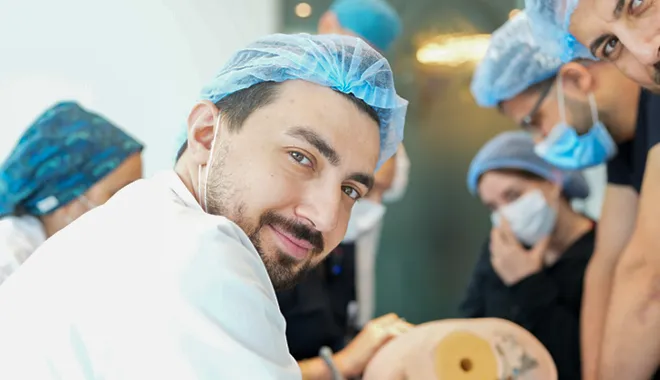
  • Smiling medical specialist in a surgical cap, with the team practising extraction on a model head behind him
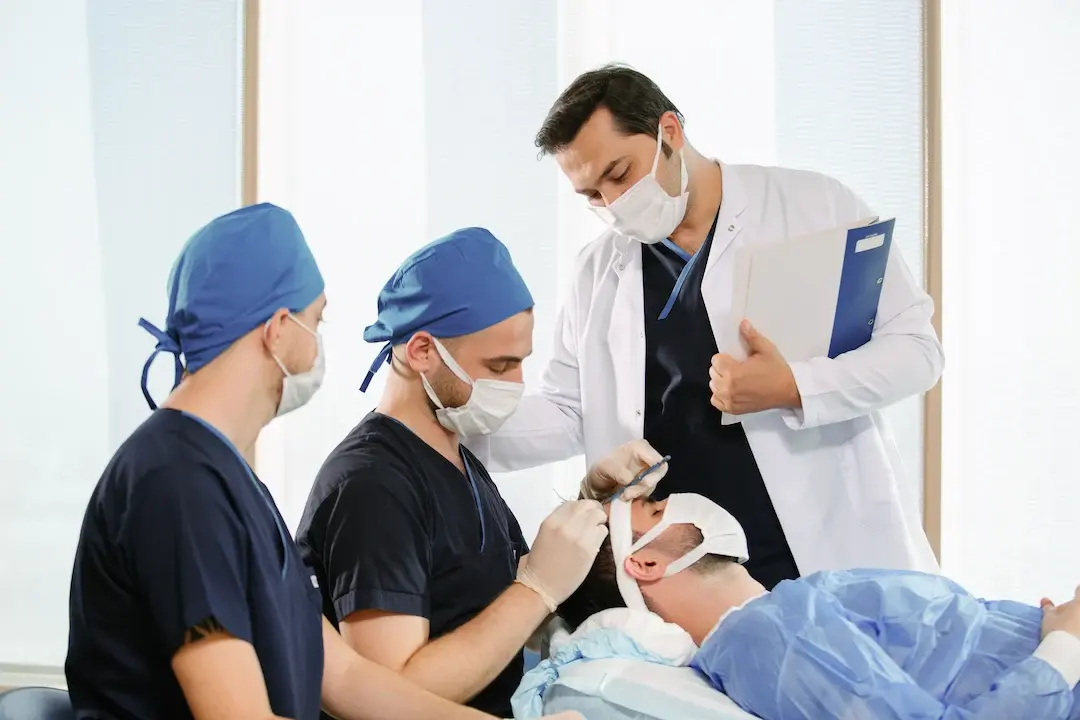
  • Two medical specialists in surgical caps treating a reclining patient, with a doctor in a white coat giving a thumbs-up behind them

The 6- to 12-week programme combines theory with supervised practical training in the clinic. Guided by the senior medical team, participants cover core areas including:

  • Analysing scalp anatomy and investigating the causes of hair loss
  • Designing hairlines and planning hair distribution for a natural appearance
  • Managing the donor area while minimising tissue damage
  • Extracting grafts using the FUE method at a reduced rotational speed
  • Performing DHI implantation with the CHOI Implanter Pen
  • Managing emergencies and complications, and following hygiene and sterilisation protocols
  • Observing live procedures and becoming involved step by step

More than 70 doctors have already completed this qualification under the guidance of Dr Abdulaziz Balwi, Dr Imad Mustafa and our lead medical team.

That standard gives you confidence: every treatment step follows a carefully developed system that can be taught, and your medical specialists have learned each step thoroughly through practical training.

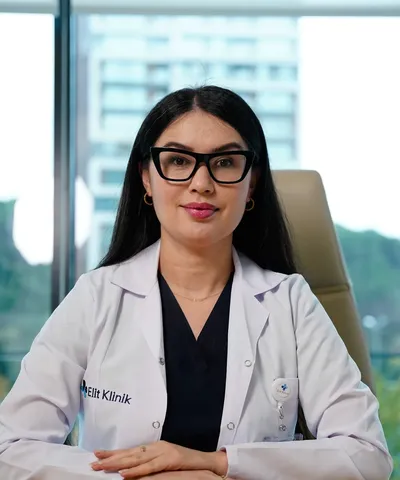
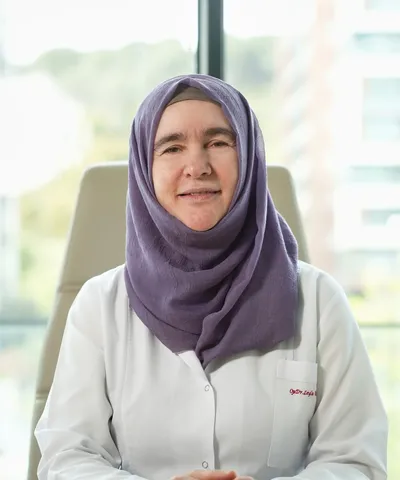
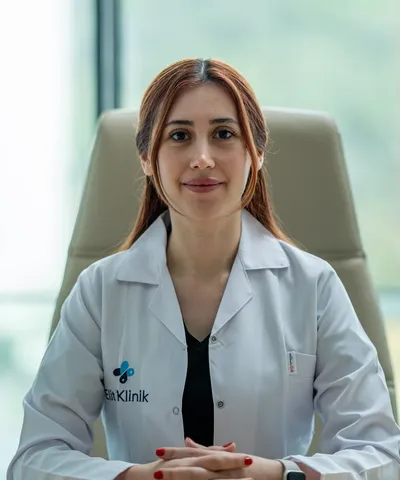
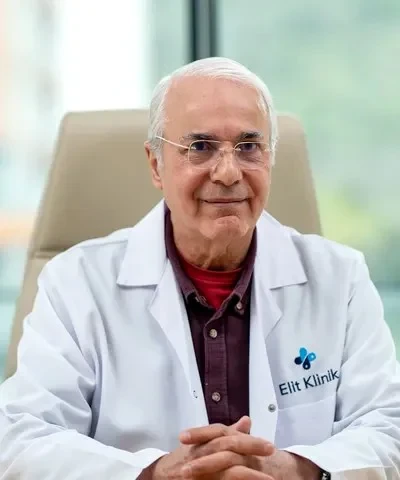
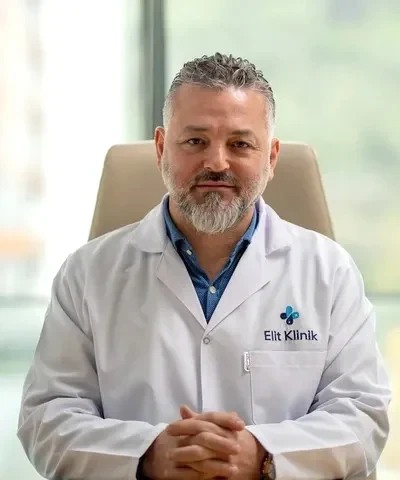
  • Female doctor with glasses in a white Elit Clinic coat at a desk
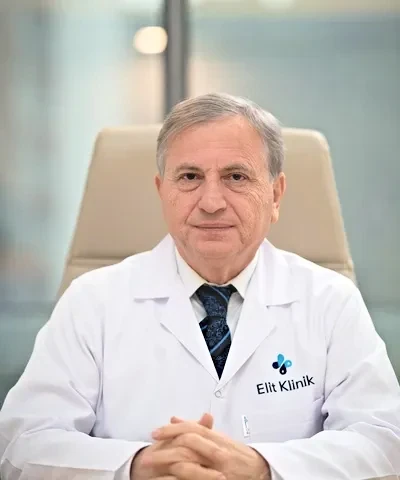
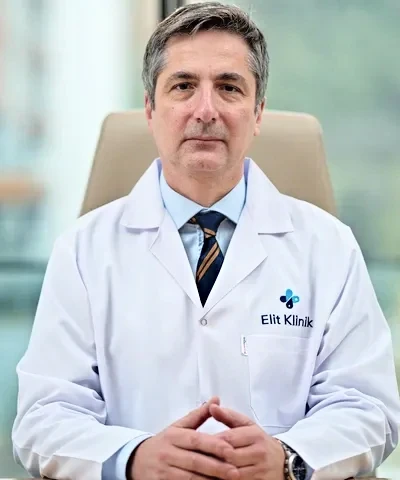
  • Male doctor wearing a tie and a white Elit Clinic coat at a desk
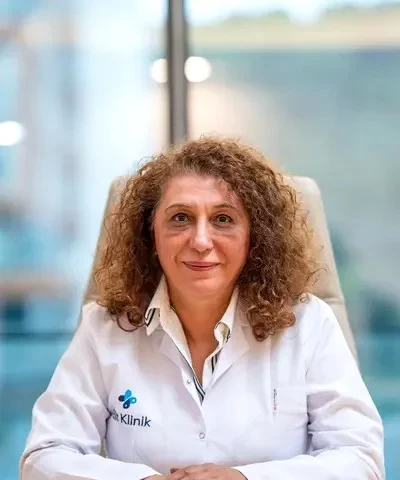
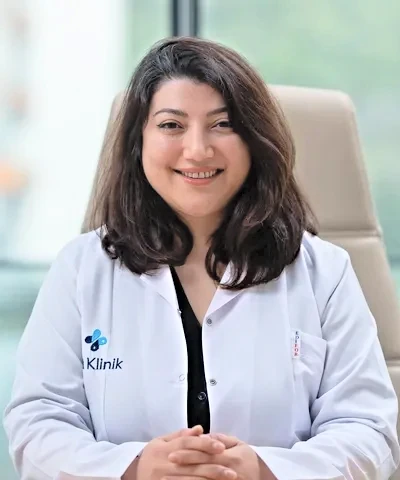
  • Smiling female doctor with curly hair in a white coat
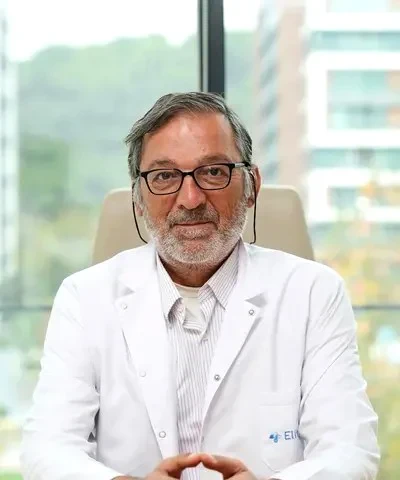
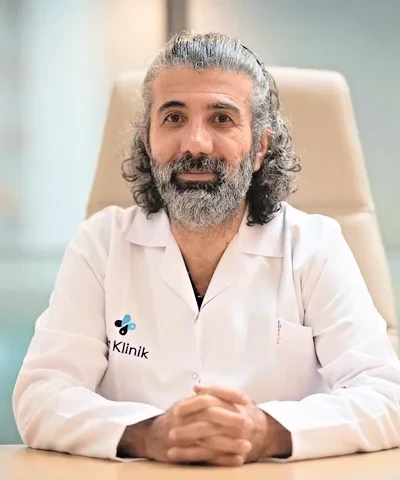
  • Male doctor with a grey beard and glasses in a white coat
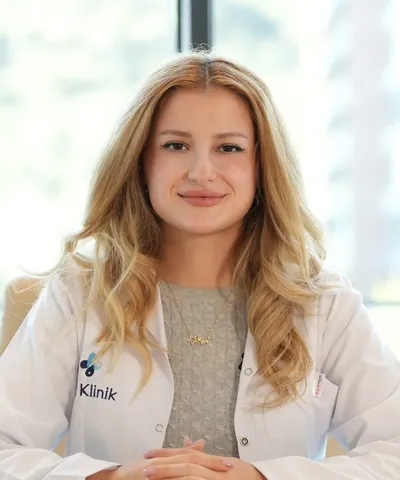
  • Female doctor with long blonde hair in an Elit Clinic coat
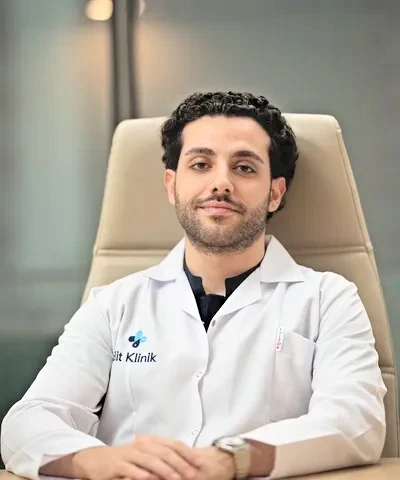
  • Young male doctor with dark curls in an Elit Clinic coat
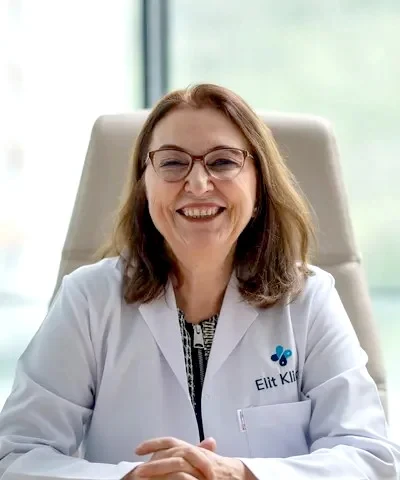
  • Laughing female doctor with glasses in a white coat
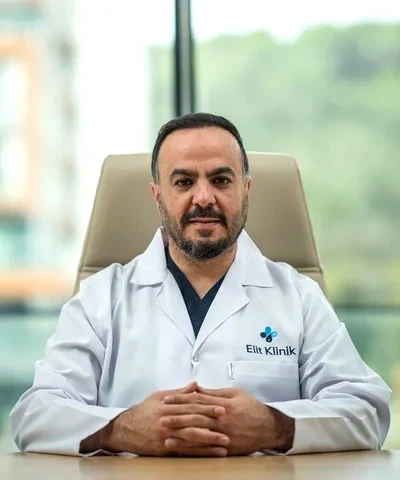
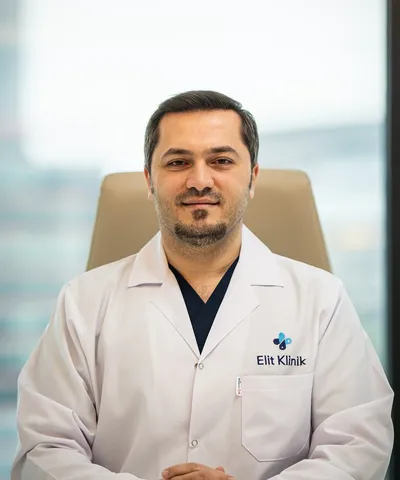
  • Male doctor with a beard in a white Elit Clinic coat
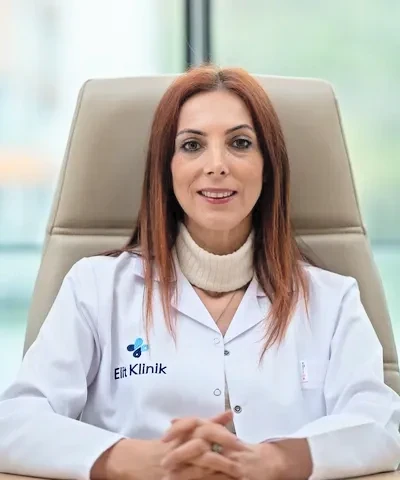
  • Female doctor with red hair in a white coat at a desk
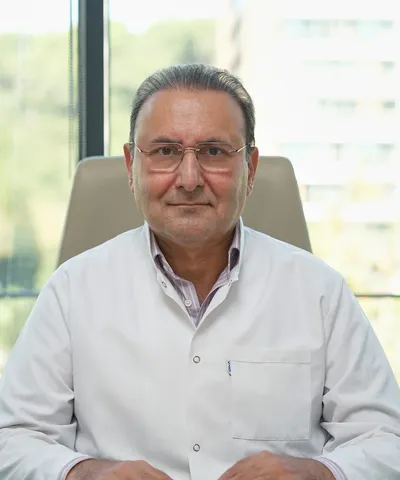
  • Male doctor with rimless glasses in a white coat at a desk
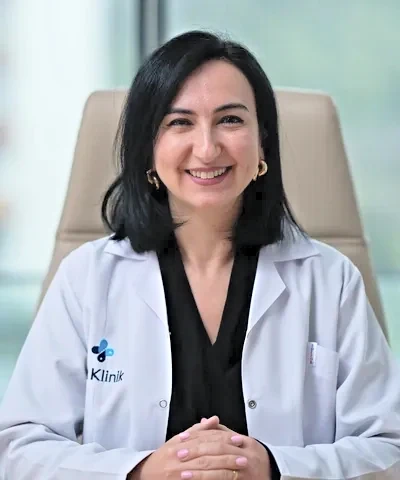
  • Smiling female doctor with dark hair in a white coat
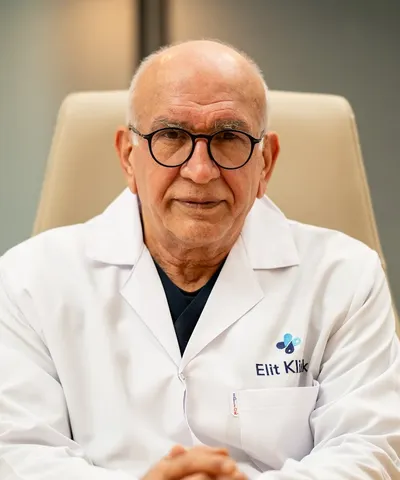
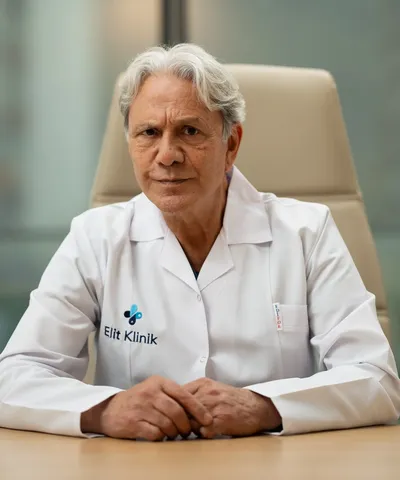
  • Experienced male doctor with white hair in an Elit Clinic coat
  • Female doctor wearing a headscarf and a white coat at a desk
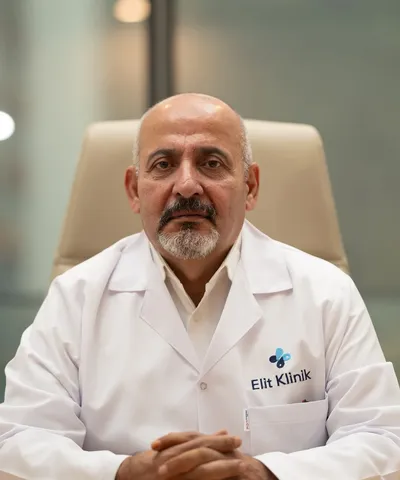
  • Bald male doctor with a beard in an Elit Clinic coat
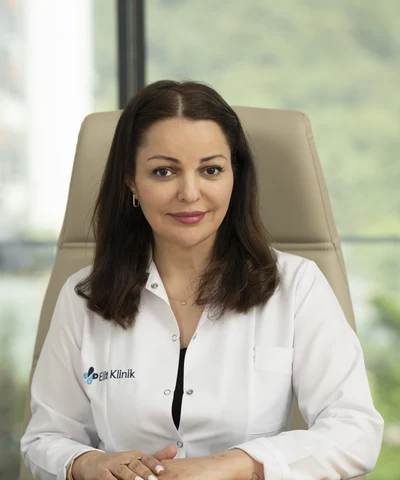
  • Female doctor with dark hair in a white coat at a desk
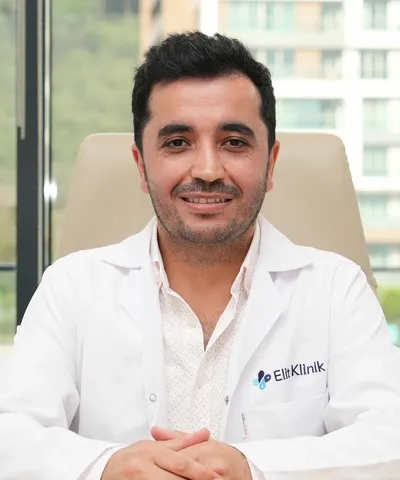
  • Smiling young male doctor in an Elit Clinic coat in front of a wall of windows
  • Young female doctor in a white Elit Clinic coat at a desk
  • Older male doctor with glasses in an Elit Clinic coat
  • Smiling female doctor with black hair in a white coat
  • Young male doctor in a white Elit Clinic coat in front of a wall of windows
  • Older male doctor with white hair and glasses in an Elit Clinic coat
  • Male doctor with long hair and a beard in a white coat
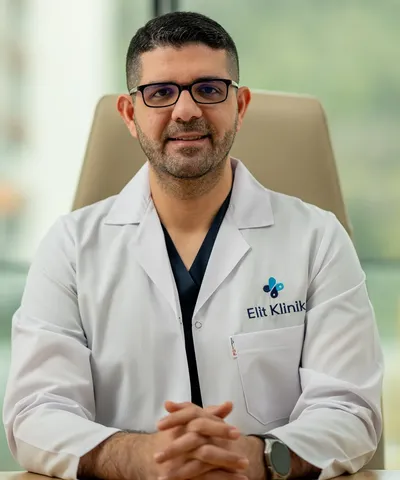
  • Male doctor with glasses and a beard in an Elit Clinic coat
  • Male doctor wearing a tie and a white Elit Clinic coat in front of a wall of windows
  • Male doctor with a grey beard in an Elit Clinic coat at a desk

What the Authorisation Means for Your Treatment

Our authorisation as a training centre for hair transplants is more than a title. It directly affects the care you receive in Istanbul.

Medical review at multiple stages: Under our 5-Doctor Standard, our doctors oversee and take responsibility for your treatment at five points: during your hair analysis, during the Pre-Test System assessment, when planning your hairline, during anaesthesia and at your final check before you fly home.

Expertise shared across the team: At Elithair, treatment is supported by defined responsibilities across the medical team. Standardised workflows support consistency while clinical outcomes remain individual.

Traceable planning: key medical decisions, hairline design and graft-distribution planning are documented in the treatment record.

Medical oversight during treatment: Visiting doctors in our hair transplantation programme only observe and shadow our team under strict supervision. Our employed medical team retains full responsibility for your procedure at all times.

Before treating patients independently at Elithair, doctors complete the same rigorous programme we run on behalf of the Ministry of Health. Each of our medical specialists has at least seven years of experience in their area of specialisation.

At Elithair, you can rely on facts you can check. Clinical processes are documented and subject to regulatory oversight.

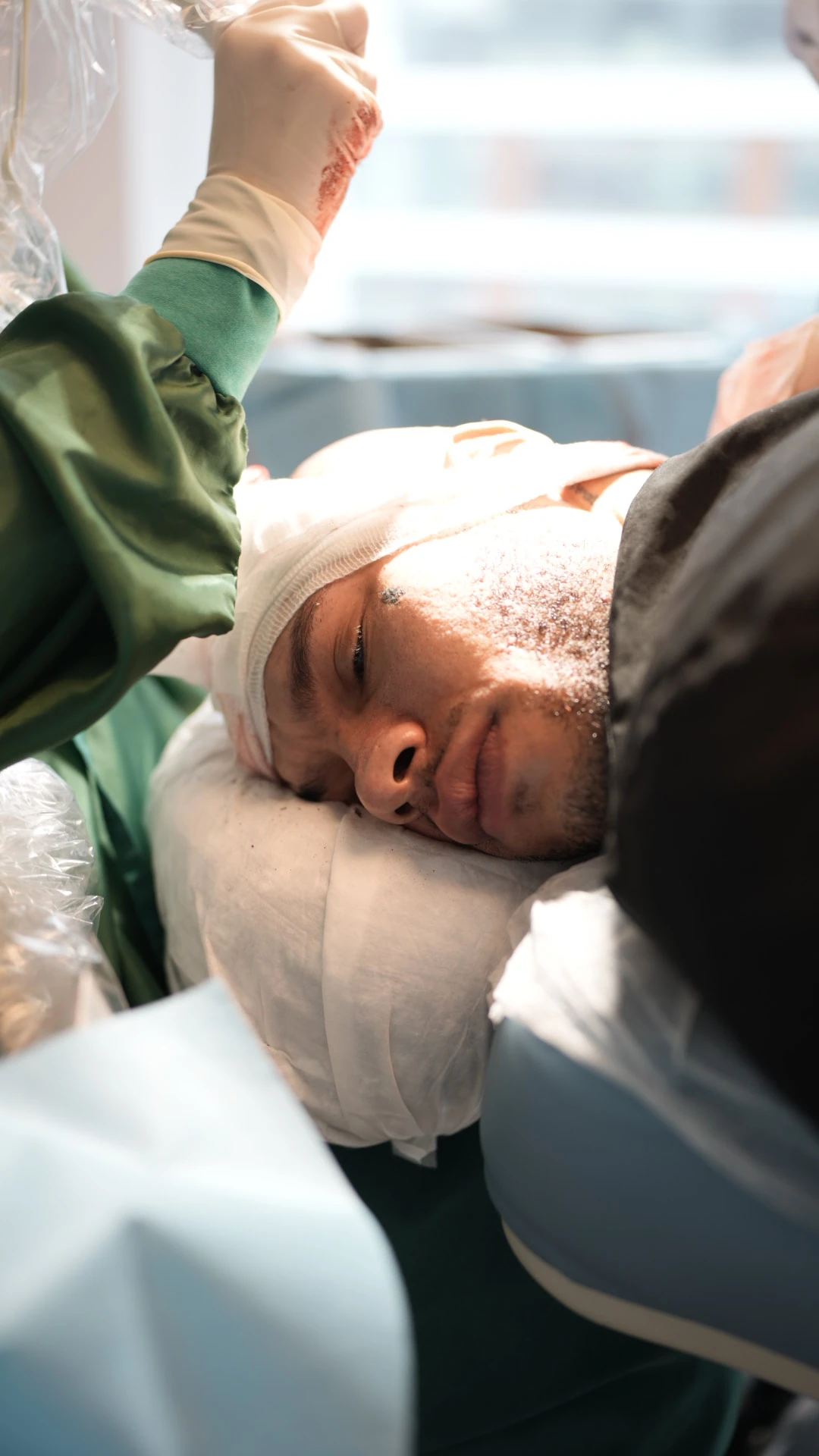
Patient lying on his side during a hair transplant, assisted by surgical staff in green scrubs
5-Doctor Standard

Five Medical Checkpoints in the Treatment Pathway

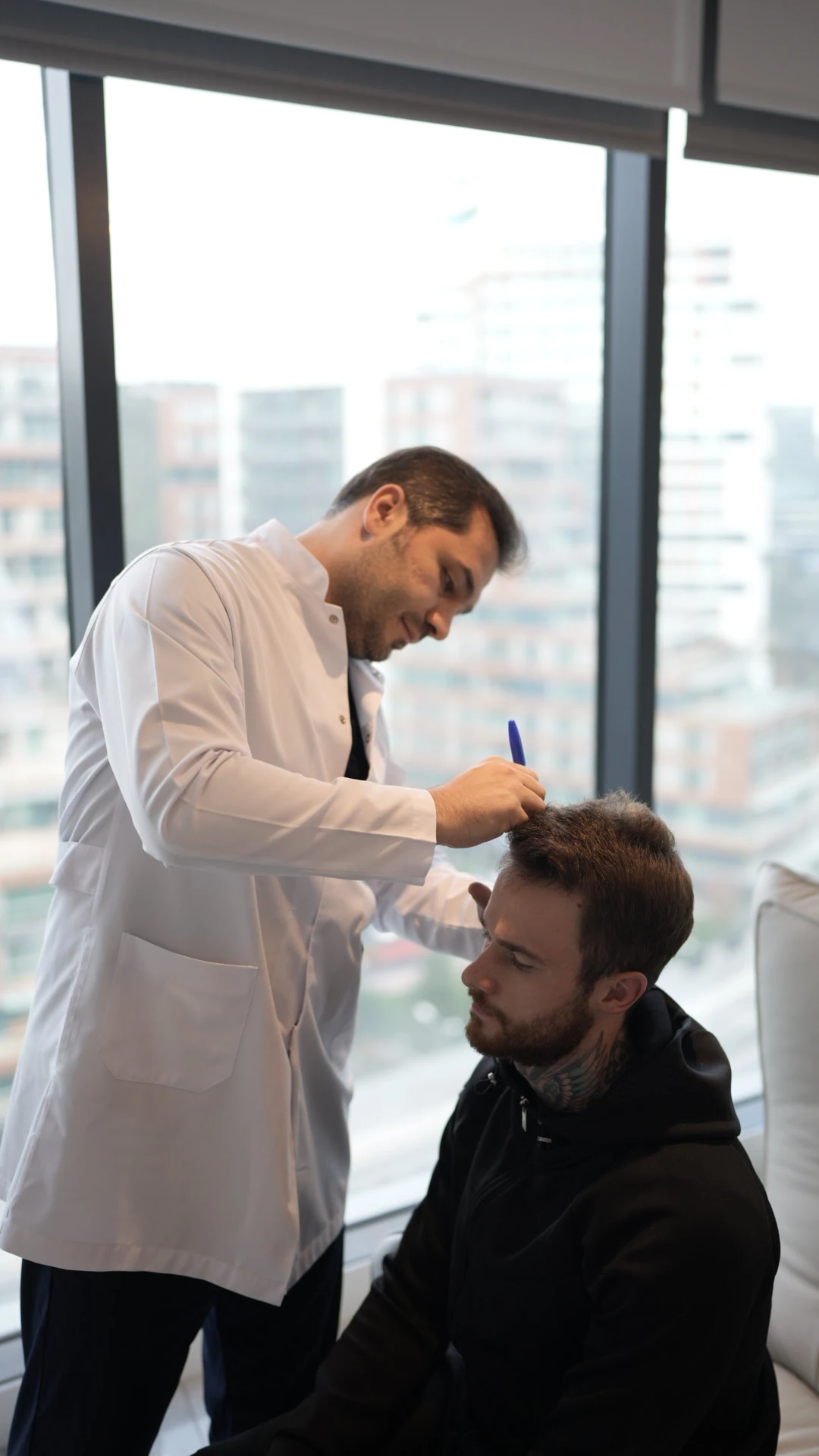
Elithair doctor drawing a patient's hairline with a marker

External oversight is complemented by five internal medical checkpoints across the treatment pathway.

over 20Doctors at our clinic in Istanbul

Our doctors oversee and take responsibility for your treatment at five key points.

  1. 1Hair analysisbefore your trip
  2. 2Pre-Test Systemand treatment plan
  3. 3Hairlineand graft distribution
  4. 4Anaesthesiaby a consultant anaesthetist
  5. 5Final checkbefore returning home

Graft extraction and implantation: performed by medical specialists who each specialise in a particular stage of the procedure and work under medical supervision.

There is clear medical accountability at each key stage of your treatment.

Comprehensive Care

From Suitability Assessment to the 20-Year Written Guarantee

A clinic's quality is reflected in how it takes responsibility for your care. Our commitment starts with your free hair analysis before your trip and extends through the written 20-year guarantee on your transplanted hair.

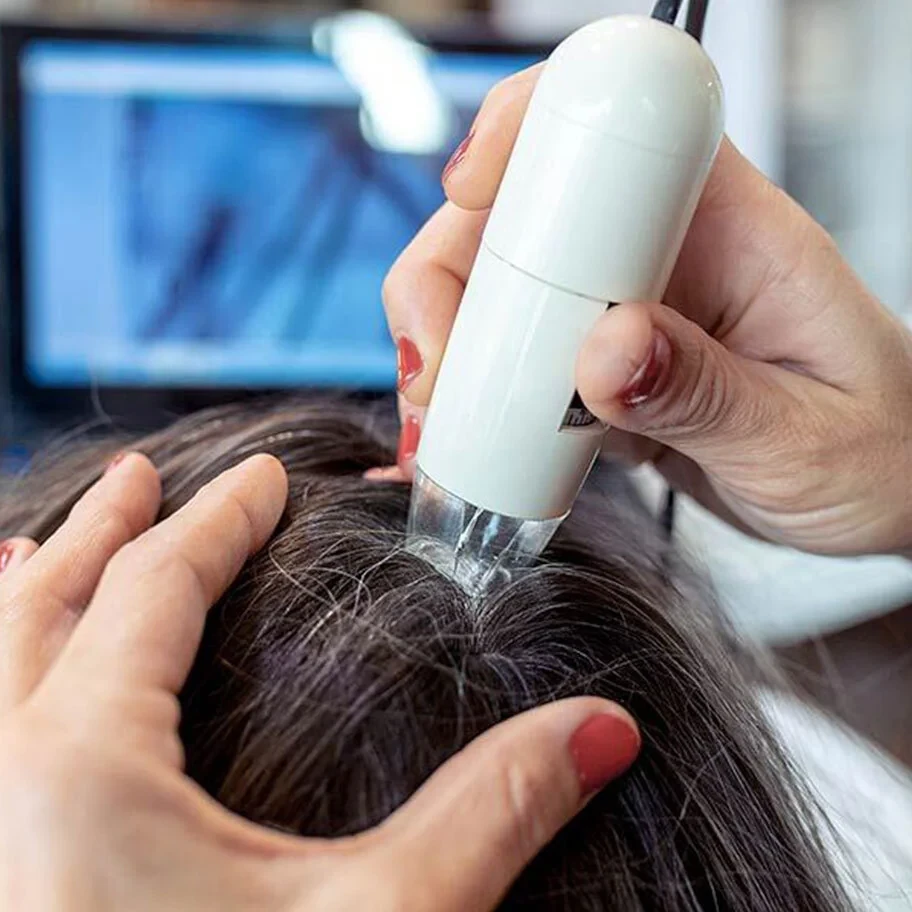
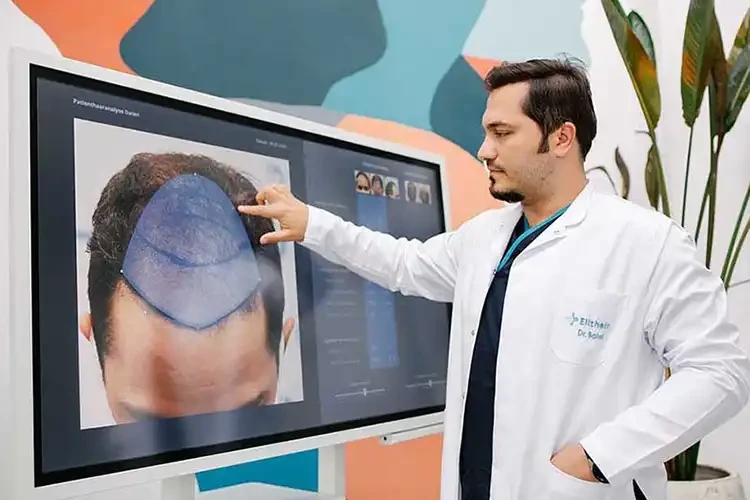
Elithair doctor showing a hair analysis on a large screen

When Treatment Is Not Recommended

A reliable commitment starts with an honest assessment. We decline around 40% of all enquiries after the initial hair analysis when the conditions for a good result are not met, such as an inadequate donor area or ongoing diffuse hair loss. In these cases, we may discuss non-surgical options when appropriate, based on the underlying cause of hair loss. If a procedure is not appropriate, we tell you clearly before you travel to Istanbul.

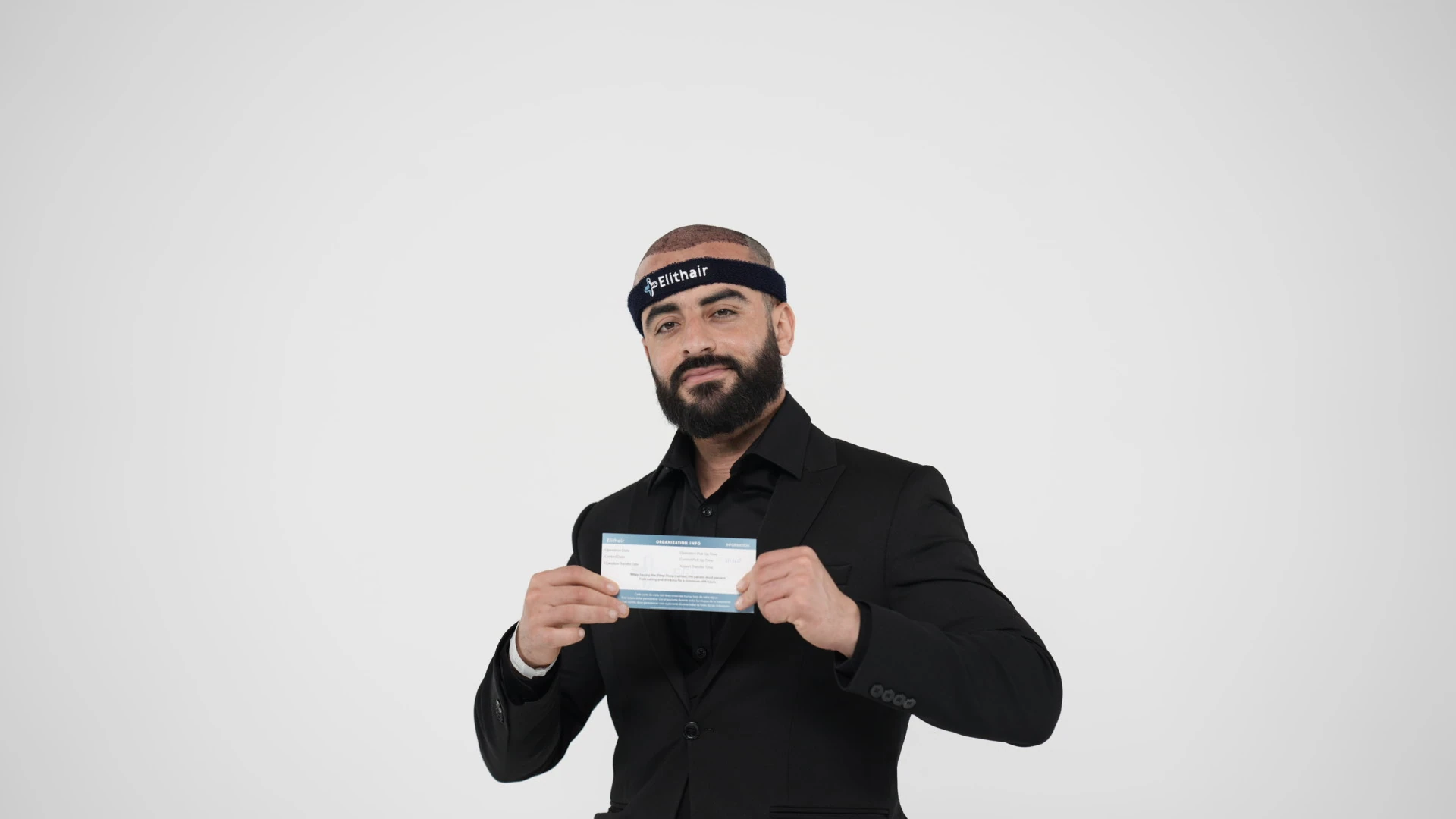
Smiling Elithair patient wearing a suit and headband, holding a document

20-Year Written Guarantee on Transplanted Hair

Your transplanted hair comes with a 20-year written guarantee, provided you follow the aftercare instructions and document your care in the Elithair App.

We can make that commitment because the grafts come from your own donor area. Those follicles are generally more resistant to DHT, the hormone that triggers hereditary hair loss, although they are not completely immune to future thinning and individual results vary.

The written guarantee sets out the applicable conditions and follow-up requirements.

Any claim under the guarantee and any corrective procedure are handled centrally at our clinic in Istanbul.

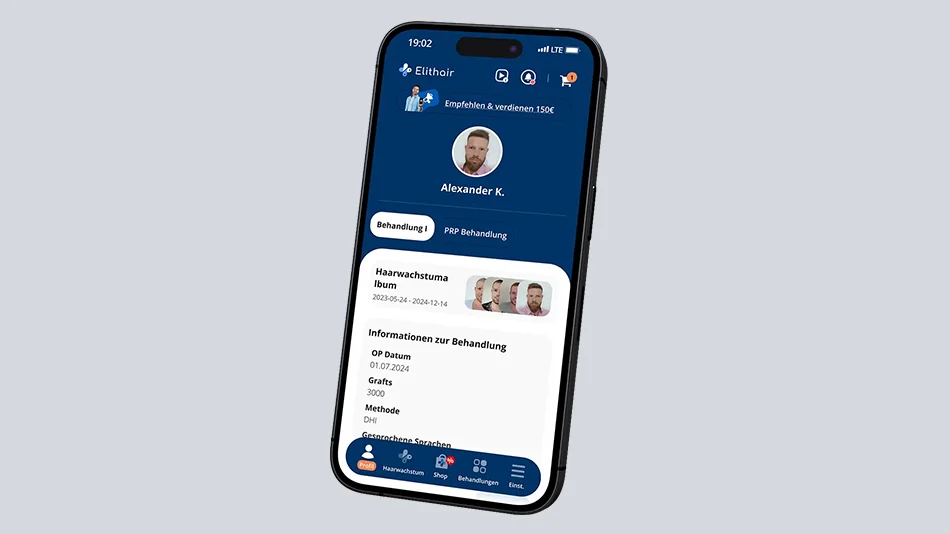
Smartphone displaying a patient profile and treatment information in the Elithair App

Digital Aftercare with the Elithair App

After you return home, you upload progress photos regularly through the Elithair App, and our medical team reviews them.

Push notifications remind you when you can resume each activity.

  • 5-Doctor
    Standard
  • 6-step
    Pre-Test System
  • Sleep-Deep
    0 % pain
  • DHI technique
    included
  • 20-year
    guarantee
  • 12 months
    of aftercare
All-Inclusive Package

What Treatment at Elithair Costs

A hair transplant at Elithair costs between £2,849 and £3,449 in the all-inclusive package, depending on how many grafts you need.

For comparison, UK prices range from £5,100 to £12,700, depending on the number of grafts. The current Elithair package includes:

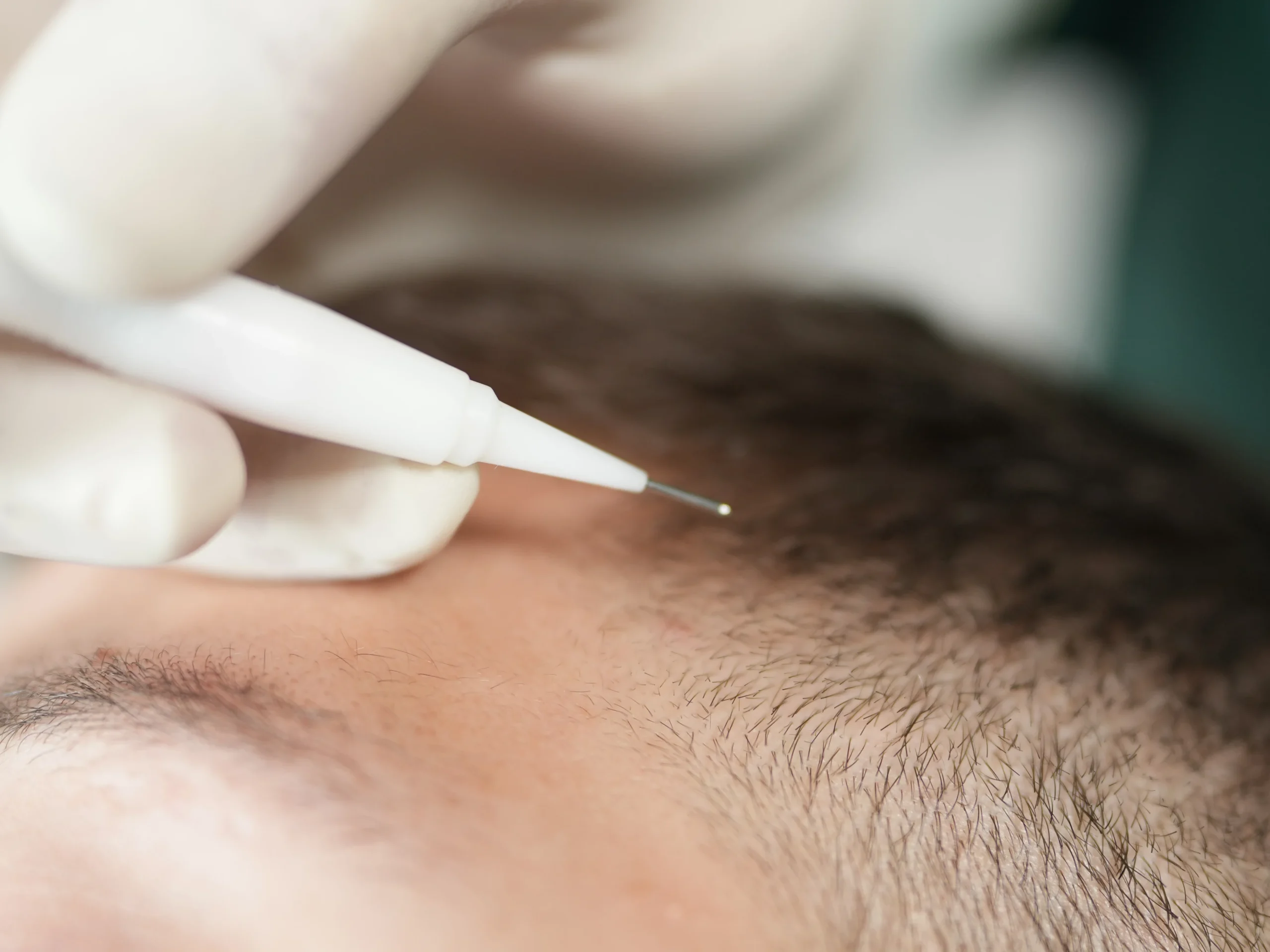
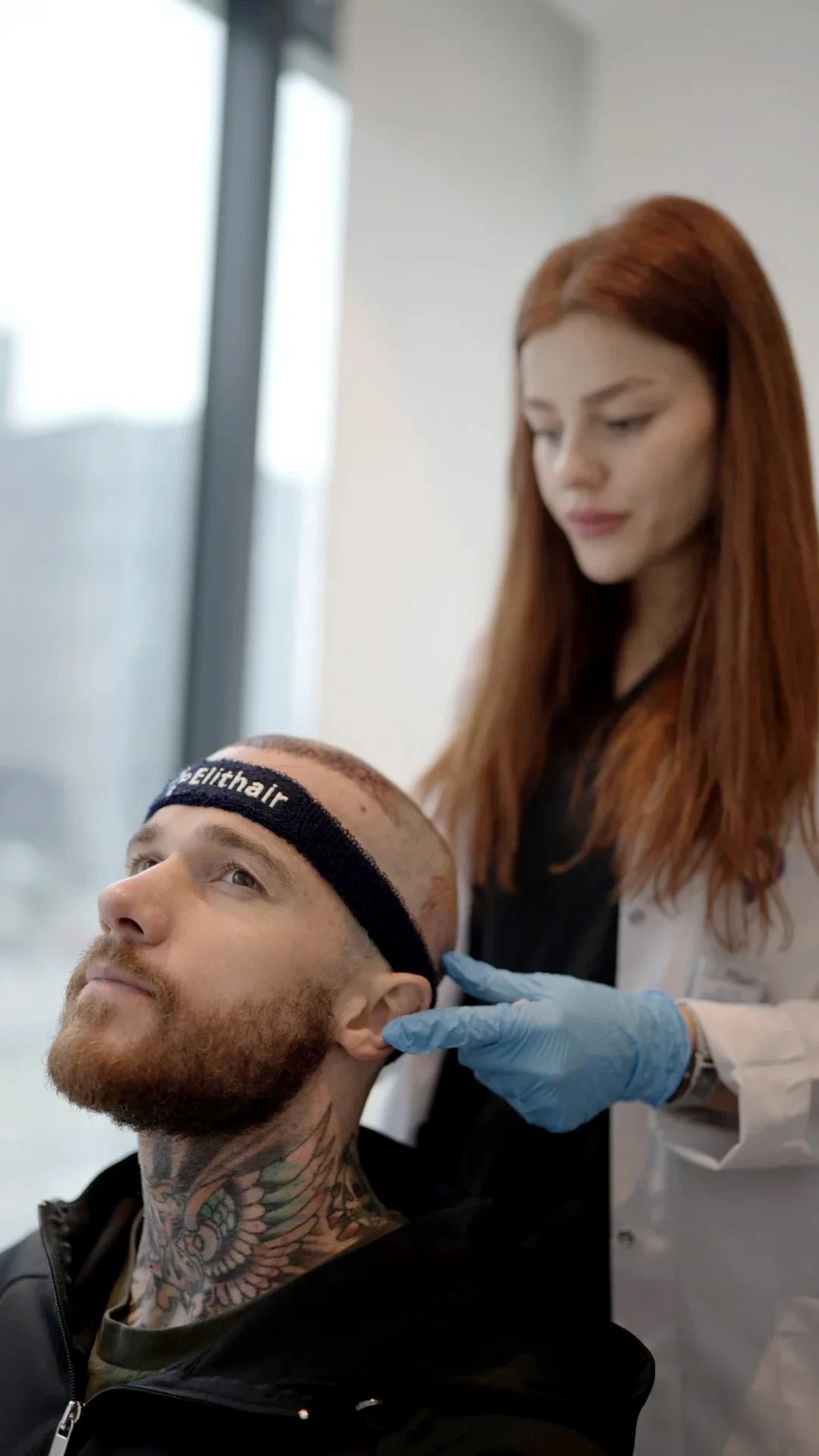
A gloved hand holding an implanter pen against a patient's closely shaved hairline.Hotel room with a rounded wall arch, TV alcove and views over IstanbulFemale doctor checking a patient's Elithair headband
Treatment
  • DHI implantation with the CHOI Implanter Pen
  • Patented NEO FUE® serum
  • Sleep-Deep sedation for 0% pain
  • Pre-Test System for your individual treatment plan
  • 5-Doctor Standard
  • 1 PRP treatment
Your stay in Istanbul
  • 3 nights at a hotel
  • VIP airport transfer
  • English-speaking support during your stay
Aftercare and guarantee
  • Aftercare and medication package
  • Medical follow-up examination at the clinic
  • 12 months of aftercare via the Elithair App
  • 20-year written guarantee on the transplanted hair

Your flight is booked separately. Zero Shave FUE and Manual FUE are available as optional extraction methods at an extra cost.

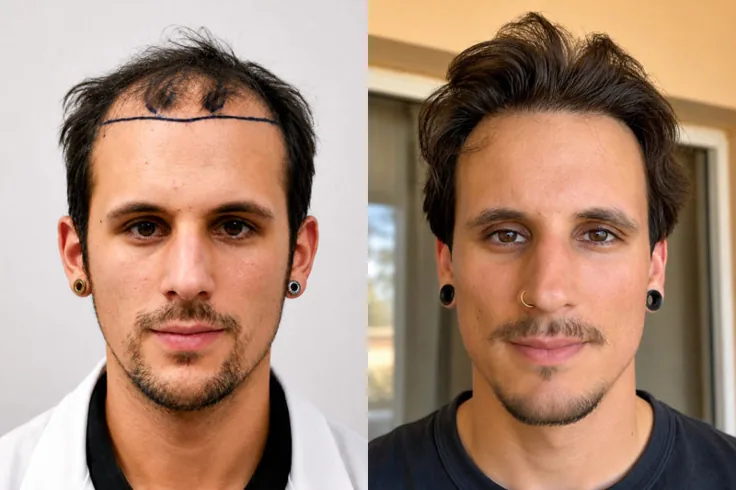
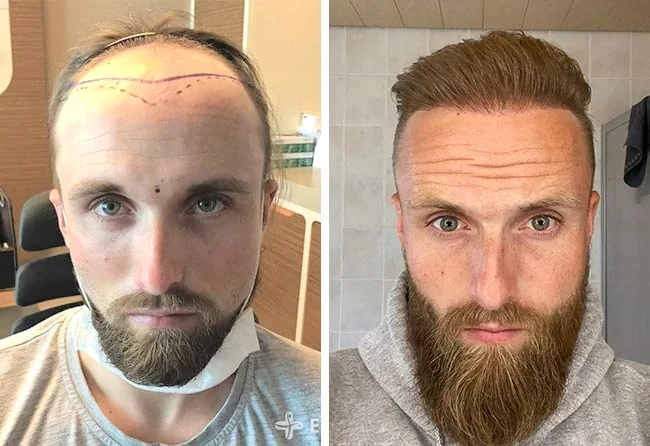
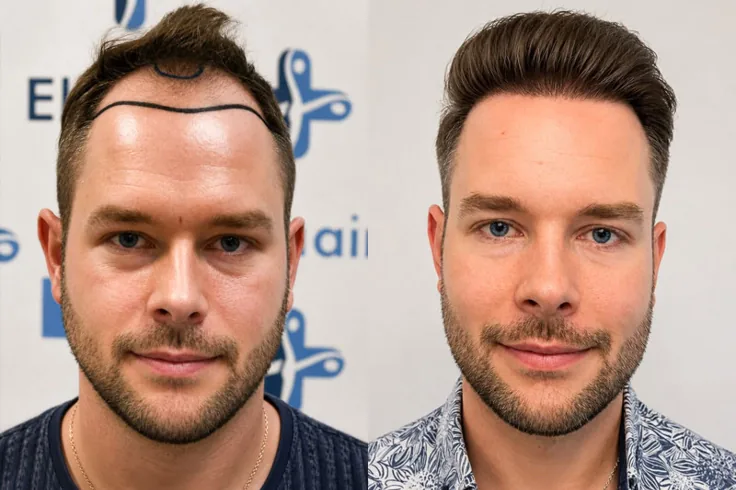
Before and after

Before and After Photos: Individual Patient Results

Every head of hair is different. To give you a realistic sense of what is possible at Elithair, many of our patients share their results.

The gallery shows cases involving a wide range of graft counts. Look for cases with a similar initial pattern of hair loss for useful context.

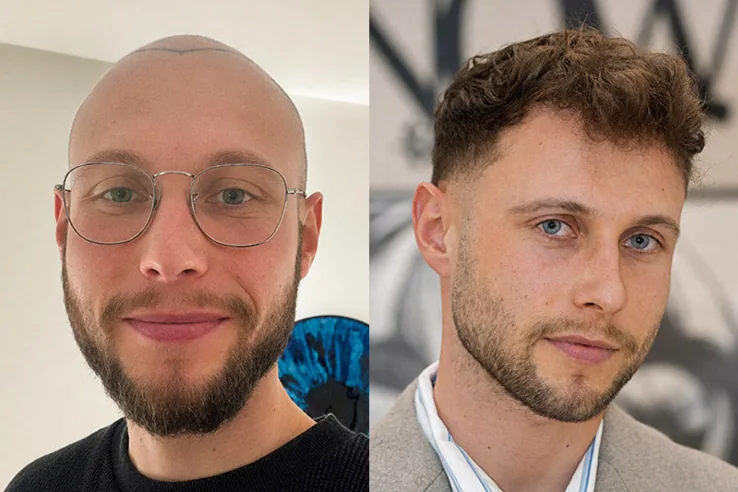
Anton Z. before and after a hair transplant: scalp markings and severe thinning at the front before, thick hair styled upwards afterwards.
Before After

Anton Z. - 3,800 grafts with DHI as standard

“Putting it off wouldn't have made sense at this stage of my life. My reflection in the mirror is the best explanation.” Anton Z.
Elithair before and after: man with receding temples and hairline markings, then with a full head of hair
Before After

Frederik G. - 4,700 grafts with DHI as standard

“I'm very happy. It's a wonderful feeling to have hair again where there hasn't been any for a long time.” Frederik G.
Michael A. with receding temples and a marked hairline before a hair transplant, and a dense hairline afterwards.
Before After

Michael A. - 4,700 grafts with DHI as standard

“Looking in the mirror in the morning finally makes me happy again.” Michael A.
Niklas N. with a shaved head and marked hairline before a hair transplant, and thick, curly hair afterwards.
Before After

Niklas N. - 4,000 grafts with DHI as standard

"My only real regret is that I didn't do it much sooner." Niklas N.
FAQ

Frequently Asked Questions About the Hair Transplant Training Centre

Hair restoration education varies by country and speciality. Doctors may gain relevant training through dermatology or plastic surgery, additional courses, supervised clinical experience and ongoing professional education. That is why Turkey's Ministry of Health launched a quality initiative and authorised selected clinics as official training centres, where doctors can learn through a structured programme.

As part of its quality initiative, the Ministry approached us of its own accord and reviewed our internal procedures, surgical protocols, hygiene measures and documentation. The deciding factor was not the number of treatments we carry out, but the systems behind them: traceable protocols, documented sterilisation under the Harvard protocol, our own procedures with clear responsibilities, our own research arrangements and medical oversight throughout.

Because it was already familiar with our clinical procedures. For years, it has carried out unannounced inspections at our clinic once or twice a month, including during treatment. Its decision was based on what it regularly observes at our clinic; we had not approached it to seek authorisation.

The authorisation means Elithair has a structured training programme and systems for managing clinical care, with documented procedures, responsibilities, sterilisation measures and records. Your treatment plan is tailored to you, based on the Pre-Test System results. The depth at which grafts are inserted is determined by scalp thickness and blood flow.

No. Doctors on the programme observe and take part only under the programme's structured supervision arrangements. The clinic's own medical team remains responsible for the medical care of Elithair patients. Under our 5-Doctor Standard, our doctors oversee and take responsibility for your treatment at five points. Each of our medical specialists has at least seven years of experience in a specific stage of the procedure.

Turkey's Ministry of Health conducts unannounced inspections of our clinic once or twice a month, reviewing processes, hygiene, sterilisation, documentation and patient care. TÜV Thüringen also independently audits our processes for our ISO 9001:2015 certification. Clinics that train doctors face stricter inspection requirements.

The 6- to 12-week programme combines theory, clinical observation and supervised practical training. It covers anatomy and diagnosis, hairline design, management of the donor area, graft extraction using the FUE method, implantation with the CHOI Implanter Pen, management of complications and hygiene. Specialist doctors observe live procedures under the guidance of the senior medical team. Participants receive a certificate after completing the programme.

Dr Abdulaziz Balwi and Dr Imad Mustafa, together with other experienced doctors on our medical team.

More than 70 doctors have trained at Elithair. They carry our methods and standards into their work, and some now practise at other clinics.

Officially Authorised

What Training-Centre Authorisation Tells Patients

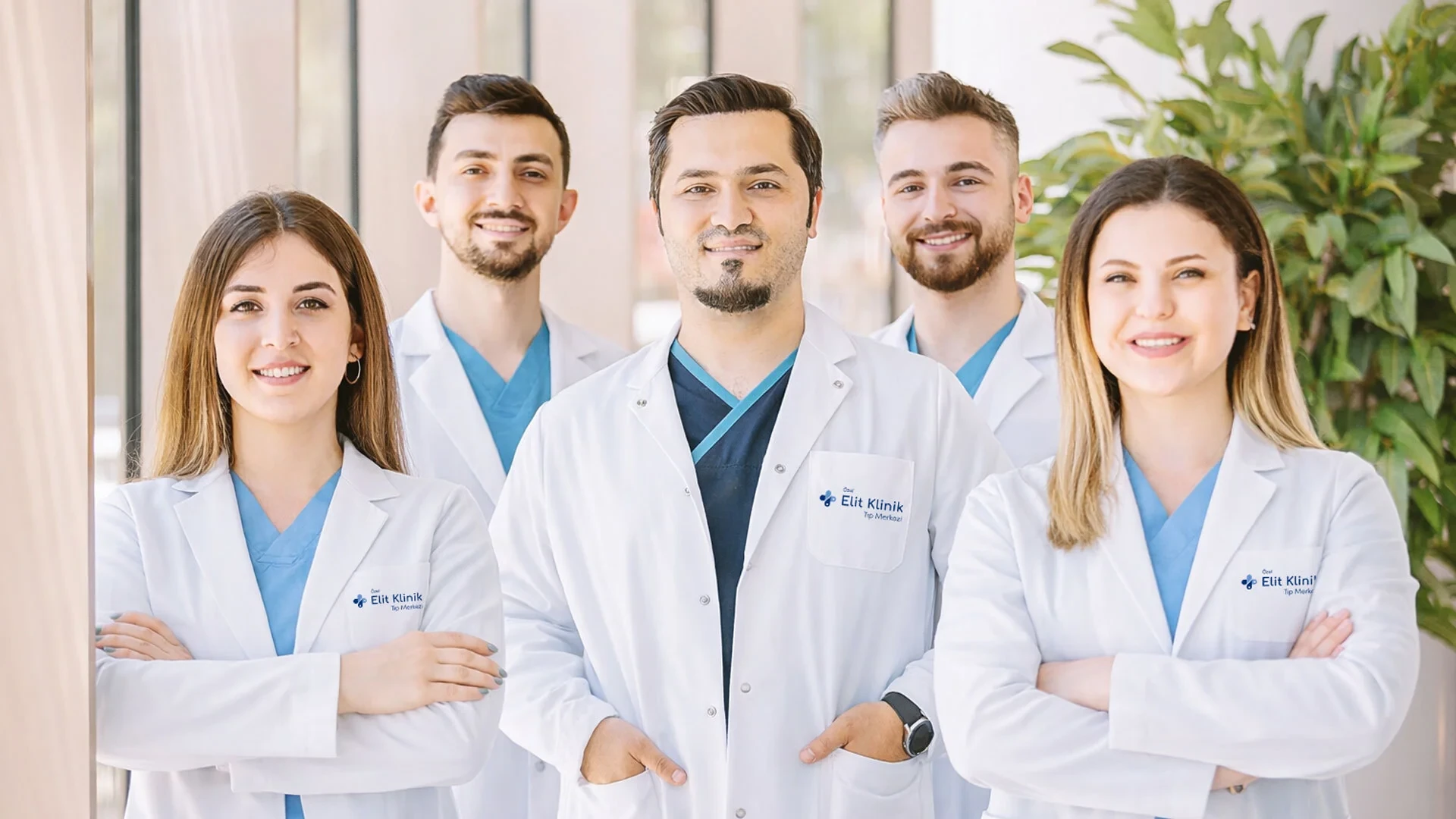
Five smiling Elit Clinic doctors in white coats with their arms crossed

Elithair's status as a hair-transplant training centre comes from Ministry authorisation, not a title the clinic has given itself. Unannounced Ministry inspections continue once or twice a month alongside the training programme.

You benefit from that standard from the very beginning. During your free hair analysis, a doctor reviews your photos and gives you an honest, straightforward assessment of your treatment options before you book your trip to Istanbul.

The initial medical assessment helps you understand your options and establishes whether treatment is appropriate before you travel to Istanbul. At the clinic, the Pre-Test System provides a health check and refines your individual treatment plan. From the start, you are cared for by a medical team whose clinic follows documented procedures and undergoes external oversight.