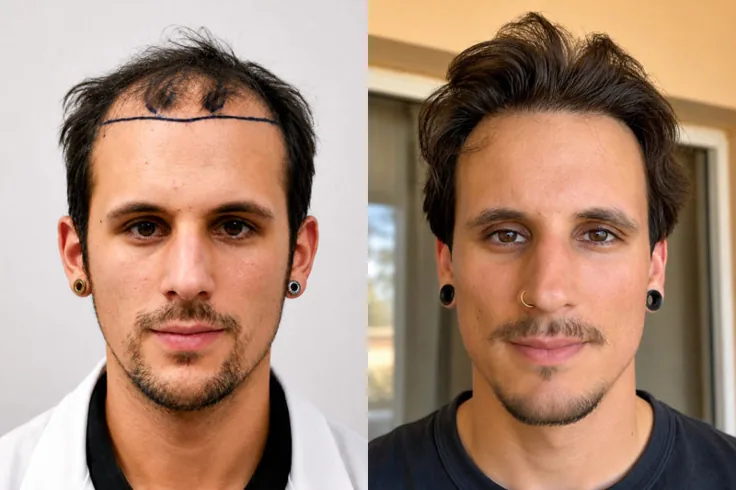
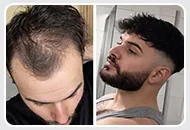
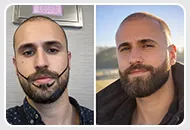
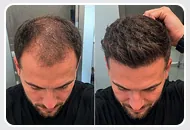
Before
After
Anton Z. - 3,800 grafts with DHI as standard
“Putting it off wouldn't have made sense at this stage of my life. My reflection in the mirror is the best explanation.” Anton Z.

4.9 - 11,000+ Reviews on Google

150,000+ Happy Patients Worldwide
free & without obligation
 4.9 out of 5 stars on Google
More than 150,000 treatments
at our specialist clinic, certified to ISO 9001:2015
by TÜV Thüringen.

 Manual FUE
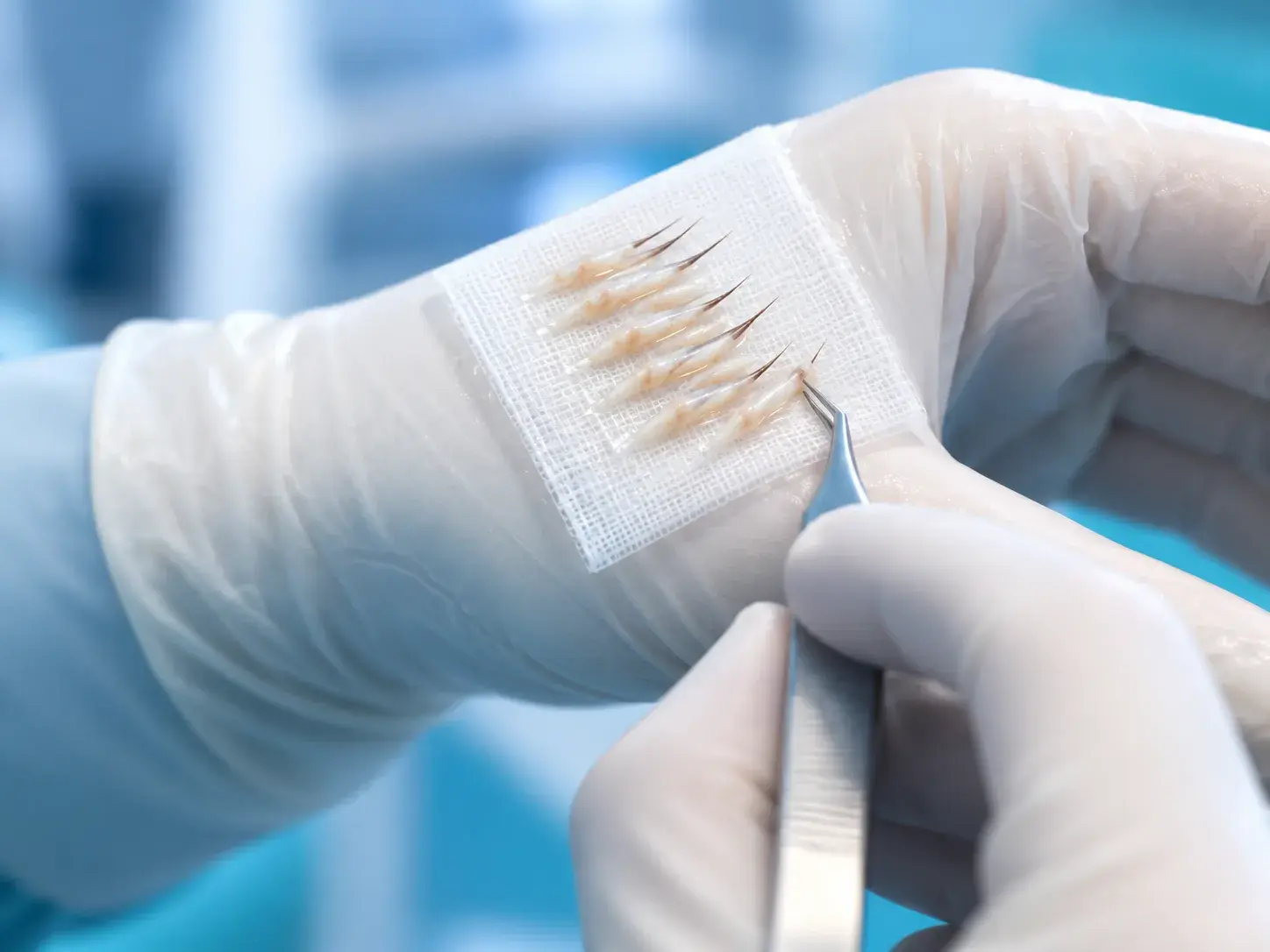
FUE is the foundation of every modern hair transplant (Balwi et al. 2026). It describes how individual hair follicles, called grafts, are extracted from the donor area at the back of your head.
The precision of the extraction determines how your donor area looks afterwards and how many follicles grow successfully. This is where Manual FUE makes a difference.
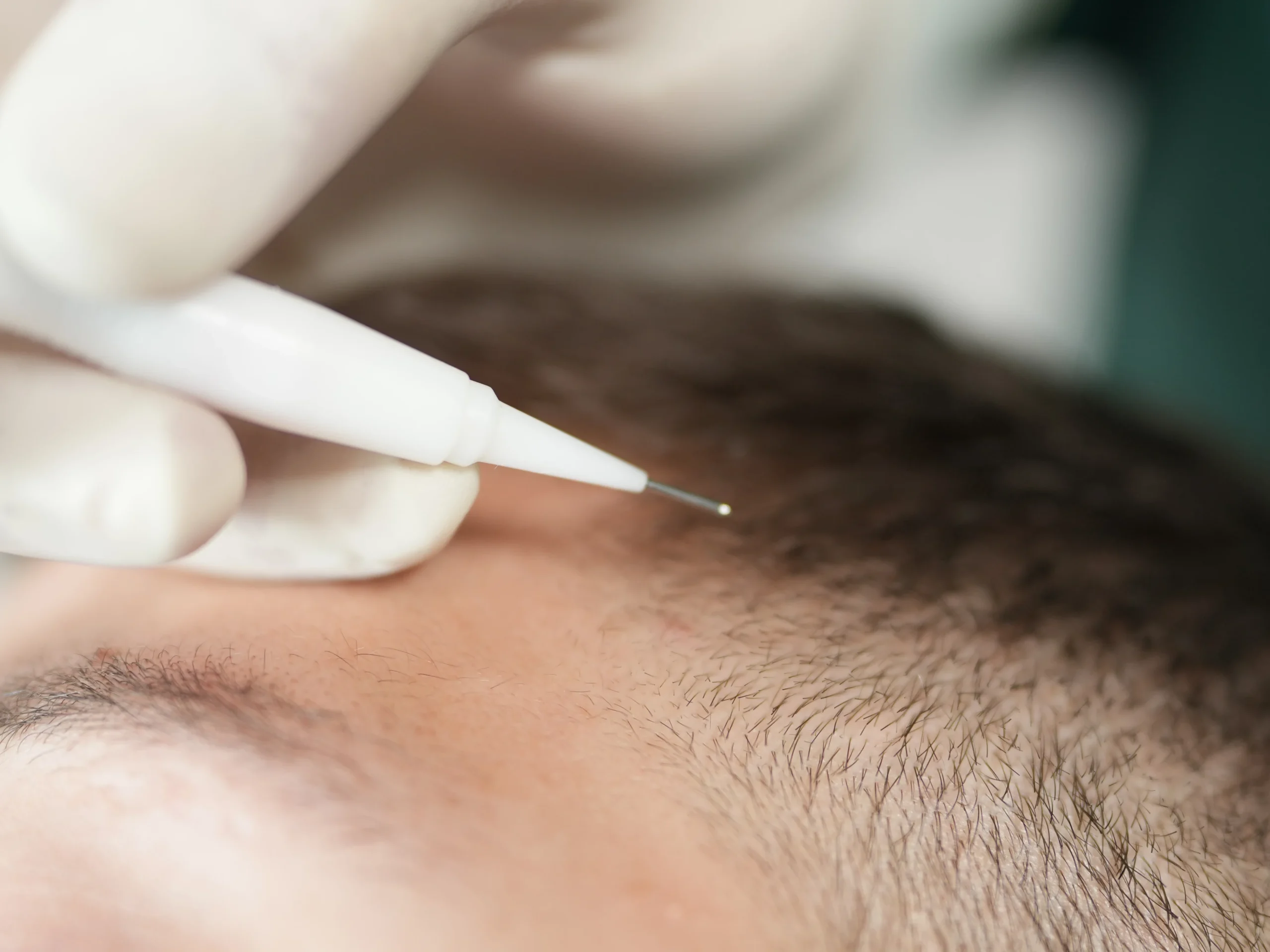
Our medical specialists extract each graft entirely by hand, without a rotating micromotor. The extraction measurably protects the donor area, leaves no scars and keeps the hair roots in the best possible condition for transplantation.
It is the most demanding extraction method available today and requires years of specialist training. It suits anyone whose top priority is a donor area with minimal visible signs of treatment.
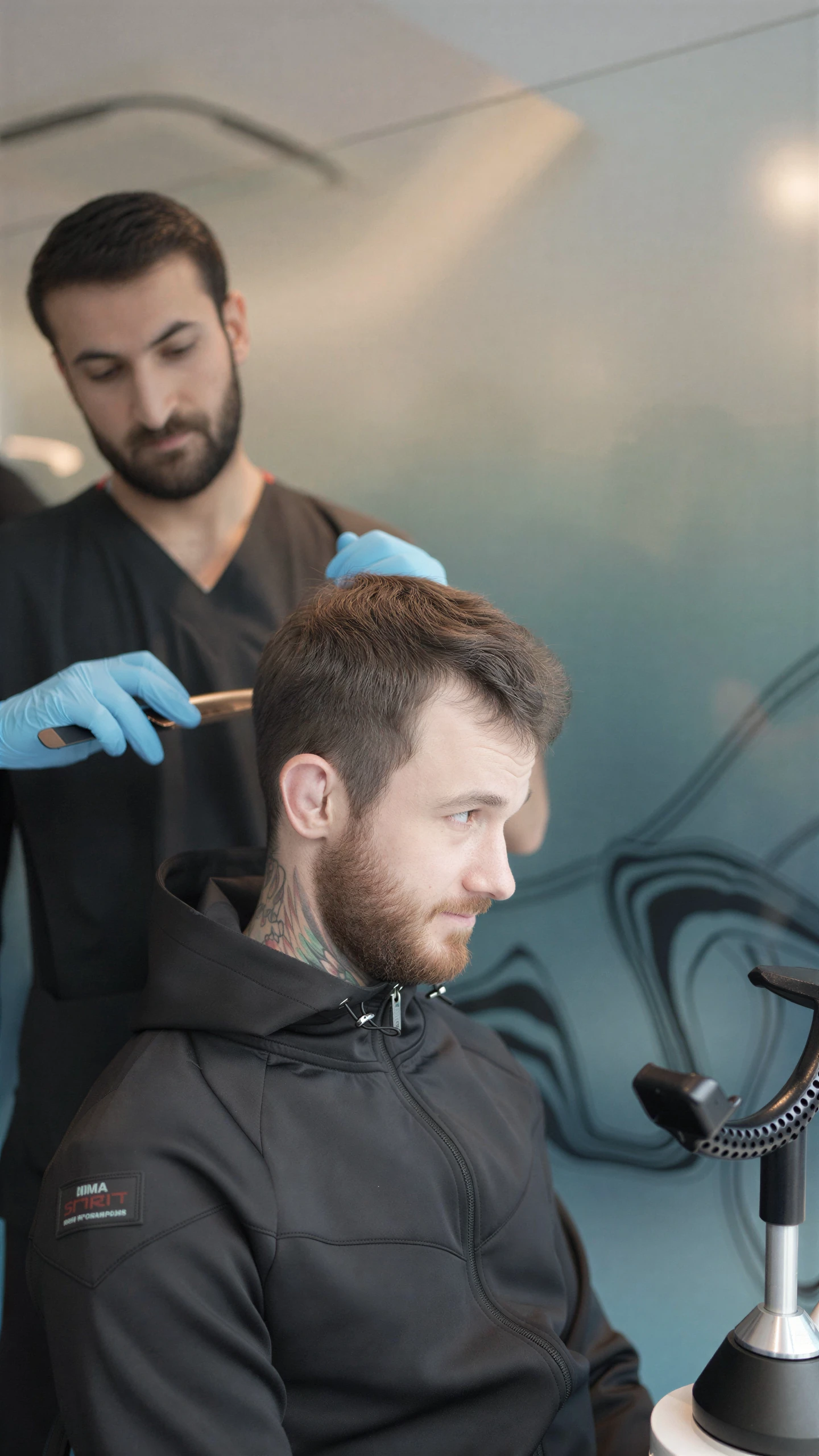
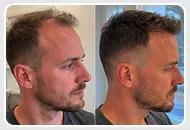
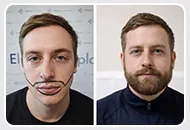
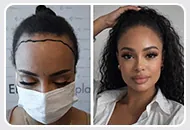
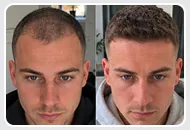
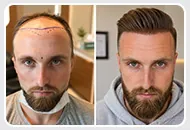
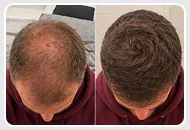
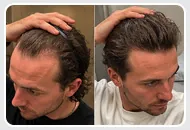
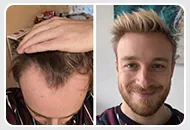
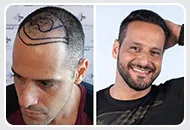
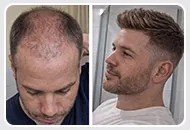
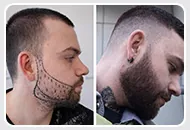
What ultimately counts in a hair transplant is the visible result, and that applies to your donor area just as much as your hairline. The photos below show patients whose grafts were extracted by hand, before treatment and after their hair had fully grown in.
Anton Z. - 3,800 grafts with DHI as standard
“Putting it off wouldn't have made sense at this stage of my life. My reflection in the mirror is the best explanation.” Anton Z.
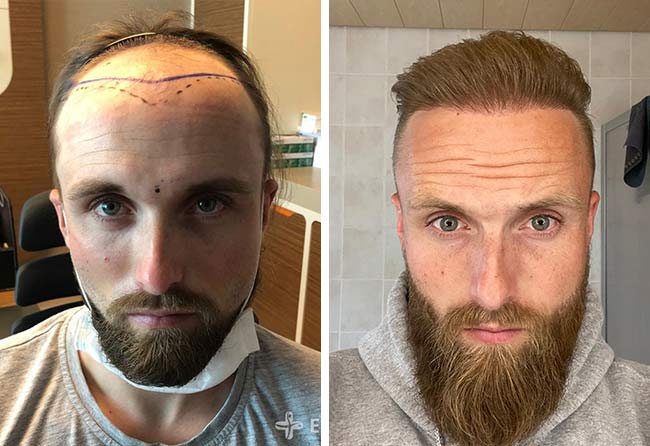
Frederik G. - 4,700 grafts with DHI as standard
“I'm very happy. It's a wonderful feeling to have hair again where there hasn't been any for a long time.” Frederik G.
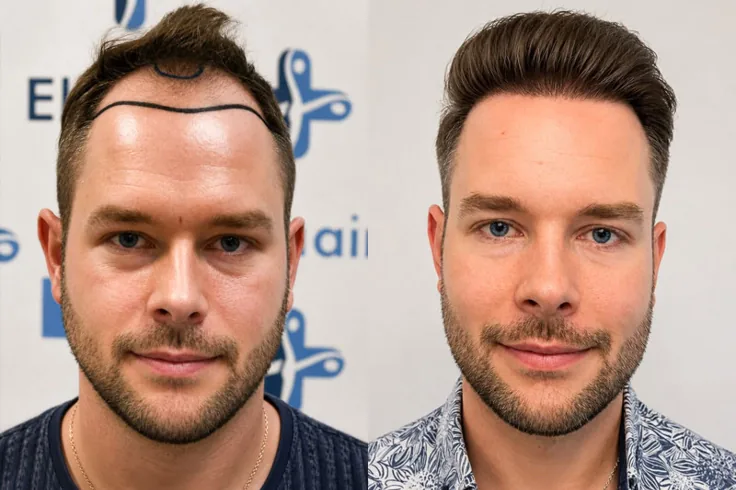
Michael A. - 4,700 grafts with DHI as standard
“Looking in the mirror in the morning finally makes me happy again.” Michael A.
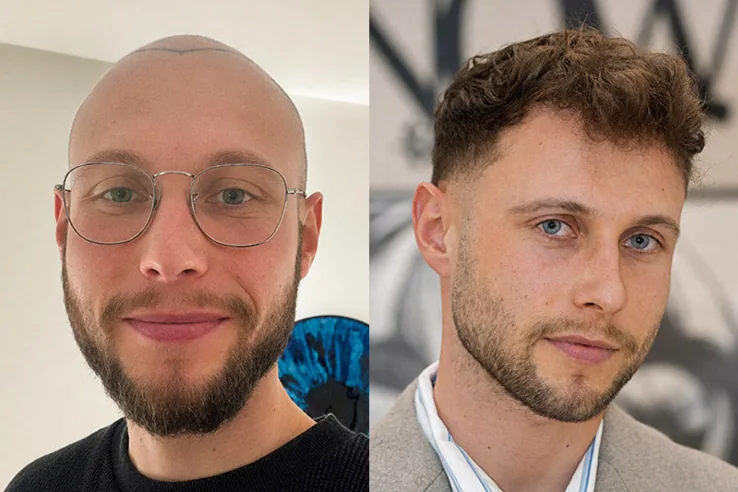
Niklas N. - 4,000 grafts with DHI as standard
"My only real regret is that I didn't do it much sooner." Niklas N.
Manual FUE means extracting grafts entirely by hand during a hair transplant. The word "manual" refers only to the extraction method: the Titanium Manual Punch replaces the motor-driven instrument.
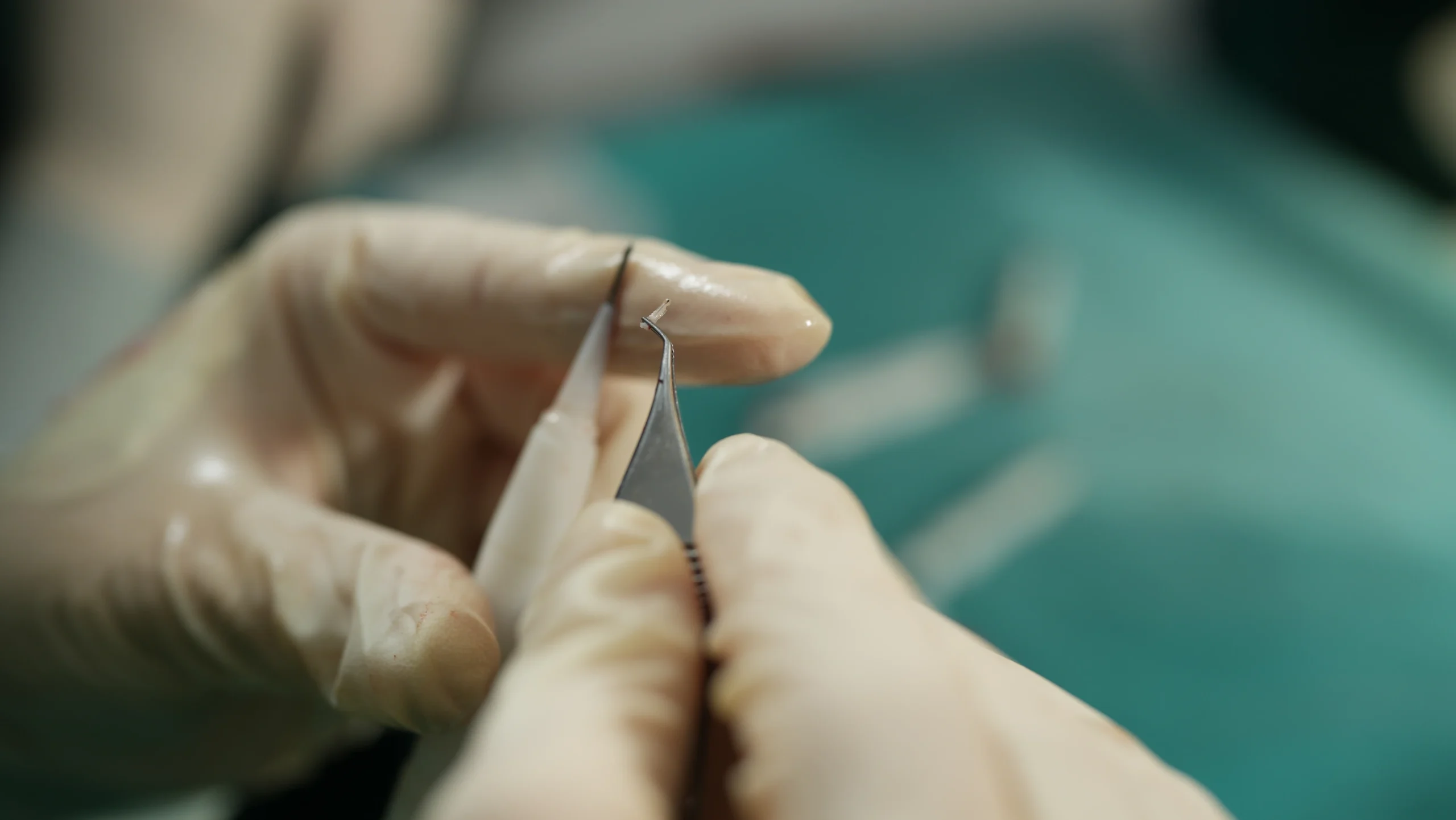
FUE describes the extraction stage: grafts are harvested from the donor area before the separate implantation stage.
Manual FUE refines this crucial first step. An undamaged graft is more likely to grow successfully after transplantation, giving you a denser, more natural result.
The benefit for you: As no rotating tool acts on your scalp during manual extraction, the surrounding tissue is protected, wounds are minimal and the donor area recovers faster.
The faster a micromotor rotates, the more sharply it cuts and the easier extraction becomes. At the same time, it leaves larger marks in your donor area and places more strain on the tissue around the follicle. The industry standard is around 4,000 revolutions per minute because this makes extraction quick and manageable even for less experienced operators.
We spent years reducing the speed instead. Our devices are factory-limited to a maximum of 750 rpm and physically cannot run faster; we perform extraction at 100 to 200 rpm. Each reduction in speed means less heat generation and less mechanical trauma, but requires much greater precision and patience with every graft.
Manual extraction goes one step further. Even at 100 rpm, a motor rotates at a uniform speed. Without the motor, the medical specialist can follow the individual path of each follicle.
Two simple questions can quickly reveal a provider's real expertise: "What rpm does your micromotor run at during extraction?" and "Can you extract grafts entirely by hand?" Asking about the method alone is not enough, because every provider has a standard answer. Ask about precise control and the ability to adapt during extraction.
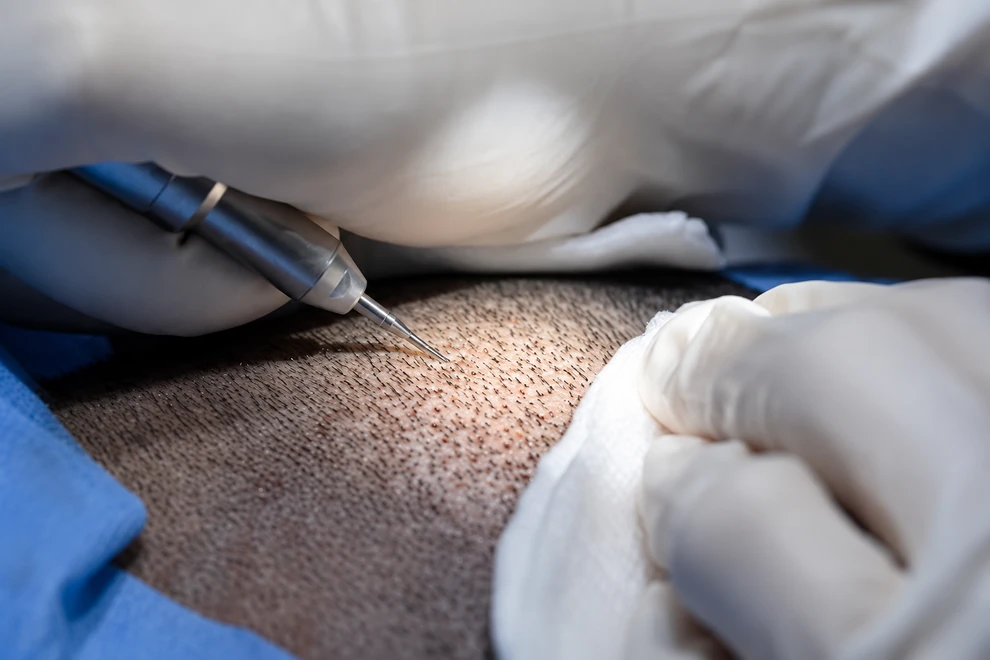
Manual extraction trades speed for precision. What matters for your result is how many follicles survive extraction undamaged, rather than how many seconds each graft takes.
How common it is in Turkey: Rare, because working at low rpm requires specialist training
Drive: Rotating micromotor at around 4,000 revolutions per minute
Drive: Micromotor at 100 to 200 rpm, factory limit of 750 rpm
No motor drive; hand-guided punch
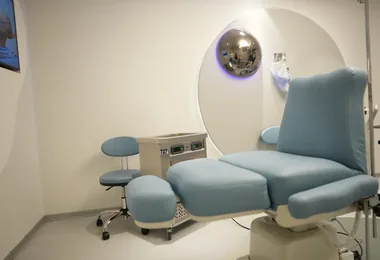
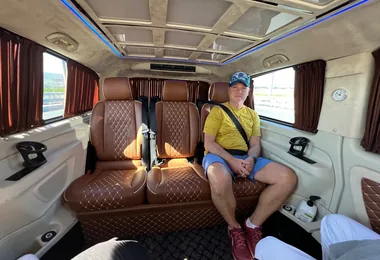






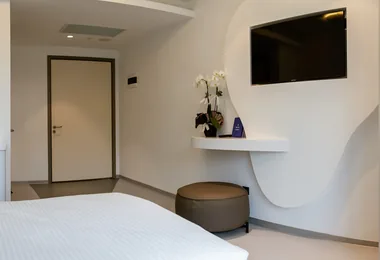

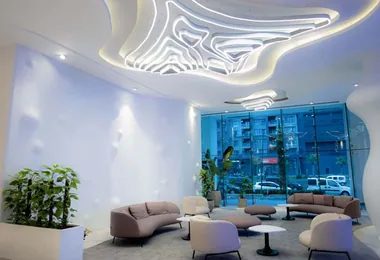


 Process
At Elithair, Manual FUE includes the 5-Doctor Standard: our doctors oversee and take responsibility for your treatment at five key checkpoints.
 Manual FUE and DHI
Manual FUE refers to how grafts are extracted, so it lays the groundwork for the DHI implantation that follows.
At Elithair, the grafts are then implanted exclusively using DHI with the CHOI Implanter Pen. We no longer use the older sapphire technique.
The key principle remains the same: gentler, more precise extraction provides a better foundation for the implantation that follows.
Manual FUE at Elithair grew out of years of medical refinement, with each step making extraction gentler.
It began with conventional motorised FUE. Motorised devices rotate the punch to assist extraction. Their effects on grafts and surrounding tissue depend on the settings, instrument and operator.
Reducing rotation speed can limit some sources of friction, but careful punch selection and operator technique remain essential to protecting grafts.
Over the years, we reduced the speed step by step and intensified training at each stage. The slower the motor runs, the more precision, patience and experience each movement requires.
Today, our standard is 100 to 200 rpm. That is already very close to entirely manual extraction, so the next step was clear: we trained our FUE teams to extract grafts entirely by hand on request, without a micromotor.
The gradual reduction in rotation speed led naturally to the next step: extracting grafts entirely by hand.
 Motorised or hand-guided extraction
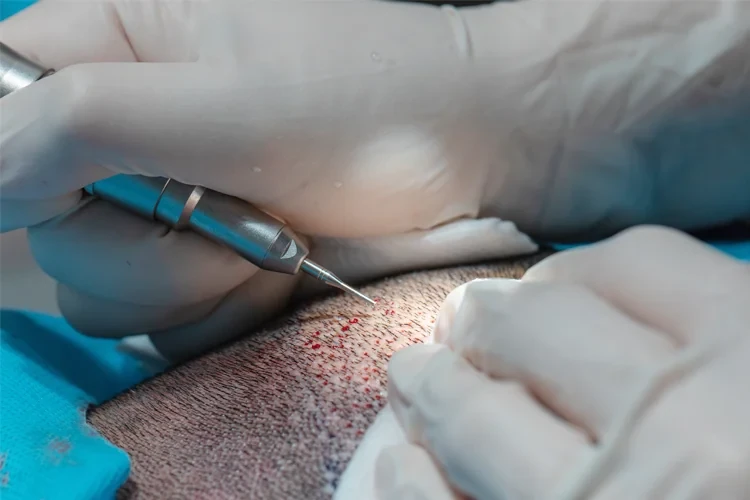
A micromotor drives the hollow punch at high speed to separate the tissue around the follicle. The graft is then removed with forceps.
The potential drawbacks vary with the device and technique:
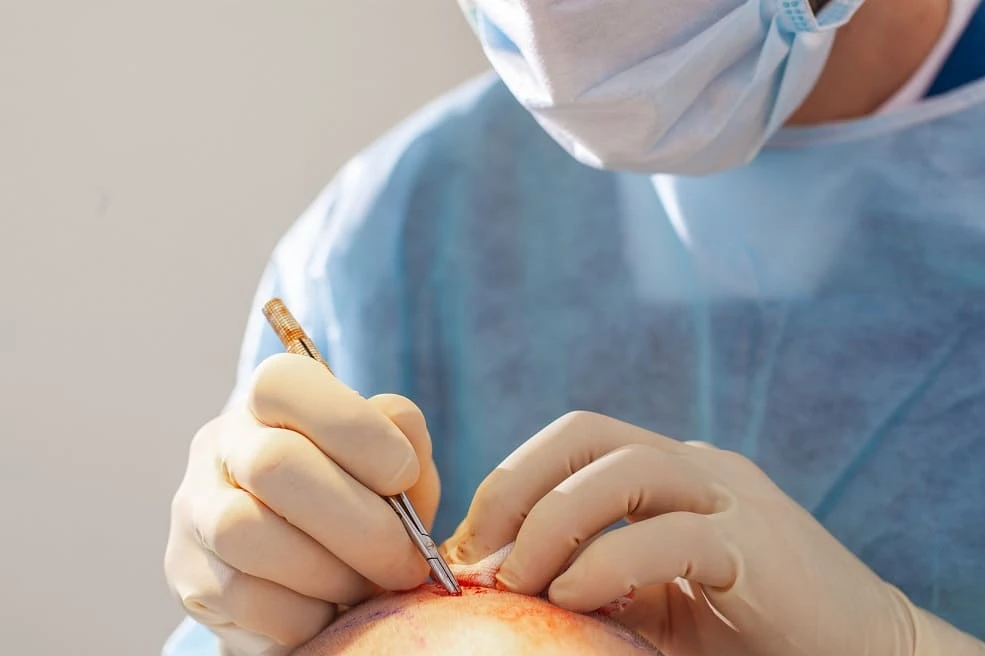
With Manual FUE, the punch is controlled by hand. The medical specialist adjusts movement, depth, angle and pressure in response to the donor tissue and each follicle's direction. The advantages include:
Immediate feedback makes the difference: the medical specialist can feel resistance, skin texture and depth throughout extraction. This allows real-time adjustments for thinner or thicker tissue, a firmer or softer scalp and curved follicles. A motor provides none of this direct feedback.
Transection rateOne technical measure captures the advantage of manual extraction.
The ‘transection rate’ is the proportion of follicles cut through or damaged during extraction so severely that they can no longer produce hair. Each damaged follicle means one fewer follicle in your recipient area, and it cannot be replaced in the donor area.
This is where manual extraction excels. The medical specialist follows each hair's growth angle without a motor-driven rotating punch, so more follicles remain intact and reach the recipient area in the best possible condition.
The number of intact grafts that grow successfully depends on conditions in the recipient area, particularly the implantation depth. Grafts placed too superficially have a survival rate of about 60%. The implantation depth determined individually through the Pre-Test System, together with NEO FUE® care, contributes to a graft survival rate of approximately 98%.
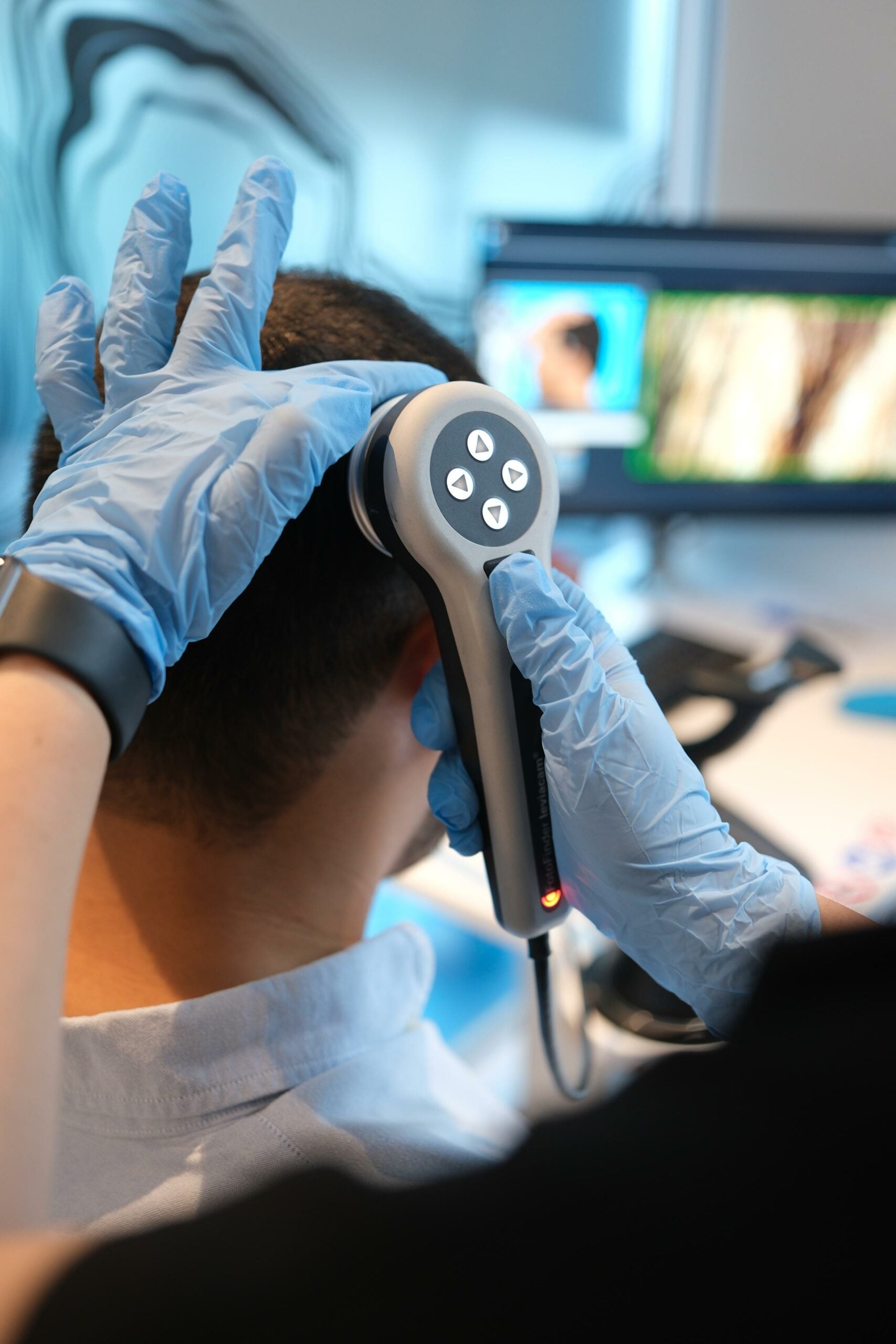
Your hair is as unique as your fingerprint, so we always create a personalised treatment plan. Before your procedure, our Pre-Test System uses ultrasound to measure your skin thickness, Doppler ultrasound to measure your blood flow and the TrichoLAB scanner to measure your hair density. Your skin thickness and blood flow together determine your implantation depth. These results shape your treatment plan, and our doctors design a hairline that suits your facial proportions. Even two patients with the same graft count receive different treatment plans.
Here is an honest point you rarely see stated: manual extraction does not automatically mean a low transection rate. In inexperienced hands, it damages more follicles than a motorised device. Our highly specialised medical team uses this method when it offers a clear benefit for your result.
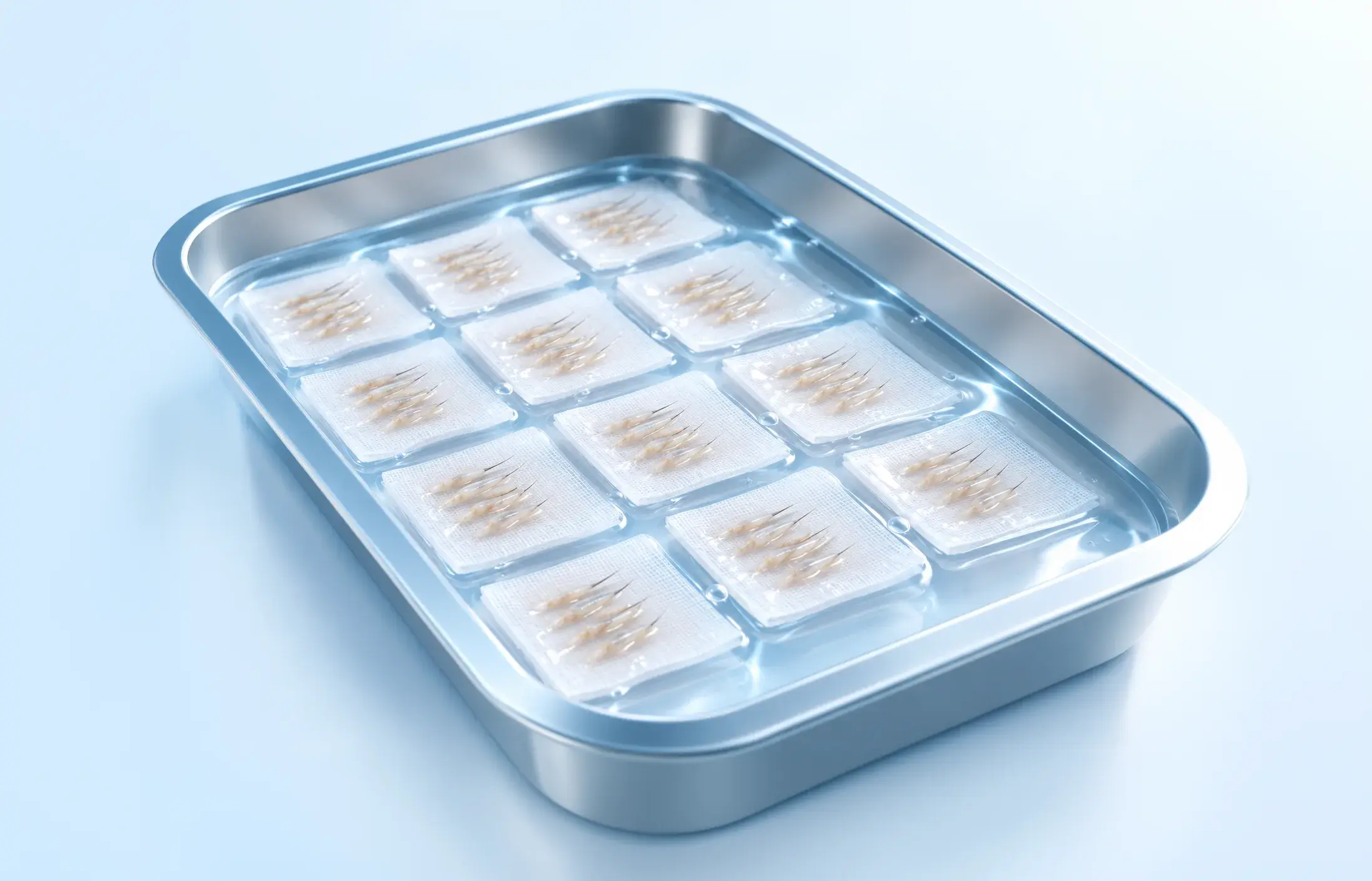
Between extraction and implantation, every minute counts for each follicle. While grafts are without a blood supply, how they are handled determines their vitality and survival rate (Parsley et al. 2010).
Our patented NEO FUE® Serum forms part of your aftercare. You receive the dermaroller set at the clinic and apply the serum to the donor and recipient areas on day 14 and day 28 after your procedure to support healing.
At the clinic, extracted grafts are kept hydrated in a storage solution until implantation.
When comparing clinics, ask how grafts are handled, hydrated, stored and tracked between extraction and implantation.
 Instrument
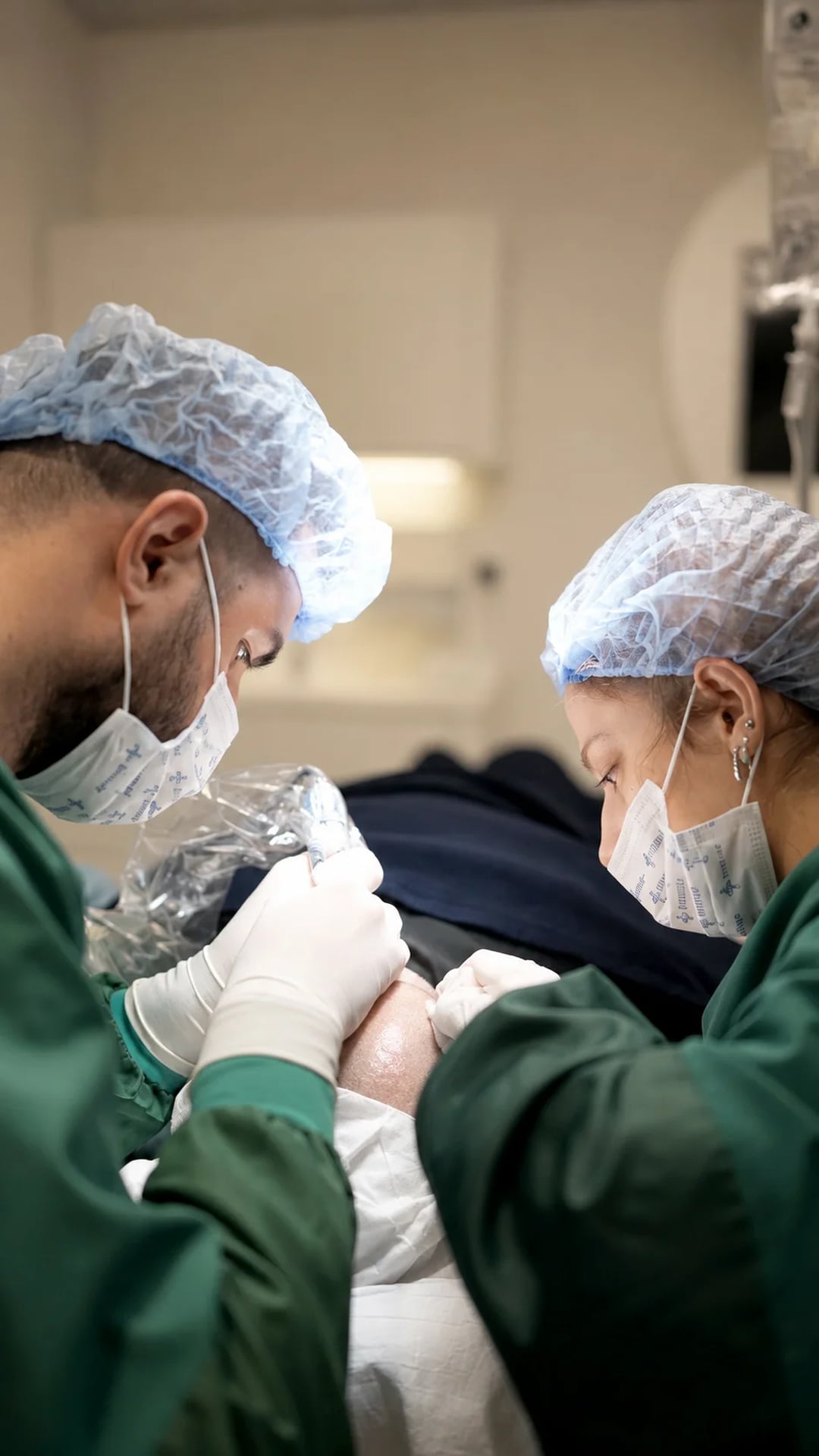
Manual FUE uses a very fine handheld punch. Its diameter determines how gently the follicle can be extracted and how small the opening in the scalp will be.
A smaller diameter creates a smaller opening that heals faster and leaves a less conspicuous pattern in suitable cases. A fine punch also requires greater precision: it must be positioned accurately around the follicle without damaging it.
Manual guidance allows the medical specialist to adjust angle and depth continuously for each graft.
For you, this means no scars at the back of your head, even if you later want to wear your hair short.
BenefitsManual FUE offers high precision and maximum protection. By performing every step of extraction by hand, the medical specialist can adjust to the feel of the tissue and each hair's exact growth angle.
This tailored approach protects the surrounding scalp tissue and keeps more hair follicles intact.
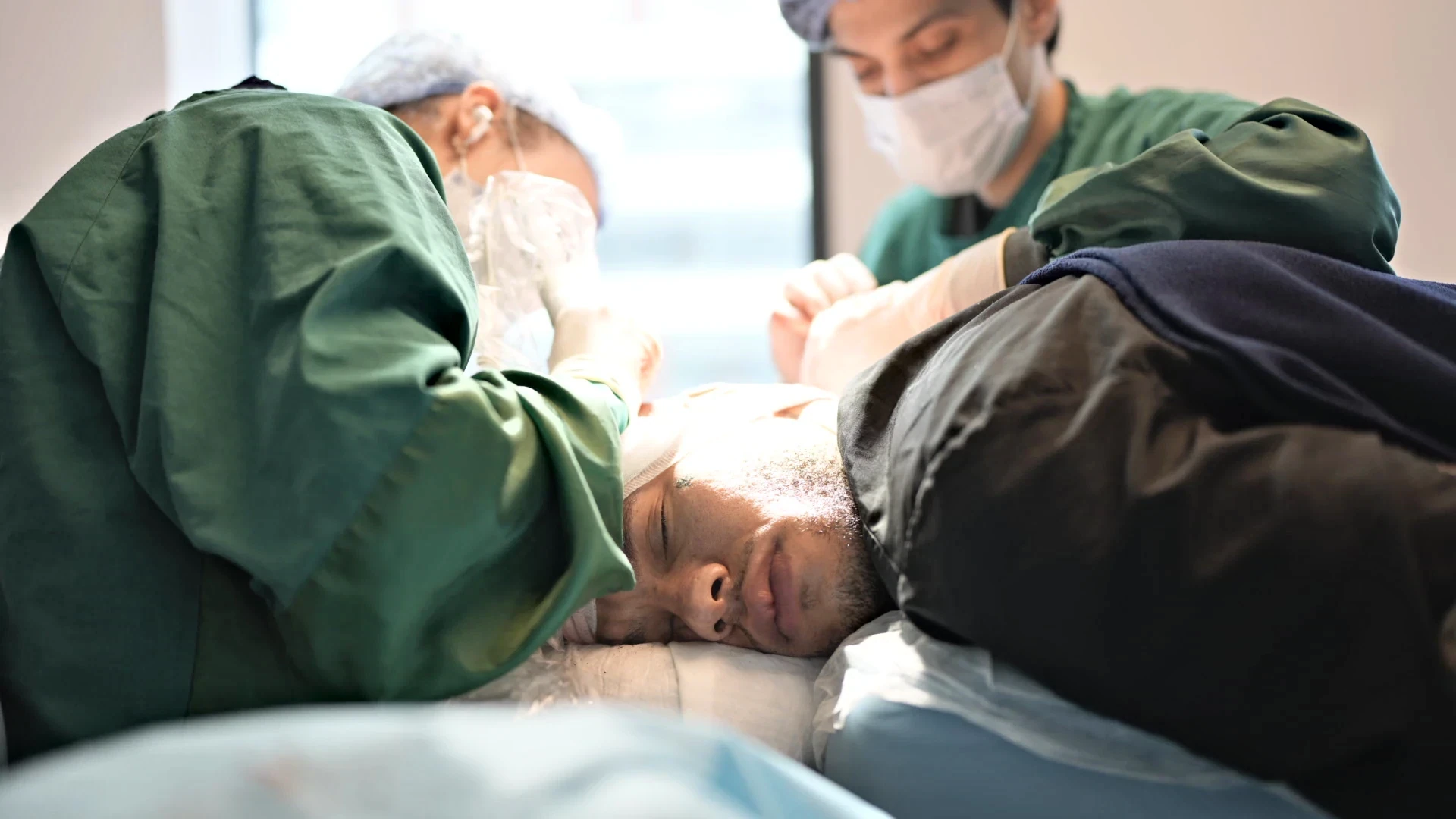
No motor-driven rotation: the medical specialist controls each punch movement by hand.
Maximum donor area protection: tiny, individually positioned openings minimise stress on the tissue.
No scars: Manual FUE leaves no linear FUT scar and no uniform, machine-made dot pattern in the donor area.
Intact grafts: grafts extracted without motor-generated heat reach the recipient area in the best possible condition.
Precision rather than a preset approach: the medical specialist adapts every hand movement to the growth direction of each individual hair.
Ultimately, one question matters after a hair transplant: how many transplanted grafts will survive in the long term and produce strong hair? This graft survival rate depends mainly on the implantation depth in the recipient area, but the groundwork is laid at the moment of extraction.
A follicular unit is sensitive, living tissue. Excessive mechanical stress or frictional heat during extraction reduces its chances of growing successfully.
Damaged grafts can also produce thinner hair or hair that grows unevenly. Manual extraction avoids motor-driven rotation and allows the medical specialist to adjust the punch to the follicle's direction. It does not guarantee that every graft remains intact.
For you, that means more intact grafts and a solid foundation for a dense, even result.
Your donor area is the one thing in this treatment you cannot buy more of. Everyone has a limit on how many grafts can be taken from their donor area without leaving the hair visibly thinner (Chouhan et al. 2019).
If the donor area is handled too roughly, it can thin out, making a second treatment years later harder or impossible.
Manual FUE is designed to prevent this. Tiny, precisely positioned openings preserve as much healthy tissue as possible between the extracted follicles, keeping your reserves intact for future treatment.
| Time frame | What happens |
|---|---|
| First two to three days | Mild redness and small crusts can occur at extraction sites |
| Days 10 and 11 | The tiny openings have closed, and the crusts are gently removed with a lotion |
| After a few weeks | The donor area no longer shows a recognisable pattern |
| From about three to four months | Early new growth may begin to appear in the recipient area |
| After six to nine months | The result is clearly visible |
| After 10 to 18 months | The final result is visible at the front after 10 to 12 months and at the crown after 15 to 18 months |
Treatment journey5-Doctor Standard: our doctors oversee and take responsibility for your treatment at five stages: the hair analysis, the Pre-Test System, hairline planning, anaesthesia and the final check.
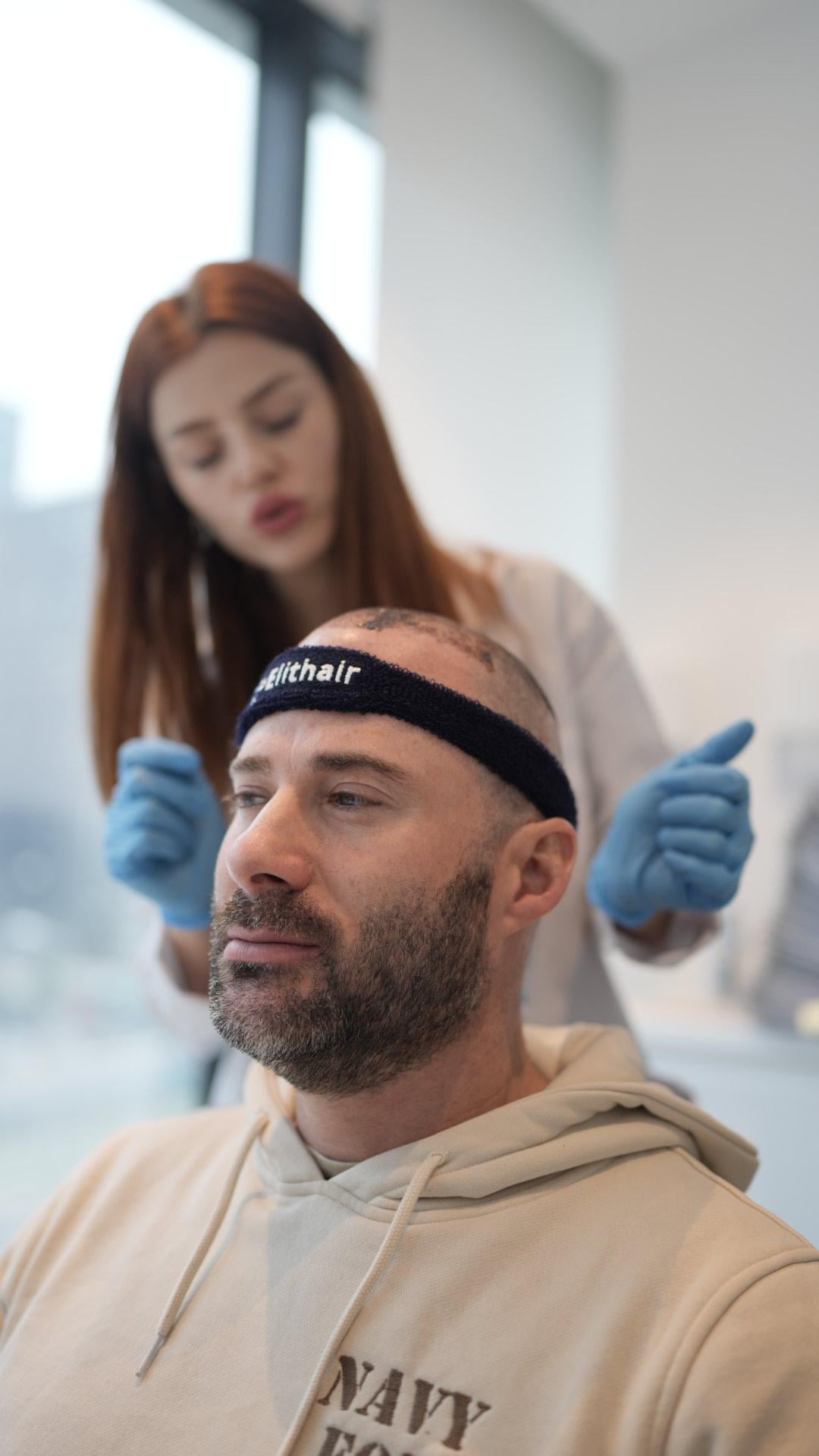
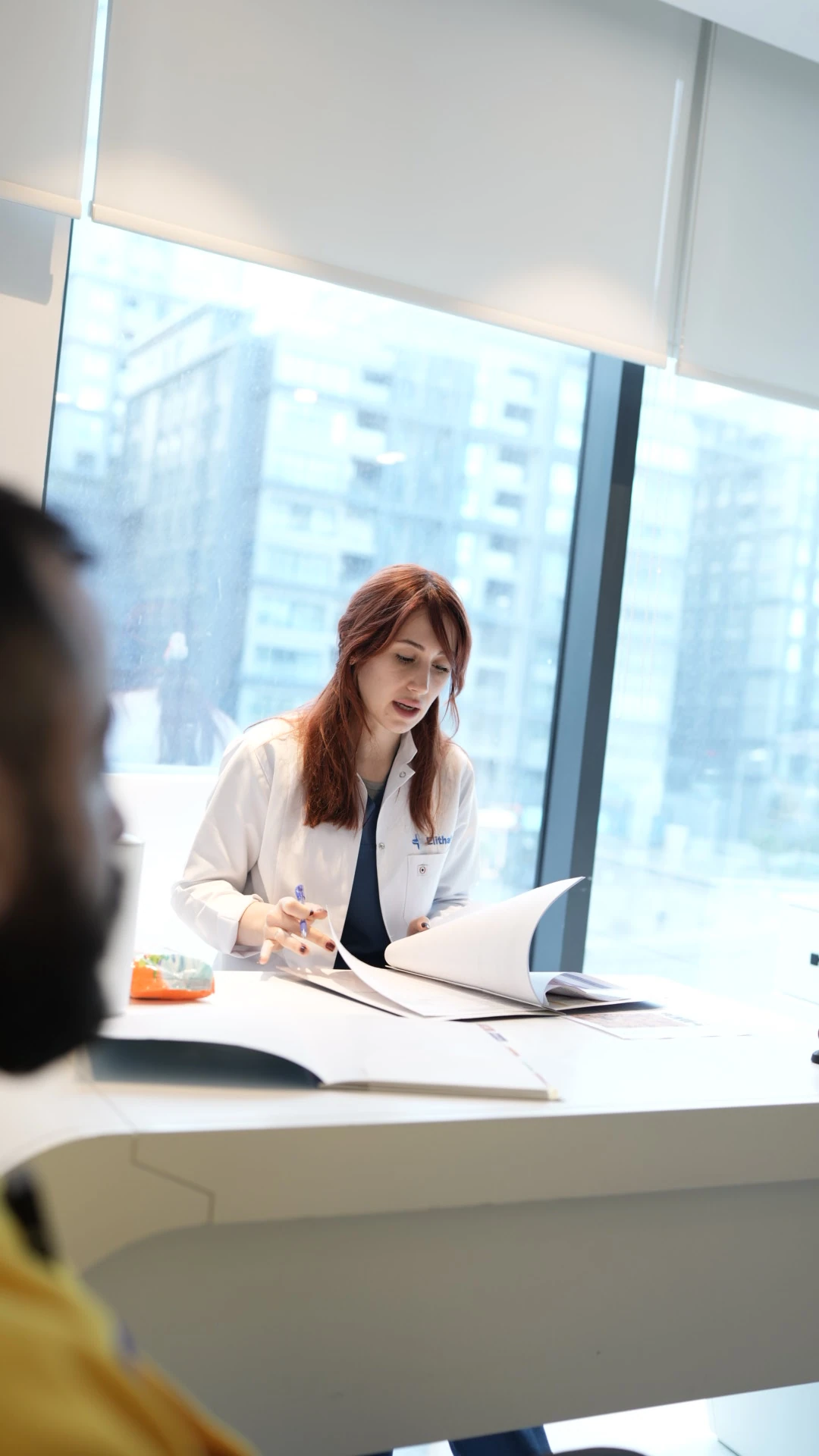
Free hair analysis: our doctors review your photos to assess your donor area, current hair loss and whether treatment is appropriate for you.
Arrival and Pre-Test System: straight after you arrive, you undergo the six diagnostic steps of the Pre-Test System at the clinic. These include an ECG and blood tests, hair analysis with the TrichoLAB scanner, ultrasound to measure skin thickness and Doppler ultrasound to assess blood flow. Skin thickness and blood flow together determine the depth at which your grafts are inserted. Your individual treatment plan is drawn up from the results. Your proposed hairline is discussed with your doctor before treatment.
0% pain with Sleep-Deep: you sleep through the local anaesthetic injections under gentle twilight sedation lasting about 15 minutes. Our anaesthetist supervises your sedation, and you wake up after the injections are complete.
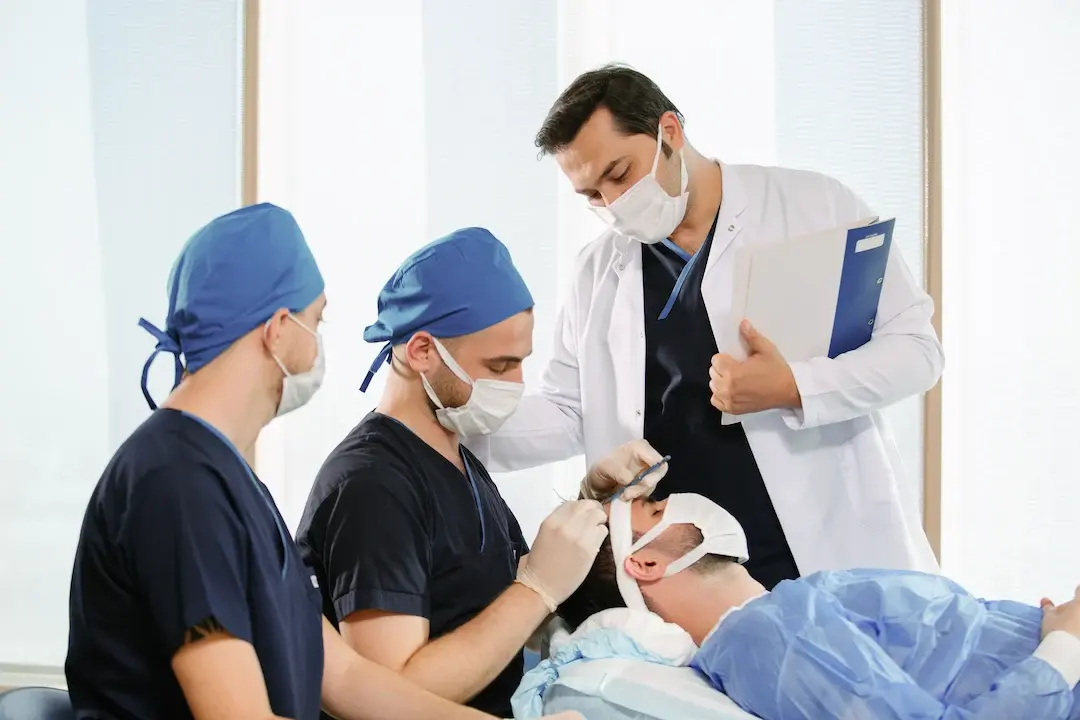
Manual FUE: we gently extract each hair by hand, avoiding heat damage from a motor. The grafts are kept in a nutrient solution until our medical specialists implant them directly using the DHI method, at your individually determined depth and growth angle.
PRP and aftercare: the included PRP treatment takes place at the clinic on the day of your treatment. Aftercare continues for 12 months through the Elithair App: you upload photos regularly, our medical team reviews them and monitors your healing, and push notifications remind you when you can resume each activity.
Skill and oversightManual FUE is not something you can switch on at the push of a button. It comes down to skill, experience and quality. The micromotor was originally introduced to standardise extraction and make it manageable for less experienced practitioners.
Harvesting consistently high-quality grafts without a motor requires medical specialists who have spent years mastering manual extraction.
It takes a steady, precise hand, a trained eye for each hair's growth direction and a team that maintains this level of care throughout the session. Manual FUE requires specialist training and is not offered at every clinic.
Our standards are independently verified on a regular basis. The Turkish Ministry of Health conducts unannounced inspections of our hair transplant clinic once or twice a month, reviewing processes, hygiene, sterilisation, documentation and treatment.
In recognition of our quality, the Ministry of Health approached us and designated Elithair an official training centre for hair transplantation. More than 70 doctors have already trained here. You benefit directly from this expertise: your medical specialists have at least seven years of experience and care for you from start to finish.
Our processes are also ISO 9001 certified and have been independently audited by TÜV Thüringen, a German inspection body. For you, this means the highest medical standards throughout your treatment.
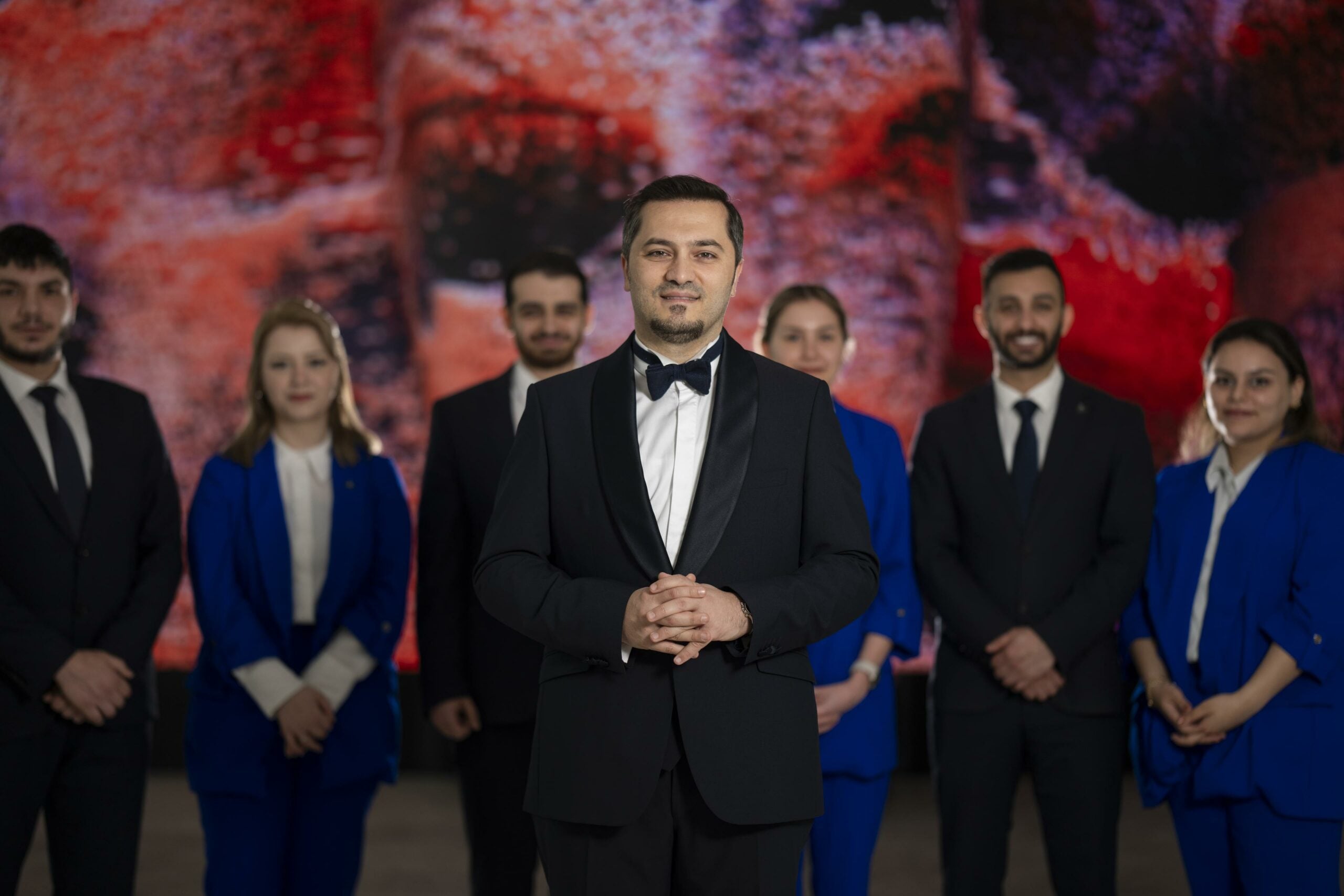
You book directly with us, without an agency or a changing roster of partner clinics. Our doctors are permanent employees, and Elithair remains your single, reliable point of contact for any questions after your procedure.
An honest assessmentManual FUE has practical trade-offs to consider when making your decision:
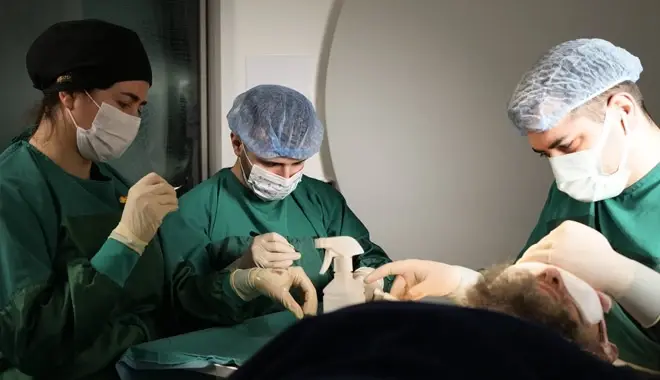
More time required: manual extraction takes longer than motorised extraction because each graft is extracted individually along its growth direction. We deliberately invest this extra time in the quality of your result.
Highly dependent on specialist skill: the method's results depend strongly on the medical team's technique and experience.
Limited availability: the technique requires years of training, so it is not offered at every clinic.
Suitability
Manual FUE is suitable for anyone considering a hair transplant in Turkey who prioritises a donor area with minimal visible signs of treatment. It is especially well suited to:
Whether Manual FUE is appropriate for you depends on your donor area, the number of grafts needed and your treatment plan. Your free hair analysis provides an initial assessment. Manual FUE is optional and carries an additional charge.
We will give you an honest assessment of whether a hair transplant is medically appropriate for you. After the hair analysis, we turn down around 40% of all enquiries when medical suitability or expected outcomes do not support treatment. We recommend surgery only when the assessment suggests a reasonable prospect of benefit, while explaining the limitations and risks.
Your stay in Istanbul lasts 4 days and 3 nights. Most patients return to their normal routine after five to six days, depending on their work; the small scabs in the recipient area are gently loosened on days 10 and 11.
Manual FUE leaves no scars: the tiny extraction sites heal completely, leaving no obvious signs in the donor area even with short hair.
You choose your preferred date with your hair transplant adviser, with flexibility if your plans change. If something comes up, let your adviser know: we can discuss available alternatives.
 All-inclusive
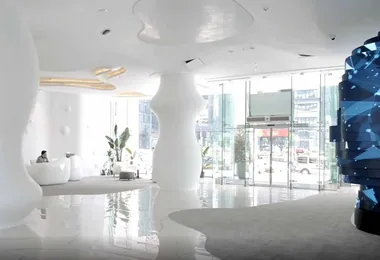
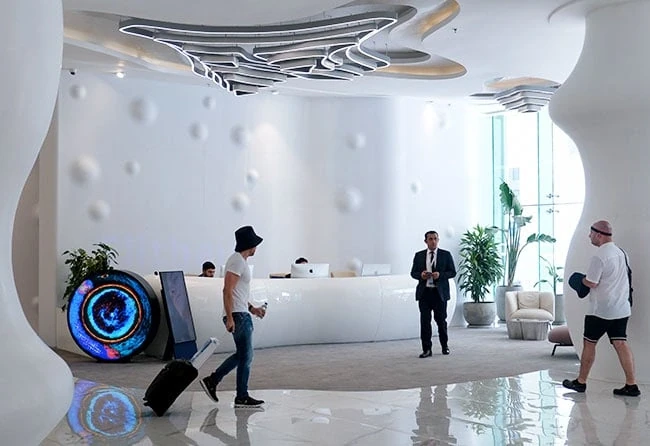
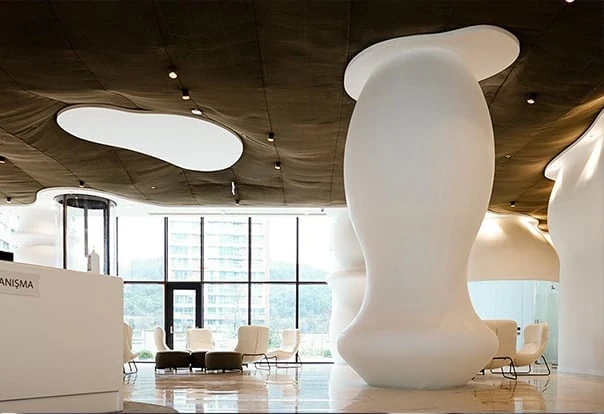
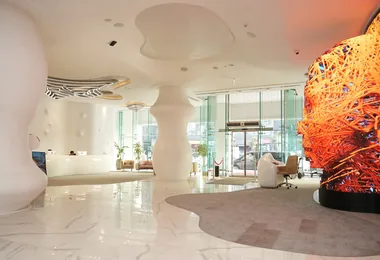
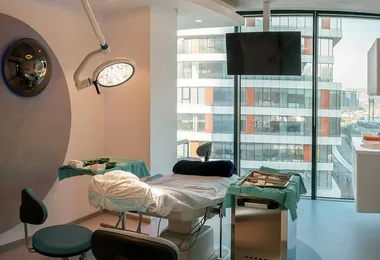
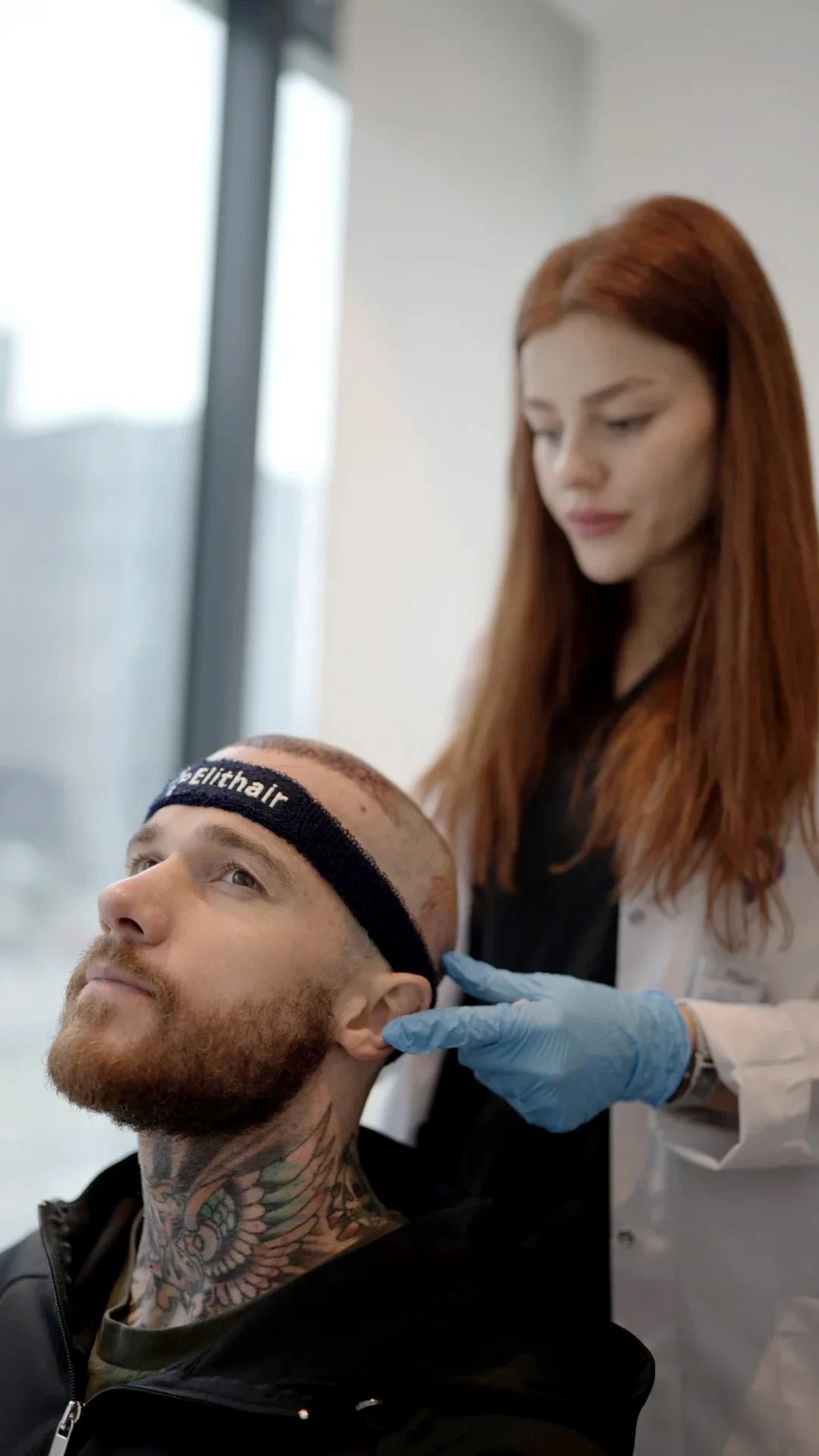
Our specialised clinic in Istanbul is dedicated entirely to your hair transplant, and you have your own operating theatre. All examinations and your procedure take place at the clinic, and you stay 3 nights at a 4-star hotel nearby.
You benefit from highly specialised care.
Here's what's included in your all-inclusive package:

Your flight is not included (around £90 to £220), and Manual FUE and Zero Shave FUE are available as options for an extra charge.
Hereditary hair loss is progressive. Donor capacity can change with progressive hair loss, although the rate and pattern vary. As these reserves diminish, extraction that preserves every follicle becomes even more important.
We can assess your hair as it is today, but no one can predict how it will change in the coming years. Suitability depends on the pattern of hair loss, donor capacity and treatment planning.
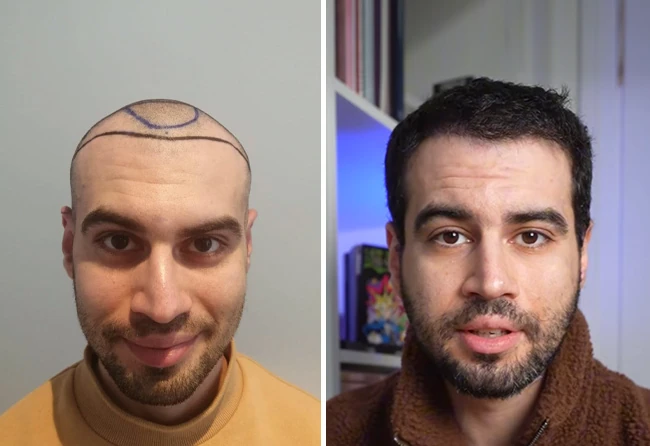
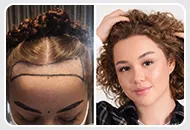
Spybas - 3,200 grafts
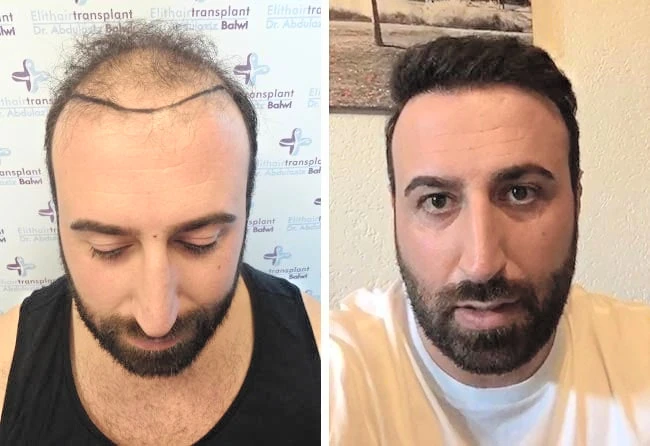
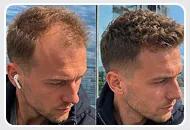
Artin A. – 3,500 grafts
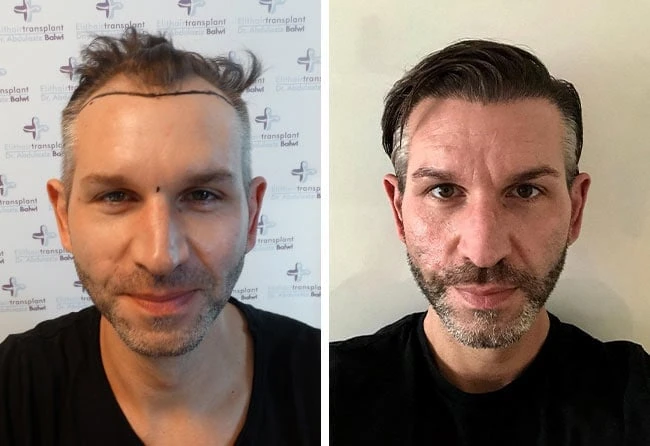
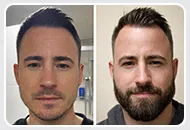
Thomas S. – 4,250 grafts
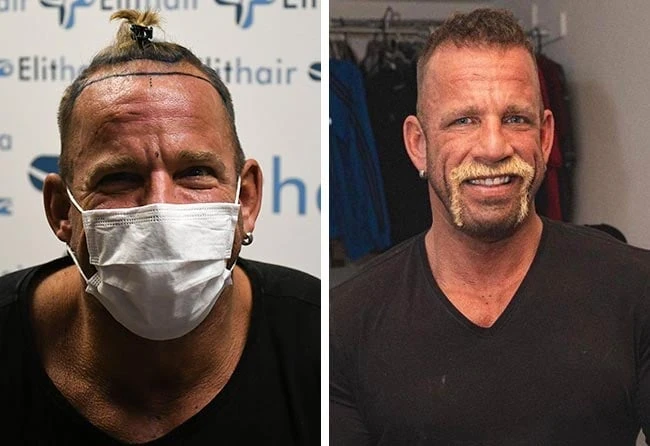
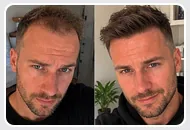
Hollywood Matze - 2,900 grafts
Transplanted hair takes time to grow, so treatment timing should balance personal goals with the stability of hair loss.
Your personal hair analysis shows what is possible for you. The assessment is transparent, free and comes with no obligation.
More than 150,000 treatments
After more than 150,000 treatments, we have seen virtually every type of hair loss. This experience helps us understand your unique hair structure and achieve the best result for you.
Google4.9over 11,000 reviews Trustpilot4.7over 3,700 reviews
 ProvenExpert4.84over 2,500 reviews
 ausgezeichnet.org4.92over 570 reviews
Our work has been covered by Forbes and by major German outlets including SAT.1, ARD, WELT and t-online.
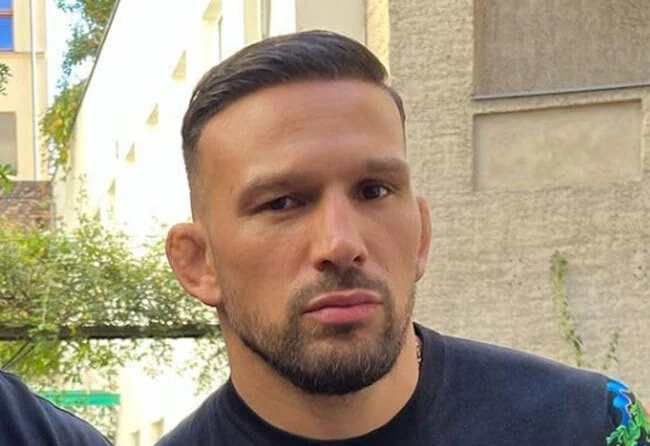
“Everything was extremely professional and extremely hygienic. I'm just really, really happy that I decided to do it.”
Max Coga · Aged 34 · 3,250 grafts
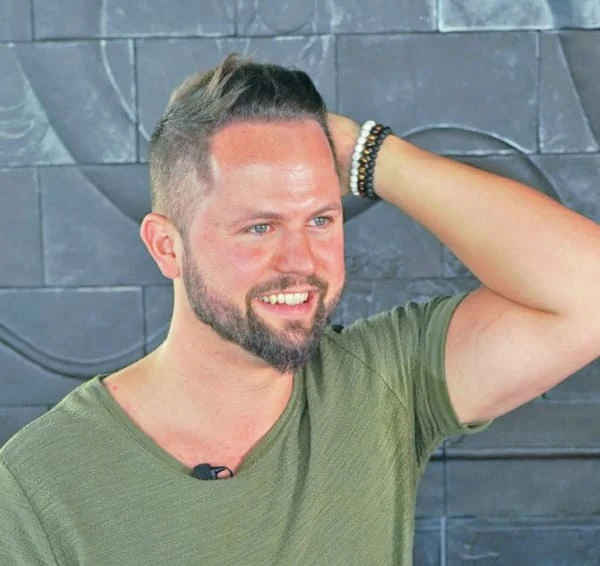
"I can't put into words how happy I am with the result. Definitely the best decision of my life."
Nico G. · Aged 27 · 2,800 grafts
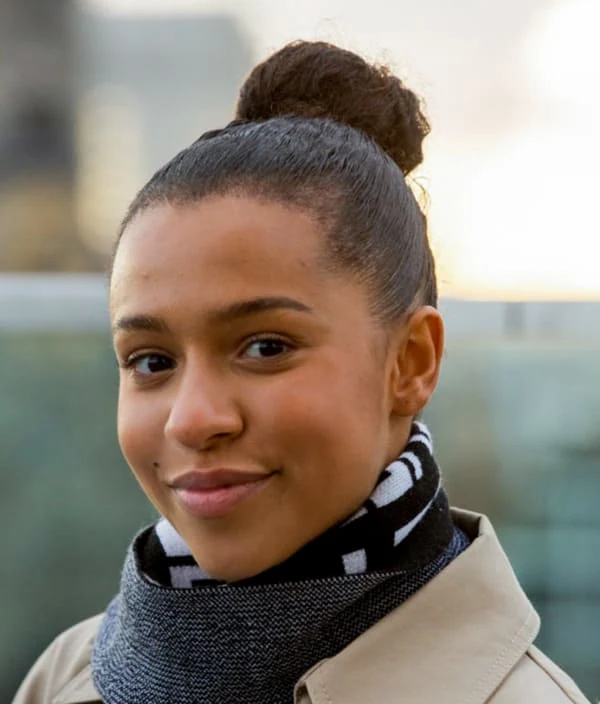
“I'm just happy I had a hair transplant… and yes… I'm just happy – that's what matters.”
Melissa Z. · Aged 22 · 2,700 grafts
Manual FUE means extracting grafts from the donor area entirely by hand. The medical specialist uses no micromotor, instead guiding the extraction instrument by hand and adjusting the angle, depth and pressure for each graft.
With motorised FUE, a motor drives the extraction punch. Rotation speeds and techniques vary across providers. Our devices are factory-limited to a maximum of 750 rpm, and we extract at 100 to 200 rpm. Manual FUE uses no motor.
No, we use both methods. Our standard is motorised extraction at 100 to 200 rpm, with settings selected to support controlled extraction. Fully manual extraction offers an additional level of precision and is available as an option at an additional cost. We determine which option is right for you after your hair analysis and the Pre-Test System.
It is more precise because no rotating tool touches the scalp, and each cut follows the individual follicle. The benefit depends entirely on the medical specialists' experience, however. For less experienced practitioners, motorised extraction at a low rotation speed is the better method.
Your grafts are kept in a nutrient solution to prevent them from drying out and are implanted during the same session. The time they spend outside the body affects how many follicles grow after implantation, so ask every clinic how long this interval will be.
No, it leaves no scars. With manual extraction, the openings are kept as small as possible and follow the hair's natural growth pattern rather than an even grid. Once healed, they do not form a recognisable pattern, even with short hair.
Manual FUE is particularly well suited to curly, coiled or very fine hair because the medical specialist can follow each follicle's path by hand. Your hair analysis will help determine whether it is right for you.
Entirely manual extraction requires years of specialised training and a well-trained team that maintains the same level of precision throughout the session. Even our 100 to 200 rpm technique takes so much practice that medical specialists from other clinics first train with us to master it.
Sleep-Deep sedation is designed to provide 0% pain during administration of local anaesthesia. Our own anaesthetist administers gentle twilight sedation for 15 minutes and monitors you continuously. Once the local anaesthetic has taken effect, you wake up with the treated area numb, without general anaesthesia.
Some patients can return to office work on day 2 or 3 and resume their normal routine after five to six days, depending on their work. You can return to physically demanding work, such as construction or restaurant kitchen jobs, after two weeks. The small scabs in the recipient area are gently loosened on days 10 and 11. Small extraction sites may become less noticeable as they heal, although visibility varies.
At Elithair, grafts are implanted exclusively using DHI with the CHOI Implanter Pen. Creating recipient sites with sapphire blades is an older implantation technique that Elithair no longer uses.
Yes. Your PRP treatment is included and takes place at the clinic on the day of your procedure. It supports healing. At least six sessions are recommended overall, with the first follow-up session between weeks 2 and 4, followed by sessions every 3 to 4 weeks.
We operate our own clinic in Istanbul, and our doctors and medical specialists are permanent employees. We do not refer patients to a changing roster of partner clinics.
The procedure takes place at Elithair's own clinic in Istanbul.
Early new growth often begins around months three to four and becomes more noticeable after six to nine months. The final result is visible at the front after 10 to 12 months and at the crown after 15 to 18 months.


