
Scalp and Nervous System: Why the Scalp Burns, Tingles, Feels Tight or Goes Numb

4.9 - 11,000+ Reviews on Google

150,000+ Happy Patients Worldwide

free, no obligation
 4.9 out of 5 stars on Google
More than 150,000 treatments
at our specialist clinic, certified to ISO 9001:2015
by TÜV Thüringen.

 Elithair Blog
Our blog offers reliable guidance on everything from the first signs of hair loss to modern treatments and care after a hair transplant.
Explore at your own pace and find answers for your situation.
 All posts
Scalp and Nervous System: Why the Scalp Burns, Tingles, Feels Tight or Goes Numb

Plantur 21 Reviews: What the Caffeine Shampoo Really Does

Hair Loss From Hairspray: What Really Happens, and What Doesn’t

Ketoconazole for Hair Loss: What the Ingredient Can and Cannot Do

Turkish Hairlines: What’s Really Behind the Istanbul Hair Transplant Trend

How Many Grafts Do I Need? Benchmarks by Zone, Density and Prices

Hair Loss from Hair Dye: What Really Happens and When to Act

Hair Loss After Radiation: When It Starts and When the Hair Comes Back

MSM for Hair: What the Evidence Really Shows About Sulfur and Hair Loss

Hair Loss From the Pill: Causes, Stopping, Switching Pills and What Actually Helps

Alcohol and Hair Loss: How Much Really Does Damage, and Is It Reversible?

Diabetes and Hair Loss: Causes, Insulin Resistance, and What Actually Helps

Blood Tests for Hair Loss: Which Values Actually Tell You Something
Hair Loss on the Back of the Head: Whorl, Bald Spot or Another Cause?

Hair Loss After a Hair Transplant: Shock Loss, Shedding and the Road to the Final Result
Shampoo for Hair Loss: Which Ingredients Actually Do Something

Hair Loss During Menopause: Causes, Diagnosis, and What Really Helps

Diffuse Hair Loss: Causes, Forms, and What to Expect

Rosemary Oil for Hair: What It Can Do, What It Cannot, and How to Use It Properly

Hard Water and Your Hair: What Mineral-Rich Water Really Does to Hair and Scalp
Hair Loss: Which Doctor Should You See? Dermatologist, Primary Care and Specialists

Hair Transplant Aftercare: Recovery and Healing Timeline Day by Day

Norwood Scale: All 7 Stages With Pictures, Age and Graft Range

Receding Hairline: Genetic Trait or Hair Loss? How to Tell the Difference

Hormones and Hair: Understanding the Causes of Hormonal Hair Loss

Priorin for Hair Loss: Effects, Ingredients, Side Effects, and Reviews

Medication-Induced Hair Loss: Which Drugs, What Cause, and What You Can Do

What to Do About Hair Loss: An Honest Guide With a 4-Step Plan
Scalp Inflammation: Causes, Symptoms, and What Really Helps
Causes of Hair Loss: All the Reasons at a Glance
Hair Loss category

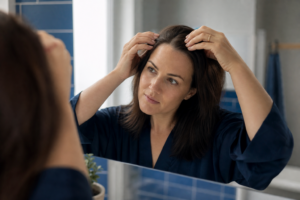
Why is your hair falling out, and what actually helps?
Worsening hair loss can have many causes, including genetic and hormonal factors, nutrient deficiencies, thyroid disease, stress and intolerances (Guo et al. 2017).
We explain what causes hair loss, which specialists to see and, most importantly, how to evaluate the active ingredients in hair loss treatments. We look at the scientific evidence behind established therapies, newer medical approaches and supplements to show what actually helps.
Established scales can also help you accurately assess the extent of your hair loss and choose the right approach for you.

Considering a hair transplant brings up a lot of questions: How many grafts will you need, how much will it cost, and what makes a clinic trustworthy? The right guidance helps you understand every step, from your initial decision to your final results.
We cover both preparation and recovery. Some patients experience temporary shedding of transplanted hair in the first few weeks after the procedure (shock loss), but not everyone does (Okochi et al. 2024). When it happens, it's a natural part of the process. We also explain how to care for scabs and gradually get back to sports.
Medical research, including work by Dr. Abdulaziz Balwi, and the firsthand experiences of public figures give you reliable guidance along the way.
Latest posts in the Hair Transplant category:
The Scalp and Nervous System: Why Your Scalp Burns, Tingles, Feels Tight or Goes Numb
Turkish Hairlines: What's Really Behind the Istanbul Hair Transplant Trend
How Many Grafts Do I Need? Benchmarks by Zone, Density and Prices




















Your daily habits often determine how healthy your hair is. Gentle washing, drying and styling help protect your hair, while the right haircut can make thinning hair less noticeable. Small changes to your routine can noticeably reduce strain on your scalp and keep you looking well groomed.
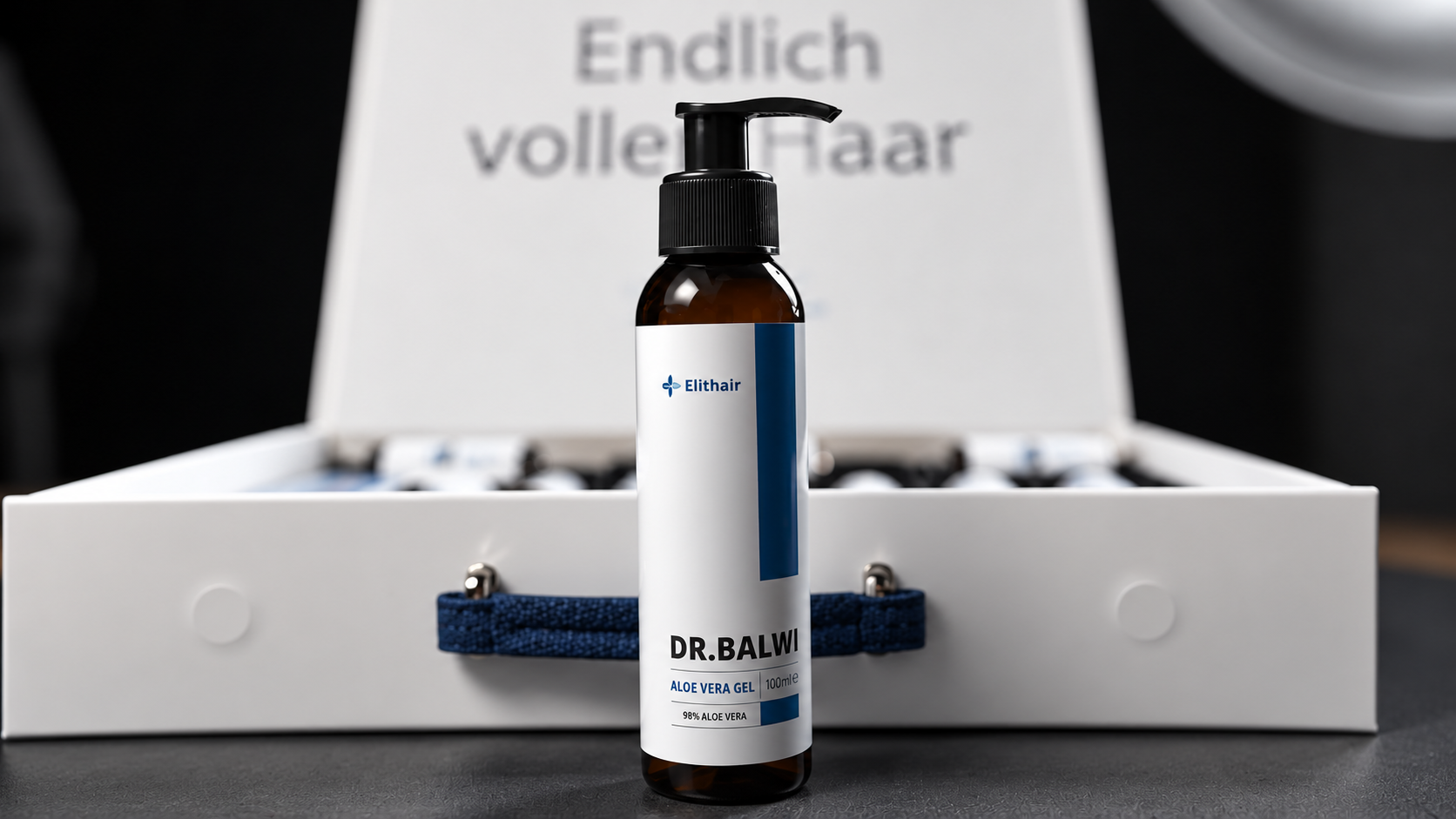
Along with everyday styling tips, we explore the future of hair medicine: data-driven analyses to improve treatments, ethical guidelines and new cell biology studies on proteins and growth factors that are reshaping hair health.
Latest posts in the Tips & Tricks category:
Big Data in Hair Medicine: What Thousands of Treatments Can Teach Us
Ethics in Hair Medicine: Should We Do Everything That's Technically Possible?
Seeing Inside the Head: Will We Soon Be Able to Read Mental States Through the Scalp?

More than 150,000 treatments
Choosing to have a hair transplant is a personal decision, and hearing from other patients can be especially helpful. Their stories offer a firsthand look at the entire experience, from initial doubts to the day of the procedure and new hair growth over the following months.
Google4.9more than 11,000 reviews Trustpilot4.7more than 3,700 reviews
 ProvenExpert4.84more than 2,500 reviews
 ausgezeichnet.org4.92more than 570 reviews
Along with patient stories, product tests show how familiar products such as caffeine shampoos perform in everyday use.
These accounts, along with feedback on leading review platforms and clear criteria for comparing clinics, help you see the full picture and choose the right clinic.
Latest posts in the Reviews category:

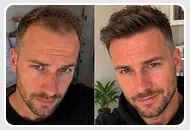
“Everything was extremely professional and extremely hygienic. I'm just really, really happy that I decided to do it.”
Max Coga · Age 34 · 3,250 grafts

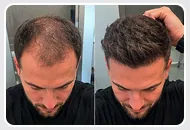
“I can't put into words how happy I am with the result. Definitely the best decision of my life.”
Nico G. · Age 27 · 2,800 grafts

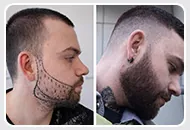
“I'm just happy I had a hair transplant… and yes… I'm just happy. That's what counts.”
Melissa Z. · Age 22 · 2,700 grafts







 Guide
Everyone has different questions. Use the overview below to find the posts most relevant to your situation.

Our blog explains the connections between medical factors in clear, straightforward language. For details about treatment at Elithair, costs and your stay at our clinic in Istanbul, visit our information pages.
Hair Transplant: how treatment works and why your diagnosis guides your care. Hair Transplant Cost: all-inclusive pricing by graft tier and what the package includes. Techniques: extraction, implantation and anesthesia, step by step. Hair Transplant Procedure: the three days in Istanbul.
Healing Phase: recovery after the procedure, all the way to the final result. Before and After: documented results for different areas of the scalp. Hair Transplant FAQ: the 50 most frequently asked questions in eight categories.
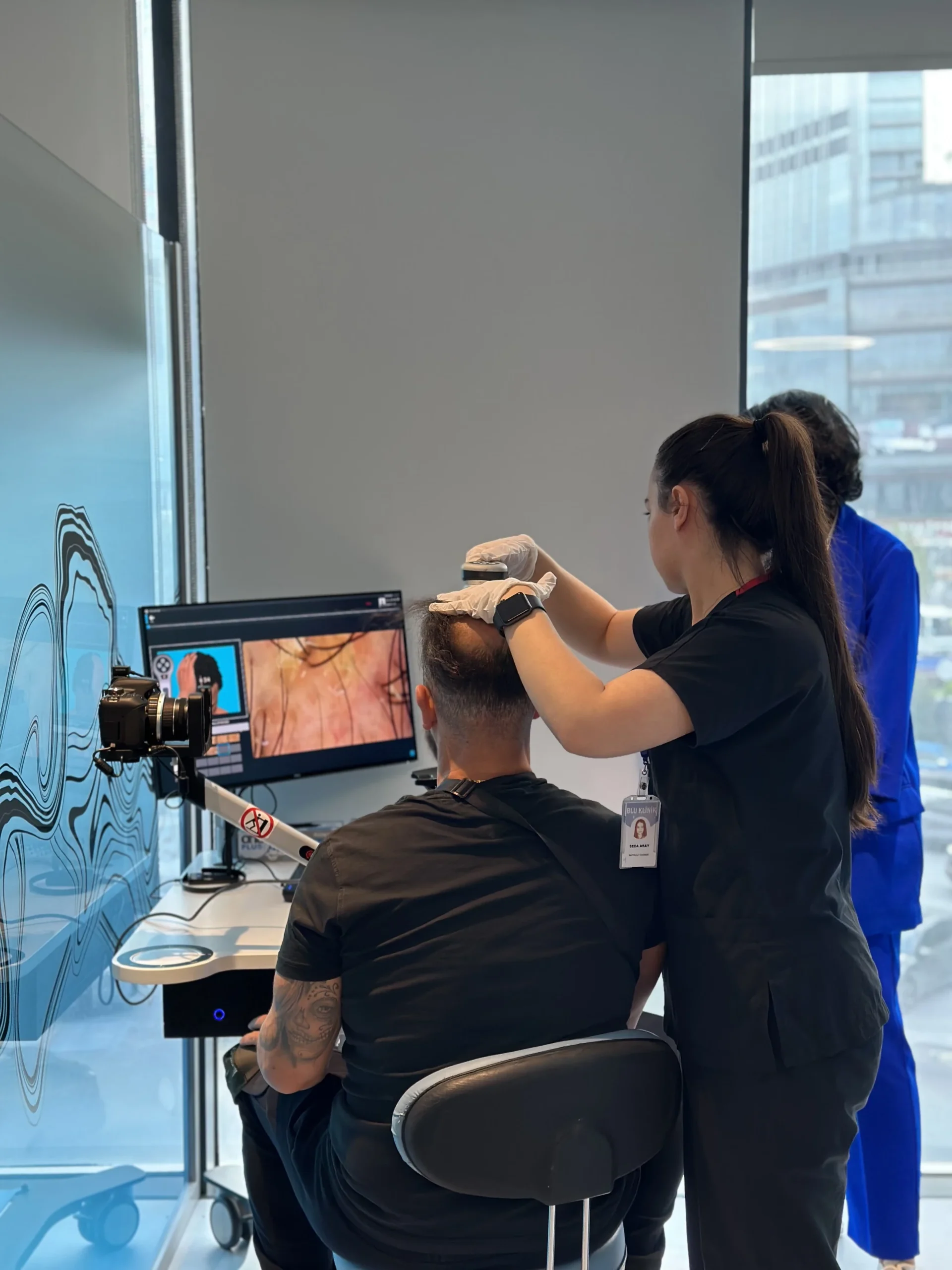
General information helps you understand how different factors are connected, but the right treatment depends on your individual circumstances. The density of your donor area, your scalp health and the progression of your hair loss determine whether hair care alone is enough or a transplant makes sense.
A free analysis of your photos gives you a reliable starting point. You get a clear, factual assessment of how many grafts you need and what treatment will cost.
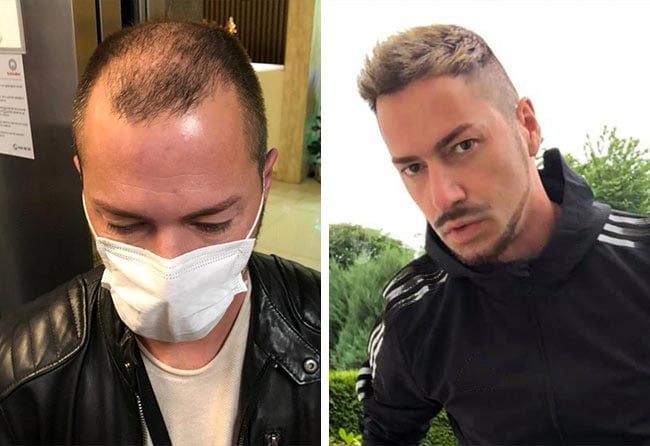
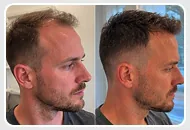
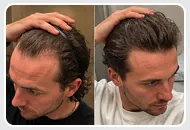
Andre O. – 5,200 grafts
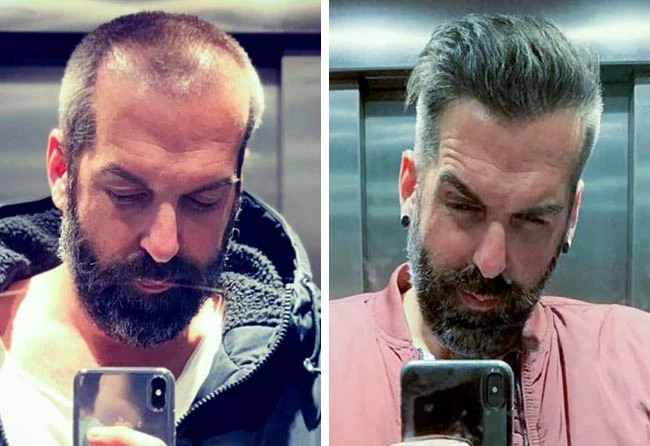
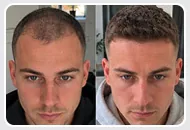
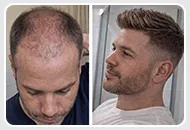
Juergen T. – 3,400 grafts

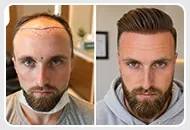
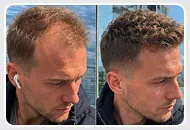
Danny Liedtke - 2,700 grafts
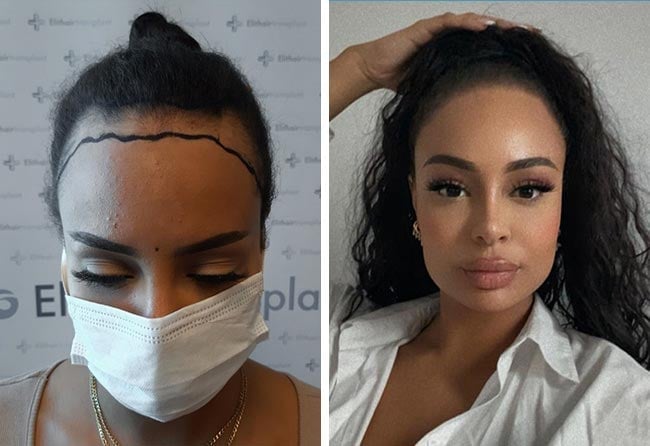
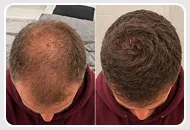
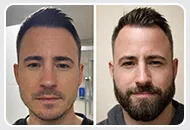
Jahy C. – 3,200 grafts
We only aim for results that last, which is why we decline about 40% of treatment inquiries as part of our medical responsibility to patients. You get clear feedback upfront, with no obligation to proceed.
More than 300 posts in four categories: Hair Loss, with articles on causes, diagnosis and treatments; Hair Transplant, from planning through recovery; Tips & Tricks, covering care, styling and research; and Reviews, featuring patient experiences.
No. The posts help you put your situation into context and ask the right questions. A medical examination, such as an evaluation by a dermatologist, determines the cause of your hair loss. The post Hair Loss: Which Doctor Should You See? explains which doctors handle which concerns.
For hereditary hair loss, minoxidil and finasteride are the most thoroughly studied (Adil et al. 2017). The posts on minoxidil and finasteride explain what these treatments can do and what side effects they may cause.
In the Hair Transplant category and in the post Hair Transplant Aftercare. For your own aftercare, you must follow the instructions in the schedule you receive before your trip and the reminders in the Elithair App.
Every post shows when it was last updated. We regularly review older posts in light of new studies and our treatment schedule, and update them as needed.
That depends on your diagnosis. Our free hair analysis uses your photos to assess whether treatment is right for you and gives you a graft count and price, with no obligation.