

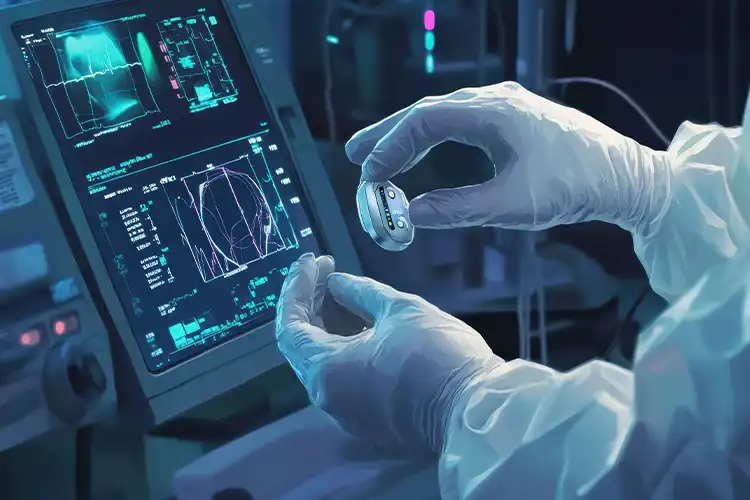
Hair loss is a widespread problem affecting millions of people. But while numerous treatment options exist, monitoring hair growth remains a challenge. How can one reliably determine if a therapy is working? What factors influence the condition of the scalp and hair follicles?
New technological developments could offer a revolutionary solution: electronic scalp sensors. These innovative devices promise to analyse hair growth in real time and deliver valuable data. But how exactly do they work? What benefits could they offer people with hair loss? In this article, that’s what we’ll be seeking to find out.
Summary
- How Smart Scalp Sensors Could Analyse Hair Growth in Real Time
- How Could These Technologies Help Those Affected?
- Optimising Hair Growth Progress Through Data Tracking
- Are There Any Disadvantages?
- Could Scalp Sensors Optimise Hair Transplants?
- Hair Analysis at Elithair: Precision for Optimal Treatment
- Conclusion: Advances in Hair Analysis
- FAQs
How Smart Scalp Sensors Could Analyse Hair Growth in Real Time
The idea behind scalp sensors is to detect microscopic changes on the scalp that are invisible to the naked eye. Scientists are using modern technologies such as wearable sensors, microsensors, and AI-supported hair analysis for this purpose.
Researchers and companies are currently working on various approaches to enable an accurate, personalised analysis of skin condition.
Portable Sensors for Measuring Hair and Scalp Parameters
These sensors are similar to smartwatches or fitness trackers, but for the scalp. They could be attached directly to the skin or integrated into hair care devices. Among other things, they measure:
- Scalp moisture content
- Sebum production
- Hair growth rate
Microsensors for Monitoring Scalp Inflammation
This technology is based on tiny, barely perceptible sensors that can analyse deeper biological processes of the scalp. They could:
- Detect scalp inflammation early, before it leads to hair loss.
- Measure blood flow to the scalp to assess the nutrient supply to the hair follicles.
- Monitor reactions to skincare products to identify allergies or intolerances.
AI-Powered Hair Analysis for Individual Diagnoses
One of the most exciting developments is the combination of scalp sensors with artificial intelligence. AI algorithms could recognize hair growth patterns over long periods and provide the following insights:
- Early detection of hair loss through continuous data analysis
- Personalised care recommendations based on individual scalp characteristics
- Comparison with global data to better assess risk factors
How Could These Technologies Help Those Affected?
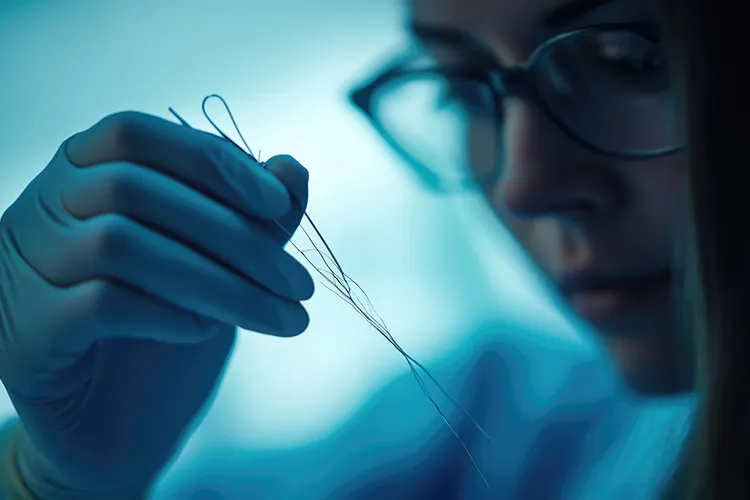
Electronic scalp sensors could enable a new type of hair monitoring. While hair growth has been difficult to measure until now, those affected could in the future receive concrete data about their scalp health.
Improved Monitoring of Hair Growth
- Timely adjustment of therapies if no progress is apparent
- Precise documentation of hair growth without subjective assessment
Individual Adaptation of Treatments
- Tailor-made hair care based on real data
- Recognising which products truly help – and which don’t
- Personalised medication dosage for hair loss
Optimising Hair Growth Progress Through Data Tracking
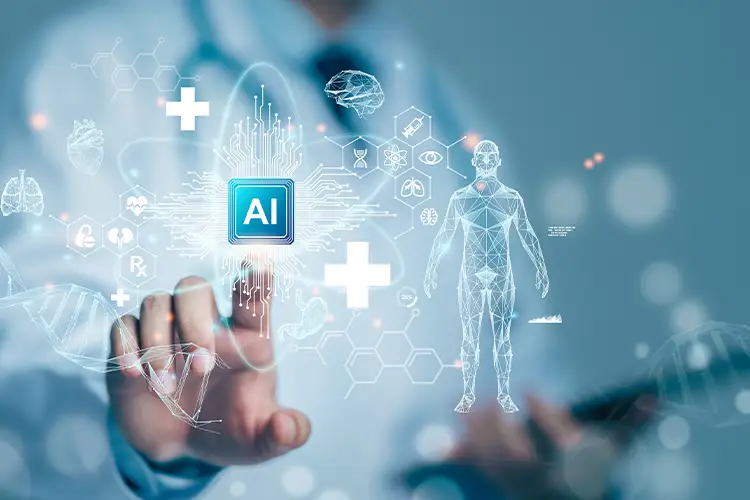
The greatest strength of electronic scalp sensors lies in their continuous measurement of changes. Instead of occasionally having an analysis done by a dermatologist, users could collect data daily and identify long-term patterns.
Personalised Recommendations Through Smart Algorithms
Continuous data tracking could allow users to receive personalised recommendations via an app:
- When it’s time for a moisturising treatment
- Whether sebum production is out of balance
- What changes indicate impending hair thinning?
Future Outlook: Will Smart Scalp Sensors Soon be Commonplace?
While some sensor technologies are still under development, initial prototypes already exist, demonstrating how revolutionary this technology could be. Experts predict that such devices will be ready for market in the coming years and could transform hair care and hair loss treatments.
Are There Any Disadvantages?
While electronic scalp sensors offer promising possibilities for hair monitoring, there are also some challenges and potential drawbacks that should be considered.
- Many of these sensors are still in the research and development phase, which means that their accuracy and reliability have not yet been fully confirmed.
- Measurements could be influenced by external factors, which could lead to inaccurate results.
- The continuous collection and storage of scalp and hair growth data could raise privacy concerns.
- Sophisticated sensors could be expensive at first and might only be available in specialised medical facilities or as part of expensive hair analysis services.
Could Scalp Sensors Optimise Hair Transplants?

In addition to daily hair monitoring, electronic scalp sensors could also be a valuable addition for patients who are planning or have already undergone a hair transplant.
- Before the transplant: Sensors could help determine the ideal time for the procedure by monitoring the condition of the scalp and the progression of hair loss.
- After the procedure: The healing phase is crucial for the final result. Sensors could allow patients to monitor in real time whether the scalp is well-supplied with blood, whether inflammation occurs, or whether the new hair is growing as expected.
- Long-term care: Individually tailored care recommendations after treatment could further improve the results.
Hair Analysis at Elithair: Precision for Optimal Treatment
While smart scalp sensors are still under development, Elithair already offers highly precise hair analysis as part of its pre-test system to individually assess hair loss and plan the optimal treatment.
Modern Technologies for Detailed Analysis
Using state-of-the-art examination methods, not only is the condition of the hair assessed, but also the health of the scalp and potential causes of hair loss are determined:
- TrichoLAB scanner: Automated scans analyse hair structure, hair root thickness and multi-graft rates for precise treatment planning.
- Ultrasound examination: Measures the thickness of the scalp to determine the ideal placement of hair transplants.
- Doppler ultrasound: Measures the blood circulation of the scalp to assess the nutrient supply to the hair follicles.
- Blood analysis: Checking important values such as iron, vitamins and hormones to identify individual causes of hair loss.
Conclusion: Advances in Hair Analysis
Electronic scalp sensors could revolutionise the way we diagnose and treat hair loss. Precise, real-time data would allow those affected to monitor their hair condition more accurately, react to changes early, and optimise individual treatment strategies.
Anyone who notices hair loss and wants to take proactive steps can already have a thorough hair analysis performed at Elithair. Using state-of-the-art technology, the individual hair condition is precisely recorded – the ideal basis for finding the best treatment strategy.
Start your hair analysis now and find out which solution is right for you.
FAQs
What materials are used in electronic scalp sensors?
Most scalp sensors are made from flexible, biocompatible materials such as silicone or graphene-based composites. These materials allow the sensors to conform comfortably to the scalp while maintaining high conductivity and sensitivity.
How are scalp sensors powered?
Depending on the design, scalp sensors can be powered by small rechargeable batteries, wireless charging, or even energy harvested from body heat or motion. Some prototypes are entirely wireless, transmitting data via Bluetooth or NFC.
How is the data from scalp sensors processed and displayed?
Collected data is typically transmitted to a smartphone or cloud-based platform, where AI algorithms interpret the readings and display results through a user-friendly app dashboard. This enables users and clinicians to track progress in real time.
Will scalp sensors be suitable for home use or only medical professionals?
Initially, scalp sensors are expected to be used primarily in clinics or by trichologists. However, as the technology matures and becomes more affordable, consumer-grade versions may be developed for at-home monitoring.
How often should scalp sensors be worn or used?
Usage frequency will depend on the specific purpose. For general monitoring, wearing a sensor for a few hours daily could be sufficient. In clinical settings, continuous 24-hour monitoring may be used to gather comprehensive data.
Can scalp sensors be used alongside regular hair care routines?
Yes, but users may need to adjust certain habits. For example, applying oils or heavy styling products could interfere with sensor readings, so mild or water-based products are recommended during use.
Are scalp sensors safe for sensitive skin?
Most designs prioritise hypoallergenic materials, but those with sensitive skin should consult a dermatologist before prolonged use. Early prototypes are tested to minimise irritation or overheating.
How is personal data protected?
Manufacturers are expected to use end-to-end encryption and anonymised data storage to comply with GDPR and other data protection standards. Users should always review the privacy policies of any accompanying apps.
When are electronic scalp sensors expected to become commercially available?
Experts predict that the first market-ready versions could appear within the next three to five years, depending on regulatory approvals and manufacturing developments.
Dr. Imad Moustafa
Hair transplant specialist