


People with post-traumatic stress disorder (PTSD) often experience their bodies as alien, injured, or unreliable. Hair loss can further exacerbate this inner distance—especially when it is perceived as a visible sign of loss of control, aging, or stress.
In this context, the decision to undergo a hair transplant is more than just an aesthetic choice. For some, it’s an act of self-empowerment – for others, a potential trigger. But what exactly happens in the interplay of trauma, body image, and medical intervention?
Summary
- Trauma and Body Image: Why Hair Loss has a Particularly Profound Impact
- Potential Triggers: Intervention, Loss of Control, Pain
- Differences Depending on Shock Trauma vs. Developmental Trauma
- Long-term Integration: When the Mirror Image Changes
- Role of the Medical Team: Mindfulness and Boundary Maintenance
- When Hair Transplantation Can Help
- An Emotional New Beginning
- Conclusion: Proceed When the Time is Right
- FAQs
Trauma and Body Image: Why Hair Loss has a Particularly Profound Impact
People who have suffered trauma often have a complicated relationship with their bodies. This can manifest as feeling as though their bodies have failed them somehow. This affects not only physical functions but also their physical appearance. Hair loss can trigger a number of distressing sensations for those affected by PTSD:
- Feeling of disintegration or devaluation of self,
- Intensification of strangeness towards one’s own reflection,
- Shame, feeling “exposed” in a social context.
The external image no longer matches the inner self – or highlights an emotional wound that is already deep-seated.
Potential Triggers: Intervention, Loss of Control, Pain
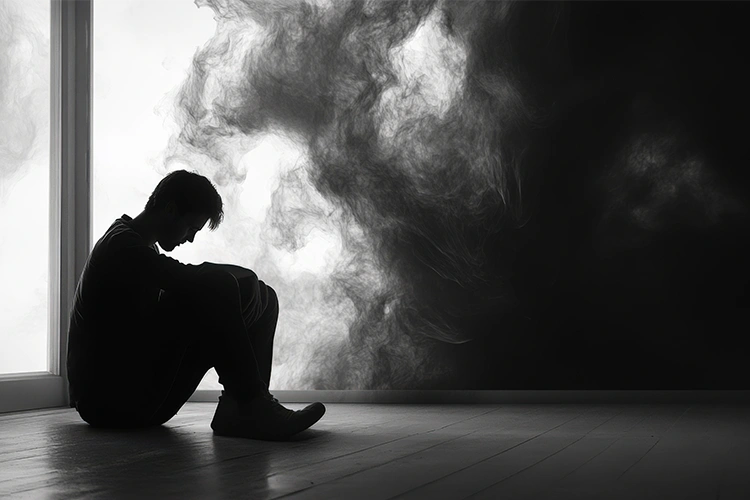
As well-intentioned as the desire for change may be, undergoing a transplant can subconsciously reactivate traumatic processes. The following aspects are considered particularly sensitive for those with a history of trauma:
- Medical proximity and touch by strangers
- Positioning and fixation during the procedure
- Feelings of helplessness, pain or loss of control
- After-effects such as soreness or delayed healing, which are experienced as threatening
In such cases, there is a risk that previous experiences – such as medical abuse or physical violence – may manifest themselves in the form of flashbacks or psychosomatic reactions.
Differences Depending on Shock Trauma vs. Developmental Trauma
Not every trauma has the same effect. While shock traumas (e.g., accidents, assaults) are often sporadic and abrupt, developmental traumas (e.g., neglect, childhood abuse) persist for years. The latter have a more profound impact on self-image—and often make it more difficult to trust one’s own body at all.
Especially in cases of complex PTSD, hair transplantation should not be viewed as an isolated solution, but rather as part of a therapeutically supported process that also takes the emotional dimension into account.
Long-term Integration: When the Mirror Image Changes
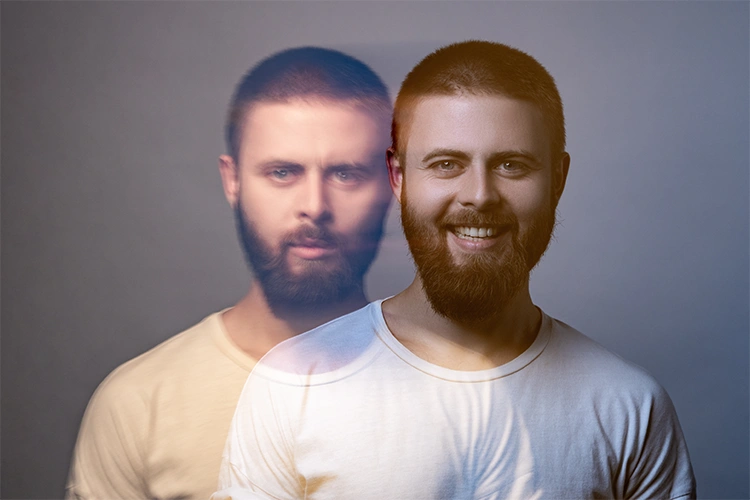
Even after a successful hair transplant, an internal process begins. The brain must first “accept” the new appearance. This can lead to ambivalent feelings – such as surprise, being overwhelmed, or sudden flashbacks. During this phase, accompanying psychotherapy is particularly helpful for gradually integrating the new self-image.
Role of the Medical Team: Mindfulness and Boundary Maintenance
The key to successful treatment lies not only in the technique – but also in the handling:
- Trauma-sensitive communication: explain everything transparently, don’t skip anything
- Provide choices: in position, appointment, supervision
- Respect for physical and emotional boundaries
A caring, experienced team recognises when a patient needs support – and when treatment should be postponed.
When a Hair Transplant is Not (Yet) Advisable
During acute phases of PTSD—for example, in cases of severe dissociation, flashbacks, or depression—the procedure should not be performed. During this phase, psychological stabilisation is paramount. Only when sustained resilience and emotional security are demonstrated can a procedure be medically justified.
When Hair Transplantation Can Help
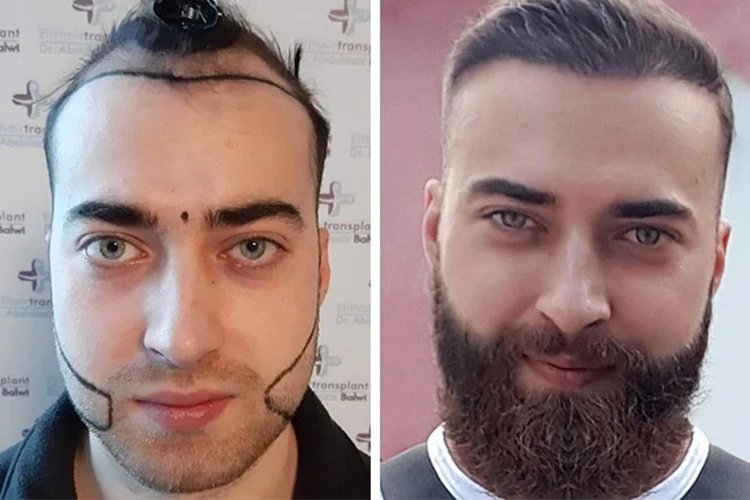
Despite the risks, there are cases where a hair transplant represents a true turning point—provided there is sufficient psychological stability and the decision is made after careful consideration in a good state of mind. Then the procedure can:
- positively influence self-image,
- strengthen a sense of agency and autonomy,
- contribute to the conclusion of a stressful phase of life.
Modern procedures such as the FUE technique (gentle, precise extraction) or the DHI method (precise insertion with natural growth direction) enable visibly natural results – without great stress.
An Emotional New Beginning
For some PTSD sufferers, hair transplantation isn’t just about regaining their appearance—it’s also a conscious way of putting an end to a stressful period. The new hair symbolises a new beginning:
- The body seems more familiar again.
- Looking in the mirror feels more harmonious.
- And the visible also changes the invisible – the inner attitude towards oneself.
Some even report that with the regrowth of their hair they also felt like they could close old chapters: shame, withdrawal, insecurity – all of this loses its weight when you meet yourself again.
A hair transplant does not cure trauma – but it can help you feel at home again where it happened – your own body.
Conclusion: Proceed When the Time is Right
For those suffering from PTSD, a hair transplant can be more than just an aesthetic procedure—it can become a visible symbol of inner healing. However, this requires not only medical expertise but also psychological sensitivity.
Only those who feel confident—both internally and externally—will experience the procedure not as overwhelming, but as liberating. Discover what to expect and how to prepare in our expert guide to hair transplants in Turkey.
FAQs
How should PTSD patients prepare before considering a hair transplant?
It is advisable to undergo psychological stabilisation first, ideally with the support of a therapist. Patients should discuss the procedure with both their mental health provider and the medical team, ensuring they are in a resilient state before proceeding. Relaxation techniques, grounding exercises, and clear communication with the clinic can also help reduce anxiety.
Can hair transplantation worsen PTSD symptoms?
Yes, in some cases. The procedure can trigger flashbacks, dissociation, or feelings of helplessness, especially if the patient has a history of medical trauma. This is why psychological readiness and trauma-informed medical care are essential prerequisites.
What role does psychotherapy play during the process?
Therapy can provide emotional stability both before and after the operation. It supports patients in integrating their new appearance, helps manage unexpected emotional reactions, and ensures that the transplant becomes a positive experience rather than a destabilising one.
Are there alternative treatments for PTSD-related distress caused by hair loss?
Yes. Options include non-surgical treatments such as hair systems, scalp micropigmentation, or medical therapies (e.g., minoxidil or finasteride). Psychological support, acceptance-based approaches, and body image therapy can also reduce distress without the need for surgery.
How long does recovery take after a hair transplant for PTSD patients?
Physically, recovery usually takes 7–14 days for the scalp to heal, but full hair growth results appear after 9–12 months. Emotionally, integration may take longer, depending on the patient’s trauma history and ongoing therapeutic support.
What qualities should PTSD patients look for in a hair transplant clinic?
Patients should choose a clinic that:
- Understands trauma-informed care,
- Provides clear communication and patient choice,
- Offers flexibility in procedures (e.g., allowing breaks, choosing seating positions),
- Collaborates with mental health professionals if needed.
Is medication for PTSD a contraindication for hair transplantation?
Not necessarily, but it depends on the medication. Some drugs may affect healing or interact with anaesthesia. It is important to inform the medical team about all prescribed medication so that potential risks can be assessed.
Can a hair transplant be a replacement for trauma therapy?
No. A transplant can support self-image and confidence, but it does not resolve underlying trauma. It should be viewed as a complement to therapeutic work, not a substitute.
How does hair transplantation differ in PTSD patients compared to non-PTSD patients?
While the medical technique remains the same, the psychological approach differs greatly. PTSD patients require a more sensitive, flexible, and patient-centred process, with an emphasis on emotional safety, clear boundaries, and post-operative psychological follow-up.
Dr. Imad Moustafa
Hair transplant specialist