


A well-defined hairline is often associated with youth, confidence, and attractiveness. However, for some people, the pursuit of the ‘perfect’ hairline can evolve into an unhealthy obsession.
Hairline dysphoria refers to a psychological phenomenon where individuals become excessively preoccupied with the shape, symmetry, or height of their hairline—even when there are no noticeable issues.
In this article, we explore the fine line between healthy grooming habits and psychological distress, and discuss when a hair transplant might be a beneficial solution.
Summary
What is Hairline Dysphoria?
Hairline dysphoria is not an officially recognized medical diagnosis, but rather an observed, psychosocial phenomenon that lies in the tension between body image, self-esteem, and contemporary beauty ideals. Those affected by hairline dysphoria may find themselves exhibiting the following behaviours:
- Intensively examining their hairline – often several times a day
- Comparisons with others (often from social media)
- Doubts about symmetry, shape or density
- Avoiding certain hairstyles or social situations
- Frustration, anxiety or even depressive moods
From a psychological perspective, hairline dysphoria is similar to body dysmorphic disorder (BDD) , in which people fixate on a perceived flaw – regardless of whether others notice it.
The Pressure to be Perfect – Hair as a Status Symbol

Whether on Instagram, TikTok, or in advertising, the ideal male figure is flawless—with a defined chin, thick beard, and a perfectly defined hairline. Celebrities, influencers, and athletes, in particular, are setting new standards.
For many men, this creates enormous pressure: They doubt their natural hairline—even if it’s medically completely normal. The “perfect hairline” becomes an unattainable ideal, further distorted by filters and staging.
Looking Ahead
But instead of getting lost in the comparison, it’s worth changing your perspective: Because if you’re really suffering from your hairline – be it due to hereditary hair loss or personal insecurity – you don’t have to just accept it.
A professional hair transplant can not only improve your external appearance, but also bolster your self confidence and mental well-being.
When is it Time for a Hair Transplant?
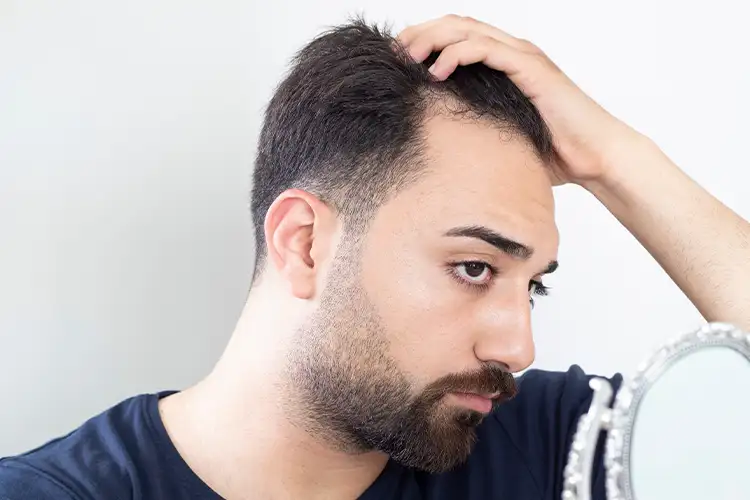
A hair transplant can be a sensible solution if you suffer from a receding hairline or diffuse thinning due to androgenetic alopecia. A doctor will help you to determine if your hair loss is genetic, or caused by other factors.
However, we do not recommend hair transplants for candidates whose hairline appears to be within the range of normal for their age, for whom the psychological stress of perceived hair loss is overwhelming (as in, has a detrimental effect on their day-to-day life), or for those chasing an idea of “perfection” that simply cannot realistically be attained.
In the above cases, we would suggest the candidate explores psychological counseling before considering any surgical procedures. This will allow them to make a more informed decision and can help to avoid disappointment post-operation.
Hair Transplants at Elithair: Realistic Goals, Bespoke Advice
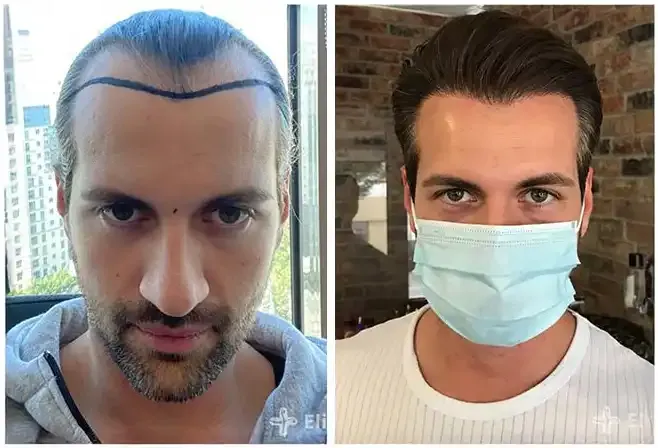
Every person has a different head shape, facial structure, and hair distribution. Therefore, there is no such thing as a single perfect hairline. At Elithair, we place great importance on not creating artificial standards of beauty, but rather adapting our techniques harmoniously to best suit your individual proportions.
Our experts pay attention to natural symmetry that suits the face, balanced density and a result that is not only convincing today, but also aesthetically pleasing in the long term.
Advantages of Elithair:
- Precise procedures such as the FUE method and DHI technique
- Individual hairline design advice from experienced specialists
- Natural result without an “artificial look”
- Realistic assessment and transparent advice
Conclusion: Understanding Hairline Dysphoria
Not everyone who worries about their hairline has hairline dysphoria, but not every concern is justified either. Hairline dysphoria demonstrates how strongly external ideals can influence our self-image.
If you’re unsure whether your hairline is medically worthy of a change, we’re happy to provide you with honest, personalised advice based on our years of experience. Because real change begins with a realistic look at yourself and the right support.
FAQs
How can someone differentiate between normal concerns about appearance and hairline dysphoria?
Normal concerns about appearance may arise occasionally and usually do not significantly impact daily life. In contrast, hairline dysphoria often involves obsessive thoughts, avoidance behaviours, and emotional distress that interferes with one’s confidence, social interactions, or mental health. If the preoccupation with the hairline becomes persistent and affects self-esteem or daily functioning, it may point toward dysphoria.
Is there a way to treat hairline dysphoria without surgery?
Yes. Psychological support such as therapy—especially cognitive behavioural therapy (CBT)—can be beneficial in addressing the underlying thought patterns and emotional distress associated with hairline dysphoria. In some cases, treatment may also include mindfulness practices or self-image coaching, depending on the severity of the symptoms.
Can someone regret getting a hair transplant if they have untreated hairline dysphoria?
Yes. Individuals with untreated hairline dysphoria may have unrealistic expectations and may continue to feel dissatisfied even after a successful hair transplant. This is why it’s crucial to address psychological factors before undergoing any surgical intervention, as physical change alone may not resolve deeper self-image issues.
Are there any risks or limitations to hair transplants that people with hairline dysphoria should know?
Yes. Hair transplants have limitations based on donor hair availability, scalp health, and individual biology. Unrealistic expectations can lead to disappointment if the desired look cannot be achieved. Additionally, the emotional burden of dysphoria might persist even after a technically successful procedure, which is why transparent consultation and psychological readiness are essential.
Can hairline dysphoria affect teenagers or young adults?
Yes, especially in the age of social media. Young people may feel heightened pressure to conform to filtered standards of beauty, leading to early-onset insecurities about their hairline—even before any actual hair loss occurs.
How can someone prepare for a consultation if they suspect they have hairline dysphoria?
Before a consultation, it’s helpful to reflect on how long and how intensely you’ve been concerned about your hairline. Consider writing down your thoughts, triggers, and emotional responses. If possible, seek initial guidance from a mental health professional. Bringing this information to your consultation can support a more holistic and honest conversation with your hair specialist.

Dr. Imad Moustafa
Hair transplant specialist