

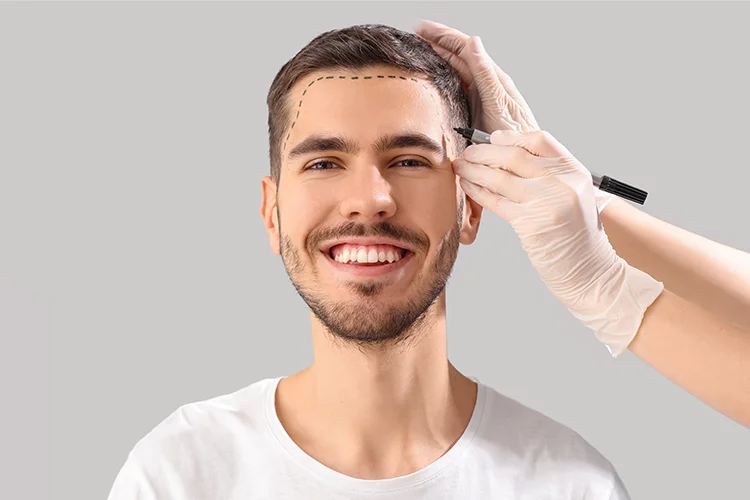
Hair transplantation is a sensitive topic for many people and one that is still surrounded by numerous myths. Anyone considering the procedure quickly encounters conflicting information, from alleged interventions affecting the brain to misconceptions about potential health consequences.
It is important to note that a professional hair transplant is a minimally invasive procedure that only affects the top layer of skin. In this article, we’ll be seeking to debunk some of the more persistent myths about the safety of hair transplants.
Summary
Myth https://elithair.com/uk/hair-analysis/1: Do Hair Transplants Effect Organs?
In a hair transplant, hair follicles are taken from the donor area and implanted into bald areas. The procedure is limited to the scalp.
- No contact with the brain or nerve pathways
- No impairment of internal organs
- No intervention in deeper structures
This is what fundamentally distinguishes hair transplantation from more complex operations – it remains limited to the outermost layer of skin, no organs are effected.
Myth https://elithair.com/uk/hair-analysis/2: Hair Transplants Always Carry High Risks
As with any medical procedure, there are certain risks involved when you opt for a hair transplant. However, serious complications are extremely rare when the treatment is performed in a reputable clinic.
Typical, short-term reactions of the scalp during recovery include:
- Slight redness
- Crust formation at the treated areas
- Temporary feeling of tension
These symptoms subside on their own after a few days to weeks. Infections or other complications are very rare and can be reliably avoided with professional follow-up care.
The Most Pernicious Myths: Debunked

“A hair transplant is dangerous for the brain.”
False. The instruments used only reach a depth of a few millimeters. The brain or sensitive nerve structures are not touched.
“There is a risk of cancer from hair transplants.”
False. There is no scientific evidence to show a link between hair transplants and cancer. Only the patient’s own hair follicles are used.
“The body can be damaged by the transplant.”
False. Since no foreign materials are implanted, but only the patient’s own hair, there is no risk of rejection or internal damage.
Elithair: Safety Guaranteed Through Experience
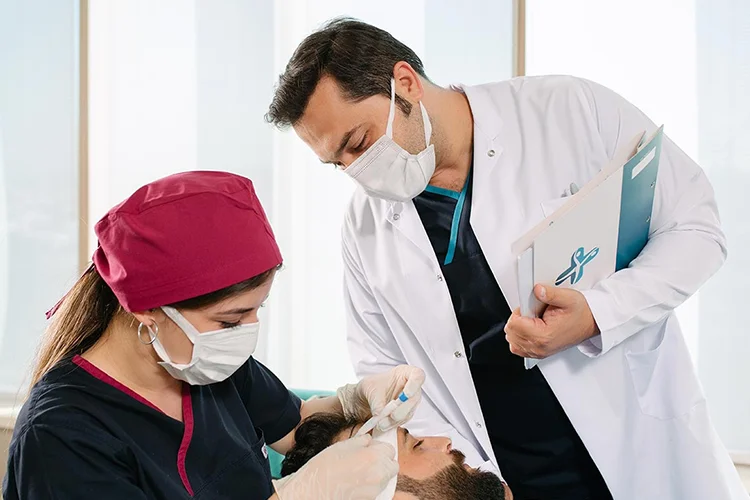
Elithair is the world’s largest hair transplant clinic and has already successfully treated over 150,000 patients. The combination of experienced teams, state-of-the-art technology, and certified standards ensures that the procedure is not only effective but also safe.
Our quality features:
- Medical direction by Dr. Abdulaziz Balwi
- Specialized teams for different transplants and hair types
- Modern procedures such as the FUE method and the DHI technique
- Strict hygiene and safety standards
- Individual care before, during and after the procedure
Thanks to the specially-developed Elithair app, patients receive excellent care at all times, even after the procedure. They receive clear aftercare instructions, can upload photos, and ask questions directly to the medical team. This way, they are never alone and have the peace of mind that every step is professionally supervised.
Conclusion: Safe, Gentle, and Proven
A hair transplant poses no risk to your health – provided it is performed in a professional clinic. The procedure is limited to the scalp, complications are rare, and myths about internal damage or cancer risks can be clearly refuted.
Those who choose treatment at Elithair not only benefit from the highest level of safety, but also from results that last a lifetime – for full hair and renewed self-confidence.
FAQs
How painful is a hair transplant procedure?
A hair transplant is generally not painful. Local anaesthesia is used to numb the scalp during the procedure, meaning patients may only feel slight pressure or movement. Any mild discomfort after the treatment can usually be managed with standard pain relief and subsides within a few days.
How long does it take to recover after a hair transplant?
Initial recovery typically takes a few days to two weeks. Most patients can return to non-strenuous daily activities within a few days, while visible signs such as redness or crusting usually disappear within one to two weeks. Full healing and final hair growth results develop over several months.
Are hair transplant results permanent?
Yes, hair transplant results are considered permanent. The transplanted hair follicles are taken from areas that are genetically resistant to hair loss, meaning they continue to grow naturally in their new location for a lifetime.
Who is a suitable candidate for a hair transplant?
Most adults experiencing hair loss are suitable candidates, provided they have sufficient donor hair and are in good general health. A professional consultation is essential to assess hair type, extent of hair loss, and realistic expectations before proceeding.
Are there any long-term side effects of hair transplants?
Long-term side effects are extremely rare when the procedure is performed correctly. The vast majority of patients experience no lasting adverse effects, and the scalp returns to its normal condition once healing is complete.
How long does the hair transplant procedure take?
The duration depends on the number of grafts required but typically ranges from four to eight hours. Larger procedures may be completed over two consecutive days to ensure precision and patient comfort.
Can women also have hair transplants?
Yes, hair transplants are suitable for women as well. Female patients may benefit from tailored techniques designed to address thinning hair, receding hairlines, or specific conditions such as traction alopecia.
What happens if aftercare instructions are not followed?
Failure to follow aftercare guidelines may affect healing and the final results. This can include an increased risk of infection, delayed recovery, or reduced graft survival. Proper aftercare significantly improves both safety and outcomes.
Are modern hair transplant techniques safer than older methods?
Yes, modern techniques such as FUE and DHI are significantly safer and less invasive than older strip methods. They involve smaller incisions, faster healing times, and lower risk of complications.
How soon can results be seen after a hair transplant?
Initial hair shedding occurs within the first few weeks, which is a normal part of the process. New hair growth usually begins after three to four months, with noticeable improvements by six months and final results visible after 12 months.
Dr. Imad Moustafa
Hair transplant specialist