


Thick hair and youthfulness – for many, these go hand in hand. However, more and more men are already noticing a sudden thinning of their hairline or a receding hairline during their time in university. This situation is worrying, psychologically taxing – and raises many questions.
Why do young people suffer from hair loss during their studies? What role do stress, diet, and hormones play? And is a hair transplant advisable at this time of life? In this article, we’ll be answering these questions and taking a look at the phenomenon of student hair loss.
Summary
- Sudden Hair Loss in the Middle of Studying?
- How Stress Affects Hair Health
- Diet: Fast Food Instead of Follicle Care?
- Testosterone and DHT: How Hormones Affect Hair
- When is a Hair Transplant Advisable – And When is it Not?
- What are the Possible Alternatives?
- Hair Transplant: When the Time is Right
- Conclusion: Understand the Root Causes and Take Action
- FAQs
Sudden Hair Loss in the Middle of Studying?
For many students, hair loss comes as a surprise – yet it has a medical explanation. Student life is often marked by high pressure, lack of time for self-care, and an unbalanced lifestyle. This affects not only mental health, but also hair follicles.
How Stress Affects Hair Health

Acute or chronic stress can be one of the main causes of hair loss in young people. The body responds to stress by releasing stress hormones like cortisol – which directly influences the hair cycle .
The result? Telogen effluvium, i.e. increased hair loss due to a shortened growth phase. Particularly affected are:
- Students before or during exams
- People under high performance pressure at work
- Individuals suffering from sleep deprivation or emotional exhaustion
An often underestimated factor is the intense digital lifestyle, something which is omnipresent among students.
Overstimulation in daily life
Hours of studying on a computer, nightly scrolling on a smartphone or binge-watching to relax – all of these cause constant sensory overload and prolonged exposure to blue light .
Studies suggest that chronic blue light can disrupt the sleep-wake cycle and promote oxidative stress in the skin – which weakens hair roots in the long term.
But don’t fret. Stress-related hair loss is usually reversible, provided you take action to reduce your mental load and find time to relax.
Diet: Fast Food Instead of Follicle Care?

Between classes, revision, and odd jobs, there’s often little time left for a balanced diet. However, zinc, iron, biotin, protein, and B vitamins are essential for healthy hair growth.
Nutrient deficiencies can prevent follicles from being properly nourished. Extreme diets or an unbalanced vegan diet can also affect hair health.
Tip: A blood test at the doctor’s office can help detect any deficiencies – and treat them effectively.
Testosterone and DHT: How Hormones Affect Hair
In young men, hormonal balance can also play a role. One particular culprit is dihydrotestosterone (DHT), a derivative of testosterone. This compound influences follicle sensitivity and is heavily implicated in androgenetic alopecia.
If the follicles are genetically sensitive to DHT, the first signs sometimes appear as early as the twenties. These can include hair loss at the temples, a receding hairline or bald spots.
Important: If there is a family history of male pattern baldness, it is recommended to act early and consult a specialist.
When is a Hair Transplant Advisable – And When is it Not?
When facing sudden hair loss, many people wonder if it is it already the right time for a hair transplant. The answer? It depends.
Not Recommended If:
- The loss is due to stress or deficiency
- Hair density continues to evolve
- The frontal line is not stabilised
- Other causes have not yet been ruled out
Worth Considering If:
- The loss is stable or of genetic origin
- The hairline has been unchanged for at least a year
- Conservative methods (medications, PRP) do not bring results
- The psychological impact is strong and affects self-esteem
A complete evaluation by a specialist – including study of family history and an examination of the prospective donor area – is essential.
What are the Possible Alternatives?
Before opting for a transplant, it is advisable to focus on the causes and other means of regeneration:
- Stress reduction: relaxation, exercise, regular breaks
- Optimised nutrition: fresh food, rich in nutrients and proteins
- Micronutrient check: targeted supplementation if necessary
- Gentle products: avoid harsh shampoos and excessive heat
- Early consultation: undertaken by a dermatologist or at a hair clinic
Hair Transplant: When the Time is Right
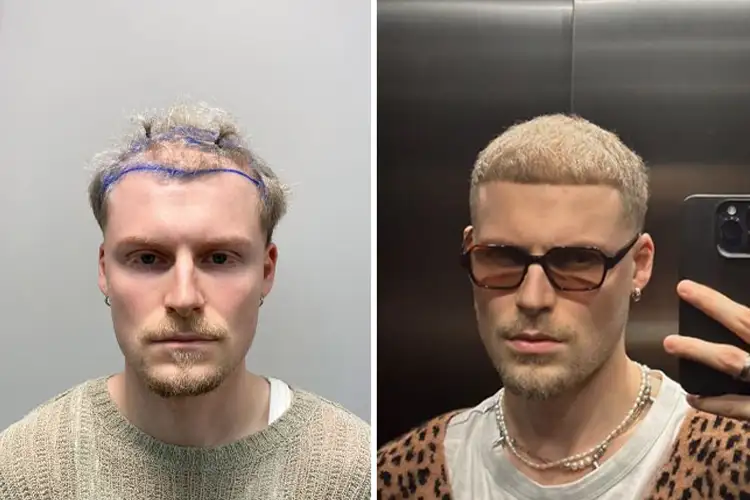
When hair loss has stabilised and life is more relaxed, a transplant may be the next logical step – especially in cases of genetic loss.
Our clinic specialise in modern techniques such as:
- FUE (Follicular Unit Extraction) – precise, gentle extraction with no visible scarring
- DHI (Direct Hair Implantation) – dense and controlled implantation
These offer natural and long-lasting results, imperceptible to the naked eye. For young men, this can be the path to greater confidence, charisma and joie de vivre – provided that careful planning and professional guidance are followed.
Conclusion: Understand the Root Causes and Take Action
Studies, stress, hormones – all these factors can literally weigh on young men’s heads. Hair loss during this period of life is common, but not inevitable.
What matters is that you identify the causes, avoid hasty decisions, and get support.
By getting informed and consulting early, it’s possible to act effectively – and, when the time comes, consider a hair transplant. For a detailed overview of treatment options, patient experiences, and travel guidance, read our guide to hair transplants in Turkey.
FAQs
Can hair loss in students affect women as well as men?
Yes. While the article focuses on young men, female students can also experience hair loss due to stress, nutritional deficiencies, hormonal fluctuations (such as contraceptive use or polycystic ovary syndrome), and over-styling.
How long does stress-related hair loss usually last?
Stress-related shedding (telogen effluvium) typically appears two to three months after a triggering event and can last for several months. Once the stress is reduced and the hair cycle normalises, regrowth often begins within six to twelve months.
Are there over-the-counter treatments students can try before seeing a specialist?
Yes. Mild, nutrient-rich shampoos, topical minoxidil (if appropriate), or tailored nutritional supplements may help. However, these should be used with caution and ideally after medical advice to ensure suitability.
Does regular exercise help with student hair loss?
Moderate exercise can improve circulation, reduce stress hormones, and indirectly support hair health. Over-exercising without adequate nutrition, however, can worsen deficiencies and hair loss.
Can poor sleep patterns at university contribute to hair loss?
Absolutely. Chronic sleep deprivation elevates cortisol and disrupts hormone balance, both of which can accelerate shedding and weaken follicles.
Is hair loss from a bad diet reversible if nutrition improves?
In most cases, yes. Once the underlying deficiency is corrected through a balanced diet or supplementation, hair growth often resumes over several months.
Can hairstyles or grooming habits make student hair loss worse?
Tight hairstyles, excessive heat styling, frequent bleaching or harsh chemical treatments can cause traction or breakage, compounding existing shedding.
How can a student tell if their hair loss is genetic or temporary?
Genetic hair loss tends to follow a pattern (temples, crown, receding hairline) and progresses slowly, while stress-related shedding is more diffuse. A dermatologist or trichologist can confirm with scalp examination or tests.
Are there affordable professional options for students worried about hair loss?
Many clinics offer free or discounted initial consultations, and some universities have health services or dermatology referrals where students can seek early evaluation.
Does hair loss during university years impact mental health significantly?
Yes. For many young adults, sudden thinning or a receding hairline can affect self-confidence, social interactions, and mental well-being. Professional support or counselling may help alongside medical treatment.
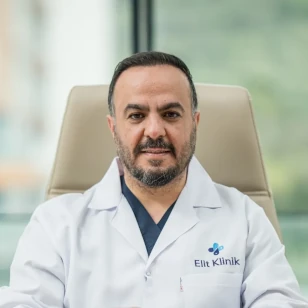
Dr. Imad Moustafa
Hair transplant specialist