

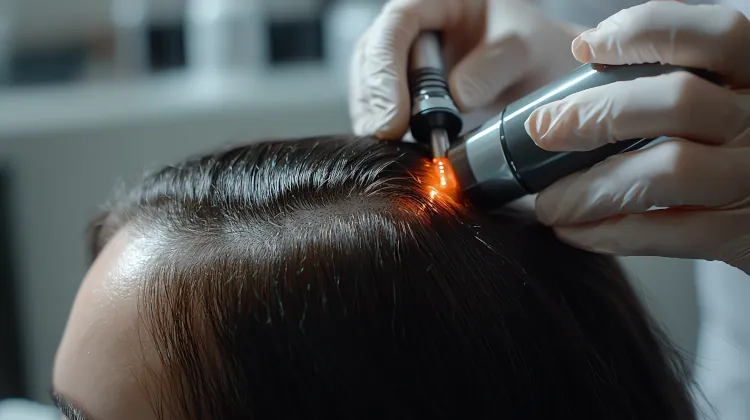
Many people suffering from hair loss are looking for alternatives to medication or hair transplants. One method receiving increasing attention is electrostimulation. Electrical impulses are intended to stimulate hair follicles and encourage new hair growth.
But can electricity actually promote hair growth? Or is it a method that only has short-term effects without offering a long-term solution?
In this article, we take a scientific look at the mechanisms of electrical stimulation, compare it with other non-invasive methods, and show why hair transplantation is a sustainable solution.
Summary
- Electrical Stimulation in Medicine
- How Electrical Impulses Affect Hair Follicles
- Who is Electrical Stimulation Suitable For?
- What Technologies are Currently Available?
- Comparison With Other Methods
- First Scientific Findings on Electrical Stimulation
- Cost-Benefit Analysis
- Hair Transplantation: A Long-Term Solution to Hair Loss
- Conclusion: Electrical Stimulation – Not a Permanent Solution
- FAQs
Electrical Stimulation in Medicine
Electrical stimulation is used successfully in various medical fields, particularly for muscle stimulation, pain therapy and wound healing. Common uses of electrical stimulation include:
- Muscle Diseases & Rehabilitation:
Electrical stimulation is used to stimulate weakened or paralysed muscles. It helps prevent muscle atrophy and restore movement function. - Pain Therapy (TENS):
Transcutaneous electrical nerve stimulation (TENS) can relieve pain by blocking pain signals and stimulating the release of the body’s own endorphins. - Wound Healing & Tissue Regeneration:
In dermatology, electrical stimulation is used to promote cell migration and accelerate the regeneration of damaged skin.
Is the Effect on Hair Comparable?
Although electrical stimulation has been proven to be effective in these areas, there are crucial differences to hair follicles:
- Hair follicles are not muscles:
While electrical impulses can activate and strengthen muscles, hair follicles lack the ability to contract or directly respond to electrical stimulation. - No permanent regeneration:
In wound healing, electrical stimulation can stimulate cell growth, but in hair follicles there is no evidence that it causes new hair roots to develop or has a lasting effect on the hair cycle. - Genetic hair loss remains unaffected:
In androgenetic alopecia, hair follicles shrink due to hormonal influences. Electrical stimulation cannot reverse this process or regenerate lost hair roots.
How Electrical Impulses Affect Hair Follicles
Electrical stimulation is based on the idea that low-dose electrical impulses can activate hair roots. This is thought to occur through the following mechanisms:
- Increase in cell activity: Electrical stimuli are intended to stimulate cell communication and regeneration of the hair follicles.
- Improved blood circulation: Stimulation could improve the supply of nutrients to the hair roots.
- Influence on ion channels in cells: Some research suggests that electric fields could influence biochemical processes in the follicles.
While these effects sound promising at first glance, there is currently no reliable scientific evidence that electrical stimulation offers a permanent solution to hair loss. In most cases, it appears to be more of a temporary aid than a long-term solution.
Who is Electrical Stimulation Suitable For?
Not everyone suffering from hair loss may benefit from electrical stimulation. Studies have shown that the method may only be effective in certain groups of people:
- People with premature, diffuse hair loss caused by circulatory problems or stress.
- People with still active hair follicles, as electrical stimulation cannot generate new hair follicles.
- Patients who would like to try a non-invasive additional treatment to strengthen existing hair.
In people with advanced, hereditary hair loss (androgenetic alopecia), electrical stimulation is not promising because already lost hair follicles cannot be restored.
What Technologies are Currently Available?
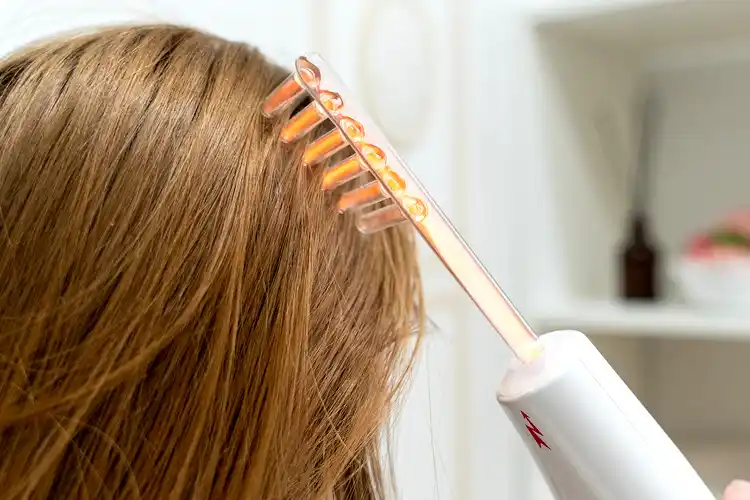
Although research is still in its infancy, there are already some devices that use electrical stimulation to promote hair growth:
- Wearable scalp stimulators: Small devices that send electrical impulses to the scalp. Their effectiveness is controversial, and results vary widely.
- Electric scalp massagers: These combine massage with electrical stimulation to stimulate blood circulation.
- Experimental implants: Initial research is testing tiny implants that deliver constant electrical impulses. However, this technology is not yet fully developed.
- Electric hairbrushes with laser function: These devices combine the benefits of a conventional brush with low-level laser therapy to stimulate the hair follicles and promote hair growth.
Most of these devices have not yet been sufficiently researched, and their effectiveness remains undiscovered.
Comparison With Other Methods
In addition to electrostimulation, there are other methods designed to slow hair loss or stimulate hair growth. But how do they compare?
- PRP (Platelet-Rich Plasma) therapy: This involves injecting the body’s own growth factors into the scalp. PRP can stimulate hair growth in some patients, but it is not a permanent solution, as its effects diminish over time.
- Low-level laser therapy (LLLT): Laser light is intended to stimulate cell activity in the hair roots. Initial studies show a slight effect, but there is no evidence of a long-term solution.
- Oxygen therapy: This method is intended to improve the oxygen supply to the hair follicles, but it does not prevent genetically caused hair loss.
While electrical stimulation can be a supportive approach, it is not a substitute for a proven solution such as hair transplantation.
First Scientific Findings on Electrical Stimulation
Although electrical stimulation is promoted as an innovative method, there is currently no clear scientific evidence of its long-term effectiveness. Initial studies show that it could potentially promote hair growth:
- A study from the University of Wisconsin-Madison tested a wearable device that delivers electrical impulses to the scalp. Some test subjects experienced a slight improvement in hair density—but only as long as the treatment was performed regularly.
- Research in the Journal of Investigative Dermatology suggests that electric fields could prolong the hair growth phase. However, long-term studies are lacking here as well.
These studies show that electrical stimulation may theoretically have an effect, but does not offer a proven long-term solution to hair loss.
Is the Effect Different for Men and Women?
Men with androgenetic alopecia benefit little from electrical stimulation because new hair follicles cannot develop. The hereditary hair loss cannot be stopped by electrical impulses.
Women with hormonal hair loss may notice a slight improvement, as hormonal fluctuations affect hair growth. Electrical stimulation may be helpful here by stimulating blood circulation.
However, there is no scientifically proven evidence that this method is more effective for women. It remains at best a supplementary measure, not a long-term solution.
Cost-Benefit Analysis
Because electrical stimulation requires regular use, there are ongoing costs that add up over months or years. Many devices are expensive to purchase, and clinical treatments incur high session fees.
In comparison, a hair transplant is a one-time investment that ensures full, naturally growing hair in the long term – without any further financial burden.
Hair Transplantation: A Long-Term Solution to Hair Loss
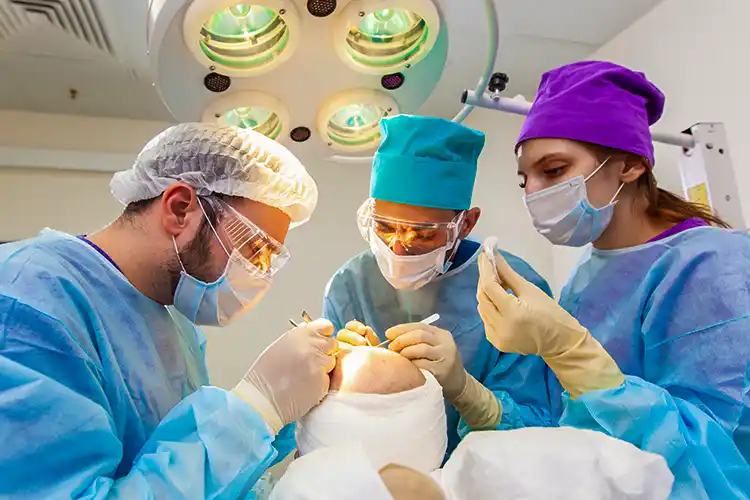
While methods such as electrical stimulation may be able to support hair growth in the short term, hair transplantation remains the only proven solution for permanently regaining full hair. To understand how the process works, what results to expect, and why Turkey is a global leader in this field, explore our comprehensive guide to hair transplants in Turkey.
- Sustainable results: Once transplanted, hair follicles continue to grow for a lifetime.
- Natural appearance: Thanks to modern procedures such as the FUE method or DHI technique, there are no visible scars and the hairline looks natural.
- Treatment at the root cause: Unlike electrical stimulation, which only affects existing hair follicles, hair transplantation actually replaces lost hair.
So if you are looking for a permanent and effective solution, you should not rely on temporary effects, but rather opt for a method that delivers real results.
Can Electrical Stimulation Support Hair Transplantation?
Electrical stimulation can complement the hair transplant procedure by improving blood flow and supporting healing . Good blood circulation helps the new hair follicles take root better.
However, it should not be used immediately after the transplant because the grafts are sensitive. Only after the healing phase can it support scalp health—but it cannot replace hair transplantation.
Conclusion: Electrical Stimulation – Not a Permanent Solution
Electrical stimulation may seem like a promising approach, but its long-term effectiveness has not been scientifically proven. Initial studies show possible effects, but these are usually only temporary and require continuous use.
For people with early, diffuse hair loss, electrical stimulation can be a supportive treatment—but there’s no guarantee of lasting results. It’s ineffective in cases of advanced hair loss or bald patches.
Those who rely on safe and proven solutions choose the only long-term option: hair transplantation.
FAQs
Are there any risks or side effects of electrical stimulation for hair growth?
While most consumer devices use low-intensity currents and are generally considered safe, potential side effects can include scalp irritation, tingling, headaches, or minor burns if used improperly. For people with implanted medical devices (like pacemakers), electrical stimulation may interfere with their function and should be avoided. As always, it is advisable to consult a healthcare professional before starting any such treatment.
How often must electrical stimulation be used to see results?
Most studies suggest that electrical stimulation must be used consistently—often daily or several times a week—for several weeks or even months to see any potential results. The effects are usually temporary and diminish once the treatment is discontinued. Unlike a one-time procedure such as a hair transplant, this method demands long-term commitment.
Can electrical stimulation be combined with other non-invasive treatments like PRP or laser therapy?
Yes, some practitioners use electrical stimulation in combination with PRP or low-level laser therapy to enhance results. The theory is that improved blood flow and cell activity may support the effects of other regenerative treatments. However, clinical data on such combinations is limited, and the benefits are mostly anecdotal at this stage.
Is electrical stimulation suitable for people with scalp conditions like psoriasis or dermatitis?
No, electrical stimulation is generally not recommended for people with active scalp conditions such as psoriasis, seborrhoeic dermatitis, or eczema. These conditions can cause skin sensitivity or inflammation, and the electrical currents may exacerbate symptoms. A dermatologist should be consulted before using such devices.
What makes hair follicles ‘still active’ and how can this be assessed?
Hair follicles are considered “active” if they are still capable of producing hair, even if it’s thin or sparse. This is often the case in early-stage hair loss. A trichologist or hair specialist can assess follicle activity through scalp examination, trichoscopy (a form of dermoscopy), or in some cases, biopsy. If follicles are completely miniaturised or fibrosed, stimulation methods are unlikely to be effective.
Can electrostimulation help with eyebrow or beard growth?
There is no robust scientific evidence to support the use of electrical stimulation for enhancing eyebrow or beard growth. Most devices are designed for scalp use and the underlying biology of facial hair differs slightly. Targeted treatments such as minoxidil or hair transplants remain the more reliable options for facial areas.
How do you choose a reliable electrostimulation device for home use?
Consumers should look for devices that are CE-marked in Europe, have clinical trial data (even if limited), and provide clear instructions for safe use. Avoid devices that make exaggerated claims or are sold without reputable brand backing. Consulting a hair specialist before purchasing is highly recommended.
Why hasn’t electrostimulation been adopted as a mainstream medical treatment for hair loss?
Mainstream adoption requires consistent, replicable clinical evidence, preferably from long-term randomised controlled trials. Currently, the evidence for electrostimulation remains preliminary, with limited sample sizes and short-term observations. Until more robust data is available, the medical community remains cautious about recommending it as a first-line treatment.
Can electrostimulation prevent further hair loss, or only stimulate regrowth?
There is no conclusive evidence that electrostimulation can prevent further hair loss, especially in cases of genetic baldness. At best, it may improve blood circulation and cellular metabolism to temporarily support existing hair follicles, but it does not influence the underlying causes of hair miniaturisation or loss.
Does age affect the success of electrostimulation treatments?
Yes, younger individuals in the early stages of hair loss may respond better to electrostimulation, especially if their follicles are still active. Older individuals with advanced hair loss or complete bald spots are less likely to see meaningful benefits. Age-related decline in follicle viability plays a significant role in treatment response.
Dr. Imad Moustafa
Hair transplant specialist