

Hair loss can happen to anyone, regardless of age or gender, and is caused by a variety of different factors and underlying conditions. Hair transplant surgery is only a viable treatment option for some people, whereas others may be better-suited to gentle, non-surgical approaches to hair restoration.
One such approach is oxygen therapy. In this article, we’ll be explaining how oxygen therapy for hair loss works, who could benefit the most from this treatment, and asking if this therapy is as effective as advertised.
Summary
- How Does Oxygen Therapy Work?
- Can Oxygen Therapy Really Improve Hair Quality?
- Are There Any Risks or Side Effects?
- How Much Does Capillary Oxygen Therapy Cost?
- Comparison With Other Non-Invasive Methods
- Current State of Medical Research
- Hair Transplant: The Only Lasting Solution
- Conclusion: Oxygen Therapy is Useful, But Limited
- FAQs
How Does Oxygen Therapy Work?
In order for every cell in the body to perform optimally, they need oxygen. The same is true for the cells of your scalp and hair follicles. Inadequate cell oxygenation can hinder the absorption of nutrients, leading to slower hair growth and, ultimately, hair loss. Here are some of the most common factors that impair oxygenation:
- Smoking: Decreases blood circulation.
- Chronic stress: Disrupts microcirculation.
- Aging: Slows down cellular exchanges.
- Scalp imbalances (excessive sebum, dandruff): Hinder oxygenation.
Signs of a Poorly-Oxygenated Scalp
Insufficient oxygenation of the scalp can manifest itself through signs such as a pale or bluish complexion, slow hair growth, thinning hair, or a feeling of tightness. Excess sebum can also indicate poor nutrition of the follicles due to impaired circulation.
Can Oxygen Therapy Really Improve Hair Quality?
Oxygen is an essential element for cell regeneration, capable of strengthening follicles, thickening the hair fiber and stabilizing the hair root. By soothing scalp inflammation, it also contributes to an environment conducive to healthy and lasting regrowth. In this regard, it can be argued that oxygen therapy can improve overall hair quality.
However, these effects are generally temporary and highly dependent on the patient’s profile. In cases of advanced or genetic hair loss, oxygen therapy alone will not provide lasting results.
Existing Forms of Oxygen Therapy
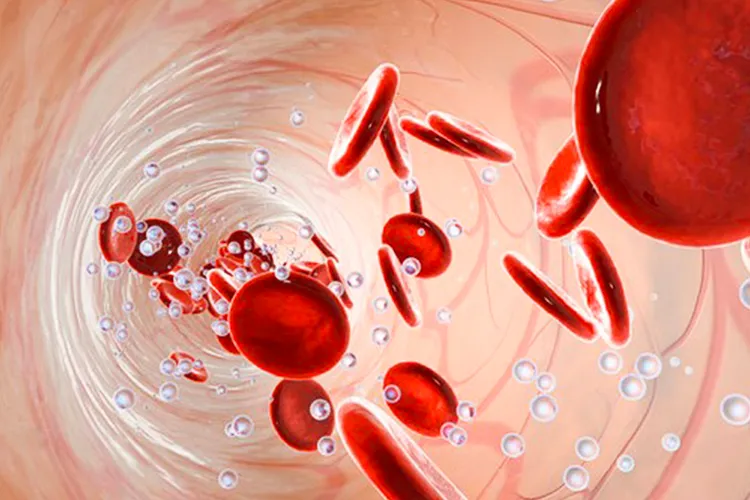
There are several methods of oxygen therapy aimed at bringing more oxygen to the scalp:
1. Hyperbaric Oxygen Therapy (HBOT)
In hyperbaric oxygen therapy, the patient breathes pure oxygen in a pressurised chamber. This method increases the concentration of oxygen in the blood, thus improving microcirculation in the scalp.
2. Topical Treatments
Oxygenated sprays, creams, or serums are applied topically to the scalp. The effectiveness of topical oxygen therapy to date has not been well-documented in scientific studies, however.
3. Oxygen Injections
Oxygen-enriched serums injected directly into the scalp. This method aims to locally stimulate the follicles through improved oxygenation.
How Long Does it Take to See Results?
Oxygen therapy can provide varying results depending on the individual and their specific hair loss conditions, with visible effects typically occurring after 6 to 12 weeks of regular treatment.
Are There Any Risks or Side Effects?
Scalp oxygen therapy is generally well-tolerated, but some side effects may occur depending on individual sensitivity. Possible reactions include headaches, dizziness after hyperbaric sessions, and localised irritation or redness. Increased sebum production may also occur if the scalp is overstimulated.
It is essential to consult a qualified healthcare professional to assess contraindications and to personalise your course of treatment.
How Much Does Capillary Oxygen Therapy Cost?
Rates vary depending on the method:
- Hyperbaric oxygen therapy : approximately £70 to £150 per session.
- Topical treatment : approximately £40 to £80 per application.
- Oxygen injections : approximately £100 to £300 per session.
A complete treatment often includes several sessions, which can represent a significant investment with no guarantee of permanent results.
Comparison With Other Non-Invasive Methods
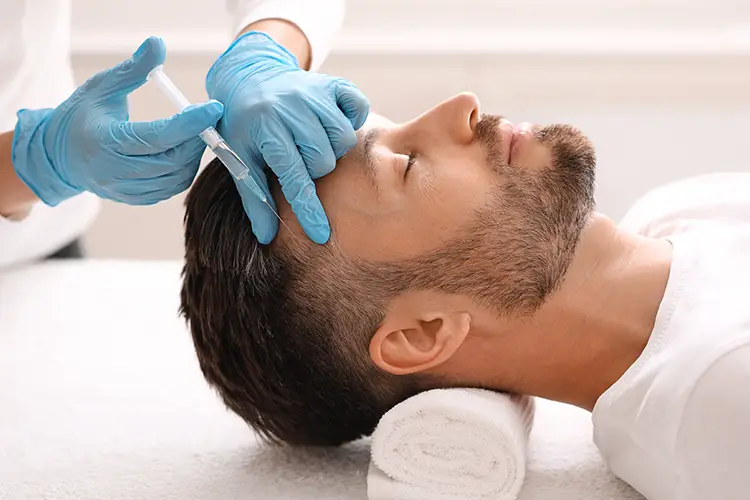
Besides oxygen therapy, there are other non-invasive methods of hair stimulation. Here are the most common treatments available:
- Minoxidil: A well-studied medical agent that dilates blood vessels and thus stimulates hair growth. The disadvantage is that it must be used continuously to maintain the effect.
- Microneedling: This technique stimulates collagen production and improves the absorption of growth-promoting substances in the scalp. It can promote hair growth and improve scalp health, but carries some risks of irritation and infection.
- Low-level laser therapy (LLLT): This method uses light energy to promote cellular activity and reduce inflammation. It is considered non-invasive and can improve hair density. However, scientific evidence of long-term effectiveness is still limited.
- PRP (Platelet-Rich Plasma) Therapy: This involves extracting the body’s own growth factors from blood plasma and injecting them into the scalp to revitalise hair follicles. PRP can stimulate cell regeneration and promote hair growth, but success rates vary depending on individual predisposition.
These methods can be combined with oxygen therapy for optimal results. While minoxidil, microneedling, and LLLT specifically stimulate hair growth, oxygen therapy can have a supportive effect by improving blood circulation and nutrient delivery to the hair roots.
Current State of Medical Research
Oxygen therapy is used successfully in several medical fields, including:
- Wound healing.
- Post-intervention aesthetic medicine.
- Improving cell regeneration.
In hair, studies show:
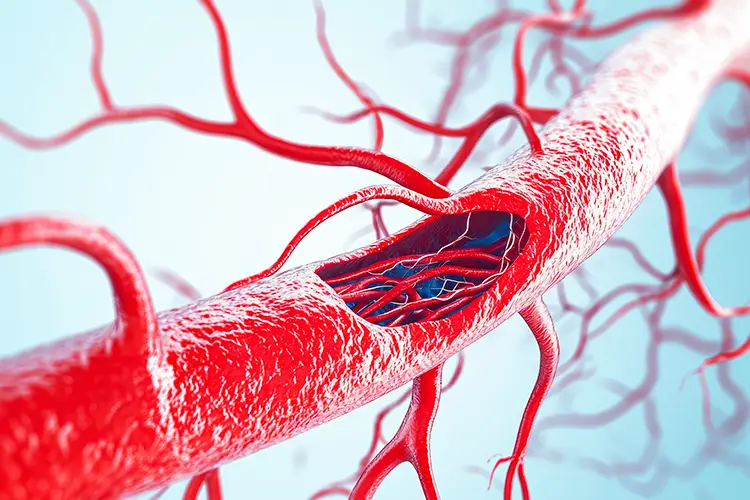
- Optimizing microcirculation: Improved blood circulation can help ensure that hair follicles are better supplied with nutrients, which can have a positive effect on hair growth.
- Support for regenerative processes: Oxygen plays a vital role in cell regeneration. Some research suggests that increased oxygen intake may have a positive effect on hair follicle activity.
- Possible effects on diffuse hair loss: Early studies show that oxygen therapy may be beneficial when hair loss is caused by insufficient blood circulation or stress.
Although some users experience a slight improvement in hair density, there is no reliable scientific evidence that oxygen therapy alone
is effective against genetic hair loss. For this form of hair loss, only a more radical approach can provide a lasting solution.
Hair Transplant: The Only Lasting Solution
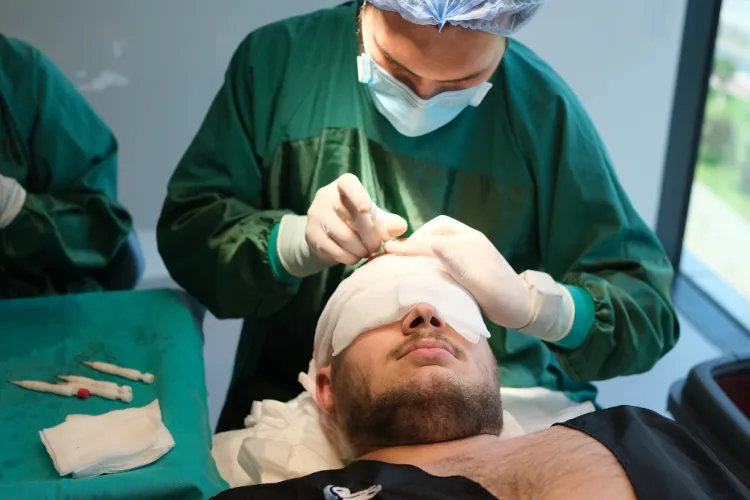
When hair loss is advanced, only a hair transplant can restore a full, natural head of hair. Unlike temporary methods, it directly addresses the cause.
The advantages of a hair transplant:
- Permanent results: Once transplanted, hair follicles continue to grow for life.
- Natural appearance: Thanks to modern techniques such as DHI hair transplantation and the FUE method, the results appear completely natural.
- Permanent baldness treatment: While oxygen therapies only have a supportive effect, a hair transplant addresses the root cause.
Oxygen Therapy as Complementary Care
Oxygen therapy is an excellent complementary treatment after a hair transplant, as it promotes healing and improves vascularity in the scalp. It thus supports graft retention and stimulates growth in the weeks following the procedure. However, this method cannot regrow lost hair. Only a hair transplant offers a lasting solution against progressive hair loss.
Conclusion: Oxygen Therapy is Useful, But Limited
Oxygen therapy can improve scalp health and stimulate hair growth in some cases. However, this method cannot stop genetic hair loss or permanently fill in bald patches. Scientific evidence of long-term effectiveness against progressive hair loss is lacking for this treatment.
For visible and lasting results, a hair transplant remains the gold standard. Those who want to see real results can consult before and after photos and seek personalised advice. A personalised scalp analysis is essential to determine the best strategy.
FAQs
What Types of Hair Loss Can Oxygen Therapy Help With?
Oxygen therapy can be beneficial for those experiencing diffuse hair loss, stress-related thinning, or hair loss due to poor scalp circulation. However, it is generally less effective for those with androgenetic alopecia (genetic hair loss) as this form of hair loss is primarily driven by hormonal factors and genetic predisposition.
Can Oxygen Therapy Be Used in Combination with Other Treatments?
Yes, oxygen therapy is often used in combination with other non-surgical methods like PRP (Platelet-Rich Plasma), microneedling, or low-level laser therapy (LLLT) to enhance overall results. It can also be a supportive post-transplant treatment to promote graft healing and improve follicle survival.
Who is a Good Candidate for Oxygen Therapy?
Ideal candidates for oxygen therapy are individuals in the early stages of hair loss or those experiencing temporary hair thinning due to stress, illness, or poor scalp circulation. Those with advanced genetic hair loss may not see significant benefits without additional, more aggressive treatments.
How Often Should Oxygen Therapy Be Performed?
The frequency of oxygen therapy depends on the method used and the individual’s hair loss condition. Typically, patients undergo sessions every 1 to 2 weeks for 3 to 6 months, depending on the severity of hair loss and the chosen treatment method.
What Should I Expect During an Oxygen Therapy Session?
Most sessions are non-invasive and painless, lasting between 20 to 60 minutes. The patient may feel a mild tingling sensation on the scalp as oxygen is applied, and no significant downtime is required afterward.
Can Oxygen Therapy Prevent Hair Loss?
While oxygen therapy can improve scalp health and temporarily reduce hair shedding, it is not considered a permanent solution for hair loss. It can support follicle health but cannot prevent genetic hair loss without other interventions.
Are There Any Contraindications for Oxygen Therapy?
Individuals with certain medical conditions, such as severe respiratory issues, uncontrolled high blood pressure, or specific cardiovascular disorders, may not be suitable candidates for hyperbaric oxygen therapy. A consultation with a healthcare professional is essential before starting treatment.
How Do I Know if Oxygen Therapy is Right for Me?
A personalised scalp analysis is recommended to determine whether oxygen therapy is a suitable option based on the underlying cause of your hair loss and your overall scalp health.
Dr. Imad Moustafa
Hair transplant specialist