


Your Hair Transplant at Elithair
Everything You Need to Know
A hair transplant is the most advanced solution for permanently filling thinning areas and restoring your hair naturally. Individual hair follicles are extracted from a donor zone and precisely re-implanted into the affected areas — a procedure that delivers visible, lasting results.
Our medical team uses the modern FUE method to harvest your hair because it is exceptionally gentle and effective. For implantation, we apply the advanced DHI, Sapphire, and our exclusive SDHI techniques — the last of which is available only at Elithair.
For androgenetic alopecia (AGA) in particular — the most common form of hair loss in men and women — a hair transplant is the most effective treatment available. Thanks to state-of-the-art techniques, you benefit from a pain-free procedure, fast recovery, and results that can change your life.

How does a hair transplant at Elithair work?
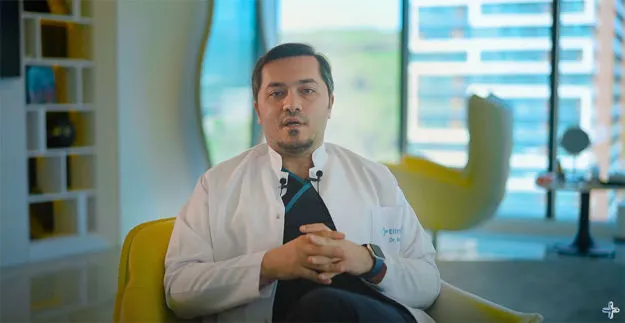

Your path to fuller hair begins with an innovative way to prepare your hair: the exclusive NEO FUE SET from Elithair.
Developed by Dr. Balwi, the kit is shipped conveniently to your home and contains two specialized serums and a dermaroller that strengthen your grafts and prepare them optimally for the procedure.
The serum is applied to the donor and recipient areas 7 days and 1 day before the transplant. It nourishes the hair roots with essential nutrients and increases the hair growth rate by up to 98% — for flawless results.
Your hair transplant in expert hands — hygienic, safe, professional
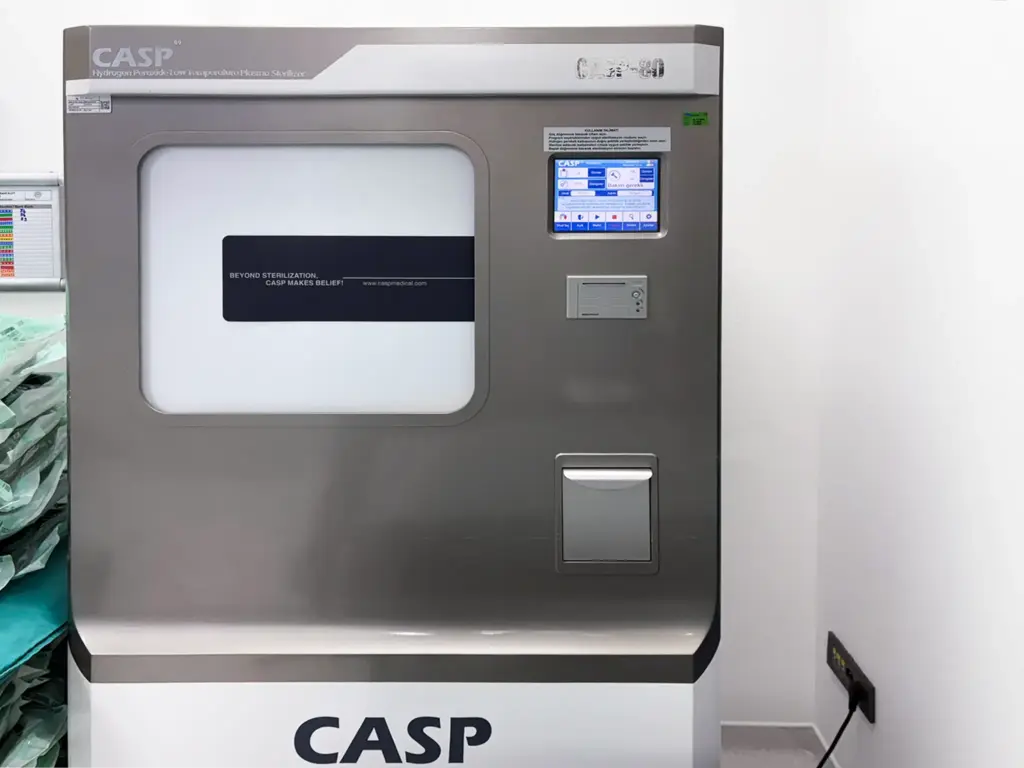
At Elithair, we use steam sterilization in line with the strict standards of the Harvard Forest autoclave protocol. This procedure ensures the thorough sterilization of every medical instrument and meets the highest international standards for patient safety.
By consistently maintaining a sterile surgical environment, our medical teams perform hair transplants with minimal risk of infection — ensuring the best possible outcome for every patient.
Graft extraction — FUE vs. FUT compared
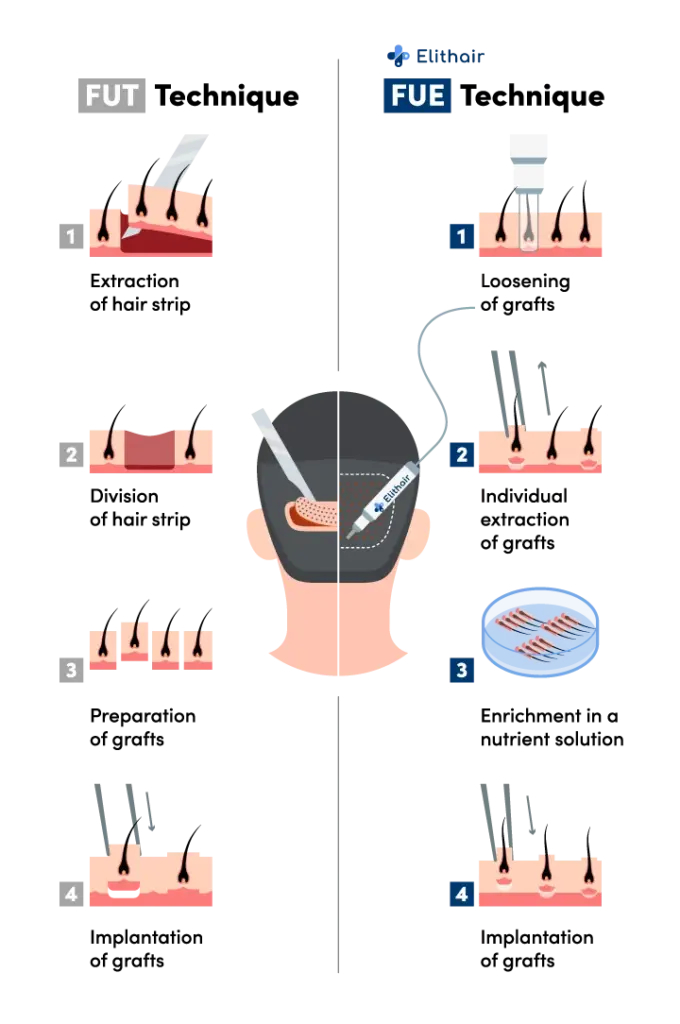
In a hair transplant, the choice of extraction technique is decisive for the success of the procedure. The two common methods are Follicular Unit Extraction (FUE) and Follicular Unit Transplantation (FUT).
With the FUE technique, hair follicles are extracted one by one using an ultra-fine hollow needle (0.8–0.9 mm), leaving only tiny, barely visible marks and allowing for a quick recovery.
The FUT method, by contrast, surgically removes a strip of skin and leaves a noticeable, lifelong scar. Although surrounding hair can cover it, the scar remains visible for life and recovery is generally longer.
At Elithair, we rely exclusively on the modern FUE method — for the best results and an aesthetically pristine donor area.
Our standard: hair transplant with the DHI technique
At Elithair, we perform hair transplants exclusively with the DHI technique (Direct Hair Implantation) technique. It is the most advanced and most effective method for patients suffering from hair loss. With DHI, every graft is implanted using a specialized Choi Implanter Pen, which delivers maximum precision and produces a natural-looking result.
Unlike other methods, such as the Sapphire technique, no channels need to be opened to place the grafts. This allows for much faster healing and greater hair density.
At many other hair transplant clinics, you can expect to pay extra for DHI because it is typically offered as an upgrade rather than a standard. At Elithair, we believe in giving our patients only the best — which is why the DHI technique is included.
Worried about pain during a hair transplant?
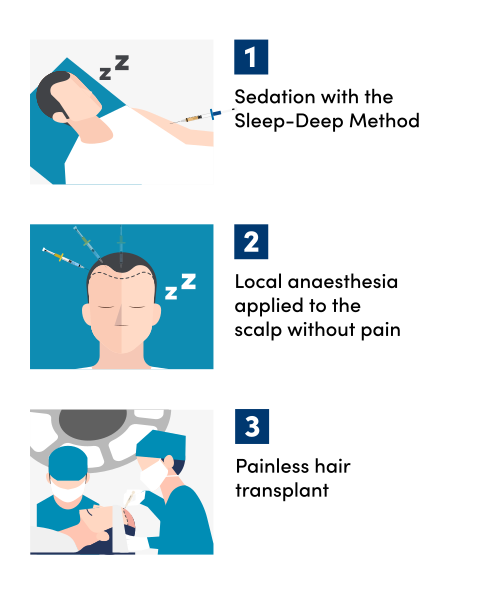
For many people, the idea of a hair transplant brings anxiety — especially over the fear of pain. With Elithair’s exclusive Sleep-Deep method, those concerns are a thing of the past.
This innovative process combines the anesthetic Propofol — which places you in a deep sleep for 15 minutes — with the painless administration of a local anesthetic. You feel nothing and wake up relaxed, ready for your pain-free hair transplant.
Our patients love this revolutionary technique, which is available only at Elithair. Trust the most advanced methods for a comfortable procedure.
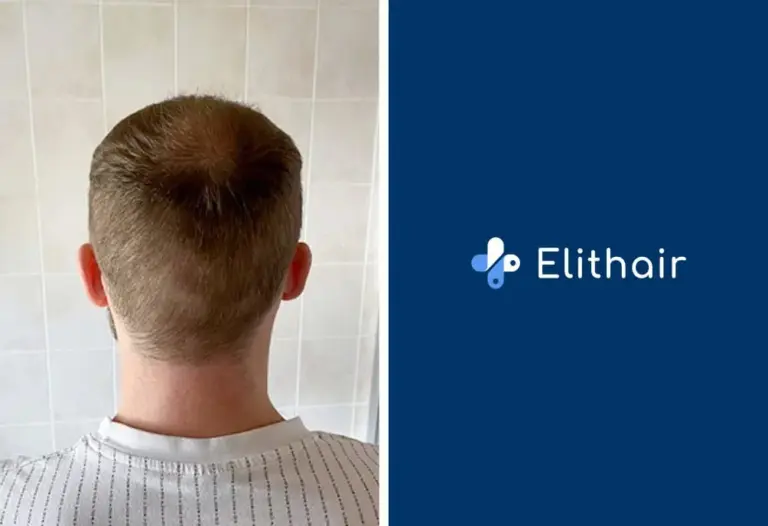
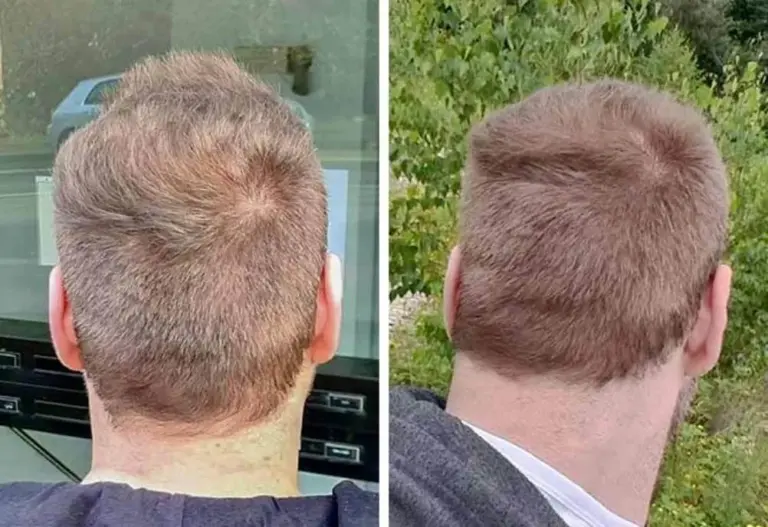
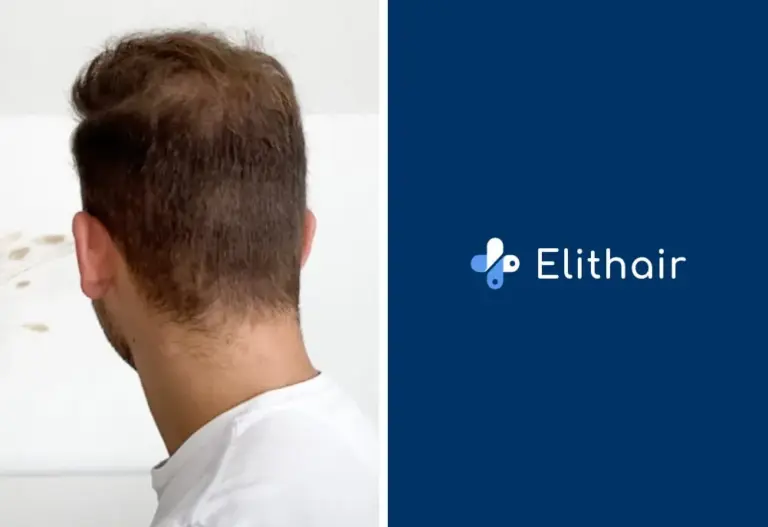
What does my donor area look like after a hair transplant?
How long does hair transplant recovery take?
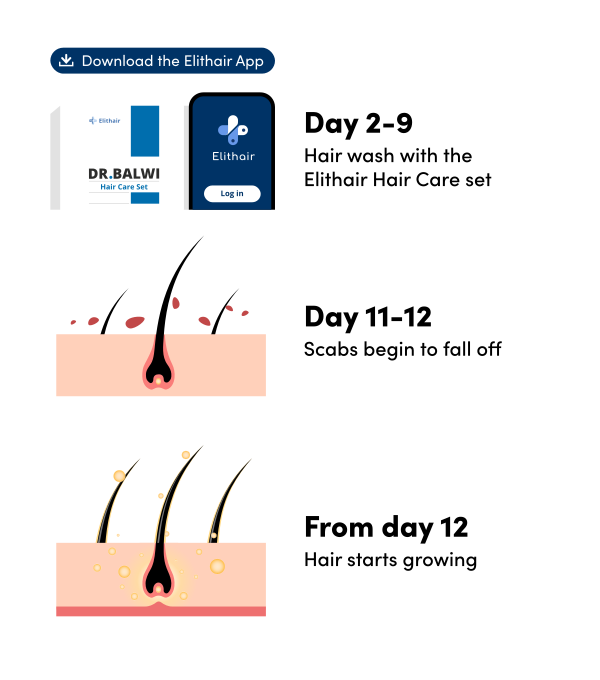
The recovery process after a hair transplant is fast and efficient. The puncture sites begin to heal within just a few days, and you will be able to wash your hair on your own.
Light scabbing and temporary redness disappear within a short time.
With proper aftercare — supported by our experts and the Elithair app — recovery is generally complete after 12 days. From that point on, your new hair begins to grow in seamlessly and naturally. Trust our care for an optimal result.