


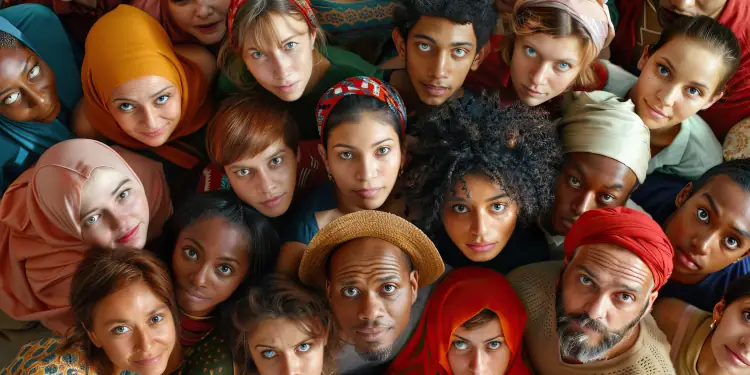
Hair loss affects millions of people worldwide – but the perception and treatment of it vary greatly from culture to culture. Why does hair carry such heavy symbolism across societies? What historical and cultural significance does baldness have, and why has it often been associated with shame or weakness?
This article explores the cultural symbolism of hair, the historical shift in perceptions of hairlessness, and the diverse approaches to dealing with hair loss. We also examine how modern technologies and traditional healing methods are opening up new perspectives for those affected.
Summary
- Hair as a Symbol of Power and Spirituality
- Traditional Rituals and the Cultural Significance of Hair
- How has the Meaning of Baldness Evolved Throughout History?
- Hair as an Expression of Rebellion and Cultural Identity
- Hair Loss and Cultural Pressure: The Psychological Consequences
- Treatment Methods for Hair Loss in Different Cultures
- Conclusion: Hair Loss and Beauty Ideals in Transition
Hair as a Symbol of Power and Spirituality
In many cultures, hair has deep-rooted symbolic and spiritual significance. In Africa, for example, complex hairstyles often represent tribal affiliation, social status, or marital status.
In Asian cultures, hair is often associated with wisdom, spiritual energy, and life essence. In India, cutting hair often symbolises a new beginning or spiritual cleansing. In ancient Egypt, hair was considered a symbol of vitality and status. Wigs were widespread and worn not only for hygienic reasons but also as an expression of wealth and power.
Baldness, on the other hand, has historically been perceived negatively in many cultures. In the Middle Ages, bald heads in women were often associated with shame. At the same time, in religious contexts, such as among Buddhist monks, baldness was considered an expression of devotion and inner purity. These ambivalent meanings demonstrate that hair is far more than just a biological characteristic.
Traditional Rituals and the Cultural Significance of Hair
In many cultures, hair plays a central role in ritual and symbolic practices that transcend its aesthetic significance. A notable example can be found in Japan: There, newborns are traditionally shaved after 30 days before being blessed in a temple. This rite symbolises purity, a new beginning, and the child’s official welcome into the community.
Similar traditions exist in other cultures. In India, for example, shaving one’s hair is a widespread ritual during certain life transitions, such as weddings or religious pilgrimages, representing spiritual purification and renewal. In African communities, haircuts are often associated with rites of passage such as birth, marriage, or coming of age.
These rituals demonstrate that hair is not merely an external characteristic, but is closely intertwined with cultural and spiritual values. They serve as a bridge between personal identity and community belonging and demonstrate that hair has deeply rooted layers of meaning in many cultures.
How has the Meaning of Baldness Evolved Throughout History?
The meaning of baldness has changed dramatically over the centuries. In ancient times, philosophers considered hairlessness a sign of wisdom and thoughtfulness. In monarchies and other ruling systems, hair was considered a sign of power and status. European kings and nobles wore elaborately styled wigs that demonstrated their wealth and superiority. The loss of hair, whether by nature or punishment, could, however, be perceived as weakening or disempowering.
Hair also plays a central role in religions. In Sikhism, for example, wearing uncut hair is a sign of spirituality and respect for God’s creation. In Judaism, married women often cover their hair to demonstrate modesty and devotion. In Christianity, the Bible tells the story of Samson, whose strength lay in his long hair.
Hair as an Expression of Rebellion and Cultural Identity
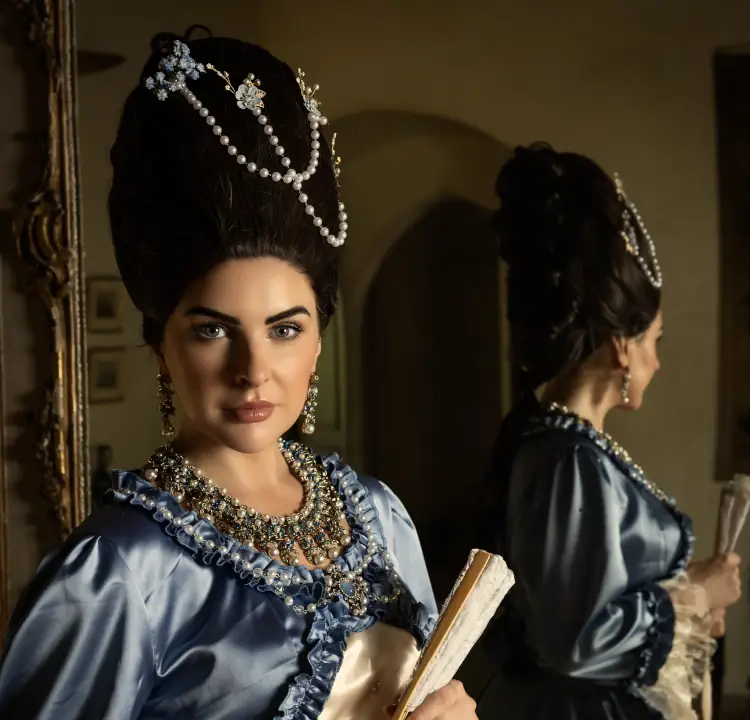
Hair is not only a symbol of beauty, but also a powerful tool for conveying social, political, and cultural messages. In various eras and subcultures, hairstyles have been consciously used as an expression of rebellion and individuality.
During the hippie movement of the 1960s and 1970s, long, unruly hair was a symbol of protest against the establishment and the conventional norms of society at the time. It embodied a commitment to peace, freedom, and personal authenticity. Similarly, in the punk era, the mohawk was a powerful visual symbol of resistance and rejection of authority and social constraints.
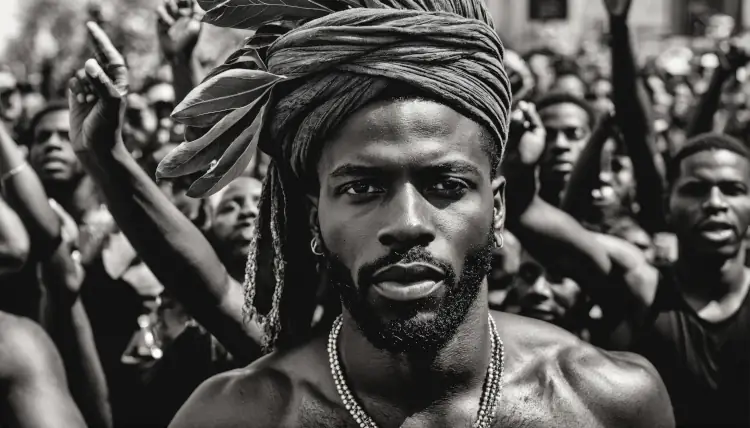
Hair also plays a significant role in current social movements. The fight against discrimination based on Afro-style hair in Western societies led to the passage of the “CROWN Act” in the United States , which prohibits discrimination against natural hair textures and hairstyles such as cornrows and dreadlocks. These types of hairstyles are a symbol of cultural history and pride in many African and Afro-Caribbean communities. However, their appropriation outside of this context has often sparked tensions and debates about respect and cultural sensitivity.
These examples illustrate that hair is not only a reflection of individual personality, but also a powerful tool for expressing social and cultural identity – or making inequalities visible.
Hair Loss and Cultural Pressure: The Psychological Consequences
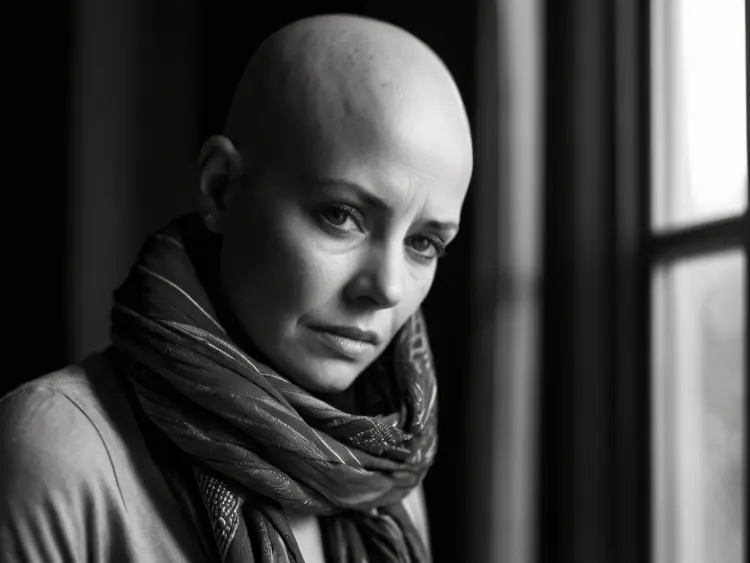
Hair loss can significantly impact self-confidence, especially in societies where full head of hair is considered a beauty ideal. For many people, hair is an essential part of their identity, and its loss is often perceived as a threat to their self-image.
In most cultures, there has always been an expectation that women should wear long, well-groomed hair, as it symbolises femininity, attractiveness, and social acceptance. Hair loss can therefore be particularly distressing for women, as they face strong cultural and societal expectations. Today, it is socially acceptable for women to undergo hair transplants, for example, without feeling ashamed.
Men, on the other hand, often experience hair loss much more intensely and at a more advanced stage than women. Hair loss is often accompanied by a decline in self-confidence, especially when hair loss occurs at a young age. However, even for men, hair transplantation is the only effective solution for bald patches that guarantees a lifelong result.
For both sexes, the effects of hair loss are not only external but also profound internally. Social perception plays a central role. For many people, hair loss remains a stigma that makes them vulnerable and exposes them to social criticism.
Treatment Methods for Hair Loss in Different Cultures
In Asian countries, traditional healing methods often complement modern approaches. In India, for example, the scalp is treated with Ayurvedic oils, while Chinese medicine uses herbs such as He Shou Wu to reduce hair loss. In some African countries, natural oils and plant extracts are used, and many communities have traditional rituals intended to symbolically alleviate the problem.
The treatment of hair loss varies greatly between cultures. In Western societies, modern medical solutions such as hair transplants, minoxidil , and wigs dominate. Turkey has now established itself as a center for hair transplants, attracting people from all over the world seeking a safe and effective solution.
Conclusion: Hair Loss and Beauty Ideals in Transition
Hair loss is more than a medical problem—it affects cultural identity, self-esteem, and social perception. While full hair is associated with vitality and attractiveness in many cultures, in the past, hair loss was often considered a symbol of shame or weakness.
The meaning of hair has changed over the centuries, and the perception of baldness is more diverse than ever. Today, modern technologies and innovative treatments such as hair transplantation open up new possibilities for people suffering from hair loss, especially for young adults who are affected early in life and feel their self-confidence is limited by hair loss.
Whether through modern treatments or embracing natural changes, it’s important that everyone has the opportunity to feel comfortable in their own skin. Hair loss can be challenging, but it also highlights how deeply beauty is shaped by cultural and individual perspectives.

Dr. Imad Moustafa
Hair transplant specialist