


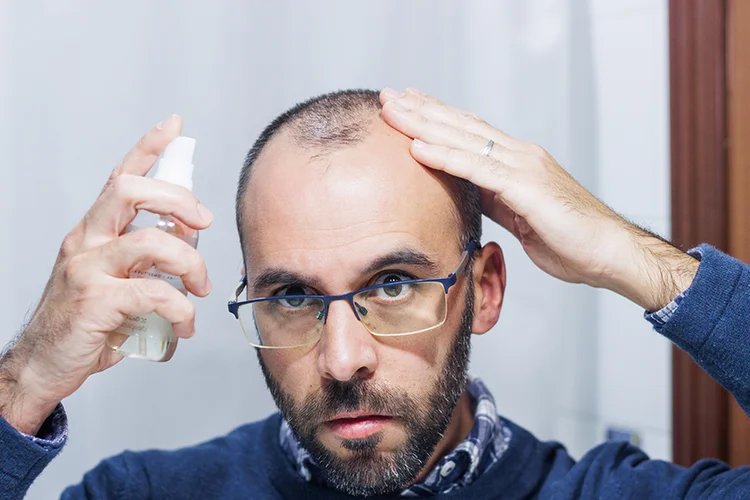
In many cultures, full hair is considered a symbol of youth, vitality, and attractiveness. It’s no wonder, then, that the desire to stop the onset of hair loss becomes an emotional challenge for many people.
Before considering a hair transplant, many sufferers undergo a veritable odyssey of shampoos, serums, pills, and alternative therapies. Their motivation: hope. But not every remedy delivers its promise – and the end result is often disappointment. In this article, we’ll be taking a look at the various solutions available, whether they really work, and when it’s time to call it quits.
Summary
- The Desperate Search for a Gentle Solution
- What Does Science Say About All These Miracle Cures?
- What Prevents People From Choosing a Hair Transplant?
- Emotional Costs: When Hope Turns into Frustration
- Hair Transplantation: The Turning Point For Real Hair Growth
- Conclusion: Real Results Require Realistic Decisions
The Desperate Search for a Gentle Solution
The first sign of hair loss hits many people unexpectedly. Whether on their pillow, in the shower, or in a photo, suddenly it becomes apparent that their hair is thinning. The first reaction? Google, shop, and hope.
Popular First Steps:
- Caffeine shampoos with “growth-promoting effects”
- Biotin supplements and vitamin combinations
- Hair growth sprays with essential oils or plant extracts
- Dietary supplements with zinc, selenium, iron & Co.
These products sound harmless—and that’s precisely what makes them attractive. They suggest that you can stop hair loss without medical intervention. But the reality is often different.
What Does Science Say About All These Miracle Cures?

While there are two active ingredients that have shown positive effects on hair growth in studies— minoxidil (in over-the-counter solutions) and finasteride (prescription)—even these don’t help everyone. Their effects:
- can only be temporary
- assumes possible side effects with finasteride
- only lasts as long as the products are used
All other products that advertise “hair growth” or “anti-hair loss” are usually based on empirical data or marketing promises – not on reliable long-term studies.
This doesn’t mean they’re completely ineffective. Some support the scalp, have a nourishing or anti-inflammatory effect—but they are no substitute for medical treatment for androgenetic alopecia (genetic hair loss) .
What Prevents People From Choosing a Hair Transplant?
Despite promising results, many patients hesitate to take the step of undergoing a hair transplant. The reasons are varied:
- Fear of pain or scars
- Uncertainty as to whether one is “ready”
- Big expense compared to shampoos and serums
- Hope that the situation will improve on its own
Added to this is the emotional component: Deciding to have a hair transplant means admitting to hair loss – which isn’t easy. Many people want to try everything else before committing to the procedure.
What many people don’t realise is that thanks to innovative methods like the Sleep Deep method, the treatment can now be performed virtually painlessly—with 0% noticeable stress during the harvest and implantation. Visible scars are also virtually eliminated with modern techniques.
Emotional Costs: When Hope Turns into Frustration
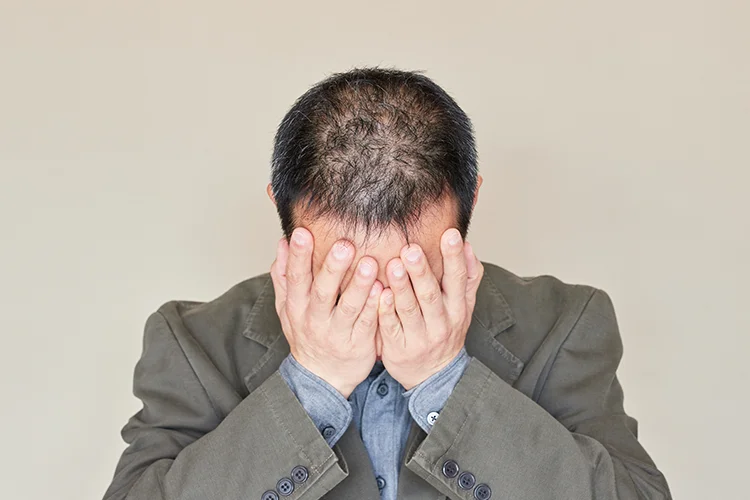
What’s often overlooked is that the many failed attempts aren’t just a final burden, they can be an emotional burden too. Every new attempt, every application, every product creates hope. And when that hope isn’t fulfilled, frustration grows.
Many report feeling lost, helpless, or perceiving themselves to be under the scrutiny of others – especially at work, when dating, or when looking in the mirror.
If you reach this phase, if you no longer feel comfortable in your own skin, you need more than just care – you need a permanent solution.
Hair Transplantation: The Turning Point For Real Hair Growth
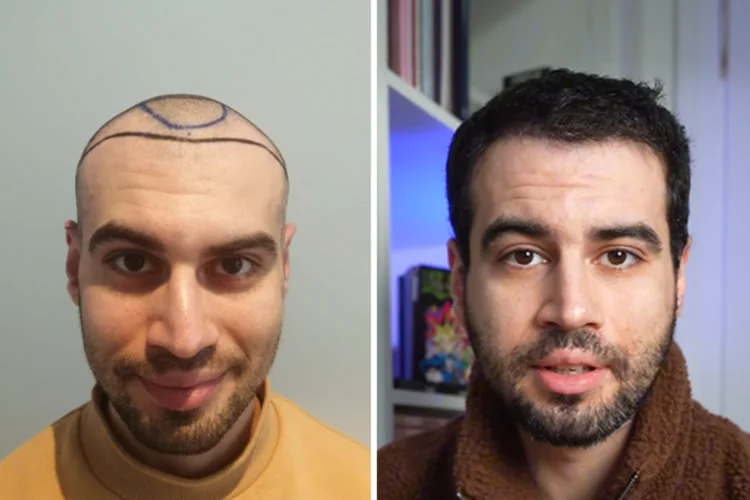
While nourishing shampoos or vitamins have a supportive effect at best, transplantation is the only method today with proven long-term success for genetic hair loss – provided it is carried out professionally.
During a hair transplant, hair follicles are removed from the back of the head and implanted into bald or thinning areas. They continue to grow there, providing vibrant, natural results.
Tried and Trusted Methods:
- FUE (Follicular Unit Extraction): Gentle removal of individual hair follicles, barely visible traces
- DHI (Direct Hair Implantation): Direct implantation of the follicles without prior creation of channels – particularly precise in terms of growth direction and density.
Both procedures allow you to create a customised hairline tailored to your facial features, desired style, and the available donor area. Before and after results demonstrate impressive changes.
Conclusion: Real Results Require Realistic Decisions
It’s perfectly understandable that many affected people initially resort to gentle measures. Hope is important—especially if you don’t want to resort to surgery immediately. But hope shouldn’t become a years-long waiting game.
Renewed hair growth doesn’t come from creams or capsules. It comes from real, living hair follicles – transplanted by experienced hands.
A hair transplant isn’t an easy step, but it’s an honest path. One that not only restores hair, but also self-confidence. Learn everything you need to know in our expert guide to hair transplants in Turkey.

Dr. Imad Moustafa
Hair transplant specialist