



Hair loss rarely feels merely “superficial.” Many sufferers experience it as a gradual loss of control; the hair becomes finer, its density decreases, and some areas seem to react worse than others. This is precisely where a new field of research comes in, one that is currently receiving a great deal of attention – so-called single-cell sequencing.
The idea behind it is that it is not the scalp as a whole that determines hair growth or transplantation success, but the behavior of individual cells. In this article, we’ll be breaking down the science behind single-cell sequencing in hair restoration, and what it could mean for you and your transplant.
Summary
What is Single-Cell Sequencing?
Single-cell sequencing is a method of molecular biology analysis in which individual cells are isolated and genetically evaluated. While classical analyses only provide average values for entire tissues, this technique reveals what is actually happening at the cellular level. Each cell is analysed separately – with all its individual activity patterns, signaling pathways, and inflammatory markers taken into account.
Applied to hair medicine, this means that hair follicles, surrounding stem cells, immune cells, or vascular cells can be examined individually. This allows researchers to identify which cell types actively contribute to regeneration and which processes inhibit hair growth.
What Single-Cell Analysis Reveals
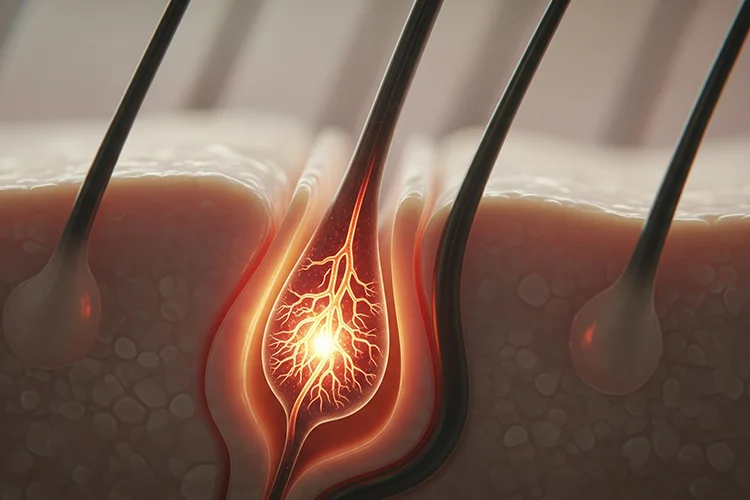
This high-resolution analysis reveals previously hidden differences within the scalp. Research shows that even neighboring hair follicles can react completely differently. Among other things, the following become visible:
- Different cell types within a hair follicle
- Activity states of stem and progenitor cells
- Inflammatory markers that indicate silent chronic irritation
- Indications of regeneration or aging processes of individual cells
What is particularly interesting is that some follicles are biologically in a kind of “starting position”, while others are in a slowed or blocked state, even though they might look the same externally.
Why is This Relevant for Hair Transplants?
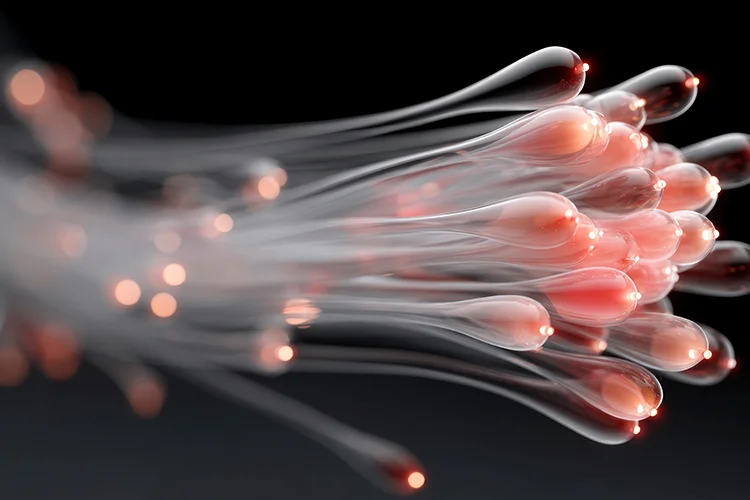
For years, a well-known phenomenon has been observed in practice – after a hair transplant, some grafts grow faster, stronger, and more stably than others. Until now, this could only be explained in broad terms; for example, by blood circulation, technique, or aftercare. Single-cell analyses now provide an additional perspective.
Research suggests that the biological condition of the transplanted cells is crucial. Grafts with active, regenerative cell populations appear to adapt to the new environment more quickly. Others react more slowly because inflammatory processes, stress signals, or age-related changes at the cellular level slow down the process.
This does not mean that individual hairs are “good” or “bad”, but rather that biological conditions can influence the course of the disease.
More Precise Diagnostics, No Guarantees
In discussing all this, it is important to remain realistic in our perspective. Single-cell sequencing offers no guarantees. Even the most advanced cell analyses cannot make a 100% accurate prediction. However, they do shift the focus from general assumptions to probabilities.
In the long term, this opens up new opportunities for:
- More individualised treatment planning
- More realistic assessment of growth trajectory
- better understanding of delayed or differing results
This is still a future research topic; complex, costly, and not currently part of clinical routine. However, the insights gained are already indirectly influencing modern treatment approaches.
Modern Pre-testing Today: The Elithair Pre-Test System
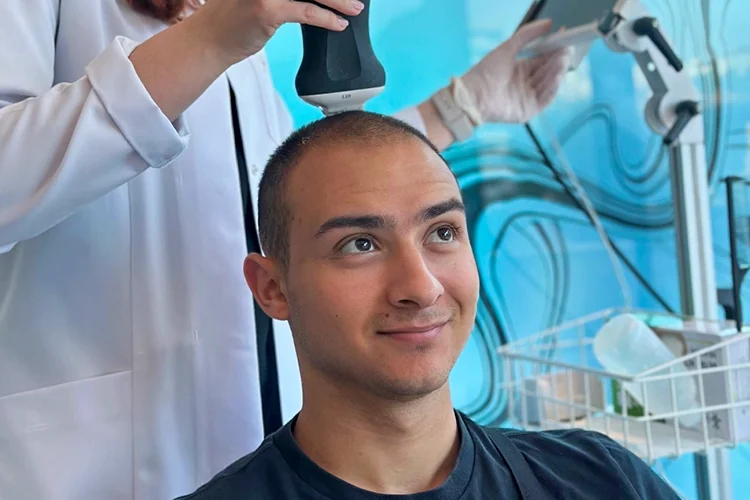
Even without single-cell sequencing, many crucial factors can be reliably assessed. At Elithair, a comprehensive preliminary examination is an integral part of the treatment planning process. This is based on our exclusive Pre-Test System, which systematically analyses various biological and structural baseline parameters.
The following data is recorded, among other things:
- Current hair status and hair density in different areas
- Quality and availability of the dispenser area
- Condition of the scalp, including possible signs of inflammation
- Individual starting factors such as hair type, hair thickness and growth pattern
This diagnostic method already makes it possible to identify differences between individual areas of the scalp, realistically assess potential risks, and precisely plan hair transplantation long before the actual procedure takes place. Modern hair medicine thus begins not in the operating room, but with a thorough analysis beforehand.
Conclusion: A Fascinating New Perspective and a Clear Step Forward
Single-cell sequencing reveals the highly differentiated mechanisms by which hair growth is actually controlled – and that it is not the scalp as a whole, but rather individual cell processes that determine regeneration and growth. For hair medicine, this means above all one thing: a deeper biological understanding, but not a guarantee of a perfect result.
At the same time, it is clear that modern preliminary examinations already allow for well-founded conclusions. Experience, precise diagnostics, and realistic planning are crucial – not waiting for future technologies.
Let our experts advise you, learn more about your individual hair situation and the realistic possibilities of a modern hair transplant – based on what is already reliably possible medically today.

Dr. Imad Moustafa
Hair transplant specialist