


Hair transplantation is an effective solution to hair loss. However, its success depends not only on the surgical techniques used. The healing phase that follows is essential to ensure long-lasting, natural regrowth. Rapid scalp regeneration promotes proper follicle attachment and stimulates the growth of strong hair.
Thanks to biotechnological advances, it is now possible to optimize this key phase. Bioactive substances, innovative healing materials, and regenerative treatments offer new options to support recovery. Plant stem cells, in particular, are playing an increasingly important role in post-transplant care. What future advances will further transform hair medicine? In this article, we’ll be discussing how these ingredients and products can help the healing process.
Summary
- Why is Fast Healing After a Transplant Important?
- Modern Materials for Healing: Protection and Regeneration of the Scalp
- The Influence of Genetics on Healing
- Nanotechnology: Optimised Absorption of Nutrients
- The Future of Hair Medicine: How Far Will Biotechnology Go?
- Plant Stem Cell Mesotherapy: Natural Regeneration
- The Dr. Balwi Mesotherapy Kit: Innovation in Healing
- Conclusion: Biotechnology, the Key to Faster and More Lasting Results
Why is Fast Healing After a Transplant Important?
After an autologous hair transplant, the scalp goes through several phases of healing. Rapid healing is essential because it:
- reduces the risk of inflammation
- increases the survival rate of transplanted follicles
- reduces redness and swelling more quickly
- accelerates hair regrowth from the early stages
Biotechnological substances and regenerative therapies aim precisely to optimise this healing process.
Bioactive Gels: How Growth Factors Accelerate Regeneration
A promising method for accelerating healing is the use of bioactive gels. Rich in concentrated growth factors and regenerative molecules, they are applied directly to the scalp. These gels stimulate cell division, improve blood circulation, and promote rapid healing, ensuring better graft take.
Proven techniques include PRP (platelet-rich plasma) therapy, which uses the patient’s own blood to extract the growth factors needed for hair root regeneration. There are also synthetic or plant-based alternatives to growth factors that can reduce oxidative stress in the follicles.
Modern Materials for Healing: Protection and Regeneration of the Scalp
New technologies have made it possible to develop materials specific to healing after grafting:
- Hyaluronic acid-based dressings: maintain moisture and promote cell renewal
- Silver ion antibacterial coatings: reduce infections and prevent inflammation
- Collagen matrix gels: support the formation of new skin cells and accelerate healing
These materials protect the freshly transplanted follicles and facilitate their integration.
The Role of Microbiology
Often overlooked, the scalp’s natural bacterial flora plays a central role in wound healing. A transplant can disrupt this microbiome, slowing healing or promoting infection.
Recent research is exploring the targeted use of probiotic bacteria or protective microbial films to restore skin balance and accelerate regeneration.
The Influence of Genetics on Healing
Each patient reacts differently to the procedure. Genetic factors strongly influence the effectiveness of biotechnology treatments.
Personalised medicine approaches, based on the patient’s genetic profile, could help optimise healing time and select the most appropriate treatments (growth factors, stem cells).
In the future, hair clinics could use genetic testing to precisely select the growth factors or stem cell therapies that yield the best results for each patient.
Regenerative Medicines: Strengthening Healing from Within
Besides topical applications, some biotechnological drugs work from the inside to support the follicles:
- Peptides and proteins that stimulate cell division
- Antioxidants protect roots from free radicals
- Vasodilators improving blood circulation and nutrient delivery
The combination of these active ingredients can accelerate healing and ensure thicker, healthier hair in the long term.
Nanotechnology: Optimised Absorption of Nutrients
Nutrition plays a key role in hair regrowth. Thanks to nanotechnology, essential nutrients (vitamins, minerals, growth factors) can be encapsulated in the form of nanoparticles that are absorbed directly by the follicles. This technology, already used in pharmacy, could revolutionize post-operative care.
Cryotherapy and Biotechnology: A Promising Duo
Cryotherapy, already used in sports medicine, reduces inflammation and promotes regeneration. Studies are now exploring its combination with growth factor or stem cell therapies. Initial results show that targeted cold reduces swelling, while bioactive substances accelerate healing.
New Approaches to Support Healing
Among the latest innovations are exosomes, microvesicles that carry regenerative signals between cells. Their potential in follicle regrowth is promising.
Low-intensity laser therapy stimulates microcirculation and strengthens grafts. In addition, stem cells derived from adipose tissue are already used for skin rejuvenation and could also revolutionise hair care.
The Future of Hair Medicine: How Far Will Biotechnology Go?
Advances in biotechnology point to a promising future:
- Growing new follicles using stem cells
- Customizing growth factors based on genetic data
- Using nanotechnology to precisely target follicles
Techniques such as plant stem cell mesotherapy are already available to achieve optimal results.
Plant Stem Cell Mesotherapy: Natural Regeneration
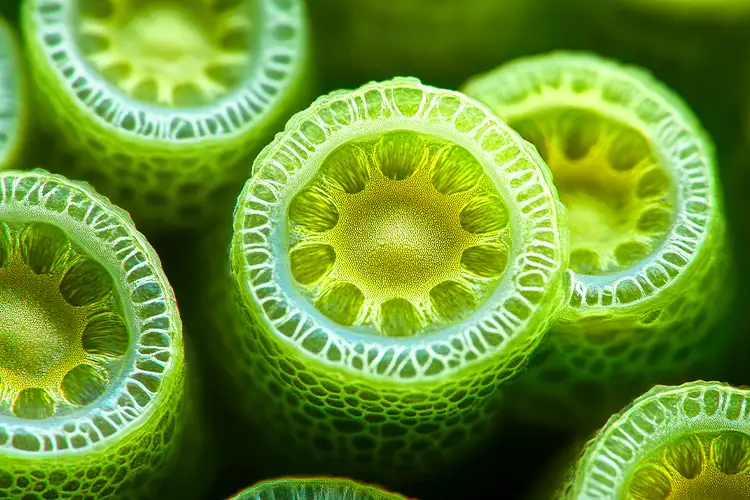
Plant stem cells contain natural growth factors, reduce inflammation, revitalise the scalp, and stimulate cell division. Their antioxidant action protects and nourishes follicles.
Personalised Healing Strategies Using Artificial Intelligence
Not all patients heal the same way. AI can analyse the healing process and create personalised post-operative care. Using big data and genetic profiles, it identifies the ideal nutrients and treatments for rapid regeneration
.
The Dr. Balwi Mesotherapy Kit: Innovation in Healing
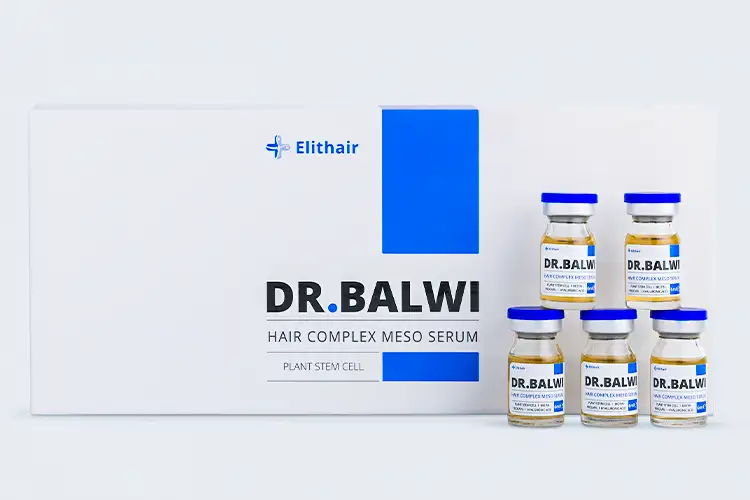
Designed to optimise the post-transplant phase, the Dr. Balwi Mesotherapy kit combines Procapil™, AnaGain™, plant stem cells, Aloe Vera, Biotin and green tea to nourish and revitalise the scalp.
Combined with a dermaroller, the serum stimulates circulation and facilitates the transition of grafts into the growth phase. Regular application promotes long-lasting, dense, and healthy growth of transplanted hair.
Conclusion: Biotechnology, the Key to Faster and More Lasting Results
The success of a transplant doesn’t end with the procedure, and the healing phase is crucial. Thanks to bioactive substances, innovative materials, and regenerative therapies, it is now possible to optimise each stage of the process.
Plant stem cell mesotherapy, as offered in the Dr. Balwi Mesotherapy Kit, represents a natural and powerful approach. For aesthetic results and rapid recovery, these advances are now accessible to everyone.
Elithair’s experts will support and advise you to take your hair transplant to the next level.

Dr. Imad Moustafa
Hair transplant specialist